Key Takeaways (TL;DR)
- Why Go In July: July is peak season for the American road trip – national parks are fully open, mountain passes are clear, and the long days give you maximum daylight to explore. The country divides neatly: head to the mountains and coasts for manageable heat, or embrace the warmth of the South for history and beaches. Either way, the US in July delivers experiences that work only in this specific window.
- Top Places to Visit in the USA in July 2026: Glacier National Park, Jackson Hole & Yellowstone, Cape Cod, San Diego, Asheville, Bar Harbor & Acadia, Traverse City, Portland & Oregon Coast, Rocky Mountain National Park, Charleston.
- Don’t Miss Experience: Standing on the tundra at Trail Ridge Road in Rocky Mountain National Park at 3,700 meters above sea level, watching a herd of elk cross the subalpine meadow below while the Continental Divide stretches in both directions as far as you can see.
- Ideal Trip Length: 10–14 days gives you enough time to combine two or three destinations without rushing. A single park like Glacier or Yellowstone rewards 5–7 days on its own.
- How to Choose the Right Destination: Prioritize the mountain West (Glacier, Yellowstone, RMNP, Oregon) if you want to escape summer heat. Choose the coasts (Cape Cod, Maine, San Diego) for beach-focused travel. The South (Charleston, Asheville) rewards cultural and culinary exploration but requires heat management.
- Recommended Budget Per Person: $70–160/day depending on destination, covering campsite fees, meals, and park entries (excluding RV rental). National parks have entrance fees; buy the America the Beautiful Pass ($80) if visiting two or more.
- Watch Out For: National park timed entry reservation systems – Yellowstone, RMNP, and Acadia all require advance reservations in July. RV size restrictions on key park roads (Going-to-the-Sun Road in Glacier limits vehicles over 21 feet). July 4th creates nationwide campground scarcity; book 3–6 months ahead.
- Where To Stay: Indie Campers RV rentals are the best way to cover the distances between destinations – the US road trip was essentially built around the RV, and July campgrounds at national parks and state parks offer some of the most spectacular overnight locations in the world.
- Best For: Families making the most of school holidays, national park enthusiasts, adventure road trippers, and anyone who’s put off the great American road trip for too long.
Table of Contents
- Top Cities and Regions to Visit in the USA in July 2026: at a Glance
- Best Places to Visit in the USA in July
- What to Pack for a USA RV Road Trip in July
- Expert Tips for July Travel in the USA
- Plan Your July Road Trip with Indie Campers
- Everything You Need to Know: USA RV Road Trips in July
- FAQs
Top Cities and Regions to Visit in the USA in July 2026: at a Glance
| City/Region | State | Vibe | Best For | Top Activities | Avg Temp | Ideal Stay | Crowds | RV-Friendly |
|---|---|---|---|---|---|---|---|---|
| Glacier NP | Montana | Wild & Alpine | Hikers | Going-to-the-Sun Rd, hiking, wildlife | 21°C (70°F) | 5–7 Days | High | Yes |
| Jackson Hole & Yellowstone | Wyoming | Epic & Geothermal | Adventurers | Old Faithful, Grand Teton, rafting | 23°C (73°F) | 5–7 Days | High | Yes |
| Cape Cod | Massachusetts | Coastal & Festive | Beach families | 4th of July, beaches, whale watching | 26°C (79°F) | 4–6 Days | Very High | Mixed |
| San Diego | California | Sunny & Laid-back | All types | Beaches, Balboa Park, craft beer | 27°C (81°F) | 4–6 Days | Moderate | Mixed |
| Asheville | North Carolina | Artsy & Green | Couples & foodies | Blue Ridge Parkway, breweries, hiking | 27°C (81°F) | 3–5 Days | Moderate | Yes |
| Bar Harbor & Acadia | Maine | Rugged & Coastal | Nature lovers | Acadia NP, kayaking, lobster | 24°C (75°F) | 4–6 Days | High | Yes |
| Traverse City | Michigan | Festival & Lakeside | Families | Cherry Festival, beaches, wineries | 26°C (79°F) | 3–5 Days | High | Yes |
| Portland & Oregon Coast | Oregon | Cool & Foodie | Road trippers | Coast drives, Crater Lake, food scene | 24°C (75°F) | 5–7 Days | Moderate | Yes |
| Rocky Mountain NP | Colorado | High Alpine | Hikers/scenery | Trail Ridge Rd, wildflowers, elk | 22°C (72°F) | 4–6 Days | High | Yes |
| Charleston | South Carolina | Historic & Coastal | History buffs | Historic District, beaches, cuisine | 32°C (90°F) | 3–5 Days | Moderate | Mixed |
Best Places to Visit in the USA in July
1. Glacier National Park, Montana
The Vibe
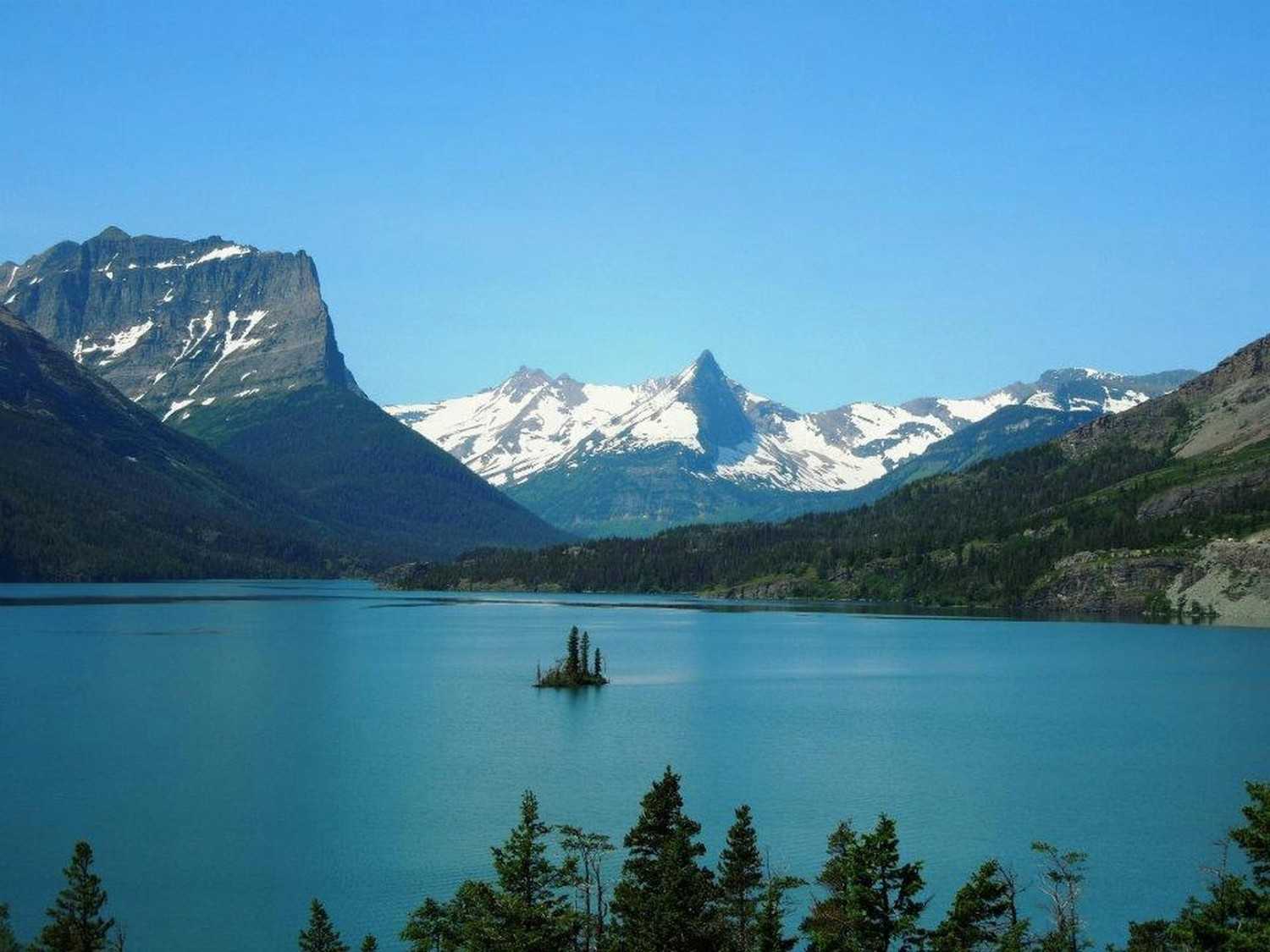
Glacier in July is pure Montana: cold lakes fed by snowmelt, wildflower meadows that look like they belong in a painting, and wildlife around every bend. This is one of the few places in the Lower 48 where you can watch a grizzly bear cross a subalpine meadow in full summer bloom. The park sits on the US–Canada border, and on clear mornings the snow-capped peaks of the Livingston Range reflect in the still water of Lake McDonald with almost absurd perfection.
The culture here is shaped by the Blackfeet Nation, whose ancestral lands border the park to the east. Their name for these mountains is the “Backbone of the World,” and standing on the Continental Divide at Logan Pass, that name makes complete sense.
July is the one month when almost all the park is accessible – the famous Going-to-the-Sun Road typically fully opens by late June and stays clear through the month, making this the prime window for road trippers.
The pace is unhurried but purposeful. Visitors are here to hike, not scroll. Mornings on the trail start early as thunderstorms build most afternoons, and evenings around the campfire smell of pine and wood smoke. It’s a place that demands your full attention and rewards it with some of the most dramatic scenery in North America.
Top Things to Do
Drive the Going-to-the-Sun Road
This 50-mile transmountain road is one of the great American drives. It climbs from the valley floor at Lake McDonald to Logan Pass (2,026 m) and descends to the eastern prairies near St. Mary. In July, cascading waterfalls tumble from the cliffs above the road while wildflowers – beargrass, fireweed, Indian paintbrush – blanket the roadsides. The road is restricted for vehicles over 21 feet between Avalanche Creek and the Sun Point parking area, so plan accordingly if you have a larger rig.
Hike to Grinnell Glacier
This 11-mile round-trip day hike is the most spectacular in the park. The trail climbs from Many Glacier through meadows alive with wildflowers and past turquoise lakes before reaching the glacier itself – one of the park’s remaining 25 named glaciers. July is the best month, when the trail is fully snow-free and the surrounding peaks are still capped in white. Book the boat shuttle across Swiftcurrent Lake to shorten the hike by 2 miles each way.
Wildlife Spotting at Many Glacier
The Many Glacier Valley in the northeast corner of the park is the best spot for wildlife viewing. Grizzly bears emerge from the high country in July to graze on glacier lily bulbs, and mountain goats are frequently spotted on the cliffs above Grinnell Lake. Bring binoculars and plan to spend a slow morning scanning the slopes.
Kayak or Canoe on Lake McDonald
The park’s largest lake sits in a deep valley surrounded by mountains. July water temperatures are still cold (around 10–13°C) but the lake is calm in the mornings before afternoon winds pick up. Rental kayaks and canoes are available at the Lake McDonald Lodge. The colorful rocks visible through the shallow water near the shore are a geological signature found nowhere else.
Hike the Highline Trail
Starting at Logan Pass, this trail traverses the Garden Wall ridge with near-constant views of peaks, valleys, and often mountain goats. The 11.8-mile one-way trail ends at the Loop parking area, where a shuttle returns you to Logan Pass. July offers wildflower displays along the ledge section that rival anything in the alpine world.
Don’t Leave Without…
A huckleberry milkshake from Eddie’s Cafe in Apgar Village – huckleberries are to Montana what lobster is to Maine. Also, if you’re on the eastern side of the park, drive the Chief Mountain International Highway at dawn when the park is quiet and the light hits the peaks at an angle that makes everything look like a Hudson River School painting.
RV Practical Info
- Going-to-the-Sun Road restrictions: Vehicles (including tow vehicles) over 21 feet are not permitted between Avalanche Creek and Sun Point parking area from mid-June through Labor Day. Park at Apgar or St. Mary and take the free park shuttle.
- Campsite reservations: Apgar, Avalanche, Fish Creek, and St. Mary campgrounds require advance reservations through Recreation.gov starting in January. Many Glacier and Two Medicine are more spontaneous but still fill quickly in July.
- Generator hours: Generators allowed only 8–10 AM and 5–8 PM at developed campgrounds.
- Fuel: No fuel inside the park. Fill up in Whitefish, Browning, or Babb before entering.
- Cell coverage: Essentially none inside the park. Download offline maps before arrival.
- Scenic approach: Come from the west via US-2 through the Flathead Valley for stunning views of the Rockies rising from the plains.
Ready to explore Glacier? Rent an RV in Salt Lake City for a classic northern Rocky Mountain road trip.
Who Is It Best For?
- Hikers and backpackers: Peak conditions, fully open trails, and the park’s iconic routes are all accessible.
- Wildlife watchers: July grizzly bear and mountain goat sightings are common in Many Glacier.
- Photographers: Wildflower meadows, snowmelt waterfalls, and perfectly clear mountain lakes.
- Road trippers: Going-to-the-Sun Road is one of the great American drives.
- Not ideal for RVers with rigs over 21 feet who want to drive the full Going-to-the-Sun Road – size restrictions apply on the central section.
Recommended Budget
- Park entrance: $35 per vehicle for 7 days (America the Beautiful Pass covers unlimited entry – worth buying if you plan multiple parks).
- Campgrounds: $25–35 per night for developed sites; $10–15 for primitive sites.
- Meals: $15–25 for casual dining in Whitefish or East Glacier; pack food for inside the park.
- Activities: $30–50 for guided boat tours; $20–40 for kayak/canoe rentals.
- Daily estimate: $60–110 per person, excluding RV rental. July is peak season – book campgrounds months in advance.
2. Jackson Hole & Yellowstone, Wyoming
The Vibe
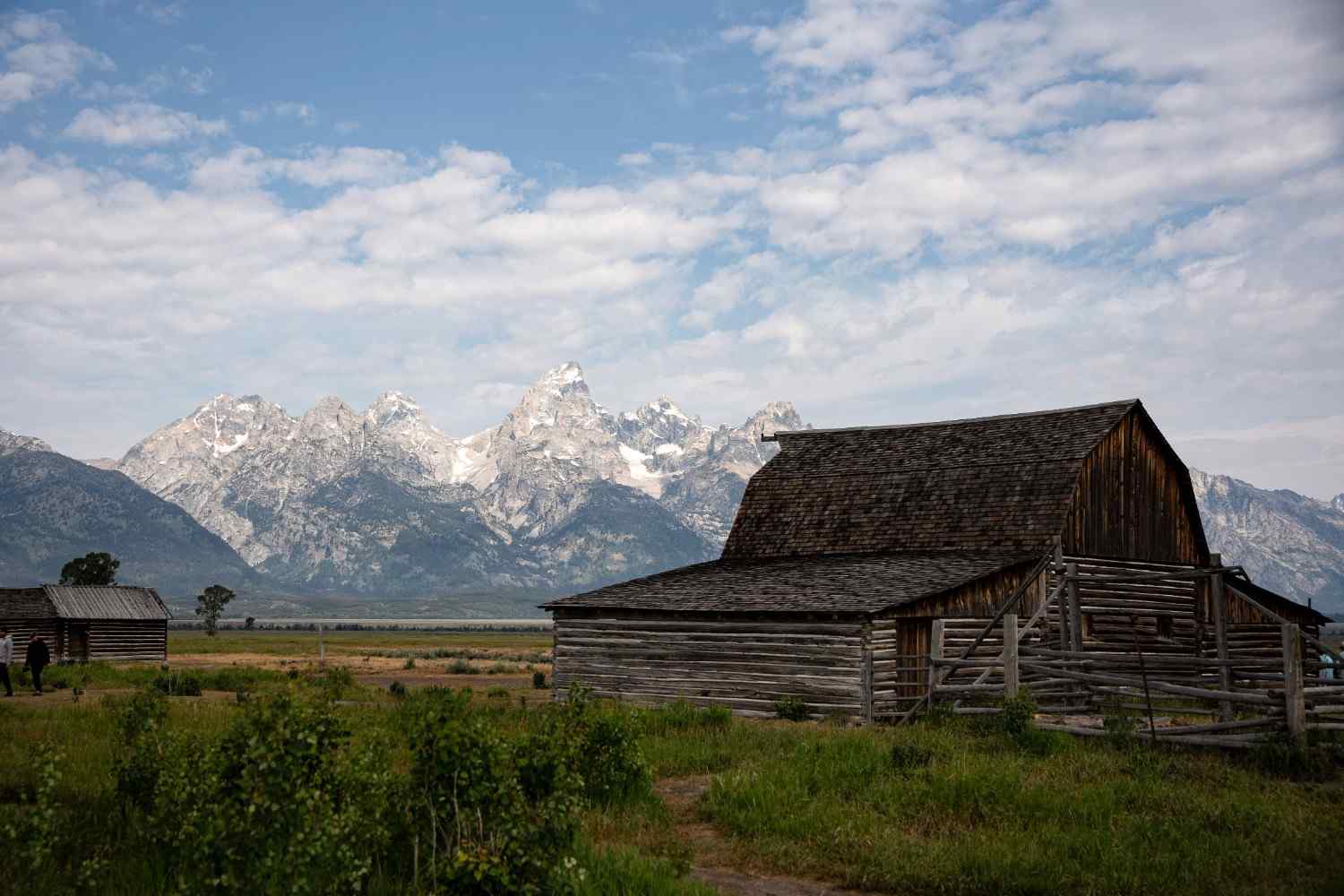
Few places on earth cram this much natural drama into a single region. Jackson Hole is a mountain valley framed by the jagged peaks of the Teton Range – some of the youngest, sharpest mountains in North America, rising almost vertically from the valley floor without the usual foothills buffer.
Grand Teton National Park protects the peaks and the Snake River that threads through the valley, while Yellowstone, just 50 miles north, sits atop the world’s most active supervolcano and contains more than half of all the geothermal features on the planet.
July is when the whole ecosystem is in full swing. Bison calves are several months old and running with the herds, bears are visible across Yellowstone’s Lamar Valley, and the Snake River is running fast with snowmelt – perfect for whitewater rafting.
The town of Jackson has a genuine western character, mixing working ranch culture with upscale restaurants and galleries. It’s a place where you can eat a $60 dinner and then watch real cowboys work cattle the next morning.
The culture of this region is tied to the Greater Yellowstone Ecosystem – the largest intact temperate ecosystem in the Lower 48. Conservation runs deep here, and the landscapes feel alive in a way that’s increasingly rare.
Top Things to Do
Watch Old Faithful and the Yellowstone Geysers
Old Faithful erupts approximately every 90 minutes, sending a column of boiling water 30–55 meters into the air. But it’s only the start. The Upper Geyser Basin contains the highest concentration of geysers on earth, and the Grand Prismatic Spring – an enormous hot spring with rings of brilliant orange, yellow, and green caused by heat-tolerant bacteria – is one of the most photographed spots in the country. July light in the late afternoon makes the steam columns glow.
Wildlife Safari in Lamar Valley
Known as the “Serengeti of North America,” Lamar Valley in the northeast corner of Yellowstone is the best wolf-watching location in the US. Pull-outs line the road at dawn and dusk, filled with visitors and park staff scanning the hillsides with spotting scopes. In July, wolf pups are often visible near den sites, bison herds fill the valley floor, and grizzlies are frequently spotted on the slopes above.
Snake River Whitewater Rafting
Several outfitters in Jackson run half-day whitewater trips through the Snake River Canyon, just south of town. July snowmelt keeps the river running fast and the rapids exciting. Guided half-day trips cost around $60–90 per person. For a calmer option, scenic float trips through Grand Teton National Park offer wildlife viewing from the water.
Hike in Grand Teton National Park
The Teton Range offers exceptional day hikes with immediate payoff. Cascade Canyon is the park’s most popular trail, climbing from Jenny Lake into a dramatic U-shaped valley between the peaks. The Paintbrush–Cascade Canyon loop (19 miles) is a full-day or multi-day classic. July is the prime window when snow has cleared from lower elevations and wildflowers are at peak bloom.
Mormon Row and the Grand Teton Scenic Drive
The Teton Park Road and Antelope Flats Road pass through the valley with the Teton Range as a constant backdrop. Mormon Row – a historic homestead district with weathered old barns – provides the most iconic Teton photograph in existence, with the jagged peaks rising directly behind 1890s structures. At dawn, when mist fills the sagebrush flats, it’s extraordinary.
Don’t Leave Without…
A buffalo burger at one of Jackson’s western-style restaurants and a drive through Hayden Valley at dusk when the bison herds are moving and the valley glows in the late light. If timing allows, the night sky above Lamar Valley – with zero light pollution – is among the most spectacular in the continental US.
RV Practical Info
- Yellowstone campgrounds: Madison, Grant Village, and Bridge Bay require advance reservations through Recreation.gov. Norris, Tower Fall, and Indian Creek operate first-come, first-served – arrive before 8 AM in July.
- Grand Teton campgrounds: Signal Mountain and Jenny Lake require reservations; Gros Ventre is larger and more spontaneous but still fills by noon in July.
- RV size limits: No size restrictions on most Yellowstone roads, but Firehole Lake Drive and some side roads have low clearance. Check the park map before heading out.
- Fuel: Available at Old Faithful, Canyon, Grant Village, and Fishing Bridge inside Yellowstone. Fill up at the first opportunity.
- Wildlife jams: “Bison jams” are common – never leave your vehicle near bison and stay in your RV if a herd crosses the road.
Ready for one of the great American road trips? Rent an RV in Salt Lake City or Denver and drive north through the Rockies to Yellowstone country.
Who Is It Best For?
- Wildlife enthusiasts: The Greater Yellowstone Ecosystem offers the most accessible large-mammal viewing in North America.
- First-time western visitors: Yellowstone and Grand Teton together deliver the definitive American West experience.
- Families: Geysers, hot springs, and wildlife are endlessly engaging for all ages.
- Adventure seekers: Rafting, hiking, and climbing options are all at their peak in July.
Recommended Budget
- Park entrance: $35 per vehicle, valid for 7 days and covers both Yellowstone and Grand Teton.
- Campgrounds: $30–50 per night for sites with hookups; $25–35 for basic sites.
- Meals: $15–30 in Jackson town; $12–20 at park cafeterias.
- Activities: $60–90 for rafting; $20–40 for guided wildlife tours.
- Daily estimate: $80–140 per person, excluding RV rental.
3. Cape Cod, Massachusetts
The Vibe
Cape Cod in July is summer as New England imagines it: shingled cottages, lobster rolls eaten at picnic tables by the water, the smell of sunscreen and salt air, and the Fourth of July celebrated with the kind of small-town fireworks displays that feel genuinely American. The Cape is a 65-mile peninsula curling into the Atlantic south of Boston, with the glacially deposited white sand beaches of the National Seashore on its ocean side and calmer bay beaches on the inland shore.
The culture here is layered. Old fishing villages like Wellfleet and Truro have an artistic heritage stretching back to Edward Hopper and the Provincetown art colony. Provincetown itself – “P-town” – sits at the very tip of the Cape and is one of the most vibrant and welcoming communities in New England.
The region has also been shaped by the Wampanoag people, whose tribal homelands include much of the Cape and whose cultural presence is recognized at several heritage sites.
July is peak season and the Cape knows it. Route 6 can slow to a crawl on summer Fridays, beach parking fills by 9 AM, and seafood shacks have lines out the door. None of this is a reason to avoid it – the energy is part of what makes it feel like summer.
Top Things to Do
Fourth of July on Cape Cod
Chatham’s Fourth of July parade and fireworks are among the most celebrated in New England. Wellfleet, Falmouth, and Provincetown all host their own celebrations. The week surrounding the holiday sees the Cape at its most festive – outdoor concerts, clambakes, and packed beaches. Book campgrounds and RV parks 4–6 months in advance if your trip overlaps with the holiday.
Cape Cod National Seashore
Forty miles of protected ocean-facing beaches including Coast Guard Beach (consistently ranked among the best in the US), Nauset Light Beach, and Race Point at the very tip of the Cape. The water is colder than southern beaches (17–20°C) but the surf, dunes, and clarity are exceptional. The National Seashore also protects freshwater kettle ponds perfect for swimming on hot afternoons.
Whale Watching from Provincetown
Humpback whales feed in Stellwagen Bank National Marine Sanctuary, just 7 miles from Provincetown Harbor. July is peak whale-watching season, and naturalist-led tours from Dolphin Fleet and Portuguese Princess regularly deliver close-up encounters. Three-hour boat trips cost $50–60 per adult. Go early in the morning for the calmest seas.
Cycling the Cape Cod Rail Trail
This 25-mile paved trail runs from Dennis to Wellfleet through pine forests, past kettle ponds, and into the heart of the National Seashore. Bicycle rentals are available at multiple points along the trail. July mornings are the best time – cool enough to ride comfortably before beach heat sets in.
Clam Digging and Shellfish
Several Cape towns sell recreational shellfish permits, allowing visitors to dig their own quahogs and steamers from the tidal flats. It’s inexpensive ($10–20 for a day license), hands-on, and deeply local. Ask at town halls in Wellfleet or Eastham. The same towns host oyster farms that offer tours.
Don’t Leave Without…
A proper New England clam chowder (the thick, creamy kind – no tomatoes) and a whole steamed lobster. Lobster prices in July are typically lower than in summer resort areas because the Cape has direct access to the boats. Eating at a picnic table by the water with paper bibs and wooden mallets is the only correct format.
RV Practical Info
- Roads: Route 6 is the main highway and handles RVs well. Side roads in village centers can be narrow – park at the campground and walk or cycle.
- Campgrounds: Nickerson State Park in Brewster is the Cape’s best public campground (reservation essential from January). Shady Knoll Campground (Brewster) and Atlantic Oaks (Eastham) are strong private options.
- Beach parking: No RV parking at National Seashore beaches. Park at the campground and use the park shuttle or cycle in.
- Fourth of July: Traffic is severe July 3–5. Arrive before Thursday or after Monday. Campsites near Provincetown sell out by February.
- Hookups: Full hookup sites are available at several private campgrounds in Eastham, Wellfleet, and Truro.
Ready to experience New England summer? Rent an RV in Boston and head south to the Cape for the classic Atlantic coast road trip.
Who Is It Best For?
- Families: Safe beaches, whale watching, and the Fourth of July create the definitive family summer experience.
- Beach lovers: The National Seashore’s ocean beaches are among the best on the East Coast.
- Foodies: Lobster, oysters, clam chowder, and fried clams are all exceptional and available everywhere.
- First-timers to New England: The Cape delivers the essence of the region in one accessible peninsula.
Recommended Budget
- Campgrounds: $35–55 per night at state park sites; $45–70 at private full-hookup parks in July.
- Meals: $20–35 for a lobster roll or full clambake; $12–20 for casual dining.
- Activities: $50–60 for whale watching; $20–30 per day for bicycle rentals; $10–20 for shellfish permits.
- Daily estimate: $90–150 per person, excluding RV rental. Fourth of July week commands premium pricing across the board.
4. San Diego, California
The Vibe
San Diego in July has weather that the rest of the country fantasizes about. While the Southwest bakes in triple-digit heat and the East Coast swelters in humidity, San Diego sits at 27°C on the coast with low humidity and reliable afternoon sea breezes.
The city has a relaxed, outdoor-first culture shaped by its year-round sunshine, military heritage, proximity to the US–Mexico border, and one of the most walkable downtowns in California.
The neighborhoods each have a distinct character: North Park for craft beer and independent restaurants, Ocean Beach for a mellow surf culture that hasn’t changed much since the 1970s, La Jolla for upscale dining with harbor seals on the beach below the restaurants, and the Gaslamp Quarter for nightlife. Balboa Park – larger than New York’s Central Park – sits in the middle of the city and houses 17 museums, gardens, and the San Diego Zoo.
The coastline runs 70 miles. July brings the infamous marine layer, which burns off by 10–11 AM most days and leaves behind clear, warm afternoons. It’s a city that rewards people who like to eat well, drink craft beer, and be outside without sweating.
Top Things to Do
San Diego Zoo and Safari Park
The San Diego Zoo is consistently ranked among the best in the world, with naturalistic exhibits and breeding programs for endangered species. The separate San Diego Safari Park in Escondido offers open-air enclosures where animals roam across large spaces. Both are best visited early in the morning before the midday heat – animals are more active and crowds are lighter.
La Jolla Cove and Pacific Beach
La Jolla Cove is a protected marine reserve where harbor seals and California sea lions lounge on the rocks below the cliffs, indifferent to the swimmers and snorkelers alongside them. Pacific Beach and Mission Beach offer a classic California boardwalk experience with rental bikes, beach bars, and consistent small waves. Water temperatures in July reach 19–21°C – cold enough to be refreshing, warm enough for extended swimming.
Balboa Park
This 1,200-acre park in the heart of the city is the cultural center of San Diego. The Spanish Colonial Revival architecture of the museums is spectacular in its own right. In July, the park hosts free Sunday afternoon organ concerts at the outdoor Spreckels Organ Pavilion, a tradition running since 1914.
Craft Beer Trail
San Diego has more craft breweries per capita than almost any city in the US. The tasting rooms in North Park, South Park, and Mission Valley are alive on July weekends. Stone Brewing’s Liberty Station location, AleSmith, and Ballast Point are nationally recognized, but the smaller neighborhood spots are where the real San Diego beer culture lives.
Torrey Pines State Reserve
This coastal park north of La Jolla preserves the last wild grove of Torrey pines – a species that grows only here and on Santa Rosa Island. Trails wind through chaparral to clifftop viewpoints over the Pacific. The light in the late afternoon turns the eroded sandstone cliffs a deep amber. One of the few wild places left within the San Diego city limits.
Don’t Leave Without…
Fish tacos from a taqueria in Ocean Beach or City Heights – San Diego’s relationship with Baja California cuisine is real and deep, and the best fish tacos in California are found here. Also, the view from Sunset Cliffs Natural Park at sunset – the cliffs drop straight to the ocean and the light on a clear July evening is genuinely dramatic.
RV Practical Info
- Campgrounds: Campland on the Bay (Mission Bay) is the best located RV park – full hookups, access to the bay, and bike-friendly paths to the beach. Santee Lakes and Rancho Los Coches are alternatives further inland with lower prices.
- Driving: Freeways are manageable outside rush hours (7–9 AM, 4–7 PM). Avoid I-5 through downtown on weekend afternoons.
- Beach parking: Most beach lots fill by 9 AM in July. Cycle from the campground rather than driving.
- Low-emission zone: California requires vehicles to meet certain emissions standards. Check compliance before booking.
- One-way option: Pick up in Los Angeles and drive south via the PCH to San Diego for one of California’s great coastal drives.
Ready to explore Southern California? Rent an RV in San Diego or pick up in Los Angeles and drive the Pacific Coast Highway south.
Who Is It Best For?
- All traveler types: San Diego works for families, couples, solo travelers, and groups.
- Beach lovers: 70 miles of coastline with reliable July weather.
- Foodies and craft beer enthusiasts: One of the strongest food and drink scenes in California.
- Zoo visitors and families: The San Diego Zoo is a genuine world-class attraction.
Recommended Budget
- Campgrounds: $65–90 per night at Campland on the Bay; $35–55 at inland parks.
- Meals: $12–20 for casual dining and taquerias; $35–60 for sit-down restaurants.
- Activities: $60–80 for San Diego Zoo; free for beaches, Balboa Park gardens, and Torrey Pines.
- Daily estimate: $90–160 per person, excluding RV rental.
5. Asheville, North Carolina
The Vibe
Asheville is a mountain city that punches well above its population of 94,000. It sits at 650 meters in the Blue Ridge Mountains and as a result enjoys July temperatures that average 27°C – warm, but noticeably cooler than the surrounding lowlands and without the oppressive humidity of coastal North Carolina.
The city has evolved over the past two decades into one of the most artistically active small cities in the South, with a downtown packed with craft breweries, independent galleries, chef-driven restaurants, and live music venues.
The culture here is a genuine mix: old Appalachian tradition (fiddle music, folk crafts, Cherokee heritage to the south in the Qualla Boundary) alongside a progressive, arts-oriented newer population that has built one of the most impressive independent restaurant and brewery scenes in the Southeast. The result is a city that feels distinctly itself rather than like a generic “cool mountain town.”
The surrounding Blue Ridge Parkway – a 469-mile scenic road running from Shenandoah to Great Smoky Mountains – passes directly through Asheville’s backyard. In July, the parkway is at its greenest, and the wildflower meadows at higher elevations are in full bloom.
Top Things to Do
Drive the Blue Ridge Parkway
The Blue Ridge Parkway has no commercial traffic, no stoplights, and a 45 mph speed limit designed for scenic driving. In July, the overlooks above Asheville reveal rolling mountain ridges covered in dense hardwood forest that turn hazy blue in the afternoon – the phenomenon that gives the Blue Ridge its name. Craggy Gardens (30 minutes north of Asheville) peaks with rhododendron blooms in late June and early July, covering the high ridge in pink.
Biltmore Estate
George Vanderbilt’s 8,000-acre estate and 250-room French Renaissance chateau is the largest private home ever built in the US. In July, the grounds are in full summer bloom and the winery is running daily tastings. The estate was completed in 1895 and contains furniture, art, and architectural details essentially unchanged since. Book tickets in advance; July is busy.
Asheville Craft Brewery Trail
Asheville has more breweries per capita than almost any city in the US. The South Slope neighborhood – Burial Beer, Hi-Wire, Wicked Weed, and Catawba are all within walking distance. July means outdoor patios are in full swing and many breweries host live music on weekend evenings.
Hiking in Pisgah National Forest
The Pisgah Ranger District, southwest of Asheville, offers exceptional waterfall hiking. Looking Glass Falls is roadside and stunning; Sliding Rock is a natural water slide into a cold pool – genuinely one of the best things in the South in July. The Black Balsam Knob trail above the parkway offers open balds with 360-degree views at 1,860 meters, a breezy escape from valley heat.
River Arts District
The industrial corridor along the French Broad River has been converted into working studio spaces for over 200 artists. July open studios happen regularly on weekends. It’s a genuine arts district – many artists work in ceramics, textiles, painting, and woodworking and are happy to talk about their process.
Don’t Leave Without…
A visit to the Saturday morning farmers market at the Western North Carolina Farmers Market for Appalachian-grown produce: Cherokee purple tomatoes, candy roaster squash, fresh sorghum syrup. Then an evening meal at one of Asheville’s chef-driven restaurants where many of those same ingredients appear on the menu. The farm-to-table circuit here is real and close.
RV Practical Info
- Blue Ridge Parkway: No hookups along the parkway itself, but Linville Falls Campground and Mount Pisgah Campground offer basic sites. No entry fees on the parkway.
- City campgrounds: French Broad River Campground and Asheville West KOA are the best options with full hookups, located 10–15 minutes from downtown.
- Driving: Downtown Asheville has no RV parking on-street. Park at the campground and drive a smaller vehicle or cycle in.
- Weather: Afternoon thunderstorms are common in July – plan hikes for morning.
Ready to explore the Blue Ridge? Rent an RV in Atlanta or pick up in Nashville for a mountain road trip through western North Carolina.
Who Is It Best For?
- Couples: Romantic mountain scenery, good restaurants, and wine at Biltmore make it a strong couples destination.
- Foodies and craft beer lovers: The independent food and brewery scene is genuinely excellent.
- Hikers: Pisgah National Forest and the Blue Ridge Parkway offer world-class trail access.
- Road trippers: Asheville works perfectly as a base for exploring both the parkway and Smoky Mountains.
Recommended Budget
- Campgrounds: $40–65 per night with full hookups near the city.
- Meals: $15–25 for casual dining; $40–70 for chef-driven restaurants.
- Activities: $30–60 per person for Biltmore entry; free hiking on Blue Ridge Parkway.
- Daily estimate: $70–120 per person, excluding RV rental.
6. Bar Harbor & Acadia National Park, Maine
The Vibe
Bar Harbor sits on Mount Desert Island off the coast of Maine, and Acadia National Park wraps around much of it. The combination delivers something rare in July: a destination with genuine summer weather (daytime highs of 24°C, low humidity) that manages to feel remote and wild.
This is the only national park in the Northeast, and it protects a granite coastline where the cold Atlantic crashes against pink granite headlands, tidal pools teem with sea stars and anemones, and peregrine falcons nest on the sea cliffs above the village.
Bar Harbor itself is a well-preserved Victorian resort town that has been receiving summer visitors since the Gilded Age – Rockefellers, Fords, and Carnegies all had cottages here. The town retains that refined character while being genuinely welcoming. The working waterfront, where lobster boats pull up each morning, gives it an authenticity that resort towns often lose.
Maine’s lobster industry is centered on this stretch of coast, and the lobster here is simply the best in the world. Pulled from cold water, bought at the dock, and eaten same-day with drawn butter is not a cliché – it’s the correct way to eat it.
Top Things to Do
Cycle the Carriage Roads
John D. Rockefeller Jr. donated 45 miles of broken-stone carriage roads through the park, designed exclusively for horses, hikers, and cyclists – no motor vehicles allowed. In July, the roads wind through wildflower meadows and past mountain ponds, connecting 17 stone bridges of different designs. Bicycle rentals are available in Bar Harbor.
Sunrise at Cadillac Mountain
From October through March, Cadillac Mountain is the first place in the United States to receive sunlight. The summit – accessible by road or via the demanding North Ridge Trail – offers one of the finest views on the East Coast: a panorama of islands, ocean, and forest stretching in every direction. A timed entry reservation is required to drive the summit road in summer (book via Recreation.gov weeks in advance).
Sea Kayaking from Bar Harbor
The sheltered waters between Mount Desert Island and the Porcupine Islands provide perfect conditions for sea kayaking. Multiple outfitters offer 3-hour guided tours (around $55 per person) that explore sea caves, paddle past seals hauled out on rocks, and visit quiet coves inaccessible by land. July is the most reliable month for calm conditions.
Hiking the Precipice and Beehive Trails
Acadia’s iron-rung ladder trails are genuinely exciting. The Precipice Trail on Champlain Mountain uses iron rungs and ladders bolted to exposed cliff faces to climb 350 meters in under a mile. The Beehive is shorter but equally dramatic. Both open in July after peregrine falcon nesting season ends.
Lobster at the Dock
Eat lobster at Thurston’s Lobster Pound in Bernard or Trenton Bridge Lobster Pound before you reach the island bridge. These are working seafood shacks with outdoor tables, plastic trays, and lobsters pulled from the tank to order. A whole 1.5-pound lobster with corn and coleslaw costs $30–40 and is a direct connection to the industry that has defined this coast for centuries.
Don’t Leave Without…
A blueberry cream pie from Little Notch Bakery in Southwest Harbor – Maine wild blueberries are smaller and more intensely flavored than commercial varieties and are in peak season from mid-July. Also, the Ocean Path walk from Sand Beach to Otter Cliff at golden hour, when the granite headlands turn pink and the light on the Atlantic has the particular quality that painters have been chasing for 200 years.
RV Practical Info
- Campgrounds: Blackwoods and Seawall require advance reservations (Recreation.gov). Schoodic Woods campground on the quieter Schoodic Peninsula has electric hookups.
- Cadillac Mountain road: Timed entry required for vehicles. RVs over 20 feet cannot access the summit road – park in the village and take a tour vehicle or hike.
- Bar Harbor village: No RV parking in the village center. Park at the campground and take the Island Explorer shuttle bus (free) into town.
- Island Explorer: A free propane-powered bus system covering all major park destinations – use it as primary transportation once camp is set up.
- Narrow roads: Some side roads on Mount Desert Island are tight for larger rigs. Stay on Route 3 and the main park road loops.
Ready to explore the Maine coast? Rent an RV in Boston for a New England road trip north through the coastline to Acadia.
Who Is It Best For?
- Nature lovers: Acadia’s combination of mountain, forest, and coast is unusual and exceptional.
- Hikers: The iron-rung trails offer a style of hiking found almost nowhere else in the eastern US.
- Couples: Bar Harbor has a romantic Victorian resort character and the seafood dinners are outstanding.
- Families: The Island Explorer bus, carriage road cycling, and tidal pool exploration are all family-friendly.
Recommended Budget
- Park entrance: $35 per vehicle for 7 days.
- Campgrounds: $30–45 per night at developed sites; $25–35 for non-hookup sites.
- Meals: $30–40 for a lobster dinner; $15–25 for casual dining.
- Activities: $55 for guided kayaking; free for cycling and most hiking.
- Daily estimate: $80–140 per person, excluding RV rental. Campsite reservations open 6 months in advance.
7. Traverse City, Michigan
The Vibe
Traverse City sits at the base of Grand Traverse Bay in northwestern Michigan, surrounded by cherry orchards, vineyards, and the freshwater beaches of Lake Michigan.
The city of 15,000 expands dramatically in July when the National Cherry Festival – one of the oldest and most attended food festivals in the US – fills the waterfront for the first week of the month. Outside festival week, it’s a remarkably livable small city with a food and wine culture well out of proportion to its size.
The geography here is exceptional. The Leelanau and Old Mission Peninsulas jut north into the bay, creating a micro-climate moderated by the Great Lakes that allows wine grapes and cherries to thrive at a latitude where you wouldn’t expect them. The bay waters warm to 22–24°C by late July – perfect for swimming – and the freshwater beaches of Sleeping Bear Dunes National Lakeshore, 30 miles southwest, are among the most beautiful in the country.
The culture is Midwest hospitable with a genuine foodie edge. Farm-to-table restaurants, a thriving winery scene (Leelanau and Old Mission are Michigan’s two wine appellations), and a craft brewing scene have transformed what was once primarily a cherry-farming town into one of the Upper Midwest’s most appealing summer destinations.
Top Things to Do
National Cherry Festival (Early July)
The National Cherry Festival has been running since 1925 and draws 500,000 visitors over eight days in early July (typically July 4–11). Events include a major air show (featuring the US Navy Blue Angels in many years), a Grand Traverse pie-eating contest, cherry orchard tours, live music, and a parade. The festival is free to enter, with individual events ticketed separately. Book campgrounds months in advance for festival week.
Sleeping Bear Dunes National Lakeshore
Pierce Stocking Scenic Drive winds through the park and culminates at a clifftop overlook 130 meters above Lake Michigan. The dune climb – steep, sandy, and relentless – takes most people 30–40 minutes up and becomes a sprint back down. The reward is one of the most dramatic freshwater views in the world. The freshwater beaches below the dunes are, by general consensus, some of the finest beaches in the country.
Wine Trail on Leelanau Peninsula
Over 25 wineries line the roads of the Leelanau Peninsula north of Traverse City. July is before harvest but the tasting rooms are all open, most with outdoor terrace seating with views over the vineyards and bay. Black Star Farms, Chateau Fontaine, and Shady Lane Cellars are among the best.
Kayak the Platte River
The Platte River runs through Sleeping Bear Dunes National Lakeshore and empties into Lake Michigan. It’s a flat, clear, easy river popular for tubing and kayaking – perfect for families and casual paddlers. Several outfitters offer tube and kayak rentals ($15–25 per person) and shuttle service. The river passes through dense cedar forest and emerges onto a wide, sandy beach at the lake.
Outdoor Concert at Interlochen
Interlochen Arts Academy, 15 miles southwest of Traverse City, hosts public concerts by its student orchestras and visiting artists throughout July. The outdoor amphitheater performances are inexpensive ($15–30) and the setting – a birch and pine forest – is genuinely magical on a warm July evening.
Don’t Leave Without…
A cherry-infused everything experience during festival week: cherry pie, cherry salsa, Traverse City cherry whiskey, and Moomers Homemade Ice Cream’s cherry chocolate chip on a waffle cone. Also, the Empire Bluffs Trail in Sleeping Bear Dunes for the sunset view over Lake Michigan that has inspired a thousand Michigan license plates.
RV Practical Info
- National Cherry Festival: RV sites within 30 miles of Traverse City sell out by February for festival week. Book Holiday Park Campground or Traverse City State Park at least 3 months ahead.
- Sleeping Bear Dunes: D.H. Day Campground and Platte River Campground are inside the park; reservations via Recreation.gov. No hookups at either.
- Roads: M-22 along the Leelanau Peninsula is one of the great scenic drives in the Midwest – winding and narrow in places but well-maintained.
- City access: Front Street in Traverse City has no RV parking. Use the campground and bike or drive a smaller vehicle into town.
Ready to experience the Great Lakes? Rent an RV in Chicago and drive north through Michigan to Traverse City for the Cherry Festival.
Who Is It Best For?
- Families: The Cherry Festival, Sleeping Bear Dunes, and Platte River tubing are all family hits.
- Wine and food enthusiasts: The peninsula wine trail and farm-to-table restaurant scene are genuinely strong.
- Beach lovers: Freshwater beaches with turquoise water and white sand rival many ocean destinations.
- Festival-goers: The Cherry Festival is a genuine regional institution with something for every age.
Recommended Budget
- Campgrounds: $35–55 per night at state park and private sites; higher during Cherry Festival week.
- Meals: $15–30 for casual dining; $35–60 for chef-driven restaurants.
- Activities: $20–30 for wine tasting; $15–25 for river kayak/tube rental; free entry to Sleeping Bear Dunes.
- Daily estimate: $70–120 per person, excluding RV rental.
8. Portland & the Oregon Coast
The Vibe
Portland in July is the city at its best. The Pacific Northwest’s famous rain gives way to clear skies, temperatures of 24–27°C, long days, and outdoor markets, food carts, and craft breweries operating at full capacity.
The city has a genuine counterculture character – a well-worn commitment to weirdness, local business, outdoor recreation, and food quality that has survived the waves of tech-industry arrivals.
The Oregon Coast, 90 minutes west of the city, is a different world: rugged basalt headlands, sea stacks rising from the surf, and beaches that are frequently windy, often foggy in the morning, and rarely warm enough for swimming (the water temperature sits around 13°C). But as a place to walk, photograph, and experience the raw power of the Pacific, it’s extraordinary.
The combination of city and coast makes this region one of the best road trip destinations in the US. Drive west from Portland into the Columbia River Gorge, south along the coast on US-101, inland to Crater Lake, and back north through the Willamette Valley wine country – it’s a natural 7–10 day loop that covers an exceptional range of landscapes.
Top Things to Do
Drive the Oregon Coast on US-101
The Pacific Coast Highway through Oregon is one of the great American drives. Cannon Beach (with Haystack Rock rising 72 meters from the surf) and the Three Capes Scenic Route through Pacific City and Cape Kiwanda are the highlights of the northern coast. South of Florence, the Oregon Dunes National Recreation Area – the largest coastal dunes in North America – offers ATV rentals and hiking across shifting sand hills above the ocean.
Crater Lake National Park
A 3.5-hour drive south of Portland, Crater Lake is the deepest lake in the US and has a water clarity so extreme that it appears an almost supernatural shade of blue. The 33-mile rim drive circles the caldera with views over the impossibly blue water. July is the prime month – the rim road is typically fully open after mid-July when the last of the heavy winter snow clears.
Portland’s Food Cart Scene
Portland has over 500 food carts, organized into outdoor “pods” across the city. They represent some of the most innovative, affordable food in the US – from Ethiopian injera to Vietnamese banh mi to elevated American comfort food. July evenings, eating at outdoor tables while cycling between carts, is as Portland as it gets.
Columbia River Gorge
The Historic Columbia River Highway east of Portland passes Multnomah Falls (the second-tallest year-round waterfall in the US) and several other dramatic cascades. In July, the wildflowers on the basalt hillsides above the gorge are in bloom. The Vista House at Crown Point offers a panoramic view of the gorge that rivals anything in the national park system.
Willamette Valley Wine Country
Oregon’s primary wine region, 30–60 miles south of Portland, grows some of the finest Pinot Noir outside of Burgundy. The Dundee Hills and Ribbon Ridge sub-appellations are the most celebrated. July tasting rooms are busy but not overwhelmed; harvest doesn’t begin until September. Adelsheim, Domaine Drouhin Oregon, and Sokol Blosser all offer well-regarded tours and tastings ($20–40).
Don’t Leave Without…
A morning at the Portland Saturday Market under the Burnside Bridge, where local artists sell crafts and food carts operate alongside them. It’s been running since 1974 and captures something genuine about Portland’s craft and small-business culture. Also, the view from Cape Perpetua Overlook on the central Oregon coast at sunset, when the Pacific stretches to the horizon and old-growth Sitka spruce fills the canyon below.
RV Practical Info
- Portland campgrounds: Jantzen Beach RV Park (north of downtown) and Pheasant Ridge RV Park (Newberg, in wine country) are the best options. No RV camping inside the city.
- Oregon coast: Cape Lookout State Park, Beverly Beach, and Honeyman campgrounds are well-run with full hookups. Reserve through Oregon State Parks; July sites go fast.
- Crater Lake: Mazama Campground inside the park has electric hookups and is the only park campground. Reservations through Recreation.gov are essential in July.
- Coast driving: US-101 is two-lane and scenic but handles RVs well. Pullouts are frequent. Some steep grades and tight turns between Cannon Beach and Tillamook.
- Wild camping: Dispersed camping is allowed in some Deschutes National Forest areas east of the Cascades. Check the forest service website for current July fire restrictions.
Ready for the Pacific Northwest? Rent an RV in Portland or Seattle and head south along the Oregon Coast for one of the great American road trips.
Who Is It Best For?
- Road trippers: The natural loop from Portland – coast, Crater Lake, wine country – is a perfect self-contained itinerary.
- Foodies: Portland’s food cart culture and the Willamette Valley wine scene are both exceptional.
- Photographers: Haystack Rock, Crater Lake, and Multnomah Falls are among the most photogenic spots in the US.
- Nature lovers: Old-growth forest, volcanic landscapes, and the most dramatic coastline in the Lower 48.
Recommended Budget
- Campgrounds: $35–55 per night at Oregon State Parks; $30–45 at national forest sites.
- Meals: $10–20 for food cart dinners in Portland; $30–50 for sit-down restaurants.
- Activities: $35 for Crater Lake vehicle entry (7 days); $20–40 for wine tasting; free beaches.
- Daily estimate: $70–120 per person, excluding RV rental.
9. Rocky Mountain National Park, Colorado
The Vibe
Rocky Mountain National Park sits just 65 miles northwest of Denver, but it might as well be another planet. The park protects 415 square miles of alpine terrain, including Trail Ridge Road – the highest continuous paved highway in the US, crossing the Continental Divide at 3,713 meters above sea level.
In July, the subalpine meadows below the road are carpeted in wildflowers (yellow glacier lilies, purple columbine, white marsh marigold) and the tundra at the summit is alive with fat marmots and ptarmigan that are completely indifferent to people.
The park is divided by the Divide. The east side, anchored by the town of Estes Park, is more visited and accessible. The west side, centered on Grand Lake, is quieter, greener, and sees more elk in the meadows. Both sides connect via Trail Ridge Road, which is typically fully open by mid-June and stays open through October.
Estes Park at the east entrance has the mountain town atmosphere you’d expect – gear shops, fudge shops, elk wandering downtown – but it’s genuine enough and the gateway to one of the most accessible alpine landscapes in the country.
Top Things to Do
Drive Trail Ridge Road
This 48-mile road crosses the Continental Divide and reaches 3,713 meters at its highest point. Above tree line, the alpine tundra is crossed by a boardwalk trail from the Alpine Visitor Center that allows up-close access to this fragile ecosystem. Pull-outs along the road offer views of glacial valleys, snow cornices, and on clear days, a horizon stretching across hundreds of miles of Rocky Mountain terrain.
Hike to Emerald Lake
This 3.5-mile round-trip trail from Bear Lake is the park’s most popular hike and with good reason. The trail passes Nymph Lake (lily pads) and Dream Lake (classic Rockies reflection) before reaching Emerald Lake, where snowmelt-cold water sits at the base of Hallett Peak and Flattop Mountain. Crowds peak between 9 AM and 2 PM – go at 7 AM or after 4 PM.
Wildlife Viewing at Horseshoe Park and Moraine Park
Both valleys offer exceptional wildlife viewing in July. Elk are visible in the meadows in the early morning and at dusk. Coyotes hunt voles in the tall grass. The park’s bighorn sheep are often visible on the rocky slopes above Horseshoe Park. Bring binoculars.
Hike to Sky Pond
This 8.5-mile round-trip trail climbs from Glacier Gorge Junction to a series of alpine lakes, passing Timberline Falls and a narrow ledge trail to reach Sky Pond at 3,437 meters – one of the most dramatic destinations in the park. The last section involves scrambling over wet rocks; poles are helpful.
Wild Basin and Calypso Cascades
The Wild Basin area in the southeastern corner receives a fraction of the crowds of the Bear Lake corridor. The 3.3-mile round-trip to Calypso Cascades passes through dense forest and along a tumbling creek with multiple waterfalls. The trail continues to Ouzel Falls for those wanting a longer option.
Don’t Leave Without…
A morning on Trail Ridge Road before the clouds build – by noon most days in July, the summit area is socked in with afternoon thunderstorms. Leaving the campground by 7 AM puts you on the tundra in clear light before the weather turns. Also, an elk-spotting session in Moraine Park at dusk, when the light goes golden and the elk move into the meadow – free, requires no permit, and one of the most reliably spectacular wildlife experiences in the US.
RV Practical Info
- Timed entry reservations: RMNP requires timed entry vehicle reservations for all visitors between 5 AM and 6 PM from Memorial Day through mid-October. Book through Recreation.gov up to 60 days in advance – these fill within minutes of release.
- Campgrounds: Moraine Park and Glacier Basin on the east side require reservations via Recreation.gov. Timber Creek on the west side is first-come, first-served but still requires a timed entry permit.
- RV size: No RVs over 35 feet in the park. Some campsites have a 20-foot maximum length – check when booking.
- Altitude: Estes Park is at 2,286 meters. Take it easy the first day; altitude sickness is common for visitors from sea level. Drink extra water.
- Fuel: No fuel inside the park. Fill in Estes Park before entering.
Ready for the high Rockies? Rent an RV in Denver and drive northwest through Boulder to Estes Park for one of Colorado’s great summer road trips.
Who Is It Best For?
- Hikers: The range from easy lake trails to technical scrambles covers every level.
- Wildlife watchers: Elk, bighorn sheep, moose (west side), and marmots are all reliably visible in July.
- Families: Bear Lake area trails are accessible for children, and the wildlife encounters are exceptional.
- Photographers: Trail Ridge Road, Emerald Lake, and elk in the meadows at golden hour.
Recommended Budget
- Park entrance: $35 per vehicle for 7 days (timed entry reservation required separately – free).
- Campgrounds: $30–40 per night at developed sites; hookups only at Glacier Basin.
- Meals: $15–30 in Estes Park restaurants; pack food for park days.
- Activities: Mostly free (hiking, wildlife viewing, Trail Ridge Road drive).
- Daily estimate: $80–140 per person, excluding RV rental.
10. Charleston, South Carolina
The Vibe
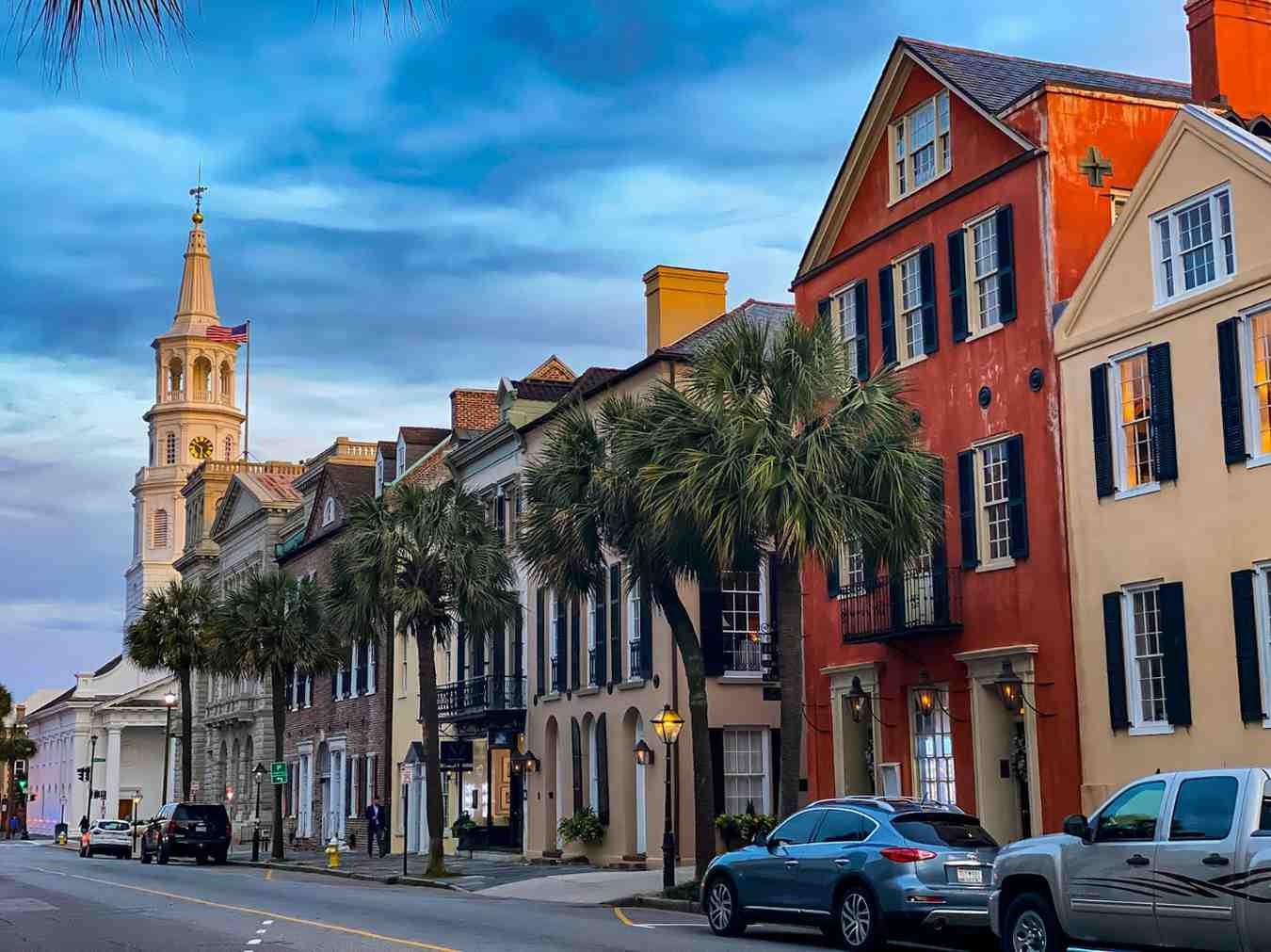
Charleston in July is warm – genuinely, assertively warm. Highs average 32°C and the humidity is real. But the city manages the heat the way it has for 350 years: shuttered windows in the afternoon, piazzas designed to catch sea breezes, a downtown walkable enough that a carriage or bicycle beats any car, and an evening culture that doesn’t really start until the temperature drops after 6 PM.
The historic district – a peninsula surrounded on three sides by water – is one of the best-preserved collections of 18th and 19th century architecture in the US. Pastel-painted antebellum mansions with their characteristic side-facing piazzas line the Battery, looking out over Charleston Harbor where Fort Sumter sits on its island, where the Civil War began. The history here is complex and the city is increasingly engaged with telling all of it, including the stories of the enslaved people whose labor built these structures.
The food culture is extraordinary. Charleston is a significant city in the story of American cuisine – rice culture, the Gullah Geechee food tradition, and Low Country cooking have influenced what Americans eat far beyond the Southeast.
Top Things to Do
Historic District Walking Tour
The area south of Broad Street contains the most intact collection of historic architecture in the city. Rainbow Row – 13 adjacent Georgian row houses in candy-colored pastels – is photographed constantly. The Battery promenade runs along the harbor, lined with antebellum mansions and offering a view of Fort Sumter Island. Walking tours depart from the City Market.
Fort Sumter National Monument
Boat tours from Liberty Square take 30 minutes to reach Fort Sumter Island, where the first shots of the Civil War were fired on April 12, 1861. The fort’s brick walls are still partially standing, and the NPS exhibits tell the full story with nuance and care. Tours run several times daily; reserve in advance for July.
Beaches: Folly Beach and Sullivan’s Island
Folly Beach, 12 miles south of the city, is the most popular – a barrier island with good surf breaks, beach bars, and rental chairs and umbrellas. Sullivan’s Island is more residential and quieter, with a historic lighthouse and the earthworks of Fort Moultrie. July water temperatures reach 28°C – genuinely warm swimming.
The Gullah Geechee Culinary Experience
The Gullah Geechee people – descendants of enslaved West Africans who maintained their distinct language, culture, and food traditions in the Sea Islands – have shaped Low Country cuisine profoundly. Restaurants like Bertha’s Kitchen serve dishes rooted in this tradition: shrimp and grits, Lowcountry boil, she-crab soup, and benne wafers. Several guided food tours provide cultural context.
Evening on King Street
King Street is Charleston’s main commercial corridor. July evenings, after the heat breaks, the outdoor restaurant seating fills and the street has a convivial atmosphere. The restaurants here are serious – FIG, Husk, and 167 Raw are nationally recognized – and the price-to-quality ratio is better than comparable restaurants in New York or San Francisco.
Don’t Leave Without…
Shrimp and grits at a serious Charleston restaurant – this dish exists elsewhere but it was born here. The local version (stone-ground grits, fresh local shrimp, often with tasso ham or andouille) at a place that takes it seriously is transformative. Also, a morning in the Harleston Village neighborhood before the heat builds, when the jasmine is heavy on the wrought-iron gates of the antebellum houses.
RV Practical Info
- City access: No RV parking in the historic district. Streets on the peninsula are too narrow for anything over 20 feet. Park at James Island County Park and take the CARTA bus or drive a small vehicle into the city.
- James Island County Park: The best campground option – full hookups, a water park, and a 10-minute drive to downtown. Reserve months in advance for July.
- Beach access: Folly Beach has RV-accessible parking lots (no hookups). Sullivan’s Island has no RV parking – park at the campground and drive over.
- Heat management: July in Charleston is serious. Plan all outdoor activity before 10 AM or after 5 PM. Museums and historic house tours provide midday air-conditioned options.
- Humidity: Pack moisture-wicking clothing. Cotton in Charleston in July is a mistake.
Ready to explore the Low Country? Rent an RV in Atlanta or pick up in Nashville for a road trip through the American South to Charleston.
Who Is It Best For?
- History buffs: The depth and complexity of Charleston’s history – colonial era through Civil War to civil rights – is exceptional.
- Food lovers: Low Country cuisine is a genuine American culinary tradition and Charleston is its capital.
- Couples: The evening atmosphere, restaurant quality, and historic setting make it a strong romantic destination.
- Beach lovers who want history: The combination of beach and city is unusual and valuable.
- Not ideal for those who struggle with heat and humidity. July in Charleston requires planning around the weather.
Recommended Budget
- Campgrounds: $45–70 per night at James Island County Park with hookups.
- Meals: $20–35 for casual Low Country dining; $50–90 for serious restaurants.
- Activities: $25–30 for Fort Sumter boat tour; free beaches and historic district walking.
- Daily estimate: $80–140 per person, excluding RV rental.
What to Pack for a USA RV Road Trip in July
July conditions vary more than any other month in the US – you might start the week in 32°C Charleston humidity and end it at 10°C above tree line in the Rockies. Pack for the extremes, not the average.
| Category | Items to Pack | Why You Need It in July |
|---|---|---|
| Clothing Layers | Lightweight moisture-wicking t-shirts, shorts, light fleece/hoodie, rain jacket | July heat is intense inland but coastal and mountain areas (Maine, Montana, Oregon, Colorado) cool sharply at night. Evenings in the Rockies can drop to 10°C. |
| Sun Protection | SPF 50+ sunscreen, polarized sunglasses, wide-brim hat, UV-protective lip balm | July UV index is extreme at altitude (Colorado, Montana) and reflected off water everywhere. Reapply every 2 hours on exposed hikes. |
| Footwear | Waterproof hiking boots, trail runners, sandals, water shoes | July trails involve creek crossings (Montana, Colorado), slippery coastal rocks (Maine, Oregon), and long city walking (Charleston, San Diego). |
| Insect Repellent | DEET-based spray or permethrin for clothing | Mosquitoes are serious in Michigan’s Great Lakes region and Maine’s forested campgrounds. Ticks are active across the East Coast through August. |
| Swimming Gear | Swimsuit, quick-dry towel, rash guard, wetsuit top (Oregon Coast) | July beach water ranges from 28°C in Charleston to 13°C on the Oregon Coast. Know your destination temperatures before deciding on a wetsuit. |
| RV Essentials | Leveling blocks, 30/50-amp power adapters, water pressure regulator, portable fan | July heat makes a fan critical in non-AC vans. Power adapters vary by campground. Water pressure regulators protect RV plumbing from high-pressure sites. |
| Cooking Gear | Cast-iron skillet, spice kit, cooler with ice, reusable bags | Cooking in the RV saves significant money at peak-season destinations. A good cooler holds food through multi-day approaches in Montana and Colorado. |
| Navigation | Downloaded offline maps (Google Maps/Maps.me), Park4Night, AllTrails, Recreation.gov app | Cell service is nonexistent inside Glacier, Yellowstone, and RMNP. Download trail maps before entering any park. |
| Park Passes | America the Beautiful Annual Pass ($80) | Covers entry to all national parks and federal recreation areas for 12 months. Pays for itself after 2–3 park visits. |
| First Aid & Safety | Bear spray (for Montana/Wyoming), blister kit, altitude sickness meds, electrolytes | Bear spray is required on backcountry trails in grizzly country. Altitude sickness is a real risk for sea-level visitors to Colorado and Montana. |
Expert Tips for July Travel in the USA
Book national park campgrounds and timed entries in January
Recreation.gov releases reservations up to 6 months in advance, and peak July dates at Glacier, Yellowstone, RMNP, and Acadia fill within minutes of release. Set a calendar reminder and be online the moment the reservation window opens.
Buy the America the Beautiful Pass before your first park
At $80, it covers unlimited vehicle entry to all national parks and federal recreation areas for 12 months. It pays for itself after two national parks and saves money on any US road trip that includes multiple parks.
Drive mountain park roads in the morning
Afternoon thunderstorms are guaranteed in the Rockies, Cascades, and Appalachians throughout July. Schedule high-elevation drives and hikes for early morning and move to valley activities after 1 PM when the storms build. This applies in Glacier, RMNP, and on the Blue Ridge Parkway.
Carry bear spray in grizzly country
If your July itinerary includes Glacier or Yellowstone, bear spray is non-negotiable on any trail more than a mile from the road. It’s more effective than firearms against bears, and rangers will confirm its necessity. Most outdoor shops in gateway towns rent or sell it.
Check RV size restrictions before planning park routes
Going-to-the-Sun Road in Glacier is restricted to vehicles under 21 feet between Avalanche Creek and Sun Point. Cadillac Mountain in Acadia is off-limits to RVs. Many tight mountain roads have similar restrictions. Download the specific park map and measure your rig before assuming you can drive the famous roads.
Manage heat in the South with the right daily schedule
Charleston and coastal South Carolina in July peak at 32°C with high humidity by 10 AM. Schedule walking tours, historic sites, and outdoor markets before 9:30 AM. Rest during midday at the campground or in an air-conditioned museum. Resume outdoor activity after 5 PM when the temperature drops and the light is better anyway.
Use the Island Explorer bus in Acadia
This free propane-powered shuttle covers all major destinations in Acadia National Park and Bar Harbor. It eliminates the need to park your RV near crowded sites and runs frequently throughout July. Use it as your primary transportation after setting up camp.
Plan Fourth of July logistics at least 4 months out
Cape Cod, Traverse City, Yellowstone gateway towns, and virtually every coastal destination in the US sees its highest demand of the year July 3–5. Book campgrounds, ferry crossings, and restaurant reservations well in advance, or plan to be in a less-visited location where holiday traffic is lighter.
Use one-way rental options for linear routes
The best July US road trips are linear rather than loops – picking up an RV in Denver and dropping it in Portland covers the mountain West and Pacific Northwest in one efficient route without backtracking. The same logic applies to a Boston pickup, driving the coast to Bar Harbor and Cape Cod, then dropping in New York.
Download AllTrails and offline park maps before entering any national park
Cell service is non-existent inside Glacier, Yellowstone, much of Rocky Mountain NP, and remote sections of Acadia. Download specific park maps on AllTrails, the NPS app, and Maps.me before you leave the campground.
Plan Your July Road Trip with Indie Campers
July is the peak of the American road trip season, and an RV is the right way to experience it. The national park campgrounds, coastal sites, and mountain pullouts that make the US summer special are designed for exactly this mode of travel – park, explore, sleep under the stars, and move on the next morning.
- Find the perfect campervan: Choose from more than 7,000 Indie Campers RVs, motorhomes, and campervans for rental across North America. Compact vans work well for two people navigating tight park roads; larger motorhomes are ideal for families who want more living space for longer trips.
- Start and finish in different locations: Pick up and drop off at over 70 locations across North America, Europe, and Oceania. Linear routes are possible – pickup in Denver, drop in Portland; pickup in Boston, drop in New York. No backtracking required.
- Flexible cancellation: Cancel your booking up to 31 days before pick-up. July weather and timed entry reservation systems can require last-minute adjustments; flexible cancellation means you can book with confidence.
- Book now, pay later: Pay the full amount only 30 days before the pick-up date when choosing the Flexible Cancellation plan. Secure your July RV now – availability at popular pickup locations like Denver, Salt Lake City, and Portland goes fast for peak season dates.
All Indie Campers rentals include unlimited mileage, 24/7 roadside assistance, a kitchenette, and bedding. For July, look for vehicles with air conditioning for southern destinations and solid insulation for higher-altitude nights.
Book your July USA road trip now
Everything You Need to Know: USA RV Road Trips in July
| City/Region | State | Vibe | Best For | Top Things to Do | Budget/Day | Top Campgrounds | RV Rating | Wild Camping? | Best Stay |
|---|---|---|---|---|---|---|---|---|---|
| Glacier NP | Montana | Wild & Alpine | Hikers | Going-to-the-Sun Rd, Grinnell Glacier | $$$ $60–110 | Apgar & Many Glacier CG | ⚠️ Seasonal, reserve early | Restricted (NPS rules) | Indie Campers RV |
| Jackson Hole & Yellowstone | Wyoming | Epic & Geothermal | Adventurers | Old Faithful, Grand Teton, Snake River | $$$ $80–140 | Gros Ventre & Madison CG | ⚠️ Plan ahead, popular sites | Restricted (NPS rules) | Indie Campers RV |
| Cape Cod | Massachusetts | Coastal & Festive | Families | Beaches, whale watching, 4th of July | $$$ $90–150 | Nickerson SP Campground | ⚠️ Narrow roads, holiday traffic | No (limited areas only) | Indie Campers RV |
| San Diego | California | Sunny & Relaxed | All types | Beaches, Balboa Park, craft beer trail | $$$ $90–160 | Campland on the Bay | ⚠️ City parking limits, busy beach lots | No (city restrictions) | Indie Campers RV |
| Asheville | North Carolina | Artsy & Mountain | Couples/foodies | Blue Ridge Pkwy, breweries, Biltmore | $$ $70–120 | French Broad River CG | ✅ RV-friendly parkway & campgrounds | Restricted (national forest rules) | Indie Campers RV |
| Bar Harbor & Acadia | Maine | Rugged & Coastal | Nature lovers | Acadia NP, kayaking, lobster | $$$ $80–140 | Blackwoods & Seawall CG | ⚠️ No RVs on Cadillac summit road | Restricted (NPS rules) | Indie Campers RV |
| Traverse City | Michigan | Festival & Lakeside | Families | Cherry Festival, beaches, wineries | $$ $70–120 | Holiday Park CG | ✅ Great Lakes region is RV-friendly | Restricted (state park rules) | Indie Campers RV |
| Portland & Oregon Coast | Oregon | Cool & Foodie | Road trippers | Coast drives, Crater Lake, food scene | $$ $70–120 | Cape Lookout SP CG | ✅ Well-maintained coast highway | Yes (restricted, Deschutes NF) | Indie Campers RV |
| Rocky Mountain NP | Colorado | High Alpine | Hikers | Trail Ridge Rd, wildflowers, elk | $$$ $80–140 | Moraine Park & Glacier Basin CG | ⚠️ Timed entry reservations needed | Restricted (NPS rules) | Indie Campers RV |
| Charleston | South Carolina | Historic & Coastal | History buffs | Historic District, Folly Beach, cuisine | $$$ $80–140 | James Island CP CG | ⚠️ No RVs in historic district | No (city restrictions) | Indie Campers RV |
FAQs About Where to Go in the USA in July
Where can I rent an RV in the USA in July?
Rent an RV in the USA in July through Indie Campers, with pickup locations across North America including Denver, Salt Lake City, Portland, Los Angeles, San Diego, San Francisco, Seattle, Las Vegas, Boston, New York, Atlanta, Nashville, Chicago, Dallas, Houston, Miami, and many more. For mountain West itineraries, Denver and Salt Lake City are the most useful starting points; for the Pacific Northwest, Portland or Seattle; for the Northeast, Boston or New York. Pick up in one city and drop off in another to avoid backtracking on longer trips.
What are the best places to visit in the USA in July for avoiding heat?
The best places to visit in the USA in July without extreme heat are along the northern coasts and at elevation. Bar Harbor and Acadia National Park (Maine) average 24°C with ocean breezes. The Oregon Coast stays in the low-to-mid 20s with frequent morning fog. Glacier National Park (Montana) and Rocky Mountain National Park (Colorado) are cooler still at higher elevations. San Diego benefits from a coastal marine layer that keeps July highs around 27°C – far cooler than the desert Southwest or the humid Southeast.
What is the best place to visit in the USA in July for families?
Traverse City, Michigan is among the best places to visit in the USA in July with a family, combining the National Cherry Festival (early July), Sleeping Bear Dunes National Lakeshore’s freshwater beaches, and the Platte River for safe tubing and kayaking. Cape Cod is another strong option – the Fourth of July atmosphere, whale watching, and National Seashore beaches deliver the classic American family summer. National parks like Yellowstone and RMNP offer wildlife and geothermal spectacle that engages all ages.
What is the best place to visit in the USA in July for couples?
Asheville, North Carolina is one of the best US destinations for couples in July – the Blue Ridge Parkway scenery, Biltmore Estate, craft brewery culture, and excellent restaurants create a romantic and genuinely interesting combination. For outdoor-focused couples, Bar Harbor and Acadia offer sea kayaking, carriage road cycling, and lobster dinners by the harbor. San Diego works well for couples who want beach weather, great food, and easy day trips without harsh summer heat.
What is the best place to visit in the US in July for national parks?
July is the peak month for national parks across the US. Glacier National Park in Montana is at its best with all trails open, wildflowers in bloom, and the Going-to-the-Sun Road fully accessible. Yellowstone and Grand Teton (Wyoming) offer the most accessible large-mammal wildlife viewing in North America. Rocky Mountain National Park provides easy access to alpine terrain from Denver. Buy the America the Beautiful Pass before your first park visit – it covers entry to all of them.
What are the best places to visit in the USA in July for road trippers?
The best July road trips in the US follow natural geographic corridors. The northern mountain West loop (Denver to Glacier via Yellowstone and Grand Teton) is one of the great American drives and takes 10–14 days at a relaxed pace. The Pacific Coast route from Portland south along US-101 to San Diego covers exceptional scenery across multiple ecosystems. In the East, the New England coast from Boston to Bar Harbor covers historic towns, whale watching, and lobster country in 7–10 days. Indie Campers’ one-way rental option makes all of these linear routes possible without backtracking.
What is the best place to visit in the USA in July for first-timers?
Yellowstone and Grand Teton are the most quintessentially American national park experience, and July is the best time to visit with all facilities open and weather reliable. The combination of geothermal features, wildlife, and mountain scenery is something first-time visitors remember for decades. San Diego is the easiest US coastal destination for international visitors – compact, well-served by transit, with excellent weather and no friction to navigate.
What are the best places to visit in the USA in July for solo travelers?
Portland, Oregon is an excellent destination for solo travelers in July – walkable, with a thriving food and cafe culture, easy access to the coast and Columbia River Gorge, and a social campground scene that makes it easy to meet other travelers. Asheville works similarly in the East, with a compact downtown and a culture that welcomes independent visitors. National parks are inherently good for solo hiking; Glacier and Rocky Mountain NP offer guided ranger programs that provide built-in structure.
What is the best place to visit in the USA in July for food and drink?
Charleston, South Carolina is one of the most important food cities in the US, with Low Country and Gullah Geechee culinary traditions running through every serious restaurant in town. Portland, Oregon has the most interesting independent restaurant and food cart culture on the West Coast. Traverse City (Michigan) and Asheville (North Carolina) both punch above their weight for wine and craft beer relative to their size.
Is July a good time for an RV road trip in the USA?
July is the peak season for US RV road trips, and for good reason – national parks are fully open, mountain passes are clear of snow, the days are long, and campground infrastructure is operating at full capacity. The trade-offs are real: popular campgrounds sell out months in advance, park timed entry reservations require planning, and highway traffic at holiday weekends is heavy. Book campgrounds through Recreation.gov in January for the most in-demand national park sites, and buy the America the Beautiful Annual Pass before your first park visit.