Last Updated: August 24, 2026
Key Takeaways
Planning a 10 day Europe itinerary? Ten days is enough time to cross four countries by road, from canal cities to alpine passes.
Here’s the short version before the day-by-day details.
- Iconic Stops: Amsterdam’s canals, the Rhine Valley castles, and the Swiss Alps.
- Hidden Gems: Heidelberg’s old town and the mountain views above Interlaken.
- Recommended Transport: RV rental, since it covers your ride, your hotel, and your kitchen in one.
- Recommended Budget: $1,300 to $2,400 per person for 10 days. Covers RV rental, fuel, food, and entrance fees.
- Best Time to Go: Late spring or early fall (May, June, September), for mild weather and open mountain roads.
Table of Contents
- 10 Day Europe Itinerary: At a Glance
- Why You’ll Love a 10-Day Trip to Europe?
- Best Time to Visit Europe
- Are 10 Days Enough to Visit Europe?
- How to Get Around Europe?
- The Best 10 Day Europe Itinerary
- Days 1 to 4: Amsterdam, Cologne, and the Rhine Valley
- Days 5 to 7: Heidelberg, Lucerne, and Interlaken
- Days 8 to 10: Chamonix, Lyon, and Paris
- Exploring Europe’s Regions: Alternative Itineraries
- Map of Your 10-Day Europe Itinerary
- Budgeting for Your Trip
- Plan Your Dream Europe Road Trip with Indie Campers
- Europe Itinerary 10 Days Long: Your Final Planning Recap
- FAQs About Europe Itinerary 10 Days
10 Day Europe Itinerary: At a Glance
Here’s a quick look at this Europe 10 day itinerary before the full breakdown below:
| Day | Location(s) | Top Highlights |
| Day 1 | Amsterdam | Pick up your RV, walk the canal ring. Try stroopwafels from a street stall. |
| Day 2 | Amsterdam to Cologne | Cologne Cathedral, old town streets. Try currywurst from a food stand. |
| Day 3 | Cologne to the Rhine Valley | Castle-lined riverbanks, a vineyard village. Try Riesling with local cheese. |
| Day 4 | Rhine Valley to Heidelberg | Heidelberg Castle, old town bridge. Try Kurpfalzer Saumagen. |
| Day 5 | Heidelberg to Lucerne | Chapel Bridge, lakeside old town. Try Swiss rosti. |
| Day 6 | Lucerne to Interlaken | Mountain views, boat ride on Lake Thun. Try alpine cheese fondue. |
| Day 7 | Interlaken to Chamonix | Alpine drive, cable car views of Mont Blanc. Try tartiflette. |
| Day 8 | Chamonix to Lyon | Old town Lyon, riverside walk. Try quenelle in a bouchon restaurant. |
| Day 9 | Lyon to Paris | Long scenic drive north, evening in Paris. Try steak frites. |
| Day 10 | Paris | Eiffel Tower, Seine riverbank, drop off your RV. Try one last croissant. |
Why You’ll Love a 10-Day Trip to Europe?
Europe packs canal cities, medieval castles, and snow-capped peaks into a surprisingly tight stretch of road. In ten days, you can walk cobblestone streets in one country and stand under a glacier in another, all without a single flight.
An RV is the ideal way to see this kind of variety.
Border crossings barely register when you’re driving your own vehicle, and having a kitchen and bed on board means you can adjust your route without losing a reservation.
You can pull over at a random Rhine Valley viewpoint, add an extra night in the mountains if the weather turns clear, or skip a stop that isn’t calling to you.
This freedom is what makes a 10 day Europe itinerary feel like an open road trip instead of a fixed tour schedule. The food shifts as fast as the scenery. Dutch stroopwafels give way to German sausages, then Swiss fondue, then French bistro classics, often within the same week.
This Europe itinerary 10 days plan builds in enough time to enjoy all three: the drive, the scenery, and the plate in front of you.
Best Time to Visit Europe
The season you pick shapes how comfortable the mountain driving feels and how crowded the cities get on this 10 day Europe itinerary:
Spring (April to May)
Spring brings mild temperatures and blooming countryside across the Rhine Valley, without the crowds of peak summer.
It’s a strong choice for anyone who wants comfortable walking weather in Amsterdam and the Alps alike.
- Average Temperatures: 50 to 65°F (10 to 18°C)
- What to expect: Mild, occasionally rainy weather, moderate crowds, mid-range prices on RV rentals and lodging.
Summer (June to August)
Summer is peak season, with long daylight hours and every mountain pass fully open.
It also brings the busiest cities and the highest prices of the year, especially in Amsterdam and Paris.
- Average Temperatures: 65 to 80°F (18 to 27°C)
- What to expect: Warm, mostly dry days, heavy crowds everywhere, the highest prices of the year.
Autumn (September to October)
Early autumn keeps mild weather while the summer crowds thin out fast after Labor Day.
Many travelers consider this the best window for a road trip through this part of Europe.
- Average Temperatures: 50 to 65°F (10 to 18°C)
- What to expect: Cool, crisp days, light to moderate crowds, mid-range prices.
Winter (November to March)
Winter turns this route into a very different trip, built around Christmas markets rather than mountain hikes.
Some alpine passes close with snow, so this season suits a shorter route focused on the cities.
- Average Temperatures: 30 to 45°F (-1 to 7°C)
- What to expect: Cold, occasionally snowy weather, minimal crowds outside the holidays, lower prices on RV rentals.
Are 10 Days Enough to Visit Europe?
Yes, a 10 day Europe itinerary is enough for a satisfying road trip, as long as you pick one clear route instead of trying to see the whole continent. Europe spans dozens of countries, so no ten-day trip covers every region. This 10 day Europe itinerary sticks to a compact stretch: the Netherlands, Germany, Switzerland, and France.
That focus means real time at each stop instead of a rushed checklist.
By the end of the trip, you’ll have walked a canal city, driven past riverside castles, and crossed an alpine pass with views worth the drive.
How to Get Around Europe?
Trains connect Europe’s big cities well, but they skip the small Rhine Valley villages and mountain viewpoints that make a 10 day Europe itinerary worthwhile by road.
An RV solves that directly, since it gets you to castle towns and alpine overlooks that a train schedule simply can’t reach.
Renting a campervan also saves money across a ten-day, multi-country trip, where hotel costs and border-to-border train tickets both add up fast.
You can cook your own breakfast, pack lunch for a scenic drive, and save restaurant meals for when you actually want a sit-down dinner.
There’s no need to book every night’s stay months ahead either, since you can adjust your route if a mountain pass opens up or a town turns out to be worth an extra hour.
Indie Campers keeps this simple, with RV rentals in Europe covering dozens of pickup cities across the continent, which suits a multi-country route like this one well.
Amsterdam makes a natural starting point for this specific trip. RV rentals in the Netherlands sit close to the German border, which puts the Rhine Valley within easy reach on day one. This route also crosses into Germany, Switzerland, and France, each supporting one-way pickup and drop-off.
That’s what lets you start in Amsterdam and hand back the keys in Paris without doubling back.
The Best 10 Day Europe Itinerary
Here’s how to spend each day on this 10 day Europe itinerary, from pickup in Amsterdam to your last night in Paris:
Day 1: First Steps Along Amsterdam’s Canals
Morning (9 AM): RV Pickup and the Canal Ring
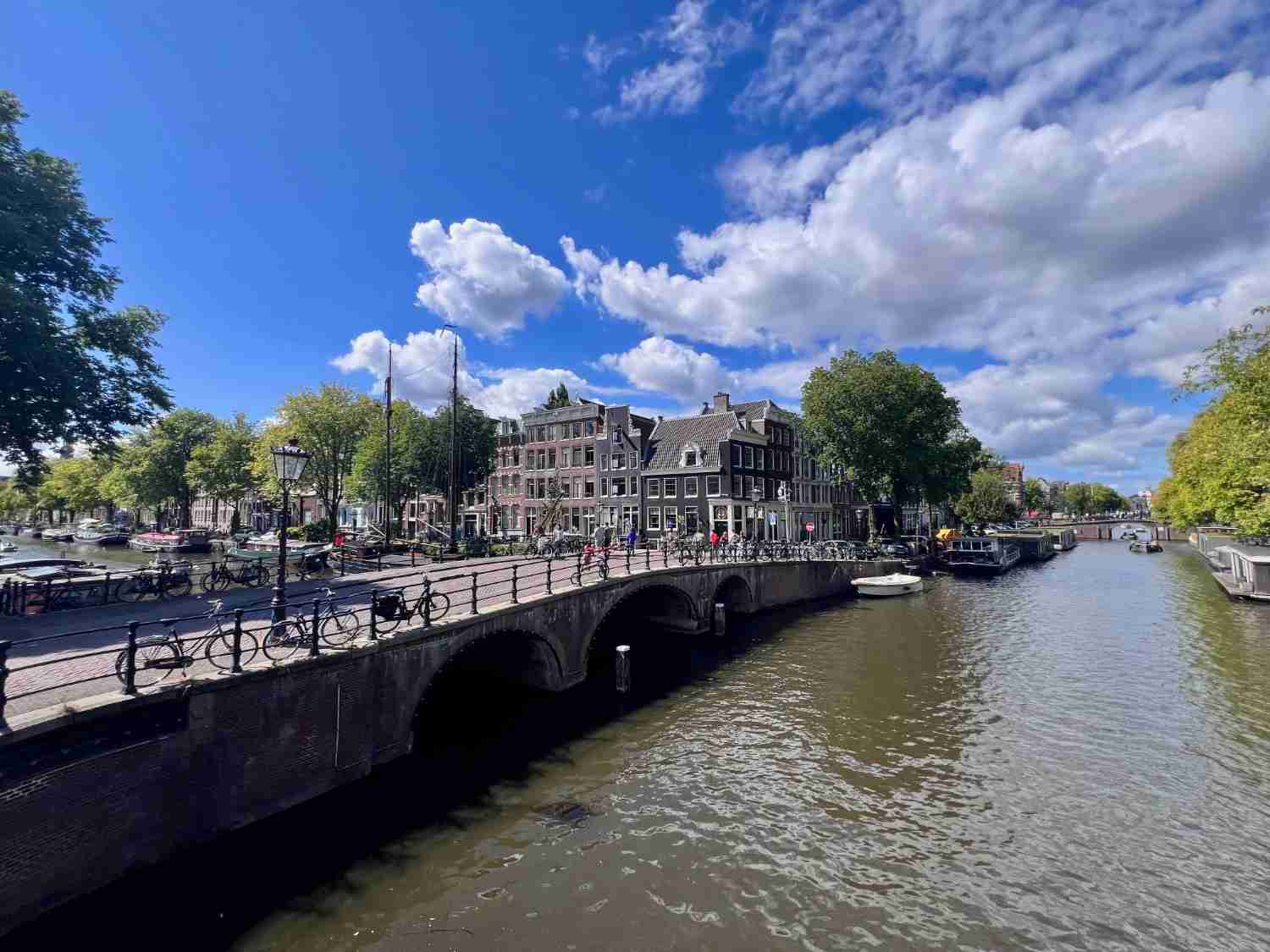
Start your trip by picking up your RV in Amsterdam. Take an hour to get familiar with the vehicle before you head into the city center.
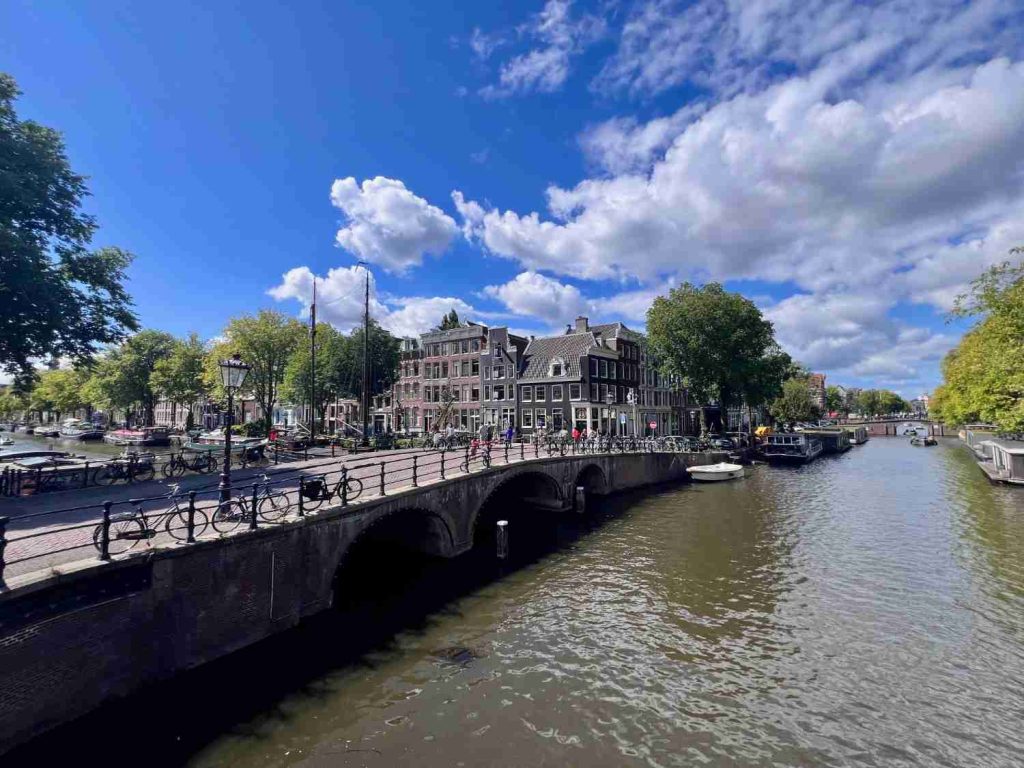
Walk the canal ring once you’re set, a UNESCO-listed network of waterways lined with narrow, gabled houses.
Practical Tip: Pick up your RV early in the day so you have daylight left to explore, since Amsterdam’s city center is easier to navigate on foot than by vehicle.
Afternoon (1 PM): The Jordaan and Lunch
Grab lunch at a small cafe in the Jordaan neighborhood, since a stroopwafel and coffee make an easy, quick option for a first afternoon.
Spend the afternoon wandering the Jordaan’s quiet streets, once a working-class district and now full of small shops and art galleries.
Practical Tip: Rent a bike for the afternoon if you have time, since it’s the fastest way to cover more of the neighborhood.
Evening (6 PM): Canal-Side Dinner
Walk along a quieter canal as the evening lights reflect on the water, a classic Amsterdam scene that never gets old.
For dinner, order Dutch pea soup or a herring sandwich at a small restaurant near the water.
Practical Tip: Book your first night’s RV parking spot before you arrive, since central Amsterdam has limited options close to downtown.
Day 2: Amsterdam to Cologne
Morning (9 AM): The Drive to Cologne
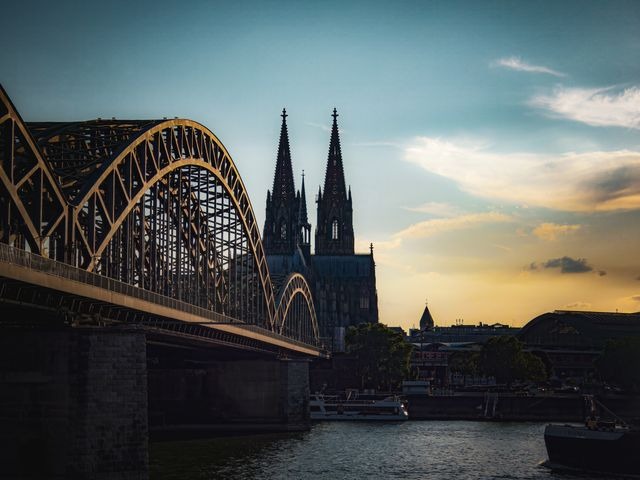
Leave Amsterdam and drive east toward Cologne, a trip of about two and a half hours across the German border. This is the first stretch where RV rentals in Germany support your route with a one-way drop-off further along the trip.
Head straight to Cologne Cathedral once you arrive, a Gothic landmark whose twin spires have defined the city skyline for centuries.
Practical Tip: Climb the cathedral’s south tower if you have energy, since the view over the Rhine rewards the effort.
Afternoon (1 PM): Cologne’s Old Town
Grab lunch at a traditional brewery restaurant and order currywurst, a Cologne street food staple served with fries.
Walk through the old town’s narrow streets, where reconstructed medieval buildings sit close to the riverbank.
Practical Tip: Try a small glass of Kolsch beer with lunch, since it’s the local specialty and traditionally served in small pours.
Evening (6 PM): Rhine Riverbank
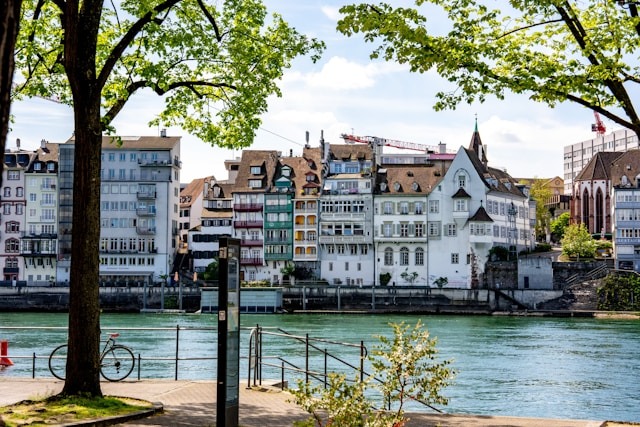
Spend the evening walking along the Rhine riverbank, where boats pass steadily even after the sun goes down.
For dinner, order Rhineland sauerbraten, a slow-braised beef dish that’s a regional classic.
Practical Tip: Book RV parking ahead of time in summer, since Cologne’s riverside area gets busy with evening visitors.
Day 3: Cologne to the Rhine Valley
Morning (9 AM): The Scenic Drive South
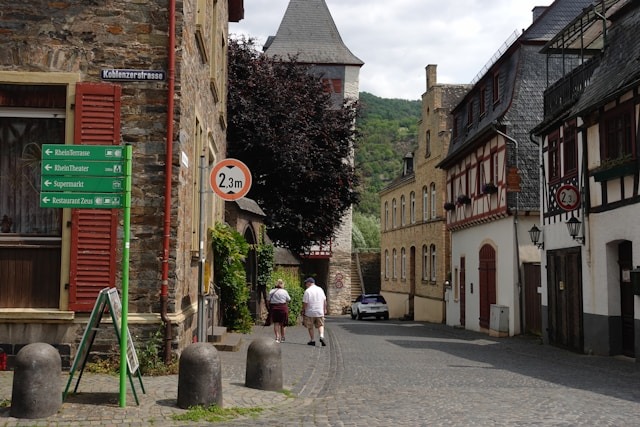
Leave Cologne and follow the Rhine south into wine country, a drive of about an hour and a half.
Stop in a small village like Bacharach, where half-timbered houses sit beneath a hillside covered in vineyards.
Practical Tip: Park at the edge of the village, since most Rhine Valley towns have narrow streets not built for RVs.
Afternoon (1 PM): Castles Along the River
Grab lunch at a vineyard restaurant and order a glass of Riesling alongside local cheese, a pairing this region does especially well.
Spend the afternoon spotting hilltop castles along the riverbanks, since this stretch of the Rhine has one of the highest concentrations in the country.
Practical Tip: Visit one castle up close if you have time, since several are open for tours rather than just viewing from the road.
Evening (6 PM): Sunset Over the Vineyards
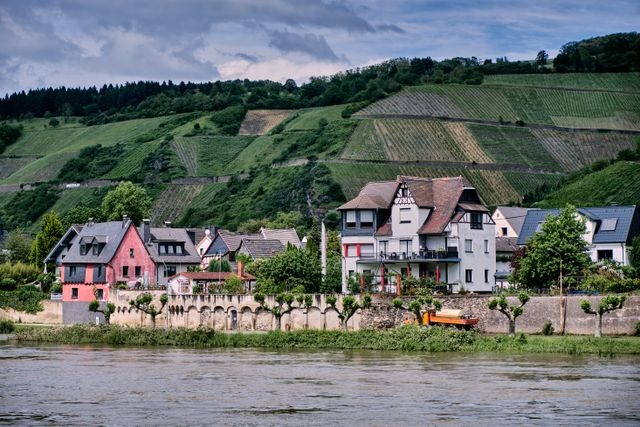
Find a viewpoint above the river for sunset, when the vineyard terraces glow gold in the fading light.
For dinner, order a hearty schnitzel at a village restaurant, a filling end to a day of driving and sightseeing.
Practical Tip: Fill your RV’s tank before continuing south tomorrow, since services thin out on smaller Rhine Valley roads.
Day 4: Rhine Valley to Heidelberg
Morning (9 AM): The Drive to Heidelberg
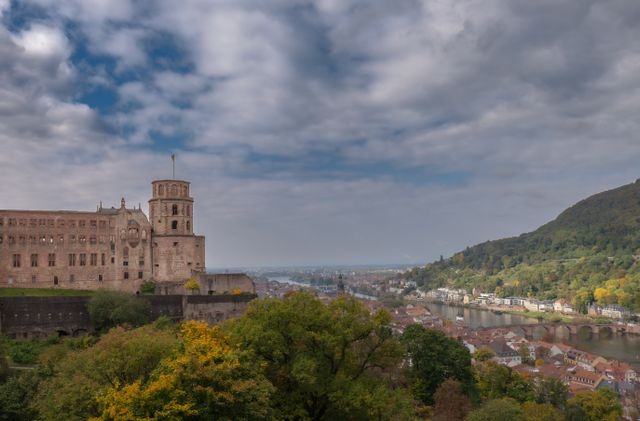
Leave the Rhine Valley and drive to Heidelberg, a trip of about an hour and a half further south.
Head straight to Heidelberg Castle once you arrive, a partially ruined Renaissance fortress overlooking the old town.
Practical Tip: Take the funicular up to the castle rather than walking, since it saves time and offers views along the way.
Afternoon (1 PM): Heidelberg’s Old Town
Grab lunch at a restaurant near the Old Bridge and order Kurpfalzer Saumagen, a stuffed pork dish that’s a regional specialty.
Walk across the Old Bridge into the old town, where the university’s history dates back over 600 years.
Practical Tip: Visit the Philosopher’s Walk across the river for the classic postcard view of the castle and old town together.
Evening (6 PM): Final Evening in Heidelberg

Spend the evening in the old town’s main square, quieter now that the day-trip crowds have thinned out.
For dinner, order flammkuchen: a thin, flatbread-style dish similar to pizza that’s common across this part of Germany.
Practical Tip: Charge your devices overnight, since tomorrow’s drive into Switzerland includes several scenic stops worth photographing.
Day 5: Heidelberg to Lucerne
Morning (9 AM): The Drive to Switzerland
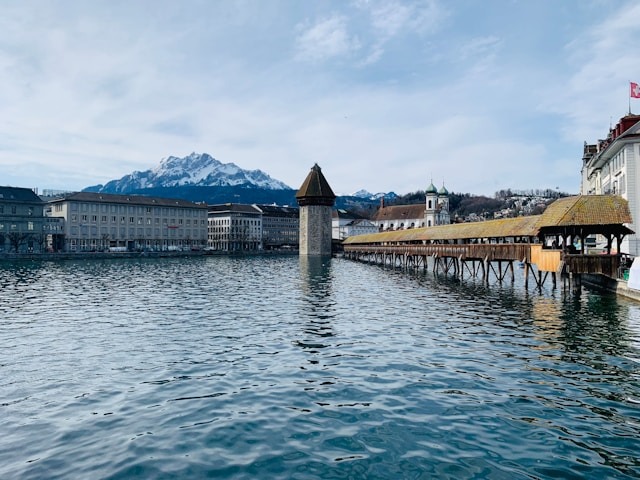
Leave Heidelberg and drive south into Switzerland, a trip of roughly three and a half hours to Lucerne. RV rentals in Switzerland cover this stretch of the route too, so the same booking carries you through the Alps.
Head straight to the Chapel Bridge once you arrive, a wooden footbridge dating back to the 14th century.
Practical Tip: Cross the bridge slowly, since the painted panels inside the roof depict scenes from the city’s history.
Afternoon (1 PM): Lake Lucerne
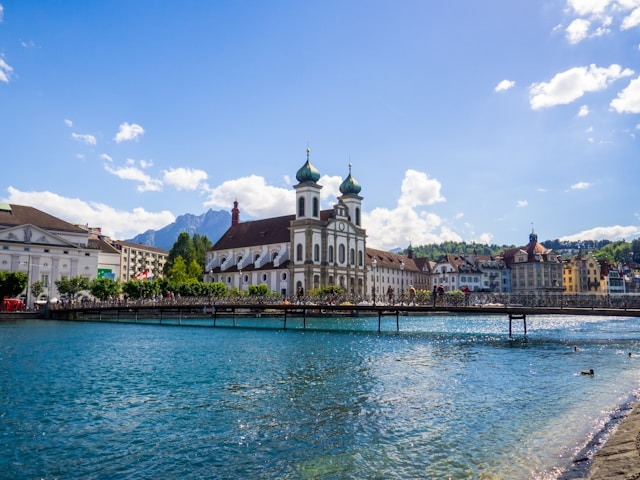
Grab lunch at a lakeside restaurant and order Swiss rosti, a crispy shredded potato dish that pairs well with a lake view.
Spend the afternoon walking along Lake Lucerne’s promenade, with mountain peaks visible across the water on clear days.
Practical Tip: Take a short boat ride on the lake if you have time, since it offers a different perspective on the surrounding mountains.
Evening (6 PM): Lucerne’s Old Town
Spend the evening in Lucerne’s old town, where painted building facades line the narrow streets near the water.
For dinner, order Swiss cheese fondue at a traditional restaurant, a fitting introduction before heading deeper into the Alps tomorrow.
Practical Tip: Book RV parking ahead of time in summer, since Lucerne’s lakeside area fills up fast with visitors.
Day 6: Lucerne to Interlaken
Morning (9 AM): The Alpine Drive
Leave Lucerne and drive toward Interlaken, a scenic trip of about an hour and a half through the mountains.
Take your time on this drive, since the road winds past lakes and alpine meadows worth a few photo stops.
Practical Tip: Fuel up before leaving Lucerne, since mountain roads have fewer gas stations than the lowland routes.
Afternoon (1 PM): Interlaken and Lake Thun
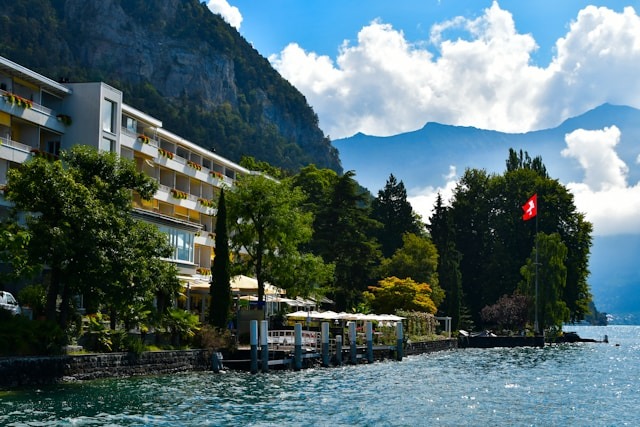
Grab lunch in Interlaken before taking a boat ride on Lake Thun, one of two lakes that give the town its name.
Spend the afternoon on the water, since the surrounding peaks look especially dramatic from the lake itself.
Practical Tip: Book your boat tickets a day ahead in summer, since popular departure times sell out.
Evening (6 PM): Mountain Views at Sunset
Find a viewpoint on the edge of town for sunset, when the peaks above Interlaken catch the day’s last light. For dinner, order alpine cheese fondue at a mountain-view restaurant, a dish that suits the cool evening air here.
Practical Tip: Bring a light jacket for the evening, since temperatures drop faster here than in the lowland cities.
Day 7: Interlaken to Chamonix
Morning (9 AM): The Drive into France
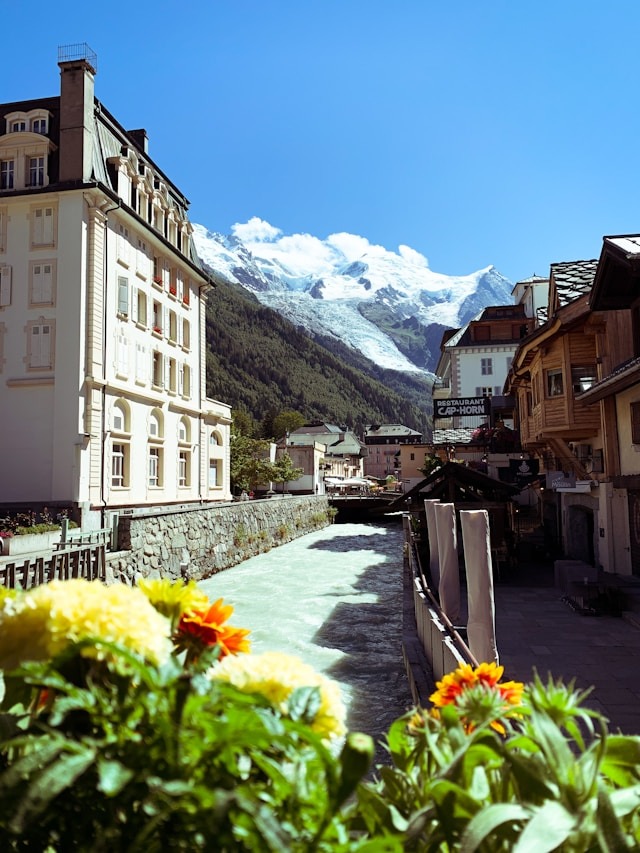
Leave Interlaken and drive toward Chamonix, a trip of about three hours across the border into France. RV rentals in France support the drop-off in Paris at the end of this trip, so the same vehicle takes you the rest of the way.
Stop at a mountain viewpoint along the way if the weather is clear, since this drive offers some of the best alpine scenery on the whole route.
Practical Tip: Check road conditions before this drive in shoulder season, since mountain passes can close with early or late snow.
Afternoon (1 PM): Mont Blanc Views
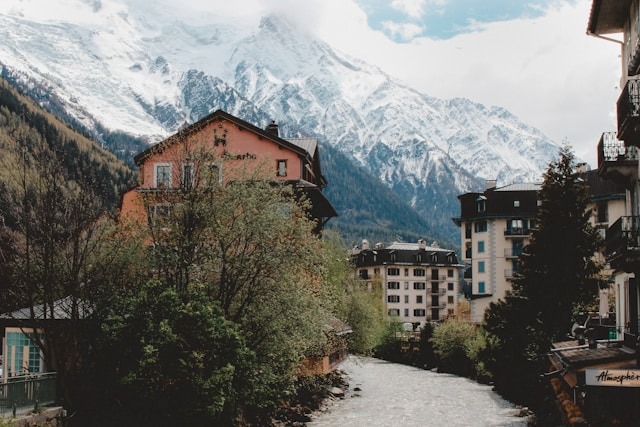
Grab lunch in Chamonix before taking the cable car up toward Mont Blanc, Western Europe’s tallest peak.
Spend the afternoon at the viewing platform, since the panorama across the surrounding glaciers is one of the highlights of this entire trip.
Practical Tip: Book your cable car tickets in advance, since capacity is limited and popular time slots sell out fast.
Evening (6 PM): Chamonix Village
Spend the evening walking through Chamonix’s village center, a mountain town built around decades of climbing and skiing history.
For dinner, order tartiflette, a baked potato and cheese dish that started as mountain food and is now a regional favorite.
Practical Tip: Book RV parking ahead of time, since Chamonix’s town center has limited space during peak hiking season.
Day 8: Chamonix to Lyon
Morning (9 AM): The Drive to Lyon
Leave Chamonix and drive toward Lyon, a trip of about two and a half hours down from the mountains.
Head straight to Lyon’s old town once you arrive, a Renaissance district with narrow passageways called traboules.
Practical Tip: Walk through at least one traboule, since these covered passages were originally built for the city’s silk trade.
Afternoon (1 PM): Lyon’s Riverside
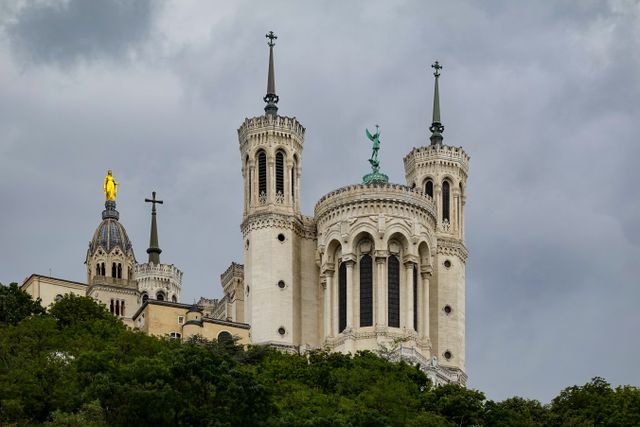
Grab lunch at a bouchon, a traditional Lyon restaurant, and order quenelle, a poached dumpling dish the city is known for.
Spend the afternoon walking along the riverside, where two rivers meet at the southern tip of the peninsula.
Practical Tip: Visit the Basilica of Notre-Dame de Fourviere on the hill above the city, since the views over Lyon are worth the climb.
Evening (6 PM): Final Evening in Lyon
Spend the evening in the old town’s small squares, where restaurants spill out onto the cobblestones as the evening warms up.
For dinner, order another bouchon specialty, since Lyon is widely considered one of France’s food capitals.
Practical Tip: Charge your devices overnight, since tomorrow’s drive to Paris is the longest of the trip.
Day 9: Lyon to Paris
Morning (8 AM): The Long Drive North
This is the longest driving day of the trip, so start early.
The route runs north through the French countryside toward Paris.
Practical Tip: Stock up on groceries before leaving Lyon, since prices and selection shift once you’re closer to the capital.
Afternoon (2 PM): Arrival in Paris
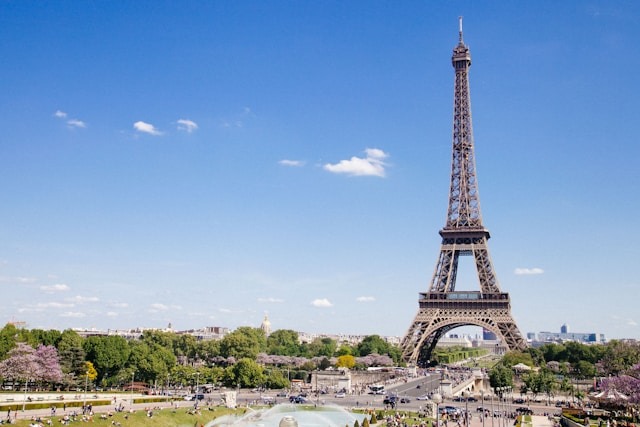
Arrive in Paris in the afternoon and head toward the Eiffel Tower, the city’s most recognizable landmark.
Grab lunch nearby before or after your visit, since the surrounding neighborhood has plenty of casual bistro options.
Practical Tip: Book your Eiffel Tower tickets online in advance, since walk-up entry usually means a long wait.
Evening (6 PM): First Evening in Paris
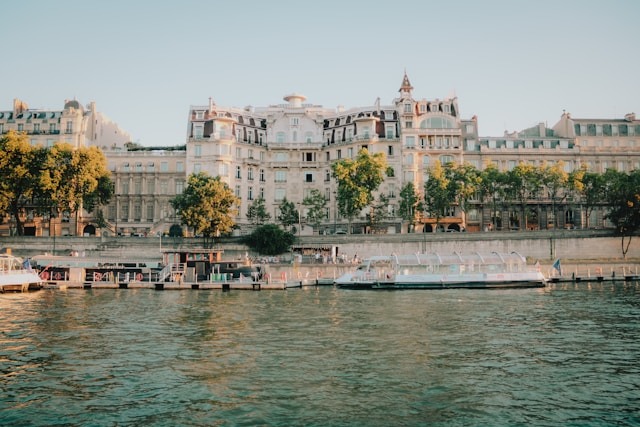
Spend the evening walking along the Seine, since the riverbanks light up nicely as the sun sets over the city.
For dinner, order steak frites at a neighborhood bistro, a simple but classic Paris meal.
Practical Tip: Book RV parking ahead of time in Paris, since central options are limited and fill up fast.
Day 10: Paris
Morning (9 AM): Montmartre
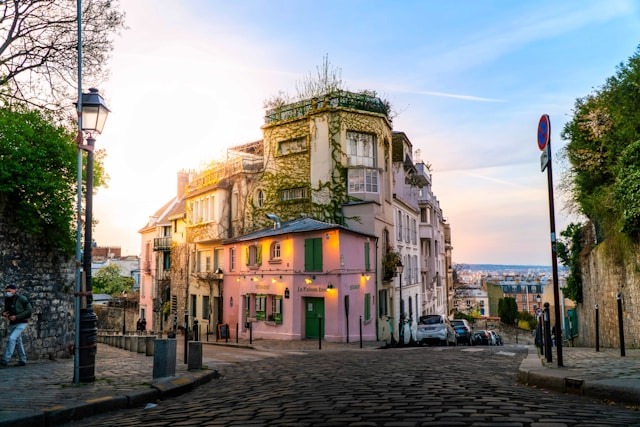
Spend the morning in Montmartre, the hilltop neighborhood known for its artists and the Sacre-Coeur Basilica.
Walk up to the basilica steps for a wide view over the rooftops of Paris.
Practical Tip: Visit Montmartre early, since the streets around the main square fill up with tour groups by midday.
Afternoon (1 PM): The Seine and a Final Lunch
Grab lunch at a cafe near the river and order a croque monsieur, a classic French comfort food.
Spend the afternoon walking along the Seine, since it’s a relaxed way to close out ten days of driving.
Practical Tip: Do a final check of your RV’s cabinets and fridge before your last night, since small items are easy to forget.
Evening (6 PM): Final Night and RV Drop-Off
Return your RV to Paris, and spend the last evening exploring the city on foot.
For a final dinner, you can order one more croissant from a bakery near your hotel, a simple close to a trip built around regional food.
Practical Tip: Take photos of your RV’s fuel gauge and interior before drop-off, since it’s a quick way to avoid any dispute over the vehicle’s condition.
Exploring Europe’s Regions: Alternative Itineraries
If this route doesn’t quite match your interests, here are two shorter regional itineraries built from different parts of the continent, each a different take on a 10 day Europe itinerary. Indie Campers covers plenty of ground beyond these two routes as well.
While RV rentals in Iceland work well for a trip built around ring roads and glaciers, RV rentals in Ireland will be suitable for a slower drive along the coast.
RV rentals in Poland open up a route through well-preserved old towns, while RV rentals in the United Kingdom can help cover everything from city stops to countryside drives.
10-Day Scandinavia Itinerary
- Day 1 to 2: Oslo, pick up your RV through RV rentals in Norway and explore the fjord views nearby.
- Day 3 to 4: The Norwegian fjords, scenic drives and small coastal villages.
- Day 5 to 6: Stockholm, pick up or continue through RV rentals in Sweden and explore the old town.
- Day 7 to 8: The Swedish archipelago, island-hopping by ferry and coastal drives.
- Day 9 to 10: Helsinki, wrapping up with RV rentals in Finland and a final look at the harbor.
10-Day Adriatic Coast Itinerary
- Day 1 to 2: Rome, pick up your RV through an RV rental in Italy and explore the ancient center.
- Day 3 to 4: The Amalfi Coast, coastal drives and small fishing towns.
- Day 5 to 6: Bari, driving south along Italy’s Adriatic coast before boarding an overnight car ferry to Croatia.
- Day 7 to 8: Split, exploring Croatia’s old town and coastline with RV rentals in Croatia.
- Day 9 to 10: A scenic coastal drive north to Zagreb for your final RV drop-off.
Map of Your 10-Day Europe Itinerary
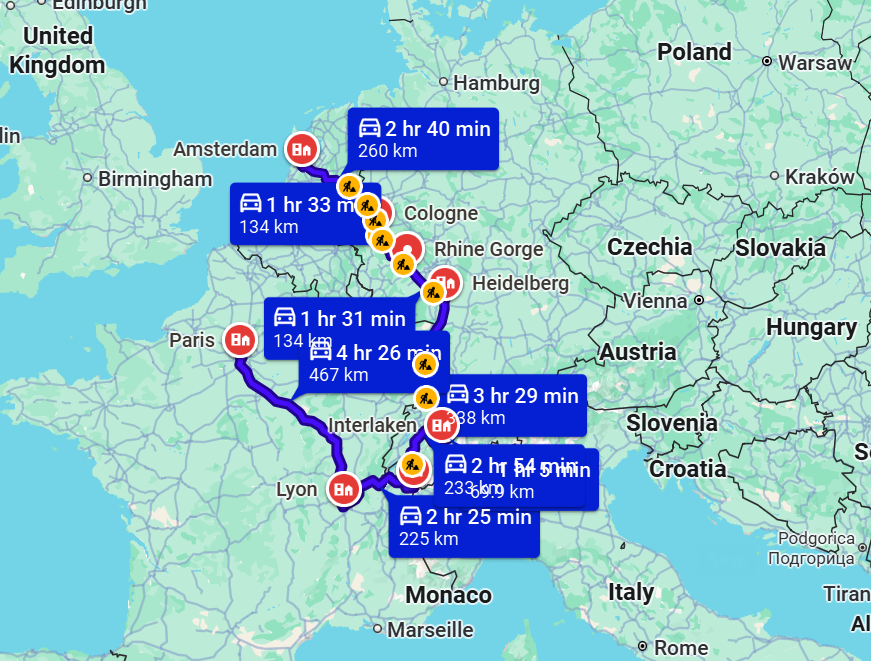
Budgeting for Your Trip: How Much Is a Trip to Europe for 10 Days?
A road trip through Europe can fit almost any budget, and renting an RV cuts your biggest costs since it combines your accommodation and much of your food prep into one payment.
That saving matters most on a 10 day Europe itinerary, where crossing four countries by train or plane would otherwise add up fast.
| Category | Budget | Mid-Range | High-End |
| Accommodation | $25 to $50 | $50 to $100 | N/A |
| Food & Drink | $25 to $45 | $45 to $80 | $80+ |
| Attractions | $20 to $40 | $40 to $85 | $120+ |
| Transport/Fuel | $35 to $60 | $60 to $90 | $90+ |
| Daily Total | $105 to $195 | $195 to $355 | $355+ |
| 10-Day Total | ~$1,050 to $1,950 | ~$1,950 to $3,550 | ~$3,550+ |
- Budget Traveler: Stick mostly to public campgrounds and RV parks. You can cook the majority of your meals in the Indie Campers RV, while prioritizing free stops like viewpoints and old town walks over paid attractions.
- Mid-Range Traveler: Mix cooking with the occasional restaurant meal. You can pay for entry to sites like Heidelberg Castle or the Chamonix cable car, while staying at a mix of public and private campgrounds.
- High-End Traveler: Eat out regularly and book a private mountain tour or lake cruise. You can add premium experiences without worrying much about cost.
Plan Your Dream Europe Road Trip with Indie Campers
Indie Campers makes this kind of trip simple, with unlimited mileage on every company-owned fleet rental and a fully digital booking process from start to finish.
You can also cancel up to 31 days before pick-up if your plans change, and full payment isn’t due until 30 days before your trip starts. This setup works well for first-time visitors planning a Europe 10 day itinerary who want road trip flexibility without months of prep.
It also suits experienced travelers who already know they want a one-way rental across multiple countries.
Browse our complete range of RV rentals to start building your own 10 day Europe itinerary around the stops that matter most to you.
Book your RV with Indie Campers →
Europe Itinerary 10 Days Long: Your Final Planning Recap
Here’s every detail from this 10 day Europe itinerary in one place, for quick reference while you plan.
| Category | Details |
| Best Time to Go | Late spring or early fall (May, June, September), for mild weather and open mountain roads |
| Recommended Budget | $1,300 to $2,400 per person for 10 days |
| Cities to Visit | Amsterdam (1 day), Cologne (1 day), Rhine Valley (1 day), Heidelberg (1 day), Lucerne (1 day), Interlaken (1 day), Chamonix (1 day), Lyon (1 day), Paris (2 days) |
| Best Restaurants | Bouchon restaurant, Lyon (quenelle); brewery restaurant, Cologne (currywurst) |
| What to Visit | Day 1, Amsterdam: Canal ring / Day 6, Interlaken: Lake Thun / Day 10, Paris: Eiffel Tower |
| Recommended Transport | RV rental, for one-way flexibility across four countries |
| Total Distance | Approx. 1050 miles (1,690 km) |
| Must-Try Foods | Rhine Valley: Riesling with cheese / Interlaken: alpine cheese fondue / Lyon: quenelle |
| Accommodation | RV camping and RV parks: $25 to $70 per person per night |
| Perfect For | First-time visitors and food lovers wanting canal cities, castles, and mountains in one trip |
FAQs About Europe Itinerary 10 Days
How much is a trip to Europe for 10 days?
A trip to Europe for 10 days typically costs between $1,300 and $2,400 per person for a mid-range budget. This covers RV rental, fuel, food, and entrance fees at sites like Heidelberg Castle and the Chamonix cable car. It excludes your flight to Amsterdam. Budget travelers who cook most meals can bring this closer to $1,000 per person.
Is 10 days enough to see Europe?
Yes, 10 days is enough to see a well-chosen slice of Europe, as long as you pick one route instead of the whole continent. This 10 day Europe itinerary covers the Netherlands, Germany, Switzerland, and France in one loop. You’ll see canal cities, castles, and alpine peaks without rushing between stops.
What are the top 3 places to visit in Europe for first-timers?
The top 3 places to visit in Europe for first-timers are Amsterdam, the Swiss Alps, and Paris. Amsterdam gives you canal architecture and an easy introduction to European city life. The Swiss Alps offer some of the most dramatic mountain scenery on the continent. Paris rounds out the trip with iconic landmarks and classic French food.
What is the most beautiful spot in Europe?
The Swiss Alps around Interlaken are widely considered one of the most beautiful spots in Europe, thanks to the lakes and peaks visible from the same viewpoint. The Rhine Valley’s castle-lined riverbanks run a close second. The Mont Blanc cable car view near Chamonix is a third strong contender.
What is the best way to travel in Europe for 10 days?
The best way to travel in Europe for 10 days is by RV, since it combines transport and accommodation into one flexible package. Trains connect major cities well, but they skip the small towns and mountain viewpoints that make this route worthwhile. An RV lets you cross borders and adjust your schedule freely, which suits this multi-country route well.
Can you drive through multiple countries in Europe in 10 days?
Yes, driving through multiple countries in Europe in 10 days is exactly what this itinerary is built around. The route covers roughly 950 miles across the Netherlands, Germany, Switzerland, and France, manageable at a relaxed pace with real time at each stop. Rushing the same route in fewer days usually means skipping the smaller towns that make the trip memorable.
Do you need to worry about border crossings on a European road trip?
You do not need to worry much about border crossings on a European road trip, since the Netherlands, Germany, Switzerland, and France are all part of the Schengen Area. Crossings between these countries typically involve no checkpoint for drivers with EU or US passports. Switzerland does require a vignette sticker for its highways, easy to buy at the border.
How many days do you need for the Swiss Alps alone?
Two full days is a reasonable amount of time for the Swiss Alps alone, enough to see Lucerne, Interlaken, and at least one mountain viewpoint. Visitors with more time often add a third day for a longer hike or a second cable car ride. This itinerary allocates two full days to the Alps between Lucerne and Interlaken.
Is renting an RV in Europe worth it?
Renting an RV in Europe is worth it for most travelers doing a multi-country road trip like this one, since it removes the need to book separate hotels and train tickets across borders. It also cuts food costs, since you can cook most meals instead of eating out for every stop, and the extra fuel cost is usually offset by what you save on accommodation.