
Last Updated: June 23, 2026
Key Takeaways
Planning a 3-week Australia itinerary? This guide follows the classic East Coast drive from Sydney to Cairns, with enough time to slow down at the beaches, reefs, and rainforest in between.
Here’s what to expect:
- Iconic stops: Sydney Harbour, Byron Bay, the Whitsundays, the Great Barrier Reef, and the Daintree Rainforest.
- Hidden gems: The sand tracks of K’gari (Fraser Island), the quiet beaches at the Town of 1770, and Cape Tribulation, where the rainforest runs into the reef.
- Recommended transport: A campervan from Indie Campers rolls transport and accommodation into one daily cost, with one-way pickup in Sydney and drop-off in Cairns, so you never backtrack.
- Recommended budget: Plan for around AU$120 to AU$220 per person per day, covering campsites, food, fuel, and activities (excluding the campervan rental itself).
- Best time to go: May to September, the dry season up north; warm days, low rainfall, and no marine stingers on the tropical beaches.
Table of Contents
- 3 Week Australia Itinerary: at a Glance
- Why You’ll Love a 3-Week Trip to Australia?
- Best Time to Visit Australia
- Are 3 Weeks Enough to See Australia?
- How to Get Around Australia?
- The Best 3 Week Australia Itinerary: 21 Days of Adventure
- Exploring Australia’s Regions: Alternative Itineraries
- Map of Your 3 Week Australia Itinerary
- Budgeting for Your Trip: How Much Does a 3 Week Australia Itinerary Cost?
- Plan Your Australia Road Trip with Indie Campers
- 3 Week Australia Itinerary: Your Final Planning Recap
- FAQs About a 3 Week Australia Itinerary
3 Week Australia Itinerary: at a Glance
This 3-week Australia itinerary covers roughly 2,400 kilometres of coastline from Sydney to Cairns.
Here is the day-by-day shape of the trip before we get into the details:
| Day | Location(s) | Top Highlights |
| Day 1 | Sydney | Pick up the campervan, Opera House, Royal Botanic Garden, and The Rocks. |
| Day 2 | Sydney | Bondi to Bronte coastal walk, Manly ferry, Darling Harbour. |
| Day 3 | Port Stephens | Stockton sand dunes, Anna Bay, dolphin cruise. |
| Day 4 | Port Macquarie | Koala Hospital, town beaches, Tacking Point Lighthouse. |
| Day 5 | Coffs Harbour | Big Banana, Muttonbird Island, Jetty Beach. |
| Day 6 | Byron Bay | Main Beach surf, Cape Byron Lighthouse at sunset. |
| Day 7 | Byron Bay | Sunrise at the most easterly point, hinterland waterfalls. |
| Day 8 | Gold Coast & Brisbane | Burleigh Heads, South Bank, Story Bridge. |
| Day 9 | Noosa | Noosa National Park, Hastings Street, Sunshine Beach. |
| Day 10 | Rainbow Beach | Carlo Sand Blow, gateway to K’gari. |
| Day 11 | K’gari (Fraser Island) | Lake McKenzie, 75 Mile Beach, and the Maheno shipwreck. |
| Day 12 | Hervey Bay | Whale watching in season, Urangan Pier. |
| Day 13 | Agnes Water & 1770 | The long drive north, surf beaches, Town of 1770. |
| Day 14 | Airlie Beach | Whitsundays gateway, the lagoon, marina sunset. |
| Day 15 | Whitsundays | Whitehaven Beach, Hill Inlet lookout, snorkelling. |
| Day 16 | Townsville | The Strand, Castle Hill sunset. |
| Day 17 | Magnetic Island | Forts Walk, wild koalas, Horseshoe Bay. |
| Day 18 | Mission Beach | Rainforest meets the sea, cassowary country. |
| Day 19 | Cairns | Great Barrier Reef snorkel or dive day trip. |
| Day 20 | Port Douglas | Four Mile Beach, Mossman Gorge, Atherton Tablelands. |
| Day 21 | Daintree & Cape Trib | Daintree Rainforest, Cape Tribulation. Drop off in Cairns. |
Why You’ll Love a 3-Week Trip to Australia?
A three-week Australia itinerary gives you something a shorter trip cannot: time to drive the East Coast properly instead of flying over it. Australia is enormous, and the mistake most first-time visitors make is trying to see all of it at once. Pick one coastline, drive it well, and the country opens up.
The East Coast is the route that rewards a road trip more than any other. In three weeks, you can surf at Byron Bay, walk the sand tracks of a UNESCO-listed island, sail the Whitsundays, snorkel the Great Barrier Reef, and stand in ancient rainforest. Each stop feels like a different country, and the drive between them is half the point.
A campervan is what makes this work. The East Coast has hundreds of beachfront campsites, national park sites, and free overnight stops that a hotel-and-flights trip never reaches. You wake up where you parked, cook breakfast, look at the water, and move on when you feel like it. That freedom is the whole reason this route beats a string of city hotels.
Best Time to Visit Australia
The season you choose shapes this whole trip, because the East Coast crosses from temperate New South Wales into the tropical north. The short version: travel between May and September. Here is what each season looks like on this route.
Autumn and Winter (May to September)
This is the best window for a Sydney to Cairns drive. The tropical north sits in its dry season, with warm days, low humidity, little rain, and clear water on the reef. Just as important, the marine stingers that close northern beaches in summer are gone, so you can actually swim. Sydney and Byron are cooler at this time, but still comfortable for beaches and walks.
- Average temperatures: 24 to 29 degrees Celsius (75 to 84 Fahrenheit) in the tropical north; 17 to 22 degrees (63 to 72 Fahrenheit) around Sydney.
- What to expect: Dry, sunny days up north, swimmable beaches, peak whale watching in June and July, and the best reef visibility of the year. Book Whitsundays sailing trips ahead in July.
Spring (October and November)
Spring is an underrated time to drive the coast. The crowds thin out after the winter peak, prices drop, and the weather up north is still dry through October. The water warms up, and stinger season has not fully started in most areas until November. It’s a good balance if you want fewer people without gambling on the wet.
- Average temperatures: 28 to 32 degrees Celsius (82 to 90 Fahrenheit) in the tropical north; 18 to 23 degrees (64 to 73 Fahrenheit) around Sydney.
- What to expect: Warm, mostly dry conditions, smaller crowds, and lower campsite and activity prices than the winter peak.
Summer (December to February)
Summer is the season to be careful on this route. The tropical north enters its wet season, which brings heavy rain, humidity, the risk of cyclones, and marine stingers that close the beaches.
The southern half around Sydney and Byron is at its best for swimming, but Cairns and the Whitsundays are at their most difficult. If summer is your only option, consider running the route in reverse and watching the forecast closely.
Average temperatures: 31 to 33 degrees Celsius (88 to 91 Fahrenheit) and humid in the tropical north; 19 to 26 degrees (66 to 79 Fahrenheit) around Sydney.
What to expect: Heavy rain, high humidity, and a cyclone risk up north, with marine stingers closing tropical beaches; warm, swimmable conditions around Sydney.
Are 3 Weeks Enough to See Australia?
Three weeks is enough to see one region of Australia properly, not the entire country. The East Coast is the ideal choice, because it packs the widest variety into a single drivable line. If you only have a week or two, a focused stretch still works well, and our 7-day Australia itinerary and 14-day Australia itinerary guides cover the shorter versions.
Australia is roughly the size of mainland Europe or the continental United States. Sydney to Perth is a 40-hour drive; Melbourne to Cairns is longer still. Trying to combine the East Coast, the Red Centre, and the West Coast in 21 days means spending most of your trip in transit or in airport queues, which defeats the point of a road trip.
This Australia 3-week itinerary follows one logical line up the East Coast, so you are always moving forward and never doubling back. You will not see Uluru, Perth, or Tasmania on this route, but you will leave with a real sense of the coast, the reef, and the rainforest, plus a clear list of reasons to come back.
How to Get Around Australia?
A campervan is the most practical way to drive this route, and it solves the two biggest problems with an East Coast trip: distance and accommodation. The towns are spread out, public transport between them is slow, and booking a new hotel every night adds up fast. A van rolls both into one cost and lets you stop wherever the coast looks good.
One-way travel is the key detail. This is a point-to-point drive, so you want to pick up in one city and drop off in another rather than driving all the way back. Indie Campers runs one-way rentals across Australia, with depots in Sydney, Brisbane, Cairns, Melbourne, Perth, Darwin, and Hobart, so you can pick up in Sydney and finish in Cairns with no return leg.
Camping is easier here than most people expect. Australia has a deep network of holiday parks, national park campgrounds, and free or low-cost rest areas. Tourism Australia notes that many towns offer free overnight parking for self-contained RVs, which means a van with an onboard toilet opens up far more places to stay for free.
A few practical notes for this coastal route. You drive on the left in Australia, and the East Coast is sealed highway the whole way, so a standard 2WD campervan is fine; you only need a 4WD for the outback or island sand tracks. Fuel stops are frequent on the coast, unlike the outback, and unlimited mileage matters on a drive this long. If you’d rather keep distances short, a compact loop using an RV rental in Hobart packs a lot of Tasmania into less driving.
The Best 3 Week Australia Itinerary: 21 Days of Adventure
This is the detailed, day-by-day version of the 3-week Australia itinerary. The route runs south to north, so you finish in the tropics, and the pacing leaves room for slow mornings, swims, and the odd unplanned stop. No single driving day runs more than about five hours. Each day is split into morning, afternoon, and evening, with a practical tip on parking, booking, or timing to help you plan as you go.
Day 1: Arrive and Pick Up in Sydney
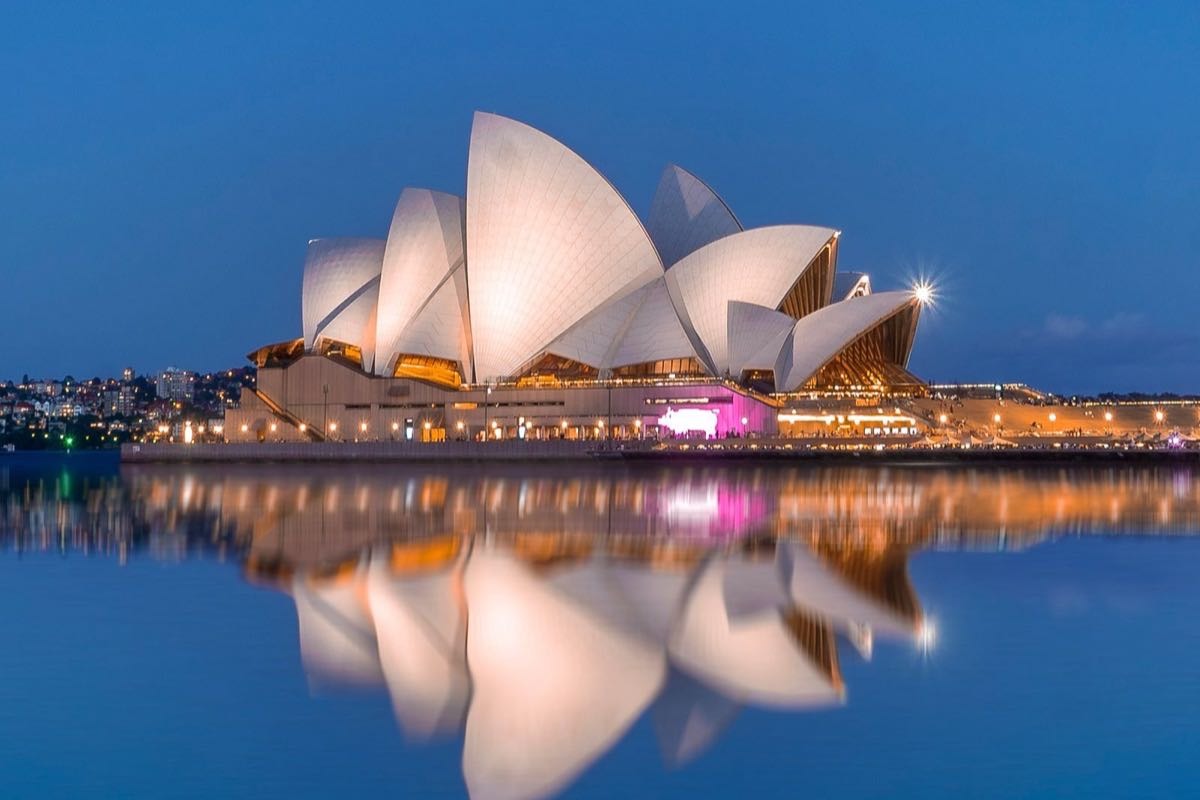
Morning (10:00 AM): Pick Up Your Campervan
Collect your RV rental in Sydney and set up at a holiday park with train links into the centre, such as Lane Cove River Tourist Park. Get used to the van before the highways begin.
Spend the first hour getting used to the van’s size and to driving on the left before you take on the city traffic. Stock up on food and water at a supermarket near the park, since prices climb the further north you drive.
Afternoon (1:00 PM): Opera House and Botanic Garden
Take the train to Circular Quay, walk around the Sydney Opera House, and cut through the Royal Botanic Garden to Mrs Macquarie’s Chair for the classic view of the sails and the Harbour Bridge.
The Royal Botanic Garden is free and open daily, and the walk out to Mrs Macquarie’s Chair takes about 20 minutes from the Opera House. Guided Opera House tours run throughout the day and are worth booking ahead in peak season.
Evening (6:00 PM): The Rocks
Wander the sandstone laneways of The Rocks, the city’s oldest quarter, and have dinner at a harbourside pub as the bridge lights up.
The Rocks runs a weekend market on Saturdays and Sundays, with food stalls and local makers set up under the bridge. Harbourside dining here runs from casual fish and chips to higher-end restaurants, so you can match it to your budget.
Practical tip: Central Sydney is hard to park a campervan in, so leave the van at the holiday park and use the train or ferry. Both reach almost all of the harbour sights.
Day 2: Sydney’s Beaches and Harbour
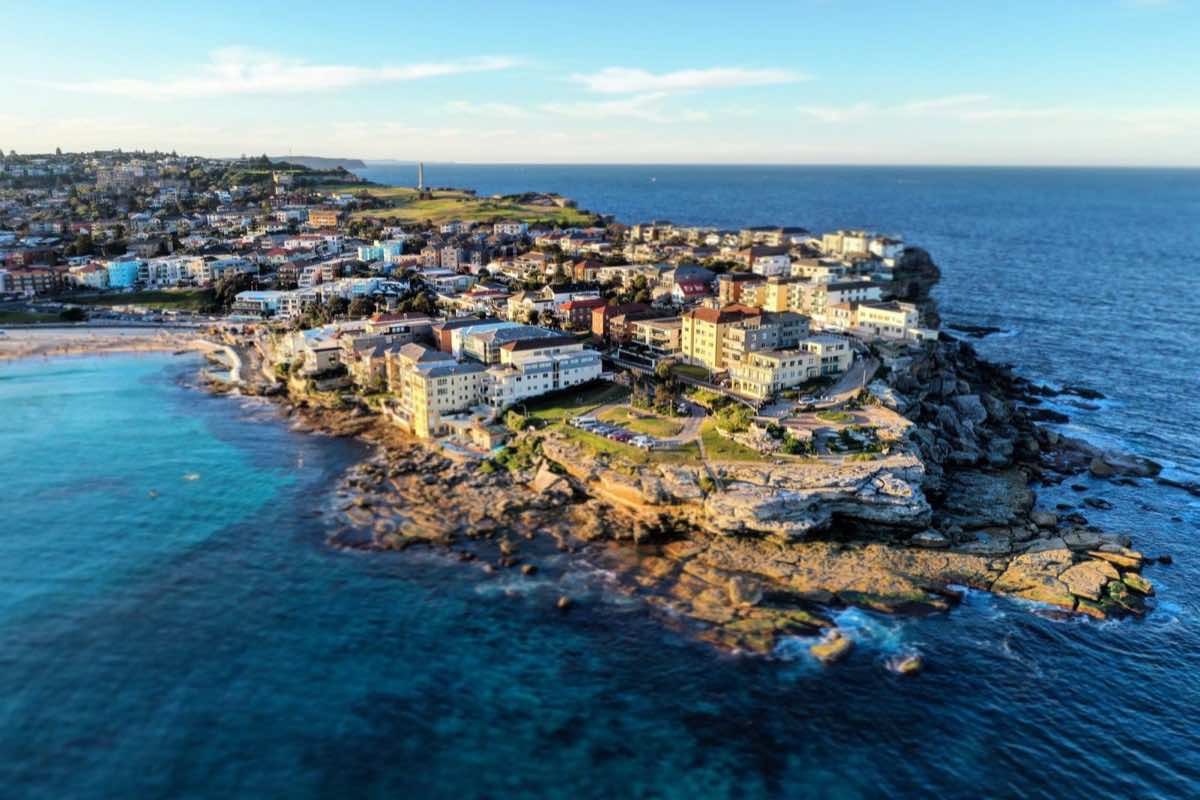
Morning (8:00 AM): Bondi to Bronte Walk
Walk the coastal path from Bondi past Tamarama to Bronte, one of the best free things to do in the city. Take a dip at the Bondi Icebergs ocean pool if the surf allows.
The Bondi to Bronte path is about 2.5 km one way and takes around an hour at an easy pace, with ocean pools and cafes along the cliffs. Start early to beat the crowds, since the clifftops are exposed with little shade.
Afternoon (1:00 PM): Manly by Ferry
Catch the ferry from Circular Quay to Manly for the harbour crossing and an afternoon on a calmer, surf-side beach.
The Manly ferry from Circular Quay takes about 30 minutes and is one of the best-value harbour trips in the city. Manly’s Ocean Beach is calmer for swimming, and the short walk onto Shelly Beach is worth the extra half hour.
Evening (6:00 PM): Darling Harbour
Finish at Darling Harbour for waterfront dining and the city lights before you leave Sydney in the morning.
Darling Harbour is an easy walk from the city centre and is lined with waterfront restaurants, the aquarium, and the maritime museum. It makes a relaxed last evening before you leave the city traffic behind.
Practical tip: Fill the fuel tank and top up the van’s water before you head north tomorrow. Fuel is cheaper in the city than at the highway stops between towns.
Day 3: Drive to Port Stephens
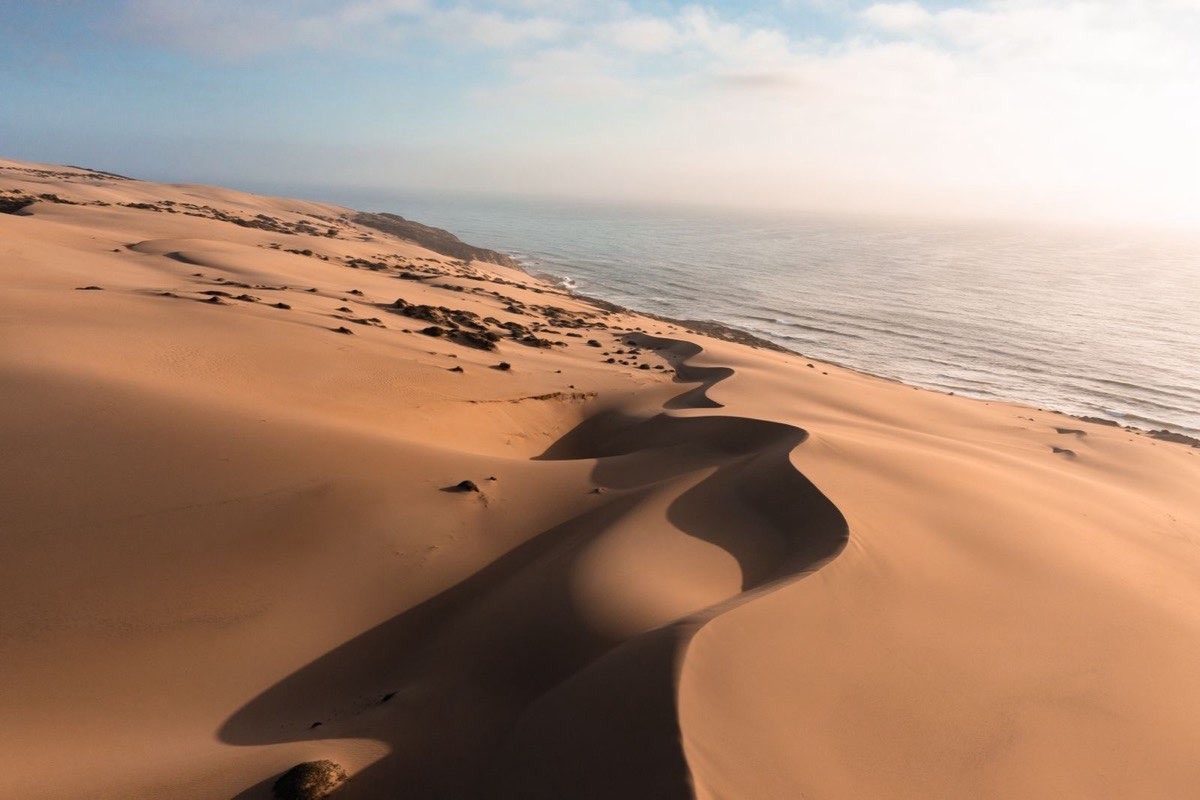
Morning (8:00 AM): Head North
Leave Sydney early and drive about three hours north up the Pacific Highway to Port Stephens, your first taste of the wild coast.
The Pacific Highway north is a dual carriageway for most of the way and an easy first highway drive. Break the trip at a rest stop or a bakery in one of the towns along the way to stretch your legs.
Afternoon (1:00 PM): Stockton Bight Sand Dunes
Sandboard or take a 4WD tour across the huge Stockton dunes at Anna Bay, then cool off with a swim at One Mile Beach.
The Stockton Bight dunes run for around 32 km, the largest moving sand mass in the southern hemisphere. You can sandboard or join a 4WD tour to reach the inner dunes, so allow a couple of hours here.
Evening (5:00 PM): Nelson Bay
Take a dolphin-watching cruise from Nelson Bay, then camp near the water and watch the sunset over the bay.
Port Stephens has a large resident population of bottlenose dolphins, and sunset cruises run most evenings in the warmer months. Sightings are common, and many boats offer a second trip if none show.
Practical tip: Book the dolphin cruise a day ahead in peak season, since the popular sunset boats fill quickly. Camp near the water at Nelson Bay or Shoal Bay for an easy start.
Day 4: Port Macquarie
Morning (8:00 AM): Drive to Port Macquarie
A two-hour drive north brings you to Port Macquarie, a relaxed coastal town built for an overnight stop.
The two-hour run north hugs the coast and passes several surf towns worth a quick stop. Port Macquarie sits where the Hastings River meets the sea, with calm river beaches as well as surf.
Afternoon (12:00 PM): Koala Hospital and Beaches
Visit the working Koala Hospital, then walk the coastal track that links the town’s string of quiet beaches.
The Koala Hospital is one of the oldest koala care centres in the country and runs on donations, so entry is free with a small charge for guided walks. The coastal walk links a string of quiet town beaches over a few easy kilometres.
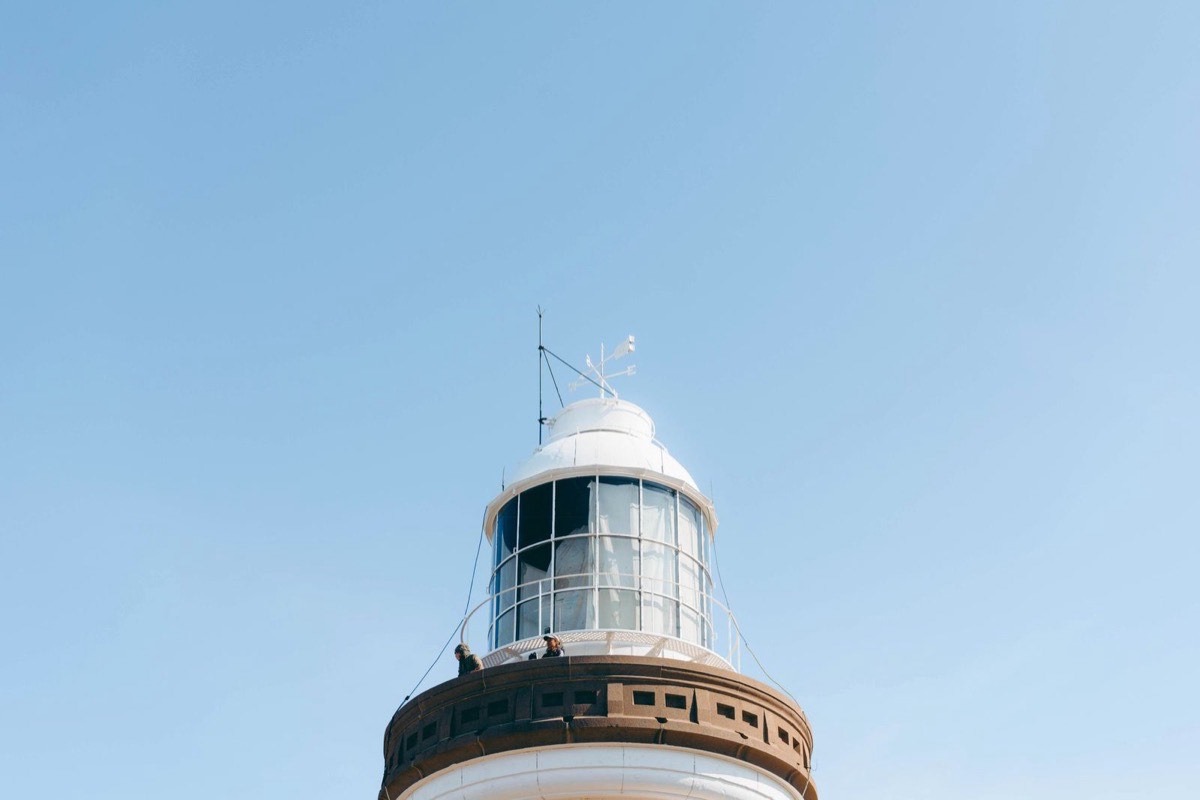
Evening (6:00 PM): Tacking Point Lighthouse
Catch sunset at Tacking Point Lighthouse and camp nearby for the night.
Tacking Point Lighthouse sits on a small headland with wide coastal views, and it is a known spot for watching whales in season. The beach below is a popular surf break at the end of the day.
Practical tip: Several holiday parks sit right on the Port Macquarie beachfront, so book one within walking distance of the sand. Arrive before dark to set up the van in daylight.
Day 5: Coffs Harbour
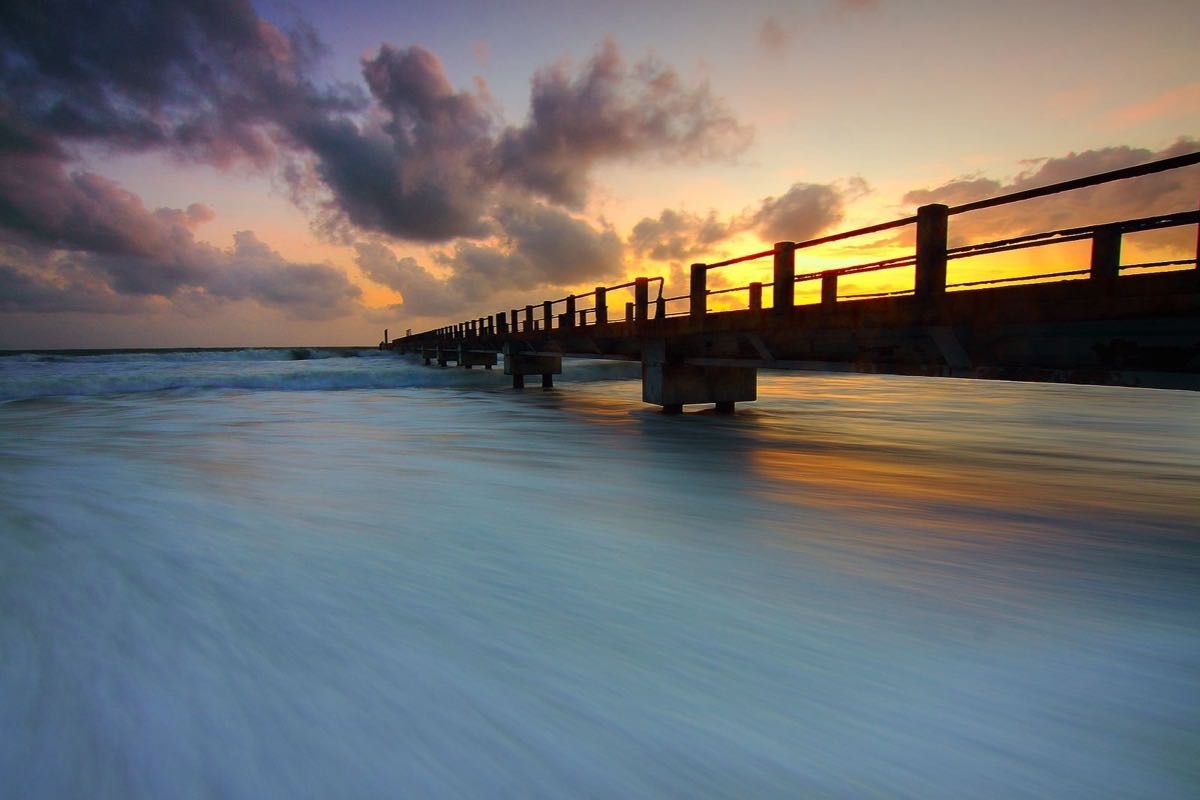
Morning (9:00 AM): Drive to Coffs Harbour
Continue up the coast, stopping for the famously kitsch Big Banana photo on the way in.
The Big Banana is one of Australia’s original roadside big things and is free to walk up to, with paid rides and a water park for families. It makes a fun, quick photo stop on the way into town.
Afternoon (1:00 PM): Muttonbird Island
Walk out to Muttonbird Island for coastal views and, in winter, migrating whales offshore.
Muttonbird Island is reached by a short breakwater walk from the marina and is home to thousands of nesting shearwaters in the warmer months. From the top, you can often spot migrating whales offshore in winter.
Evening (6:00 PM): Jetty Beach
Relax at Jetty Beach and settle into a beachfront holiday park.
Jetty Beach is a calm, patrolled stretch close to the marina, and the Jetty foreshore behind it has a cluster of cafes and restaurants. It is an easy spot to wind down after a day of short walks.
Practical tip: Coffs Harbour and nearby Sawtell both have beachfront holiday parks that make a relaxed overnight stop. Stock up here, as it is one of the larger towns before Byron.
Day 6: Byron Bay
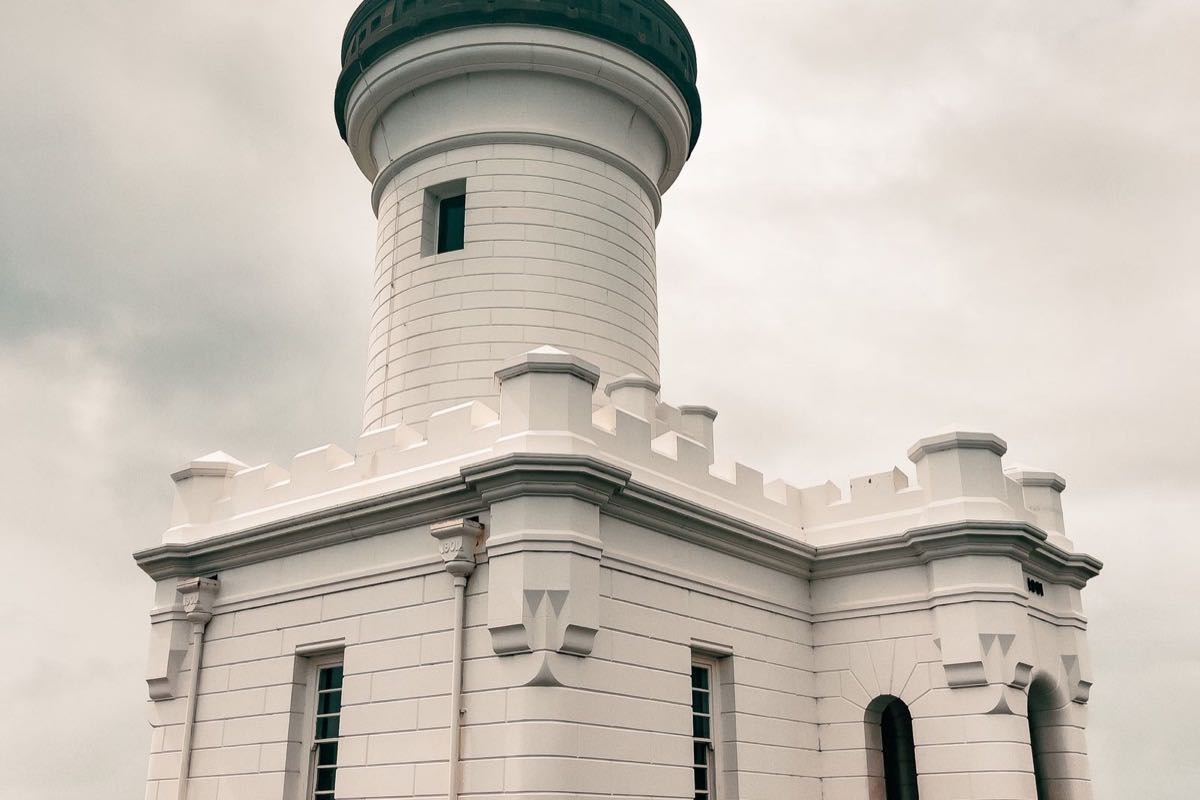
Morning (8:00 AM): Drive to Byron Bay
A three-hour drive north crosses into Byron Bay, the most famous beach town on the coast.
The three-hour drive crosses into the far north of New South Wales, where the coast turns greener, and the towns get more laid-back. Byron’s pace is slow, so leave time to just wander once you arrive.
Afternoon (1:00 PM): Main Beach and Surf
Swim or take a surf lesson at Main Beach, then explore the town’s markets and cafes.
Main Beach is patrolled and gentle enough for beginners, and several surf schools run group lessons throughout the day. The town centre is small and walkable, with markets, cafes, and surf shops within a few streets.
Evening (5:00 PM): Cape Byron Lighthouse
Walk up to the Cape Byron Lighthouse for sunset over the hinterland and the coast.
The walk up to Cape Byron Lighthouse passes the most easterly point of mainland Australia, with dolphins often visible in the bay below. Sunset from the headland looks back over the town and the hinterland.
Practical tip: Byron’s parking is tight, and the lighthouse car park is small, so go early or walk up from town. Campervans are best left at a holiday park on the edge of the centre.
Day 7: A Full Day in Byron Bay
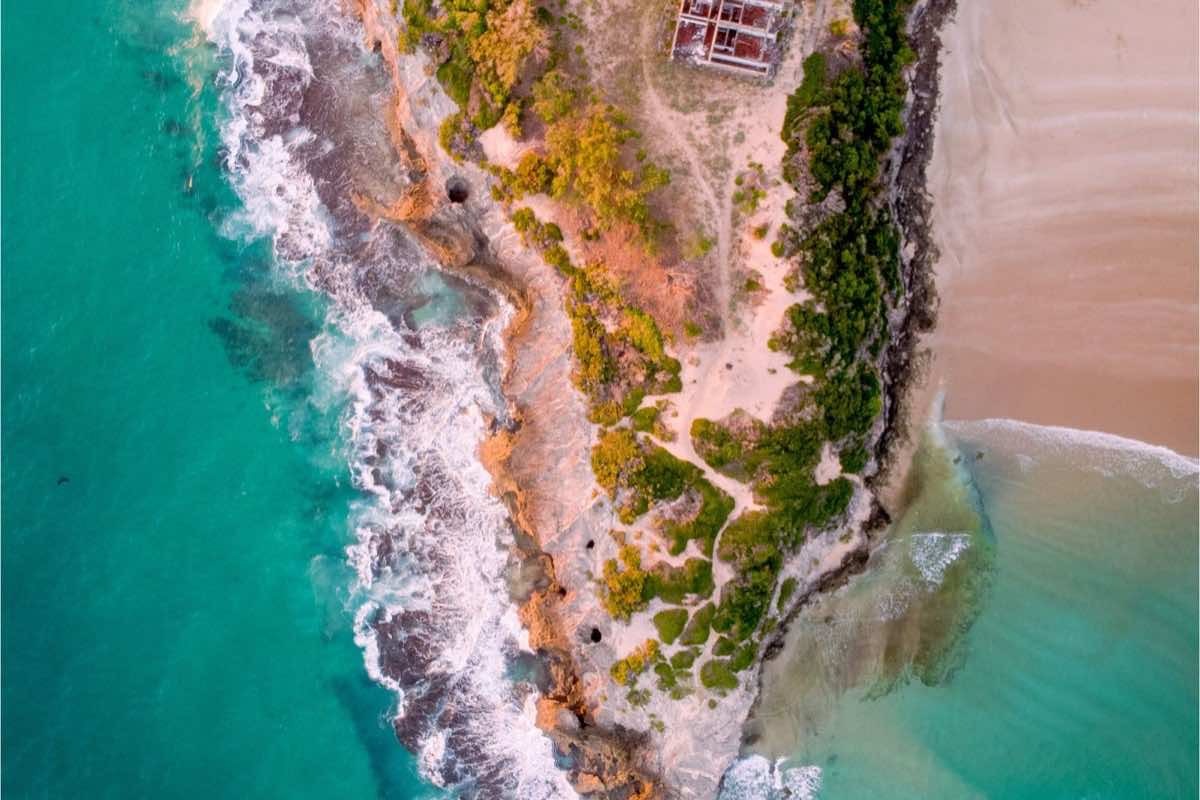
Morning (6:30 AM): The Most Easterly Point
Hike to the lookout below the lighthouse, the most easterly point of mainland Australia, to watch the sunrise and spot dolphins offshore.
The lookout below the lighthouse is the first place on the mainland to catch the sunrise, and the early light is the quietest time on the headland. Bring a jacket, as it can be cool and breezy before the sun is up.
Afternoon (12:00 PM): Hinterland Waterfalls
Drive into the hinterland to swim at Killen Falls or browse the village of Bangalow.
The Byron hinterland is a short drive inland and full of swimming holes, waterfalls, and small villages like Bangalow. Killen Falls has a short walk to a pool you can swim in on a warm day.
Evening (6:00 PM): Sunset at The Pass
Finish with a swim and sunset at The Pass before dinner in town.
The Pass is one of Byron’s best-known surf breaks and a relaxed spot for a late swim and sunset. The walking track here links back to the lighthouse loop if you want to extend the afternoon.
Practical tip: Many hinterland roads are narrow and winding, so take them slowly in the van and allow extra time. Check whether swimming holes are open after heavy rain, as some close.
Day 8: Gold Coast and Brisbane
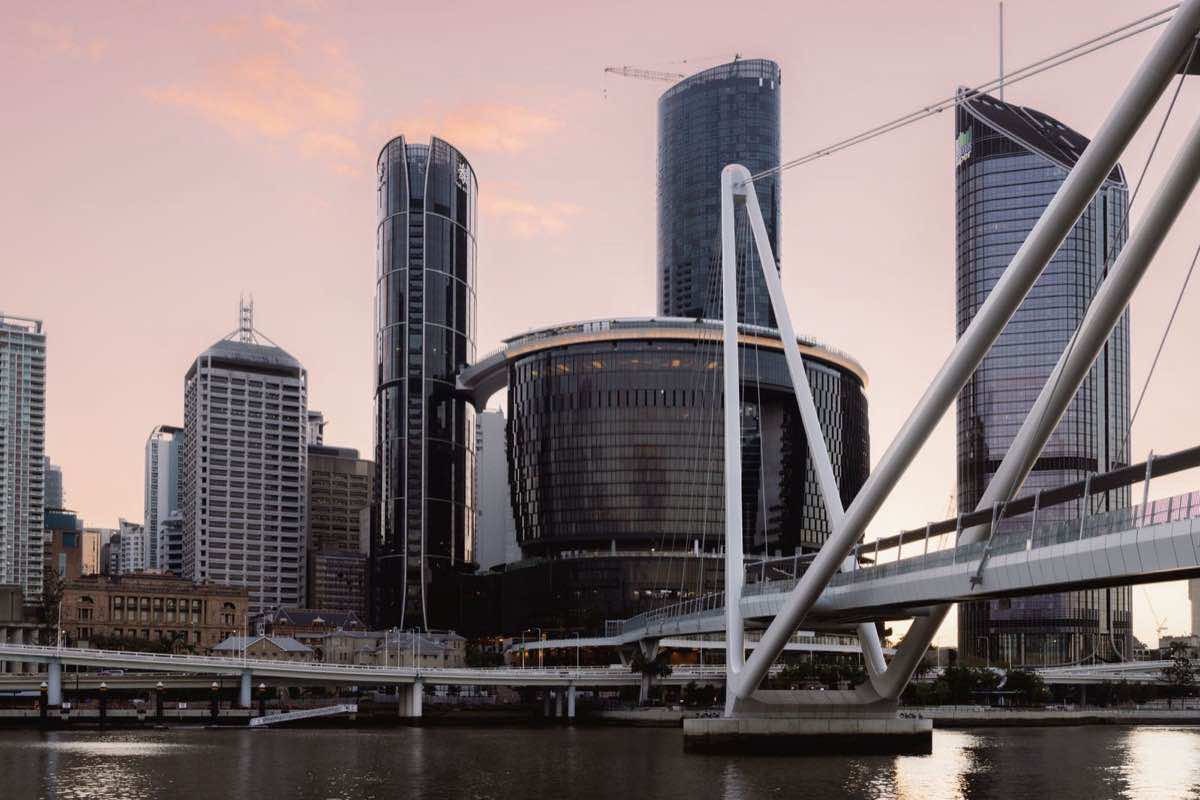
Morning (8:00 AM): Cross into Queensland
Drive north into Queensland and stop at Burleigh Heads on the Gold Coast for a headland walk and a swim.
Crossing into Queensland, Burleigh Heads has a short, shaded headland walk through rainforest with ocean lookouts and surfers on the point below. It is an easy 30 to 45-minute loop and a calm start to the day.
Afternoon (1:00 PM): Brisbane’s South Bank
Carry on to Brisbane and spend the afternoon at South Bank, with its riverside parkland and the Streets Beach lagoon. If you are adjusting the trip, an RV rental in Brisbane is a handy alternative start or finish point.
Streets Beach at South Bank is the only inner-city beach in Australia, a free lagoon ringed by parkland and cafes. The Gallery of Modern Art and the state museum nearby are also free if you want to escape the heat.
Evening (6:00 PM): Story Bridge and the City
Walk or climb the Story Bridge at dusk, then have dinner in the city.
The Story Bridge lights up at dusk, and the CityCat ferry along the river is one of the cheapest ways to see Brisbane. South Bank and Fortitude Valley have the best run of restaurants for dinner.
Practical tip: Queensland does not use daylight saving time, so in summer its clocks sit an hour behind New South Wales. Check the time when you cross the border so you do not miss any bookings.
Day 9: Noosa and the Sunshine Coast
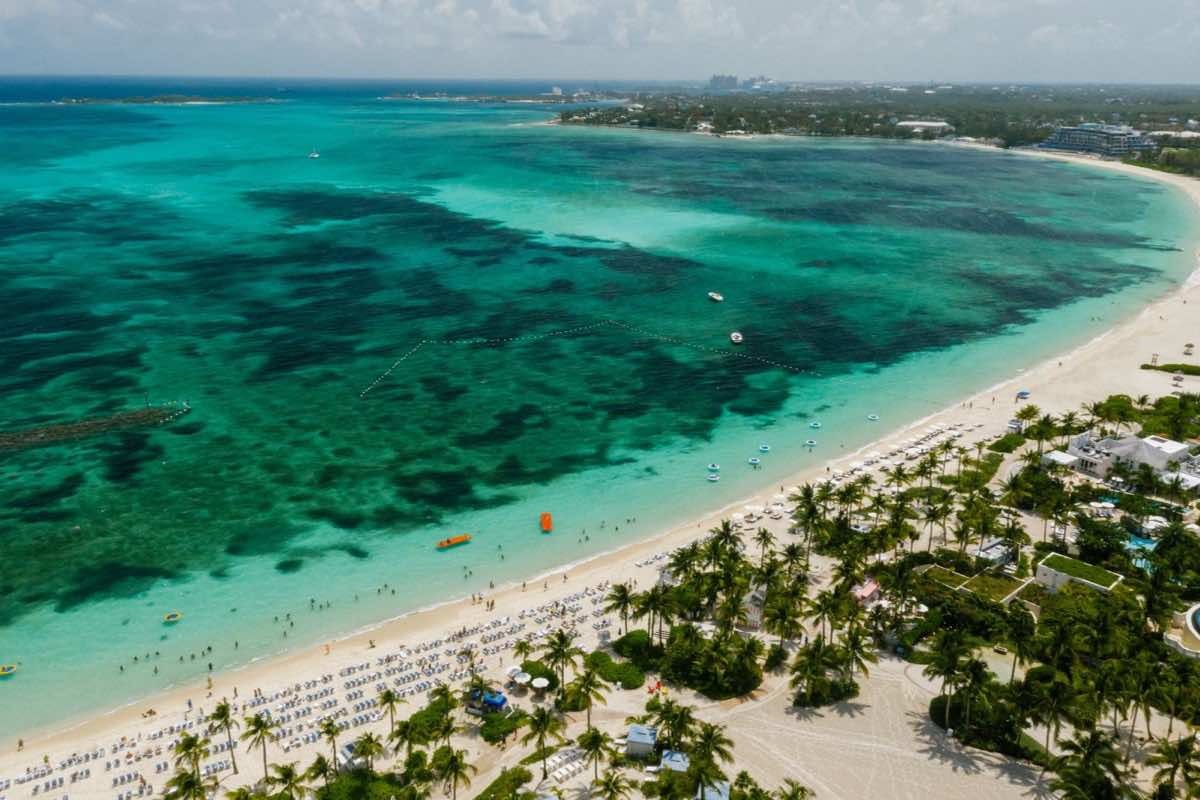
Morning (8:00 AM): Drive to Noosa
A two-hour drive north reaches Noosa, where the Sunshine Coast slows everything down.
The drive north takes about two hours and marks the start of the Sunshine Coast, where the pace eases again. Noosa is built around the river mouth and the national park headland.
Afternoon (12:00 PM): Noosa National Park
Walk the coastal track past rocky bays, where koalas often doze in the trees, out to Hell’s Gates.
The Noosa National Park coastal track runs past rocky bays out to Hell’s Gates, with koalas often dozing in the trees along the way. The walk to Tea Tree Bay and back is an easy hour, with sheltered swimming on calm days.
Evening (6:00 PM): Hastings Street
Stroll Hastings Street and have a long dinner near Main Beach.
Hastings Street runs behind Main Beach and is lined with cafes and restaurants, busy but pleasant for an evening stroll. The riverside of town is calmer if you would rather have a quiet dinner.
Practical tip: Noosa’s national park car parks fill early on weekends and holidays, so arrive before mid-morning. The free shuttle from town is an easier option in peak season.
Day 10: Rainbow Beach
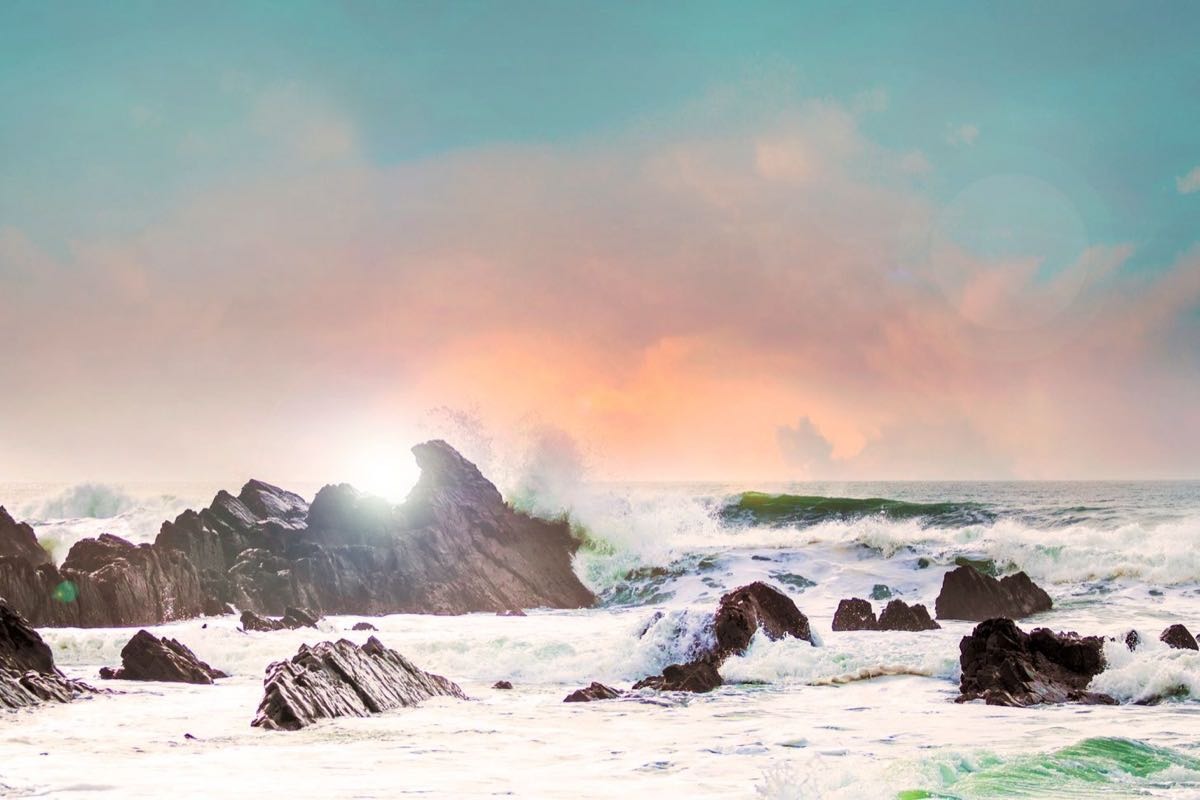
Morning (9:00 AM): Drive to Rainbow Beach
Head north to Rainbow Beach, the launch point for K’gari and a quiet base for the night.
Rainbow Beach is a small town and the southern launch point for K’gari, about two hours north of Noosa. It is quieter than the Sunshine Coast and a good place to slow down before the island.
Afternoon (1:00 PM): Carlo Sand Blow
Walk to the Carlo Sand Blow, a huge sand mass with sweeping views over the coast.
The Carlo Sand Blow is a huge sheet of sand above the town, a short walk in, with sweeping views over the coloured sand cliffs and the ocean. Sunrise and sunset are the best times for the light.
Evening (5:00 PM): Prepare for K’gari
Book your island day tour and stock up before an early start tomorrow.
Spend the evening booking your K’gari day tour and stocking up, since the island has limited shops and high prices. An early night helps before the early start tomorrow.
Practical tip: Leave the campervan on the mainland, as K’gari is sand-track only and standard hire vehicles are not insured for it. Most tours include pickup from Rainbow Beach.
Day 11: K’gari (Fraser Island)
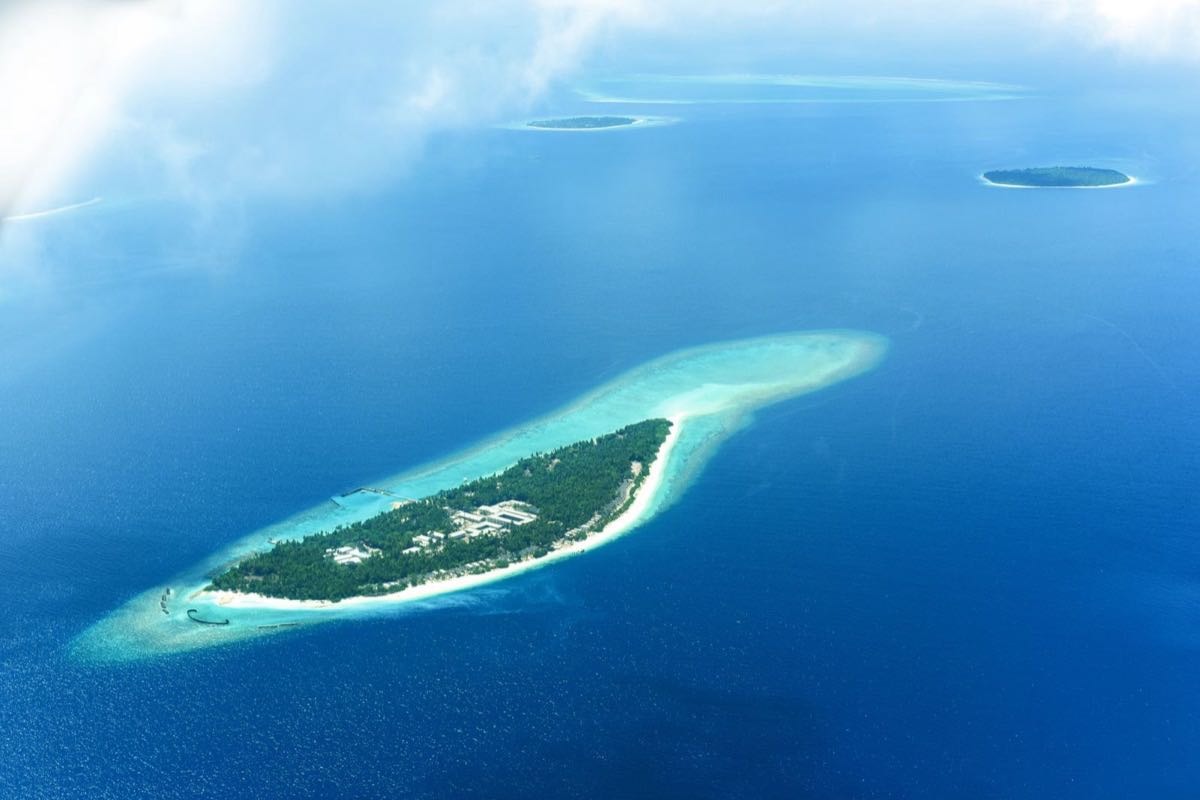
Morning (7:00 AM): Lake McKenzie
Join a 4WD day tour to K’gari, the largest sand island in the world, and swim in the clear water of Lake McKenzie. Leave your campervan on the mainland, as the island is sand-track only.
K’gari, formerly Fraser Island, is the largest sand island in the world and a World Heritage site. Lake McKenzie is a perched freshwater lake with clear water and white silica sand, one of the most photographed spots on the island.
Afternoon (12:00 PM): 75 Mile Beach
Drive the hard-packed 75 Mile Beach highway and see the rusting Maheno shipwreck.
The 75 Mile Beach acts as the island’s main highway, passing the rusting Maheno shipwreck and the coloured sands of The Pinnacles. Swimming in the surf here is not safe because of currents and sharks, so stick to the lakes.
Evening (5:00 PM): Back to the Mainland
Return by ferry and rest up for the longer drives ahead.
The ferry back to the mainland runs into the evening, leaving time to settle in before the longer drives ahead. Rinse the sandy gear before it goes back in the van.
Practical tip: Book a guided 4WD day tour rather than self-driving, since the sand tracks are difficult and change with the tide. Bring swimmers, sunscreen, and insect repellent for the lakes.
Day 12: Hervey Bay
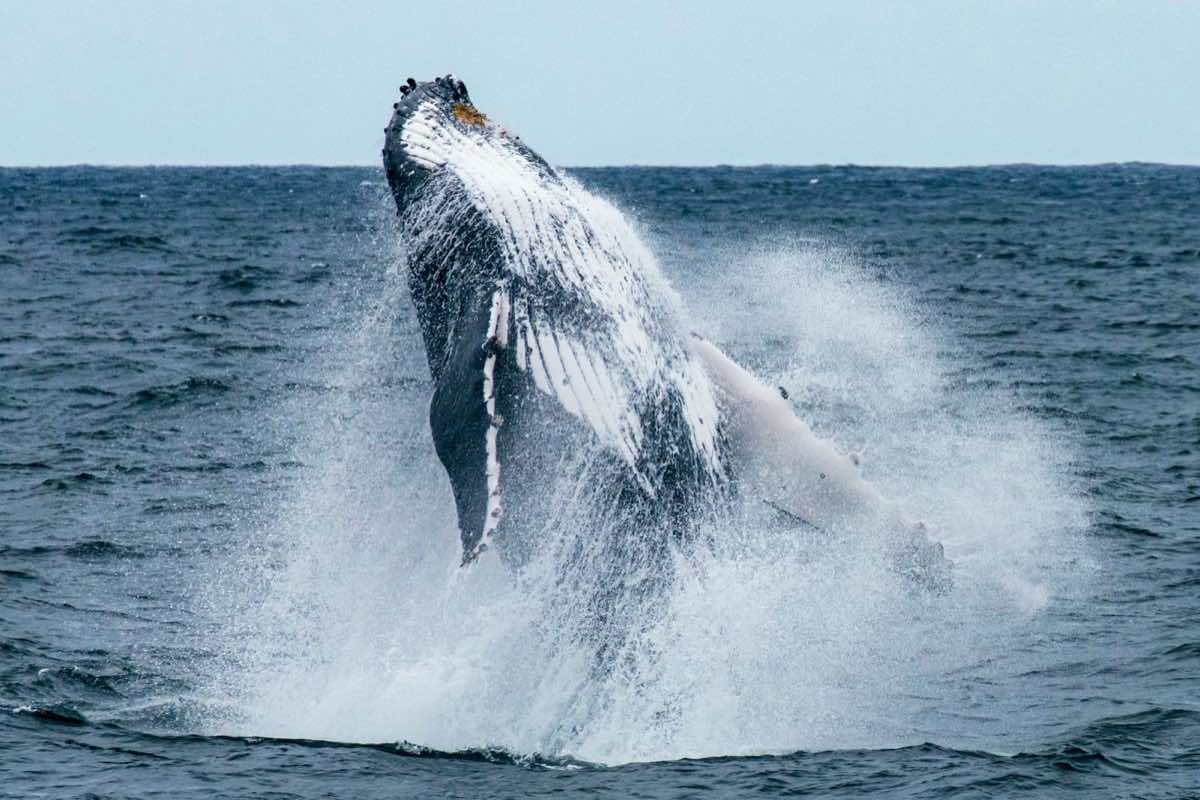
Morning (8:00 AM): Whale Watching
Between July and November, take a whale-watching cruise from Hervey Bay, the whale-watching capital of Australia.
Hervey Bay is the whale-watching capital of Australia, and from July to November, humpbacks rest in the sheltered bay on their migration. Morning cruises tend to have the calmest water.
Afternoon (1:00 PM): Esplanade and Pier
Walk the Esplanade and Urangan Pier, then stock up on food and fuel before heading north.
The Esplanade runs along the foreshore with parkland, cafes, and the long Urangan Pier, a relaxed place to walk off the boat trip. This is a good spot to restock food and fuel before the quieter stretch north.
Evening (6:00 PM): An Early Night
Settle in early, because tomorrow is the longest driving day of the trip.
Have an early dinner and settle in, since tomorrow is the longest driving day of the trip. A waterfront holiday park makes for an easy overnight stop.
Practical tip: Outside whale season, Hervey Bay still works as a calm rest stop and supply town. Book whale cruises a day or two ahead during the July to October peak.
Day 13: Agnes Water and the Town of 1770
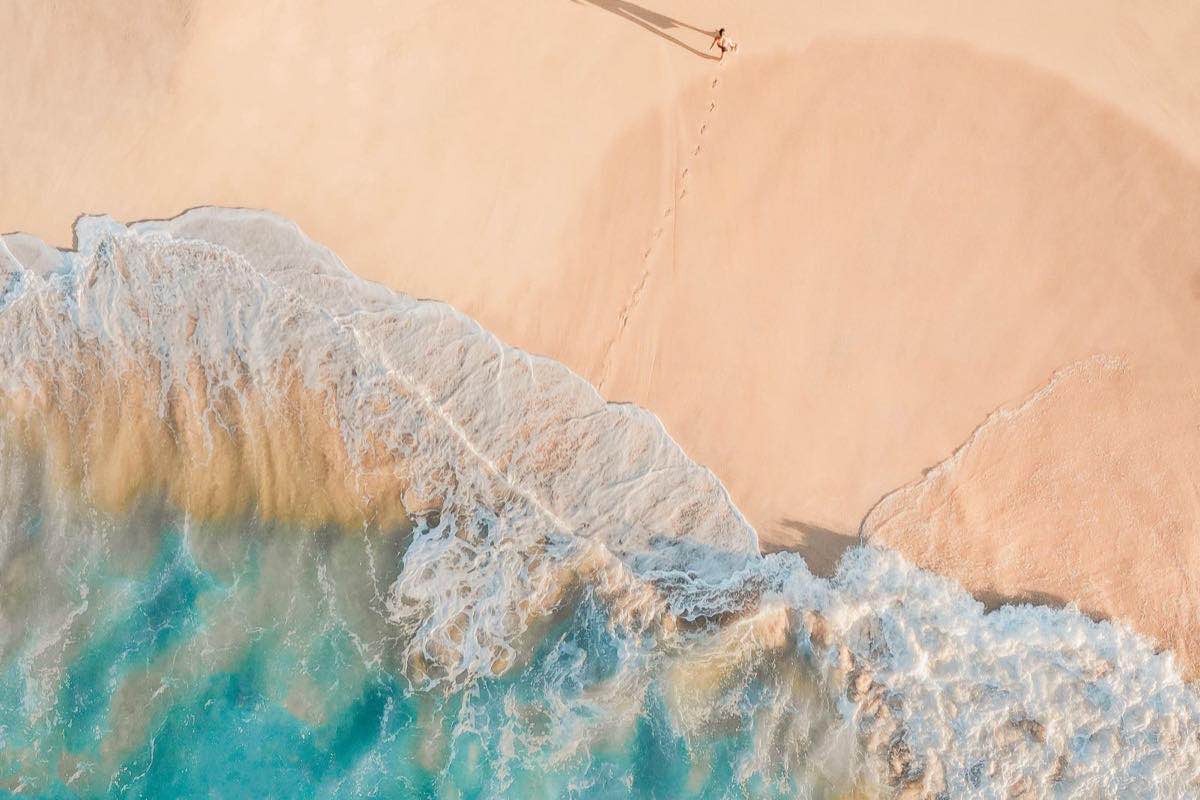
Morning (7:00 AM): The Long Drive North
Start early for the long drive north toward Agnes Water; share the driving if you can and plan your fuel stops.
Today is the longest drive of the trip, so start early and share the driving if you can. Plan your fuel stops, as towns and service stations are further apart on this stretch.
Afternoon (1:00 PM): Agnes Water Beach
Surf or swim at Agnes Water, the most northerly surf beach on the coast.
Agnes Water has the most northerly surf beach on the east coast, patrolled and good for a swim or a lesson. The twin towns of Agnes Water and 1770 are small and quiet, a contrast to the busier coast to the south.
Evening (5:00 PM): Town of 1770
Watch sunset over the water at the quiet Town of 1770 and camp nearby.
The Town of 1770 sits on a west-facing headland, one of the few places on the east coast where you can watch the sun set over the water. Camp nearby for a quiet night.
Practical tip: This stretch has fewer services, so carry extra water and snacks and keep the fuel tank topped up. Phone signal can drop out between towns, so download maps in advance.
Day 14: Airlie Beach
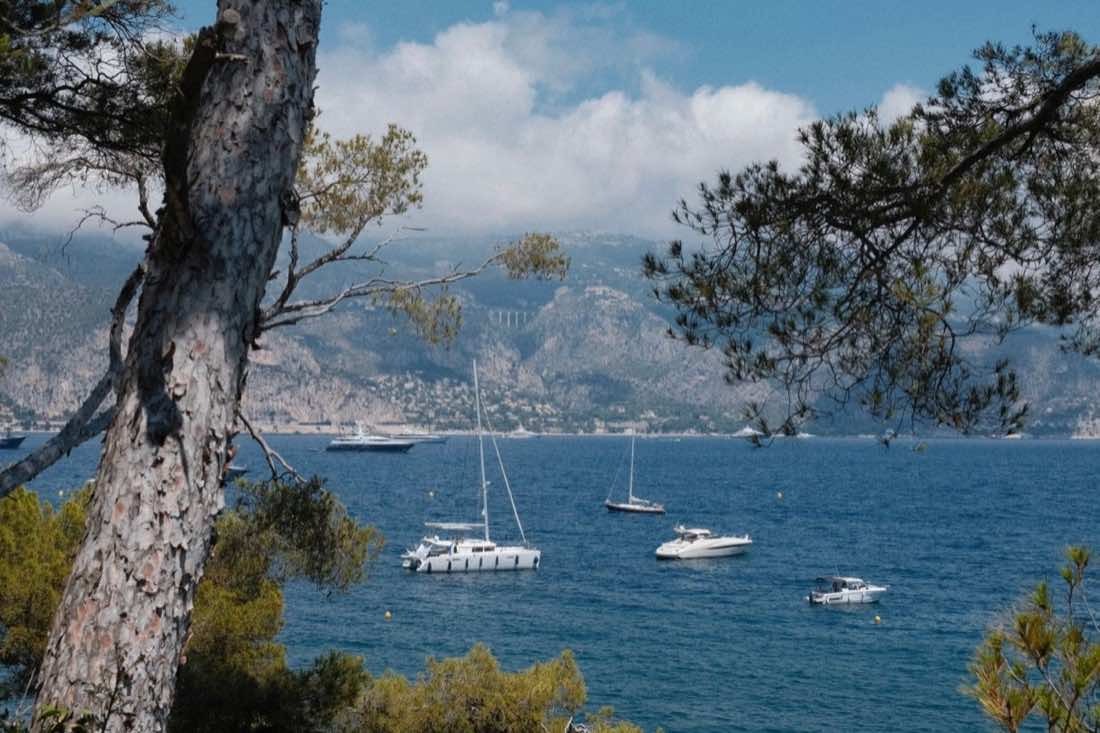
Morning (8:00 AM): Drive to Airlie Beach
Another long drive north brings you to Airlie Beach, the gateway to the Whitsundays.
Another long drive north brings you into the tropics and the gateway to the Whitsundays. The landscape turns greener and the air more humid as you go.
Afternoon (1:00 PM): The Lagoon
Cool off at the free Airlie Beach Lagoon and book tomorrow’s boat trip a day ahead in peak season.
The Airlie Beach Lagoon is a free, patrolled swimming pool on the foreshore, safe from the marine stingers that affect the open beaches in season. The main street behind it has the booking offices for the next day’s boat trips.
Evening (6:00 PM): Marina Sunset
Watch sunset over the marina and have dinner on the main street.
The marina at Abell Point is a short walk or shuttle from town and a good spot for sunset before dinner on the main street. Airlie is the liveliest town since Byron, with plenty open in the evening.
Practical tip: Book your Whitsundays boat trip at least a day ahead in peak season, as the popular tours sell out. Choose a sailing or motor tour to match the time and budget you have.
Day 15: The Whitsundays
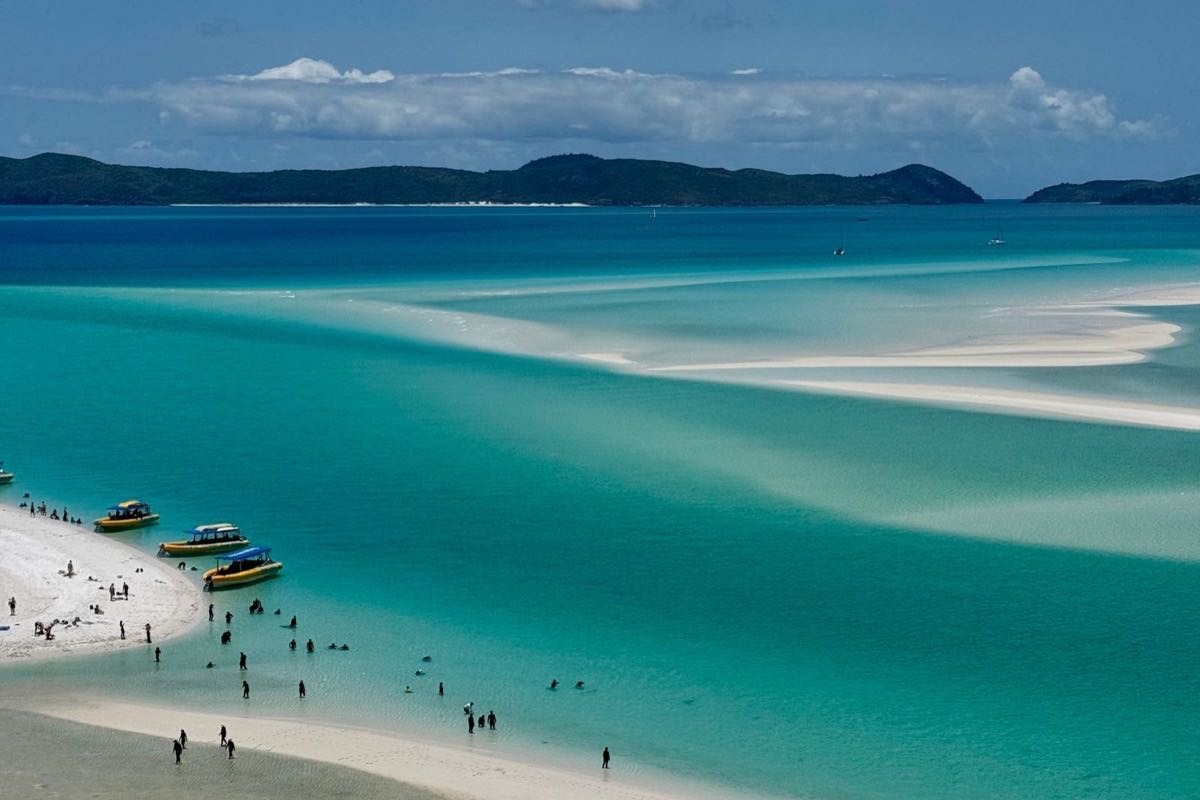
Morning (7:00 AM): Sail to Whitehaven
Take a boat or sailing tour out to Whitehaven Beach, with its blinding white silica sand.
Whitehaven Beach is a seven kilometre stretch of pure white silica sand, regularly rated among the best beaches in the world. Most tours include a few hours here to swim and walk on the sand.
Afternoon (12:00 PM): Hill Inlet Lookout
Climb to the Hill Inlet lookout for the swirling sand-and-sea view you have seen on every Australian postcard, then snorkel the fringing reef.
The Hill Inlet lookout gives the swirling sand-and-water view seen on most Whitsundays postcards, and it is best at low tide. The fringing reef around the islands is good for snorkelling, with stinger suits provided in season.
Evening (6:00 PM): Back in Airlie
Return to Airlie Beach for the night and a quiet dinner.
Back in Airlie, the evening is for a relaxed dinner and an early night before the drive resumes. Rinse and dry your snorkelling gear before it goes back in the van.
Practical tip: Wear a stinger suit on reef and island trips from roughly November to May, when marine stingers are present. Many tours require reef-safe sunscreen to protect the coral.
Day 16: Townsville
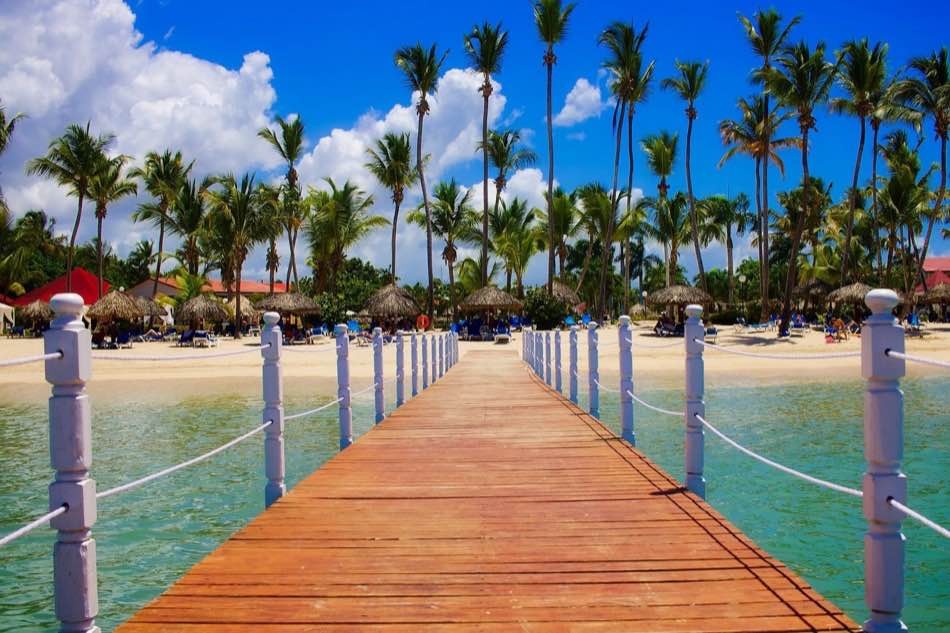
Morning (8:00 AM): Drive to Townsville
Drive north to Townsville, a working coastal city with a long beachfront.
The drive north to Townsville runs through cane fields and dry tropical country, a different look to the coast further south. Townsville is a working city and the jumping-off point for Magnetic Island.
Afternoon (1:00 PM): The Strand
Walk The Strand promenade and swim in the stinger-safe enclosure.
The Strand is a long beachfront promenade with parkland, pools, and a stinger-safe swimming enclosure netted off for the warmer months. It is an easy place to swim and walk after the drive.
Evening (5:00 PM): Castle Hill
Drive up Castle Hill for sunset views over the city and across to Magnetic Island.
Castle Hill rises right above the city, and the drive or walk to the top gives sunset views over Townsville and across to Magnetic Island. The summit is a popular spot at the end of the day.
Practical tip: Swim inside the netted stinger enclosure on The Strand from November to May rather than the open beach. Townsville is a good place to restock before the run to Cairns.
Day 17: Magnetic Island
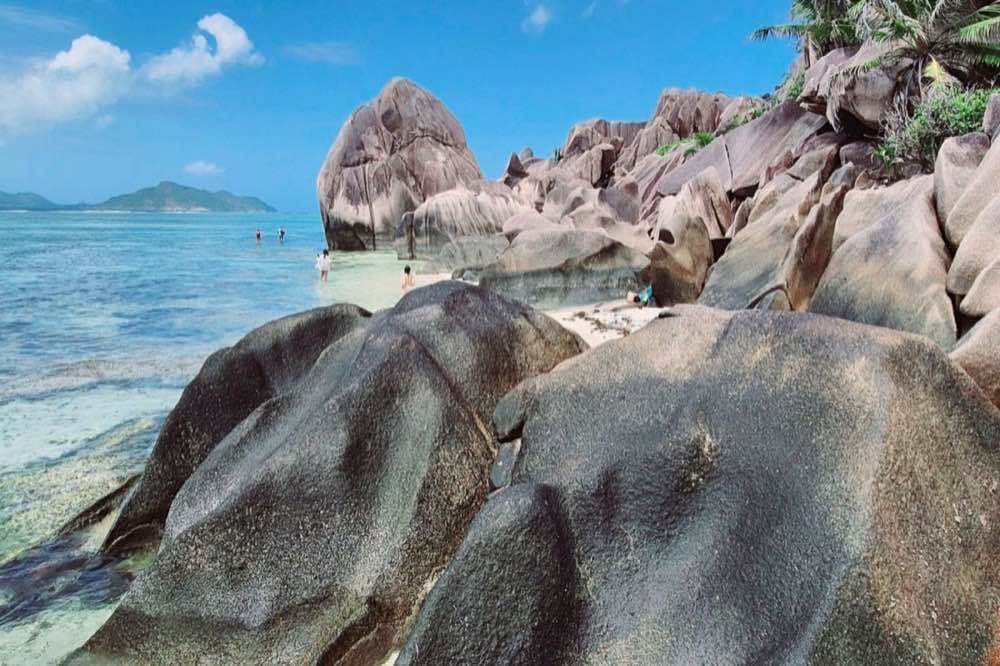
Morning (8:00 AM): Ferry to the Island
Take the short ferry to Magnetic Island, a relaxed island of granite boulders and bushland.
Magnetic Island is a short ferry from Townsville, a relaxed island of granite boulders, bushland, and small bays. Passenger ferries run regularly, so you can leave the van on the mainland.
Afternoon (12:00 PM): The Forts Walk
Walk the Forts, Walk past WWII gun emplacements, where wild koalas doze in the gum trees overhead.
The Forts Walk passes WWII gun emplacements and has one of the highest densities of wild koalas in Australia in the gum trees overhead. Look up as you go, and allow about two hours return.
Evening (5:00 PM): Horseshoe Bay
Swim at Horseshoe Bay before the ferry back to the van on the mainland.
Horseshoe Bay is the island’s main beach, with calm water, cafes, and a stinger enclosure in season, a good last swim before the ferry back. Time your return so you reach the van before dark.
Practical tip: Take the passenger ferry rather than the vehicle barge, since the island is small and easy to get around by local bus or hire. Check the timetable for the last sailing.
Day 18: Mission Beach
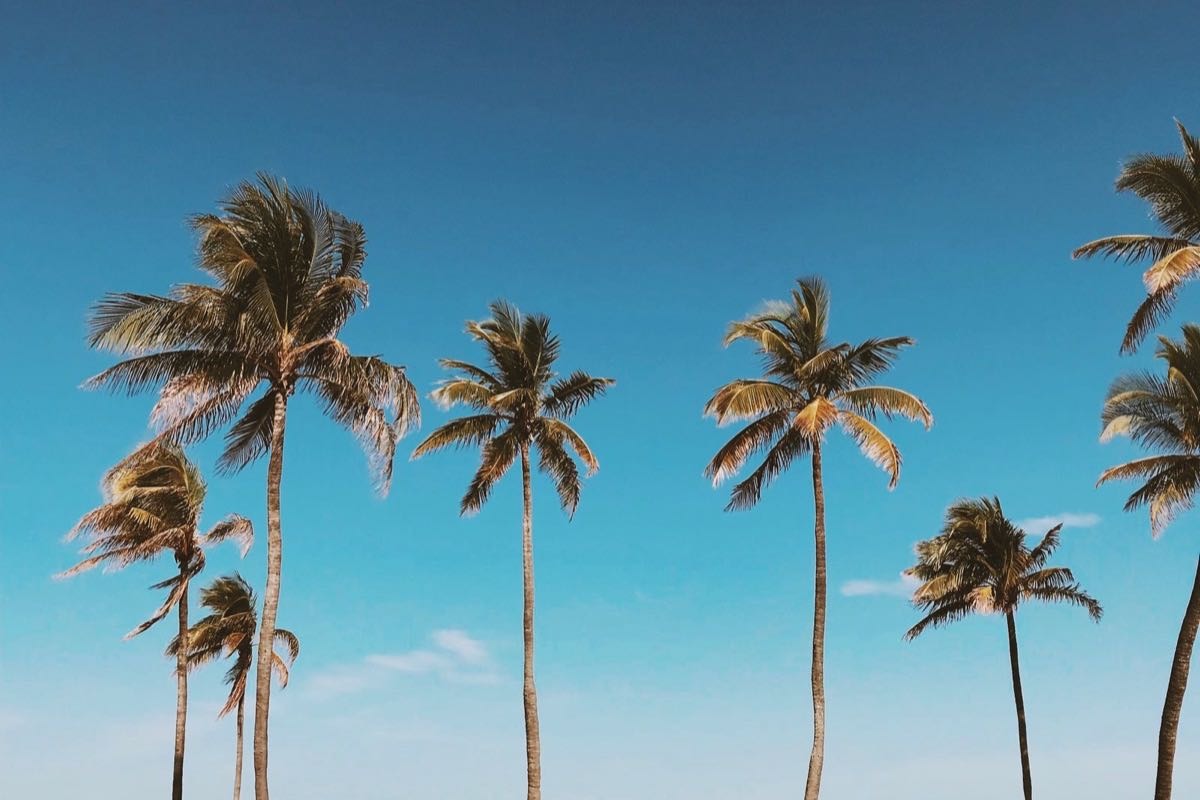
Morning (8:00 AM): Drive to Mission Beach
Drive north to Mission Beach, a long palm-backed beach where the rainforest reaches the sand.
Mission Beach is a long, palm-backed stretch of sand where the rainforest reaches almost to the water. It is quieter than the reef hubs and a calm stop before Cairns.
Afternoon (1:00 PM): Beach and Rainforest
Walk the beach and the rainforest tracks behind it; this is one of the few places you might spot a wild cassowary.
Walking tracks behind the beach run through dense rainforest, and this is one of the few places you might see a wild cassowary. Keep your distance if you do, as the birds are large and best left alone.
Evening (6:00 PM): A Quiet Night
Enjoy a calm overnight stop before the busier reef hubs around Cairns.
The pace here is slow, with little to do but walk the beach and watch the sea, which is the point after the busy Whitsundays. A beachfront camp makes for a quiet night.
Practical tip: Drive carefully on the roads around Mission Beach, which are marked as cassowary crossings. Swimming carries a stinger risk in the warmer months, so check the local signs.
Day 19: Cairns and the Great Barrier Reef
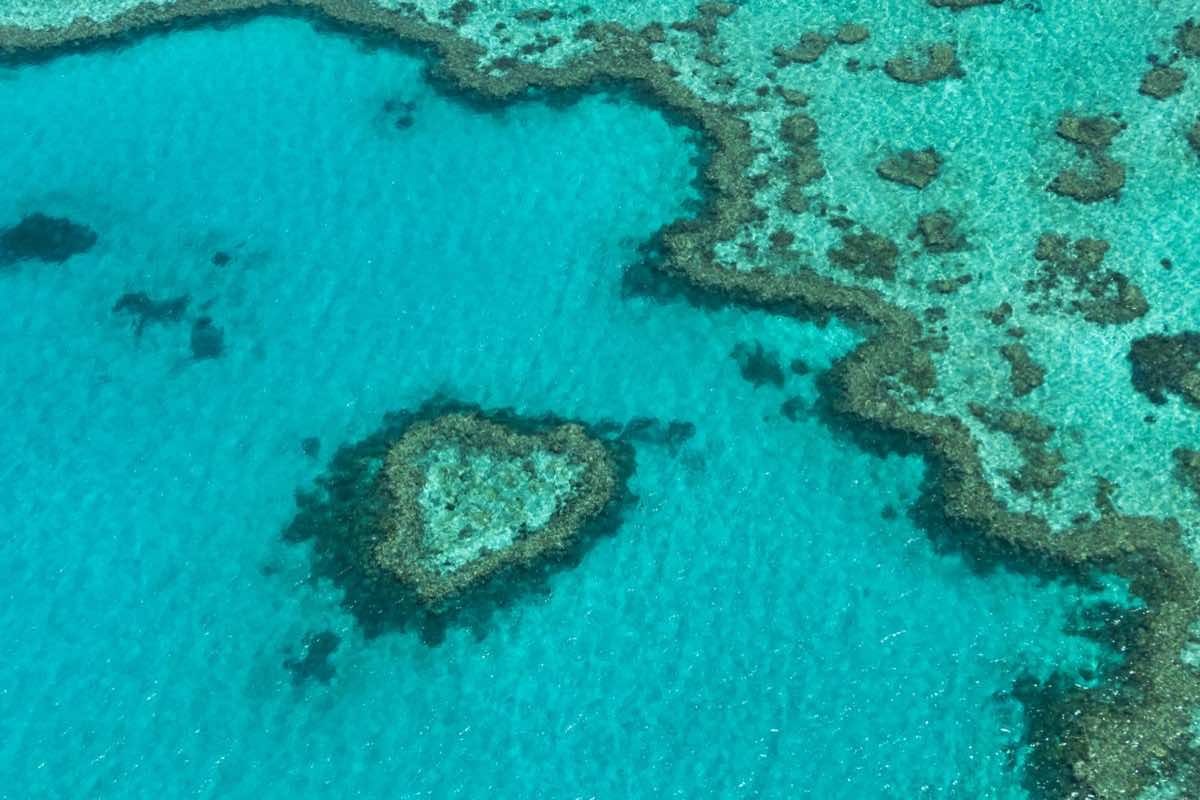
Morning (7:30 AM): Reef Day Trip
Take a snorkel or dive boat from Cairns out to the Great Barrier Reef, the world’s largest coral reef system. This is the experience the whole route builds toward.
A reef day trip from Cairns is the experience the whole route builds toward, with snorkel and dive boats heading out to the outer Great Barrier Reef. Boats leave early, so this is a full-day commitment.
Afternoon (3:00 PM): Cairns Esplanade
Back on land, relax at the Cairns Esplanade lagoon, the spot for a safe saltwater swim in the tropics.
Back on land, the Cairns Esplanade Lagoon is a free saltwater pool on the foreshore, a safe place to swim in a city with no swimmable beach. The boardwalk along the water is a relaxed place to unwind.
Evening (6:00 PM): Night Markets
Browse the Cairns night markets and have dinner in town.
The Cairns night markets run every evening with food stalls, souvenirs, and massage stands, an easy spot for dinner. The city has the widest choice of restaurants since Brisbane.
Practical tip: Book your reef trip a day or two ahead and pick an outer-reef operator for the clearest water and coral. Take seasickness tablets before you board if the forecast is windy.
Day 20: Port Douglas and the Atherton Tablelands
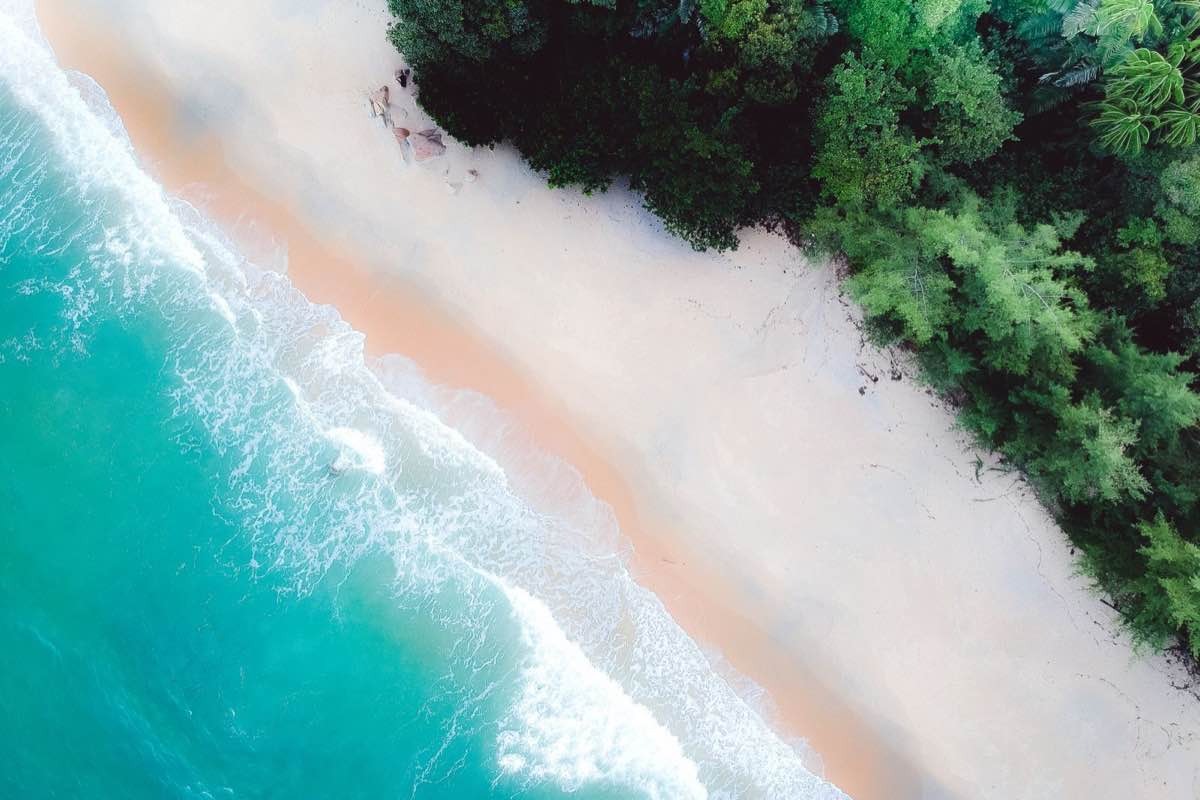
Morning (8:00 AM): Drive to Port Douglas
Drive north to Port Douglas and its long, quiet Four Mile Beach.
The drive to Port Douglas follows the Captain Cook Highway, one of the most scenic coastal roads in the country, with lookouts where the rainforest meets the sea. Port Douglas itself is a relaxed town with a long, quiet beach.
Afternoon (12:00 PM): Mossman Gorge
Cool off with a rainforest swim at Mossman Gorge, or head inland to the Atherton Tablelands waterfalls and Lake Eacham.
Mossman Gorge offers a cool rainforest swim and short walking tracks, while the Atherton Tablelands inland have waterfalls and crater lakes like Lake Eacham. Either makes a good half-day, so pick based on the weather.
Evening (6:00 PM): Port Douglas
Have dinner on Macrossan Street and stay overnight near the beach.
Macrossan Street in Port Douglas has the town’s restaurants and bars within an easy walk of the beach. Four Mile Beach is a calm spot for an evening stroll.
Practical tip: The Tablelands roads climb and wind, so allow extra time in the van if you head inland. Check whether Mossman Gorge’s swimming areas are open after heavy rain.
Day 21: The Daintree and Cape Tribulation
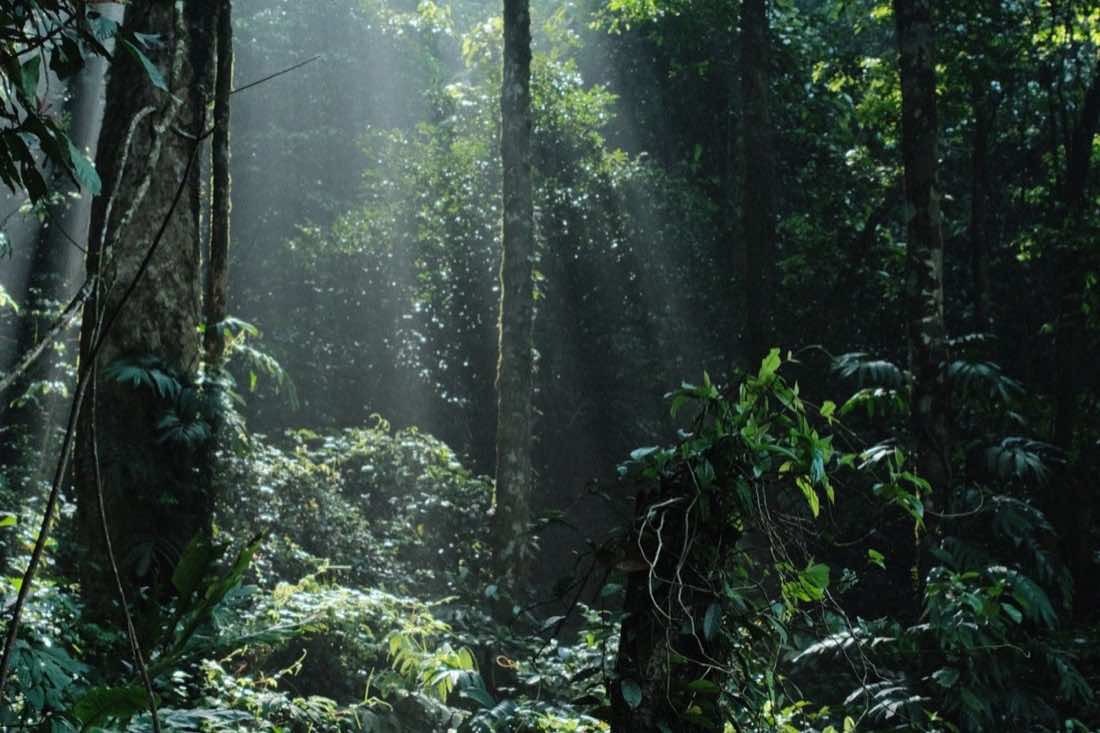
Morning (8:00 AM): Cross the Daintree
Take the ferry across the Daintree River into the Daintree Rainforest, among the oldest tropical rainforests on earth.
The Daintree is among the oldest tropical rainforests on earth, reached by a short cable ferry across the Daintree River. The road beyond is sealed but narrow, so take it slowly.
Afternoon (12:00 PM): Cape Tribulation
Walk the boardwalks at Cape Tribulation, the only place where the rainforest meets the reef.
Cape Tribulation is the one place where two World Heritage sites meet, the rainforest running straight onto the reef. Boardwalks and short tracks let you walk through the forest to the beach.
Evening (4:00 PM): Return to Cairns
Drive back to Cairns and drop off your RV rental in Cairns at the end of the trip.
From Cape Tribulation, it is around a three-hour drive back to Cairns to drop off the van at the end of the trip. Leave enough time to refuel and clean up before the return.
Practical tip: Estuarine crocodiles live in the rivers and along the coast here, so swim only in marked areas and read the warning signs. Check your drop-off time so the return drive is not rushed.
Exploring Australia’s Regions: Alternative Itineraries
The East Coast is the best first trip, but it is not the only way to spend 21 days. If you have driven the coast before, or you want desert and outback over reef and beach, here are two strong alternatives for an Australia itinerary that 3-week travelers can realistically drive.
3-Week Red Centre and Cities Itinerary
This route mixes two cities with the desert heart of the country. Start in Melbourne and drive the 243 kilometres of the Great Ocean Road past the Twelve Apostles, then fly to Alice Springs to pick up the Red Centre. Drive out to Uluru, which rises 348 metres above the desert, plus Kata Tjuta and Kings Canyon, before finishing in Sydney. Begin the road-trip legs with an RV rental in Melbourne.
This is a slower, more remote three-week Australia itinerary, and the desert legs need real preparation: carry extra water and fuel, plan your roadhouse stops, and check whether your route includes any unsealed roads before you book the vehicle.
3-Week Western Australia and Top End Itinerary
For the wildest option, head west and north. Start with an RV rental in Perth, drive south to the beaches and wineries of Margaret River, then turn back north for the Pinnacles and the coral of Ningaloo Reef. The second half flies to the Top End, where an RV rental in Darwin puts you within reach of Litchfield and Kakadu national parks. This is for travelers who want space, few crowds, and a proper outback drive.
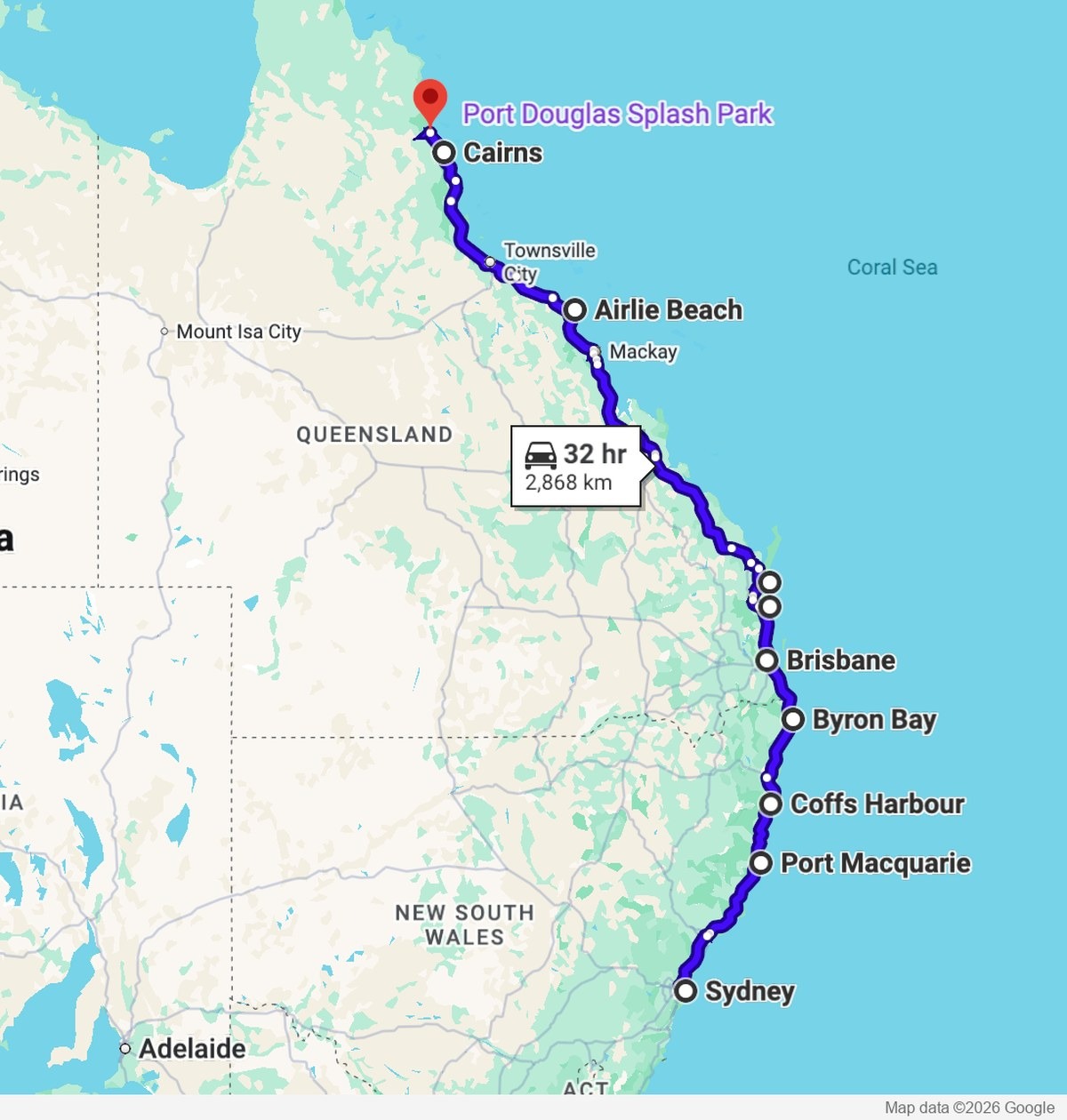
Map of Your 3 Week Australia Itinerary
The route below traces the East Coast from Sydney north to Cairns and the Daintree, roughly 2,400 kilometres in all. Use it to picture the drive before you set off.
Budgeting for Your Trip: How Much Does a 3 Week Australia Itinerary Cost?
A campervan trip is one of the cheaper ways to see Australia, because it removes the highest costs of a coastal holiday: nightly hotels and constant flights. Here is a realistic per-person daily breakdown for this 3-week Australia itinerary, excluding the campervan rental itself.
| Category | Budget | Mid-Range | High-End |
| Campsites | AU$0-$25 | AU$30-$55 | AU$55+ |
| Food & Drink | AU$30-$50 | AU$55-$90 | AU$110+ |
| Activities | AU$30-$60 | AU$70-$120 | AU$150+ |
| Fuel (split) | AU$25-$40 | AU$35-$50 | AU$50+ |
| Daily Total | AU$90-$175 | AU$190-$315 | AU$365+ |
| 3-Week Total | ~AU$1,900-$3,700 | ~AU$4,000-$6,600 | AU$7,700+ |
- Budget traveler: You cook most meals in the van, use free rest areas and national park sites, and pick a few paid highlights like a reef trip and a Whitsundays sail.
- Mid-range traveler: You eat out daily, stay at powered holiday parks with showers, and book the major tours: the reef, the Whitsundays, and a K’gari day trip.
- High-end traveler: You add scenic flights, dive courses, and premium tours, and choose beachfront resort-style parks when you want them.
Plan Your Australia Road Trip with Indie Campers
Three weeks, one coastline, and roughly 2,400 kilometres from Sydney Harbour to the Daintree. The hard part isn’t the driving; it’s stitching the beaches, reefs, and rainforest together without backtracking or booking a new hotel every night.
That’s where the right campervan changes the trip. Indie Campers runs one-way rentals across Australia, so you pick up in Sydney and drop off in Cairns with no return leg, and every vehicle comes with unlimited mileage, which matters on a drive this long. You can book now and pay the full amount only 30 days before pickup, with free cancellation up to 31 days before you travel.
It’s built for first-time road-trippers, couples, and families who want the freedom to stop where they like, set their own pace, and skip the nightly hotel scramble.
Book your campervan and kickstart an adventurous Australia trip now!
3 Week Australia Itinerary: Your Final Planning Recap
Here is the whole trip in one place, so you can plan an Australia itinerary 3 weeks long at a glance.
| Category | Details |
| Best Time to Go | May to September (dry season up north, swimmable beaches, peak whale watching) |
| Recommended Budget | AU$1,900 to AU$6,600 per person for 3 weeks, excluding the campervan |
| Route | Sydney to Cairns, south to north up the East Coast |
| Total Distance | Approx. 2,400 km (1,490 miles) |
| Cities & Stops | Sydney, Port Stephens, Port Macquarie, Coffs Harbour, Byron Bay, Brisbane, Noosa, K’gari, Hervey Bay, Airlie Beach, Townsville, Magnetic Island, Cairns, Port Douglas, Daintree |
| What to Visit | Sydney Harbour, Byron Bay, K’gari, Whitsundays, Great Barrier Reef, Daintree Rainforest, Cape Tribulation |
| Must-Try Experiences | Snorkel the reef, sail to Whitehaven Beach, walk the Forts Walk for wild koalas, swim Lake McKenzie, whale watch from Hervey Bay |
| Recommended Transport | One-way campervan rental via Indie Campers, Sydney to Cairns, unlimited mileage, coastal holiday parks and free camps throughout |
| Accommodation | Holiday parks, national park sites, and free rest areas: AU$0 to AU$55 per night |
| Perfect For | First-time visitors, couples, and families who want the coast, the reef, and the rainforest without nightly hotel logistics |
FAQs About a 3 Week Australia Itinerary
How much does a 3-week Australia itinerary cost?
A 3-week Australia itinerary costs roughly AU$1,900 to AU$3,700 per person on a budget, or AU$4,000 to AU$6,600 mid-range, excluding the campervan rental. The budget figure assumes you cook most meals, use free and national park campsites, and choose a few paid highlights like a reef trip. The mid-range figure covers eating out daily, powered holiday parks, and the major tours. A campervan keeps costs down by combining transport and accommodation, which avoids both nightly hotels and frequent flights.
Is 3 weeks enough time to see Australia?
Three weeks is enough to see one region of Australia in depth, but not the whole country. Australia is roughly the size of the continental United States, so trying to combine the East Coast, the outback, and the West Coast in 21 days means most of your time is spent in transit. The smart move is to pick one route, and the Sydney to Cairns East Coast drive packs the most variety into a single trip. In three weeks, you can comfortably cover around 2,400 kilometres with time to actually enjoy each stop.
What are the top 3 places to visit in Australia for first-timers?
The top three places for first-time visitors on this route are Sydney, the Whitsundays, and Cairns with the Great Barrier Reef. Sydney delivers the harbour, the Opera House, and the best city beaches in the country. The Whitsundays offer Whitehaven Beach and a day sailing among the islands. Cairns is the launch point for the reef and the Daintree Rainforest, two World Heritage sites within an hour of each other.
What is the best way to travel around Australia in 3 weeks?
The best way to travel a 3-week Australia itinerary is by campervan along one region, such as the East Coast from Sydney to Cairns. A van combines transport and accommodation into one daily cost and reaches beaches and national parks that flights and tours miss. A one-way rental lets you finish in Cairns without driving the whole coast back. Flying only makes sense when you are crossing the country between distant regions, like Melbourne to the Red Centre.
What is the best time of year for an Australian road trip?
The best time for an East Coast Australia road trip is May to September, during the dry season in the tropical north. This window gives you warm, dry days, the clearest reef visibility, and beaches free of the marine stingers that close them in summer. June and July are also peak whale-watching months along the coast. Summer, from December to February, brings heavy rain, humidity, and stinger season up north, so it is the hardest time to drive this route.
Can you do a one-way campervan rental in Australia?
Yes, you can do a one-way campervan rental in Australia, which is ideal for a point-to-point route like Sydney to Cairns. One-way hire means you pick up in one city and drop off in another, so you never have to drive the whole coast back to the start. Indie Campers offers one-way rentals across Australian depots, including Sydney, Brisbane, Cairns, Melbourne, Perth, Darwin, and Hobart. This is the single biggest thing that makes a three-week Australia itinerary up the East Coast practical.
Do you need a 4WD campervan for a 3-week Australia itinerary?
You do not need a 4WD for the East Coast 3-week Australia itinerary, because the entire Sydney to Cairns route is a sealed highway. A standard 2WD campervan handles the drive comfortably and uses less fuel. You only need a 4WD for outback routes like the Red Centre, or for the sand tracks on islands like K’gari, which are better visited on a guided day trip anyway. Always check your rental agreement before driving on any unsealed road, as most policies exclude it.
Where can you camp for free on an Australian road trip?
You can camp for free at many rest areas, showgrounds, and town-run sites along the East Coast, especially if your vehicle is self-contained. A self-contained campervan with an onboard toilet unlocks far more free overnight stops, since many free town camps require one. National park campgrounds are low-cost rather than free, usually a few dollars per person per night. Apps and state park websites list current sites, fees, and any stay limits, which are often capped at 24 to 72 hours.