Key Takeaways (TL;DR)
- Why Go In June: The best places to visit in June in the USA hit a genuine sweet spot – national parks are fully open after winter closures, wildflowers carpet mountain meadows, and daylight stretches well past 9 PM. You get summer conditions without the Fourth of July crush that sends crowds and prices surging in early July.
- Top Places to Visit in the USA in June 2026: Yellowstone, San Diego, Colorado Rockies, Olympic Peninsula, Alaska, Blue Ridge Parkway, New Orleans, Utah’s Mighty Five, Pacific Coast Highway, Florida Keys.
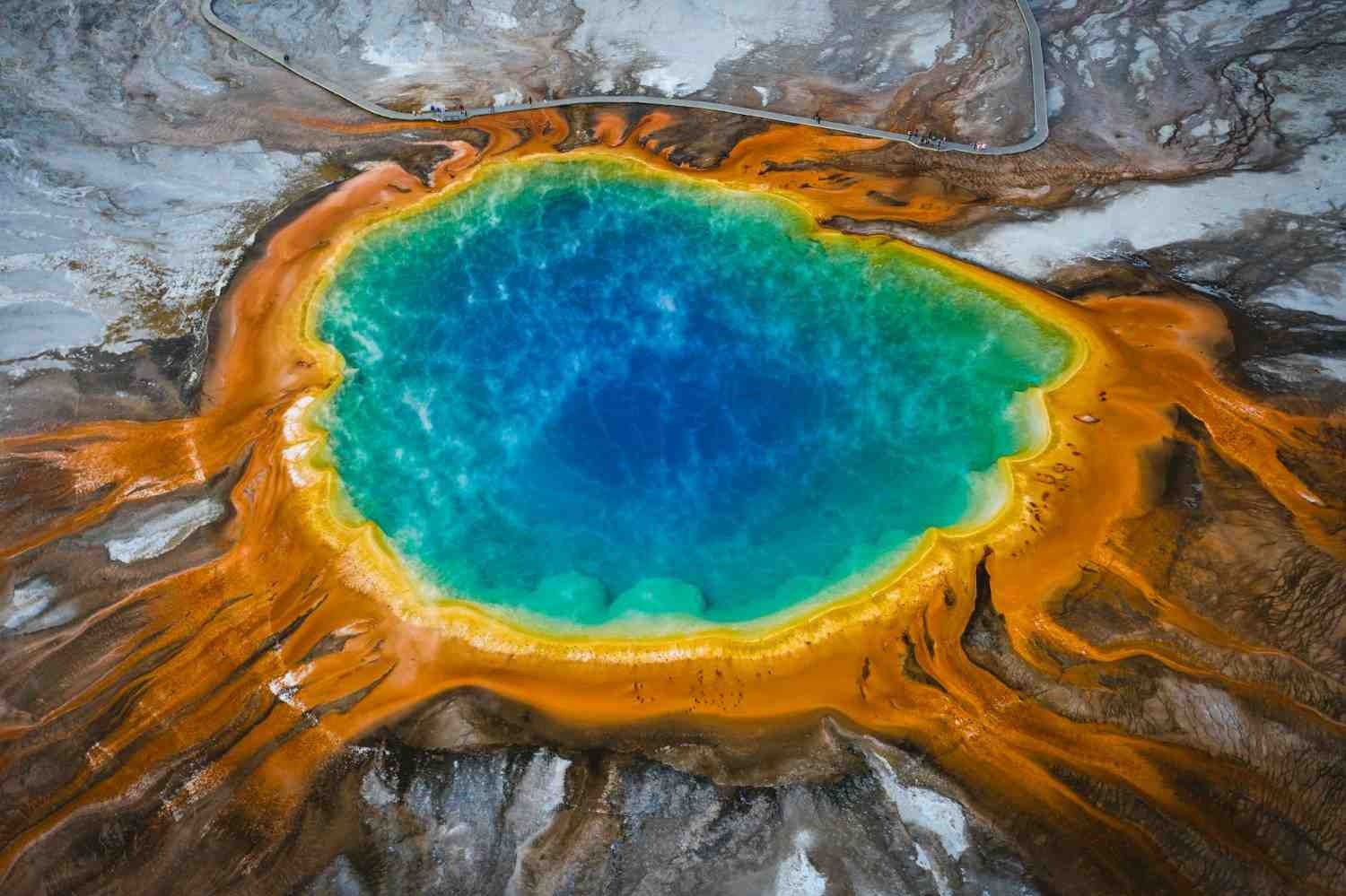
- Don’t Miss Experience: Watching the first light hit the Grand Prismatic Spring at Yellowstone on a cool June morning, steam rising from the vivid orange and blue pools while bison graze the ridge above and almost no one else is in frame.
- Ideal Trip Length: 10–14 days gives you enough time to explore one major region deeply, or link two destinations on a single road trip route without rushing.
- How to Choose the Right City: Prioritize the Pacific Northwest or Rockies for cooler temperatures and outdoor adventure; choose the Southeast or Southwest if you want heat, water, and festival energy. Consider your tolerance for crowds versus scenery.
- Recommended Budget Per Person: $120–$200/day covering campsite fees, fuel, meals, and activities (excluding RV rental costs).
- Watch Out For: Memorial Day weekend (May 25–27, 2026) bleeds into early June at major national parks – book campsites months ahead. June is also the start of hurricane season in Florida and the Gulf Coast, so monitor forecasts. Utah’s canyon parks can exceed 100°F (38°C) by mid-June; plan hikes before 9 AM.
- Where To Stay: Indie Campers RV rentals give you access to campgrounds inside or adjacent to national parks that hotels simply can’t reach, with June’s long daylight hours maximizing time at each site.
- Best For: Outdoor enthusiasts chasing the wildflower season, couples looking for dramatic scenery without peak-season prices, and road-trippers who want summer conditions on quieter roads.
Table of Contents
- Top Destinations to Visit in the USA in June 2026: at a Glance
- Best Places to Visit in the USA in June
- What to Pack for a USA Road Trip in June
- Expert Tips for June Travel in the USA
- Everything You Need to Know About USA RV Road Trips in June
- Plan Your Trip with Indie Campers
- FAQs
Top Destinations to Visit in the USA in June 2026: at a Glance
| Destination | State | Vibe | Best For | Top Activities | Avg. Temp (°F) | Ideal Stay | Crowds | RV-Friendly |
|---|---|---|---|---|---|---|---|---|
| Yellowstone & Grand Teton | Wyoming | Wild & Dramatic | Nature Lovers | Geysers, Wildlife, Hiking | 55–70°F | 4–6 Days | Moderate | Yes |
| Pacific Coast Highway | California | Scenic & Coastal | Road-Trippers | Coastal Drive, Big Sur, Redwoods | 60–70°F | 5–7 Days | Moderate | Yes |
| Colorado Rockies | Colorado | Alpine & Festive | Hikers & Foodies | Rocky Mountain NP, Wildflowers | 65–75°F | 4–6 Days | Moderate | Yes |
| Olympic Peninsula | Washington | Lush & Remote | Adventurers | Rainforest, Hot Springs, Beaches | 60–68°F | 4–5 Days | Low | Yes |
| Anchorage & Kenai Peninsula | Alaska | Wild & Untamed | Bucket-Listers | Midnight Sun, Glaciers, Fishing | 55–70°F | 7–10 Days | Low | Yes |
| Blue Ridge Parkway | North Carolina | Scenic & Serene | Couples & Cyclists | Waterfall Hikes, Asheville | 65–78°F | 4–6 Days | Low | Yes |
| New Orleans | Louisiana | Festive & Flavorful | Foodies & Music Lovers | Jazz, Food, History | 85–90°F | 3–4 Days | Moderate | Mixed |
| Utah’s Mighty Five | Utah | Vast & Otherworldly | Desert Adventurers | Zion, Bryce, Arches, Canyonlands | 85–100°F | 7–9 Days | High | Yes |
| San Diego | California | Sunny & Relaxed | Beach Lovers | Beaches, Balboa Park, Sea Life | 65–75°F | 4–5 Days | Moderate | Mixed |
| Florida Keys & Everglades | Florida | Tropical & Laid-Back | Snorkelers & Anglers | Coral Reef, Everglades, Key West | 85–90°F | 4–6 Days | Low | Yes |
Best Places to Visit in the USA in June
1. Yellowstone & Grand Teton, Wyoming
The Vibe
Yellowstone in June occupies a rare window.
The winter road closures lift, the geyser basins come alive, and the park’s enormous wildlife population – bison, elk, grizzlies, wolves – moves into the valleys just as the meadows turn green and wildflowers begin to open. The air at elevation still carries a morning chill, hovering around 40°F (4°C) before dawn, warming to a comfortable 65–70°F (18–21°C) by midday. That temperature swing keeps the crowds smaller than July while giving you genuinely lush, post-snowmelt scenery.
Grand Teton, just south, adds a dramatic counterpoint.
The jagged peaks rise abruptly from the flat Snake River Valley without the usual foothills as a buffer, creating one of the most visually striking mountain ranges in North America. June brings the full reflection of those peaks in the calm lakes below – Jenny Lake, String Lake, and Leigh Lake – before summer boat traffic disturbs the surface.
Culturally, this corner of Wyoming runs on an outdoor identity that is both rugged and deeply respectful of the land. Locals in gateway towns like Jackson and Cody are seasoned guides, gear shop owners, and ranchers who treat the national parks as neighbors rather than tourist attractions.
Arrive with patience, genuine curiosity, and a willingness to wake up before dawn – that is the price of entry for the best experiences here.
Top Things to Do
Watch Old Faithful and the Upper Geyser Basin
Old Faithful erupts every 90 minutes or so, but the real experience in June is walking the full basin loop before 8 AM, when the steam columns from a dozen geysers catch the low morning light and the wooden boardwalks are nearly empty.
The Grand Geyser, when it performs, shoots higher than Old Faithful and lasts longer – rangers can give you a predicted window. June’s cooler mornings make the steam displays more dramatic and photography more rewarding than the flat midday light of August.
Drive the Lamar Valley at Dawn for Wildlife
The “American Serengeti” earns its nickname in June. Pull over before sunrise in Lamar Valley’s wide, glacially carved floor and scan the hillsides with binoculars.
Bison herds with calves born in May roam in clusters. Grizzly bears dig for roots along the ridge. Wolf packs from the Lamar Canyon or Junction Butte groups are most active in the low light. This is a spectacle that rivals any wildlife experience on the continent, and in early June, the meadow grasses are still vivid green rather than sun-bleached gold.
Hike to Grand Prismatic Spring Overlook
The park’s most photographed thermal feature looks like a satellite image from above – a brilliant blue center transitioning through rings of green, yellow, orange, and rust-red to its steaming edges.
The overlook trail is less than a mile round trip and opened for the 2026 season in late May. The colors are driven by heat-loving microorganisms, and June’s cooler air creates more steam than summer, adding an atmospheric mist to an already surreal scene.
Explore Mammoth Hot Springs Terraces
The travertine terraces at Mammoth shift constantly as the hot spring vents move, making each visit genuinely different from the last.
In June, the runoff channels from the upper terraces still carry full winter snowmelt, and the boardwalk loops are accessible without the full summer heat pressing down on exposed sections. The elk that winter in the town of Mammoth often linger into June, grazing nonchalantly among the visitor center buildings.
Day Trip into Grand Teton and Hike Cascade Canyon
Drive south from Yellowstone on the John D. Rockefeller Jr. Memorial Parkway to reach the Grand Teton ferry crossing at Jenny Lake.
The boat shortens the hike to Cascade Canyon trailhead. In June, Hidden Falls is at full volume from snowmelt, thundering over the granite into a mist-filled pool. The canyon itself opens into a wide, meadow-floored valley backed by the Cathedral Group peaks. Early June hikers should carry microspikes – snow lingers in shadowed sections of the trail into the second week of the month.
White Water Raft the Snake River
Jackson offers multiple sections of the Snake River for rafting in June, when snowmelt keeps the river running fast and full.
The scenic float through the Teton Canyon is accessible to all ages and experience levels, while the whitewater sections downstream through Snake River Canyon offer class III–IV rapids for those wanting more intensity. Several outfitters operate out of Jackson, with half-day trips running $60–90 per person.
Don’t Leave Without…
Standing at Inspiration Point above Jenny Lake at the exact moment alpenglow hits the Teton peaks. This happens roughly 20–30 minutes after sunset, when the sky above turns dark blue and the last warm pink light catches only the highest rocky ridges. It lasts less than five minutes and requires hiking up before sunset – but it is one of the genuinely transportive moments available in American travel.
Also try the bison burger at a Jackson diner – bison has been ranched in this valley for over a century, and the local version bears no resemblance to the mass-produced frozen variety. Pair it with a huckleberry milkshake, a regional obsession made from wild-harvested berries that ripen in the high valleys through July.
RV Practical Info
- Access: Indie Campers has a depot in Salt Lake City – approximately 5 hours to the south entrance of Yellowstone via I-15 and US-20. A Denver pickup adds roughly an hour but opens up Rocky Mountain NP on the way north.
- Roads: Most park roads open by mid-May. The Beartooth Highway, a spectacular route into the northeast entrance, typically opens in late May. Check NPS road status at least 48 hours before driving remote loops.
- Campgrounds: Fishing Bridge RV Park (hookups available) and Madison Campground (no hookups) are the most popular inside Yellowstone. Both fill months in advance for June – book via recreation.gov as soon as the six-month window opens. Bridge Bay and Grant Village are alternatives.
- Parking: Old Faithful visitor area has large RV-designated lots. Lamar Valley pullouts accommodate campervans if you arrive before 7 AM; later arrivals often circle for 30–45 minutes.
- Wild Camping: Not permitted anywhere within Yellowstone or Grand Teton National Parks. Stick to designated campgrounds only.
Ready to explore the world’s first national park? Rent an RV in Salt Lake City and start your Yellowstone journey.
Who Is It Best For?
- Wildlife photographers: June offers green meadows and active animals before the summer heat pushes them to higher ground.
- Families: Geyser basins, rangers with educational programs, and wildlife sightings keep children genuinely engaged.
- Couples: Sunrise at Grand Teton with a thermos of coffee and no crowds is hard to beat for shared experiences.
- First-time national park visitors: Yellowstone delivers on every front – geology, wildlife, scenery, and hiking – in a single location.
Not ideal for travelers who need cell service (coverage is minimal) or prefer urban dining and nightlife.
Recommended Budget
$160–$230 per person/day (excluding RV rental)
- Campsite fees: $30–55/night (hookups at Fishing Bridge run higher).
- Park entry: $35 per vehicle for a 7-day pass covering both Yellowstone and Grand Teton.
- Meals: $15–25 casual; $35–55 at Jackson restaurants.
- Activities: $60–90 for Snake River rafting; ranger programs are free.
Pro tip: The America the Beautiful Annual Pass ($80) covers both parks and pays for itself in a single week of national park visits. Essential for any multi-park road trip.
2. Pacific Coast Highway, California
The Vibe
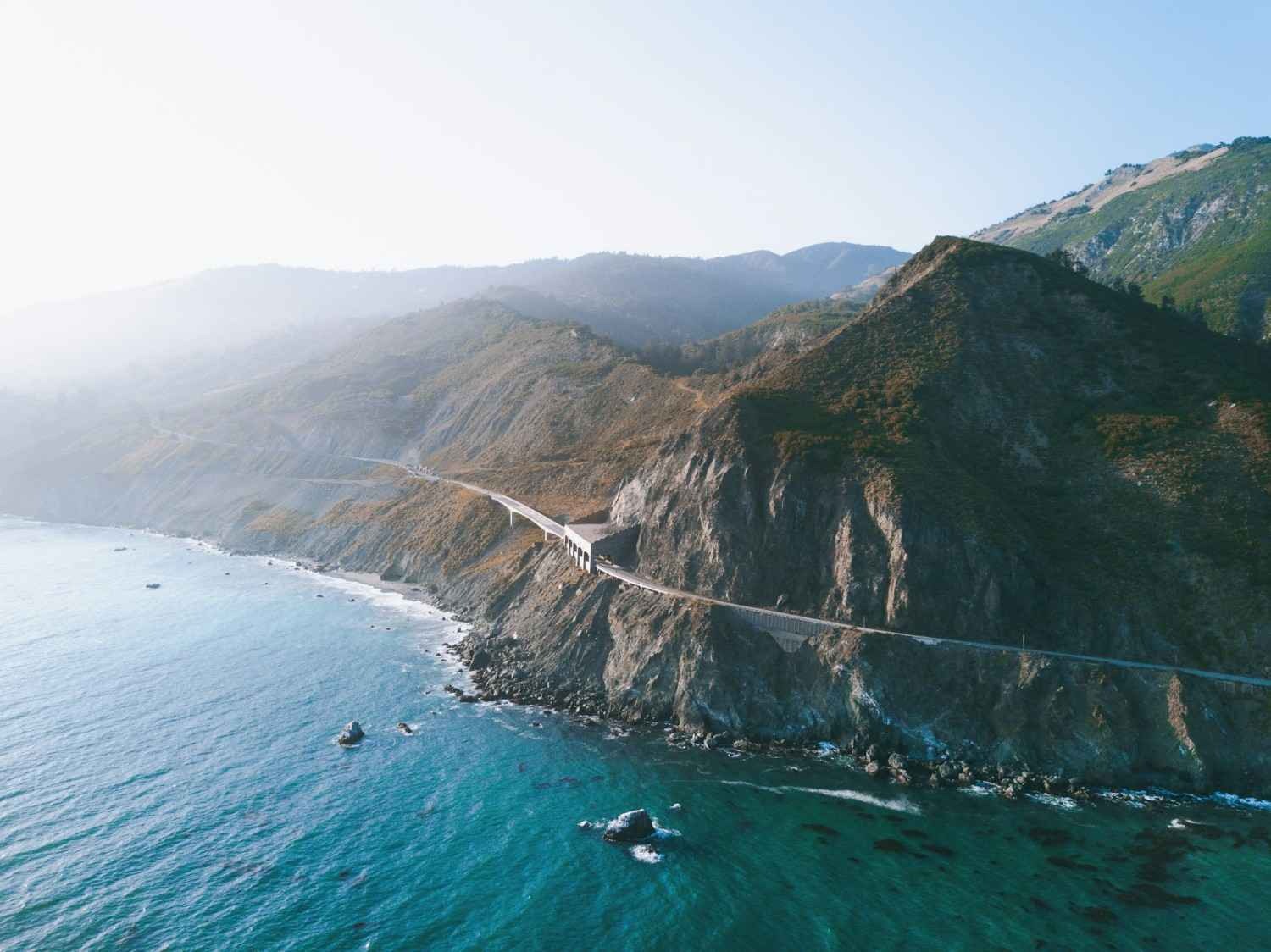
The Pacific Coast Highway from San Francisco south to Los Angeles – or driven in reverse, northbound – is one of the great road trip experiences in the country.
In June, it operates in a kind of atmospheric duality. “June Gloom,” a low marine layer that keeps coastal mornings overcast and cool, burns off by midday to reveal hard blue skies and temperatures in the mid-60s to low 70s Fahrenheit (18–22°C). That morning mist, far from being a drawback, gives coastal headlands and redwood forests a cinematic quality that the flat noon light of August simply cannot produce.
Big Sur is the emotional center of this drive. The 90-mile stretch of coast where the Santa Lucia Mountains drop directly into the Pacific has no towns, no traffic lights, and a handful of campgrounds that fill the moment reservations open. In June, the hillside turns from green to gold as the coastal grasses dry out, but the creek canyons stay verdant and the waterfalls at Julia Pfeiffer Burns State Park still carry substantial flow from the spring rains.
California’s coastal culture is layered. North of Morro Bay, the towns – Cayucos, Cambria, San Simeon – are working fishing villages and agricultural communities that happen to sit on one of the world’s most dramatic coastlines. South of there, the energy shifts toward surf towns, college communities, and eventually the Santa Barbara wine country stretching inland through the Santa Ynez Valley. Driving it in June means experiencing the full range before summer traffic and school holidays send campsite prices and congestion upward.
Top Things to Do
Drive Highway 1 Through Big Sur
The 90-mile Big Sur coast is best driven northbound – Bixby Creek Bridge, McWay Falls, and the Pfeiffer Canyon sections all face west, meaning afternoon light from the south illuminates the cliffs and ocean when you’re driving north and the sun is behind you.
Stop at every pullout. The perspective changes dramatically every quarter mile. June’s wildflowers – orange poppies, purple lupine, yellow mustard – cover the grassy bluffs in patches that won’t survive into July.
Visit Muir Woods and the Marin Headlands
Just north of San Francisco, the old-growth redwood groves of Muir Woods feel prehistoric.
In June, the canopy stays cool and green while the exposed headlands catch the morning fog drifting through the Golden Gate. The Marin Headlands offer some of the best views of the city and the bridge from across the water – park your rig at a designated spot and walk the 20 minutes to the coastal bluffs. Sunset from Hawk Hill in June, when the fog rolls in and partially obscures the bridge, is something genuinely worth planning around.
Explore Hearst Castle and the Elephant Seal Colony
San Simeon is the halfway point on the drive and home to two remarkable and wildly contrasting experiences.
Hearst Castle tours run daily and give access to one of the most extravagant private estates ever built in America – the Neptune Pool, the Gothic Study, the 127-acre garden. Two miles south on the coast road, a free viewing area at Piedras Blancas lets you observe hundreds of northern elephant seals that haul out on the beach year-round. June pups from the January–February birthing season are now juveniles learning to swim in the shallows.
Hike the Ewoldsen Trail, Julia Pfeiffer Burns State Park
The Ewoldsen Trail is a 4.5-mile loop that climbs through old-growth redwood forest into open coastal chaparral with views from 1,600 feet above the ocean.
It is one of the most undervisited trails in Big Sur given how close it sits to the famous McWay Falls overlook. In June, the redwood creek crossings are still running and the shade keeps temperatures comfortable even on the climb. Book day-use passes through ReserveCalifornia in advance – walk-ins are no longer guaranteed.
Wine Tasting in Paso Robles
Twenty miles inland from the coast via CA-46, the Paso Robles wine region operates at a completely different pace from Highway 1.
Over 200 wineries cluster around a downtown of Victorian buildings and oak-shaded plazas. June is harvest-prep season – the vines are in full leaf growth and the tasting rooms are fully staffed but not yet at peak summer capacity. Zinfandel, Rhone varietals, and Cabernet Sauvignon are the regional strengths. Many tasting rooms have picnic areas where you can park your rig and spend an afternoon without needing a reservation.
Don’t Leave Without…
Eating a clam chowder bread bowl at the Fisherman’s Wharf in Monterey, then walking the waterfront to the 2-mile Monterey Bay Coastal Recreation Trail at dusk. Sea otters wrap themselves in kelp just offshore, floating on their backs. The light at that hour hits the bay with a bronze warmth that makes the whole scene feel unhurried and complete.
Also: stop at Linn’s Original Homemade Pies in Cambria for an olallieberry pie – a coastal California hybrid berry with a flavor somewhere between blackberry and loganberry that is grown commercially almost nowhere else. It travels well in an RV refrigerator for breakfast the next morning.
RV Practical Info
- Access: Indie Campers depots in San Francisco (north end of the drive) and Los Angeles (south end) make this ideal for a one-way trip. California rentals also available.
- Roads: Highway 1 through Big Sur has narrow sections, particularly around Limekiln and Lucia. RVs over 25 feet should plan extra time on hairpin curves. Check Caltrans for any landslide closures – a persistent issue on this stretch.
- Campgrounds: Pfeiffer Big Sur State Park (reservations required months ahead), Kirk Creek Campground (ocean bluff sites, extremely popular), and Limekiln State Park. Reservations open 6 months in advance at ReserveCalifornia.
- Parking restrictions: No RV overnight parking at most coastal highway pullouts. Some beach lots have 2-hour daytime limits.
- Wild camping: Prohibited throughout California state parks and most public coastal land. Stick to designated campgrounds.
Ready to drive the most scenic coast in the country? Rent an RV in San Francisco and head south on Highway 1.
Who Is It Best For?
- Road-trippers: This route is built for the drive itself, not just the destinations.
- Photographers: June Gloom creates moody coastal light that golden-hour chasers travel specifically to capture.
- Couples: Clifftop sunsets, seaside wine tasting, and uncrowded beaches in June make this a strong romantic route.
- Wine enthusiasts: Paso Robles and the Santa Barbara wine country offer world-class tasting at accessible prices.
Not ideal for travelers seeking warm ocean swimming – the Pacific along this stretch stays a bracing 55–60°F (13–15°C) year-round.
Recommended Budget
$140–$210 per person/day (excluding RV rental)
- Campsite fees: $35–65/night for state park sites with hookups.
- Meals: $15–25 casual; $40–60 for sit-down restaurants in Carmel or Santa Barbara.
- Activities: $25–35 for Hearst Castle tours; Muir Woods parking/shuttle $9.
- Fuel: Budget extra – California gas prices run $0.50–$1.00/gallon above the national average.
Pro tip: Driving the route northbound (LA to SF) puts the ocean on your left, meaning better sightlines and pullout access to the clifftop viewpoints.
3. Colorado Rockies, Colorado
The Vibe
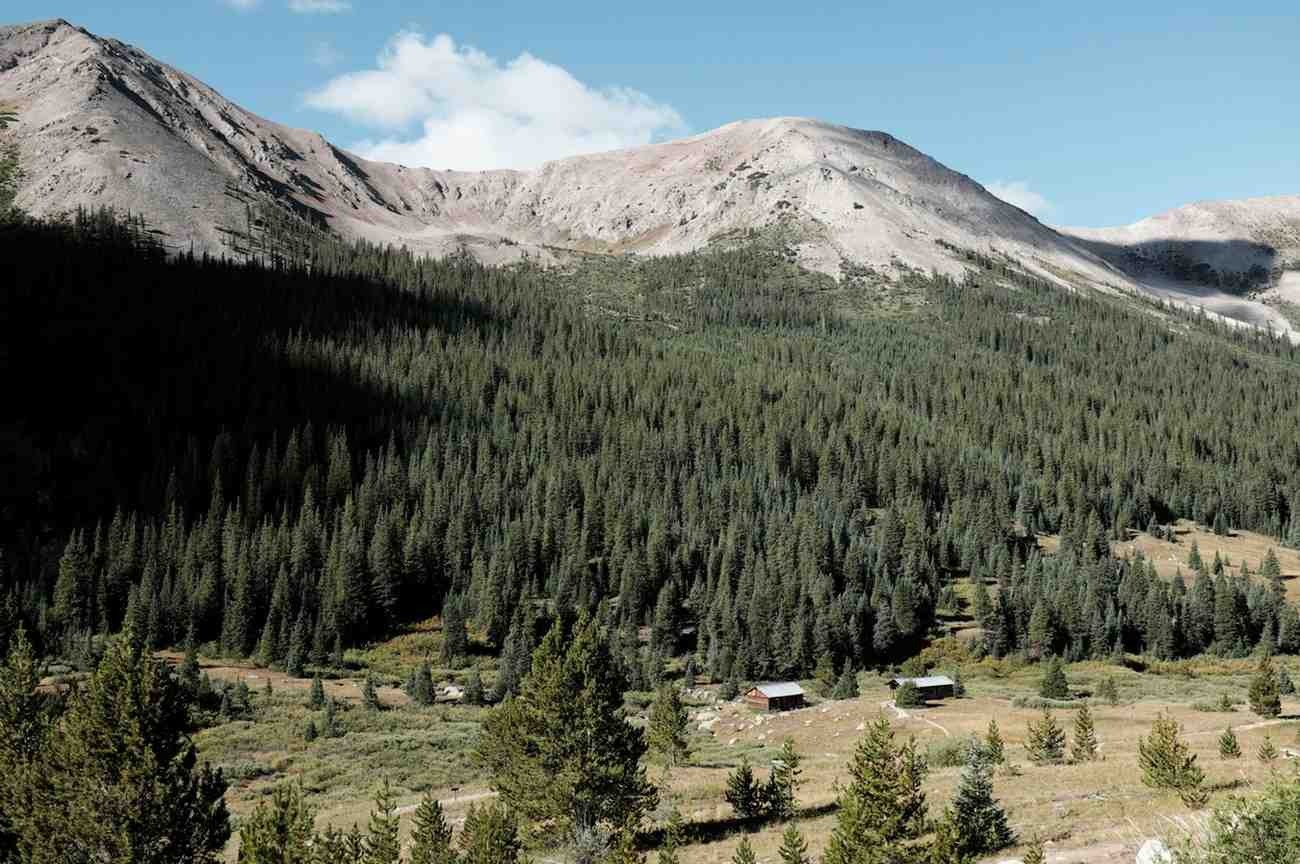
June in the Colorado Rockies operates on its own timetable. At 14,000 feet, snow still caps the peaks well into the month. At 8,000 feet, the aspen groves have leafed out and wildflowers begin their brief, brilliant run across the alpine meadows – columbine, paintbrush, lupine, and a dozen others carpeting south-facing slopes that were buried under eight feet of snow in March.
The temperature range is extreme: warm afternoons in the 70s Fahrenheit (21–24°C) in the valleys transition to dramatic afternoon thunderstorms that roll in from the west with little warning after 2 PM. That rhythm – clear mornings, active afternoons, electric evening skies – defines the Rocky Mountain summer.
Colorado’s mountain towns each carry their own character. Breckenridge and Vail are ski resort towns pivoting to summer, offering hiking and mountain biking infrastructure without the ski season prices. Telluride, accessible via a dramatic box canyon, sits at 8,750 feet and hosts a string of summer festivals starting in June. Crested Butte has a well-earned reputation as the wildflower capital of Colorado – a title that becomes self-evident when you drive the Kebler Pass road in late June and see thousands of acres of wildflowers rolling across the broad, forested plateau.
The culture here blends high-altitude ranching heritage with outdoor sports fanaticism and a growing creative community attracted by the scenery and the lifestyle. People move slowly on mountain time but with serious intent on the trails. Being outdoors is not an option but a baseline expectation. Arrive ready to move early and rest when the afternoon storms arrive.
Top Things to Do
Hike Rocky Mountain National Park
Rocky Mountain National Park anchors the northern Rockies and offers some of the most accessible alpine terrain in the country.
In June, Trail Ridge Road – the highest continuous paved highway in North America at 12,183 feet – opens for the season, offering sweeping tundra views above treeline accessible to anyone who can drive. Hike the Chasm Lake trail (8.4 miles round trip) for views of Longs Peak’s dramatic east face, or take the easier Bear Lake loop for wildflower meadows and tundra ponds still reflecting snow-capped peaks.
Drive Independence Pass to Aspen
CO-82 over Independence Pass (12,095 feet) typically opens in late May and offers one of the most dramatic high-altitude drives in the state.
The route crests the Continental Divide and descends into the Roaring Fork Valley, delivering you into Aspen – a town that operates as equal parts world-class ski resort and genuine arts hub in summer. The Aspen Music Festival begins in June. The hiking trails above town are snow-free and uncrowded before the summer season fully kicks in.
Visit Great Sand Dunes National Park
In the San Luis Valley, a surreal field of 700-foot sand dunes sits at the base of the Sangre de Cristo Mountains – a geological accident created by millennia of wind patterns and mountain geography.
In June, Medano Creek – a seasonal stream that flows along the base of the dunes – is at peak flow, creating a shallow, wide river perfect for wading. Kids and adults wade upstream while the current pushes them back in a natural wave pattern. The dunes themselves are most comfortable to climb before 10 AM in June, before the sand surface reaches temperatures that burn bare feet.
Wildflower Drives on Kebler and Cottonwood Pass
Two unpaved mountain passes near Crested Butte – Kebler Pass and Cottonwood Pass (CO-306) – offer access to vast, open plateaus that host some of the most concentrated wildflower displays in the state by late June.
Kebler Pass crosses through one of the largest aspen groves in North America; in late June, columbines carpet the forest floor beneath the fully leafed trees. Both roads are suitable for high-clearance vehicles; check road conditions before committing a larger RV to unpaved sections.
White Water Raft the Arkansas River
The Arkansas River near Buena Vista and Salida runs at high volume in June from snowmelt, creating excellent class III–IV rapids on the Numbers section and the Royal Gorge.
Dozens of outfitters operate half-day and full-day trips ($65–120 per person). June’s snowmelt-fed flows are considered by local guides to be the best rafting conditions of the year – more volume and more consistent wave trains than the lower flows of August.
Don’t Leave Without…
A green chile breakfast burrito from a local diner in any mountain town. Colorado’s green chile – a thick, slow-cooked sauce made with Hatch peppers, pork, and tomatoes – bears no resemblance to Tex-Mex or New Mexico versions. It is the unofficial state comfort food and appears on every breakfast menu from Pueblo to Steamboat Springs. Order it smothered, which means the sauce goes over the entire burrito rather than inside.
Also hike or drive to a 14er trailhead at 2 AM for a summit attempt at sunrise. Colorado has 58 peaks over 14,000 feet. The lower approach trails are typically snow-free by mid-June. Grays and Torreys Peaks, accessed via I-70, are two adjacent 14ers with a well-maintained 8-mile round trip route that brings you to two summit above treeline before most people have had their first coffee of the day.
RV Practical Info
- Access: Indie Campers depot in Denver is the natural starting point – 1.5 hours to Rocky Mountain NP, 2 hours to Breckenridge, 3 hours to Crested Butte.
- Roads: Many mountain passes open in May/June – check CDOT for current status. Kebler Pass is suitable for small to mid-sized campervans; larger motorhomes should stick to paved routes.
- Campgrounds: Moraine Park Campground (Rocky Mountain NP) requires reservations far in advance. Leadville, Buena Vista, and Salida all have excellent RV parks along the Arkansas River corridor. Book 2–3 months ahead for June.
- Afternoon storms: Colorado’s afternoon thunderstorms can be severe, with lightning above treeline. Plan hikes to summit and descend before 1 PM. Your RV is a safe refuge – pull into a campsite and let the storm pass.
- Altitude: Denver sits at 5,280 feet; most mountain towns range from 7,000–9,000 feet. Allow 1–2 days to acclimatize before strenuous hiking. Stay hydrated.
Ready to drive the Rockies in full bloom? Rent an RV in Denver and head into the high country.
Who Is It Best For?
- Hikers and trail runners: June is the ideal month before summer heat makes high-altitude trails punishing.
- Wildflower enthusiasts: Late June is peak bloom for the alpine and subalpine meadows.
- Families: Great Sand Dunes and Rocky Mountain NP offer kid-friendly activities at every level.
- Adventure sports fans: Rafting, mountain biking, and climbing season are all in full swing.
Not the right choice for those seeking beach weather or low altitudes – the mountain lifestyle demands some physical engagement and acclimatization time.
Recommended Budget
$140–$200 per person/day (excluding RV rental)
- Campsite fees: $30–55/night for full-hookup RV parks; $22–35 for national park sites.
- Park entry: Rocky Mountain NP is $35/vehicle for 7 days; Great Sand Dunes is $25/vehicle.
- Meals: $12–20 for casual mountain town dining; $35–60 for upscale Aspen or Telluride restaurants.
- Activities: $65–120 for white water rafting; $30–60 for guided hiking tours.
4. Olympic Peninsula, Washington
The Vibe
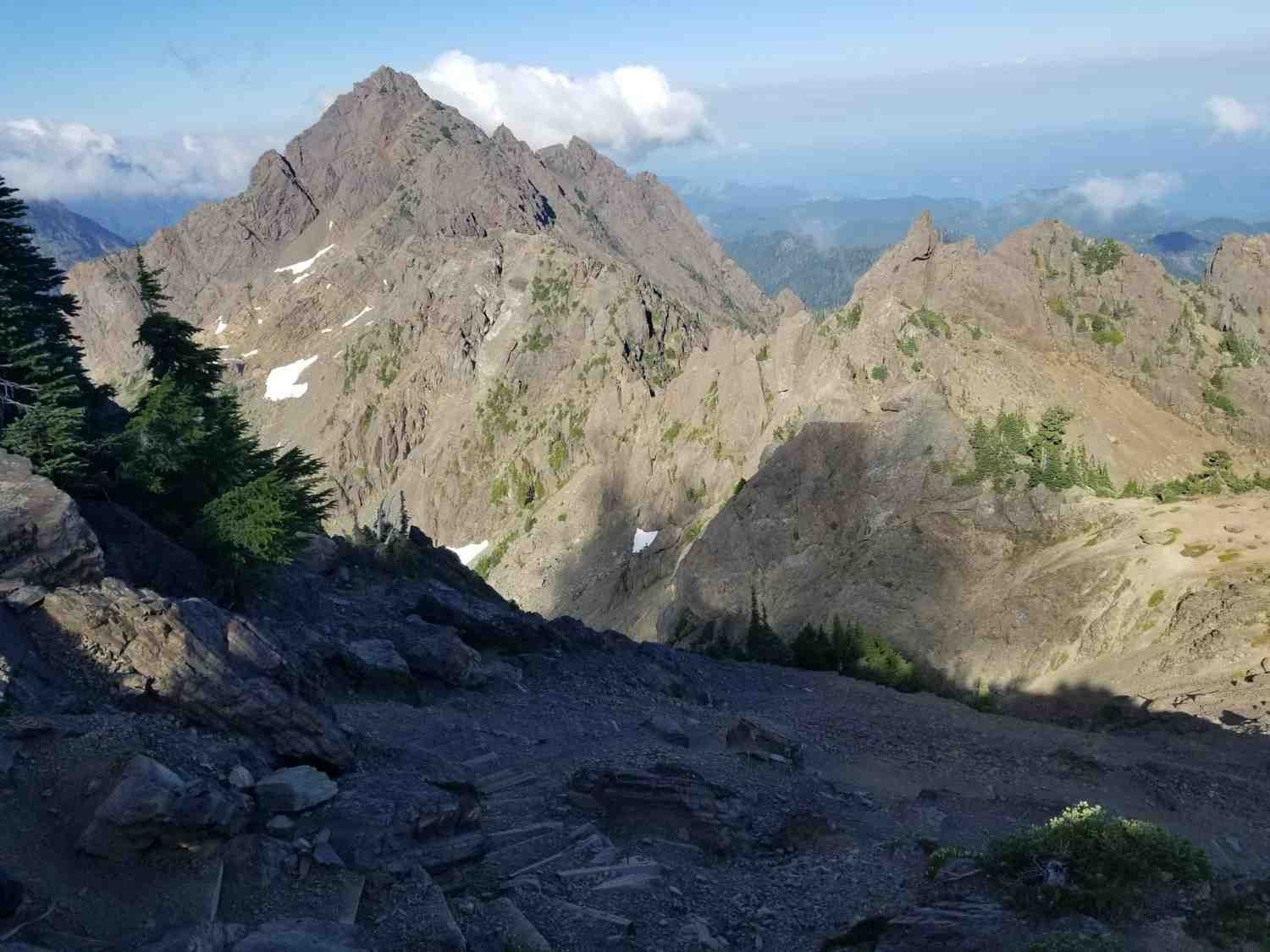
The Olympic Peninsula is one of the most ecologically diverse places in the country, packed into a relatively small geographic footprint. The western valleys – Hoh, Queets, and Quinault – receive over 140 inches of rain annually, producing temperate rainforest so dense and green it reads as tropical. The eastern side of the peninsula sits in a rain shadow cast by the Olympic Mountains and is comparatively dry. The north coast, from Neah Bay down through the Strait of Juan de Fuca, offers dramatic headland scenery that feels more like the coast of Scotland than anywhere typically imagined as the Pacific Northwest.
June is one of the best months to visit. Crowds remain well below the mid-July to August peak. The long Pacific Northwest daylight – sunrise before 5:30 AM, sunset after 9 PM in late June – gives you a genuinely extended day on the trail or the coast. The Hoh Rainforest is at its most vivid green, the snowpack on Mount Olympus is still intact but the lower valleys are fully accessible, and the 73-mile wilderness coastline offers tide-pooling conditions at some of the most productive intertidal zones in the continental United States.
The culture of the peninsula is rooted in the natural world. Small towns like Forks (famous for its logging history and more recently for a certain vampire series) and Port Townsend (a Victorian-era port town with a strong arts scene) sit at the fringes of a wilderness that still largely defines daily life here. People fish, hike, kayak, and forage with the same matter-of-fact relationship to the outdoors that defines the regional identity.
Top Things to Do
Walk the Hoh Rainforest Trails
The Hall of Mosses trail is a 0.8-mile loop through old-growth bigleaf maple draped in club moss that earned the Hoh its international reputation.
In June, the canopy is fully leafed and the diffuse green light filtering through the moss curtains has a genuinely otherworldly quality. Continue onto the Hoh River Trail, which leads into the valley toward the glaciated summit of Mount Olympus. Day hikers can walk 5–10 miles into the valley and back without requiring overnight gear, passing through increasingly remote old-growth Sitka spruce and western red cedar.
Tide-Pool at Ruby Beach and Kalaloch
Ruby Beach is one of the most photogenic coastal spots in the state, with sea stacks rising from a wide gravel beach scattered with driftwood the size of small buildings.
The tide pools adjacent to the stacks host sea stars (recovering since the 2013 wasting disease), hermit crabs, sea anemones, and purple urchins. June low tides often occur in the morning – check NOAA tide tables and aim for a minus tide of -1 foot or lower for the best access.
Drive the Hurricane Ridge Road
The paved road from Port Angeles climbs 17 miles to Hurricane Ridge at 5,242 feet, transitioning from dense Douglas fir forest to open subalpine meadows.
In June, the meadow wildflowers – avalanche lilies, glacier lilies, and mountain meadow phlox – emerge right at the snowline. Black-tailed deer, Olympic marmots (found only on this peninsula), and occasional black bears are commonly sighted. Bring binoculars. The view from the ridge on a clear day stretches across the Strait of Juan de Fuca to Vancouver Island.
Soak at Sol Duc Hot Springs
The Sol Duc Hot Springs Resort operates three outdoor hot spring pools fed by geothermal springs in a forested canyon at the end of a 12-mile dead-end road.
In June, the pools run at 98–104°F (37–40°C) and are rarely crowded on weekdays. The Sol Duc Falls trail, a 1.6-mile round trip from the resort trailhead, leads to a powerful cataract where the river drops through a narrow slot canyon – it’s at peak flow in June from snowmelt. Day use of the pools runs $18–25 per person.
Sea Kayak in the San Juan Islands
A short ferry ride from Anacortes (north of Seattle) delivers you into one of the richest marine environments in the lower 48 states.
June is prime orca season in the San Juan Islands – the Southern Resident killer whale pods follow chinook salmon runs through Haro Strait and the surrounding channels. Kayak tours departing from Friday Harbor or Orcas Island run $95–150 per person for half-day guided tours. Minke whales, Dall’s porpoise, harbor seals, and bald eagles are reliable throughout the month.
Don’t Leave Without…
Eating Dungeness crab, the Pacific Northwest’s signature seafood, at a casual waterfront spot in Sequim or Port Townsend. Dungeness crab is sweeter and more delicate than the Atlantic blue crab or East Coast rock crab – locals eat it simply, with drawn butter and sourdough bread, at outdoor picnic tables where the view is included. The crab season runs through June, and a whole crab bought at a local processing dock costs half what you’d pay at a restaurant.
RV Practical Info
- Access: Indie Campers depot in Seattle – 2 hours to Port Angeles via the Kitsap Peninsula ferries or Hood Canal Bridge. No ferry required for direct driving, though the Bainbridge Island ferry from downtown Seattle is a scenic option.
- Roads: Most peninsula roads are well-maintained two-lane highways. Hurricane Ridge Road and Hoh Rain Forest Road are suitable for all RV sizes. Sol Duc Road has a 40-foot length limit.
- Campgrounds: Mora Campground (ocean coast), Sol Duc Campground (forest), Hoh Campground (rainforest), and Kalaloch Campground (oceanfront – extremely popular) all require advance reservations via recreation.gov.
- Wild camping: Backcountry camping in Olympic National Park requires a wilderness permit. RV camping is designated sites only.
- Cell service: Minimal to nonexistent inside the park interior. Download offline maps before departure.
Ready to explore one of America’s most diverse wildernesses? Rent an RV in Seattle and drive the Olympic Loop.
Who Is It Best For?
- Nature lovers and hikers: Few places pack this much ecological variety into a single road trip loop.
- Photographers: Rainforest light, coastal sea stacks, and subalpine meadows all photograph differently and remarkably.
- Couples: The combination of remote beaches, forest hot springs, and quiet campgrounds makes for a genuinely restorative trip.
- Wildlife enthusiasts: Orcas, sea otters, elk, and endemic Olympic marmots are all accessible in June.
Not the right destination for those seeking warm ocean swimming or reliable sunshine – the Pacific here is cold and the weather is genuinely variable.
Recommended Budget
$130–$190 per person/day (excluding RV rental)
- Campsite fees: $25–40/night for park campgrounds; slightly more for oceanfront Kalaloch sites.
- Park entry: Olympic NP is $35/vehicle for 7 days.
- Meals: $12–20 for casual dining; Dungeness crab at a dock can run $25–35 per whole crab.
- Activities: $18–25 for Sol Duc Hot Springs day use; $95–150 for kayak tours.
5. Alaska – Anchorage & Kenai Peninsula
The Vibe
Alaska in June is a different country. The sun sets at 11:30 PM in Anchorage and rises again at 4:15 AM. By the solstice on June 21, those two events blur into a long twilight that never fully darkens – the sky stays a deep blue rather than black, and you can read a book outdoors at midnight without a flashlight.
For visitors accustomed to the rhythms of a normal day, this requires some adjustment, but once you accept it, the effect is liberating. You simply have more time. More time on the trail, more time fishing, more time sitting on a gravel bar watching bears.
The Kenai Peninsula, a two-hour drive south of Anchorage via the Seward Highway, distills everything that makes Alaska compelling into a more manageable geography. The highway itself is one of the great drives in the country – it hugs the eastern shore of Turnagain Arm, where tides can exceed 38 feet, then climbs through the Kenai Mountains into a landscape of glaciers, fjords, and turquoise rivers. Seward sits at the end of the road, a small fishing town that serves as the gateway to Kenai Fjords National Park and its tidewater glaciers.
Alaska’s culture is built on self-reliance and a genuine reverence for the land – not as a romantic concept but as a practical daily reality. People here hunt, fish, and forage as part of normal life, not as a recreational novelty. Bush pilots, commercial fishermen, and wilderness guides make up the working fabric of small communities along the Kenai.
The hospitality is warm precisely because it is grounded: Alaskans help strangers because they understand what it means to need help in a place where the next town is 50 miles away.
Top Things to Do
Drive the Seward Highway and Hike Exit Glacier
The 127-mile drive from Anchorage to Seward is justification enough for a trip to Alaska.
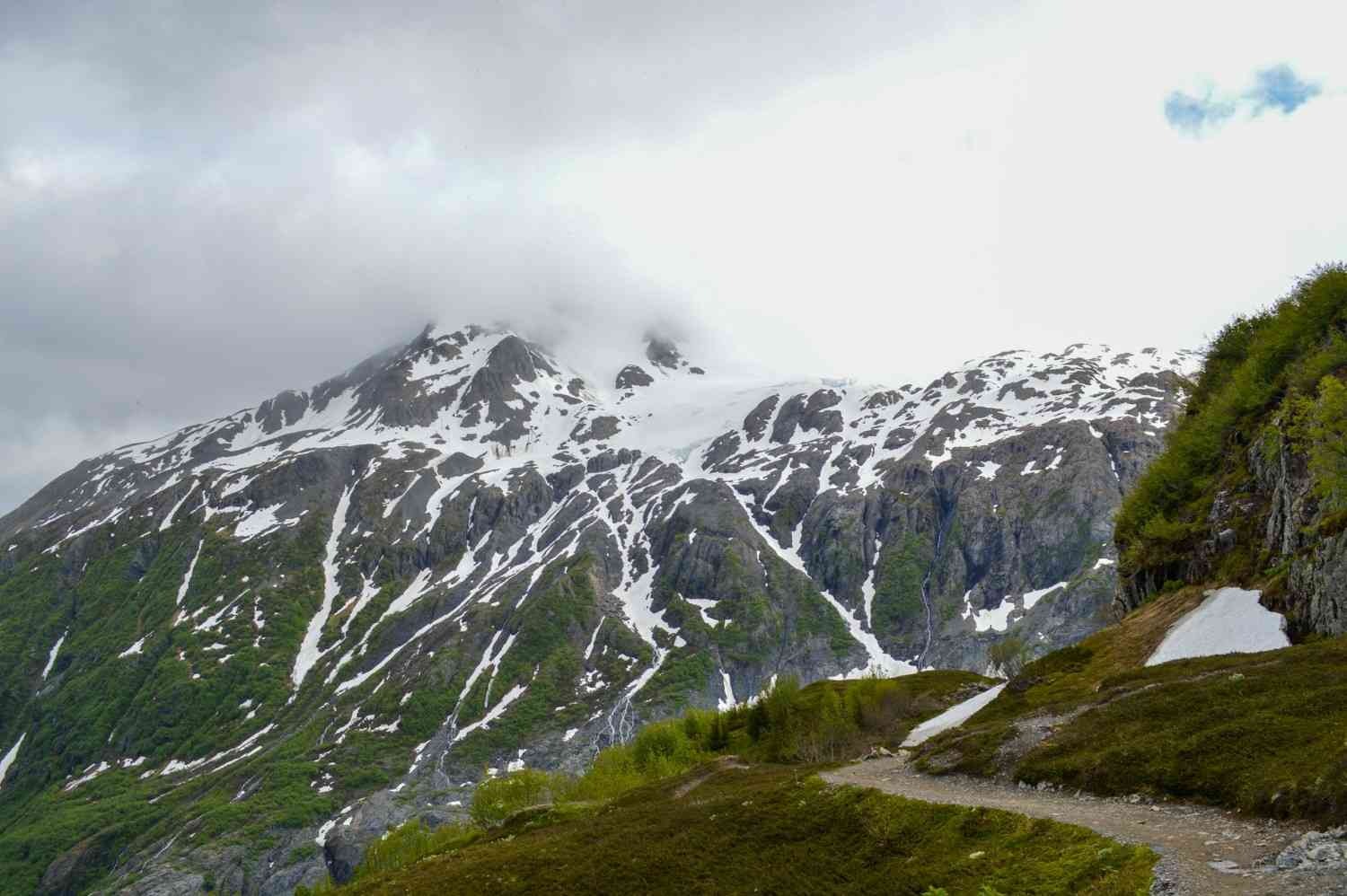
The road passes beluga whale habitat in Turnagain Arm (June brings active pods feeding on eulachon runs), climbs through mountain scenery that rivals Norway’s fjords, and delivers you into the Kenai Peninsula’s lake-filled interior. At Exit Glacier outside Seward, a well-maintained trail system offers multiple approaches to the ice face – from a flat, ADA-accessible walk to the Harding Icefield Trail, an 8.2-mile round-trip that climbs to a vast, empty expanse of ice above the cloud layer.
Kayak Kenai Fjords National Park
The fjords south of Seward are accessible by daily water taxi from the small boat harbor.
On a calm June day, paddling between massive tidewater glaciers calving into the water, past sea otter rafts and Steller sea lion haul-outs, ranks among the finest wilderness experiences in North America. Day tour options run from 4 hours ($180–230 per person) to full-day wilderness experiences ($300+). The combination of glaciers, abundant marine wildlife, and seabird colonies on offshore rocks makes every hour on the water eventful.
Fish the Kenai River for King Salmon
June marks the first run of king (Chinook) salmon up the Kenai River – fish that can exceed 80 pounds on the most productive days.
Guided drift boat fishing trips run $250–400 per person for a full day and include all gear, licensing guidance, and cleaning. You don’t need prior fishing experience. The Kenai also runs sockeye (red) salmon in June, which are smaller but equally sought-after for their flavor. The confluence of the Kenai and Russian Rivers at the end of Russian River Road is a famous public fishing access point that locals know well.
Bear Watching at Russian River and Ptarmigan Creek
The same salmon runs that attract sport fishers attract grizzly and black bears.
Pull over at any bridge over a salmon-bearing stream in June and scan the water – bears wading in hip-deep current to grab fish are commonly sighted from road bridges throughout the peninsula. The Russian River campground area has reliable bear activity accessible from the road. Carry bear spray at all times when hiking or camping, and store all food in certified bear canisters or hard-sided vehicle storage.
Explore Anchorage’s Tony Knowles Coastal Trail
Eleven miles of paved trail runs along the bluff above Cook Inlet in Anchorage, offering views of Denali (North America’s highest peak at 20,310 feet) on clear days – which June provides more reliably than any other month.
The trail is used by cyclists, inline skaters, and joggers at all hours, given the near-24-hour daylight. Moose are frequently sighted along the wooded sections; keep a respectful distance, particularly from mothers with calves. The downtown section connects to Westchester Lagoon, a popular birdwatching spot where trumpeter swans nest in June.
Don’t Leave Without…
Eating freshly caught king salmon grilled over alder wood at a dockside restaurant in Seward or Homer. Alaskan king salmon has a fat content and flavor that bears no resemblance to the Atlantic farmed variety – the flesh runs a deep orange-red and practically melts. The best preparation is the simplest: salt, pepper, butter, and a wood fire. Pair it with a bowl of clam chowder made from locally harvested razor clams. This combination, eaten outdoors at a picnic table with glaciers visible in the distance, is one of the defining American meals.
RV Practical Info
- Access: Indie Campers depot in Anchorage – all major Kenai Peninsula routes are accessible from this base.
- Roads: Seward Highway and Sterling Highway are well-maintained two-lane roads. Watch for wildlife on the road, particularly moose at dawn and dusk. Some side roads to remote campgrounds are gravel.
- Campgrounds: Resurrection River Campground near Exit Glacier, Russian River Campground on the Kenai (extremely popular – reserve as early as recreation.gov allows), and Chugach State Park sites near Anchorage. Many Alaska campgrounds are first-come, first-served – arrive midweek.
- Fuel: Gas prices in Alaska run $0.75–$1.50/gallon above the Lower 48 average. Fill up in Anchorage before heading to the peninsula.
- Wild camping: Permitted in most of Chugach National Forest and on Bureau of Land Management land, with restrictions near salmon streams and designated campgrounds. Check local regulations.
Ready for the trip of a lifetime? Rent an RV in Anchorage and drive the Kenai Peninsula under the midnight sun.
Who Is It Best For?
- Bucket-list travelers: Midnight sun, tidewater glaciers, and king salmon fishing are experiences that don’t exist anywhere else in the United States.
- Anglers: June’s king salmon run is one of the most famous fishing events in the world.
- Wildlife photographers: Bears on salmon streams, orca pods, and moose with calves are all accessible in June.
- Adventure seekers: Kayaking glacial fjords, hiking icefield trails, and camping in true wilderness require genuine engagement.
Not the right choice for those seeking warm weather, beach activities, or urban amenities. Alaska demands a different kind of commitment.
Recommended Budget
$180–$270 per person/day (excluding RV rental)
- Campsite fees: $20–45/night for established sites; free in dispersed camping areas.
- Meals: $18–30 for casual dining in Anchorage; $35–65 for Seward seafood restaurants.
- Activities: $180–300+ for kayak tours; $250–400 for guided salmon fishing.
- Fuel: Budget extra 20–30% above typical national estimates for Alaska fuel costs.
Pro tip: The America the Beautiful Pass covers entrance to Kenai Fjords ($35 value) and several other Alaska federal lands. Essential for any multi-park Alaska itinerary.
6. Blue Ridge Parkway, North Carolina
The Vibe
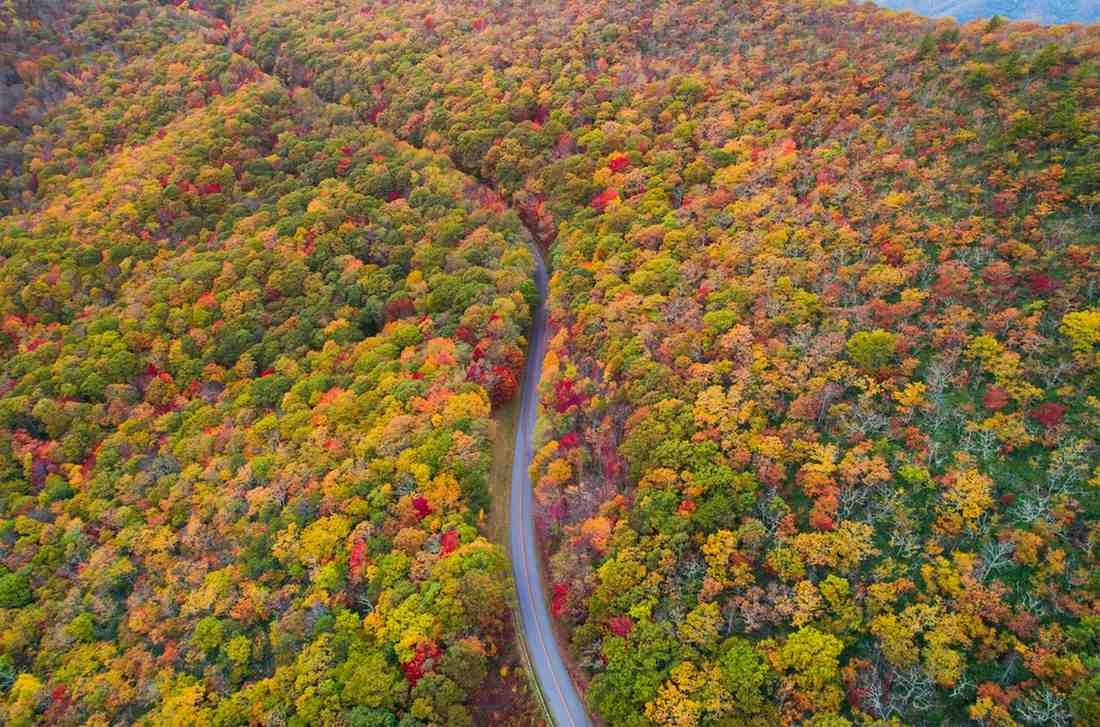
The Blue Ridge Parkway stretches 469 miles through the Appalachian Highlands from Shenandoah National Park in Virginia to the Great Smoky Mountains in North Carolina. It was designed as a scenic road – no commercial vehicles, no intersections with major highways, no billboards – and it remains one of the most deliberately beautiful drives in the country.
In June, the mountains are at their most deeply green. The hardwood forest has fully leafed out into a solid canopy of a dozen shades of green, broken occasionally by the white blossoms of mountain laurel and flame azalea, which peak from late May into mid-June at elevations between 2,500 and 4,500 feet.
Asheville, North Carolina, sits near the southern end of the parkway and serves as the natural cultural hub for the region. It has a genuine creative identity built on a decades-long arts community, a nationally recognized brewery culture (over 40 craft breweries in the greater metro area), and a culinary scene anchored in Appalachian food traditions while incorporating global influences.
The River Arts District – a two-mile stretch of former industrial buildings along the French Broad River – hosts over 200 working artists in studios open to the public. This is not a manufactured arts district but an organic community of painters, potters, textile artists, and sculptors who chose this mountain city for reasons that become obvious after half a day exploring.
The culture of the broader Blue Ridge region is Appalachian in the truest sense – rooted in Cherokee heritage, Scots-Irish settlement history, and a fierce independent streak that produced the banjo, old-time music, and a particularly inventive approach to whiskey.
June is the season when those traditions become most visible, through outdoor festivals, roadside farm stands selling strawberries and early tomatoes, and evening concerts at venues like the Grey Eagle or the Orange Peel in Asheville.
Top Things to Do
Drive the Full Blue Ridge Parkway Spur
The North Carolina section of the parkway, from the Virginia border to Cherokee, passes through some of the most dramatic Appalachian scenery in the region.
Key stops include: Doughton Park (mile 238–244, hiking and grazing meadows), Linn Cove Viaduct (mile 304.4, a 1,243-foot engineering marvel curving around Grandfather Mountain), and Waterrock Knob (mile 451.2, a short hike to a 6,292-foot summit with views across four states). June’s clear mornings offer the best visibility before afternoon humidity builds haze over the ridges.
Hike to Waterfall Country in Transylvania County
Transylvania County, just south of Asheville, holds over 250 waterfalls – the highest concentration in the eastern United States.
In June, snowmelt from the previous winter is long gone, but spring rainfall keeps the falls running strong. Hooker Falls (0.5 miles), Triple Falls (2 miles), and High Falls (0.6 miles) are all accessible from DuPont State Recreational Forest, connected by a network of easy-to-moderate trails open to hikers and mountain bikers. The combination of swimming holes and cascades makes this the most refreshing hiking option in the region on a warm June afternoon.
Explore Asheville’s River Arts District and Breweries
Spend a full day in the River Arts District beginning at the Pink Dog Creative complex and working south through the former industrial buildings that now house pottery studios, painting studios, and craft workshops.
Most artists open their doors for studio visits without appointments. Follow this with a self-guided brewery tour – Burial Beer Co., Wicked Weed Fermentation, Highland Brewing, and New Belgium’s Asheville taproom all offer outdoor seating that becomes particularly pleasant on June evenings when the mountain air cools to the low 60s Fahrenheit.
Hike Mount Mitchell, the Highest Peak East of the Mississippi
Mount Mitchell State Park, accessible via NC-128 off the Blue Ridge Parkway at mile 355, tops out at 6,684 feet – the highest point in the eastern United States.
A paved road leads nearly to the summit, where a short trail reaches the observation tower. In June, the high-elevation spruce-fir forest is cool (often 50–60°F even at midday) and the balsam fir trees release a scent that has no equivalent at lower elevations. Frasier fir forests dominate the upper slopes – a distinctive Appalachian ecosystem surviving only on the highest summits.
Float the French Broad River through Asheville
The French Broad River runs directly through downtown Asheville and offers easy-going tubing and kayaking options that put the city’s skyline and mountain backdrop into a completely different perspective.
Several outfitters on the riverbank rent tubes and kayaks for $20–35 per person with shuttles included. The stretch through the Carrier Park section is calm enough for beginners and children. June water temperatures are refreshing but not cold – running about 65–68°F (18–20°C) after the spring flush.
Don’t Leave Without…
Ordering a plate of “stack cake” at a traditional Appalachian restaurant. This layered spice cake uses dried apple filling between thin gingerbread-like layers – a mountain tradition that dates to the 19th century when sugar and fresh fruit were expensive. Tupelo Honey and Cúrate (a Spanish restaurant with Appalachian ingredients) in Asheville represent opposite ends of the local food spectrum and are both worth a full dinner.
Also: stop at one of the roadside fruit stands on US-74 near Brevard for a flat of strawberries. June is peak strawberry season in the North Carolina mountains, and the local varieties have a flavor intensity that the grocery store versions simply do not achieve.
RV Practical Info
- Access: Indie Campers depot in Nashville is approximately 4 hours west of Asheville via I-40. Alternatively, Atlanta sits about 2.5 hours south.
- Roads: The Blue Ridge Parkway itself prohibits vehicles over 45 feet and requires care on tight curves at overlooks. Most campervans and smaller motorhomes navigate it without difficulty. Side roads to waterfalls are often unpaved – suitable for 2WD vehicles in dry conditions.
- Campgrounds: Linville Falls Campground (mile 316.3) and Mount Pisgah Campground (mile 408.6) are the most popular NPS sites on the NC section. Both require reservations in advance via recreation.gov. Commercial RV parks in Asheville fill quickly in summer.
- Parkway access: The parkway has no fuel stations. Fill your tank before entering and plan accordingly for each day’s driving.
Ready to drive the best mountain road in the East? Rent an RV in Nashville and head to the Blue Ridge.
Who Is It Best For?
- Couples: Mountain laurel blooms, waterfalls, and Asheville’s arts and food scene create a genuinely romantic itinerary.
- Cyclists: The parkway’s no-commercial-traffic rule makes it popular with road cyclists; several sections offer challenging climbing with minimal vehicle interference.
- Foodies: Asheville consistently ranks as one of the top food cities in the Southeast, with a density of excellent restaurants relative to its size.
- Hikers: The density of waterfall hikes and summit trails in this section of the Appalachians is hard to match anywhere in the eastern US.
Recommended Budget
$120–$175 per person/day (excluding RV rental)
- Campsite fees: $20–35/night for parkway campgrounds.
- Park entry: The Blue Ridge Parkway is free to drive; Mount Mitchell State Park has a small day-use fee.
- Meals: $12–18 for casual Asheville dining; $35–55 for upscale restaurants.
- Activities: $20–35 for river tubing; brewery tasting flights average $15–20 per person.
7. New Orleans, Louisiana
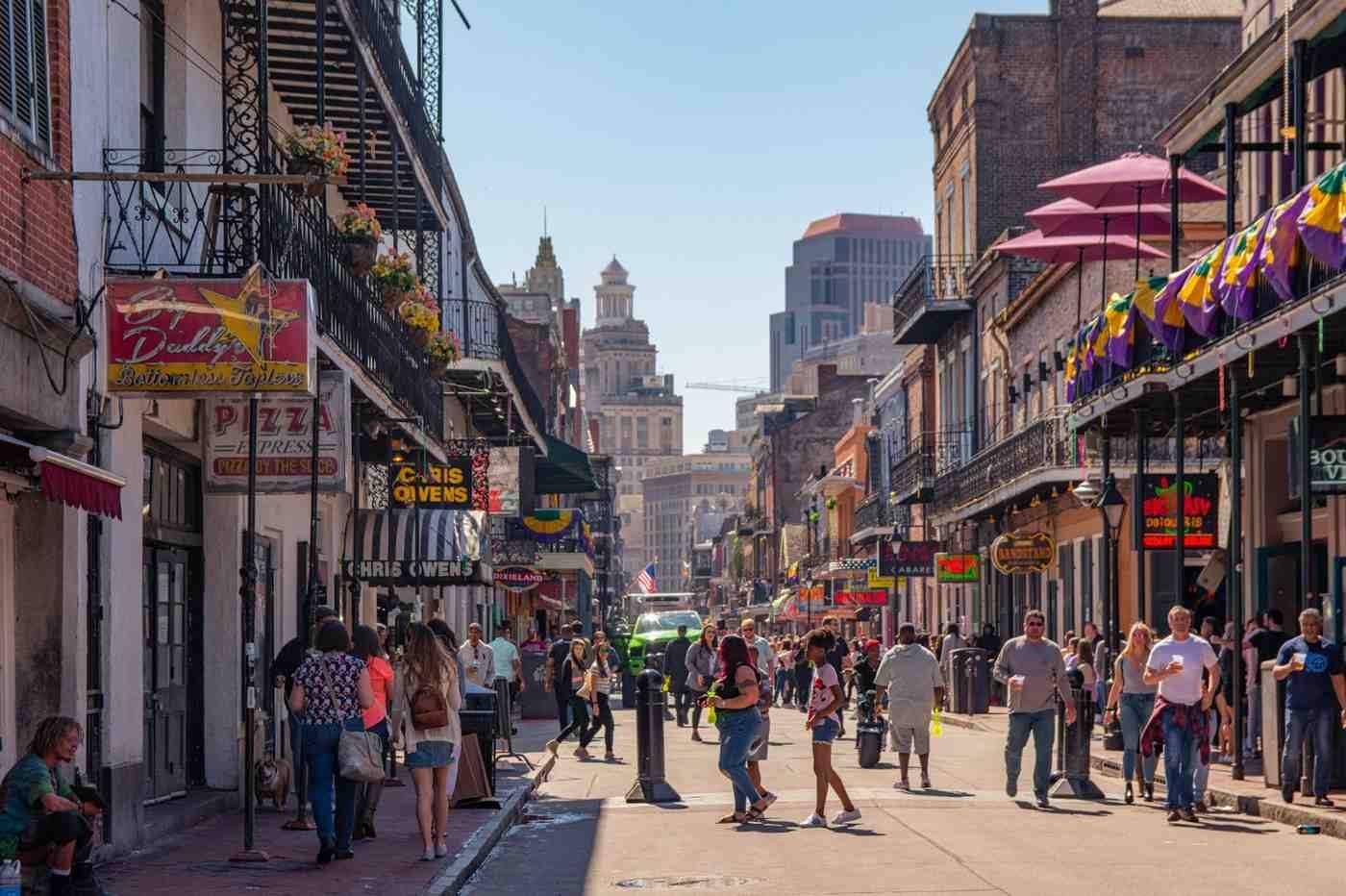
The Vibe
New Orleans in June operates under terms that most of the country has yet to fully accept: the heat is serious (averaging 88–90°F/31–32°C with humidity that makes it feel several degrees hotter), the thunderstorms arrive without ceremony in the afternoon, and the energy of the city does not slow down for either. This is a place that has survived hurricanes, floods, and centuries of occupation, and its response to summer heat is the same as its response to everything else – throw a parade, open another bar, and make sure someone is cooking.
June sits in the brief gap between Jazz Fest (which ends in early May) and the busiest peak of summer tourism. Crowds are lighter than in spring or winter, prices at guesthouses and campgrounds are lower, and the city’s authentic character – which can feel diluted in February during Mardi Gras season – reasserts itself. Locals eat at the same restaurants they always have, second-line parades still wind through neighborhood streets on Sunday afternoons, and the live music scene at Frenchmen Street operates on its own schedule regardless of tourist volume.
The culture of New Orleans is Creole in the truest, most layered sense – West African, French, Spanish, Native American, and Caribbean influences woven together over three centuries into something that exists nowhere else in North America. The food alone is worth the trip: po’boys, red beans and rice (traditionally on Mondays), oysters, crawfish (season extends into early June), and beignets exist here in versions that have been refined over generations. The music – jazz, blues, bounce, brass band – runs from street corners to concert halls without any clear boundary between performance and conversation.
Top Things to Do
Walk Frenchmen Street After Dark
The three-block stretch of Frenchmen Street in the Marigny neighborhood is where New Orleans’ musicians play for each other as much as for any audience.
On any given June night, you can walk from a traditional jazz club with a full 10-piece brass band to a funk outfit in a former grocery store to a singer-songwriter in a candlelit bar without buying a single ticket. Cover charges exist at some venues but are rarely more than $10. The energy peaks around midnight and doesn’t fully stop until 4 AM.
Eat Your Way Through the French Quarter
The Quarter’s reputation as a tourist trap obscures the fact that it contains some of the most historically significant restaurants in American culinary history.
Galatoire’s (established 1905) serves Creole French cuisine at white tablecloth tables where regulars have sat for three generations. Café Du Monde has served café au lait and beignets since 1862. Central Grocery invented the muffuletta sandwich in 1906. These are not experiences manufactured for visitors – they are living institutions that happen to attract both tourists and locals because they remain genuinely excellent.
Take a Swamp Tour in the Atchafalaya Basin
Drive 90 minutes west of New Orleans to the edge of the Atchafalaya Basin, the largest swamp in North America.
Small boat tours ($25–45 per person) depart from several launch points and navigate through cypress forests draped in Spanish moss, past alligator families sunning on logs and great blue heron rookeries. June is a prime month for wildlife viewing – alligators are active in the warm water, baby egrets and herons are in the nests, and the swamp’s exotic, primordial character is fully on display.
Explore Garden District and Magazine Street
The Garden District, a 45-minute walk or short streetcar ride from the French Quarter, contains some of the finest examples of antebellum Greek Revival architecture in the South.
Walking tours of the neighborhood pass through Lafayette Cemetery No. 1 – one of New Orleans’ famous above-ground cemeteries where the city’s Protestant community interred its dead beginning in 1833. Magazine Street, which runs alongside the district, offers eight miles of independently owned boutiques, antique shops, record stores, and restaurants that cater almost entirely to local traffic.
Attend a Second Line Parade
Social Aid and Pleasure Clubs organize second line parades through New Orleans neighborhoods on most Sunday afternoons from fall through spring, but summer parades occasionally continue into June.
These community-organized processions follow a brass band through neighborhood streets, with club members in coordinated suits and the public (the “second line”) dancing and following behind. There is no ticket, no itinerary, and no formal start time – you find the music, join the crowd, and follow. It is the most direct expression of New Orleans’ street culture and genuinely not replicated anywhere else.
Don’t Leave Without…
A bowl of Monday red beans and rice at a neighborhood restaurant on the actual Monday of your visit. The tradition of cooking red beans on Mondays dates to the 19th century when washday required an all-day focus, leaving red beans – which required little active attention – to simmer in a pot on the stove. The dish is now effectively the city’s weekly ritual, served at everything from fine dining establishments to corner takeout spots on Mondays specifically. Pair it with an Abita Amber, the regional lager brewed 40 miles north in Abita Springs.
RV Practical Info
- Access: Indie Campers depot in New Orleans for direct access.
- Roads: City driving is manageable but parking a larger motorhome requires planning. Many French Quarter streets are narrow; park outside the Quarter and walk or take the streetcar.
- Campgrounds: Bayou Segnette State Park in Westwego (15 minutes from downtown) offers full hookups at $22–35/night and connects to the city via the Crescent City Connection bridge. Jude Travel Park sits closer to the Quarter but is urban in character.
- Heat management: Plan outdoor activities before 11 AM and after 6 PM. Use your RV as an air-conditioned refuge during the afternoon heat. June heat index can reach 100°F+ (38°C) on humid afternoons.
- Storm awareness: June is the start of hurricane season. Monitor the National Hurricane Center forecast during your visit.
Ready to experience one of America’s most singular cities? Rent an RV in New Orleans and park yourself in the heart of the South.
Who Is It Best For?
- Food lovers: The depth and distinctiveness of New Orleans cuisine makes it a destination on culinary merits alone.
- Music enthusiasts: No American city has a living music culture this deeply woven into daily public life.
- History and culture seekers: Three centuries of layered history are accessible at street level without museum admission fees.
Not ideal for those who cannot tolerate high heat and humidity, or who prefer outdoor-focused itineraries. New Orleans rewards people who are comfortable moving at a slow, urban pace.
Recommended Budget
$130–$185 per person/day (excluding RV rental)
- Campsite fees: $22–35/night.
- Meals: $12–20 for classic local spots; $40–75 for historic restaurants.
- Activities: Most of the best New Orleans experiences – street music, second lines, the French Market – are free.
- Note: June prices at campgrounds and restaurants are lower than the February–May peak season.
8. Utah’s Mighty Five National Parks
The Vibe
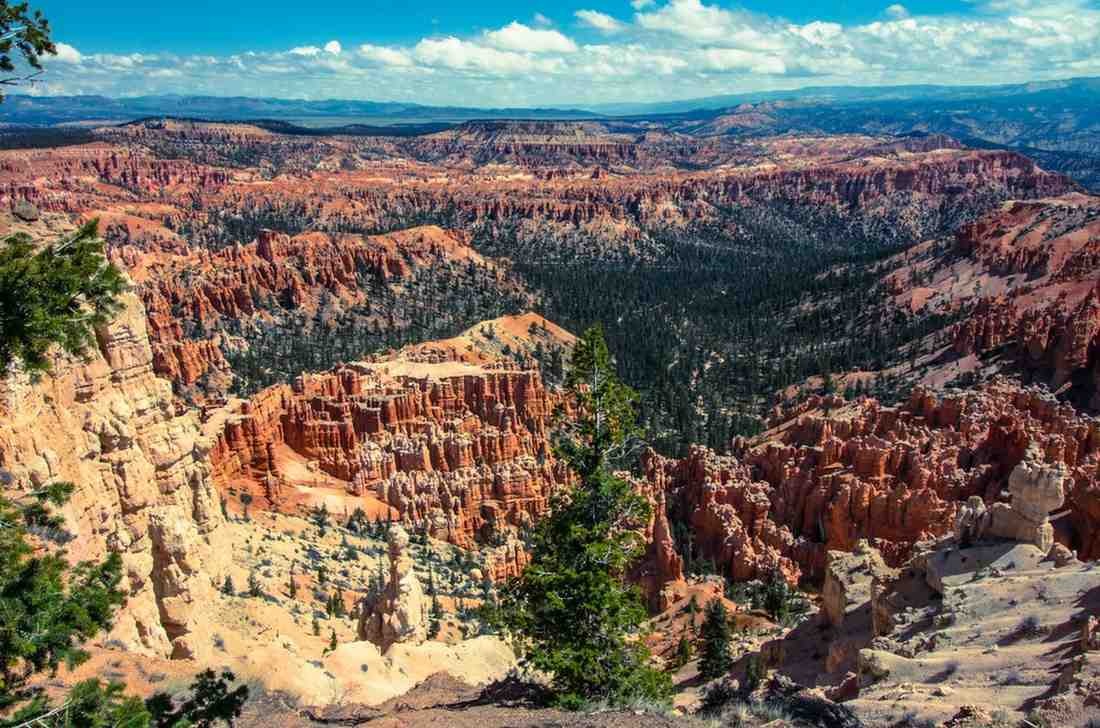
Utah’s five national parks – Zion, Bryce Canyon, Capitol Reef, Arches, and Canyonlands – form a 500-mile circuit through the Colorado Plateau that represents the most concentrated collection of dramatic desert scenery in the world. The landscape operates in geological superlatives: the deepest canyon, the most densely packed hoodoo field, the thinnest free-standing arch, the most isolated mesa. In June, the desert is very hot – daytime temperatures in the canyon bottoms regularly exceed 95–100°F (35–38°C) – but the red rock landscapes, visited on an early-morning schedule, are at their most vivid. The slickrock glows amber and rust in the first hour of light. By 7 AM, the slot canyons catch the sun. By 10 AM, most serious hikers have returned to their vehicles.
The towns along the circuit – Springdale, Kanab, Moab, Torrey – are small desert communities that have adapted to the national park economy without losing their character as functioning Western towns. Moab in particular sits at the intersection of mountain biking, off-road adventure culture, and fine outdoor dining, drawing a clientele that is as likely to be a professional climber as a first-time family visitor. June’s heat thins the crowds compared to May but the parks remain busy – Zion in particular has a mandatory shuttle system that handles the volume efficiently.
The cultural context of the Colorado Plateau includes the deep history of the Ancestral Puebloan people, who built cliff dwellings, granaries, and ceremonial sites throughout the region for over a millennium before a prolonged drought in the 13th century drove a major regional migration. Petroglyph panels, granary ruins, and kiva structures are visible at sites throughout all five parks – treated with enormous respect by modern visitors who understand that these are not archaeological curiosities but the living heritage of the Diné (Navajo), Ute, and Paiute peoples whose descendants still live throughout the region.
Top Things to Do
Hike the Narrows in Zion National Park
The Narrows is a slot canyon hike that follows the Virgin River upstream through a passage narrowing to as little as 20 feet wide with walls 1,000 feet tall.
You wade through the river for much of the route – waterproof shoes or canyoneering boots and a walking stick are essential. In June, water temperatures run about 58–65°F (14–18°C) and the water depth is typically knee- to waist-high. Start at Temple of Sinawava at dawn, before the mandatory shuttle begins running at 6 AM, to get the first hour of light in the canyon nearly alone.
Sunrise at Bryce Canyon’s Bryce Amphitheater
Bryce Canyon sits at 8,000–9,100 feet elevation – significantly cooler than the lower canyon parks – and hosts the largest concentration of hoodoos (eroded limestone spires) on Earth.
The Bryce Amphitheater from Sunrise, Sunset, Inspiration, and Bryce Points looks like a densely packed orange city skyline at dawn, with light gradually moving down the spires from the tips. Hike the Queen’s Garden and Navajo Loop trails (3.4 miles combined) into the amphitheater itself for a perspective that the rim overlooks cannot provide.
Canyonlands: White Rim Road by Mountain Bike or 4WD
The White Rim Road is a 100-mile dirt route that circumnavigates the Island in the Sky mesa at mid-canyon level – below the rim but above the Colorado and Green River confluence far below.
In a 4WD vehicle or on mountain bikes with overnight camping, this is one of the great multi-day adventures in the American Southwest. Day access by mountain bike ($30–50 bike rental in Moab) covers the most accessible sections off Shafer Trail Road. The views from the White Rim itself – across 1,000-foot canyon walls in every direction – are among the most dramatic perspectives available in the parks.
Arches at Dawn and Delicate Arch at Sunset
Arches National Park sits directly north of Moab and contains over 2,000 natural sandstone arches.
Delicate Arch – the symbol of Utah – sits atop a slickrock bowl reached via a 3.2-mile round-trip trail with 480 feet of elevation gain. At sunset, the arch frames the La Sal Mountains behind it in a composition that is reliably spectacular. Go early in June – by 9 AM the parking area at the Delicate Arch trailhead is often full. Dawn visits to Landscape Arch, a 306-foot span that is the longest natural arch in the world, offer golden light on nearly empty trails.
Capitol Reef’s Fruita Orchards
Capitol Reef is the least visited of the five parks and arguably the most historically layered.
The Fruita historic district contains over 3,000 trees in orchards planted by pioneer settlers in the late 19th century, which the National Park Service maintains in active production. In June, the cherry and apricot trees are in fruit, and visitors are permitted to pick and eat fruit directly from the trees – for free, with a small fee for taking produce out of the park. This simple experience – eating a sun-warm apricot in a desert canyon in the shade of a century-old tree – is unexpectedly moving.
Don’t Leave Without…
A breakfast burrito at the Moab Diner or Pasta Jay’s on Center Street, eaten on the outdoor patio before the sun clears the canyon walls and the temperature is still bearable. Then drive the 10-mile Dead Horse Point State Park road, which ends at a mesa top 2,000 feet above the Colorado River’s sweeping horseshoe bend – a view that rivals the Grand Canyon for sheer vertical drama but carries a state park fee ($20) instead of the national park crowds.
RV Practical Info
- Access: Indie Campers depots in Salt Lake City (4 hours to Moab) and Las Vegas (2.5 hours to Zion).
- Zion shuttle system: Private vehicles cannot drive Zion Canyon Scenic Drive from April through November. The mandatory park shuttle runs from the visitor center – RVs park in the large lot at the entrance.
- Campgrounds: Watchman Campground (Zion) and South Campground (Zion) require reservations months ahead. Moab has numerous private RV parks that don’t require the same advance booking. Bryce Canyon’s North Campground requires reservations via recreation.gov.
- Heat management: Plan all strenuous activity before 10 AM. Carry at least 4 liters of water per person for canyon hikes. The NPS issues heat warnings in June – heed them.
- Fuel: Moab has the only reliable fuel between Green River and Monticello on US-191. Fill up in Moab before heading to Canyonlands.
Ready to drive Utah’s red rock circuit? Rent an RV in Salt Lake City and tackle the Mighty Five.
Who Is It Best For?
- Desert adventure seekers: Slot canyon hiking, sandstone climbing, and off-road cycling are all at their most accessible in June.
- Photographers: The early morning light on red sandstone is some of the most painterly landscape light in North America.
- Road-trippers: The circuit route connecting all five parks is purpose-built for an RV itinerary.
Not ideal for those who cannot handle extreme heat or who plan midday outdoor activities. June requires strict early-morning scheduling.
Recommended Budget
$130–$190 per person/day (excluding RV rental)
- Campsite fees: $25–45/night for national park and private campgrounds.
- Park entry: Each park charges $30–35/vehicle. The America the Beautiful Pass ($80) covers all five and pays for itself in 2–3 parks.
- Meals: $12–20 for Moab casual dining; Springdale (Zion) runs slightly higher.
- Activities: Mountain bike rentals $30–50/day in Moab; guided canyoneering tours $120–200.
9. San Diego, California
The Vibe
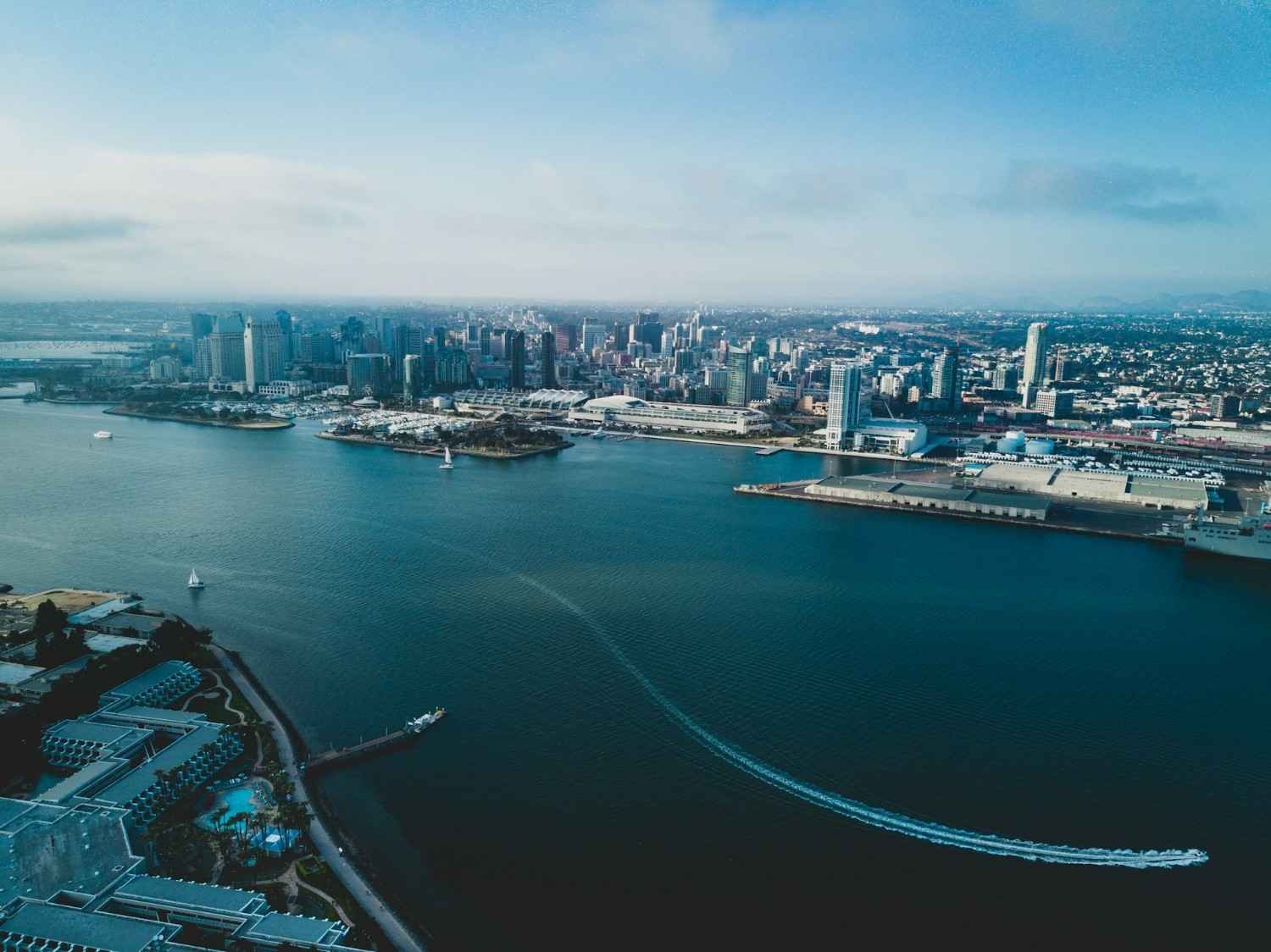
San Diego in June is, paradoxically, not the city’s sunniest month. The “June Gloom” marine layer that characterizes the Southern California coast keeps mornings overcast and temperatures in the mid-to-upper 60s Fahrenheit (18–20°C) before burning off to blue sky by early afternoon. Visitors who expect wall-to-wall sunshine can feel cheated until they realize what the June Gloom actually provides: comfortable beach weather without the 90°F (32°C) heat that August sends, crowds that are 30–40% smaller than peak summer, and a coastal light that is soft, diffuse, and exceptional for photography.
San Diego operates at a pace unlike the rest of Southern California – less frantic than Los Angeles, less aggressively commercial than Las Vegas.
The city’s military heritage (home to the largest naval base on the West Coast) gives it a practical, unassuming quality that coexists with a thriving food and craft beer culture, world-class surf breaks, and one of the finest collections of urban parks and recreational green space in the country. Balboa Park alone covers 1,200 acres and contains 17 museums, multiple gardens, and the San Diego Zoo – all walkable within the park’s boundaries.
The coastal neighborhoods – Ocean Beach, Mission Beach, Pacific Beach, and La Jolla – each carry distinct characters. La Jolla, built on sandstone bluffs above a protected marine reserve, is the most visually striking, with sea caves accessible at low tide and a famous colony of California sea lions hauled out on the rocks at the Cove.
Ocean Beach maintains the most authentically countercultural identity of any neighborhood in the city – vinyl record shops, independent coffee roasters, and a weekly farmers market that draws the full social spectrum of the local population.
Top Things to Do
Surf or Watch Surf at Swami’s and Windansea Beach
Swami’s in Encinitas (30 minutes north of San Diego) is one of California’s most famous point breaks, producing long right-handers in June’s consistent NW swell.
Beginners are better served at Mission Beach, where the shore break and rental outfitters ($25/hour board rentals, $60–80 surf lessons) provide accessible conditions. La Jolla’s Windansea Beach offers an intermediate reef break in a setting of sandstone boulders and tide pools – no lessons, but one of the more dramatic spots to watch experienced surfers from the rocks above.
Explore Balboa Park and the San Diego Zoo
Balboa Park’s concentration of museums, gardens, and cultural institutions is genuinely remarkable.
The Museum of Man, Museum of Natural History, Timken Museum of Art, and Botanical Building are all clustered within walking distance of each other along El Prado – the park’s main promenade. The San Diego Zoo ($60–65 adult admission) is consistently ranked among the world’s best zoological parks. In June, the park’s canyon edges host California quail with chick families and the native plant gardens are in full flower. Spend a full day across both the zoo and the museums without retracing steps.
Kayak the La Jolla Sea Caves
Seven sea caves tunnel into the sandstone cliffs south of La Jolla Cove, and the most dramatic – Sunny Jim’s Cave – connects to the surface through a 145-step staircase inside a gift shop ($5 access fee).
By kayak, all seven caves are accessible in calm June conditions, along with the kelp forest that starts just offshore and the sea lion haul-out at Point La Jolla. Kayak rentals run $35–55/hour with life jacket from outfitters at the Cove. The water here is clearer than anywhere else on the Southern California coast – visibility often exceeds 20 feet.
Day Trip to Torrey Pines State Natural Reserve
The coastal cliffs at Torrey Pines protect the last wild stand of Torrey pine trees, a species found only here and on Santa Rosa Island.
The reserve’s trail network covers 8 miles of sandstone bluffs, canyon floors, and beach access – all within the reserve’s 1,750 acres. June’s morning marine layer creates atmospheric fog that catches in the canyon openings and drifts through the pines.
The beach below the bluffs is excellent for low-tide walking and shorebird observation. No fee, no reservations required, though the parking lot fills by 9 AM on weekends – arrive early or approach from the beach.
Explore the Gaslamp Quarter and Little Italy
Downtown’s historic Gaslamp Quarter preserves Victorian commercial architecture in a 16-block zone that now houses restaurants, rooftop bars, and live music venues.
Little Italy, a few blocks north, has become the city’s most dynamic dining neighborhood – the Saturday Mercato farmers market runs year-round on India Street and draws the serious cooking community as much as any restaurant. June’s outdoor dining season is fully underway; the marine layer burns off in time for dinner patrons to sit outdoors by 7 PM.
Don’t Leave Without…
Fish tacos from a Baja-style street truck or taqueria – San Diego invented the American fish taco and the local version bears no resemblance to the restaurant chain adaptation. Grilled or beer-battered local fish (often mahi-mahi or cod), white sauce, shredded cabbage, and fresh salsa in a handmade corn tortilla, eaten standing at a folding table outside a taco truck in South Park or National City. Dedicate one lunch specifically to this ritual.
RV Practical Info
- Access: Indie Campers depot in San Diego for direct access to all coastal areas.
- Roads: Freeways are generally manageable in a campervan. Coastal neighborhood streets can be tight – Mission Beach in particular has narrow parking.
- Campgrounds: San Elijo State Beach Campground (Cardiff-by-the-Sea) offers blufftop campsites above the beach – one of the most coveted coastal camping spots in Southern California. Book 6 months in advance for June. South Carlsbad State Beach and Doheny State Beach (Dana Point) are good alternatives.
- RV parking: Many San Diego beach lots have height restrictions (typically 7–8 feet) or RV bans. Confirm before driving to the beach.
- Fuel: California prices – budget accordingly.
Ready to explore America’s finest city? Rent an RV in San Diego and wake up to Pacific sunsets.
Who Is It Best For?
- Surfers and ocean lovers: Consistent waves, calm cove swimming, and kayaking in clear water.
- Families: The San Diego Zoo, Balboa Park’s hands-on museums, and calm beach conditions for young swimmers.
- Couples: La Jolla’s clifftop sunsets and Little Italy’s restaurant scene make a strong combination.
- First-time West Coast visitors: San Diego offers the most manageable and livable introduction to Southern California.
Recommended Budget
$140–$210 per person/day (excluding RV rental)
- Campsite fees: $40–65/night for state beach sites with ocean views.
- Meals: $15–25 casual (including excellent tacos); $45–70 for La Jolla or Gaslamp dining.
- Activities: $60–65 for San Diego Zoo; $35–55 for kayak rentals.
10. Florida Keys & Everglades, Florida
The Vibe
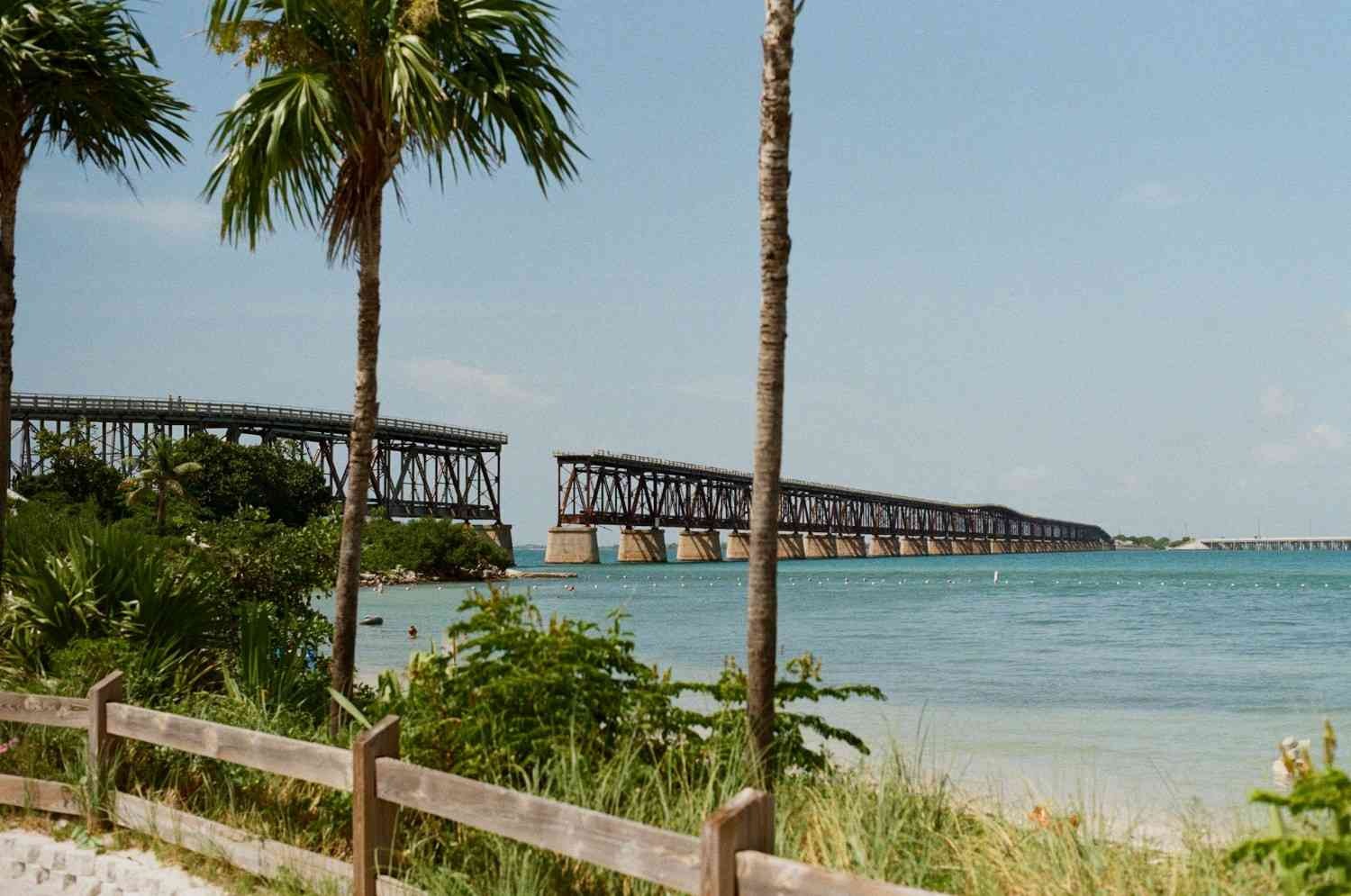
The Florida Keys in June exist in a different relationship with time than the rest of Florida. The crowds that pack Key West from December through April have largely departed, leaving behind the permanent residents – fishing guides, dive shop owners, tiki bar regulars – who chose these islands for reasons that become clear after a few days on the water. The humidity is serious (90%+ on most mornings) and the heat arrives by 9 AM, but a consistent easterly trade wind keeps the Keys from feeling as oppressive as mainland Florida at the same temperature.
The Overseas Highway – 113 miles of US-1 connecting 42 bridges across open water between Florida City and Key West – is one of the great RV drives in the eastern United States. The route crosses dozens of islands, each with its own micro-character: Key Largo for diving the John Pennekamp Coral Reef, Islamorada for world-class sport fishing and lobster rolls, Marathon for its family focus and the Seven Mile Bridge (the longest of the original causeway spans), and Big Pine Key for the miniature Key deer and the still-uncrowded natural areas of the lower keys.
The cultural identity of the Keys is built on the water – fishing, diving, sailing, and smuggling histories that give the islands an independent, slightly piratical character. “Conch Republic” bumper stickers abound on vehicles belonging to locals born on the islands. The Bahamian and Caribbean influences are evident in the architecture (wooden “conch houses” with corrugated metal roofs and wraparound porches), the food (conch fritters, fish chowder, key lime pie), and the general attitude that the mainland’s rules are more like guidelines.
Top Things to Do
Dive or Snorkel John Pennekamp Coral Reef State Park
The only undersea park in the continental United States protects 70 nautical square miles of coral reef at the northern end of the Keys.
In June, the water temperature runs 82–84°F (28–29°C) and visibility typically exceeds 30 feet, making it the best diving and snorkeling month of the year. Snorkel trips depart twice daily ($30–35 per person including gear), diving trips for certified divers run $70–90. The Christ of the Deep statue – a nine-foot bronze figure standing on the reef floor in 25 feet of water – is the most iconic dive site on the East Coast.
Fish for Permit, Tarpon, or Bonefish in Florida Bay
June is prime tarpon season in the Keys. The silver king – some exceeding 100 pounds – feeds aggressively in June’s warm shallows, making the flats around Islamorada and the backcountry around Flamingo in the Everglades some of the most coveted shallow-water fishing grounds in the world.
Half-day guided flats fishing trips run $500–700 for up to two anglers. Even without catching, the experience of poling a skiff across a mirror-calm flat with 100-pound fish rolling in front of the boat is difficult to replicate anywhere else.
Kayak the Everglades’ Wilderness Waterway
The 99-mile Wilderness Waterway through Everglades National Park is a multi-day canoe and kayak route through mangrove tunnels, open bays, and brackish creeks that represents the most remote accessible paddling in the eastern United States.
Day paddlers can access the most memorable sections – the mangrove tunnels near Nine Mile Pond, Hell’s Bay, and the Turner River – as standalone trips from the Everglades City or Flamingo entry points. Manatees, alligators, roseate spoonbills, and wood storks are all active in June’s warm water.
Watch the Sunset from Mallory Square, Key West
The Sunset Celebration at Mallory Square in Key West has operated nightly since the 1960s, when hippies gathered to watch the sun sink into the Gulf.
Today, it involves street performers, arts vendors, and a crowd of locals and visitors who simply stop whatever they’re doing when the sun gets within 30 minutes of the horizon. The ritual is entirely genuine and remarkably non-commercial. Arrive 45 minutes early to find a spot on the pier wall, bring your own cold drinks (grocery stores a block away), and participate in something that has outlasted every tourism trend of the last 60 years.
Swim with Wild Dolphins at Robbie’s Marina
Robbie’s Marina on Islamorada allows visitors to hand-feed and swim with the schools of Atlantic tarpon that aggregate around the dock ($6 entry, $3 fish bucket), but the bigger draw is the local practice of dolphin watching from the dock and kayaking the adjacent flats where wild bottlenose dolphins feed in shallow water.
Kayak rentals at Robbie’s run $20–30/hour. Dolphins in the flats are often visible from directly overhead in the kayak, approaching within 10 feet in clear, shallow water without the managed, captive context of commercial swim programs.
Don’t Leave Without…
Eating a slice of authentic Key lime pie from Kermit’s Key West Lime Shoppe or Blonde Giraffe Key Lime Pie Factory – both make their pie with actual Key limes (smaller, more tart, and more aromatic than the Persian limes sold in most grocery stores). The proper version is pale yellow, not green, and firm rather than custardy. The graham cracker crust should hold its shape. Eat it frozen for a different texture. This is a rare case where the local version of a famous dish is definitively superior to every imitation encountered elsewhere.
RV Practical Info
- Access: Indie Campers depots in Miami and Florida. The drive from Miami to Key West takes 3–4 hours depending on traffic on US-1.
- Roads: The Overseas Highway is a two-lane road for much of its length. RVs need patience – passing opportunities are rare, and speed limits are strictly enforced (45–55 mph through most of the Keys).
- Campgrounds: John Pennekamp Coral Reef State Park Campground (Key Largo) offers water-adjacent sites for $38–43/night. Bahia Honda State Park (Big Pine Key) has some of the most beautiful campsite views in Florida – water on both sides – but fills 11 months in advance. Reserve immediately at ReserveAmerica.
- Hurricane season: June 1 marks the official start of Atlantic hurricane season. Monitor the National Hurricane Center daily. Tropical weather can develop quickly – have a clear evacuation plan.
- Heat management: June heat is significant. Plan water activities in the morning and rest or move through air-conditioned environments from noon to 5 PM.
Ready to drive the only road to Key West? Rent an RV in Miami and head down the Overseas Highway.
Who Is It Best For?
- Snorkelers and divers: June’s water clarity and warmth make this the best month on the reef.
- Anglers: Tarpon season peaks in June, drawing serious anglers from around the world.
- Couples: The combination of beautiful water, sunset rituals, and the Keys’ laid-back pace creates genuine space for rest.
- Budget travelers who plan ahead: June’s shoulder season pricing cuts Keys accommodation costs significantly versus the winter peak.
Recommended Budget
$130–$190 per person/day (excluding RV rental)
- Campsite fees: $38–65/night for state park sites with water views.
- Meals: $15–25 for conch fritters and fish sandwiches; $40–70 for full-service Keys restaurants.
- Activities: $30–90 for dive/snorkel trips; $500–700/boat for guided fishing (split among group).
- June discount: Most Keys restaurants and marinas run 20–30% lower prices than winter peak. June is genuinely the locals’ favorite month to be here.
What to Pack for a USA Road Trip in June
| Category | Items | Why It Matters in June |
|---|---|---|
| Sun Protection | SPF 50+ sunscreen, UV-blocking sunglasses, wide-brim hat | UV intensity is at its June peak across all regions, particularly in the Southwest, at altitude, and on open water. Don’t underestimate desert or high-altitude sun. |
| Clothing Layers | Lightweight moisture-wicking shirts, quick-dry shorts, a mid-layer fleece, light rain jacket | June mornings in Alaska, the Rockies, and the Pacific Northwest can start at 40–50°F before warming 20+ degrees by afternoon. Layering is essential. |
| Hiking Footwear | Trail runners or hiking boots with ankle support, water shoes or sandals | Varied terrain: canyon slickrock, rainforest mud, river wading in the Narrows, and coastal tide pools all require different foot protection. |
| Waterproof Layer | A packable rain jacket with hood | Afternoon thunderstorms in Colorado and the Appalachians arrive daily without warning. The Pacific Northwest can produce rain in any month. |
| Hydration Gear | 3-liter hydration reservoir or two 1.5-liter bottles, electrolyte tablets | Critical for desert and mountain hiking. The Southwest heat in June is life-threatening at dehydration levels. No single item matters more for Utah and Colorado days. |
| RV Essentials | Leveling blocks, 30/50-amp power adapter, freshwater hose with filter, sewer gloves | US campsite connections vary – a 30-to-50-amp adapter covers nearly all situations. A water filter protects against variable well quality at rural sites. |
| Bug Protection | DEET-based insect repellent or picaridin spray | Alaska’s mosquitoes are legendary from late May through July. Louisiana swamps and Florida mangroves require bug protection for any dawn or dusk activity. |
| Bear Safety | Bear spray canister | Essential in Yellowstone, Glacier, Olympic, and Alaska. Keep in an accessible exterior pocket during any trail use in bear country. |
| Navigation | Offline maps (Google Maps or maps.me), the Dyrt or Campendium for campsite reviews | Cell coverage drops to zero in most national parks, on the Seward Highway through Alaska, and throughout the Olympic Peninsula backcountry. |
| Cooking Equipment | Portable stove with extra fuel canisters, a cast iron skillet, a sharp knife | Cooking in your RV is the primary budget strategy for any 10+ day trip. A cast iron skillet handles everything from camp eggs to bison steaks. |
| First Aid | Comprehensive kit, moleskin for blisters, ACE bandages, altitude sickness medication (Diamox if prescribed) | Remote locations in Alaska, Utah, and the Rockies are far from urgent care facilities. A solid kit handles the minor issues that can derail a trip. |
| Passes and Documents | America the Beautiful Annual Pass, state parks reservations printouts, driver’s license, vehicle registration | The $80 America the Beautiful Pass covers Yellowstone, Grand Teton, Rocky Mountain NP, Great Sand Dunes, Arches, Canyonlands, Capitol Reef, Bryce Canyon, Zion, Olympic, Kenai Fjords, and Everglades – effectively free after three national park visits. |
Expert Tips for June Travel in the USA
Book national park campgrounds 6 months in advance
The recreation.gov reservation window opens exactly 6 months before your arrival date – often to the minute. Sites at Watchman (Zion), Fishing Bridge (Yellowstone), Bahia Honda (Florida Keys), and Kalaloch (Olympic) sell out within hours of release. Set a calendar reminder and treat the booking window like a ticket sale.
Plan around afternoon patterns, not just destinations
In the Rockies and Appalachians, afternoon thunderstorms arrive daily between 1–4 PM with genuine lightning risk above treeline. In the Desert Southwest, temperatures become dangerous for hiking by 10 AM. In New Orleans and Florida, the heat index exceeds 100°F by midday. Structure every day as: early morning activity, midday rest or driving, late afternoon/evening activity. Your RV is your climate-controlled refuge during the unpleasant hours.
Use the America the Beautiful Pass strategically
At $80 per vehicle per year, this pass covers entrance fees at all 63 national parks and most federal recreation areas. A family traveling to Yellowstone, Grand Teton, and two Utah parks in a single trip saves over $120 compared to individual vehicle fees. Buy it at your first park entrance – you cannot purchase it before arrival at a national park.
Arrive at trailheads before 7 AM for the most popular trails
Delicate Arch at Arches, the Narrows at Zion, Hurricane Ridge at Olympic, and the Hall of Mosses at Hoh all have parking that fills by 9–10 AM in June. Arriving at dawn is not optional if you want a parking space – it is required. The light is better, the temperature is cooler, and the trails are quieter at dawn. Three compelling reasons to set an alarm.
Carry bear spray and know how to use it in western parks
This applies anywhere in Yellowstone, Grand Teton, Olympic, the Colorado Rockies, and throughout Alaska. Bear spray is effective in over 90% of aggressive bear encounters. Carry it in an accessible hip holster – not buried in your pack. Practice the deployment motion before your first trail day. Many ranger stations offer brief free demonstrations.
Fuel up before remote stretches
The Seward Highway in Alaska, the Blue Ridge Parkway (no fuel stations on the road itself), the Olympic Peninsula’s western reaches, and the stretch between Moab and Green River in Utah all have significant gaps between fuel stops. A larger motorhome getting 8–10 mpg can cover 200–240 miles on a full tank – know your range and plan accordingly. Running out of fuel in Canyonlands or on the Kenai is a situation that costs money, time, and goodwill.
Take advantage of June’s long daylight in the West
In the Pacific Northwest and Alaska, the June daylight extends so long that “golden hour” photography happens near 10 PM, giving you the full day for activities before the best light arrives. In the Southeast and Florida, sunset happens around 8–8:30 PM – early enough to plan a sunset destination and still make dinner reservations afterward.
Check wildfire smoke forecasts for Western parks
June brings the beginning of wildfire season in California, Oregon, Washington, and the Intermountain West. Smoke can dramatically reduce visibility at Crater Lake, the Tetons, and throughout the Sierra Nevada within 24–48 hours. AirNow.gov provides real-time air quality index data. Campsite cancellations due to smoke-related closures are common; always have a backup destination in mind.
Respect wildlife distance requirements strictly
The NPS requires staying at least 25 yards from bison, deer, elk, and most wildlife, and 100 yards from bears and wolves in Yellowstone. These rules exist because June is calving season – animals with young are unpredictable and genuinely dangerous when approached. The majority of Yellowstone visitor injuries each year involve bison that were approached too closely for photographs.
Use the Dyrt or Campendium apps to find last-minute sites
Not every site is listed on recreation.gov – many excellent campgrounds operate on a first-come, first-served basis or through state and county systems. The Dyrt and Campendium aggregate user reviews and real-time availability updates for thousands of sites that don’t appear in the main federal reservation system. These tools regularly surface campsites within 30 minutes of full national parks when the parks themselves show no availability.
Plan Your June Road Trip with Indie Campers
June 2026 is an exceptional time to road trip the United States – the national parks are open, wildflowers are blooming at elevation, the days are long, and the crowds haven’t yet peaked. The destinations in this guide span three time zones and cover everything from glacial fjords to coral reefs.
Indie Campers makes the logistics straightforward:
- Find the right vehicle from 7,000+ options. Choose from compact campervans ideal for two travelers, family-sized motorhomes with sleeping for four or five, and everything between – all available across North America.
- Start and finish in different cities. Pick up in Denver and drop off in Salt Lake City after a Rockies-to-Utah circuit. Pick up in San Francisco and drop off in Los Angeles after driving Highway 1. One-way rentals are available at 70+ locations, including San Francisco, Los Angeles, San Diego, Denver, Salt Lake City, Seattle, Anchorage, Miami, New Orleans, and Nashville.
- Book now, pay later. Secure your vehicle today with no full payment required until 30 days before pickup when selecting Flexible Cancellation.
- Cancel with confidence. Cancel up to 31 days before pickup with no penalty under the Flexible Cancellation plan – useful when booking months ahead for popular summer dates.
All rentals include unlimited mileage, 24/7 roadside assistance, a fully equipped kitchenette, and bedding. Air conditioning is standard on US motorhomes – essential for summer travel through the Southwest and Southeast.
Book your June 2026 road trip with Indie Campers
Everything You Need to Know About USA RV Road Trips in June
| Destination | State | Vibe | Best For | Top Things to Do | Budget/Day | Top Campgrounds | RV-Friendly Rating | Wild Camping | Best Place to Stay |
|---|---|---|---|---|---|---|---|---|---|
| Yellowstone & Grand Teton | Wyoming | Wild | Nature/Wildlife | Geysers, Lamar Valley, Grand Teton Hikes | 💰💰💰 ($160–230) | Fishing Bridge RV Park, Madison CG | Good – plan parking in advance | No | Indie Campers RV |
| Pacific Coast Highway | California | Scenic | Road-Trippers | Highway 1 Drive, Big Sur, Muir Woods | 💰💰💰 ($140–210) | Pfeiffer Big Sur, Kirk Creek CG | Good – narrow sections in Big Sur | No | Indie Campers RV |
| Colorado Rockies | Colorado | Alpine | Hikers/Adventurers | Rocky Mtn NP, Great Sand Dunes, Rafting | 💰💰💰 ($140–200) | Moraine Park CG, Buena Vista RV Parks | Good – check pass road conditions | No (except designated wilderness) | Indie Campers RV |
| Olympic Peninsula | Washington | Lush | Nature/Couples | Hoh Rainforest, Hurricane Ridge, Sol Duc | 💰💰💰 ($130–190) | Mora CG, Sol Duc CG, Kalaloch CG | Good – limited cell service | No | Indie Campers RV |
| Anchorage & Kenai | Alaska | Wild | Bucket-Listers | Midnight Sun, Glaciers, King Salmon | 💰💰💰💰 ($180–270) | Russian River CG, Resurrection River | Good – fuel costs higher | Restricted | Indie Campers RV |
| Blue Ridge Parkway | NC/VA | Scenic | Couples/Foodies | Waterfalls, Asheville, Mount Mitchell | 💰💰 ($120–175) | Linville Falls CG, Mount Pisgah CG | Good – no fuel on Parkway | No | Indie Campers RV |
| New Orleans | Louisiana | Festive | Food/Music | French Quarter, Frenchmen St, Swamp Tours | 💰💰💰 ($130–185) | Bayou Segnette State Park | Manageable – park outside Quarter | No | Indie Campers RV |
| Utah’s Mighty Five | Utah | Vast | Desert Adventurers | Zion Narrows, Bryce Hoodoos, Arches | 💰💰💰 ($130–190) | Watchman CG, North Campground (Bryce) | Good – Zion shuttle required | No | Indie Campers RV |
| San Diego | California | Relaxed | Beach/Families | Surf, Zoo, La Jolla Kayaking, Balboa Park | 💰💰💰 ($140–210) | San Elijo State Beach, South Carlsbad | Manageable – height restrictions at beach lots | No | Indie Campers RV |
| Florida Keys & Everglades | Florida | Tropical | Divers/Anglers | Coral Reef, Key West Sunset, Tarpon Fishing | 💰💰💰 ($130–190) | John Pennekamp, Bahia Honda | Good – two-lane highway requires patience | No | Indie Campers RV |
FAQs About the Best Places to Visit in the USA in June
Where can I rent an RV in the USA in June?
Indie Campers offers RV rentals across 70+ locations throughout North America, including major June road trip hubs: San Francisco, Los Angeles, San Diego, Denver, Salt Lake City, Seattle, Anchorage, Miami, and Nashville. One-way rentals allow you to pick up in one city and drop off in another – a major advantage for routes like the Pacific Coast Highway (San Francisco to Los Angeles) or the Utah circuit (Salt Lake City to Las Vegas). Book 3–6 months ahead for June dates, as demand for summer rentals is high.
What is the best place to visit in the USA in June for couples?
The Blue Ridge Parkway in North Carolina is one of the best places to visit in June for couples in the USA, combining dramatic mountain scenery, waterfall hikes, and the food and arts scene of Asheville in a single loop. The Pacific Coast Highway from San Francisco to Big Sur is another strong option for couples who want cinematic coastal scenery and a more active road trip energy. For something truly remote and memorable, the Olympic Peninsula’s combination of rainforest, hot springs, and wild coast is hard to match for a shared adventure. June’s lower crowds make all three destinations more intimate than they are in July or August.
What is the warmest state in the USA in June?
Florida, Louisiana, and the Desert Southwest (Utah, Arizona, Nevada) are the warmest parts of the United States in June, regularly exceeding 90°F (32°C) with high humidity along the Gulf Coast and dry heat in the interior. The Florida Keys average 87°F (30°C) with consistent trade winds that make the heat more bearable than inland Florida. New Orleans averages 88°F (31°C) with high humidity. Utah’s canyon country can reach 100°F (38°C) in the afternoon but cools significantly at night due to elevation.
What is the coolest and most temperate state in the USA in June?
The Pacific Northwest (Washington and Oregon) and Alaska offer the most temperate June conditions among US destinations. Seattle and the Olympic Peninsula average 62–68°F (17–20°C) with low humidity and exceptional daylight. Alaska’s Kenai Peninsula runs 55–70°F (13–21°C) – cool enough for active hiking without heat stress. The Colorado Rockies at elevation also stay pleasantly cool, with temperatures dropping to 45–50°F (7–10°C) at night even in early summer.
What is the best place to visit in the USA in June with family?
San Diego is one of the strongest family destinations in June in the USA, offering the San Diego Zoo (one of the world’s best), calm ocean beaches with nearby surf lessons, and Balboa Park’s collection of hands-on science and history museums within a single manageable city. Yellowstone is equally compelling for families with older children who can handle moderate hikes and absorb wildlife experiences – geyser eruptions, bison herds, and bear sightings reliably produce genuine wonder in people of all ages. Great Sand Dunes National Park in Colorado, with its dune-climbing and Medano Creek wading, works for families with children as young as four or five.
What is the best place to visit in the USA in June with kids?
San Diego and Yellowstone both work exceptionally well for kids, as described above. Great Sand Dunes National Park in Colorado offers a uniquely playful landscape – climbing 700-foot dunes and wading in the seasonal creek that forms at their base. The Florida Keys’ calm, warm, shallow water near family-friendly beaches at Bahia Honda State Park is excellent for young swimmers and first-time snorkelers. Olympic National Park’s tide pools, where children can observe sea stars, crabs, and anemones in natural pools, create lasting nature memories without requiring any hiking ability.
What is the best place to visit in the USA in June with friends?
Moab, Utah, makes a strong case for the best group destination in June in the USA – the combination of mountain biking, canyoneering, river rafting, and stargazing (designated International Dark Sky Park territory) gives groups of mixed fitness levels and interests something to pursue individually and collectively. New Orleans in June, with its music scene, food culture, and lower prices than peak season, works well for groups who want an urban experience with a genuine party element. The Pacific Coast Highway road trip works well for friend groups splitting a larger motorhome across a point-to-point route.
What are the best places to visit in the USA in June for solo travelers?
Asheville, North Carolina, is one of the best places to visit in the USA in June for solo travelers – the city’s arts community, brewery scene, and hiking network are all easily navigable alone, and the social culture at Asheville’s outdoor venues and music spots makes meeting people straightforward. The Pacific Northwest, including Seattle and Olympic Peninsula, has a strong solo travel infrastructure with hostels, organized group hiking meetups, and a culture that treats solo outdoor activity as completely normal. Alaska rewards solo travelers who are self-sufficient and prepared: the scale of the wilderness, the fishing culture, and the midnight sun create experiences that are genuinely amplified by solitude.
What are the best places to visit in the USA in June for nature?
Yellowstone offers the most concentrated wildlife, geothermal, and mountain scenery of any single park in the country. Alaska’s Kenai Peninsula provides glacier access, marine wildlife, and bear-watching that exist nowhere else in the lower 48. Olympic National Park covers three distinct ecosystems – temperate rainforest, subalpine meadows, and wild Pacific coastline – within a single park boundary. For desert landscape and geological spectacle, Utah’s Mighty Five circuit remains without equal. All four are at or near peak condition in June.
What are the best places to visit in the USA in June for first-time road-trippers?
The Pacific Coast Highway from San Francisco to Los Angeles is the most self-evident first road trip route in the country – well-marked, well-serviced, and rewarding regardless of experience level. San Diego is an excellent single-city base for first-timers who prefer not to drive long distances, with enough activities for 5–7 days. Colorado’s Rockies circuit between Denver, Rocky Mountain National Park, and Breckenridge is a manageable loop on well-maintained roads with reliable infrastructure throughout. All three are served by Indie Campers depots, making pickup and return logistics straightforward.