Last Updated: June 24, 2026
Working out what to do in Melbourne usually starts with the same short list of a laneway coffee, a tram ride, and a game at the MCG. Those are worth your time. But most visitors never leave the city grid, and Melbourne’s best moments sit just outside it.
This guide covers both halves. You’ll get the laneways and markets done properly, plus the inner-north neighbourhoods, the western suburbs, and the day-trip regions that rarely make a first-timer’s list. It’s built around a campervan, the one setup that links the city to the coast, the wine country, and the bush without having to book a new hotel every night.
Whether you’re here for a long weekend or a two-week road trip, these are the best Melbourne places to visit for every kind of traveler. If you’ve only got a couple of days and a set of keys, start by pointing the van down the Great Ocean Road.
Key Takeaways (TL;DR)
- Why Go in 2026: Melbourne is a year-round city with no single peak month, so you can plan around what you want to do. Autumn (March to May) and spring (September to November) give you the kindest weather and the thinnest crowds for both the city and the day trips.
- Top Melbourne Places to Visit in 2026: The CBD and laneways, Fitzroy and Collingwood, St Kilda and the bayside beaches, the Great Ocean Road, and the Yarra Valley.
- Don’t-Miss Experience: The little penguins waddling up the sand at dusk on Phillip Island, or the Twelve Apostles glowing orange at sunrise before the coach tours arrive.
- Ideal Trip Length: 4 to 5 days for the city plus one or two day trips; 7 to 10 days if you’re adding the Great Ocean Road, the Mornington Peninsula, and the Yarra Valley at a relaxed pace.
- How to Choose Where to Go: Decide between city culture and open road, how far you want to drive, and which season you’re in. Melbourne’s weather changes fast, so pack for warm and cold on the same day, whatever the month.
- Recommended Budget Per Person: Around AUD 110 to 220 per day, excluding the campervan. That covers meals, an attraction or two, park or tasting fees, and fuel.
- Watch Out For: Four-seasons-in-a-day weather, cashless tolls on the CityLink and EastLink motorways, hook-turn intersections in the CBD, and penguin and winery sites that book out on weekends.
- Where to Stay: An Indie Campers campervan paired with bayside and regional holiday parks. One booking covers your transport and your bed, which is what makes pairing the city with the coast and wine country realistic.
- Best For: First-timers who want the city icons, plus repeat visitors and road-trippers chasing the beaches, vineyards, and coastal drives most tourists skip.
Table of Contents
- Top Melbourne Places to Visit: At a Glance
- What to Do in Melbourne: Best Places to Visit
- What Should You Pack for a Melbourne Road Trip in 2026
- Final Tips for Deciding What to Do in Melbourne
- Plan Your Melbourne Road Trip with Indie Campers
- Everything You Need to Know About Melbourne RV Road Trips
- FAQs About What to Do in Melbourne, Australia
Top Melbourne Places to Visit: At a Glance
Here’s a quick view of the 10 places in this guide, what each one feels like, and how camper-friendly it is. They split roughly into inner-city neighbourhoods you reach by tram or train, and day-trip regions you drive to.
| Place | Area | Vibe | Best For | Top Things to Do | Avg Temp | Ideal Time | Crowd Level | RV-Friendly |
| CBD and the Laneways | City centre | Iconic, walkable, caffeinated | First-timers, couples | Hosier Lane, markets, trams | 6-26C | 1-2 days | High | Park & tram |
| Fitzroy and Collingwood | Inner north | Creative, gritty, social | Foodies, culture, solo | Street art, bars, vintage | 6-26C | 1 day | Medium | Park & tram |
| Carlton and Lygon Street | Inner north | Italian, historic, leafy | Families, history buffs | Museum, Lygon St, gardens | 6-26C | Half day | Medium | Park & tram |
| St Kilda and the Bayside Beaches | Bayside | Seaside, retro, relaxed | Families, couples | Luna Park, pier penguins | 7-25C | 1 day | Medium | Limited |
| Footscray and the West | Western suburbs | Multicultural, real, cheap | Foodies, solo, budget | Vietnamese food, markets | 6-26C | Half day | Low | Park & train |
| Great Ocean Road | Southwest (1.5 hr) | Epic coastal drive | Road-trippers, surfers | Twelve Apostles, Lorne | 8-24C | 2-3 days | Medium | Excellent |
| Mornington Peninsula | South (1.2 hr) | Beaches, wine, hot springs | Couples, families | Hot springs, Cape Schanck | 8-25C | 1-2 days | Medium | Good |
| Yarra Valley | East (1 hr) | Wine country, rolling hills | Couples, foodies, groups | Cellar doors, sanctuary | 4-27C | 1-2 days | Medium | Good |
| Phillip Island | South (2 hr) | Wildlife, surf, coast | Families, nature lovers | Penguin Parade, koalas | 8-23C | 1-2 days | Medium | Excellent |
| Dandenong Ranges | East (1 hr) | Cool forest, fern gullies | Families, walkers | Puffing Billy, 1000 Steps | 3-24C | 1 day | Low | Good |
Temperatures are approximate annual day ranges in Celsius. Melbourne is famous for fast-changing weather, with cool, wet winters from June to August and warm summers from December to February that can spike above 35 °C.
What to Do in Melbourne: Best Places to Visit
Melbourne works best as a base camp, not a single stop. The laneways, markets, and beaches anchor any trip, and an hour or two of driving opens up wine valleys, rainforest hills, and one of the world’s great coastal drives.
Below are 10 of the best places to go in and around the city, starting in the centre and working outward. Pick up a vehicle with an RV rental in Australia, and you can string several together in one loop.
If you are mapping a route, the easy logic is to work outward by direction. Give the inner city and northern suburbs your first day or two, swing south to the Mornington Peninsula and Phillip Island, run west down the Great Ocean Road, then finish east in the Yarra Valley and the Dandenong Ranges. Each leg sits an hour or two from the last, so you can add or drop a region to fit a long weekend or a two-week trip.
1. The CBD and the Laneways
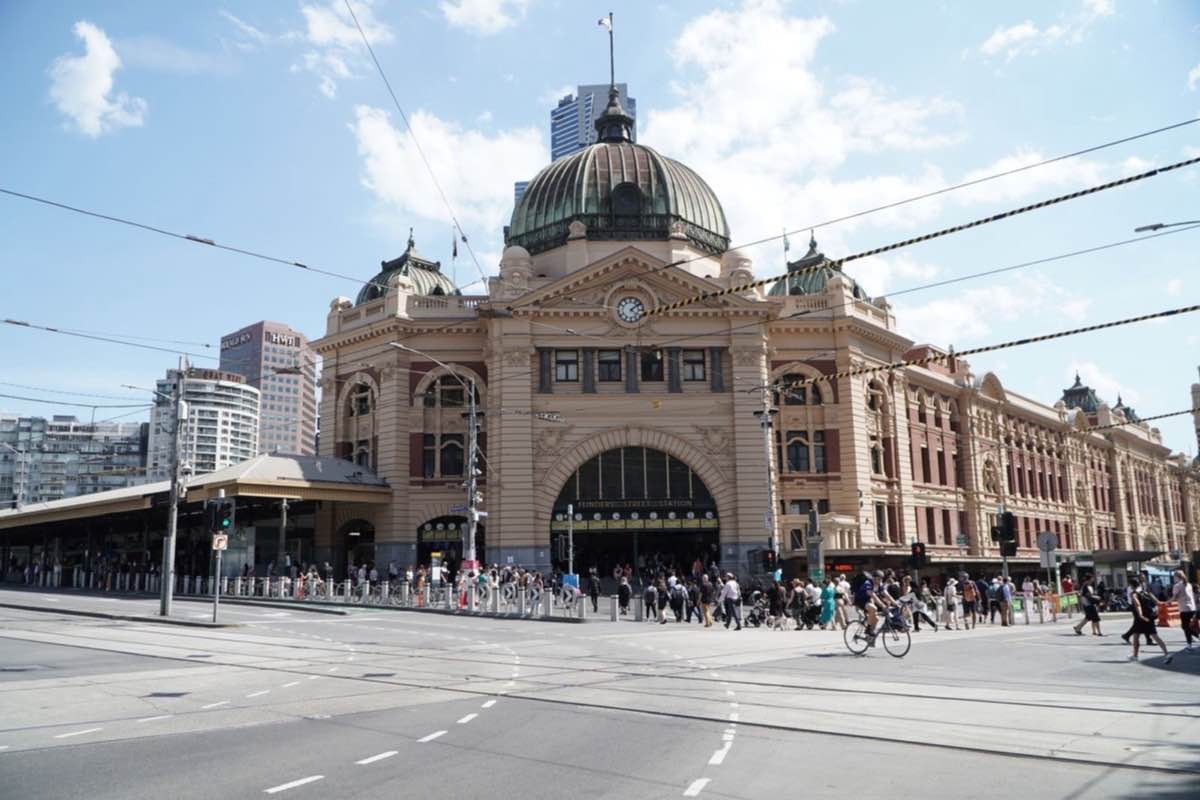
The Vibe
This is the Melbourne you picture, a tight grid of Victorian arcades, graffiti laneways, and trams grinding past coffee windows. The city wears its culture on the walls, from the ever-changing murals of Hosier Lane to the tucked-away bars you reach through unmarked doors. Coffee is close to a religion here, and the brunch is some of the best in the country.
What most tourists miss is how much sits one street back. Step off Swanston Street into Degraves Street or Centre Place, and you’re in narrow lanes packed with espresso bars and hole-in-the-wall kitchens that locals actually use.
The grid itself makes the city easy to read. Surveyor Robert Hoddle laid it out in 1837 as a tidy rectangle, so the main streets run in a simple cross and the laneways thread between them. Give the centre a full day on foot, and you will start to find the doorways and lanes that never make a map.
Top Things to Do
- Wander Hosier Lane: The city’s most photographed laneway is a wall-to-wall street-art gallery that changes week to week. Go early for photos without the crowd. The lane runs off Flinders Street opposite Federation Square, and the stencils and murals are repainted so often that no two visits look the same. Come before about 9 am, and you will have the cobbles to yourself before the tour groups arrive.
- Browse Queen Victoria Market: Melbourne’s 19th-century market sells everything from cheese and seafood to street food. The Wednesday summer night market adds bars and live music. Trading since the 1870s, the market spreads across several sheds of delis, butchers, and produce stalls, and it is the best-value place in the city to stock the van pantry. Go early for the freshest pick, and bring a cooler bag for the cheese and seafood.
- See the NGV: The National Gallery of Victoria is free to enter and pairs old masters with bold contemporary shows. The water wall by the entrance is a Melbourne rite of passage. The permanent collection on St Kilda Road is free, with only the big touring shows charging entry, so it makes an easy place to wait out a cold front for an hour or two. Press a hand to the glass water wall on the way in, the way generations of Melburnians have.
- Ride the free trams: The City Circle and the free tram zone cover the centre at no cost. Melbourne runs the world’s largest tram network, so it doubles as easy sightseeing. The burgundy City Circle tram loops the centre past the main sights with a recorded commentary, while every tram inside the Free Tram Zone costs nothing as long as you stay within the grid. Watch for the zone boundary, since crossing it means you pay for the whole trip.
- Climb the Skydeck: The Melbourne Skydeck at Eureka Tower gives you the whole city, the bay, and the ranges from 88 floors up, best at sunset. Time it for about an hour before dusk to catch the city in daylight and stay for the lights, and book online to skip the ticket queue. The glass Edge cube that slides out over the void is the one paid add-on worth it for the view straight down.
- Find a hidden bar: Laneway bars like those off Bourke and Flinders streets are the city’s nightlife signature. Half the fun is finding the door. Start around Hardware Lane or the lanes off Bourke Street, where unmarked stairwells and rooftops hide some of the city’s best small bars. Ask a barista where they drink after a shift, and you will get a better list than any guidebook.
Don’t Leave Without…
Don’t leave without a long brunch on Degraves Street, then a sunset drink on a CBD rooftop with the trams rattling below. Order a flat white and eggs where the espresso bars spill onto the cobbles, then ride the free City Circle tram around the grid before you climb to a rooftop. Aim for golden hour, when the low sun catches the towers, and the lights come on one by one.
RV and Campervan Practical Info
- Skip the grid in the van: The CBD has narrow one-way streets, hook-turn intersections, and height-limited car parks. It isn’t built for a campervan. Hook turns, where you turn right from the left lane to keep the trams moving, catch out almost every visiting driver. Leave the van parked, and you remove the single most stressful part of driving in Melbourne.
- Base outside the centre: Park at a holiday park in the suburbs, then take the train or tram into town. The free tram zone means you pay nothing once you’re in the grid. Holiday parks in the inner suburbs put you a short tram or train ride from the centre for far less than CBD parking. Pick one on a tram line, and you can leave the keys behind for the whole city leg.
- Budget for tolls: The CityLink and EastLink motorways are cashless. Your rental needs a linked toll pass, since there are no booths to pay at. Set up a linked toll pass before you collect the keys, as unpaid tolls turn into admin fees on the rental.
The laneways, the NGV, and the free trams cost nothing, so save your money for a paid view or a long lunch.
Who Is It Best For?
- First-timers who want the classic Melbourne sights in one walkable patch.
- Couples after coffee, galleries, and rooftop bars.
- Foodies chasing the brunch and laneway dining scene.
- Not ideal for anyone hoping to keep the campervan close, since the grid is the one part of Melbourne where a camper is more liability than asset.
Recommended Budget
- Meals: AUD 40 to 90 per day, higher in the laneway restaurants, cheaper at the market stalls.
- Activities: AUD 0 to 60 per day, depending on whether you climb the Skydeck or stick to the free galleries and trams.
- Pro tip: pick one paid hit a day here, a Skydeck ticket or a long laneway lunch, and let the free galleries, markets, and trams fill the rest.
2. Fitzroy and Collingwood
The Vibe
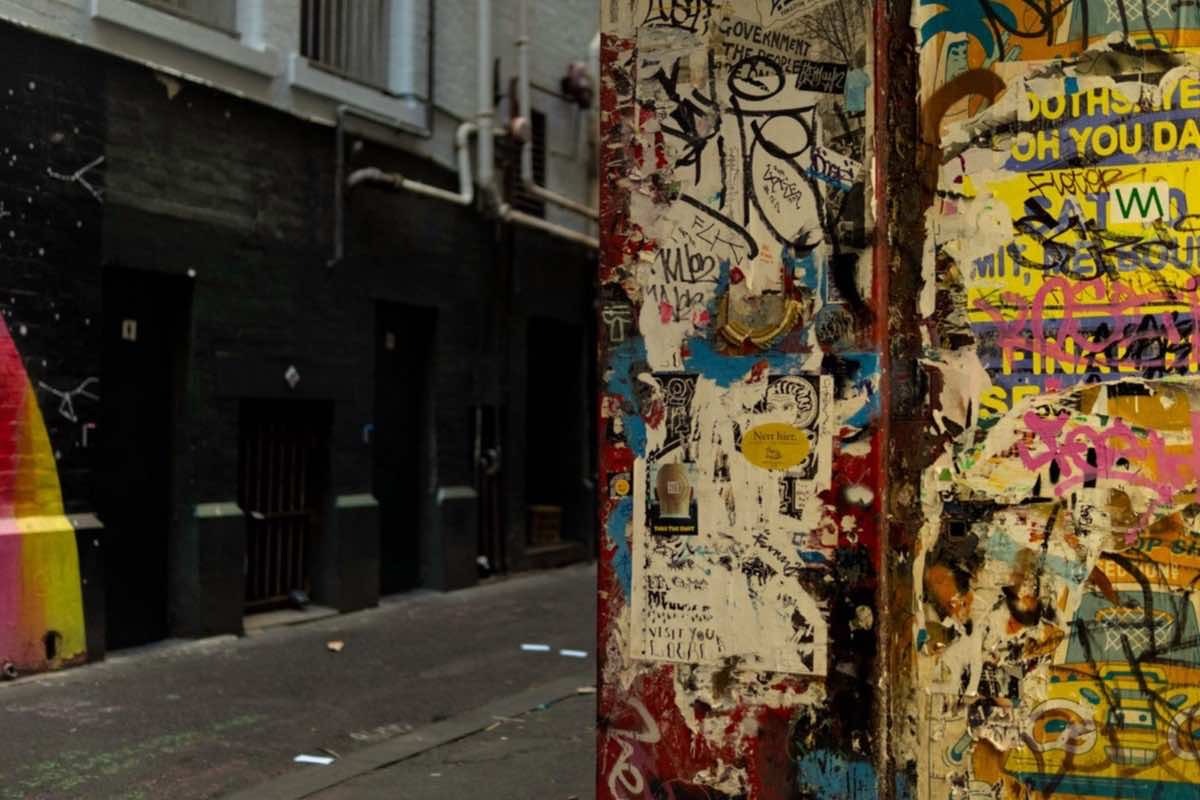
Just north of the grid, Fitzroy and Collingwood are where Melbourne’s creative streak runs hardest. Brunswick Street and Gertrude Street stitch together vintage shops, record stores, tattoo studios, and some of the best small bars in the city. Collingwood next door has turned old warehouses into breweries, galleries, and rooftop diners.
Few first-time itineraries come this far, which is exactly why locals send you here. The street art rivals the CBD laneways, but the crowds are thinner and the prices kinder.
The two suburbs run into each other with no real border, so the easiest way to see them is to pick a spine and walk. Trace Brunswick Street up through Fitzroy, cut across to Smith Street, and drop into Collingwood, and you pass most of the bars, murals, and shops without ever needing the van.
Top Things to Do
- Walk Brunswick Street: Fitzroy’s main strip runs on bookshops, bars, and brunch. It’s the heart of the suburb and a fine place to lose an afternoon. The strip mixes bookshops, vintage stores, and brunch spots with some of the city’s longest-running live-music pubs, and it rewards browsing over planning. Wander north from the city end and stop wherever it looks busy with locals.
- Shop the Rose Street Market: On weekends, this Fitzroy laneway market fills with local designers, ceramics, and prints straight from the makers. The market runs on weekends in a tucked-away laneway off Brunswick Street, with stalls of ceramics, prints, jewellery, and plants sold by the people who made them. Come early for the best of the one-off pieces before they sell.
- Eat at Easey’s: Collingwood’s burger joint serves out of restored train carriages stacked on a rooftop, with a view back over the city skyline. The burgers come out of restored train carriages craned onto a rooftop, and the view back over the towers is half the reason to go. Book ahead on weekends, as the wait for a table can run long once the sun is out.
- Explore Collingwood Yards: A former technical school turned arts precinct, with studios, a record store, and a courtyard cafe. The old technical school now houses artist studios, a record store, and galleries around a sunny courtyard, and entry costs nothing. It makes a quiet mid-afternoon stop between the busier strips.
- Hunt the street art: The laneways off Smith Street and around Fitzroy hide some of Melbourne’s best large-scale murals, with far fewer phones in the way than Hosier Lane. Work the laneways off Smith Street and around the Fitzroy backstreets, where large-scale murals turn over regularly, and there is room to actually look. A slow loop on foot beats trying to drive between them.
- Drink on Smith Street: The Fitzroy and Collingwood border holds a deep run of wine bars, pubs, and live-music rooms that fill up after dark. The Smith Street run holds wine bars, breweries, and live-music rooms within a few doors of each other, so an evening here needs no plan beyond walking the strip. Pace yourself and leave the keys at the holiday park.
Don’t Leave Without…
Don’t leave without a slow morning on Gertrude Street and a rooftop burger at Easey’s as the sun drops behind the towers. Start with coffee and a browse on Gertrude Street while the suburb is quiet, then time the rooftop burger for late afternoon, when the light drops behind the city, and the bars begin to fill.
RV and Campervan Practical Info
- Park and tram in: These are dense residential streets with tight, time-limited parking. Leave the van and take the tram from the city. These are dense residential streets with tight, time-limited parking, so the van is a hindrance here. The 86 and 96 trams run straight through the area from the centre.
- Use the holiday park base: From a suburban holiday park, the route 86 and 96 trams run straight through the area, so you never need the van for a night out. From a suburban holiday park, the same tram lines drop you on Smith and Brunswick streets, so you never have to move the van for an evening out.
- Mind the bars: If you’re working through the wine bars and breweries, stick to public transport and leave the keys behind. If you are working through the wine bars and breweries, stick to public transport, since the area is built for walking rather than parking.
Who Is It Best For?
- Foodies and coffee obsessives.
- Solo travelers and culture seekers.
- Budget travelers who want a real night out for less.
- Not ideal for families with young kids after dark, when the strip turns over to bars and live music.
Recommended Budget
- Meals: AUD 30 to 70 per day, among the best value eating in the city.
- Activities: AUD 0 to 50 per day; the markets and street art are free unless there’s a gig on.
- Pro tip: the street art, the markets, and the window-shopping cost nothing, so the only real spend is what you eat and drink.
3. Carlton and Lygon Street

The Vibe
Carlton is Melbourne’s Little Italy, the leafy inner-north suburb where the city’s coffee culture first took hold with the postwar Italian community. Lygon Street still runs on pasta, gelato, and pavement tables, while the streets behind it hold grand terrace houses and the green sweep of Carlton Gardens.
It’s also the city’s heritage heart. The Melbourne Museum and the Royal Exhibition Building sit side by side here, and the area rewards a slow, well-fed half day more than a rushed tick-list visit.
What makes Carlton worth slowing down for is how close everything sits. The museum, the gardens, and the World Heritage building share one block, and Lygon Street is a two-minute walk from all three, so a half day here is mostly eating and strolling rather than driving between sights.
Top Things to Do
- Eat along Lygon Street: Melbourne’s Italian quarter is the place for a long pasta lunch and a proper gelato. Skip the touts out front and follow where the locals sit. The Italian quarter is built for a long pasta lunch and a gelato afterwards, and the best tables are the quiet ones a few doors back from the touts out front. Look for where Carlton locals are eating rather than where the menus are loudest.
- Tour the Royal Exhibition Building: Built for the great exhibitions of 1880, it became the first built heritage site in Australia, added to the World Heritage List in 2004. Dome tours run most days. Built for the great exhibitions of 1880, it became Australia’s first building added to the World Heritage List in 2004, and the dome tour climbs to a viewing platform over the city. Check the day’s tour times when you arrive, as they fit around events.
- Visit the Melbourne Museum: Strong on natural history, Aboriginal culture, and a preserved rainforest gallery, it’s one of the best wet-weather stops in the city. Strong on natural history, Aboriginal culture, and a walk-through rainforest gallery, it is an easy place to spend a couple of hours when a cold front rolls in. The children’s gallery makes it a reliable family stop.
- Relax in Carlton Gardens: The World Heritage gardens around the Exhibition Building are made for a picnic between courses on Lygon Street. The World Heritage gardens around the Exhibition Building are made for a picnic, with lawns, fountains, and shaded paths a short walk from the restaurants. Grab supplies from a Lygon Street deli and eat between courses.
- Catch a film at Cinema Nova: The Lygon Street arthouse cinema is a Carlton institution for independent and foreign films. The Lygon Street arthouse cinema is a Carlton institution for independent and foreign film, and a good rainy-afternoon fallback. Sessions run through the day, so it slots neatly between a long lunch and an early dinner.
- Browse Readings bookshop: One of Australia’s most-loved independent bookstores, a fixture on Lygon Street for decades. One of Australia’s best-loved independent bookshops, it is worth a browse even if you are only after something for the road. The staff picks are a quick way to find a local author for the long drives ahead.
Don’t Leave Without…
Don’t leave without a gelato on Lygon Street and a wander under the dome of the Royal Exhibition Building. Time the wander for late afternoon, when the gardens soften in the low light, and the dinner crowds have not yet filled the street. A scoop in hand and a slow lap of the gardens is the whole point of Carlton.
RV and Campervan Practical Info
- Park near the gardens: Street parking around Carlton Gardens is metered and time-limited; a suburban holiday park plus the tram is simpler in a van. Street parking around Carlton Gardens is metered and time-limited, so a suburban holiday park plus a short tram ride saves the hassle of finding a space for a larger vehicle.
- Combine with the city: Carlton sits a short tram ride from the CBD, so pair it with a city day rather than a separate drive. Carlton sits one short tram ride from the CBD, so it slots neatly onto the end of a city day rather than needing its own trip out.
- Stock the fridge: The Italian delis on and around Lygon Street are ideal for loading the van pantry before you head out of town. The Italian delis on and around Lygon Street are ideal for loading the van fridge with cheese, cured meats, and fresh pasta before a longer drive.
A half day here costs little beyond a meal and a museum ticket; the gardens and the building exterior are free.
Who Is It Best For?
- Families, with the museum and open gardens close together.
- History buffs drawn to the World Heritage site.
- Couples and food lovers after a slow Italian lunch.
- Not ideal for travelers chasing big-ticket sights, since Carlton is more about eating and wandering than ticking off attractions.
Recommended Budget
- Meals: AUD 35 to 80 per day; long Lygon Street lunches add up.
- Activities: AUD 0 to 30 per day, mostly the museum and a film.
- Pro tip: the gardens and the building exterior are free, so a half day here costs little beyond a meal and a single museum ticket.
4. St Kilda and the Bayside Beaches
The Vibe
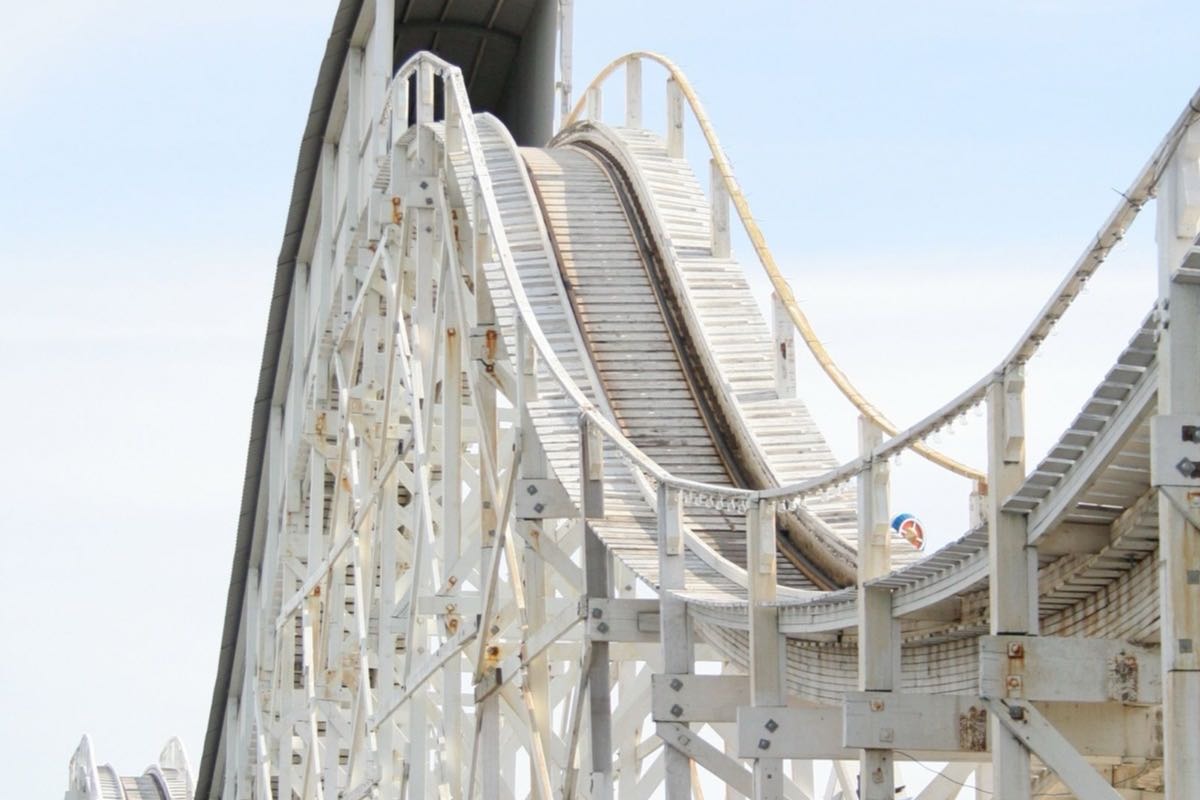
Six kilometres south of the centre, St Kilda is Melbourne’s seaside playground, a slightly faded, fully loved stretch of beach, palm-lined promenade, and old-world fun. The 1912 Luna Park still grins over the foreshore, the Esplanade fills with a Sunday market, and Acland Street’s cake shops haven’t changed in decades.
Most visitors stop at the beach and miss the best bit. A small colony of wild little penguins lives in the rocks at the end of the St Kilda pier, and you can watch them come ashore at dusk for free.
The whole bayside reads as one long promenade. Trams drop you near the foreshore, the path runs for kilometres in both directions, and you can fill an afternoon moving between the pier, the beach, and the cake shops entirely on foot. Sunset is the moment to be on the breakwater.
Top Things to Do
- See the St Kilda penguins: At dusk, wild little penguins return to the breakwater at the end of the pier. It’s free, and a volunteer guide is usually on hand to keep visitors back. A colony of wild little penguins nests in the rocks at the end of the pier, and they come ashore at dusk to roost. It costs nothing, a volunteer guide is usually on hand, and a soft red torch is the only kit you need to watch without disturbing them.
- Ride Luna Park: Enter through the giant laughing-clown face into one of the world’s oldest continuously running amusement parks, home to a heritage-listed wooden roller coaster. You enter through the giant laughing-clown face into one of the world’s oldest continuously running amusement parks, open since 1912. The heritage Scenic Railway is still operated by a brakeman riding each train, which is half the fun.
- Walk the foreshore: The path runs for kilometres along the bay, ideal for cycling, skating, or a sunset stroll with the city skyline behind you. The foreshore path runs for kilometres along the bay, flat and easy for walking, cycling, or skating, with the city framed behind you. Hire a bike near the pier, and you can cover the bayside suburbs without moving the van.
- Browse the Esplanade Market: Every Sunday, local artists and makers line the promenade with crafts, art, and food. Every Sunday, the Esplanade fills with local artists and makers selling crafts, art, and food along the promenade. It pairs naturally with a morning on the beach and a slice of cake afterwards.
- Eat cake on Acland Street: The historic European cake shops here are a St Kilda tradition; pick a slice and eat it by the water. The historic European cake shops on Acland Street have barely changed in decades, and the window displays alone are worth the walk. Pick a slice, take it down to the foreshore, and eat it looking out at the bay.
- See the Brighton Bathing Boxes: A short trip along the bay, the 82 brightly painted timber boxes on Brighton Beach are one of Melbourne’s most photographed sights. A short trip along the bay, the 82 brightly painted timber boxes line Brighton Beach in a neat row, and they are at their best in morning light. There is no entry, but parking fills fast on warm weekends, so come early.
Don’t Leave Without…
Don’t leave without standing quietly on the St Kilda breakwater at dusk as the little penguins waddle home, then a slice of cake on Acland Street. Stand quietly on the breakwater as the light goes and the colony crosses the rocks to roost, then walk back along the foreshore to Acland Street for a slice of cake. Late afternoon into dusk is the window that makes St Kilda.
RV and Campervan Practical Info
- Park early or stay out: Bayside parking is metered and busy on warm days. Arrive early or park the van at a holiday park and take the tram or train in. Bayside parking is metered and busy on warm days, so arrive early or leave the van at a holiday park and take the tram or train in.
- Use the foreshore path: Park once and cover the bayside suburbs on foot or by bike rather than moving the van between beaches. Park once and cover the bayside suburbs on foot or by bike along the foreshore path rather than shuffling the van between beaches.
- Mind beach-zone height limits: Some foreshore car parks have height barriers that block larger motorhomes; check before you turn in. Some foreshore car parks have height barriers that block larger motorhomes, so check the clearance before you turn in.
The penguins, the beach, and the foreshore are free; budget for cake, a Luna Park pass, and parking.
Who Is It Best For?
- Families, with the beach, penguins, and Luna Park, together.
- Couples after a relaxed seaside afternoon.
- Photographers chasing the bathing boxes and the pier.
- Not ideal for anyone after a quiet, off-grid beach, since St Kilda is busy, built-up, and best enjoyed for its buzz.
Recommended Budget
- Meals: AUD 35 to 80 per day.
- Activities: AUD 0 to 60 per day; the penguins are free, Luna Park rides are the main paid extra.
- Pro tip: the penguins, the beach, and the foreshore are all free, so budget mainly for a Luna Park pass, a slice of cake, and parking.
5. Footscray and Melbourne’s West
The Vibe
Across the Maribyrnong River, Footscray is the Melbourne the guidebooks tend to skip, and it’s all the better for it. This is one of the city’s great multicultural pockets, where Vietnamese, Ethiopian, and African kitchens sit a few doors apart, and a banh mi costs less than a CBD coffee. The Footscray Market and the surrounding streets are a working, unpolished slice of the real city.
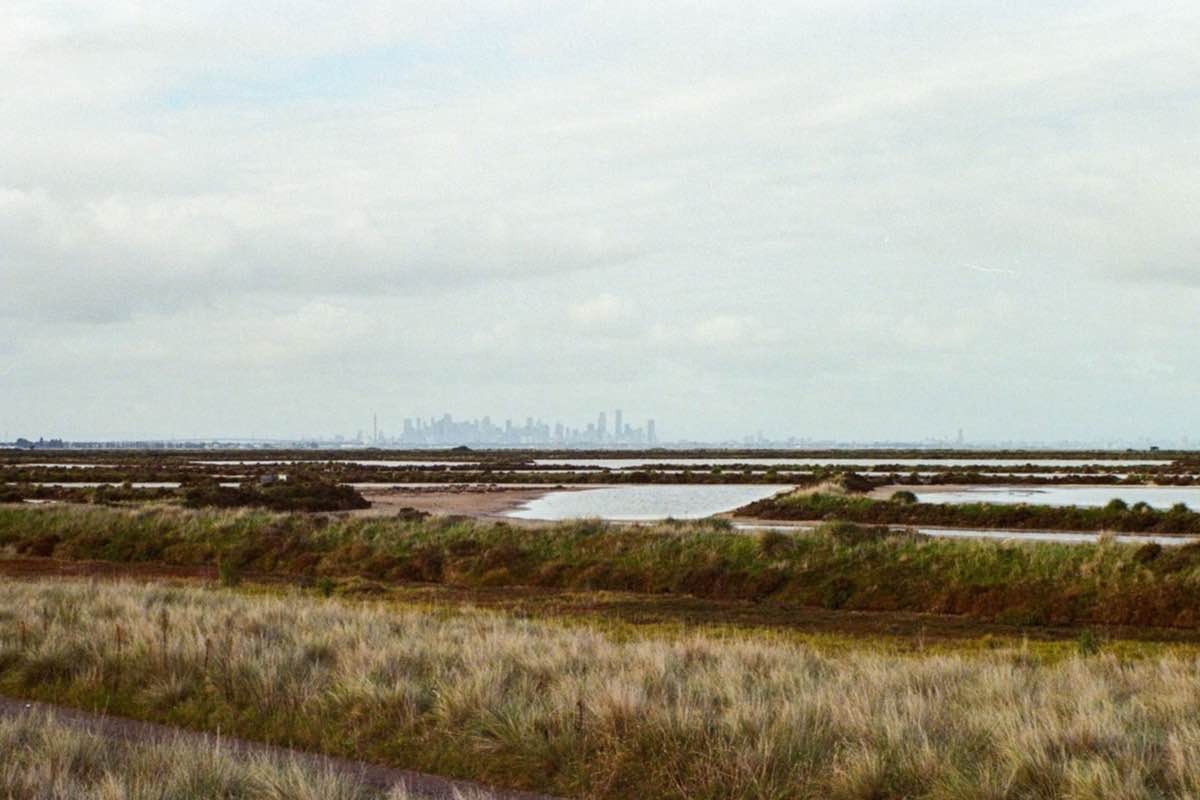
Nearby Yarraville keeps a restored art-deco cinema and a village dining strip, while Williamstown offers a historic harbour with skyline views back across the bay. This whole western side is genuinely where tourists miss out.
The West rewards wandering more than ticking off sights. Footscray, Yarraville, and Williamstown each have their own centre, and they sit close enough that you can graze across all three in a day, from a morning banh mi to a harbourside beer as the sun drops behind the city.
Top Things to Do
- Eat your way through Footscray: Hopkins and Barkly streets serve some of the best and cheapest Vietnamese food in Australia, from pho to fresh banh mi. Hopkins and Barkly streets serve some of the best and cheapest Vietnamese food in the country, from steaming pho to fresh banh mi that costs less than a CBD coffee. Follow the queues of locals at lunchtime for the real picks.
- Shop the Footscray Market: A loud, busy produce and seafood market that reflects the suburb’s African and Asian communities, ideal for stocking the van. A loud, busy produce and seafood market that reflects the suburb’s African and Asian communities, it is the best-value spot in the city to fill the van fridge. Bring cash and a cooler bag, and go in the morning for the freshest stock.
- Catch a film at the Sun Theatre: Yarraville’s restored 1938 art-deco cinema is a neighbourhood treasure, surrounded by a walkable village strip. Yarraville’s restored 1938 art-deco cinema is a neighbourhood treasure, ringed by a small village of cafes and bars you can walk between. Catch an evening session and make a night of the strip around it.
- Wander Williamstown: This historic seaside suburb has a working harbour, heritage pubs, and one of the best skyline views in Melbourne from across the water. This historic seaside suburb has a working harbour, heritage pubs, and one of the finest skyline views in Melbourne, looking back at the city across the bay. Take a late-afternoon stroll along the waterfront for the best of it.
- Walk the Maribyrnong River: The river trail links parks, public art, and quiet picnic spots well away from the tourist crowds. The river trail links parks, public art, and quiet picnic spots well clear of the tourist crowds, and it is flat enough for an easy ride or walk. It makes a calm counterpoint to a morning of market eating.
- Find the Pipemakers Park art: Old industrial sites along the river have been reclaimed as parkland and open-air galleries. Old industrial sites along the river have been reclaimed as parkland and open-air galleries, with the bluestone Pipemakers Park the easiest to reach. It is a quiet, free stop that few visitors ever find.
Don’t Leave Without…
Don’t leave without a bowl of pho in Footscray, followed by a harbourside beer in Williamstown, with the city skyline across the water. Start with a bowl of pho in Footscray at lunch, then end the day with a beer on the Williamstown waterfront as the city lights come up across the bay. The contrast between the two is the whole point of a day in the West.
RV and Campervan Practical Info
- Park and train in: Footscray sits on several train lines, a short, cheap ride from the city or your holiday park; parking is easier here than in the inner north. Footscray sits on several train lines, a short, cheap ride from the city or your holiday park, and parking is easier here than in the inner north.
- Use Williamstown’s space: The bayside suburb has more room and some larger car parks, making it friendlier for a van day trip. Williamstown has more room and some larger car parks, making it the friendlier of the western suburbs for a van day trip.
- Stock up cheap: The western markets are the best-value spot to fill the van fridge before a longer drive. The western markets are the cheapest place to fill the van fridge, so stock up here before a longer drive out of the city.
Who Is It Best For?
- Foodies chasing the city’s best-value meals.
- Solo and budget travelers who want the real Melbourne.
- Repeat visitors who have already done the CBD.
- Not ideal for first-timers set on the postcard sights, since the west is about food and local life rather than landmarks.
Recommended Budget
- Meals: AUD 20 to 55 per day, the cheapest eating in this guide.
- Activities: AUD 0 to 30 per day; most of the area is free to explore.
- Pro tip: the markets and riverside walks cost nothing, so the only real spend is a cheap, excellent meal.
6. The Great Ocean Road
The Vibe
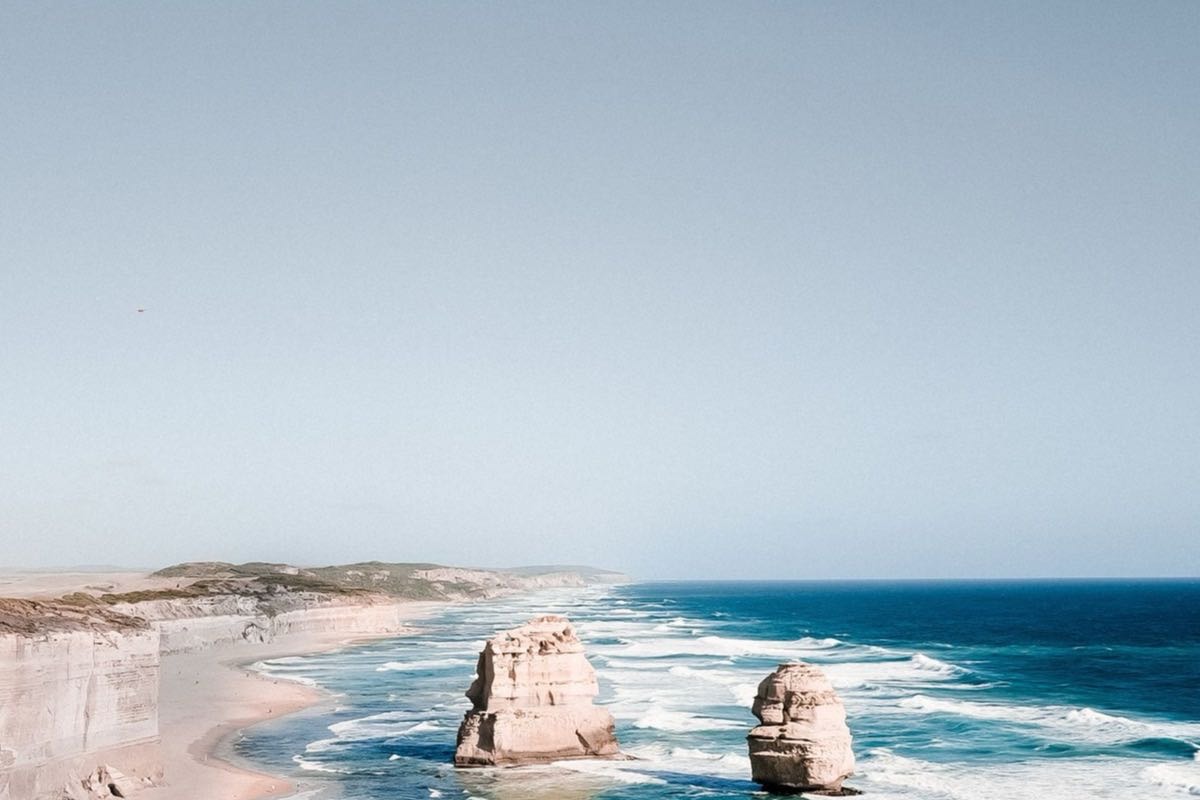
An hour and a half southwest of the city begins one of the world’s great coastal drives. The Great Ocean Road hugs 240 kilometres of cliff and surf, past world-famous breaks, fern-filled rainforest, and the limestone stacks of the Twelve Apostles rising straight out of the Southern Ocean. Built by returned soldiers after World War I, the road itself is a war memorial.
This is the drive that makes a campervan worth it. Coach tours rush the whole thing in a single long day, but with your own bed, you can watch the Apostles at sunrise, sleep in Lorne or Apollo Bay, and take the corners slowly.
The drive falls into natural stages, which is what makes it suit a van. The surf coast and the Otways fill the first day, the Twelve Apostles and the shipwreck coast the second, and an overnight in Lorne or Apollo Bay breaks the winding road into easy, scenic legs rather than one long haul.
Top Things to Do
- Surf or watch at Bells Beach: Australia’s most famous surf break sits near Torquay at the start of the road, home to the world’s longest-running surfing competition. Bells Beach near Torquay is Australia’s most famous surf break and home to the world’s longest-running surfing competition, held each Easter. Even if you do not surf, the clifftop lookout over the swell is worth the short detour.
- Chase waterfalls in the Otways: Erskine Falls near Lorne and the Great Otway National Park hide tall waterfalls and ancient rainforest just off the coast road. Erskine Falls near Lorne and the trails of the Great Otway National Park hide tall waterfalls and ancient rainforest, a short drive inland from the coast. They make a cool, green break from the cliff road on a warm day.
- Spot wild koalas at Kennett River: The gum trees along Grey River Road hold one of the most reliable wild koala populations in the state. The gum trees along Grey River Road at Kennett River hold one of the most reliable wild koala populations in the state, along with flocks of king parrots. Go early or late, look up into the canopy, and keep your distance from the animals.
- See the Twelve Apostles: The limestone stacks are the signature view of the drive. Come at sunrise or sunset, when the rock turns gold and the crowds thin out. The limestone stacks are the signature view of the drive, rising straight out of the Southern Ocean. Come at sunrise or sunset, when the rock turns gold, and the coach tours have not yet arrived, and use the boardwalks rather than the cliff edges.
- Walk Loch Ard Gorge: A short stroll from the Apostles, this dramatic gorge tells the story of a 1878 shipwreck and rewards you with a sheltered beach. A short stroll from the Apostles, this dramatic gorge tells the story of an 1878 shipwreck and opens onto a sheltered beach between the cliffs. The loop of boardwalks takes under an hour and is the best leg-stretch on the coast.
- Stop at Apollo Bay: The relaxed fishing town at the midpoint is the natural overnight stop, with caravan parks right by the beach. The relaxed fishing town at the midpoint is the natural overnight stop, with caravan parks right by the beach and a strip of cafes for dinner. Book a powered site ahead of time in summer, as it fills fast.
Don’t Leave Without…
Don’t leave without standing at the Twelve Apostles at sunrise, when you’ll often share the view with only a handful of other early risers. Set an alarm for first light and drive to the Apostles before the day-trippers, when the rock glows, and the lookouts are nearly empty. A flask of coffee from the van turns the early start into the best moment of the trip.
RV and Campervan Practical Info
- Drive it over two or three days: The road is winding and slow; a campervan lets you split it into easy stages instead of one exhausting return trip. The road is winding and slow, so a campervan lets you split it into easy stages with overnights along the way rather than one exhausting return run from the city.
- Book Apollo Bay and Lorne sites: The coastal holiday parks fill fast in summer and on long weekends, so lock in powered sites ahead. The coastal holiday parks at Lorne and Apollo Bay fill fast in summer and on long weekends, so lock in powered sites well ahead.
- Take the corners gently: The cliff road is narrow with tight bends. Use the pull-over bays to let faster traffic pass, and avoid driving it after dark when wildlife is active. The cliff road is narrow with tight bends, so use the pull-over bays to let faster traffic pass, and avoid driving it after dark, when wildlife is most active.
Free and low-cost camping sites near Lorne and in the Otways; the views along the way cost nothing.
Who Is It Best For?
- Road-trippers and surfers.
- Couples after a slow, scenic coastal escape.
- Photographers chasing the Apostles at golden hour.
- Not ideal for anyone short on time, since rushing the whole road in a single day misses the point of the drive.
Recommended Budget
- Meals: AUD 35 to 80 per day; self-cater in the van to keep costs down between towns.
- Activities: AUD 0 to 50 per day; most lookouts and walks are free.
- Pro tip: self-cater in the van between towns, since most lookouts and walks are free and the spend is mainly on food and campsites.
7. The Mornington Peninsula
The Vibe
About 70 minutes south, the Mornington Peninsula hooks around the bay into a patchwork of surf beaches, calm swimming coves, vineyards, and geothermal hot springs. It’s where Melbourne goes to unwind, with the laid-back town of Sorrento, the cliffs of Cape Schanck, and a back-roads run of cellar doors and farm gates.
The mix is the appeal, with a morning soak in the hot springs, an afternoon tasting, and a sunset walk on the wild Bass Strait side, all within a short drive.
The peninsula is small enough to base in one spot and explore by short drives. From a foreshore holiday park, you can reach the hot springs, the wineries, and the surf beaches within twenty minutes or so, which is why it works as well for a single night as for a slow long weekend.
Top Things to Do
- Soak at the hot springs: Peninsula Hot Springs pipes mineral water into a hillside of pools, including a hilltop bath with views over the countryside. Book ahead, especially on weekends. Peninsula Hot Springs pipes mineral water into a hillside of pools, including a hilltop bath looking out over the countryside. Book ahead, especially on weekends, and time a soak for dusk when the crowds thin and the air cools.
- Explore Sorrento: The 19th-century limestone village has good food, calm front beaches, and a wild ocean back beach a short walk away. The 19th-century limestone village of Sorrento has good food and a calm front beach on the bay, with a wild ocean back beach a short walk across the peninsula. It makes a natural hub for a day or two on the coast.
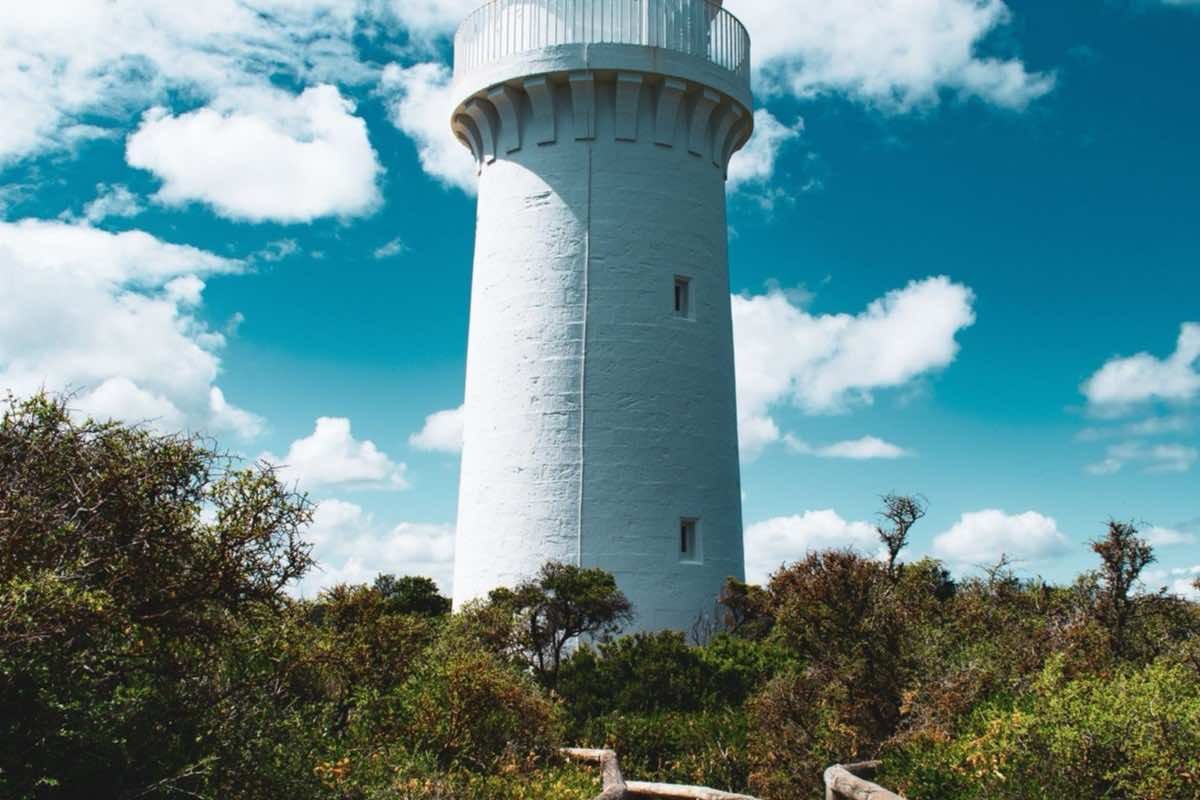
- Walk to Cape Schanck: A boardwalk leads down to the lighthouse and the rugged basalt cliffs at the peninsula’s tip, with the Bass Strait crashing below. A boardwalk leads down to the lighthouse and the rugged basalt cliffs at the peninsula’s tip, with Bass Strait crashing below. Allow time for the walk back up, and watch the weather, as it can turn quickly out here.
- Taste the local wine: The peninsula is known for cool-climate Pinot Noir and Chardonnay, with cellar doors set among rolling hills. The peninsula is known for cool-climate Pinot Noir and Chardonnay, with cellar doors set among rolling hills and easy back roads between them. Pick two or three rather than rushing a long list, and line up a driver.
- Ride the Arthurs Seat Eagle: A gondola climbs to a lookout with sweeping views over the bay and the peninsula. A gondola climbs Arthur’s Seat to a lookout with sweeping views over the bay and the peninsula, an easy stop with kids. Go on a clear afternoon, when you can see right across the water to the city.
- Walk Point Nepean: A national park on the tip with historic forts, walking trails, and quiet beaches at the bay’s mouth. This national park on the tip mixes historic forts and gun emplacements with walking trails and quiet beaches at the bay’s mouth. It rewards a slow morning of walking before the day warms up.
Don’t Leave Without…
Don’t leave without a dusk soak in the hilltop hot-spring pool, then a plate of fish and chips on the Sorrento foreshore. Soak in the hilltop hot-spring pool as the light fades, then drive down for fish and chips on the Sorrento foreshore. The pairing of warm water and a sea breeze is the peninsula at its best.
RV and Campervan Practical Info
- Pick a peninsula holiday park: Rosebud, Rye, and Sorrento all have foreshore camping with powered sites a short walk from the calm front beaches. Rosebud, Rye, and Sorrento all have foreshore camping with powered sites a short walk from the calm front beaches, ideal for a van.
- Drive the back roads slowly: The winery lanes are narrow and quiet; an easy, scenic drive in a campervan. The winery lanes are narrow and quiet, an easy, scenic drive in a campervan, so take them slowly and enjoy the rolling country.
- Get a designated driver: If you’re cellar-door hopping, plan a non-drinking driver or a local tour, since drink-driving limits are strict. If you are cellar-door hopping, plan a non-drinking driver or a local tour, since drink-driving limits are strict and rigorously enforced.
Front-beach foreshore camping is well priced; the hot springs and tastings are the main paid extras.
Who Is It Best For?
- Couples after a wine, beach, and hot springs weekend.
- Families wanting calm bay beaches.
- Slow travelers and food lovers.
- Not ideal for travelers without their own wheels, since the hot springs, beaches, and wineries are spread out and thin on public transport.
Recommended Budget
- Meals: AUD 35 to 90 per day.
- Activities: AUD 20 to 120 per day; hot-spring entry and tastings sit at the higher end, and beaches are free.
- Pro tip: the beaches and coastal walks cost nothing, so save the budget for one hot-spring session and a tasting or two.
8. The Yarra Valley
The Vibe
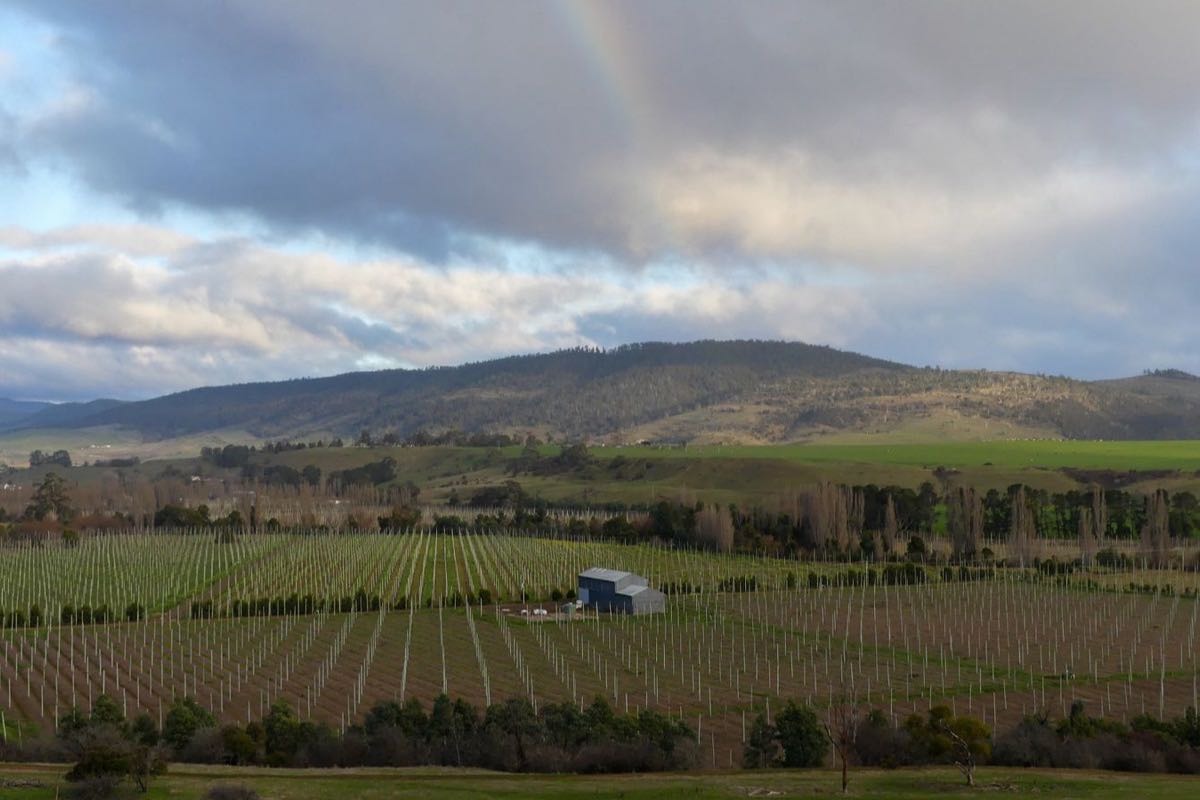
An hour east of the city, the Yarra Valley is Victoria’s best-known wine region, a green sweep of vineyards, orchards, and the misty Yarra Ranges behind them. It built its name on cool-climate Pinot Noir, Chardonnay, and sparkling wine, and today it’s as much about long lunches, cheese, and dawn balloon flights as it is about the cellar doors.
It’s an easy day trip or a relaxed overnight, and a favourite for couples, foodies, and small groups. Healesville, the main town, makes a good base.
The valley rewards a slow, looping drive between cellar doors rather than a rush from one to the next. Base yourself near Healesville, build the day around one long lunch, and leave the driving to a tour or a designated driver so the tastings never have to be cut short.
Top Things to Do
- Taste at the cellar doors: Wineries like Domaine Chandon and De Bortoli pour straight from the source, with valley views from the tasting rooms. Wineries like Domaine Chandon and De Bortoli pour straight from the source, with valley views from the tasting rooms. Most charge a small tasting fee that is often waived if you buy a bottle, so it pays to ask.
- Float over the vines at dawn: A sunrise hot-air balloon over the Yarra Valley is the region’s signature splurge, followed by a sparkling breakfast. A sunrise hot-air balloon over the vineyards is the region’s signature splurge, drifting over the valley for about an hour before a sparkling breakfast. Flights lift off at first light when the air is calm, and weather cancels them regularly, so book a flexible date.
- Meet the wildlife at Healesville: Healesville Sanctuary specialises in Australian animals, with koalas, platypus, and a birds-of-prey show in a bush setting. Healesville Sanctuary specialises in Australian animals, with koalas, platypus, and a birds-of-prey show in a bush setting. It is one of the most reliable family days in the valley and an easy break between cellar doors.
- Sip gin at Four Pillars: The Healesville distillery is one of Australia’s best-known, with tastings and a busy bar. The Healesville distillery is one of Australia’s best-known, with tastings and a busy bar that make a good non-wine stop. It works well as a late-afternoon finish once the cellar doors close.
- Graze the produce trail: Yarra Valley Dairy and local farm gates fill the gaps between wineries with cheese, berries, and cider. Yarra Valley Dairy and the local farm gates fill the gaps between wineries with cheese, berries, and cider, most offering tastings of their own. Stock the van fridge as you go and build a grazing afternoon without a restaurant booking.
- Ride the valley back roads: The lanes between cellar doors are some of the prettiest, easiest driving near Melbourne. The lanes between cellar doors are some of the prettiest, easiest driving near Melbourne, winding past vineyards and orchards. Keep to the back roads rather than the highway for the best of the scenery.
Don’t Leave Without…
Don’t leave without a tasting flight of Yarra Valley Pinot Noir and a dawn balloon flight if the budget stretches. Sit down to a flight of the valley’s cool-climate Pinot Noir at one cellar door rather than rushing a dozen, and add a dawn balloon flight if the budget stretches. One unhurried tasting beats a checklist of stops.
RV and Campervan Practical Info
- Park up and get a driver: Caravan parks and winery stays welcome campervans. Never drive between tastings; book a local tour or shuttle. Caravan parks and winery stays welcome campervans, but never drive between tastings; book a local tour or shuttle and leave the van parked.
- Book powered sites ahead: Weekends and event dates fill quickly across the valley’s holiday parks. Weekends and event dates fill quickly across the valley’s holiday parks, so reserve a powered site ahead of time if your trip lands on one.
- Stock the fridge: Your van fridge is ideal for carrying home the cheese, wine, and produce you collect along the way. The van fridge is ideal for carrying home the cheese, wine, and produce you collect along the way, so shop as you go rather than at the end.
Who Is It Best For?
- Couples after a romantic, slow weekend.
- Foodies and wine lovers.
- Small groups celebrating an occasion.
- Not ideal for anyone who would rather not plan around a driver, since the valley is spread out and built for tasting.
Recommended Budget
- Meals: AUD 40 to 110 per day; long lunches add up fast.
- Activities: AUD 20 to 130 per day, with tastings modest and balloon flights at the top end.
- Pro tip: a day of tastings and grazing stays modest; skip the balloon flight and the whole day sits near the lower end of the range.
9. Phillip Island
The Vibe
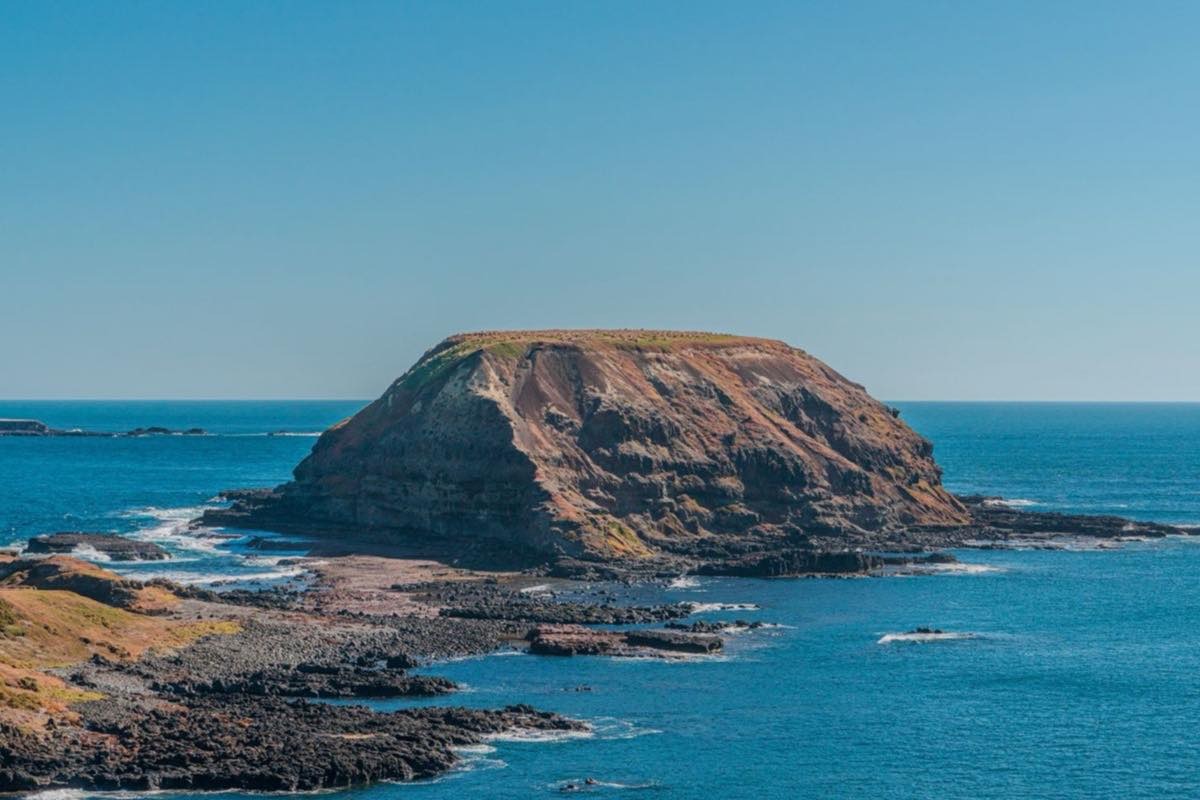
Two hours south of the city, Phillip Island packs wildlife, surf, and coast into one easy-to-drive loop. It’s best known for the nightly Penguin Parade, when hundreds of little penguins surf the shorebreak and waddle up the beach to their burrows at dusk.
The island sits close enough for an easy overnight, yet the wildlife makes it feel far wilder than anywhere else near Melbourne. Come for the penguins, and stay for the koalas, seals, and surf.
The island is small enough to lap in a day but is best given an overnight, since the Penguin Parade only starts at dusk. Spend the daylight hours on the koalas, the seal-watching boardwalks, and the surf, then settle in for the penguins as the light goes rather than driving back tired.
Top Things to Do
- See the Penguin Parade: At dusk, the world’s largest little penguin colony comes ashore at Summerland Beach. Tiered viewing keeps you close while protecting the birds. At dusk, the world’s largest little penguin colony comes ashore at Summerland Beach, with tiered viewing that keeps you close while protecting the birds. Book a timed entry ahead, dress warmly, and leave cameras off, as flash harms the penguins.
- Meet the koalas: The Koala Conservation Reserve has treetop boardwalks where you can see wild koalas dozing at eye level. The Koala Conservation Reserve has treetop boardwalks where you can see wild koalas dozing at eye level rather than peering up from the ground. It is an easy, flat walk and a good warm-up before the evening parade.
- Walk the Nobbies boardwalk: Clifftop boardwalks at the island’s western tip look out over Seal Rocks, home to Australia’s largest fur-seal colony. Clifftop boardwalks at the Nobbies look out over Seal Rocks, home to Australia’s largest fur-seal colony, with the swell breaking below. Bring binoculars and a windproof layer, as the western tip is exposed.
- Relax at Cowes: The main town has a calm, north-facing beach, a jetty, and a relaxed strip of cafes and fish-and-chip shops. The main town of Cowes has a calm, north-facing beach, a jetty, and a relaxed strip of cafes and fish-and-chip shops. It makes a natural base for an overnight before the parade.
- Surf at Woolamai: Cape Woolamai is the island’s main surf beach, with a clifftop walk to the granite headland. Cape Woolamai is the island’s main surf beach, with a clifftop walk out to the granite headland for the best coastal views on the island. Check the surf report and the patrol flags before you swim, as it picks up strong swell.
- Lap the Grand Prix Circuit: The island’s MotoGP track runs visitor hot laps and a museum for motorsport fans. The island’s Grand Prix circuit runs visitor hot laps and a museum for motorsport fans, a change of pace from the wildlife. It is an easy add-on for a rainy hour or a non-walking member of the group.
Don’t Leave Without…
Don’t leave without a spot at the Penguin Parade at last light, watching the little penguins ride the waves in and cross the sand to their burrows. Claim a spot on the tiered stands at last light and watch the penguins ride the shorebreak in and cross the sand to their burrows. Stay until the rush thins, as small groups keep coming ashore well after the first wave.
RV and Campervan Practical Info
- Camp on or near the island: Cowes and the surrounding coast have holiday parks with powered sites; book ahead in summer and school holidays. Cowes and the surrounding coast have holiday parks with powered sites, but they book out in summer and school holidays, so reserve ahead.
- Time the drive around dusk: The Penguin Parade starts at sunset, which is late in summer. Plan to stay the night rather than drive back tired in the dark. The parade starts at sunset, which is late in summer, so plan to stay the night on or near the island rather than drive back tired in the dark.
- Buy parade tickets early: The penguin viewing books out on peak nights, so reserve your timed entry before you arrive. The penguin viewing books out on peak nights, so reserve your timed entry online before you arrive rather than risking the gate.
Roadside camping isn’t allowed; use the island’s holiday parks or stay just over the bridge at San Remo.
Who Is It Best For?
- Families, with penguins, koalas, and seals in one trip.
- Nature and wildlife lovers.
- Road-trippers after an easy overnight from the city.
- Not ideal as a same-day return trip, since the dusk parade and the drive back make for a long, tiring day.
Recommended Budget
- Meals: AUD 30 to 70 per day.
- Activities: AUD 20 to 70 per day, with the Penguin Parade and wildlife parks the main paid stops.
- Pro tip: the beaches and the Nobbies boardwalks are free, so budget mainly for the Penguin Parade and one wildlife park.
10. The Dandenong Ranges
The Vibe
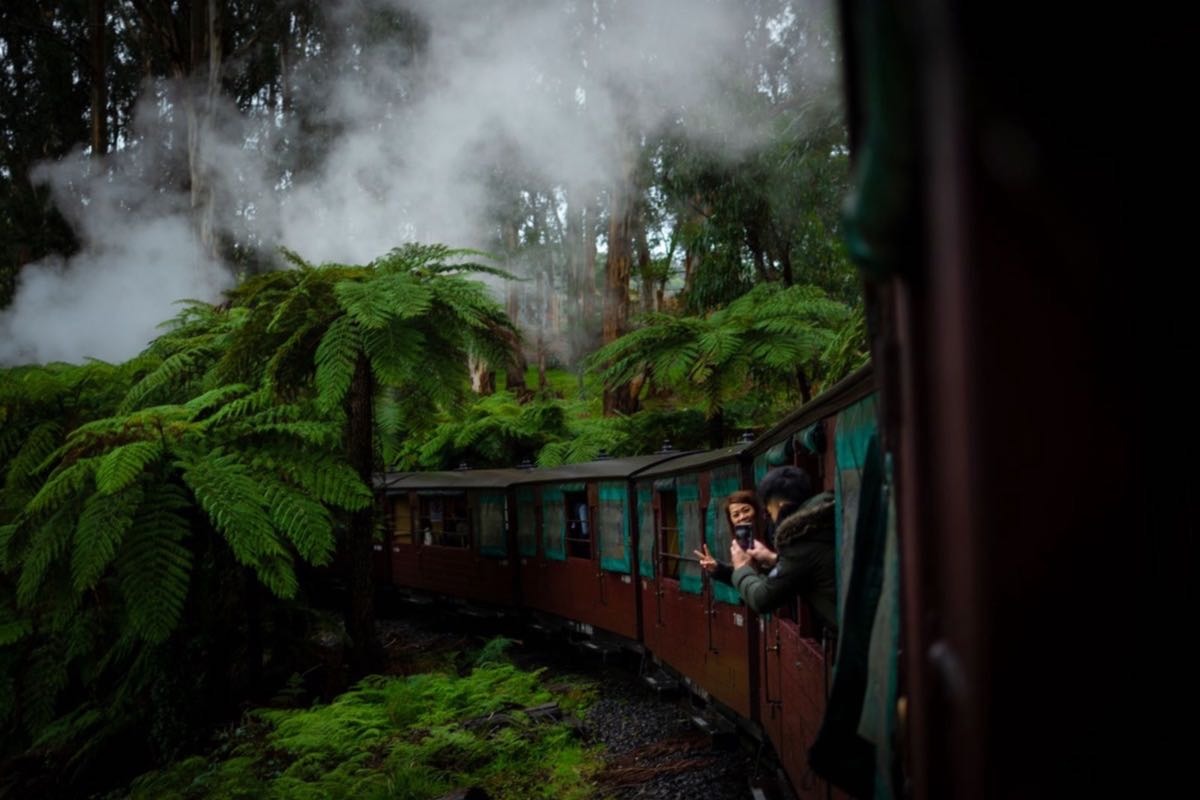
An hour east of the city, the Dandenong Ranges trade the coast for cool mountain air, towering ash forests, and fern gullies thick with birdsong. The hill villages of Olinda, Sassafras, and Belgrave run on tearooms, garden nurseries, and antique shops, and the whole range feels a world away from the flat city below.
It’s the easiest nature escape from Melbourne, made for a single relaxed day of walking, steam trains, and Devonshire tea.
The range works as one easy loop of hill villages and forest walks. A single road threads Olinda, Sassafras, and the lookouts together, so you can ride Puffing Billy in the morning, walk a fern gully after lunch, and finish with Devonshire tea without ever feeling rushed.
Top Things to Do
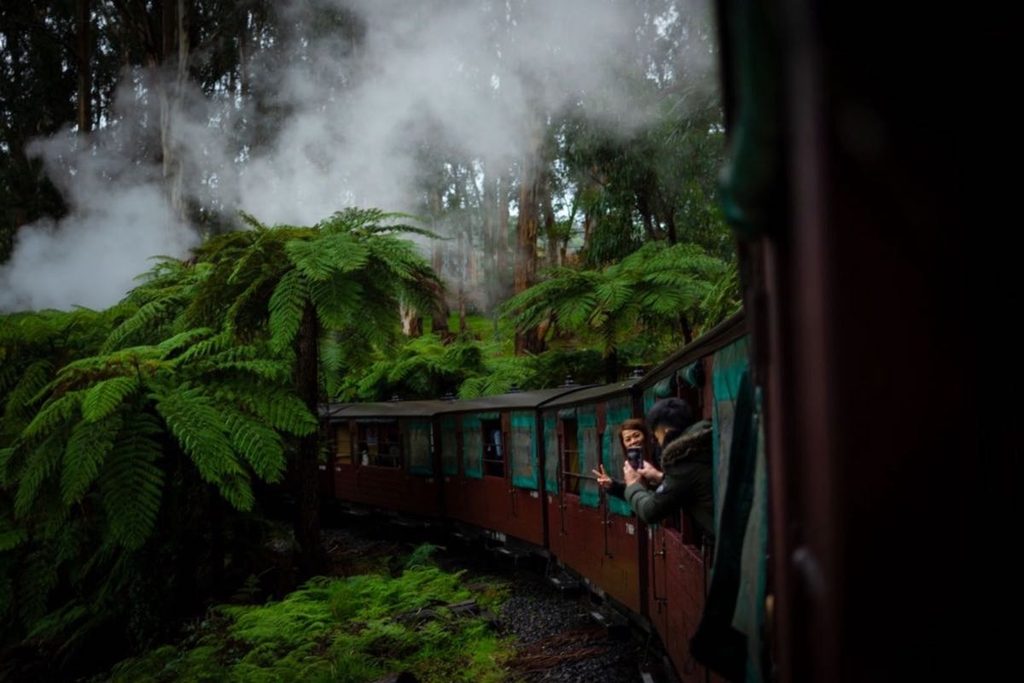
- Ride Puffing Billy: Australia’s oldest steam railway winds through the forest from Belgrave, with the open-sided carriages a hit with kids and adults alike. Australia’s oldest steam railway winds through the forest from Belgrave, and the open-sided carriages, where you can dangle your legs over the side, are a hit with kids and adults alike. Book ahead on weekends and in school holidays, when seats sell out.
- Climb the 1000 Steps: The Kokoda Track Memorial Walk climbs through fern gullies and doubles as a war memorial to the original Kokoda campaign. The Kokoda Track Memorial Walk, known as the 1000 Steps, climbs through fern gullies and doubles as a memorial to the original Kokoda campaign. It is steep and popular, so go early and wear proper shoes for the damp ground.
- Feed the birds at Grants: Grants Picnic Ground in Sherbrooke Forest draws wild cockatoos and rosellas, a reliable family stop. Grants Picnic Ground in Sherbrooke Forest draws wild cockatoos and rosellas, a reliable family stop with a cafe and parking. Buy seed from the kiosk rather than feeding your own food, which can harm the birds.
- Walk the Alfred Nicholas Gardens: Landscaped gardens with a lake and a boathouse, at their best in autumn when the leaves turn. These landscaped gardens with a lake and a boathouse are at their best in autumn, when the imported trees turn gold and red. A slow loop of the paths takes about an hour and is one of the prettiest walks in the range.
- Take in SkyHigh Mount Dandenong: The lookout at the top of the range gives a sweeping view back over Melbourne and the bay, especially at dusk. The lookout at SkyHigh Mount Dandenong gives a sweeping view back over Melbourne and the bay, especially at dusk when the city lights come on. There is a cafe and a small garden maze at the top if you linger.
- Stop for Devonshire tea: The villages of Sassafras and Olinda are built for a slow afternoon of scones, tea, and browsing. The villages of Sassafras and Olinda are built for a slow afternoon of scones, tea, and browsing antique and garden shops. Pick one tearoom, settle in, and let the afternoon go.
Don’t Leave Without…
Don’t leave without a ride on Puffing Billy with your legs dangling over the side, then a scone in one of the hill-village tearooms. Ride Puffing Billy with your legs over the side in the morning, then warm up with a scone and tea in a Sassafras or Olinda tearoom in the afternoon. The pairing is the whole point of a day in the hills.
RV and Campervan Practical Info
- Drive the hill roads carefully: The mountain roads are narrow and winding, with tight parking in the villages; take them slowly in a larger van. The mountain roads are narrow and winding, with tight parking in the villages, so take them slowly in a larger van and use the marked car parks.
- Use a day-trip base: Most travelers visit on a day trip from a city or eastern-suburb holiday park rather than camping in the range itself. Most travelers visit on a day trip from a city or eastern-suburb holiday park rather than camping in the range itself, where sites are limited.
- Pack a warm layer: The ranges sit higher and cooler than the city, so it can be several degrees colder and wetter up top. The ranges sit higher and cooler than the city, several degrees colder and wetter up top, so pack a warm layer even on a mild day.
Camping options in the range are limited; base the van nearby and visit for the day.
Who Is It Best For?
- Families, with the steam train and bird feeding.
- Walkers and nature lovers.
- Couples after a cosy, cool-climate day out.
- Not ideal for a hot summer beach day, since the appeal here is the cool forest, the mist, and the tearooms.
Recommended Budget
- Meals: AUD 30 to 65 per day.
- Activities: AUD 0 to 50 per day; most walks are free, Puffing Billy is the main paid ticket.
- Pro tip: most of the walks and lookouts are free, so the Puffing Billy ride is the main ticket worth budgeting for.
What Should You Pack for a Melbourne Road Trip in 2026
Melbourne is famous for four seasons in one day, and the gap between a cold morning in the Dandenongs and a warm afternoon at St Kilda is wide. Pack for layers and sun, whatever the month, and keep a warm and waterproof layer within reach.
Clothing and layers
- Day to night: Light, breathable clothes for warm days, plus a warm mid-layer and a waterproof jacket; the weather can swing 15 degrees in an afternoon.
- Beach kit: Swimmers, a quick-dry towel, and a wetsuit top if you plan to surf the Great Ocean Road; the Southern Ocean stays cool year-round.
- Footwear: Proper walking shoes for the Otways, the Dandenongs, and the coastal tracks, plus comfortable shoes for the city laneways.
Sun and weather protection
- Sun safety: Australia’s UV index runs high even on cool days. Pack SPF 50, a hat, and sunglasses, and reapply.
- Wet weather: Rain arrives without warning. Carry a packable rain jacket and a dry bag for electronics, especially for the coast and the ranges.
Campervan essentials
- Adapter: Australian power runs on Type I plugs at 230V. Bring the right adapter for your devices.
- Van gear: Levelling blocks and a grey-water container; many Victorian parks ask you to capture grey water.
- Apps: Download the Linkt and EastLink apps for cashless tolls, the PTV app for Melbourne trams and trains, and the Parks Victoria site for campsite bookings.
Final Tips for Deciding What to Do in Melbourne
A few practical calls separate a smooth Melbourne trip from a frustrating one. These tips cover the things that catch out first-time visitors planning what to do in Melbourne, Australia.
- Plan for four seasons: Melbourne’s weather changes fast, so plan flexible days rather than fixed outdoor plans. Keep an indoor option like the NGV or the Melbourne Museum ready for the day a cold front rolls through.
- Learn the hook turn: The CBD uses hook turns, where you turn right from the left lane to keep trams moving. Read the overhead signs, and remember every Melbourne motorway is cashless, so set up a toll pass before you collect the keys.
- Book the big-ticket sites: The Penguin Parade, the hot springs, and the dawn balloon flights all book out on weekends and in summer. Reserve timed entries well ahead rather than turning up on the day.
- Book campgrounds early: Coastal and valley holiday parks fill on long weekends and school holidays. Lock in powered sites along the Great Ocean Road and the Mornington Peninsula early.
- Mind fire season: In summer, total fire bans can apply across Victorian parks and forests. Check conditions before lighting any cooker and follow ranger advice.
- Ride the free trams: The free tram zone covers the city centre at no cost, so leave the van at a holiday park and ride in. It’s the cheapest, easiest way to see the grid.
If you want more than the city, this is where a one-way rental pays off. Drive the coast, then browse more destination guides for the next leg. You can pick up or drop off a van at an RV rental in Sydney up the coast, or take the ferry south and continue with an RV rental in Hobart, Tasmania.
Building a bigger Australian loop, Indie Campers also has depots far beyond Victoria, including RV rental in Brisbane and RV rental in Cairns on the east coast, RV rental in Perth in the west, and RV rental in Darwin in the tropical north.
Plan Your Melbourne Road Trip with Indie Campers
Seeing the real Melbourne means going past the laneways, out to the western markets, down the Great Ocean Road, and up into the Yarra Valley. Doing that with city hotels and a rental car means constant rebooking and backtracking, and you still miss the spots without easy parking or a late penguin viewing.
A campervan solves both problems at once. It rolls your transport and your bed into one booking, so you can watch the Twelve Apostles at sunrise and wake up by the coast the next morning. Indie Campers runs one-way rentals across Australia, with over 7,000 vehicles across more than 80 locations, so you can pick up in Melbourne and drop the keys wherever your route ends.
Book your campervan and kickstart an adventurous Melbourne trip now!
Everything You Need to Know About Melbourne RV Road Trips
Here’s the whole guide distilled into one reference. Budget uses a 1 to 5 scale, where more coins mean a pricier day. RV-friendliness uses stars, where more stars mean easier camper access.
| Place | Area | Vibe | Best For | Top Things to Do | Budget/Day | Top Campgrounds & Stops | RV-Friendly | Wild Camping? | Best Place to Stay |
| CBD and the Laneways | City centre | Iconic, caffeinated | First-timers | Hosier Lane, markets, trams | AUD 110-220 | Suburban holiday parks + tram | 2 stars | No | Indie Campers campervan |
| Fitzroy and Collingwood | Inner north | Creative, social | Foodies, solo | Street art, bars, vintage | AUD 90-180 | Park-and-tram from outer sites | 2 stars | No | Indie Campers campervan |
| Carlton and Lygon Street | Inner north | Italian, historic | Families, history | Museum, Lygon St, gardens | AUD 90-180 | City-edge holiday parks | 2 stars | No | Indie Campers campervan |
| St Kilda and Bayside | Bayside | Seaside, retro | Families, couples | Penguins, Luna Park | AUD 100-200 | Bayside caravan parks | 3 stars | No | Indie Campers campervan |
| Footscray and the West | Western suburbs | Multicultural, real | Foodies, budget | Vietnamese food, markets | AUD 70-150 | Western-suburb parks + train | 3 stars | No | Indie Campers campervan |
| Great Ocean Road | Southwest | Epic coastal drive | Road-trippers | Twelve Apostles, Lorne | AUD 90-190 | Lorne, Apollo Bay, Otways | 5 stars | Restricted | Indie Campers campervan |
| Mornington Peninsula | South | Beaches, wine, springs | Couples, families | Hot springs, Cape Schanck | AUD 110-260 | Rosebud, Rye, Sorrento parks | 4 stars | No | Indie Campers campervan |
| Yarra Valley | East | Wine country | Couples, foodies | Cellar doors, sanctuary | AUD 110-280 | Healesville caravan parks | 4 stars | No | Indie Campers campervan |
| Phillip Island | South | Wildlife, surf | Families, nature | Penguin Parade, koalas | AUD 90-180 | Cowes & San Remo parks | 5 stars | No | Indie Campers campervan |
| Dandenong Ranges | East | Cool forest | Families, walkers | Puffing Billy, 1000 Steps | AUD 80-160 | Eastern-suburb parks nearby | 4 stars | No (limited) | Indie Campers campervan |
FAQs About What to Do in Melbourne, Australia
Where can I rent an RV in Melbourne in 2026?
You can rent an RV in Melbourne through Indie Campers, which runs a pick-up depot in the city. From there, you can drive to the Mornington Peninsula or the Yarra Valley within about an hour, or start the Great Ocean Road in 90 minutes. One-way rentals let you finish the trip in Sydney or Adelaide instead of returning to Melbourne. Bookings include unlimited mileage on company-owned vehicles.
What is the warmest time to visit Melbourne?
The warmest time to visit Melbourne is summer, from December to February, when days average 25 to 26 degrees Celsius and can spike above 35. It’s the best window for the bayside beaches and the Great Ocean Road, but also the busiest and priciest. Autumn and spring stay mild and far less crowded. Melbourne’s weather changes quickly in any season, so pack a warm layer even in summer.
What is the coldest time to visit Melbourne?
The coldest time to visit Melbourne is winter, from June to August, when day temperatures sit around 6 to 14 degrees Celsius and nights drop colder in the ranges. It’s grey and wet, but it’s also the cheapest season with the smallest crowds and a strong run of galleries, food, and cosy laneway bars. The Dandenong Ranges and the Yarra Valley are atmospheric in the mist. Pack a warm coat and a waterproof layer.
What is the best place to visit in Melbourne for couples?
The best place to visit in Melbourne for couples is the Yarra Valley, with its cellar doors, long lunches, and dawn balloon flights an hour east. The Mornington Peninsula is a close second, pairing vineyards with a dusk soak in the hot springs. Closer in, a laneway dinner followed by a hidden rooftop bar is the classic Melbourne date. All three work well on a slow day or overnight in a campervan.
What is the best place to visit in Melbourne with family?
The best place to visit in Melbourne with family is Phillip Island, where the nightly Penguin Parade, the koala reserve, and the seal colony pack three wildlife encounters into one trip. St Kilda adds Luna Park and the free pier penguins, while the Dandenong Ranges bring the Puffing Billy steam train. Each suits a campervan trip where kids need space to move. Healesville Sanctuary in the Yarra Valley is another reliable family day out.
What is the best place to visit in Melbourne with kids?
The best place to visit in Melbourne with kids is the combination of St Kilda and Phillip Island, both built around easy wildlife and fun. St Kilda has Luna Park, the beach, and free penguins on the pier at dusk. Phillip Island adds the Penguin Parade and close-up koalas. The Puffing Billy steam train in the Dandenongs, where kids can dangle their legs over the side, is another favourite.
What is the best place to visit in Melbourne with friends?
The best place to visit in Melbourne with friends is Fitzroy and Collingwood, where the bars, breweries, street art, and live music run late. For a group day out, the Yarra Valley wineries work well with a designated driver or a booked tour. The CBD laneways add hidden bars and rooftops for the evening. All are easy to reach by tram, so you can leave the campervan parked.
What are the best places to visit in Melbourne for first-timers?
The best places to visit in Melbourne for first-timers are the CBD laneways, St Kilda, and the Great Ocean Road. The laneways cover the markets, street art, free trams, and coffee culture in one walkable patch. St Kilda adds the beach, Luna Park, and the penguin pier. The Great Ocean Road shows why a campervan beats a coach tour, with the Twelve Apostles at the end.
What are the best places to visit in Melbourne for solo travelers?
The best places to visit in Melbourne for solo travelers are Fitzroy and Footscray. Fitzroy offers cheap eats, live music, and an easy social scene without needing a group. Footscray in the west has some of the best-value food in Australia and a genuine local feel. Both sit on the tram and train lines, so solo day trips are simple and affordable. The free tram zone makes the city centre easy to explore alone.
What are the best places to visit in Melbourne for nature?
The best places to visit in Melbourne for nature are the Great Ocean Road, Phillip Island, and the Dandenong Ranges. The Great Ocean Road links the surf coast, rainforest, and the Twelve Apostles, with wild koalas at Kennett River. Phillip Island brings penguins, koalas, and seals together on one loop. The Dandenong Ranges add cool fern gullies and ash forest an hour from the city, and all three are easy to reach by campervan.