Last Updated: July 31, 2026
Planning a Paris itinerary 4 days long comes down to choices. Four days is enough to see the Louvre, climb the Eiffel Tower, and step inside a reopened Notre-Dame, wander Montmartre and Le Marais, and still keep a full day for Versailles or Monet’s garden at Giverny.
This Paris travel guide maps all four days hour by hour, with named museums, neighbourhoods, and restaurants, then adds the day trips that most city-break visitors never reach. It ends with a clear budget and the practical stuff: how to get around, when to go, and where a campervan fits.
The route is built around a campervan, which rolls your transport and your bed into one booking. Here is the honest part most guides skip: you don’t drive it into central Paris. You park on the edge of town, ride the Métro in for the city days, then point the van at Versailles, Giverny, or Champagne when you want to leave the crowds behind.
Key Takeaways
- Iconic stops: the Eiffel Tower, the Louvre, and Notre-Dame are the three you don’t skip on a first trip.
- Hidden gems: Monet’s garden at Giverny and the Champagne cellars around Reims, both easy campervan day trips the trains make awkward.
- Recommended transport: the Métro inside the city, plus a campervan rental from Indie Campers for the day trips, since it combines accommodation and transport and supports one-way pick-up and drop-off.
- Recommended budget: €450 to €1,100 per person for the 4 days, plus the campervan hire, covering campsites, fuel, food, and attractions.
- Best time to go: spring (April to June) or early autumn (September to October) for mild weather, open restaurants, and thinner crowds than the July peak.
Paris Itinerary 4 Days at a Glance
| Day | Area | Top Highlights |
| Day 1 | Eiffel Tower & the Champs-Élysées | Eiffel Tower, Trocadéro, Champ de Mars, Seine cruise, Arc de Triomphe. Try a croque monsieur and a café crème. |
| Day 2 | The Louvre & Île de la Cité | Louvre, Tuileries, Musée de l’Orangerie, Notre-Dame, Sainte-Chapelle. Try steak frites in the Latin Quarter. |
| Day 3 | Montmartre, Orsay & Le Marais | Sacré-Cœur, Place du Tertre, Musée d’Orsay, Place des Vosges. Try falafel on Rue des Rosiers. |
| Day 4 | Versailles by campervan | Château de Versailles, the gardens, the Trianon estate. Try a picnic from a village market. |
Table of Contents
- Why You’ll Love a 4-Day Trip to Paris
- Best Time to Visit Paris
- Is a 4 Day Paris Itinerary Enough?
- How to Get Around Paris
- The Best Paris Itinerary 4 Days, Day by Day
- Beyond Paris: Day Trips by Campervan
- Map of Your 4-Day Paris Itinerary
- Budgeting for Your Trip: How Much Does 4 Days in Paris Cost?
- Plan Your Paris Road Trip with Indie Campers
- Paris Itinerary 4 Days: Your Planning Recap
- Frequently Asked Questions (FAQs)
Why You’ll Love a 4-Day Trip to Paris
Most people give Paris a long weekend, sprint between the Eiffel Tower and the Louvre, and leave with sore feet and a phone full of queues. Four days changes the maths. You get the headline sights at a human pace, and you still have a day spare for something beyond the ring road.
That spare day is the point of this Paris travel guide. Paris rewards a slower look: a morning in a single museum instead of three, an afternoon that ends in a café rather than another ticket line, and one day out of the city entirely. Giverny, Versailles, and the Champagne vineyards all sit within easy reach, and they are where a road trip earns its keep.
The city itself splits neatly into walkable days. The grand landmarks cluster along the Seine, Montmartre and Le Marais each fill an afternoon, and the Métro stitches the gaps in minutes. You never need a car inside Paris, which is exactly why the campervan lives on the edge of town and comes out to play on Day 4.
Food is reason enough on its own. A flaky croissant from a corner boulangerie, a long lunch of steak frites in the Latin Quarter, falafel eaten standing on Rue des Rosiers, and a glass of Champagne straight from the cellar that made it. Four days gives you time to eat properly instead of grabbing whatever is nearest to the line.
Best Time to Visit Paris
The season you pick shapes the trip more than anything else, from daylight hours to crowd levels to whether the restaurants near your hotel are even open. Here is what each one means for four days in the city and on the road.
Spring (April to June)
Spring is the most balanced window for this itinerary. Days are mild, the gardens at the Tuileries and Versailles come into bloom, and the crowds at the Louvre and Eiffel Tower stay manageable through April and early May before the summer rush.
- Average Temperatures: 11 to 20°C (52 to 68°F)
- What to expect: mild days, blooming parks, moderate crowds, mid-range prices.
Summer (July to August)
Summer brings the longest days and the biggest crowds. The city is warm and busy, museum queues stretch, and many family-run bistros close for the August holidays when Parisians leave town. Book attractions well ahead.
- Average Temperatures: 16 to 26°C (61 to 79°F)
- What to expect: hot, long days, packed sights, top prices, some closures in August. Reserve campsites and tickets early.
Autumn (September to October)
Autumn rivals spring for ideal conditions. September keeps warm light and open terraces while the summer crowds thin, and the Champagne harvest around Reims and Épernay makes the cellar visits on a day trip more interesting.
- Average Temperatures: 12 to 21°C (54 to 70°F)
- What to expect: warm days, thinning crowds, harvest season in the vineyards, lower prices than summer.
Winter (November to March)
Winter is quiet, cold, and cheap by Paris standards, with the shortest queues of the year and the museums nearly to yourself. The gardens are bare, and the light fades early, but the city looks its best under Christmas lights, and Versailles is at its quietest without the summer coach parties.
- Average Temperatures: 4 to 9°C (39 to 48°F)
- What to expect: cold, short days, few crowds, lowest prices, festive markets in December.
Is a 4 Day Paris Itinerary Enough?
Yes, a 4-day Paris itinerary is enough for a first visit, and that is exactly what makes four days the sweet spot. Three days cover the essential museums and neighbourhoods without a sprint, which leaves a fourth day for a trip out of the city.
If you are tighter on time, Days 1 to 3 stand alone as a solid Paris itinerary: the Eiffel Tower and the Champs-Élysées, the Louvre and Île de la Cité, then Montmartre, the Musée d’Orsay, and Le Marais. Add Day 4, and a city break turns into a proper look at the wider Île-de-France region.
What you walk away with after four days is the full first-timer’s picture: the great river landmarks, two of the world’s best museums, a medieval island, a hilltop village inside the city, and one day in the countryside. It is a lot of ground, but the mix of Métro and campervan keeps it relaxed rather than frantic.
How to Get Around Paris
Inside the city, you don’t need to drive at all. Paris has one of the densest Métro networks in Europe, the central sights sit close together, and a single Métro ticket costs €2.55 from January 2026. Buy a carnet of tickets or a rechargeable Navigo Easy card, and you can cross the city for the price of a coffee.
Driving a large vehicle into the centre is a different story, and this is where honesty beats hype. Paris runs a low-emission zone inside the Boulevard Périphérique, where a Crit’Air sticker is mandatory, including for foreign-registered vehicles and motorhomes, with fines from €68 to €375 for driving without one. Add tight streets and scarce parking, and the centre is no place for a campervan.
The smart move is the same one that works in most big cities. Park the campervan at a campsite on the edge of town, such as Camping Indigo Paris in the leafy Bois de Boulogne, and ride the Métro or RER in on your city days. You wake up in green space, skip the parking headache, and pay a fraction of a central hotel rate.
Where the campervan pays for itself is Day 4 and beyond. Versailles, Giverny, Fontainebleau, and the Champagne country all sit within a short drive, and having your own vehicle means no fixed tour times and no rushing for the last train back. Our Paris road trip guide maps the wider routes out of the city.
The Best Paris Itinerary 4 Days, Day by Day
Here is the full plan.
This Paris itinerary 4 days long runs one day at a time, and each day covers a morning, afternoon, and evening, with named sights, a signature dish, and one practical tip for travelling by campervan.
Day 1: The Eiffel Tower & the Champs-Élysées
Morning (9:00 AM): The Eiffel Tower & Trocadéro
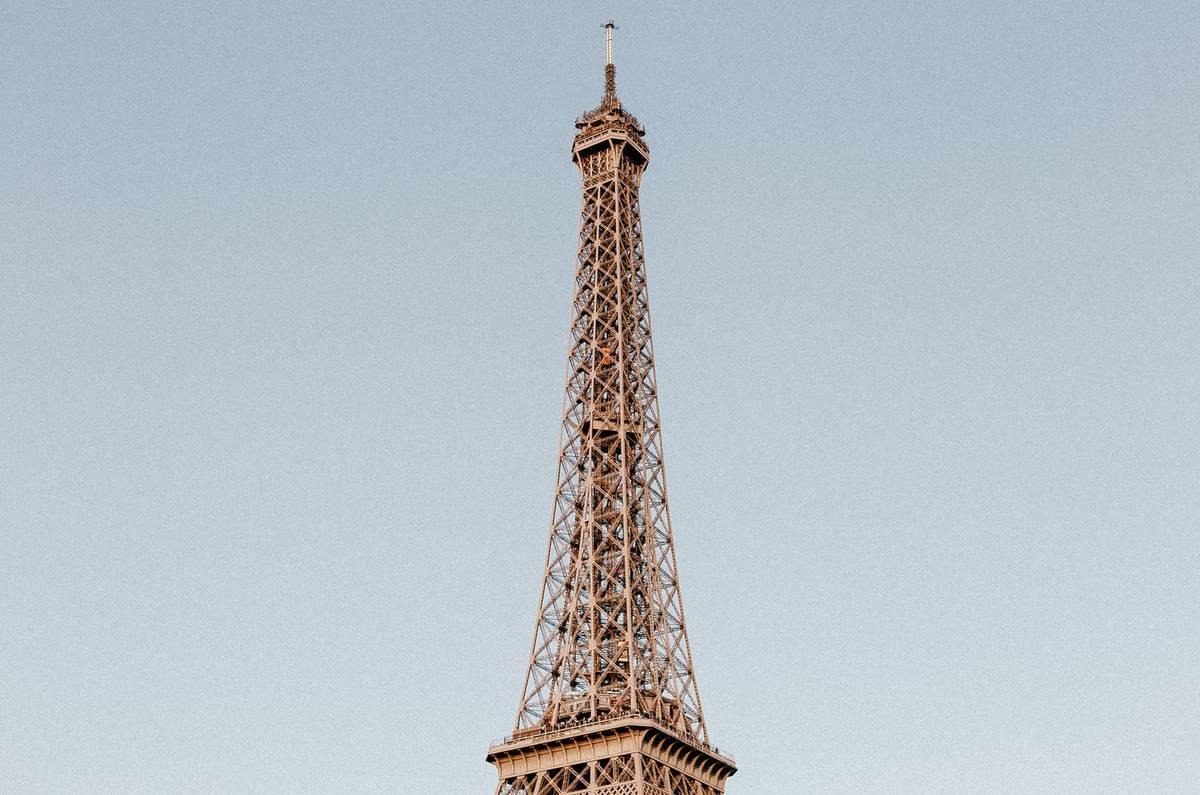
Start with the sight everyone comes for. Cross to the Trocadéro terraces on the Right Bank first for the classic head-on view of the Eiffel Tower, then walk down through the gardens and over the Seine to the tower itself on the Champ de Mars.
Book your climb online well ahead. Eiffel Tower tickets run from €14.80 for the stairs to the second floor up to €36.70 for the lift all the way to the summit. The stairs are cheaper, quicker to board, and a small adventure in themselves.
Practical tip: park the campervan at a campsite outside the Périphérique and take the Métro to Trocadéro or Bir-Hakeim. The area around the tower has no realistic parking for a large vehicle.
Afternoon (1:00 PM): A Seine Cruise & the Champs-Élysées
Have lunch on the Rue Cler market street, a few blocks from the tower, where the traiteurs and cheese shops make an easy picnic. Then board a Seine river cruise from the Pont d’Iéna, an hour on the water that ties the day’s landmarks together from below.
Afterwards, walk or ride to the foot of the Champs-Élysées and stroll up the great avenue toward the Arc de Triomphe, past the flagship shops and cafés. It is touristy, but doing it once on Day 1 gets the city’s scale into your head.
Evening (6:00 PM): Arc de Triomphe at Golden Hour
Climb the Arc de Triomphe for sunset. The rooftop gives the best view of the twelve avenues radiating out below and the Eiffel Tower lighting up in the distance, and the queue thins in the early evening.
For dinner, drop into a classic bistro in the 7th arrondissement and order a croque-monsieur or a steak frites with a glass of house red. Finish by watching the Eiffel Tower sparkle on the hour after dark, a five-minute light show that runs every night.
Day 2: The Louvre & Île de la Cité
Morning (9:00 AM): The Louvre
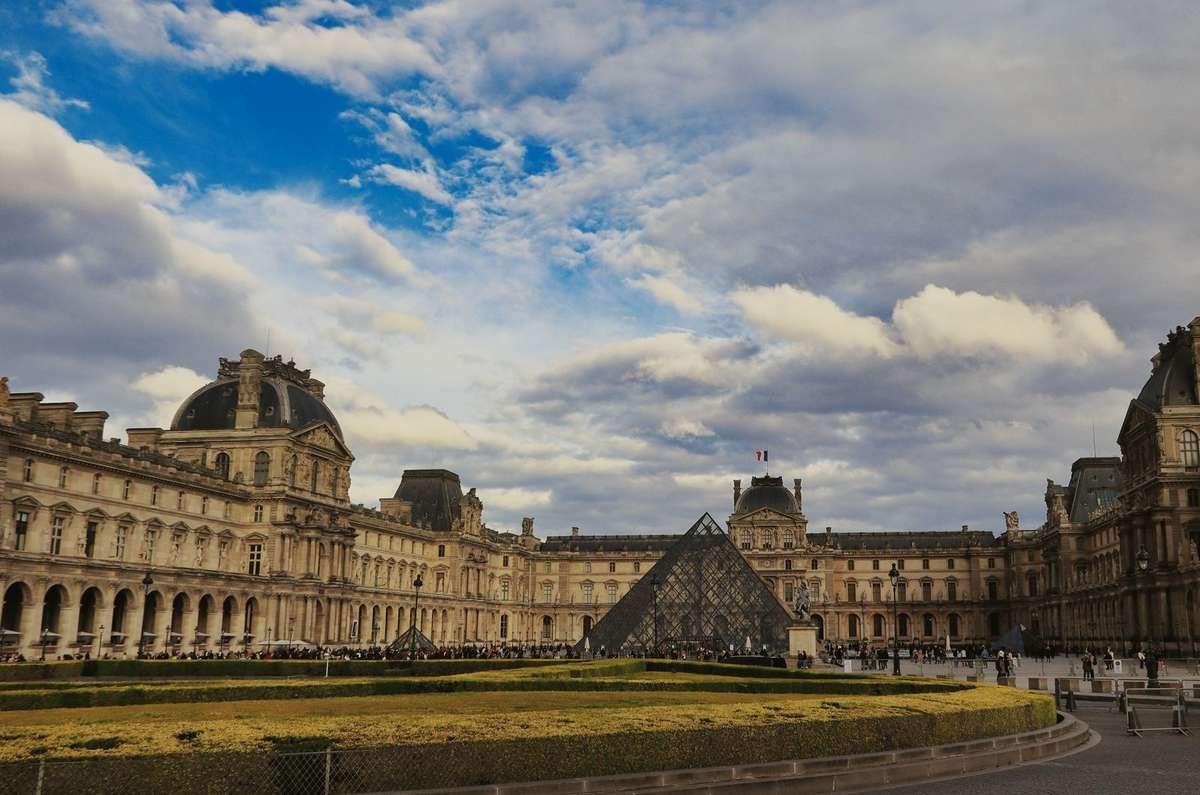
Give the morning to the Louvre, the world’s most-visited museum with 8.7 million visitors in 2024. Don’t try to see it all. Pick a wing, start early at your booked slot, and treat the Mona Lisa and the Venus de Milo as two stops on a route rather than the whole point.
Book a timed ticket online and enter through the Carrousel du Louvre entrance to skip the pyramid queue. Two to three hours inside is plenty for a first visit.
Practical tip: the Louvre is closed on Tuesdays, so if your Day 2 lands on a Tuesday, swap it with Day 3 and do Montmartre and Orsay first.
Afternoon (1:00 PM): Tuileries, Orangerie & Île de la Cité
Walk off the museum in the Tuileries garden, stopping at the Musée de l’Orangerie to stand inside Monet’s curved Water Lilies rooms. Grab lunch from a garden kiosk or a café on the Rue de Rivoli.
Then cross to the Île de la Cité, the island where Paris began. Notre-Dame Cathedral reopened in December 2024 after the fire, and entry to the nave is free. Next door, the Sainte-Chapelle wraps you in fifteen metres of stained glass, the finest medieval glazing in the city.
Evening (6:00 PM): The Latin Quarter
Cross to the Left Bank and the Latin Quarter for the evening, the student district of narrow lanes around the Sorbonne and the Panthéon. Browse the Shakespeare and Company bookshop across from Notre-Dame, then wander up toward the Jardin du Luxembourg.
For dinner, the bistros around Rue Mouffetard do reliable French classics, from onion soup to duck confit. Keep it simple and sit outside if the weather holds.
Day 3: Montmartre, Orsay & Le Marais
Morning (9:00 AM): Montmartre & Sacré-Cœur
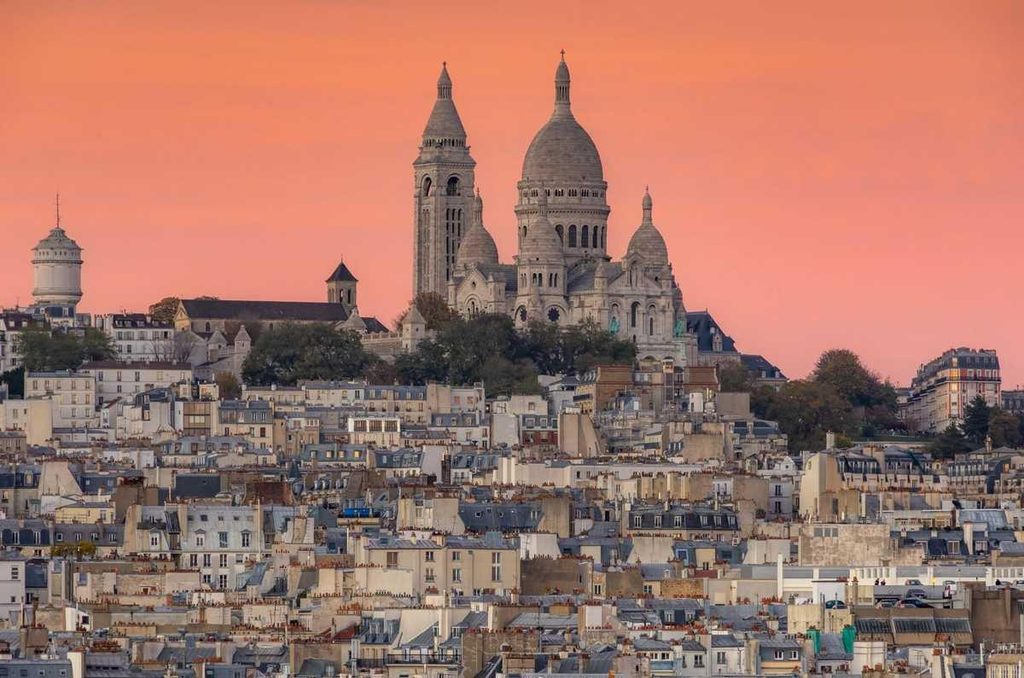
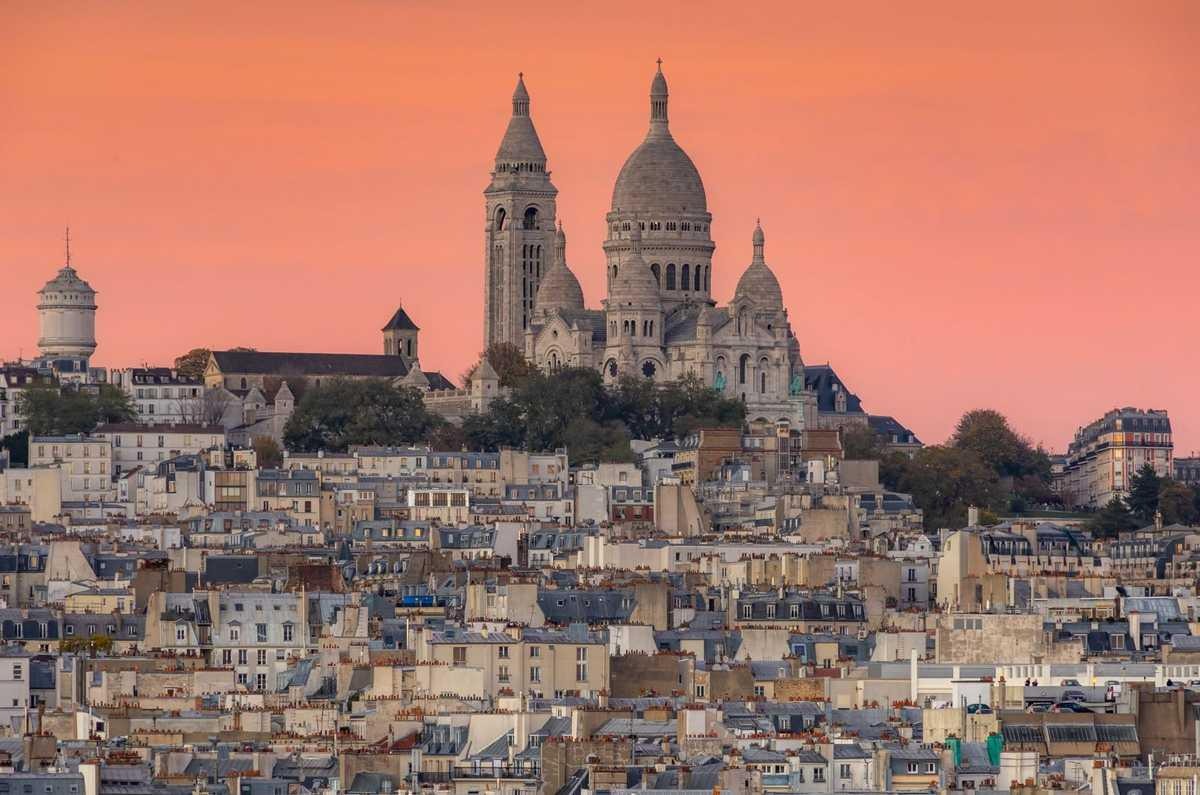
Start on the hill of Montmartre before the crowds arrive. Climb, or take the little funicular, up to the white domes of the Sacré-Cœur basilica for a free view across the whole city, then wander the artists’ square at Place du Tertre and the quiet lanes behind it.
Have a mid-morning coffee at a café on Rue des Abbesses, one of the neighbourhood’s least touristy streets, and find the Café des Deux Moulins from the film Amélie nearby.
Practical tip: Montmartre’s steep, cobbled streets and residents-only parking make it another Métro-only morning. Ride to Abbesses or Anvers and climb from there.
Afternoon (1:00 PM): Musée d’Orsay
Cross the river to the Musée d’Orsay, the old railway station that now holds the world’s great collection of Impressionist painting: Monet, Renoir, Degas, Van Gogh, and the giant station clock you can photograph the city through. It is smaller and more manageable than the Louvre, and many visitors like it more.
Book ahead here too, and aim for early afternoon when the morning school groups have moved on. Two hours covers the highlights without rushing.
Evening (6:00 PM): Le Marais
Spend the evening in Le Marais, the best-preserved old quarter in Paris and its liveliest for food and small bars. See the arcaded Place des Vosges, the oldest planned square in the city, then get lost in the medieval streets around it.
For dinner, join the queue on Rue des Rosiers for falafel at L’As du Fallafel, or sit down for small plates and natural wine at one of the bistros nearby. The Marais stays busy late, so there is no rush to move on.
Day 4: Versailles by Campervan
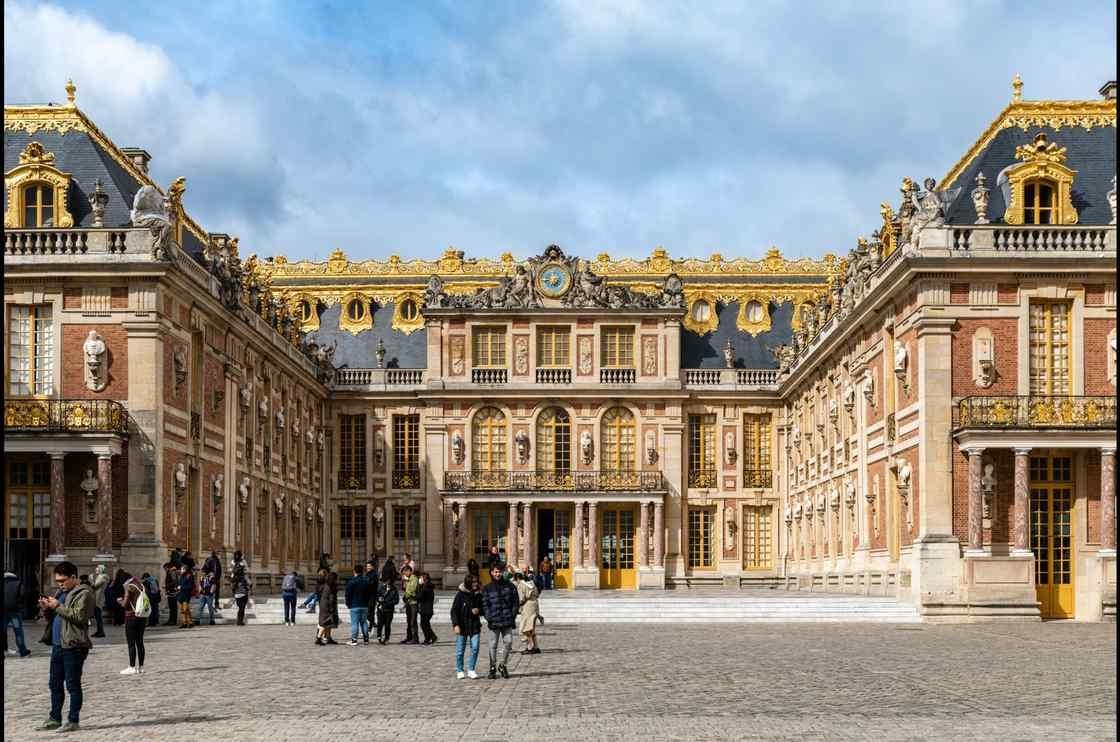
Morning (8:30 AM): Drive to the Palace
This is the day the campervan comes into its own. Point it southwest for the Château de Versailles, about 20 km from central Paris and under an hour by road, well outside the low-emission zone. Leave early to beat the coach tours that arrive mid-morning.
Book a Passport ticket online for the full estate; the Versailles Passport ticket runs around €32 in high season and includes timed entry to the palace. Start inside with the Hall of Mirrors and the State Apartments before the rooms fill.
Practical tip: Versailles has large day parking lots that take motorhomes, unlike central Paris, so you can drive right up. Arrive before 9:00 AM for the easiest space and the shortest palace queue.
Afternoon (1:00 PM): The Gardens & Trianon
Spend the afternoon outside in the gardens, which are free on most days and vast enough to lose the crowds. Rent a bike or a rowing boat on the Grand Canal, then walk out to the Trianon palaces and Marie-Antoinette’s mock farming village, the Hameau de la Reine.
Pack a picnic from a Paris market or a village boulangerie on the drive out, since the estate restaurants are pricey and busy. Eating on the lawn by the canal is the best lunch in Versailles.
Evening (6:00 PM): Back Toward Paris or Onward
Drive back toward your campsite as the estate empties, or, if your trip runs longer, keep heading out of the Île-de-France toward Giverny or the Loire. This is the flexibility a campervan buys: no last train to catch.
Close the four days with a quiet dinner at your pitch or a final bistro meal near the campsite. After a day on your feet at Versailles, an easy evening beats fighting for a table in the centre.
Beyond Paris: Day Trips by Campervan
Four days covers Paris and one classic day trip to Versailles. If you have a campervan and a little more time, these are the routes out of the city that reward the drive, none of which the trains handle cleanly.
Giverny and Monet’s Garden
- Distance: about 75 km northwest, roughly an hour on the A13.
- Why drive it: the water-lily garden and pond that Monet painted are a shuttle-and-train hassle by public transport, and a simple drive by van.
- Pair it with: the medieval town of Vernon and a riverside lunch on the Seine.
The Champagne Country: Reims and Épernay
- Distance: about 145 km northeast, around 90 minutes on the A4.
- Why drive it: the great cellars of Épernay’s Avenue de Champagne run guided tastings, and a designated driver in your own van makes the vineyard-hopping easy.
- Pair it with: the Gothic Reims Cathedral, where French kings were crowned.
Fontainebleau and the Loire
- Distance: Fontainebleau is about 60 km southeast; the Loire châteaux start around two hours south.
- Why drive it: Fontainebleau is a quieter, cheaper alternative to Versailles, and the Loire’s castles at Chambord and Chenonceau are a natural overnight extension.
- Pair it with: a campsite in the forest of Fontainebleau, a favourite with climbers.
For a longer loop, the campervan turns Paris into the first stop of a bigger trip. Head south and RV rental in Lyon puts you on the road to RV rental in Provence and the Riviera around RV rental in Nice.
Our 14-day Europe itinerary threads Paris into a full multi-country route, and RV rental in France covers pick-up points nationwide.
Map of Your 4-Day Paris Itinerary
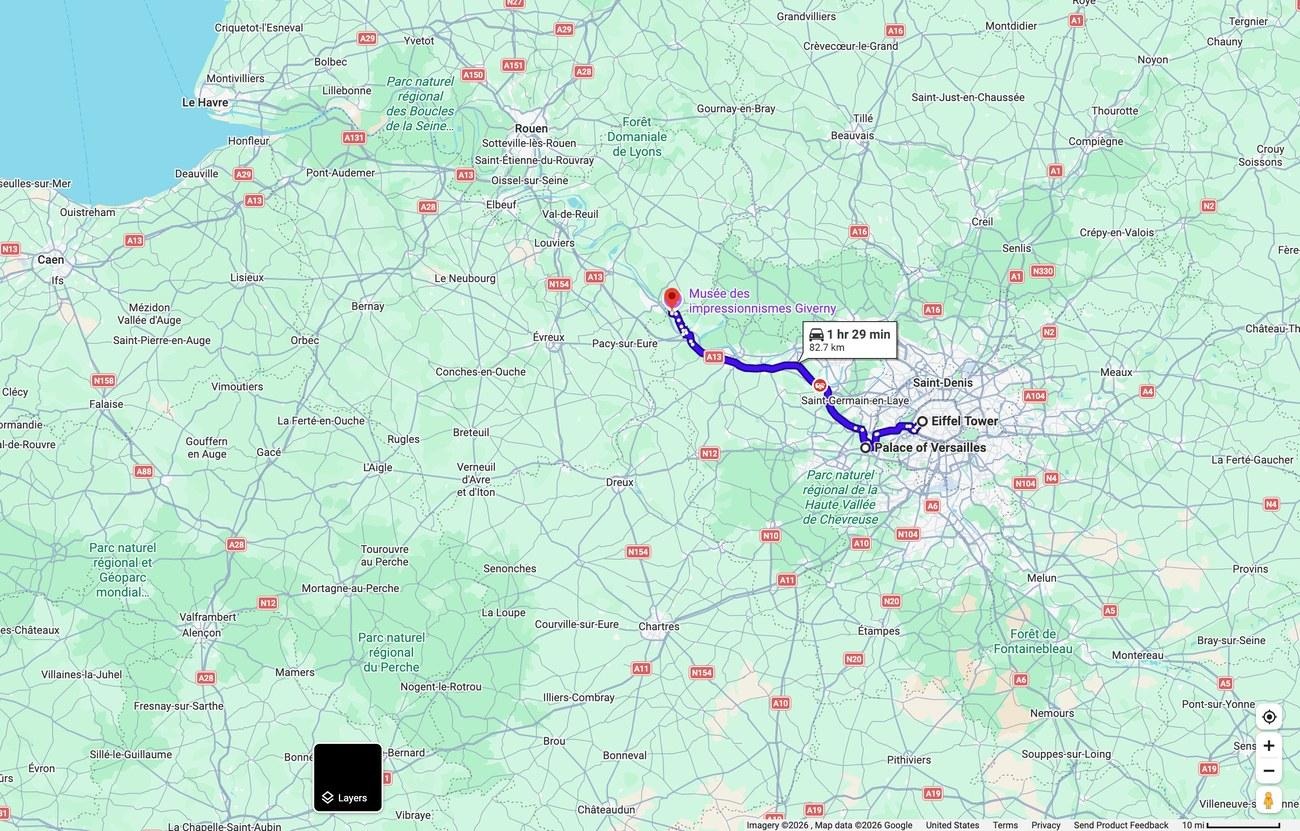
The city days form a tight loop across central Paris: the Eiffel Tower and Champs-Élysées in the west, the Louvre and Île de la Cité in the middle, and Montmartre in the north with Le Marais just east of the centre, all linked by the Métro. Day 4 breaks out of that loop, heading about 20 km southwest to Versailles and back.
If you extend the trip, the wider driving route runs northwest to Giverny, northeast to the Champagne country, or south past Fontainebleau toward the Loire. Total city driving is close to zero, by design; the campervan does its work on the day trips, not the boulevards.
Budgeting for Your Trip: How Much Does 4 Days in Paris Cost?
Paris has a reputation as an expensive city, and it can be, but a campervan trip pulls the biggest cost, accommodation, right down. Renting through Indie Campers replaces central hotel rooms with campsite pitches on the edge of town, which cost a fraction of a room inside the Périphérique.
Here is a realistic per-person breakdown, not counting the campervan hire itself:
| Category | Budget | Mid-Range | High-End |
| Accommodation | €20 to €35/night | €35 to €55/night | N/A (central hotels) |
| Food & Drink | €30 to €50/day | €55 to €90/day | €120+/day |
| Attractions | €15 to €35/day | €35 to €60/day | €70+/day |
| Transport (Métro, fuel, parking) | €10 to €20/day | €20 to €30/day | €40+/day |
| Daily Total | €75 to €140 | €145 to €235 | €270+ |
| 4-Day Total | ~€300 to €560 | ~€580 to €940 | ~€1,080+ |
- Budget traveler: cook most meals from market provisions, stay at a campsite outside the centre, and mix free sights (Notre-Dame’s nave, Sacré-Cœur, the Versailles gardens) with a couple of paid highlights like the Eiffel Tower and the Louvre. Around €450 per person for the four days is realistic.
- Mid-range traveler: eat lunch out, cook some dinners in the van, and pay for the big-ticket sights plus a Seine cruise and a Versailles Passport. Budget €700 to €900 per person.
- High-end traveler: eat out every meal, book guided skip-the-line tours, and add a central hotel night or two. Expect €1,100 or more per person.
One campervan bonus worth knowing: a rechargeable Navigo Easy card or a carnet of Métro tickets keeps your in-city transport cheap, while the van sits at a low-cost campsite instead of racking up central parking fees.
Plan Your Paris Road Trip with Indie Campers
Four days in Paris is easy to overspend and easy to overplan, with hotel rooms inside the Périphérique among the priciest in Europe and the museum queues eating the days you came to enjoy. The fix is to base yourself on the edge of the city and keep your transport and your bed in one booking.
That is what a campervan gives you: a quiet, low-cost pitch near green space, the Métro into the centre for the city days, and the freedom to drive to Versailles, Giverny, or the Champagne cellars whenever you like. Company-owned vehicles come with unlimited mileage, so the day trips don’t add fees, and flexible cancellation up to 31 days before pick-up lets you lock in dates without the risk. With 80+ locations worldwide, one-way routing is straightforward if you carry on past Paris.
Book your campervan and kickstart an adventurous Paris trip now!
Paris Itinerary 4 Days: Your Planning Recap
| Category | Details |
| Best Time to Go | Spring (April to June) and early autumn (September to October) for mild weather and thinner crowds. |
| Recommended Budget | €450 to €1,100 per person for 4 days, plus campervan hire. |
| Days in the City | 3 days for the landmarks, the two great museums, Montmartre, and Le Marais. |
| Day Trips | Versailles on Day 4; Giverny, Champagne, and Fontainebleau if you have longer. |
| Getting Around | Métro and walking inside the city; campervan for the day trips. |
| Must-See Sights | Eiffel Tower, the Louvre, Notre-Dame, Sainte-Chapelle, Musée d’Orsay, Sacré-Cœur, Versailles. |
| Must-Try Foods | Croissants, croque-monsieur, steak-frites, falafel sur la rue des Rosiers, champagne. |
| Accommodation | Campsites on the edge of the city: roughly €20 to €55 per pitch per night. |
| Perfect For | First-time visitors and couples who want the classics plus one day in the countryside. |
Frequently Asked Questions (FAQs)
Is 4 days in Paris enough?
Yes, 4 days in Paris is enough for a first visit and covers the essentials without a rush. Three days handle the Eiffel Tower, the Louvre, Notre-Dame, Montmartre, the Musée d’Orsay, and Le Marais at a comfortable pace, and the fourth day leaves room for a trip to Versailles. You will not see everything, but you will see the city’s landmarks, two of its greatest museums, and one classic day trip.
What is the best 4 day Paris itinerary for first-timers?
The best 4-day Paris itinerary for first-timers spreads the city over three walkable days and saves one for a day trip. Day 1 covers the Eiffel Tower and the Champs-Élysées, Day 2 the Louvre and Île de la Cité, and Day 3 Montmartre, the Musée d’Orsay, and Le Marais. Day 4 heads to Versailles, about 20 km southwest of the city, which is far easier to reach with your own vehicle than by train.
How much does a 4-day trip to Paris cost?
A 4-day trip to Paris costs roughly €450 per person for budget travelers and €1,100 or more for high-end trips, not counting the campervan hire. Budget travelers save most by staying at a campsite outside the centre instead of a central hotel, cooking some meals, and mixing free sights like Notre-Dame and the Versailles gardens with a few paid highlights. Museum and attraction tickets run about €15 to €35 a day.
Can you drive a campervan into central Paris?
No, you should not drive a campervan into central Paris. The city runs a low-emission zone inside the Boulevard Périphérique that requires a mandatory Crit’Air sticker, including for foreign vehicles and motorhomes, with fines from €68 to €375. Park at a campsite on the edge of the city, such as Camping Indigo Paris in the Bois de Boulogne, and use the Métro for the city days.
What are the best day trips from Paris by campervan?
The best day trips from Paris by campervan are Versailles, Giverny, and the Champagne country around Reims and Épernay. Versailles sits about 20 km southwest and works as the Day 4 trip, while Giverny’s Monet garden (about 75 km northwest) and the Champagne cellars (about 145 km northeast) reward a longer stay. All three are simpler to reach with your own vehicle than by train and shuttle.
Is Notre-Dame open again in 2026?
Yes, Notre-Dame is open again in 2026. The cathedral reopened in December 2024 after the 2019 fire, and entry to the nave is free, though timed slots and short queues are common at peak times. The tower climb reopened separately in September 2025 and needs its own paid ticket booked in advance.
When is the best time to visit Paris?
The best time to visit Paris is spring (April to June) or early autumn (September to October), when the weather is mild and the crowds are smaller than the July peak. Autumn also brings the Champagne harvest to the vineyards east of the city, which makes a cellar day trip more interesting. Avoid mid-August if you can, when many family-run bistros close for the summer break.
Do you need a car in Paris?
No, you do not need a car inside Paris, and driving one into the centre causes more problems than it solves. The Métro reaches every sight, a single ticket costs €2.55, and the central landmarks are close enough to walk between. A campervan is worth it for the day trips out of the city, where it combines your transport and accommodation and beats waiting for trains.