Planning a Europe itinerary 2 weeks long feels exciting, and overwhelming – all at once. Fourteen days is genuinely enough to move through three to four countries, hit iconic cities, and still leave room to slow down when somewhere surprises you.
This guide maps out a classic route across Western and Central Europe: Paris, the Swiss Alps, Venice, Florence, Rome, Barcelona, and back. It’s built around a campervan rental, the transport mode that gives you the most flexibility for a multi-country route like this.
Doesn’t matter whether you’re first-timers or seasoned road-trippers, this ‘14 days in Europe itinerary’ covers everything you need to have the best experience.
Key Takeaways
- Iconic Stops: Paris, Rome, and Barcelona are the three non-negotiables on this route.
- Hidden Gems: Cinque Terre on the Italian Riviera and Girona in northeastern Spain.
- Recommended Transport: Campervan rental via Indie Campers – combines accommodation and transport, supports one-way routes, and lets you drive at your own pace.
- Recommended Budget: €1,400-€2,200 per person for 14 days. Covers fuel, campgrounds, food, and main attractions.
- Best Time to Go: Spring (April-June): warm weather, manageable crowds, and lower prices than peak summer.
Table of Contents
- Europe Itinerary 2 Weeks Long: At a Glance
- Why You’ll Love a 14-Day Trip to Europe
- Best Time to Visit Europe
- Are 14 Days Enough to Visit Europe?
- How to Get Around Europe
- The Ultimate Europe Itinerary: 14 Days of Adventure
- Alternative Europe Itineraries
- Map of Your 14-Day Europe Itinerary
- Budgeting for Your Trip: How Much Does 2 Weeks in Europe Cost?
- Plan Your Dream Trip with Indie Campers
- 14-Day Europe Itinerary: Your Final Planning Recap
- FAQs About Europe Itinerary 2 Weeks Long
Europe Itinerary 2 Weeks Long: At a Glance
| Day | Location | Top Highlights |
| Day 1 | Paris, France | Eiffel Tower, Montmartre stroll, Seine riverside walk. Try a croque-monsieur at a classic café. |
| Day 2 | Paris, France | Louvre Museum, Notre-Dame Cathedral, Marais neighbourhood. Try onion soup at a bistro. |
| Day 3 | Interlaken, Switzerland | Drive through Swiss Alps, Lake Thun views, alpine meadows. Try a Rösti (Swiss potato cake). |
| Day 4 | Venice, Italy | Arrive by late morning, gondola ride, St. Mark’s Square. Try bigoli in salsa (pasta with anchovy sauce). |
| Day 5 | Venice, Italy | Doge’s Palace, Rialto Market, Burano island day trip. Try sarde in saor (sweet-sour sardines). |
| Day 6 | Florence, Italy | Uffizi Gallery, Ponte Vecchio, Piazzale Michelangelo sunset. Try bistecca alla Fiorentina. |
| Day 7 | Tuscany, Italy | Val d’Orcia drive, Siena day trip, San Gimignano towers. Try pici cacio e pepe. |
| Day 8 | Cinque Terre, Italy | Hike the coastal trail, Vernazza harbour, Manarola views. Try fresh focaccia and pesto pasta. |
| Day 9 | Rome, Italy | Colosseum, Roman Forum, Trastevere neighbourhood. Try cacio e pepe at a local trattoria. |
| Day 10 | Rome, Italy | Vatican City, Trevi Fountain, Borghese Gallery. Try supplì (fried rice balls) from a street vendor. |
| Day 11 | Monaco / Nice, France | Monaco harbour, Nice’s Promenade des Anglais, Èze village. Try socca (chickpea flatbread). |
| Day 12 | Barcelona, Spain | Gaudí’s Sagrada Família, Park Güell, Gothic Quarter. Try pan con tomate and jamón. |
| Day 13 | Girona / Costa Brava, Spain | Girona’s medieval walls, Dalí Theatre-Museum in Figueres, Costa Brava cliffs. Try escalivada. |
| Day 14 | Barcelona, Spain | La Barceloneta beach, Mercat de la Boqueria, farewell dinner at El Born. Try crema catalana. |
Why You’ll Love a 14-Day Trip to Europe?
Europe is one of the few places on earth where you can cross a border in an hour and step into a completely different language, cuisine, and architectural tradition. That contrast is hard to replicate anywhere else. On a 14 day Europe itinerary, you get to feel the shift from Parisian elegance to Italian warmth to Spanish energy. without rushing so fast that each city blurs into the next.
The key to making it work is your transport. Trains between major cities are reliable, but they lock you into fixed departure times and drop you at central stations far from the landscapes you actually came to see.
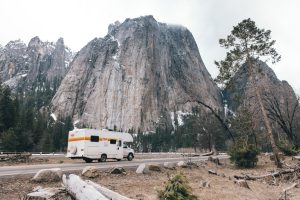
A campervan rental flips that equation. You drive when you want, stop at a Tuscan vineyard on a whim, pull over for a viewpoint in the Swiss Alps, and wake up parked ten meters from the Mediterranean. Your accommodation moves with you, which cuts costs and adds a layer of freedom that hotels and rail passes can’t match.
Food alone is worth the trip. Think of a croissant from a Paris boulangerie at 8 AM, handmade pasta in Florence by lunch, and gelato on the steps of a Roman fountain after dinner. Each country you move through brings a new set of ingredients, cooking traditions, and dining rituals. Europe’s culinary diversity is genuinely one of its strongest travel draws, and this route covers some of the best of it.
Ready to see how it all fits together? Here’s the full day-by-day plan:
Best Time to Visit Europe
The season you choose shapes the trip more than anything else; affecting crowd levels, costs, weather, and which activities are even possible:
Spring (April to June)
Spring is the most balanced time to plan a 14 days in Europe itinerary, with temperatures around France, Switzerland, Italy and Spain being warm but not punishing; typically between 15-23°C (59-73°F). Crowds at major sites are manageable in April and May before the summer rush hits in June.
- Average Temperatures: 15-23°C (59-73°F)
- What to expect: Mild weather, blooming countryside, moderate crowds, mid-range prices.
Summer (July to August)
Summer is the peak season across the entire route for a 14-day Europe itinerary. Cities like Paris, Venice, and Barcelona are extremely busy, and coastal spots like Cinque Terre and the French Riviera fill up fast. Book campgrounds and attractions at least 4-6 weeks ahead.
- Average Temperatures: 25-35°C (77-95°F)
- What to expect: Hot, sunny days; large crowds; highest prices of the year; long daylight hours (great for evening sightseeing).
Autumn (September to October)
Autumn rivals spring for ideal travel conditions. The summer heat fades in September, the ocean stays warm for swimming, and crowds start thinning from mid-September onward. October brings harvest season across Tuscany and southern France, one of the best times to be on the road in those regions.
- Average Temperatures: 12-22°C (54-72°F)
- What to expect: Warm days, cooler evenings, thinning crowds, slightly lower prices than summer.
Winter (November to March)
Winter brings cold temperatures across the northern half of the route, but it’s worth considering if you want lower prices and minimal crowds. Paris and Barcelona remain lively year-round. Alpine driving in Switzerland is possible but requires the right vehicle and tyres – factor this in if planning a 14 day Europe itinerary in winter months.
- Average Temperatures: 4-12°C (39-54°F)
- What to expect: Cold in the north, mild in the south; fewest crowds; lowest prices; some mountain roads may close.
Are 14 Days Enough to Visit Europe?
Yes, a 14-day Europe itinerary is enough to experience 4 countries, 7 major destinations, and a genuinely varied cross-section of the continent. The key is committing to one well-designed route rather than trying to cover everything from Lisbon to Prague.
This itinerary focuses on the Western Mediterranean arc: France, Switzerland, Italy, and Spain; which clusters the highest concentration of iconic sights within driving distance of each other. You’re not skipping cities arbitrarily; you’re cutting the geography down to what’s actually achievable in two weeks without spending your whole trip in transit.
What you’ll walk away with: Paris in two days, the Swiss Alps in one afternoon, a full week across Italy’s north and centre, the French Riviera, and three days in Spain. That’s a lot of ground, covered comfortably, not frantically.
The itinerary below is built around driving your own campervan, which removes airport check-in waits, hotel check-in queues, and the rigidity of train timetables. It’s the single biggest factor in making this pace feel relaxed rather than rushed.
Now that we’ve figured out if a ‘14 days in Europe’ itinerary is enough – let’s talk about how you can move across locations.
How to Get Around Europe?
For a multi-country route like this one, renting a campervan is the most practical choice. Flying between each country and renting a new car at every stop adds cost, complexity, and wasted time at airports. Trains are useful for city-to-city hops but don’t give you the flexibility to stop at a Cinque Terre trailhead, a Tuscan farmstead, or a Monaco viewpoint on your own schedule.
With RV rentals across major European locations, your accommodation basically travels with you! Instead of budgeting for hotels in 7 different cities, you’re paying for campgrounds, which are often cheaper and better located. Many campsites sit right on the coast or at the edge of national parks. You wake up where you want to be.
Indie Campers operates pick-up and drop-off locations across Europe, including Paris, Barcelona, Rome, Florence, Venice, and many others; which makes one-way routing on this itinerary completely straightforward. Pick up in Paris, drop off in Barcelona. No backtracking.
Fleet options range from compact two-berth campervans suited to couples, to family-sized motorhomes for groups. All company-owned vehicles come with unlimited mileage; relevant on a route that covers roughly 2,900 km (1,800 miles).
Book with the flexible cancellation option (available up to 31 days before pick-up) and the “book now, pay later” feature to lock in your dates without a large upfront commitment.
The Ultimate Europe Itinerary: 14 Days of Adventure
Here’s the full day-by-day breakdown. Each day includes morning, afternoon, and evening sections; plus at least one restaurant recommendation, one signature dish, and one practical tip.
Day 1: First Impressions in Paris, France
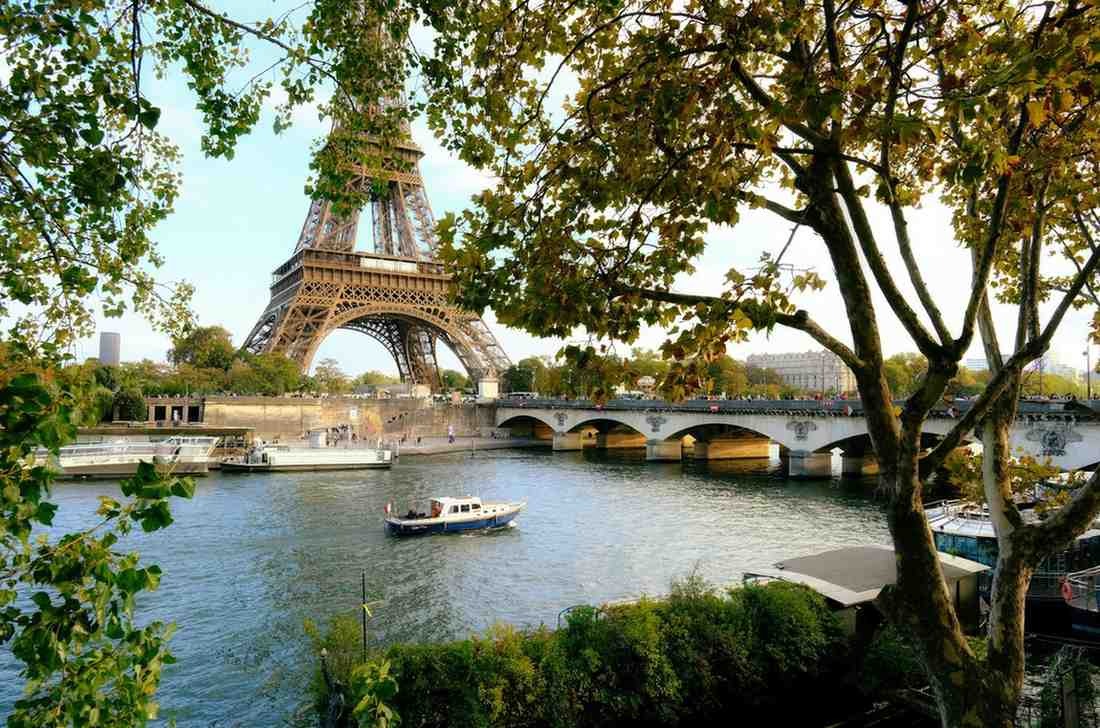
Morning (9:00 AM): Eiffel Tower & Champ de Mars
Land at Charles de Gaulle or pick up your Indie Campers vehicle from the Paris location and drive straight to the Eiffel Tower. Park at a campsite on the outskirts – Camping Paris Bois de Boulogne is a solid option, accessible by metro – and commute by public transport.
The Eiffel Tower is best in the morning before tour groups arrive in full force. Walk the Champ de Mars, look up at the iron lattice structure from below, and decide whether you want to take the lift to the second floor (book tickets online in advance; queues for walk-ins can run 90+ minutes).
Practical tip: Book Eiffel Tower tickets at least 2 weeks ahead, especially April through September. The 2nd floor offers the best views without the price jump of the summit.
Afternoon (1:00 PM): Montmartre & Sacré-Coeur
Walk or metro up to Montmartre, the hilltop neighbourhood that sits above the rest of Paris. It’s the kind of place where you can spend two hours without checking a map: the streets are tight, the cafés spill onto pavements, and the views over the city keep improving the higher you climb.
At the summit, the Sacré-Coeur Basilica offers one of the best free panoramas in Paris. Sit on the steps, grab a crêpe from one of the stands nearby, and watch street artists set up along the Place du Tertre below.
For lunch, try Le Relais de la Butte on Rue Ravignan – order the steak tartare or a simple croque-monsieur with a glass of Bordeaux. Classic Parisian fare, no tourist mark-up.
Evening (7:00 PM): Seine Riverside & Dinner in Le Marais
Walk down from Montmartre toward the Seine for a golden hour along the river. The light on the water near Pont Alexandre III is worth the detour. Paris looks its best from the riverside at dusk.
For dinner, head to Le Marais neighbourhood. Try Chez Janou for Provençal cuisine; you can also order the duck confit or the lamb with herbes de Provence.
The neighbourhood has a warm, neighbourhood-bistro feel that’s less touristy than the areas around the Louvre.
Day 2: Art & Architecture in Paris, France
Morning (9:00 AM): The Louvre
The Louvre is enormous. Set realistic expectations: you will not see everything, and that’s fine. Focus on three areas: the Denon wing for the Mona Lisa and Italian Renaissance paintings, the Sully wing for Egyptian antiquities, and the Richelieu wing for French decorative arts.
Practical tip: Arrive at opening time (9:00 AM) and enter through the Carrousel du Louvre underground entrance on Rue de Rivoli to avoid the pyramid queue. Book tickets online the night before.
Afternoon (1:00 PM): Notre-Dame & Île de la Cité
Walk 15 minutes south from the Louvre to Notre-Dame Cathedral on the Île de la Cité. Restoration after the 2019 fire is complete, the cathedral fully reopened in December 2024 and is stunning. The interior is lighter and more vibrant than before, with restored stained glass and a renovated nave.
Cross to the Left Bank for lunch at Bouillon Racine in Saint-Germain-des-Prés: a Belle Époque brasserie with outstanding French onion soup (soupe à l’oignon) at genuinely fair prices. Order it gratinée, with the cheese crust on top.
Walk the Left Bank through Saint-Germain, browse the bouquinistes (the open-air booksellers along the riverbank), and spend an hour at the Shakespeare and Company bookshop if you’re that way inclined.
Evening (7:00 PM): Rooftop Views & Farewell Dinner
End your second Paris day with a drink at a rooftop bar. Le Perchoir Ménilmontant has 360° views over the city and doesn’t require a reservation for the bar area. Arrive at 7 PM before it fills up.
Dinner back in the Marais: Septime on Rue de Charonne is one of the best restaurants in Paris for contemporary French cooking. Book a month in advance. If you don’t have a reservation, the wine bar next door: Septime La Cave, serves small plates and natural wine without a booking.
Day 3: Alpine Drive to Interlaken, Switzerland
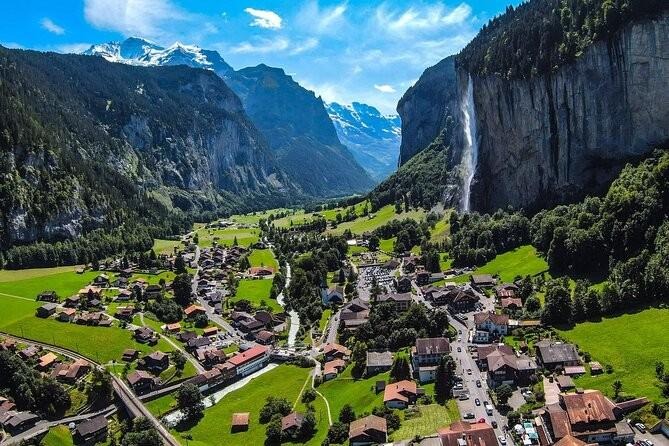
Morning (8:00 AM): Drive South Through Burgundy
Today’s drive from Paris to Interlaken covers roughly 600 km (6-7 hours with stops). Leave early. The first stretch through Burgundy is flat and fast, but save time for the mountain approach into Switzerland; that’s the part you’ll want to do in daylight.
Stop for fuel and a coffee in Dijon. The old town is genuinely lovely if you have 30 minutes – the Palais des Ducs de Bourgogne square is right in the centre.
Practical tip: Swiss motorways require a vignette (motorway sticker). Buy one at the Swiss border, at petrol stations, or online in advance. It costs CHF 40 and covers one calendar year.
Afternoon (2:00 PM): Bern & Lake Thun Approach
Consider a 45-minute stop in Bern, Switzerland’s capital. The old town sits on a peninsula above the Aare River and is a UNESCO World Heritage site. The clocktower (Zytglogge) and the covered arcades are instantly recognizable.
The drive from Bern to Interlaken follows Lake Thun, one of the most scenic stretches of road on this entire route. Pull over at the eastern edge of the lake near Spiez for a view of the Alps reflected in the blue-green water.
For lunch on the road, stop at a roadside Beizli (Swiss pub) and order a Rösti, the Swiss take on a fried potato cake, often served with a fried egg and bacon. Filling and cheap.
Evening (6:00 PM): Arrive Interlaken
Interlaken sits between two lakes at the foot of the Eiger, Mönch, and Jungfrau peaks. Check into TCS Camping Interlaken, which sits right on the Brienzersee. Walking around the main promenade (Höheweg) in the evening light, the mountain silhouettes behind the town are hard to believe.
Dinner at Restaurant Benacus on the Höheweg: order the veal with rösti or the alpine cheese fondue if the evening is cool. Portions are generous.
Day 4: Arriving in Venice, Italy
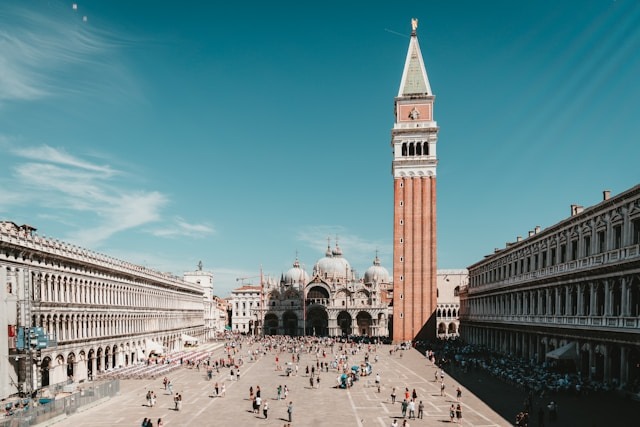
Morning (8:00 AM): Drive Over the Stelvio Pass or via Innsbruck
The drive from Interlaken to Venice takes 5-6 hours depending on the route. If you’re travelling in summer, consider the scenic option via the Stelvio Pass (June-October only, closed in winter). It’s slower but genuinely spectacular. The alternative via Innsbruck (Austria) and the Brenner Pass is faster and reliable year-round.
Practical tip: Venice does not allow campervans into the city. It’s recommended that you park at Camping Venezia in Mestre or Camping Fusina in Fusina; both have waterbus (vaporetto) connections directly into Venice.
Afternoon (1:00 PM): First Steps in Venice
Step off the vaporetto and you’re immediately in another world. Venice’s layout is deliberately disorienting: forget the map for the first hour and just walk.
Head toward St. Mark’s Square (Piazza San Marco) – even at its busiest, the square is worth it. The Basilica di San Marco is free to enter and genuinely breathtaking inside. Book the entrance with skip-the-line access to the Pala d’Oro (the golden altarpiece) for €5 extra.
For lunch, skip the tourist-trap restaurants around the square. Walk two minutes north to find the bacaro (wine bar) scene: All’Arco, near the Rialto Market, serves cicchetti (Venetian small plates) from 9 AM. Order the baccalà mantecato (whipped salt cod) on bread and a small glass of white, a proper Venetian lunch for under €12.
Evening (7:00 PM): Gondola & Aperitivo
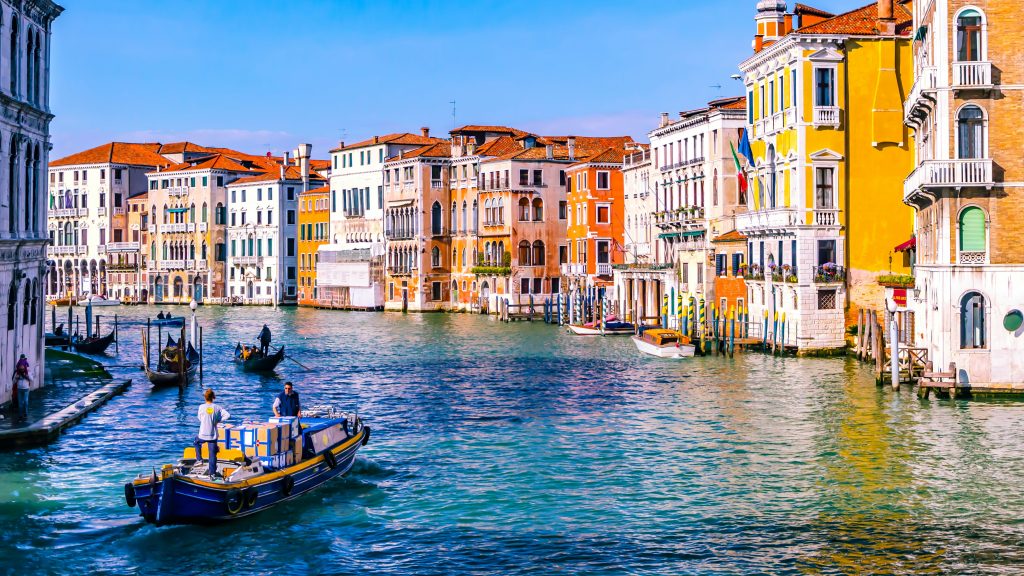
The gondola ride is touristy and worth doing once. A standard 30-minute ride costs €80-90 (shared between up to 6 people). The best routes go through the smaller rii (side canals) rather than the Grand Canal; ask your gondolier specifically for this. Sunset to early evening is the best window.
After the gondola, aperitivo time: find a spot along the Grand Canal near the Accademia bridge and order a Spritz al Aperol. Watch the water traffic slow as the evening settles in.
Dinner at Trattoria alla Madonna near Rialto, one of Venice’s oldest restaurants, which opened way back in 1954. Order bigoli in salsa (thick pasta with anchovy-onion sauce) followed by grilled branzino with polenta.
Day 5: Deeper into Venice, Italy
Morning (9:00 AM): Rialto Market & Doge’s Palace
Start at the Rialto Market, the city’s main fish and produce market, active since the 11th century. Arrive before 10 AM when it’s quietest and the selection is best. The fish section is particularly extraordinary: lagoon crabs, mantis shrimp, razor clams, and species you won’t find anywhere else.
From Rialto, walk south to the Doge’s Palace (Palazzo Ducale). This was the centre of Venetian political power for centuries. The interior, particularly the Council Hall and the Bridge of Sighs, is as impressive as anything in the city. Make sure to book your tickets online to avoid the 90-minute queue at the door.
Afternoon (1:00 PM): Burano Day Trip
Take a vaporetto to Burano, the island of coloured fishing houses, about 40 minutes from Venice. It’s one of the most photographed spots in the entire Adriatic – the houses are painted in vivid blocks of colour, each family’s choice historically registered with the local government.
Have lunch on the island at Trattoria al Gatto Nero – try the risotto de gò (goby fish risotto), a Burano specialty you won’t find in Venice proper. Book ahead; this place fills up.
Practical tip: The vaporetto to Burano runs from Fondamente Nove (line 12). Buy a 75-minute or 24-hour ticket rather than single-journey tickets if you’re doing multiple island hops.
Evening (7:00 PM): Sunset Over the Lagoon
Return to Venice for the late afternoon, cross the Accademia Bridge, and walk south through the Dorsoduro neighbourhood. This is one of the quieter, more residential parts of Venice – fewer tourists, better prices, more locals.
For dinner, try Osteria Enoteca Ai Artisti on Fondamenta della Toletta. Order the sarde in saor (sweet-and-sour sardines with onions and pine nuts, a classic Venetian preparation) followed by grilled calamari.
Day 6: Florence & the Uffizi, Italy
Morning (9:00 AM): Drive to Florence
The drive from Venice to Florence takes about 2.5 hours via the A13/A1 motorway. Park at Camping Italiani e Stranieri in Fiesole, 8 km north of Florence, since the views over the city from up here are excellent. Once you’ve explored the locations enough, you can even take a bus down into the centre.
Start in the historic centre with the Duomo, the cathedral complex with Brunelleschi’s dome, the Baptistery, and Giotto’s Campanile. The climb up the dome’s interior (463 steps, no lift) offers one of the best views in Italy. Book your dome entry slot online beforehand, since the queue for walk-ins can be 2 hours or longer, depending on the crowd.
Wander the streets around the Duomo, then walk south toward the river. Stop at a café along Via dei Calzaiuoli for a mid-morning espresso.
Afternoon (1:00 PM): Uffizi Gallery & Ponte Vecchio
The Uffizi Gallery is one of the world’s great art museums. It contains Botticelli’s The Birth of Venus and Primavera, Leonardo da Vinci’s Annunciation, Caravaggio’s work, and dozens of other Renaissance masterpieces. Plan 2-3 hours and book tickets in advance – ideally 2-3 weeks ahead in summer.
After the Uffizi, walk 5 minutes west to the Ponte Vecchio, the famous medieval bridge lined with jewellery shops that spans the Arno. Cross over into Oltrarno and have lunch at Trattoria da Ruggero on Via Senese, a neighbourhood restaurant where locals outnumber tourists. Order the bistecca alla Fiorentina (the iconic thick-cut T-bone, served rare) or the ribollita (Tuscan bean-and-bread soup).
Evening (7:00 PM): Piazzale Michelangelo Sunset
Walk or take bus 13 up to Piazzale Michelangelo, the terrace overlooking the entire city. This is Florence’s most famous viewpoint, and the sunset from here, with the Duomo dome centred in the frame, is genuinely spectacular. Arrive 30-40 minutes before sunset to get a good position.
After sunset, walk down through the San Niccolò neighbourhood, a string of low-key wine bars and restaurants. Try Enoteca Fuori Porta on Via di Monte alle Croci for a glass of Chianti and a board of Tuscan charcuterie. End the evening here.
Day 7: Tuscany – Val d’Orcia & Siena, Italy
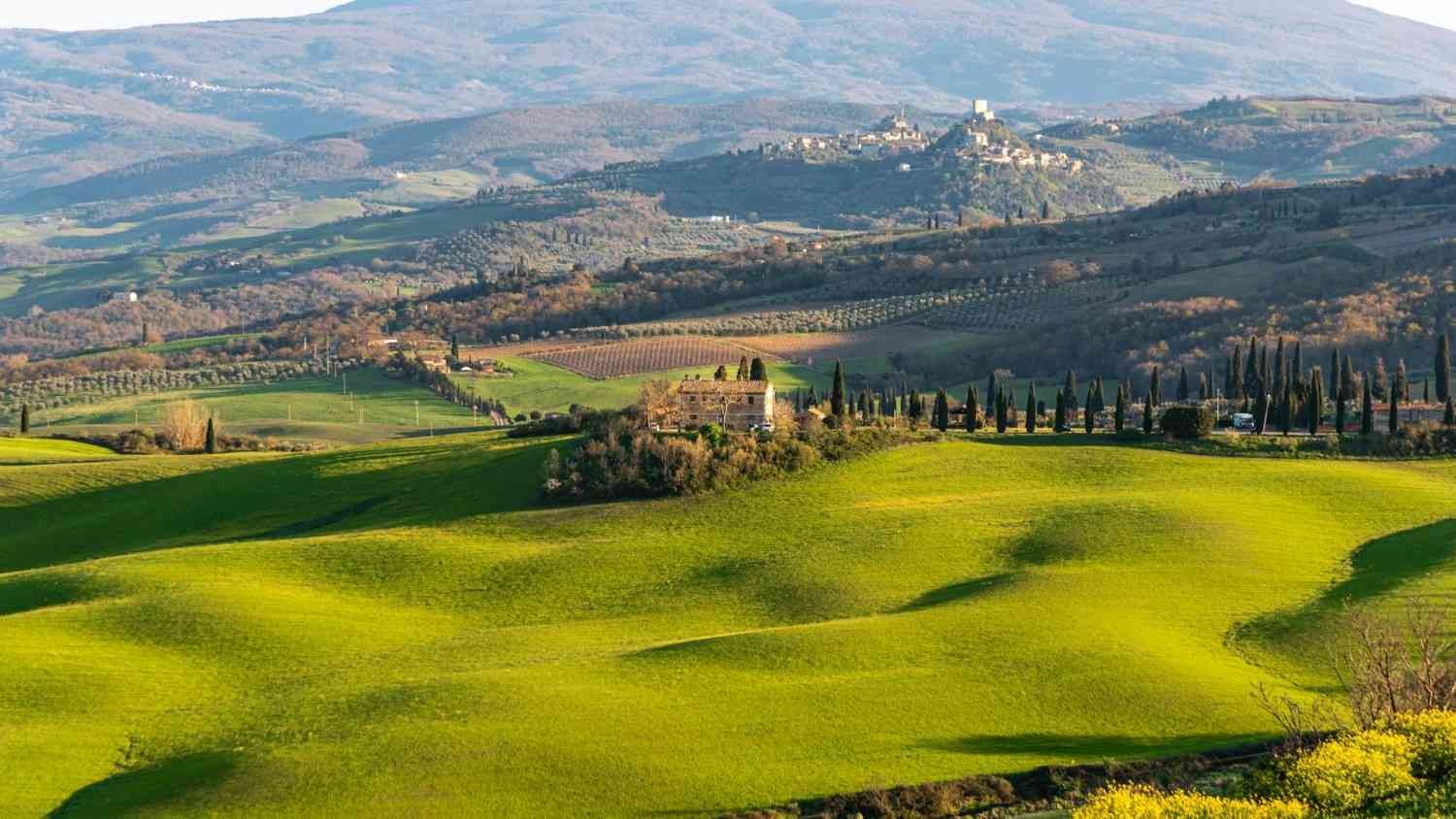
Morning (8:00 AM): Drive into Val d’Orcia
Day 7 is going to be a driving day, but not the transit kind. Val d’Orcia is one of the most photographed landscapes in the world: rolling hills, cypress trees, stone farmhouses, and vineyards in every direction. It’s a UNESCO World Heritage landscape and looks exactly like the paintings.
Drive south from Florence on the SS2 (the old Roman road, more scenic than the motorway) toward San Quirico d’Orcia. Stop frequently. The viewpoint near Podere Belvedere (on the road between Pienza and San Quirico) is where most of those iconic Tuscan landscape photos are taken.
Have breakfast at a café in Montalcino, the hilltop town famous for Brunello di Montalcino wine. Pick up a bottle from a local enoteca for tonight.
Afternoon (1:00 PM): Siena
Siena is the most complete medieval city in Italy. The Piazza del Campo, a shell-shaped square that serves as the city’s living room, is unlike anything in Florence or Rome. Sit at a café on the edge of the Campo and order lunch there. Try the pici cacio e pepe (thick handmade pasta with pecorino and black pepper) at Osteria Il Carroccio on Via del Casato di Sotto.
After lunch, climb the Torre del Mangia (tower) at the edge of the Campo for a 360° view of the city and the Tuscan hills beyond. Then walk to the Siena Cathedral (Duomo) – the black-and-white marble exterior and the stunning inlaid marble floor inside make it one of the most beautiful churches in Italy.
Practical tip: Siena’s old town is largely pedestrianized. Park at Parcheggio Santa Caterina below the walls (follow the signs from the ring road), it’s a 5-minute walk to the Campo.
Evening (6:00 PM): San Gimignano & Overnight in Val d’Orcia
Drive 30 minutes northwest to San Gimignano for the late afternoon. The town is famous for its 14 surviving medieval towers – a skyline that looks more like Manhattan than Tuscany. It’s popular, but manageable in the early evening after day-trippers leave.
Open that bottle of Brunello. Find a campsite in the Val d’Orcia, Agriturismo La Fratta near Sinalunga offers campervan pitches on a working farm with extraordinary views. You can get dinner from the agriturismo kitchen, if available, or cook your own with provisions from Siena’s market.
Day 8: Cinque Terre, Italy
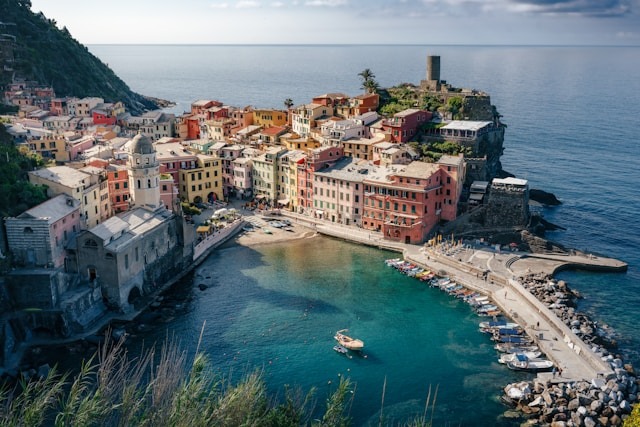
Morning (8:00 AM): Drive to Cinque Terre
Cinque Terre, five fishing villages clipped to a rocky stretch of the Ligurian coastline, is one of the most dramatic landscapes in Europe. Drive northwest from Val d’Orcia to La Spezia (about 2 hours), where you’ll park and continue by train.
Practical tip: Campervans and cars are banned from all five villages. Park at Camping Acqua Dolce near La Spezia or at Camping Cinque Terre in Levanto (north of the villages), then take the regional train. A Cinque Terre Card (€16 for one day) covers the trains between all five villages and trail access.
The five villages from south to north: Riomaggiore, Manarola, Corniglia, Vernazza, Monterosso. Each is distinct. Riomaggiore and Vernazza have the most dramatic harbours. Monterosso has the best beach.
Afternoon (12:00 PM): Hike & Vernazza Harbour
The classic hike is the Sentiero Azzurro (Blue Trail) – it runs the length of all five villages. The section between Vernazza and Monterosso (1.5 hours, moderate) is the most scenic. Check trail conditions before you go; sections close periodically for maintenance.
Have lunch in Vernazza at Ristorante Belforte, which is carved into the sea wall with a terrace directly above the water. Order the pesto pasta (trofie al pesto, the Ligurian standard) and fresh anchovies. The pesto here is made with Genoese basil; lighter and more aromatic than the jarred version you know.
For street food, try focaccia from any of the bakeries in the villages – the Ligurian style (thick, olive oil-soaked, topped with olives or rosemary) is some of the best in Italy.
Evening (6:00 PM): Manarola at Sunset
Manarola has the most famous viewpoint in Cinque Terre: the stepped path above the village known as the Via dell’Amore (when open) and the terrace just east of the church, which looks straight down at the coloured houses stacked above the harbour.
Get there 30 minutes before sunset. If possible, get a table at Trattoria dal Billy (book ahead) – the terrace hangs above the sea and the seafood pasta is worth every penny.
Day 9: The Eternal City – Rome, Italy
Morning (8:00 AM): Drive to Rome & the Colosseum
The drive from La Spezia to Rome takes about 4.5 hours. Park at Roma Camping in Town on Via Aurelia Antica, about 5 km from the Vatican – bus and metro connections from here are excellent.
Head straight to the Colosseum. You can book tickets online; please note that entry with the Roman Forum and Palatine Hill is €18 for a standard ticket. Arrive at 9:00 AM. The Colosseum held 50,000-80,000 spectators and is still the largest amphitheatre ever built. Walk the upper tier for the full spatial sense of the arena below.
From the Colosseum, walk through the Roman Forum, the civic heart of ancient Rome. The Via Sacra (Sacred Way) still runs between the ruins. Allow 90 minutes to walk it properly.
Afternoon (1:00 PM): Trastevere & Lunch
Trastevere is Rome’s most characterful neighbourhood; a maze of ochre-coloured buildings, climbing vines, and cobblestone lanes on the west bank of the Tiber. It’s less polished than the historic centre, which is exactly why it works.
Have lunch at Da Enzo al 29 on Via dei Vascellari, a small, family-run trattoria that serves classic Roman pasta without concessions to tourist taste. Order the cacio e pepe (pasta with sheep’s cheese and black pepper – deceptively simple, endlessly satisfying) or the rigatoni alla gricia (the ancestor of carbonara, made without egg).
Practical tip: Da Enzo al 29 is small and popular. Book by phone or online at least 3-4 days ahead.
Evening (7:00 PM): Piazza Navona & Trastevere Evening
Walk north through the centro storico to Piazza Navona, Rome’s most beautiful baroque square, dominated by Bernini’s Fountain of the Four Rivers. It’s at its best in the evening when the light softens and the café tables fill up.
Return to Trastevere for dinner. Try Tonnarello on Via della Paglia for outdoor seating and classic Roman secondi: the abbacchio alla romana (Roman-style lamb) or the saltimbocca (veal with sage and prosciutto).
Day 10: Vatican & Roman Icons, Rome, Italy
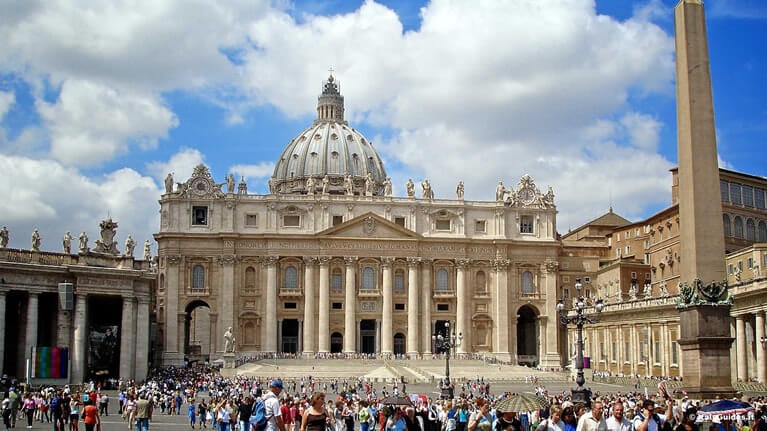
Morning (9:00 AM): Vatican Museums & Sistine Chapel
The Vatican Museums contain one of the greatest art collections in the world – and lead directly to the Sistine Chapel. Book tickets well in advance; this is the single most visited museum in Italy and queues without a booking can reach 2-3 hours. Early-morning entry (8 AM first slot) is the least crowded.
The Sistine Chapel ceiling; Michelangelo’s Genesis narrative, painted 1508-1512, is extraordinary. While you might need to keep moving, it’s recommended that you take a moment aside and absorb the scale of this architectural marvel properly.
St. Peter’s Basilica entry is free (separate from the museum ticket). The dome climb (€6) gives a view straight down into the nave and across Rome’s rooftops.
Afternoon (1:00 PM): Trevi Fountain & Spanish Steps
Walk east from the Vatican across the Tiber to the Trevi Fountain – Nicola Salvi’s Baroque masterpiece, built in 1762. It’s crowded; go anyway. Throw a coin over your shoulder into the water (the tradition, per the legend, guarantees a return to Rome).
Have lunch nearby at Colline Emiliane on Via degli Avignonesi – old-school Bolognese cuisine in a city where Roman pasta dominates. The tortellini in brodo (pasta in broth) is worth making a detour for.
Then walk north to the Spanish Steps for the late afternoon. Less about the steps themselves, more about the neighbourhood below them, Via Condotti and Via del Babuino for window shopping, and the Piazza di Spagna for people-watching.
Evening (6:00 PM): Borghese Gallery & Aperitivo
If you pre-booked (required; they only admit 360 people per 2-hour slot), the Borghese Gallery is one of the most concentrated collections of Bernini sculpture anywhere. His Apollo and Daphne (1622-1625) is considered the greatest marble sculpture of the baroque period.
For a final Rome evening, drink an Aperol Spritz on the terrace of a bar in the Prati neighbourhood (the residential area west of the Vatican) and have dinner at Il Sorpasso on Via Properzio, modern Roman cuisine in a room full of locals.
Day 11: Monaco & the French Riviera
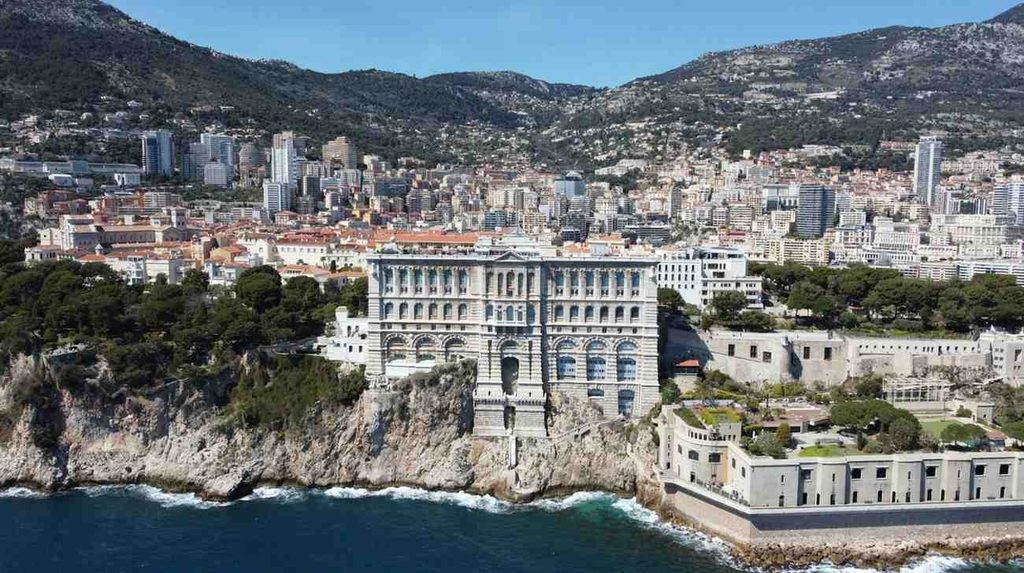
Morning (8:00 AM): Drive to Monaco
The drive from Rome to Monaco is about 5.5-6 hours via the A10. It’s a long one, but the final stretch along the Ligurian and Riviera coast from Genoa westward makes it worth the early start.
Practical tip: Monaco is tiny (2 km²) and does not have camping. Park your campervan at a campsite in Menton (France) – just 10 km east – and travel into Monaco by bus or on foot. Camping St Michel in Menton is well-located.
Afternoon (12:00 PM): Monaco Harbour & Monte-Carlo
Monaco punches above its weight on spectacle. The Port Hercule (the harbour) holds a rotating exhibition of superyachts and is free to walk around. The Casino de Monte-Carlo is the most famous in the world; entry to the gaming rooms requires a fee and a passport (dress code enforced). The casino square (Place du Casino) and surrounding architecture are worth seeing even if you don’t gamble.
Walk up to the Palais Princier (Prince’s Palace) on the Rock for a view over the harbour and the surrounding coast. The palace is open for tours.
For lunch, try Café de Paris on the casino square, touristy but genuinely good for a croque-monsieur or salade niçoise on a terrace in the sun.
Evening (5:00 PM): Nice & Promenade des Anglais
Drive 20 minutes west to Nice. Walk the Promenade des Anglais in the late afternoon – the 7 km seafront boulevard is one of the great European promenades, lined with belle époque hotels and a pebbly beach where locals swim year-round.
Wander into the Vieux-Nice (Old Town) for dinner, a dense maze of Baroque façades, market stalls, and restaurants. Try Chez Pipo on Rue Bavastro for socca (a thick chickpea-flour flatbread, baked in a wood-fired oven – the signature snack of Nice) followed by a proper salade niçoise (with anchovies, hard-boiled egg, tuna, and olives, as it should be made).
Day 12: Barcelona, Spain
Morning (8:00 AM): Drive to Barcelona
The drive from Nice (or Menton) to Barcelona runs about 5 hours along the A8/AP-7 motorway through the French Riviera coast, then south past Perpignan and along the Costa Brava before arriving in Barcelona.
Park at Camping Barcelona in Gavà Mar (20 km south of the city centre) or Camping Masnou to the north, both have good transport connections into the city.
Head directly to La Sagrada Família, Gaudí’s unfinished basilica and the most visited monument in Spain. It’s been under construction since 1882 and is now past the halfway point toward completion. The interior, flooded with coloured light from the stained glass windows, is unlike any church in the world. Book tickets online at least 2-3 weeks in advance. Tower access is an additional ticket.
Practical tip: The Nativity façade (east side) is Gaudí’s original work from the 19th century; the Passion façade (west) was completed later. The Nativity side is the more intricate of the two.
Afternoon (1:00 PM): Park Güell & Gràcia Neighbourhood
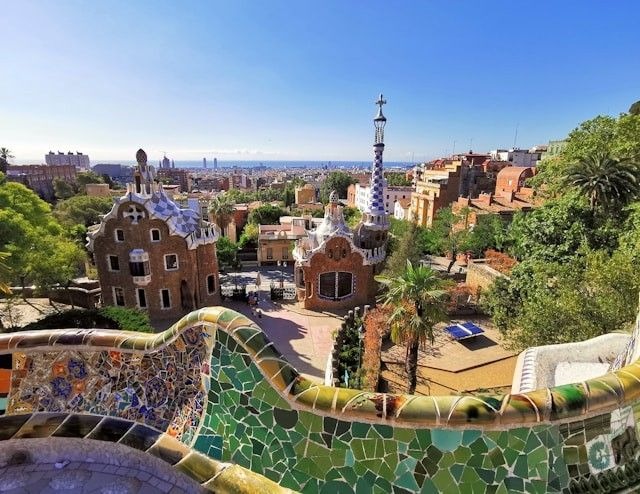
You can walk or taxi to Park Güell, Gaudí’s mosaic terrace park on a hillside above the city. The main terrace (ticketed; book online) is the most famous section, but the free wooded paths around the park are also worth walking. Views over the city and harbour from the terrace are excellent, which makes it a must-have on your 14-day Europe itinerary.
For lunch, come down into the Gràcia neighbourhood at the base of the hill – an area of small plazas, independent cafés, and local restaurants. Try La Pepita on Carrer de Còrsega for pan con tomate (bread rubbed with tomato and olive oil; the Catalan staple) and a platter of Iberian charcuterie, including sliced jamón ibérico.
Evening (7:00 PM): Gothic Quarter & Dinner at El Born
In the evening, you can take a walk south through the Gothic Quarter (Barri Gòtic), the original Roman city of Barcino is still visible in fragments of wall and column amid the medieval streets. The Barcelona Cathedral and the remains of the Temple d’August (free to visit) are the highlights.
Cross into the El Born neighbourhood for dinner. Try Bar del Pla on Carrer de la Montcada for excellent Catalan small plates: the croquetes de pernil (ham croquettes) and the patatas bravas (fried potatoes with spicy sauce) are both excellent. Order a glass of local Penedès white wine alongside.
Day 13: Girona & the Costa Brava, Spain
Morning (9:00 AM): Drive to Girona
Girona is 100 km north of Barcelona, an easy one-hour drive on the AP-7. It’s one of the most underrated medieval cities in Spain, and significantly less crowded than Barcelona.
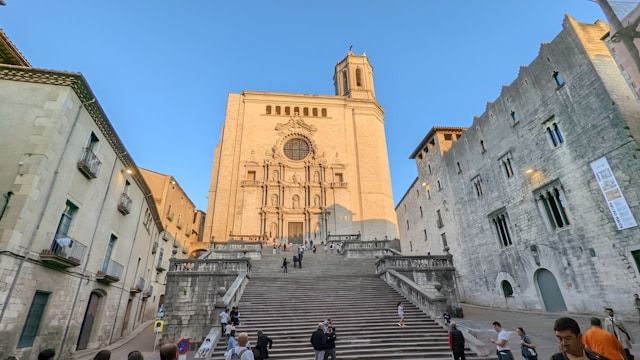
Walk the city walls that ring the old town (free, fully accessible, views over the orange-tiled rooftops). Then visit the Girona Cathedral, which is considered the widest Gothic nave in the world. The cathedral steps leading up from the Plaça de la Catedral are recognizable to Game of Thrones fans; this was King’s Landing in several seasons.
Practical tip: Girona’s old town is small enough to cover on foot in 2-3 hours. Don’t rush – sit at a café on the Rambla de la Llibertat and watch the city.
Afternoon (12:00 PM): Dalí Theatre-Museum in Figueres
Drive 38 km north to Figueres for the Dalí Theatre-Museum, the most visited museum in Spain after the Prado. Salvador Dalí designed this building himself as a total artwork and is buried in the crypt beneath the stage. It’s genuinely bizarre and worth every minute.
For lunch in Figueres, try Restaurant El Motel (formally known as Hotel Empordà) – one of the founding restaurants of modern Catalan cuisine. The escalivada (roasted peppers, aubergine, and onion with olive oil) is the perfect Catalan starter.
Evening (4:00 PM): Costa Brava Cliffs
Drive 30 minutes east to the Costa Brava coast – the stretch of rocky coves, pine forests, and clear water that runs from Blanes north to the French border. The most dramatic section is around Cap de Creus (the easternmost point of the Iberian Peninsula) and the coves near Cadaqués.
Spend the late afternoon at Cala Mesquida or Cala Montjoi: a set of small, accessible beaches with deep blue water backed by pine-covered cliffs.
This is the kind of coastline that doesn’t make it into the Barcelona travel guides but stays in your memory longer than the Sagrada Família, making it one of the major highlights of any Europe itinerary 14 days long.
Park your campervan overnight in the Cadaqués area, the town itself is car-free, but campgrounds on the approach roads are easy to find.
Day 14: Farewell Barcelona, Spain
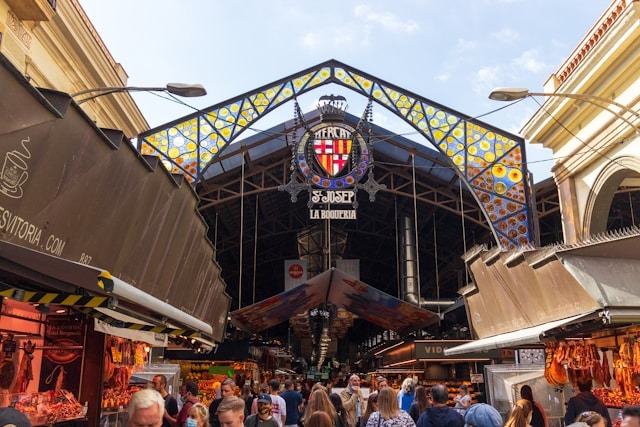
Morning (9:00 AM): La Barceloneta & the Beach
Drive back to Barcelona (2 hours from Cadaqués). Today is for slowing down.
Head to La Barceloneta, the neighbourhood that grew up between the old city and the sea, now anchored by the city’s main urban beach. It’s a wide, sandy stretch with good swimming. Arrive by 10 AM to claim a good spot before it fills up.
Walk the Passeig Marítim (the seafront promenade) north from Barceloneta toward the Port Olímpic, built for the 1992 Olympics. Frank Gehry’s giant fish sculpture (El Peix) is a landmark.
Afternoon (12:00 PM): Mercat de la Boqueria
A final visit to La Boqueria, the city’s covered market on Las Ramblas for a late-morning browse. It’s touristy, yes, but the quality of what’s on the stalls (the seafood, the fresh fruit, the jamón counters) is the real thing. Buy provisions for the road if you’re continuing, or have a final lunch at one of the market’s bars.
For a proper last lunch, Bar Cañete on Carrer de la Unió (just off Las Ramblas) is outstanding: order the croquetes de bacallà (salt cod croquettes), gambas al ajillo (prawns with garlic), and a glass of Priorat red.
Evening (6:00 PM): El Born & Final Dinner
Return the campervan or prepare for drop-off. Then return to the city for a final evening in El Born, the neighbourhood that has become Barcelona’s most interesting for food and design over the past decade.
Have a last drink at El Xampanyet on Carrer de Montcada, one of Barcelona’s oldest cava bars, run by the same family since 1929. Order a glass of house cava and a plate of boquerones (anchovies in vinegar).
Finish with dinner at Espai Mescladís on Carrer dels Carders, a social enterprise restaurant that sources locally and serves excellent Catalan-Mediterranean food. Try the crema catalana (the original, predating crème brûlée) for dessert.
Exploring Europe’s Regions: Alternative Itineraries
The Western Mediterranean arc above is one of many ways to structure a 14 day Europe itinerary. Here are two alternative routes worth considering, each targeting different regions and travel styles.
14-Day Northern Europe Itinerary
- Days 1-2: Amsterdam, Netherlands – Canal cycling, Rijksmuseum, Anne Frank House
- Days 3-4: Berlin, Germany – Brandenburg Gate, East Side Gallery, Kreuzberg street food scene
- Day 5: Dresden, Germany – Zwinger Palace, Frauenkirche, riverside old town
- Days 6-7: Prague, Czech Republic – Old Town Square, Prague Castle, Josefov Quarter
- Days 8-9: Vienna, Austria – Schönbrunn Palace, Naschmarkt, Kunsthistorisches Museum
- Days 10-11: Budapest, Hungary – Buda Castle, thermal baths, ruin bars
- Days 12-13: Salzburg, Austria & Bavarian Alps – Mozart’s birthplace, Berchtesgaden National Park
- Day 14: Munich, Germany – English Garden, Marienplatz, Deutsches Museum
14-Day Coastal Mediterranean Itinerary
- Days 1-2: Nice, France – Promenade des Anglais, Vieux-Nice, Èze village
- Day 3: Monaco – Monte-Carlo Casino, Prince’s Palace, Port Hercule
- Days 4-5: Genoa & Portofino, Italy – Carruggi (historic alleys), Portofino harbour
- Days 6-7: Rome, Italy – Colosseum, Vatican, Trastevere
- Days 8-9: Naples & Amalfi Coast, Italy – Pompeii, Positano, Ravello
- Days 10-11: Palermo, Sicily – Street food markets, Baroque churches, Mondello beach
- Days 12-13: Cagliari, Sardinia – Poetto beach, Castello quarter, archaeological museum
- Day 14: Barcelona, Spain – Closing loop by ferry from Civitavecchia or flight from Cagliari
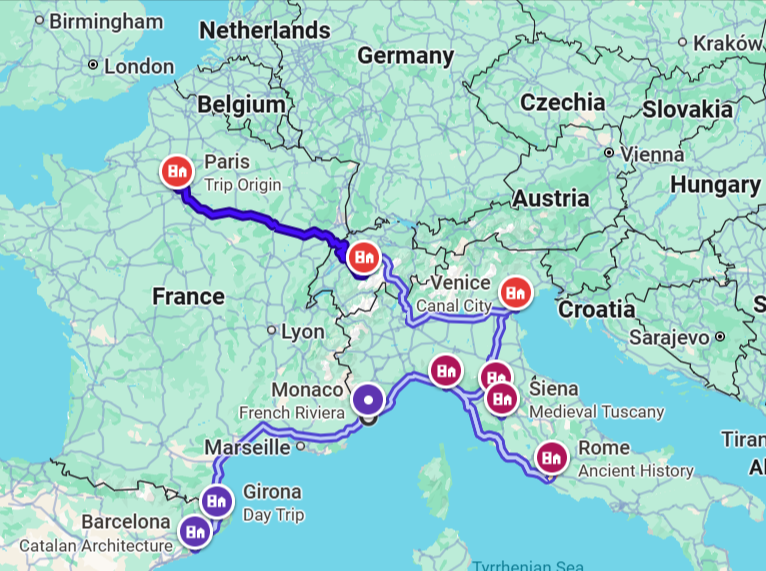
Map of Your 14-Day Europe Itinerary
Budgeting for Your Trip: How Much Is a Trip to Europe for 2 Weeks?
A Europe itinerary 2 weeks long can fit a wide range of budgets. Renting a campervan through Indie Campers replaces hotel costs entirely – you’re paying for campground fees (€15-40/night) rather than city hotels (€80-200+/night). That single change makes mid-range travel significantly more affordable.
Here’s a realistic breakdown:
| Category | Budget | Mid-Range | High-End |
| Accommodation | €15-25/night | €25-45/night | N/A (hotels) |
| Food & Drink | €20-35/day | €40-65/day | €90+/day |
| Attractions | €10-20/day | €25-40/day | €60+/day |
| Transport/Fuel | €30-50/day (campervan) | €40-60/day | €70+/day |
| Daily Total | €75-130 | €130-210 | €220+ |
| 14-Day Total | ~€1,050-1,820 | ~€1,820-2,940 | ~€3,080+ |
- Budget Traveler: Cook most meals from supermarkets, stay at well-located campgrounds, stick to free attractions (walking cities, public viewpoints, free museum days) and one or two paid highlights per city. A budget of ~€1,400 per person for 14 days is achievable.
- Mid-Range Traveler: Mix of dining out (lunch at local restaurants, occasional dinner) and cooking breakfasts and some dinners in the campervan. Pay for major attractions (Uffizi, Colosseum, Vatican). Budget ~€2,000-2,500 per person for 14 days.
- High-End Traveler: Eat out for every meal, private tours, skip-the-line access to all sites, premium campsites or occasional boutique hotel nights. Budget €3,500+ per person for 14 days.
Plan Your Dream Europe Trip with Indie Campers
The most practical decision you can make for a Europe itinerary 2 weeks is sorting your transport and accommodation in a single booking. That’s exactly what a campervan rental from Indie Campers does.
With over 7,000 vehicles across 80+ locations in Europe, we offer one-way RV rentals and motorhomes between cities, so you can pick up in one location seamlessly, without backtracking. Unlimited mileage on company-owned vehicles means no anxiety about daily kilometre caps on a long route like this. Flexible cancellation (up to 31 days before pick-up) and “book now, pay later” (full payment due only 30 days before pick-up) options further make it easier to commit early without a large upfront cost.
Whether you’re travelling as a couple, a family, or a small group, the fleet covers compact two-berth campervans through to larger motorhomes. This is the most ideal transport setup built for a trip like this.
So what are you waiting for? Book your campervan and kickstart an adventurous Europe trip now!
14-Day Europe Itinerary: Your Final Planning Recap
| Category | Details |
| Best Time to Go | Spring (April-June) is the best time to plan a Europe itinerary 14 days long. It is during this time that Europe mainly has warm weather, manageable crowds and mid-range prices for most trips and activities. |
| Recommended Budget | €1,400-€2,500 per person for 14 days |
| Cities to Visit | Paris (2 days), Interlaken (1 day), Venice (2 days), Florence (1 day), Tuscany (1 day), Cinque Terre (1 day), Rome (2 days), Nice/Monaco (1 day), Barcelona (2 days), Girona/Costa Brava (1 day) |
| Best Restaurants | All’Arco: Venice (cicchetti); Da Enzo al 29: Rome (cacio e pepe); Bar Cañete: Barcelona (seafood tapas); Le Relais de la Butte: Paris (classic French) |
| What to Visit? | Day 1: Eiffel Tower, Montmartre / Day 4: St. Mark’s Square, Rialto / Day 6: Uffizi, Ponte Vecchio / Day 9: Colosseum, Roman Forum / Day 12: Sagrada Família, Park Güell |
| Recommended Transport | Campervan rental; it combines accommodation and transport, supports one-way routing |
| Total Distance | Approx. 2,900 km (1,800 miles) Paris to Barcelona |
| Must-Try Foods | Paris: croque-monsieur, onion soup / Venice: cicchetti, bigoli in salsa / Florence: bistecca alla Fiorentina / Rome: cacio e pepe / Barcelona: pan con tomate, crema catalana |
| Accommodation | Campgrounds: €15-45 per pitch per night |
| Perfect For | Couples, first-time visitors, and road-trip enthusiasts wanting culture, food, and coastal scenery across Western Europe |
FAQs About Europe Itinerary 2 Weeks Long
How much is a trip to Europe for 2 weeks?
A Europe itinerary 2 weeks long costs approximately €1,400-€2,500 per person at a mid-range budget; covering a campervan rental or accommodation, food, fuel, and major attractions. Budget travellers spending closer to €75-100/day can complete the trip for around €1,050-1,400 per person. High-end travellers eating out every meal and taking private tours can expect €3,500 or more. Flights to and from Europe are additional costs.
Is 14 days enough to see Europe?
Yes, a Europe itinerary 2 weeks long is enough to visit multiple countries and experience a genuinely varied cross-section of the continent. A focused route like Paris → Switzerland → Italy → Spain covers 4 countries and 7 destinations without feeling rushed. The above 14 day Europe itinerary is structured specifically to make that pace feel comfortable rather than frantic.
What are the top 3 places to visit in Europe for first-timers?
For first-timers, the top three places to visit in Europe are Rome (2,500 years of history in a walkable city), Paris (architecture, food, and art at its most concentrated), and Barcelona (Gaudí, coastline, and one of the world’s great food cultures). All three appear on this Europe itinerary 2 weeks-long route, which is built with first-time visitors specifically in mind. Each city offers a full 1-2 days of sightseeing without rushing.
What is the most beautiful spot in Europe?
The most beautiful spot in Europe is, by wide consensus, the Amalfi Coast in southern Italy – dramatic cliffs, coloured fishing villages, and deep-blue water in one frame. Strong runners-up include Cinque Terre on the Ligurian coast (which features on this itinerary) and the Val d’Orcia in Tuscany (also on this route). Both are UNESCO World Heritage landscapes and deliver the kind of scenery that tends to end up as a desktop background.
What is the best way to travel in Europe for 14 days?
The best way to travel in Europe for 14 days is by renting a campervan, particularly on a multi-country route like Paris to Barcelona. It combines transport and accommodation into one cost, removes airport waits, and gives you the flexibility to stop at Tuscany viewpoints or coastal coves that aren’t accessible by train. Indie Campers operates one-way rentals across 80+ European locations, which you can pick up in one city and drop off in another. Trains work for city-pair hops but lock you into fixed schedules and miss the landscapes between stops.
How do I avoid tourist traps in Europe?
The best way to avoid tourist traps in Europe is to eat one street back from the main sights, use Google Maps reviews filtered to the last 6 months, and look for restaurants with menus written only in the local language. At the Rialto Market in Venice, at Boqueria in Barcelona, and at any market in Rome, food quality is highest at stands with locals queuing rather than at the ones closest to the entrance. Booking attractions in advance also removes the desperation of needing to buy from the first café you see after a long queue.
Do I need a visa to travel across Europe for 2 weeks?
This is an important consideration when planning your Europe itinerary for 2 weeks. Visitors from the US, Canada, Australia, UK, and most other non-EU countries do not need a visa for short-stay tourism in the Schengen Area (which covers most of Western and Central Europe) for trips of up to 90 days within any 180-day period. From 2025, US and other non-EU citizens will need to register through the ETIAS (European Travel Information and Authorization System) before travel – this is a simple online process, not a visa application, and costs €7. Always check the specific requirements for your nationality before travelling.
What’s the best way to plan a Europe road trip on a budget?
The best way to plan a budget Europe itinerary 2 weeks long is to rent a campervan and stay at campgrounds rather than hotels. This single decision can cut your daily accommodation cost from €80-200 per night to €15-40. Cook breakfasts and lunches from supermarket provisions, reserve paid meals for dinner at locally-recommended spots. Use a Cinque Terre Card or similar city/region passes to bundle transport and attraction entry. Book museum tickets and major attractions online in advance, as it’ll help you avoid queuing fees and same-day premium charges.
Is Europe safe for solo travellers?
Yes, Europe is considered one of the safest regions in the world for solo travel – including for solo female travellers. Standard urban precautions apply in busy tourist areas (Barcelona’s Las Ramblas, Rome’s Termini station): keep bags secure, avoid obvious phone distraction in crowds, and use ATMs inside banks rather than on the street. The countries on this 14 day Europe itinerary route: France, Switzerland, Italy, and Spain – all rank consistently in the upper tier of global safety indices. Travelling by campervan adds a layer of flexibility and self-sufficiency that many solo travellers find reassuring.