Key Takeaways
Planning the perfect Chicago 3 day itinerary can feel like a huge task, but this guide makes it easy. The Windy City is packed with amazing architecture, world-class museums, delicious food, and beautiful lakefront views. Whether you’re here for the art, the history, or the deep-dish pizza, three days is just enough time to experience the best of what Chicago has to offer.
Here’s a quick look at what’s ahead:
- Top Highlights: Explore Millennium Park and “The Bean,” take an architecture cruise on the Chicago River, see the city from the top of the Willis Tower, and wander through the Museum Campus.
- Must-Try Food: You can’t leave without trying a Chicago-style deep-dish pizza, a classic Chicago hot dog, and Garrett’s famous cheddar and caramel popcorn mix.
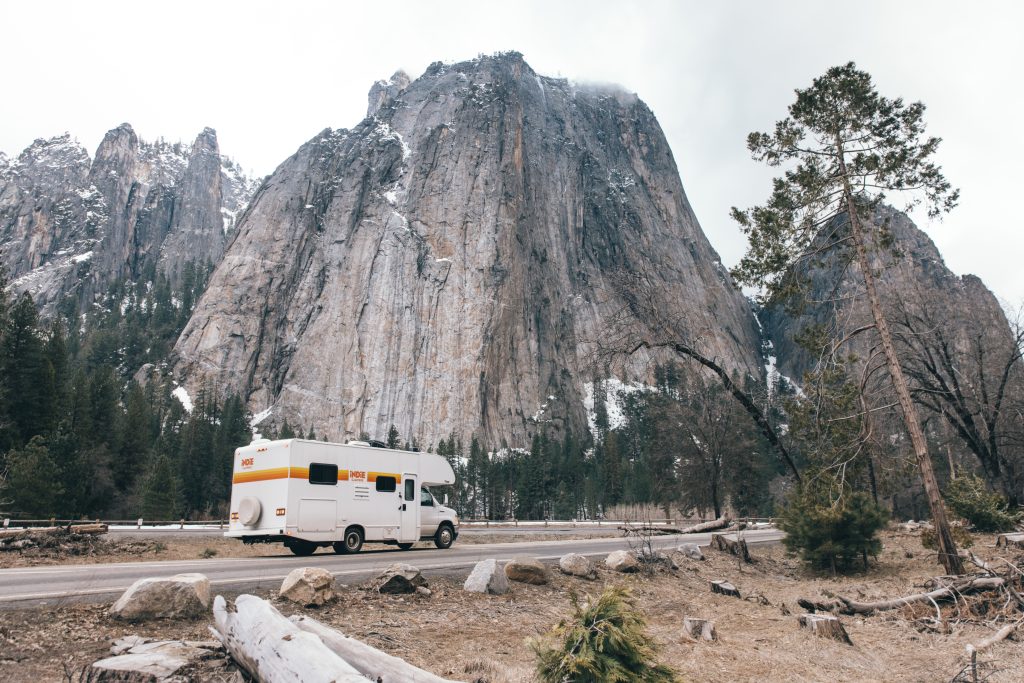
- Where to Stay: For total freedom, rent an RV in Chicago with Indie Campers. You’ll have a comfortable home on wheels, letting you explore the city and its beautiful surroundings at your own pace.
- Getting Around: Chicago is a very walkable city, but its public transit system (the ‘L’ train and buses) is excellent for covering longer distances. A Ventra card is your key to easy travel.
- Best Time to Visit: Late spring (May-June) and early fall (September-October) offer pleasant weather and fewer crowds than the busy summer months.
Get ready to explore iconic landmarks, eat fantastic food, and make some great memories.
Chicago 3 Day Itinerary: At a Glance
| Day | Theme | Top Highlights |
|---|---|---|
| 1 | Downtown & Architectural Wonders | Millennium Park (The Bean), Maggie Daley Park, Art Institute of Chicago, Chicago Riverwalk, Architecture River Cruise. |
| 2 | Sky-High Views & Museum Hopping | Willis Tower (Skydeck), Museum Campus (Shedd Aquarium, Field Museum, Adler Planetarium), Northerly Island. |
| 3 | Neighborhood Charm & Lakefront Fun | Lincoln Park (Zoo & Conservatory), North Avenue Beach, Wicker Park, trying deep-dish pizza and a Chicago-style hot dog. |
Why You’ll Love a 3 Day Trip to Chicago
Chicago is a city that captures your imagination from the moment you arrive. Its skyline isn’t just a collection of tall buildings; it’s a living museum of architectural history, with each skyscraper telling a story. Situated on the shores of Lake Michigan, the city offers a unique blend of urban energy and natural beauty. You can spend your morning admiring masterpieces at a world-class museum and your afternoon relaxing on a sandy beach.
A trip here is an adventure for all the senses. You’ll hear the rumble of the ‘L’ train overhead, a sound as iconic as the city itself. As you explore, unforgettable flavors await, from gourmet dining in the West Loop to the simple perfection of a hot dog loaded with toppings. And along the way, you’ll feel both the buzz of the crowds on Michigan Avenue and the peaceful calm of a stroll through Lincoln Park. Chicago has a friendly, down to earth vibe that makes you feel welcome, inviting you to explore its diverse neighbourhoods, each with its own distinct character. This Chicago itinerary 3 days guide will help you discover it all.
Best Time to Visit Chicago
Chicago is a city of four distinct seasons, each offering a different experience. Choosing the right time to visit can shape your entire trip.
Spring (April to May)
- Why go: Spring is a beautiful time in Chicago as the city thaws and comes back to life. Tulips bloom along Michigan Avenue, and the parks turn green again. The weather is mild, perfect for walking and exploring without the summer humidity. It’s a great time to catch a Cubs or White Sox game as baseball season kicks off.
- What to expect: Temperatures can be unpredictable, so pack layers. You might have a warm, sunny day followed by a cool, rainy one. Crowds are manageable before the summer rush begins.
Summer (June to August)
- Why go: Summer is peak season for a reason. The weather is warm, the lake is inviting, and the city is buzzing with energy. It’s the time for outdoor music festivals like Lollapalooza, street fairs in every neighborhood, and long days spent at the beach or on a rooftop patio.
- What to expect: Expect warm to hot and sometimes humid weather. This is the busiest time of year, so attractions will be crowded, and accommodation prices will be at their highest. Book well in advance.
Fall (September to October)
- Why go: Many locals will tell you this is the best time of year in Chicago. The summer heat and crowds fade away, leaving behind crisp, pleasant weather and beautiful fall colors in the parks. It’s ideal for sightseeing, enjoying the architecture, and maybe even catching a Bears game.
- What to expect: The weather is generally sunny and comfortable, though it gets cooler in October. It’s a popular time for conventions, so hotel prices can still be high.
Winter (November to March)
- Why go: If you don’t mind the cold, winter in Chicago has its own magic. The city is festive during the holidays, with the Christkindlmarket, ice skating in Millennium Park, and beautiful lights along the Magnificent Mile. You’ll also find the lowest prices and smallest crowds at major museums and attractions.
- What to expect: It’s cold. Very cold. Expect snow and freezing temperatures, especially in January and February. Pack a warm coat, hat, gloves, and waterproof boots. Many outdoor activities, like the architecture boat tours, are closed for the season.
How to Get Around the City
Navigating Chicago is surprisingly easy. The city was designed on a grid system, which makes it simple to find your way around. While some areas are very walkable, you’ll want to use public transportation to make the most of your time.
Chicago Transit Authority (CTA)
The ‘L’ Train
The CTA operates Chicago’s famous “L” trains, named because much of the track is elevated. The color-coded lines connect the downtown Loop with neighborhoods across the city and both major airports (O’Hare via the Blue Line and Midway via the Orange Line).
Buses
CTA buses cover areas where the train doesn’t go, creating a very complete network across north-south and east-west corridors. They’re reliable and easy to use.
Ventra Card
To use the CTA, get a Ventra Card at any ‘L’ station kiosk. You can load money as you go or purchase 1 day, 3 day, or 7 day unlimited-ride passes, great value if you’ll use transit often.
Walking
Downtown Chicago, especially the Loop and River North, is highly walkable. Many top attractions on Day 1 of this itinerary are within walking distance.
Rideshare & Taxis
Uber, Lyft, and traditional taxis are widely available throughout the city. They’re convenient but more expensive than public transportation.
Divvy Bikes
Chicago’s bike-share program, Divvy, has stations all over the city. Renting a bike is a fun way to explore the lakefront trail or specific neighborhoods on a nice day.
Water Taxis
From May to September, water taxis operate along the Chicago River and out to the Museum Campus. They’re a scenic, enjoyable alternative to buses or trains.
The Ultimate Chicago 3 Day Itinerary
Ready to dive into the Windy City? This plan is packed with the best sights, sounds, and flavors, giving you a perfect introduction to Chicago.
Day 1: Downtown Icons and River Views
Your first day is all about getting to know the heart of Chicago. You’ll explore iconic public art, world-class museums, and the stunning architecture that defines the city.
Morning: Millennium Park & The Art Institute
Start your day in Millennium Park, the city’s modern town square. Your first stop is the famous Cloud Gate sculpture, affectionately known as “The Bean.” Walk under and around it to see the distorted reflections of the city skyline. It’s a must-do photo op. Nearby, you’ll find the interactive Crown Fountain, with its two 50-foot glass towers displaying the faces of Chicagoans.
From there, head to Maggie Daley Park, connected to Millennium Park by a pedestrian bridge. It’s a whimsical space with a climbing wall, mini-golf, and a quarter-mile-long ice-skating ribbon in the winter.
Next, it’s time for one of the best museums in the world. The Art Institute of Chicago is located right at the edge of Millennium Park. You could spend a whole day here, but with a few hours, you can see the highlights. Don’t miss the incredible collection of Impressionist paintings, including works by Monet and Renoir. Be sure to find iconic American masterpieces like Grant Wood’s American Gothic and Edward Hopper’s Nighthawks. The Modern Wing, designed by Renzo Piano, is an architectural highlight in itself.
Afternoon: The Chicago Riverwalk & Architecture Cruise
After a morning of art, it’s time to experience the feature that physically shapes downtown Chicago: the river. Make your way to the Chicago Riverwalk, a pedestrian path that runs along the south bank of the river. It’s a fantastic place for a stroll, with waterfront cafes, bars, and incredible up-close views of the city’s famous bridges and buildings.
The absolute best way to appreciate Chicago’s architecture is from the water. Book an Architecture River Cruise. These 75- to 90-minute tours are led by knowledgeable guides who bring the city’s history to life. You’ll learn about the Great Chicago Fire of 1871 and how it paved the way for a new era of construction. You’ll see famous buildings like the Wrigley Building, the Tribune Tower, Marina City’s “corn cob” towers, and the Willis Tower. It’s consistently rated as one of the top experiences in Chicago, and for good reason.
Evening: River North and a Show
After your cruise, you’ll be in the lively River North neighborhood. This area is packed with restaurants, art galleries, and nightlife. Find a spot for dinner to refuel after a busy day of exploring.
If you have the energy, consider catching a show. The Chicago Theatre, with its iconic marquee, is a beautiful historic venue that hosts concerts and comedy acts. You can also check out what’s playing at one of the city’s many acclaimed storefront theaters or see a Broadway in Chicago production.
Day 2: Museum Campus and Sky-High Perspectives
Day two takes you from the depths of the ocean to the top of the city. You’ll spend your day at the Museum Campus, a beautiful lakefront park that’s home to three of Chicago’s premier museums, and end with a breathtaking view from one of the world’s tallest buildings.
Morning: Museum Campus Exploration
Take a bus or a water taxi down to the Museum Campus. Your first stop is the Shedd Aquarium. Home to over 32,000 aquatic animals, the Shedd is a fantastic experience. Walk through the Caribbean Reef, a circular tank that makes you feel like you’re underwater. Watch the beluga whales and dolphins at the Abbott Oceanarium, which has stunning views of Lake Michigan. Be sure to visit the polar play zone and see the penguins.
Right next door is The Field Museum, a natural history museum of epic proportions. You’ll be greeted by “Máximo,” a cast of the largest dinosaur ever discovered, in the main hall. The museum’s most famous resident is “SUE,” one of the largest and most complete T. rex skeletons in the world. You can also explore ancient Egyptian tombs, marvel at glittering gems, and learn about cultures from around the globe.
Pro-Tip: The Museum Campus is huge. Don’t try to do everything at all three museums. Pick one to explore in-depth (like the Shedd) and then maybe see just the main highlights at the other (like SUE at the Field Museum).
Afternoon: Stargazing and City Views
The third museum on the campus is the Adler Planetarium, America’s first planetarium. It offers fascinating shows about space and astronomy. Even if you don’t go inside, walk out to the end of the peninsula it sits on. This spot offers what is arguably the best panoramic view of the Chicago skyline. It’s the classic postcard shot.
After your museum adventures, head back toward the Loop. It’s time to see the city from above. The Willis Tower (which many locals still call the Sears Tower) was once the tallest building in the world. Take the high-speed elevator up 103 floors to the Skydeck. On a clear day, you can see for up to 50 miles across four states. For the brave, step out onto The Ledge, a series of glass boxes that extend out from the side of the building, offering a dizzying view 1,353 feet straight down.
Evening: Dinner in the West Loop
From the Willis Tower, you’re just a short walk or cab ride away from the West Loop. This former industrial area is now Chicago’s trendiest dining neighborhood. Randolph Street, known as “Restaurant Row,” is lined with some of the city’s best and most innovative restaurants. Whether you’re looking for a Michelin-starred meal or a casual but delicious bite, you’ll find it here. It’s the perfect place to have a memorable dinner to cap off your second day.
Day 3: Neighborhoods, Parks, and Classic Eats
For your final day, you’ll venture out of the downtown core to explore some of Chicago’s beloved neighborhoods, enjoy its largest park, and sample some essential local foods. This part of your Chicago 3 day itinerary gives you a feel for what it’s like to be a local.
Morning: Lincoln Park Zoo & Conservatory
Start your day in Lincoln Park, a massive green space on the city’s North Side. Your main destination is the Lincoln Park Zoo, one of the oldest zoos in the country and one of the last remaining free-admission zoos. It’s a beautifully maintained zoo with a wide variety of animals, from lions and tigers to apes and penguins.
Right next to the zoo is the Lincoln Park Conservatory, a Victorian-era glass house filled with tropical plants and flowers. It’s a warm, peaceful escape no matter the season. After exploring, take a walk around the South Pond to see the Nature Boardwalk and its iconic honeycomb-like pavilion, which offers great views back toward the skyline.
Afternoon: North Avenue Beach & Wicker Park
From Lincoln Park, it’s a short walk to North Avenue Beach. This is one of Chicago’s most popular beaches, and it offers incredible views of the skyline looking south. In the summer, it’s packed with people playing volleyball and enjoying the sun. Even in cooler weather, it’s worth a visit just for the photo opportunity.
Next, hop on a bus or the ‘L’ train and head west to Wicker Park. This neighborhood is known for its cool, artsy vibe. The main intersection of North, Damen, and Milwaukee Avenues is a hub of activity. Spend some time exploring the independent boutiques, record stores, and vintage shops. Grab a coffee at a local cafe and enjoy the people-watching.
Evening: The Great Food Debate & Farewell
You can’t leave Chicago without trying its two most famous foods. For your final evening, it’s time to pick a side in the great food debate.
- Deep-Dish Pizza: This is Chicago’s most famous culinary contribution. It’s a thick, hearty pie with a crunchy crust, a layer of cheese, your chosen toppings, and a rich layer of tomato sauce on top. Famous spots include Lou Malnati’s, Giordano’s, Pequod’s, and Pizzeria Uno. Be prepared to wait, as these pizzas take about 45 minutes to bake.
- Chicago-Style Hot Dog: The perfect Chicago dog is an all-beef hot dog on a poppy seed bun, “dragged through the garden” with yellow mustard, chopped white onions, bright green sweet pickle relish, a dill pickle spear, tomato slices, pickled sport peppers, and a dash of celery salt. The one rule: no ketchup! You can find them at stands all over the city, with Portillo’s being a popular and reliable choice.
Choose your culinary adventure for your farewell dinner and reflect on an amazing three days in the Windy City.
What and Where to Eat in Chicago
Chicago is a food lover’s paradise. Beyond deep-dish pizza and hot dogs, you’ll find a diverse culinary scene with something for every palate and budget.
- Deep-Dish Pizza: For the classic experience, head to Lou Malnati’s for its famous buttercrust or Pequod’s for its caramelized cheese crust.
- Chicago-Style Hot Dog: Portillo’s is a Chicago institution and a great place for your first Chicago dog. For a more local feel, try The Wieners Circle (just be prepared for some late-night sass from the staff).
- Italian Beef Sandwich: Another Chicago classic. It’s thinly sliced beef, simmered in au jus, and served on a roll. Get it “dipped” for extra flavor. Al’s #1 Italian Beef and Portillo’s are top contenders.
- Garrett Popcorn: The “Garrett Mix” (a blend of cheddar and caramel popcorn) is a dangerously addictive snack. You’ll see people carrying the signature blue-striped tins all over town.
- Neighborhood Gems: Explore different neighborhoods for diverse flavors. Find authentic Mexican food in Pilsen, amazing dim sum in Chinatown, and traditional Swedish dishes in Andersonville.
- Fine Dining: For a special occasion, the West Loop and River North are home to many of the city’s Michelin-starred and celebrity-chef restaurants.
Budgeting for Your Trip
Your budget for three days in Chicago can vary widely depending on your travel style. Here’s a general idea of what to expect per person, per day:
| Category | Budget | Mid-Range | High-End |
|---|---|---|---|
| Accommodation | $100 to $175 | $175 to $300 | $300+ |
| Food & Drink | $50 to $75 | $80 to $150 | $150+ |
| Attractions & Activities | $30 to $50 | $60 to $100 | $100+ |
| Transportation (CTA) | $10 | $10 | $20+ (with rideshare) |
| Daily Total Estimate | $190 to $310 | $325 to $560 | $470+ |
- Budget Traveler: Stay in a hostel or a budget hotel outside the downtown core. Eat at casual spots like hot dog stands and pizza-by-the-slice joints. Take advantage of free attractions like Lincoln Park Zoo and Millennium Park.
- Mid-Range Traveler: Stay in a comfortable hotel in a neighborhood like Lincoln Park or River North. Enjoy a mix of casual meals and nicer sit-down dinners. Visit several paid attractions.
- High-End Traveler: Stay at a luxury hotel on the Magnificent Mile or in the Loop. Enjoy fine dining, take private tours, and don’t worry about entrance fees.
Where to Stay in Chicago
Choosing the right neighborhood to stay in can greatly enhance your trip.
- The Loop: Best for first-time visitors who want to be in the center of it all. You’ll be within walking distance of Millennium Park, the Art Institute, and the theater district.
- River North: Great for those who love nightlife, art galleries, and dining. It’s a vibrant, upscale area with many hotels and easy access to the Magnificent Mile.
- Magnificent Mile/Streeterville: The place to be for luxury shopping and high-end hotels. It’s close to the lakefront, Navy Pier, and the Museum of Contemporary Art.
- Lincoln Park: A beautiful, more residential neighborhood that’s great for families. It offers a quieter vibe but is still well-connected to downtown by public transit. You’ll be close to the zoo and the park.
- Wicker Park/Bucktown: For a trendier, more local experience. These neighborhoods are filled with boutiques, cool bars, and music venues.
Extend Your Adventure with Indie Campers
While this Chicago 3 day itinerary focuses on the city itself, Chicago is also a fantastic starting point for an epic American road trip. After you’ve explored the urban jungle, why not hit the open road and see what lies beyond?
Indie Campers makes it easy to transition from city explorer to road warrior. Imagine picking up a comfortable campervan and heading out to explore the shores of Lake Michigan, the rolling hills of Wisconsin, or the historic Route 66, which starts right here in Chicago. We offer a wide range of vehicles, from nimble campervans perfect for a couple to spacious RVs for the whole family.
All our rentals come with unlimited mileage, so you’re free to chase the horizon without watching the odometer. Plus, you can customize your trip with add-ons like kitchen kits, outdoor furniture, and BBQs. Let us handle the details so you can focus on creating unforgettable memories on the road.
Frequently Asked Questions (FAQs)
Is 3 days enough for Chicago?
Yes, three days is a great amount of time to see the main highlights of Chicago. You can cover the major downtown attractions, visit the Museum Campus, and get a taste of a couple of neighborhoods. It will be a busy trip, but this itinerary is designed to be efficient without feeling too rushed.
How many days in Chicago is enough?
Three to four days is ideal for a first-time visit to Chicago. This allows you to see the main highlights, such as Millennium Park, the Museum Campus, and an architecture river cruise, while also leaving time to explore neighborhoods like Lincoln Park or Wicker Park.
What is the best month to go to Chicago?
The best months to visit Chicago are generally May, June, September, and October. During these months, you’ll enjoy pleasant weather for walking and exploring, and you’ll avoid the peak crowds and high humidity of July and August.
What is the #1 tourist attraction in Chicago?
Millennium Park, home to the iconic Cloud Gate sculpture (The Bean), is often considered the #1 tourist attraction in Chicago. It’s a must-visit spot for first-time visitors and offers a great introduction to the city’s vibrant culture and architecture.
Where to take a weekend trip from Chicago?
There are plenty of great weekend trip options from Chicago, including Milwaukee for its breweries and lakefront attractions, Lake Geneva for scenic lake views, Starved Rock State Park for hiking and nature, and Michigan’s Harbor Country for quaint beach towns along Lake Michigan.
Is Chicago a walkable city?
The downtown area of Chicago (The Loop, River North, Magnificent Mile) is very walkable. You can easily get between many of the city’s top attractions on foot. However, to get to other neighborhoods like Lincoln Park or Wicker Park, or to travel to the Museum Campus, you will want to use the efficient public transportation system (the ‘L’ train and buses).
What should I not miss on my first trip to Chicago?
On your first trip, there are a few experiences in Chicago that you simply can’t miss. Start with a visit to Millennium Park, where you can see your reflection in the iconic “The Bean” sculpture, also known as Cloud Gate. Consider taking an architecture river cruise, which offers an incredible way to explore and understand the city’s renowned skyline. For breathtaking views, head to either the Skydeck at Willis Tower or 360 Chicago at the John Hancock Center. And, of course, no trip to Chicago is complete without indulging in some deep-dish pizza, a classic local favorite.
How much money do I need for 3 days in Chicago?
For a mid-range traveler in Chicago, a good estimate is around $325-$560 per person per day, which includes accommodation, food, attractions, and transportation. This can be done for much less (around $190 to $310 per day) if you stay in budget accommodations and eat at cheaper spots, or for much more if you prefer luxury hotels and fine dining.