Last Updated: June 23, 2026
Planning an Australia itinerary 14 days long starts with one honest decision. You can’t see all of Australia in two weeks. The country is roughly the size of mainland USA, so the trick is to pick one stretch of coast and do it well.
This guide builds the route most first-timers actually want, i.e., the East Coast by campervan, from Sydney up to Cairns and the Great Barrier Reef. It’s around 2,400 kilometers (1,500 miles) of beaches, rainforest, and reef, all on one drivable line.
Whether you’re a couple, a family, or a pair of friends splitting the fuel, this 2-week Australia itinerary covers the stops, the costs, and the timing you need to get it right.
Key Takeaways (TL;DR)
- Iconic stops: Sydney Harbour, Byron Bay, the Whitsundays, and the Great Barrier Reef off Cairns.
- Hidden gems: Cape Byron (mainland Australia’s most easterly point) and K’gari (Fraser Island), the world’s largest sand island.
- Recommended transport: A campervan rental in Australia from Indie Campers, which rolls your transport and accommodation into one cost and supports one-way pick-up in Sydney and drop-off in Cairns.
- Recommended budget: AU$200 to AU$345 per person per day at mid-range, covering campsites, food, fuel, and reef trips (excluding the van rental).
- Best time to go: Autumn (March to May) and the dry season (June to October), when the tropical north is dry, mild, and stinger-free.
Table of Contents
- Australia Itinerary 14 Days: At a Glance
- Why You’ll Love a 2-Week Australia Road Trip
- Best Time to Visit Australia
- Are 2 Weeks Enough to See Australia?
- How to Get Around Australia
- The Best Australia Itinerary: 14 Days on the East Coast
- Alternative 2-Week Australia Itineraries
- Map of Your 14-Day Australia Itinerary
- Budgeting for Your Trip: How Much Does 2 Weeks in Australia Cost?
- Plan Your Australia Road Trip with Indie Campers
- 14-Day Australia Itinerary: Your Final Planning Recap
- FAQs About Australia Itinerary 14 Days
Australia Itinerary 14 Days: At a Glance
| Day | Location | Top Highlights |
| Day 1 | Sydney, NSW | Opera House, Harbour Bridge, Bondi Beach. Pick up your campervan. Try a meat pie from a local bakery. |
| Day 2 | Port Stephens, NSW | Stockton sand dunes, dolphin cruise, beach camp. Try fresh local oysters. |
| Day 3 | Coffs Harbour, NSW | Muttonbird Island walk, Jetty Beach, the Big Banana. Try fish and chips on the foreshore. |
| Day 4 | Byron Bay, NSW | Cape Byron Lighthouse, Main Beach, sunrise at the lookout. Try an acai bowl. |
| Day 5 | Byron Hinterland, NSW | Minyon Falls, Bangalow village, farmers’ market. Try macadamia coffee. |
| Day 6 | Gold Coast to Brisbane, QLD | Surfers Paradise beach, then Brisbane’s South Bank. Try Moreton Bay bugs. |
| Day 7 | Brisbane, QLD | Lone Pine Koala Sanctuary, Story Bridge, riverside walk. Try a flat white in the West End. |
| Day 8 | Noosa, QLD | Noosa National Park coastal track, Hastings Street, Everglades. Try spanner crab. |
| Day 9 | Rainbow Beach, QLD | Carlo Sand Blow, the Coloured Sands, K’gari gateway. Try barramundi. |
| Day 10 | K’gari (Fraser Island), QLD | Lake McKenzie, 75 Mile Beach, Maheno shipwreck on a 4WD day tour. Try a beach picnic. |
| Day 11 | Hervey Bay to Airlie Beach, QLD | Long drive north up the Bruce Highway. Try a roadhouse burger. |
| Day 12 | Whitsundays, QLD | Whitehaven Beach sail, Hill Inlet lookout, reef snorkel. Try grilled coral trout. |
| Day 13 | Airlie Beach to Mission Beach, QLD | Cassowary country, rainforest meets reef, beach sunset. Try tropical fruit. |
| Day 14 | Cairns and the Daintree, QLD | Great Barrier Reef trip, Daintree Rainforest, Cape Tribulation. Drop off your campervan. |
Why You’ll Love a 2-Week Australia Road Trip
Australia’s East Coast packs three completely different worlds into one drive. You start in a global city, roll through surf towns and rainforest, and finish snorkeling the world’s largest coral reef system.
That range is the whole appeal of an Australia itinerary, 14 days long. On an Australia itinerary 2 weeks long, you go from the Sydney Opera House to a quiet beach campsite in Byron, then on to the tropical north, where the rainforest runs right down to the sand.
A campervan is what makes the route work. Trains and buses up the coast are slow and infrequent, and flying skips the best parts, which are the beaches, lookouts, and small towns in between.
With a van, your bed travels with you. You wake up parked near the water, drive when you want, and skip the nightly hotel booking across a dozen stops. Indie Campers runs depots in Sydney, Brisbane, and Cairns, so a one-way trip up the coast is straightforward.
Then there’s the wildlife. You’ll see kangaroos and koalas, swim over coral, and in winter, you can spot humpback whales off Hervey Bay and Byron. Few road trips anywhere give you that much variety in 14 days.
Best Time to Visit Australia
The season you pick changes this trip more than anything else, mostly because the East Coast crosses from temperate Sydney into the tropical north. The two halves don’t share the same best season, so here’s how each one plays out.
Autumn (March to May)
Autumn is one of the best windows for a two-week Australia itinerary. The summer heat and humidity fade, the tropical wet season ends up north, and crowds thin out after the January holidays.
- Average temperatures: 18-26°C (64-79°F) along the coast.
- What to expect: warm days, calm seas, fewer crowds, and the start of the dry, stinger-free window in the tropics.
Winter (June to August)
Winter is the prime season for the northern half of this route, even though that sounds backwards. The tropical north sits in its dry season, with sunny days around 25°C (77°F), low humidity, and the clearest water of the year on the reef.
- Average temperatures: 25-29°C (77-84°F) in the tropics; 12-18°C (54-64°F) around Sydney.
- What to expect: dry, mild days up north, cooler evenings in the south, and peak whale-watching off Hervey Bay and the Whitsundays.
Spring (September to November)
Spring is the strongest all-round choice if you want one season to suit the whole drive. The south warms up, the north stays dry into early November, and the shoulder-season prices haven’t jumped yet.
- Average temperatures: 20-28°C (68-82°F) along most of the route.
- What to expect: warm, settled weather end to end, good reef visibility, and manageable crowds before the December rush.
Summer (December to February)
Summer is peak season in the south and the trickiest time up north. Sydney and Byron are warm and busy, but the tropics turn hot, humid, and wet, with marine stingers in the water from November to May and a real cyclone risk.
- Average temperatures: 26-33°C (79-91°F), higher with humidity in the tropics.
- What to expect: lively southern beaches, school-holiday crowds, afternoon storms up north, and reef trips that depend on the weather.
Are 2 Weeks Enough to See Australia?
Two weeks is enough to see one region of Australia properly, but not the whole country. Australia is roughly 4,000 kilometers (2,500 miles) from Sydney to Perth, so trying to cover it all in a 2-week Australia itinerary means spending most of your trip in transit or in airports.
The most common mistake is treating Cairns and Uluru as if they sit close together. They don’t. The drive between them runs well over 2,500 kilometers and takes close to 30 hours each way, which makes a campervan loop between the two impossible in 14 days.
So this guide does the opposite of that. It commits to one drivable line, the East Coast from Sydney to Cairns, where the country’s best beaches, the reef, and three major cities all sit within reach of a single highway.
What you’ll walk away with: two days in Sydney, the surf coast of New South Wales, the Sunshine Coast and K’gari, the Whitsundays, and the Great Barrier Reef and Daintree in the far north. That’s a full, varied trip, covered at a steady pace.
If you’d rather slow right down or add Uluru and the Red Centre, give yourself longer. Our 3-week Australia itinerary builds in that extra room.
Short on time instead? A focused 7-day Australia itinerary covers one shorter stretch well.
How to Get Around Australia
A campervan is the most practical way to drive the East Coast, and it’s more comfortable than it sounds. The Bruce Highway and the Pacific Motorway run almost the entire route, so you’re on sealed, well-signed roads the whole way to Cairns.
Flying between cities works for a fly-and-stay holiday, but it skips everything good in between, like the lighthouse at Byron, the dunes at Port Stephens, and the rainforest drives up north. Trains and coaches are slow and tie you to fixed timetables.
A van rolls transport and accommodation into one daily cost. Instead of booking hotels in eight different towns, you pay for campsites, which are cheaper, often beachfront, and spread densely along this coast.
Indie Campers runs an RV rental in Australia with depots in Sydney, Brisbane, and Cairns, so one-way routing up the coast is simple. Pick up in one city, drop off in another, no backtracking.
All company-owned vehicles come with unlimited mileage, which matters on a route this long. The fleet covers a wide range of campervans and motorhomes suited to couples, families, and groups, and booking, support, and management all happen online.
The Best Australia Itinerary: 14 Days on the East Coast
Here’s the full day-by-day breakdown.
Each day is split into morning, afternoon, and evening, with at least one restaurant recommendation, a signature dish to try, and a practical tip, so you can follow it straight off the page or adjust the pace to suit you.
Day 1: First Impressions in Sydney, New South Wales
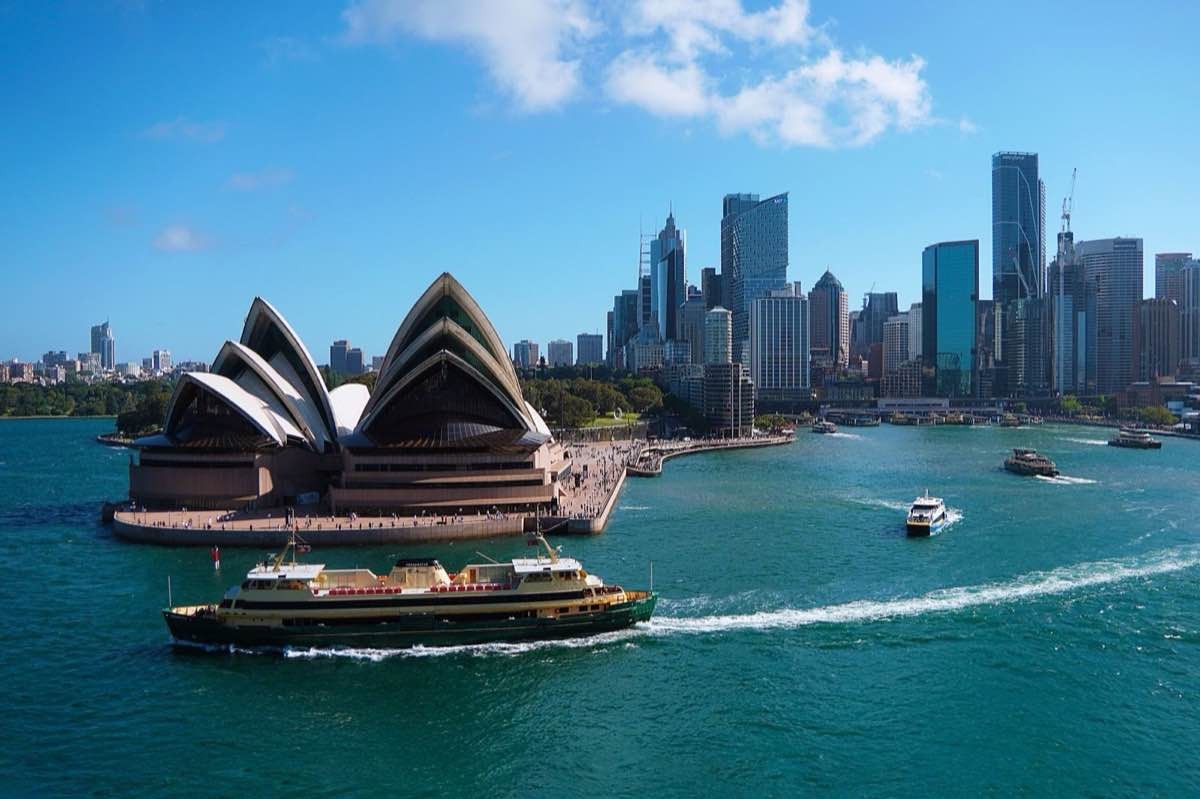
Morning (9:00 AM): Sydney Harbour & the Opera House
Pick up your campervan from the RV rental in Sydney depot, or leave collection for the morning you head north and start on foot. Either way, begin at Circular Quay, with the Sydney Opera House on one side and the Harbour Bridge on the other.
Walk the Opera House forecourt, then wander through the Royal Botanic Garden to Mrs Macquarie’s Chair, the harbourside point that frames the Opera House and Harbour Bridge together in one classic view.
If you want to step inside, the Opera House runs hour-long guided tours of its theatres most days; book online ahead, since the best midday slots sell out early.
Practical tip: park the van at a holiday park in Lane Cove or on Sydney’s north shore. Both have good transport links to the centre and save you from driving in city traffic.
Afternoon (1:00 PM): The Rocks & a Harbour Ferry
Wander The Rocks, the oldest part of the city, where sandstone laneways and weekend markets sit beneath the bridge. On weekends, the streets fill with stalls of local crafts, produce, and street food, so time your visit for a Saturday or Sunday if you can.
Then catch a ferry from Circular Quay to Manly. At around AU$8 each way on an Opal card, it is the best-value harbour cruise in Sydney, gliding past the Opera House and Harbour Bridge from the water for a fraction of a tour-boat fare.
Manly itself is worth the half-day, with an ocean beach on one side and the calmer harbour on the other, joined by a short walk known as The Corso.
For lunch, a historic Rocks pub does hearty counter meals before you sail, or hold out for the Manly foreshore and its row of fish-and-chip shops once you cross the harbour.
Evening (6:00 PM): Bondi & Dinner by the Sea
Finish at Bondi Beach and walk the first stretch of the Bondi to Coogee coastal path toward Tamarama as the light drops. The clifftop track links sandstone headlands, ocean pools, and surf breaks, and remains one of the best free things to do in Sydney.
Time it for late afternoon, when the cliffs glow gold, and the crowds on the sand start to thin.
For dinner, try the seafood at the Sydney Fish Market, or keep it casual with fish and chips on the sand. Order a dozen Sydney rock oysters if they’re on; they’re a local signature.
Day 2: Dolphins & Dunes at Port Stephens, New South Wales
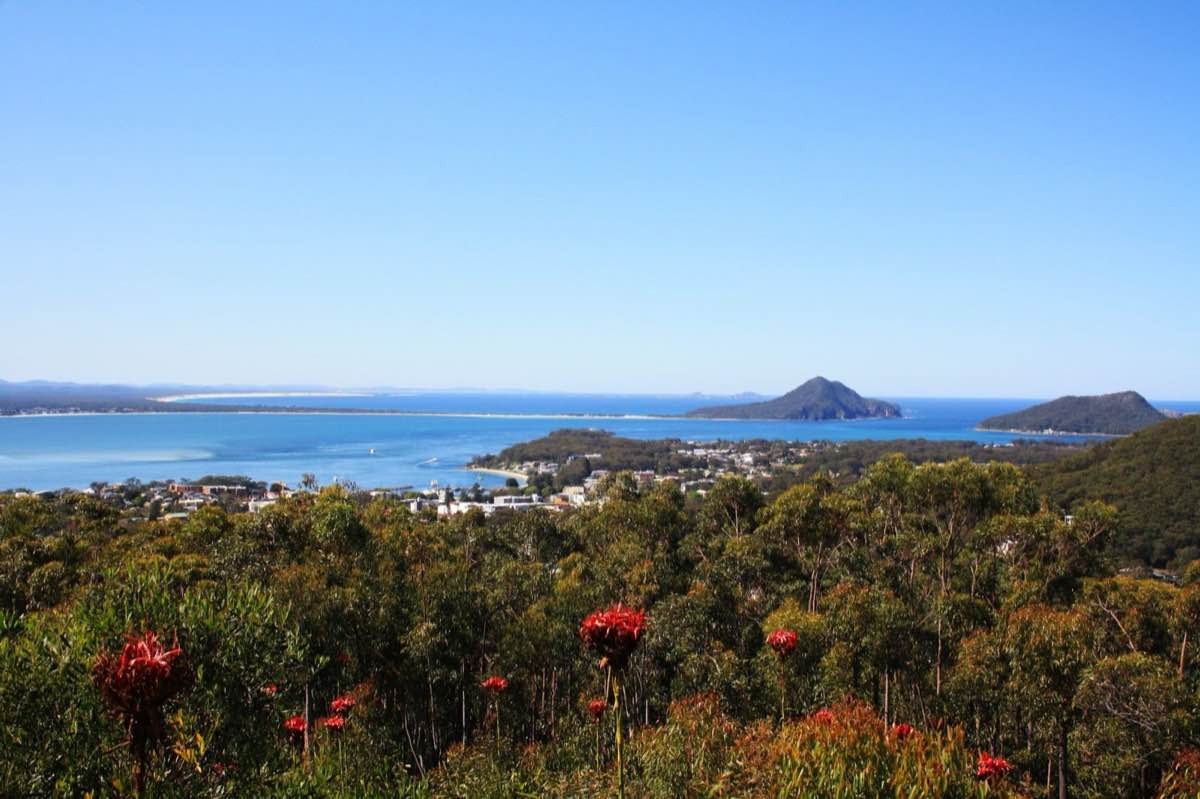
Morning (8:00 AM): Drive North to Nelson Bay
Leave Sydney early and drive about 2.5 hours north to Port Stephens, a string of sheltered bays gathered around Nelson Bay. The run out of the city on the M1 is easy, and the harbour skyline soon gives way to clear water, green headlands, and quiet beaches.
Newcastle makes a good fuel-and-coffee stop on the way, as it’s the last big town before the bays.
Practical tip: book a beachfront site at a Nelson Bay or Shoal Bay holiday park ahead of time in summer, since this is a popular weekend spot for Sydney families.
Afternoon (12:00 PM): Dolphin Cruise & Stockton Dunes
Take a dolphin-watching cruise on the bay, where resident bottlenose pods are spotted on the great majority of trips. Most cruises run 1 to 1.5 hours and cost around AU$30 to AU$40 per person.
Then head to the Stockton Bight sand dunes, the largest moving coastal dunes in the southern hemisphere, for sandboarding or a 4WD tour. In whale season, roughly June to November, the same operators run humpback tours.
For lunch, a beachfront cafe in Nelson Bay does the job; order the local oysters, farmed right in the estuary.
Evening (6:00 PM): Sunset at Shoal Bay
Spend the evening at Shoal Bay, the sheltered swimming beach at the tip of the peninsula. For a bigger payoff, walk the short but steep Tomaree Head Summit track, about 30 to 40 minutes return, for a sunset view over the bay and the offshore islands.
For dinner, the pubs along Shoal Bay Road grill fresh local fish; try the snapper.
Day 3: Beach Towns & the Big Banana, Coffs Harbour
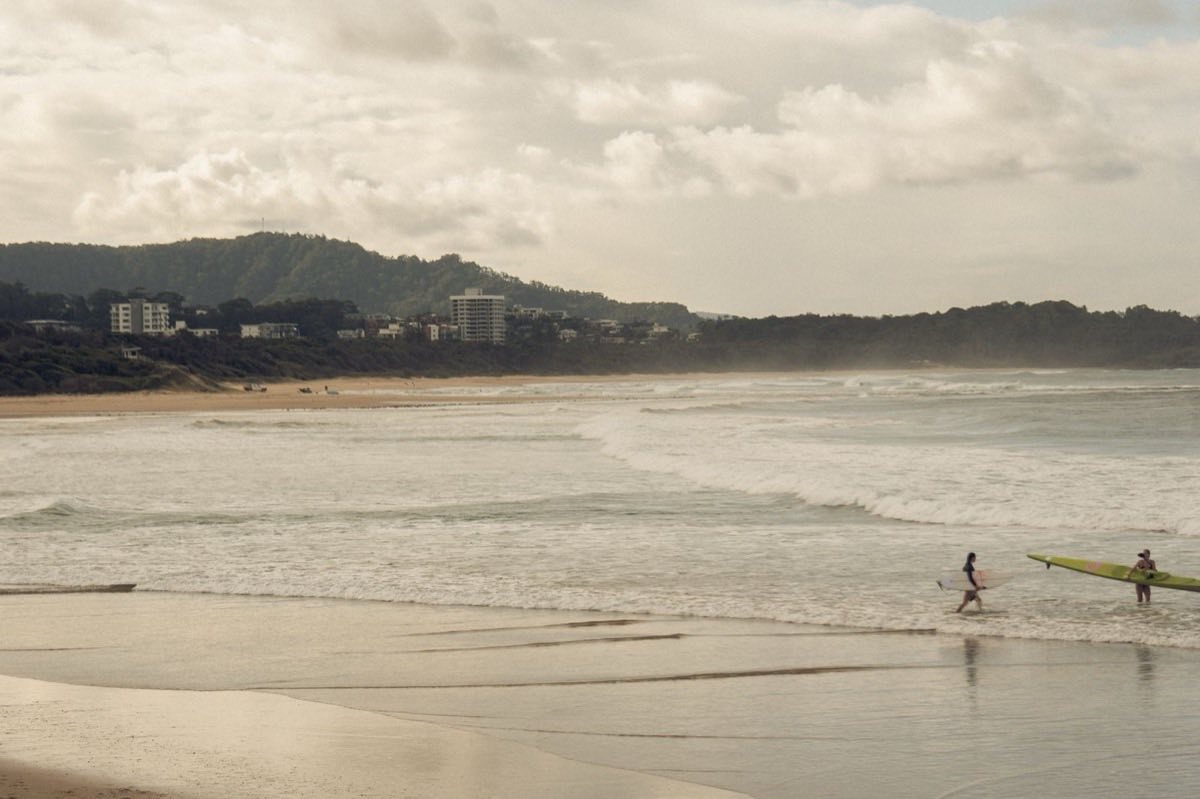
Morning (8:00 AM): Drive to Coffs Harbour
Coffs Harbour sits about 4 hours further north and breaks up the long run to Byron. It’s an easy-going beach town built around a working jetty and marina, with banana plantations climbing the green hills behind it.
The drive is part of the day in itself, following the Pacific Highway past forested ranges and a string of surf beaches worth a quick detour.
Stop along the way at Port Macquarie if you need a leg-stretch; its koala hospital is a quick, worthwhile detour.
Afternoon (1:00 PM): Muttonbird Island & the Jetty
Walk out to Muttonbird Island, joined to the mainland by the jetty breakwater, for views back over the marina and out to sea. Then spend time at Jetty Beach or Diggers Beach. The Big Banana, one of Australia’s original roadside “Big Things,” is a fun, slightly kitsch stop with a small fun park.
For lunch, the fish and chips on the Coffs jetty foreshore are a local institution.
Practical tip: fuel up here. Stretches of the Pacific Highway have fewer services, so top up before the longer legs.
Evening (6:00 PM): Dinner on the Jetty Strip
The Coffs Jetty strip has the best of the town’s eating, a short walk from cafes and restaurants near the marina. Pick a spot for fresh local seafood or a wood-fired pizza, grab an outdoor table, and watch the fishing boats come in as the light fades.
Day 4: Sunrise at the Cape, Byron Bay, New South Wales
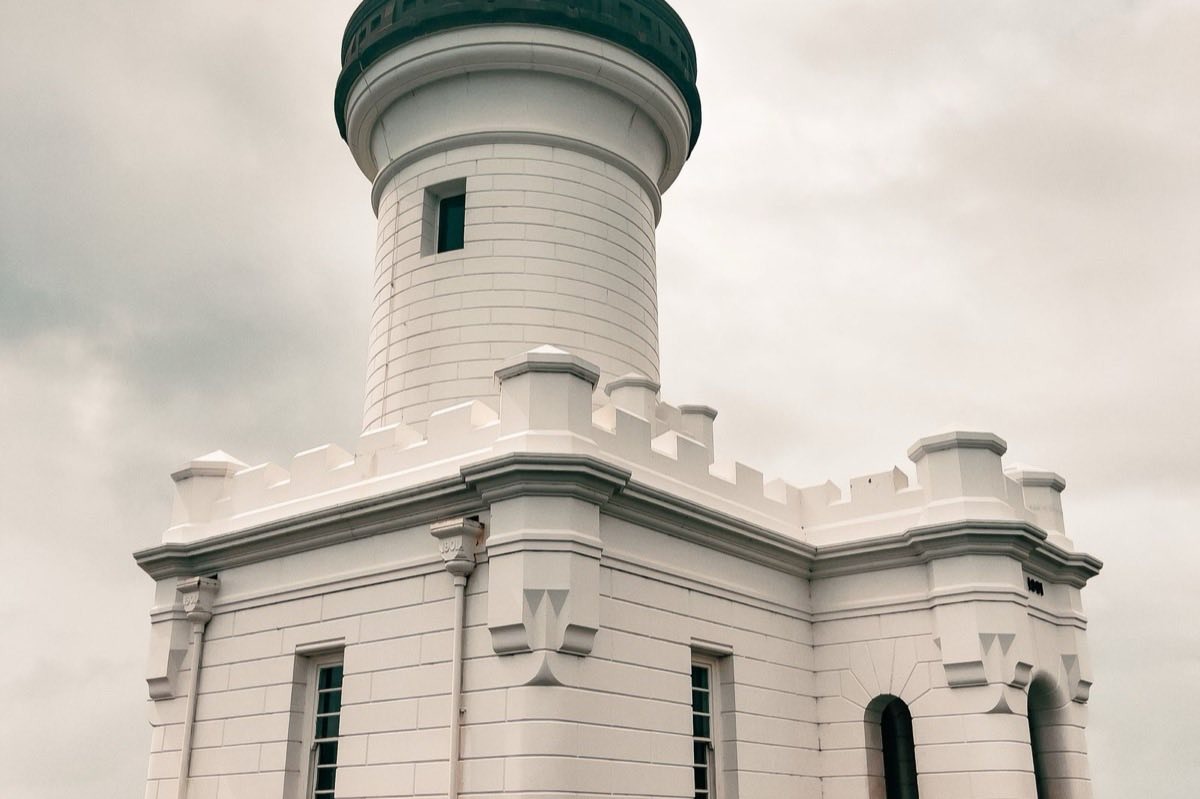
Morning (6:00 AM): Cape Byron Lighthouse
Byron Bay is about 3 hours north and is the highlight of the New South Wales coast. Start early with the walk up to the Cape Byron Lighthouse, the most easterly point of mainland Australia. At sunrise, you can often spot dolphins below and, in season, migrating whales.
Practical tip: Byron’s town parking is tight and strictly enforced. Stay at a holiday park just out of the centre and walk or cycle in.
Afternoon (12:00 PM): Main Beach & The Pass
Spend the afternoon between Main Beach and The Pass, two of the best swimming and surfing spots in town and an easy stroll apart along the sand. The Pass is the place to watch longboarders carve the point break when the surf is up, and turtles and dolphins often cruise just beyond the breakers.
For lunch, Byron’s cafe scene is excellent; grab an acai bowl or a fish taco on Jonson Street.
Evening (6:00 PM): Sunset Drinks in Town
Byron’s town centre is small and walkable. Find a rooftop or beer garden for sunset, then have dinner at one of the relaxed restaurants around Bay Lane. Try the local-caught fish of the day.
Day 5: Waterfalls & Villages, Byron Hinterland
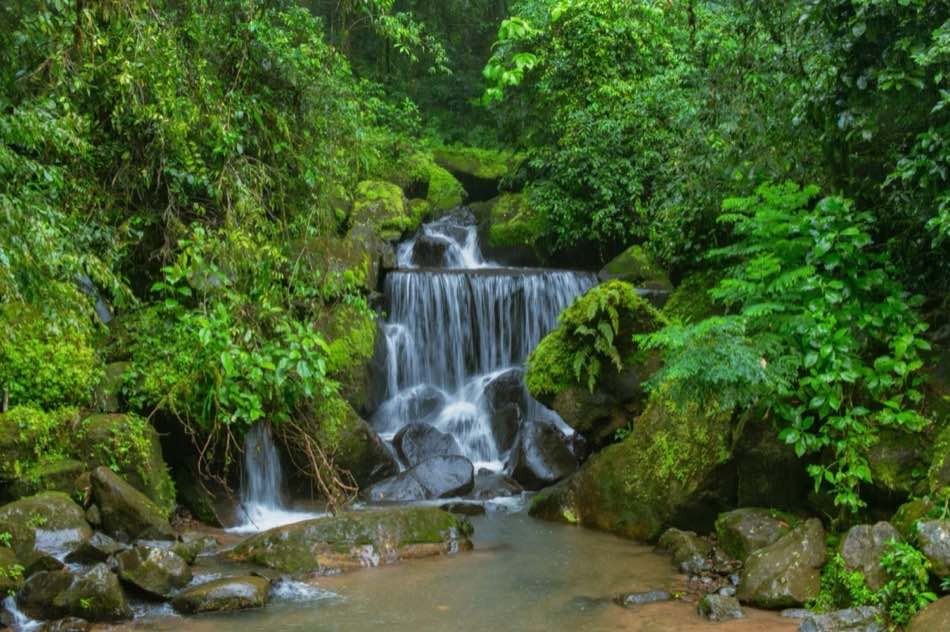
Morning (9:00 AM): Minyon Falls
Spend a slower day in the green hills behind Byron. Drive up to Minyon Falls in Nightcap National Park, where the water drops around 100 meters over a sheer rhyolite cliff into the rainforest below.
The main lookout sits a few steps from the car park, or take the longer loop track down toward the base if you want to stretch your legs among the palms and ferns.
Afternoon (1:00 PM): Bangalow Village
Browse the village of Bangalow, full of independent shops and cafes. If your timing lands on a weekend, the local farmers’ markets are some of the best in the country.
For lunch, a Bangalow cafe; try a macadamia coffee or a local cheese plate, since this region grows much of Australia’s macadamia crop.
Practical tip: the hinterland roads are narrow and winding in places, so take them slowly in a larger van and watch for cyclists.
Evening (6:00 PM): Back to the Coast
Drive back down to the coast for your last Byron evening. Pick up provisions for the road north, or have a final dinner of wood-fired pizza in town.
Day 6: Surf Coast to River City, Gold Coast & Brisbane
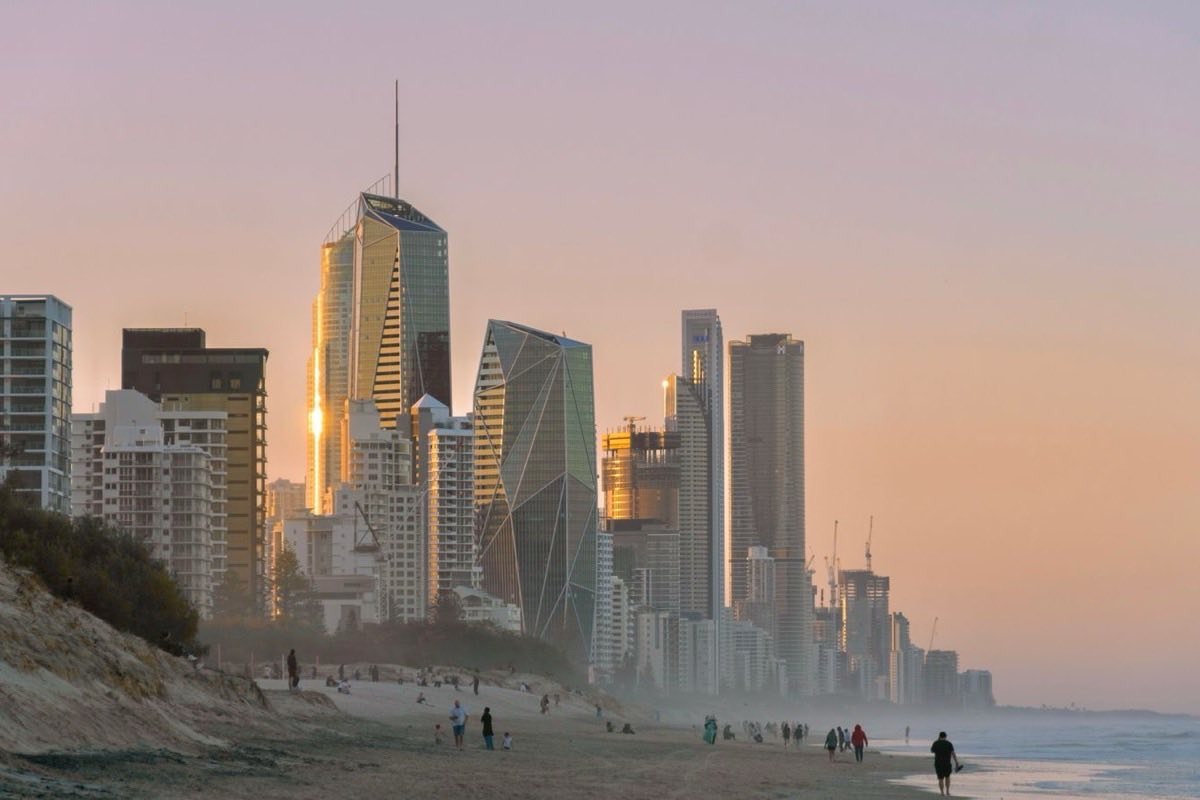
Morning (8:00 AM): Surfers Paradise
Cross into Queensland, with the Gold Coast about an hour north of Byron. Stop at Surfers Paradise for a walk along its famous high-rise beach, where a wide stretch of patrolled golden sand runs right up to the towers.
If you’re travelling with kids, the Gold Coast theme parks, Movie World, Sea World, and Dreamworld, are clustered nearby and easily fill a morning.
Practical tip: Queensland switches off daylight saving while New South Wales keeps it in summer, so double-check the time when you cross the border.
Afternoon (1:00 PM): Drive to Brisbane & South Bank
Brisbane is another 1.5 hours north. Settle in along South Bank, the riverside parkland built on the old World Expo ’88 site, with a free swimming lagoon, a rainforest boardwalk, and open city views across the water.
It’s an easy place to park up for the afternoon, swim, and stretch your legs before heading out for the evening.
For lunch, the South Bank and West End cafes are strong; try Moreton Bay bugs, a local shellfish.
Evening (6:00 PM): Story Bridge & Dinner in West End
Walk or ride a CityCat ferry along the river at dusk, with the Story Bridge lit up. Have dinner in West End, Brisbane’s most eclectic eating strip, with everything from Vietnamese to modern Australian.
Day 7: Koalas & the River, Brisbane, Queensland
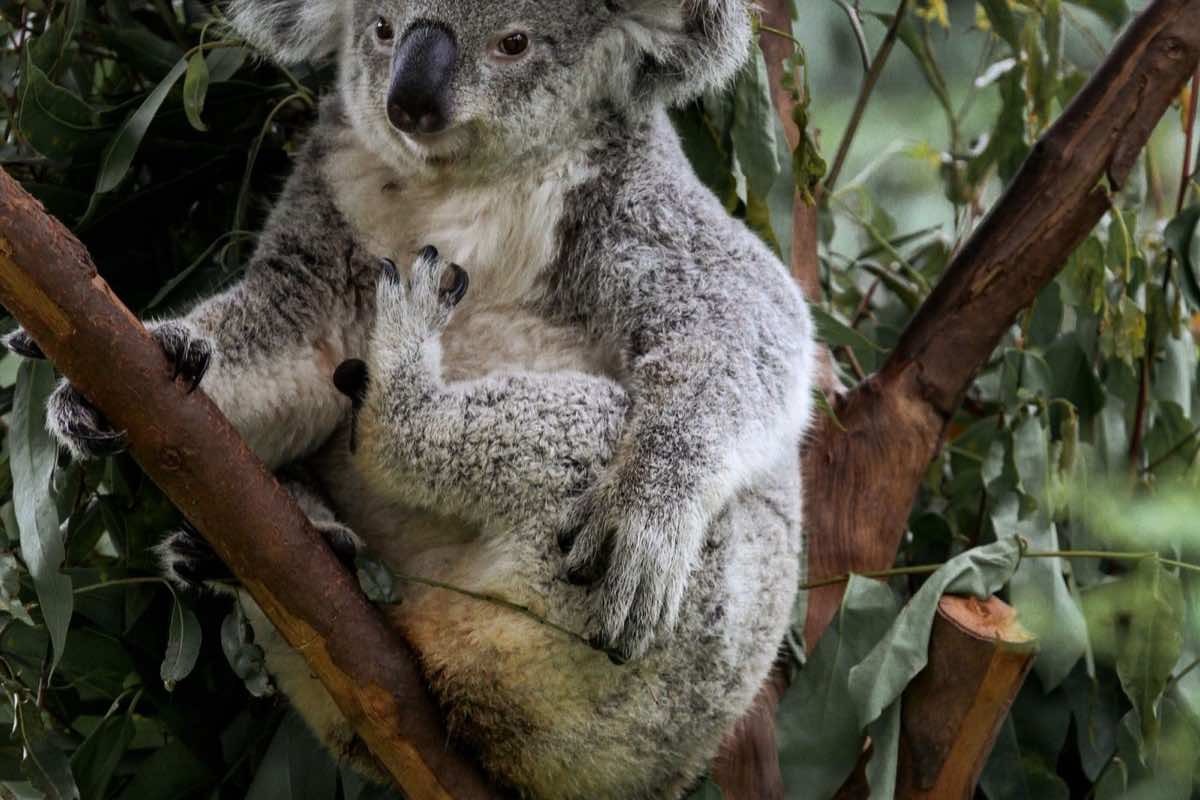
Morning (9:00 AM): Lone Pine Koala Sanctuary
Give Brisbane a full day. Start at Lone Pine Koala Sanctuary, the world’s first and largest koala sanctuary, where you can see koalas, kangaroos, wombats, and platypus up close.
You can drive there, or make the trip part of the day on the Mirimar river cruise, which runs up the Brisbane River from the city centre to the sanctuary’s doorstep.
Practical tip: if you started the trip on foot in Sydney, this is a good place to confirm your van setup, since the RV rental in Brisbane depot can help before you head into the tropics.
Afternoon (1:00 PM): Botanic Gardens & Kangaroo Point
Back in the centre, walk the City Botanic Gardens, then cross to Kangaroo Point for the cliffs and the best skyline view. You can kayak the river here or climb the cliffs if you want something active.
For lunch, grab a flat white and a bite in West End; Brisbane’s coffee scene is a point of pride.
Evening (6:00 PM): Eat Street or Riverside
Finish at Eat Street Northshore, a riverside market of shipping-container kitchens, if it’s open (Friday to Sunday), or at a riverside restaurant in the centre. Try the barramundi.
Day 8: National Park & Everglades, Noosa, Queensland
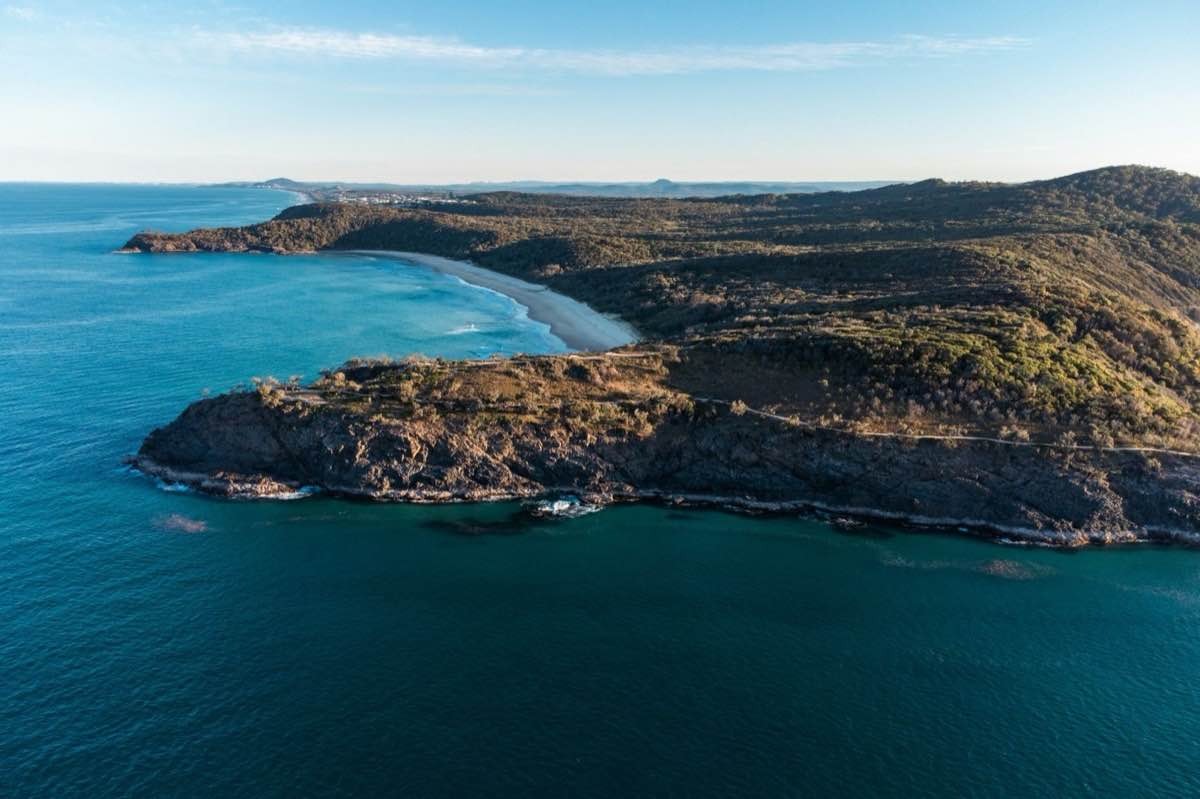
Morning (9:00 AM): Noosa National Park
Drive about 2 hours north to Noosa, the polished anchor of the Sunshine Coast. Walk the coastal track in Noosa National Park, where the path hugs the headland past quiet coves toward the Fairy Pools and the Hell’s Gates lookout.
Keep an eye on the gum trees and the rocks below; koalas doze in the branches here, and dolphins often pass the points just offshore.
Practical tip: Noosa National Park parking fills by mid-morning, so arrive early or park in town and walk in.
Afternoon (1:00 PM): Hastings Street & the River
Hastings Street is the place to slow down with a long lunch and a browse. Then head to the Noosa River for a paddle, or book a tour of the Noosa Everglades, one of the few Everglades systems in the world.
For lunch, a Hastings Street restaurant; try the spanner crab a Sunshine Coast speciality.
Evening (6:00 PM): Sunset on the River
The Noosa River mouth is the local sunset spot. Grab a riverside table or a takeaway and watch the light go down over the water.
Day 9: Coloured Sands at Rainbow Beach, Queensland
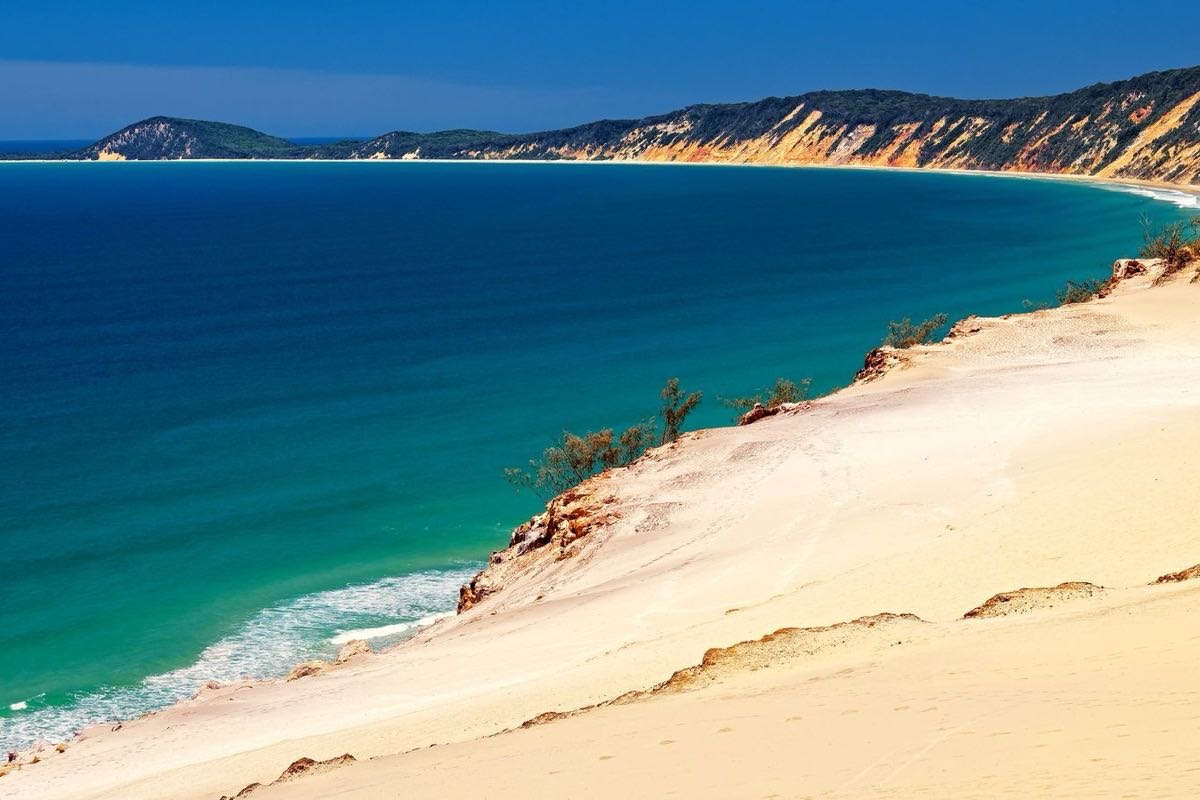
Morning (9:00 AM): Drive to Rainbow Beach
Rainbow Beach is about 2 hours north and the gateway to K’gari (Fraser Island). It’s a small, low-key town with an end-of-the-road feel, set above a long surf beach and backed by a national park.
Use the afternoon to slow the pace, restock the van, and get yourself organised for tomorrow’s early island tour.
Practical tip: book your K’gari day tour from here tonight, since most tours leave early and fill up in peak season.
Afternoon (1:00 PM): The Coloured Sands
Walk the beach below the Coloured Sands, layered cliffs of red, orange, and white that glow at golden hour. The sand is wide and quiet, good for a long walk or a swim.
For lunch, try locally caught barramundi at a casual eatery in town.
Evening (5:00 PM): Carlo Sand Blow
Hike the short track to the Carlo Sand Blow, a vast sheet of sand above the town, for sweeping sunset views over the coast and the island ahead.
Day 10: Sand Island Day Trip, K’gari (Fraser Island), Queensland
Morning (7:00 AM): 4WD Across the Island
K’gari is the world’s largest sand island and a UNESCO World Heritage site, where ancient rainforest grows straight out of the sand. Standard campervans can’t drive here, so join a guided 4WD day tour from Rainbow Beach, often around AU$200 per person, including the barge crossing.
It’s a full day out and an early start, so travel light and bring sun protection, water, and swimmers.
Practical tip: leave the van at your Rainbow Beach holiday park for the day. The tour handles all the island driving, which requires real 4WD experience and a permit.
Afternoon (12:00 PM): Lake McKenzie & 75 Mile Beach
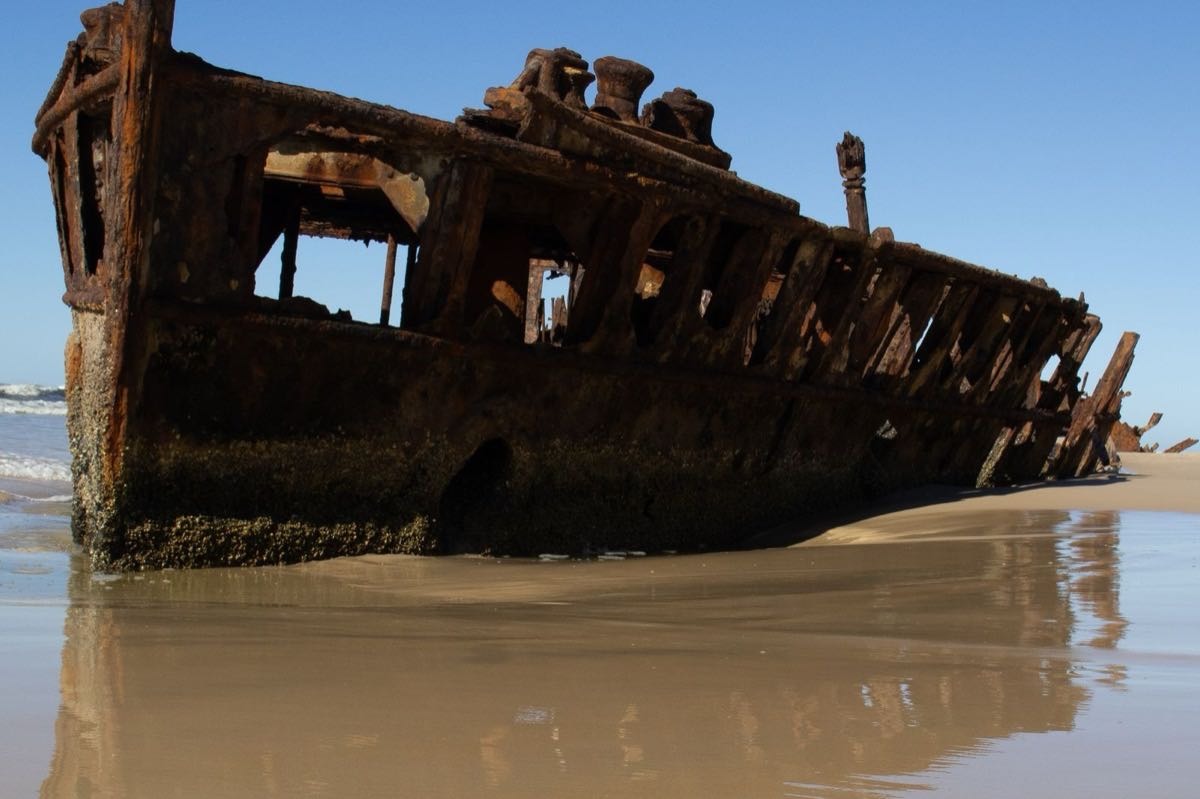
Swim in Lake McKenzie, a perched freshwater lake with white silica sand and water so clear it looks unreal. Drive the 75 Mile Beach “highway” and stop at the rusting Maheno shipwreck. Keep an eye out for dingoes, which are wild here and should never be approached.
Pack a picnic, since options on the island are limited; most tours include a lunch stop.
Evening (6:00 PM): Back at Rainbow Beach
Tours return to Rainbow Beach in the late afternoon. Have a quiet dinner in town and rest up, since tomorrow is the trip’s longest drive.
Day 11: The Long Haul North, Hervey Bay to Airlie Beach, Queensland
Morning (7:00 AM): Hit the Bruce Highway
This is the big driving day, and it’s worth knowing upfront. Airlie Beach is around 9 hours north, so split it with an overnight near Rockhampton or Mackay rather than pushing through in one go.
Practical tip: stock up on water, snacks, and fuel before the long stretches. Distances between towns grow noticeably north of Bundaberg.
Afternoon (1:00 PM): Agnes Water or Rockhampton
Break the drive at the Town of 1770 and Agnes Water for the most northerly surf beach on the coast, or push to Rockhampton, the self-styled beef capital. The landscape shifts from green coast to wide cane fields and tropical sky.
For lunch, try a classic Aussie roadhouse burger; this is the day for it. In Rockhampton, order a steak.
Evening (6:00 PM): Overnight Stop
Pull into a holiday park near Rockhampton or Mackay for the night. Keep it simple: cook in the van and get an early start.
Day 12: Whitehaven & the Whitsundays, Queensland
Morning (8:00 AM): Sail to Whitehaven Beach
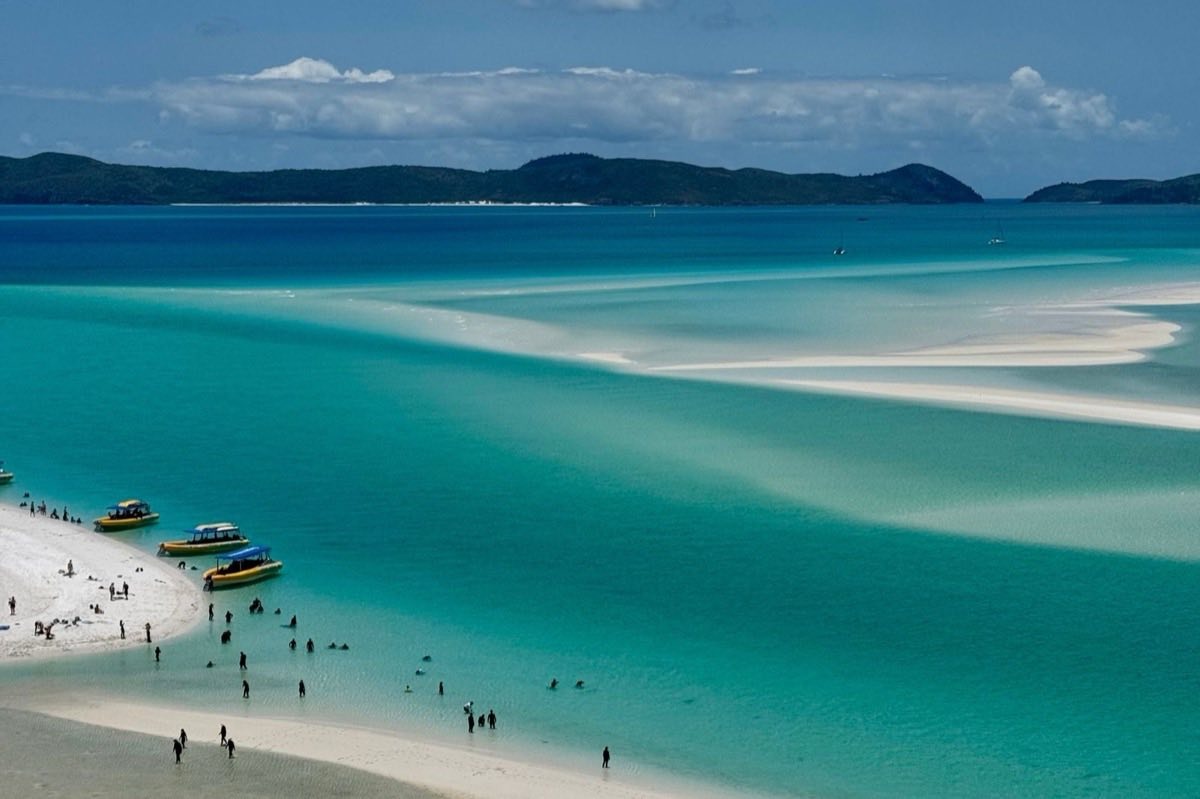
Airlie Beach is the launch pad for the Whitsundays, 74 islands scattered across the southern Great Barrier Reef. Take a sailing or boat trip out to Whitehaven Beach, regularly rated one of the best beaches in the world for its blinding pure silica sand.
Day trips from Airlie generally run AU$160 to AU$230 per person, and full-day sailing tours usually include lunch, snorkel gear, and the climb to the Hill Inlet lookout.
Practical tip: if you only do one boat trip on this leg, make it Whitehaven and Hill Inlet together. The combination is the signature Whitsundays experience.
Afternoon (1:00 PM): Hill Inlet & a Reef Snorkel
Climb to the Hill Inlet lookout for the swirling sand-and-water view, then snorkel a fringing-reef stop, where many trips anchor over coral gardens.
Lunch is usually included on the boat; back on land, the Airlie Beach cafes do good fish.
Evening (6:00 PM): Airlie Lagoon & Dinner
The Airlie Beach lagoon and esplanade are the place for an evening meal. Try the grilled coral trout, a reef fish you’ll see on most menus here.
Day 13: Rainforest Meets Reef, Mission Beach, Queensland
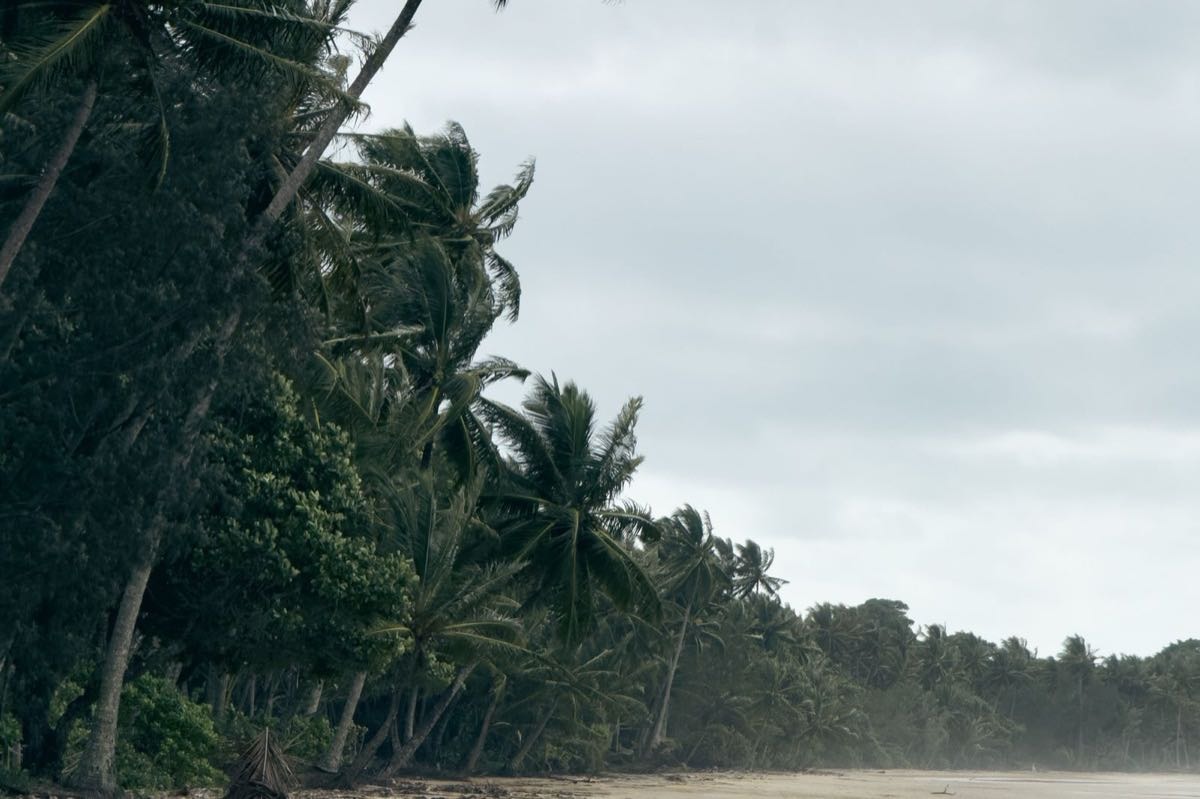
Morning (8:00 AM): Drive to Mission Beach
Drive about 5 to 6 hours north toward Mission Beach, a quiet rainforest-and-reef town that most rushed itineraries skip. This is where the Wet Tropics rainforest, one of the oldest on earth, runs right down to a long palm-fringed coast.
Break the drive at Townsville or the sugar town of Ingham, and watch the scenery turn properly tropical, with cane fields, rainforest ranges, and wide skies.
Practical tip: this stretch can see afternoon showers even in the dry season, so plan beach and rainforest time for the morning.
Afternoon (2:00 PM): Cassowary Country
This is cassowary country, so drive carefully and watch for the large, flightless birds near the road. Mission Beach itself is a long, palm-backed stretch of sand and a launch point for reef trips and skydives over the coast.
Pick up tropical fruit from a roadside stall; this region grows bananas, mangoes, and exotic fruit you won’t find further south.
Evening (6:00 PM): Beachfront Sunset
The light over the rainforest hills behind the beach is worth catching. Have a relaxed dinner at one of the beachfront cafes.
Day 14: The Great Barrier Reef, Cairns & the Daintree, Queensland
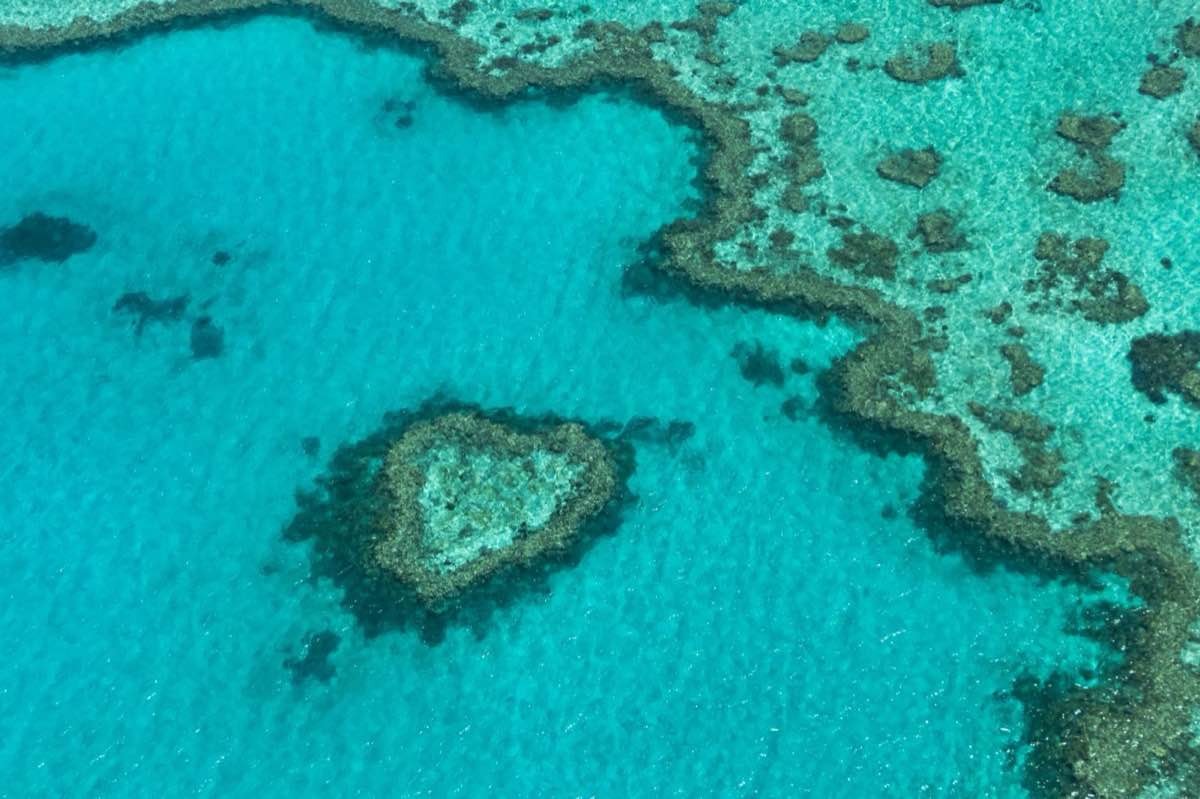
Morning (8:00 AM): Great Barrier Reef Trip
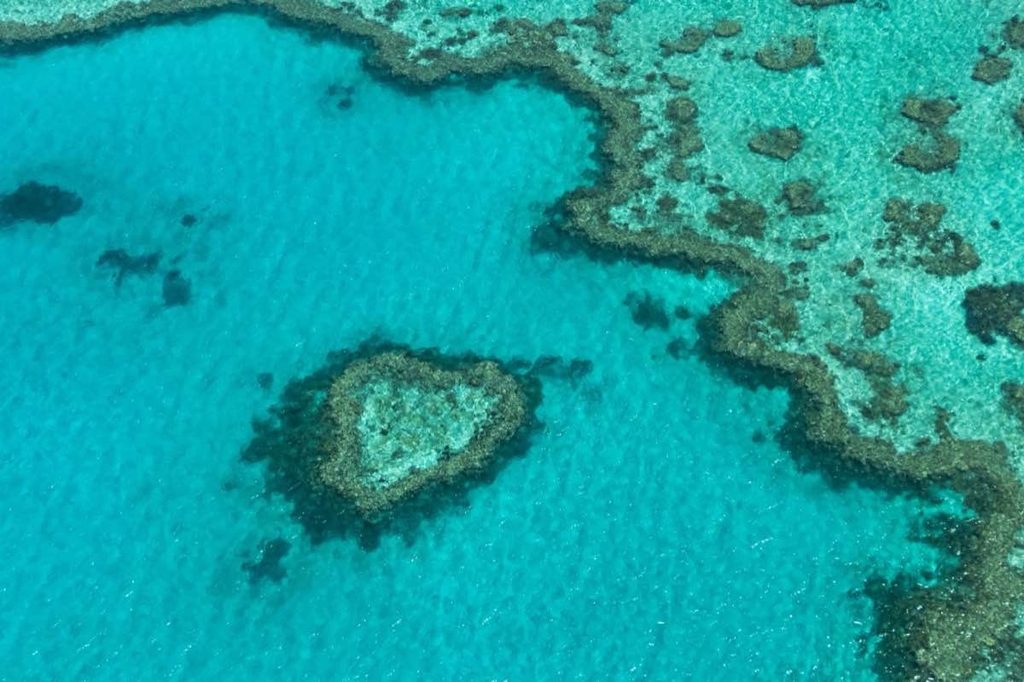
You finish in Cairns, the reef capital and the end of the line for this 14-day Australia itinerary. Spend the morning on a Great Barrier Reef trip, snorkeling or diving over coral and tropical fish on the outer reef, the highlight of the whole drive. The reef is the world’s largest coral reef system and, according to the Reef Authority, stretches around 2,300 kilometers along the Queensland coast.
Practical tip: book your reef trip a day or two ahead and choose an outer-reef operator for the clearest water and healthiest coral.
Afternoon (2:00 PM): The Daintree & Cape Tribulation
If you’d rather stay on land or have time after the reef, drive north to the Daintree and Cape Tribulation, where the rainforest meets the sand and the reef sits just offshore.
Cross the Daintree River on the cable ferry, walk a rainforest boardwalk, and keep watch for cassowaries. This is one of the only places on earth where two World Heritage areas, reef and rainforest, sit side by side.
For lunch, a Cairns Esplanade cafe, or a Port Douglas spot on the way north.
Evening (6:00 PM): Cairns Esplanade & Drop-Off
Celebrate the finish with a meal on the Cairns Esplanade, then drop the van at the RV rental in the Cairns depot. Toast the 2,400 kilometers behind you with a plate of fresh reef fish.
Alternative 2-Week Australia Itineraries
The East Coast is the classic, but it isn’t the only great two weeks australia itinerary. If you’d rather start somewhere else or chase a different landscape, here are four routes that work just as well by campervan.
Melbourne and the Great Ocean Road
Base yourself with an RV rental in Melbourne and drive the Great Ocean Road west toward Adelaide. You’ll pass the Twelve Apostles, surf beaches, and the Grampians, then finish in South Australia’s wine country. It’s cooler, greener, and ideal in summer when the north is too hot.
Tasmania Loop from Hobart
Pick up an RV rental in Hobart and circle the island. Tasmania packs Cradle Mountain, Freycinet’s Wineglass Bay, and the historic site at Port Arthur into short drives, which makes it one of the most efficient two-week routes in the country.
Perth and the South West
Start with an RV rental in Perth and head south to Margaret River for wineries, surf, and tall-tree forests, or north up the Coral Coast toward Ningaloo Reef, where you can swim with whale sharks in season. Western Australia’s distances are big, so this route rewards a relaxed pace.
Darwin and the Top End
An RV rental in Darwin opens up Kakadu and Litchfield national parks, with waterfalls, ancient rock art, and wetlands full of wildlife. The Top End is best in the dry season, from May to October, when the roads and falls are open.
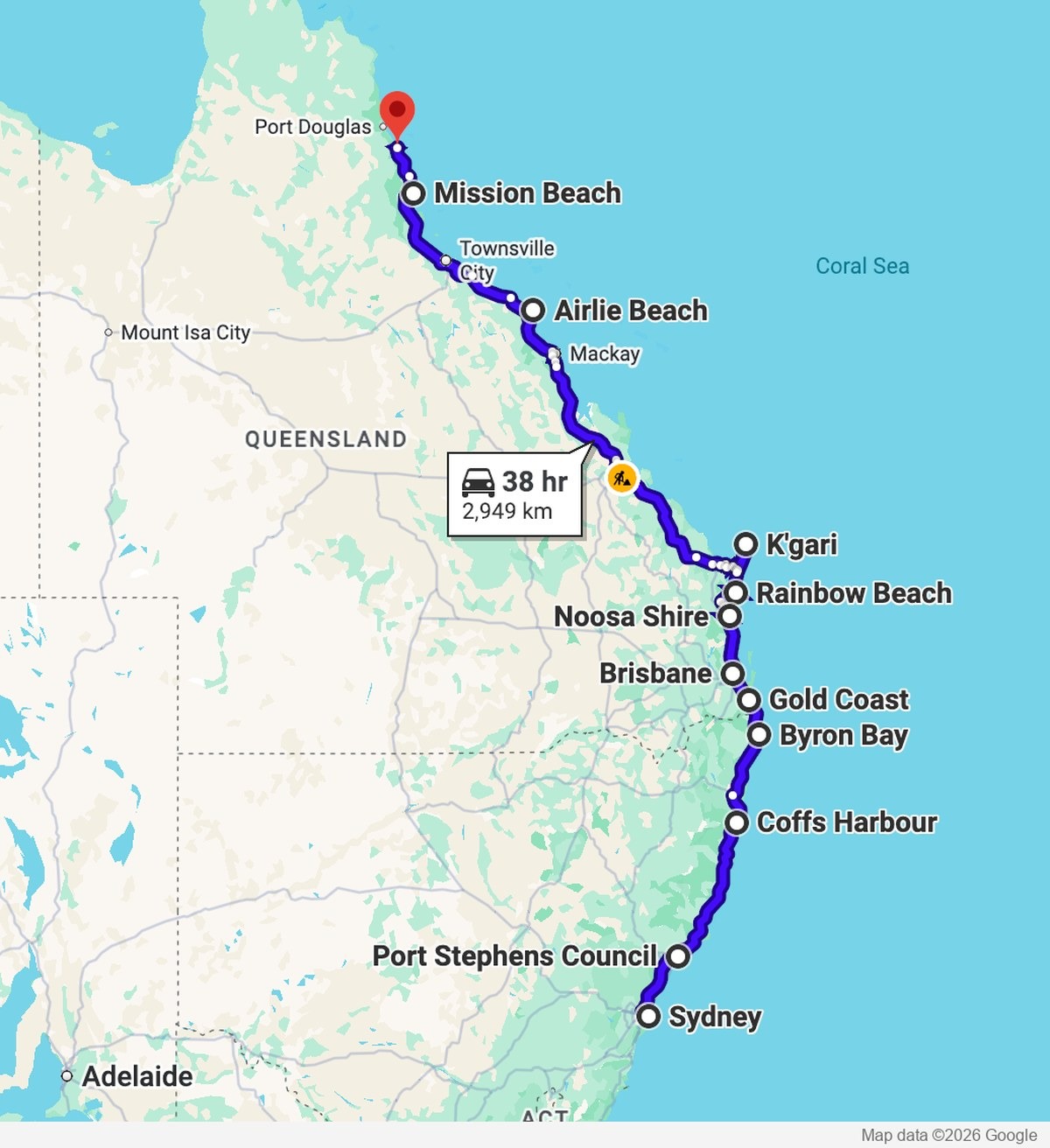
Map of Your 14-Day Australia Itinerary
The full route runs north along the coast: Sydney, Port Stephens, Coffs Harbour, Byron Bay, the Gold Coast, Brisbane, Noosa, Rainbow Beach, K’gari, the Whitsundays, Mission Beach, and Cairns. It’s a single line up the Pacific Motorway and Bruce Highway, with no backtracking and one-way van drop-off at the top.
Budgeting for Your Trip: How Much Does 2 Weeks in Australia Cost?
A campervan road trip is one of the most cost-effective ways to travel Australia, because it replaces hotels with campsites and rolls your transport into the same daily cost. That single swap takes a lot of pressure off the budget on a long coastal route.
Here’s a realistic per-person daily breakdown for an Australian 2-week itinerary, excluding the van rental itself.
| Category | Budget | Mid-Range | High-End |
| Campsite/overnight | AU$15-35 | AU$35-55 | N/A (resorts) |
| Food & drink | AU$30-50 | AU$60-100 | AU$130+ |
| Activities & reef trips | AU$20-50 | AU$60-120 | AU$200+ |
| Fuel & tolls (split) | AU$25-45 | AU$45-70 | AU$80+ |
| Daily total | AU$90-180 | AU$200-345 | AU$410+ |
| 14-day total | ~AU$1,260-2,520 | ~AU$2,800-4,830 | AU$5,740+ |
- Budget travelers cook most meals in the van, stay at council and national-park campsites, and stick to free highlights like beaches, coastal walks, and lookouts, with one or two paid reef trips. Around AU$1,500 per person for the two weeks is achievable.
- Mid-range travelers eat out once a day, pay for a Whitsundays sail and a Great Barrier Reef trip, and stay at equipped holiday parks with power and showers. Budget AU$2,800 to AU$4,800 per person for 14 days.
- High-end travelers dine out for most meals, add private reef charters and scenic flights, and mix premium parks with the occasional resort night. Plan for AU$5,700 or more per person.
- One honest note: reef and island trips are the big-ticket items here. A Great Barrier Reef day tour from Cairns or a Whitsundays sail runs AU$150 to AU$280 per person, so build those in rather than treating them as extras.
Plan Your Australia Road Trip with Indie Campers
A 14-day East Coast trip covers a lot of ground, and the towns thin out the further north you drive. Booking eight different hotels, hiring a car, and stitching together flights turns the best road trip in Australia into a logistics puzzle, and you still miss the beaches and lookouts in between.
A campervan fixes that. Indie Campers gives you two things no fly-and-stay trip can match: one-way pick-up and drop-off across Sydney, Brisbane, and Cairns so you never backtrack, and unlimited mileage on company-owned vehicles for a route that tops 2,400 kilometers.
It’s built for couples, families, and first-time road-trippers who want one booking to handle the whole trip, with a fleet that ranges from campervans to family-sized motorhomes.
Book your campervan and kickstart an adventurous Australia trip now!
14-Day Australia Itinerary: Your Final Planning Recap
| Category | Details |
| Best Time to Go | Autumn (March-May) and the dry season (June-October), when the tropical north is dry, mild, and stinger-free. Spring works well end-to-end. |
| Recommended Budget | AU$1,500-4,800 per person for 14 days, excluding the campervan rental. |
| Cities & Stops | Sydney (2 days), Port Stephens, Coffs Harbour, Byron Bay (2 days), Brisbane (2 days), Noosa, Rainbow Beach, K’gari, the Whitsundays, Mission Beach, Cairns. |
| What to Visit | Sydney Opera House, Cape Byron Lighthouse, Lone Pine Koala Sanctuary, Noosa National Park, Lake McKenzie, Whitehaven Beach, the Great Barrier Reef, and the Daintree. |
| Recommended Transport | Campervan rental via Indie Campers, one-way Sydney to Cairns, unlimited mileage, coastal holiday parks throughout. |
| Total Distance | Approx. 2,400 km (1,500 miles), Sydney to Cairns. |
| Must-Try Foods | Sydney seafood, Byron acai bowls, Moreton Bay bugs in Brisbane, spanner crab in Noosa, coral trout in the Whitsundays, tropical fruit up north. |
| Accommodation | Holiday parks and campsites: AU$15-55 per night. |
| Perfect For | Couples, families, and first-time road-trippers wanting beaches, cities, and the reef on one drivable coast. |
FAQs About Australia Itinerary 14 Days
How many days do you need to see Australia?
You need at least 14 days to see one region of Australia properly, and far longer to cover the whole country. A 2-week Australia itinerary suits one drivable area well, such as the East Coast from Sydney to Cairns or the southern coast around Melbourne and the Great Ocean Road. Australia is about the size of mainland USA, so two weeks spent on a single route beats a rushed loop. Most first-time visitors come back for the regions they had to skip.
How much does a 2-week Australia trip cost?
A 2-week Australia itinerary costs roughly AU$2,800 to AU$4,800 per person at a mid-range level by campervan, covering campsites, food, fuel, and reef trips, but not the van rental. Budget travelers who cook in the van and stick to free beaches and walks can do it for around AU$1,500 per person. The highest variable costs are reef and island tours, which run AU$150 to AU$280 per person each. Flights to Australia are extra and depend on where you’re coming from.
What is the best 2-week Australia itinerary route?
The best two-week Australia itinerary route for first-timers is the East Coast from Sydney to Cairns, covering around 2,400 kilometers up the Pacific Motorway and Bruce Highway. It strings together Sydney, Byron Bay, Brisbane, the Sunshine Coast, K’gari, the Whitsundays, and the Great Barrier Reef on one drivable line. The route works one-way by campervan, with no backtracking and depots at each end. Alternatives include Melbourne and the Great Ocean Road, a Tasmania loop, or Perth and the South West.
Is 14 days enough to see the Great Barrier Reef and Sydney?
Yes, 14 days is enough to see both Sydney and the Great Barrier Reef on a single East Coast drive. This Australia itinerary 14-day route starts with two days in Sydney and finishes with reef trips in the Whitsundays and off Cairns. You’ll cover about 2,400 kilometers over two weeks, which keeps the pace steady rather than rushed. The northern legs involve longer drives, so an overnight stop near Rockhampton or Mackay helps break them up.
What is the best month to visit Australia?
The best months to visit Australia’s East Coast are during autumn and the dry season, from March to October. Winter, June to August, is ideal for the tropical north, with dry, sunny days around 25°C (77°F) and the clearest reef water of the year. The southern half around Sydney is the warmest from November to March. Avoid the tropical north in summer, when humidity, marine stingers, and cyclone risk peak.
Can you drive around Australia in 2 weeks?
No, you can’t drive around Australia in 2 weeks, since a full lap covers about 15,000 kilometers and takes months to do well. A realistic two weeks australia itinerary covers one coast or region instead, like the 2,400-kilometer East Coast from Sydney to Cairns. Cairns and Uluru sit more than 2,500 kilometers apart, so combining the reef and the Red Centre by road isn’t possible in 14 days. Pick one drivable line, and you’ll see far more of it.
Do you need a visa to visit Australia?
Yes, most visitors need a visa or travel authorization to visit Australia, and you should arrange it before you fly. Travelers from the US, Canada, and most of Europe apply for an Electronic Travel Authority (ETA) or eVisitor online, both of which allow tourist stays of up to three months. The process is quick and done through the official Australian government website or app. Always check the current requirements for your nationality well before your trip.
Is a campervan road trip in Australia worth it?
Yes, a campervan road trip in Australia is worth it, especially on the East Coast, where towns and campsites line the route. A van rolls your transport and accommodation into one daily cost, replaces hotels in eight towns with beachfront campsites, and lets you stop at lookouts and beaches that flights and trains skip. One-way rentals with depots in Sydney, Brisbane, and Cairns mean no backtracking on a 2,400-kilometer route. For couples and families especially, it’s cheaper and more flexible than hiring a car and booking hotels separately.