Last Updated: July 31, 2026
Planning a Berlin itinerary 14 days long gives you time, the one thing a weekend in the city never can. Two weeks is enough to work through the city district by district, then drive out to the palaces, forests, and coast that sit within a few hours of the capital.
This Berlin travel guide covers a full fortnight, built around a campervan. You get six unhurried days inside Berlin, then a road loop south to Dresden and the Saxon Switzerland cliffs, with the Brandenburg lakes and Baltic coast as easy add-ons. The van rolls your transport and your bed into one booking, which is what a multi-stop trip like this needs.
First, it keeps you flexible in the city, where you park on the edge and ride the S-Bahn in. Besides, it turns Potsdam, Spreewald, and Dresden into drives you control rather than tour-bus day packages.
Key Takeaways
- Iconic stops: the Brandenburg Gate, Museum Island, and the Berlin Wall are the three you don’t skip.
- Hidden gems: the Spreewald canals southeast of the city and the Bastei rock bridge in Saxon Switzerland National Park.
- Recommended transport: an RV rental in Berlin from Indie Campers, since it combines accommodation and transport and supports one-way pick-up and drop-off.
- Recommended budget: €1,000 to €1,600 per person for 14 days, plus the campervan hire, covering campsites, fuel, food, and attractions.
- Best time to go: late spring (May) or early autumn (September) for warm days, long light, and thinner crowds than midsummer.
Berlin Itinerary 14 Days: At a Glance
| Day | Area | Top Highlights |
| Day 1 | Mitte & Museum Island | Brandenburg Gate, Reichstag dome, Unter den Linden, Neues Museum and Nefertiti. Try a classic currywurst. |
| Day 2 | Cold War Berlin | Berlin Wall Memorial, Checkpoint Charlie, Topography of Terror, East Side Gallery. |
| Day 3 | Kreuzberg & Friedrichshain | Street food, Oberbaumbrücke, RAW-Gelände, Görlitzer Park. Try a döner and Turkish food. |
| Day 4 | Prenzlauer Berg | Mauerpark flea market, Kollwitzplatz, Kulturbrauerei, Konnopke’s currywurst. |
| Day 5 | Charlottenburg & West Berlin | Schloss Charlottenburg, Kurfürstendamm, Kaiser Wilhelm Memorial Church, the Zoo. |
| Day 6 | Potsdam | Sanssouci Palace and park, the Dutch Quarter, Cecilienhof. Try Brandenburg game dishes. |
| Day 7 | Sachsenhausen & Spreewald | Sachsenhausen Memorial near Oranienburg, then drive to the Spreewald canals. |
| Day 8 | Spreewald | Punt-boat tour from Lübbenau, Lehde open-air museum, Spreewald gherkins. |
| Day 9 | Dresden | Frauenkirche, the Zwinger, the Altstadt and Brühl’s Terrace on the Elbe. |
| Day 10 | Saxon Switzerland | Bastei Bridge, the Elbe sandstone cliffs, Königstein Fortress. |
| Day 11 | Leipzig | St. Thomas Church and Bach, the Spinnerei art district, Völkerschlachtdenkmal. |
| Day 12 | Brandenburg Lakes | Werbellinsee or Scharmützelsee, swimming, forest cycling, a slow camp night. |
| Day 13 | Back to Berlin | Tempelhofer Feld, Neukölln food, anything the first week missed. |
| Day 14 | Farewell Berlin | A last market, the TV Tower view, final food, campervan drop-off. |
Table of Contents
- Why You’ll Love a 14-Day Trip to Berlin
- Best Time to Visit Berlin
- Are 14 Days Enough to Visit Berlin?
- How to Get Around Berlin
- The Best Berlin Itinerary: 14 Days Day by Day
- Alternative Berlin Itineraries
- Map of Your 14-Day Berlin Itinerary
- Budgeting for Your Trip: How Much Does 14 Days in Berlin Cost?
- Plan Your Berlin Road Trip with Indie Campers
- Berlin Itinerary 14 Days: Your Final Planning Recap
- Frequently Asked Questions (FAQs)
Why You’ll Love a 14-Day Trip to Berlin
Most people give Berlin three or four days, tick off the Brandenburg Gate and a stretch of the Wall, and leave thinking they’ve seen it. Two weeks tells a different story, and this Berlin travel guide is built around the extra time. You get the history and the neighbourhoods at a human pace, and you still have a week left for the state around the city.
That’s the real case for staying longer. Berlin is the base, but Brandenburg and Saxony are the payoff: Frederick the Great’s palaces at Potsdam, a maze of spreewater canals you paddle through, baroque Dresden on the Elbe, and a national park of sandstone towers.
A campervan is what links them without backtracking. If you want to see how the capital fits into a wider trip, our 14-day Europe itinerary runs the same road-trip logic across the continent.
The key to reaching all of it is your transport. Trains and tours cover the highlights, but they run on someone else’s clock and skip the quiet stops between. A campervan flips that around. You park at a campsite on the edge of Berlin, take the S-Bahn into the centre on culture days, then drive out to the lakes or the cliffs whenever you want, with your kitchen and bed coming along.
Food is reason enough on its own. Berlin runs on currywurst stands, Turkish döner counters, and Vietnamese kitchens, and once you leave the city the plates change to Brandenburg game, Spreewald gherkins, and Saxon dumplings. A fortnight gives you time to eat your way through all of it rather than grabbing whatever’s nearest the queue.
Best Time to Visit Berlin
The season you pick shapes this trip more than anything else, from lake swimming to crowd levels to how far ahead you book. Here’s what each one means for two weeks in the city and on the road.
Spring (March to May)
Spring is the balanced window for a 14-day Berlin itinerary. The parks green up, the beer gardens reopen, and by May the days are long and warm without the summer crowds. Early spring is still cool and quiet, so it favours the museum-heavy city days.
Average Temperatures: 2 to 15°C (36 to 60°F)
What to expect: mild days, blossom in the parks, moderate crowds, mid-range prices. May is close to ideal.
Summer (June to August)
Summer is peak season, with the best weather for the lakes and the Baltic coast and the biggest crowds in the city. Days run long and warm, sometimes topping 30°C (86°F), so the day trips to the water pay off. Attractions and campsites fill, so book ahead.
- Average Temperatures: 14 to 24°C (57 to 75°F)
- What to expect: warm, long days, swimmable lakes, top prices, busy sights. Reserve campsites and Reichstag slots well in advance.
Autumn (September to November)
Autumn rivals spring for ideal conditions. September keeps summer warmth and light while the crowds thin, and the Spreewald and Saxon forests turn gold in October. Late autumn gets grey and cool, better for the indoor museums than the lakes.
- Average Temperatures: 7 to 18°C (45 to 64°F)
- What to expect: warm early, quieter than summer, lovely forest colour, lower prices. September is a sweet spot.
Winter (December to February)
Winter is cold, grey, and short on daylight, but it has the lowest prices of the year and the famous Christmas markets across the city. The lakes and coast are off the table, yet the museums, the history, and Dresden all work well, and the crowds all but vanish.
- Average Temperatures: -2 to 5°C (28 to 41°F)
- What to expect: cold, short days, Christmas markets in December, lowest prices, few crowds. Pack for real cold and check campsite winter opening.
Are 14 Days Enough to Visit Berlin?
Yes, 14 days is more than enough for Berlin, and that surplus is exactly what makes the city such a good two-week base. Five to six days cover the neighbourhoods and the history inside the city comfortably, which leaves a full week for day trips and a road loop.
If you’re tighter on time, Days 1 to 5 stand alone as a strong city break: Mitte and Museum Island, Cold War Berlin, Kreuzberg, Prenzlauer Berg, and Charlottenburg. Add Potsdam, the Spreewald, Dresden, and the lakes, and a city stay turns into a proper look at eastern Germany.
What you walk away with after two weeks is the full picture, from the divided city and its reunification to renowned museums, a royal palace park, canal country, a baroque capital, and a national park of rock towers. It’s a lot of ground, and the campervan is what keeps it relaxed instead of frantic.
How to Get Around Berlin
Inside the city, you don’t need to drive at all. Berlin has one of the best public transport networks in Europe, with the U-Bahn and S-Bahn reaching every corner, and parking a large vehicle in the centre is more trouble than it’s worth. The network runs on an ABC zone system, where zones A and B cover the city and inner ring, while zone C reaches Potsdam, Oranienburg, and the airport.
There’s one rule worth knowing before you drive in. Central Berlin is a low-emission zone bounded by the S-Bahn ring, and city guidance says only vehicles with a green environmental sticker may enter. Rental campervans almost always carry the sticker already, but confirm it at pick-up so you can drive freely.
The smart move is to park a campervan at a campsite on the edge of the city, then ride the S-Bahn in on culture days. Sites like Campingplatz Krossinsee to the southeast or Campingplatz Breitehorn in Spandau sit a short train ride from the centre and cost a fraction of a downtown hotel, around €25 to €35 a night for a pitch. You wake up by a lake and skip the daily parking headache.
Where the campervan pays for itself is the day trips and the loop. Potsdam, Sachsenhausen, and the Spreewald all sit within 90 minutes, and Dresden and the lakes are a comfortable morning’s drive.
Indie Campers runs campervan rental in Germany with pick-up in Berlin, so the fleet is ready when you land, from compact campervans for couples to larger motorhomes for families.
Company-owned vehicles come with unlimited mileage, which matters once the loop adds up, and flexible cancellation up to 31 days before pick-up plus book-now-pay-later lets you lock in dates without a high upfront cost.
The Best Berlin Itinerary: 14 Days Day by Day
Here’s the full day-by-day plan for a Berlin itinerary 14 days long, six days in the city and a week on the road.
Each day covers a morning, afternoon, and evening, plus named places to eat and one practical tip for travelling by campervan.
Day 1: Mitte & Museum Island
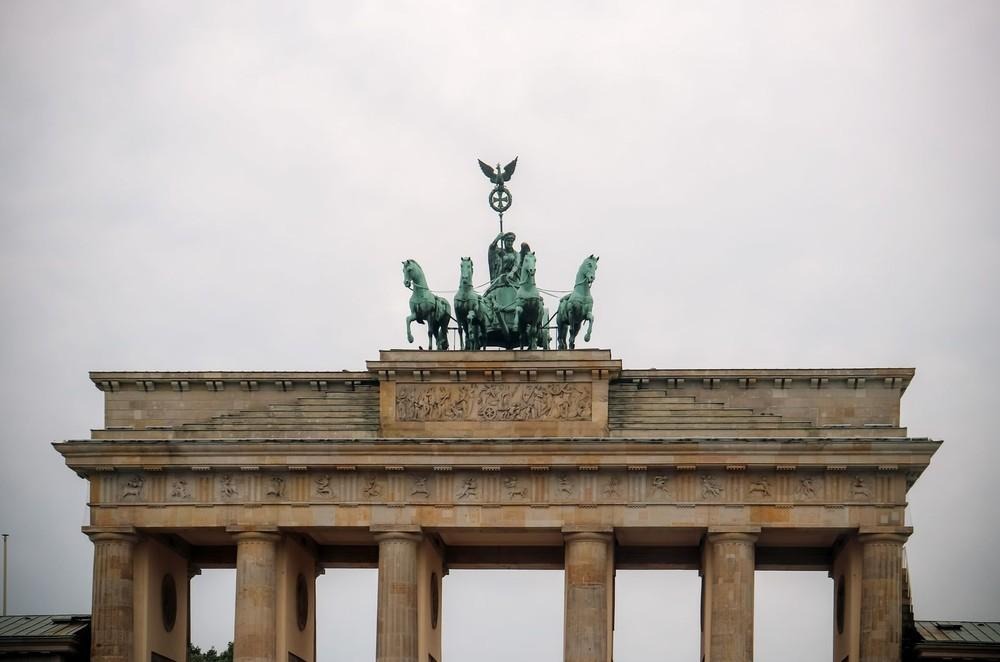
Morning (9:00 AM): Brandenburg Gate & the Reichstag
Start at the Brandenburg Gate, the neoclassical arch that has stood through every chapter of the city’s history. Walk the government quarter behind it to the Reichstag, where the glass dome over the parliament is free to visit, though you must register online with the Bundestag in advance and summer slots go weeks ahead.
Cross into the Tiergarten or walk east down Unter den Linden past the Humboldt University toward Museum Island. The Holocaust Memorial, a field of 2,711 concrete slabs, sits a short walk south of the gate and is open day and night.
Practical tip: register for the free Reichstag dome as soon as your dates are set, using the exact name on your passport, since walk-up entry is not an option in high season.
Afternoon (1:00 PM): Museum Island
Give the afternoon to Museum Island, the UNESCO cluster of five great museums on the Spree. The Neues Museum holds the bust of Nefertiti, the Alte Nationalgalerie hangs 19th-century paintings, and the Bode-Museum keeps sculpture and coins. The Museum Island day ticket covers all of them for €24.
One note for planning: the Pergamonmuseum is closed for major renovation and will not reopen until 4 July 2027, so leave it off the list for now. Book the island ticket online in summer, since the queue at the door is long.
Evening (7:00 PM): Hackescher Markt
Cross to Hackescher Markt and the Hackesche Höfe, a linked set of courtyards full of bars, shops, and restaurants. This is an easy first-night neighbourhood, walkable and lively without being a tourist trap.
For a first proper Berlin dinner, try a currywurst from a street stand, the chopped sausage in curried tomato sauce that the city treats as a birthright. Sit-down options around Rosenthaler Straße cover German, Vietnamese, and modern European in a couple of blocks.
Day 2: Cold War Berlin & the Wall
Morning (9:00 AM): Berlin Wall Memorial
Spend the morning in the divided city. The Berlin Wall Memorial on Bernauer Straße is the most honest place to understand it, with a preserved section of the death strip, a watchtower, and an open-air documentation centre, all free. The visitor centre explains how the Wall cut the city in two overnight in 1961.
Climb the viewing platform for a look down the last intact stretch of the border strip. It’s a sobering, essential few hours, and it sets up everything else you’ll see this fortnight.
Practical tip: the memorial runs the length of several blocks, so start at the Nordbahnhof S-Bahn end and walk south to the visitor centre rather than doubling back.
Afternoon (1:00 PM): Checkpoint Charlie & Topography of Terror
Head south to Checkpoint Charlie, the famous Cold War crossing between the American and Soviet sectors. The crossing itself is now a busy photo stop, but the nearby Topography of Terror, built on the former Gestapo and SS headquarters, is a free and unflinching museum of the Nazi state.
Grab lunch around Friedrichstraße, then walk to the last surviving fragments of the border wall here. The contrast between the crowded checkpoint and the quiet Topography galleries says a lot about how the city remembers.
Evening (6:00 PM): East Side Gallery
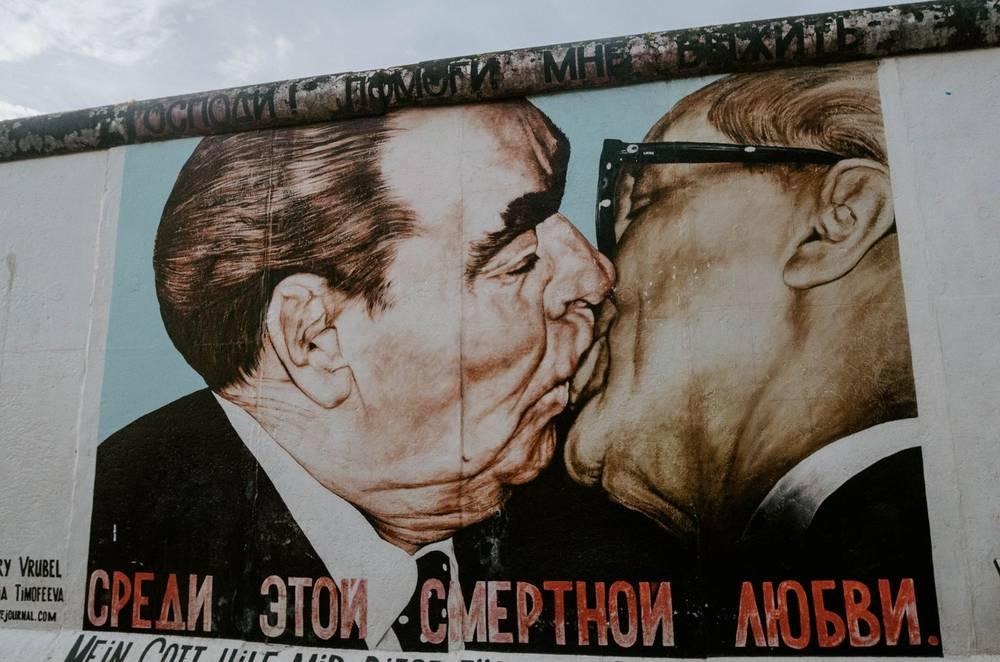
Finish at the East Side Gallery, a 1.3-kilometre stretch of the Wall along the Spree painted by artists after 1989, including the famous mural of the socialist fraternal kiss. It’s the longest surviving section and free to walk any time.
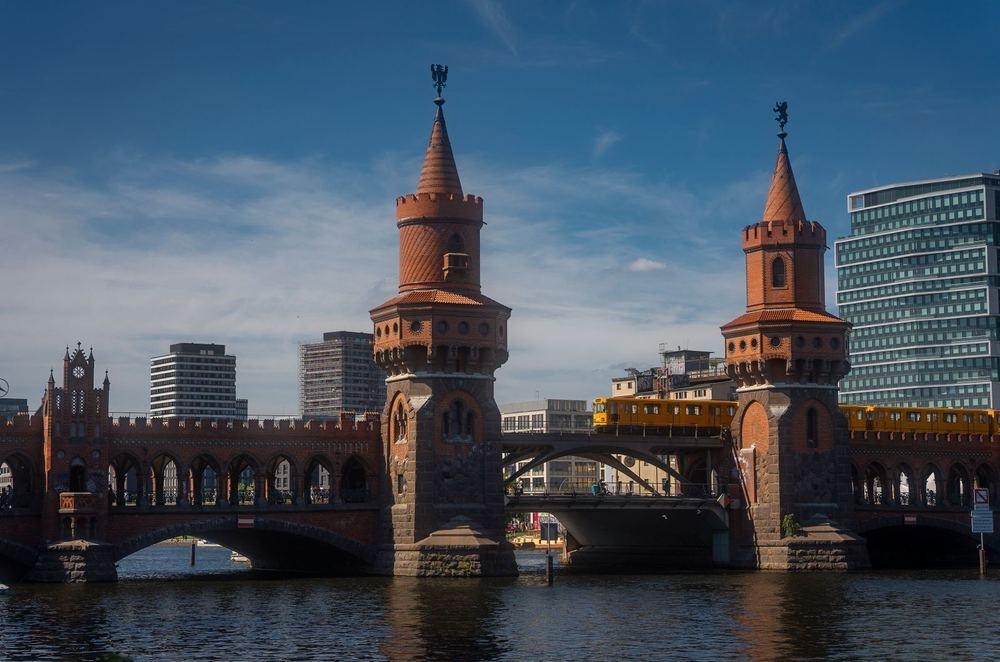
Cross the Oberbaumbrücke into Kreuzberg for dinner. The double-deck brick bridge is one of the city’s prettiest, and the far side drops you straight into the nightlife for a first taste of what tomorrow covers.
Day 3: Kreuzberg & Friedrichshain
Morning (10:00 AM): Kreuzberg Markets & Street Life
Slow the pace with a morning in Kreuzberg, the district that defined alternative Berlin. Wander the Turkish Market along the Landwehr Canal on a Tuesday or Friday, or the Bergmannstraße quarter of cafés and second-hand shops any day.
This is the home of the Berlin döner, the stuffed flatbread the city’s Turkish community made famous. Mustafa’s Gemüse Kebap on Mehringdamm draws long queues, and Curry 36 next door is one of the best currywurst stands in town, so you can settle the great Berlin debate in one block.
Afternoon (1:00 PM): Görlitzer Park & the Canal
Walk off lunch along the Landwehr Canal toward Görlitzer Park, a scruffy, green, thoroughly local patch of the city. On a warm day, the canal banks fill with people, and the surrounding streets hold some of Berlin’s best small galleries and record shops.
Cross into Friedrichshain in the afternoon for the RAW-Gelände, a former railway repair yard turned into a warren of clubs, street art, and a weekend flea market. It’s grungy and photogenic in equal measure.
Practical tip: Kreuzberg and Friedrichshain are dense and walkable, so leave the campervan at the campsite and travel in by U-Bahn; the U1 line strings the highlights together.
Evening (7:00 PM): Friedrichshain Nightlife
Stay in Friedrichshain for the evening, where Simon-Dach-Straße is lined with restaurants and bars that stay busy late. This is where the city’s famous nightlife lives, from casual to legendary, and you can dip in as much or as little as you like.
For dinner, the area covers Vietnamese, vegan, and old-school German within a few streets. Berlin eats late, so there’s no rush to sit down early.
Day 4: Prenzlauer Berg & Northern Berlin
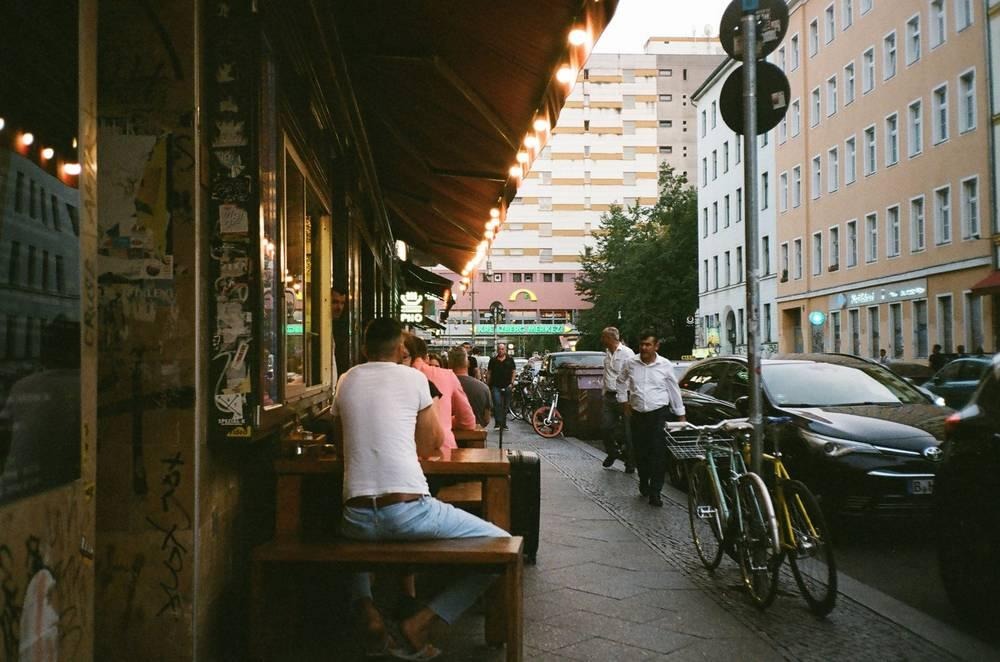
Morning (9:00 AM): Mauerpark & the Flea Market
Start in Prenzlauer Berg, the handsomely restored district north of the centre. If it’s Sunday, head straight for the Mauerpark flea market, one of Europe’s great weekend markets, followed by the open-air karaoke that fills the park’s amphitheatre in the afternoon.
Any other day, walk the leafy streets around Kollwitzplatz, where a farmers’ market runs on Thursdays and Saturdays, and the 19th-century apartment blocks show what the whole city looked like before the war.
Afternoon (1:00 PM): Kulturbrauerei & Currywurst
Visit the Kulturbrauerei, a red-brick former brewery that now holds cinemas, venues, and a free museum on everyday life in socialist East Germany. It’s a good, human-scale companion to the big Cold War sites from Day 2.
For lunch, Konnopke’s Imbiss under the U-Bahn viaduct on Schönhauser Allee has served currywurst since 1930 and is a genuine institution. Eat standing up at the counter like the locals do.
Practical tip: Sunday is the day for Prenzlauer Berg because of the Mauerpark market and karaoke, so slot this day to line up with a Sunday if you can.
Evening (6:00 PM): Kastanienallee & Dinner
Spend the evening on and around Kastanienallee, nicknamed “Casting Allee” for its parade of style, lined with independent boutiques, wine bars, and small restaurants. It’s relaxed, well-off, and a nice contrast to the grit of Kreuzberg.
Dinner options run from wood-fired pizza to modern German. Finish with a drink in one of the neighbourhood’s quiet corner bars rather than a big night out.
Day 5: Charlottenburg & West Berlin
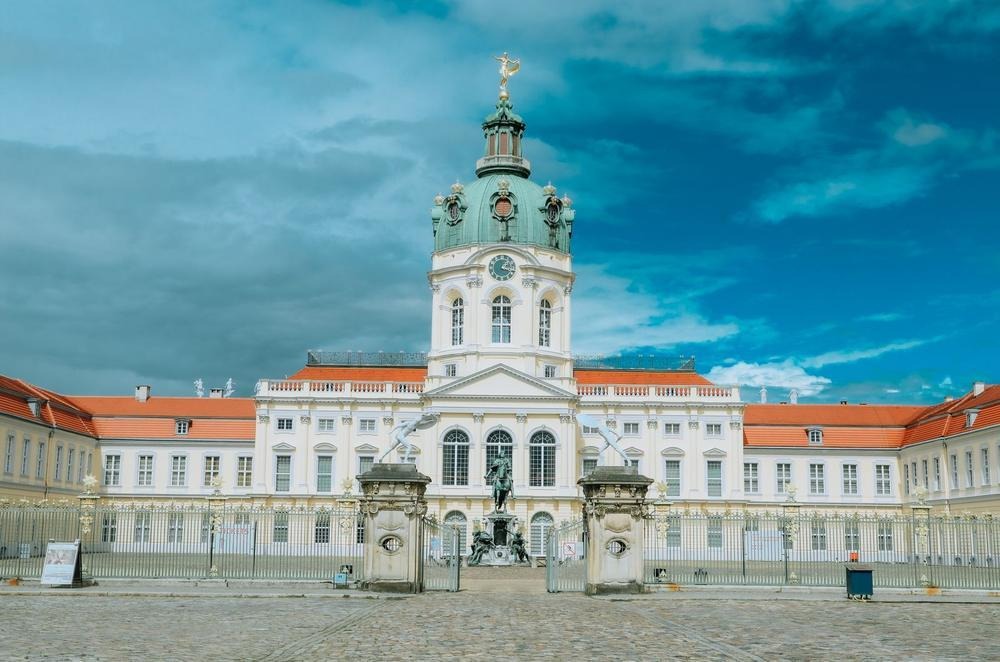
Morning (9:00 AM): Schloss Charlottenburg
Cross to the western side of the city for Schloss Charlottenburg, the largest surviving royal palace in Berlin, with baroque state rooms and a formal garden that runs down to the Spree. Entry to the New Wing starts around €12, and the gardens are free to wander year-round.
The palace is a reminder that Berlin was a royal capital long before it was a divided one, and the western districts around it feel calmer and more polished than the east.
Afternoon (1:00 PM): Kurfürstendamm & the Memorial Church
Head to the Kurfürstendamm, West Berlin’s grand shopping boulevard, for lunch and a stroll. At its eastern end stands the Kaiser Wilhelm Memorial Church, left as a bombed-out ruin beside a modern blue-glass tower as a deliberate reminder of the war, free to enter.
Nearby, the KaDeWe department store’s sixth-floor food hall is one of the great grazing stops in Europe, worth a visit even if you only buy a pastry.
Practical tip: the west has easier street parking than the centre, so this can double as a day you bring the campervan in, though the S-Bahn is still simpler.
Evening (6:00 PM): The Zoo & Tiergarten
If you have energy, the Berlin Zoo beside the station is one of the oldest and best-stocked in the world, though it closes in the late afternoon, so it suits an earlier visit. Otherwise, walk into the Tiergarten, the vast central park, toward the Victory Column for a sunset climb.
For dinner, the streets around Savignyplatz hold classic West Berlin restaurants, from schnitzel houses to Italian. It’s an older, quieter scene than the east, and a good change of pace.
Day 6: Potsdam & Sanssouci
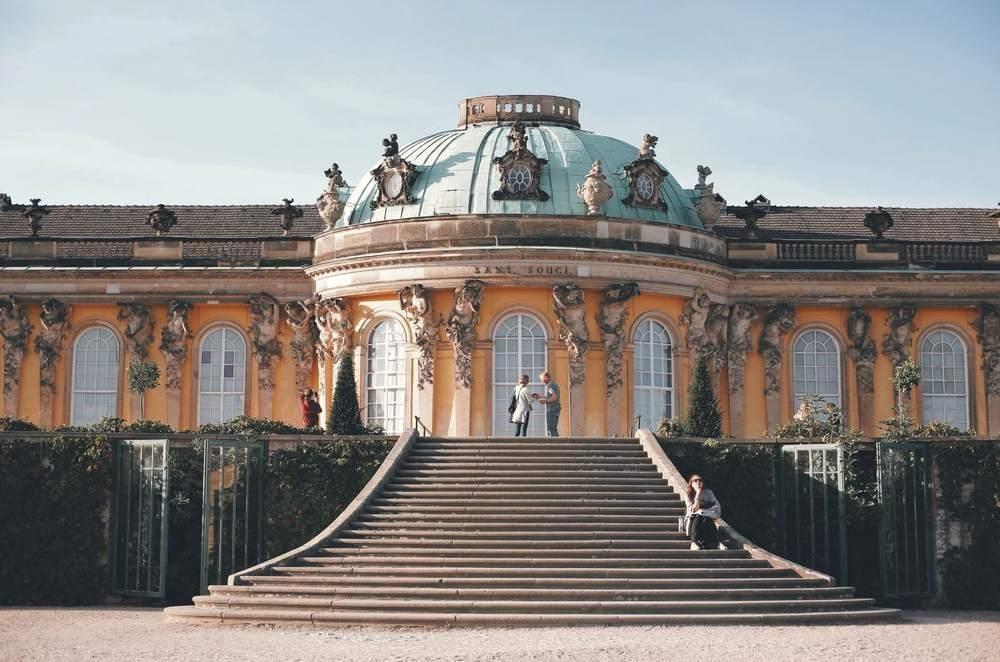
Morning (8:30 AM): Sanssouci Palace & Park
Point the campervan southwest for Potsdam, about 26 km and 45 minutes from central Berlin. The draw is Sanssouci, Frederick the Great’s summer palace, a rococo villa on a terraced vineyard at the head of a huge landscaped park. The sanssouci+ combined ticket is €22, or €17 reduced, and covers all the palaces in the park for a day.
The park itself is free and enormous, so leave time to walk between Sanssouci, the New Palace, and the Chinese House. Book the Sanssouci entry slot online, since the palace uses timed tickets.
Practical tip: the palace car parks fill by late morning in summer, so arrive early, or park at a Potsdam campsite and cycle in, since the park is best seen on two wheels.
Afternoon (1:00 PM): The Dutch Quarter & Cecilienhof
Drive or cycle into Potsdam’s old town for lunch in the Dutch Quarter, a block of red-brick gabled houses built for Dutch craftsmen in the 18th century, now full of cafés and small shops. It’s a pretty, walkable centre that most day-trippers skip in favour of the palace.
If you have an interest in history, the nearby Schloss Cecilienhof hosted the 1945 Potsdam Conference where Truman, Churchill, and Stalin carved up postwar Europe, and the conference room is preserved.
Evening (6:00 PM): Back Toward the Lakes
Potsdam sits among the Havel lakes, so end the day with a lakeside stop before driving back. The Glienicke Bridge, the “Bridge of Spies” where East and West once swapped agents, links Potsdam to Berlin and is worth crossing slowly.
Aim for a campsite on the southwest edge of the city, or head back to your Berlin base. After a full day of palaces, an easy night beats fighting for a city table.
Day 7: Sachsenhausen & the Road South
Morning (9:00 AM): Sachsenhausen Memorial
Drive north to Oranienburg, about 35 km from the centre, for the Sachsenhausen Memorial, a former Nazi concentration camp preserved as a place of remembrance and education. As the official site notes, admission is free, and the grounds open at 8:30 AM.
Allow at least half a day. The preserved barracks, the roll-call ground, and the documentation centre make for a heavy but important morning, and an audio guide helps you make sense of the scale.
Practical tip: there is car and campervan parking near the memorial entrance, which makes this an easier stop by road than by the train-plus-walk route most visitors take.
Afternoon (2:00 PM): Drive to the Spreewald
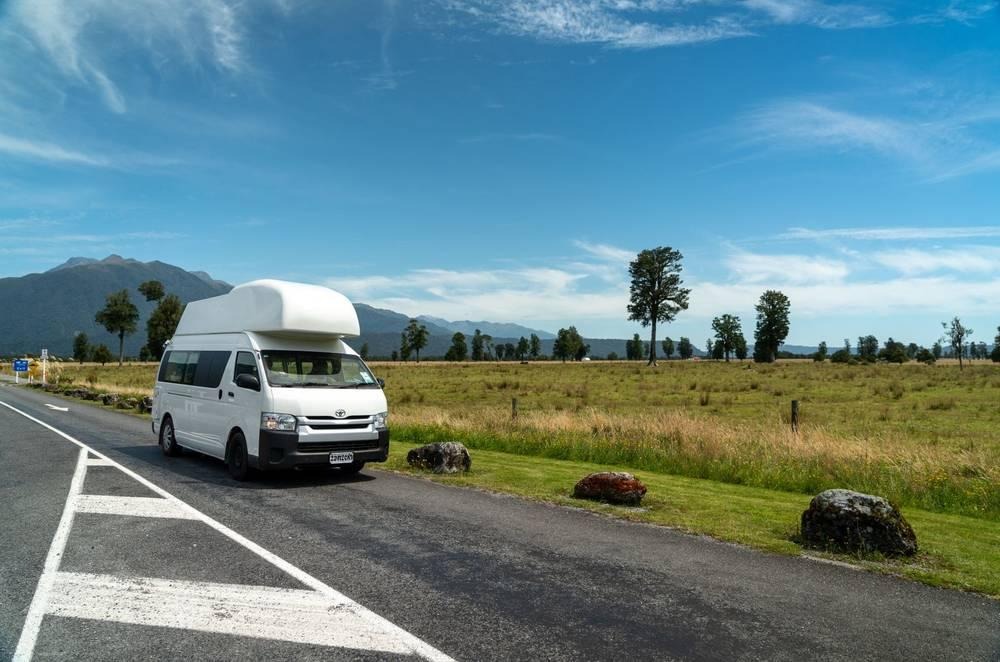
After Sachsenhausen, point the van southeast for the Spreewald, roughly two hours away, where the River Spree splits into hundreds of small canals through forest and meadow. Aim for Lübbenau, the main gateway town, and settle into a campsite for two nights so you can slow right down.
Stock up on Spreewald gherkins, the region’s pickled specialty, from a farm shop on the way in. The area is a UNESCO biosphere reserve, and the pace drops the moment you arrive.
Evening (7:00 PM): A Quiet Camp Night
Cook dinner at your pitch or eat in Lübbenau, where the restaurants lean into local fish and game. After a morning as sobering as Sachsenhausen, a still evening by the water is the right way to close the day.
This is the moment the campervan earns its keep. You’re two hours from Berlin, parked in a biosphere reserve, with your bed and kitchen already set up.
Day 8: The Spreewald
Morning (9:30 AM): Punting the Canals
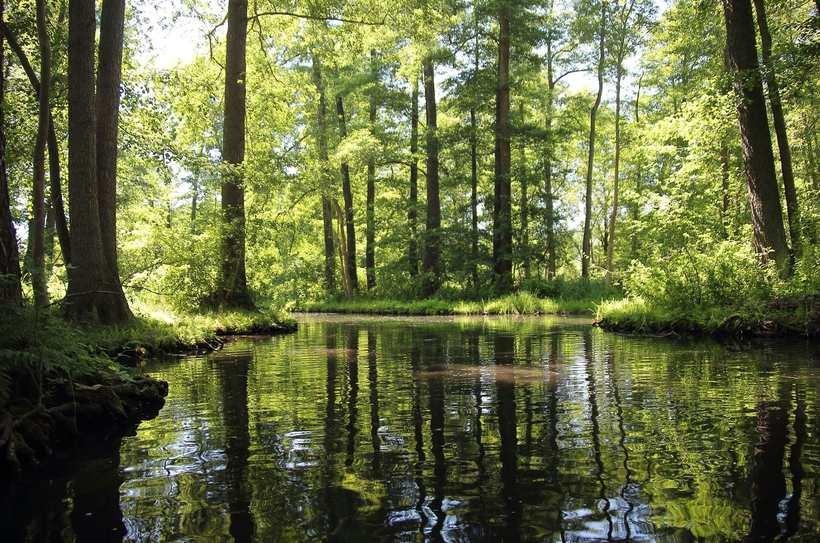
Give the morning to the water. From the harbour in Lübbenau, flat wooden punt boats called Kähne carry visitors through the canal network the way the locals have moved for centuries, and a guided two-hour trip is the classic way to see it. You can also rent a canoe or kayak and paddle yourself.
The waterways link tiny hamlets where the only way in is by boat, and the whole landscape of alder forest and hand-dug channels feels a world away from the capital.
Practical tip: the self-paddle option gives you the freedom the guided punts don’t, and it suits campervan travellers who like setting their own pace; canoe hire is easy to find in Lübbenau.
Afternoon (1:00 PM): Lehde & the Open-Air Museum
Paddle or punt to Lehde, a tiny village of thatched Sorbian cottages that sits entirely among the canals, home to the Freilandmuseum open-air museum of traditional Spreewald life. It’s the prettiest corner of the region and a genuine step back in time.
Have a late lunch of local fish or a plate of the famous gherkins with bread and quark. The Sorbian minority who live here keep a distinct language and culture, which adds another layer to the visit.
Evening (6:00 PM): Golden Hour on the Water
Spend the evening on a slow walk or a last short paddle as the light drops over the canals. The Spreewald at dusk, with mist rising off the water, is the quiet highlight many travellers remember most.
Settle in for a second camp night before the longer drive tomorrow. You’re now positioned to push south into Saxony.
Day 9: Dresden
Morning (9:00 AM): Drive to the Elbe
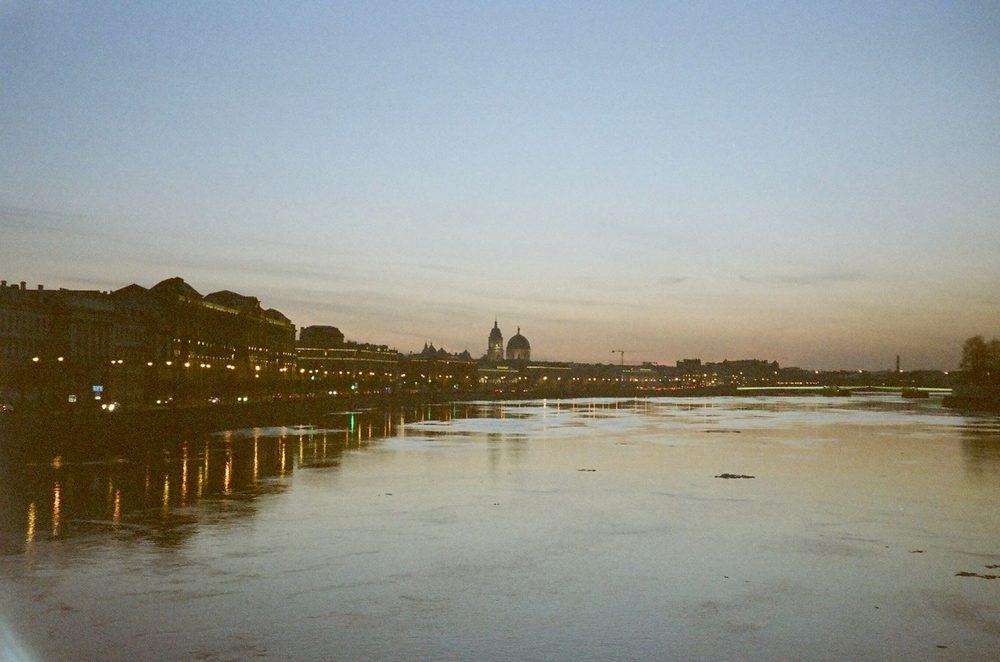
Drive south to Dresden, about two hours from the Spreewald, the Saxon capital rebuilt in baroque splendour on the River Elbe after its wartime destruction. Base at a riverside campsite or Stellplatz near the centre, several of which sit within walking distance of the old town.
Start in the Altstadt at the Frauenkirche, the great domed church painstakingly reconstructed from rubble and reopened in 2005, free to enter with a paid climb to the dome for the view.
Afternoon (1:00 PM): The Zwinger & Old Masters
Spend the afternoon at the Zwinger, the baroque palace complex that holds the Old Masters Picture Gallery, with Raphael’s Sistine Madonna among its highlights, and the Porcelain Collection. The courtyard and fountains are free to wander even if you skip the galleries.
Walk Brühl’s Terrace, the raised promenade above the Elbe nicknamed the “Balcony of Europe,” and cross to the Neustadt on the far bank for a livelier, younger dinner scene. An RV rental in Saxony makes this southern leg easy if you’d rather start the loop from Dresden itself.
Practical tip: Dresden’s old town is compact and pedestrian, so park the campervan at a central Stellplatz and explore on foot; the riverside sites are the most convenient.
Evening (7:00 PM): The Neustadt
Cross the Augustusbrücke to the Äußere Neustadt, Dresden’s alternative quarter, a grid of bars, street art, and independent restaurants that survived the war and now hosts the city’s nightlife. It’s the counterpoint to the reconstructed grandeur across the river.
Try Saxon dishes like Sauerbraten or potato soup in one of the neighbourhood’s traditional restaurants. The contrast between the two banks is the whole point of a Dresden evening.
Day 10: Saxon Switzerland National Park
Morning (8:30 AM): The Bastei Bridge
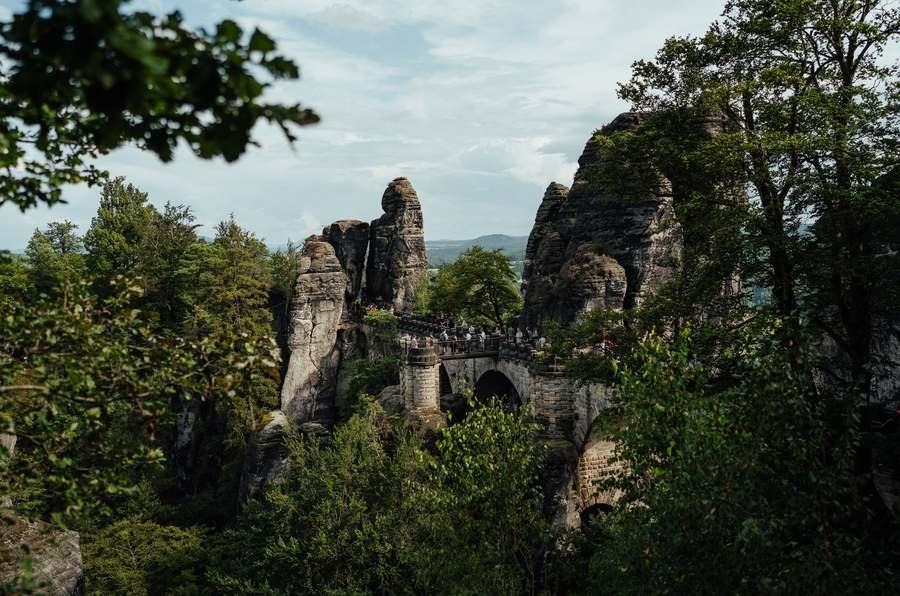
Drive 30 km southeast of Dresden into Saxon Switzerland National Park, a landscape of sandstone towers and gorges above the Elbe. The star is the Bastei, a rock formation where a 19th-century stone bridge spans the pinnacles 190 metres above the river, and the viewpoints are free to reach on foot.
Get there early, since the car parks and the bridge itself fill fast in summer. The short Neurathen Rock Castle circuit adds ruined medieval fortifications among the towers for a couple of euros.
Practical tip: the main Bastei car parks charge a fee and fill by mid-morning, so arrive before 9:00 AM or use one of the park-and-walk options lower down the hill.
Afternoon (1:00 PM): Königstein & the Trails
In the afternoon, choose your pace. Königstein Fortress, one of Europe’s largest hilltop fortresses, crowns a nearby mesa with panoramic views and a well-preserved garrison to explore. Alternatively, hike one of the many marked trails through the gorges and up to the rock plateaus.
The park is a paradise for walkers and climbers, and even a short trail delivers the strange, vertical scenery the region is famous for.
Evening (6:00 PM): Camp in the Park
Stay at a campsite in the Kirnitzsch valley or near Rathen to wake up among the cliffs, or begin the drive back toward Berlin. The national park is one of the best overnight spots on this whole route.
Cook in and turn in early if you’re hiking again, or drive an hour toward Leipzig to shorten tomorrow. Either way, the campervan means you’re sleeping where you want, not where a hotel happens to be.
Day 11: Leipzig
Morning (9:30 AM): Bach & the Old Town
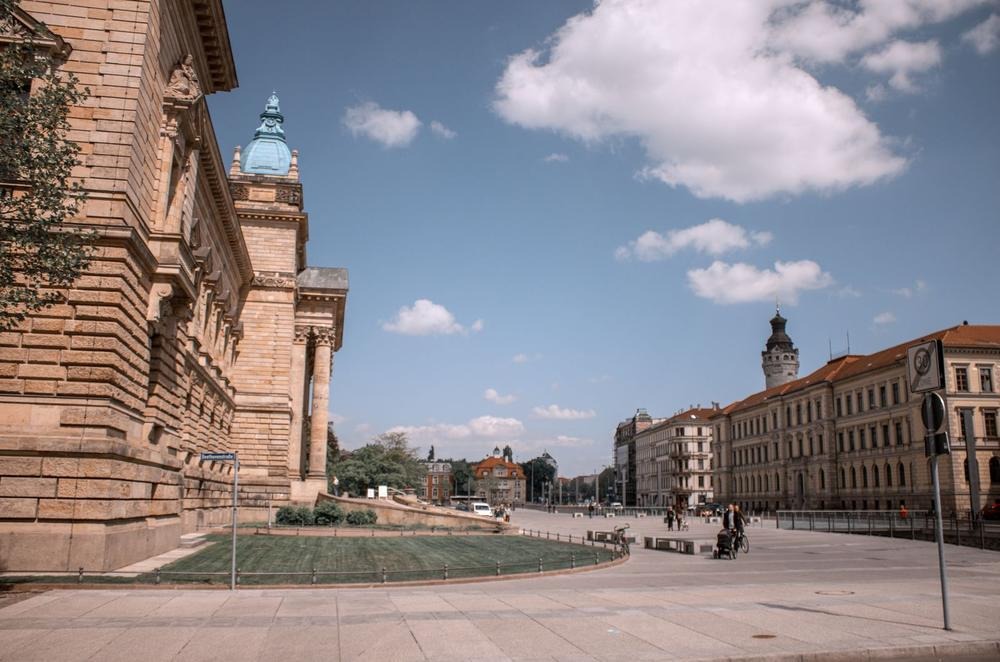
Drive northwest to Leipzig, roughly two hours from the national park, the trading and music city where Bach spent his final decades. Start at St. Thomas Church, where Bach was choirmaster and is now buried, then walk the compact old town with its covered shopping arcades.
Leipzig played a decisive role in 1989, when the Monday Demonstrations at St. Nicholas Church helped bring down the East German regime, and the Stasi Museum in the former secret-police headquarters tells that story.
Afternoon (1:00 PM): The Spinnerei & Modern Leipzig
Head to the Spinnerei, a vast former cotton mill in the west of the city that has become one of Germany’s leading contemporary art districts, with galleries and studios open to visitors. It’s the heart of the “Hypezig” scene that made Leipzig Germany’s most talked-about city of the last decade.
For lunch, the Karli, or Karl-Liebknecht-Straße, is the city’s liveliest street of cafés and restaurants. Leipzig is smaller and cheaper than Berlin, and easy to like.
Practical tip: Leipzig is flat and bike-friendly, so if your campsite hires cycles it’s a fast way to link the old town, the Spinnerei, and the Karli.
Evening (6:00 PM): Battle of the Nations
If you have daylight, the Völkerschlachtdenkmal, the colossal Monument to the Battle of the Nations, commemorates the 1813 defeat of Napoleon and ranks among the tallest monuments in Europe, with a climb to a viewing platform. It’s a fittingly monumental last stop before the drive back.
Have dinner in the old town or on the Karli, then set up at a Leipzig campsite. Tomorrow the itinerary turns back toward Berlin and slows down.
Day 12: The Brandenburg Lakes
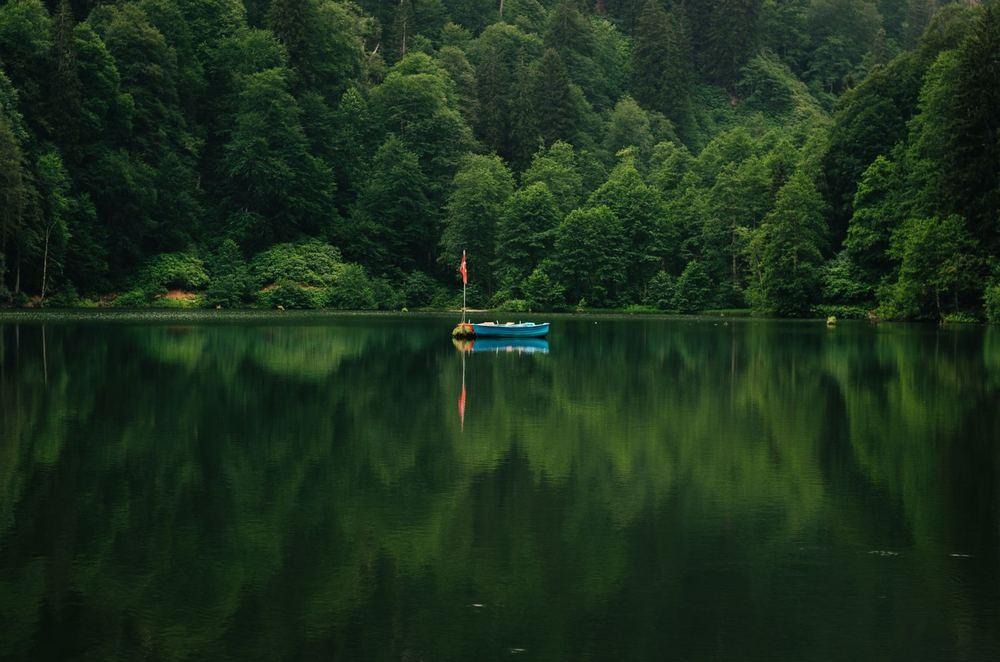
Morning (9:00 AM): Drive to the Water
Drive back into Brandenburg, aiming for one of the lake districts that ring Berlin, such as the Werbellinsee or Scharmützelsee, both under 90 minutes from the capital. This is the state’s quiet side, a landscape of clear lakes, pine forest, and small resort towns made for slow days.
Set up at a lakeside campsite and swap the sightseeing pace for a swimming-and-cycling one. An RV rental in Brandenburg opens up dozens of these sites, most with direct water access.
Afternoon (1:00 PM): Swim, Paddle, Cycle
Spend the afternoon in and on the water. Both lakes have clean swimming, boat and paddleboard hire, and flat cycle paths through the Schorfheide forest and around the shore. After a week of cities and history, a day that asks nothing of you is the right kind of reset.
The lakes are where Berliners themselves decamp in summer, so you’re seeing a side of the region most short visitors never reach.
Practical tip: these lakeside campsites book out on summer weekends, so reserve ahead or arrive midweek; the campervan lets you chase whichever site has space.
Evening (6:00 PM): A Lakeside Camp Night
Cook dinner by the water and watch the sun drop over the lake. This is the trip’s clearest argument for a campervan, a forest lakeshore, your own kitchen, and no schedule to keep.
Turn in early for one easy last push back to Berlin. You’re only an hour or so from the city.
Day 13: Back to Berlin
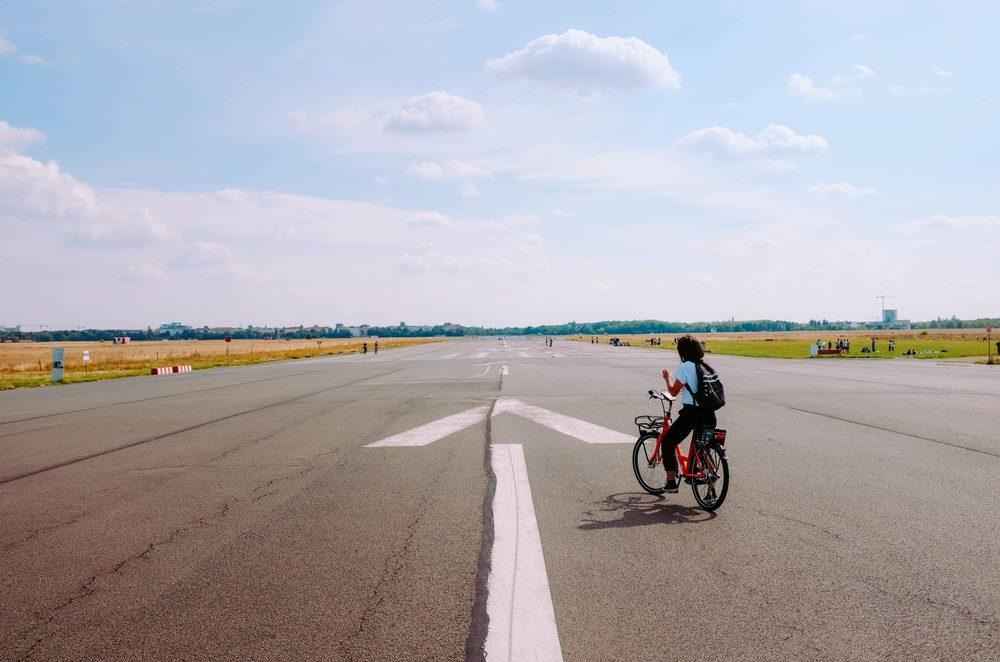
Morning (10:00 AM): Tempelhofer Feld
Drive back to the city and start the day at Tempelhofer Feld, the former airport whose runways are now a giant public park where Berliners cycle, skate, and picnic on the old taxiways. It’s a uniquely Berlin space and a relaxed reintroduction to the city.
The airport buildings, once the hub of the 1948 Berlin Airlift, are among the largest in the world, and guided tours run inside if you book ahead.
Afternoon (1:00 PM): Neukölln
Spend the afternoon in Neukölln, the district that took over from Kreuzberg as the city’s most talked-about, full of Middle Eastern bakeries, natural-wine bars, and canalside cafés along the Landwehr Canal. The Sonnenallee, nicknamed “Arab Street,” is one of the best eating strips in Berlin.
This is the day to catch anything the first week missed, whether that’s a museum you ran out of time for or a neighbourhood you only glimpsed.
Practical tip: with the campervan back near the city, base at your Berlin campsite again for the last two nights rather than moving pitches, and use the S-Bahn.
Evening (6:00 PM): A Rooftop or a Biergarten
Finish with a classic Berlin evening. A beer garden like Prater in Prenzlauer Berg, the oldest in the city, or a rooftop bar over Kreuzberg both send off the trip well.
Keep it easy. Tomorrow is about winding down and the drop-off, not another early start.
Day 14: Farewell Berlin
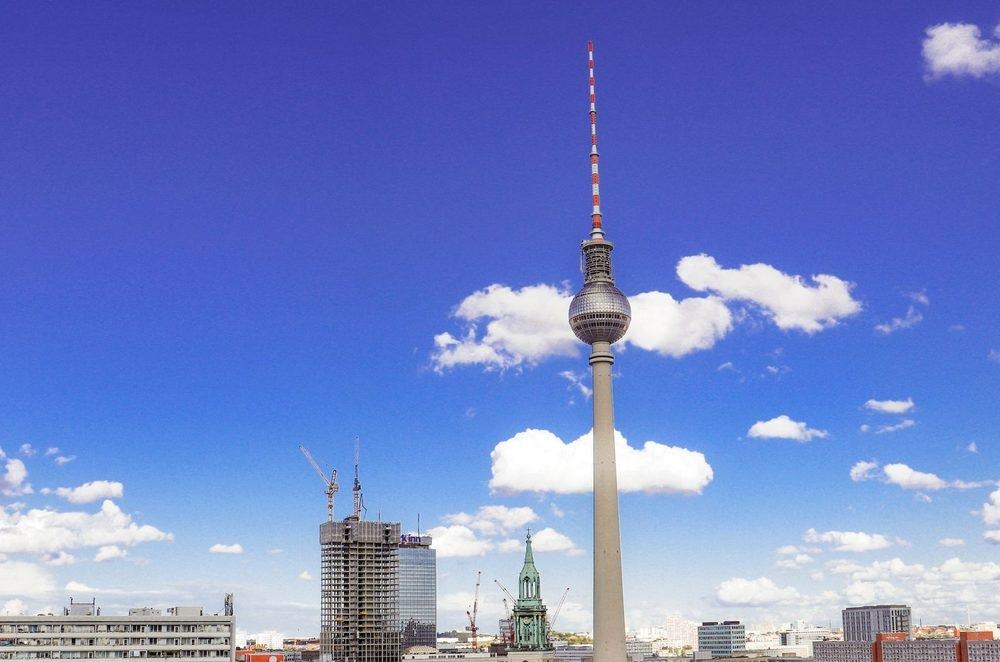
Morning (9:00 AM): A Last Market & the TV Tower
Slow the pace right down. Start at a weekend market if the timing lines up, or ride to Alexanderplatz for the Fernsehturm, the 368-metre TV Tower whose observation deck gives the widest view over the whole city you’ve spent two weeks in.
From the top you can trace the entire route, from the Museum Island to the line of the Wall, the Tiergarten, and the lakes on the horizon. It’s a fitting way to see how the pieces fit.
Afternoon (12:00 PM): A Final Berlin Meal
Have one last proper Berlin lunch. Whether that’s a farewell currywurst, a plate of Vietnamese in a Mitte kitchen, or a long café brunch in Prenzlauer Berg, this is the meal to linger over.
Pick up any provisions you need for the road if you’re driving on, or enjoy having nowhere in particular to be.
Evening (6:00 PM): Drop-Off
Close the trip by returning the campervan, ideally with a full tank and a little buffer before your slot. If your flight is later, the districts around the main station are an easy final wander.
Practical tip: build a buffer before your campervan drop-off slot and return the van with a full tank and a clean kitchen to avoid extra fees.
Alternative Berlin Itineraries
The two weeks above balance six city days with a southern road loop. Here are two ways to reshape the trip depending on how much time you have and what you’re after.
5-Day Berlin City Break
- Day 1: Mitte and Museum Island, from the Brandenburg Gate to Nefertiti, ending at Hackescher Markt.
- Day 2: Cold War Berlin, the Wall Memorial, Checkpoint Charlie, and the East Side Gallery.
- Day 3: Kreuzberg and Friedrichshain for street food, markets, and nightlife.
- Day 4: Prenzlauer Berg, the Mauerpark market, and the Kulturbrauerei.
- Day 5: a day trip to Potsdam for Sanssouci and the palace park.
14-Day Berlin & Baltic Coast Route
- Days 1-6: the full city core above, based at a campsite on the edge of Berlin.
- Days 7-8: drive north through the Mecklenburg Lake District, Germany’s largest network of lakes, with a camp night on the water.
- Days 9-11: continue to the Baltic island of Rügen for the Jasmund chalk cliffs, or Usedom for its imperial spa towns and long beaches.
- Days 12-13: work back down via a Hanseatic city; an RV rental in Hamburg makes a one-way finish there simple.
- Day 14: return to Berlin, or drop off in Hamburg if you booked a one-way route.
Map of Your 14-Day Berlin Itinerary
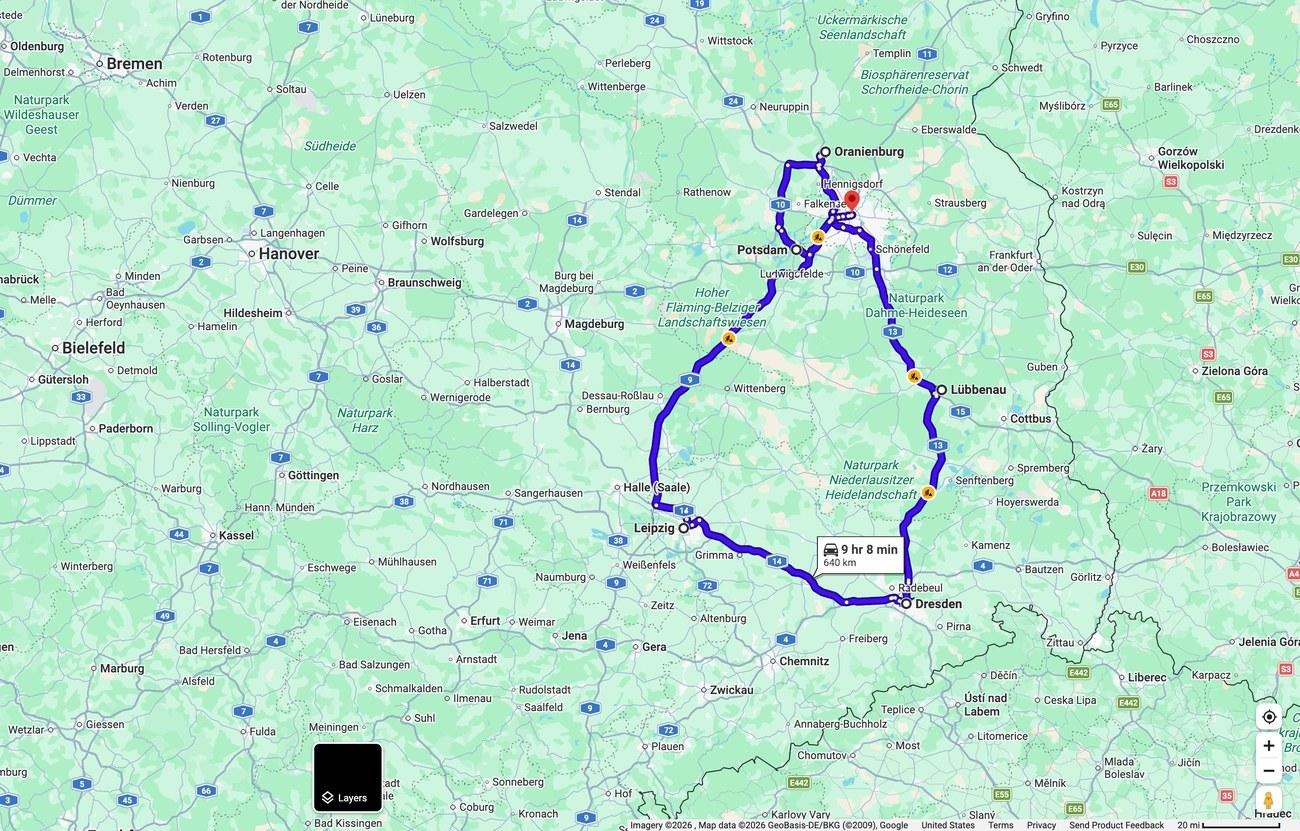
The route loops out from Berlin and back, running southwest to Potsdam, north to Sachsenhausen, then southeast into the Spreewald before pushing south to Dresden and Saxon Switzerland, northwest to Leipzig, and back through the Brandenburg lakes.
Total driving comes to roughly 900 km (560 miles) across the two weeks, most of it in comfortable two-hour hops. Germany charges no road tolls for campervans under 3.5 tonnes, so the driving stays cheap.
Budgeting for Your Trip: How Much Does 14 Days in Berlin Cost?
Two weeks in and around Berlin fits a wide range of budgets, and the campervan is the single biggest lever. Renting through Indie Campers replaces hotel costs with campsite fees, which run a fraction of a city room and drop your nightly spend sharply.
Here’s a realistic per-person breakdown, not counting the campervan hire itself:
| Category | Budget | Mid-Range | High-End |
| Accommodation | €12 to €18/night | €18 to €30/night | N/A (hotels) |
| Food & Drink | €15 to €25/day | €30 to €45/day | €70+/day |
| Attractions | €5 to €12/day | €12 to €20/day | €30+/day |
| Fuel & Tolls | €8 to €15/day | €15 to €22/day | €25+/day |
| Daily Total | €45 to €65 | €75 to €110 | €155+ |
| 14-Day Total | ~€630 to €910 | ~€1,050 to €1,540 | ~€2,170+ |
- Budget traveler: cook most meals from supermarket and market provisions, stay at campsites outside the centre, and lean on Berlin’s many free sights, the Wall memorials, the Topography of Terror, Tempelhofer Feld, so paid entries stay occasional. Around €900 per person for the fortnight is realistic.
- Mid-range traveler: eat lunch out, cook some dinners in the campervan, and pay for the big-ticket sights like Museum Island, Sanssouci, and the Dresden galleries. Budget €1,100 to €1,500 per person.
- High-end traveler: eat out every meal, book guided tours and skip-the-line access, and add a boutique hotel night or two in the centre. Expect €2,200 or more per person.
One campervan advantage worth knowing: Germany does not charge road tolls for vehicles under 3.5 tonnes, unlike Austria or Switzerland, so the long drives on this route cost only fuel. Diesel sat around €2 a litre in mid-2026, so budget fuel by distance.
Plan Your Berlin Road Trip with Indie Campers
A 14-day Berlin itinerary asks a lot of your transport. The city days want a base you can leave parked and reach by train, and the day trips to Potsdam, Dresden, and the lakes want a vehicle that moves on your schedule, not a timetable.
A campervan from Indie Campers rolls your bed and your transport into one booking. Company-owned vehicles come with unlimited mileage, so the loops to Saxony and the Baltic don’t add extra fees, and flexible cancellation up to 31 days before pick-up plus book-now-pay-later let you lock in dates without a high upfront cost. With 80+ locations worldwide, one-way routing is straightforward if you carry on past Germany.
Book your campervan and kickstart an adventurous Berlin trip now!
Berlin Itinerary 14 Days: Your Final Planning Recap
| Category | Details |
| Best Time to Go | Late spring (May) and early autumn (September) for warm days, long light, and thinner crowds than midsummer. |
| Recommended Budget | €1,000 to €1,600 per person for 14 days, plus campervan hire. |
| Days in the City | 5 to 6 days for Mitte, Cold War sites, Kreuzberg, Prenzlauer Berg, and Charlottenburg. |
| Day Trips & Loop | Potsdam, Sachsenhausen, the Spreewald, Dresden, Saxon Switzerland, Leipzig, and the Brandenburg lakes. |
| Best Food | Currywurst at Konnopke’s, döner on Mehringdamm, Spreewald gherkins, Saxon dishes in Dresden. |
| Recommended Transport | Campervan rental; it combines accommodation and transport and supports one-way routing. |
| Total Driving | Approx. 900 km (560 miles) across two weeks, mostly two-hour hops. No tolls under 3.5 tonnes. |
| Must-See Sights | Brandenburg Gate, Museum Island, the Berlin Wall, Sanssouci, the Bastei Bridge. |
| Accommodation | Campsites: €12 to €30 per pitch per night. |
| Perfect For | History lovers, couples, families, and travelers wanting city and countryside in one trip. |
Frequently Asked Questions (FAQs)
How many days do you need in Berlin?
Five to six days cover Berlin’s main districts and history: Mitte and Museum Island, the Cold War and Wall sites, Kreuzberg, Prenzlauer Berg, and Charlottenburg. Fourteen days is better for a fuller trip, since it adds day trips to Potsdam and Sachsenhausen and a road loop to the Spreewald, Dresden, and the Brandenburg lakes. That two-week span is what turns a city break into a proper regional trip.
Is 14 days too long for Berlin?
Fourteen days is not too long if you use the extra time to explore beyond the city, which is exactly what this Berlin itinerary 14 days plan does. The city itself fills five to six days comfortably, and the remaining week covers Potsdam, the Spreewald, Dresden, Saxon Switzerland, and the lakes. A campervan makes those road trips easy, since Dresden sits about 2 hours away and Potsdam only 45 minutes.
Do I need a green sticker to drive into central Berlin?
Yes, the whole area inside Berlin’s S-Bahn ring is a low-emission zone, and only vehicles with a green environmental sticker may enter. The rule applies to campervans and motorhomes as well as cars. Rental vehicles usually already carry the sticker, but confirm it at pick-up so you can drive into the centre without a fine.
Can I park a campervan in central Berlin?
Parking a campervan in central Berlin is difficult, with narrow streets, resident-permit zones, and few large spaces. The practical approach is to base at a campsite on the edge of the city, such as Krossinsee or Breitehorn at around €25 to €35 a night, and take the U-Bahn or S-Bahn into the centre. Save the campervan for the day trips and the road loop, where it earns its keep.
What are the best day trips from Berlin?
The top day trips from Berlin are Potsdam for the Sanssouci palace park (26 km, about 45 minutes), Sachsenhausen Memorial near Oranienburg (35 km, free entry), and the Spreewald canals southeast of the city (about 90 minutes). Dresden and the Saxon Switzerland cliffs are best as overnight stops, roughly 2 hours away. All sit within a comfortable drive, which makes them ideal self-drive days.
Is the Pergamon Museum open in 2026?
No, the Pergamon Museum on Museum Island is closed for major renovation and will not reopen until 4 July 2027. The other four museums on the island, including the Neues Museum with the Nefertiti bust, remain open and are covered by the €24 Museum Island day ticket. Plan your Museum Island visit around them for now.
Do I need a visa to visit Berlin?
Visitors from the US, Canada, Australia, the UK, and most other non-EU countries do not need a visa for short tourist stays in Germany of up to 90 days in any 180-day period. The EU’s new ETIAS travel authorization has been delayed and is not expected to be required before 2027, so check the official EU guidance for your nationality before you travel. No advance authorization is needed for trips in 2026.
How much does 2 weeks in Berlin cost?
Two weeks in Berlin on a campervan trip costs roughly €900 per person for budget travelers, €1,100 to €1,500 for mid-range, and €2,200 or more for high-end, not counting the campervan hire. Camping pitches run €12 to €30 a night, far below city hotels, and many of Berlin’s best sights, including the Wall memorials and Tempelhofer Feld, are free. Fuel is the other main cost, since Germany charges no tolls for vehicles under 3.5 tonnes.
When is the best time to visit Berlin?
The best time to visit Berlin is late spring and early autumn, especially May and September, when days are warm and long but the summer crowds have thinned. Midsummer brings the best lake and Baltic weather but the highest prices and busiest sights. Winter is cold and grey, though the Christmas markets and low prices reward travelers who don’t mind the chill.