Last Updated: July 31, 2026
Planning a trip to Barcelona?
This Barcelona travel guide covers a full week in the Catalan capital, from Gaudí’s basilicas and the tangled lanes of the Gothic Quarter to the mountain monastery at Montserrat and the coves of the Costa Brava.
Seven days is the sweet spot for the city. You get three unhurried days inside Barcelona itself, then three more for the day trips that most weekend visitors never reach, plus a slow farewell day to swim and eat your way through El Born.
The whole route is built around a campervan, which rolls your transport and your bed into one booking. First, it keeps you flexible in the city. Besides, it turns the wine country, the medieval towns, and the coast into easy drives instead of tour-bus package days.
Key Takeaways
- Iconic stops: the Sagrada Família, Park Güell, and the Gothic Quarter are the three you don’t skip.
- Hidden gems: the monastery at Montserrat and the coves near Tossa de Mar on the Costa Brava.
- Recommended transport: a campervan rental from Indie Campers, since it combines accommodation and transport and supports one-way pick-up and drop-off.
- Recommended budget: €680 to €1,540 per person for the week, plus the campervan hire, covering campgrounds, fuel, food, and attractions.
- Best time to go: spring (April to June) or early autumn (September to October) for warm days and thinner crowds.
Barcelona Travel Guide: 7 Days at a Glance
| Day | Area | Top Highlights |
| Day 1 | Gothic Quarter & El Born | Barcelona Cathedral, Roman walls, La Boqueria market, Picasso Museum. Try pa amb tomàquet and jamón ibérico. |
| Day 2 | Gaudí’s Barcelona (Eixample & Gràcia) | Sagrada Família, Casa Batlló, La Pedrera, Park Güell. Try a vermut in Gràcia. |
| Day 3 | Montjuïc & the Waterfront | MNAC, Montjuïc cable car, Magic Fountain, Barceloneta beach. Try fideuà and a bomba. |
| Day 4 | Montserrat | Mountain monastery, the Black Madonna, Sant Joan hiking trails. Try mató cheese with honey. |
| Day 5 | Penedès & Sitges | Cava cellars near Sant Sadurní, Sitges old town and beach. Try cava and xató salad. |
| Day 6 | Girona & Costa Brava | Girona’s medieval walls and cathedral steps, Tossa de Mar coves. Try suquet de peix. |
| Day 7 | Farewell Barcelona | Ciutadella Park, a final beach swim, Bunkers del Carmel sunset. Try crema catalana. |
Table of Contents
- Why You’ll Love a 7-Day Trip to Barcelona
- Best Time to Visit Barcelona
- Are 7 Days Enough to Visit Barcelona?
- How to Get Around Barcelona
- The Best Barcelona Itinerary: 7 Days Day by Day
- Alternative Barcelona Itineraries
- Map of Your 7-Day Barcelona Itinerary
- Budgeting for Your Trip: How Much Does 7 Days in Barcelona Cost?
- Plan Your Barcelona Road Trip with Indie Campers
- Barcelona Travel Guide: 7-Day Planning Recap
- Frequently Asked Questions (FAQs)
Why You’ll Love a 7-Day Trip to Barcelona
Most people give Barcelona a long weekend, tick off the Sagrada Família and Las Ramblas, and leave thinking they’ve seen it. A week tells a different story, and this Barcelona travel guide is built around it. You get the famous sights without the rush, and you still have days left over for the Catalonia that sits right outside the city limits.
That’s the real reason to stay longer. Barcelona is the base, but the region around it is the payoff: a thousand-year-old monastery in the mountains, sparkling-wine cellars an hour inland, medieval Girona, and a coastline of hidden coves. In fact, those day trips are where this Barcelona guide earns its keep.
The key to reaching them is your transport. Trains and tour buses cover the highlights, but they run on someone else’s clock and skip the quiet stops in between. A campervan flips that around. You park at a campground near the beach, take the metro into the old city on the culture days, then drive out to Montserrat or the Costa Brava whenever you want, with your kitchen and bed coming along for the ride.
Food is reason enough on its own. Think pan-fried bombas in a Barceloneta bar at lunch, a plate of jamón and pan amb tomàquet in El Born, and cava straight from a Penedès cellar. Each corner of Catalonia has its own dish, and a week gives you the time to eat properly rather than grabbing whatever’s nearest to the queue.
Best Time to Visit Barcelona
The season you pick shapes the trip more than anything else, from beach weather to crowd levels to how far ahead you need to book. Here’s what each one means for a week in the city and on the road.
Spring (April to June)
Spring is the most balanced window for this itinerary. Days are warm without the summer heat, the beaches start to fill by June, and the crowds at the Sagrada Família and Park Güell stay manageable through April and May.
- Average Temperatures: 15 to 24°C (59 to 75°F)
- What to expect: mild days, green countryside for the day trips, moderate crowds, mid-range prices.
Summer (July to August)
Summer is peak season, with the best beach weather and the biggest crowds. The city gets hot and humid, day-trip roads to Montserrat and the Costa Brava are busy, and attractions sell out days ahead, so book early.
- Average Temperatures: 24 to 30°C (75 to 86°F)
- What to expect: hot, sunny days, packed beaches, top prices, long evenings. Reserve campgrounds and tickets well ahead.
Autumn (September to October)
Autumn rivals spring for ideal conditions. September keeps warm sea and summer light while the crowds thin out, and October brings the grape harvest across the Penedès wine country, which makes the cellar visits on Day 5 even better.
- Average Temperatures: 16 to 26°C (61 to 79°F)
- What to expect: warm days, swimmable sea, thinning crowds, lower prices than summer.
Winter (November to March)
Winter is quiet and mild by European standards, with the lowest prices of the year and short queues at the big sights. The beach days are off the table, but the city, Montserrat, and Girona all work well, and the light is lovely for photos.
- Average Temperatures: 9 to 16°C (48 to 61°F)
- What to expect: cool, mild days, few crowds, lowest prices, some mountain weather at Montserrat.
Are 7 Days Enough to Visit Barcelona?
Yes, seven days is more than enough for Barcelona, and that’s exactly what makes the city such a good week-long base. Three days cover the sights inside the city comfortably, which leaves three full days for day trips and one to slow down.
If you’re tighter on time, Days 1 to 3 stand alone as a self-contained Barcelona 3-day itinerary: the Gothic Quarter, Gaudí, and Montjuïc, with a beach afternoon to close it out. Add the Montserrat, Penedès, and Costa Brava days, and you turn a city break into a proper look at Catalonia.
What you walk away with after a week is the full picture: Gaudí’s architecture, the medieval old town, a mountain monastery, wine country, a beach resort, and a stretch of the best coast in Spain. It’s a lot of ground, but the campervan keeps it relaxed rather than frantic.
How to Get Around Barcelona
Inside the city, you don’t need to drive at all. Barcelona has one of the best metro systems in Europe, the old-town sights sit within walking distance of each other, and parking a large vehicle in the centre is more trouble than it’s worth.
The smart move is to park a campervan at a campground on the edge of the city, then ride the metro or train in on your culture days. Campsites like the ones in Gavà Mar to the south sit a short train ride from the centre, and they cost a fraction of a downtown hotel. You wake up near the beach and skip the daily parking headache.
Where the campervan pays for itself is the day trips. Montserrat, the Penedès cellars, Sitges, Girona, and the Costa Brava all sit within 90 minutes of the city, and driving yourself means no fixed tour times and no backtracking.
Indie Campers runs RV rental in Catalonia with pick-up in Barcelona, so the fleet is ready when you land, from compact campervans for couples to larger motorhomes for families. Company-owned vehicles come with unlimited mileage, which matters once the day trips add up, and flexible cancellation up to 31 days before pick-up plus the book-now-pay-later option let you lock in dates without a high upfront cost.
The Best Barcelona Itinerary: 7 Days Day-by-Day
Here’s the full day-by-day plan. Each day covers a morning, afternoon, and evening, plus named restaurants, a signature dish, and one practical tip for travelling by campervan.
Ready to build this week yourself? Grab an RV rental in Barcelona and set your own pace from day one.
Day 1: The Gothic Quarter & El Born
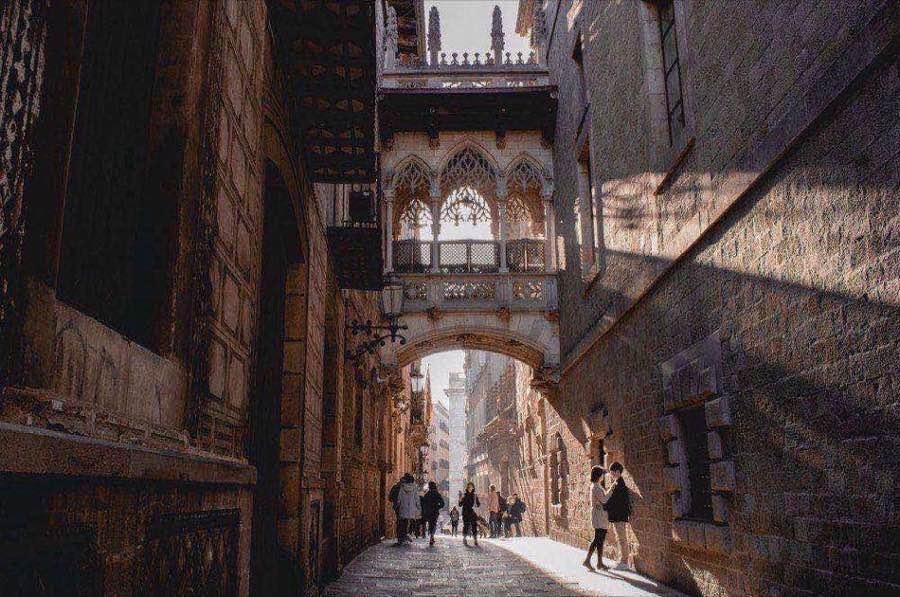
Morning (9:00 AM): Barcelona Cathedral & the Roman City
Start in the Barri Gòtic, the medieval core built on top of the Roman town of Barcino. The Barcelona Cathedral (La Seu) anchors it, with a Gothic facade, a cloister full of geese, and a rooftop you can climb for a view over the old roofs (entry around €11, including the roof and choir).
A few streets away, the Temple d’August hides four Roman columns inside a courtyard, free to visit. Wander Plaça Sant Jaume and the lanes toward Plaça Reial, the palm-lined square right off Las Ramblas, before the tour groups fill them.
Practical tip: park at a campground outside the centre, such as Camping Barcelona in Gavà Mar or Camping Masnou to the north, and take the train or metro in. Both sit a short ride from the centre, and the old town is not built for large vehicles.
Afternoon (1:00 PM): Las Ramblas & La Boqueria
Walk down Las Ramblas, the tree-lined promenade that runs from Plaça de Catalunya to the waterfront, and duck into the Mercat de la Boqueria halfway along. It’s touristy, but the seafood counters, jamón stalls, and fruit stands are the real thing.
Have lunch at one of the market bars: Bar Pinotxo and El Quim de la Boqueria are the classics, both serving whatever came in that morning. Order pa amb tomàquet (bread rubbed with tomato and olive oil) and a plate of jamón ibérico, or a small dish of chickpeas with cuttlefish.
Evening (7:00 PM): El Born & Santa Maria del Mar
Cross into El Born for the evening, the old merchants’ quarter that’s now the city’s best neighbourhood for food and small bars. See the soaring nave of Santa Maria del Mar, then wander Carrer de Montcada past the Picasso Museum (around €12, book ahead online).
For dinner, Bar del Pla on Carrer de Montcada does excellent Catalan tapas like ham croquettes and slow-cooked oxtail. Finish a few doors down at El Xampanyet, a family-run cava bar open since 1929, with a glass of house cava and a plate of boquerones (anchovies in vinegar).
Day 2: Gaudí’s Barcelona
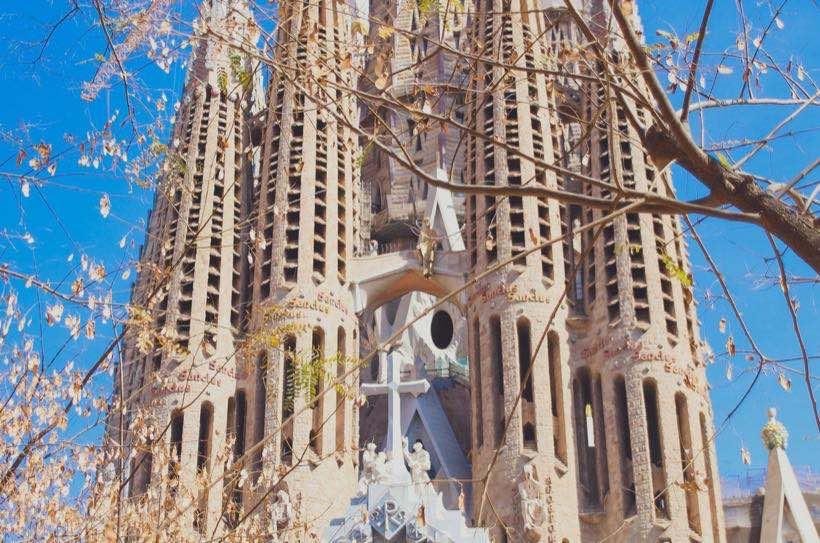
Morning (9:00 AM): Sagrada Família
Give the morning to the Sagrada Família, Gaudí’s basilica and the most visited monument in Spain. The interior, lit through walls of stained glass, is unlike any church you’ve seen, and the building is now finished at the top: in 2026, its central Tower of Jesus Christ was completed at 172.5 meters (566 feet), the tallest of the 18 towers.
Book online at least two to three weeks ahead. Basic entry runs around €26, and the ticket with tower access is closer to €36; allow at least 90 minutes inside.
Practical tip: the Nativity facade on the east side is Gaudí’s original 19th-century work and catches the best morning light. Come at your booked opening slot to beat the largest crowds.
Afternoon (1:00 PM): Passeig de Gràcia & Gràcia
Walk the Passeig de Gràcia, the boulevard lined with Gaudí’s Casa Batlló (from around €35) and Casa Milà, known as La Pedrera (around €28). You can tour both, or admire the facades from the street and spend the ticket money on one.
For lunch, Cervecería Catalana on Carrer de Mallorca is a reliable local favourite for patatas bravas and croquetas. Then head uphill into Gràcia, a neighbourhood of small plazas and independent bars that feels like its own village, for a vermut before the afternoon.
Evening (6:00 PM): Park Güell at Golden Hour
Finish at Park Güell, Gaudí’s mosaic terrace park on a hill above the city. The monumental zone with the famous tiled bench is timed-entry (around €10, book ahead), while the wooded paths around it are free, and the views over Barcelona to the sea are best in late-afternoon light.
For dinner back in Gràcia, La Pepita on Carrer de Còrsega does creative tapas and more pa amb tomàquet. For a free alternative to the park terrace, the nearby Bunkers del Carmel, a Civil War gun battery, is where locals go for the best sunset over the city.
Day 3: Montjuïc & the Waterfront
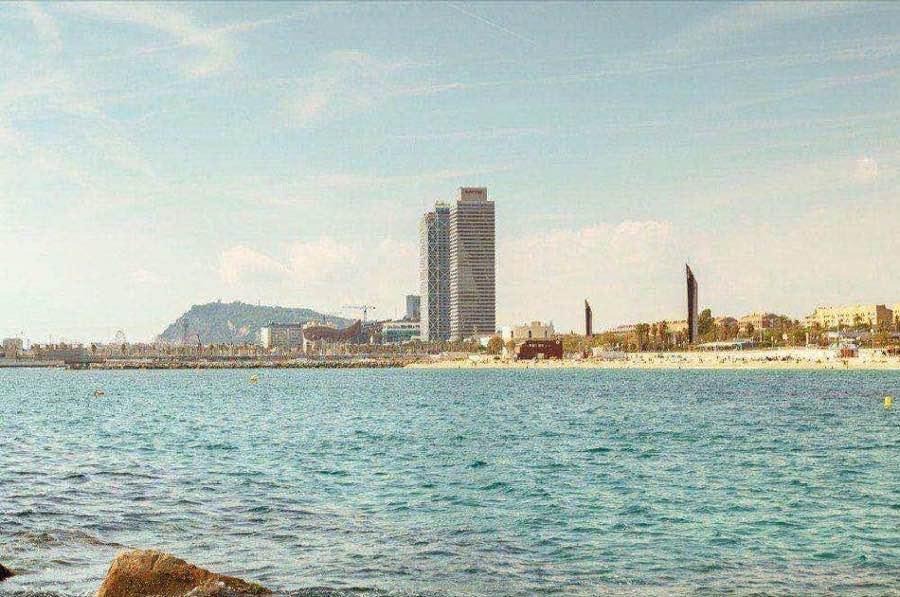
Morning (9:00 AM): Montjuïc Hill
Spend the morning on Montjuïc, the green hill on the city’s southern edge. The Museu Nacional d’Art de Catalunya (MNAC, around €12) sits at the top of the grand staircase, holding the best collection of Romanesque and Catalan art in Spain.
Ride the Montjuïc cable car (about €15 return) up to the 17th-century castle for a wide view over the port, or wander the gardens and the Joan Miró Foundation. It’s an uncrowded contrast to the busy old town.
Afternoon (1:00 PM): Poble-sec & the Magic Fountain
Come down into Poble-sec for lunch, a working neighbourhood known for its tapas bars. Quimet & Quimet on Carrer del Poeta Cabanyes is the standout, a tiny standing-room bar stacked with tinned-seafood montaditos, or graze the pintxos bars along Carrer de Blai where each bite costs a euro or two.
Below Montjuïc sits the Font Màgica, the Magic Fountain that puts on a free light-and-music show on select evenings. It’s a short walk from the MNAC steps, so you can loop back for it after dinner.
Practical tip: the Magic Fountain shows are free but only run on certain evenings, often Thursday to Sunday in season, so check the current schedule before you plan dinner around it.
Evening (6:00 PM): Barceloneta & the Beach
Head to Barceloneta, the old fishermen’s quarter that opens onto the city’s main beach. Walk the Passeig Marítim toward the Port Olímpic, past Frank Gehry’s giant copper fish, and take a swim if the season is warm.
For dinner, La Cova Fumada on Carrer del Baluard is the unmarked bar that invented the bomba, a fried potato-and-meat croquette with spicy sauce; for a proper sit-down paella, Can Solé on Carrer de Sant Carles has been going since 1903. Days 1 to 3 wrap up the city core, and from here the itinerary heads out of town.
Day 4: Montserrat
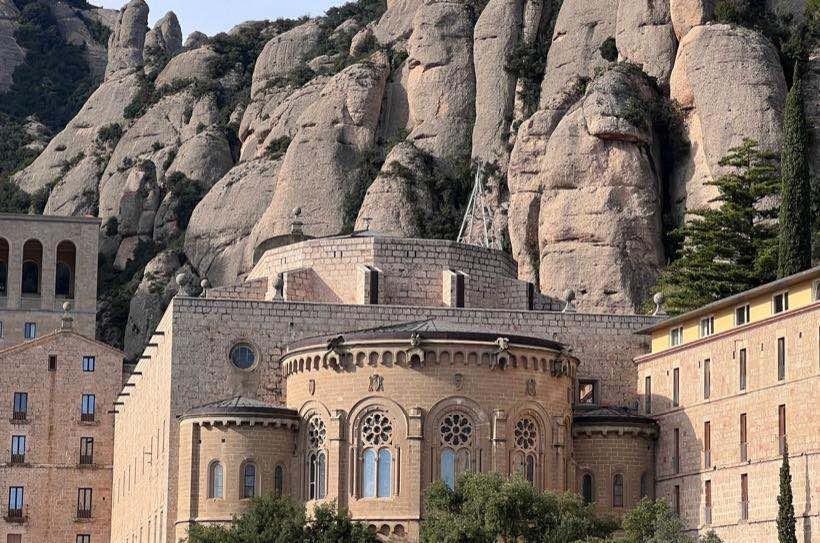
Morning (8:00 AM): Drive to the Monastery
Point the campervan northwest for Montserrat, the serrated mountain that gives the range its name, about 60 km and an hour from the city on the C-16. The Benedictine monastery is tucked into the rock partway up, and the drive in past the jagged peaks is half the reason to go.
Visit the basilica (free to enter) and join the queue to see La Moreneta, the 12th-century Black Madonna that has drawn pilgrims for centuries. On weekdays, the Escolania, one of Europe’s oldest boys’ choirs, usually sings around 1:00 PM.
Practical tip: the mountain road is narrow, and the car park fills by late morning, so leave early. If you’d rather not drive the final climb, park at the base in Monistrol de Montserrat and take the rack railway (Cremallera) up.
Afternoon (1:00 PM): Trails & Viewpoints
Take the Sant Joan funicular, or hike, up to the higher trails behind the monastery. The paths lead to hermitages and lookouts with long views across Catalonia, and on a clear day you can see the Pyrenees.
For food, the monastery’s Restaurant Abat Cisneros does hearty Catalan mountain dishes, or pack a picnic from a Barcelona market the day before. Look for mató, the fresh local cheese served with honey.
Evening (6:00 PM): Back Toward the City
Drive back down as the day-trippers clear out, when the light on the rock faces turns gold. Aim for a campground on the western side of the city, so you’re already pointed toward the wine country for tomorrow.
Cook dinner at your pitch or stop in a town along the way. After a day on the mountain, an easy night beats fighting for a city restaurant table.
Day 5: Penedès Wine Country & Sitges
Morning (9:00 AM): Cava in the Penedès
Start in the Penedès, Spain’s sparkling-wine heartland, around 45 km from Barcelona near Sant Sadurní d’Anoia. This is where most Spanish cava is made, and the big houses run guided tours through their underground cellars; Codorníu’s Art Nouveau winery, designed by Puig i Cadafalch, is worth the visit on its own (tours from around €18).
Book a cellar visit ahead, since the larger houses take reservations and the smaller family estates often need a call. A tour usually ends with a tasting, so plan your driver accordingly.
Practical tip: the campervan makes the wine-then-beach hop simple, but keep a sober driver for the afternoon. Most cellars sell bottles to take with you for later.
Afternoon (1:00 PM): Sitges Old Town & Beach
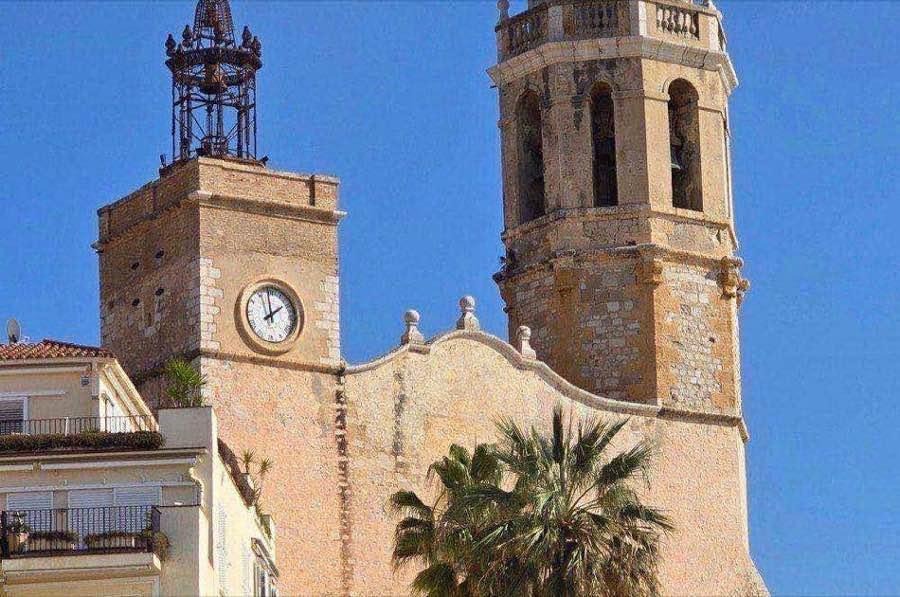
Drive 25 km south to Sitges, a whitewashed seaside town long favoured by locals, where the old town wraps around the Church of Sant Bartomeu on a rock above the sand. Park up and spend the afternoon on one of the easy town beaches.
Have a late lunch on the seafront and try xató, the local salad of escarole, salt cod, anchovies, and a rich almond-and-pepper sauce; El Cable on Carrer de Barcelona is one of the town’s oldest tapas bars and a good spot for it.
Evening (7:00 PM): Sunset on the Coast
Stay for the evening as Sitges shifts into its relaxed nightlife, or settle at a coastal campground like Camping El Garrofer on the edge of town. The seafront promenade is made for a slow after-dinner walk.
If you’d rather push on, it’s a straightforward drive back to a Barcelona campground. Either way, you’ve swapped a packaged wine tour for a day that runs on your own schedule.
Day 6: Girona & the Costa Brava
Morning (9:00 AM): Medieval Girona
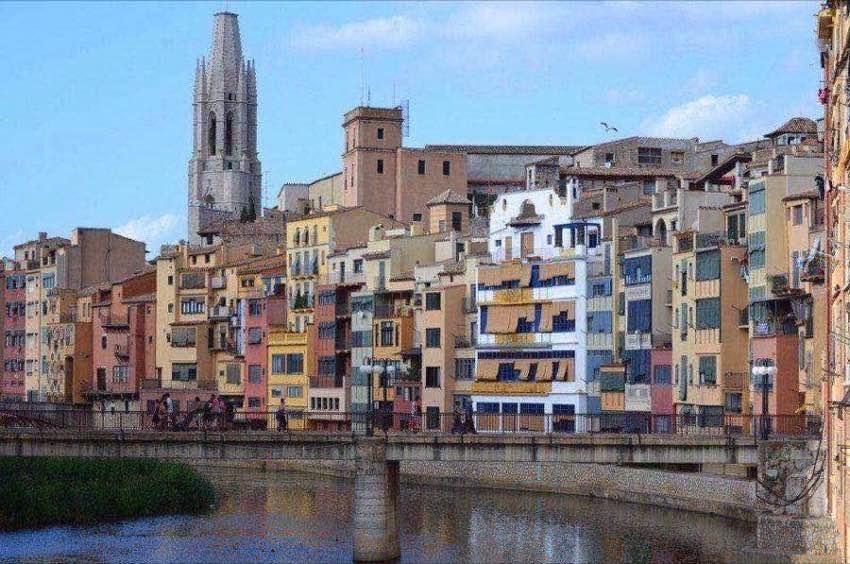
Drive north to Girona, about 100 km and an hour and a quarter on the AP-7, one of the most complete medieval cities in Spain and far quieter than Barcelona. Walk the old city walls that ring the centre, the Passeig de la Muralla, free and open, for views over the orange-tiled roofs.
Visit the Girona Cathedral, which has the widest Gothic nave in the world, and climb the steps out front that played King’s Landing in Game of Thrones. Wander El Call, one of Europe’s best-preserved Jewish quarters, and photograph the coloured houses along the Onyar. Girona is also home to El Celler de Can Roca, one of the world’s most celebrated restaurants, if you booked months ahead.
Afternoon (1:00 PM): Costa Brava Coves
Drive east to the Costa Brava, the rocky coast of pine-backed coves and clear water that runs to the French border. Tossa de Mar, about 40 km from Girona, is the classic stop, with a medieval walled town, the Vila Vella, sitting right on the beach.
Have lunch at a seafront restaurant and order suquet de peix, the Catalan fisherman’s stew of white fish and potatoes. Swim in a cove between courses if the weather plays along.
Practical tip: the coastal roads are scenic but winding, so allow more time than the distance suggests. Camping Cala Llevadó above Tossa de Mar is a well-placed overnight if you want to wake up on the coast.
Evening (6:00 PM): Coast or City
Spend the night at a Costa Brava campground to wake up by the sea, or drive back to Barcelona for your final day. The coastal sunset over the water is worth staying for if you can.
Either way, keep the evening easy. Tomorrow is about winding down, not another early start.
Day 7: Farewell Barcelona
Morning (9:00 AM): Ciutadella Park & El Born
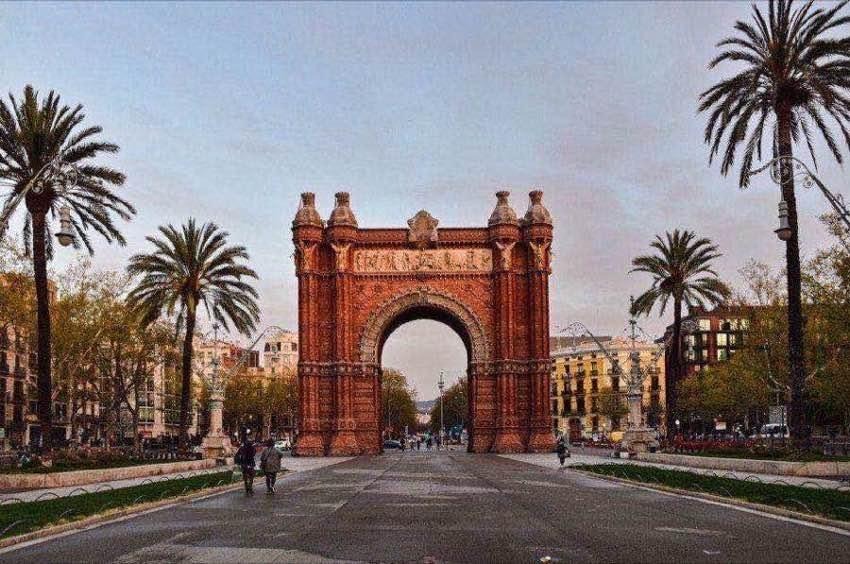
Drive back to Barcelona if you stayed on the coast, then slow the pace right down. Start at the Parc de la Ciutadella, the city’s green lung, with its ornate fountain that a young Gaudí helped design, a rowing lake, and the Arc de Triomf at the top of the promenade.
Have a long brunch back in El Born, the neighbourhood worth one more visit. This is a morning for sitting still, not ticking off sights.
Afternoon (12:00 PM): A Last Beach & the Waterfront
Head back to Barceloneta for a final swim and a walk along the Passeig Marítim. Pick up provisions at a market if you’re driving on, or enjoy having nowhere to be.
For a proper last lunch, Cal Pep on Plaça de les Olles is one of the city’s great seafood tapas bars; sit at the counter and let the kitchen send out gambas al ajillo and whatever’s freshest.
Evening (6:00 PM): Sunset & Drop-Off
Close the week at the Bunkers del Carmel for a last panorama over the city, then return the campervan, ideally with a full tank and a little buffer before your slot.
Finish with a final glass of cava at La Vinya del Senyor by Santa Maria del Mar, and crema catalana, the Catalan custard that predates crème brûlée, at a classic like Els Quatre Gats.
Practical tip: build a buffer before your campervan drop-off slot and return the van with a full tank and a clean kitchen to avoid extra fees.
Montserrat, the vineyards, and the coast are all easy drives with an RV rental in Catalonia, so you can chase the good weather and skip the tour-bus timetable.
Alternative Barcelona Itineraries
The week above is the balanced version, three days in the city and three on the road. Here are two ways to reshape it depending on how much time you have and what you’re after.
3-Day Barcelona City Break
- Day 1: the Gothic Quarter and El Born, with the cathedral, Santa Maria del Mar, the Picasso Museum, and tapas along Carrer de Montcada.
- Day 2: Gaudí in full, from the Sagrada Família to Casa Batlló and La Pedrera on Passeig de Gràcia, finishing at Park Güell for sunset.
- Day 3: Montjuïc’s museums and castle in the morning, the Magic Fountain, and an afternoon on Barceloneta beach.
7-Day Barcelona & Costa Brava Coastal Route
- Days 1-3: the full city core above, based at a campground on the edge of Barcelona.
- Day 4: drive up the coast to Tossa de Mar for the walled old town and the coves around it.
- Day 5: continue to Calella de Palafrugell and the Cap de Creus headland, with a swim stop at a quiet cala.
- Day 6: Cadaqués, the whitewashed village Dalí called home, then the Dalí Theatre-Museum in nearby Figueres (around €17).
- Day 7: Cut inland to Girona for the medieval old town before the drive back. If you have longer, our 10-day Spain itinerary extends the same road trip across the country, while RV rental in Spain and the North Spain road trip guide point you toward the Basque Country.
Map of Your 7-Day Barcelona Itinerary
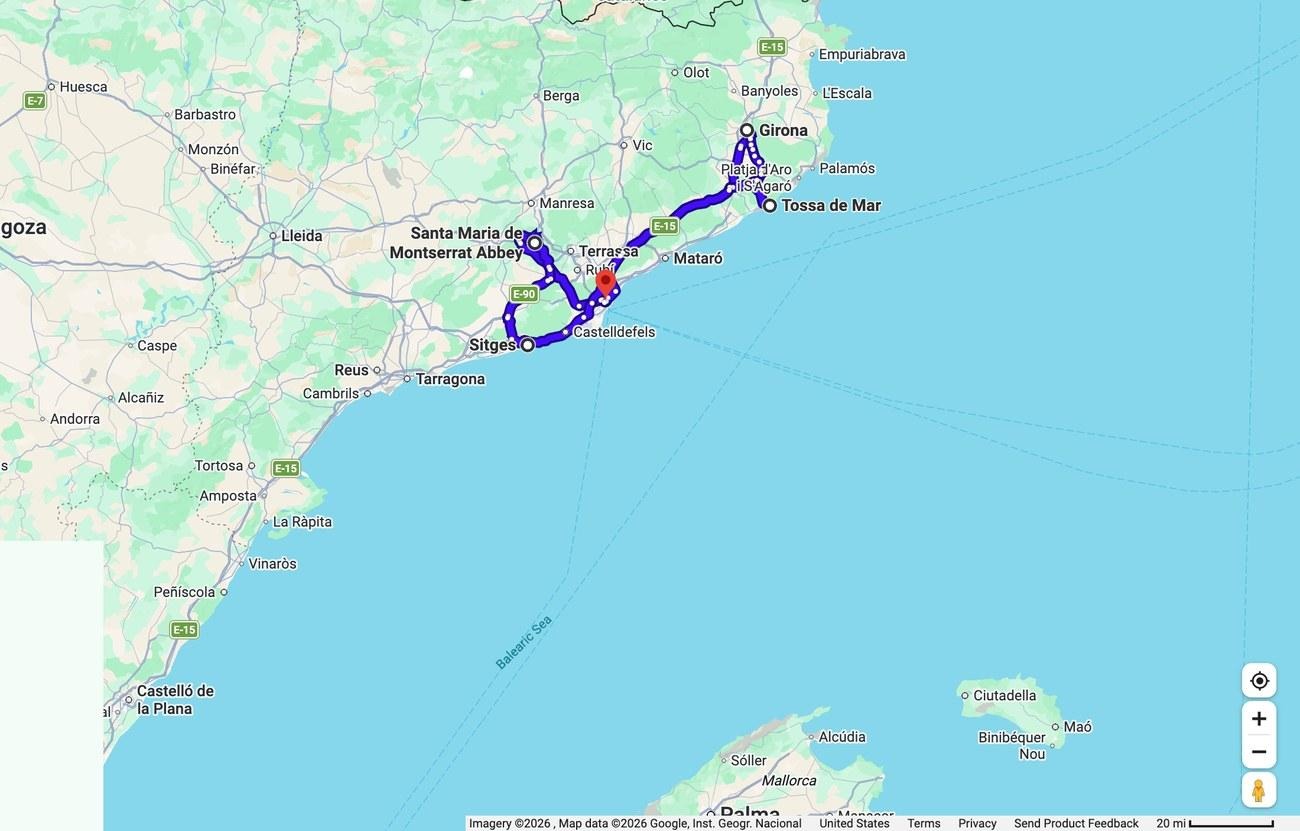
The route loops out from Barcelona and back: northwest to Montserrat, southwest to the Penedès and Sitges, then north to Girona and the Costa Brava before returning to the city. Total driving comes to roughly 400 km (250 miles) across the week, most of it in short day-trip hops. Our Catalonia road trip guide covers the wider region if you want to keep driving.
Budgeting for Your Trip: How Much Does 7 Days in Barcelona Cost?
A week in Barcelona fits a wide range of budgets, and the campervan is the single biggest lever. Renting through Indie Campers replaces hotel costs with campground fees, which run a fraction of a downtown room and drop your nightly spend sharply.
Here’s a realistic per-person breakdown, not counting the campervan hire itself:
| Category | Budget | Mid-Range | High-End |
| Accommodation | €15 to €25/night | €25 to €45/night | N/A (hotels) |
| Food & Drink | €25 to €40/day | €45 to €70/day | €100+/day |
| Attractions | €10 to €25/day | €25 to €45/day | €60+/day |
| Fuel & Tolls | €10 to €20/day | €20 to €30/day | €35+/day |
| Daily Total | €60 to €110 | €115 to €190 | €220+ |
| 7-Day Total | ~€420 to €770 | ~€805 to €1,330 | ~€1,540+ |
Budget traveler: cook most meals from market provisions, stay at campgrounds outside the centre, and mix free sights (walking the old town, Bunkers del Carmel, Girona’s walls) with one or two paid highlights like the Sagrada Família (around €26). Around €680 per person for the week is realistic.
Mid-range traveler: eat lunch out, cook some dinners in the campervan, and pay for the big-ticket sights like the Sagrada Família, Park Güell, and a Penedès cellar tour. Budget €1,000 to €1,300 per person.
High-end traveler: eat out every meal, book guided tours and skip-the-line access, and add a boutique hotel night or two in the centre. Expect €1,540 or more per person.
One campervan bonus worth knowing: Barcelona raised its city tourist tax in 2026, but campgrounds outside the city sit in a lower band than central hotels, so basing yourself on the edge of town keeps that cost down too.
Plan Your Barcelona Road Trip with Indie Campers
The most useful decision you can make for a week in Barcelona is sorting your transport and your accommodation in one booking. That’s what an RV rental in Barcelona from Indie Campers gives you: a base near the beach for the city days, and the freedom to drive to Montserrat, the Penedès, or the Costa Brava whenever you like.
Company-owned vehicles come with unlimited mileage, so the day trips don’t rack up extra fees, and flexible cancellation up to 31 days before pick-up means you can lock in dates early without the risk. With 80+ locations worldwide, one-way routing is straightforward if you want to carry on past Catalonia.
Book your campervan and start planning the Catalonia week you’ll actually remember.
Barcelona Travel Guide: 7-Day Planning Recap
| Category | Details |
| Best Time to Go | Spring (April to June) and early autumn (September to October) for warm days and thinner crowds. |
| Recommended Budget | €680 to €1,540 per person for 7 days, plus campervan hire. |
| Days in the City | 3 days for the Gothic Quarter, Gaudí, and Montjuïc. |
| Day Trips | Montserrat, the Penedès and Sitges, and Girona with the Costa Brava. |
| Best Restaurants | El Xampanyet, Barcelona (cava and tapas); La Cova Fumada, Barceloneta (bombas); Cal Pep, El Born (seafood tapas); El Cable, Sitges (xató). |
| Recommended Transport | Campervan rental; it combines accommodation and transport and supports one-way routing. |
| Total Driving | Approx. 400 km (250 miles) across the week, mostly short day-trip hops. |
| Must-Try Foods | Pa amb tomàquet, jamón ibérico, fideuà, bombas, cava, crema catalana. |
| Accommodation | Campgrounds: €15 to €45 per pitch per night. |
| Perfect For | Couples, first-time visitors, and food-and-culture travelers wanting city and coast in one trip. |
Frequently Asked Questions (FAQs)
How many days do you need in Barcelona?
Three days cover the main sights: the Gothic Quarter, the Sagrada Família and Gaudí’s other work, and Montjuïc with a beach afternoon. Seven days is better, since it adds day trips to Montserrat, the Penedès wine country, Girona, and the Costa Brava without any rush.
What is the best way to get around Barcelona?
Inside the city, use the metro and your feet, since the old-town sights are close together and central parking is difficult. For the day trips beyond the city, a campervan is the most practical option, because it combines transport and accommodation and lets you set your own schedule.
What are the best day trips from Barcelona?
The top four are Montserrat (a mountain monastery about an hour away), the Penedès cava cellars, Sitges (a seaside town to the south), and Girona with the Costa Brava coves to the north. All sit within 90 minutes of the city, which makes them easy self-drive days.
Is 3 days enough for Barcelona?
Yes, a Barcelona 3-day itinerary covers the essentials comfortably: the Gothic Quarter and El Born on day one, Gaudí’s Sagrada Família and Park Güell on day two, and Montjuïc plus the beach on day three. You’ll miss the day trips, but you’ll see the city itself.
Can I drive a campervan in Barcelona’s city center?
It’s better not to. Barcelona has a Low Emission Zone (ZBE) that restricts older vehicles, and parking a large van in the centre is difficult and expensive. The easy approach is to stay at a campground on the edge of the city, like Gavà Mar to the south, and use the metro or train, then take the campervan out for the day trips.
Do I need a visa to visit Barcelona?
Visitors from the US, Canada, Australia, the UK, and most other non-EU countries don’t need a visa for short tourist stays in Spain of up to 90 days in any 180-day period. The EU’s new ETIAS travel authorization is expected to launch in late 2026 and won’t be mandatory until 2027, so check the official EU guidance for your nationality before you travel.
Is Barcelona expensive to visit?
Barcelona is mid-range for a major European city, and a campervan trip keeps costs down by swapping hotels for campgrounds. Budget travelers can manage around €680 per person for the week, while mid-range visitors spend closer to €1,000 to €1,300, not counting the campervan hire.
Is Barcelona safe for tourists?
Yes, Barcelona is a safe city, with the main risk being pickpocketing in crowded tourist spots like Las Ramblas and on the metro. Keep bags zipped and in front of you, stay aware in crowds, and you’ll rarely have a problem. Violent crime against visitors is uncommon.
When is the best time to visit Barcelona?
Spring (April to June) and early autumn (September to October) are the best times, with warm weather, swimmable sea by late spring and early autumn, and smaller crowds than the July and August peak. Winter is quiet and mild if you don’t mind skipping the beach.