Key Takeaways (TL;DR)
- Why Go to Anchorage: Alaska’s largest city is the most practical base for exploring Southcentral Alaska. You can stand downtown in the morning, hike a glacier by lunch, and watch beluga whales surface in Turnagain Arm before dinner.
- Top Places to Visit in Anchorage 2026: Tony Knowles Coastal Trail, Anchorage Museum, Chugach State Park, Alaska Native Heritage Center, and the Alaska Wildlife Conservation Center.
- Best Day Trips: Matanuska Glacier (100 miles north), Portage Glacier (50 miles south), Talkeetna for Denali views (115 miles north), and Seward via the Alaska Railroad (125 miles south).
- Don’t Miss Experience: Driving the Seward Highway along Turnagain Arm at low tide, when bore tide waves can reach six feet and Dall sheep climb the cliffs above the road.
- Ideal Trip Length: 5-7 days. Two days in the city, then three to five days using Anchorage as a launching point for the surrounding wilderness.
- Recommended Budget Per Person: $130-$220 per day, covering campsites, fuel, meals, and entry fees, excluding RV rental.
- Watch Out For: Summer daylight runs 18+ hours in June – pack blackout curtains and sunglasses. Wildlife on roads is constant; moose sightings happen inside city limits.
- Where To Stay: An Indie Campers RV rental gives you the freedom to start your day downtown and end it parked beside a glacier-fed lake without changing accommodations.
- Best For: Wildlife watchers, glacier hikers, road-trippers chasing the midnight sun, and travellers who want a real Alaska experience without committing to a remote bush plane itinerary.
Table of Contents
Best Places to Visit in Anchorage: at a Glance
The Best Places to Visit in Anchorage in 2026
1. Tony Knowles Coastal Trail
2. Anchorage Museum
3. Chugach State Park & Flattop Mountain
4. Alaska Native Heritage Center
5. Alaska Wildlife Conservation Center Top Day Trips From Anchorage
6. Portage Glacier & Whittier (50 miles southeast)
7. Matanuska Glacier (100 miles north)
8. Talkeetna (115 miles north)
9. Seward & Kenai Fjords National Park (125 miles south)
What Should You Pack for an Anchorage Road Trip
Final Expert Tips for Travelling to Anchorage
Plan Your Alaska Adventure with Indie Campers
Everything You Need to Know About Anchorage in 2026
FAQs About Where To Go in Anchorage
Best Places to Visit in Anchorage: at a Glance
| Place | Type | Best For | Top Activity | Distance from Downtown | Avg Temp (Summer) | Ideal Stay | Crowds | RV-Friendly |
| Tony Knowles Coastal Trail | Urban Trail | Cyclists | 11-mile coastal ride | 0 miles | 18°C (65°F) | Half day | Moderate | Yes |
| Anchorage Museum | Cultural | First-timers | Alaska Exhibition | 0 miles | 18°C (65°F) | Half day | Moderate | Yes |
| Chugach State Park | Wilderness | Hikers | Flattop Mountain | 20 min drive | 16°C (61°F) | 1 full day | Moderate | Yes |
| Alaska Native Heritage Center | Cultural | Families | Heritage tour | 15 min drive | 18°C (65°F) | Half day | Low | Yes |
| Alaska Wildlife Conservation Center | Wildlife | Wildlife lovers | Brown bear viewing | 50 min drive | 17°C (63°F) | Half day | Moderate | Yes |
| Portage Glacier | Glacier | Photographers | Boat tour | 50 miles | 15°C (59°F) | 1 full day | Moderate | Yes |
| Matanuska Glacier | Glacier | Adventurers | Guided ice walk | 100 miles | 17°C (63°F) | 1 full day | Low | Yes |
| Talkeetna | Town | Denali viewers | Flightseeing | 115 miles | 19°C (66°F) | 1-2 days | Moderate | Yes |
| Seward & Kenai Fjords | Coastal | Day cruises | Whale watching | 125 miles | 14°C (57°F) | 1-2 days | High | Yes |
The Best Places to Visit in Anchorage in 2026
1. Tony Knowles Coastal Trail
The Vibe
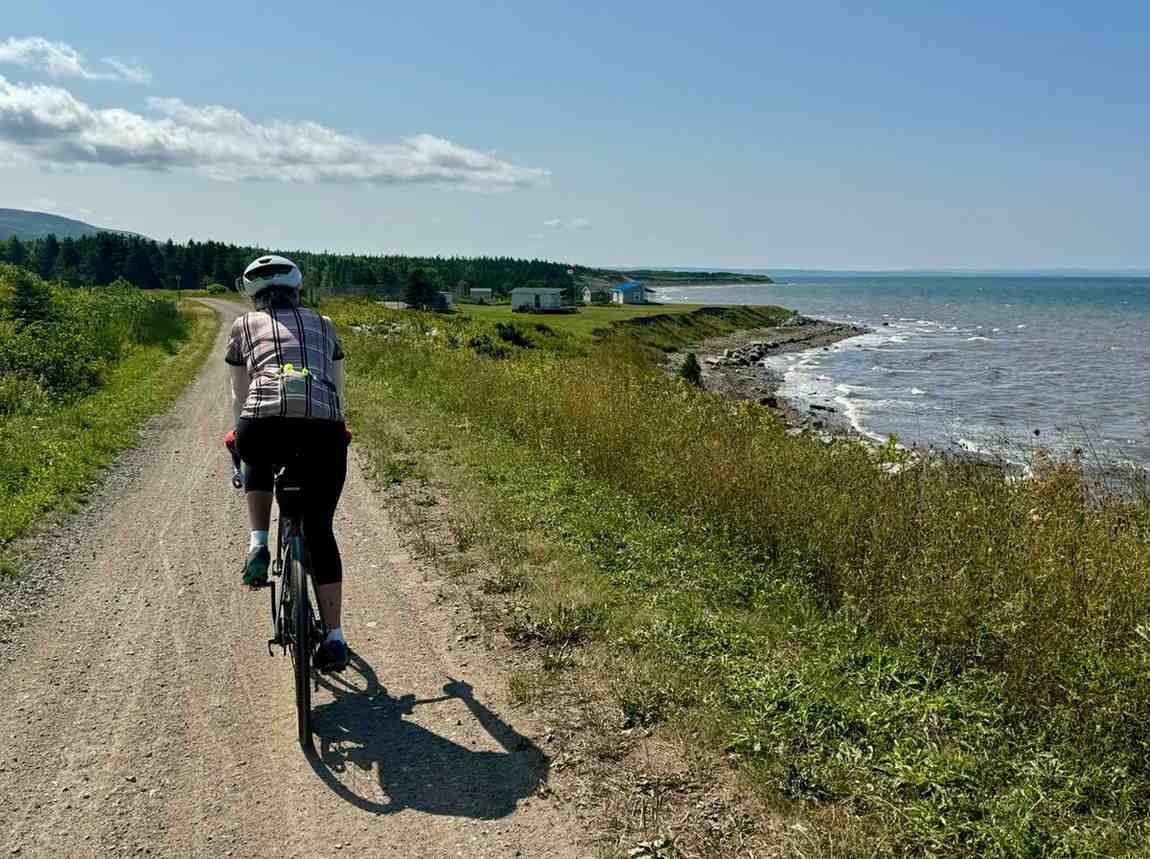
The Tony Knowles Coastal Trail is the most popular outdoor attraction in Anchorage, and it earns the title for good reason. Running 11 miles along the western edge of the city from Second Avenue near downtown out to Kincaid Park, the trail offers something rare for an American city – a continuous paved route along an active wilderness coast.
On clear days, the views across Cook Inlet to Mount Susitna and the Alaska Range are some of the best urban views anywhere in North America.
The route also passes Earthquake Park, a memorial to the 1964 Good Friday earthquake that registered 9.2 on the Richter scale and physically dropped this section of the city into the ocean.
The trees still grow at strange angles where the ground buckled, and the interpretive signs do a good job of explaining what happened. It’s one of the most striking pieces of geological history in any American city.
Top Things to Do
- Rent a bike from a downtown outfitter and ride the full 11 miles out to Kincaid Park – the trail is paved and almost flat, so it works for casual riders as well as committed cyclists.
- Stop at Westchester Lagoon to watch ducks, swans, and the occasional moose passing through the wetlands behind the trail.
- Pause at Earthquake Park to read the interpretive signs and walk the short loop trail through the buckled ground.
- Cycle out to Point Woronzof at golden hour for the best Cook Inlet views on the trail.
Don’t Leave Without…
Stopping at Point Woronzof to watch the float planes landing at Lake Hood, the busiest seaplane base in the world. The combination of the Cook Inlet, the Alaska Range, and a steady stream of small aircraft against that backdrop is unique to Anchorage.
Who Is It Best For?
- Cyclists looking for an easy, paved 11-mile out-and-back with constant water and mountain views.
- First-time visitors who want a free way to see the Anchorage skyline, Cook Inlet, and the Alaska Range in one outing.
- Wildlife photographers – moose sightings on the trail are common in early morning and evening.
- Families with kids old enough to ride independently on a flat, traffic-free path.
Recommended Budget
- Trail access: free.
- Bike rental: $30-45 per day from downtown outfitters such as Pablo’s Bicycle Rentals.
- Snacks and lunch en route: $15-25 at cafés near Westchester Lagoon or downtown on return.
- Daily estimate: $50-70 per person.
RV Practical Info
- Park overnight at Ship Creek Landings RV Park or Golden Nugget RV Park – both are within a 5-minute drive of the downtown trailhead.
- The trailhead at Second Avenue has limited large-vehicle parking; cycle in from your campsite where possible.
- The trail is fully paved and runs through urban green space, so cell coverage stays strong throughout.
- Bear encounters are unusual but possible on the wooded southern half – carry bear spray if you plan to walk rather than ride.
2. Anchorage Museum

The Vibe
The Anchorage Museum is the largest museum in Alaska and the right starting point for a first visit to the state. The collection covers Alaska Native cultures, Russian colonial history, the gold rush, the 1964 earthquake, and contemporary Alaskan art – the full arc of how this place came to be what it is today.
The building itself is modern, with floor-to-ceiling windows that frame views of the Chugach Mountains and let the landscape into the galleries.
Inside, the Smithsonian Arctic Studies Center holds 600 Alaska Native objects on loan from the Smithsonian’s National Museum of Natural History. It’s one of the most comprehensive collections of Indigenous Arctic material on public display anywhere, and the curatorial work is done in active partnership with Native communities rather than about them.
Top Things to Do
- Spend at least an hour in the Alaska Exhibition – its 13 themes work well as an orientation before heading out into the rest of the state.
- Visit the Smithsonian Arctic Studies Center for one of the world’s most comprehensive Indigenous Arctic collections.
- Take kids to the Discovery Center for interactive science exhibits, marine tanks, and a planetarium.
- Walk through the Art of the North gallery to see how contemporary Alaskan painters and photographers are interpreting the landscape now.
- Head to the rooftop observation deck for the panorama across downtown to the Chugach Mountains.
Don’t Leave Without…
Visiting the rooftop observation deck for the panorama across downtown to the mountains. On clear days, you can see Denali, 130 miles to the north, framed perfectly between two of the closer peaks.
Who Is It Best For?
- First-time Alaska visitors who want context before heading into the state’s wilder corners.
- Families with school-age children – the Discovery Center holds their attention easily for two hours.
- Rainy-day travellers looking for a substantial indoor option.
- Anyone interested in Alaska Native cultures, history, or contemporary Arctic art.
Recommended Budget
- Adult admission: $20-25 (includes the planetarium).
- Child (3-12) admission: $10-15.
- Family café meal in the museum: $15-25 per person.
- Daily estimate: $40-60 per person.
RV Practical Info
- The museum has no dedicated RV parking – use the public parking garage on West 6th Avenue (height clearance 6 feet 8 inches; smaller campervans only) or park at your campsite and take the People Mover bus into downtown.
- Larger motorhomes should base at Golden Nugget RV Park or Anchorage RV Park and take a bus or rideshare to the museum.
- The museum is open year-round, but hours shorten in winter – check the schedule before visiting.
3. Chugach State Park & Flattop Mountain
The Vibe
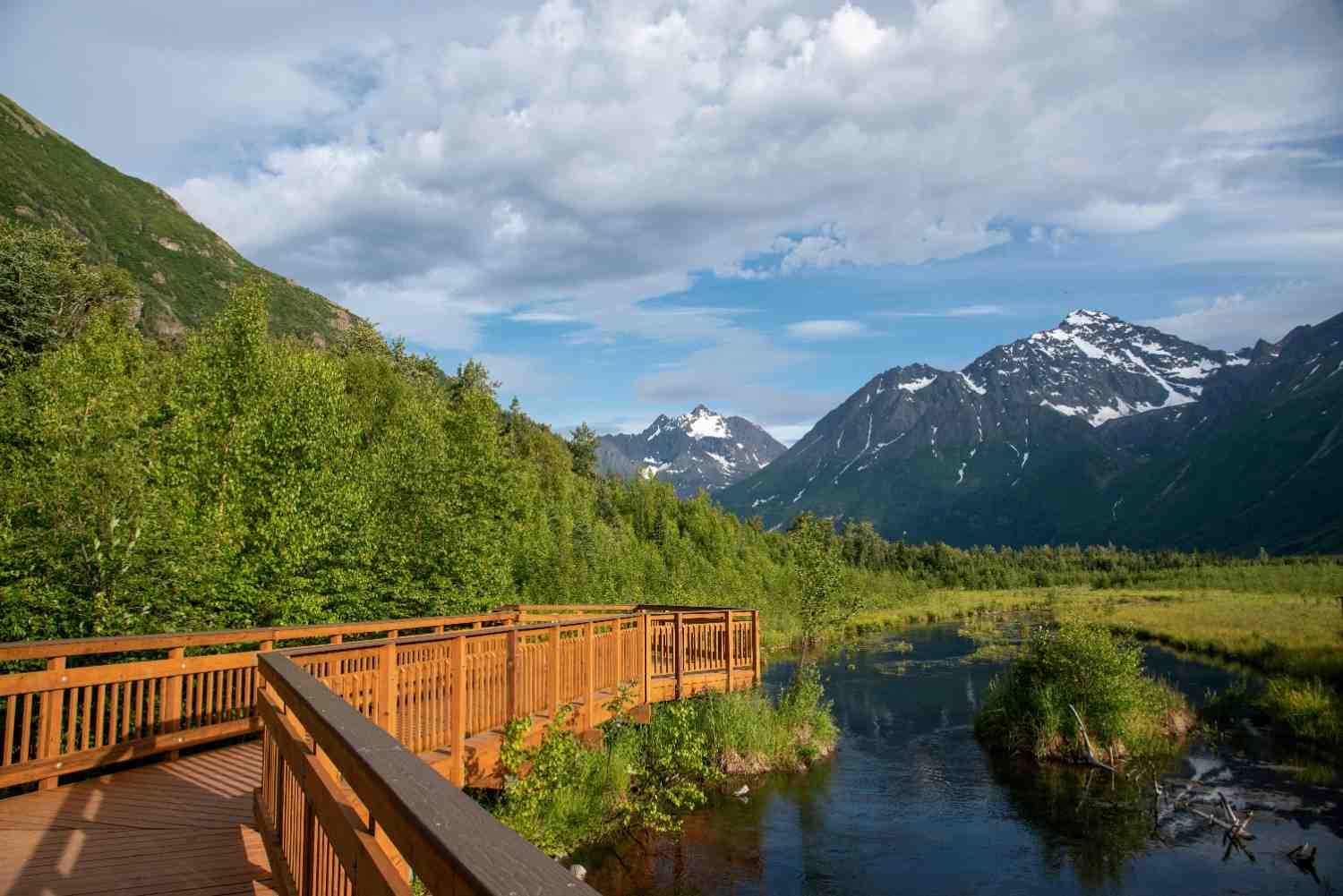
Chugach State Park covers nearly half a million acres of wilderness on Anchorage’s eastern edge – the third-largest state park in the United States, and remarkable mostly for how close it sits to the city.
The trailheads are within a 20-minute drive of downtown, which makes Anchorage one of the only major American cities where you can finish a meeting at noon and stand on a 3,500-foot summit by 2 pm.
Flattop Mountain is the most popular peak in the park, drawing around 250,000 hikers a year. The summit gives you a 360-degree view of the city, Cook Inlet, and the surrounding mountains, and on exceptionally clear days, you can see Denali rising 130 miles to the north.
Top Things to Do
- Hike the classic Flattop Mountain trail – 3.3 miles round trip with around 1,300 feet of elevation gain.
- Walk the Powerline Pass trail at the back of the park for a quieter alternative with regular Dall sheep sightings on the slopes above.
- Drive Glen Alps Trailhead Road for accessible viewpoints over the Anchorage bowl without committing to a hike.
- Visit the Eagle River Nature Center, 30 minutes north of downtown, for gentler trails with beavers, bears, and salmon in spawning season.
- Stay on the summit until the late evening light hits the surrounding peaks for some of the best alpenglow in Alaska.
Don’t Leave Without…
Watching the sunset from Flattop on a long June evening. The sun does not set until nearly midnight in late June, and the alpenglow on the surrounding peaks is one of the most distinctive sights in Alaska.
Who Is It Best For?
- Day hikers who want serious mountain terrain within 20 minutes of the city.
- Wildlife watchers hoping to see Dall sheep, bears, or moose on accessible trails.
- Sunset photographers chasing the long alpenglow that defines summer evenings here.
- Trail runners and locals looking for a quick lunch-hour outdoor reset.
Recommended Budget
- Park entrance: $5 daily parking fee per vehicle at most trailheads.
- Trekking pole rental from REI Anchorage: $15-25 per day if you don’t have your own.
- Snacks and a thermos: $10-15.
- Daily estimate: $20-40 per person, excluding RV rental.
RV Practical Info
- Glen Alps Trailhead has parking suitable for vehicles up to 30 feet, though spaces fill before 9 am on summer weekends.
- Eklutna Lake Campground is the only campground inside Chugach State Park – 26 sites, no hookups, first-come, first-served.
- For full hookups, base at Anchorage RV Park or Golden Nugget RV Park and drive to the trailheads.
- Cell service is reliable on Flattop and at Glen Alps, but drops out in deeper sections of the park.
- Carry bear spray on every trail – this is genuine wilderness, not a city park.
4. Alaska Native Heritage Center

The Vibe
The Alaska Native Heritage Center is the best place in the state to start understanding Indigenous Alaskan cultures. The site sits on 26 acres, a short drive from downtown and covers the 11 major Alaska Native cultural groups through outdoor traditional dwellings, indoor exhibits, and live demonstrations – not as a static history lesson, but as something ongoing.
Anchorage itself sits within Dena’ina Ełnena, the homeland of the Dena’ina Athabascan people and the Native Village of Eklutna.
The Center does not present this heritage as something historical; the cultures are alive and continuing, and the demonstrations are led by Native artists, dancers, and storytellers who have built their lives in this work.
Top Things to Do
- Walk the outdoor village exhibits to see how the Iñupiat, Yup’ik, Aleut, Athabascan, and Southeast Alaska Native groups built their homes, clothing, and tools using local materials.
- Catch a dance performance in the Gathering Place – the schedule is posted at the entrance.
- Watch a Native Olympic Games demonstration, including the seal hop, the two-foot high kick, and the ear pull.
- Browse the gift shop for authenticated Alaska Native art with proper provenance documentation.
- Join a guided workshop in a traditional craft if your visit falls on a programmed day.
Don’t Leave Without…
Watching a Native Olympic Games demonstration. The seal hop, the two-foot high kick, and the ear pull are traditional skill challenges developed for survival in the Arctic. They remain culturally important and are still competed at the Native Youth Olympics each year.
Who Is It Best For?
- Travellers who want context on the Indigenous communities whose homelands they are visiting.
- Families with curious children – the outdoor demonstrations work well for ages 6 and up.
- Art and craft buyers looking for authentic, ethically sourced Alaska Native pieces.
- Visitors with a half-day before a flight or a day-trip departure.
Recommended Budget
- Adult admission: $30 (summer rate; lower in winter).
- Child (5-12) admission: $20.
- Café lunch on site: $15-20 per person.
- Daily estimate: $50-70 per person.
RV Practical Info
- The Heritage Center has a large surface car park that fits motorhomes up to 35 feet without difficulty.
- Located 15 minutes from downtown Anchorage off the Glenn Highway – easy to combine with a Chugach State Park morning.
- Open daily mid-May through mid-September; reduced winter hours apply.
- Cell coverage is reliable across the site.
5. Alaska Wildlife Conservation Center
The Vibe
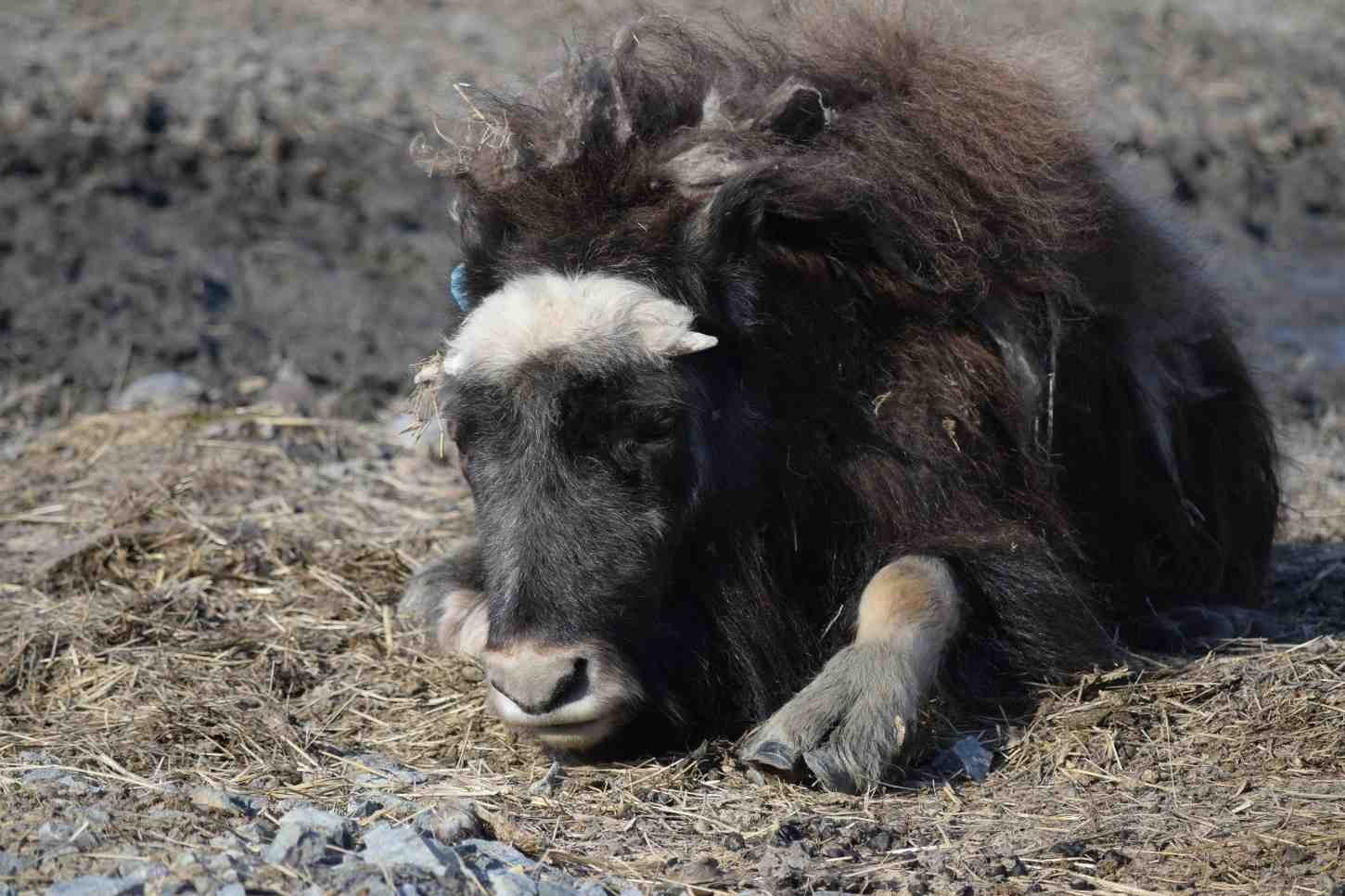
The Alaska Wildlife Conservation Center is a 200-acre sanctuary 50 minutes south of Anchorage on the Seward Highway, and it’s not a zoo – the distinction matters.
The Center cares for orphaned, injured, and unreleasable Alaska wildlife – brown bears, black bears, moose, lynx, bald eagles, wood bison, and musk oxen – animals that wouldn’t survive a return to the wild.
Each one has a permanent home with extensive enclosures, and the conservation work is taken seriously rather than packaged as entertainment.
New for 2026: the Matson Ocean Education Center opened on May 16, with a focus on the endangered Cook Inlet beluga whales. Interactive exhibits let you listen to underwater beluga sounds and learn about the population decline that has reduced the Cook Inlet stock to under 350 animals.
Top Things to Do
- Drive or walk the loop road around the property to see all major enclosures in one circuit.
- Time your visit around the 11 am or 3 pm brown bear feeding for the most active viewing window.
- Visit the Matson Ocean Education Center for interactive Cook Inlet beluga whale exhibits.
- Watch the wood bison herd – the Center reintroduced these animals to interior Alaska in 2015, and the breeding program continues here.
- Stop at Beluga Point on the drive back to Anchorage for a chance to spot wild belugas in Turnagain Arm.
Don’t Leave Without…
Stopping at Beluga Point on the drive back to Anchorage. The pull-off on the Seward Highway is one of the most reliable spots in the world to see beluga whales, particularly between July and August when they follow the salmon runs into Turnagain Arm.
Who Is It Best For?
- Wildlife watchers who want guaranteed close-up views of Alaska’s major species.
- Families with children too young for a backcountry hike but ready for a real outdoor experience.
- Photographers looking for clear-line-of-sight wildlife shots.
- Anyone driving the Seward Highway who wants to break up the route with a meaningful stop.
Recommended Budget
- Adult admission: $25 (summer); $20 in winter.
- Child (5-17) admission: $15.
- Snacks at the on-site café: $10-15 per person.
- Daily estimate: $40-60 per person.
RV Practical Info
- The Center has dedicated RV parking suitable for vehicles up to 40 feet.
- Located at Mile 79 of the Seward Highway, halfway to Portage Glacier – easy to combine into a single day trip.
- Open year-round, with shorter winter hours.
- Granite Creek Campground, 30 miles south, is a good free dispersed option for an overnight stop.
- Fuel up in Girdwood before continuing south – options thin out beyond Portage Valley.
Top Day Trips From Anchorage
Portage Glacier & Whittier (50 miles southeast)
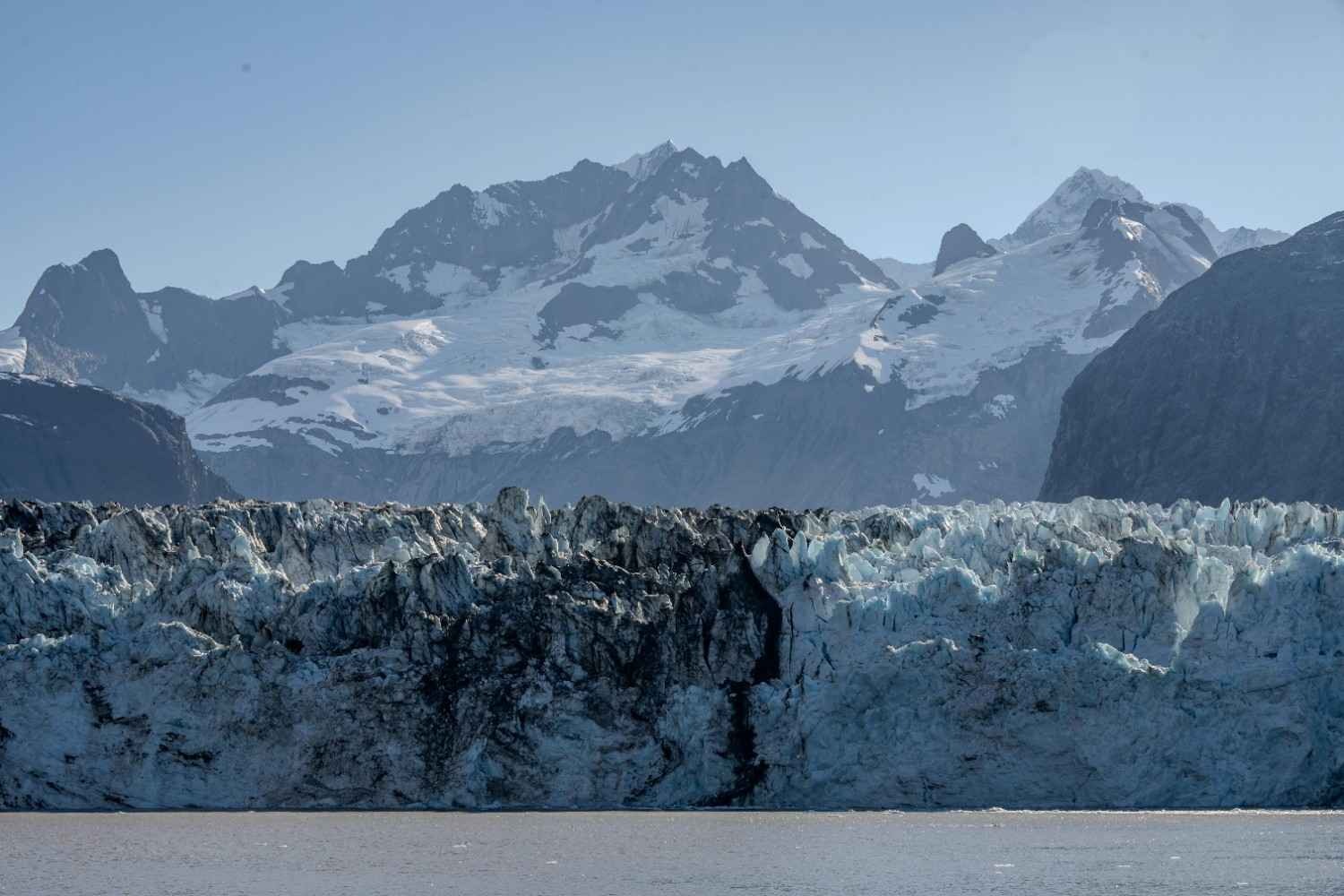
The drive south on the Seward Highway along Turnagain Arm is one of the most scenic stretches of road in North America, and Portage Glacier sits at the end of Portage Valley as the natural turnaround.
The glacier is accessible by a 1-hour boat tour on Portage Lake operated by Phillips Cruises – the only way to see it close up these days. It has retreated significantly over the past 50 years and is no longer visible from the Begich Boggs Visitor Center, which is itself worth a stop for the natural history exhibits.
From there, continue 13 miles further through the Anton Anderson Memorial Tunnel – the longest combined rail and highway tunnel in North America – to reach Whittier, a tiny port town where 80 percent of the population lives in a single 14-story building.
Day cruises into Prince William Sound depart from here, and the contrast between the contained town and the open fjords beyond is part of the appeal.
Matanuska Glacier (100 miles north)
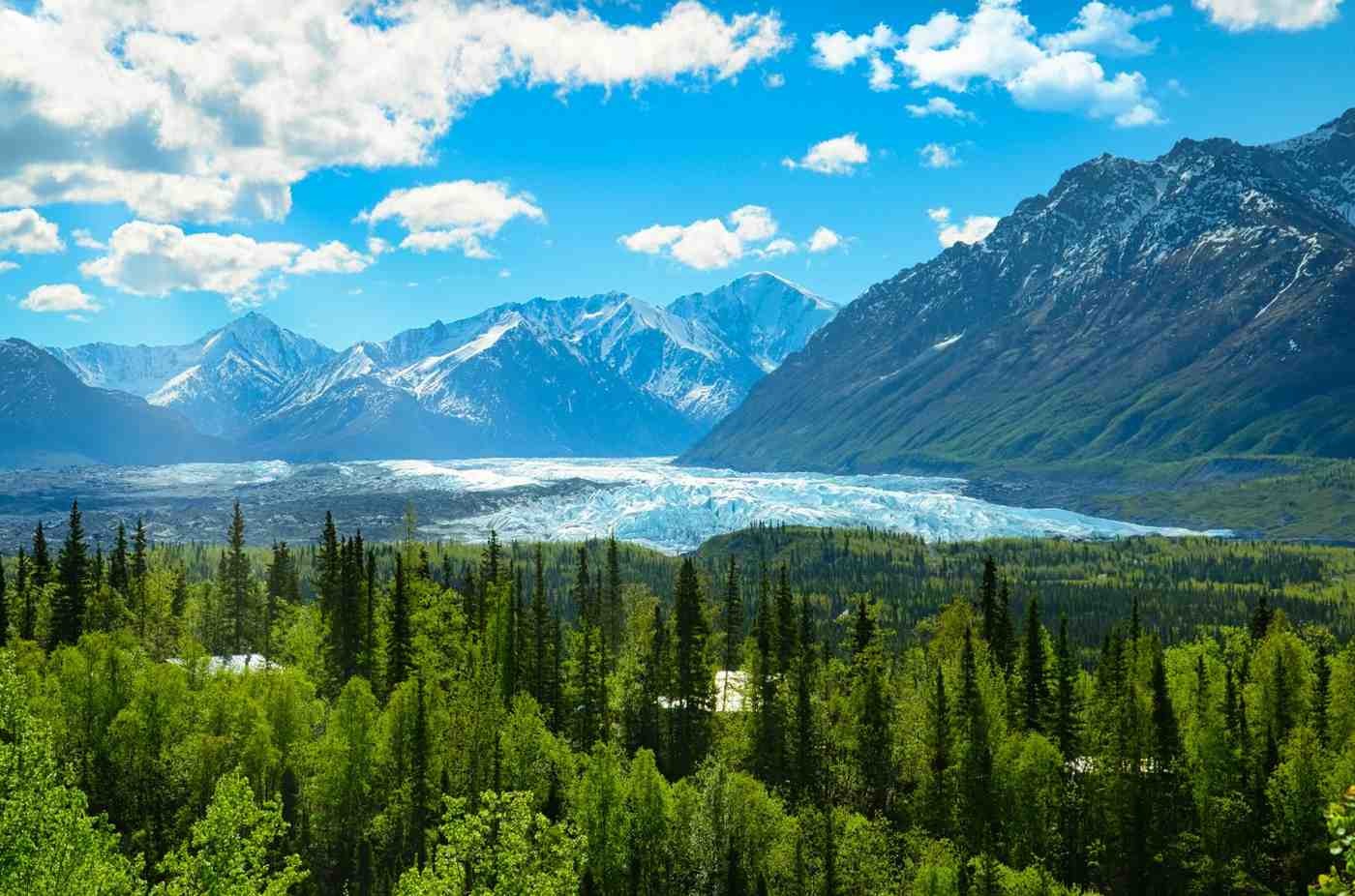
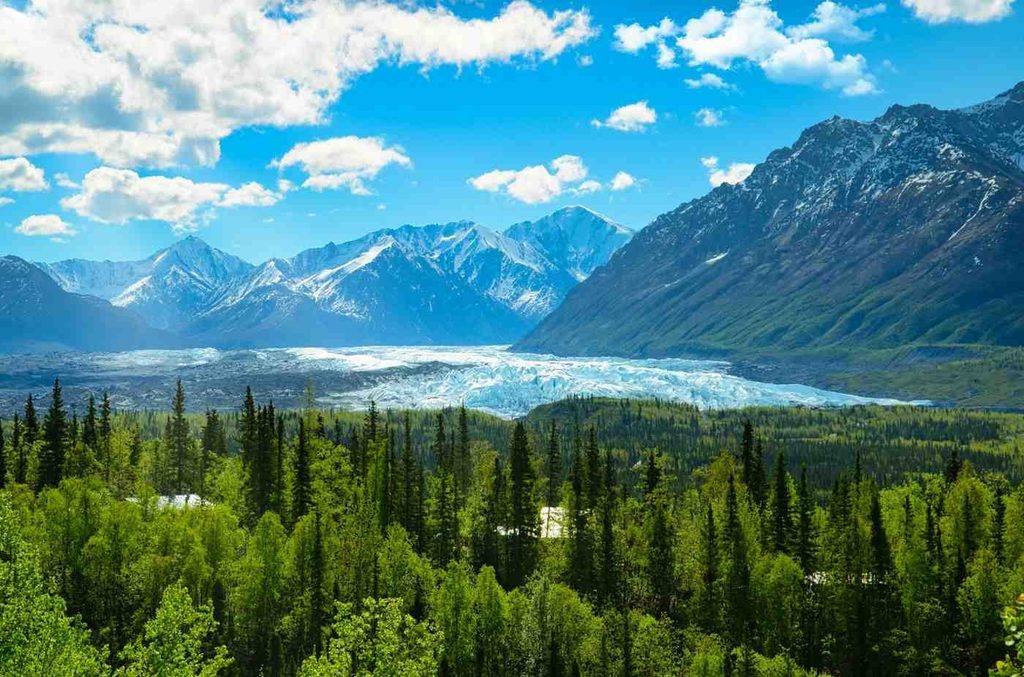
Matanuska Glacier is the largest glacier in Alaska accessible by car, stretching 27 miles from the Chugach Mountains down toward the highway. The drive north on the Glenn Highway through the Matanuska Valley is excellent in itself, with frequent pull-offs for photographs of the river, the surrounding peaks, and the glacier as it comes into view from a distance.
Access to the glacier ice itself requires a guided tour, and several companies operate full-day options from Anchorage with hotel pick-up, around 3 miles of hiking on the ice, and lunch with views of the glacier.
Cleated boots and helmets are provided as part of the package. From November through March, ice climbing options become available for more experienced visitors, which makes this one of the few destinations on this list worth visiting in winter as well.
Talkeetna (115 miles north)
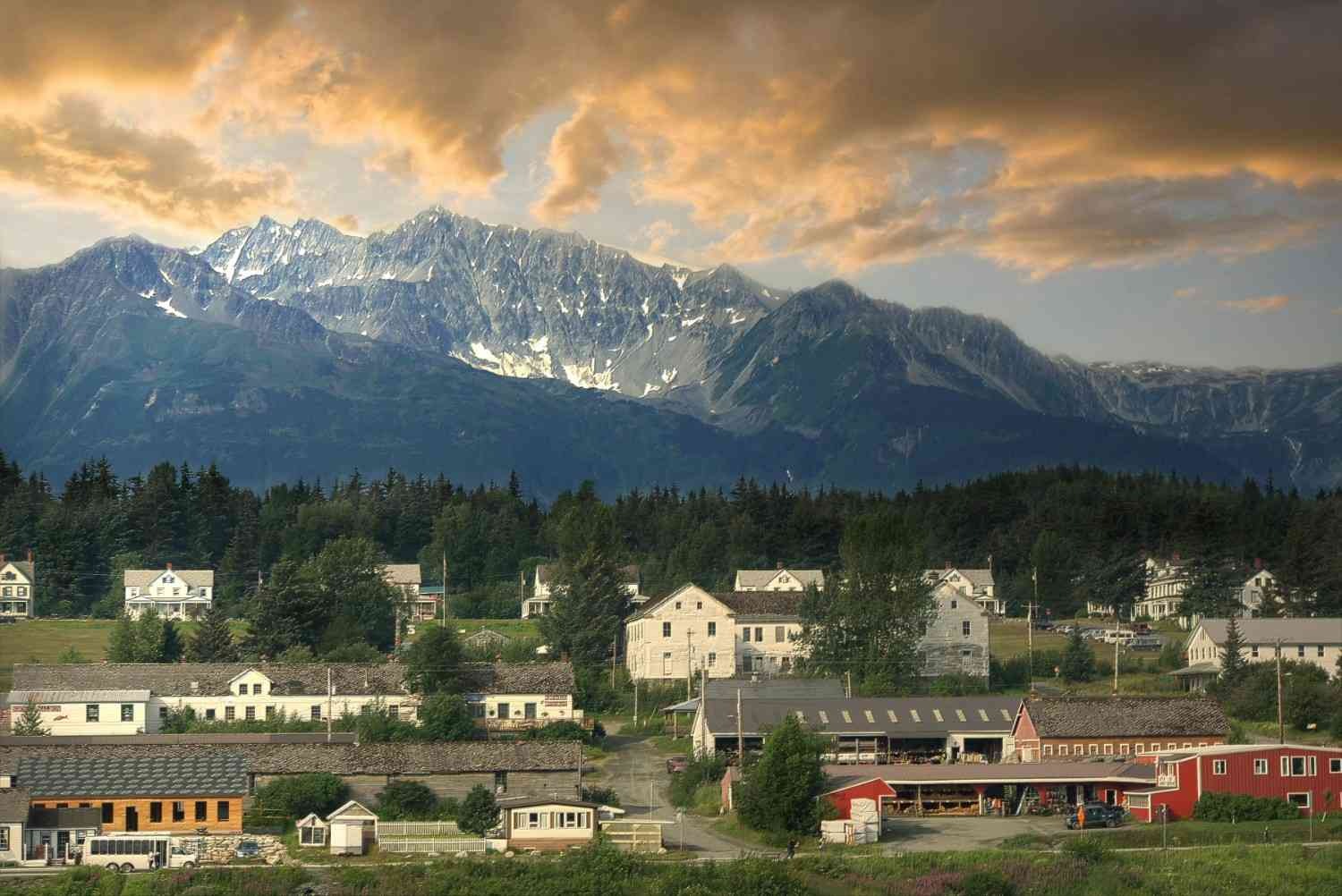
Talkeetna is a small town of around 900 people that serves as the launching point for climbing expeditions on Denali. The main street has retained its original 1930s log buildings, still in use as cafés, bars, and outfitters – not as a heritage display, but as the actual fabric of the town.
The pace is relaxed, the character is real, and it’s worth at least an overnight visit.
Talkeetna is also the best place in the state to take a Denali flightseeing trip with a glacier landing. The 2-hour tours from Talkeetna Air Taxi or K2 Aviation circle the mountain and land on a glacier on its flanks – you step out and walk on snow at 6,000 feet on the highest peak in North America.
The cost runs around $500-$700, and clear-weather days book out fast, so build flexibility into your schedule.
Seward & Kenai Fjords National Park (125 miles south)
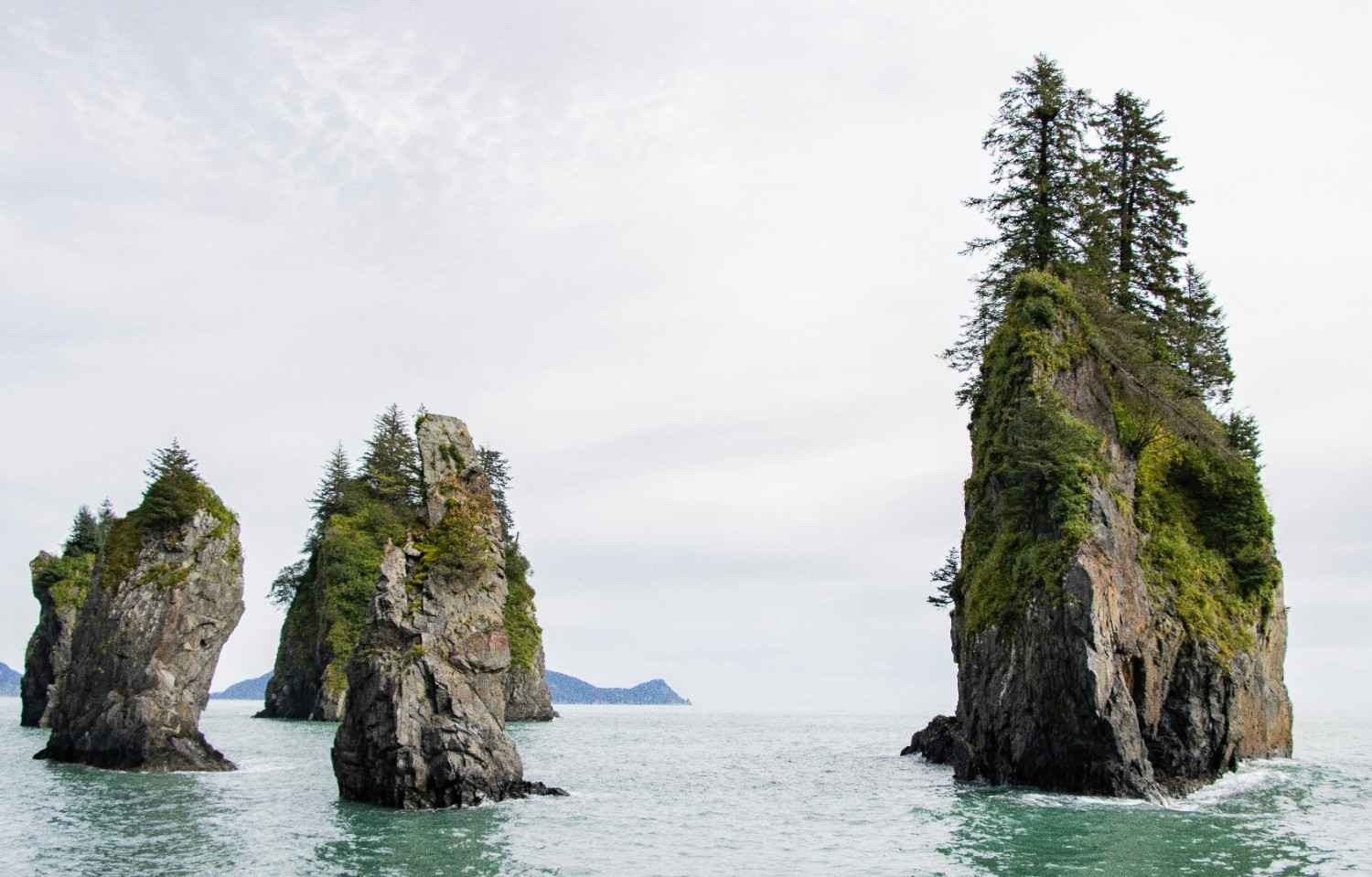
The drive to Seward via the Seward Highway is one of America’s designated National Scenic Byways, passing alongside Turnagain Arm and through the Kenai Mountains.
The Alaska Railroad runs the same route in 4 hours – the train has glass-domed observation cars and a dining service, which makes it a real alternative rather than a backup option.
Seward itself is the gateway to Kenai Fjords National Park. Day cruises from the Seward harbor explore the fjords for 6 to 8 hours, with sightings of orca whales, humpback whales, sea otters, sea lions, and tidewater glaciers calving into the sea – on a single trip, you can reasonably expect to see most of them.
What Should You Pack for an Anchorage Road Trip
| Category | Items to Pack | Why You Need It |
| Clothing | Waterproof jacket, mid-weight insulating layer, merino base layers, waterproof hiking boots, beanie, gloves | Weather changes quickly; rain is possible any month; the altitude on hikes drops the temperature significantly |
| RV Essentials | Levelling blocks, blackout curtains, headlamp, bug spray (DEET-based), bear spray, water shoes | Summer daylight runs 18+ hours; mosquitoes peak June-July; bear awareness is real outside city limits |
| Activity Gear | Trekking poles, binoculars, polarised sunglasses, rain pants, dry bag, camera with telephoto lens | Wildlife viewing rewards patience and decent optics; a dry bag keeps gear safe on boat tours |
| Specific Items | Bear spray (purchase locally – cannot fly with it), printed campground reservations, paper backup map | Cell coverage drops outside Anchorage; popular campsites book months ahead in summer. |
Expert Tips for Travelling to Anchorage
- Drive the Seward Highway at low tide: The Turnagain Arm has the second-largest tidal range in North America, with up to 30 feet between high and low tide, which means the landscape itself changes dramatically through the day. At low tide, the mudflats stretch for miles. At high tide, look out for the bore tide – a single wave that can reach 6 feet and travel up the inlet at 15 mph – which is worth timing your drive around. The Alaska Department of Natural Resources publishes a bore tide schedule online.
- Plan your day around long daylight, not short: In June, civil twilight runs from before 4 am to after midnight, so locals use the late evening hours for hiking and biking rather than treating them as bonus time. Dinner at 9 pm with two hours of golden hour ahead of you is one of the best parts of summer in Anchorage, and it’s worth shifting your schedule to take advantage of it.
- Reserve campgrounds well ahead of time: Public campgrounds in the Chugach State Park and along the Kenai Peninsula book out weeks ahead between mid-June and mid-August. Reserve through the Alaska state parks reservation system or use private RV parks in Anchorage as a fallback.
- Buy bear spray after you arrive: You cannot fly with bear spray – it’s classified as a hazardous material, and TSA will confiscate it whether checked or carried on. REI Anchorage and Sportsman’s Warehouse both stock it for around $40-$50, so plan a quick stop on your first day in town.
- Book Denali flightseeing flexibly: Mountain weather around Denali changes constantly, and tours cancel when visibility drops. Build a buffer day into your Talkeetna stop so a cancellation does not cost you the experience entirely.
- Stock up on groceries in Anchorage: Once you head out into the Kenai Peninsula or up toward Denali, prices climb significantly and selection drops – sometimes by half on both. Fred Meyer and Costco in Anchorage are the best-stocked options, and a single shop before leaving the city can cut your food costs for the rest of the trip.
- Watch for the start of the King Salmon run: In late May and early June, king salmon push up Ship Creek in downtown Anchorage. You can stand on the bridge at the harbour and watch them swim through – and it’s one of the only places in any American city where you can see wild salmon mid-run from a downtown street. It’s free, takes 15 minutes, and is worth the detour.
Plan Your Alaska Adventure with Indie Campers
Booking an Alaska road trip usually means stitching together one of a handful of regional rental operators, each with its own fleet, terms, and mileage caps. With Indie Campers, we bring the booking, the vehicle, and the support onto one platform – so you spend the planning time on the route, not the logistics.
For Anchorage specifically, the four things that matter most are the same four things that line up with what the rest of this guide has been telling you:
- Unlimited mileage on Indie Campers’ own RVs: Anchorage day trips average 100-250 miles round trip, and a full Anchorage-Seward-Talkeetna loop adds up fast. Selected Indie Campers RVs in Alaska come with unlimited mileage – which means you’re planning by where you want to go, not by what the odometer is doing.
- 31-day flexible cancellation and Book Now Pay Later: Bear viewing, glacier flightseeing, and Denali visibility are all weather-dependent in ways the forecast can’t tell you 90 days out. Cancelling up to 31 days before pick-up – with the full payment only due 30 days ahead on Flexible Cancellation bookings – means you can shape the trip around the conditions instead of locking into them early.
- 24/7 online support from a single operator: Cell coverage drops the moment you leave Anchorage’s bowl. Knowing there’s one number to call – staffed around the clock – is the kind of thing you don’t think about until you need it on the Glenn Highway at 11 pm.
- Heated, Alaska-equipped vehicles: The Anchorage fleet ships with heating kits, snow gear, and the seasonal extras that work for shoulder-season trips. Whether you’re a first-time RV renter making the most of summer daylight or a seasoned road-tripper extending into September aurora season, the fleet is ready for the conditions.
Anchorage is currently the only Indie Campers pick-up location in Alaska, so trips here run as round-trips out of the city. For travellers continuing into the Lower 48, one-way drop-offs are available across Indie Campers’ wider US network, including RV rental in the USA pickup points like Seattle, Salt Lake City, San Francisco, and Denver.
Check Anchorage availability for your dates →
Everything You Need to Know About Anchorage in 2026
| Place | Type | Best For | Budget/Day | Top Activity | Distance | Wildlife | Best Stay |
| Tony Knowles Coastal Trail | Urban Trail | Cyclists | 💰 | Coastal ride | 0 miles | Moose | Indie Campers |
| Anchorage Museum | Cultural | First-timers | 💰💰 | Alaska Exhibition | 0 miles | No | Indie Campers |
| Chugach State Park | Wilderness | Hikers | 💰 | Flattop summit | 20 min | Bears, sheep | Indie Campers |
| Alaska Native Heritage Center | Cultural | Families | 💰💰 | Heritage tour | 15 min | No | Indie Campers |
| Alaska Wildlife Conservation Center | Wildlife | Wildlife lovers | 💰💰 | Brown bear viewing | 50 min | Yes | Indie Campers |
| Portage Glacier | Glacier | Photographers | 💰💰 | Boat tour | 50 miles | Beluga whales | Indie Campers |
| Matanuska Glacier | Glacier | Adventurers | 💰💰💰 | Guided ice walk | 100 miles | Yes | Indie Campers |
| Talkeetna | Town | Denali viewers | 💰💰💰 | Flightseeing | 115 miles | Yes | Indie Campers |
| Seward & Kenai Fjords | Coastal | Day cruises | 💰💰💰 | Whale watching | 125 miles | Whales, otters | Indie Campers |
FAQs About Where To Go in Anchorage
What are the best places to visit in Anchorage, Alaska?
The best places to visit in Anchorage, Alaska, are the Tony Knowles Coastal Trail, the Anchorage Museum, Chugach State Park, the Alaska Native Heritage Center, and the Alaska Wildlife Conservation Center. Together, they cover the city’s outdoor, cultural, and wildlife attractions across two full days. Add Portage Glacier and Matanuska Glacier as day trips for a complete picture.
What is the best time of year to visit Anchorage?
The best time of year to visit Anchorage is mid-June through August, when daytime temperatures range from 55°F to 78°F and daylight hours run 18 or more per day. This is peak season for hiking, wildlife viewing, glacier tours, and salmon fishing.
September brings strong northern lights activity but cooler temperatures around 40-55°F and shorter days. February and March are also worth considering for aurora viewing, and the Iditarod sled dog race starts.
How many days do you need in Anchorage?
You need 5 to 7 days in Anchorage to cover the city and the main day trips. Two days’ work for the city itself; the rest goes toward Portage Glacier, Matanuska Glacier, Talkeetna, and Seward. Less than 5 days means cutting one of the four-day trips.
What is Anchorage best known for?
Anchorage is best known for its access to wilderness within a major American city, with half a million acres of state park within 20 minutes of downtown. Other claims to fame include the 1964 earthquake (the most powerful ever recorded in North America), the start of the Iditarod sled dog race, and Lake Hood – the busiest seaplane base in the world.
Is Anchorage worth visiting?
Anchorage is worth visiting as a base for exploring Southcentral Alaska rather than as a destination on its own. The city itself rewards two days of attention; the surrounding glaciers, mountains, and wildlife sanctuaries fill the rest of the trip. With over 1,000 resident moose inside the municipal boundary, wildlife encounters often start before you leave the city.
What are the best day trips from Anchorage?
The best day trips from Anchorage are Portage Glacier (50 miles south), Matanuska Glacier (100 miles north), Talkeetna for Denali flightseeing (115 miles north), and Seward for Kenai Fjords cruises (125 miles south). The Seward Highway drive itself is one of the best scenic routes in North America, with regular Dall sheep and beluga whale sightings along Turnagain Arm.
Can you see the northern lights in Anchorage?
You can see the northern lights in Anchorage from late August through April, with peak viewing from mid-September through March. Inside the city, light pollution makes sightings difficult, but a 20-30 minute drive to darker locations like Eklutna Tailrace, Glen Alps, or the Knik River area significantly improves visibility.
The Geophysical Institute at the University of Alaska Fairbanks publishes a daily aurora forecast online that is the most reliable tool for planning a viewing night.
What is the best place to visit in Anchorage for couples?
The best place to visit in Anchorage for couples is Flattop Mountain in Chugach State Park, paired with a sunset hike on a long June evening when the alpenglow lasts well past 10 pm. The 3.3-mile round-trip trail is short enough to do after dinner and ends with a 360-degree view of Cook Inlet and the Chugach Mountains.
For a slower-paced alternative, the Tony Knowles Coastal Trail at golden hour delivers similar views without the elevation gain.
What is the best place to visit in Anchorage with family?
The best place to visit in Anchorage with family is the Alaska Wildlife Conservation Center, where children can see brown bears, moose, wood bison, and musk oxen at a safe distance across a 200-acre sanctuary.
Time the visit around the 11 am or 3 pm brown bear feeding for the most active viewing, and stop at Beluga Point on the drive back for a chance to see wild belugas in Turnagain Arm. The new Matson Ocean Education Center adds interactive Cook Inlet beluga exhibits that work especially well for younger kids.
What is the best place to visit in Anchorage with kids?
The best place to visit in Anchorage with kids is the Anchorage Museum’s Discovery Center, which holds attention easily for two hours with interactive science exhibits, marine tanks, and a planetarium.
The wider museum covers the 1964 earthquake, the gold rush, and Alaska Native cultures in a way that engages school-age children without overwhelming them. Pair it with a short ride on the Tony Knowles Coastal Trail for an easy, mostly indoor day.
What is the best place to visit in Anchorage with friends?
The best place to visit in Anchorage with friends is Talkeetna, a 115-mile drive north for a Denali flightseeing trip with a glacier landing. The 2-hour tours from Talkeetna Air Taxi or K2 Aviation cost around $500-$700 per person and end with a walk on the snow at 6,000 feet on North America’s highest peak.
Talkeetna’s downtown has historic 1930s log cabins still operating as bars and cafés, which makes it a strong overnight stop for groups.
What are the best places to visit in Anchorage for first-timers?
The best places to visit in Anchorage for first-timers are the Anchorage Museum and the Alaska Native Heritage Center on day one, followed by Chugach State Park and the Alaska Wildlife Conservation Center on day two.
This combination covers the city’s cultural foundations, Indigenous heritage, accessible wilderness, and signature wildlife in a 48-hour window. Add Portage Glacier or Matanuska Glacier as a third-day trip to round out the experience.
What are the best places to visit in Anchorage for solo travellers?
The best places to visit in Anchorage for solo travellers are the Tony Knowles Coastal Trail and the Anchorage Museum, both safe, walkable, and easy to navigate without a group. Renting a bike for the 11-mile coastal trail gives you a half-day of independent activity with consistent views and regular passers-by.
The Alaska Native Heritage Center and Flattop Mountain hike work well as the next solo days – both are accessible by public transport or short rideshare from downtown.
What are the best places to visit in Anchorage for nature?
The best places to visit in Anchorage for nature are Chugach State Park for alpine hiking, the Alaska Wildlife Conservation Center for guaranteed wildlife sightings, and Portage Glacier for tidewater glacier access.
A full nature itinerary should also include the Seward and Kenai Fjords day trip, where 6 to 8-hour boat cruises regularly produce orca, humpback, sea otter, and tidewater glacier sightings on a single trip. Anchorage’s combination of urban convenience and immediate wilderness access makes it the most efficient nature base in Alaska.
Is Anchorage too touristy compared to other Alaska destinations?
Anchorage is not too touristy compared to other Alaska destinations and is generally less crowded than Denali or Seward in peak summer months. The city handles around 1 million visitors per year, but with a permanent population of over 290,000 spread across 1,961 square miles, the visitor density stays manageable.
The Coastal Trail and the Anchorage Museum can feel busy in July and August, but Chugach State Park and the residential neighbourhoods feel local and uncrowded year-round.