AI Summary
Key Takeaways
This is it: the legendary San Francisco to Los Angeles road trip. Get ready to drive one of the most famous coastlines in the world, where every turn reveals a new, breathtaking view.
Here is what you need to know:
- The Route: This itinerary follows the iconic Pacific Coast Highway (Highway 1), covering roughly 450 miles of stunning coastal scenery. It is about the journey, not just the destination!
- Trip Length: We recommend 5 to 7 days to soak it all in without rushing. This gives you time for spontaneous stops, scenic hikes, and exploring charming coastal towns.
- Must See Highlights: Do not miss the dramatic cliffs of Big Sur, the iconic Bixby Bridge, the artsy vibe of Carmel by the Sea, and the elephant seals near San Simeon.
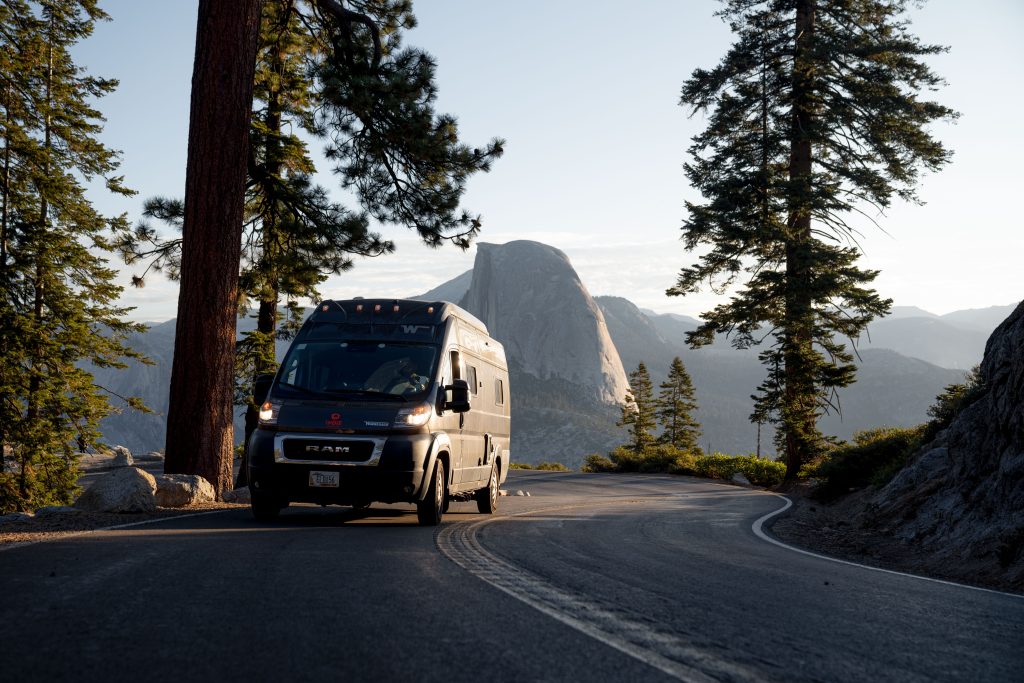
- Recommended Transportation: A campervan gives you ultimate freedom. You can pull over at any viewpoint, cook meals with an ocean backdrop, and wake up to the sound of waves.
- Best Time to Go: Spring (March to May) for wildflowers and fewer crowds, or Fall (September to October) for the sunniest weather and clearer skies.
San Francisco to Los Angeles Itinerary: At a Glance
| Day | Location | Top Highlights |
|---|---|---|
| 1 | San Francisco | Explore the Golden Gate Bridge, Alcatraz, and Fisherman’s Wharf. |
| 2 | Santa Cruz & Monterey | Ride the boardwalk in Santa Cruz and visit the world-famous Monterey Bay Aquarium. |
| 3 | Carmel & Big Sur (North) | Discover charming Carmel-by-the-Sea, drive the 17-Mile Drive, and cross the Bixby Bridge. |
| 4 | Big Sur (South) | Hike in Pfeiffer Big Sur State Park, see McWay Falls, and marvel at the coastal views. |
| 5 | San Simeon & Morro Bay | Visit Hearst Castle, see the elephant seal rookery, and spot otters in Morro Bay. |
| 6 | San Luis Obispo & Santa Barbara | Explore Bubblegum Alley in SLO, then enjoy the Spanish architecture and beaches of Santa Barbara. |
| 7 | Malibu & Los Angeles | Cruise through Malibu’s celebrity enclaves and arrive in LA to explore Santa Monica Pier. |
Why is the San Francisco to Los Angeles Road Trip So Famous?
The drive down the California coast is more than just a route; it is a rite of passage. This classic American road trip is a journey through diverse landscapes, from windswept cliffs and redwood forests to sun-drenched beaches and vibrant cities. The star of the show is Highway 1, a winding road carved into the edge of the continent, offering nonstop, jaw dropping views of the Pacific Ocean.
A San Francisco to LA road trip gives you the freedom to explore at your own pace. You can pull over to watch whales migrating offshore, hike trails that lead to hidden coves, or discover a tiny diner in a town you’ve never heard of. It is a trip that combines the wild beauty of nature with the unique culture of California’s coastal communities.
Imagine waking up in your campervan, opening the door to a misty ocean morning, and deciding your day’s adventure over a cup of coffee. That is the magic of this drive. You’re not just moving from one city to another; you’re experiencing every stunning mile in between.
Best Time for a Pacific Coast Highway Road Trip
Picking the right season can shape your entire experience on Highway 1. While the drive is beautiful year-round, each season offers something a little different.
Spring (March to May)
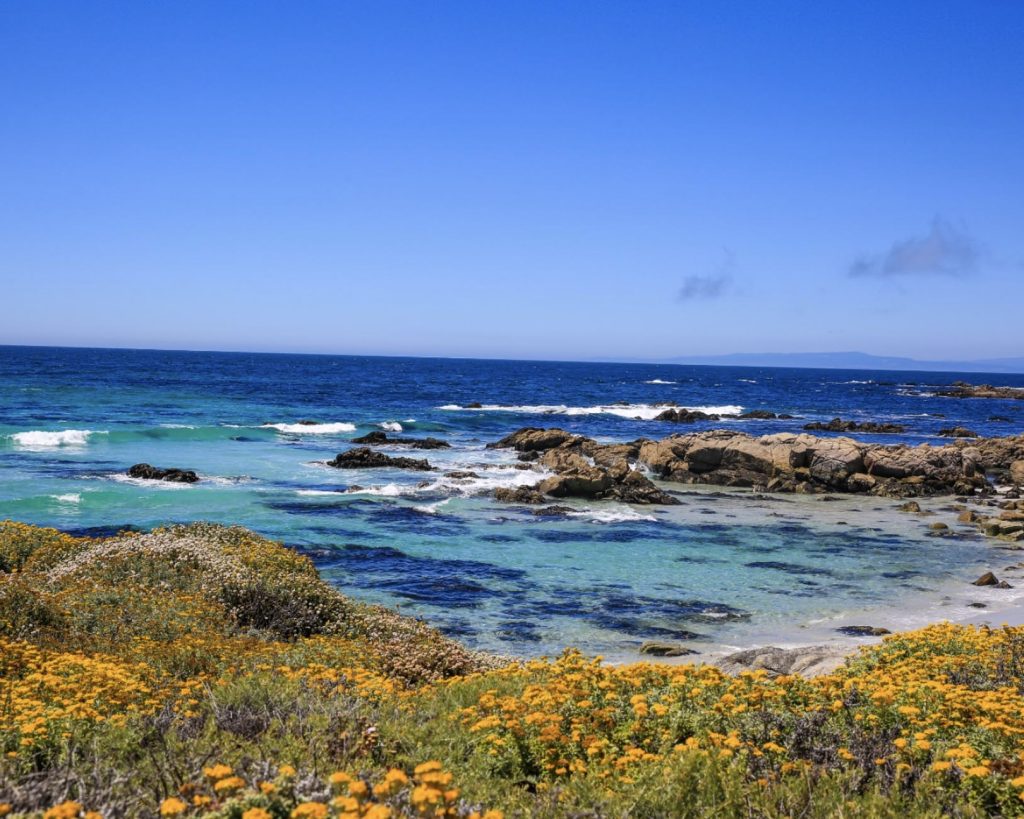
- Why go: This is a fantastic time to travel. The hills are lush and green from winter rains, and wildflowers blanket the coastline, especially in areas around Big Sur. You will find pleasant weather, fewer crowds than in summer, and a better chance of clear, fog-free days.
- Average Temperatures: 50 to 70°F (10 to 21°C)
- What to expect: Stunning green landscapes, blooming flowers, and moderate traffic. Be aware of potential road closures from winter storms, so always check conditions before you go.
Summer (June to August)
- Why go: Summer brings warm weather and a lively atmosphere to the coastal towns. It is the perfect season for swimming, surfing, and enjoying the long, sunny days.
- Average Temperatures: 60 to 75°F (15 to 24°C)
- What to expect: This is peak tourist season. Expect heavy traffic, especially on weekends, and book campsites far in advance. Coastal fog (known as “June Gloom”) is common in the mornings but usually burns off by the afternoon.
Fall (September to October)
- Why go: Many locals will tell you this is the absolute best time to drive the coast. The summer crowds have thinned, the weather is often the warmest and sunniest of the year, and the ocean is still pleasant for a swim.
- Average Temperatures: 60 to 75°F (15 to 24°C)
- What to expect: Glorious sunshine, fewer people, and clear views. This is prime time for a San Francisco to Los Angeles road trip.
Winter (November to February)
- Why go: If you want solitude and do not mind cooler weather, winter can be magical. The coast is dramatic and moody, and you’ll find the lowest prices and fewest tourists. It is also the start of the whale watching and elephant seal pupping seasons.
- Average Temperatures: 45 to 65°F (7 to 18°C)
- What to expect: Cooler temperatures and a higher chance of rain. The biggest risk is road closures due to mudslides, so flexibility is key.
The Ultimate San Francisco to Los Angeles Itinerary
Day 1: Kick-Off in San Francisco
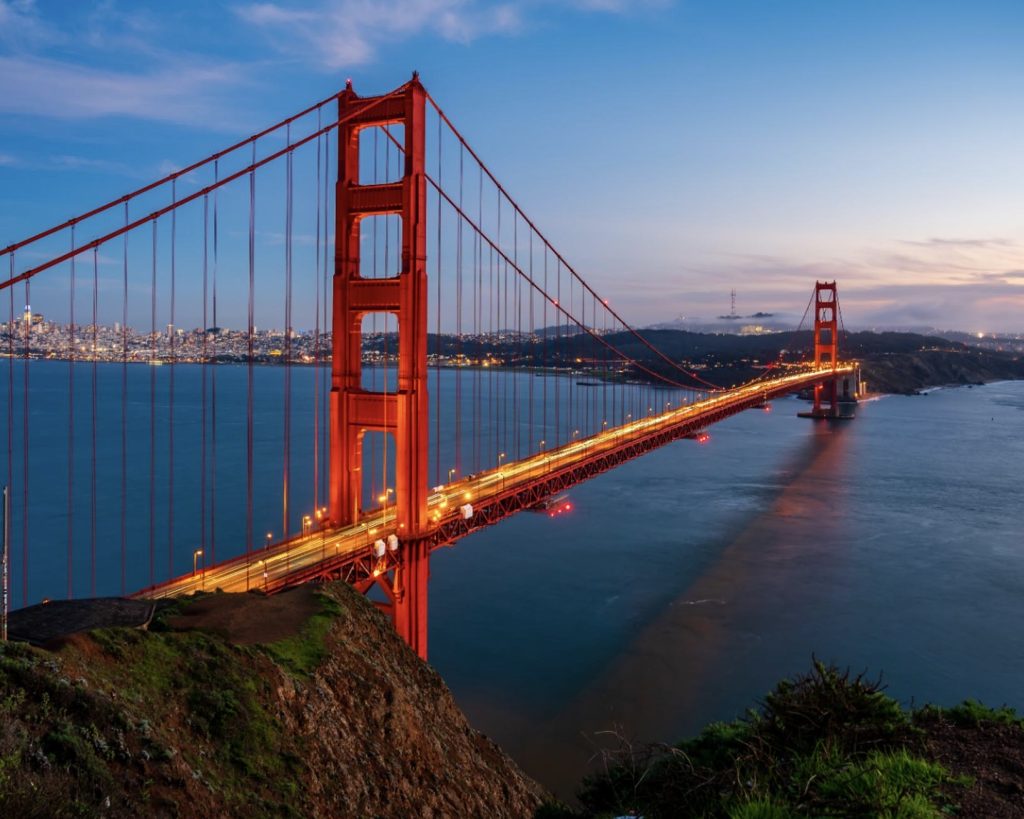
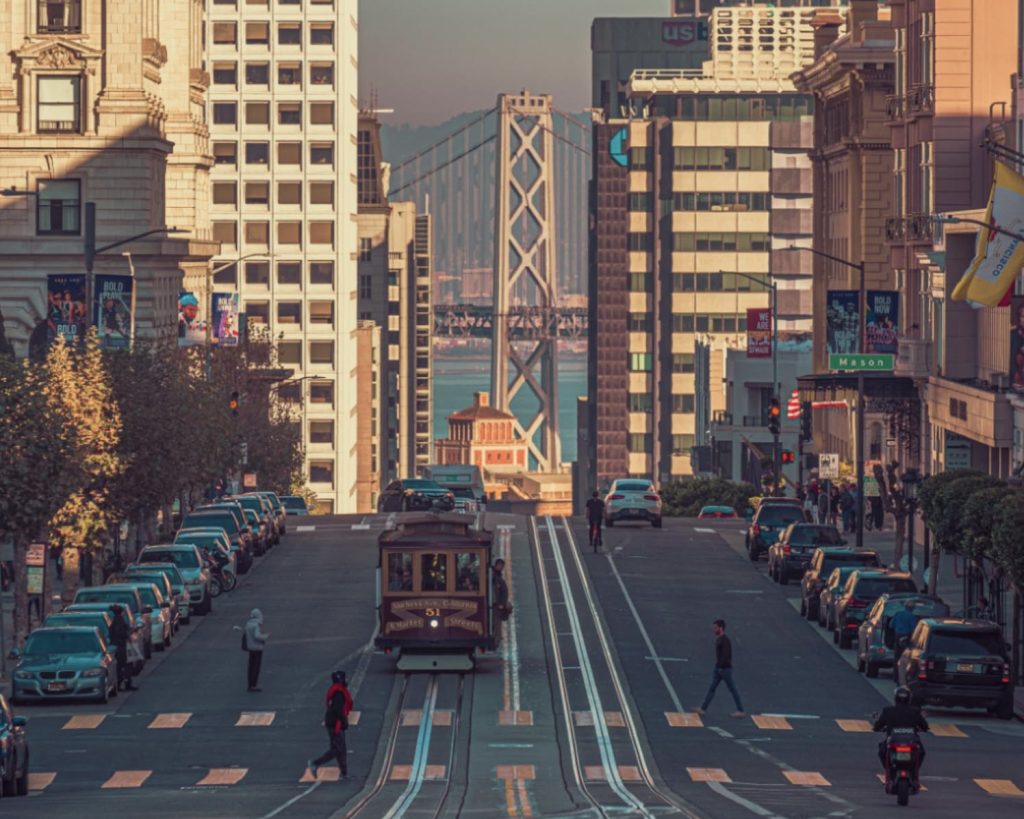
Welcome to the Golden City! Pick up your campervan and spend the day exploring San Francisco’s iconic sights. Driving a larger vehicle in the city can be tricky, so it’s best to park it and explore on foot or by public transport.
- Morning: Golden Gate Sights. Head to the Marin Headlands for postcard-perfect views of the Golden Gate Bridge. Then, walk or bike across the bridge itself for the full experience. Afterwards, explore the historic Presidio, a massive park with hiking trails and scenic overlooks.
- Afternoon: Island Jails and Sea Lions. Take a ferry to Alcatraz Island, the infamous former federal prison. Book your tickets weeks in advance, as they sell out quickly. Back on the mainland, head to Fisherman’s Wharf to see the noisy sea lions camped out on Pier 39 and grab a sourdough bread bowl of clam chowder.
- Evening: Ride a historic cable car for classic SF views and wander through the vibrant streets of Chinatown or the Italian-flavored North Beach.

Day 2: Beach Vibes in Santa Cruz & Monterey
(Drive from San Francisco: approx. 1.5 to 2 hours)
Leave the city bustle behind and head south on Highway 1. Your first stop is the laid back surf town of Santa Cruz.
- Morning: Santa Cruz Boardwalk. Visit the Santa Cruz Beach Boardwalk, a classic seaside amusement park. Ride the Giant Dipper roller coaster, play some arcade games, and enjoy the retro beach vibe. Afterwards, see the beautiful rock formations at Natural Bridges State Beach.
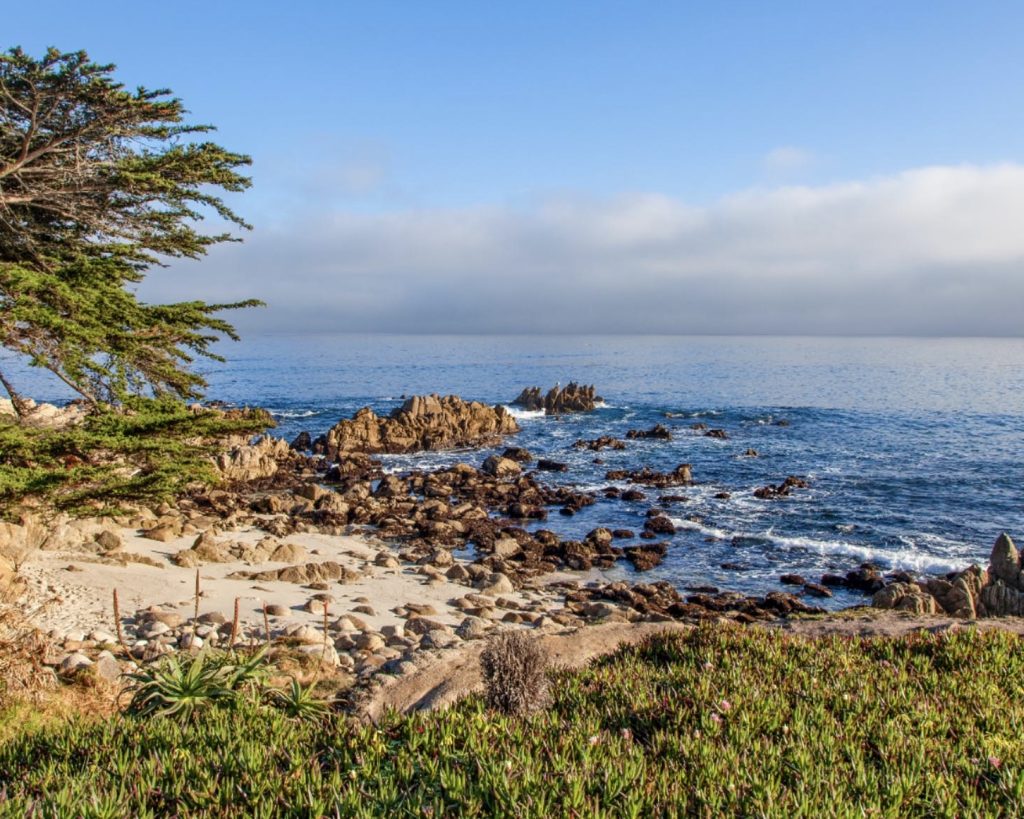
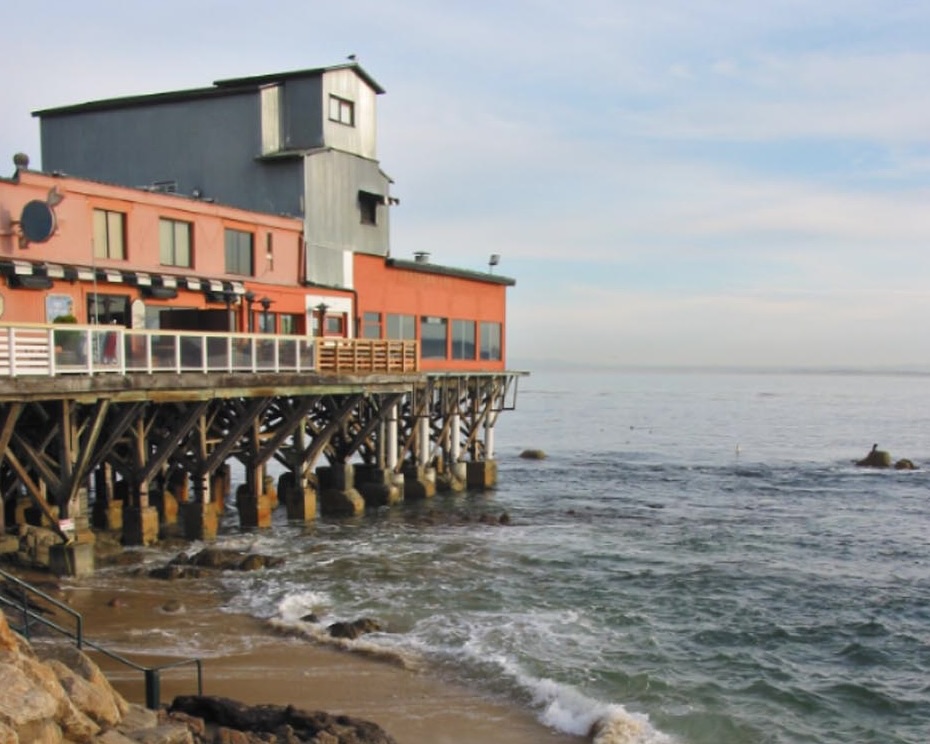
- Afternoon: Monterey’s Marine Wonders. Continue south to Monterey. The main attraction here is the world-renowned Monterey Bay Aquarium. It’s an incredible look into the rich marine life of the Pacific, from playful sea otters to mesmerizing jellyfish. Then, walk along Cannery Row, the historic sardine-packing district made famous by John Steinbeck.
Day 3: Fairytale Towns and Bixby Bridge
(Drive from Monterey: approx. 30 to 45 minutes to the start of Big Sur)
Today, the truly dramatic coastal scenery begins. This is the start of the most famous stretch of your San Francisco to Los Angeles itinerary.
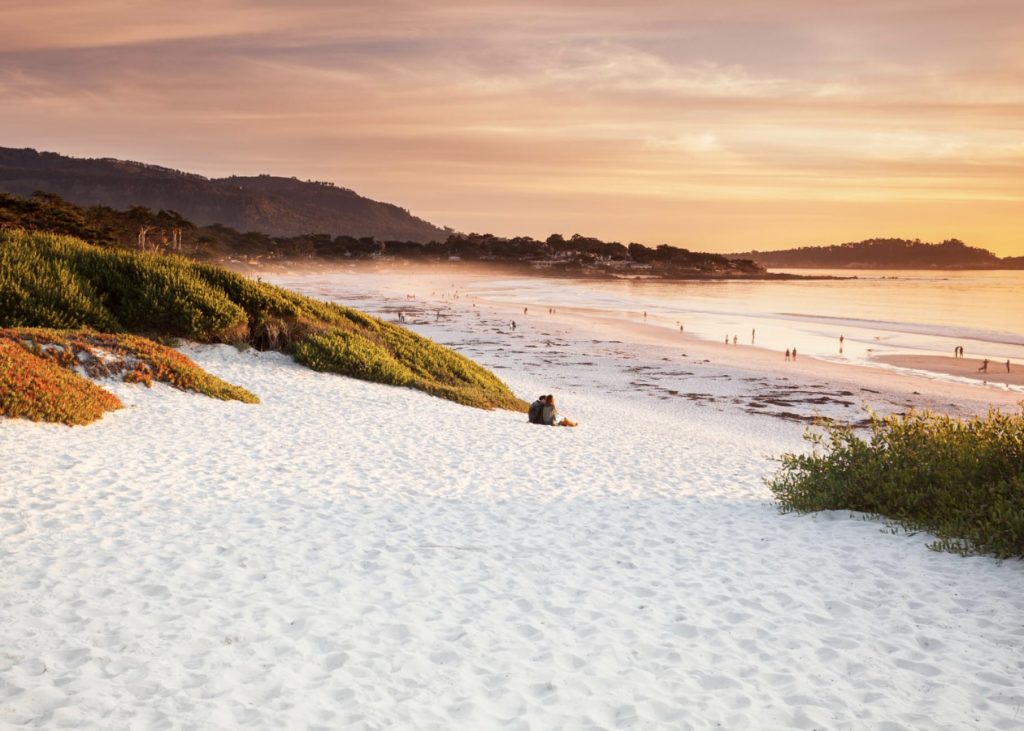
- Morning: Carmel by the Sea. Explore the enchanting village of Carmel by the Sea. It feels like a storybook, with whimsical cottages, hidden courtyards, and unique art galleries. Grab a coffee and a pastry from a local bakery and wander down to the pristine Carmel Beach.
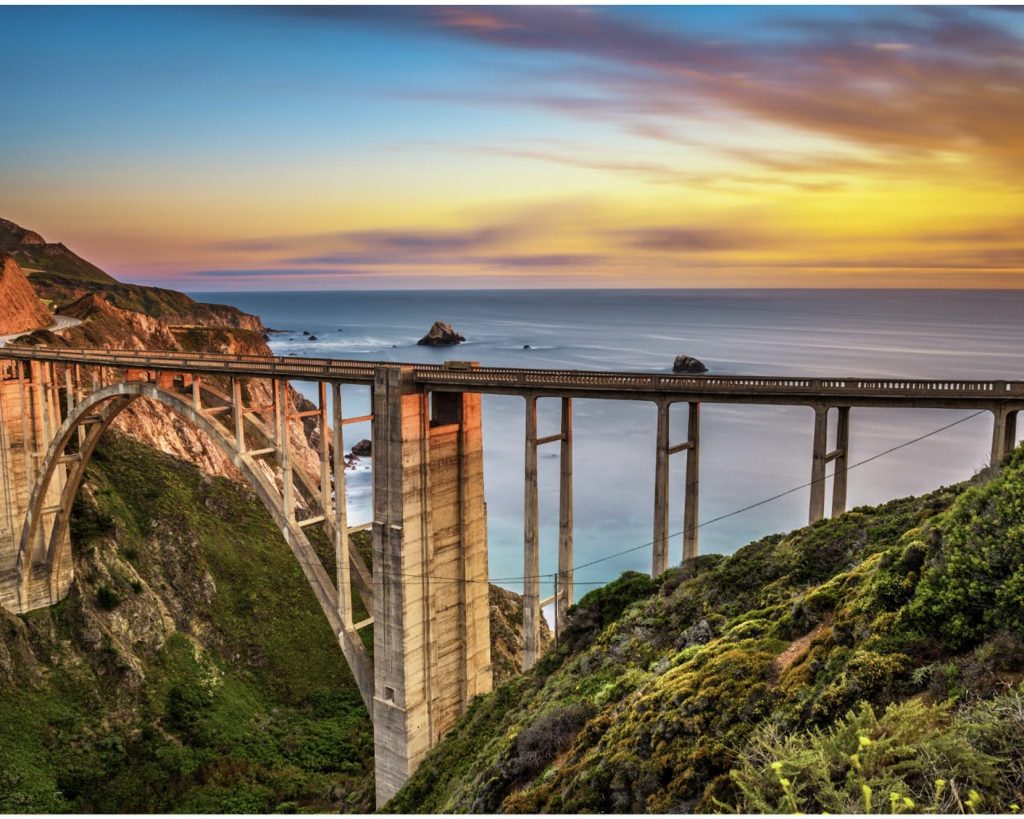
- Afternoon: 17 Mile Drive & Bixby Bridge. Take the famous 17 Mile Drive through Pebble Beach. This scenic toll road winds past dramatic coastal cliffs, windswept cypress trees (including the iconic Lone Cypress), and world-famous golf courses. Back on Highway 1, get your camera ready for the Bixby Creek Bridge. This architectural marvel is one of the most photographed spots on the entire coast. Pull over at the viewpoint on the north side for the classic shot.
Day 4: The Heart of Big Sur
Today is all about immersing yourself in the wild, rugged beauty of Big Sur. Cell service is virtually non-existent here, so download your maps and music ahead of time.
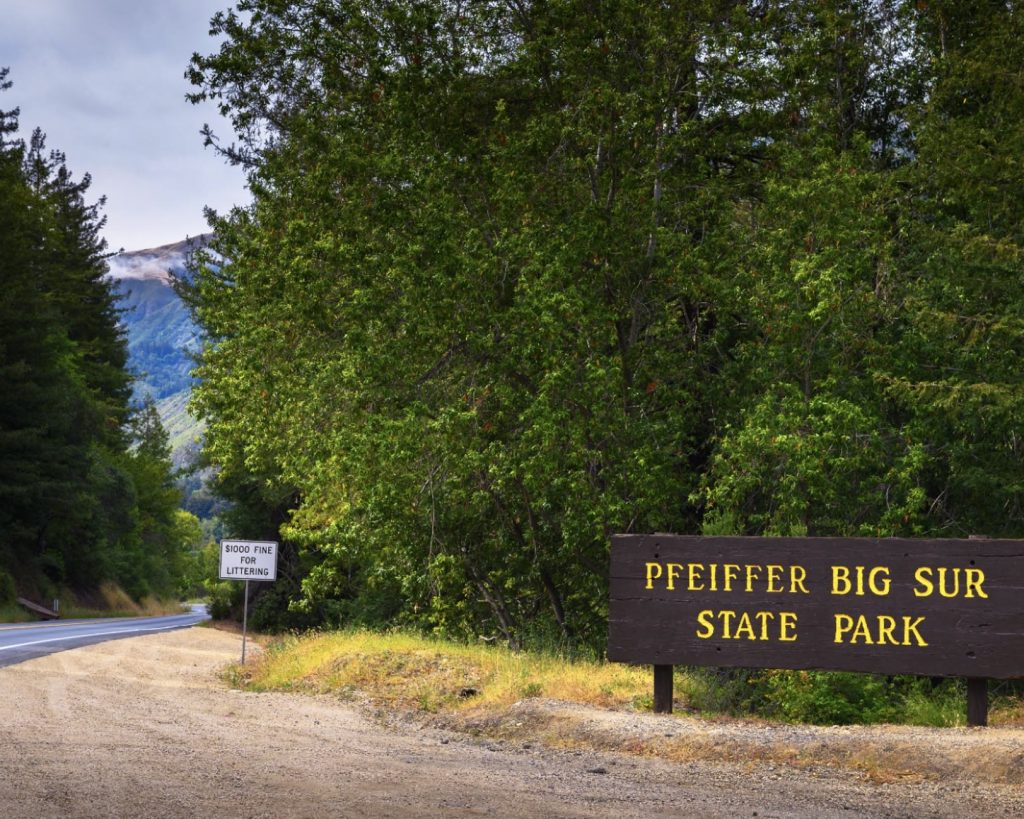
- Morning: Hiking and Redwoods. Head to Pfeiffer Big Sur State Park, known as “mini Yosemite.” Hike along the Big Sur River and wander among groves of coastal redwoods. The Valley View Trail offers a great panorama of the Big Sur River Valley.
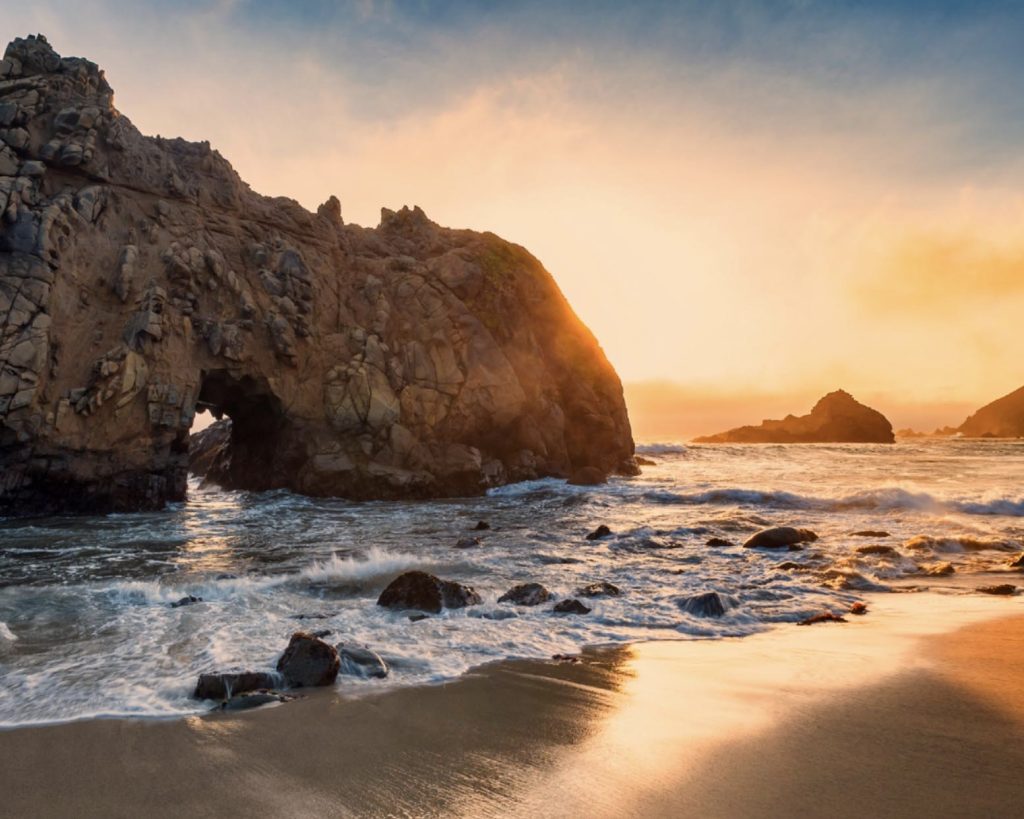
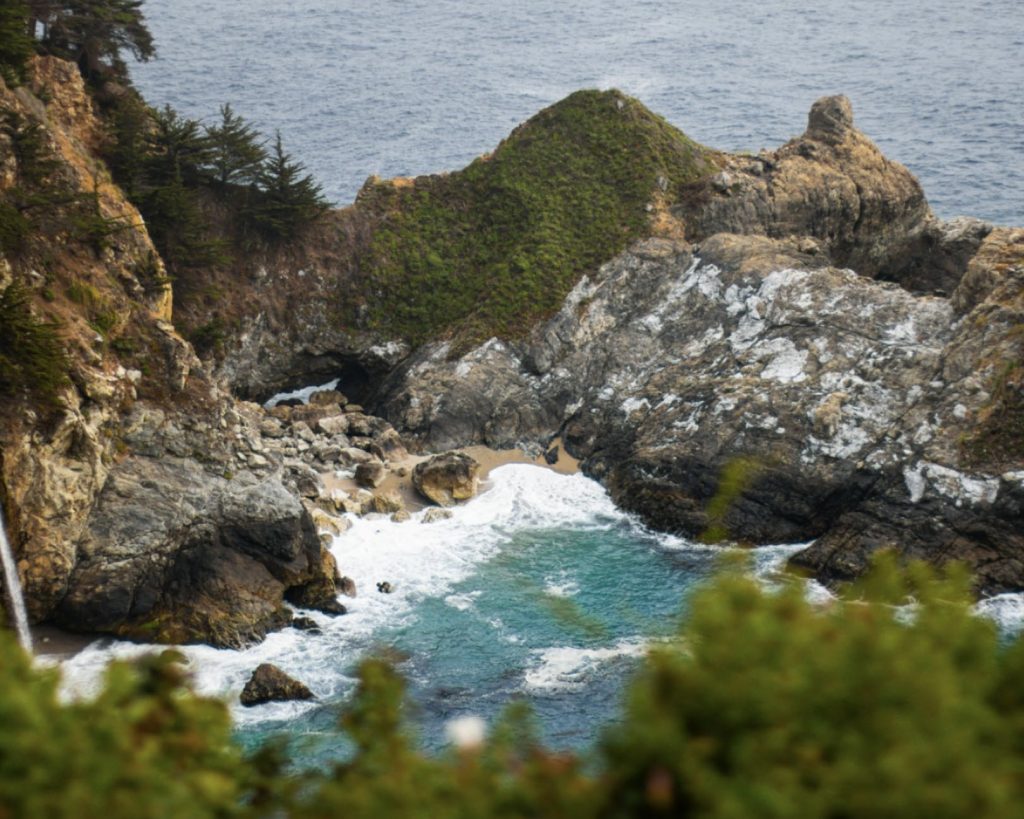
- Afternoon: Purple Sand and Waterfalls. Visit Pfeiffer Beach (note: the access road is narrow and easy to miss). This beach is famous for its purple-tinged sand and the stunning Keyhole Arch, a rock formation that creates a magical light show at sunset. A bit further south, stop at Julia Pfeiffer Burns State Park to see McWay Falls, an 80 foot waterfall that cascades directly onto the beach. It’s a short, easy walk to the overlook.
Day 5: Castles and Coastal Creatures
(Drive from Big Sur south: approx. 1.5 to 2 hours)
As you leave the dramatic cliffs of Big Sur, the coastline softens into rolling hills.
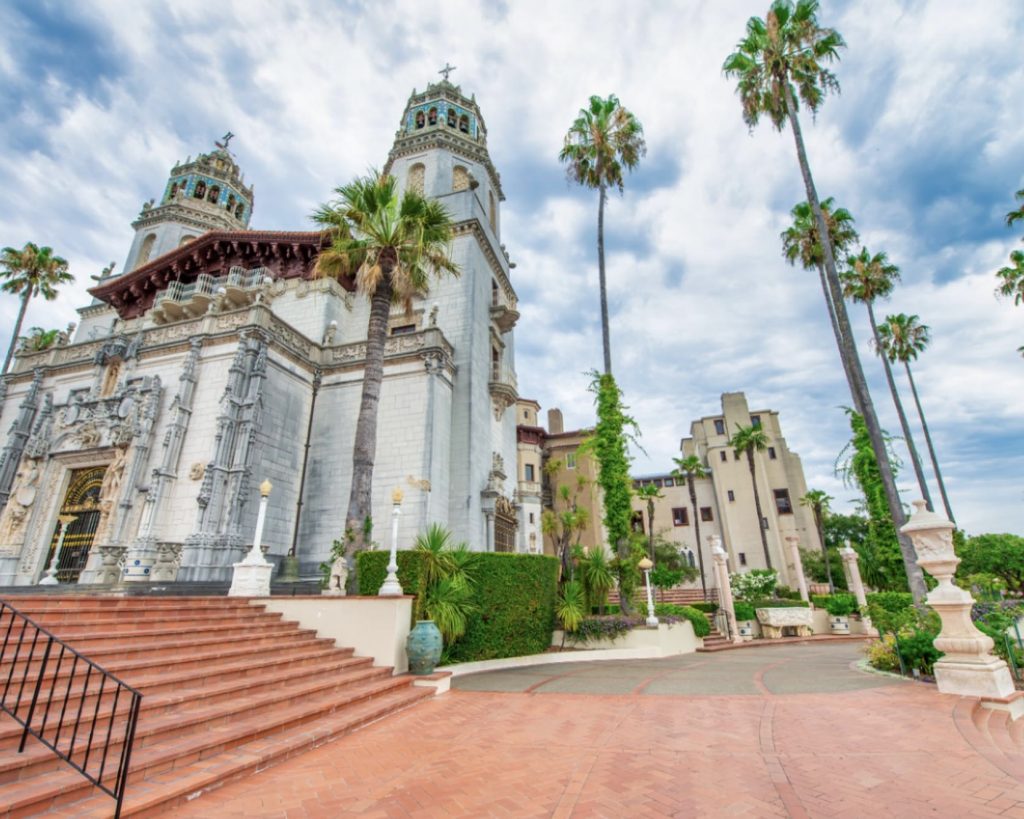
- Morning: Hearst Castle. Book a tour of Hearst Castle in San Simeon. This opulent estate, built by publishing magnate William Randolph Hearst, is a lavish spectacle of art, architecture, and excess. The Neptune and Roman pools are simply breathtaking.
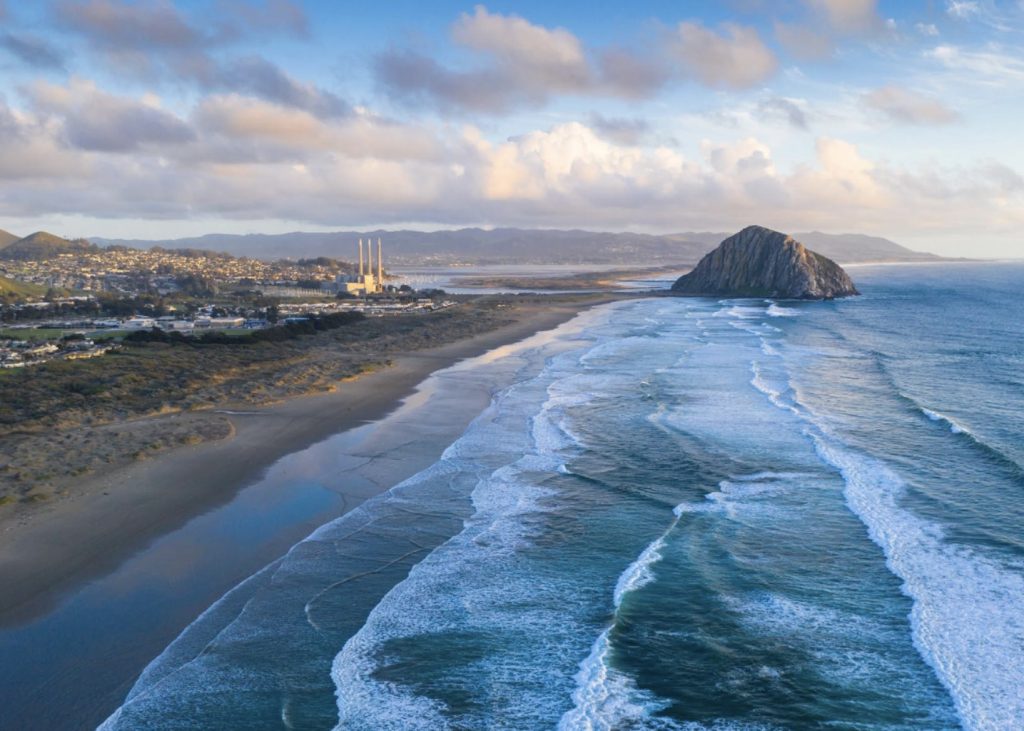
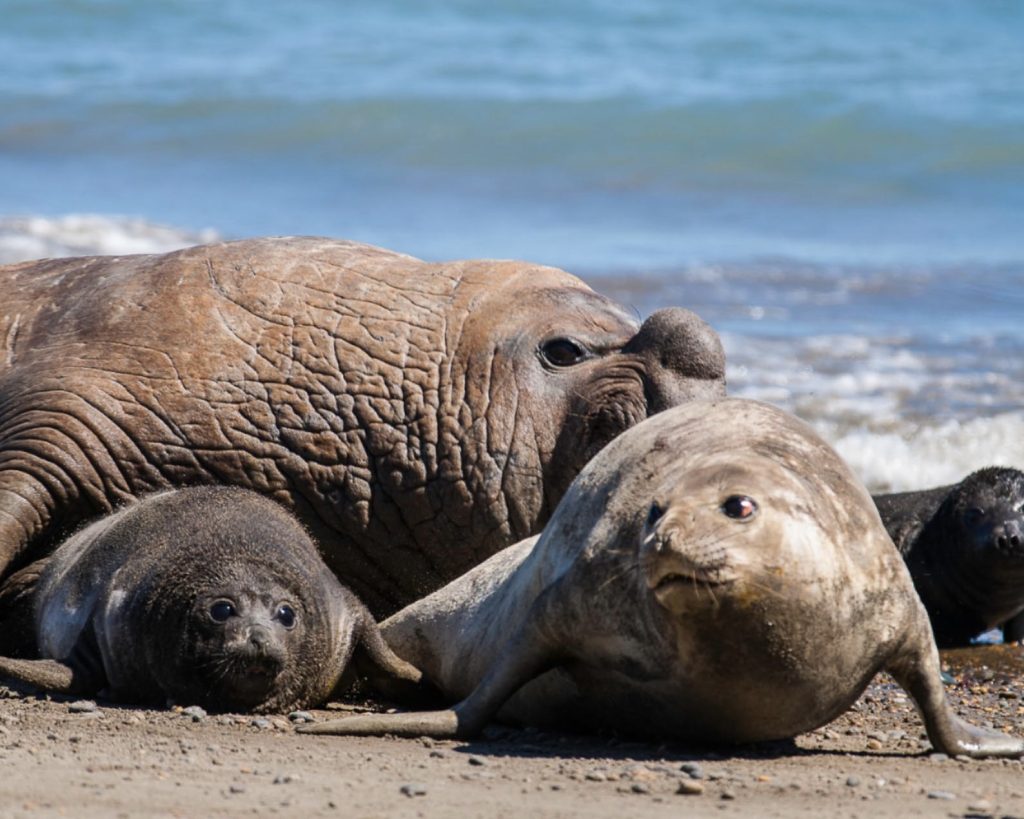
- Afternoon: Elephant Seals and Morro Rock. Just south of the castle, stop at the Piedras Blancas Elephant Seal Rookery. Depending on the time of year, you can see thousands of these massive marine mammals lounging, fighting, and birthing on the beach. Continue to Morro Bay, a quiet fishing town dominated by the enormous Morro Rock. It’s a fantastic place for kayaking and spotting sea otters in the harbor.
Day 6: Central Coast Charm in SLO & Santa Barbara
(Drive from Morro Bay: approx. 30 mins to SLO, then 1.5 hours to Santa Barbara)
Experience the relaxed vibe of California’s Central Coast.
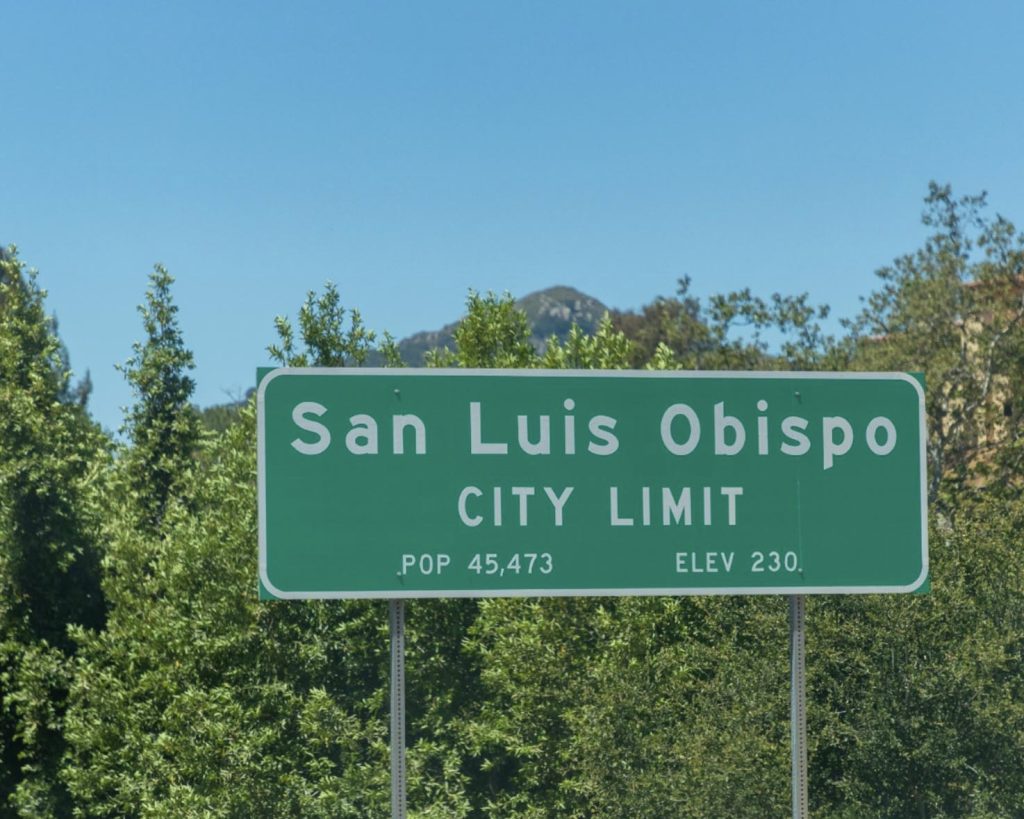
- Morning: San Luis Obispo. Head to the lively college town of San Luis Obispo (SLO). Its downtown is full of fun shops and great cafes. Don’t miss the town’s quirkiest landmark: Bubblegum Alley, a narrow alleyway completely covered in chewed gum.
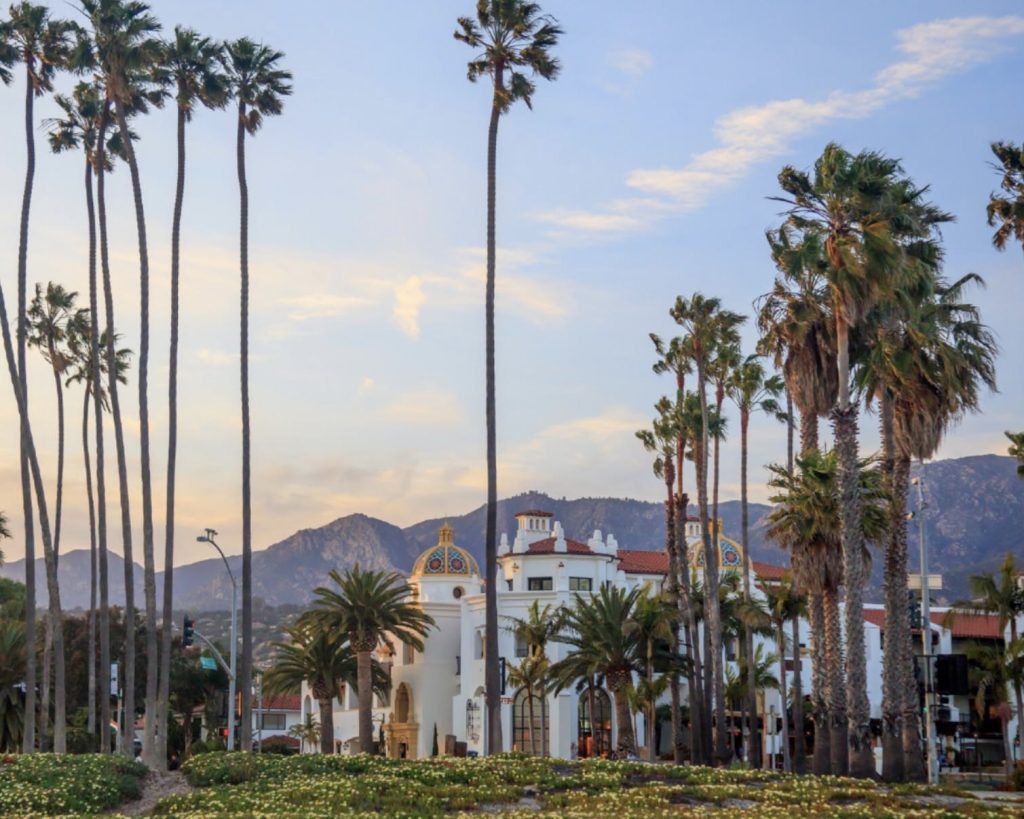
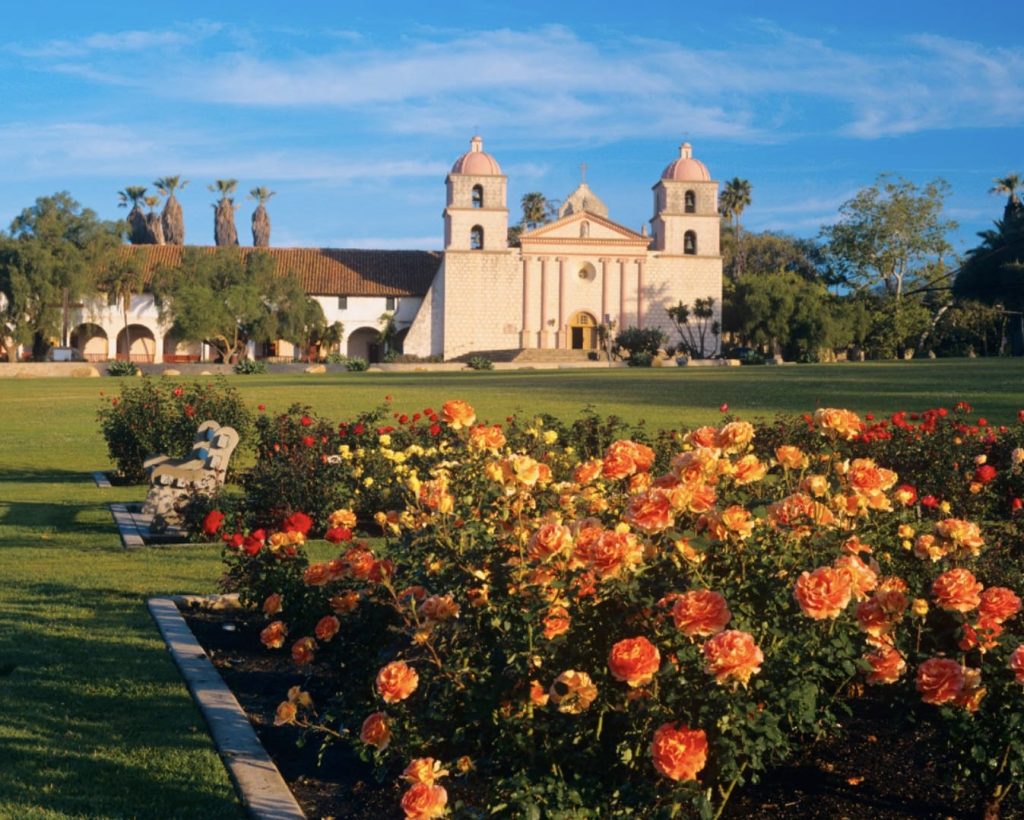
- Afternoon: The American Riviera. Drive south to Santa Barbara, a beautiful city with Spanish-style architecture, palm-lined beaches, and a sophisticated atmosphere. Visit the Old Mission Santa Barbara, known as the “Queen of the Missions,” then walk along Stearns Wharf for views of the coastline.
Day 7: Malibu Glamour to LA’s Shores
(Drive from Santa Barbara: approx. 1.5-2 hours to LA)
You’re on the home stretch! This last leg of the journey takes you through one of the most famous beach communities in the world.
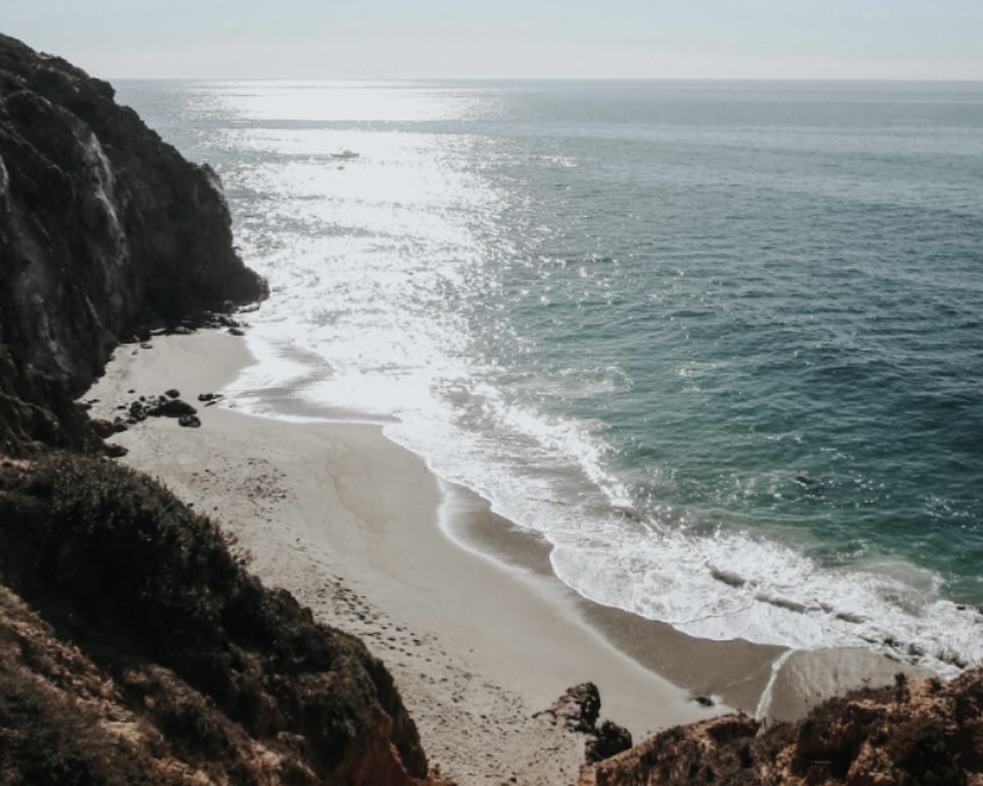
- Morning: Cruising Through Malibu. As you approach Los Angeles, you’ll drive through Malibu. Admire the multi million dollar homes perched above the sand. Stop at Zuma Beach for a classic SoCal beach experience or explore the tide pools and sea caves at El Matador State Beach.
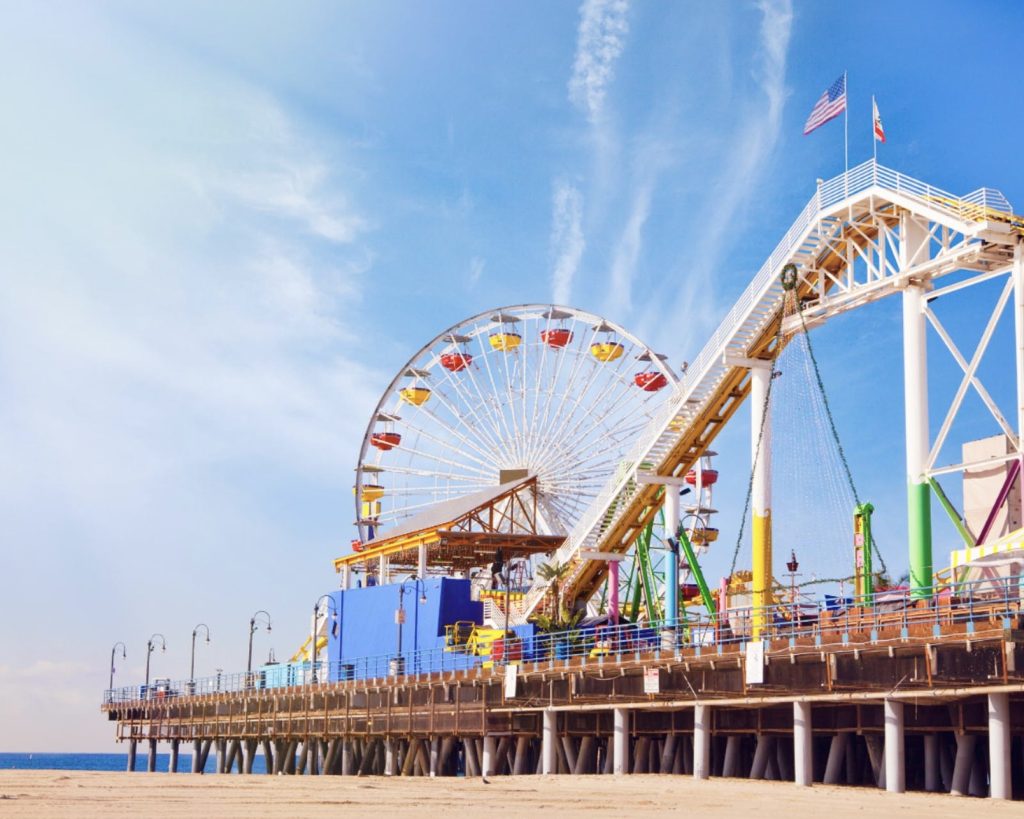
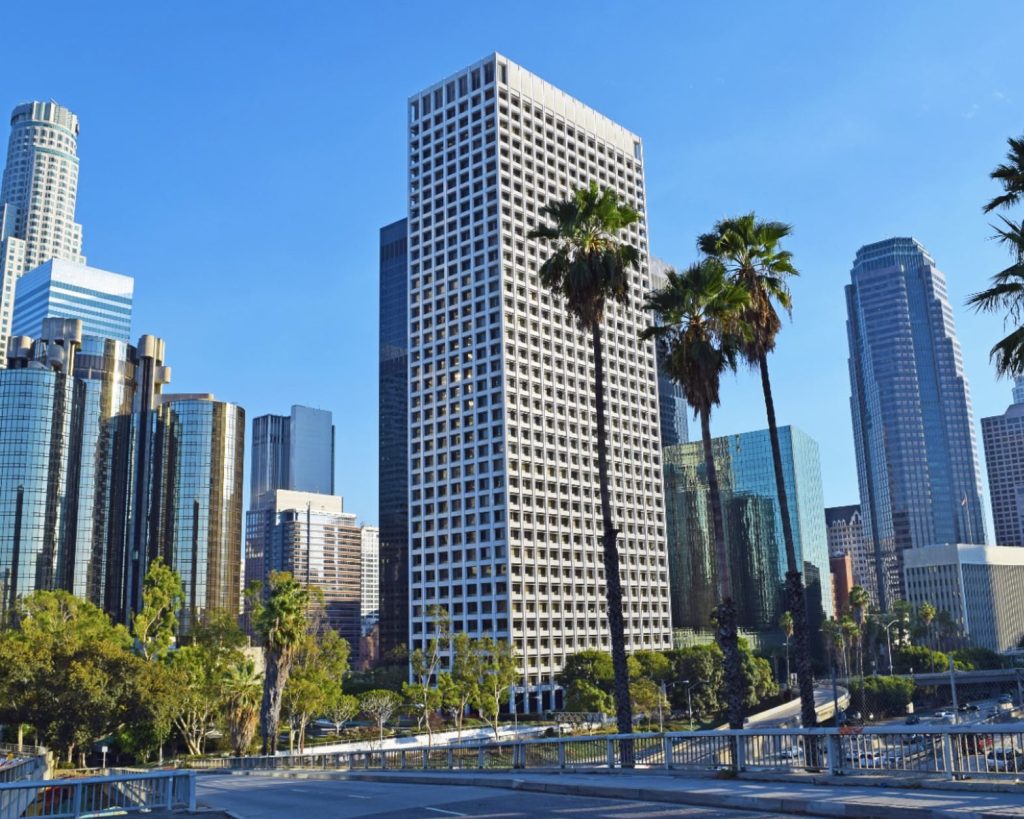
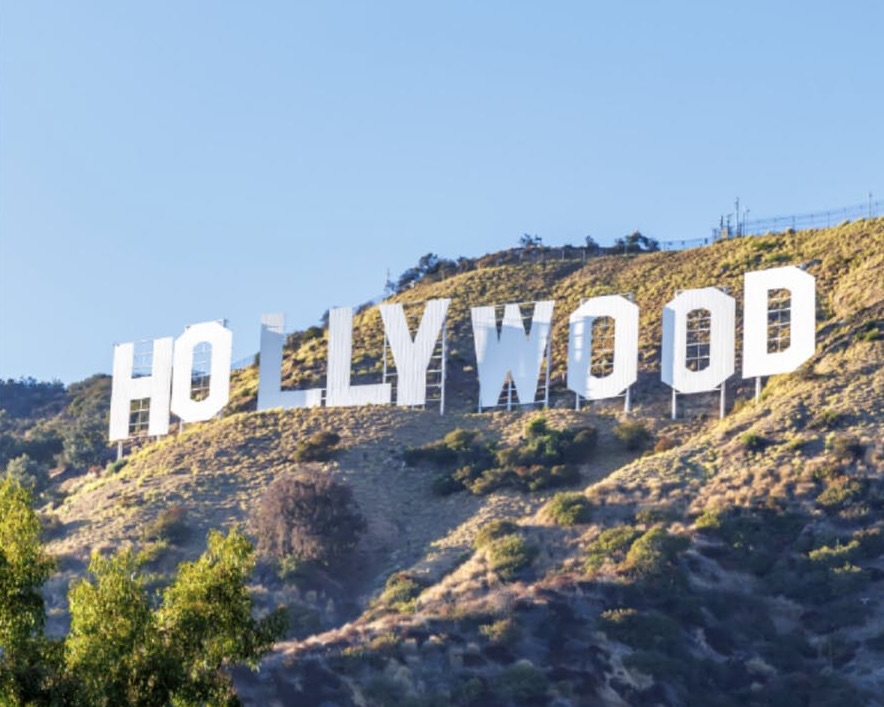
- Afternoon: Arrival in Los Angeles. Your epic road trip concludes as you roll into the vast metropolis of Los Angeles. A perfect place to end is at the Santa Monica Pier. Ride the Ferris wheel, watch the street performers, and look for the “End of the Trail” sign for the historic Route 66. You made it!
Map of Your California Coast Adventure
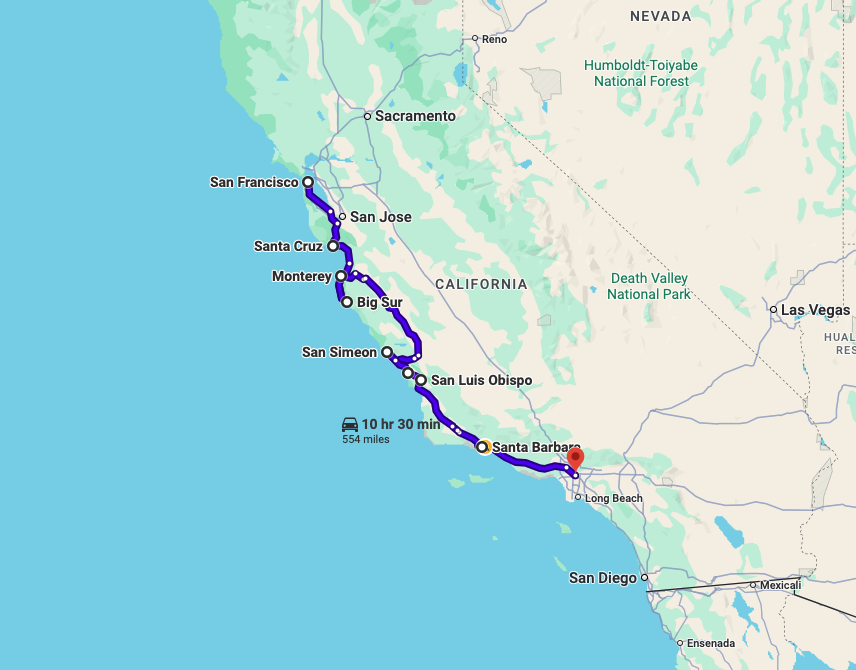
This iconic route spans over 550 miles and is a masterclass in coastal beauty, taking you from Northern California’s foggy charm to Southern California’s sunny shores.
What to Budget for Your Road Trip
A road trip down the California coast can fit a range of budgets. Here is a sample breakdown of daily costs per person, not including your campervan rental.
| Category | Budget | Mid-Range | High-End |
|---|---|---|---|
| Accommodation (Campsites) | $35 to $50 | $50 to $75 | N/A |
| Food & Drink | $40 to $60 | $70 to $100 | $120+ |
| Attractions & Activities | $20 to $40 | $50 to $80 | $100+ |
| Fuel & Tolls (Split) | $20 to $30 | $30 to $40 | $40+ |
| Daily Total Estimate | $115 to $180 | $200 to $295 | $260+ |
- Budget Traveler: You’ll cook most of your meals in the van, stay at state park campsites (book ahead!), and focus on free activities like hiking and beach days.
- Mid-Range Traveler: You’ll enjoy a mix of cooking and dining out at casual spots, stay at private campgrounds with more amenities, and visit major attractions like Hearst Castle and the Monterey Bay Aquarium.
- High-End Traveler: This allows for more frequent dining at well-regarded restaurants, booking guided tours (like kayaking or whale watching), and staying at premium RV resorts.
What to Pack for Your PCH Drive
Packing for this trip is all about layers. The weather can change in an instant, from foggy and cool to warm and sunny.
- Clothing:
- Layers are essential: T-shirts, long-sleeve shirts, a warm fleece or sweater.
- A windproof and waterproof jacket is a must, especially for the foggy Big Sur coast.
- Comfortable walking shoes. You’ll be doing a lot of it.
- Swimsuit for sunny beach days.
- A hat and sunglasses for sun protection.
- Documents & Money:
- Driver’s license and vehicle rental documents.
- Credit cards and some cash for small towns or park fees.
- Road Trip Essentials:
- A great road trip playlist (download it for offline use!).
- Portable power bank to keep your devices charged.
- Reusable water bottle.
- Sunscreen.
- Binoculars for spotting wildlife like seals, otters, and whales.
Driving Tips for Highway 1
Driving Highway 1 is an adventure in itself. Here are a few tips:
- Drive South: For the best experience, drive from San Francisco to Los Angeles. This puts you in the outside lane, right next to the ocean, giving you unobstructed views and making it easier to pull over at scenic overlooks.
- Check Road Conditions: Highway 1, especially through Big Sur, is prone to closures from mudslides and rockfalls, particularly after winter rains. Always check the Caltrans website for the latest road status before you go.
- Take Your Time: This is not a drive to be rushed. The road is narrow and winding, with sharp turns and steep drop offs. Adhere to the speed limits and enjoy the scenery.
- Fuel Up: Gas stations can be few and far between in Big Sur, and prices are very high. Fill up your tank in Monterey or Carmel before you head into the remote stretch.
- Book Ahead: Campsites in popular areas like Big Sur can be booked up to six months in advance. Plan ahead, especially if you are traveling during peak season.
Plan Your Dream California Road Trip with Indie Campers
Ready to hit the road? Indie Campers makes it easy to start your California adventure. With a wide range of vehicles, from nimble campervans perfect for two to spacious RVs for the whole family, we have the perfect ride for your trip.
Pick up your vehicle at our hub near San Francisco and drop it off in Los Angeles. Or perhaps you’re dreaming of Australia RV Rentals? We’ve got you covered! All our rentals come with unlimited mileage, so you can explore every hidden beach and scenic detour without a worry. Plus, you can customise your trip with add ons like kitchen kits, outdoor furniture, and BBQs. We take care of the details so you can focus on creating memories. See our others blog articles (RV License Requirements, Work from a Van, How to pack) to help you get ready for this adventure!
Frequently Asked Questions (FAQs)
How many days do you need for a San Francisco to Los Angeles road trip?
We recommend at least 5 days to enjoy the drive without feeling rushed. A 7 day trip is even better, as it allows for more in depth exploration of places like Big Sur and Santa Barbara. If you only have a weekend, you can do it in 3 days, but it will be a much faster pace.
What is the best part of the drive from San Francisco to Los Angeles?
Most people agree that the stretch through Big Sur is the most spectacular part. This rugged, 90-mile section from Carmel to San Simeon features towering cliffs, redwood forests, and breathtaking ocean vistas. The drive over Bixby Bridge and the view of McWay Falls are highlights you won’t forget.
Is it better to drive from LA to San Francisco or San Francisco to LA?
It is definitely better to drive from San Francisco to Los Angeles. When you drive south, you are in the lane closest to the ocean. This gives you the best, unobstructed views and makes it much safer and easier to pull into the scenic vista points along the right side of the road.
Is the Pacific Coast Highway difficult to drive?
The Pacific Coast Highway (Highway 1) can be challenging in certain sections, particularly through Big Sur. The road is narrow, winds for miles, and has steep drop offs with no guardrails in some places. However, it is a well-maintained road. If you drive cautiously, obey the speed limits, and are comfortable with heights, it is a very manageable and rewarding drive.
What is the fastest way to drive from San Francisco to LA?
The fastest way is to take the I-5 freeway. This inland route takes about 6 hours without traffic. However, it is a notoriously boring drive through California’s Central Valley and completely misses the stunning coastal scenery that makes this road trip famous. If you are looking for an adventure, stick to Highway 1.
What is the best place to stay in San Francisco?
The best place to stay in San Francisco for ultimate freedom and adventure is your own campervan! Enjoy your space, easily explore city sights, then hit the Pacific Coast Highway without unpacking. Plus, nearby campgrounds make it a practical start to your California road trip.