Last Updated: June 23, 2026
If you’re working out what to do in Sydney, Australia, the postcard list comes fast: the Opera House, the Harbour Bridge, Bondi Beach. They’re worth your time. But most visitors stop there, and they miss the parts of the city locals actually love.
This guide covers both. You’ll get the harbour icons done properly, plus the inner-city neighbourhoods, hidden beaches, and national parks that rarely make a first-timer’s itinerary. It’s built around a campervan, the one travel setup that links the city to the coast and bush without nightly hotel bookings.
Whether you’re here for a long weekend or a two-week road trip, these are the best places to visit in Sydney, Australia, for every type of traveler. If you’ve only got a couple of days, start with these weekend road trips from the city.
Key Takeaways (TL;DR)
- Why Go in 2026: Sydney runs on a mild, year-round climate, so there’s no wrong month to go. Time it for whale season (May to November) or the Vivid Sydney light festival (late May to mid-June), and the city gives you something the postcards don’t.
- Top Places to Visit in Sydney in 2026: Sydney Harbour, Bondi and the Eastern Beaches, Manly and the Northern Beaches, Royal National Park, and the Blue Mountains.
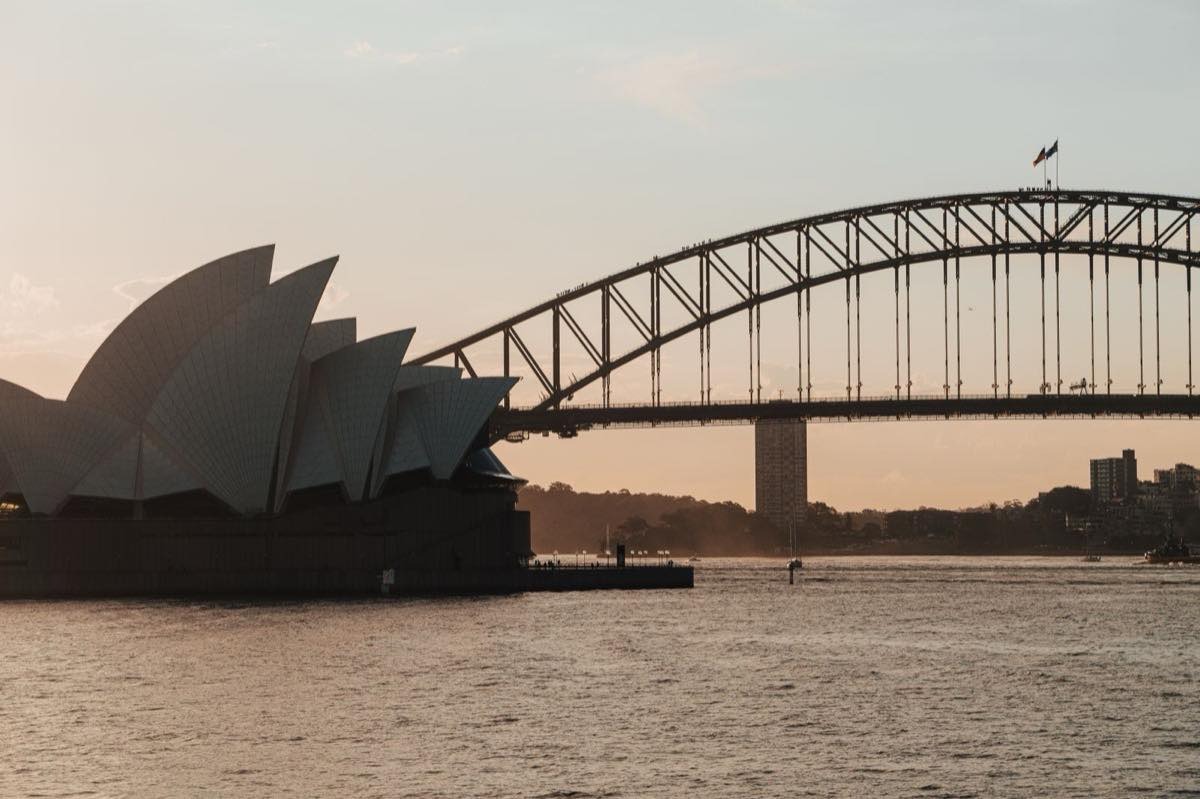
- Don’t-Miss Experience: Golden hour at Mrs Macquarie’s Point, where the Opera House and the Harbour Bridge line up in a single frame, or a humpback breaching off the South Head cliffs in June.
- Ideal Trip Length: 5 to 7 days for the city plus a couple of day trips; 10 to 14 days if you’re adding the Blue Mountains, Hunter Valley, and the Central Coast.
- How to Choose Where to Go: Decide on beach time versus bushwalking, how far you want to drive, and which season you’re traveling in. Sydney’s seasons sit opposite the Northern Hemisphere, so plan around that first.
- Recommended Budget Per Person: Around AUD 120 to 220 per day, excluding the campervan. That covers meals, a paid attraction or two, park fees, and fuel.
- Watch Out For: Cashless toll roads, an extreme UV index even in winter, cool ocean temperatures from June to August, and tide-dependent safety at spots like the Figure Eight Pools.
- Where to Stay: An Indie Campers campervan paired with harbourside and beachside holiday parks. One booking covers your transport and your bed, which is what makes combining the city with day trips realistic.
- Best For: First-timers who want the icons, plus repeat visitors and road-trippers chasing the beaches, national parks, and wine country most tourists skip.
Table of Contents
- Top Places to Visit in Sydney, Australia: At a Glance
- What to Do in Sydney, Australia: Best Places to Visit
- What Should You Pack for a Sydney Road Trip in 2026
- Final Tips for Deciding What to Do in Sydney, Australia
- Plan Your Sydney Road Trip with Indie Campers
- Everything You Need to Know About Sydney RV Road Trips
- FAQs About What to Do in Sydney, Australia
Top Places to Visit in Sydney, Australia: At a Glance
Here’s a quick view of the 10 places in this guide, what each one feels like, and how camper-friendly it is.
These Sydney, Australia, places split roughly into city neighbourhoods you reach by ferry or train, and day-trip regions you drive to.
| Place | Area | Vibe | Best For | Top Things to Do | Avg Temp | Ideal Time | Crowd Level | RV-Friendly |
| Sydney Harbour & The Rocks | CBD | Iconic, historic, walkable | First-timers, couples | Opera House, Bridge, ferries | 9-26C | 1-2 days | High | Park & ferry |
| Bondi & Eastern Beaches | Eastern Suburbs | Sun, surf, social | Surfers, couples | Coastal walk, ocean pools | 10-26C | 1-2 days | High | Limited |
| Manly & Northern Beaches | Northern Beaches | Laid-back surf towns | Families, road-trippers | Ferry, Shelly Beach, Palm Beach | 10-26C | 1-2 days | Medium | Good |
| Inner West (Newtown) | Inner West | Creative, multicultural | Foodies, solo, culture | King St, breweries, live music | 9-26C | 1 day | Low | Park & train |
| Watsons Bay & South Head | Eastern Suburbs | Harbourside village | Couples, seafood lovers | The Gap, lighthouses, beaches | 10-26C | Half day | Low | Park & ferry |
| Royal National Park | South (1 hr) | Coastal wilderness | Hikers, nature, families | Coast Track, Wattamolla | 8-26C | 1-2 days | Medium | Excellent |
| Blue Mountains | West (2 hrs) | Mountain escarpments | Hikers, photographers | Three Sisters, waterfalls | 4-25C | 1-2 days | Medium | Excellent |
| Hunter Valley | North (2 hrs) | Wine country | Couples, foodies, groups | Cellar doors, balloons | 5-31C | 1-2 days | Medium | Good |
| Central Coast | North (1.5 hrs) | Relaxed beaches & lakes | Families, beach lovers | Bouddi walk, Terrigal | 8-27C | 1-2 days | Low | Excellent |
| Ku-ring-gai Chase | North (45 min) | Bush meets water | Nature lovers, kayakers | West Head, rock engravings | 8-27C | 1 day | Low | Good |
Temperatures are approximate annual day ranges in Celsius. Sydney is mild year-round, with cooler, wetter winters from June to August and warm summers from December to February.
What to Do in Sydney, Australia: Best Places to Visit
Sydney works best as a base camp, not a single stop. The harbour and the famous beaches anchor any trip, and a short drive opens up national parks, wine country, and quiet coves that day-trippers never reach.
Below are 10 of the best places to go in Sydney and its surrounds, starting in the centre and working outward:
1. Sydney Harbour and The Rocks
The Vibe
This is the Sydney you already picture: the white sails of the Opera House, the steel arch of the Harbour Bridge, and green ferries crossing a deep blue harbour. The Rocks, the sandstone neighbourhood right beside the bridge, holds the city’s oldest streets, with cobbled laneways, convict-era pubs, and weekend markets.
What most tourists miss is how good the harbour foreshore gets once you walk away from Circular Quay. Barangaroo Reserve and Observatory Hill both deliver the same harbour views with a fraction of the crowd.
Up close, the harbour is a working waterway rather than a postcard. Salt air, the churn of ferry wake against the quay, and green-and-yellow cats crossing in every direction give the foreshore a rhythm no photo catches, and on a weekday morning, you can still read the old colonial city in the worn sandstone steps of The Rocks.
Top Things to Do
- Tour the Sydney Opera House: Book a one-hour interior tour, or better, see a show. The building means more from the inside than the forecourt. Guided tours run through the day and sell out fast in summer, so book online before you arrive, and check the What’s On calendar in case an evening performance lines up with your visit.
- Cross the Harbour Bridge: Walk the eastern footpath for free, climb to the Pylon Lookout for a cheaper view than the famous BridgeClimb, or book the climb itself. Locals call it the Coathanger, and the footpath delivers the same skyline as the paid climb without the price tag. Start from the Rocks side,e and the crossing folds neatly into a morning exploring the old quarter.
- Wander The Rocks markets: On weekends, the laneways fill with food, crafts, and buskers. Midweek, take the history walk past the city’s first streets and pubs. The Friday foodie market and the weekend arts-and-crafts stalls run beside some of the oldest buildings in the country, so it doubles as an open-air history lesson between bites.
- Walk through the Royal Botanic Garden: Free, harbour-side, and the path leads straight to Mrs Macquarie’s Point, the best free viewpoint in the city. Allow an hour to wander past the duck pond and the Calyx glasshouse, following the shoreline path that curls around Farm Cove with the Opera House framed across the water the whole way.
- Catch a ferry from Circular Quay: The cheapest harbour cruise in Sydney is a normal commuter ferry. Tap on with an Opal card and ride to Manly or Watsons Bay. The 30-minute run to Manly crosses open water past the Heads for a fraction of the price of a tourist cruise; sit on the right heading out for the best skyline views and time the return for sunset.
- Visit Barangaroo Reserve: A headland park built over old container terminals, with sandstone shelves, native planting, and Aboriginal heritage, where the city quietly drops the tourist act. More than 75,000 native trees and shrubs were planted across the headland, and a foreshore walk links it back to Walsh Bay and The Rocks, so you can loop the whole western harbour on foot.
Don’t Leave Without…
Don’t leave without catching golden hour from Mrs Macquarie’s Point, where the Opera House and the Harbour Bridge line up together, then a cold schooner at the Lord Nelson, one of the oldest pubs in the city. Arrive about half an hour before sunset to claim a spot on the sandstone point, when the low light turns the sails gold and the city towers behind them flick on one by one. The Lord Nelson has been pouring since the 1840s and brews its own ales, a fitting end to a day on the water.
RV and Campervan Practical Info
- Skip the CBD with the van: Central Sydney has narrow streets, height-limited car parks, and expensive metered parking. It isn’t built for a campervan.
- Base outside the centre: RV rental in Australia gives you a vehicle you can park at Lane Cove River Tourist Park, about 10 km north, then train or ferry into the centre.
- Budget for tolls: Sydney’s motorways are cashless. Your rental needs a linked toll tag or the Linkt app, since there are no toll booths to pay at. Set this up before you collect the keys, as unpaid tolls turn into admin fees on the rental.
The harbour itself costs nothing to enjoy, so spend on one paid icon rather than three.
Who Is It Best For?
- First-timers who want the classic Sydney sights in one place.
- Couples after a sunset harbour walk.
- Families using the ferries as a cheap, fun transport.
Recommended Budget
- Meals: AUD 40 to 90 per day, higher near Circular Quay, cheaper one street back.
- Activities: AUD 0 to 80 per day, depending on whether you climb the bridge or stick to free viewpoints and gardens. Pro tip: book the Opera House tour or BridgeClimb online in advance for the lowest rates and a guaranteed slot in peak summer.
2. Bondi and the Eastern Beaches
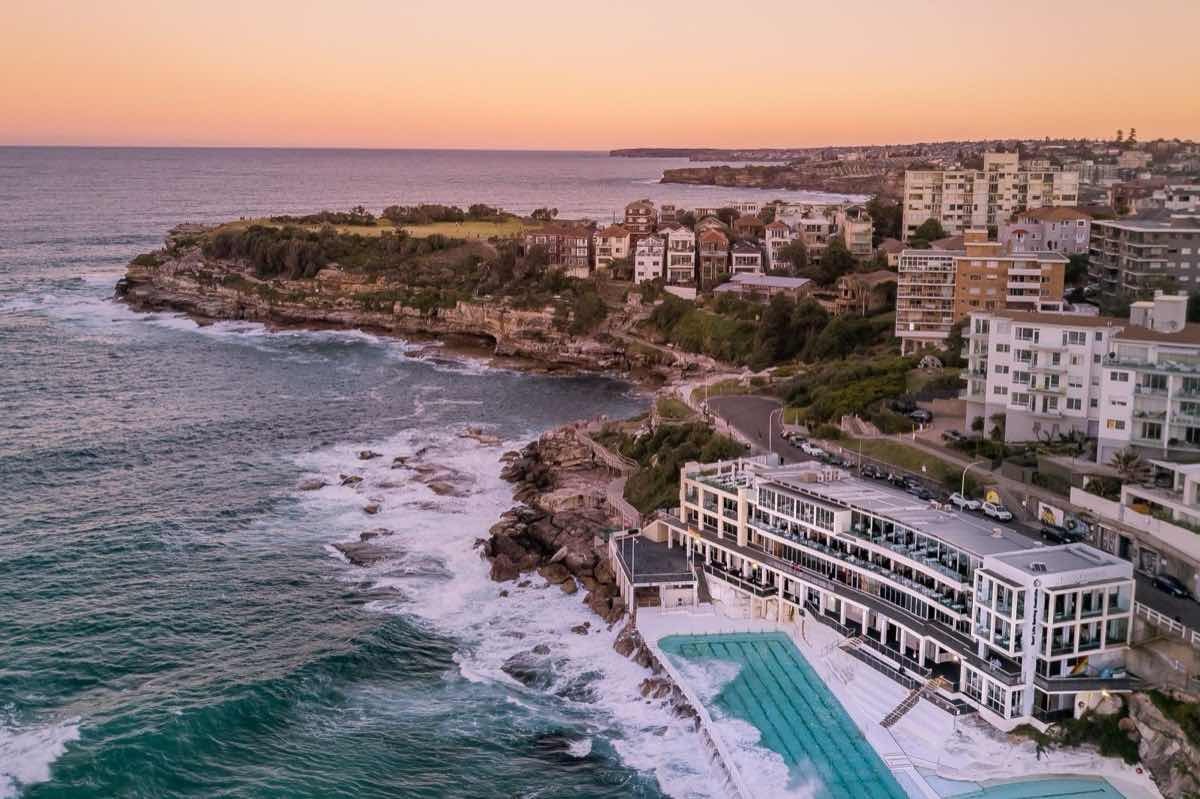
The Vibe
Bondi is loud, tanned, and busy, and it earns the hype. The real draw isn’t only the beach but the clifftop coastal walk that strings it to the quieter coves further south. Surf culture sets the pace here, from dawn paddle-outs to long lunches in beachfront cafes.
Push past Bondi itself and the Eastern Beaches reward you with ocean pools and snorkelling spots that the tour buses never stop at.
The mood shifts as you walk south. The crowds thin past Tamarama, the cafes give way to clifftop grass and ocean pools, and by Clovelly, the water is calm enough to snorkel. It is the same coastline, just without the Bondi crush.
Top Things to Do
- Walk the Bondi to Coogee path: A 6 km clifftop trail past Tamarama, Bronte, and Clovelly. It’s free, takes about two hours, and runs right through whale-watching territory from May to November. Sculptures line the route each spring during Sculpture by the Sea, and the ocean pools at Bronte and Clovelly make natural swim stops, so allow longer than two hours if the weather is good.
- Swim at Bondi Icebergs: The ocean pool at the south end, with waves crashing over the edge, is the most photographed pool in Australia for good reason. The club has sat on this rock shelf since 1929, and a small entry fee gets you the pool, a sauna, and the view; go early before the lap swimmers and photographers arrive.
- Snorkel Gordons Bay: A rocky cove between Clovelly and Coogee with an underwater nature trail, calm water, and barely any tourists. An underwater chain links a series of marked points along the seabed, so you can follow the trail past kelp gardens, rays, and the occasional blue groper without a guide.
- Take a surf lesson: Bondi and Maroubra both run beginner classes with boards and wetsuits included, ideal even in cooler months. Lessons usually run in small groups on the gentler northern end of the beach, away from the stronger rips, and the wetsuit keeps surfing comfortable even when the water cools from June to August.
- Float at Wylie’s Baths: A heritage tidal pool perched over the rocks at Coogee, quieter and more local than the Bondi crowds. Opened in 1907, the timber-decked baths look straight out to sea, and the small entry fee includes the boardwalk and a quiet spot to dry off above the surf.
- Browse the Bondi Markets: Every Sunday, the beachside school fills with vintage clothes, local designers, and food stalls. Saturdays bring a farmers’ market in the same grounds; either way, it is an easy add-on after the coastal walk, a short stroll up from the beach on Campbell Parade.
Don’t Leave Without…
Don’t leave without swimming a lap at Icebergs as the surf breaks over the wall, then warming up with fish and chips eaten on the grass at Bronte. Time it for late afternoon, when the day-trippers thin out and the low sun turns the cliffs gold; Bronte’s grassy park has free electric barbecues if you would rather cook your own.
RV and Campervan Practical Info
- Don’t drive into Bondi: Parking is metered, time-limited, and fiercely contested, with resident-only zones close to the sand.
- Stay and bus in: Base your campervan at a holiday park and use the frequent buses, which run far later than parking limits allow.
- Use the coastal walk as transport: Park once at Coogee, walk to Bondi, and take the bus back. You skip the parking problem entirely. Coogee has easier roadside parking than Bondi, and frequent buses run the return leg in around 20 minutes.
The beaches and the coastal walk are free; your money goes on food and a surf lesson.
Who Is It Best For?
- Surfers and swimmers of every level.
- Couples and friends who want a social beach scene.
- Solo travelers, since the walk and beaches are easy to do alone.
Recommended Budget
- Meals: AUD 45 to 100 per day; cafe breakfasts here aren’t cheap.
- Activities: AUD 0 to 90 per day, with a group surf lesson around AUD 70. Pro tip: the walk, the beaches, and the ocean pools are all free, so a surf lesson or a sauna at Icebergs is the only real spend on a beach day.
3. Manly and the Northern Beaches
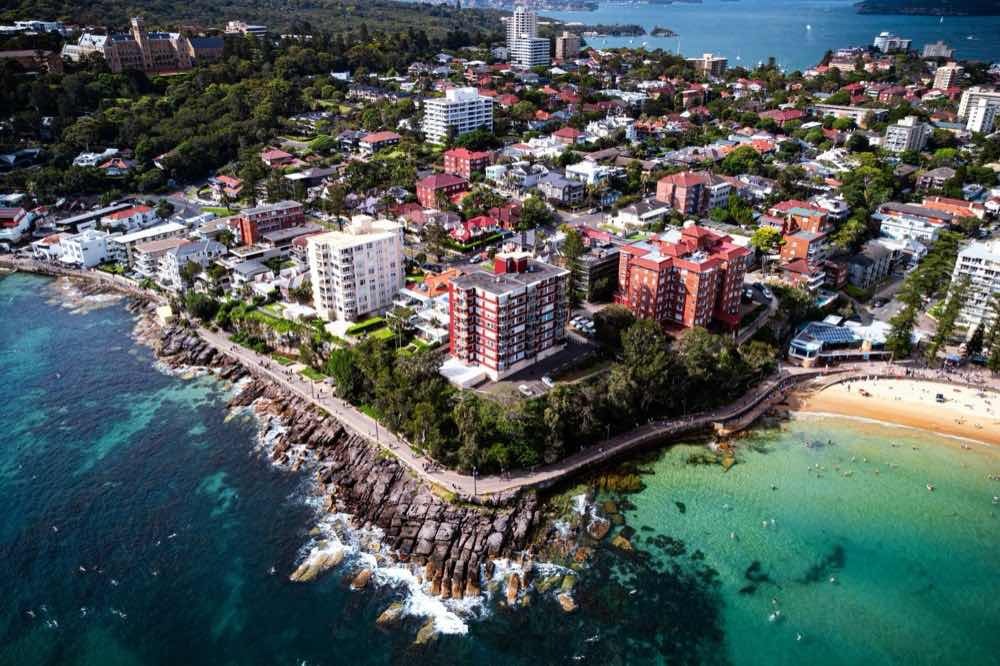
The Vibe
Manly feels like a separate seaside town that happens to share a harbour with the city. The ferry ride in is one of the world’s great commutes, 30 minutes across open water with the skyline behind you. From Manly, a single road runs north past surf beach after surf beach all the way to Palm Beach.
The pace is slower than the Eastern Suburbs, the crowds thinner, and the whole strip is made for a campervan.
North of Manly, the road shadows the coast through a string of surf towns, Freshwater, Curl Curl, Dee Why, Narrabeen, each with its own beach and pace. By the time you reach Palm Beach, the city feels far behind, swapped for headlands, lagoons, and the smell of eucalyptus off the bush.
Top Things to Do
- Ride the Manly ferry: Tap on at Circular Quay and cross the harbour at golden hour. It’s public transport that doubles as a harbour cruise. The 30-minute crossing passes the Opera House, the Heads, and a wall of headland before docking at Manly Wharf; tap on with an Opal card for a few dollars rather than booking a tourist cruise.
- Snorkel Cabbage Tree Bay: The protected aquatic reserve between Manly and Shelly Beach is full of fish, rays, and the occasional friendly groper, with calm water year-round. The bay has been a no-take marine reserve since 2002, which is why the fish life is so dense, and the sheltered cove rarely gets the swell that closes out the main beach. The walk around from Manly takes about ten minutes.
- Walk to North Head: The lookout at the harbour mouth is one of the best whale-watching points on land during the winter migration. The Fairfax walk loops through coastal heath to clifftop platforms with views straight down the harbour to the city; bring binoculars between May and November, and you will often spot humpbacks breaching offshore.
- Drive to Palm Beach: The Barrenjoey Lighthouse walk at the northern tip gives 360-degree views over Pittwater and the ocean. Fans will recognise the beach as Summer Bay. The climb to the 1881 sandstone lighthouse takes about 30 minutes on the steeper access track or longer on the gentler service trail, and the summit looks back over the whole Northern Beaches peninsula.
- Find Collins Flat Beach: A tiny, sheltered cove near North Head with a small waterfall, reachable on foot and almost always empty. A short bush track down from the Manly side opens onto a calm harbour beach with a freshwater trickle at one end; it is one of the few spots this close to the city that still feels secret.
- Surf Freshwater or Curl Curl: Quieter than Manly’s main beach, and where Sydney’s surf history began. Freshwater is where Duke Kahanamoku gave one of Australia’s first public surfboard demonstrations in the summer of 1914-15, and both beaches still draw a relaxed local crowd rather than tour groups.
Don’t Leave Without…
Don’t leave without timing the Manly ferry for sunset, then climbing Barrenjoey Head before you turn the van around at Palm Beach. Do the headland climb in the late afternoon, when the light is soft, and the lighthouse glows against the sea, then drive back down the peninsula as the surf towns switch on for the evening.
RV and Campervan Practical Info
- Drive the coast road: Barrenjoey Road up the Northern Beaches is scenic and easy to handle in a campervan, unlike the inner city.
- Base at Narrabeen: Sydney Lakeside Narrabeen Holiday Park sits right on the beach and lagoon, with powered sites that suit larger vehicles. It is one of the few absolute beachfront parks this close to the city, so powered sites book out fast over summer and school holidays.
- Plan around the ferry: You can leave the van at the holiday park and ferry into the city for the day from Manly.
Most of the coast is free; budget for the ferry, a meal, and parking at Palm Beach.
Who Is It Best For?
- Families who want beaches and easy parking.
- Couples after a quieter alternative to Bondi.
- Surfers and road-trippers working their way up the coast.
Recommended Budget
- Meals: AUD 40 to 90 per day.
- Activities: AUD 10 to 60 per day, mostly ferries, parking, and gear hire. Pro tip: leave the van at the holiday park and use the ferry as your day-trip transport into the city, which saves both fuel and CBD parking fees.
4. The Inner West: Newtown and Marrickville
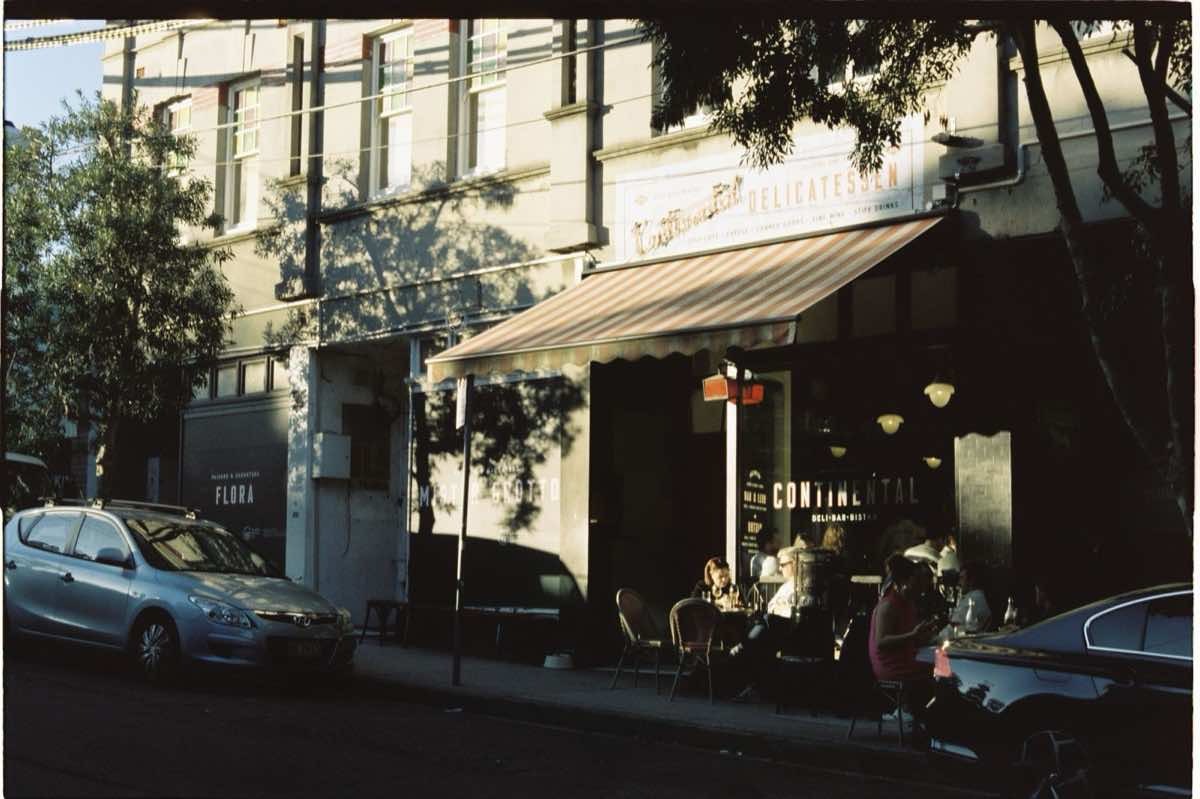
The Vibe
This is where Sydney stops performing for visitors and just gets on with being a city. Newtown’s King Street is a 2 km run of bookshops, record stores, street art, live-music rooms, and some of the best cheap eats in town. Marrickville, next door, has turned old factories into craft breweries and keeps one of the strongest Vietnamese food scenes in the country.
Hardly any first-time itineraries come here, which is exactly the point.
The pull here is the mix. A single block of King Street might hold a Thai canteen, a record store, a craft-beer bar, and a hundred-year-old theatre, and the crowd is students, families, and night-owls rather than tourists. It is the most lived-in part of the city you can visit.
Top Things to Do
- Eat your way down King Street: Thai, Ethiopian, Lebanese, vegan, and late-night dumplings sit side by side. This is the cheapest good eating in Sydney. The 2 km strip from Newtown station down to St. Peter’s is one of the densest restaurant runs in the country, and most kitchens stay open late, so it works as a long, grazing dinner rather than a single sit-down.
- Do the Marrickville brewery trail: A walkable cluster of independent breweries and cellar doors fills the old industrial blocks, busiest and best on a weekend afternoon. A dozen or so breweries and a couple of distilleries sit within a few streets of each other in the old factory district, many with tasting paddles and food trucks, so you can walk the whole loop in an afternoon.
- Catch a gig at the Enmore Theatre: The city’s most-loved mid-size music venue has hosted everyone from local bands to international headliners for over a century. Opened in 1908, the art-deco room holds around 2,500 and sits on Enmore Road amid late-night pizza joints and bars, so the night rarely ends when the encore does.
- Hunt the street art: Newtown’s laneways and the famous ‘I Have a Dream’ mural turn the suburb into an open-air gallery. The 1991 ‘I Have a Dream’ mural near Newtown station is the best known, but the side streets off King Street are repainted constantly, so the gallery changes every few months.
- Slurp pho on Illawarra Road: Marrickville’s Vietnamese strip serves some of the best and cheapest pho and banh mi in Sydney. The stretch around Illawarra Road has been the heart of Sydney’s Vietnamese community for decades, and a bowl of pho or a banh mi here still costs a fraction of a harbourside lunch.
- Browse the Marrickville markets: The Sunday organic market and the monthly flea market draw a local crowd, not a tourist one. The Sunday organic market runs in the Addison Road Community Centre grounds, a leafy former army depot, alongside vintage stalls and cheap eats, and it is busiest mid-morning.
Don’t Leave Without…
Don’t leave without a bowl of pho on Illawarra Road, followed by a band at the Enmore, the most Sydney night out you can have away from the harbour. Line the two up on a weekend, when the venues are full, and the late-night kitchens around Enmore Road keep going long after the show, and you will see the side of the city most visitors never reach.
RV and Campervan Practical Info
- Leave the van parked: These are dense residential streets with tight parking. It’s a park-and-train neighbourhood.
- Take the train in: Newtown and Marrickville both sit on the main rail line, a short, cheap ride from the city or your holiday park. Trains run every few minutes on the inner-west line, so you never need to find parking in the area itself.
- Mind the breweries: If you’re tasting your way around, use the train, not the driver’s seat.
Who Is It Best For?
- Foodies chasing the city’s best-value meals.
- Solo travelers and culture seekers.
- Budget travelers who want a real night out for less.
Recommended Budget
- Meals: AUD 25 to 60 per day, the cheapest eating in this guide.
- Activities: AUD 0 to 70 per day; most of it is free unless there’s a gig on. Pro tip: check the Enmore and Newtown listings before you visit and build the day around a show, since the live music is the one thing here worth booking ahead.
5. Watsons Bay and South Head
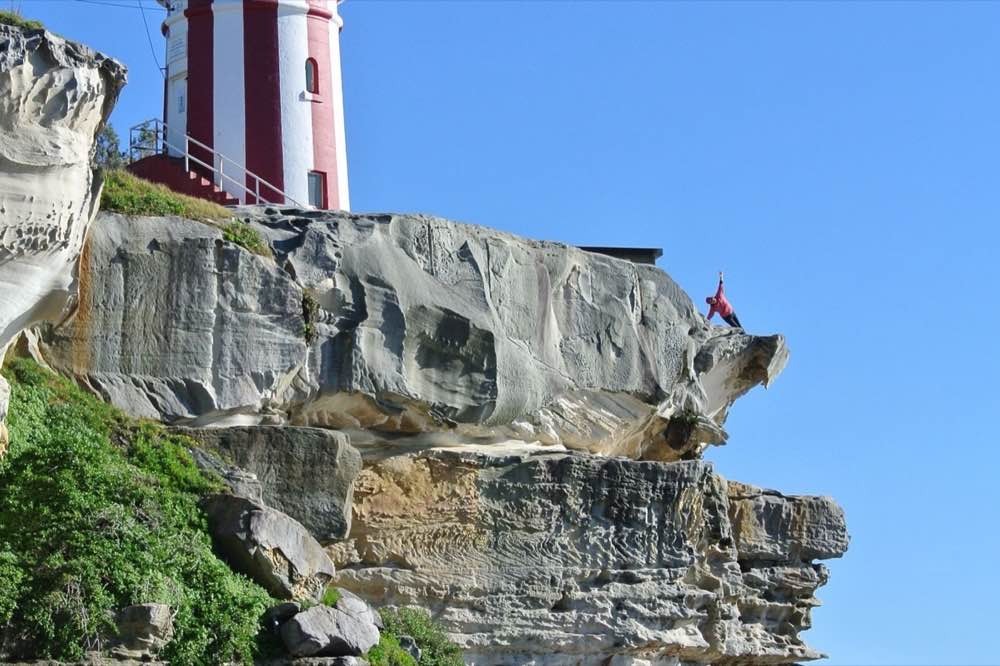
The Vibe
At the very mouth of the harbour sits Watsons Bay, an old fishing village where towering ocean cliffs meet calm, child-friendly harbour beaches within a few hundred metres of each other. It’s a short ferry from the city, yet it feels like a coastal day away from it. Most visitors never make the trip.
The headland walks here are quiet, the seafood is fresh off the boats, and in winter, the cliffs become a front-row whale seat.
What makes the village unusual is the contrast in a few hundred metres. On the ocean side, sheer sandstone cliffs drop into open Pacific swell; on the harbour side, tiny netted beaches sit flat and calm. You can watch the surf pound The Gap, then swim in still water minutes later.
Top Things to Do
- Stand at The Gap: Dramatic ocean cliffs facing the open Pacific, especially powerful when a swell is running. A fenced clifftop path runs along the headland with lookouts over the cliffs and out to the open sea, and on a big swell, the spray comes right up over the rocks below.
- Walk the South Head Heritage Trail: A short loop to the candy-striped Hornby Lighthouse and old gun emplacements, with harbour and ocean views the whole way. The red-and-white Hornby Lighthouse at the tip dates to 1858 and marks the southern entrance to the harbour; the loop takes under an hour and passes colonial-era cottages and gun batteries along the way.
- Swim at Camp Cove and Lady Bay: Two tiny, calm harbour beaches tucked behind the headland, perfect when the ocean is too rough. Camp Cove is a sheltered, family-friendly sweep of sand with a kiosk, while Lady Bay, a little further along, is quieter and clothing-optional; both look back across the harbour to the city.
- Watch for whales: From May to November, the headland is a prime land-based vantage point. Around 40,000 humpback whales pass Sydney’s coastline each year on their migration. Bring binoculars and pick a clear morning; the cliffs sit right on the migration route, so on a good day, you can watch breaching and tail-slapping from dry land without paying for a cruise.
- Eat at the wharf: Doyles has served seafood here since 1885; the takeaway window by the jetty is the smarter-value option. Grab fish and chips from the takeaway and eat them on the grass by the ferry wharf rather than booking the sit-down restaurant, and you get the same view and catch for a fraction of the bill.
- Detour to Nielsen Park: Shark Beach, despite the name, is a netted, family-friendly harbour swimming spot a short drive back toward the city. The harbourside park has shade, a heritage kiosk, and a netted swimming enclosure, making it one of the calmest harbour swims on the eastern side.
Don’t Leave Without…
Don’t leave without fish and chips eaten on the Watsons Bay wharf, then the short walk out to Hornby Lighthouse for sunset over the harbour. Catch the ferry back to Circular Quay afterwards rather than driving, so you can watch the city lights come up across the water on the way in.
RV and Campervan Practical Info
- Ferry, don’t drive: Parking at Watsons Bay is minimal and fills fast on clear days. The ferry from Circular Quay takes about 20 to 30 minutes and lands you steps from The Gap, so leave the van at your base and come in by water.
- Combine with the city: The ferry from Circular Quay makes this an easy half-day from a city-side base.
- Pack a picnic: The harbour beaches have grass and shade but limited food options beyond the famous seafood spots.
A half-day here costs little more than the ferry fare and lunch.
Who Is It Best For?
- Couples after a quiet, scenic half-day.
- Families wanting calm harbour swimming.
- Seafood lovers and slow travelers.
Recommended Budget
- Meals: AUD 30 to 80 per day, more if you sit down at Doyles.
- Activities: AUD 0 to 20 per day; the walks and beaches are free. Pro tip: the only real cost here is the ferry fare and lunch, so this works well as a cheap half-day paired with a morning in the city.
6. Royal National Park
The Vibe
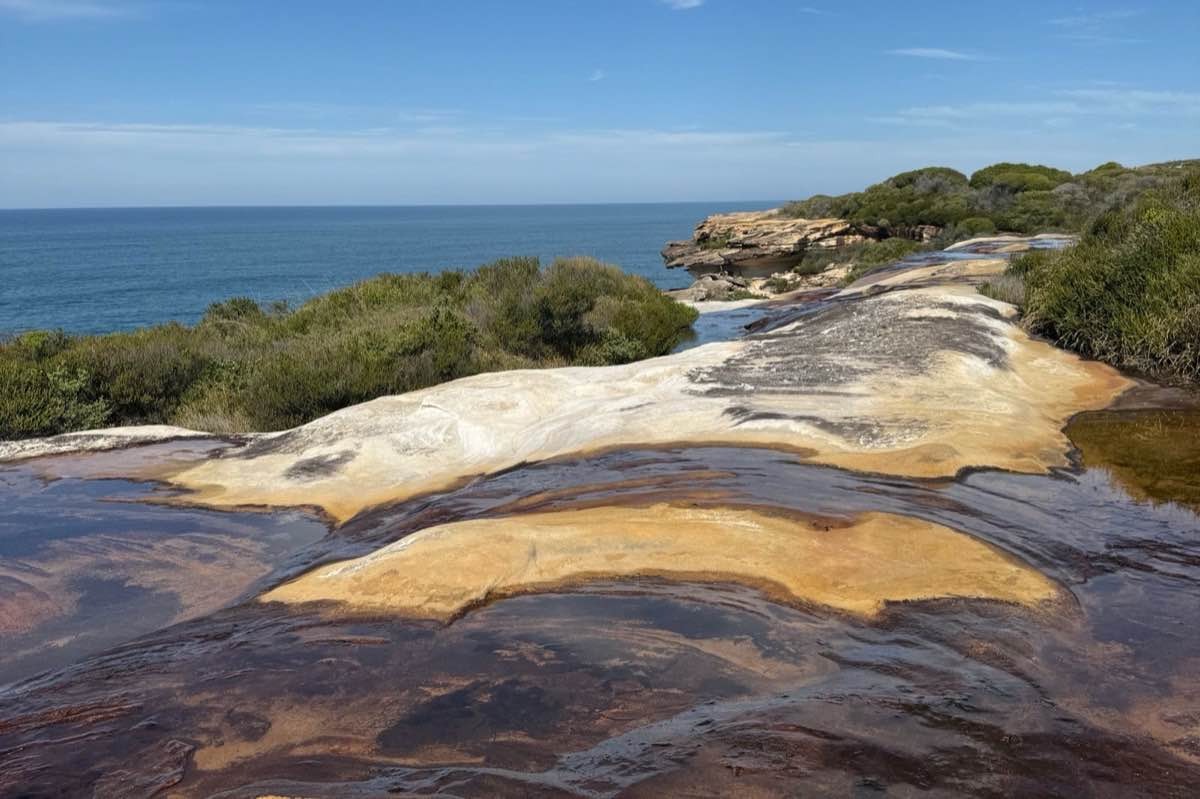
Less than an hour south of the city sits one of the great surprises near Sydney. Established in 1879, it is the second-oldest national park in the world, and it packs coastal clifftop trails, hidden swimming holes, and surf beaches into one wild stretch of coast.
Bundeena, the small village inside the park boundary, makes a relaxed base, and the coast here is raw in a way the harbour beaches aren’t.
The scale surprises people. Within the park boundary, you move from clifftop heath to rainforest gully to empty surf beach in the space of a short drive, and outside of weekends, you can have a lagoon or a lookout almost to yourself. It is genuine wilderness, less than an hour from the CBD.
Top Things to Do
- Walk the Coast Track: The full 26 km clifftop route is a two-day hike, but day sections like Bundeena to Wattamolla deliver the best of it in a few hours. The track hugs the cliff edge past sea caves, heathland, and whale lookouts, with no road access in between, so carry water and check the forecast; the Bundeena-to-Wattamolla leg is the most rewarding half-day.
- Swim at Wattamolla: A lagoon, a waterfall, and a beach in one sheltered spot. It’s the park’s most loved picnic destination. A freshwater lagoon fed by a small waterfall sits just behind the beach, so kids can paddle in calm water while the surf rolls in next door; arrive early on weekends, as the car park fills and then closes once full.
- See Wedding Cake Rock: A flat white sandstone platform above the ocean, best viewed from behind the safety fence, since the rock is slowly eroding. A fenced viewing platform now overlooks the rock after engineers found it could collapse without warning; the walk in from Bundeena is a flat 6 km return through coastal heath.
- Check the Figure Eight Pools: Photogenic rock pools, but only safe to reach at low tide on calm days. Check the tide chart and swell forecast before you go. The pools sit on an exposed rock shelf reached by a steep, rough track, and people are regularly injured by waves here, so go only on a low tide with a small swell and never turn your back on the ocean.
- Catch the Bundeena ferry: The little ferry from Cronulla to Bundeena is a scenic way in if you leave the van behind for the day. The little timber ferry has crossed Port Hacking for decades and drops you in Bundeena village, a short walk from the park’s northern trailheads.
- Surf or relax at Garie Beach: A patrolled surf beach inside the park, reached by a winding road down the escarpment. The road drops steeply through the bush to a wide, exposed beach that is patrolled in summer; it picks up plenty of swell, so check conditions before you swim.
Don’t Leave Without…
Don’t leave without a swim at Wattamolla Lagoon, then a slow drive along Lady Wakehurst Drive through the rainforest gullies on the way out. Take the drive late in the day when the light filters through the canopy and the lyrebirds are active; it is one of the prettiest stretches of sealed road near the city.
RV and Campervan Practical Info
- Camp at Bonnie Vale: The park’s main campground near Bundeena has 84 sites, both powered and unpowered, and suits campervans and caravans. Book ahead, since it fills on weekends. Confirm details on the world’s second-oldest national park official page.
- Pay the park fee: Entry is AUD 12 per vehicle per day, payable at the gates or through the Park’nPay app. Keep the app or a receipt handy, as rangers do check at the popular spots like Wattamolla and Garie.
- Capture grey water: NSW campgrounds require you to hold grey water in your tanks or buckets and empty it at the dump points provided.
- Mind larger motorhomes: Some sites are tight for big rigs; check access before booking the biggest vehicle.
Roadside or wild camping isn’t allowed; you camp in the designated campground only.
Who Is It Best For?
- Hikers and nature lovers.
- Families wanting safe swimming and short walks.
- Road-trippers who want their first proper bush night near the city.
Recommended Budget
- Meals: AUD 25 to 50 per day if you self-cater in the van.
- Activities: AUD 12 to 30 per day, mostly park and camping fees. Pro tip: a single vehicle fee covers everyone in the van for the day, so the park is one of the cheapest ways to spend a day outdoors near Sydney.
7. The Blue Mountains
The Vibe
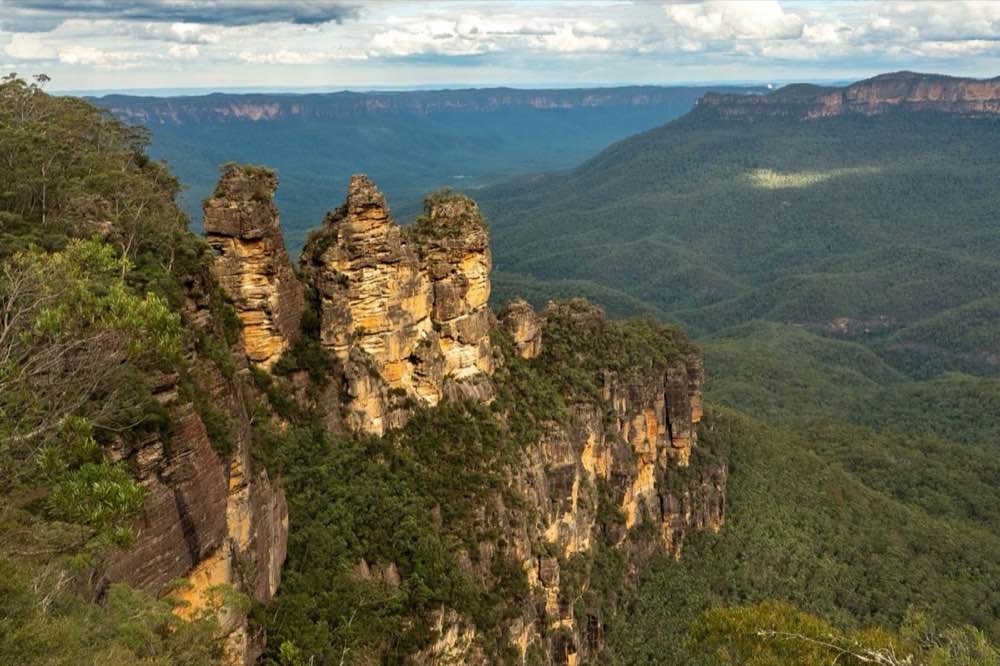
Two hours west of the city, the land drops away into vast blue-tinged valleys named for the haze the eucalyptus forests give off. Katoomba and Leura are the mountain towns at the centre of it, full of old guesthouses, cafes, and trailheads. This is the classic Sydney day trip, and it more than lives up to the reputation.
Cooler air, big waterfalls, and clifftop lookouts make it the perfect contrast to the coast.
Mornings are the secret. Mist pools in the valleys at dawn and burns off by mid-morning, the lookouts are empty before the tour buses arrive from the city, and the air is sharp and cool even when the coast is warm. Time your day around an early start, and the mountains feel like a different country.
Top Things to Do
- See the Three Sisters: The rock formation at Echo Point in Katoomba is the signature view. Go early or late to beat the tour buses. The three weathered sandstone pillars are floodlit after dark, and a short set of steps, the Giant Stairway, drops from the lookout into the valley if you want more than the photo.
- Ride Scenic World: The steepest passenger railway in the world drops into the valley, linked to a cableway and a rainforest walkway. The railway falls at a 52-degree incline into the Jamison Valley, where a boardwalk winds through rainforest past an old coal-mine site before the cableway carries you back up. One ticket covers all three rides.
- Hike to Wentworth Falls: The National Pass track clings to the cliff face beside one of the best waterfalls in the mountains. The National Pass was cut into the cliff by hand more than a century ago and runs along a ledge halfway down the escarpment, passing the falls at close range; allow three to four hours for the full loop.
- Walk the Grand Canyon at Blackheath: A loop through a cool, fern-filled gorge that feels a world away from the lookouts above. The 6 km loop descends into a shaded sandstone canyon dripping with ferns and mossy overhangs, then climbs back to the rim; it is cooler than the clifftops, so it suits a warm afternoon.
- Catch sunrise at Lincoln’s Rock: A wide rock platform near Wentworth Falls with uninterrupted valley views and far fewer people than Echo Point. The flat ledge sits right on the cliff edge with no fences, so keep well back, but the open aspect makes it the best sunrise spot in the mountains, often with the valley still full of mist.
- Explore Leura village: Tree-lined streets, antique shops, and a good lunch stop between walks. The main street is lined with cafes, bookshops, and a famous lolly shop, and the nearby Everglades Gardens are worth an hour if the weather turns; it makes an easy base between trailheads.
Don’t Leave Without…
Don’t leave without a dawn start at Lincoln’s Rock, when the valley fills with mist, and you’ll often have the view to yourself. Bring a thermos and warm layers, since the clifftop is cold before sunrise even in summer, and stay for the half-hour after first light when the mist lifts off the valley floor.
RV and Campervan Practical Info
- Drive the Great Western Highway: The main route up is well-graded and easy in a campervan, with plenty of pull-offs.
- Mix free and private camping: The national park has first-come, free campgrounds that take campervans, plus private holiday parks around Katoomba for powered sites.
- Pack for cold nights: At over 1,000 m, winter nights drop near freezing, with occasional frost or light snow at Katoomba. Bring warm bedding. Many vans have heating, but check before you book a winter trip, and fill the water tank in town, as some free campgrounds have no supply.
Book private sites ahead in winter and on weekends; the free park campgrounds don’t take bookings.
Who Is It Best For?
- Hikers and photographers.
- Couples after a cosy mountain escape.
- Families, with easy lookouts and short walks for all ages.
Recommended Budget
- Meals: AUD 30 to 70 per day.
- Activities: AUD 0 to 60 per day; most walks are free, Scenic World is the main paid attraction. Pro tip: the lookouts and most tracks cost nothing, so save the spend for one Scenic World pass and book it online to skip the ticket queue.
8. Hunter Valley
The Vibe
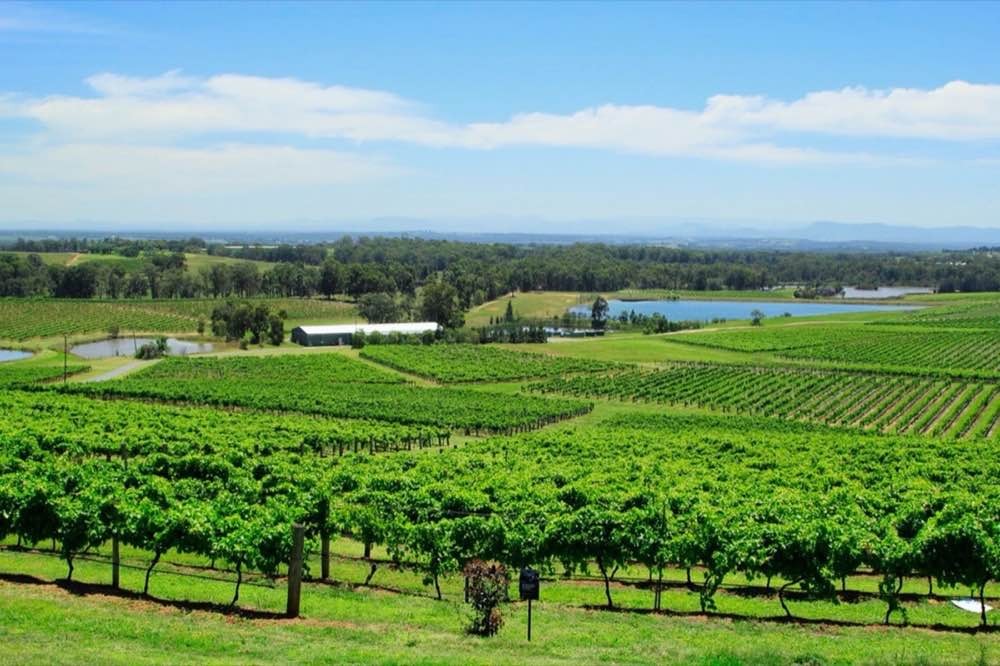
Australia’s oldest wine region sits about 160 km and two hours north of the city. The Hunter built its name on Semillon and Shiraz, and today the valley is as much about food, cheese, and slow mornings as it is about the cellar doors. Rolling vineyards back onto the Brokenback Range, and the whole region moves at a gentle, weekend pace.
It’s an easy overnight from Sydney and a favourite for couples and small groups.
The rhythm is unhurried. Cellar doors open mid-morning, long lunches stretch into the afternoon, and the roads between vineyards are flat and quiet. With a van, you can park up among the vines, which means a tasting need never be cut short by the drive back to the city.
Top Things to Do
- Taste at the cellar doors: Family wineries like Tyrrell’s and Brokenwood pour straight from the source. Hunter Semillon is a style you’ll struggle to find done this well anywhere else. Tyrrell’s has been making wine here since 1858 and still pours from its original holdings, while Brokenwood draws crowds for its Shiraz; most cellar doors charge a small tasting fee that is waived if you buy a bottle.
- Float over the vines at dawn: A sunrise hot-air balloon over the valley is the region’s signature splurge. Flights lift off at first light when the air is calm, drifting over the vineyards and the Brokenback Range for about an hour, and usually finish with a sparkling breakfast; book well ahead, as weather cancels flights regularly.
- Walk the Hunter Valley Gardens: Sixty acres of themed gardens, good for a break between tastings, especially when lit up in winter. Ten themed gardens spread across the site, from a formal Italian grotto to a storybook garden for kids, and the winter Christmas Lights display is one of the largest in the country.
- Follow the cheese and chocolate trail: Local producers cluster near the main wineries for easy grazing between glasses. Dairy, chocolate, olive, and smallgoods producers sit within a few minutes of the main cellar doors, most with tastings of their own, so you can build a whole afternoon of grazing without a restaurant booking.
- Catch live music at a winery: Many cellar doors run weekend sessions and long-lunch events throughout the year. The big estates host major concerts on their lawns over summer, drawing international acts, while smaller cellar doors put on low-key weekend sessions; check what is on before you pick your dates.
- Shop the producers’ markets: Regional growers and makers set up on weekends with everything from olives to native honey. The weekend markets are the easiest way to fill the van fridge with local cheese, wine, and produce to carry on down the road, and the growers are generous with tastings.
Don’t Leave Without…
Don’t leave without a tasting flight of aged Hunter Semillon at a small cellar door, and a dawn balloon flight if the budget stretches. Aged Hunter Semillon is the region’s signature, a dry white that develops toast and honey with years in the bottle, so ask the cellar door to pour an older vintage next to a young one to taste the difference.
RV and Campervan Practical Info
- Park up and get a driver: Plenty of caravan parks and winery stays welcome campervans. Never drive between tastings; book a local tour or shuttle.
- Book powered sites ahead: Weekends and event dates fill quickly across the valley’s holiday parks. Concert weekends and long weekends sell out months in advance, so lock in a powered site early if your dates are flexible around an event.
- Stock the fridge: Your van fridge is ideal for carrying home the cheese, wine, and produce you pick up along the way.
Who Is It Best For?
- Couples after a romantic, slow weekend.
- Foodies and wine lovers.
- Small groups celebrating an occasion.
Recommended Budget
- Meals: AUD 40 to 110 per day; long lunches add up.
- Activities: AUD 20 to 120 per day, with tastings, modest and balloon flights at the top end. Expect higher prices on event weekends. Pro tip: a balloon flight is the big-ticket item; skip it and a day of tastings and grazing stays well within the lower end of that range.
9. The Central Coast
The Vibe
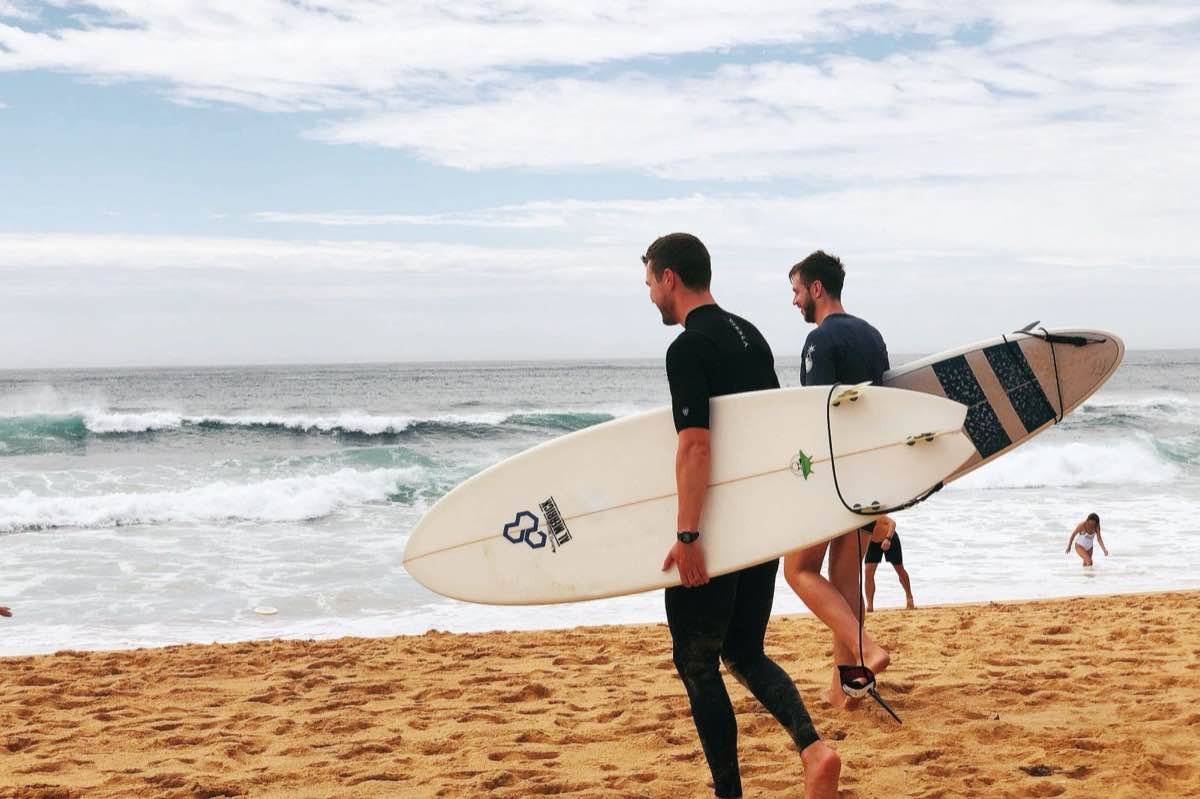
Between Sydney and Newcastle lies a string of beach towns and waterways that Sydneysiders quietly escape to, while overseas visitors drive straight past. About 90 minutes north, the Central Coast trades big-city pace for surf beaches, calm lakes, and national park headlands. Terrigal, Avoca, and Pearl Beach anchor the coast.
It’s relaxed, affordable, and made for a campervan with a few free days.
It is the kind of place locals keep to themselves. The beaches are wide and uncrowded, the lakes and lagoons are calm enough for kids, and the headland walks rarely see a tour group. An hour and a half from the city, it feels twice as far.
Top Things to Do
- Walk in Bouddi National Park: The coastal walk links secluded beaches and clifftop lookouts on the southern headland, with whales offshore in winter. The Bouddi Coastal Walk runs about 8 km past empty beaches like Maitland Bay and clifftop lookouts, with a clearly marked track and a couple of walk-in campsites along the way; allow half a day for the full stretch.
- Climb the Skillion at Terrigal: A grassy headland with a sharp drop to the sea and one of the best easy lookouts on the coast. You can almost drive to the top, then walk the last few minutes onto the grassy point for a wide view up and down the coast; it is a favourite spot for sunrise and for watching the surf below.
- Surf Avoca Beach: A consistent, friendly surf beach with a relaxed town behind it. Avoca picks up reliable swell and is patrolled in summer, with a low-key village of cafes and an old single-screen cinema just behind the sand, making it an easy place to spend a slow day.
- Watch the pelican feeding: At The Entrance, wild pelicans gather for a daily afternoon feed, a hit with kids. The free feeding happens every afternoon on the waterfront at The Entrance, when dozens of wild pelicans crowd in; it has run daily for years and is one of the easiest wildlife sightings on the coast.
- Relax at Pearl Beach: A tiny, upmarket village beach backed by rainforest and a tidal rock pool. A protected lagoon and an ocean rock pool sit at either end of the sand, and the village behind is all bush gardens and a single well-known restaurant, so it stays quiet even on summer weekends.
- Meet the wildlife: The Australian Reptile Park is a reliable rainy-day stop for families. The park runs daily spider and snake shows and is the country’s main supplier of venom for antivenom, alongside koalas, wombats, and a resident giant crocodile; it sits just off the M1, so it is easy to fold into the drive.
Don’t Leave Without…
Don’t leave without sunset from the Skillion at Terrigal and an early surf at Avoca before the day-trippers arrive. Stay the night at a beachfront park so you can be in the water at first light, when the surf is glassy, and the beaches are empty except for a few locals walking dogs.
RV and Campervan Practical Info
- Pick a beachside park: Holiday parks line the coast at Terrigal, Avoca, and Umina, many with powered sites steps from the sand. Several are run by the local council and sit right behind the dunes, so a powered site here can put you a two-minute walk from the surf.
- Drive the M1, then the coast roads: The motorway gets you north fast, and the local coast roads handle a campervan easily.
- Use it as a northbound base: It’s a natural first night if you’re heading on toward the Hunter Valley or beyond.
Roadside camping isn’t permitted; stick to the holiday parks and reserves.
Who Is It Best For?
- Families wanting easy beach days.
- Surfers and beach lovers.
- Road-trippers easing out of the city.
Recommended Budget
- Meals: AUD 30 to 70 per day.
- Activities: AUD 0 to 40 per day; the beaches and walks are free. Pro tip: the pelican feeding, the headland walks, and the beaches cost nothing, so the Reptile Park is the only paid stop you really need to budget for.
10. Ku-ring-gai Chase National Park and Pittwater
The Vibe
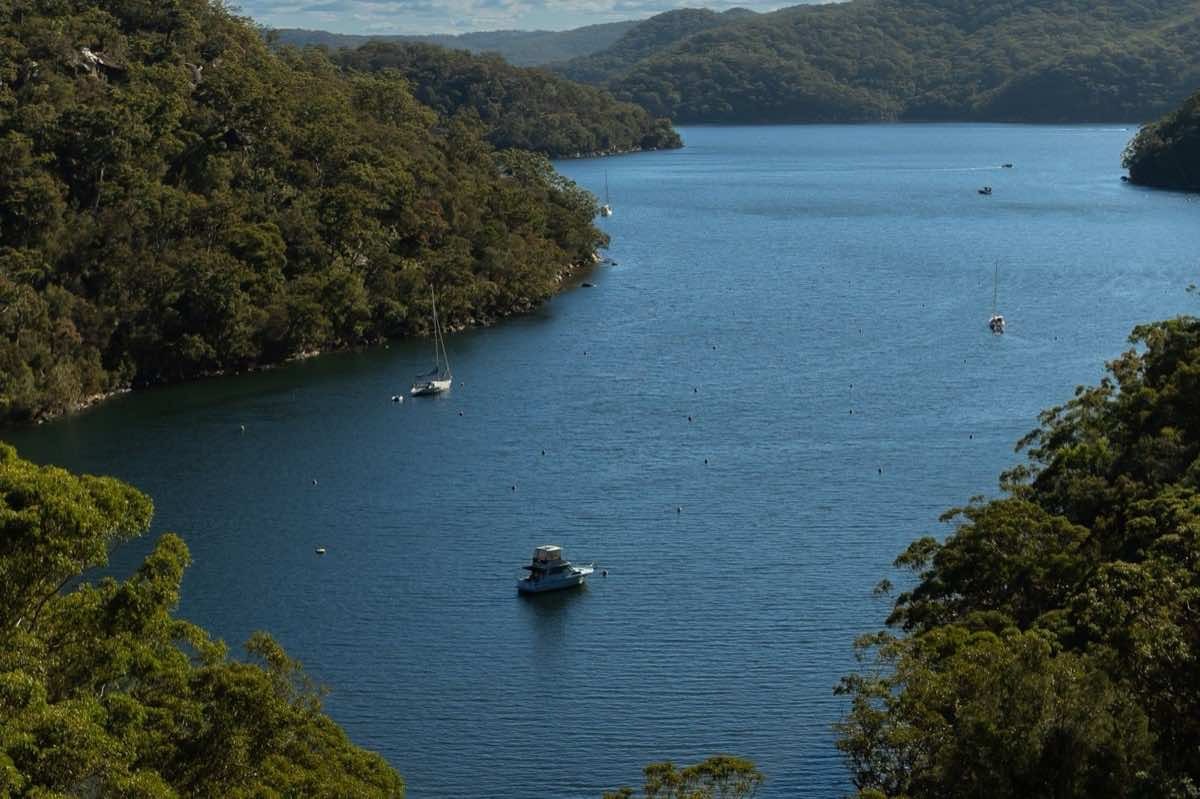
Only 45 minutes north of the city, bushland tumbles down to a maze of blue waterways. Ku-ring-gai Chase wraps around Pittwater and the Hawkesbury, with sandstone ridges, ancient Aboriginal rock engravings, and lookouts that rank among the best near Sydney. Few first-time visitors know it’s there.
This is where you go for quiet water, wildlife, and a sense of how the land looked long before the city.
The park works as a half-day escape rather than an overnight. You drive in past sandstone ridges to a lookout or a trailhead, spend the morning on the water or the engraving trails, and you are back at a Northern Beaches campsite by evening. Few places this close to a city feel this empty.
Top Things to Do
- Take in West Head lookout: A sweeping view over Pittwater, Barrenjoey, and the ocean that peaks at sunset. The lookout sits at the northern tip of the park, looking across the water to Palm Beach and the Barrenjoey lighthouse; it is a short walk from the car park and one of the finest free views near Sydney.
- Find the rock engravings: Aboriginal engraving sites along the Basin and Red Hands tracks are thousands of years old and still clearly visible. The Basin Track passes a set of Guringai engravings of figures and animals cut into flat sandstone, among the most accessible rock art near the city; tread carefully and stay on the marked path to protect them.
- Kayak Pittwater: Calm, sheltered water ideal for paddling out to quiet beaches and bays. The protected estuary stays flat in most conditions, and you can paddle from Bobbin Head or the Akuna Bay area out to beaches reachable only by water; hire is available nearby if you are not carrying your own.
- Explore Bobbin Head: A waterway hub with mangrove boardwalks, a cafe, and boat hire on Cowan Creek. A flat mangrove boardwalk loops along the creek from the marina, good for spotting birds and crabs at low tide, and there is a cafe and picnic area, making it the easiest family stop in the park.
- Spot the wildlife: Goannas, wallabies, and lyrebirds are common; the park is one of the richest pockets of bush near the city. Lace monitors often wander the picnic areas, swamp wallabies feed at dawn and dusk, and the park protects a long list of threatened species, so keep food packed away and watch quietly.
- Visit the Basin: A walk-in and ferry-in campground on a quiet beach, a rare overnight bush spot this close to Sydney. You reach it on foot down the Basin Track or by ferry from Palm Beach, and the campground sits on a netted, calm-water beach with resident wallabies; it is the only place you can legally sleep inside the park.
Don’t Leave Without…
Don’t leave without standing at West Head as the sun drops behind Barrenjoey, then tracing the engraving trail on the way back. Time the lookout for late afternoon, when the water turns silver, and the headlands stack up toward the ocean, then walk a short engraving track in the soft light before you drive out.
RV and Campervan Practical Info
- Use it as a day park: The roads and lookouts suit a campervan for day visits; entry is AUD 12 per vehicle.
- Sleep nearby: The Basin campground is walk-in or ferry-in only, so base the van at a Northern Beaches holiday park and visit by day.
- Carry water: Facilities are limited inside the park; stock up before you drive in. There are picnic areas and toilets at Bobbin Head and West Head, but little else, so bring drinking water, fuel, and food for the day.
Who Is It Best For?
- Nature lovers and birdwatchers.
- Kayakers and paddlers.
- Families and hikers after an easy bush day.
Recommended Budget
- Meals: AUD 25 to 50 per day, self-catered.
- Activities: AUD 12 to 60 per day, including park entry and kayak hire. Pro tip: the lookouts and engraving walks are free once you have paid the vehicle entry, so kayak hire is the only real add-on cost.
What Should You Pack for a Sydney Road Trip in 2026
Sydney’s weather swings more than visitors expect, and the gap between a winter morning in the Blue Mountains and a summer afternoon at Bondi is wide. Pack for layers and sun, whatever the month.
Clothing and layers
- Day to night: Light, breathable clothes for warm days, plus a warm layer and a waterproof jacket; winter nights drop near freezing in the mountains.
- Beach kit: Swimmers, a quick-dry towel, and a rash vest. The ocean stays usable most of the year, though it’s cool from June to August.
- Footwear: Proper walking shoes for the coastal and mountain trails, plus reef shoes for rocky swimming spots.
Sun and weather protection
- Sun safety: Australia’s UV index runs extremely high even in winter. Pack SPF 50, a hat, and sunglasses, and reapply.
- Wet weather: June is one of the wettest months. Carry a packable rain jacket and a dry bag for electronics.
Campervan essentials
- Adapter: Australian power runs on Type I plugs at 230V. Bring the right adapter for your devices.
- Van gear: A grey-water bucket and levelling blocks; NSW parks require you to capture grey water.
- Apps: Download the Linkt app for cashless tolls, the Opal card or app for ferries and trains, and the Park’nPay and NSW National Parks apps for park fees and campsite bookings.
Final Tips for Deciding What to Do in Sydney, Australia
A few practical calls make the difference between a smooth trip and a frustrating one. These tips cover the things that trip up first-time visitors planning what to do in Sydney, Australia.
- Ride the ferries: The harbour ferries are the best-value sightseeing in the city. One Opal fare buys you a working harbour cruise, so plan a day around the Manly, Watsons Bay, and Cockatoo Island routes.
- Time the whales: Whale season runs from May to November, and the peak for sightings off the coast is the end of June through July. Book a cruise early, or watch for free from North Head, South Head, or the Bondi cliffs.
- Respect the tides: The Figure Eight Pools in Royal National Park are only safe at low tide on a small swell. Check the tide chart and the official safety forecast before you set out, and never turn your back on the ocean.
- Book campgrounds early: Bonnie Vale and the popular Northern Beaches and Central Coast parks sell out on weekends and school holidays. Lock in powered sites well ahead.
- Sort tolls and driving: Drive on the left, and remember every Sydney motorway is cashless. Set up a toll tag or the Linkt app before you pick up the keys.
- Mind fire season: In summer, total fire bans can apply across NSW national parks. Check conditions before lighting any cooker and follow ranger advice.
If you want more than the city, this is where a one-way rental pays off. Drive the Pacific coast north on the Brisbane to Cairns route, or browse more destination guides for ideas. You can collect or drop off a van at RV rental in Brisbane or RV rental in Cairns to the north, or RV rental in Melbourne on the coastal run south.
Building a bigger Australian loop, Indie Campers also has depots far beyond New South Wales, including RV rental in Perth on the west coast, RV rental in Darwin in the tropical north, and RV rental in Hobart for Tasmania.
Plan Your Sydney Road Trip with Indie Campers
Seeing the real Sydney means going past the Opera House: out to the Northern Beaches, down to Royal National Park, up to the Hunter Valley. Doing that with city hotels and rental cars means constant rebooking and backtracking, and you still miss the spots without parking.
A campervan solves both problems at once. It rolls your transport and your bed into one booking, so you can wake up by the water and drive to the next beach when you feel like it.
Indie Campers runs one-way rentals across Australia, with over 7,000 vehicles across more than 80 locations, so you can pick up in Sydney and drop the keys wherever your route ends.
Book your campervan and kickstart an adventurous Sydney trip now!
Everything You Need to Know About Sydney RV Road Trips
Here’s the whole guide distilled into one reference. Budget uses a 1 to 5 scale, where more coins mean a pricier day. RV-friendliness uses stars, where more stars mean easier camper access.
| Place | Area | Vibe | Best For | Top Things to Do | Budget/Day | Top Campgrounds & Stops | RV-Friendly | Wild Camping? | Best Place to Stay |
| Sydney Harbour & The Rocks | CBD | Iconic, historic | First-timers | Opera House, Bridge, ferries | AUD 120-260 | Lane Cove River Tourist Park | 2 stars | No | Indie Campers campervan |
| Bondi & Eastern Beaches | East | Sun and surf | Surfers, couples | Coastal walk, ocean pools | AUD 130-280 | Sydney-side holiday parks | 2 stars | No | Indie Campers campervan |
| Manly & Northern Beaches | North | Laid-back surf | Families | Ferry, Shelly Beach, Palm Beach | AUD 120-260 | Sydney Lakeside Narrabeen | 4 stars | No | Indie Campers campervan |
| Inner West (Newtown) | Inner West | Creative, foodie | Foodies, solo | King St, breweries, gigs | AUD 90-190 | Park-and-train from outer sites | 2 stars | No | Indie Campers campervan |
| Watsons Bay & South Head | East | Harbour village | Couples | The Gap, lighthouses | AUD 110-220 | Sydney-side holiday parks | 2 stars | No | Indie Campers campervan |
| Royal National Park | South | Coastal wild | Hikers, families | Coast Track, Wattamolla | AUD 70-150 | Bonnie Vale campground | 5 stars | No (campground only) | Indie Campers campervan |
| Blue Mountains | West | Mountain views | Hikers | Three Sisters, waterfalls | AUD 90-190 | NP free sites + Katoomba parks | 5 stars | Restricted | Indie Campers campervan |
| Hunter Valley | North | Wine country | Couples, foodies | Cellar doors, balloons | AUD 130-300 | Valley caravan parks | 4 stars | No | Indie Campers campervan |
| Central Coast | North | Beaches & lakes | Families | Bouddi walk, Terrigal | AUD 100-210 | Terrigal, Avoca, Umina parks | 5 stars | No | Indie Campers campervan |
| Ku-ring-gai Chase | North | Bush and water | Nature lovers | West Head, engravings | AUD 80-170 | Northern Beaches parks nearby | 4 stars | No (campground only) | Indie Campers campervan |
FAQs About What to Do in Sydney, Australia
Where can I rent an RV in Sydney?
You can rent an RV in Sydney through Indie Campers, which operates a pick-up depot in the city. From there, you can drive straight to the Northern Beaches, Royal National Park, or the Blue Mountains within an hour or two. One-way rentals let you finish the trip in Brisbane or Melbourne instead of returning to Sydney. Booking online includes unlimited mileage on company-owned vehicles and flexible cancellation up to 31 days before pick-up.
What is the best time of year to visit Sydney?
The best time of year to visit Sydney is spring (September to November) or autumn (March to May), when the days are warm, the rain is lighter, and crowds are thinner than in summer. Summer (December to February) brings the warmest beach weather but also the biggest crowds and highest prices. Winter (June to August) is mild, around 9 to 17 degrees Celsius, and lines up with whale season and the Vivid Light Festival. There’s no truly bad month, so the choice comes down to whether you prioritise beach swimming or fewer people.
What can you do in Sydney for free?
You can do a great deal in Sydney for free, starting with the harbour itself. Walk the Bondi to Coogee coastal path, watch the sunset from Mrs Macquarie’s Point, wander Barrenjoey and the Northern Beaches, and explore the Royal Botanic Garden without spending anything. Whale watching from the headlands and the Vivid light walk in winter are also free. Many of the best places to visit in Sydney cost nothing beyond getting there.
What is the best place to visit in Sydney for couples?
The best place to visit in Sydney for couples is the Hunter Valley, with its cellar doors, long lunches, and dawn balloon flights two hours north. Closer in, Watsons Bay pairs a clifftop sunset walk with fresh seafood by the water. For a beach day, Manly and the quieter Northern Beaches offer an easy, romantic alternative to the Bondi crowds. All three work well on a slow day or overnight in a campervan.
What is the best place to visit in Sydney with family or kids?
The best place to visit in Sydney with family or kids is the Central Coast, where calm beaches, the daily pelican feeding at The Entrance, and the Australian Reptile Park keep children happy. Manly is another strong pick, with the ferry ride, the protected snorkelling at Shelly Beach, and easy parking. Royal National Park adds safe swimming at Wattamolla and short, manageable walks. Each suits a campervan trip with kids who need space to move.
What are the best places to visit in Sydney for first-timers?
The best places to visit in Sydney for first-timers are Sydney Harbour and The Rocks, Bondi and the Eastern Beaches, and Manly. The harbour covers the Opera House, the Harbour Bridge, and the ferries in a single area. Bondi delivers the famous beach plus the coastal walk, while Manly shows the laid-back, surfside of the city. Together, they give you the icons in three or four days before you head further out.
What are the best places to visit in Sydney for solo travelers?
The best places to visit in Sydney for solo travelers are the Inner West and the Bondi to Coogee coastal walk. Newtown and Marrickville offer cheap, excellent food, live music, and an easy social scene without needing a group. The coastal walk is safe, scenic, and simple to do alone, with beaches and ocean pools along the way. Sydney’s ferries and trains also make solo day trips straightforward and affordable.
What are the best places to visit in Sydney for nature?
The best places to visit in Sydney for nature are the Royal National Park, the Blue Mountains, and Ku-ring-gai Chase National Park. Royal National Park, the world’s second-oldest, packs clifftop trails and swimming holes within an hour of the city. The Blue Mountains deliver vast valleys and waterfalls two hours west. Ku-ring-gai Chase adds quiet waterways and ancient Aboriginal rock engravings just 45 minutes north, and all three are easy to reach by campervan.
How many days do you need in Sydney?
You need about 5 to 7 days in Sydney to cover the harbour, the main beaches, and one or two day trips without rushing. With 10 to 14 days, you can add the Blue Mountains, the Hunter Valley, and the Central Coast at a relaxed pace. A long weekend of 3 days is enough for the harbour icons and one beach. A campervan stretches each day further by removing hotel check-ins and letting you drive between regions on your own schedule.