AI Summary
Last Updated: 23 November 2026
Whether you prefer an early morning swim in turquoise beaches, a long mountain hike or a late night music festival, New Zealand has got you covered. A campervan is the best option to travel around the island and stay where you most please – and that includes freedom camping sites. Check this guide to learn all about it and book your campervan soon – they disappear quickly with summer just around the corner!
Key Takeaways (TL;DR)
- Freedom camping in New Zealand means staying overnight for free on public land, outside a campground. It’s allowed in many places, but only where local rules permit.
- On most public land, you need a certified self-contained vehicle with a green warrant. Since June 7, 2026, old blue warrants are no longer recognised, and portable toilets don’t qualify.
- Freedom camping fines in NZ range from NZ$200 to NZ$800 per offence. The most common is NZ$400 for camping where it’s not allowed or in a non-self-contained vehicle.
- Each council sets its own rules, including designated sites, night limits (often 3 nights or fewer) and seasonal bans.
- The best apps for freedom camping in NZ include CamperMate, Rankers Camping NZ, WikiCamps and Campable.
- Freedom camping rules don’t apply to commercial campgrounds or private land. If your campervan isn’t self-contained, stay at holiday parks and DOC campsites.
Table of Contents
- What Is Freedom Camping in New Zealand?
- Freedom Camping New Zealand Rules for 2026
- Freedom Camping Fines in NZ
- Best Apps for Freedom Camping in NZ
- Best Freedom Camping in NZ: How to Find Great Spots
- Why Indie Campers Is the Best Way to Explore New Zealand
- FAQs About Freedom Camping in New Zealand
What Is Freedom Camping in New Zealand?
Freedom camping means staying overnight in a tent, campervan or motorhome on public land that isn’t a campground, such as a designated lakeside car park, beach reserve or rest area. It’s free, and it can take you to some of New Zealand’s most beautiful spots.
Freedom camping is governed by the Freedom Camping Act 2011, which was significantly updated in 2023. The changes aimed to reduce the impact of freedom camping on the environment and local communities.
Freedom Camping New Zealand Rules for 2026
1. Your Vehicle Must Be Certified Self-Contained
On most public land, freedom camping is only allowed in a certified self-contained vehicle with a green warrant. To be certified, a vehicle needs a permanently fixed toilet, fresh water supply, wastewater storage, a sink, ventilation and secure rubbish storage, all able to work for at least 3 days.
Keep in mind that,
- Blue warrants are no longer recognised for freedom camping since June 7, 2026.
- Portable toilets don’t qualify.
- The green warrant card must be displayed in your vehicle.
If you want to know if your campervan is self-contained, check our guide.
2. Camp Only Where It’s Allowed
Each council decides where freedom camping is allowed, restricted or prohibited in its area, since some councils have designated sites (often car parks with marked bays), and many ban freedom camping in town centres and at popular beaches.
3. Follow Night Limits and Seasonal Rules
Additionally, many councils also limit how long you can freedom camp. For example, Gisborne and the Western Bay of Plenty allow a maximum of 3 nights at a site, with no return within 4 weeks. Some areas also implement seasonal bans during peak summer, so always check beforehand if you can stay.
4. Leave No Trace
Remember the Māori proverb toitū te whenua (leaving the land undisturbed):
- Use only your vehicle’s toilet or public toilets.
- Empty wastewater only at dump stations.
- Take your rubbish with you.
- Don’t light fires, and don’t set up semi-permanent structures.
5. Exceptions
The freedom camping rules don’t apply to:
- Commercial campgrounds and holiday parks
- DOC managed campsites
- Private land (with the owner’s permission)
- Tent camping, where councils allow it
Who Manages Freedom Camping (and Where)
| Land type | Who manages it | General rule |
|---|---|---|
| Council land | Local councils | Allowed only where bylaws permit; self-contained vehicles required on most sites |
| Conservation land | Department of Conservation (DOC) | Generally allowed except where signs prohibit it; some areas self-contained only; not in DOC reserves unless signposted |
| Crown land | Land Information New Zealand (LINZ) | Allowed only where permitted; some areas self-contained only |
| Private land | The landowner | With permission; freedom camping rules don’t apply |
Indie Campers Tip: If there’s no sign saying you can camp, check the local council’s website or a freedom camping app before you stay.
Freedom Camping Fines in NZ
Freedom camping fines are set in the Freedom Camping (Penalties for Infringement Offences) Regulations 2023. These infringement fees apply on council, DOC and LINZ land.
| Offence | Infringement fee | Maximum court fine |
|---|---|---|
| Camping where it’s prohibited or restricted | NZ$400 | NZ$1,200 |
| Camping in a non-self-contained vehicle where self-containment is required | NZ$400 | NZ$1,200 |
| Not displaying a warrant card | NZ$200 | NZ$600 |
| Exceeding the vehicle’s certified number of occupants | NZ$400 | NZ$1,200 |
| Refusing to leave when asked by an enforcement officer | NZ$600 | NZ$1,800 |
| Displaying an altered or fraudulent warrant card or certificate | NZ$600 | NZ$1,800 |
| Damaging the area, plants, animals or structures, or dumping waste | NZ$800 | NZ$2,400 |
Good to know:
- Enforcement officers can check the national self-contained vehicles register on the spot.
- Fines are usually issued per offence, so one night can lead to more than one fine.
- Each council can set its own rules on where you can camp, so a site that’s allowed in one district may be banned in the next.
Best Apps for Freedom Camping in NZ
Since listings and reviews differ between apps, it’s best to download and check at least two, as well as the official signs at the site, as they take priority over app information.
| App | Cost | Best for |
|---|---|---|
| CamperMate | Free | Finding campsites, freedom camping spots, dump stations and toilets, with offline maps, weather alerts and user reviews |
| Rankers Camping NZ | Free | A large directory of campsites and council-approved locations, with filters, offline maps and reviews |
| WikiCamps NZ | Paid after a free trial | Campgrounds and points of interest, with filters, offline maps, weather forecasts and checklists |
| Campable | Free to use (pay per stay) | Unique private stays on farms, vineyards and properties, run by locals |
| DOC Campsite Finder / DOC website | Free | Finding Department of Conservation campsites by region |
Best Freedom Camping in NZ: How to Find Great Spots
The best freedom camping spots in NZ are usually designated sites managed by councils and DOC, often by beaches, lakes and rivers. Here’s how to find them:
- Check council websites and maps. Many councils publish interactive maps of their designated freedom camping sites. For example, the Western Bay of Plenty has 46 designated sites, and Gisborne lists approved sites at Midway Beach, Kaiti Beach and Makorori.
- Use freedom camping apps to see locations, rules and recent reviews.
- Look for signs at the site. They’ll show whether camping is allowed, for which vehicles and for how long.
- Arrive early. Designated sites often have a limited number of marked bays and fill up fast in summer.
- Have a backup plan, such as a nearby DOC campsite or holiday park.
Freedom Camping in a Rental Campervan
- Check that your rental is certified self-contained with a green warrant card displayed and a listing on the national register. Not all rental campervans are self-contained.
- If it’s not self-contained, plan to stay at holiday parks, DOC campsites and other campgrounds.
- You’re responsible for following local rules, even in a certified vehicle.
- Fines for rentals: Check your rental agreement. Rental companies usually pass infringement fines on to the hirer, often with an admin fee.
Alternatives to Freedom Camping
The best road trips are a mix of spontaneity and planning, so why not freedom camp some nights and stay at camping grounds for the others? If you want to know more about New Zealand’s campsites, check the quick guide below or our article for a more in depth explanation.
| Option | Price guide (per adult per night) | Good to know |
|---|---|---|
| DOC Basic campsites | Free | Very basic facilities; self-sufficient camping |
| DOC Standard campsites | About NZ$10–20 | Toilets and water in national parks and reserves |
| DOC Serviced campsites | Up to about NZ$27 unpowered / NZ$30 powered | Hot showers and powered sites |
| Holiday parks | About NZ$20–30 (powered) | Full facilities; book ahead in summer |
| Council low-cost campsites | Varies | Some councils run low-cost sites with facilities |
Freedom Camping Etiquette
- Arrive late, leave early, especially in shared spaces like car parks.
- Park only in marked bays and don’t block access ways or footpaths.
- Keep noise down at night.
- Respect local communities and support local businesses.
- Follow the Tiaki Promise to care for New Zealand’s land, sea and culture.
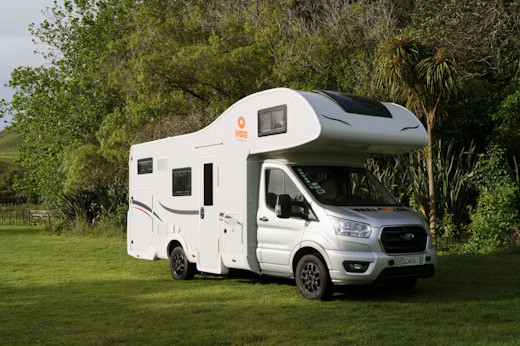
Why Indie Campers Is the Best Way to Explore New Zealand
Whether you want to freedom camp by a lake or stay at holiday parks, a campervan gives you the freedom to explore New Zealand your way. It is the perfect choice for both seasoned travellers who want to experience New Zealand’s wild places responsibly and newcomers who want to experience freedom camping for the first time.
All you have to do is:
- Choose the right campervan. Pick a self-contained campervan for more freedom camping options, or a simpler van if you prefer holiday parks and DOC campsites.
- Plan your trip around your pick-up and drop off sites. With three depots across New Zealand – Auckland, Christchurch or Queenstown – you’re free to loop around the island or go for a one-way trip between your favorite cities.
- Travel responsibly. Know the rules, avoid fines and enjoy New Zealand’s best camping spots with peace of mind.
Summer is the busiest season for campervans in New Zealand, so book your Indie Campers campervan early and start planning your dream road trip.
FAQs About Freedom Camping in New Zealand
Is freedom camping legal in New Zealand?
Freedom camping is legal in New Zealand, but only where local rules allow it. On most public land, you need a certified self-contained vehicle with a green warrant. Each council, as well as DOC and LINZ, sets where freedom camping is allowed, restricted or prohibited. Always check signs and local rules before staying overnight.
What are the freedom camping rules in New Zealand for 2026?
The freedom camping rules in New Zealand for 2026 require a certified self-contained vehicle with a green warrant on most public land. Blue warrants stopped being recognised on June 7, 2026, and portable toilets no longer qualify. You must camp only in permitted areas, follow local night limits and seasonal bans, and leave no trace. The rules don’t apply to commercial campgrounds, DOC campsites or private land.
How much are freedom camping fines in NZ?
Freedom camping fines in NZ range from NZ$200 to NZ$800 per offence. Camping where it’s not allowed, or in a non-self-contained vehicle where self-containment is required, costs NZ$400. Not displaying a warrant card costs NZ$200, refusing to leave costs NZ$600, and damaging the area or dumping waste costs NZ$800. If the case goes to court, fines can reach NZ$2,400.
What is the best app for freedom camping in NZ?
The best app for freedom camping in NZ is CamperMate, which is free and shows campsites, freedom camping spots, dump stations and toilets, with offline maps and reviews. Rankers Camping NZ is another popular free app with a large directory of council-approved locations. WikiCamps NZ offers more features after a free trial, and Campable lists unique private stays. Download at least two apps and always check official signs.
Can I freedom camp without a self-contained vehicle?
You can’t freedom camp without a self-contained vehicle on most public land in New Zealand. Some council areas allow tents or non-self-contained vehicles at specific sites, but these are the exception. Without a green warrant, you can be fined NZ$400 for camping where self-containment is required. Stay at holiday parks, DOC campsites or other campgrounds instead.
How long can you freedom camp in one place in NZ?
How long you can freedom camp in one place in NZ depends on the local council, but it’s often up to 3 nights. For example, Gisborne and the Western Bay of Plenty allow a maximum of 3 nights at a site, with no return within 4 weeks. Some sites only allow one night, and some are closed during peak season. Check the signs and council rules at each site.
Can I freedom camp in a rental campervan?
You can freedom camp in a rental campervan only if it’s certified self-contained with a green warrant. Check that the green warrant card is displayed and that the vehicle is on the national self-contained vehicles register. You’re still responsible for following local rules, and rental companies usually pass fines on to the hirer. If your rental isn’t self-contained, stay at holiday parks and DOC campsites.
Where can I find the best freedom camping spots in NZ?
You can find the best freedom camping spots in NZ on council websites and maps, freedom camping apps like CamperMate and Rankers, and official signs. Many councils publish interactive maps of designated sites, often by beaches, lakes and rivers. Arrive early, as designated sites fill up fast in summer. Always have a backup plan, such as a nearby DOC campsite or holiday park.