Key Takeaways (TL;DR)
- Why Go In June: It is the ultimate sweet spot: summer weather has arrived, but the peak July-August school holiday crowds haven’t. You get long, sunny days and vibrant festivals without the suffocating heat or gridlock of high summer.
- Top Places to Visit in Europe in June 2026: Lisbon, Stockholm, Dubrovnik, Provence, Interlaken.
- Don’t Miss Experience: Celebrating Midsommar in Sweden, where locals dance around maypoles and the sun barely sets, creating a magical, endless day.
- Ideal Trip Length: 10–14 days. This gives you enough time to slow down and enjoy the longer daylight hours without rushing between stops.
- How to Choose the Right City: Head north for endless daylight and nature, or south if you want guaranteed beach weather before the extreme heat hits.
- Recommended Budget Per Person: €110–€170/day. June is the start of the high season, so prices are rising, but you can still find value compared to August.
- Watch Out For: Accommodation prices in coastal areas spike early. Book campsites in popular spots like Croatia or Southern France at least 3 months in advance.
- Where To Stay: Indie Campers RV rentals are perfect for June. They offer the flexibility to chase the best weather and access nature-focused campsites that hotels can’t reach.
- Best For: Road-trippers who want to maximize daylight hours for driving and exploring, and festival-lovers chasing unique cultural events like Midsommar or music festivals.
Table of Contents
- Top Cities and Countries to Visit in Europe in June 2026: at a Glance
- Best Places to Visit in Europe in June
- What Should You Pack for a Europe Roadtrip in June
- Final Expert Tips for June Travel in Europe
- Start Your European Adventure with Indie Campers
- Everything You Need to Know About Europe RV Roadtrips in June
- FAQ’s About Where To Go in Europe in June
Top Cities and Countries to Visit in Europe in June 2026: at a Glance
| City | Country | Vibe | Best For | Top Activities | Average Temperature | Ideal Stay Length | Crowd Level | RV-Friendly |
|---|---|---|---|---|---|---|---|---|
| Lisbon | Portugal | Sunny & Soulful | Culture/Foodies | Santos Populares, Alfama | 25°C (77°F) | 4–6 Days | High | Mixed |
| Stockholm | Sweden | Green & bright | Nature/Culture | Midsommar, Archipelago | 20°C (68°F) | 5–7 Days | Moderate | Yes |
| Dubrovnik | Croatia | Historic & Coastal | History/Beach | City Walls, Island hopping | 26°C (79°F) | 3–5 Days | High | Yes |
| Aix-en-Provence | France | Lavender & Arts | Romantics | Lavender fields, Markets | 27°C (81°F) | 5–7 Days | Moderate | Yes |
| Interlaken | Switzerland | Adventure & Alpine | Thrill Seekers | Hiking, Paragliding | 21°C (70°F) | 4–6 Days | Moderate | Yes |
| Bergen | Norway | Fjords & scenic | Road Trippers | Fjord cruises, Hiking | 16°C (61°F) | 3–5 Days | Moderate | Yes |
Best Places to Visit in Europe in June
1. Lisbon, Portugal
The Vibe
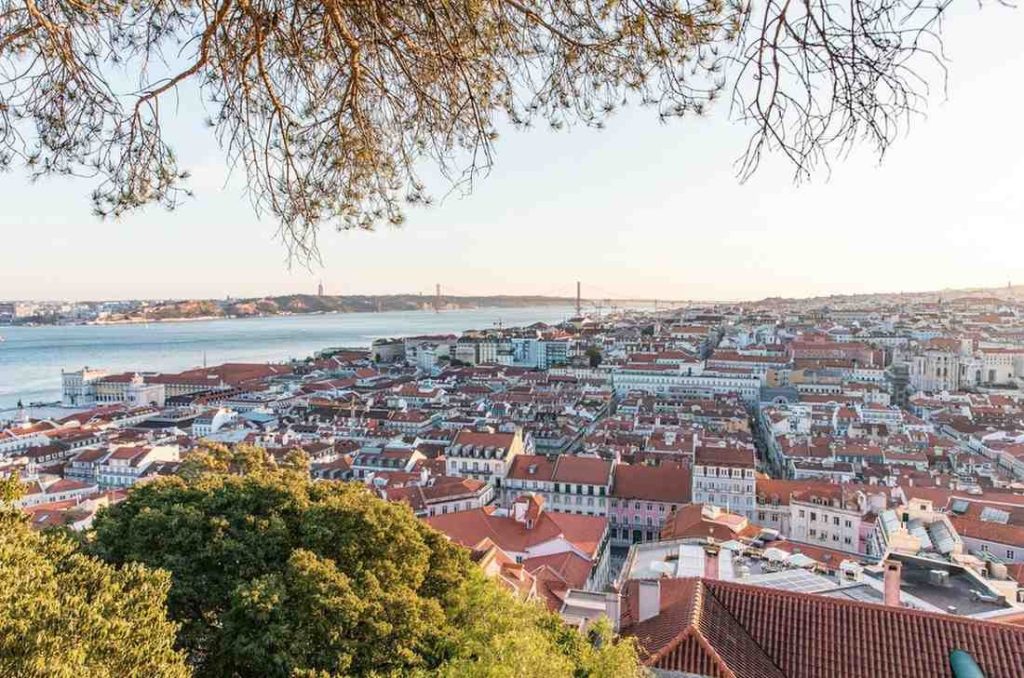
June is arguably the single best month to be in Lisbon, one of the best places to visit in Europe in June. The entire city transforms into a massive open-air party for the “Santos Populares” (Popular Saints) festivals. The atmosphere is electric, joyful, and smoky – in a good way. The narrow streets of historic neighborhoods like Alfama and Bica are draped in colorful streamers, and the air is thick with the scent of grilled sardines.
Unlike the cooler, wetter months, June brings reliable sunshine and warm evenings perfect for staying out late. Locals are in high spirits, turning every corner into a makeshift dance floor. It feels like a community celebration that visitors are warmly invited to join.
Lisbon is also a city shaped by centuries of seafaring history. The Portuguese concept of saudade – a deep, bittersweet longing for the past – runs through the city’s soul and finds its purest expression in Fado, the hauntingly beautiful musical tradition born in these very neighborhoods.
You’ll also notice that Lisboners are deeply proud of their bairros (neighborhoods), each with its own distinct identity and community feel. This is a city that doesn’t perform its culture for tourists – it simply lives it, loudly and warmly, all around you.Top Things to Do
1. Celebrate Santo António
On the night of June 12th, the city explodes with energy for the feast of St. Anthony. Parades march down Avenida da Liberdade, but the real fun is in the neighborhoods. Grab a beer and a sardine on bread, and dance to “pimba” (cheesy but fun folk music) until dawn.
2. Explore the Alfama District
Wander the oldest district in Lisbon. In June, residents set up grills and bars right on their doorsteps. Getting lost here is the best way to experience the festival spirit. You will find impromptu Fado performances and makeshift terraces around every bend.
3. Day Trip to Sintra
Take a 40-minute drive to this UNESCO World Heritage town. It is home to the colorful Pena Palace and the mysterious Quinta da Regaleira. June weather is perfect for exploring the lush gardens, which can be foggy in winter and too hot in August.
4. Hit the Beach at Costa da Caparica
Drive your campervan across the bridge to this massive stretch of sand. It is a favorite weekend spot for locals. The Atlantic water is refreshing (cold!), but the wide beaches are perfect for sunbathing and surfing.
5. Sunset at a Miradouro
Lisbon is the city of seven hills, meaning it has incredible viewpoints (miradouros). Head to Miradouro da Senhora do Monte for the highest view, or Miradouro de Santa Catarina for a lively, young vibe with street musicians.
Don’t Leave Without…
Eating a grilled sardine (sardinha assada). They are in season, fat, and delicious. Eat it the local way: placed on a thick slice of bread to soak up the oils, using your hands.
RV Practical Info
- Road Conditions: Lisbon traffic is chaotic, and historic streets are too narrow for RVs. Stick to the outskirts.
- Parking: Use the ferry terminal parking at Transtejo (Cacilhas) on the south bank and take the ferry across. It offers a great view of the city.
- Campsites: Lisboa Camping & Bungalows is located in Monsanto Park. It has good bus connections to the center and plenty of shade.
- Wild Camping: Strictly prohibited in Portugal and heavily fined. Always use designated sites or apps like Park4Night to find legal spots.
- Ready to eat your weight in sardines? Campervan and RV Rental in Lisbon and join the party.
Who Is It Best For?
- Festival Lovers: The street parties are legendary.
- Foodies: Fresh seafood and street food are everywhere.
- Culture Vultures: History and tradition are alive in the streets.
- Young Travelers: The nightlife and social vibe are unmatched.
Recommended Budget
€90–€140 per person/day.
Here are the estimated costs:
- Accommodation: €30–50 (Campsites are affordable compared to hotels).
- Meals: €25–45 (Street food is cheap; sit-down dinners are moderate).
- Activities: €15–30 (Many festival events are free).
2. Stockholm, Sweden
The Vibe
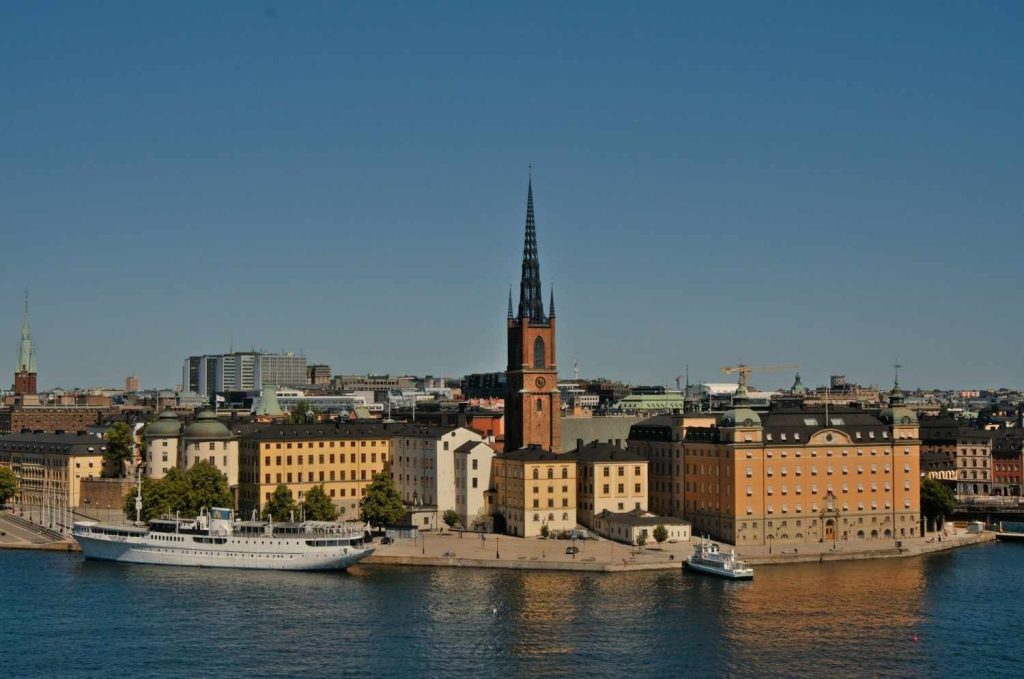
Stockholm in June is pure magic. After a long, dark winter, the city bursts into life. The sun barely sets, creating “white nights” where the sky stays twilight-blue well past midnight. This extra daylight gives you endless energy to explore. If you’re wondering where to go in Europe in June, Stockholm should be at the top of your list.
The city is incredibly green, composed of 14 islands connected by bridges. The water sparkles, parks are full of picnickers, and the mood is relaxed and happy. It is sophisticated yet outdoorsy. Swedes embrace the season with a deep appreciation for nature, culminating in the Midsommar celebrations – the most important holiday of the year.
Swedish culture is deeply rooted in the concept of lagom – a uniquely untranslatable word meaning “just the right amount.” It shapes everything from portion sizes to the quiet confidence of the city’s design and architecture. Swedes also live by fika, the ritual of slowing down for coffee and a pastry, which is less about the drink and more about connection. You’ll feel this measured, thoughtful approach to life in the way the city is built – with cycling paths everywhere, an excellent public transit system, and an almost instinctive respect for shared spaces.
Stockholm punches far above its size culturally, too, having given the world some of the most influential music, design, and fashion of the last century.
Top Things to Do
1. Celebrate Midsommar (Midsummer)
Taking place in late June (usually around the 20th–25th), this is a bucket-list cultural event. Head to Skansen open-air museum to see traditional maypole dancing, flower crowns, and folk music. It is a joyful, unique tradition you won’t see anywhere else.
2. Explore the Archipelago
Stockholm’s archipelago has over 30,000 islands. Take a ferry or drive your RV to accessible islands like Vaxholm. You can kayak, swim off the rocks, or just enjoy a “fika” (coffee break) in a red wooden cottage by the water.
3. Wander Gamla Stan
The Old Town is one of the best-preserved medieval centers in Europe. In June, the cobblestone streets are lively but not as crushed as in July. Visit the Royal Palace and find the narrowest street, Mårten Trotzigs gränd.
4. Visit the Vasa Museum
See the almost fully intact 17th-century warship that sank on its maiden voyage. It is Sweden’s most famous museum. It is a stunning sight and a great indoor activity if you catch a rare rainy day.
5. Djurgården Island
This green island is home to many museums and the Gröna Lund amusement park. It is perfect for walking or cycling. In June, the gardens are in full bloom, making it a beautiful spot for a relaxed afternoon.
Don’t Leave Without…
Experiencing a traditional Swedish crayfish party (kräftskiva) if you can, or at least eating a shrimp sandwich (räkmacka). Piled high with hand-peeled shrimp, egg, and mayo, it is the taste of Swedish summer.
RV Practical Info
- Road Conditions: Roads are excellent, and drivers are polite. Watch out for cyclists in the city.
- Congestion Charge: There is a congestion tax for entering the city center on weekdays.
- Campsites: Bredäng Camping is close to the city with a metro link. It is set near a nature reserve and a beach.
- Wild Camping: Sweden has “Allemansrätten” (Right of Public Access), allowing you to camp in nature for a night or two, provided you don’t disturb landowners or nature.
- Want to experience the midnight sun? Campervan and RV Rental in Stockholm and explore the north.
Who Is It Best For?
- Nature Lovers: The access to water and forests is incredible.
- Families: Skansen and Gröna Lund are hits with kids.
- Design Fans: Stockholm is a hub for sleek Scandinavian design.
- Road Trippers: Driving through the Swedish countryside is stress-free and scenic.
Recommended Budget
€130–€180 per person/day. Here are the estimated costs:
- Accommodation: €40–60.
- Meals: €50–80 (Dining out is pricey; cooking in your RV helps).
- Activities: €20–40.
3. Dubrovnik, Croatia
The Vibe
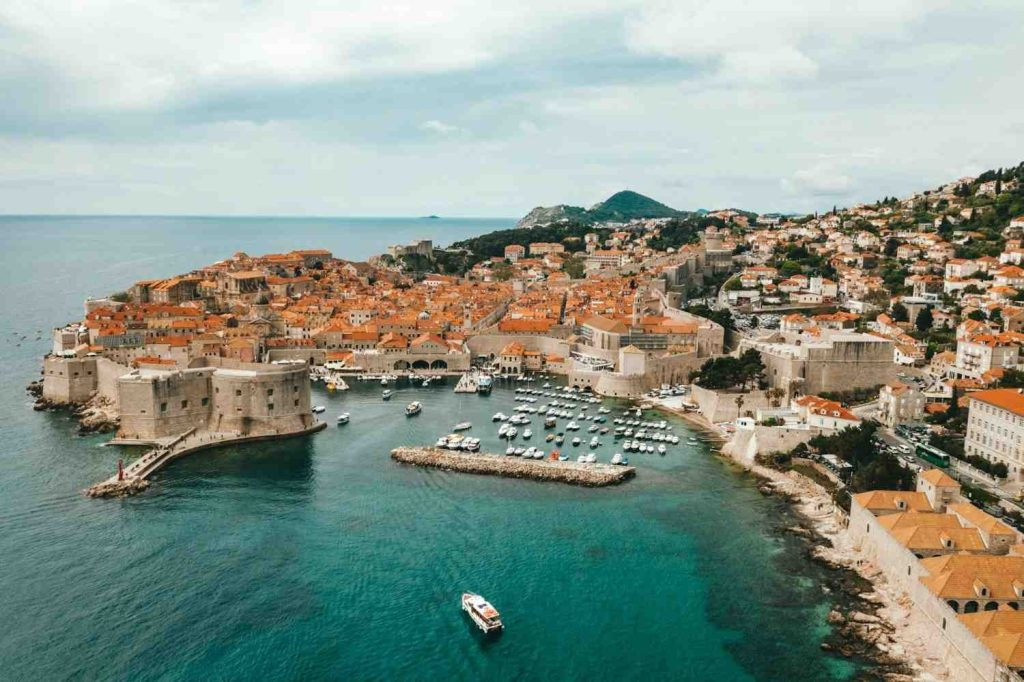
Dubrovnik is stunning, cinematic, and historically rich. Known as the “Pearl of the Adriatic,” its massive stone walls encircle a perfectly preserved medieval city. In June, the weather is hot enough for swimming (averaging 26°C/79°F), but the sea is refreshing.
While it is popular, June is slightly less chaotic than July and August. The vibe is a mix of history buffs exploring the Old Town and sun-seekers jumping off cliffs into the blue sea. The evenings are warm and lively, with classical music often drifting from the courtyards. It feels like stepping onto a movie set – mostly because it often is one (Game of Thrones fans, this is King’s Landing).
What many visitors don’t expect is just how fiercely proud Dubrovnik’s locals are of their distinct identity. Dubrovnik was once the Republic of Ragusa, an independent maritime state that rivaled Venice in wealth and diplomacy – and locals haven’t forgotten it.
The city has a strong literary and artistic tradition, and its summer festival (the Dubrovnik Summer Festival, running since 1950) fills its ancient squares and fortresses with theater, music, and dance. Croatian culture more broadly is a fascinating blend of Mediterranean and Central European influences, and nowhere is this more apparent than in the warmth of its people, the emphasis on long communal meals, and the evening korzo – the ritual stroll along the seafront that brings the whole town together at dusk.
Top Things to Do
1. Walk the City Walls
Do this early in the morning (8 AM) to beat the heat and the cruise ship crowds. The 2km walk offers incredible views over the terracotta rooftops and the shimmering Adriatic Sea. It is the best way to understand the city’s scale and history.
2. Take the Cable Car to Mount Srđ
For the classic postcard view of the walled city, take the cable car up the mountain. Go at sunset for golden light. There is a restaurant at the top, or you can just sit on the rocks and watch the sun dip below the horizon.
3. Kayak around Lokrum Island
Rent a kayak from the small port just outside Pile Gate. Paddle around the city walls and over to Lokrum Island. It is a great way to see the fortifications from a different angle and find hidden caves for snorkeling.
4. Explore the Pelješac Peninsula
Drive your campervan about an hour north to this wine region. It is famous for its red wines (Dingac) and oysters. Stop in Ston to see the “European Wall of China” and eat fresh oysters right from the water.
5. Game of Thrones Tour
If you are a fan, you can’t miss this. See the Red Keep, the Walk of Shame stairs, and Blackwater Bay. Even if you aren’t a fan, the guides often provide great historical context about the real city.
Don’t Leave Without…
Drinking a cold beer or cocktail at a “Buža Bar.” These are literal hole-in-the-wall bars located on the cliffs outside the city walls. You sit on the rocks with the sea crashing below you. It is a unique Dubrovnik experience.
RV Practical Info
- Road Conditions: The coastal road (D8) is scenic but winding. Take your time.
- Parking: Parking near the Old Town is extremely expensive and difficult. Do not try to park an RV there.
- Campsites: Solitudo Sunny Camping is the only campsite within Dubrovnik city limits. It is well-connected by bus to the Old Town.
- Border Crossings: If driving from Split, you pass through the Neum corridor (Bosnia). Have your passports and vehicle papers ready, although the new Pelješac Bridge now allows you to bypass this border crossing entirely.
- Ready for an Adriatic adventure? Campervan and RV Rental in Croatia is the best way to coast.
Who Is It Best For?
- History Buffs: The walled city is a marvel.
- Beach Lovers: The water is crystal clear.
- Couples: Romantic dinners and sunsets are plentiful.
- Game of Thrones Fans: It is the ultimate pilgrimage.
Recommended Budget
€100–€150 per person/day. Here are the estimated costs:
- Accommodation: €40–60 (Campsites are premium priced here).
- Meals: €30–50.
- Activities: €30–40 (City walls entry is pricey).
4. Aix-en-Provence (Provence), France
The Vibe
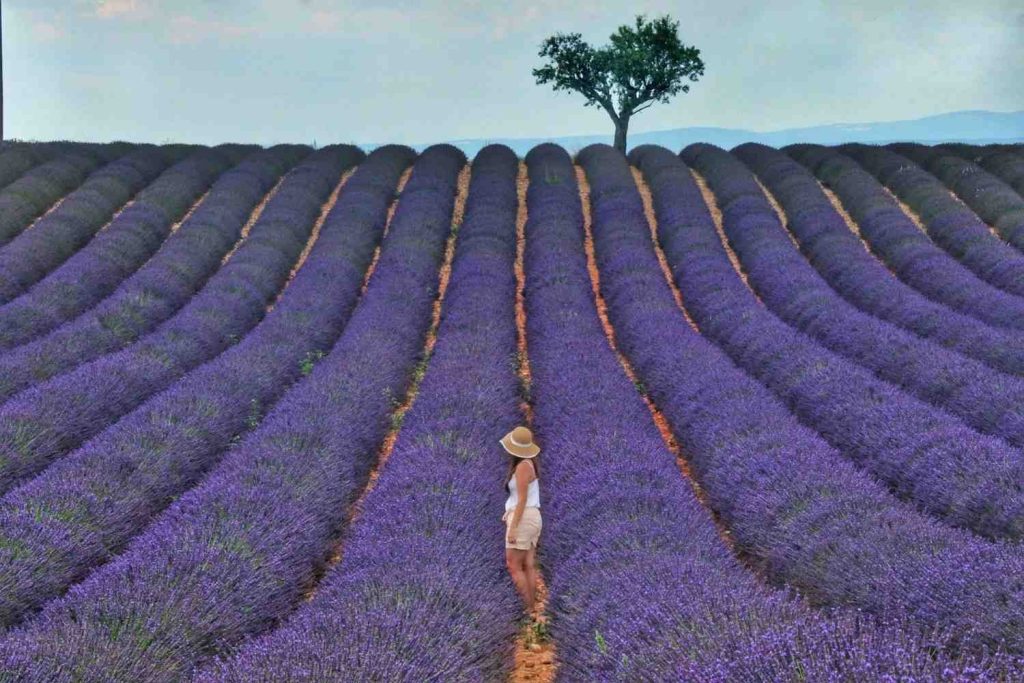
Provence in June is the stuff of dreams. This is when the lavender fields begin to bloom, painting the landscape in stripes of purple. The air smells of herbs, pine, and warm earth.
Aix-en-Provence is the sophisticated heart of the region – a city of fountains, leafy boulevards, and honey-colored stone buildings. The vibe is slow, artistic, and deeply French. People linger over coffee on the Cours Mirabeau, browse outdoor markets for hours, and drink rosé with lunch.
It is hot but dry, with the famous Mistral wind occasionally clearing the air. Aix feels elegant yet rural, a perfect balance for a road trip.
Aix has a cultural pedigree that goes well beyond its pretty streets. This was the hometown of Paul Cézanne, and the local landscape – Mont Sainte-Victoire, the ochre quarries, the dappled light through plane trees – shaped the way an entire generation of artists learned to see the world.
The city’s identity is built around a very particular French idea: that everyday life itself is an art form. This shows up in the obsessive quality of the market produce, the care put into a simple lunch, and the way residents dress to go shopping.
Provence also has its own distinct cultural heritage, with roots in the Occitan language and troubadour poetry that predate the French nation itself – giving it a proud regional character that quietly sets it apart from Paris. It’s no wonder Provence stands out as a highlight of France, one of the best countries to visit in Europe in June, when the weather, culture, and natural beauty come together perfectly.
Top Things to Do
1. See the Lavender Fields
Drive to the Valensole Plateau, about an hour from Aix. Mid-to-late June is the start of the blooming season. You will see endless rows of purple lavender stretching to the horizon. It is a photographer’s paradise.
2. Wander the Markets of Aix
Every Tuesday, Thursday, and Saturday, the city center fills with market stalls. You can buy lavender soap, local honey, calissons (a local almond candy), and fresh produce. It is one of the best markets in France.
3. Walk in Cézanne’s Footsteps
The painter Paul Cézanne was born here. You can visit his studio (Atelier Cézanne), which has been left exactly as it was when he died. You can also hike to the Bibémus Quarries where he painted many landscapes.
4. Drive the Luberon Villages
Take your RV on a tour of the hilltop villages like Gordes, Roussillon, and Ménerbes. They are stunningly beautiful, perched on cliffs with views over vineyards and orchards. Roussillon is famous for its ochre cliffs that you can walk through.
5. Visit the Calanques
Drive south toward Cassis to see the Calanques National Park. These are dramatic limestone fjords with turquoise water. You can hike down to the beaches or take a boat tour. In June, access might be restricted for fire safety, so check ahead.
Don’t Leave Without…
Buying a box of Calissons d’Aix. These diamond-shaped candies made from melon and almonds are the signature sweet of the city. They make great gifts (if you don’t eat them all first).
RV Practical Info
- Road Conditions: Highways are great but have tolls. Rural roads can be narrow, especially in villages.
- Parking: Parking in Aix center is tight. Use “Parking Relais” (Park and Ride) on the outskirts like Krypton or Hauts de Brunet.
- Campsites: Camping Arc en Ciel is close to Aix. For the lavender fields, look for farm stays (France Passion) or campsites near Valensole.
- Wild Camping: Generally prohibited in tourist areas and national parks. Stick to designated areas.
- Want to smell the lavender? Campervan and RV Rental in Marseille is your gateway to Provence.
Who Is It Best For?
- Romantics: The scenery is breathtaking.
- Photographers: The light and colors are incredible.
- Foodies: The markets and local produce are top-tier.
- Relaxed Travelers: It is a place to slow down and savor life.
Recommended Budget
€120–€170 per person/day. Here are the estimated costs:
- Accommodation: €35–55.
- Meals: €40–70 (Eating out in Provence can be expensive).
- Activities: €15–30.
5. Interlaken, Switzerland
The Vibe
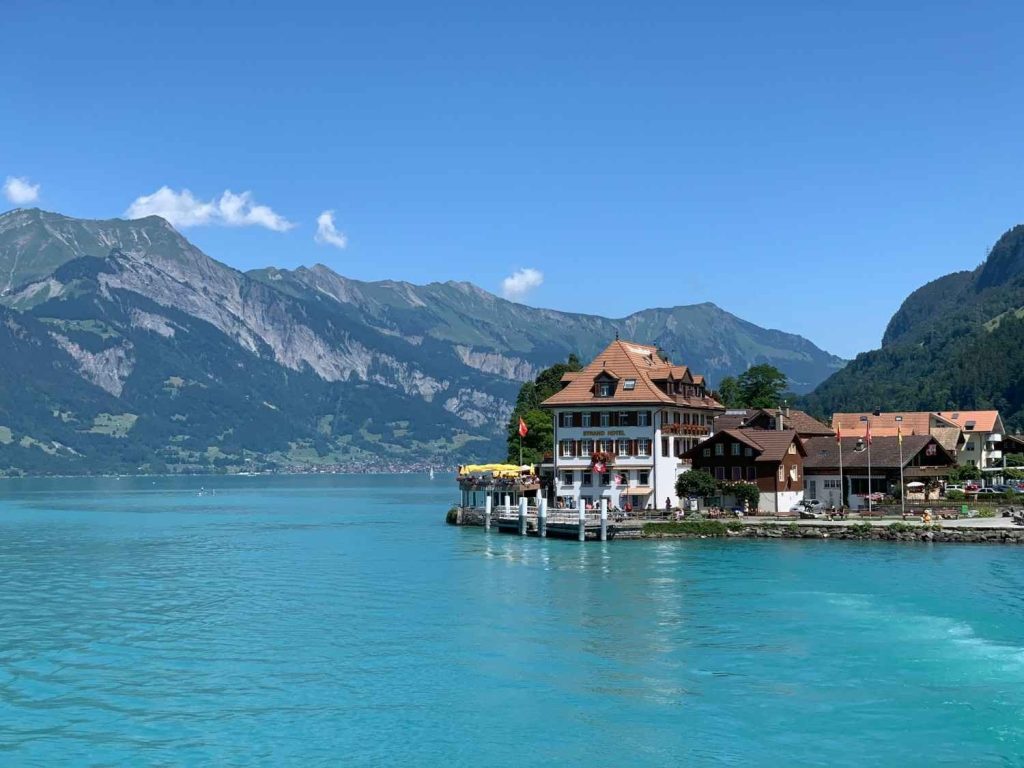
Interlaken is the adventure capital of Europe, nestled between two stunning turquoise lakes (Thun and Brienz) and overlooked by the Eiger, Mönch, and Jungfrau mountains. In June, the snow has melted from the hiking trails, the waterfalls are roaring with meltwater, and the alpine meadows are full of wildflowers.
The vibe is active and energetic. You will see backpackers, hikers, and adrenaline junkies everywhere. It is fresh, clean, and awe-inspiring. The scenery is so dramatic it almost looks fake. Whether you want to jump out of a plane or just sit by a lake with a picnic, nature is the main event here.
Switzerland’s culture is often underestimated because the country’s beauty tends to steal the show, but it’s rich and layered. Interlaken sits in the German-speaking Bernese Oberland, where traditions run deep – yodeling, alphorn playing, and Swiss wrestling (Schwingen) are not tourist gimmicks but living practices still celebrated at regional festivals.
The Swiss relationship with their mountain environment borders on the spiritual; the Alps have shaped the national character in terms of precision, self-reliance, and an almost reverent respect for nature. You’ll also notice a distinct local pride in craftsmanship, from the cowbells hanging in shop windows to the woodwork of the traditional chalets.
Despite its international reputation as a playground for thrill-seekers, Interlaken has a quieter, more rooted local identity that’s well worth slowing down to appreciate.
Top Things to Do
1. Top of Europe (Jungfraujoch)
Take the train to the highest railway station in Europe. It is expensive, but the views of the Aletsch Glacier are unmatched. Even in June, there is snow at the top, so dress warmly.
2. Harder Kulm Viewpoint
Take the funicular up to Interlaken’s local mountain. The viewing platform hangs over the valley, giving you a perfect view of the two lakes and the high peaks. It is a great spot for sunset.
3. Adventure Sports
Interlaken is famous for paragliding. You will see dozens of colorful chutes in the sky. If you are brave, book a tandem flight. You can also go canyoning, skydiving, or white-water rafting on the Lütschine river.
4. Boat Cruise on Lake Brienz
The water in Lake Brienz is a startling turquoise color. Take a historic paddle steamer boat ride. You can hop off at Giessbach to see the spectacular waterfall that crashes down past a historic hotel.
5. Schynige Platte
Take a cogwheel train up to this plateau for a classic Swiss experience. There is an alpine garden with hundreds of flower species, and the hiking trails offer panoramic views of the famous trio of peaks.
Don’t Leave Without…
Eating a Rösti. This Swiss potato dish is fried until crispy and often topped with cheese and a fried egg. It is the ultimate comfort food after a day of hiking.
RV Practical Info
- Road Conditions: Mountain passes are spectacular but require careful driving. Most high passes like Susten or Furka open in June.
- Tolls: You need a vignette (sticker) to drive on Swiss motorways (CHF 40).
- Campsites: Camping Manor Farm is right on the lake and very popular. Manor Farm 1 has direct water access. Book ahead.
- Wild Camping: Generally not allowed, especially in nature reserves. Fines are steep.
- Ready for the Alps? Campervan and RV Rental in Zurich gets you to the mountains fast.
Who Is It Best For?
- Thrill Seekers: The adventure sports menu is huge.
- Hikers: Trails for every fitness level.
- Nature Lovers: The lakes and mountains are pristine.
- Road Trippers: Driving the mountain passes is a bucket-list experience.
Recommended Budget
€140–€200 per person/day. Here are the estimated costs:
- Accommodation: €50–80 (Swiss campsites are pricey).
- Meals: €40–60 (Supermarket picnics help save money).
- Activities: €50–100 (Trains and adventure sports are expensive).
6. Barcelona, Spain
The Vibe
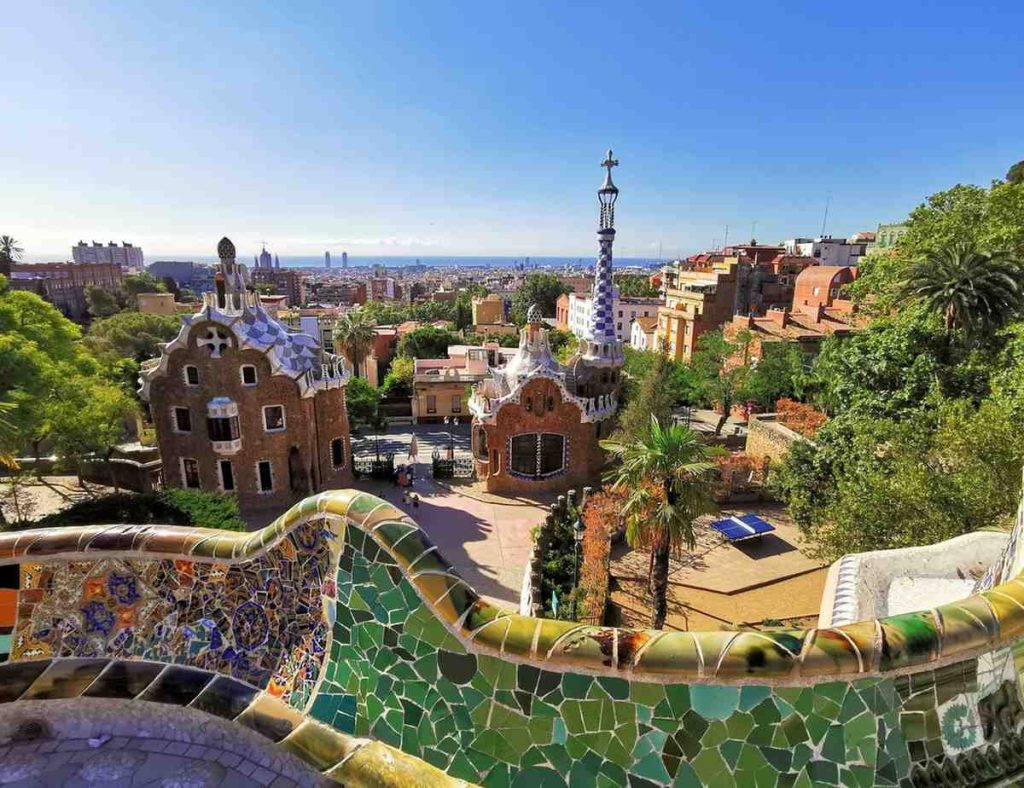
Barcelona in June hits a sweet spot that’s hard to beat, making it one of the best places to visit in Europe in June. The city buzzes with energy – beach bars are open, rooftop terraces are packed at sunset, and the streets pulse with music until the early hours. The weather is warm and sunny (averaging 26°C/79°F), the sea is finally warm enough for a swim, and you’ll miss the suffocating heat of August.
What sets Barcelona apart is that it refuses to be just one thing. It’s where world-class architecture sits next to a working fishing port. Avant-garde restaurants share streets with century-old tapas bars. A neighborhood market can stop you in your tracks just as effectively as any museum.
The city’s soul is Catalan, not simply Spanish, a distinction that matters deeply to locals. This unique identity – its own language, traditions, and fiercely independent spirit – colors everything. You’ll see it in the political murals on the walls and the pride locals take in their cuisine. The human towers (castellers), the Sardana folk dance, and the vibrant neighborhood festivals (festes majors) are all expressions of this distinct culture. June also brings the Sónar festival, one of Europe’s leading electronic music events, drawing a creative crowd from around the globe.
Top Things to Do
1. Explore the Sagrada Família
Gaudí’s impossible cathedral has been under construction since 1882 and remains the most visited monument in Spain. In June, the morning light through the stained glass on the eastern façade is extraordinary. Book tickets online well in advance – walk-up queues are brutal.
2. Walk La Barceloneta and the Waterfront
Barcelona’s beach neighborhood is lively in June without the wall-to-wall towels of August. Grab a tinto de verano (wine with lemon soda) at a chiringuito (beach bar) and watch the city’s diverse crowd do what it does best: enjoy being alive.
3. Get Lost in the Gothic Quarter
The Barri Gòtic is one of the best-preserved medieval city centers in Europe. Wander without a map. You’ll stumble on Roman ruins, hidden squares, and some of the city’s best small restaurants. Go in the evening when the light turns golden and the tourists thin out.
4. Visit the Mercat de Santa Caterina or La Boqueria
La Boqueria is famous but crowded with tourists – locals prefer Mercat de Santa Caterina in El Born, with its stunning undulating mosaic roof. Both are temples to Catalan produce: jamón, Manchego, fresh anchovies, and incredible fruit.
5. Day Trip to Montserrat
Drive about an hour into the mountains to this extraordinary rocky massif topped by a Benedictine monastery. The views over Catalonia are spectacular, and the hiking trails are excellent in June. It is one of the most distinctive landscapes in all of Spain.
Don’t Leave Without…
Eating pan con tomate (pa amb tomàquet in Catalan) – bread rubbed with ripe tomato, drizzled with olive oil, and sprinkled with salt. It sounds too simple, but done right it’s one of the greatest things you’ll eat in Spain.
RV Practical Info
- Road Conditions: Highways into Barcelona are excellent but busy. The city center is not RV-friendly; stick to the outskirts.
- Parking: Don’t attempt to drive into the Gothic Quarter or Eixample. Use park-and-ride facilities and take the metro.
- Campsites: Camping Masnou is just north of the city with direct train access. It’s popular, so book ahead for June.
- Wild Camping: Strictly prohibited in Catalonia’s coastal areas and heavily enforced. Always use designated sites.
Who Is It Best For?
- Foodies: The market and restaurant scene is world-class.
- Architecture Lovers: Gaudí alone is worth the trip.
- Festival Goers: Sonar and a packed calendar of local festes.
- Beach & City Combo Seekers: Few cities do both this well.
Recommended Budget
€110–€160 per person/day. Here are the estimated costs:
- Accommodation: €35–55 (campsites outside the city are good value).
- Meals: €35–60 (eating at markets and side-street restaurants keeps costs down).
- Activities: €20–40 (many sights charge entry; Sagrada Família is pricey but unmissable).
7. Amsterdam, The Netherlands
The Vibe
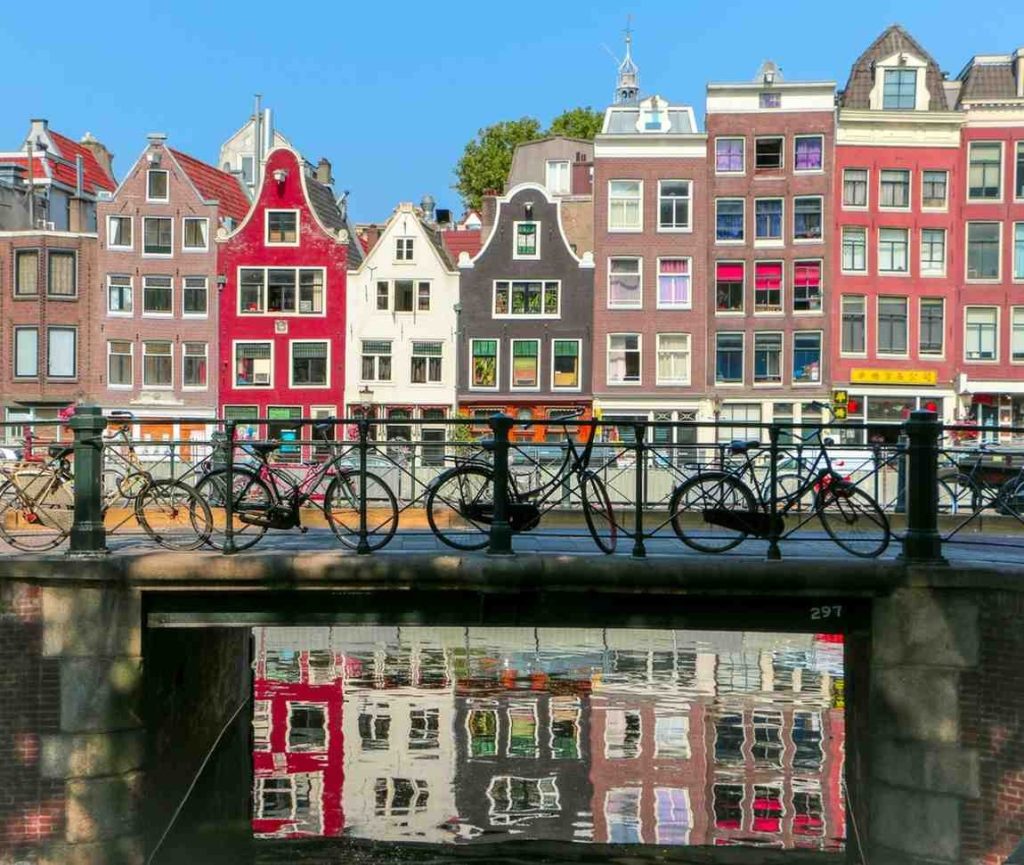
Amsterdam in June is the city at its absolute best. The famous canal houses are reflected in still water, the linden trees lining the grachten (canals) are in full leaf, and the parks – Vondelpark especially – are full of picnickers, musicians, and locals soaking up the long northern daylight. The city is warm but rarely hot, making it perfect for the cycling and walking that Amsterdam demands.
It is an intimate city despite its reputation. The canal belt, a UNESCO World Heritage Site, is compact enough to explore on foot or by bike in a matter of days, yet it rewards slowing down. Every hofje (hidden courtyard garden) tucked behind an old almshouse, every houseboat with its window boxes of geraniums, tells you something about how this city thinks about space and community.
Amsterdam’s culture is shaped by centuries of trade, tolerance, and a deeply pragmatic worldview. The Dutch concept of gezelligheid – a warm, convivial coziness that applies to both physical spaces and social atmospheres – is something you feel immediately in a candlelit brown café (bruine kroeg) with a beer and a bitterbal in front of you. The city has also long been a hub for free thinking, from the Golden Age philosophers to the contemporary arts scene, and that intellectual openness still defines its character.
June brings a packed outdoor events calendar, including free concerts in the Vondelpark and the vibrant Amsterdam Roots Festival celebrating world music and culture.
Top Things to Do
1. Cycle the Canals
Renting a bike is not a tourist activity here – it’s how Amsterdam actually works. Cycle through the Jordaan neighborhood, out to the quieter Eastern Docklands, or over the IJ to the newer Noord district. The city’s infrastructure is the best in the world for cycling, and June weather makes it genuinely joyful.
2. Visit the Rijksmuseum and Van Gogh Museum
The Rijksmuseum houses Rembrandt’s Night Watch and Vermeer’s The Milkmaid – two of the finest paintings on earth. Next door, the Van Gogh Museum traces the artist’s entire life through his work. Both require advance booking; don’t show up hoping to walk in.
3. Take a Canal Boat Tour (or Rent Your Own)
The classic canal cruise gives you a different perspective on the city’s famous architecture. Better yet, rent a small electric boat with a group of friends, pack a picnic and some local beers, and navigate the canals yourself. No license required.
4. Explore the Jordaan Neighborhood
Once a working-class district, the Jordaan is now one of the most charming neighborhoods in Europe. Lined with independent boutiques, art galleries, and intimate restaurants, it’s the best place to find the city’s quieter, more local side. Visit on a Saturday when the Noordermarkt flea and organic food market is in full swing.
5. Day Trip to Haarlem or Keukenhof
Haarlem is just 15 minutes away by train – a smaller, less crowded version of Amsterdam with its own beautiful medieval church and canal scenery. While Keukenhof’s tulip peak is April–May, the surrounding Bollenstreek flower-growing region is still beautiful in early June.
Don’t Leave Without…
Eating a raw herring (haring) from a street stand the Dutch way: held by the tail and lowered into your mouth, topped with raw onion and pickles. It sounds alarming, and then it tastes incredible.
RV Practical Info
- Road Conditions: Dutch roads and highways are excellent. The city center is a maze of narrow streets, tram lines, and cyclists – keep the RV out of it.
- Parking: Park on the outskirts and use the P+R (Park and Ride) system. It’s cheap, well-signposted, and connects directly to trams and metro.
- Campsites: Camping Zeeburg is the most convenient option – located on an island east of the center, with tram and bus connections. Book well ahead for June.
- Wild Camping: Not permitted in or around Amsterdam. The Netherlands generally requires use of designated sites.
Who Is It Best For?
- Art Lovers: Two world-class museums within walking distance.
- Cyclists: The city was literally built for this.
- History Buffs: From the Golden Age to the Anne Frank House, the layers run deep.
- Couples: The canal evenings are quietly romantic.
Recommended Budget
€120–€170 per person/day. Here are the estimated costs:
- Accommodation: €40–60 (campsite with transit access).
- Meals: €35–60 (street food is affordable; restaurants moderate).
- Activities: €25–50 (museum entry adds up; book combo tickets where possible).
8. Florence, Italy
The Vibe
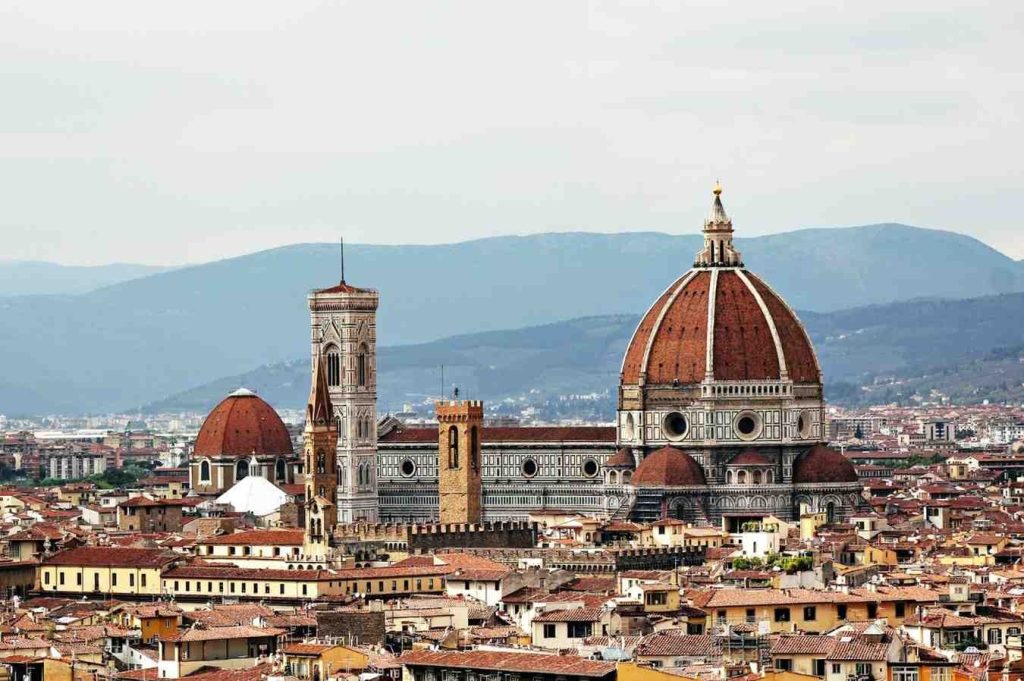
Florence in June is a Renaissance painting come to life. The city’s ochre and terracotta skyline, the dome of the cathedral rising impossibly above the rooftops, the smell of espresso and fresh pastry drifting from a corner bar at 7 AM – it all arrives at once, overwhelming in the best possible way. June brings long, warm days (averaging 28°C/82°F), the surrounding Tuscan hills are lush and green, and the city’s museums and piazzas are fully alive without the almost unbearable heat and crowding of late July and August.
Florence is arguably the greatest concentration of art and architecture in the world relative to its size. But its real character lives in the details beyond the Uffizi: in the way a local orders a lampredotto (tripe) sandwich from a street cart without breaking conversation, in the fierce neighborhood rivalries that still play out during the historic football match in Renaissance costume (Calcio Storico) held every June, and in the way Florentines talk about Michelangelo or Brunelleschi as though they were neighborhood boys who did rather well.
Tuscan culture more broadly is defined by an almost stubborn attachment to quality – in wine, in olive oil, in bread, and in craft – that filters into every aspect of daily life. This isn’t a city that has traded its identity for tourism; it has simply absorbed the visitors into a way of life that has been refined over 700 years.
Top Things to Do
1. The Uffizi Gallery
Home to Botticelli’s Birth of Venus and Primavera, Leonardo da Vinci, Raphael, and Michelangelo. It is one of the most important art museums in the world. Book tickets at least two weeks in advance for June – the queues without a reservation are genuinely hours long.
2. Climb to Piazzale Michelangelo at Sunset
Take the scenic walk (or the hop-on hop-off bus) up to this terrace overlooking the city. The view over the Arno and the cathedral dome at golden hour is the image of Florence you’ll carry with you forever. Bring a bottle of Chianti and sit on the steps.
3. Cross the Ponte Vecchio and Explore Oltrarno
The famous bridge lined with jewellers connects to the Oltrarno district – the “other side” of the river, which is quieter, more local, and full of artisan workshops where you can watch craftsmen make leather goods, frames, and paper by hand.
4. The Accademia and Michelangelo’s David
Everyone says this, and everyone is right: seeing the David in person is a completely different experience from seeing it in photographs. The scale, the detail, and the expression are astonishing. Again – book in advance.
5. Day Trip into the Chianti Region
Drive your campervan south into the rolling hills of Chianti. Stop in Greve in Chianti for a wine tasting, visit the hilltop town of San Gimignano with its medieval towers, or simply pull over at a vineyard with a view and eat a picnic of local cheese, salami, and bread. This is what Tuscany is for.
Don’t Leave Without…
Getting a gelato from an artisan gelateria (look for the sign artigianale and avoid any gelato piled high in towering mounds – that’s a tourist trap). Flavors like ricotta and fig, or pistachio and dark chocolate, are a universe away from anything you’ve had before.
RV Practical Info
- Road Conditions: The Tuscan countryside roads are fantastic for RVs – winding, scenic, and manageable. Florence city center is a ZTL (Limited Traffic Zone) and is strictly off-limits to non-residents; fines are automatic via camera.
- Parking: Use the large parking areas outside the ZTL, such as Parking Oltrarno or Parking Porta Romana, and walk or take the bus in.
- Campsites: Camping Michelangelo is the most central option, perched on the hill near Piazzale Michelangelo with stunning city views. Book early – it fills up fast in June.
- Wild Camping: Not permitted in Tuscany’s protected areas. Rural farm stays (agriturismo) are a wonderful and legal alternative.
Who Is It Best For?
- Art and History Lovers: Quite simply, nowhere else compares.
- Foodies: Tuscan cuisine and wine are benchmarks of Italian cooking.
- Romantics: The scenery, the food, and the atmosphere are effortlessly romantic.
- Road Trippers: Florence as a base for exploring the wider Tuscan countryside is ideal.
Recommended Budget
€100–€150 per person/day. Here are the estimated costs:
- Accommodation: €35–55 (campsites near the city offer good value).
- Meals: €30–50 (eating at markets and neighborhood trattorias keeps costs reasonable).
- Activities: €20–45 (major museums have entry fees; book in advance for best prices).
9. Bergen, Norway
The Vibe
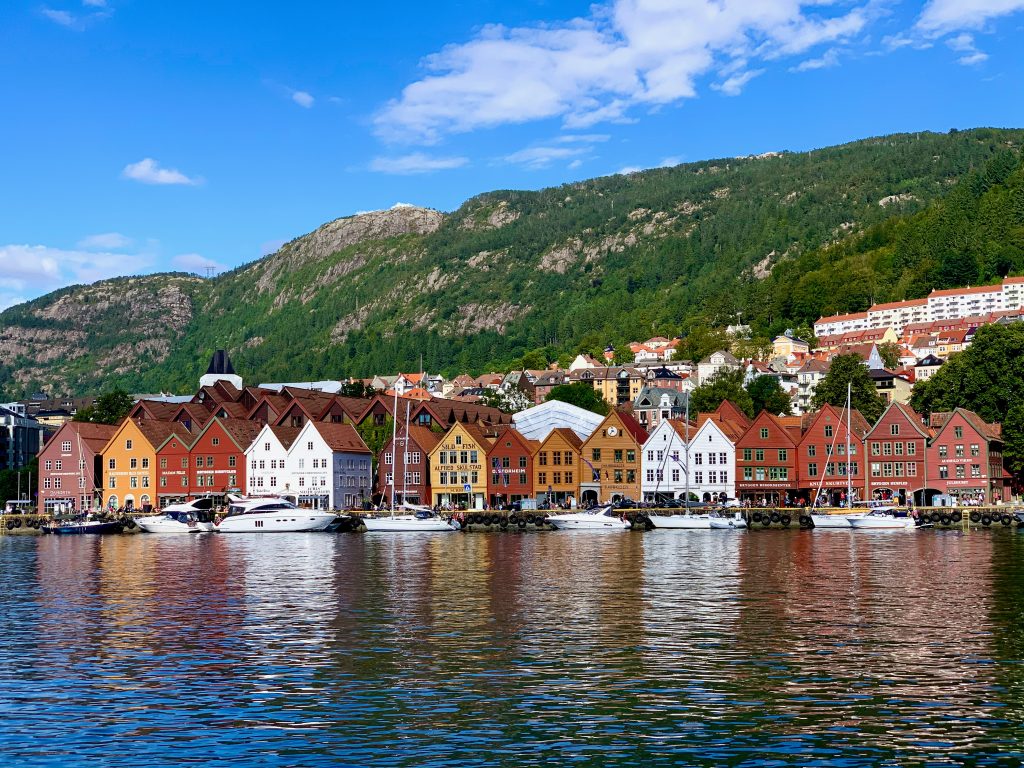
Ready to explore Norway’s gateway to the fjords? Bergen is easily one of the best places to visit in Europe in June, and it’s easy to see why. The city sits surrounded by seven mountains (de syv fjell) and opens onto the vast, still waters of the Hardangerfjord and Sognefjord – the longest and deepest fjord in the world. In June, the days are incredibly long, with the sun setting around 11 PM and rising before 4 AM. Plus, wildflowers blanket the hiking trails, and the waterfalls crashing down the mountainsides are at their most spectacular.
Bergen is a small, walkable city with a big cultural identity. First, you’ll want to see its historic wharf, Bryggen – a row of colorful Hanseatic wooden buildings from the 14th century. It’s a UNESCO World Heritage Site and the visual symbol of the city. But Bergen’s personality goes well beyond its postcard image. It is also the birthplace of composer Edvard Grieg, whose music was directly inspired by the Norwegian landscape. The city takes its cultural life seriously, with a strong tradition in theatre, jazz, and folk music.
Bergensere (the people of Bergen) are known throughout Norway for their fierce local pride – they’ll happily tell you that Bergen is the real capital – and a dry, self-deprecating humor. They’re also refreshingly unimpressed by their own extraordinary surroundings, which somehow makes the whole experience feel even more authentic.
Here, you’ll discover Norway’s deep cultural connection to friluftsliv – “open-air living,” the philosophy that time spent in nature is essential to wellbeing. It’s a feeling that’s hard to fully explain until you’re standing on a mountaintop at 9 PM in golden light, eating a packed lunch with a local family who just drove up after work.
Top Things to Do
1. Take the Fløibanen Funicular up Mount Fløyen
This is the unmissable first thing to do in Bergen. The funicular departs from the city center and climbs to 320m in under eight minutes. At the top, the views over the city, the islands, and the fjord are extraordinary. You can hike back down through pine forest, or take the funicular both ways and simply stand and stare.
2. Walk Bryggen and the Old Wharf
The colourful timber buildings of Bryggen are best explored early in the morning before the day’s cruise passengers arrive. Wander into the narrow alleys behind the main façade to find workshops, galleries, and small restaurants tucked inside buildings that lean at improbable angles after centuries of settling.
3. Take a Fjord Cruise
From Bergen’s harbor, you can take day cruises into the Hardangerfjord or join the famous Norway in a Nutshell tour, which combines a fjord cruise with a scenic mountain railway. In June, the fjords are mirror-still in the mornings and the green of the hillsides is at its most vivid.
4. Visit Troldhaugen – Edvard Grieg’s Home
The composer’s villa on the shores of Lake Nordås is one of the most evocative musical pilgrimage sites in Europe. The house has been preserved exactly as it was in Grieg’s time, and summer concerts are held in the purpose-built concert hall overlooking the water.
5. Hike the Seven Mountains
For the active traveler, the classic Bergen challenge is to hike all seven surrounding mountains in a single day. Even tackling one or two – Ulriken (the highest) is accessible by cable car and offers a dramatic ridge walk – gives you a perspective on the city that no museum can match.
Don’t Leave Without…
Eating fresh shrimp (reker) bought straight from the fishing boats at the fish market in the harbor. Peel them yourself and eat them with bread and a cold beer while watching the ferries come and go. It is the most Bergen thing you can do.
RV Practical Info
- Road Conditions: Norwegian roads are excellent but can be narrow in mountain areas. Many scenic routes have tunnels (some with tolls) and a few have steep gradients.
- Tolls: Norway operates an extensive automated toll system (AutoPASS). Foreign vehicles are registered via license plate; you’ll receive a bill afterward. Budget accordingly.
- Campsites: Bergenshallen Camping is well-located with good facilities. For a more scenic option, look for sites along the Hardangerfjord to the south.
- Wild Camping: Norway’s allemannsretten (Right of Public Access) allows you to camp in uncultivated nature for up to two nights. This is a genuine and wonderful freedom – use it respectfully.
Who Is It Best For?
- Nature Lovers: The fjord and mountain scenery is world-class.
- Hikers: Trails for every fitness level, directly from the city.
- Road Trippers: Bergen is the perfect start or end point for a Norwegian fjord road trip.
- Music and Culture Fans: A surprisingly rich arts scene for a city of its size.
Recommended Budget
€130–€190 per person/day. Here are the estimated costs:
- Accommodation: €40–65 (campsites offer good value by Norwegian standards).
- Meals: €50–80 (Norway is expensive; cooking in your RV saves significantly).
- Activities: €20–50 (fjord cruises and cable cars are the main costs).
10. Krakow, Poland
The Vibe
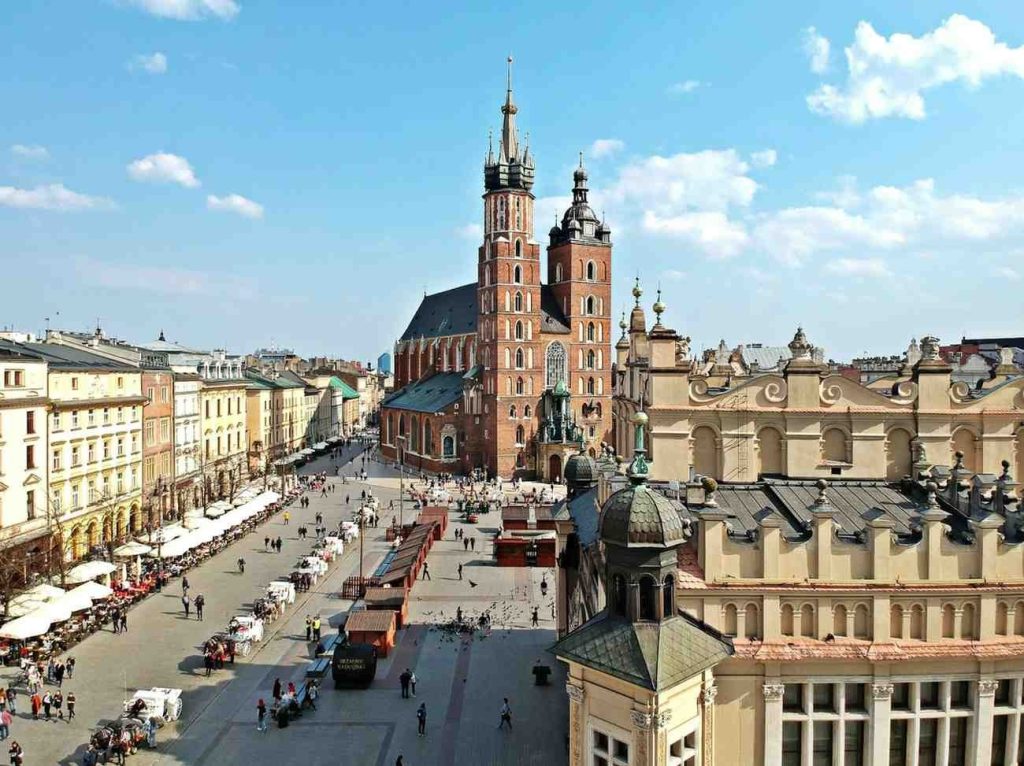
Krakow is one of Europe’s most underrated cities, and June is one of the finest times to visit. The weather is warm and sunny (averaging 22°C/72°F), the *Rynek Główny* – the vast medieval main square at the heart of the Old Town – fills with outdoor café tables, and the city hums with a lively energy. This comes partly from its enormous student population and partly from the sheer pleasure of being in such a beautiful place, without the crowds or price tags of Western Europe.
Unlike Warsaw, Krakow was spared destruction during World War II, meaning its Old Town remains genuinely, remarkably intact. It is a living medieval city rather than a reconstruction, and unlike many well-preserved cities, it doesn’t feel like a museum. Krakow is young, creative, and surprisingly edgy, with a thriving contemporary art and music scene centered around the Kazimierz district.
Kazimierz, historically the city’s Jewish quarter, has a story inseparable from the devastation of the Holocaust. Yet, it has been reborn as one of Central Europe’s most vibrant cultural neighborhoods. It is now home to indie bookshops, jazz clubs, street art, and some of the best restaurants in Poland.
Polish culture is shaped by a complex history of resilience – centuries of partition, occupation, and reconstruction have fostered deep national pride alongside a unique dark, ironic humor. Krakovians, warm and direct, take an almost theatrical pride in their city, which was Poland’s royal capital for over 500 years and still hasn’t quite let Warsaw forget it.
June also brings the famous Wianki midsummer festival on the banks of the Vistula. With concerts, fireworks, and floating flower wreaths on the river, it’s a magical time to experience Krakow in all its charm and liveliness.
Top Things to Do
1. Walk the Royal Road and Wawel Castle
The Royal Road runs from the medieval Florian Gate through the Old Town to Wawel Hill, where the stunning castle and cathedral complex overlook the Vistula River. The castle was the seat of Polish kings for centuries and remains one of the finest royal residences in Central Europe. Go early to avoid tour groups.
2. Explore Kazimierz
Wander the Jewish quarter in the afternoon and evening. Visit the Galicia Jewish Museum and the old synagogues during the day, then return at night when the neighborhood’s bars, restaurants, and jazz clubs come alive. The Shalom Festival of Jewish culture in June is worth timing your visit around.
3. Visit Auschwitz-Birkenau
This is not a comfortable day out, nor is it meant to be. The former Nazi concentration and extermination camp is located about an hour from Krakow and is one of the most important and sobering historical sites in the world. Visiting is an act of witnessing that many travelers feel is essential. Book a guided tour well in advance.
4. Hike in the Tatra Mountains
Drive your campervan about two hours south to Zakopane, the gateway to the Tatra Mountains on the Slovak border. In June, the high trails are open and the alpine meadows are flowering. The Morskie Oko lake is one of the most beautiful spots in Poland.
5. Drink Locally at a Piwnica (Wine Cellar Bar)
Krakow’s Old Town sits atop a network of medieval cellars that have been turned into bars and restaurants. Descending into a candlelit piwnica for a local beer (Żywiec or Okocim) or a glass of Polish mead (miód pitny) is a classic Krakow experience.
Don’t Leave Without…
Eating a zapiekanka from the stands at Plac Nowy in Kazimierz – an open-faced toasted baguette loaded with mushrooms, cheese, and whatever toppings you choose. It’s the late-night street food of Krakow, and it costs almost nothing. Wash it down with a local beer.
RV Practical Info
- Road Conditions: Polish roads have improved enormously in recent years; major routes are in good condition. Rural roads can be rougher – take your time.
- Parking: Large RVs should avoid the historic Old Town center. There are parking areas on the outskirts with bus connections. Kazimierz has easier parking than the Rynek area.
- Campsites: Camping Clepardia is a reliable and affordable option north of the center. Krakow has several campsites; booking ahead for June weekends is advisable.
- Wild Camping: Not generally permitted in Poland’s protected areas. Designated campsites are affordable enough that there is little need to risk it.
Who Is It Best For?
- History Buffs: One of Europe’s best-preserved medieval cities plus profound WWII history.
- Budget Travelers: Exceptional value compared to Western Europe without sacrificing quality.
- Foodies: Polish cuisine is hearty, delicious, and extremely affordable.
- Night Life Lovers: The student city atmosphere and Kazimierz bar scene are superb.
Recommended Budget
€60–€100 per person/day. Here are the estimated costs:
- Accommodation: €20–35 (campsites are very affordable).
- Meals: €20–35 (eating and drinking well here costs a fraction of Western Europe).
- Activities: €15–30 (most historical sites have modest entry fees; Auschwitz requires a guide fee).
What Should You Pack for a Europe Roadtrip in June
| Category | Items to Pack | Why You Need It |
|---|---|---|
| Clothing Layers | Light jacket, hoodie, t-shirts, shorts | Days are hot, but evenings can still be cool, especially near the coast or in the mountains. |
| Swimwear | Swimsuit, quick-dry towel | June is the start of swimming season! From Croatian beaches to Swedish lakes, you will want to jump in. |
| Footwear | Comfortable sneakers, hiking sandals | You will walk a lot on cobblestones and trails. Flip-flops are only for the beach. |
| Sun Protection | Sunglasses, hat, sunscreen | The sun is strong in June, especially in Southern Europe. Don’t get burned on day one. |
| RV Essentials | Power bank, USB chargers, Aux cable | Keep your devices charged and your road trip playlist pumping. |
| Sleep Gear | Eye mask | Essential for Northern Europe (like Sweden) where the sun rises at 3 AM. |
| Dining | Reusable water bottle, Swiss Army knife | Tap water is safe in most places. A knife is handy for roadside picnics with cheese and fruit. |
Final Expert Tips for June Travel in Europe
- Book Ferries in Advance: If you are island hopping in Croatia or Greece, book your ferry tickets for the campervan early. Vehicle spots are limited and sell out faster than passenger tickets.
- Chase the Festivals: June is festival season. Check local calendars for events like Glastonbury (UK), Sonar (Barcelona), or local food festivals in Italy.
- Take Advantage of Long Days: In the north, it stays light until 10 or 11 PM. Use this extra time to drive to your next destination or enjoy a late dinner outside.
- Beat the Heat: In Southern Europe, do your sightseeing in the morning. By 2 PM, it can get hot. Do as the locals do: enjoy a long lunch or a siesta, then go back out in the evening.
- Shoulder Season Prices: Campsites often switch to high-season rates mid-June. If you travel in the first two weeks, you might save some money.
- Pack for Rain: June can still bring thunderstorms, especially in the Alps or Central Europe. A lightweight rain jacket is a must.
- Respect “Quiet Hours”: Many European campsites have quiet hours from 1 PM to 3 PM and after 10 PM. Don’t be the noisy neighbor.
- Get an ACSI Card: This discount card for campsites can save you up to 60% in the low season (which includes early June for many sites).
- Download Offline Maps: Data can be spotty in rural areas or mountains. Google Maps offline is a lifesaver.
- Embrace the “Apero”: In France and Italy, the early evening drink (apero) is a ritual. It comes with snacks and is a great way to relax and people-watch.
Start Your European Adventure with Indie Campers
June is the perfect time to hit the road. The weather is great, everything is open, and the vibe is energetic. A campervan gives you the ultimate freedom to explore at your own pace.
Why choose Indie Campers?
- Find the perfect campervan: Choose between more than 7000 Indie Campers RVs, motorhomes, and campervans for rental across the world.
- Start and finish your trip in different locations: Pick up and drop off your campervan at +70 locations across North America, Europe and Oceania.
- Flexible cancelation available: Cancel your booking up to 31 days before pick-up.
- Book now, pay later! Pay the full amount only 30 days before the pick-up date when choosing Flexible Cancellation.
Everything You Need to Know About Europe RV Roadtrips in June
| City | Country | Vibe | Best For | Top Things to Do | Budget/Day | Top Campgrounds & Motorhome Stops | RV-Friendly Rating | Wild Camping? | Best Place To Stay |
|---|---|---|---|---|---|---|---|---|---|
| Lisbon | Portugal | Sunny & Soulful | Culture, Foodies, Festival Lovers | Santos Populares, Alfama, Sintra, Costa da Caparica | 💰💰 | Lisboa Camping & Bungalows (Monsanto Park) | ⚠️ Mixed – historic streets are too narrow; base on the outskirts | ❌ No – strictly prohibited and heavily fined | Indie Campers RV |
| Stockholm | Sweden | Green & Bright | Nature Lovers, Families, Road Trippers | Midsommar at Skansen, Archipelago, Gamla Stan, Vasa Museum | 💰💰💰 | Bredäng Camping (near metro & nature reserve) | ✅ Good – excellent roads, congestion charge applies on weekdays | ✅ Yes – Allemansrätten allows 1–2 nights in nature (rules apply) | Indie Campers RV |
| Dubrovnik | Croatia | Historic & Coastal | History Buffs, Couples, Beach Lovers | City Walls, Cable Car, Kayaking, Pelješac Peninsula | 💰💰💰 | Solitudo Sunny Camping (only site in city limits) | ✅ Good – scenic coastal road; avoid Old Town entirely | ❌ No – not permitted in coastal tourist areas | Indie Campers RV |
| Aix-en-Provence | France | Lavender & Artistic | Romantics, Photographers, Foodies | Lavender Fields, Markets, Cézanne Trail, Luberon Villages | 💰💰💰 | Camping Arc en Ciel; France Passion farm stays near Valensole | ✅ Good – highways excellent; village roads can be narrow | ❌ No – prohibited in tourist areas and national parks | Indie Campers RV |
| Interlaken | Switzerland | Alpine & Adventurous | Thrill Seekers, Hikers, Nature Lovers | Jungfraujoch, Paragliding, Lake Brienz Cruise, Schynige Platte | 💰💰💰💰💰 | Camping Manor Farm (lakeside; book well ahead) | ✅ Good – mountain passes open in June; Swiss vignette (CHF 40) required | ❌ No – generally not allowed; steep fines in nature reserves | Indie Campers RV |
| Barcelona | Spain | Vibrant & Coastal | Foodies, Architecture Lovers, Festival Goers | Sagrada Família, Barceloneta, Gothic Quarter, Montserrat | 💰💰💰 | Camping Masnou (north of city; direct train access) | ⚠️ Mixed – highways excellent; city center not RV-friendly | ❌ No – strictly prohibited along the Catalan coast | Indie Campers RV |
| Amsterdam | Netherlands | Canals & Creative | Cyclists, Art Lovers, History Buffs | Rijksmuseum, Canal Boat, Jordaan, Vondelpark | 💰💰💰 | Camping Zeeburg (island east of center; tram & bus connections) | ⚠️ Mixed – roads excellent; city center is a maze of trams and cyclists | ❌ No – designated sites required throughout the Netherlands | Indie Campers RV |
| Florence | Italy | Renaissance & Romantic | Art Lovers, Foodies, Romantics | Uffizi, David, Ponte Vecchio, Chianti Day Trip | 💰💰💰 | Camping Michelangelo (hilltop views; book early for June) | ⚠️ Mixed – Tuscany roads ideal; ZTL zone bans non-residents from city center | ❌ No – not permitted in protected Tuscan areas; agriturismo a great legal alternative | Indie Campers RV |
| Bergen | Norway | Fjords & Charming | Nature Lovers, Hikers, Road Trippers | Mount Fløyen, Bryggen, Fjord Cruise, Troldhaugen | 💰💰💰💰 | Bergenshallen Camping; scenic sites along the Hardangerfjord | ✅ Good – excellent roads; narrow in mountain areas; automated tolls apply | ✅ Yes – Allemannsretten permits 2 nights in uncultivated nature (rules apply) | Indie Campers RV |
| Krakow | Poland | Historic & Vibrant | Budget Travelers, History Buffs, Night Life Lovers | Wawel Castle, Kazimierz, Auschwitz, Tatra Mountains | 💰 | Camping Clepardia (north of center; affordable) | ✅ Good – improved road network; avoid Old Town center with an RV | ❌ No – not permitted in protected areas; campsites are affordable enough to skip the risk | Indie Campers RV |
FAQ’s About Where To Go in Europe in June
What is the warmest country in Europe in June?
The warmest country in Europe in June is typically Greece or southern Spain. Places like Crete, Andalusia, and the Algarve in Portugal see temperatures consistently reaching 28–30°C (82–86°F). It is hot enough for the beach but usually not yet scorching.
What are the best places to visit in Europe in June for families?
Stockholm and Lisbon are fantastic for families. Stockholm offers Pippi Longstocking World (Junibacken) and wide open spaces, while Lisbon has the Oceanarium and nearby beaches. Both cities are safe, walkable, and have plenty of kid-friendly activities.
What is the best place to visit in Europe in June for couples?
Provence in France or the Amalfi Coast in Italy are incredibly romantic in June. Provence offers lavender fields and charming villages, while the Amalfi Coast offers dramatic views and boat rides. June is perfect before the peak crowds arrive.
What are the best places to visit in Europe in June for beaches?
The Algarve (Portugal), Sardinia (Italy), and the Dalmation Coast (Croatia) are top choices. By June, the sea temperature has warmed up enough for swimming, and all beach bars and facilities are fully open.
Is it expensive to travel in Europe in June?
June is less expensive than July and August but more expensive than May. It is the start of the high season. You can still find deals on flights and campervans if you book early, especially for the first half of the month.
Do I need to book campsites in advance for June?
Yes, for popular coastal areas and major tourist spots, it is highly recommended. While you might find spots in rural areas on the fly, places like Croatia, the French Riviera, and majestic national parks fill up quickly.
Where can I rent an RV in Europe in June?
You can rent an RV in Europe in June with Indie Campers. We have locations all over the continent, from Lisbon and Madrid to Stockholm and Reykjavik. One-way rentals are also available to make your trip even easier.