Last Updated: June 24, 2026
If you’re working out what to do in Brisbane, the shortlist comes fast: South Bank, the koalas at Lone Pine, and a climb up the Story Bridge. They’re all worth your time. But most visitors stop at the river loop and never reach the part of South East Queensland that locals actually live in.
This guide covers both. You’ll get the riverside icons done properly, plus the inner-city precincts, the sand islands out in Moreton Bay, and the coast and rainforest day trips that rarely make a first-timer’s plan.
It’s built around a campervan, the one setup that links the city to the bay, the beaches, and the hinterland without having to book a new hotel every night.
Whether you’re here for a long weekend or a two-week loop, these are the best places to visit in Brisbane for every type of traveler. If you want to keep driving north afterwards, the Brisbane-to-Cairns coastal run picks up right where this guide leaves off.
Key Takeaways (TL;DR)
- Why Go in 2026: Brisbane is subtropical, so winter (June to August) is the sweet spot, with warm, dry, sunny days near 22 degrees Celsius and almost no humidity. Those same months line up with whale season out in Moreton Bay, which the summer crowds miss.
- Top Places to Visit in Brisbane in 2026: South Bank, Fortitude Valley, North Stradbroke Island, the Gold Coast, and the Scenic Rim.
- Don’t-Miss Experience: Sunrise from the Mount Coot-tha lookout as the city glows and Moreton Bay turns silver, then a CityCat ride back along the river for the price of a bus fare.
- Ideal Trip Length: 4 to 5 days for the city plus a bay island; 10 to 14 days if you’re adding the Gold Coast, the Sunshine Coast, and the rainforest hinterland.
- How to Choose Where to Go: Decide between beach time, rainforest walks, and city culture, then pick how far you want to drive. Brisbane’s seasons sit opposite the Northern Hemisphere, so sort that out before anything else.
- Recommended Budget Per Person: Around AUD 110 to 200 per day, excluding the campervan. That covers meals, a paid attraction or two, ferries, park fees, and fuel.
- Watch Out For: Cashless toll roads, an extreme UV index even in winter, summer storms and humidity from December to February, and the need to book island barges and 4WD permits ahead.
- Where to Stay: The best places to stay in Brisbane pair an Indie Campers campervan with riverside and beachside holiday parks. One booking covers your transport and your bed, which is what makes combining the city with the bay and the coast realistic.
- Best For: First-timers who want the river icons, plus repeat visitors and road-trippers chasing the islands, beaches, and rainforest most tourists skip.
Table of Contents
- Top Places to Visit in Brisbane: At a Glance
- What to Do in Brisbane: Best Places to Visit
- What Should You Pack for a Brisbane Road Trip in 2026
- Final Tips for Deciding What to Do in Brisbane
- Plan Your Brisbane Road Trip with Indie Campers
- Everything You Need to Know About Brisbane RV Road Trips
- FAQs About What to Do in Brisbane
Top Places to Visit in Brisbane: At a Glance
Here’s a quick view of the 10 places in this guide, what each one feels like, and how camper-friendly it is.
These places to visit in Brisbane are split into inner-city precincts you reach on foot or by ferry, and day-trip regions you drive or barge to.
| Place | Region | Vibe | Best For | Top Things to Do | Avg Temp | Ideal Time | Crowd Level | RV-Friendly |
| South Bank & the CBD | Inner city | Riverside, cultural, walkable | First-timers, families | Streets Beach, GOMA, Wheel | 11-29C | 1-2 days | High | Park & ferry |
| Story Bridge & Kangaroo Point | Inner city | Active, scenic, riverside | Couples, adventure seekers | Bridge climb, cliffs, abseiling | 11-29C | Half-1 day | Medium | Park & walk |
| West End & Fortitude Valley | Inner city | Creative, multicultural | Foodies, solo, nightlife | Markets, live music, dining | 11-29C | 1 day | Medium | Park & ferry |
| Mount Coot-tha | West (15 min) | Bush lookout & gardens | Photographers, families | Summit lookout, botanic gardens | 10-29C | Half day | Medium | Good |
| North Stradbroke Island | Bay (ferry) | Sand island, surf, wildlife | Nature lovers, surfers | North Gorge walk, whales | 13-28C | 1-2 days | Low | Ferry & camp |
| Moreton Island | Bay (barge) | Dunes, wrecks, dolphins | Adventure, families | Wrecks snorkel, sandboarding | 14-28C | 1-2 days | Low | 4WD only |
| Gold Coast | South (1 hr) | High-rise beaches & theme parks | Families, friends | Surfing, parks, hinterland | 12-29C | 1-3 days | High | Good |
| Sunshine Coast | North (1.5 hrs) | Relaxed surf & national park | Couples, families | Noosa walk, Eumundi markets | 11-28C | 1-3 days | Medium | Excellent |
| Scenic Rim & Hinterland | South (1-1.5 hrs) | Rainforest & wine country | Hikers, couples | Lamington, glow worms, wineries | 6-27C | 1-2 days | Low | Good |
| Glass House Mountains | North (1 hr) | Volcanic peaks & bushwalks | Hikers, road-trippers | Peak climbs, lookouts | 9-28C | 1 day | Low | Good |
Temperatures are approximate annual day ranges in Celsius. Brisbane is warm year-round, with hot, humid, wetter summers from December to February and mild, dry, sunny winters from June to August.
What to Do in Brisbane: Best Places to Visit
Brisbane works best as a base camp, not a single stop. The river and South Bank anchor any trip, and a short drive or ferry opens up sand islands, surf coasts, and rainforest that the day-trippers never reach.
Below are 10 of the best places to go in Brisbane and its surrounds, starting in the centre and working outward.
1. South Bank and the Brisbane CBD
The Vibe
This is the Brisbane you already picture: a slow brown river curling through the city, the riverside cultural precinct on the south bank, and a man-made beach in the middle of it all. South Bank is the green heart of the city, and right across the water, the compact CBD holds City Hall, the heritage laneways, and the City Botanic Gardens.
What most tourists miss is how much of it costs nothing. The parklands, the swimming, the gardens, and the ferry views are all free, and the precinct is built for wandering rather than ticking off a list.
Come on a weekend, and the lawns fill with picnics, buskers, and queues at the lagoon by mid-morning, while a weekday lets you have the riverside boardwalk and the galleries almost to yourself. Either way, give it a full day, since the precinct rewards slow wandering between a swim, a gallery, and a riverside meal.
Top Things to Do
- Swim at Streets Beach: The only inner-city beach of its kind in Australia sits right on the river, lifeguarded and free. It anchors the almost 15 hectares of lawns that make up the South Bank parklands. The lagoon stays swimmable through the cooler months, and the shaded lawns and free electric barbecues around it make it an easy base for a half-day with kids.
- See GOMA and the Queensland gallery: The Gallery of Modern Art and its neighbour hold one of the country’s leading collections of contemporary Asian and Pacific art, and entry to the permanent collections is free. Set aside a couple of hours for both buildings, and check the gallery program before you go, since the big touring exhibitions that charge are usually the ones worth planning a day around.
- Ride a CityCat down the river: Brisbane’s fast catamaran ferries are the cheapest river cruise in town. Tap on with a GoCard and ride from the University of Queensland to Hamilton for the price of a bus fare. Tap on with a Go Card, sit out on the rear deck, and treat the run as a working river cruise, with the free City Hopper covering the central stops if you only want a short hop.
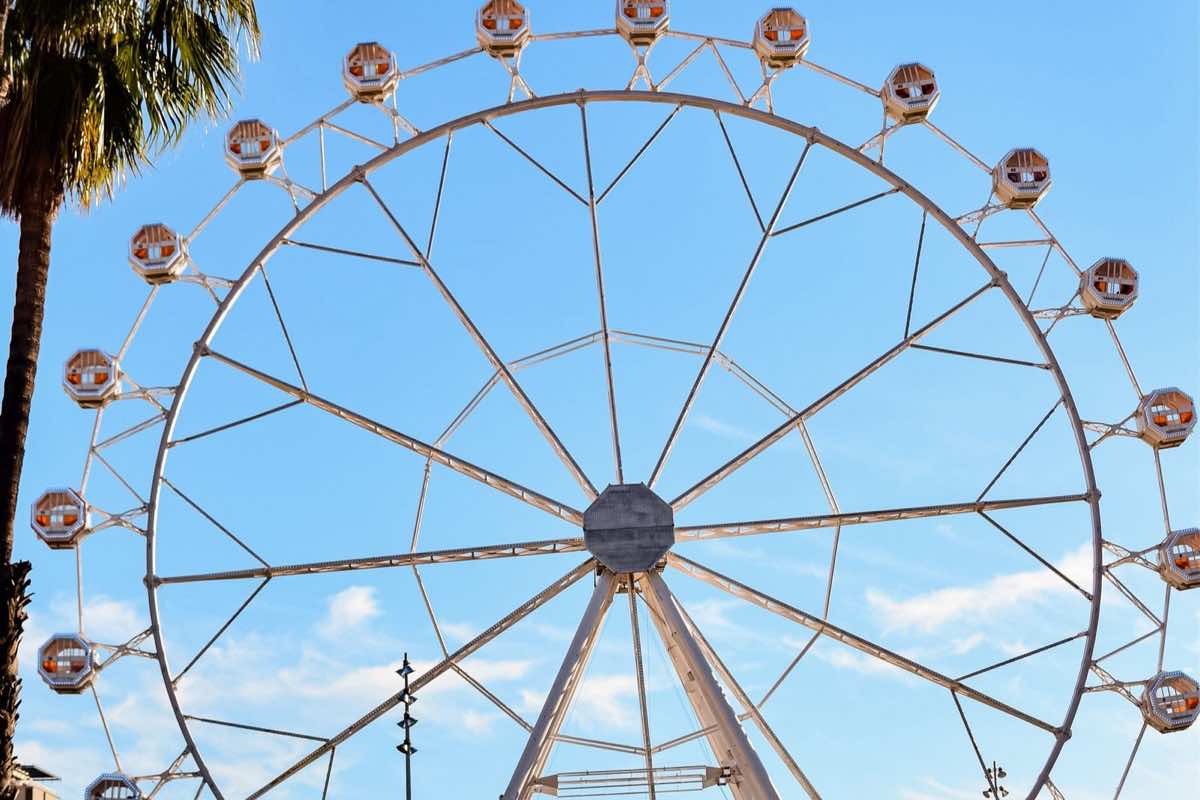
- Spin the Wheel of Brisbane: The observation wheel beside South Bank gives a slow, high view over the river bend and the city towers, best at dusk. Take a ride for the half-hour before sunset, and you catch the river bend in gold light, then the city towers switching on as you come back down.
- Walk the City Botanic Gardens: Free, riverside, and full of mangroves, bunya pines, and roaming water dragons, with the heritage gardens leading back toward the CBD and City Hall. It is a flat 20-minute stroll from the riverside, and the resident water dragons basking on the paths are a near-guaranteed sighting for kids.
- Graze at Eat Street Northshore: On weekend evenings, a riverside grid of shipping-container kitchens turns into one of the best street-food markets in the country. It runs on weekend evenings on the northern riverbank, so come hungry and plan dinner around it; there is room to park a camper nearby, unlike in the central precinct.
Don’t Leave Without…
Don’t leave without a twilight swim at Streets Beach with the city lit up across the river, then a walk under the Nepal Peace Pagoda and the arbour of bougainvillea that runs the length of the parklands. Time it for dusk, when the string lights come on and the day-trippers thin out, and the whole stretch from the beach to the pagoda becomes the best free thing you can do in the city after dark.
RV and Campervan Practical Info
- Skip the CBD with the van: Central Brisbane has one-way streets, height-limited car parks, and pricey metered parking. It isn’t built for a campervan.
- Base outside the centre: RV rental in Australia gives you a vehicle you can park at a holiday park in the outer suburbs, then ride the CityCat or train into the centre.
- Budget for tolls: Brisbane’s tunnels and motorways are cashless. Your rental needs a linked toll account through the Linkt app, since there are no booths to pay at.
The parklands, the beach, the gardens, and the galleries are free, so spend on food and one paid view rather than three. Most outer-suburb holiday parks sit within a 20-minute CityCat or train ride of South Bank, so you can leave the van on its powered site all day and come in by water.
Who Is It Best For?
- First-timers who want the city’s icons in one walkable loop.
- Families, thanks to the free swimming and open lawns.
- Couples after a riverside evening and a gallery afternoon.
Recommended Budget
- Meals: AUD 35 to 85 per day, higher in the riverside restaurants, cheaper at the markets and food trucks.
- Activities: AUD 0 to 70 per day, depending on whether you ride the wheel and attend a paid exhibition or stick to the free parklands. Pro tip: the parklands, the beach, and the GOMA collections cost nothing, so save your spending for one paid view and a riverside meal rather than a full day of tickets.
2. Story Bridge and Kangaroo Point
The Vibe
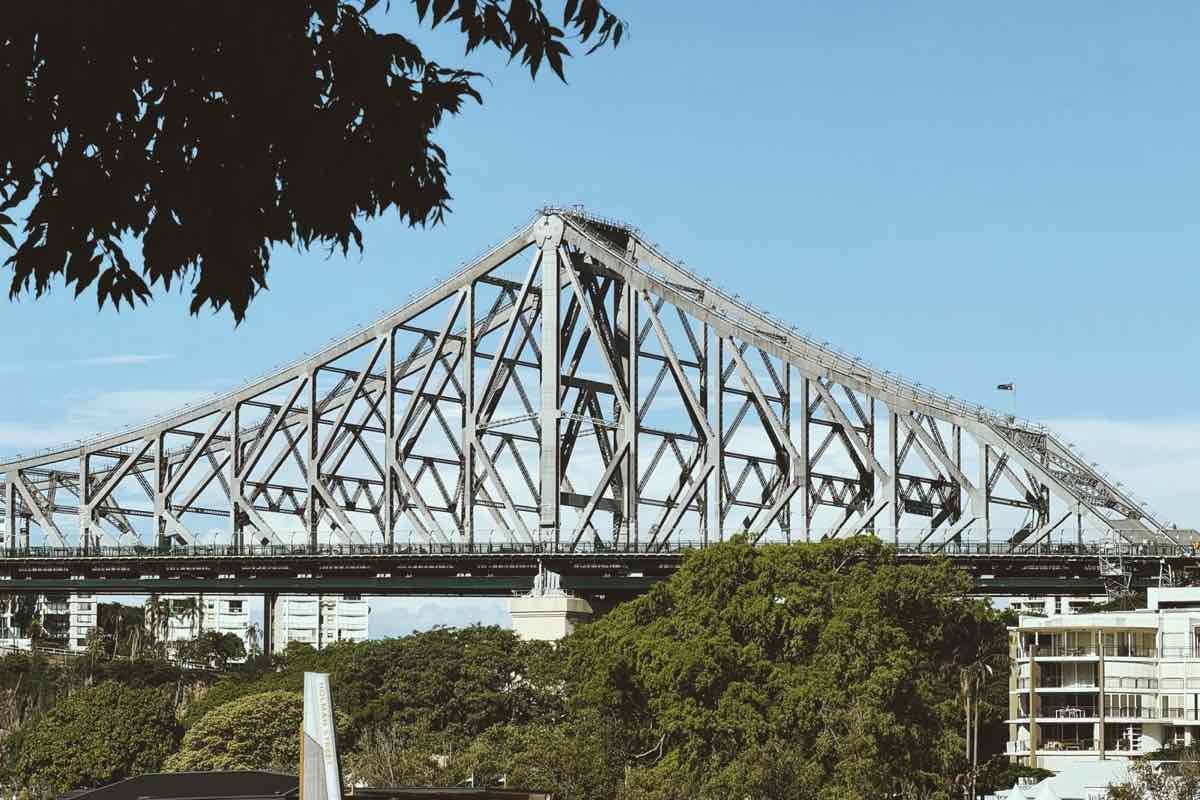
Just downstream from the CBD, the steel Story Bridge arcs over the river, and the cliffs of Kangaroo Point rise straight out of the water beneath it. Opened in 1940, the bridge is one of only a handful in the world that you can climb, and the old quarried cliffs below have become the city’s outdoor playground.
This pocket trades the polish of South Bank for something more active. It’s where Brisbane goes to climb, paddle, and watch the sun drop behind the towers.
By late afternoon, the cliff top fills with climbers on the floodlit rock, picnic blankets on the grass above, and joggers on the riverwalk below. It is the one pocket of the inner city built for being active outdoors, and it stays lively well after dark.
Top Things to Do
- Climb the Story Bridge: The guided climb to the summit gives a 360-degree view over the river, the bay, and the hinterland ranges, with dawn and twilight climbs the pick of the lot. The guided climb runs a couple of hours and supplies all the gear, so book a dawn or dusk slot ahead in summer, when they sell out first.
- Scale the Kangaroo Point cliffs: Abseiling and rock climbing run on the floodlit cliffs year-round, and they’re a rare in-city adventure for beginners and pros alike. Operators run the abseil and climb sessions year-round and provide everything, so it works as a spur-of-the-moment half-day, even if you have never climbed before.
- Eat at Howard Smith Wharves: Tucked under the bridge on the north bank, this riverside strip of bars, a brewery, and restaurants has become one of the city’s favourite nights out. Tucked beneath the bridge on the north bank, it is an easy ferry hop or riverwalk stroll from the cliffs, so you can leave the van parked and make a night of it.
- Walk or cycle the river loop: The riverwalk links Kangaroo Point to the CBD and New Farm, and the floating section near the city is a flat, scenic ride. The floating walkway sits right on the water with the skyline ahead, and bike hire near the bridge makes the full loop out to New Farm an easy hour on wheels.
- Picnic on the cliff top: The parkland above the cliffs has free barbecues and the best front-row seat for sunset over the skyline. Get there an hour before dusk to claim a barbecue and a patch of grass, since this is a favourite local spot on warm evenings.
- Cross the Kangaroo Point Bridge: The new pedestrian and cycle bridge links the cliffs straight to the city, so you can leave the van parked and explore on foot. The green pedestrian-and-cycle bridge lands you in the CBD in a few minutes, turning both sides of the river into one easy walking circuit.
Don’t Leave Without…
Don’t leave without a Twilight Story Bridge climb, then dinner at Howard Smith Wharves with the lit arch overhead and the river sliding past. Book the dusk climb so you summit as the sky turns, then drop straight down to the wharves for dinner while the bridge glows above you.
RV and Campervan Practical Info
- Park up top, not below: The streets above the cliffs have time-limited parking; arrive early on weekends, since this is a popular local spot.
- Leave the climbing gear behind: Bridge and cliff operators supply all the equipment, so there’s nothing to carry from the van.
- Use the river crossings: Ferries and the pedestrian bridges connect this side to the CBD and South Bank without moving the vehicle. Park once at a nearby holiday park and treat the ferries and footbridges as your transport for the whole day on this side of the river.
Who Is It Best For?
- Couples after a sunset with a view.
- Adventure seekers who want a climb or an abseil in the city.
- Road-trippers easing into Brisbane before heading to the coast.
Recommended Budget
- Meals: AUD 35 to 90 per day, with Howard Smith Wharves at the higher end.
- Activities: AUD 0 to 150 per day; the riverwalk is free, while the bridge climb is the main splurge. Pro tip: the cliffs, the riverwalk, and the sunset picnic cost nothing, so save the budget for the one bridge climb and a wharf dinner.
3. West End and Fortitude Valley
The Vibe
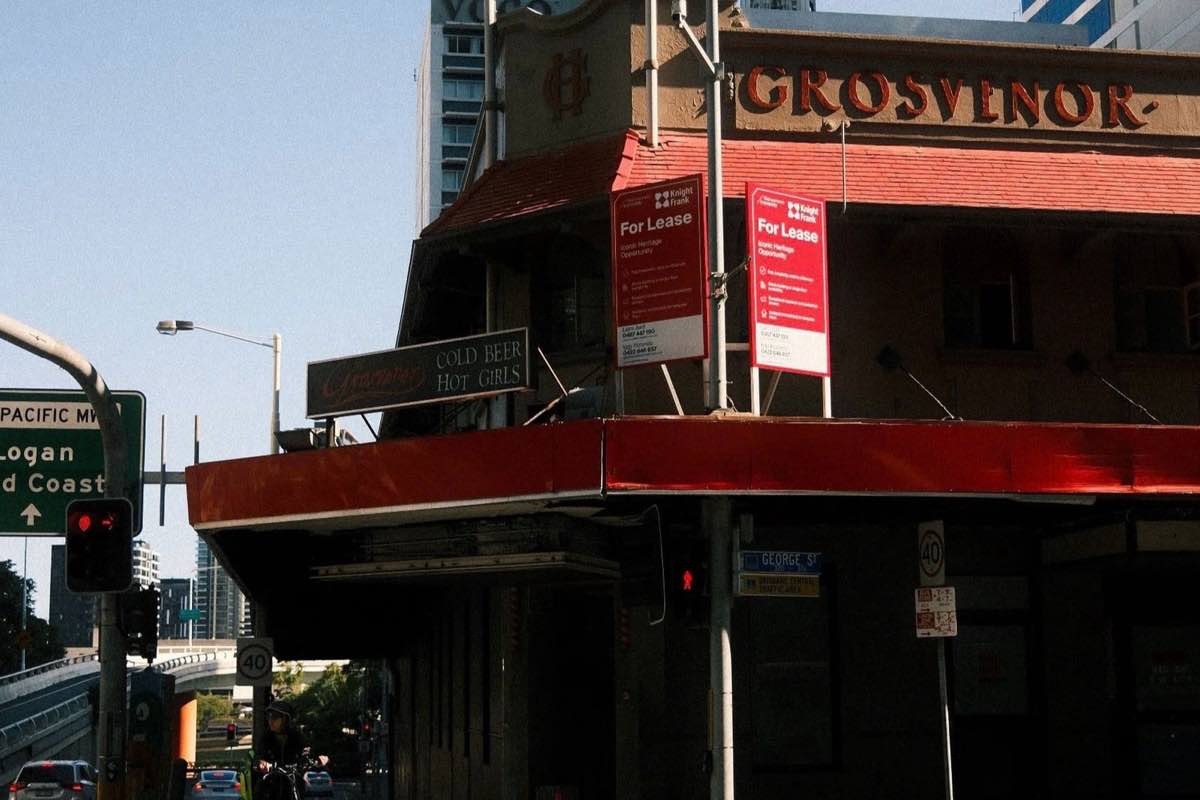
This is where Brisbane stops performing for visitors and just gets on with being a city. West End, on a bend in the river south of the centre, is leafy, multicultural, and full of bookshops, Greek tavernas, and Saturday markets. Across town, Fortitude Valley packs Chinatown, the James Street fashion strip, and Australia’s first dedicated live-music precinct into a few loud blocks.
Hardly any first-time plans come here, which is exactly the point. This is the best eating and the best night out in the city.
The two precincts sit on opposite sides of the river and trade off by time of day. West End is a lazy daytime wander of markets, bookshops, and long lunches, while the Valley wakes up after dark for live music and late dining, so you can string them into one full day and night.
Top Things to Do
- Browse the Davies Park market: Every Saturday, West End’s riverside park fills with farmers, bakers, and coffee carts under the fig trees, drawing a local crowd rather than a tourist one. It runs every Saturday morning under the figs by the river, so come early for the best coffee and produce before the crowds and the heat build.
- Eat along Boundary Street: Vietnamese, Greek, Lebanese, and modern Australian kitchens sit side by side, with some of the best-value tables in Brisbane. Graze your way along rather than booking one place, since the strip is dense enough to make a meal of a few small plates across different kitchens.
- Catch live music in the Valley: Fortitude Valley’s clubs and band rooms run nightly, and the precinct has hosted everyone from local acts to international headliners for decades. Check the listings before you visit and build the evening around a show, since the Valley is at its best with a gig as the anchor.
- Shop the James Street precinct: Tree-lined and polished, this strip mixes Australian designers, a cinema, and a cluster of strong restaurants and wine bars. It is the polished counterpoint to West End, good for a slow afternoon of browsing followed by an early dinner before the Valley fills up.
- Wander Chinatown Mall: The Valley’s pedestrian heart runs yum cha, late-night noodles, and Lunar New Year celebrations throughout the year. The pedestrian mall is busiest in the evening, when the yum cha and late-night noodle spots draw a crowd off the surrounding bar streets.
- Drift through New Farm: Next door, New Farm Park and the Brisbane Powerhouse arts centre give you riverside lawns and a converted power station full of theatre and weekend markets. New Farm Park’s riverside lawns and rose gardens make an easy daytime add-on, a short riverwalk or ferry hop from the Valley.
Don’t Leave Without…
Don’t leave without a long lunch on Boundary Street followed by a gig in the Valley, the most Brisbane night out you can have away from the river. Eat early and cheap on Boundary Street, cross town as the light drops, and let a Valley band room carry the rest of the night.
RV and Campervan Practical Info
- Leave the van parked: These are dense inner suburbs with tight, metered streets. Treat them as a park-and-ferry or park-and-walk zone.
- Ride in by ferry or train: West End sits near CityCat terminals, and the Valley has its own train station, so both are a short, cheap hop from an outer holiday park.
- Mind the night out: If you’re tasting your way around the Valley’s bars, use the train or a rideshare rather than the driver’s seat. Both precincts sit a short, cheap ferry or train ride from an outer holiday park, so there is never a reason to bring the van into the thick of it.
Who Is It Best For?
- Foodies chasing the city’s best-value meals.
- Solo travelers and culture seekers.
- Friends after live music and a real night out.
Recommended Budget
- Meals: AUD 30 to 75 per day, the most flexible eating in this guide.
- Activities: AUD 0 to 60 per day; markets and wandering are free, gigs and shows add up. Pro tip: the markets, the street art, and the riverside parks are free, so the only real spending is the food and a ticket to whatever is playing that night.
4. Mount Coot-tha and the Western Suburbs
The Vibe
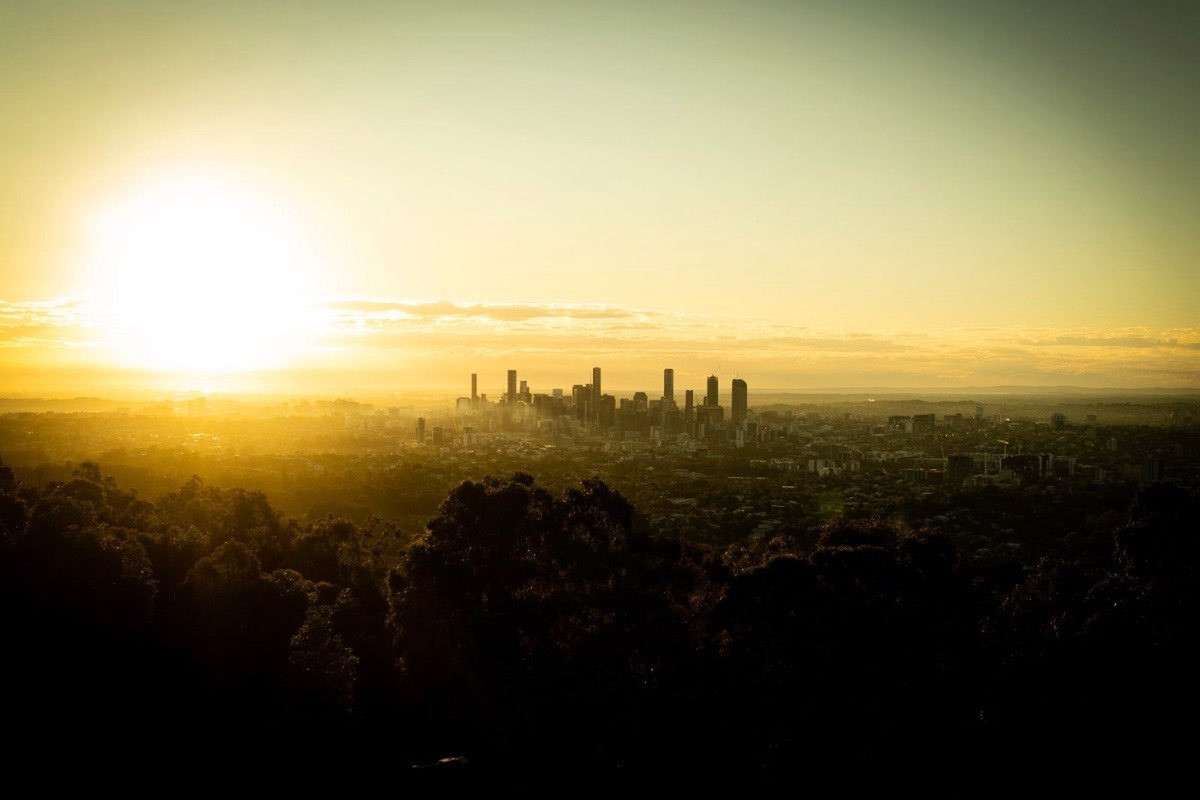
Fifteen minutes west of the CBD, the land rises into bushland, and the city’s best view opens up. Mount Coot-tha looks out over the whole of Brisbane to Moreton Bay and the islands beyond, and the slopes below hold the subtropical botanic gardens and a planetarium. It’s the easiest escape into nature you’ll find this close to a capital city.
Locals come up here for sunrise and stay for the bushwalks. Early in the day, you’ll often have the lookout almost to yourself.
The whole hill works as an easy half-day from the city, pairing the summit view with the gardens and a bush walk at its foot. Most of it is free and reached on a sealed road, which makes it the simplest nature escape on a Brisbane trip and a good way to get your bearings on day one.
Top Things to Do
- Take in the summit lookout: The view stretches from the city towers to the bay, and it’s the signature Brisbane photo at sunrise or sunset. Come at dawn for the quietest light and a clear run at the view down to the bay, then warm up at the summit cafe before the day-trippers arrive.
- Wander the Botanic Gardens: The city’s subtropical botanic gardens sit at the foot of the mountain, with a tropical dome, a Japanese garden, and a bamboo grove, all free to enter. Allow an hour or two to loop the tropical dome and the Japanese garden, and pick up the trailheads for the bush walks from the same free car park.
- Catch a show at the planetarium: The Sir Thomas Brisbane Planetarium runs dome shows on the night sky and is a reliable rainy-day stop for families. Sessions are ticketed and can book out on wet weekends, so check the times ahead if you are counting on it for a rainy afternoon.
- Walk to JC Slaughter Falls: A short, shaded bush track leads to a seasonal waterfall and a public art trail, busiest and best after winter rain. The shaded track is an easy walk from the picnic ground, with the public art trail worth slowing down for along the way.
- Hike the summit tracks: A web of graded trails climbs through dry eucalypt forest, with the longer Honeyeater track rewarding the effort. Carry water and start early in summer, since the dry eucalypt slopes get hot and exposed once the morning warms up.
- Spot the city wildlife: Kookaburras, lorikeets, and the occasional koala live on the slopes, and the gardens are a good place to see them. Dawn and dusk are the best times, when the lorikeets are loud in the flowering trees and kookaburras work the picnic grounds.
Don’t Leave Without…
Don’t leave without a dawn start at the lookout, when the city glows gold, and the bay turns silver, followed by coffee at the summit cafe before the day-trippers arrive. Set an early alarm for this one, since the half-hour either side of sunrise is when the city glows, and the lookout is at its emptiest.
RV and Campervan Practical Info
- Drive up easily: The road to the summit is sealed, gentle, and simple to handle in a campervan, with a large car park at the top.
- Use the day car parks: The gardens and trailheads all have free daytime parking, though spaces fill on clear weekends.
- Stay nearby: Western-suburb holiday parks put you within 20 minutes of both the mountain and the city centre. The sealed summit road and large car park handle a camper with ease, so it is a stress-free first drive after picking up the keys.
Who Is It Best For?
- Photographers chasing the city’s best view.
- Families wanting an easy nature and a planetarium show.
- First-timers who want to get their bearings on day one.
Recommended Budget
- Meals: AUD 25 to 60 per day; the gardens and trails are free, the summit cafe is the main expense.
- Activities: AUD 0 to 25 per day, mostly the planetarium ticket. Pro tip: the lookout, the gardens, and the walks are all free, so the planetarium show is the only thing here you need to budget for.
5. North Stradbroke Island (Minjerribah)
The Vibe
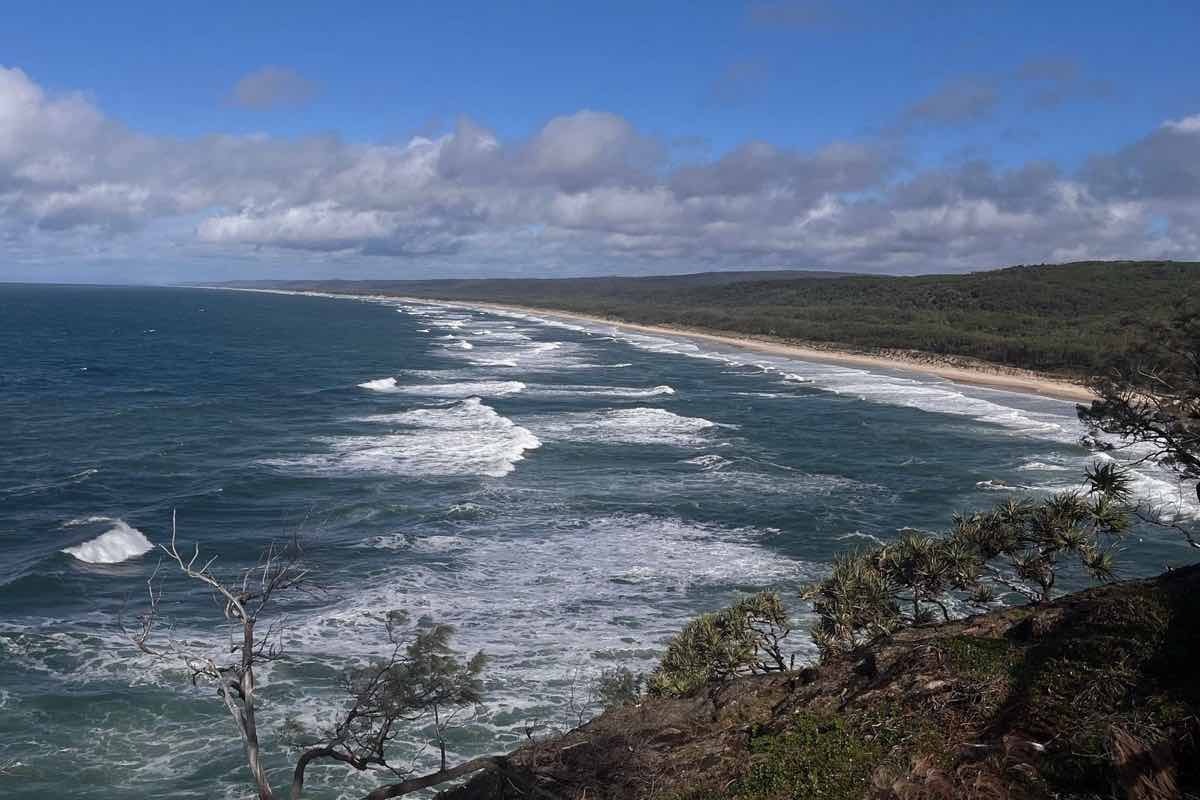
An hour from the city, the world’s second-largest sand island floats in Moreton Bay, with all-white surf beaches, freshwater lakes, and headland walks. Known to its Quandamooka traditional owners as Minjerribah, North Stradbroke trades the city’s pace for barefoot beach towns and some of the best land-based whale watching in Queensland.
Point Lookout, the main village, sits on the only rocky headland in the bay, which is what makes the wildlife here so good.
Plan on at least one overnight rather than a day trip, since the ferry timetable eats into a single day, and the island is best in the soft light of early morning and evening. A slow day or two here is the antidote to the city, all beach walks, freshwater swims, and wildlife off the headland.
Top Things to Do
- Walk the North Gorge: The clifftop boardwalk loop is the island’s signature, with turtles, dolphins, manta rays, and, in season, whales passing close below. Time the clifftop loop for early morning, when the light is soft, and your chances of spotting a turtle, a manta ray, or a passing whale from the boardwalk are highest.
- Watch for whales: From the headland between June and November, you can spot humpbacks on the move; WWF Australia notes that more than 60,000 humpback whales migrate along Australia’s east coast each year. The headland between June and November is one of the best land-based vantage points in Queensland, so bring binoculars and give it time.
- Swim at Cylinder Beach: A patrolled, north-facing beach that’s calm enough for families and a short walk from the village. It is patrolled and faces north into calm water, which makes it an easy family choice when the surf beaches are too rough.
- Surf Main Beach: A long, wild ocean beach with consistent surf and 4WD access for those with a permit. Two-wheel-drive campers should park at the access point and walk on, since driving on the sand here needs a permit and a proper four-wheel-drive vehicle.
- Cool off at Brown Lake: The tea-coloured freshwater lake, sacred to the Quandamooka people, sits in the dunes a short drive inland. The tea-coloured freshwater is a gentle, shaded swim away from the surf; treat it with respect as a site sacred to the Quandamooka people.
- Learn the Quandamooka story: Local guided tours share the island’s living Aboriginal culture, one of the oldest continuous connections to country in the world. Booking a local guided walk is the best way to read the island through its traditional owners’ eyes, and it lines up easily with a morning on the headland.
Don’t Leave Without…
Don’t leave without timing the North Gorge walk for the morning, when the light is soft, and the chance of spotting a turtle or a whale from the cliff is highest. Pack a coffee and walk it before breakfast, when the boardwalk is quiet, and the water below is at its clearest.
RV and Campervan Practical Info
- Book the vehicle ferry: The Cleveland to Dunwich ferry takes campervans, but you must book ahead, especially on weekends and school holidays.
- Camp in the designated parks: Straddie has several beachside campgrounds that take campervans; book through the island’s camping service before you sail.
- Check 4WD rules: Main Beach driving needs a permit and a 4WD; smaller two-wheel-drive campers should stick to the sealed roads and car parks.
Wild camping isn’t allowed; you stay in the island’s booked campgrounds only. Book both the vehicle barge and a beachside campground before you sail, especially on weekends and school holidays, when crossings fill up.
Who Is It Best For?
- Nature lovers and wildlife watchers.
- Surfers and beach campers.
- Couples and families after a slow island day or two.
Recommended Budget
- Meals: AUD 30 to 70 per day; self-cater in the van to keep costs down, since island shops are limited.
- Activities: AUD 10 to 60 per day, mostly the ferry, camping fees, and a guided tour. Pro tip: self-cater from the van, since island shops are limited and pricey, and the walks, beaches, and whale watching cost nothing once you are across.
6. Moreton Island (Mulgumpin)
The Vibe
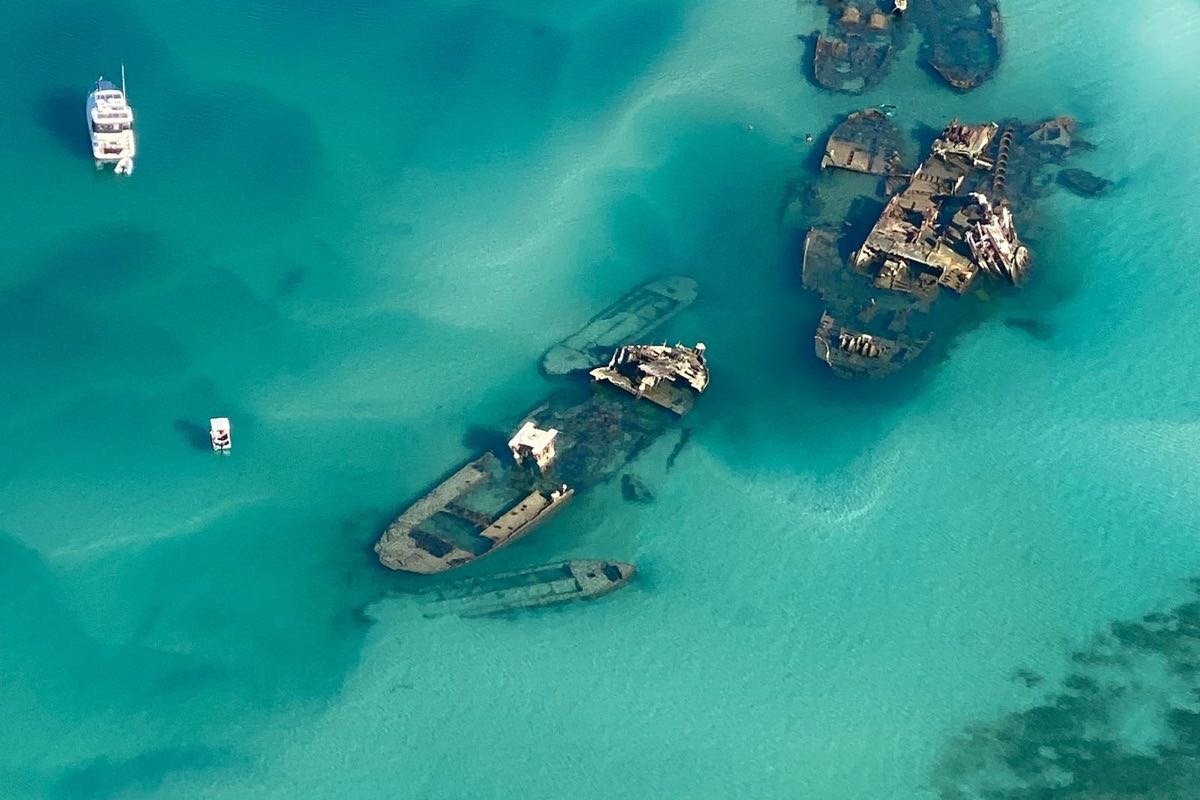
Closer to the city but wilder still, Moreton Island is almost entirely national park, a great hump of sand with a famous run of shipwrecks just offshore. Known as Mulgumpin to its traditional owners, it has no sealed roads, no big resorts beyond one strip, and some of the clearest snorkelling near Brisbane.
This is the bay at its most raw. You come for the dunes, the wrecks, and the dolphins, and you leave the bitumen behind at the barge ramp.
This is a trip for the prepared, not the spontaneous. There are no sealed roads and one small resort strip, so you carry in your own water, food, and fuel and rely on a four-wheel-drive once you land. The reward is dunes, shipwrecks, and clear water with barely a crowd in sight.
Top Things to Do
- Snorkel the Tangalooma Wrecks: Fifteen ships were deliberately sunk just off the beach to form a break, and the calm water around them now teems with fish, turtles, and wobbegong sharks. Go at slack tide for the clearest visibility, when the fish school densely over the wrecks and the current is gentle enough for easy snorkelling.
- Sandboard the Desert dunes: Toboggan down towering sand slopes in the island’s interior, a rush that needs nothing more than a board and nerve. It is a short walk in soft sand to the slopes, so go in the cooler morning hours and carry water for the climb back up.
- Watch the dolphin feeding: Wild bottlenose dolphins come into the shallows at Tangalooma each evening, a long-running and carefully managed encounter. The wild bottlenose dolphins come into the Tangalooma shallows each evening, so plan your day around being on that stretch of beach at dusk.
- Climb to Cape Moreton Lighthouse: Queensland’s oldest lighthouse, built in 1857, crowns the island’s only rocky headland and doubles as a top whale-watching point. The short climb to Queensland’s oldest lighthouse, built in 1857, is the island’s best vantage point for spotting humpbacks offshore in winter.
- Find the Champagne Pools: Sheltered rock pools on the eastern beach bubble with each wave, a safe natural spa away from the surf. The sheltered rock pools on the eastern beach are a calm place to cool off, but check the tide so you can reach them comfortably along the sand.
- Fish or kayak the flats: The sheltered western side is calm, shallow, and good for paddling, fishing, and spotting dugongs over the seagrass. The sheltered western side stays calm and shallow, which makes it an easy place to paddle, fish, or simply float away from the ocean swell.
Don’t Leave Without…
Don’t leave without a snorkel over the Tangalooma Wrecks at slack tide, when the visibility is best, and the fish gather thickest around the rusting hulls. Bring your own mask and fins so you can slip in straight off the beach, and give it a full hour, since the wrecks reward a slow drift rather than a quick look.
RV and Campervan Practical Info
- Take the vehicle barge: The island runs on 4WD only, so you’ll need a high-clearance four-wheel-drive camper and a vehicle barge booking from the Port of Brisbane.
- Lower your tyre pressure: Soft sand tracks need deflated tyres and some 4WD confidence; this isn’t a first-timer’s solo drive.
- Camp on the foreshore: National park campgrounds line the western beach, with permits required, and you carry in everything, including water.
Standard two-wheel-drive campervans can’t access the island; consider a day tour from the city if your vehicle isn’t a 4WD. If you do have a high-clearance four-wheel-drive camper, book the vehicle barge from the Port of Brisbane ahead and lower your tyre pressure for the soft sand tracks.
Who Is It Best For?
- Adventure seekers are comfortable with sand driving.
- Snorkelers and divers.
- Families joining a guided resort day trip.
Recommended Budget
- Meals: AUD 30 to 70 per day, fully self-catered, since options on the island are minimal.
- Activities: AUD 20 to 90 per day, including the barge, camping permits, and gear hire. Pro tip: the snorkelling, sandboarding, and dolphin watching cost little once you are there, so the barge crossing and a 4WD are the real expenses to plan for.
7. The Gold Coast
The Vibe
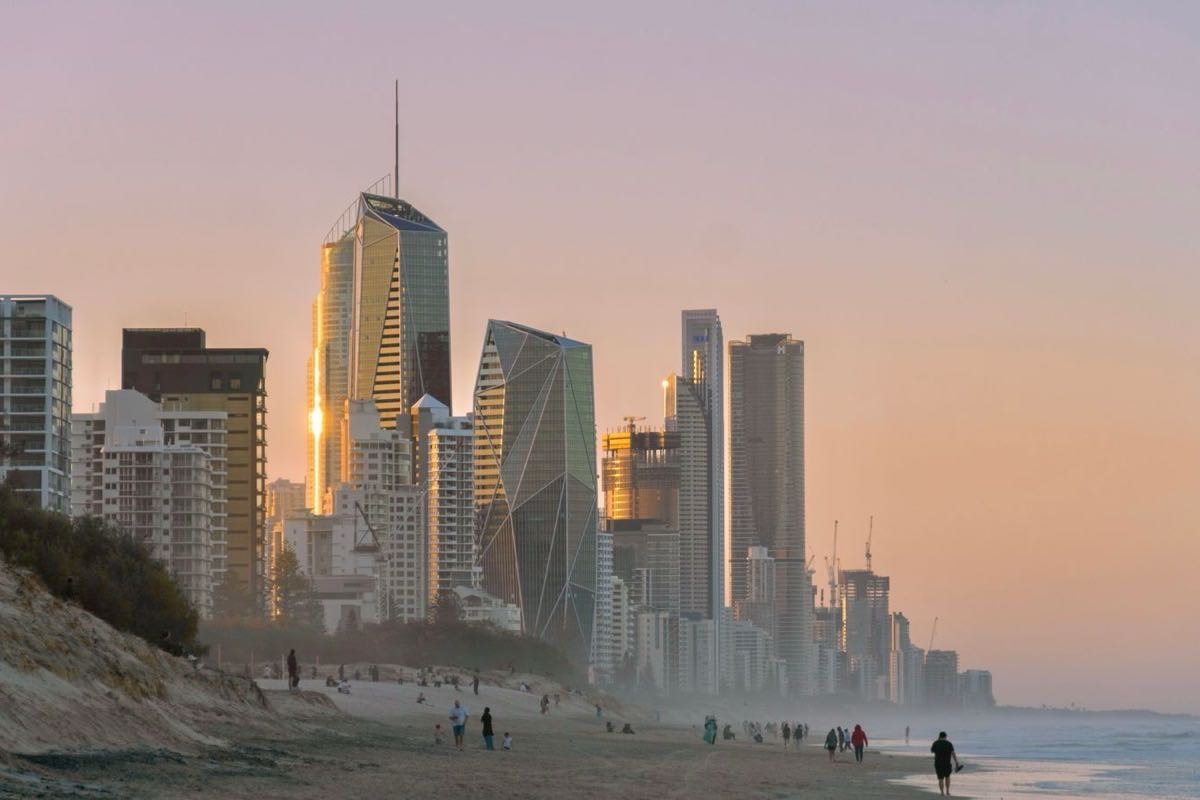
An hour south of Brisbane on the M1, the high-rises of Surfers Paradise rise straight off a long run of surf beach. The Gold Coast is loud, sunny, and unapologetic, equal parts theme parks, surf breaks, and a rainforest hinterland that most visitors never climb into.
It earns its reputation as Australia’s holiday capital, and it pairs perfectly with a campervan, since the best of it is spread along the coast rather than stacked in one spot.
Give it a couple of days, and you can split your time between the surf and the green behind it. The beaches, theme parks, and hinterland sit within a short drive of each other, so a camper lets you swap a morning at Burleigh for an afternoon in the rainforest without changing where you sleep.
Top Things to Do
- Surf Burleigh Heads: A famous point break wraps around a headland national park, and it’s a far more relaxed scene than the towers of Surfers. Even if you do not surf, the Headland National Park has a shaded walking track and grassy points that make it the pick of the coast for a slow morning.
- Ride to the SkyPoint deck: The observation deck near the top of a beachfront tower gives the full sweep of the coast and the hinterland behind it. Go near sunset to watch the lights come on along the whole strip, when you get the clearest sense of how the coast and the ranges fit together.
- Pick a theme park: Warner Bros. Movie World, Sea World, Dreamworld, and the water parks cluster north of the centre, a hit with families and groups. They cluster north of the centre with large day car parks that fit a camper, so base nearby and visit without moving camp; pick one or two rather than trying to do them all.
- Meet the wildlife at Currumbin: The Currumbin Wildlife Sanctuary lets you hand-feed lorikeets and see koalas and kangaroos up close. The morning lorikeet feeding is the signature moment, so arrive early and fold the sanctuary into a day at the southern beaches nearby.
- Walk the oceanway: The flat coastal path runs for kilometres past patrolled beaches, ideal for an early ride or run before the heat. The flat path runs for kilometres past patrolled beaches, so hire a bike or simply walk a stretch between swims in the cool of the morning.
- Escape to the hinterland: Tamborine Mountain and Springbrook rise just inland, trading the beach for rainforest, waterfalls, and cellar doors. Tamborine Mountain and Springbrook are under an hour inland, an easy half-day swap from the beach when you want cooler air and a rainforest walk.
Don’t Leave Without…
Don’t leave without an early surf or swim at Burleigh before the crowds, then fish and chips on the headland grass as the point break peels below. Get in the water at first light before the crowds, then carry the fish and chips up onto the headland grass and watch the surfers work the point through lunch.
RV and Campervan Practical Info
- Drive the M1, then the coast roads: The motorway gets you south fast, and the beachfront roads handle a campervan easily once you’re there.
- Pick a beachside holiday park: Powered sites cluster around Burleigh, Palm Beach, and Coombabah, many a short walk from the sand.
- Plan around the theme parks: Most have large day car parks that fit campervans, so you can base nearby and visit without moving camp.
Roadside camping isn’t permitted along the coast; stick to the holiday parks and reserves. Powered beachfront sites around Burleigh and Palm Beach put you a short walk from the sand, but book ahead, since they fill fast over summer and school holidays.
Who Is It Best For?
- Families chasing theme parks and safe beaches.
- Surfers and beach lovers.
- Friends after a lively few days by the sea.
Recommended Budget
- Meals: AUD 35 to 85 per day.
- Activities: AUD 0 to 120 per day; the beaches are free, while theme-park tickets are the big-ticket item. Pro tip: the beaches, the oceanway, and the headland walks cost nothing, so a single theme-park day is the expense that really shapes the budget here.
8. The Sunshine Coast and Noosa
The Vibe
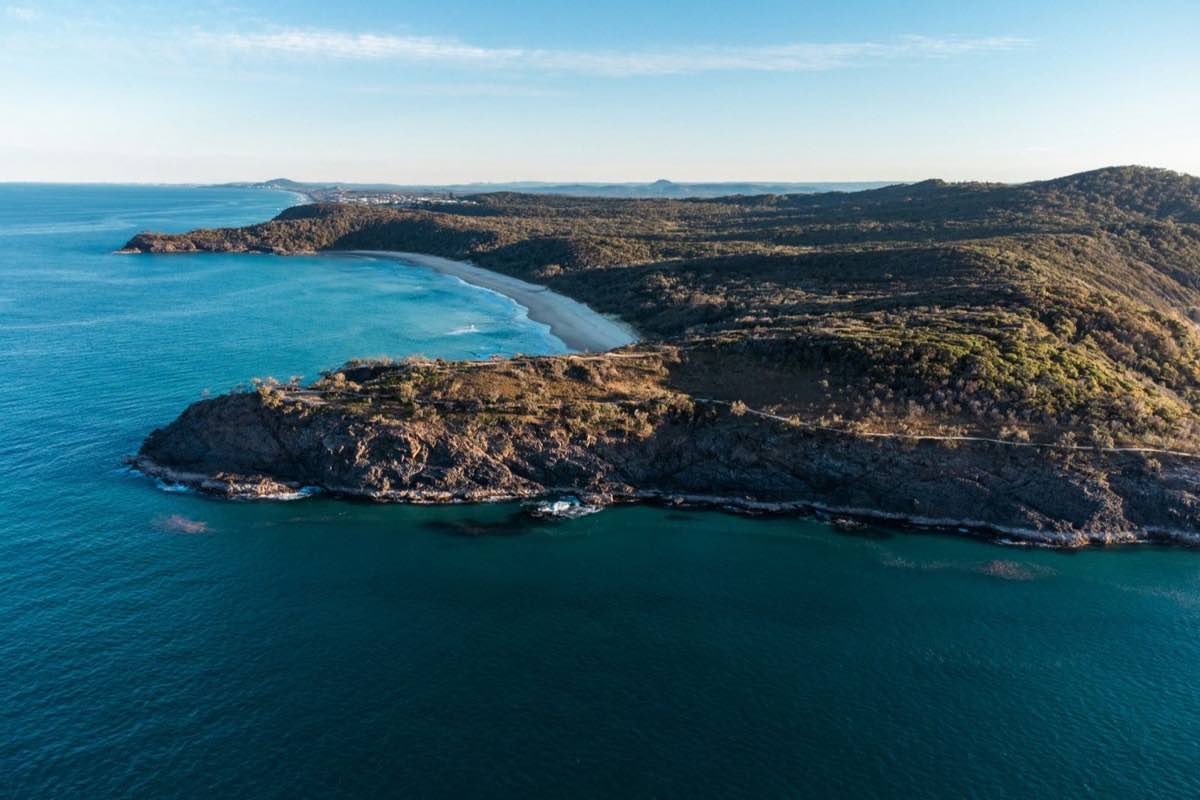
Ninety minutes north of Brisbane, the coast softens into the beach towns of the Sunshine Coast, with Noosa as the relaxed jewel at the top. Where the Gold Coast goes high and loud, the Sunshine Coast stays low-rise and easygoing, all national park headlands, river mouths, and hinterland markets.
Noosa’s Hastings Street and the coastal national park behind it make it a favourite for couples and families who want the beach without the high-rise wall.
The pace is the point here. Days drift between a headland walk, a calm swim, and a long lunch, with the hinterland markets and the Everglades a short drive inland when you want a change. It rewards a slower few days rather than a rushed day trip from the city.
Top Things to Do
- Walk the Noosa coastal track: The path through Noosa National Park hugs the headland past hidden bays to Hell’s Gates, with dolphins and turtles often in the surf below. Start early from the Hastings Street end, and the shaded track to the hidden bays and Hell’s Gates is at its quietest and coolest.
- Surf or swim at Main Beach: Noosa’s north-facing main beach is gentle and patrolled, one of the few east-coast beaches that faces the calm way. Its north-facing aspect keeps it gentle and patrolled, so it suits learner surfers and families more than the open ocean beaches further south.
- Browse the Eumundi Markets: Twice a week, the hinterland village of Eumundi hosts one of Australia’s biggest and best artisan markets under the trees. It runs on Wednesdays and Saturdays in the hinterland village, so plan a morning around it and arrive early before the car parks and the heat fill up.
- Paddle the Noosa Everglades: One of the world’s few Everglades systems, this network of mirror-still waterways is best explored by kayak or a slow boat. Guided kayak trips and cruises leave from Boreen Point, so it is an easy half-day add-on from a Noosa base when you want flat, mirror-still water.
- Relax at Mooloolaba: A friendly beach town with a patrolled beach, an esplanade of cafes, and an underwater aquarium for rainy days. The patrolled beach and cafe-lined esplanade make it an easy family stop on the southern end of the coast, with the aquarium a ready backup if the weather turns.
- Meet the wildlife at Australia Zoo: The Irwin family’s wildlife park at Beerwah, just inland, is a full day out with crocodile shows and a hospital you can tour. It sits just inland at Beerwah and fills a full day, so it pairs well with a night at a Glasshouse Mountains or hinterland campsite on the way through.
Don’t Leave Without…
Don’t leave without the early Noosa headland walk to Tea Tree Bay, then breakfast on Hastings Street before the beach fills up. Do the headland loop to Tea Tree Bay at first light, watch for dolphins in the surf below, then claim a Hastings Street table while the town is still waking up.
RV and Campervan Practical Info
- Use the Bruce Highway: The main route north is fast and easy, and the coast roads beyond it suit a campervan well.
- Camp by the water: The Sunshine Coast has excellent beachfront and riverside holiday parks at Noosa, Coolum, and Mooloolaba; book powered sites ahead in peak season.
- Park smart in Noosa: Hastings Street parking is tight and time-limited, so use the national park or town car parks and walk in.
Roadside camping isn’t allowed; the region’s many holiday parks are the place to stay overnight. Noosa, Coolum, and Mooloolaba all have beachfront and riverside parks, but book powered sites well ahead in peak season, when the whole coast fills up.
Who Is It Best For?
- Couples after a relaxed, upmarket beach break.
- Families wanting calm beaches and wildlife.
- Kayakers and nature lovers.
Recommended Budget
- Meals: AUD 35 to 90 per day; Hastings Street runs higher, the markets and food trucks lower.
- Activities: AUD 0 to 80 per day; walks and beaches are free, the zoo and Everglades tours are the main expenses. Pro tip: the coastal walk, the beaches, and the markets are free or cheap, so pick one paid attraction, the zoo or an Everglades tour, rather than both.
9. The Scenic Rim and Gold Coast Hinterland
The Vibe
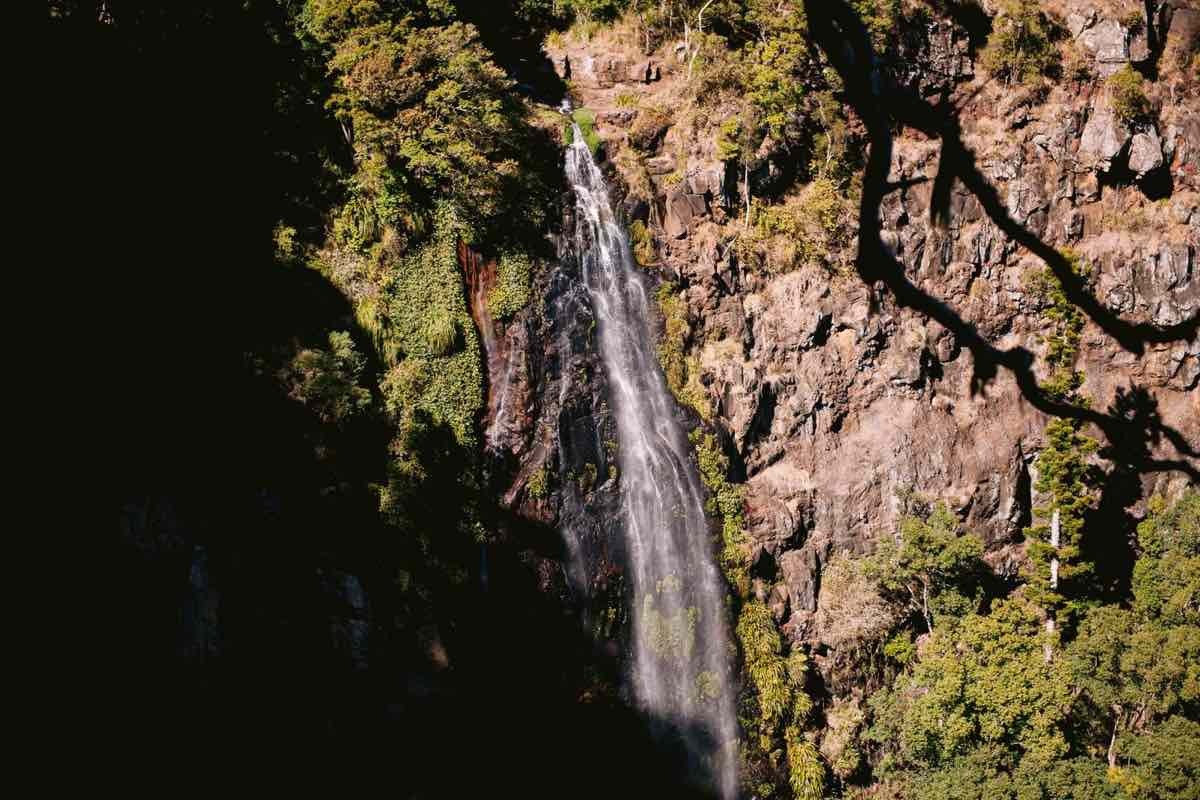
Inland from the coast, the land folds up into the green ranges of the Scenic Rim and the Gold Coast hinterland, where ancient rainforest, waterfalls, and small wineries replace the surf. Lamington, Springbrook, and Mount Tamborine sit within a couple of hours of Brisbane, and parts of them belong to the Gondwana Rainforests of Australia, one of the country’s World Heritage areas.
Cooler air, deep gorges, and glow-worm caves make this the perfect contrast to the beaches and the bay.
Everything here runs cooler and slower than on the coast. Mornings are misty, the air smells of wet rainforest, and the temperature can drop close to single digits at night, even in a Queensland winter. It is the place to swap the beach for a waterfall walk, a glow-worm cave, and a long lunch at a cellar door.
Top Things to Do
- Walk the Lamington tree-top circuit: At O’Reilly’s, a suspension-bridge boardwalk runs through the rainforest canopy, with longer trails to waterfalls fanning out from the plateau. The suspension-bridge boardwalk at O’Reilly’s is short and family-friendly, with longer trails to the falls branching off it for anyone wanting a half-day hike.
- See the Springbrook glow worms: After dark, the Natural Bridge cave glows with thousands of glow worms above a waterfall-fed pool, a free and quietly special sight. Arrive after dark and let your eyes adjust at the Natural Bridge cave; keep torches off and voices low, since light and noise make the glow worms dim.
- Chase the Purling Brook Falls: A loop track at Springbrook drops behind a tall waterfall and back up through the rainforest. The loop track takes a couple of hours, a good leg-stretch between the lookouts and the after-dark glow-worm walk.
- Browse Mount Tamborine: Gallery Walk lines up cafes, fudge shops, and craft studios, and the rainforest skywalk and local cellar doors round out the day. Gallery Walk is the easy, low-effort stop on a hinterland day, pairing cafes and craft studios with the rainforest skywalk and a tasting or two.
- Taste the Scenic Rim produce: Farm gates, breweries, and wineries dot the valleys around Boonah and Canungra, a slow-food region most visitors drive straight past. The valleys around Boonah and Canungra are dotted with farm gates, breweries, and wineries, so build in time to stop and fill the van fridge as you go.
- Stand at a rim lookout: The escarpment lookouts over the caldera, the remains of an ancient volcano, are some of the best views in the state. The escarpment lookouts over the ancient caldera are an easy sealed-road stop, best in the clear early light before the cloud builds over the ranges.
Don’t Leave Without…
Don’t leave without the after-dark walk to the Natural Bridge glow worms at Springbrook, one of the few places you can see them for free in the wild. Take the short walk in after dark with the torch off, and the cave wall lights up with thousands of tiny green points above the water, a quiet payoff for staying past sunset.
RV and Campervan Practical Info
- Drive the ranges with care: The roads up to Lamington and Springbrook are steep, narrow, and winding; smaller campervans handle them best, and you should take the bends slowly.
- Mix park and private camping: Lamington has a national park campground plus private sites near O’Reilly’s and Binna Burra; book ahead, since they’re small.
- Pack for cool nights: Up in the ranges, temperatures drop close to single digits on winter nights, so bring warm bedding even on a Queensland trip.
Larger motorhomes find the mountain roads tight; check vehicle size against the route before you commit. Smaller campervans handle the steep, winding climbs best, so take the bends slowly and pack warm bedding for the cold nights up in the ranges.
Who Is It Best For?
- Hikers and rainforest lovers.
- Couples after a cool-climate escape.
- Foodies exploring the valley cellar doors.
Recommended Budget
- Meals: AUD 30 to 75 per day; cellar doors and long lunches add up.
- Activities: AUD 0 to 50 per day; most walks are free, with tastings and the skywalk being the main expenses. Pro tip: the rainforest walks and the glow worms are free, so the only real spend is the cellar-door tastings and the skywalk if you choose to add them.
10. The Glass House Mountains
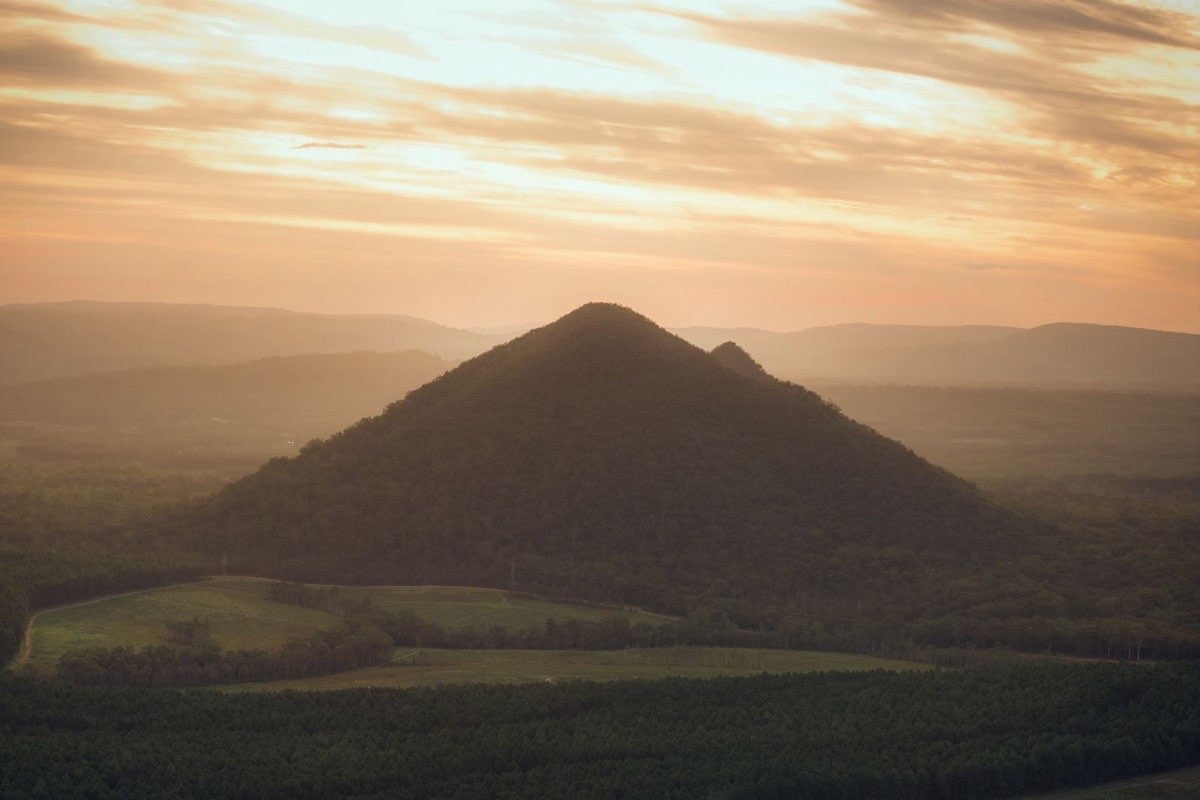
The Vibe
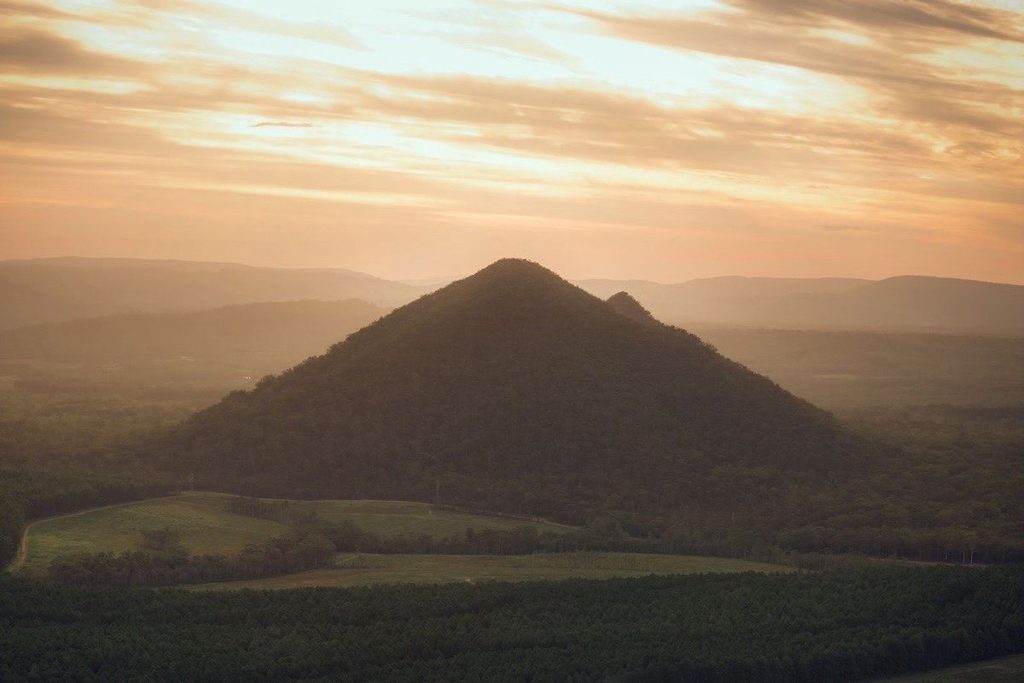
An hour north of Brisbane, a cluster of jagged volcanic peaks erupts straight out of the flat pineapple country. The Glass House Mountains are the ancient cores of long-eroded volcanoes, sacred to the Jinibara and Kabi Kabi peoples, and they make the most dramatic day trip near the city.
You can climb a peak, picnic at a lookout, or just drive the country roads between them. It’s a quieter, wilder alternative to the busy coast nearby.
The whole area works as a day trip or an easy overnight on the way north. You can pick a peak to climb, drive the back roads between farm stalls and small wineries, or simply picnic under the peaks at a lookout. It is the dramatic, uncrowded counterpoint to the coast an hour away.
Top Things to Do
- Climb Mount Ngungun: The most accessible summit gives huge views across the other peaks for a manageable, well-graded walk of about an hour each way. It is the pick for most walkers, with big views across the other peaks for a modest effort, so go early before the exposed track heats up.
- Stop at the lookout: The Glass House Mountains Lookout frames the whole range and is an easy, sealed-road stop for those not climbing. If you would rather not climb, this is the stop, framing the whole range in one view with a cafe close by for an easy break.
- Tackle Mount Tibrogargan: The brooding signature peak is a steep scramble for experienced, sure-footed walkers, not a casual stroll. The brooding signature peak is a steep, hands-on scramble best left to experienced, sure-footed walkers in dry conditions.
- Drive the country roads: The lanes between the peaks pass farm stalls, a pineapple plantation, and small wineries, ideal for a slow loop. Pull over at the farm stalls, the pineapple plantation, and the small wineries along the way, and build in time to stock the van as you go.
- Picnic in the reserves: Several day-use reserves at the base of the peaks have shaded tables and barbecues with the mountains looming above. Shaded tables and free barbecues at the day-use reserves make an easy lunch stop beneath the peaks, whether or not you climb.
- Detour to Bribie Island: The only Moreton Bay island you can reach by bridge sits nearby, with calm passage beaches, 4WD sand tracks, and easy camping. It is the only Moreton Bay island you can reach by bridge, so it makes for a relaxed overnight with calm passage beaches, a short drive from the peaks.
Don’t Leave Without…
Don’t leave without the climb up Mount Ngungun in the early morning, when the low sun throws the other peaks into sharp relief, and the air is still cool. Carry water and start the Ngungun climb at first light, and you will have the summit and its view across the range largely to yourself.
RV and Campervan Practical Info
- Park at the trailheads: Each peak has a day car park that fits campervans; arrive early on weekends, since the popular climbs fill up.
- Base at Beerburrum or Bribie: Holiday parks nearby and on Bribie Island put you within easy reach for a one-or two-night stop.
- Climb prepared: Carry water and sun protection; the exposed summits get hot fast once the morning warms up.
Stick to the designated campgrounds and holiday parks; there’s no roadside camping among the peaks. Holiday parks at Beerburrum and on nearby Bribie Island put you within easy reach of the trailheads for a one- or two-night stop.
Who Is It Best For?
- Hikers after a rewarding half-day climb.
- Road-trippers heading north toward the Sunshine Coast.
- Families happy with lookouts and easy reserves.
Recommended Budget
- Meals: AUD 25 to 55 per day, mostly self-catered with farm-stall stops.
- Activities: AUD 0 to 20 per day; the climbs and lookouts are free. Pro tip: with the climbs, lookouts, and reserves all free, this is one of the cheapest days near Brisbane, with only fuel and farm-stall treats to budget for.
What Should You Pack for a Brisbane Road Trip in 2026
Brisbane’s weather swings more than visitors expect, and the gap between a humid summer afternoon at South Bank and a single-digit winter night in the Scenic Rim is wide. Pack for sun and layers, whatever the month. A typical Brisbane trip spans a humid coast, cool rainforest ranges, and exposed island beaches in a single week, so pack for all three rather than one.
Clothing and layers
- Day to night: Light, breathable clothes for warm days, plus a warm layer for cool winter nights and the rainforest ranges, where temperatures drop near single digits.
- Beach kit: Swimmers, a quick-dry towel, and a rash vest. The water stays usable most of the year, and a rash vest helps with sun and stingers in summer.
- Footwear: Proper walking shoes for the headland and rainforest trails, plus reef shoes for rocky swimming spots and the island wrecks.
Sun and weather protection
- Sun safety: Queensland’s UV index runs extremely high even in winter. Pack SPF 50, a hat, and sunglasses, and reapply throughout the day.
- Wet weather: Summer brings afternoon storms and high humidity. Carry a packable rain jacket and a dry bag for electronics from December to February.
Campervan essentials
- Adapter: Australian power runs on Type I plugs at 230V. Bring the right adapter for your devices.
- Van gear: Levelling blocks and a grey-water bucket; many Queensland parks ask you to capture grey water.
- Apps: Download the Linkt app for cashless tolls, the Translink app for ferries and trains, and the Queensland Parks booking app for campsites and vehicle permits.
Final Tips for Deciding What to Do in Brisbane
A few practical calls make the difference between a smooth trip and a frustrating one.
These tips cover the things that trip up first-time visitors planning what to do in Brisbane, Australia:
- Ride the CityCats: The CityCat ferries are the best-value sightseeing in the city. One go card fare buys you a working river cruise, so plan a day around the route between the University of Queensland and Hamilton, and use the free City Hopper for the central stops.
- Time your visit: Winter, from June to August, is the prime window: warm, dry, sunny days, low humidity, and the start of whale season in the bay. Summer is hotter, wetter, and stormier, so plan island and rainforest days around the morning. Spring and autumn are mild, quieter alternatives, so if winter dates are tight, the shoulder months still deliver warm, dry sightseeing weather.
- Book the islands early: North Stradbroke and Moreton Island both need ferry or barge bookings, and Moreton is strictly 4WD. Lock in vehicle crossings and any sand-driving permits well before you arrive. Crossings and campgrounds for North Stradbroke and Moreton sell out first on weekends and school holidays, so these are the bookings to lock in before anything else.
- Book campgrounds early: Beachside and island holiday parks sell out on weekends and school holidays across the Gold Coast, Sunshine Coast, and the bay. Reserve powered sites ahead of time to be safe.
- Sort tolls and driving: Drive on the left, and remember every Brisbane tunnel and motorway is cashless. Set up a toll account or the Linkt app before you pick up the keys.
- Mind fire season: In summer, total fire bans can apply across Queensland parks and reserves. Check conditions before lighting any cooker, and follow ranger advice.
If you want more than the city, this is where a one-way rental pays off. Browse more destination guides for route ideas, then collect or drop a van at an RV rental in Cairns to the tropical north, an RV rental in Sydney on the coastal run south, or an RV rental in Melbourne further down.
Building a bigger Australian loop, Indie Campers also has depots well beyond Queensland, including RV rental in Perth on the west coast, RV rental in Darwin in the tropical north, and RV rental in Hobart for Tasmania.
Plan Your Brisbane Road Trip with Indie Campers
Seeing the real Brisbane means going past South Bank; out to the sand islands in the bay, south to the Gold Coast surf, and up into the rainforest ranges. Doing that with city hotels and a rental car means constant rebooking and backtracking, and you still miss the spots without parking.
A campervan solves both problems at once. It rolls your transport and your bed into one booking, so you can wake up by the water and drive to the next beach or trailhead when you feel like it. Indie Campers runs one-way rentals across Australia, with over 7,000 vehicles across more than 80 locations, so you can pick up in Brisbane and drop the keys wherever your route ends.
Book your campervan and kickstart an adventurous Brisbane trip now!
Everything You Need to Know About Brisbane RV Road Trips
| Place | Region | Vibe | Best For | Top Things to Do | Budget/Day | Top Campgrounds & Stops | RV-Friendly | Wild Camping? | Best Place to Stay |
| South Bank & the CBD | Inner city | Riverside, cultural | First-timers, families | Streets Beach, GOMA, ferries | AUD 100-200 | Outer-suburb holiday parks | 2 stars | No | Indie Campers campervan |
| Story Bridge & Kangaroo Point | Inner city | Active, scenic | Couples, adventure | Bridge climb, cliffs, wharves | AUD 100-230 | Outer-suburb holiday parks | 2 stars | No | Indie Campers campervan |
| West End & Fortitude Valley | Inner city | Creative, foodie | Foodies, friends | Markets, dining, live music | AUD 90-180 | Park-and-ferry from outer sites | 2 stars | No | Indie Campers campervan |
| Mount Coot-tha | West | Bush lookout | Photographers, families | Lookout, botanic gardens | AUD 80-150 | Western-suburb holiday parks | 4 stars | No | Indie Campers campervan |
| North Stradbroke Island | Moreton Bay | Sand island, surf | Nature lovers | North Gorge, whales, beaches | AUD 90-180 | Straddie beach campgrounds | 3 stars | No (campground only) | Indie Campers campervan |
| Moreton Island | Moreton Bay | Dunes, wrecks | Adventure, 4WD | Wrecks, sandboarding, dolphins | AUD 100-220 | Foreshore National Parksites | 2 stars | Restricted (permit) | Indie Campers campervan |
| Gold Coast | South | Beaches & parks | Families, friends | Surf, theme parks, hinterland | AUD 110-260 | Burleigh, Palm Beach parks | 4 stars | No | Indie Campers campervan |
| Sunshine Coast | North | Relaxed surf | Couples, families | Noosa walk, Eumundi markets | AUD 100-220 | Noosa, Coolum, Mooloolaba parks | 5 stars | No | Indie Campers campervan |
| Scenic Rim & Hinterland | South | Rainforest, wine | Hikers, couples | Lamington, glow worms, wineries | AUD 90-190 | Lamington NP + private sites | 3 stars | Restricted | Indie Campers campervan |
| Glass House Mountains | North | Volcanic peaks | Hikers | Peak climbs, lookouts | AUD 80-150 | Beerburrum + Bribie Island parks | 4 stars | No | Indie Campers campervan |
FAQs About What to Do in Brisbane
Where can I rent an RV in Brisbane?
You can rent an RV in Brisbane through Indie Campers, which runs a pick-up depot in the city. From there, you can drive to the Gold Coast, the Sunshine Coast, or the Scenic Rim within an hour or two, or barge across to the bay islands. One-way rentals let you finish the trip in Cairns or Sydney instead of returning to Brisbane. Booking online includes unlimited mileage on company-owned vehicles.
What is the best time of year to visit Brisbane?
The best time of year to visit Brisbane is winter, from June to August, when days are warm, dry, and sunny near 22 degrees Celsius and low humidity. Those months also line up with whale season out in Moreton Bay. Spring and autumn are pleasant too, while summer, from December to February, is hot, humid, and prone to afternoon storms. There’s no truly bad month, so the choice comes down to whether you want beach heat or dry, mild sightseeing weather.
What can you do in Brisbane for free?
You can do a great deal in Brisbane for free, starting with Streets Beach and the South Bank parklands. Walk the City Botanic Gardens, ride up to the Mount Coot-tha lookout, browse the weekend markets, and visit the free permanent collections at GOMA without spending anything. The Springbrook glow worms and the headland whale watching cost nothing beyond getting there. Many of the best places to visit in Brisbane are free apart from transport.
What is the best place to visit in Brisbane for couples?
The best place to visit in Brisbane for couples is the Scenic Rim, with its rainforest walks, glow-worm caves, and cellar doors, a couple of hours from the city. Closer in, Kangaroo Point pairs a sunset cliff-top picnic with dinner at Howard Smith Wharves under the Story Bridge. For a beach break, Noosa on the Sunshine Coast offers a relaxed, upmarket alternative to the Gold Coast crowds. All three work well as a slow day or an overnight in a campervan.
What is the best place to visit in Brisbane with family or kids?
The best place to visit in Brisbane with family or kids is South Bank, where the free, lifeguarded Streets Beach and open lawns keep children happy for hours. The Gold Coast is another strong pick, with its theme parks, calm beaches, and the Currumbin Wildlife Sanctuary. Lone Pine Koala Sanctuary and the Mount Coot-tha planetarium add easy wildlife and rainy-day options. Each suits a campervan trip with kids who need space to move.
What is the best place to visit in Brisbane for friends?
The best place to visit in Brisbane for friends is Fortitude Valley, the city’s live-music and nightlife heart, paired with the bars and brewery at Howard Smith Wharves. For a daytime group outing, the Gold Coast theme parks and surf beaches are an easy hour south. Moreton Island adds a shared adventure of snorkelling the wrecks and sandboarding the dunes. A campervan keeps the group together and cuts the cost of separate hotel rooms.
What are the best places to visit in Brisbane for first-timers?
The best places to visit in Brisbane for first-timers are South Bank, the Story Bridge, Kangaroo Point, and Mount Coot-tha. South Bank covers the beach, the galleries, and the river in one walkable loop. The Story Bridge and the cliffs add the city’s best active views, while Mount Coot-tha gives you the full lay of the land on day one. Together, they cover the icons in two or three days before you head further out.
What are the best places to visit in Brisbane for solo travelers?
The best places to visit in Brisbane for solo travelers are West End and the CityCat ferry network. West End and Fortitude Valley offer cheap, excellent food, markets, and live music with an easy social scene. The CityCat is safe, scenic, and simple to ride alone, linking the riverside sights for the price of a bus fare. Brisbane’s compact centre and frequent ferries make solo day trips straightforward and affordable.
What are the best places to visit in Brisbane for nature?
The best places to visit in Brisbane for nature are North Stradbroke Island, the Scenic Rim, and Mount Coot-tha. North Stradbroke offers headland whale watching, freshwater lakes, and surf beaches an hour from the city. The Scenic Rim adds World Heritage rainforest, waterfalls, and glow worms within two hours. Mount Coot-tha puts bushwalks and a subtropical botanic garden 15 minutes from the CBD, and all three are easy to reach by campervan.
How many days do you need in Brisbane?
You need about 4 to 5 days in Brisbane to cover the city, the river, and one bay island without rushing. With 10 to 14 days, you can add the Gold Coast, the Sunshine Coast, and the rainforest hinterland at a relaxed pace. A long weekend of 3 days is enough for South Bank, the Story Bridge, and a Mount Coot-tha sunrise. A campervan stretches each day further by removing hotel check-ins and letting you drive between regions on your own schedule.