Last Updated: August 21, 2026
Planning an Alaska itinerary 7 days long? A week is enough time to see glaciers, fjords, and Denali without rushing. This route sticks to Southcentral Alaska: Anchorage, the Kenai Peninsula, and Denali National Park.
Here’s the short version before the day-by-day details:
Key Takeaways
- Iconic Stops: Denali National Park, Kenai Fjords, and Seward’s small boat harbor.
- Hidden Gems: The Homer Spit fishing docks and the mountain views from Talkeetna.
- Recommended Transport: RV rental, since it covers your ride, your hotel, and your kitchen in one.
- Recommended Budget: $900 to $1,600 per person for 7 days. Covers RV rental, fuel, food, and park fees.
- Best Time to Go: Summer (June to August), for long daylight hours and open park roads.
Table of Contents
- Alaska Itinerary 7 Days: At a Glance
- Why You’ll Love a 7-Day Trip to Alaska?
- Best Time to Visit Alaska
- Are 7 Days Enough to Visit Alaska?
- How to Get Around Alaska?
- The Best Alaska Itinerary 7 Days Long: A Full Week of Adventure
- Days 1 to 3: Anchorage, Seward, and Kenai Fjords
- Day 4: Seward to Homer
- Days 5 to 7: Talkeetna, Denali, and the return to Anchorage
- Exploring Alaska’s Regions: Alternative Itineraries
- Map of Your Alaska Itinerary 7 Days Long
- Budgeting for Your Trip: How Much is a Trip to Alaska for 1 Week?
- Plan Your Dream Road Trip with Indie Campers
- Alaska Itinerary 7-Days Long: Your Final Planning Recap
- FAQs About Alaska Itinerary 7 Days
Alaska Itinerary 7 Days Long: At a Glance
| Day | Location(s) | Top Highlights |
| Day 1 | Anchorage | Pick up your RV, walk the Tony Knowles Coastal Trail. Try reindeer sausage from a downtown food cart. |
| Day 2 | Anchorage to Seward | Turnagain Arm scenic drive, Exit Glacier hike. Try fresh halibut tacos in Seward. |
| Day 3 | Seward | Kenai Fjords boat tour, harbor seal and whale watching. Try wild-caught salmon chowder. |
| Day 4 | Seward to Homer | Sterling Highway drive, Homer Spit beach walk. Try halibut fish and chips on the Spit. |
| Day 5 | Homer to Talkeetna | Long scenic drive north, riverside evening in Talkeetna. Try a reindeer hot dog from a Talkeetna stand. |
| Day 6 | Talkeetna to Denali | Savage River hike, wildlife viewing along the park road. Try sourdough pancakes at a park lodge. |
| Day 7 | Denali to Anchorage | Morning in the park, drop off your RV in Anchorage. Try one last salmon dinner downtown. |
Why You’ll Love a 7-Day Trip to Alaska?
Alaska packs an unusual amount of variety into one state. In a single week, you can watch whales breach in a fjord, hike beside a glacier, and stand at the base of North America’s tallest mountain.
Few places let you shift from coastline to mountain range to boreal forest without ever leaving one road system. An RV is the most natural way to see it. Alaska’s small towns don’t always have a wide choice of hotels, and drive times between stops can run long.
A campervan means you can stop whenever a moose wanders into view, pull over at a scenic overlook without planning ahead, and always have a bed ready at the end of a long driving day.
The food matches the scenery. Fresh halibut and salmon show up on nearly every menu, often caught that same morning. Small-town diners serve reindeer sausage and sourdough pancakes that taste better after a day outdoors.
This Alaska 1-week itinerary builds in enough time to enjoy all three: the drive, the trail, and the plate in front of you.
Best Time to Visit Alaska
The season you choose shapes almost everything about this trip, from which roads are open to how much daylight you get each day.
Spring (April to May)
Spring brings melting snow, returning wildlife, and noticeably thinner crowds than summer. It’s a good window for budget travelers willing to pack warmer layers.
- Average Temperatures: 35 to 55°F (2 to 13°C)
- What to expect: Cool weather with occasional snow at higher elevations, light crowds, lower prices on RV rentals and lodging.
Summer (June to August)
Summer is the peak season for a reason. Almost 20 hours of daylight in June means more time on the trail, and every park road and tour operator is fully open.
- Average Temperatures: 55 to 75°F (13 to 24°C)
- What to expect: Warm, dry stretches with occasional rain, busy trails and campgrounds, higher prices across the board.
Autumn (September)
September turns the tundra red and gold, and the crowds thin out fast after Labor Day. Nights get cold, so pack for both warm afternoons and chilly evenings.
- Average Temperatures: 35 to 55°F (2 to 13°C)
- What to expect: Crisp air with a real chance of early snow at Denali, light crowds, mid-range prices.
Winter (October to March)
Winter is a different trip entirely, built around the northern lights rather than hiking. Many park roads and campgrounds close, so this season suits a different kind of itinerary.
- Average Temperatures: 5 to 30°F (-15 to -1°C)
- What to expect: Short daylight hours, minimal tourist crowds, the lowest prices of the year on almost everything.
Are 7 Days Enough to Visit Alaska?
Yes, 7 days is enough time for a satisfying first trip to Alaska, as long as you pick one region instead of trying to cover the whole state. Alaska is roughly two and a half times the size of Texas, so no single week can include the Arctic, the Interior, and Southeast Alaska all at once.
This Alaska itinerary 7 days route sticks to the South Central region: Anchorage, the Kenai Peninsula, and Denali National Park. That’s a realistic loop by RV, with enough driving time built in to actually enjoy each stop rather than rush through it.
By the end of the week, you’ll have seen glaciers, fjords, and North America’s tallest peak, without spending half your trip on a plane between regions.
How to Get Around Alaska?
Public transport in Alaska is limited outside Anchorage, and many of the best stops sit well off any train line. An RV solves that problem directly, since it gets you to trailheads, harbors, and park entrances that buses simply don’t reach.
Renting a campervan also saves money in a state where hotel rooms and restaurant meals both run expensive. You cook your own breakfast, pack lunch for the trail, and only pay for a sit-down dinner when you feel like it.
There’s no need to book every night’s stay months in advance either, since you can adjust your route as the weather changes. RV rentals in Alaska through Indie Campers cover everything from compact campervans for two to larger motorhomes for families.
Anchorage is the natural pickup point for this route, and RV rentals in Anchorage from Indie Campers’ own fleet come with unlimited mileage, so the distance you cover on the Seward Highway or the Parks Highway never adds extra cost.
The Best Alaska Itinerary 7 Days Long: A Full Week of Adventure
Here’s how to spend each day on this Alaska 1-week itinerary, from pickup in Anchorage to your last night on the road:
Day 1: Settling In in Anchorage
Morning (9 AM): RV Pickup and City Orientation
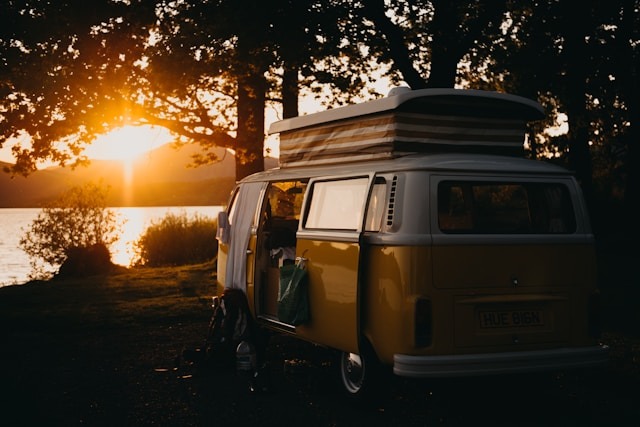
Start your trip by picking up your RV in Anchorage. Take an hour or two to get familiar with the vehicle before you hit the road, since it’s worth knowing where everything is stored before your first night of camping. Ask about the water tank, the propane hookup, and the fuse box while staff are still on hand to answer questions.
Once you’re set, head downtown for a walk along the Tony Knowles Coastal Trail. This paved path runs along the water with views of the Chugach Mountains, and it’s an easy, flat introduction to the scenery ahead.
Give yourself about an hour to walk a section of it, and watch for moose grazing near the trailside brush, since they show up here more often than most visitors expect.
Practical Tip: Pick up your RV early in the day so you have daylight left to explore, since summer sunsets in Anchorage don’t happen until close to 11 PM.
Afternoon (1 PM): Downtown and the Anchorage Museum
Grab lunch at a food truck near 5th Avenue, where reindeer sausage with grilled onions is a local favorite.
Afterward, spend an hour or two at the Anchorage Museum, which does a good job explaining Alaska Native culture and the state’s history before you head into more remote territory.
The Smithsonian Arctic Studies gallery inside is worth the extra half hour, especially if you want context for the landscapes you’ll see later this week.
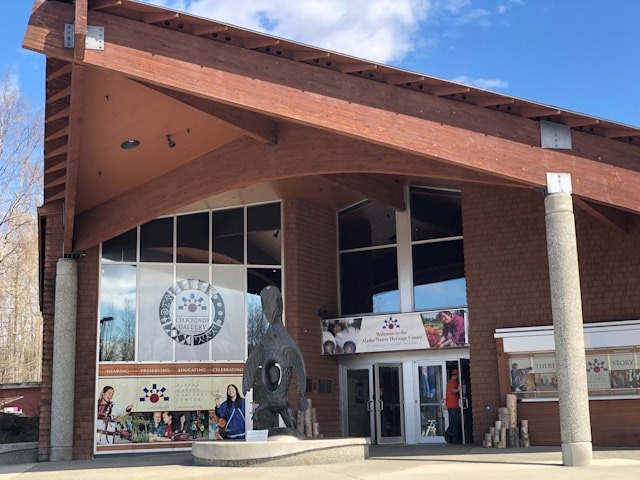
If you’d rather stay outdoors, the Alaska Native Heritage Center offers a similar cultural introduction with outdoor exhibits and traditional dance performances, set around a small lake just outside the city center.
Practical Tip: Buy a combined ticket if you plan to visit both the Anchorage Museum and the Alaska Native Heritage Center, since it usually costs less than paying for each separately.
Evening (6 PM): Dinner and First Night
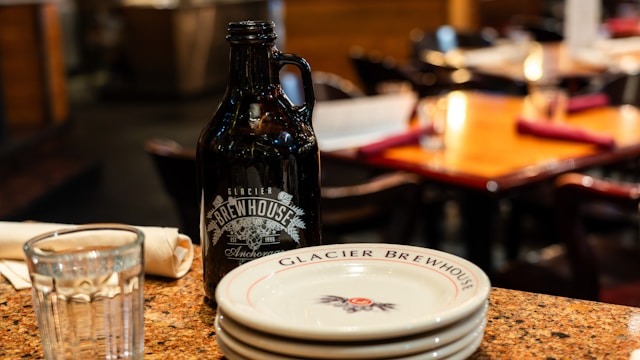
For dinner, Glacier Brewhouse downtown serves grilled salmon alongside local beer, and it’s a solid first-night meal after a day of travel.
If you’d rather browse before booking anything, this guide to places to stay in Anchorage covers RV parks and campgrounds close to downtown, so you can settle on a spot before you’re too tired to decide.
End the night parked with a view of the Chugach range catching the late evening light. It’s a quiet way to start a week that only gets busier from here, and a good chance to double-check your route for tomorrow’s drive south.
Practical Tip: Book your first night’s RV parking spot before you arrive, since Anchorage’s closest campgrounds to downtown fill up fast during peak summer weeks.
Day 2: Anchorage to Seward
Morning (8 AM): The Seward Highway
Leave Anchorage early and drive south on the Seward Highway, one of the state’s most scenic drives and often ranked among the country’s top scenic byways.
The road hugs Turnagain Arm, where beluga whales sometimes surface close to shore during the incoming tide.
Stop at Beluga Point to scan the water, then continue to Bird Point for a break with mountain views on both sides. Dall sheep often graze on the cliffs above the road here, so keep your eyes on the rock faces as you drive.
This stretch also marks the start of the Kenai Peninsula, the region this half of your trip is built around.
Practical Tip: Fill your tank before leaving Anchorage, since gas stations thin out along this stretch of highway.
Afternoon (1 PM): Exit Glacier
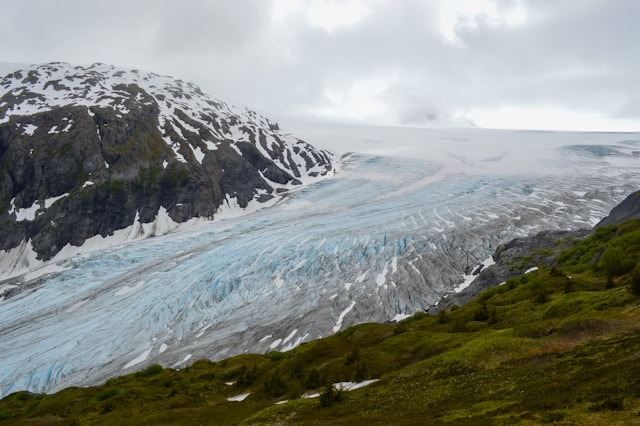
Arrive in Seward and head straight to Exit Glacier, part of Kenai Fjords National Park.
The trail to the glacier viewpoint runs about an hour round trip. It’s an easy walk through cottonwood forest that opens onto gravel flats near the ice. Grab lunch first at a food truck near the harbor, where halibut tacos are the dish to order.
The glacier has retreated noticeably over the past few decades. Trail markers along the path show exactly how far it’s shrunk year by year.
Practical Tip: Visit Exit Glacier in the morning if you can, since the parking lot fills up by early afternoon during peak summer weeks.
Evening (6 PM): Seward Harbor
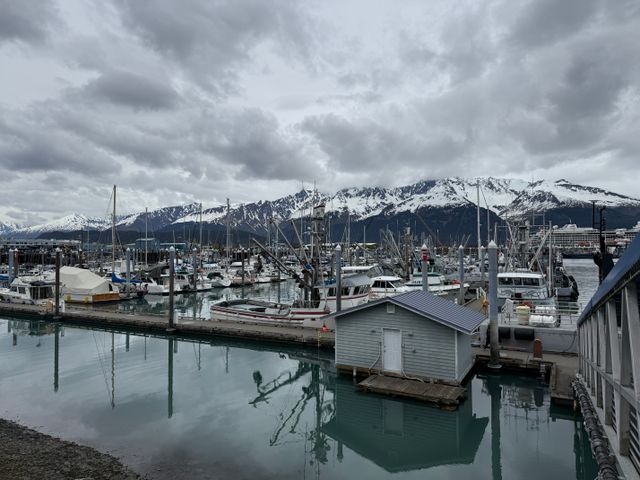
Spend the evening walking the small boat harbor, where fishing boats come in with the day’s catch.
Resurrection Bay glows a soft gold in the late evening light during summer, and it’s worth sitting on the harbor benches for ten minutes just to take it in. Sea otters often float just offshore near the breakwater, an easy spot for a first Alaska wildlife sighting.
For dinner, Chinooks Waterfront Restaurant serves fresh seafood with harbor views, a fitting way to end a day spent chasing glaciers and whales.
Practical Tip: Book a harbor-view table at dinner if you can, since Seward’s summer sunsets stretch on for hours and make for a good show while you eat.
Day 3: Kenai Fjords National Park
Morning (7 AM): Boat Tour Departure
Book a Kenai Fjords boat tour in advance, since summer trips fill up fast, sometimes weeks ahead during peak season.
Most tours leave from Seward harbor early in the morning and run 6 to 8 hours, covering glaciers, sea lion colonies, and open water where whales feed.
Longer tours push further out toward the outer coast, while shorter options stick closer to Resurrection Bay if you’d rather keep the day tighter.
Practical Tip: Dress in layers and bring a waterproof jacket, since it’s noticeably colder out on the water than it is on land, even on a sunny day in Seward.
Afternoon (1 PM): Wildlife and Glaciers
The middle of the tour typically passes tidewater glaciers that calve directly into the sea, along with stops to watch humpback or orca whales when they’re active nearby.
Puffins and sea otters are common sightings too, often clustered around rocky islets that the boat slows down to pass.
Captains generally know the current feeding and haul-out spots for the season, so the crew’s commentary is worth paying attention to.
Pack a simple lunch to eat on board, since most tours include limited food service and it’s easier to bring your own sandwich and snacks from Seward before departure.
Practical Tip: Keep your camera charged and within reach, since whale and glacier sightings often happen with only a minute or two of notice.
Evening (6 PM): Rest and Recharge
After a full day on the water, keep the evening low-key.
Cook a simple dinner back at your RV using fresh produce picked up in Seward, and let your legs recover before another driving day tomorrow.
If you have energy left, a short walk along the harbor at sunset makes a nice close to a day built entirely around the fjords.
Practical Tip: Charge your phone and camera batteries overnight, since tomorrow’s drive to Homer means another full day of photo opportunities.
Day 4: Seward to Homer
Morning (9 AM): The Sterling Highway
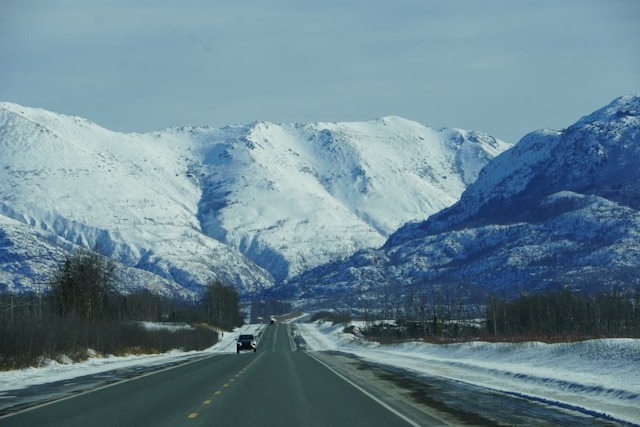
Head northwest out of Seward and pick up the Sterling Highway toward Homer.
The drive winds along the Kenai River, where you’ll likely see anglers fishing for salmon from the riverbank during summer runs, especially near Cooper Landing where the river turns a striking turquoise color.
Stop in the town of Kenai if you want a break, where the Russian Orthodox church near the bluff makes for a quick, worthwhile detour. Otherwise, continue straight through if you’d rather have more time in Homer itself.
Practical Tip: This drive runs about four hours, so leave with a full tank and snacks in the cab, since services get sparser the further you go.
Afternoon (2 PM): Homer Spit
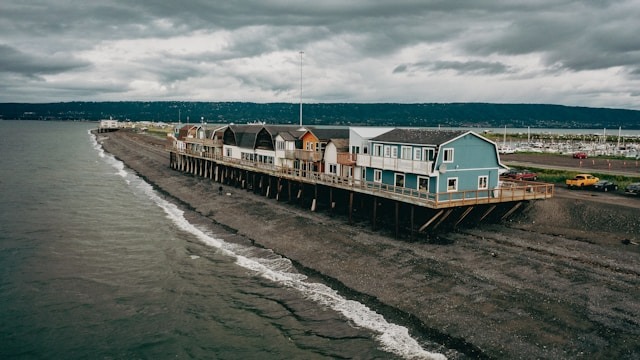
Arrive in Homer and head to the Homer Spit, a narrow strip of land stretching four and a half miles into Kachemak Bay.
It’s lined with shops, fishing charters, and views of the mountains across the water. Tide pools are worth exploring if you time your visit around low tide.
For lunch, order halibut fish and chips from one of the Spit’s seafood stands. It’s the signature dish of this town, and Homer calls itself the halibut fishing capital of the world for good reason.
Charter boats dock throughout the day to weigh in the morning’s catch.
Practical Tip: Check the tide chart before your walk, since parts of the Spit’s beach disappear completely at high tide.
Evening (6 PM): Sunset Over Kachemak Bay
Spend the evening walking the Spit’s public beach as the sun drops behind the mountains across the bay.
The light here turns a deep orange in midsummer, and it’s one of the more photogenic sunsets on this route, with the Kenai Mountains silhouetted against the water.
For dinner, Fat Olives serves wood-fired pizza with a local following, a nice change of pace after several nights of seafood.
Practical Tip: Book a table at Fat Olives ahead of time in summer, since it’s one of the more popular dinner spots in a small town.
Day 5: Homer to Talkeetna
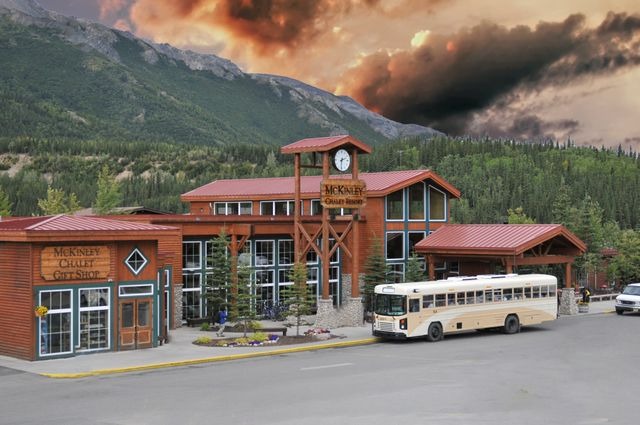
Morning (8 AM): The Long Drive North
This is the longest driving day of the trip, so start early.
Retrace the Sterling Highway back toward Anchorage, then pick up the Parks Highway north toward Talkeetna. It’s a long stretch behind the wheel, but the scenery shifts noticeably as you move from the coastal peninsula back into the Interior.
Break the drive into two halves with a stop in Anchorage for gas, groceries, or a quick coffee. The full drive runs close to six hours, so pace yourself and swap drivers if you’re traveling with a partner.
Practical Tip: Stock up on groceries in Anchorage, since prices climb and selection shrinks the farther north you go.
Afternoon (2 PM): Arrival in Talkeetna
Roll into Talkeetna in the afternoon and take a walk through its small downtown, a few blocks of wooden buildings that feel like a step back in time.
This is the launch point for climbers attempting Denali, and the town has a laid-back, mountain-outpost feel. Local shops sell everything from climbing gear to handmade jewelry.
Grab a reindeer hot dog from a stand on Main Street, a Talkeetna staple that pairs well with a short break after a long drive.
If you have extra time, the small Talkeetna Historical Society museum gives a quick look at the town’s mountaineering history.
Practical Tip: Park your RV in one of the public lots near Main Street, since the town center itself is small and easy to explore on foot.
Evening (6 PM): Riverside Evening
Spend the evening near the Talkeetna riverfront, where the confluence of three rivers offers wide mountain views on clear days.
On a good evening, Denali itself is visible in the distance, though the peak famously hides behind its own weather more often than not. It stays cloud-covered on roughly two out of every three days even in summer.
For dinner, the Denali Brewing Company taproom in town serves solid pub food alongside local beer, a relaxed end to a long day of driving.
Practical Tip: Ask locally about that evening’s mountain visibility before dinner, since word travels fast in a town this size when Denali is out.
Day 6: Talkeetna to Denali National Park
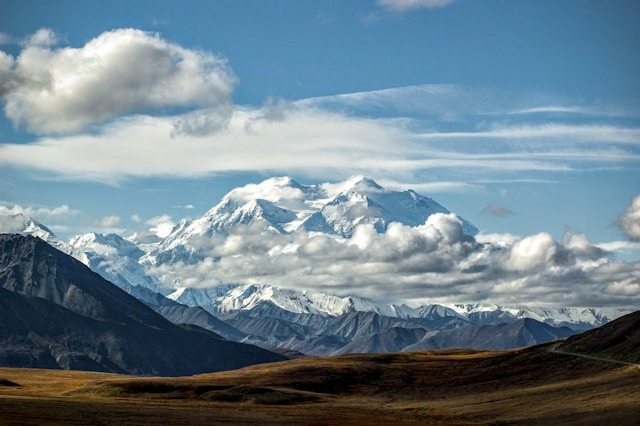
Morning (9 AM): Drive to the Park Entrance
Leave Talkeetna and continue north on the Parks Highway to Denali National Park, a drive of about two hours.
Stop at the park visitor center first to check trail conditions and pick up a map before heading further in, since rangers here can also tell you about recent wildlife activity along the park road.
Practical Tip: Private vehicles can only drive the first 15 miles of the park road, so plan your day around that limit or book a park shuttle bus for deeper access.
Afternoon (1 PM): Savage River Trail
Hike the Savage River Loop, an easy trail that follows the river with mountain views on both sides.
It’s one of the few trails accessible without a shuttle bus, and it gives a good sense of the tundra landscape even without going deep into the park. The loop takes most hikers around 90 minutes at a relaxed pace.
Watch for wildlife along the way. Caribou, moose, and Dall sheep are all regularly spotted from this trail and the surrounding road.
Practical Tip: Rangers at the trailhead can point you toward any recent sightings, so it’s worth a quick check before you start walking.
Evening (6 PM): Park Lodge Dinner
For dinner, one of the lodges near the park entrance serves sourdough pancakes and hearty comfort food, worth trying even at dinner time after a day of hiking.
If skies are clear, take a short walk after dinner for a chance at spotting the mountain itself before it disappears back into the clouds. Clear evening light often gives the best viewing window of the whole day.
Camp near the park entrance for the night, ready for an early start tomorrow.
Practical Tip: Set an alarm for early morning if the mountain was visible at dinner, since conditions can shift by sunrise.
Day 7: Denali to Anchorage
Morning (8 AM): One Last Look at the Park
Spend your final morning back on the park road or the Savage River trail if you didn’t finish it the day before.
Early morning is often the calmest time to spot wildlife, before shuttle buses and day-trippers fill the road. The light this early tends to be softer for photos too.
Grab breakfast at your RV before packing up, since it’s your last real chance to use the kitchen before returning the vehicle.
Practical Tip: Do a final walk-through of the RV before you leave the park entrance, since it’s easier to spot a forgotten item now than after you’ve handed the keys back in Anchorage.
Afternoon (1 PM): The Drive South
Head south on the Parks Highway back toward Anchorage, a drive of roughly five hours.
The route retraces much of your path from Day 5, though the light and weather often look completely different heading the other direction. It’s worth one more stop near Talkeetna if the mountain happens to be out.
Practical Tip: Build in a buffer before your RV drop-off time, since road construction is common on this stretch during summer.
Evening (6 PM): Final Night in Anchorage
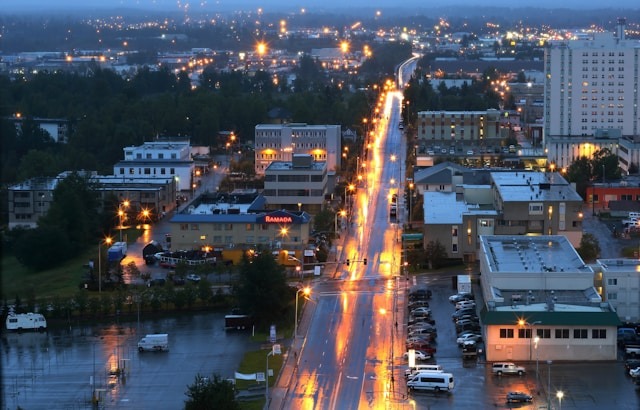
Return your RV in Anchorage and spend your last evening back where you started.
For a final dinner, order salmon one more time, this time at a downtown restaurant with table service rather than a food truck, a fitting bookend to a week built around fresh seafood.
Take one more walk along the coastal trail if you have energy left, watching the same mountains that greeted you a week earlier now feel a little more familiar than they did on Day 1.
Practical Tip: Take photos of your RV’s fuel gauge and interior before drop-off, since it’s a quick way to avoid any dispute over the vehicle’s condition.
Exploring Alaska’s Regions: Alternative Itineraries
If this route doesn’t quite match your interests, here are two shorter regional itineraries built from the same road network:
5-Day Kenai Peninsula Itinerary
- Day 1: Anchorage, pick up your RV and explore downtown.
- Day 2: Seward, drive the Seward Highway and hike Exit Glacier.
- Day 3: Seward, Kenai Fjords boat tour.
- Day 4: Homer, drive the Sterling Highway and walk the Spit.
- Day 5: Homer to Anchorage, return drive and RV drop-off.
5-Day Denali and Interior Alaska Itinerary
- Day 1: Anchorage, pick up your RV and drive north on the Parks Highway.
- Day 2: Talkeetna, riverside walk and mountain views.
- Day 3: Denali National Park, Savage River hike.
- Day 4: Denali National Park, park shuttle bus deeper into the interior.
- Day 5: Fairbanks or return to Anchorage, depending on your flight schedule.
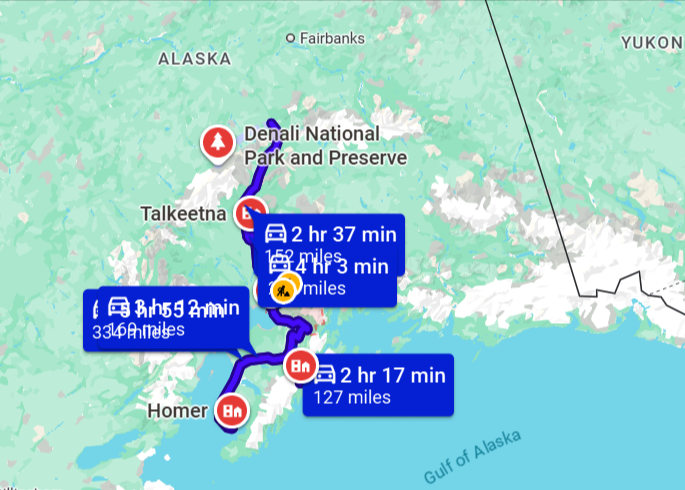
Map of Your Alaska Itinerary 7 Days Long
Budgeting for Your Trip: How Much Is a Trip to Alaska for 1 Week?
A road trip through Alaska can fit almost any budget, and renting an RV cuts your biggest costs since it combines your accommodation and much of your food prep into one payment.
| Category | Budget | Mid-Range | High-End |
| Accommodation | $30 to $60 | $60 to $120 | N/A |
| Food & Drink | $25 to $45 | $45 to $80 | $80+ |
| Attractions | $20 to $40 | $40 to $100 | $150+ |
| Transport/Fuel | $40 to $60 | $60 to $90 | $90+ |
| Daily Total | $115 to $205 | $205 to $390 | $390+ |
| Weekly Total | ~$800 to $1,435 | ~$1,435 to $2,730 | ~$2,730+ |
- Budget Traveler: Stick mostly to public campgrounds and RV parks. You can cook the majority of your meals in the Indie Campers RV, while prioritizing free activities like hiking trails over paid tours.
- Mid-Range Traveler: Mix cooking with the occasional restaurant meal. You can book one or two paid experiences like the Kenai Fjords boat tour, while staying at a mix of public and private campgrounds.
- High-End Traveler: Eat out regularly and book private wildlife or flightseeing tours. You can add premium experiences like a Denali flightseeing trip without worrying much about cost.
Plan Your Dream Road Trip with Indie Campers
Indie Campers makes this kind of trip simple, with unlimited mileage on company-fleet rentals and a fully digital booking process from start to finish. You can also cancel up to 31 days before pick-up if your plans change, and full payment isn’t due until 30 days before your trip starts.
This setup works well for first-time visitors who want road trip flexibility without months of planning. It also suits experienced travelers who already know they want a wide vehicle selection and easy pickup in Anchorage.
Browse our complete range of RV rentals to start building your own Alaska itinerary 7 days long, around the major stops that matter to you the most
Alaska Itinerary 7-Days Long: Your Final Planning Recap
| Category | Details |
| Best Time to Go | Summer (June to August), for long daylight and open park roads |
| Recommended Budget | $900 to $1,600 per person for 1 week |
| Cities to Visit | Anchorage (2 days), Seward (2 days), Homer (1 day), Talkeetna (1 day), Denali (1 day) |
| Best Restaurants | Chinooks Waterfront Restaurant, Seward (fresh seafood); Fat Olives, Homer (wood-fired pizza) |
| What to Visit | Day 1, Anchorage: Coastal Trail, Anchorage Museum / Day 3, Seward: Kenai Fjords National Park / Day 6, Denali: Savage River Trail |
| Recommended Transport | RV rental, for flexible stops and built-in accommodation |
| Total Distance | Approx. 800 miles (1,290 km) |
| Must-Try Foods | Seward: halibut tacos, salmon chowder / Homer: halibut fish and chips / Talkeetna: reindeer hot dog |
| Accommodation | RV camping and RV parks: $30 to $80 per person per night |
| Perfect For | First-time visitors and experienced road-trippers wanting glaciers, fjords, and mountains in one trip |
FAQs About Alaska Itinerary 7 Days
How much is a trip to Alaska for 1 week?
A trip to Alaska for 1 week typically costs between $900 and $1,600 per person for a mid-range budget. This covers RV rental, fuel, food, park entrance fees, and one or two paid activities like a Kenai Fjords boat tour. It excludes your flight to Anchorage. Budget travelers who cook most meals and stick to free trails can bring this closer to $700 per person.
Is 7 days enough to see Alaska?
Yes, 7 days is enough to see a well-chosen slice of Alaska, as long as you focus on one region instead of the whole state. This itinerary covers Anchorage, the Kenai Peninsula, and Denali National Park, fitting comfortably into a week by RV. You’ll see glaciers, fjords, and North America’s tallest mountain without rushing between stops on this route.
What are the top 3 places to visit in Alaska for first-timers?
The top 3 places to visit in Alaska for first-timers are Seward, Homer, and Denali National Park. Seward gives you direct access to Kenai Fjords National Park and its glaciers and marine wildlife. Homer offers small-town charm along with some of the best halibut fishing in the state. Denali rounds out the trip with tundra landscapes and a chance to see North America’s tallest peak.
What is the most beautiful spot in Alaska?
Kenai Fjords National Park is widely considered one of the most beautiful spots in Alaska, thanks to its tidewater glaciers calving directly into the sea. Kachemak Bay near Homer runs a close second, especially at sunset over the water. Denali National Park is a third strong contender, particularly on a rare clear day when the full mountain is visible.
What is the best way to travel in Alaska for 7 days?
The best way to travel in Alaska for 7 days is by RV, since it combines transport and accommodation into one flexible package. Public transport barely exists outside Anchorage, and many of the best stops on this route sit well off any train or bus line. An RV lets you adjust your schedule around weather and wildlife sightings without losing a hotel reservation.
Can you drive to Alaska in a week?
Driving to Alaska from the lower 48 states in a week is possible but leaves almost no time for sightseeing, since the drive from Seattle to Anchorage alone runs about 2,200 miles and takes 5 to 6 days one way. Most visitors instead fly into Anchorage and rent an RV there, which is exactly what this itinerary assumes.
Do you need a 4×4 to drive around Alaska in summer?
You do not need a 4×4 to drive around Alaska in summer, since the main routes on this itinerary, the Seward Highway, the Sterling Highway, and the Parks Highway, are all paved and well maintained. A standard RV handles this route without any issue in summer. Four-wheel drive becomes more useful in winter or on unpaved backcountry roads, which this itinerary does not require.
How many days do you need for Denali National Park alone?
Two full days is a reasonable amount of time for Denali National Park alone, enough to hike the Savage River Trail and take at least one park shuttle bus deeper into the interior. This itinerary allocates one full day plus a morning to Denali, fitting within a 7-day trip that also covers the Kenai Peninsula. Consider the 5-day Denali alternative itinerary above for more time.
Is renting an RV in Alaska worth it?
Renting an RV in Alaska is worth it for most travelers doing a multi-stop road trip like this one, since it removes the need to book separate hotels in towns with limited lodging options. It also cuts food costs, since you can cook most meals instead of eating out for every stop, and the extra fuel cost is usually offset by what you save on accommodation.