Last Updated: May 12, 2026
Key Takeaways (TL;DR)
- Why Stay in Miami: Miami’s one of the few US cities that works well for RV travel year-round. You can camp within 20–30 minutes of South Beach, Biscayne Bay, and the Everglades – and move between all three without changing your accommodation. Travel in spring or fall and your campsite fees will be a fraction of what the hotels charge.
- Top Places to Stay in Miami in 2026: Miami Beach (South Beach area), Homestead / Biscayne Bay, Key Largo (northern Keys gateway), Miramar / Hollywood, Virginia Key.
- Don’t Miss Overnight Experience: Waking up at Virginia Key Beach Park with the Atlantic right there and downtown Miami’s skyline lit up across the water – 15 minutes from Brickell, no hotel noise, coffee from your own kitchen before the beach fills up.
- Ideal Trip Length: 5–10 days. That’s enough time for two or three overnight bases without feeling rushed – you can cover South Beach, Biscayne National Park, and a Keys day trip in the same trip.
- How to Choose the Right Base: If you want walkable access to restaurants, nightlife, and art, stay close to Miami Beach. If national parks, kayaking, and quiet mornings are the draw, head south to Homestead or Biscayne Bay. The best trips do both.
- Recommended Budget Per Person/Night: $35–$75/night for campsite fees, excluding RV rental. Private RV parks with full hookups tend to be more expensive; state parks and county sites are cheaper, especially midweek.
- Watch Out For: Hurricane season runs June through November – check NOAA before booking if you’re traveling then. Campgrounds across South Florida fill fast on winter weekends (November through March) when snowbirds arrive. Some Miami-area sites have length restrictions for bigger rigs, so confirm the maximum when you book.
- Where To Stay: RV rentals with Indie Campers let you move between Miami’s urban campgrounds and the national park sites to the south without being locked into one hotel location. You’ve got a kitchen and a bed on board, which makes multi-night stays in Miami far cheaper than the city’s hotels.
- Best For: Budget-conscious travelers who want Miami’s beaches and food without paying resort prices, road-trippers heading south to the Florida Keys, and families who want the Everglades and Biscayne on the same trip.
Table of Contents
- Top Places to Stay in Miami in 2026: At a Glance
- Best Places to Stay in Miami
- What to Pack for a Miami RV Stay
- Final Expert Tips for Staying in Miami by RV
- Stay in Miami with Indie Campers
- Everything You Need to Know: Staying in Miami by RV
- FAQs About Where to Stay in Miami
Top Places to Stay in Miami in 2026: At a Glance
| Area / Town | Setting | Best For | Campsite Type | Avg Temp | Nightly Cost | Crowd Level | RV-Friendly |
| Virginia Key / Key Biscayne | Urban coastal | Beach access + city | County park campground | 26–30°C (79–86°F) | $40–65 | Moderate | Yes |
| Homestead / Biscayne NP | National park edge | Nature + kayaking | NPS campground + private | 26–30°C (79–86°F) | $30–55 | Low–Moderate | Yes |
| Key Largo (MM 100) | Upper Keys | Keys road trip base | Full-hookup private | 27–31°C (81–88°F) | $50–80 | Moderate | Yes |
| Miramar / Hollywood | Suburban coastal | Budget base | Full-hookup private | 26–30°C (79–86°F) | $35–60 | Low | Yes |
| Everglades National Park | Wilderness | Nature immersion | NPS primitive + drive-in | 25–30°C (77–86°F) | $20–30 | Low | Limited |
| Fort Lauderdale | Urban coastal | City + beach base | Full-hookup private | 26–30°C (79–86°F) | $45–75 | Moderate | Yes |
| Big Pine Key / Lower Keys | Lower Keys | Nature + reef diving | NPS + private | 27–31°C (81–88°F) | $35–65 | Low | Yes |
| Bahia Honda State Park | State park coastal | Beach + camping | NPS campground | 27–31°C (81–88°F) | $35–50 | Moderate | Yes |
| Naples / Marco Island | Gulf Coast | Gulf beach + nature | Full-hookup private | 26–30°C (79–86°F) | $50–85 | Moderate | Yes |
| Key West area | End of the Keys | History + nightlife | Full-hookup private | 27–31°C (81–88°F) | $65–110 | High | Limited |
Best Places to Stay in Miami
1. Virginia Key / Key Biscayne, Miami
Why Stay Here
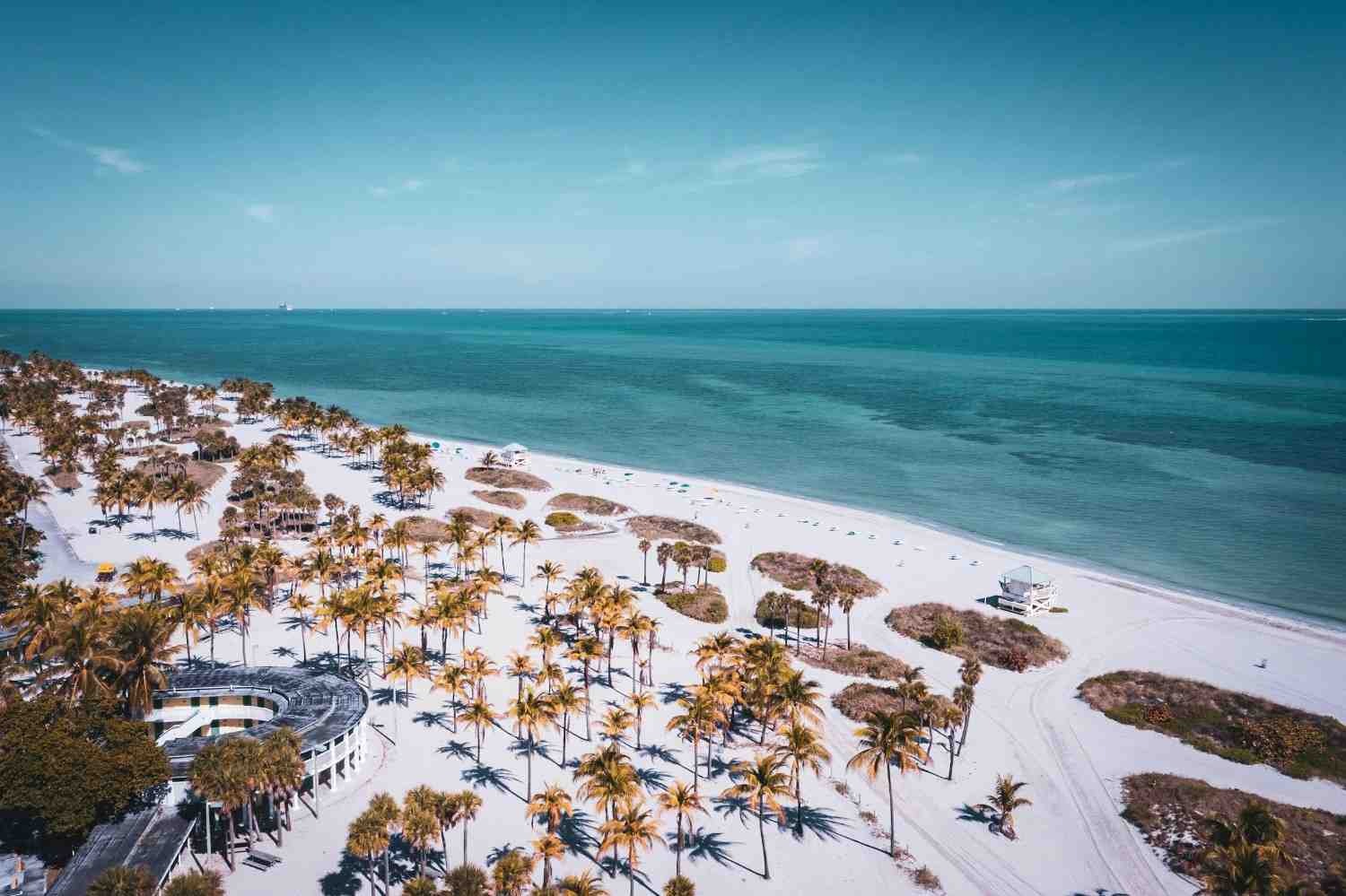
Virginia Key is a barrier island just east of downtown Miami, connected to the city by the Rickenbacker Causeway. It’s an unusual place to overnight for a city of Miami’s size, and for travelers working out where to stay in Miami who want both waterfront character and city access in one spot, it’s the strongest answer. You’ve got campsite views over Biscayne Bay, the downtown skyline across the water, and the Atlantic a short walk away.
Once the day-trippers head home, usually by 6 pm, the island goes quiet in a way that no neighborhood inside Miami proper does.
Virginia Key Beach Park has some real history behind it. It was one of the first Miami beaches designated for Black residents during segregation, opening in 1945. Today, it’s a public county beach with a campground, and the surrounding area includes the Rusty Pelican strip, the Miami Marine Stadium (a 1960s brutalist ruin currently being restored), and the Boardsailing Club.
For getting around Miami, it’s hard to beat. Brickell and Wynwood are 15 to 20 minutes by car, and South Beach is under 20 minutes.
If you want calmer, cleaner water, the Crandon Park side of Key Biscayne is quieter than South Beach, with a lot less noise. If you want the full Miami experience, beach, city, food, nightlife, and somewhere genuinely good to sleep, Virginia Key is the right call.
Top Campsites and Overnight Spots
- Virginia Key Beach Park Campground: The county-run campground sits right on Virginia Key, with sites ranging from grassy tent spots to RV pads with water access. It’s not a full-hookup site – electric hookups are limited, so check availability when you book. The beach is a short walk from most pitches, and there are restrooms and showers on-site. Book through Miami-Dade County Parks; winter weekends (November through March) fill up fast. It’s the only campground in Miami with a real waterfront feel.
- Crandon Park (Key Biscayne): Crandon Park is technically on Key Biscayne rather than Virginia Key, and it doesn’t have overnight camping – but it’s a great day-use stop from your Virginia Key pitch. The water is calmer and cleaner than South Beach, there’s decent snorkeling off the sandbar, and it’s good for families. Five minutes by car.
- Bill Baggs Cape Florida State Park: At the southern tip of Key Biscayne, Bill Baggs has beach access on both the Atlantic and bay sides, plus the Cape Florida Lighthouse – one of the oldest structures in South Florida, built in 1825. No camping here, but it’s worth a morning visit before the heat sets in.
- Biscayne Bay Anchorage (for boaters): Not directly useful for RV travelers, but worth knowing about – the bay between Virginia Key and the mainland is genuinely beautiful. Kayak and paddleboard rentals run from the Key Biscayne causeway area if you want to get out on the water.
Don’t Leave Without…
Walking the Virginia Key Beach Park boardwalk at sunrise. The light hits downtown Miami’s glass towers from the east, the bay goes glassy and still, and you’ll have the beach to yourself. Miami’s morning haze burns off fast – be out before 7:30 am.
RV Practical Info
- Road access: The Rickenbacker Causeway ($2 toll each way) connects the island to the mainland. It’s wide and handles RVs well. The roads inside the park are narrower – fine for vehicles up to 35 feet, but take it slow.
- Campsite availability: Virginia Key gets filled on winter weekends. Book 2–3 weeks ahead for November–March stays. Summer weekdays are usually available on short notice.
- Hook-up and facilities: Not all sites have electric hookups – confirm when booking. Water is available, and showers and restrooms are on-site. There’s no dump station inside the park; the nearest is at Haulover Park, about 25 minutes north.
- Parking in town: Drive into Miami Beach or Brickell for the day and return to camp at Virginia Key. Street parking for RVs is extremely tight in both neighborhoods – use paid garages near your destination and walk or take a rideshare from there.
- Wild camping: Not permitted anywhere in Miami-Dade County.
Who Is It Best For?
- Couples who want city access without hotel prices and somewhere genuinely interesting to sleep
- Photographers after the Miami skyline at dawn from the water
- Road-trippers who want one base and easy day trips to Miami Beach, Wynwood, and Brickell
Recommended Nightly Budget
- Campsite fees: $40–$65/night (varies by site type and hookup at Virginia Key Beach Park)
- Electric hookup add-on: $5–$10/night, where available
- Toll (Rickenbacker Causeway): $2 each way – budget $4–$8/day depending on how many trips you make
2. Homestead / Biscayne National Park, Florida
Why Stay Here
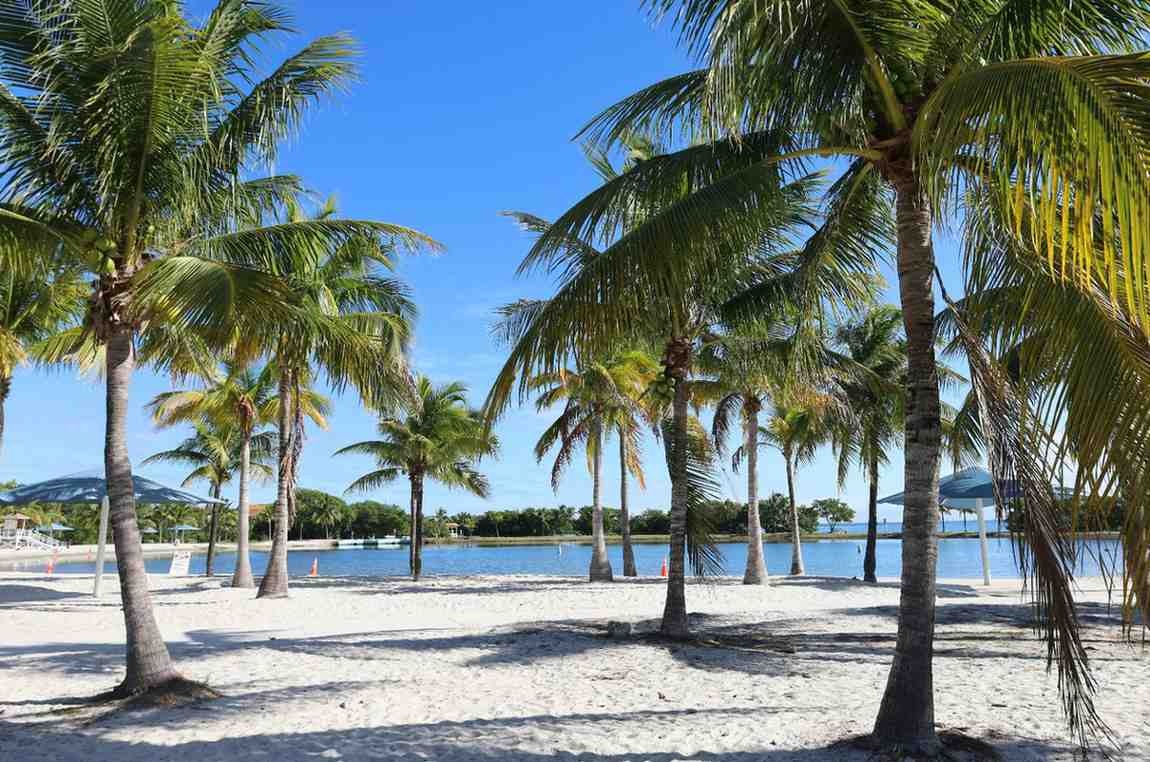
Homestead is 35 miles south of downtown Miami, right between two national parks: Biscayne to the east (the largest mostly marine national park in the US) and the Everglades to the southwest. Nowhere else in the Miami area lets you kayak a coral reef in the morning, walk through sawgrass prairie in the afternoon, and sleep in a quiet campground rather than a parking lot.
The town is working-class and agricultural – none of the polish you’d find in the Keys or Miami Beach. The fruit stands along US-1 sell tropical produce you won’t find in most US supermarkets: mamey sapote, longan, lychee. The food is good and priced for locals, with several Honduran and Haitian restaurants where you can eat well for under $15.
Early in the morning, before the day-trippers make the drive from Miami, the Biscayne Bay shoreline at Convoy Point is one of the quietest spots in South Florida. You won’t get that stillness unless you’ve stayed overnight.
Top Campsites and Overnight Spots
- Long Pine Key Campground (Everglades National Park): About 7 miles from the main entrance at Homestead, inside Everglades National Park. Paved sites, drive-in access, water available but no electric hookups. In the dry season (November–April), the campground sits inside pine rockland habitat – quiet, relatively bug-free, with good birdwatching at dawn. The most comfortable NPS option in the Homestead area for RVs.
- Miami Everglades Resort (KOA): The closest full-hookup RV park to both national parks, on SW 187th Ave in Homestead. Full water, electric, and sewer hookups, plus a pool, laundry, and a camp store. Wi-Fi available. Rates run $50–$80/night depending on season and site type – book ahead for winter stays.
- Biscayne National Park – Elliott Key and Boca Chita Key Campgrounds: Boat-access only – not useful for RV travelers. But the Dante Fascell Visitor Center at Convoy Point is worth a stop for orientation, and kayak rentals leave from there for day trips into the bay.
- Southern Comfort RV Resort (Homestead): A large private RV park on Krome Avenue with full hookups and easy access to both parks. Popular with long-term winter visitors. Weekday availability is usually good; book at least 2 weeks ahead for winter weekends.
Don’t Leave Without…
Getting out on the water from Convoy Point before 8 am. The bay is flat, the light is warm, and you’ve got a decent shot at seeing manatees near the mangrove edges before the powerboats start up.
RV Practical Info
- Road access: US-1 south from Miami to Homestead is a straightforward drive for any size vehicle. Florida City, just south of Homestead, is the last place to stock up before heading deeper into the Everglades – fill up on fuel, water, and groceries here.
- Campsite availability: Long Pine Key fills on winter weekends (December–March). Book Recreation.gov sites 3–4 months ahead for those dates. Private RV parks in Homestead have more availability but still fill during the peak winter season.
- Hook-up and facilities: NPS campgrounds have water but no electric hookups. Private parks (KOA, Southern Comfort) have full hookups. Dump stations at the NPS parks and the main private parks.
- Parking in town: Homestead’s main strip along Krome Avenue is fine for RVs. There are no restrictions on the approach roads to either national park.
- Wild camping: Not permitted in Biscayne National Park or Everglades National Park outside designated sites.
Who Is It Best For?
- Nature lovers who want coral reef snorkeling, kayaking, and Everglades wildlife in one trip
- Families who want national park access without a long drive to more remote parks
- Budget travelers – food and campground costs in Homestead are well below Miami Beach-area prices
Recommended Nightly Budget
- NPS campgrounds (Long Pine Key): $20–$30/night, no hookups
- Private full-hookup parks (KOA, Southern Comfort): $50–$80/night
- Meals in Homestead: $10–$20
3. Key Largo (MM 100–106), Upper Florida Keys
Why Stay Here
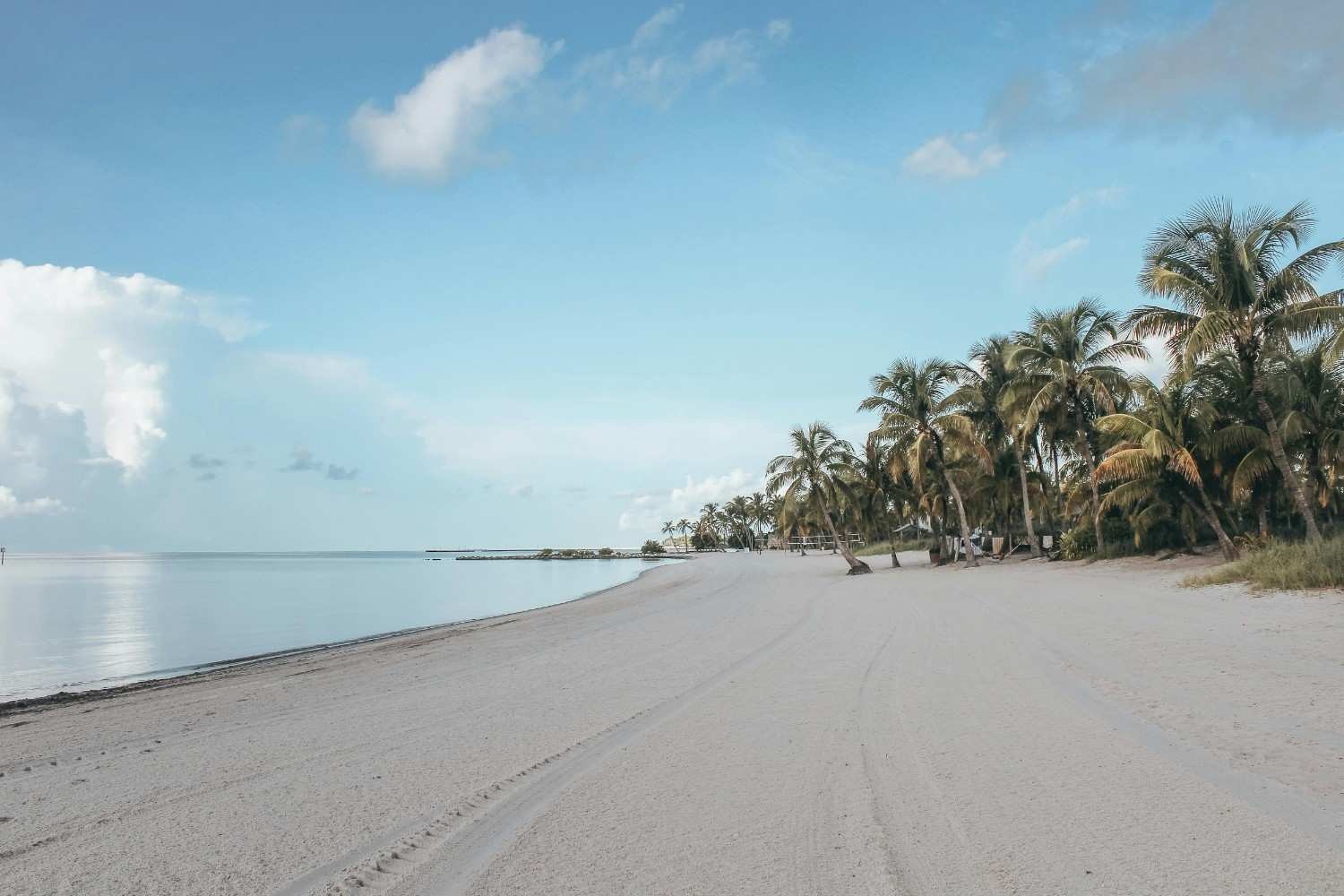
Key Largo is the first island in the Florida Keys, 55 miles south of Miami via Card Sound Road or US-1. For RV travelers who’ve already sorted where to stay in Miami and are ready to push south, Key Largo works either as an overnight extension into the Keys or as a full home base for the South Florida portion of a trip.
It feels completely different from Miami: quieter, darker, and entirely oriented around water. John Pennekamp Coral Reef State Park covers the eastern shoreline of the upper island, protecting the only living coral reef in the continental US. The campground is inside the park, with mangrove channels running beside several sites.
You can fall asleep to the sound of water against the mangroves and be on a snorkeling boat 10 minutes after waking up.
Key Largo runs at a genuinely relaxed pace. The dive industry sets the tone, which means most people in the restaurants and bars are here for the water, not for the scene. The food is good and unpretentious: conch chowder, fish tacos, stone crab claws in season (October to May). The Caribbean Club bar, filmed in the original Key Largo movie, still serves cold beers to anyone who walks in.
Top Campsites and Overnight Spots
- John Pennekamp Coral Reef State Park Campground: The best overnight option in the Upper Keys. Sites are inside the park, some backing onto mangrove waterways, with full hookup sites alongside water-only and no-service options.
- Key Largo Kampground & Marina: A full-service private campground on the bay side of US-1 at MM 101. Full hookups, waterfront sites, boat ramp, pool. Some sites are right on the water with private docks – more expensive than the state park, but the facilities are more comprehensive. Popular with boaters as well as RVers.
- Calusa Camp Resort (MM 101.5): A smaller, quieter private campground in a natural setting, with some sites under large trees. Full hookups available. Less infrastructure than Key Largo Kampground, but more personal – good if you want a quieter stay.
- Fiesta Key RV Resort (MM 70): Technically in the Middle Keys near Islamorada, but worth noting if you’re continuing south. A large resort-style RV park with waterfront sites and full amenities. Rates reflect the resort setup.
Don’t Leave Without…
Taking the early morning glass-bottom boat or snorkel tour from Pennekamp before the wind picks up. The reef is clearest, and the boat is least crowded on the 9 am departure. The elkhorn and staghorn coral formations at Pennekamp are some of the healthiest reef structures left on the US Atlantic coast.
RV Practical Info
- Road access: US-1, the Overseas Highway, is the only road through the Keys – two lanes, 45 mph through towns. Drive times run longer than the map suggests, and Homestead to Key Largo is about 45 minutes. No size restrictions on US-1 itself, but turning into smaller campgrounds and marinas takes care with longer rigs.
- Campsite availability: John Pennekamp gets filled up in winter. Use the full 60-day advance booking window for December–March. Spring and fall are more available.
- Hook-up and facilities: John Pennekamp has full hookup and water-only sites. Private parks have full hookups. Dump stations at the state park and major private parks.
- Parking in town: Most Key Largo businesses have enough parking for RVs. The main US-1 strip has pull-through parking at several restaurants and shops. It’s not the constraint it is in Miami.
- Wild camping: Not permitted on Key Largo or anywhere in the Florida Keys. Enforcement is active.
Who Is It Best For?
- Divers and snorkelers – John Pennekamp is the main reason to stay overnight here.
- Road-trippers on a Miami-to-Key West route – Key Largo is the natural first stop.
- Couples who want quiet evenings on the water after a day on the reef
Recommended Nightly Budget
- John Pennekamp State Park: $43–$53/night (full hookup); $36–$43 (water/electric only)
- Private full-hookup parks: $60–$90/night depending on waterfront access
- Meals: $15–$30 at local Keys restaurants; stone crab in season adds to food costs
4. Miramar / Hollywood, Broward County
Why Stay Here
Miramar is in Broward County, about 20 miles north of downtown Miami. Hollywood is 3 miles closer to the coast. Together, they’re the most practical budget base in the area for RV travelers who want Miami access without Miami prices – and who don’t need to be in the city every single day.
It’s a suburban area. That’s the point. What you get is quick freeway access to Miami Beach (30–35 minutes on I-95), a cluster of well-run private RV parks with full hookups, and campsite fees well below anything closer to the city center.
Hollywood Beach is worth a visit in itself. The Broadwalk – a 2.5-mile pedestrian and cycling path along the Atlantic – runs the full length of the beach. It’s less crowded than Miami Beach, better for longer morning walks, and there’s no entry fee. The water’s clean and the beach is wide.
If your trip combines Miami with a drive north toward Fort Lauderdale, the Everglades, or Orlando, Miramar / Hollywood is a natural stopping point.
Top Campsites and Overnight Spots
- Sunshine Holiday Daytona RV Resort (Hollywood): A large, full-hookup RV park with pool, laundry, Wi-Fi, and a dump station. One of the more affordable full-service options in the greater Miami area. Primarily a snowbird spot in winter, so the social atmosphere picks up from November onward. The drive to Miami Beach on I-95 is straightforward.
- Holiday Travel Park (Hollywood): A smaller, quieter private park near I-95. Full hookups, older but functional facilities. Good value if you need a clean, well-located base without the resort setup.
- C.B. Smith Park Campground (Pembroke Pines): A Broward County park with wooded sites, a waterpark (separate entry fee), and boat launch access. About 20 minutes from Hollywood Beach.
- Dania Beach RV Park: Closer to Fort Lauderdale, near the coast. Basic facilities but well-located for day trips into Miami or Fort Lauderdale. Better for shorter stays.
Don’t Leave Without…
Walking the Hollywood Broadwalk in the morning. The light’s better than South Beach, there’s no crowd, and the breakfast spots open early for the regular crowd of cyclists and dog walkers. Park the RV at the Broadwalk’s free overflow lot and spend a full morning on foot.
RV Practical Info
- Road access: I-95 and US-1 both run through the Hollywood / Miramar area – easy to approach from either direction. The Turnpike (Florida 91) is a good alternative from the west. No issues for standard RV sizes.
- Campsite availability: Parks here fill during snowbird season (December–March). Book private parks 3–4 weeks ahead for that window. Spring through November usually has walk-in availability midweek.
- Hook-up and facilities: Private parks have full hookups as standard. County park sites have water/electric only. Dump stations at all major private parks.
- Parking in town: Hollywood Beach Broadwalk has an RV-accessible parking lot at the north end. For Miami Beach, leave the RV at camp and use rideshare or public transit.
- Wild camping: Not permitted in Broward County.
Who Is It Best For?
- Budget travelers who want Miami access without paying Miami campground prices
- Families who don’t need to be central every day and want more outdoor space at camp
- Snowbirds and long-stay visitors – the winter scene at the larger RV parks is a genuine community
Recommended Nightly Budget
- Private full-hookup parks (Sunshine Holiday, Holiday Travel): $45–$70/night
- County park sites (C.B. Smith): $30–$45/night
- Meals: $12–$25 – Miramar and Hollywood have plenty of local dining options
5. Everglades National Park (Flamingo Area)
Why Stay Here
The Flamingo campground is at the southern end of the Everglades road, 38 miles south of the main park entrance at Homestead. It’s the most remote overnight spot accessible by RV in South Florida and the most different from anything else in the Miami area.
At night, the sky here is genuinely dark. The only sounds are wading birds settling into the mangrove rookeries nearby. At dawn, the Flamingo marina comes alive with roseate spoonbills, tricolored herons, and American crocodiles. The Everglades is one of the only places in the world where alligators and crocodiles share the same habitat. No Miami hotel gives you that.
There’s a real trade-off: Flamingo has limited facilities, the wet season (May–October) brings heavy mosquitoes, and you need to be fully committed to being off-grid.
It’s not a good base if you’re planning to drive back to Miami Beach each morning. It works best as a 2–3 night wilderness stay within a longer South Florida trip, either before or after the Miami section.
The park covers 1.5 million acres – the largest subtropical wilderness in the US. From the Flamingo end, you can reach the Pa-hay-okee sawgrass overlook and the Anhinga Trail (the best short wildlife walk in Florida).
You can also access the Nine Mile Pond canoe trail and the Flamingo marina for kayak trips into Florida Bay and the mangrove backcountry.
Top Campsites and Overnight Spots
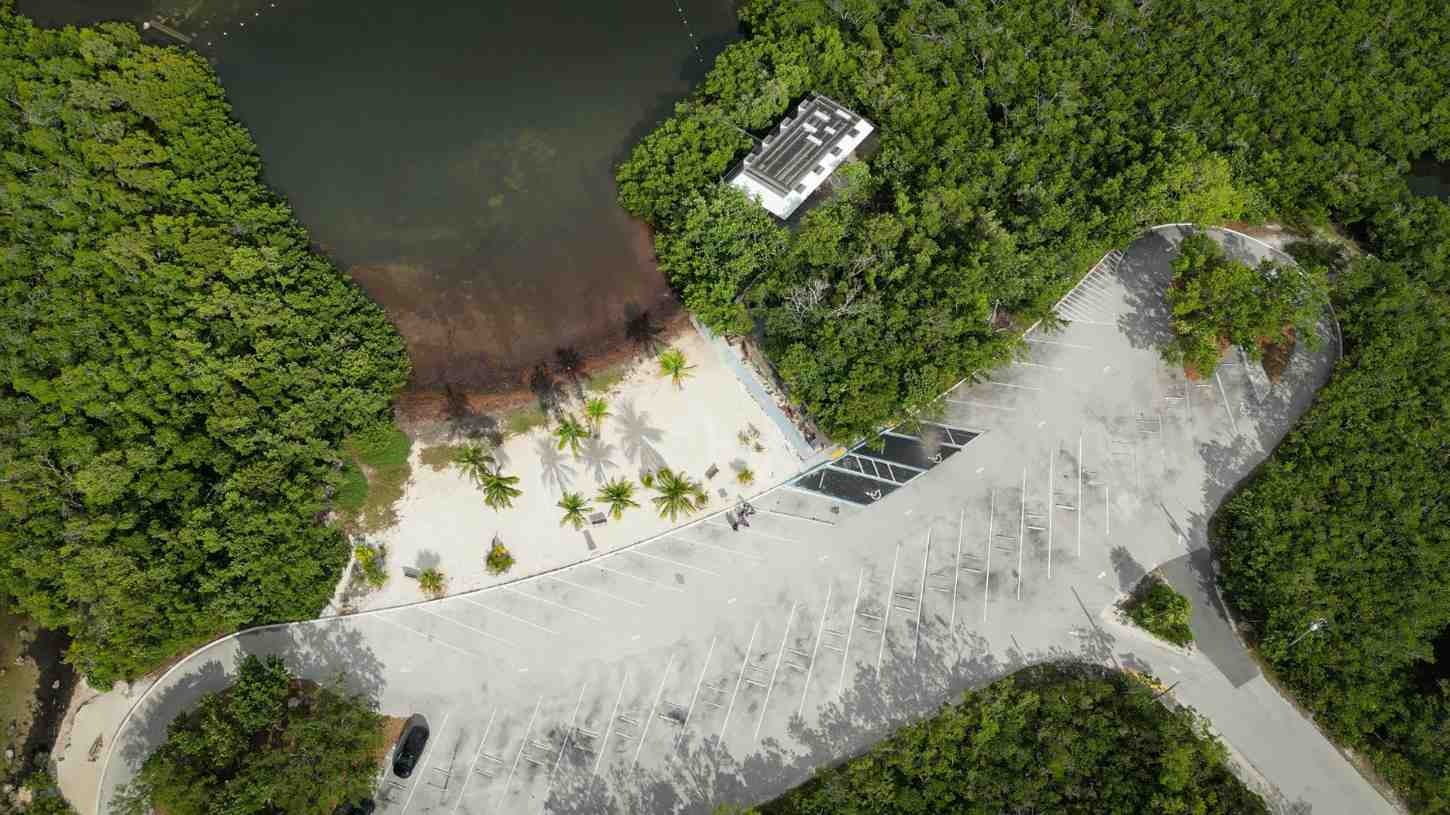
- Flamingo Campground (Everglades NP): Drive-in campground with electric hookup sites and primitive sites. The electric loop is more exposed; the primitive sites have more shade from buttonwood trees. Hurricane Irma caused major damage in 2017 – the facilities have been partially rebuilt, the lodge reopened in 2021, and the marina, boat rentals, and camp store are running. Check current conditions before booking, as work continues.
- Long Pine Key Campground (Everglades NP): Already covered in the Homestead section – 7 miles inside the main entrance, more accessible and reliable than Flamingo. Better if you want park access with the option to day-trip into Homestead or Miami.
- Chekika (day-use only): A day-use area in the Shark Valley section – no camping, but good for a freshwater spring swim before heading back to Flamingo camp.
- Backcountry sites (canoe/kayak access): The Everglades has an extensive network of backcountry chickee platforms and ground sites accessible by kayak and canoe. These need a backcountry permit from the visitor center. Not relevant for RV-based travelers, but worth knowing about if you want to go further in.
Don’t Leave Without…
Walking the Anhinga Trail at dawn. It’s a 0.8-mile boardwalk through a freshwater slough where anhingas dry their wings on low branches above the water, alligators rest motionless on the path edges, and turtles line up on every sunny log. The wildlife density here at sunrise is unlike anything else in Florida.
RV Practical Info
- Road access: The park road from Homestead to Flamingo is 38 miles on a well-maintained two-lane road with passing spots. The speed limit is 35 mph, and it’s enforced. Standard-size RVs handle the road without issues – no tight turns or steep grades.
- Campsite availability: Flamingo fills on winter weekends (December–March). Book Recreation.gov 3–4 months ahead for those dates. Summer and fall have availability, but mosquito conditions are serious – bring strong insect protection.
- Hook-up and facilities: Electric hookup sites are available at Flamingo; no water hookups at individual sites. Water fill stations are on-site, and a dump station is available.
The camp store sells basics. No Wi-Fi.
- Parking in town: There’s no town. The nearest fuel and groceries are in Florida City, 38 miles north at the park entrance – stock your RV kitchen before driving in.
- Wild camping: Not permitted inside Everglades National Park outside designated sites and backcountry permit areas.
Who Is It Best For?
- Wildlife photographers who want dawn and dusk access to the Flamingo birding areas
- Nature travelers who want a real wilderness stay at the end of a Miami road trip.
- Anyone who’s already seen South Beach and wants to see the most surprising landscape in South Florida
Recommended Nightly Budget
- Flamingo electric sites: $30/night; primitive sites: $20/night
- Long Pine Key: $20/night (no hookups)
- Meals: Bring your own – the camp store is limited, and Florida City is the last real grocery stop
6. Fort Lauderdale, Broward County
Why Stay Here
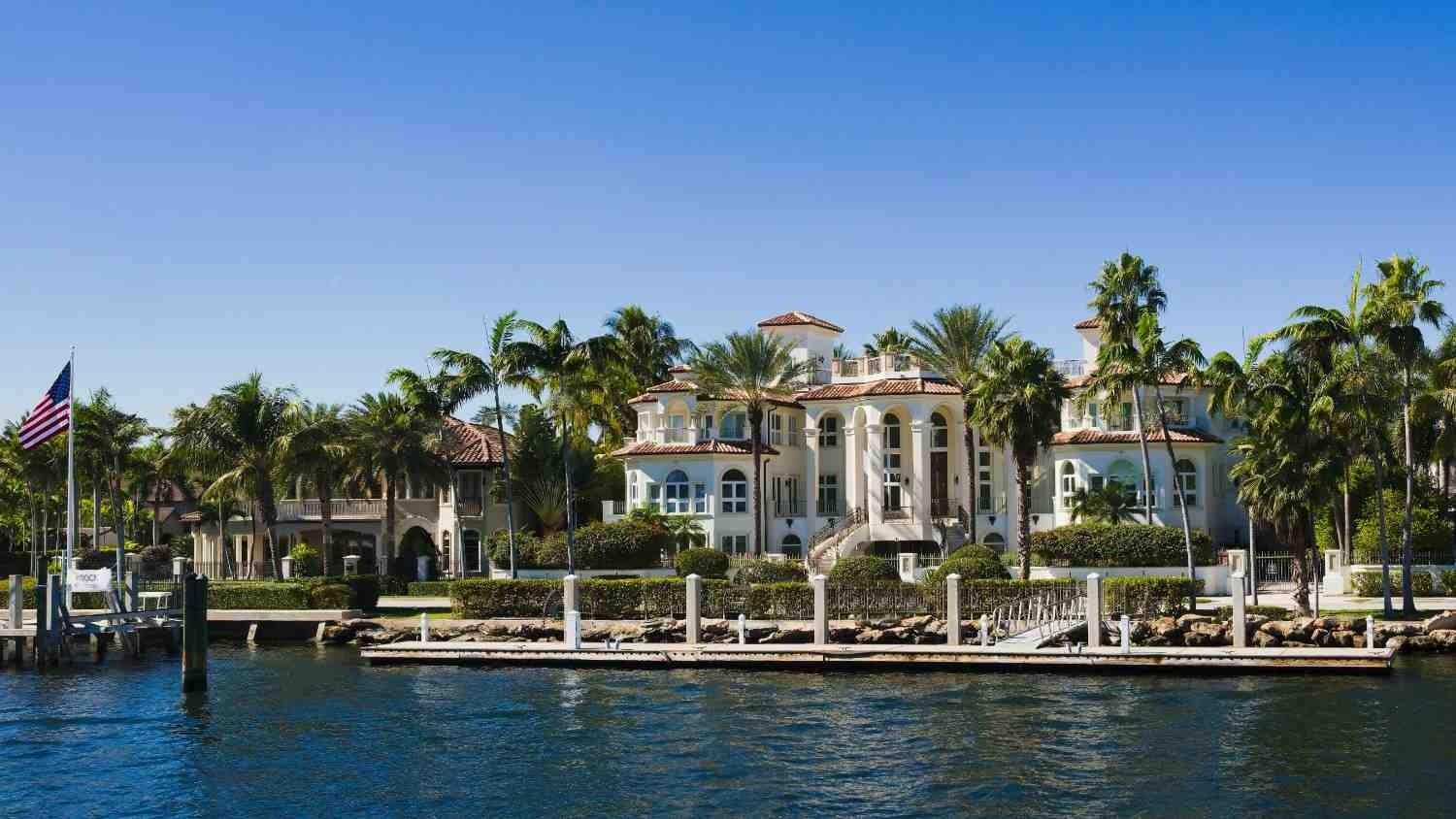
Fort Lauderdale sits 30 miles north of Miami and has a character all its own. It’s a proper beach city with a walkable strip, a marina culture that goes deep, and a downtown that’s grown into one of the better mid-size city centers in Florida. It’s not trying to be Miami: it’s quieter, less frantic, and easier to move around in an RV.
For road-trippers figuring out where to stay in Miami’s broader orbit, Fort Lauderdale is the best answer if you want a city base with less competition for campsites and a slower pace.
Las Olas Boulevard runs from the beach through the arts district and into the downtown core. The beach itself, Fort Lauderdale Beach, is wide, well-maintained, and far less congested than South Beach on most days. The Intracoastal Waterway cuts through the city, and the water taxi that runs along it is one of the more enjoyable ways to spend an afternoon.
For road-trippers using Miami as a hub, Fort Lauderdale works well as a northern bookend. It’s close enough to Miami for a day trip in either direction, and it gives you a completely different feel without adding significant drive time.
Top Campsites and Overnight Spots
- Yacht Haven Park & Marina (Fort Lauderdale): One of the best-positioned RV parks in Broward County, right on the New River near the Intracoastal. Full hookups, laundry, and walking distance to Las Olas restaurants and the water taxi stop. A genuine marina atmosphere – boats come and go all day. Book well ahead for winter stays.
- Easterlin Park (Oakland Park): A Broward County park with a campground inside a mature urban forest – unusual for this part of Florida. Wooded sites, electric hookups, and a quiet atmosphere despite being minutes from I-95. Good birdwatching at dawn. Reserve through Broward County Parks.
- Bahia Mar RV Resort (Fort Lauderdale Beach): Right on the beachfront strip, one of the few RV parks with direct proximity to the ocean in this stretch of the coast. Full hookups and walkable access to the beach. Premium pricing reflects the location. Book months ahead for winter.
- West Lake Park (Hollywood): A county park with a campground on the edge of a large coastal nature preserve. Canoe and kayak rentals are available inside the park. About 10 minutes south of Fort Lauderdale proper. A good option if you want a nature-adjacent overnight near the city.
Don’t Leave Without…
Taking the water taxi from Las Olas to the beach and back in the early evening. Fort Lauderdale’s canal network is dense, and the boats stop at restaurants along the route – it’s a good way to see the city without dealing with parking.
RV Practical Info
- Road access: I-95, US-1, and the Turnpike all run through Fort Lauderdale. Approach roads are straightforward for any standard RV size. The Las Olas area and beach strip have some narrow turns – park at your campground and walk or take the water taxi.
- Campsite availability: Fort Lauderdale parks fill from December through March. Book Yacht Haven and Bahia Mar 6–8 weeks ahead for winter weekends. Easterlin and West Lake have more availability, but still tighten up mid-season.
- Hook-up and facilities: Private parks have full hookups. County parks (Easterlin, West Lake) have electric and water. Dump stations at all major private parks and at Easterlin.
- Parking in town: Las Olas and the beach strip have limited RV parking. Leave the vehicle at camp and use rideshare or the water taxi for evenings out.
- Wild camping: Not permitted in Broward County.
Who Is It Best For?
- Road-trippers who want a city base north of Miami with a slower pace
- Boaters and water-focused travelers – Fort Lauderdale’s marina culture is the real draw
- Couples who want walkable waterfront dining without South Beach crowds
Recommended Nightly Budget
- Private full-hookup parks (Yacht Haven, Bahia Mar): $55–$90/night
- County park sites (Easterlin, West Lake): $35–$50/night
- Meals: $15–$35 – Las Olas has good mid-range dining without Miami Beach pricing
7. Big Pine Key / Lower Keys (MM 29–40)
Why Stay Here
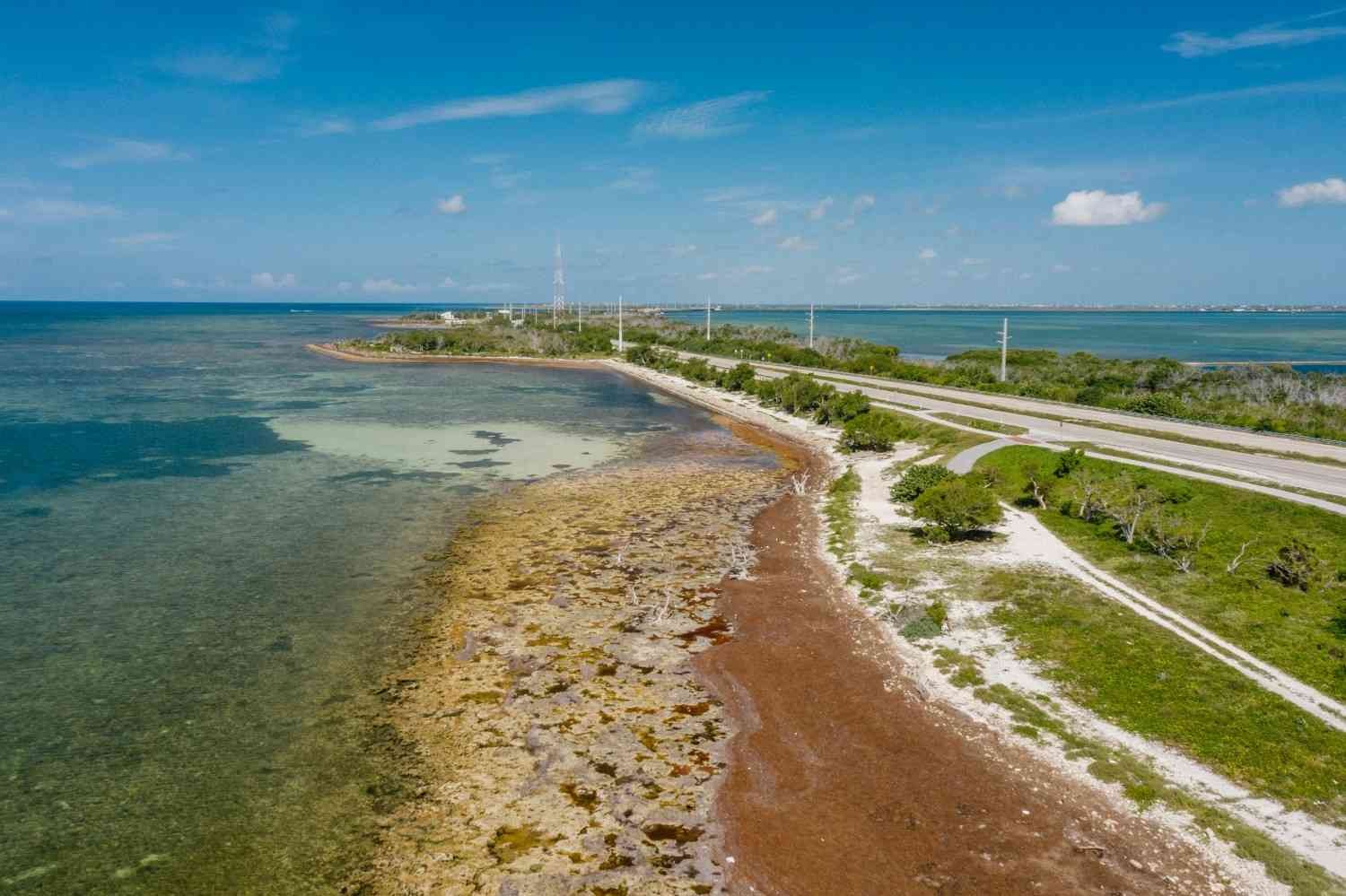
Big Pine Key sits roughly halfway between Key Largo and Key West – far enough down the Overseas Highway that the pace drops noticeably and the crowds thin out. It’s the largest island in the Lower Keys and home to the National Key Deer Refuge, where the miniature Key deer – an endangered subspecies standing about 80 cm tall – roam freely through residential streets and pine rockland forest.
The diving and snorkeling here is some of the best in the Keys. Looe Key National Marine Sanctuary, just offshore, protects a coral reef system with exceptional visibility and marine life density. It’s significantly less visited than Pennekamp to the north.
The Lower Keys have a quieter, more local character than the Upper Keys. Restaurants are fewer and simpler. The fishing culture is serious. It’s the part of the Keys that feels least like a resort and most like a place people actually live, which, for overnight travelers, makes it worth staying in rather than passing through.
Top Campsites and Overnight Spots
- Bahia Honda State Park Campground (MM 37): Covered in detail in its own section below – Bahia Honda is the anchor campground for this stretch of the Keys and worth singling out. Book it as your base for the Lower Keys if you can get a site.
- Big Pine Key Fishing Lodge (MM 33): A long-running private RV park on the bay side of Big Pine Key. Full hookups, a boat ramp, a fishing pier, and a relaxed atmosphere. Popular with serious anglers and returning regulars. Quieter than anything in the Upper Keys. Book at least 3 weeks ahead for winter stays.
- Sunshine Key RV Resort (MM 39): A large, full-service private RV park on Ohio Key, with its own beach, pool, and marina. One of the better-equipped private parks in the Lower Keys. Good for families who want facilities alongside access to the reef. Rates reflect the resort setup.
- National Key Deer Refuge (day-use and trails): No overnight camping, but the refuge trails through pine rockland and along the Blue Hole freshwater pond are worth a morning. Key deer sightings are common at dawn and dusk.
Don’t Leave Without…
A snorkel trip to Looe Key. The reef sits just 9 km offshore, and the diving is consistently rated among the top spots in the continental US. Boat tours run from Bahia Honda and Big Pine – go early and book ahead in winter.
RV Practical Info
- Road access: US-1 is the only road. The Lower Keys stretch is quieter than the Upper Keys, with fewer turnoffs and wider shoulders in places. Standard RVs handle it well. Some private campground entrances are tight – check access before booking with a larger rig.
- Campsite availability: Bahia Honda fills months ahead in winter (see its own section). Big Pine Key Fishing Lodge and Sunshine Key fill 3–4 weeks out in high season. Spring and fall have good availability.
- Hook-up and facilities: Private parks have full hookups. Bahia Honda has water and electricity, but no full hookups at most sites. Dump stations at Bahia Honda and Sunshine Key.
- Parking in town: Big Pine Key’s commercial strip on US-1 has adequate parking for RVs. Key West day trips are 45 minutes south – leave the rig at camp and drive a car or take the bus.
- Wild camping: Not permitted anywhere in the Florida Keys.
Who Is It Best For?
- Divers and snorkelers who want Looe Key without the crowds at Pennekamp
- Wildlife watchers – Key deer encounters are a genuine highlight of the Lower Keys
- Road-trippers on a full Keys run who want a quiet night before Key West
Recommended Nightly Budget
- Big Pine Key Fishing Lodge: $55–$75/night (full hookup)
- Sunshine Key RV Resort: $70–$95/night depending on season
- Meals: $15–$30 – dining options are limited in the Lower Keys; stock your RV kitchen in advance
8. Bahia Honda State Park (MM 37)
Why Stay Here
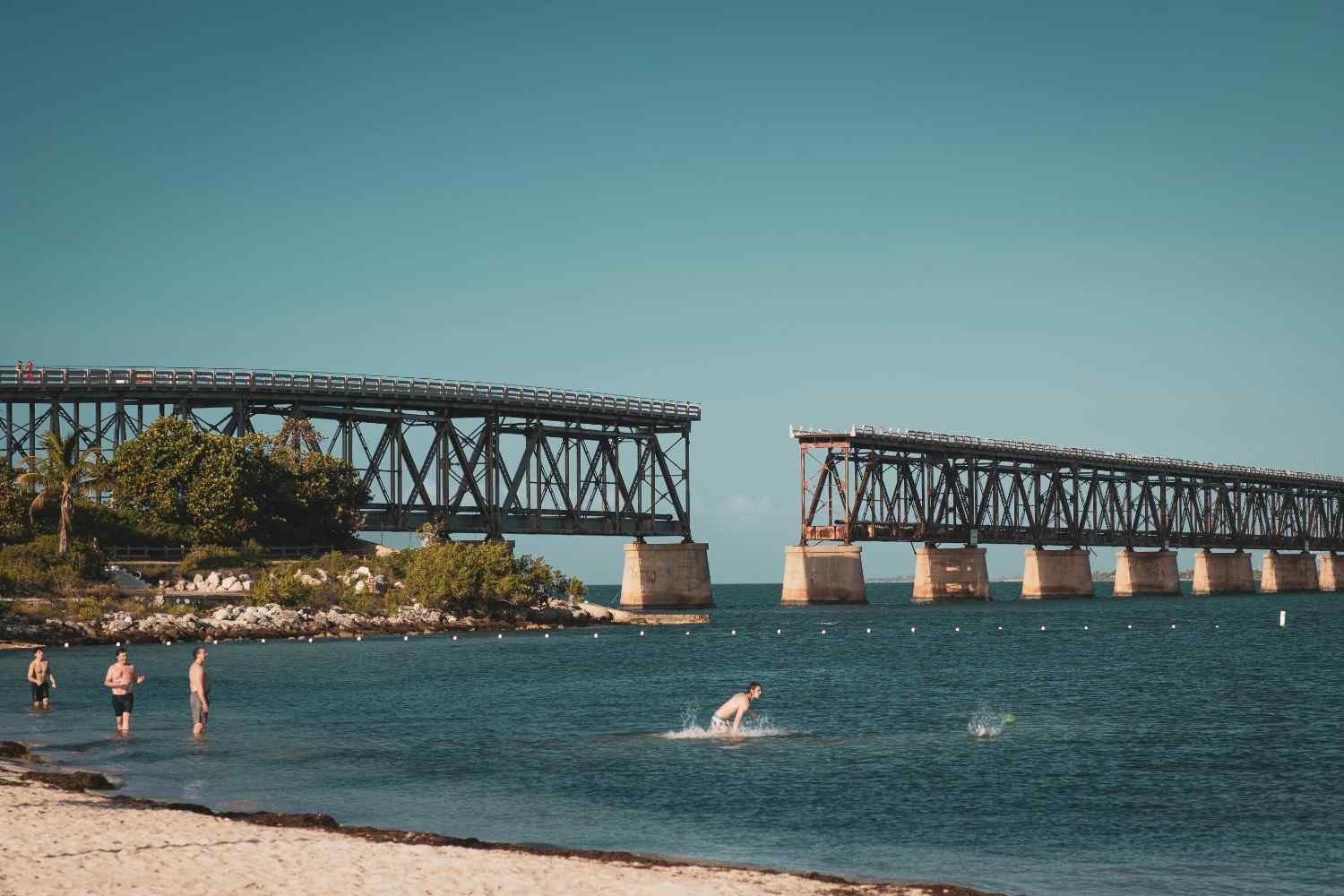
Bahia Honda is consistently listed among the best state park campgrounds in the US, and the setting earns it. The island sits in the middle of the Florida Keys, with sand beaches on both the Atlantic and Gulf sides, clear turquoise water, and a view of the old Bahia Honda Rail Bridge – one of the most photographed structures in the Keys. The bridge was part of Henry Flagler’s Overseas Railway, which connected the Keys to the mainland until a 1935 hurricane ended it.
The campground puts you directly on the beach. At Sandspur campground, sites back onto the Atlantic with water visible from your pitch. That’s not something you can replicate with a hotel booking anywhere on this stretch of the Keys.
The snorkeling offshore is excellent. The reef at Looe Key is a short boat ride south. The beaches here are some of the only natural sand beaches in the Keys – most Keys “beaches” are narrow strips of imported sand, but Bahia Honda’s are the real thing.
Top Campsites and Overnight Spots
- Sandspur Campground (Bahia Honda SP): The best of the three campground areas in the park, with sites directly on the Atlantic-facing beach. Water and electric hookups. Some sites have direct ocean views. These book out months in advance – use the full ReserveAmerica window (11 months ahead) for winter stays.
- Buttonwood Campground (Bahia Honda SP): On the bay side of the island, more sheltered than Sandspur. Water and electric hookups. A good fallback if Sandspur is full. Less dramatic views but a quieter, more protected overnight.
- Bayside Campground (Bahia Honda SP): The most basic of the three areas, with some sites suitable for tents and smaller RVs. Fewer facilities, but closest to the boat launch and kayak rental area. Good if Sandspur and Buttonwood are both booked out.
- Concession boat tours (Bahia Honda SP): The park runs snorkel tours to Looe Key reef from the marina. Book in advance – these fill quickly in winter and are the most accessible way to reach Looe Key without your own boat.
Don’t Leave Without…
Walking the old Bahia Honda Rail Bridge at sunset. The wooden walkway on the lower deck runs out over the water, and the view back toward the island – beach, palm trees, campfires starting up – is one of the better end-of-day scenes in the Keys.
RV Practical Info
- Road access: Bahia Honda is right on US-1 at MM 37. The entrance road is well-maintained and handles standard RVs well. Some of the Sandspur loop sites have tight turns for larger rigs – call the park to confirm maximum vehicle length before booking.
- Campsite availability: Bahia Honda is one of the most booked campgrounds in Florida. Sandspur beach sites open for reservation 11 months ahead on ReserveAmerica and fill within hours. Set a calendar alert and book the moment the window opens for your target dates.
- Hook-up and facilities: Water and electric hookups at most sites. No full sewer hookups. Dump station available on-site. Restrooms and showers at all three campground areas.
- Parking in town: There’s no town at MM 37. Marathon is 20 minutes north and has supermarkets, fuel, and restaurants. Stock up before arriving at the park.
- Wild camping: Not permitted inside Florida State Parks.
Who Is It Best For?
- Beach campers who want a genuine sandy beach directly from their pitch
- Snorkelers and divers heading to Looe Key
- Anyone doing a full Keys drive – Bahia Honda is the most rewarding overnight stop between Key Largo and Key West.
Recommended Nightly Budget
- Sandspur and Buttonwood sites: $43–$53/night (water and electric)
- Bayside sites: $28–$36/night (electric only)
- Meals: Bring food from Marathon – dining options near the park are very limited
9. Naples / Marco Island, Southwest Florida
Why Stay Here
Naples sits on Florida’s Gulf Coast, about 100 miles west of Miami across the Everglades. The drive from Miami via the Tamiami Trail (US-41) takes you through the heart of the Everglades, past Shark Valley and Big Cypress National Preserve – making the journey itself part of the attraction.
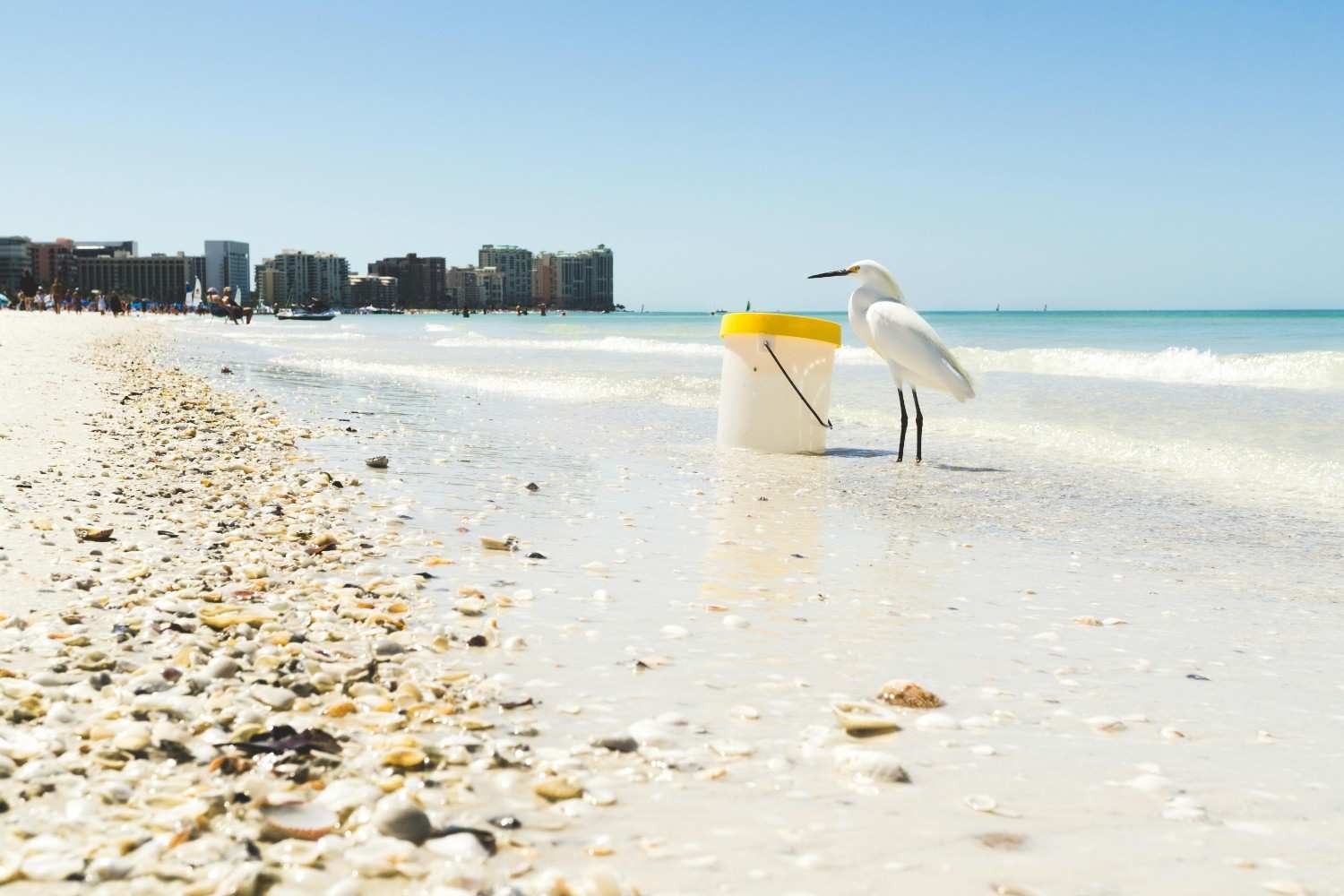
The Gulf side has different water from the Atlantic. The Gulf of Mexico is warmer, calmer, and shallower than the Atlantic coast, with water that stays clear and aquamarine through most of the year. Naples Beach and the adjacent beaches on Marco Island have powder-white sand and sunsets over open water, which the Atlantic side of Miami can’t offer.
Naples, as a town, is prosperous and well-organized. The pier district is walkable and has good restaurants. Marco Island, 20 minutes south, is quieter and more residential, with excellent shelling beaches at Tigertail Beach. For travelers who want Gulf Coast character alongside Everglades access, Naples is a natural base – and it works particularly well as the end point of a Miami-to-Gulf trip.
Top Campsites and Overnight Spots
- Collier-Seminole State Park (Naples): A state park campground on the edge of the Everglades, 17 miles southeast of Naples. Full hookups available. The park sits at the intersection of mangrove swamp and tropical hammock – canoe and kayak rentals run inside the park on the Blackwater River. Good birdwatching. Book through ReserveAmerica.
- Naples / Marco Island KOA (Naples): A large, full-service private RV park on the south edge of Naples. Full hookups, pool, laundry, and Wi-Fi. One of the better-equipped private parks on the Gulf Coast. Convenient to both Naples Beach and Marco Island. Book 3–4 weeks ahead in winter.
- Koreshan State Park (Estero): A historic state park campground 20 minutes north of Naples, on the banks of the Estero River. Electric and water hookups. Canoe and kayak access from the park. The park protects the site of a 19th-century utopian commune – unusual and genuinely interesting history. Good for a quieter stay north of Naples.
- Marco Island Lakeside Inn (Marco Island): A small, well-run private RV park on Marco Island. Quieter than the Naples options, with direct access to the island’s beaches. Book well ahead – site availability is limited, and it fills fast in winter.
Don’t Leave Without…
Driving to the tip of Marco Island at sunset for the view back across the Ten Thousand Islands – the mangrove archipelago that defines the southwestern Everglades coastline. It’s some of the most remote-feeling landscapes accessible by road in South Florida.
RV Practical Info
- Road access: From Miami, take US-41 (Tamiami Trail) west through the Everglades – 100 miles, roughly 2 hours. The road is flat and handles RVs well, but has very limited services between Florida City and Naples. Fill up fuel and water before leaving the Miami area.
- Campsite availability: Naples and Marco Island campgrounds fill from December through March. Book private parks 4–6 weeks ahead. Collier-Seminole fills quickly on winter weekends – use the ReserveAmerica 11-month window for peak season.
- Hook-up and facilities: Private parks have full hookups. State parks (Collier-Seminole, Koreshan) have water and electricity. Dump stations at all parks. Naples proper has full services – supermarkets, fuel, and hardware stores.
- Parking in town: Naples downtown and the pier area have limited RV parking. Park at the campground and drive a smaller vehicle or use rideshare for evenings in town.
- Wild camping: Not permitted in Collier County or on Marco Island.
Who Is It Best For?
- Gulf Coast–focused travelers who want warm water, white sand, and calmer beaches than the Atlantic side
- Travelers doing a Miami-to-Gulf crossing via the Tamiami Trail – Naples is the natural endpoint.
- Nature lovers who want Everglades access alongside beach time
Recommended Nightly Budget
- Naples / Marco Island KOA: $60–$90/night (full hookup)
- State park sites (Collier-Seminole, Koreshan): $26–$36/night
- Meals: $20–$40 – Naples has good mid-range dining; Marco Island runs higher
10. Key West / Dry Tortugas Area (MM 0–4)
Why Stay Here
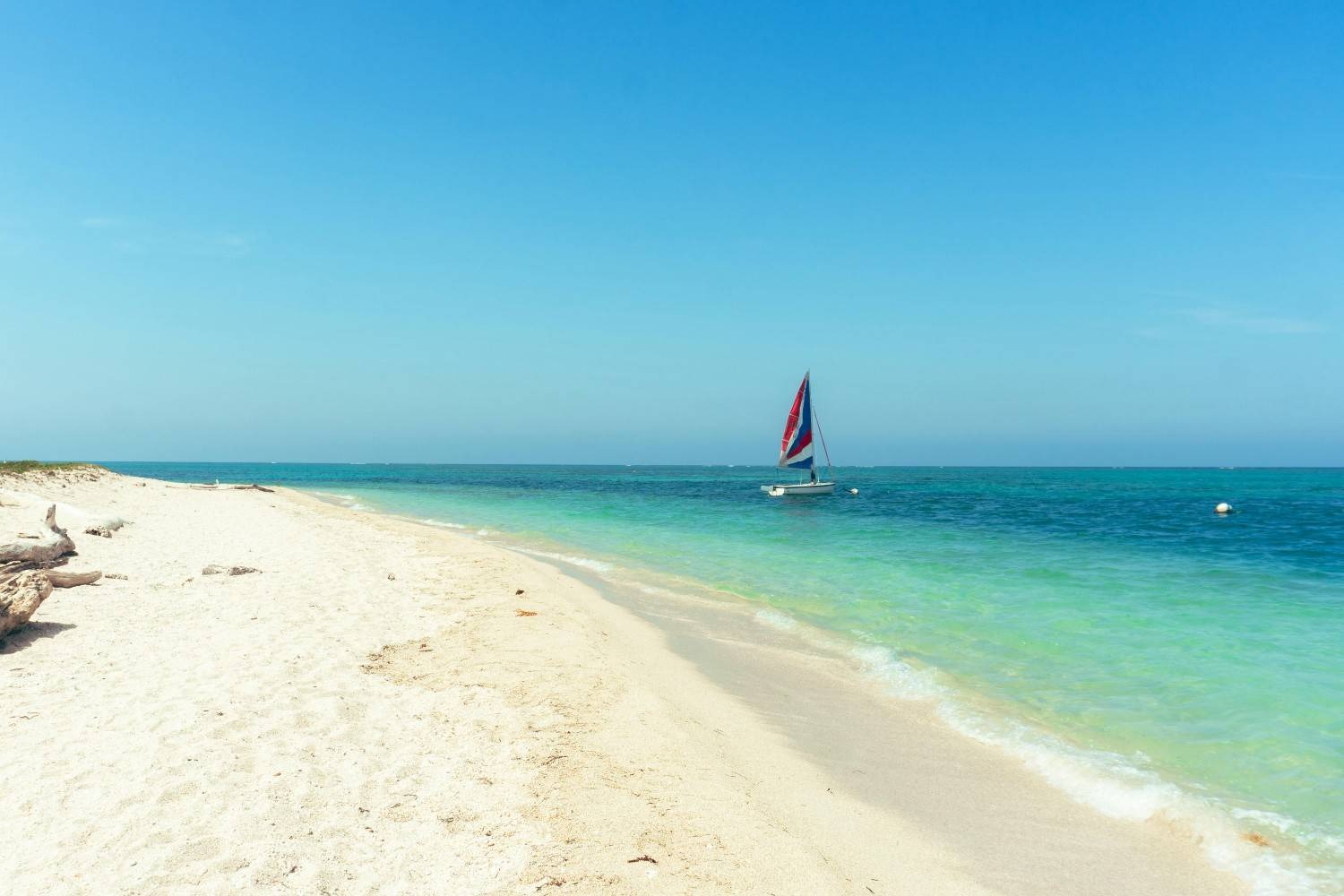
Key West is the end of the road – literally. US-1 terminates here, 160 miles from Miami and 90 miles from Cuba. The island is small (7 km long), flat, and dense with history. It was the home of Ernest Hemingway, Tennessee Williams, and John James Audubon. It was a major hub for wreckers and spongers before tourism took over. It’s been a Navy base, a cigar manufacturing centre, and a bohemian refuge since the 1970s.
The town itself is walkable and genuinely interesting. Duval Street is the tourist spine, but the side streets of Old Town – Victorian houses, bougainvillea, roosters wandering freely – have real character. The sunsets at Mallory Square are a nightly ritual that draws the whole island to the waterfront.
From Key West, you can access Dry Tortugas National Park – 70 miles offshore by ferry, with Fort Jefferson, the largest brick structure in the Americas, sitting on a coral island in the middle of the Gulf. Camping is available on the island for those who want to go further, but the day ferry from Key West is the practical option for RV-based travelers.
Top Campsites and Overnight Spots
- Boyd’s Key West Campground (Stock Island, MM 5): The closest full-hookup RV park to Key West, on Stock Island just across the bridge. Waterfront sites on a canal, full hookups, pool, and laundry. A genuine marina atmosphere with fishing boats coming and going. The shuttle to Duval Street runs from the park. Book 2–3 months ahead for winter.
- Bluewater Key RV Resort (MM 14.5): A premium resort-style RV park on Sugarloaf Key, 25 minutes from Key West. Waterfront sites with private docks, full hookups, and a quiet atmosphere. More expensive than Boyd’s, but the setting is exceptional. Popular with long-term winter visitors.
- Leo’s Campground (Key West): A smaller, more basic private campground inside the Key West city limits. Less infrastructure than Boyd’s, but closer to Duval Street. Good if you want to be on the island itself rather than on Stock Island. Limited sites – book far ahead.
- Dry Tortugas National Park (primitive camping): The only camping option in the Dry Tortugas is on Garden Key, accessed by the Yankee Freedom III ferry from Key West. Primitive tent camping only – no RV access. Worth knowing about for travelers who want to extend the trip to its logical conclusion.
Don’t Leave Without…
Catching the sunset at Mallory Square and staying for the street performers who set up afterward. It’s touristy in the best sense – the whole island shows up, and the atmosphere is genuinely festive. Then walk three blocks into Old Town and find a bar that isn’t on Duval Street for the second drink.
RV Practical Info
- Road access: Key West is 160 miles from Miami via US-1 – allow 3.5 to 4 hours without stops. The Seven Mile Bridge (MM 40–47) is the most dramatic stretch and handles RVs well. Key West itself has very narrow streets in Old Town – don’t attempt to drive an RV into the historic district. Park at Boyd’s or Bluewater and use the shuttle or rideshare.
- Campsite availability: Key West campgrounds are among the most booked in Florida. Boyd’s and Bluewater fill for December through March by October. Book 2–3 months ahead at minimum. Last-minute winter availability is essentially zero.
- Hook-up and facilities: Boyd’s and Bluewater have full hookups. Leo’s has water and electricity. Dump stations at Boyd’s and Bluewater. Key West has full services – supermarkets, marine supply, fuel – on Stock Island and North Roosevelt Boulevard.
- Parking in town: Old Town Key West has no RV parking. Boyd’s runs a shuttle. Rideshare works well for the short hop from Stock Island. The Conch Train and Old Town Trolley both run tours from convenient pickup points.
- Wild camping: Not permitted in Monroe County or anywhere in the Florida Keys.
Who Is It Best For?
- Road-trippers completing the full Miami-to-Key West drive – the logical end point of a Florida Keys itinerary.
- History and culture travelers – Key West has more per square mile than anywhere else in South Florida.
- Anyone wanting access to Dry Tortugas National Park via the Key West ferry
Recommended Nightly Budget
- Boyd’s Key West Campground: $75–$110/night (full hookup, waterfront premium in season)
- Bluewater Key RV Resort: $90–$140/night (resort pricing, waterfront sites)
- Leo’s Campground: $55–$80/night
- Meals: $20–$45 – Key West dining is good but priced for tourists; cooking in the RV saves significantly
What to Pack for a Miami RV Stay
Miami’s warm year-round, so the packing list doesn’t change as dramatically as it would for most US trips – but the month you’re traveling and which campsites you’re using matter more than you’d think.
Clothing
| Item | Why You Need It |
| Lightweight moisture-wicking shirts | The humidity is real even in winter – cotton stays wet; synthetics and merino don’t |
| Quick-dry shorts and swimwear | You’ll be in and out of the water multiple times a day |
| Light rain jacket | Afternoon thunderstorms happen year-round; summer has them daily |
| Sandals + closed-toe shoes | Sandals for beach and marina; closed shoes for Everglades trails where fire ants are active |
| Sun hat with full brim | The UV index in South Florida is extreme year-round |
Campsite Essentials
| Item | Why You Need It |
| Heavy-duty insect repellent (DEET 30%+) | Essential near the Everglades; worth having at any site near mangroves |
| Leveling blocks | Many South Florida campground pads are slightly off-level |
| 30/50-amp power adapter | Know which hookup standard your vehicle uses before arriving |
| Water pressure regulator | Florida campground water pressure can run high and damage RV plumbing |
| Surge protector for electrical hookup | Lightning is common in summer; a surge protector protects your appliances |
| Fan or supplemental cooling | Without air conditioning in a Miami summer, nights are uncomfortable |
Sun and Water Gear
| Item | Why You Need It |
| SPF 50+ reef-safe sunscreen | Florida law and Keys ethics – reef-safe sunscreen protects the coral at Pennekamp |
| Snorkel and mask | Rentals are available at Key Largo, but bringing your own is cheaper for multi-day use |
| Dry bag | For kayaking in Biscayne Bay or on the Everglades canoe trails |
| Polarized sunglasses | The glare off the water is intense; polarized lenses make spotting wildlife much easier |
State-Specific Items
- Florida SunPass transponder (or carry cash): Most toll roads, including the Turnpike and Rickenbacker Causeway, accept cash, but SunPass lanes move faster.
- National Parks Annual Pass: If your trip covers both the Everglades and Biscayne, the $80 America the Beautiful Pass covers entry to both
- Offline maps for the Florida Keys: Cell coverage gets patchy in the lower Keys – download your maps before leaving Key Largo
Final Expert Tips for Staying in Miami by RV
1. Plan around the snowbird season. Miami-area RV campgrounds fill from late November through March with long-term winter visitors. The weather in that window is genuinely the best – mid-70s°F, low humidity – but campsite competition is at its peak. Book private parks 3–4 weeks ahead, NPS sites 60–90 days ahead, and have a backup location ready before you arrive.
2. Consider the RV as your hotel. A basic hotel room in Miami Beach runs $250–$400/night in high season. An RV at a campsite for $35–$65/night gives you comparable sleep quality plus a kitchen. The savings are bigger in Miami than in almost any other US city.
3. Time your Miami Beach visit for a weekday. South Beach on a Saturday in January is genuinely hard to enjoy. On a Tuesday morning in October, it’s a different place entirely. If your schedule has any flexibility, move the Miami Beach day to midweek.
4. Virginia Key is your best urban base – book it first. Virginia Key Beach Park has the best combination of location, character, and value of any overnight spot in the Miami area. It fills on winter weekends. Book it first, then build the rest of your trip around it.
5. Build in at least one Everglades day. The Anhinga Trail at dawn takes about 45 minutes, and all you need is mosquito repellent and water. Most people who do it say it’s one of the better wildlife experiences of their whole US trip. From any Miami campground, it’s a 45-minute drive to the main park entrance.
6. Don’t try to park an RV on Miami Beach’s main streets. Ocean Drive, Collins Avenue, and Washington Avenue have no RV parking. Park at your campground and use rideshare, the South Beach local bus (SOBE), or the free Miami Beach trolley to get around.
7. Stock groceries before heading into the Everglades or Keys. The last large supermarket on US-1 heading south is a Publix in Florida City. After that, options get limited and expensive fast. Fill your RV kitchen at Florida City before entering either the Everglades or the Keys.
8. Check hurricane season dates and have a plan. Hurricane season runs from June 1 through November 30. If you’re traveling in that window, check the National Hurricane Center (nhc.noaa.gov) before arrival and know which direction you’d head if a storm came close.
Traveling by RV means your accommodation can move – that’s a real advantage in a weather event.
Stay in Miami with Indie Campers
Indie Campers has pickup locations across the US, and Miami is one of its best starting points – close to the Keys, the Everglades, and Biscayne, with campgrounds that cost far less than the city’s hotels.
With more than 7,000 vehicles across Europe, North America, and Oceania, there’s a size and style for every type of South Florida trip:
- Find the right vehicle for South Florida: A Class A RV rental works well for longer stays where comfort matters most. A class B RV rental is easier to maneuver through Miami’s campgrounds and the narrow Keys roads. A class C RV rental is a good middle ground for space and maneuverability.
- One-way rental flexibility: Pick up in Miami and drop off in another city – most RV rental companies require you to return to the same location. The Keys to Miami to Orlando is a natural linear route, and you won’t need to backtrack a single kilometre.
- Flexible cancellation: Cancel up to 31 days before pick-up at no penalty. With Miami campground availability and hurricane season both in the mix, that flexibility matters.
- Book now, pay later: Full payment isn’t due until 30 days before you go. You can lock in your dates now without committing your budget until you’re certain.
Browse our available RV rentals in Miami and start planning your itinerary.
Everything You Need to Know: Staying in Miami by RV
| Area / Town | Setting | Best For | Top Campsites | Nightly Budget | RV-Friendly Rating | Wild Camping? | Best Way To Stay |
| Virginia Key | Urban coastal | City access + beach | Virginia Key Beach Park | 💰💰💰 | ★★★★☆ | No | Indie Campers RV |
| Homestead / Biscayne | National park edge | Nature + kayaking | Miami Everglades KOA, Long Pine Key | 💰💰 | ★★★★☆ | No | Indie Campers RV |
| Key Largo (MM 100) | Upper Keys | Diving + reef | John Pennekamp SP, Key Largo Kampground | 💰💰💰 | ★★★★☆ | No | Indie Campers RV |
| Miramar / Hollywood | Suburban coastal | Budget base | Sunshine Holiday RV, C.B. Smith Park | 💰💰 | ★★★★★ | No | Indie Campers RV |
| Everglades (Flamingo) | Wilderness | Wildlife immersion | Flamingo CG, Long Pine Key | 💰 | ★★★☆☆ | No | Indie Campers RV |
| Fort Lauderdale | Urban coastal | City + beach base | Yacht Haven Park, Easterlin Park | 💰💰💰 | ★★★★☆ | No | Indie Campers RV |
| Big Pine Key / Lower Keys | Lower Keys | Reef diving + wildlife | Big Pine Key Fishing Lodge, Sunshine Key | 💰💰💰 | ★★★★☆ | No | Indie Campers RV |
| Bahia Honda State Park | State park coastal | Beach camping | Sandspur CG, Buttonwood CG | 💰💰 | ★★★★☆ | No | Indie Campers RV |
| Naples / Marco Island | Gulf Coast | Gulf beach + Everglades | Naples KOA, Collier-Seminole SP | 💰💰💰 | ★★★★☆ | No | Indie Campers RV |
| Key West / Dry Tortugas | End of the Keys | History + island life | Boyd’s Key West CG, Bluewater Key | 💰💰💰💰 | ★★★☆☆ | No | Indie Campers RV |
FAQs About Where to Stay in Miami
Where can I rent an RV to stay in Miami?
You can rent an RV to stay in Miami through Indie Campers, which has a Miami pickup location with vehicles ranging from compact campervans to full-size Class A motorhomes. Virginia Key Beach Park and the Homestead KOA are the two best overnight bases to pair with an Indie Campers rental.
Book your vehicle before booking your campsite – winter availability at both fills up fast, and Virginia Key goes first.
What is the cheapest area to stay in Miami?
The cheapest area to stay in Miami for RV travelers is Miramar or Hollywood in Broward County, where full-hookup private campgrounds run $45–$65/night – well below comparable sites near Miami Beach.
Everglades National Park campgrounds (Long Pine Key, $20–$30/night) are cheaper still, though you’ll need to drive 35–40 miles north to reach Miami’s main attractions.
What is the best area to stay in Miami for coastal access?
The best area to stay in Miami for coastal access is Virginia Key, where the campground is within walking distance of Virginia Key Beach and a 15-minute drive from South Beach.
If reef snorkeling and bay kayaking matter more than Miami Beach access, John Pennekamp State Park campground in Key Largo is the better choice.
What is the best place to stay in Miami for couples?
Virginia Key Beach Park is the best place to stay in Miami for couples – waterfront campsites, nearby Crandon Park beach, and easy evening access to Miami Beach’s restaurants cover both the outdoor and city sides of a South Florida trip.
Key Largo’s waterfront sites at Key Largo Kampground & Marina are a strong second option if you’d rather have quiet evenings on the water than city access.
What is the best place to stay in Miami with family?
The best place to stay in Miami with a family is Homestead, using the Miami Everglades KOA as your base. One trip from there covers Biscayne National Park (glass-bottom boat tours, snorkeling), the Everglades (Anhinga Trail wildlife walk), and the drive back to Miami Beach for a day.
The KOA has a pool and laundry, which you’ll appreciate on a longer family trip.
What is the best place to stay in Miami with kids?
The best place to stay in Miami with kids is the Homestead / Biscayne National Park area. The Anhinga Trail wildlife walk alone – alligators, birds, and turtles all visible within 30 minutes – is worth the stop.
Combining it with a Biscayne Bay glass-bottom boat tour and the KOA pool gives you a full day that doesn’t require driving into the city. Virginia Key works well, too, if your kids are old enough to get more out of beach access than wildlife.
What is the best place to stay in Miami with friends?
Virginia Key is the best place to stay in Miami with a group – a real waterfront camp feel with quick access to Wynwood and Miami Beach for evenings out.
If your group is more into diving and beach than nightlife, Key Largo’s campgrounds at John Pennekamp put you right next to the reef with a good camp social scene.
What are the best places to stay in Miami for first-timers?
Virginia Key (for city access and beach), paired with 2 nights in Homestead (for national park access), covers the core of Miami in one trip – South Beach, Wynwood, the Everglades, and Biscayne Bay across 5–6 nights.
It’s a complete South Florida itinerary without overcomplicating the route.
What are the best places to stay in Miami for solo travelers?
Virginia Key Beach Park and the Miami Everglades KOA in Homestead are both good choices for solo travelers – well-managed, with other travelers around if you want company.
Avoid the Flamingo campground in the deep Everglades for a solo trip unless you’re experienced with remote camping. It’s isolated, cell coverage is limited, and mosquito conditions in the wet season are severe.
What are the best places to stay in Miami for nature lovers?
Flamingo Campground inside Everglades National Park is the top pick for nature lovers – the most immersive wildlife experience in South Florida, with genuinely dark skies and dawn access to some of the best birdwatching in the US.
The Homestead / Biscayne area is the second pick, pairing coral reef access with Everglades proximity. Virginia Key is the best option if you want nature and city access in the same base – the bay views, manatee sightings, and nearby Biscayne National Park day trips make it much more than a city campground.