Key Takeaways (TL:DR)
- Why Go In July: The best places to visit in Europe in July offer long, sun-drenched days perfect for coastal road trips and high-altitude hiking in the Alps or Pyrenees that is inaccessible in winter.
- Top Places to Visit in Europe in July 2026: Porto, Cork, Chamonix, Gdansk, Innsbruck.
- Don’t Miss Experience: Watching the midnight sun illuminate the fjords or coastline in Northern Europe, where the light never truly fades.
- Ideal Trip Length: 10–14 days. This gives you enough time to explore a region thoroughly without rushing through the peak-season heat.
- How to Choose the Right City: Head north or to the mountains if you want to escape the heat (keywords: where to go in Europe in July not too hot), or stick to the Atlantic coast for ocean breezes.
- Recommended Budget Per Person: €110–€180/day. July is peak season, so expect higher prices for campsites, activities, and dining.
- Watch Out For: Extreme heatwaves in Southern Europe (Spain, Italy, Greece) and large crowds at major tourist landmarks.
- Where To Stay: Indie Campers RV rentals give you the freedom to chase the breeze and stay at nature-focused campsites away from sweltering city centers.
- Best For: Outdoor adventurers, families on school holidays, and road-trippers looking for iconic summer festivals and coastal drives.
Table of Contents
- Top Cities and Countries to Visit in Europe in July 2026: at a Glance
- Best Places to Visit in Europe in July
- What Should You Pack for a Europe Roadtrip in July
- Final Expert Tips for July Travel in Europe
- Start Your European Adventure with Indie Campers
- Everything You Need to Know About Europe RV Roadtrips in July
- FAQs About Where To Go in Europe in July
Top Cities and Countries to Visit in Europe in July 2026: at a Glance
| Vibe | Best For | Top Activities | Average Temperature | Ideal Stay Length | Crowd Level | RV-Friendly | Crowd Level | RV-Friendly |
|---|---|---|---|---|---|---|---|---|
| Porto | Portugal | Historic & Coastal | Culture/Foodies | Douro Valley, Wine Tasting | 25°C (77°F) | 3–5 Days | High | Mixed |
| Cork | Ireland | Green & Lively | Road Trippers | Wild Atlantic Way, Blarney | 19°C (66°F) | 4–6 Days | Moderate | Yes |
| Chamonix | France | Alpine & Epic | Hikers | Mont Blanc, Hiking | 22°C (72°F) | 5–7 Days | Moderate | Yes |
| Gdansk | Poland | Maritime & Amber | History Buffs | Old Town, Beaches | 22°C (72°F) | 3–4 Days | Moderate | Yes |
| Innsbruck | Austria | Mountain Urban | Adventure | Nordkette, Old Town | 24°C (75°F) | 3–5 Days | Moderate | Yes |
| Bergen | Norway | Fjord & Nordic | Nature Seekers | Fjords, Fløibanen, Bryggen | 19°C (66°F) | 4–6 Days | Moderate | Yes |
| Split | Croatia | Coastal & Roman | Beach/History | Diocletian’s Palace, Islands | 28°C (82°F) | 4–5 Days | High | Mixed |
| Edinburgh | Scotland | Historic & Cultural | Culture Buffs | Castle, Arthur’s Seat, Whisky | 19°C (66°F) | 3–5 Days | High | Mixed |
| Amsterdam | Netherlands | Canal & Cosmopolitan | Art/Cyclists | Rijksmuseum, Canals, Cycling | 22°C (72°F) | 3–4 Days | Very High | Mixed |
| Barcelona | Spain | Mediterranean & Bold | Foodies/Architecture | Sagrada Família, Beaches | 29°C (84°F) | 4–6 Days | Very High | Mixed |
Best Places to Visit in Europe in July
1. Porto, Portugal

The Vibe
Porto in July is vibrant, sunny, and surprisingly breezy compared to the scorching south, making it one of the best places to visit in Europe in July. The city sits at the mouth of the Douro River, and the Atlantic winds keep things fresh. The Ribeira district buzzes with energy, as locals and travelers spill out of tiled tavernas onto the cobbled streets. The city feels authentic and lived-in, with laundry flapping from balconies and seagulls crying overhead.
While Lisbon gets most of the attention, Porto has a grittier, more soulful charm. It’s the gateway to the Douro Valley wine region, making it sophisticated yet unpretentious. The locals, known as Tripeiros, are famously welcoming and proud of their distinct northern identity.
Culturally, Porto wears its history openly. The azulejo tile panels that cover church facades and train stations aren’t just for decoration; they’re a visual language telling stories of battles, saints, and daily life stretching back centuries. Here, Fado-Portugal’s mournful and deeply emotional musical tradition-is performed intimately, distinct from the Lisbon style and rooted in working-class longing. The city also has a thriving contemporary art scene centered around institutions like the Serralves Museum. This is a place that values tradition fiercely but never feels stuck in the past.
Top Things to Do
- Explore the Douro Valley: Drive your RV east along the N222, often voted one of the world’s best drives. The terraced vineyards look their best in July-lush and green.
- Walk the Dom Luís I Bridge: Cross the top deck for incredible sunset views over the river and the terracotta rooftops. It’s a perfect photo spot.
- Visit a Port Wine Cellar: Cross to Vila Nova de Gaia to tour historic cellars like Graham’s or Taylor’s. It’s cool inside, offering a nice break from the midday sun.
- Hit the Beaches at Foz: Take a short drive or tram ride to Foz do Douro. The Atlantic beaches here are wide, clean, and refreshing on a hot July afternoon.
- Livraria Lello: Visit one of the most beautiful bookstores in the world. Go early or late to avoid the biggest lines.
Don’t Leave Without…
Eating a Francesinha. It’s a massive sandwich filled with steak, ham, and sausage, covered in melted cheese and a thick beer sauce. It’s not light, but it’s legendary.
RV Practical Info
- Road Conditions: City center streets are narrow and steep. Do not drive a large RV into the historic center.
- Parking: Use parking lots on the Gaia side of the river or park-and-ride facilities near metro stations like Estádio do Dragão.
- Campsites: Parque de Campismo de Salgueiros offers beach access south of the city. Orbitur Canidelo is another good coastal option.
- Wild Camping: Strictly prohibited in coastal areas and nature reserves. Stick to designated campsites.
Who Is It Best For?
- Foodies & Wine Lovers: The culinary scene is incredible.
- Couples: The river views and sunsets are deeply romantic.
- Culture Seekers: Tiles (azulejos) and history are everywhere.
Recommended Budget
€90–€140 per person/day. Here are the estimated costs:
- Campsites: €30–50.
- Meals: €30–50.
- Activities: €20–40.
2. Cork & The Wild Atlantic Way, Ireland

The Vibe
If you’re wondering where to go in Europe in July to escape the 35°C (95°F) heat, Ireland is the place to be. Cork serves as the perfect southern gateway to the Wild Atlantic Way. In July, the island is lush and green, the days are incredibly long (light until 10 PM), and the pubs are full of music.
Cork itself is a rebel city-independent, proud, and famous for its food scene. The vibe is relaxed and friendly. You don’t come here for a tan; you come for the craic (fun), the dramatic cliffside drives, and cozy evenings.
Cork’s rebellious spirit comes from its role in the Irish War of Independence, and you’ll notice locals still have a quiet defiance toward Dublin’s cultural dominance. The city punches well above its weight in arts and literature, producing writers and musicians who have shaped Irish culture.
The food scene here is arguably the best outside of Dublin, with local and seasonal ingredients treated as a point of civic pride. And then there’s the music-traditional sessions are a living, breathing part of the community, happening in pubs every night of the week.
Top Things to Do
- Drive the Wild Atlantic Way: Head west from Cork towards Kerry. The coastal roads offer dramatic cliffs, hidden beaches, and charming villages like Kinsale.
- Visit the English Market: This covered market has been serving Cork since 1788. It’s the perfect place to stock up your campervan fridge with artisan cheeses and smoked fish.
- Kiss the Blarney Stone: It’s a classic tourist stop just outside the city, but the castle grounds are beautiful in summer bloom.
- Explore Kinsale: Known as the gourmet capital of Ireland, this colorful harbor town is just a short drive away. Great for a seafood lunch.
- Hike the Sheep’s Head Peninsula: Far quieter than the Ring of Kerry, this peninsula offers stunning hiking trails with ocean views on both sides.
Don’t Leave Without…
Attending a traditional music session in a local pub. It’s not a show put on for tourists; it’s just what locals do. Order a stout and enjoy the fiddle and bodhrán.
RV Practical Info
- Road Conditions: Irish country roads can be very narrow, often with hedges on both sides. Take your time and be prepared to reverse into passing bays.
- Parking: Cork city has height barriers on many lots. Use the Black Ash Park & Ride.
- Campsites: Blarney Caravan & Camping Park is excellent and close to the city. Along the coast, there are many family-run sites with ocean views.
- Wild Camping: Generally tolerated in remote areas if you leave no trace, but always ask permission if near a farmhouse. Official campsites are safer and better equipped.
Who Is It Best For?
- Road Trippers: One of the world’s best coastal drives.
- Nature Lovers: Green, rugged, and wild landscapes.
- Heat Avoiders: Perfect temperate weather.
Recommended Budget
€100–€160 per person/day. Here are the estimated costs:
- Campsites: €35–55.
- Meals: €40–60 (Dining out is pricey).
- Fuel: Costs add up on long drives.
3. Chamonix, France
The Vibe
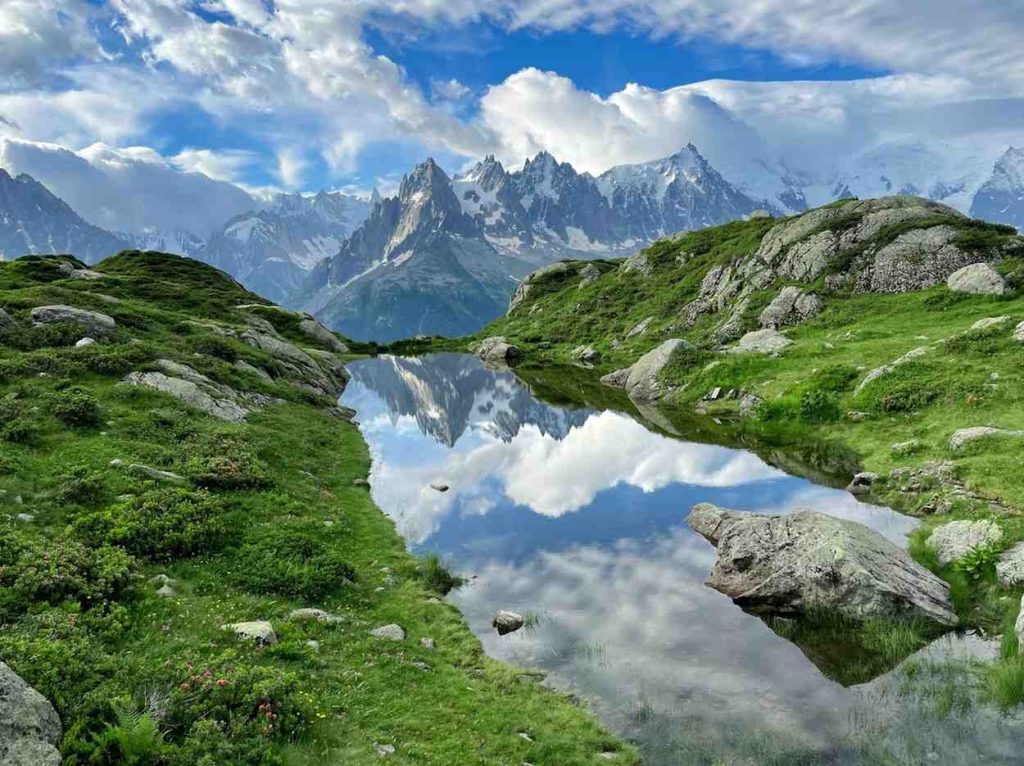
Chamonix in July is the capital of world alpinism and undoubtedly one of the best places to visit in Europe in July. The snow has melted from the hiking trails (though the glaciers remain), and the valley is a vivid green against the white of Mont Blanc. The town is buzzing with hikers, climbers, and trail runners from all over the globe.
The air is crisp and fresh, a massive relief from the humidity of the cities. It feels energetic and adventurous. You wake up to the sight of Europe’s highest peak and spend the day active before enjoying a raclette or fondue in the evening (yes, cheese is a year-round food here).
But Chamonix is more than a sports hub – it is a town with genuine alpine cultural roots that predate the era of outdoor gear shops and Instagram hikers. The Savoyard culture here is distinct from broader French identity; the language, the food, the architecture, and even the sense of community feel more closely tied to the mountain traditions shared with neighboring Switzerland and Italy than to Paris.
The town has a long relationship with mountaineering history going back to the 18th century, and that heritage is taken seriously – the Musée Alpin tells the story of early climbs and explorers in a way that is genuinely gripping. There is also a strong local art scene inspired by the landscape, with galleries and street installations that reflect how deeply the mountains shape the creative imagination of those who live beneath them.
Top Things to Do
- Take the Aiguille du Midi Cable Car: Rise to 3,842m for the closest view of Mont Blanc without climbing it. It’s chilly up there even in July, so bring a jacket.
- Ride the Montenvers Train: Visit the Mer de Glace glacier. You can walk inside an ice cave carved into the glacier itself.
- Hiking Lac Blanc: One of the most photogenic hikes in the Alps. The reflection of the mountains in the alpine lake is stunning.
- Paragliding: July offers stable thermal conditions. Seeing the valley from the air is an unforgettable bucket-list experience.
- Explore Chamonix Town: The pedestrian center is full of sports shops, cafes, and atmosphere.
Don’t Leave Without…
Trying a Savoyard meal. Ideally, a Tartiflette-potatoes, reblochon cheese, lardons, and onions. It’s heavy fuel for hikers.
RV Practical Info
- Road Conditions: Mountain roads are wide and well-maintained in summer. No snow tires needed in July.
- Parking: Parking Grepon is a large lot near the Aiguille du Midi lift that allows campervans.
- Campsites: Camping Mer de Glace and Camping Les Deux Glaciers offer stunning views and are well-connected by free buses/trains included with your guest card.
- Wild Camping: Strictly prohibited in the valley and nature reserves. High-altitude bivouacking is allowed from sunset to sunrise in specific areas only.
Who Is It Best For?
- Hikers & Climbers: The best access to high mountains in Europe.
- Adventure Families: Lots of outdoor activities for kids.
- Photography Enthusiasts: The scenery is dramatic and sharp.
Recommended Budget
€110–€170 per person/day. Here are the estimated costs:
- Campsites: €40–60.
- Meals: €30–50.
- Lift Passes: Can be expensive (€70+ for Aiguille du Midi).
4. Gdansk, Poland
The Vibe
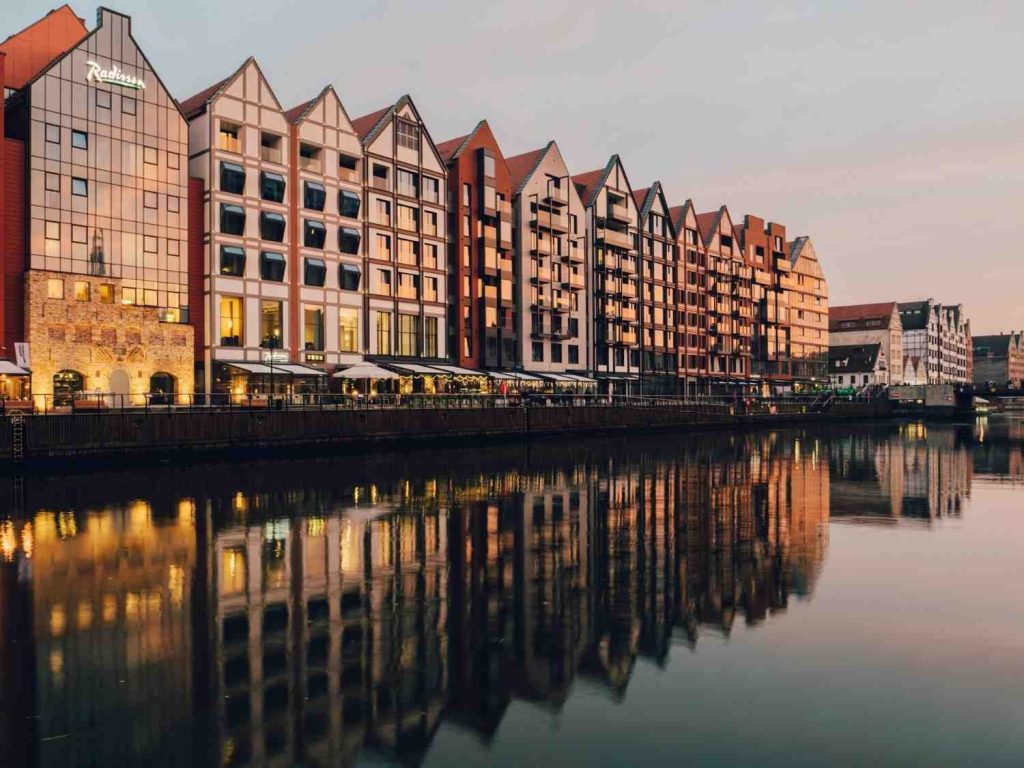
Gdansk is the pearl of the Baltic. In July, the weather is warm but rarely oppressive, usually sitting in the low 20s°C (70s°F). The city has a unique Hanseatic look, distinct from the rest of Poland, with tall, narrow merchant houses lining the Motława River.
It feels maritime, historical, and increasingly trendy. The Long Market is bustling with street performers and amber sellers. Nearby Sopot acts as the “Polish Riviera,” offering a beach party vibe if you want it, while Gdansk remains the cultural anchor.
The culture here is layered in a way that few European cities can match – Gdansk has been Polish, Prussian, and Free City in turn, and each era left something behind in the architecture, the food, and the local psyche. This multicultural past gives the city a cosmopolitan sensibility that feels unexpected and refreshing.
It is also a city of enormous historical weight: the Solidarity movement that ultimately unraveled communist rule across Eastern Europe was born in the shipyards here in 1980, and that story of civic courage is part of how residents understand themselves today.
The arts and music scene is youthful and ambitious, with a growing reputation for theatre, experimental music, and design. Amber – pulled from the Baltic Sea – is the city’s most iconic symbol, and the craft traditions around working it connect contemporary artisans to trades that have been practiced on this coastline for thousands of years.
Top Things to Do
- Walk the Royal Way: Stroll from the Golden Gate to the Green Gate. The architecture is reconstructed perfection.
- Visit the European Solidarity Centre: Learn about the movement that helped end communism in Europe. It’s incredibly moving and relevant.
- Relax on Sopot Beach: Drive 20 minutes to Sopot to walk the longest wooden pier in Europe and sunbathe on white sand.
- Westerplatte: Visit the site where WWII began. It’s a somber but important historical location accessible by boat or RV.
- Kayak on the Motława: See the famous Crane and granaries from the water level.
Don’t Leave Without…
Buying a piece of Baltic Amber. It’s the local “gold.” Also, try Pierogi filled with wild mushrooms or sweet cheese at a milk bar (Bar Mleczny).
RV Practical Info
- Road Conditions: Polish highways are modern and excellent. City driving is manageable.
- Parking: Park outside the historic center. There are guarded lots suitable for campervans.
- Campsites: Camping Stogi specifically caters to visitors, located near a beach and a tram line into the center.
- Wild Camping: Generally forbidden in cities and on beaches. Stick to campsites.
Who Is It Best For?
- History Buffs: WWII and Solidarity history is deep here.
- Budget Travelers: Your money goes further here than in Western Europe.
- Beach & Culture Mixers: You get a historic city and a beach resort in one.
Recommended Budget
€70–€110 per person/day. Here are the estimated costs:
- Campsites: €25–40.
- Meals: €20–35 (Great value).
- Activities: €10–20.
5. Innsbruck, Austria
The Vibe
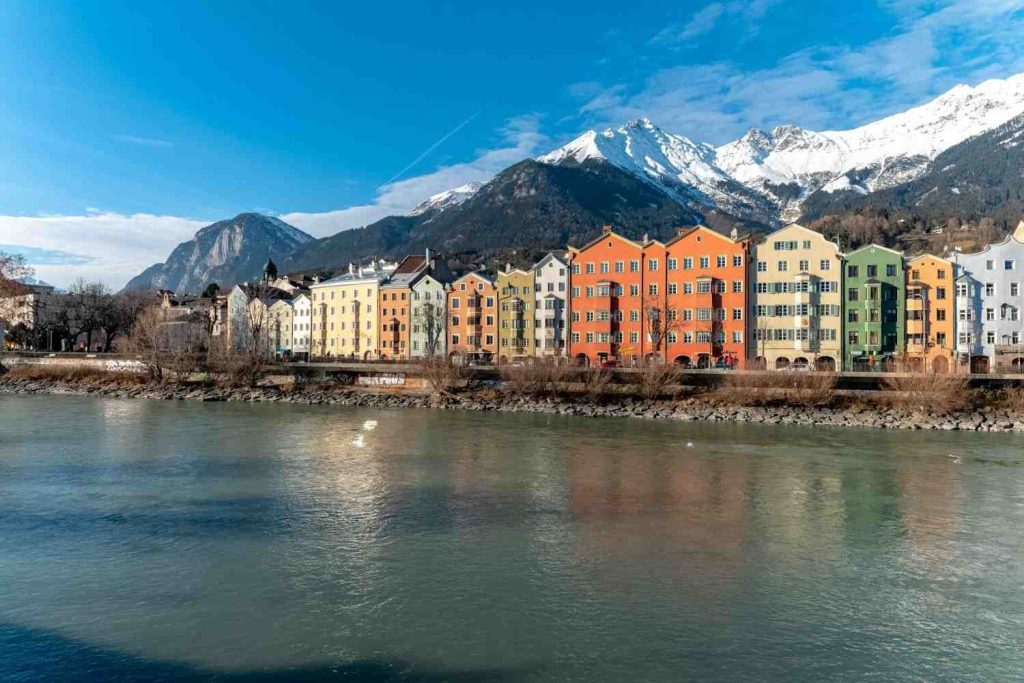
Innsbruck calls itself the “Capital of the Alps,” and in July, it truly shines. It’s a unique urban space where you can see rugged peaks from the middle of the medieval old town. The vibe is sporty and young, thanks to a large student population and a focus on mountain sports.
While winter is about skiing, July is about mountain biking, hiking, and enjoying the outdoor cafes. The Inn River flows fast and cold through the city, providing a natural air conditioner. It’s clean, safe, and visually spectacular.
Culturally, Innsbruck carries the legacy of the Habsburg dynasty with remarkable weight – this was a favored imperial city, and its churches, palaces, and public spaces reflect centuries of Habsburg patronage of the arts. The Court Church houses the famous cenotaph of Emperor Maximilian I, surrounded by 28 towering bronze ancestor statues, and it is one of the most striking Renaissance monuments anywhere in Europe.
Tyrolean folk culture is alive and unselfconscious here – traditional dress, music, and craft are practiced not purely for tourism but as genuine expressions of regional pride and identity. The University of Innsbruck brings an intellectual and creative energy that keeps the city from feeling like a museum piece, and the contemporary architecture – including the futuristic Nordkettenbahnen stations designed by Zaha Hadid – signals a city confident in layering the new boldly over the old.
Top Things to Do
- The Golden Roof (Goldenes Dachl): Admire the city’s most famous symbol in the heart of the old town.
- Nordkette Cable Car: Take the funicular/cable car from the city center directly to the top of the mountain (2,300m) in 20 minutes. The view is insane.
- Ambras Castle: A Renaissance castle with beautiful gardens and weird/wonderful collections of art and curiosities.
- Swarovski Crystal Worlds: A short drive away, this is a trippy, artistic attraction that is great for families.
- Alpine Zoo: Europe’s highest-altitude zoo, focusing on alpine animals like bears, wolves, and ibex.
Don’t Leave Without…
Eating Kaiserschmarrn at a mountain hut. It’s a shredded pancake dish with plum sauce and powdered sugar. Best enjoyed after a hike.
RV Practical Info
- Road Conditions: Excellent, but you need a Vignette (toll sticker) for Austrian highways.
- Parking: City parking is tight. Use park-and-ride facilities or campsite transport.
- Campsites: Camping Kranebitten offers panoramic views of the Nordkette and is close to the city. Natterer See is a fantastic resort-style campsite with a swimming lake nearby.
- Wild Camping: Strictly illegal in Tyrol and heavily fined. Do not try it.
Who Is It Best For?
- Active Travelers: Hiking, biking, and climbing right from the city.
- Families: Safe, clean, and lots of kid-friendly activities.
- Architecture Lovers: A mix of Gothic, Baroque, and modern Zaha Hadid stations.
Recommended Budget
€100–€150 per person/day. Here are the estimated costs:
- Campsites: €35–55.
- Meals: €30–50.
- Activities: €20–40 (Nordkette ticket is pricey but worth it).
6. Bergen, Norway
The Vibe
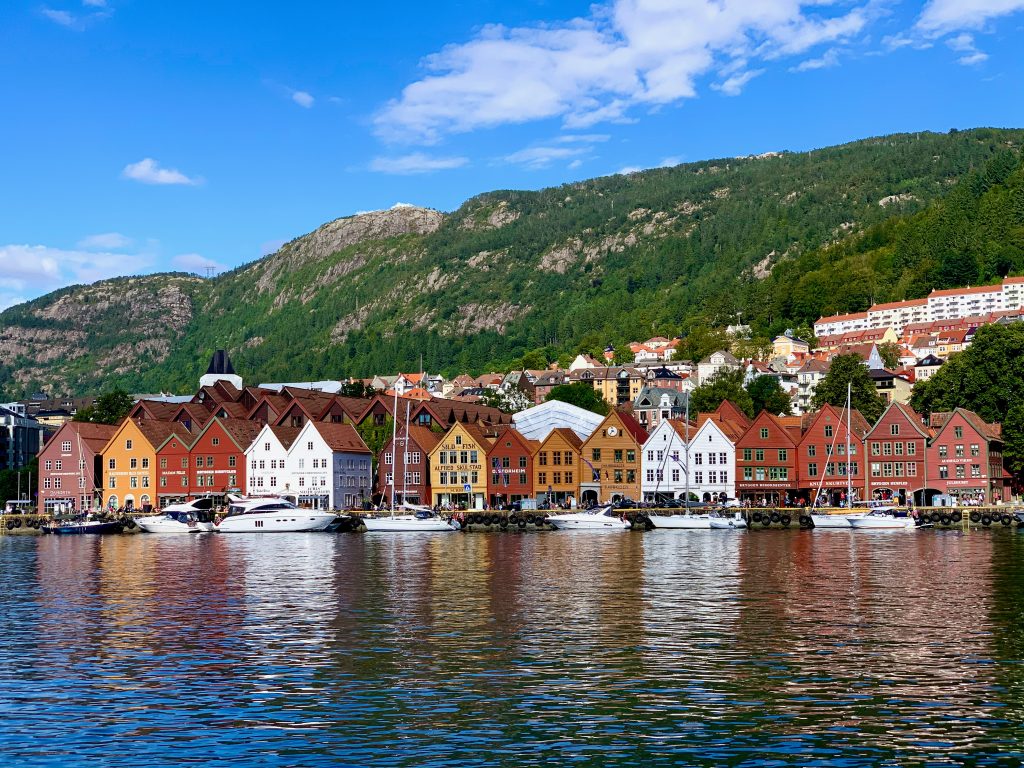
Bergen in July is a rare travel experience that genuinely surprises. Nestled between seven mountains and the Hardangerfjord, the city glows in an extraordinary midsummer light-soft, golden, and present almost around the clock. July is Bergen’s driest and warmest month, which locals treat as a city-wide celebration after a long, grey winter.
The city is compact, walkable, and deeply proud of its Hanseatic past. The wooden wharf district of Bryggen, painted in ochre and terracotta, was once one of Northern Europe’s most important trading posts. This merchant heritage shaped a culture that is outward-looking, practical, and quietly prosperous.
Culturally, Bergen punches far above its size. It was the birthplace of Edvard Grieg, and the city’s relationship with classical music, theatre, and the visual arts runs deep. While the Bergen International Festival takes place in late May and early June, its energy lingers well into July, making Norway one of the best countries to visit in Europe in July.
Locals have a strong, genuine connection to nature-hiking, sailing, and foraging are simply what you do when the weather cooperates. The fish market on the waterfront has been the city’s beating heart for centuries, and the pride taken in the quality of the seafood borders on religious.
Top Things to Do
1. Take the Fløibanen Funicular
It rises from the city center to the top of Mount Fløyen in minutes. The views across the fjord and rooftops are staggering, and there are well-marked hiking trails from the summit.
2. Day Trip into the Fjords
Bergen is the gateway to Hardangerfjord and Sognefjord. A boat tour or RV drive into Flåm or Voss gives you some of the most dramatic scenery in Europe.
3. Explore Bryggen Wharf
The UNESCO-listed wooden buildings are fascinating to walk through. The narrow alleyways hide artisan shops, craft studios, and small cafes.
4. Visit the KODE Art Museums:
Four buildings spread around the city lake house world-class collections of Norwegian and international art, including the world’s largest collection of Edvard Munch works outside Oslo.
5. Eat at the Fish Market
Try fresh shrimp, king crab legs, and smoked salmon straight from the stalls. It’s touristy but genuinely excellent.
Don’t Leave Without…
Trying Raspeballer – traditional Norwegian potato dumplings served with salted meat and swede. It’s humble, filling, and deeply local. Wash it down with an Akvavit if you’re brave.
RV Practical Info
- Road Conditions: Roads are generally excellent, though some fjord-side routes are narrow and winding. Tunnels are frequent and some require tolls.
- Parking: The city center has limited large vehicle parking. Use campsite transport or park-and-ride at Bygarasjen.
- Campsites: Lone Camping is a large, well-run site about 20 minutes from the city with a lake, swimming area, and excellent facilities.
- Wild Camping: Norway’s “allemannsretten” (right to roam) permits wild camping in uncultivated land for up to 48 hours as long as you are 150m from the nearest dwelling. One of the few destinations in this guide where wild camping is genuinely accessible and legal.
Who Is It Best For?
- Nature & Fjord Seekers: There is nowhere better in Europe.
- Photographers: The light in July is unlike anywhere else.
- Cruise Stoppers: Bergen is a major port, and July is busy – but the hinterland is still quiet.
Recommended Budget
€150–€220 per person/day. Here are the estimated costs:
- Campsites: €45–65
- Meals: €50–80 (cooking in your RV will save you significantly)
- Activities: €20–50
7. Split, Croatia
The Vibe
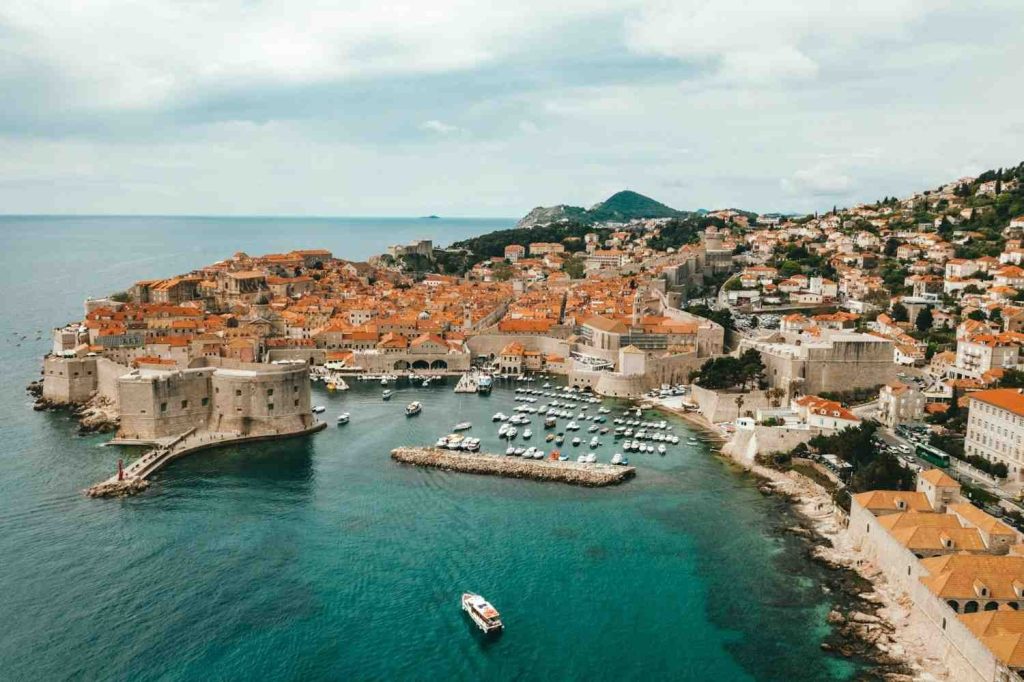
Split in July is electric. Imagine a city built into and around the walls of a 4th-century Roman palace where people still live, eat, and sleep. That’s Split, and there’s nowhere else like it in Europe. In July, the temperature hangs around 28°C (82°F), the Adriatic Sea is warm and brilliant blue, and evenings on the Riva promenade feel like one long, unhurried party.
Over the past decade, Croatia’s Dalmatian coast has become one of Europe’s hottest summer spots, and Split is its vibrant heart. The city’s culture is pure Mediterranean: life slows down in the afternoon heat, coffee is never rushed, and everyone gathers outdoors late into the night. Dalmatian culture is distinct from inland Croatia-it’s coastal, influenced by Latin traditions, and deeply connected to the sea.
The food reflects this perfectly. Get ready for fresh fish, grilled meats, rich olive oil, and local wines made from Plavac Mali grapes grown on the sun-drenched islands nearby. July also brings the Split Summer Festival, filling the city’s ancient courtyards and squares with theatre, opera, and music set against 1,700-year-old stone walls.
Top Things to Do
1. Explore Diocletian’s Palace
Wander the labyrinthine streets inside the palace walls at dawn before the crowds arrive. The Golden Gate, the Peristyle square, and the Cathedral of Saint Domnius are essential stops.
2. Island-Hop to Brač or Hvar
Both islands are a short ferry ride from the Split port. Zlatni Rat beach on Brač is one of the most photographed in Europe. Hvar town offers a glamorous harbor scene.
3. Hike Mosor Mountain
Just east of the city, this mountain range offers challenging trails with panoramic views of the coast and islands.
4. Visit the Open Air Cinema
Split has a beloved open-air cinema that operates in summer, showing films under the stars. It’s a wonderfully local experience.
5. Day Trip to Krka National Park
About an hour’s drive, Krka’s waterfalls and swimming areas make for a perfect full-day excursion.
Don’t Leave Without…
Eating fresh peka – lamb or octopus slow-cooked under a bell-shaped lid buried in embers. It takes hours to prepare and is worth every minute of the wait.
RV Practical Info
- Road Conditions: The Adriatic Highway (D8) is scenic but can be very slow in July due to tourist traffic. Start drives early.
- Parking: Large vehicles cannot enter the old town. Use the Sukoišan parking area north of the center.
- Campsites: Camping Stobreč Split is a large, well-equipped site just 6km from the old town with direct beach access.
- Wild Camping: Prohibited on most of the coast and islands. Stick to official sites.
Who Is It Best For?
- History Lovers: Roman heritage at an extraordinary scale.
- Beach Seekers: The islands and coast are stunning.
- Foodies: Dalmatian cuisine is one of Europe’s great underrated food traditions.
Recommended Budget
€90–€140 per person/day. Here are the estimated costs:
- Campsites: €35–55
- Meals: €30–50
- Ferries: Budget €20–40 for island trips.
8. Edinburgh, Scotland
The Vibe
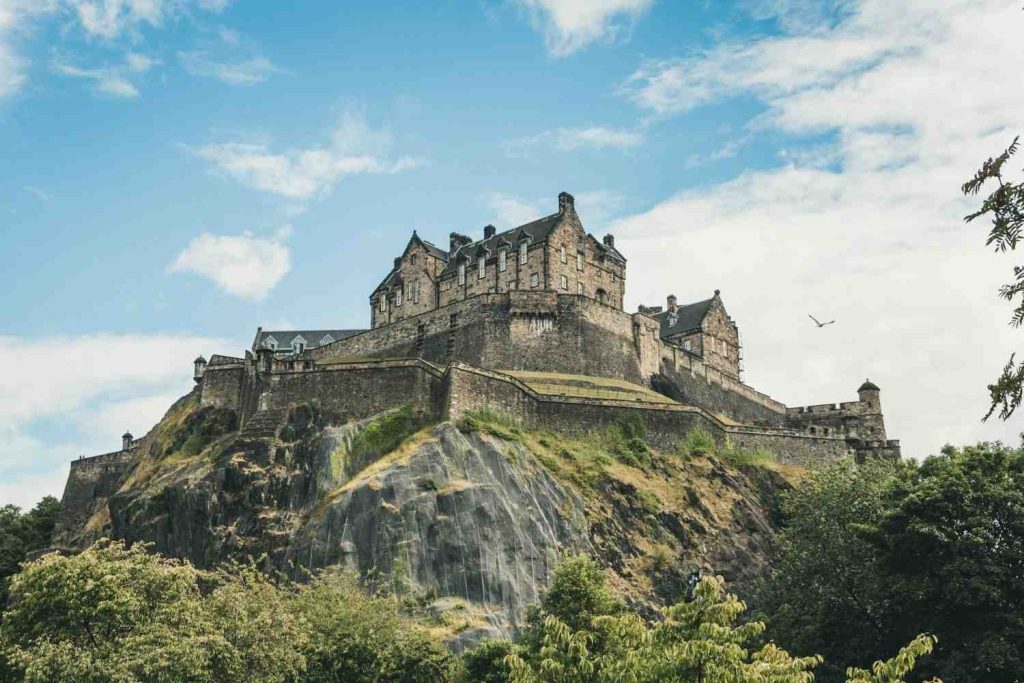
Edinburgh in July is a city in transition. It’s buzzing with anticipation for the world-famous Fringe Festival, which kicks off in early August, but you’ll catch previews and events spilling into late July. The light here is extraordinary-the sun sets past 10 PM this far north. Plus, the dramatic volcanic landscape of Arthur’s Seat and Castle Rock gives the city an almost mythological backdrop. It’s no wonder Edinburgh ranks among the best places to visit in Europe in July.
For its size, Scotland’s capital is one of Europe’s most culturally dense cities. The split between the medieval Old Town and the Georgian New Town isn’t just about architecture-it tells a story of centuries of social, political, and intellectual history. The Scottish Enlightenment, which reshaped Western philosophy, science, and economics in the 18th century, unfolded right here in these streets, coffeehouses, and university halls.
That intellectual energy is still alive today. You’ll find it in world-class museums, a thriving literary scene, and a comedy and theatre culture that’s among the liveliest in the English-speaking world. Scottish identity is complex and proudly held. Conversations about history, independence, and national character happen openly and naturally, which is more intellectually stimulating than uncomfortable. The city’s whisky culture is also deeply serious, with dozens of specialist bars offering rare single malts and staff who can guide you through an entire regional education in a single sitting.
Top Things to Do
1. Edinburgh Castle
The fortress on the volcanic crag dominates the city. The Scottish Crown Jewels and the Stone of Destiny are housed here. Go early or book in advance.
2. Walk Arthur’s Seat
The ancient volcano in Holyrood Park offers a moderate hike from the city center with 360-degree views. It takes about 45 minutes to the summit.
3. Explore the Royal Mile
The central spine of the Old Town, connecting the Castle to Holyrood Palace, is packed with history at every step. Go beyond the souvenir shops into the closes (alleyways) for the real character.
4. Visit the National Museum of Scotland
Free entry and one of the best national museums in Europe, covering everything from Scottish geology to Dolly the sheep.
5. Whisky Experience
Book a tasting at the Scotch Whisky Experience near the castle, or explore the bars of the Grassmarket neighborhood for a more informal education.
Don’t Leave Without…
Eating haggis at least once. Order it in a pub rather than a tourist restaurant. It’s earthy, peppery, and far better than its reputation suggests.
RV Practical Info
Road Conditions: Scottish roads vary enormously. City driving is manageable but parking a large vehicle is genuinely challenging.
Parking: Do not attempt to park an RV in the Old Town. Use Ingliston Park & Ride near the airport or campsites with good bus connections.
Campsites: Mortonhall Caravan & Camping Park is a large, well-run site about 4 miles south of the city center with good bus links.
Wild Camping: Scotland has the most liberal wild camping laws in Europe under the Land Reform Act – you can camp almost anywhere on unenclosed land as long as you behave responsibly. One of the best destinations in this guide for wild camping.
Who Is It Best For?
Culture & History Buffs: Few cities offer this density of historical and intellectual heritage. Festival Previews: If you’re arriving in late July, you catch the city warming up for the greatest arts festival on earth. Whisky Enthusiasts: The city is an essential stop on any serious whisky journey.
Recommended Budget
€110–€170 per person/day. Here are the estimated costs:
- Campsites: €30–50
- Meals: €35–55
- Activities: €15–40 (many museums are free).
9. Amsterdam, Netherlands
The Vibe
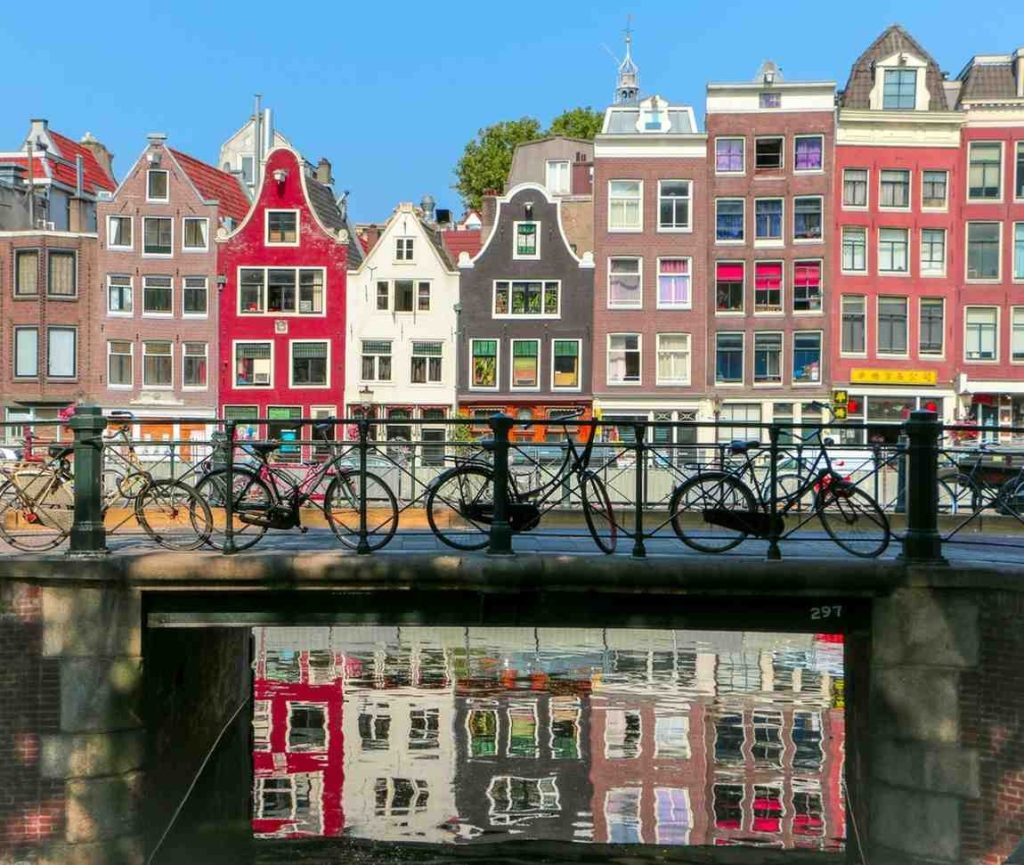
Amsterdam in July is the city at its most alive. The canals glitter in the long summer light, café terraces spill out across every square and bridge, and the city feels open, relaxed, and welcoming in a way that is hard to replicate elsewhere. July temperatures hover around 22°C (72°F) – warm enough to be genuinely summery without ever becoming oppressive.
What makes Amsterdam culturally remarkable is not just its Golden Age legacy of Rembrandt and Vermeer – though that alone would justify the visit – but the way a city of barely 900,000 people continues to punch at the very highest level of art, design, architecture, and progressive social thought. The Dutch Golden Age of the 17th century, when Amsterdam was the wealthiest trading city in the world, produced an astonishing concentration of artistic and intellectual output, and its institutions – the Rijksmuseum, the Van Gogh Museum, the Stedelijk – preserve and build on that legacy with contemporary vigor.
The city’s cycling culture is not a lifestyle choice but the fundamental grammar of urban life here, and experiencing Amsterdam by bike rather than on foot changes your relationship with the city entirely. The food and hospitality scene has also evolved dramatically over the past decade, with Dutch chefs doing serious, inventive work with local and seasonal ingredients that moves well beyond the tourist-facing stroopwafel economy.
Top Things to Do
1. Rijksmuseum
The greatest collection of Dutch Golden Age painting in the world. Book tickets weeks in advance for July. Allow at least three hours.
2. Cycle the Jordaan
Rent bikes and explore the canal ring neighborhoods at a Dutch pace. The Jordaan district, with its independent shops and brown cafes (bruine kroegen), is the heart of old Amsterdam.
3. Day Trip to Haarlem or Leiden
Both cities are 20 minutes by train and far quieter than Amsterdam in July. Haarlem has a gorgeous historic center; Leiden is a university city with excellent museums.
4. Anne Frank House
Book tickets online months ahead – this is one of the most visited sites in Europe and sells out rapidly in summer.
5. Canal Cruise
Take an evening boat through the canal ring as the light fades. The 17th-century canal houses, reflected in the still water, are as beautiful as anything in Europe.
Don’t Leave Without…
Eating raw herring (Hollandse Nieuwe) from a street cart the traditional way – held by the tail and lowered into your mouth. It sounds alarming and tastes clean, briny, and wonderful.
RV Practical Info
- Road Conditions: The Netherlands has excellent roads. The A10 ring road around Amsterdam is the busiest stretch – avoid rush hours.
- Parking: Parking a large vehicle in Amsterdam itself is extremely difficult and expensive. Use campsites outside the city with public transport connections.
- Campsites: Camping Vliegenbos is a forested site in Amsterdam-Noord, accessible by a free ferry across the IJ river and well connected to the center. Gaasper Camping Amsterdam is another excellent option to the southeast.
- Wild Camping: Strictly prohibited throughout the Netherlands. Campsites are the only option.
Who Is It Best For?
- Art Lovers: One of the greatest concentrations of art museums in the world.
- Cyclists: The city is the natural spiritual home of bike travel.
- Families: Safe, flat, and full of engaging museums and parks.
Recommended Budget
€120–€180 per person/day. Here are the estimated costs:
- Campsites: €35–55
- Meals: €35–55
- Museum Entry: Budget €25–50 per person for major sites
10. Barcelona, Spain
The Vibe
Barcelona in July is intense – gloriously, overwhelmingly intense. The heat pushes into the high 20s and low 30s°C (85–90°F), the beaches are packed, and the city barely sleeps. But that intensity is also the point. There is no city in Europe that commits to summer quite the way Barcelona does. If you approach it with the right rhythm – slow mornings, long lunches, afternoon shade, and late evening activity – it rewards you endlessly.
What makes Barcelona culturally extraordinary is the tension at its heart: it is simultaneously one of the great cities of Spain and the capital of Catalonia, a nation within a nation with its own language, traditions, and fierce political identity. Catalan culture – distinct from Castilian Spanish culture in ways that go far deeper than language – expresses itself through architecture, food, music, and a very particular civic pride.
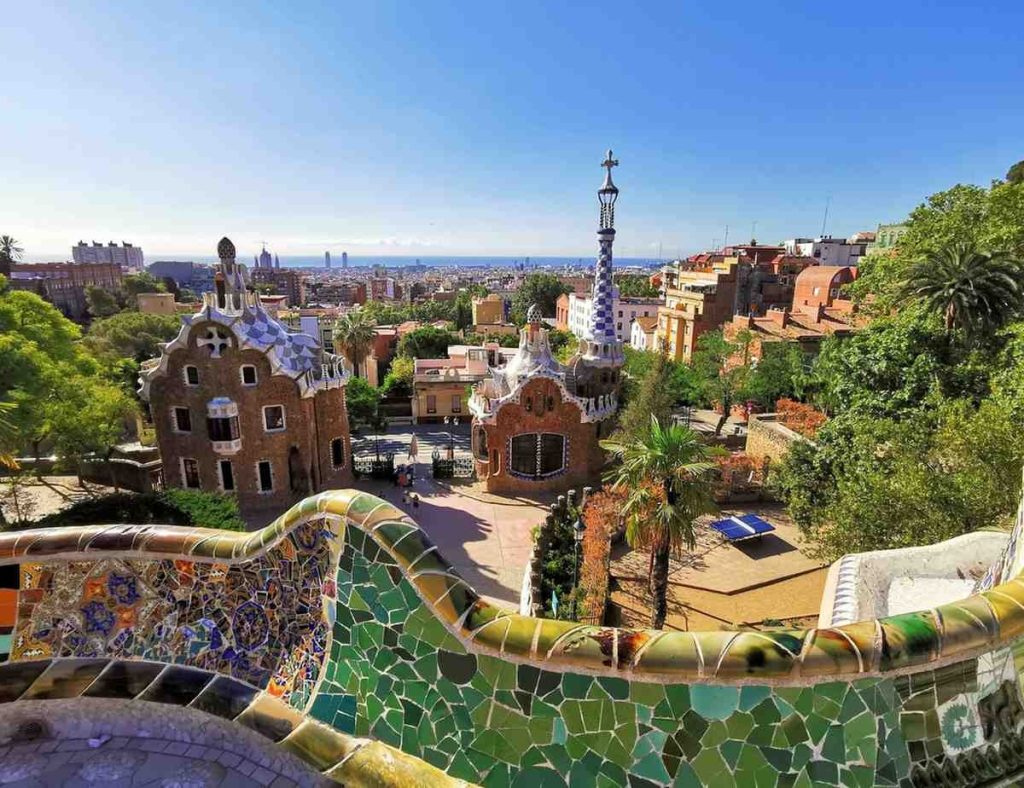
The legacy of Antoni Gaudí dominates the visual landscape in a way that is unique in world architecture. Gaudí was not simply a great architect but a visionary who bent the entire city’s sense of what stone and tile could do.
The food culture in Barcelona is among the most serious in the world. Catalonia has more Michelin-starred restaurants per capita than almost any other region, and the influence of chefs like Ferran Adrià has reshaped how the world thinks about cooking. Even at street level – at the food stalls of La Boqueria or the pintxos bars of the Gothic Quarter – the quality of ingredients and the seriousness of preparation are palpable.
Top Things to Do
1. Sagrada Família
Book tickets weeks in advance. Gaudí’s unfinished basilica is one of the most astonishing buildings on earth. Go at opening time for the best light through the stained glass.
2. Park Güell
The hilltop park offers panoramic views and Gaudí’s extraordinary mosaic terraces. The ticketed monumental zone sells out – book ahead.
3. La Barceloneta Beach
Arrive early (before 10 AM) to find space and enjoy the Mediterranean before the heat peaks. The beach bars (chiringuitos) are at their best in the early evening.
4. Palau de la Música Catalana
One of the greatest works of Art Nouveau architecture anywhere in the world. Attend a concert if you can, or take the guided tour.
5. Explore El Born
The neighborhood around Santa Maria del Mar is the best combination of local life, excellent restaurants, independent shops, and architecture in the city.
Don’t Leave Without…
Eating pan con tomate (pa amb tomàquet in Catalan) – bread rubbed with ripe tomato and good olive oil. It costs almost nothing and defines the flavor of the region.
RV Practical Info
- Road Conditions: Access to the city is good via toll highways. Driving inside Barcelona is not recommended in a large vehicle – traffic is dense and streets are narrow.
- Parking: Use campsites outside the city and access by metro or bus. Parking an RV on Barcelona streets is not viable.
- Campsites: Camping Masnou is a large, well-equipped site about 15km north of the city with direct train access to the center. Camping Barcelona is a popular option 10km southwest.
- Wild Camping: Strictly prohibited along the Costa Brava and within city boundaries. The Catalan authorities enforce this actively in summer.
Who Is It Best For?
- Architecture Enthusiasts: Gaudí alone justifies the trip; Domènech i Montaner and Puig i Cadafalch complete the argument.
- Foodies: Among the very best food cities in Europe.
- Beach & Culture Seekers: Rare combination of serious urban culture and excellent Mediterranean beaches in one city.
Recommended Budget
€110–€170 per person/day. Here are the estimated costs:
- Campsites: €35–60 (July is peak, book early)
- Meals: €35–55
- Activities: €20–50 (Gaudí sites add up quickly)
What Should You Pack for a Europe Roadtrip in July
| Category | Items to Pack | Why You Need It |
|---|---|---|
| Clothing | Breathable linens, shorts, swimwear, light rain jacket | Heatwaves are common, but mountain/coastal areas can get sudden storms or cool evenings. |
| Sun Protection | SPF 50+, wide-brim hat, high-quality sunglasses | The July sun is intense, especially at altitude or near water. Protect your skin. |
| Footwear | Comfortable walking sandals, hiking boots | You’ll likely mix city walking on cobblestones with trail hiking. Flip-flops are for the beach only. |
| RV Essentials | Levelling blocks, extra long power cable (25m), quick-dry towels | Campsites get busy; you might get a sloping pitch or one far from the power post. |
| Sleep Gear | Sleeping bag liner or light sheet, eye mask | Some RVs get warm at night; a heavy bag is too much. An eye mask helps with early sunrises. |
| Insect Repellent | Spray with DEET or Picaridin | Essential for evenings by lakes or in forests (especially midges in Scotland/Ireland or mosquitoes in Italy). |
| Refillable Bottle | Insulated water bottle | Stay hydrated. Tap water is drinkable in most of these destinations (check locally). |
| Apps | Park4Night, Google Maps (Offline), Weather Apps | Essential for finding last-minute parking or campsites in peak season. |
Final Expert Tips for July Travel in Europe
- Book Campsites in Advance: July is absolute peak season. The best campsites in popular areas (like Chamonix or near beaches) book out months ahead. Don’t rely on finding a spot upon arrival.
- Start Your Day Early: Beat the heat and the crowds. Visit major landmarks like the Dom Luís I Bridge or Montenvers train at 8:00 AM. You’ll have better light for photos and cooler temperatures.
- Use the “Siesta” Strategy: In Southern Europe (Portugal, Spain, Italy, France), everything slows down between 2 PM and 5 PM. Do your sightseeing in the morning, relax in the shade or drive during the hottest hours, and go out again in the evening.
- Chase the Altitude: If the heatwave hits, drive up. Temperatures drop by about 6.5°C for every 1,000m you climb. The Alps or Pyrenees are natural refuges from 35°C+ heat.
- Check Festival Dates: July is festival month (music, food, culture). This is great for vibes but terrible for traffic and parking. Check local calendars for your destination to avoid getting stuck.
- Carry Cash: While cards are widely accepted, small campsites, remote mountain huts, or street vendors often still prefer cash.
- Stay Hydrated: It sounds obvious, but heat exhaustion is a real risk for tourists rushing around. Keep your RV fridge stocked with water and cold snacks.
- Be Flexible: One of the joys of an RV is flexibility. If a city is too hot or too crowded, look at your map and find a nearby lake or forest. You can change your plan instantly.
Start Your European Adventure with Indie Campers
July is the month for making memories. Whether you’re chasing the surf in Portugal or the summits in France, a campervan gives you the ultimate freedom to explore.
Indie Campers makes your trip seamless with our modern fleet:
- Find the perfect campervan: Choose between more than 7,000 Indie Campers RVs, motorhomes, and campervans for rental across the world.
- Start and finish your trip in different locations: Pick up and drop off your campervan at +70 locations across North America, Europe, and Oceania.
- Flexible cancellation available: Cancel your booking up to 31 days before pick-up.
- Book now, pay later! Pay the full amount only 30 days before the pick-up date when choosing Flexible Cancellation.
Ready to hit the road? Book now!
Everything You Need to Know About Europe RV Roadtrips in July
| City | Country | Vibe | Best For | Top Things to Do | Recommended Budget/Day | Top Campgrounds & Motorhome Stops | RV-Friendly Rating | Wild Camping Allowed? | Best Place To Stay |
|---|---|---|---|---|---|---|---|---|---|
| Porto | Portugal | Historic & Coastal | Foodies & Wine Lovers | Douro Valley Drive, Port Wine Cellars, Foz Beaches | 💰💰 | Orbitur Canidelo, Parque de Campismo de Salgueiros | ⭐⭐⭐ | No | Indie Campers RV |
| Cork | Ireland | Green & Lively | Road Trippers & Heat Avoiders | Wild Atlantic Way, Blarney Castle, Kinsale | 💰💰💰 | Blarney Caravan & Camping Park | ⭐⭐⭐⭐⭐ | Restricted | Indie Campers RV |
| Chamonix | France | Alpine & Epic | Hikers & Adventure Families | Aiguille du Midi, Lac Blanc Hike, Paragliding | 💰💰💰 | Camping Mer de Glace, Camping Les Deux Glaciers | ⭐⭐⭐⭐⭐ | No | Indie Campers RV |
| Gdansk | Poland | Maritime & Amber | History Buffs & Budget Travelers | Old Town Walk, Sopot Beach, Solidarity Centre | 💰💰 | Camping Stogi | ⭐⭐⭐⭐ | No | Indie Campers RV |
| Innsbruck | Austria | Mountain Urban | Active Travelers & Families | Nordkette Cable Car, Ambras Castle, Alpine Zoo | 💰💰💰 | Camping Kranebitten, Natterer See | ⭐⭐⭐⭐ | No | Indie Campers RV |
| Bergen | Norway | Fjord & Nordic | Nature Seekers & Photographers | Fløibanen Funicular, Fjord Day Trips, Bryggen | 💰💰💰💰💰 | Lone Camping | ⭐⭐⭐⭐⭐ | Yes | Indie Campers RV |
| Split | Croatia | Coastal & Roman | Beach & History Lovers | Diocletian’s Palace, Island Hopping, Krka Park | 💰💰💰 | Camping Stobreč Split | ⭐⭐⭐⭐ | No | Indie Campers RV |
| Edinburgh | Scotland | Historic & Cultural | Culture Buffs & Whisky Lovers | Edinburgh Castle, Arthur’s Seat, Royal Mile | 💰💰💰 | Mortonhall Caravan & Camping Park | ⭐⭐⭐⭐ | Yes | Indie Campers RV |
| Amsterdam | Netherlands | Canal & Cosmopolitan | Art Lovers & Cyclists | Rijksmuseum, Canal Cruise, Jordaan by Bike | 💰💰💰💰 | Camping Vliegenbos, Gaasper Camping | ⭐⭐⭐ | No | Indie Campers RV |
| Barcelona | Spain | Mediterranean & Bold | Foodies & Architecture Fans | Sagrada Família, Park Güell, El Born | 💰💰💰 | Camping Masnou, Camping Barcelona | ⭐⭐⭐ | No | Indie Campers RV |
FAQs About Where To Go in Europe in July
Where can I rent an RV in Europe in July?
You can rent an RV easily with Indie Campers. We have pick-up locations in major cities across Europe, including Porto, Cork (via Dublin), Geneva (for Chamonix), Gdansk, and Munich (for Innsbruck). July is busy, so we recommend booking your vehicle at least 3-4 months in advance to secure your preferred model.
What is the warmest country in Europe in July?
The warmest countries are typically Spain, Greece, Italy, and Portugal. Inland cities like Seville or Madrid can easily exceed 35°C (95°F). Coastal areas and islands usually benefit from sea breezes, making the heat more manageable for travelers.
What is the coldest country in Europe in July?
Iceland and Norway are generally the coolest. Daily highs in Iceland often range from 10°C to 15°C (50°F–59°F). Northern Scotland and high-altitude regions in the Alps (Switzerland, Austria) also offer refreshing, cool temperatures perfect for those escaping the heat.
What is the best place to visit in Europe in July for couples?
Porto is fantastic for couples. Sharing a glass of port wine while watching the sunset over the Douro River is incredibly romantic. Alternatively, the Greek islands (like Naxos or Paros) offer beautiful beaches and sunsets, though they will be busier.
What is the best place to visit in Europe in July with family?
Innsbruck, Austria, is wonderful for families. It’s safe, clean, and packed with outdoor activities like the Alpine Zoo and easy cable car rides. Chamonix also offers great family adventure parks and easy hikes that kids love.
What are the best places to visit in Europe in July for first-timers?
Ireland (flying into Dublin and driving to Cork) is perfect for first-timers. There is no language barrier, the roads are scenic, locals are friendly, and the weather is mild. It’s a very gentle introduction to European road-tripping.
What are the best places to visit in Europe in July for solo travelers?
Gdansk, Poland, is excellent for solo travelers. It’s safe, walkable, and affordable, with a social hostel and bar scene. The history is engaging, and English is widely spoken by younger people, making it easy to meet others.
What are the best places to visit in Europe in July for nature?
Chamonix and the French Alps are unbeatable for dramatic mountain nature. If you prefer coastal nature, the Wild Atlantic Way in Ireland offers rugged cliffs and raw ocean power that feels untamed and spectacular.