Key Takeaways (TL:DR)
- Why Go In April: The best places to visit in Europe in April offer a unique sweet spot between winter chill and summer rush. Spring landscapes bloom across the continent while prices remain 30-50% lower than peak season. You get authentic cultural moments without fighting crowds at major sites.
- Top Places to Visit in Europe in April 2026: Seville, Lisse, Tenerife, Catania, Faro
- Don’t Miss Experience: Standing in an endless sea of blooming tulips at Keukenhof Gardens (open March 19 to May 10, 2026), capturing photos on empty pathways before the summer tourist wave arrives.
- Ideal Trip Length: 10-14 days gives you time to explore two distinct regions or dive deep into one country at a relaxed campervan pace.
- How to Choose the Right City: Prioritize Southern Europe for beach days and t-shirt weather, or head north for cultural festivals and spring blooms. Consider your tolerance for unpredictable weather and whether you value warmth over unique seasonal experiences.
- Recommended Budget Per Person: €90-€140/day covering campsites, fuel, meals, and entry fees (excluding RV rental costs).
- Watch Out For: Easter weekend (April 5, 2026) creates temporary price spikes and campsite scarcity, especially around major cities. Some northern campsites may still be closed or operating on limited hours before mid-April. April weather is inherently variable, so pack layers and embrace flexibility.
- Where To Stay: Indie Campers RV rentals offer the perfect April solution with built-in heating for cool nights, the freedom to chase sunshine across regions, and access to campsites just opening for spring at off-peak rates.
- Best For: Couples seeking romantic escapes at shoulder-season prices, road-trippers chasing empty coastal roads and blooming countryside, and families wanting affordable European adventures with mild weather.
Top Cities and Countries to Visit in Europe in April 2026: at a Glance
| City | Country | Vibe | Best For | Top Activities | Average Temperature | Ideal Stay Length | Crowd Level | RV-Friendly |
|---|---|---|---|---|---|---|---|---|
| Seville | Spain | Festive & Traditional | Culture Lovers | Feria de Abril, Alcázar | 22°C (72°F) | 3-5 Days | High (Festival) | Yes |
| Lisse | Netherlands | Colorful & Fresh | Nature Photographers | Keukenhof, Cycling | 13°C (55°F) | 2-3 Days | Moderate | Yes |
| Tenerife | Spain | Subtropical & Rugged | Sun Seekers | Volcano hiking, Beaches | 24°C (75°F) | 5-7 Days | Moderate | Yes |
| Catania | Italy (Sicily) | Historic & Gastronomic | Foodies | Mt. Etna, Markets | 19°C (66°F) | 5-7 Days | Low | Yes |
| Faro | Portugal | Laid-back & Coastal | Surfers/Families | Beach hopping, Cliffs | 20°C (68°F) | 4-6 Days | Low | Yes |
| Athens | Greece | Ancient & Bustling | History Buffs | Acropolis, Plaka | 20°C (68°F) | 3-4 Days | Moderate | Mixed |
| Split | Croatia | Scenic & Maritime | Coastal Road Trippers | Diocletian’s Palace, Waterfalls | 17°C (63°F) | 3-4 Days | Low | Yes |
| Marseille | France (Provence) | Artistic & Scenic | Landscape Lovers | Calanques, Lavender fields | 18°C (64°F) | 4-6 Days | Moderate | Yes |
| Florence | Italy (Tuscany) | Artistic & Romantic | Couples | Uffizi, Wine tasting | 18°C (64°F) | 3-5 Days | Moderate | Yes |
| Edinburgh | UK (Scotland) | Dramatic & Moody | Adventure Seekers | Castles, Highland drives | 11°C (52°F) | 5-7 Days | Low | Yes |
Best Places to Visit in Europe in April
1. Seville, Spain
The Vibe
Electric energy fills the streets as thousands of citrus trees blossom simultaneously, coating the city in the sweet, heady scent of azahar (orange blossom). Warm, sunny days with highs averaging 23-24°C (74°F) invite locals and visitors alike to linger over long lunches at sidewalk cafes, while the nights buzz with the rhythmic clapping of flamenco echoing from crowded tapas bars.
April in Seville feels like the city is shaking off the last of winter and stretching into spring with a sense of optimism and grand celebration. In the historic Santa Cruz quarter, the narrow, winding alleys offer a cool reprieve, and you’ll notice locals dressing in their finest traditional attire as the anticipation for the spring festivals reaches a fever pitch.
This is Andalusian culture at its most vibrant and welcoming. Deep-rooted traditions – from the solemnity of religious processions to the joyful art of the “tapeo” (tapas hopping) – define the local way of life. Visiting now allows you to immerse yourself in these customs before the intense, dry heat of the summer months makes extensive sightseeing exhausting.
Top Things to Do
Experience the Feria de Abril
Running from April 21-26, 2026, this legendary week-long celebration transforms a massive corner of the city into a non-stop party. Hundreds of casetas (brightly decorated private and public tents) fill the Real de la Feria fairground, serving as hubs for flamenco dancing, plates of fried fish, and chilled glasses of rebujito until the early hours of the morning.
The spectacle is a feast for the eyes; magnificent horse-drawn carriages parade through the streets, and women wear stunning, colorful trajes de flamenca (flamenco dresses). Because the fair dates rotate based on the Easter calendar, April 2026 offers a rare opportunity to witness this once-yearly cultural explosion in its full glory.
Explore the Real Alcázar
Step into a world of Mudéjar architecture and lush botanical gardens that reach their peak vibrancy during the spring. This UNESCO World Heritage site serves as a royal residence and showcases centuries of history through its intricate tilework, gilded ceilings, and peaceful courtyards.
In April, the palace gardens are a highlight, featuring blooming roses and jasmine that perfume the air. The mild spring temperatures make it possible to spend hours wandering the expansive grounds comfortably, a stark contrast to the 40°C (104°F) heat typical of July and August.
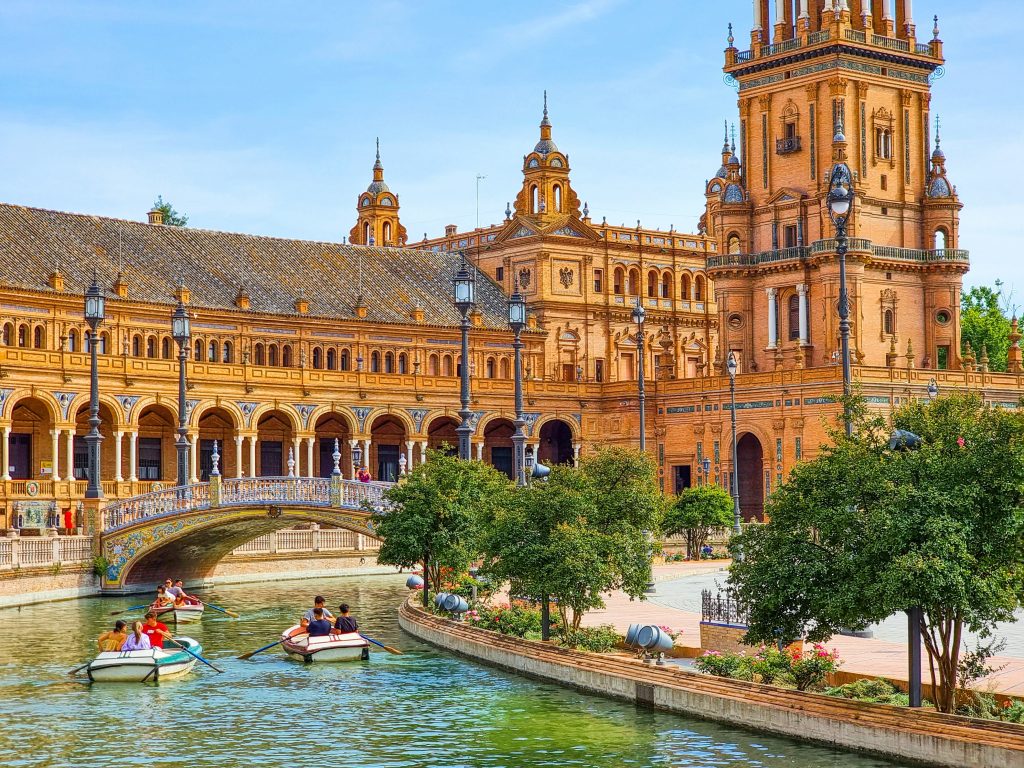
Row a Boat in Plaza de España
Spend a relaxed afternoon at one of Europe’s most breathtaking public squares, famous for its grand semi-circular building and tiled bridges. The soft April light is a dream for photographers, casting golden reflections on the 48 ceramic-tiled alcoves that represent the different provinces of Spain.
You can rent a small rowboat to navigate the canal that fringes the plaza. It’s a quintessential Seville experience that allows you to drift past street musicians and admire the architectural details of the towers without the heavy foot traffic found during the peak summer tourist wave.
Climb the Giralda Tower
For the best views in the city, ascend the famous bell tower of the Seville Cathedral. Originally built as a minaret, the tower features 35 gently sloping ramps instead of stairs, designed so the Sultan could ride his horse to the top.
Reaching the summit provides a 360-degree panorama of Seville’s terracotta rooftops, the winding Guadalquivir River, and the distant green hills of Andalusia. April’s clear, crisp skies ensure excellent visibility, and the gentle spring breezes at the top make the climb feel refreshing rather than grueling.
Tapas Crawl in Triana
Cross the iconic Isabel II Bridge to explore Triana, the historic soul of Seville’s ceramic and flamenco traditions. This neighborhood feels like a village within a city, offering a more rugged and authentic atmosphere away from the main tourist monuments.
April is the perfect time for a “tapas crawl” along Calle Betis, where seasonal delicacies like fresh artichokes, broad beans with ham, and snails (caracoles) begin to appear on menus. Grab a spot at a riverside table to enjoy the evening air and watch the sunset paint the city’s skyline in shades of pink and gold.
Don’t Leave Without…
Sip on a chilled glass of rebujito – a refreshing local blend of dry sherry and lemon-lime soda – which becomes the unofficial drink of the city as the temperatures rise. April’s electric atmosphere means you don’t always need a ticket for a show; impromptu flamenco performances often break out in public plazas, where the rhythmic stomping and passionate guitar play provide a raw, authentic soundtrack to the spring evenings.
For a true taste of the region, head to a riverside chiringuito to try pescaíto frito. This assortment of fresh, flash-fried fish is a staple of the April festivals. Time your meal for the golden hour, when the setting sun hits the medieval Torre del Oro, reflecting off the Guadalquivir River and painting the ancient stone tower in brilliant shades of honey and gold.
RV Practical Info
Traffic increases dramatically during the Feria week; park at the Area de Autocaravanas de Sevilla near the port and take the bus into the center.
Key logistics to consider:
- Parking: The motorhome area offers basic services for around €15-20 per night and connects to city buses within 10 minutes.
- Access: Roads approaching Seville are excellent, with easy highway access from Indie Campers’ bases in Malaga (2.5 hours) or Madrid (5 hours).
- Restrictions: The city center has a ZTL (restricted traffic zone), so the campervan must stay outside and public transport is your friend.
- Regulations: Wild camping is not permitted in Andalusia, but designated areas are well-maintained and secure.
Ready to explore the Andalusian capital? Rent an RV in Seville and start your journey.
Who Is It Best For?
Top European destination in April for:
- Culture enthusiasts: Immerse yourself in deep-rooted Andalusian traditions and history.
- Festival-goers: Experience the world-famous Feria de Abril and vibrant street celebrations.
- Couples: Enjoy the romantic ambiance of orange-blossom-scented streets and horse-drawn carriages.
- Photographers: Capture the endless color of traditional costumes and Mudéjar architecture.
Not ideal for those seeking quiet countryside, as Seville pulses with urban energy.
Recommended Budget
€100-€160 per person/day. Prices spike during Feria week (April 21-26) due to demand.
Here are the estimated costs:
- Campsites: €40-60 per night near the city during Feria (normally €20-30).
- Meals: €10-20 for tapas; €25-40 for sit-down restaurants.
- Attractions: €10-15 for museum and monument entries.
Pro Tip: Book campsites 2-3 months early for Feria dates, as spots disappear fast.
2. Lisse (Amsterdam Area), Netherlands
The Vibe
April in Lisse offers a visual explosion of color as millions of bulbs flower simultaneously across the flat Dutch landscape. The air smells remarkably fresh and earthy, with crisp mornings averaging 13°C (55°F) giving way to bright, breezy afternoons. It is a season of renewal where the deep greens of the polders contrast sharply with the neon stripes of the flower stirp.
The region is exceptionally organized and cycling-friendly, featuring a network of well-marked “knooppunten” (junctions) that connect tulip fields, historic windmills, and sleepy villages. You will find a peaceful yet energizing atmosphere as locals and visitors alike bike between blooming fields, often stopping at roadside farm stands to sample fresh Gouda cheese or warm stroopwafels. It is the perfect marriage of natural beauty and Dutch efficiency.
Top Things to Do
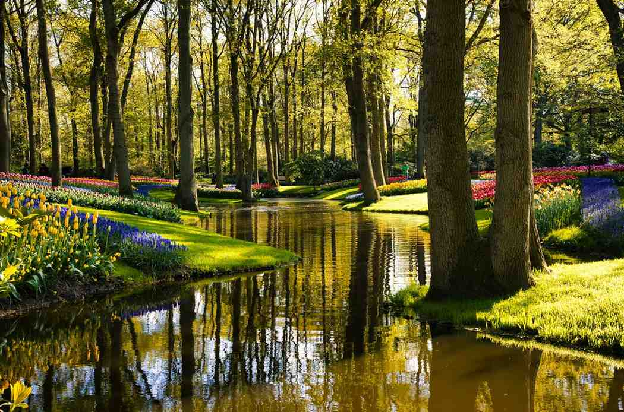
Visit Keukenhof Gardens
Walk through the world’s largest flower garden, open exclusively from March 19 to May 10, 2026. Over 7 million bulbs are hand-planted to create intricate displays, with 800 different tulip varieties forming vibrant patterns across 32 hectares of manicured parkland.
April is the undisputed peak bloom time, especially mid-month, when the tulips, hyacinths, and daffodils overlap in a symphony of fragrance and color. To beat the crowds, arrive for the 8:00 AM opening to photograph the dew-covered gardens before the tour buses arrive at 10:00 AM. Alternatively, stay until the 7:30 PM closing to capture the “golden hour” light filtering through the trees.
Cycle the Flower Strip (Bollenstreek)
Rent a bicycle in Lisse to explore the “Bollenstreek,” a famous route that winds through endlessly colorful commercial tulip fields located just outside the Keukenhof gates. These fields offer a more rustic experience than the formal gardens, with rows of flowers stretching toward the horizon.
The 25-40 km loops connect multiple family-run bulb farms where you can stop to buy fresh bouquets or learn about the science of bulb cultivation. Because the terrain is perfectly flat, the cycling is accessible for all fitness levels, allowing you to focus entirely on the Instagram-worthy vistas of red, yellow, and purple stripes.
Canal Cruise in Amsterdam
Take a short 30-minute drive or train ride to the capital to experience the historic UNESCO-listed waterways. Visiting in April allows you to see the city free from the suffocating peak summer congestion.
Spring boat tours glide past the Anne Frank House, the floating flower market, and grand canal-side mansions without the elbow-to-elbow crowding of the high season. The soft spring light reflects beautifully off the water, and the city’s outdoor cafe terraces begin to buzz with life as the first warm rays of the year appear.
Explore Windmills at Zaanse Schans
Head 20 minutes north of Amsterdam to see working historic windmills in a picturesque riverside setting. This open-air museum serves as a living history of Dutch industry, showcasing traditional crafts like wooden shoe carving, pewter smithing, and artisanal cheese making.
The cool April weather is ideal for exploring the breezy riverside paths, which offer unobstructed views of green polders dotted with grazing sheep. With fewer tourists than in summer, you can often tour the cramped, fascinating interiors of the windmills – some of which still grind pigments or saw wood – without facing long queues.
Koningsdag (King’s Day)
On April 27, 2026, join the nationwide “Oranjegekte” (orange craze) for King’s Day. This massive street party transforms Amsterdam and surrounding towns into a sea of orange-clad revelers enjoying live concerts, spontaneous flea markets, and packed canal boat parties.
The atmosphere is electric as the entire country celebrates the King’s birthday with music and street food. If you plan to attend, be aware that the city becomes extremely crowded; it is essential to book your RV campsite months in advance and use public transport to reach the festivities, as many city streets are closed to vehicles.
Don’t Leave Without…
Eating a fresh stroopwafel – two thin waffles stuck together with hot caramel – straight from a street market vendor. They are best enjoyed warm and gooey while walking through the Lisse town center.
For a more adventurous snack, seek out a traditional “haringhandel” (herring cart) to try raw herring served with onions and pickles, a true staple of Dutch culinary culture.
RV Practical Info
Campsites like Camping De Duinpan (near Noordwijk) offer proximity to the fields and Keukenhof, about 15 minutes by car. Roads are flat and RV-friendly, but watch constantly for cyclists who have right-of-way on dedicated paths.
Key logistics to consider:
- Booking: Reserve campsites 6-8 weeks in advance for King’s Day (April 27), as the whole country celebrates and accommodations fill up.
- Amsterdam Access: Parking a motorhome in the capital is difficult and expensive; use park-and-ride facilities on the city outskirts and take public transport.
- Regulations: Wild camping is not allowed in the Netherlands; stick to official campsites or designated motorhome aires.
- Safety: Be hyper-aware of the extensive cycling network; bikes often have priority at junctions and roundabouts.
Ready to see the tulips? Rent an RV in Amsterdam and start your Dutch road trip.
Who Is It Best For?
Best destinations in Europe in April for:
- Photographers: Capture the iconic neon stripes of the tulip fields and traditional windmills in soft spring light.
- Families: Enjoy flat, safe cycling routes and interactive open-air museums like Zaanse Schans.
- Nature lovers: Immerse yourself in the world’s largest floral display at Keukenhof.
- Couples: Experience the fairy-tale setting of blooming gardens and romantic canal cruises.
First-time visitors to the Netherlands will find this region accessible and quintessentially Dutch.
Recommended Budget
€80-€120 per person/day. King’s Day weekend may see slight price increases for campsites and food vendors.
Here are the estimated costs:
- Campsites: €25-40 per night near Keukenhof.
- Attractions: €21.50-25 for Keukenhof entry (book online with time slots).
- Meals: €15-25 per person for local cafes and markets.
- Transport: €10-15 per day for bicycle rentals.
3. Tenerife, Canary Islands (Spain)
The Vibe
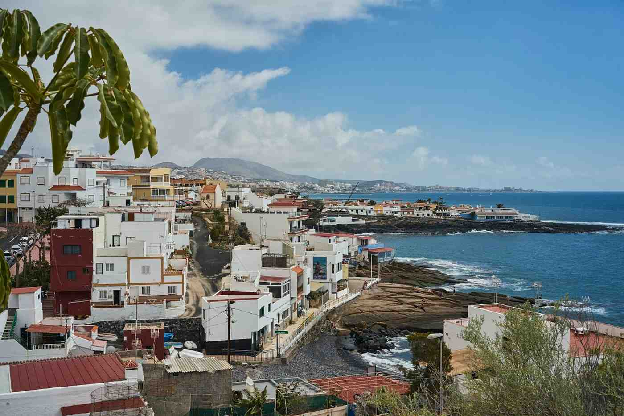
Tenerife in April is a subtropical paradise that offers guaranteed warmth while much of mainland Europe is still shaking off the winter chill. Known as the island of “eternal spring,” it presents a rugged yet inviting mix of dramatic volcanic landscapes and relaxed coastal towns. With temperatures hovering around 24°C (75°F) and sunshine nearly every day, the climate is ideal for those who want to spend their entire trip outdoors.
The island’s atmosphere is remarkably varied; you can transition from sunbathing on unique black sand beaches to wandering through ancient, misty laurel forests or exploring moon-like volcanic craters, all within a single hour’s drive.
April is a particularly sweet spot for visitors. The intense, dry heat of the summer has yet to arrive, and the heavy winter package-tour crowds have largely dispersed. You’ll find locals and savvy travelers alike taking advantage of the mild weather for world-class hiking, whale watching, and quiet beach days before the high-season rush begins.
Top Things to Do
Summit Mount Teide
Ascend Spain’s highest peak (3,718 m) via the Teide Cable Car for breathtaking, panoramic views across a massive volcanic crater. In April, the skies are typically at their clearest, offering visibility that stretches across the entire Canary Island archipelago and, on exceptionally clear days, as far as the coast of Morocco.
The cable car operates daily, weather permitting, and drops you at the upper station where several trails wind through otherworldly lava fields and jagged rock formations. While the coast is warm, temperatures at the summit remain cool (10-15°C), so packing layers is essential. Visiting now ensures you avoid the heavy winter snowfalls that frequently close the access roads and trails earlier in the year.
Whale Watching in Costa Adeje
April is a prime month for marine life enthusiasts, as the Atlantic waters off the southwestern coast are home to resident colonies of pilot whales and bottlenose dolphins. Boat tours depart daily from Los Gigantes and Costa Adeje, offering 2-3 hour excursions led by naturalist guides who provide insights into the local ecosystem.
The sea conditions in April are generally calmer than in the height of summer, providing smoother sailing and superior viewing opportunities. Beyond the resident species, keep your eyes peeled for larger migratory whales that occasionally pass through the deep channels between Tenerife and La Gomera during the spring.
Swim at Playa de Las Teresitas
Located near the capital of Santa Cruz, this is one of the warmest spots in Europe during April. The beach is famous for its golden Saharan sand, which was imported to create a wide, palm-fringed oasis. A large breakwater keeps the turquoise bay calm and protected, making it a favorite for families and those looking for a relaxing dip.
Water temperatures reach a refreshing 19-20°C, which is comfortable for swimming on a sunny afternoon. The beach is lined with chiringuitos (beach bars) serving fresh local seafood and cold drinks. To secure the best spot under the palms, try to arrive early, as this beautiful stretch of coast is a popular weekend getaway for local residents.
Hike Anaga Rural Park
Head to the northeastern tip of the island to trek through ancient laurel forests that feel like a scene from a prehistoric era. Thanks to the winter rains, the Anaga Mountains are at their lushest in April, with vibrant greenery covering the dramatic ridges and deep ravines.
The park offers dozens of well-marked trails, such as the “Sendero de los Sentidos,” which lead through misty cloud forests to hidden coastal villages. The spring weather is perfect for these climbs; the mornings are cool (15-18°C) and the humidity is much lower than in the summer months, allowing you to enjoy the stunning Atlantic views without the physical strain of the heat.
Explore Masca Valley
For one of the most scenic drives in the world, take the winding TF-436 road to the village of Masca, which sits perched on a narrow ridge surrounded by towering volcanic peaks. The journey involves navigating tight hairpin turns and steep drop-offs, but the reward is a spectacular view of terraced cliffs plunging into the ocean.
Once in the village, you can explore the traditional stone architecture or, if you are fit and well-prepared, hike the famous barranco (gorge) trail that leads all the way down to the sea. April’s moderate temperatures make the strenuous return ascent far more manageable than during the oppressive heat of July or August.
Don’t Leave Without…
Try papas arrugadas (wrinkled potatoes) with spicy mojo sauce at a local guachinche – a traditional, family-run tavern in the northern hills. These local potatoes are boiled in heavily salted water until tender and coated in a fine salt crust.
This Canarian staple is served with two sauces: mojo verde (cilantro, parsley, and garlic) and the bolder mojo picón (dried peppers and cumin). For an authentic meal, pair them with grilled cherne (wreckfish) or slow-cooked goat meat. Visiting in April also lets you sample the new harvest of local wines, served in simple carafes straight from the vineyard.
RV Practical Info
Indie Campers has a dedicated depot in Tenerife, making pickup and drop-off convenient near the airport. Island driving involves steep, winding mountain roads, especially to Teide and Masca, so drive with care and patience.
Key logistics to consider:
- Access: Roads are generally well-maintained but can be narrow in rural areas; Indie Campers’ depot is located near the airport for easy arrivals.
- Regulations: Wild camping is restricted across the Canary Islands; stick to designated campsites or authorized recreational zones (Zonas de Acampada).
- Availability: Campsites are open year-round, and since April is shoulder season, availability is good (though booking ahead is still wise).
- Parking: Space in beach towns like Los Cristianos can be tight; arrive early or use designated paid lots.
Ready to explore the island of eternal spring? Rent an RV in Tenerife and start your journey.
Who Is It Best For?
Best place to travel in April for:
- Sun-seekers: Enjoy guaranteed warmth and “eternal spring” temperatures while the rest of Europe thaws.
- Outdoor adventurers: Perfect for hikers tackling Teide or Masca and fans of water sports.
- Families: Great for those wanting reliable beach weather and accessible nature activities.
- Photographers: Capture dramatic volcanic landscapes, black sand beaches, and rugged coastlines.
Not ideal for those seeking historic European cities, as Tenerife is all about nature and beach culture.
Recommended Budget
€70-€110 per person/day. The island is affordable compared to mainland Europe, making it a budget-friendly warm-weather escape.
Here are the estimated costs:
- Campsites: €20-35 per night, often including full hookups and pools.
- Meals: €10-18 for casual dining; €25-40 for sit-down restaurants.
- Activities: €25-40 for whale watching; €27 for the Teide cable car.
Pro Tip: Take advantage of lower fuel and food prices compared to mainland Spain due to local tax benefits.
4. Catania (Sicily), Italy
The Vibe
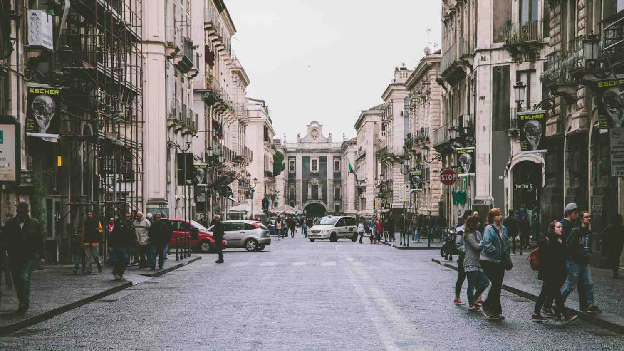
Catania is gritty, historic, and vibrant, sitting in the dramatic shadow of Mount Etna. The city offers a distinct island culture that feels worlds away from mainland Italy. Visitors experience a sensory overload of bustling fish markets, blooming wildflowers along coastal roads, and ancient Greek history layered into every street corner.
April is a transformative time for the region, bringing delicate almond blossoms to the countryside and fresh spring vegetables like fava beans and artichokes to the local market stalls. The city feels authentically Sicilian; you’ll see locals shopping, debating, and laughing in the piazzas rather than a scene curated for tourists.
The architecture provides a striking visual contrast, where grand Baroque churches built from dark, volcanic lava stone are softened by bright pink bougainvillea spilling over wrought-iron balconies. The daily pace is relaxed yet lively, defined by a strong espresso culture in the mornings and the traditional evening passeggiata (stroll) through the grand Via Etnea as the sun sets.
Top Things to Do
Hike Southern Etna
Trek the rugged craters of Europe’s most active volcano while the weather is cool enough for strenuous hiking but largely snow-free at the lower elevations. April temperatures hovering around 15-19°C (59-66°F) make the ascent comfortable. For those wanting to reach the higher summit zones, cable cars and 4×4 jeep tours are available for approximately €65-90.
The lunar landscape is truly otherworldly, featuring solidified lava flows, smoking vents, and jagged volcanic cones. Multiple professional operators offer guided hikes starting from Rifugio Sapienza, providing expert insight into the complex geology and recent eruptions. On clear April days, the views from the slopes stretch across the sparkling Ionian Sea.
Visit the Fish Market (La Pescheria)
Experience the chaotic, authentic theater of daily Sicilian life located just behind Catania’s grand cathedral. This is not just a market but a cultural institution where fishmongers shout prices for swordfish, octopus, and sea urchins displayed on beds of ice under iconic red and white striped awnings.
The market operates most mornings from 7:00 AM to 1:00 PM, though you should arrive before 10:00 AM for the best selection and the most energy. The scene is raw and unforgettable, with water and ice runoff flowing across the ancient cobblestones. After taking in the sights, follow the locals to a nearby street vendor to grab a hot arancino (fried rice ball) for a classic Sicilian snack.
Explore Taormina
Drive 45 minutes north to this glamorous hilltop town to explore ancient Greek ruins and sweeping coastal vistas before the massive cruise ship crowds arrive in May. The Teatro Greco is the crown jewel, offering dramatic views of Mount Etna framed by weathered ancient columns – a sight that is particularly breathtaking at sunset.
In April, the Giardini Villa Comunale (the public gardens) are in full bloom, offering a peaceful, terraced retreat overlooking the sea. The main thoroughfare, Corso Umberto, is lined with high-end boutiques, cafes, and artisan shops, all of which are easily walkable in the mild spring air without the shoulder-to-shoulder crush of the high season.
Walk Ortigia Island (Syracuse)
Wander the ancient, labyrinthine streets of Syracuse’s historic center, located a scenic one-hour drive south of Catania. This UNESCO World Heritage Site is a small island connected to the mainland by bridges, packing Greek temples, Baroque palazzos, and winding medieval alleys into a compact area.
The ruins of the Apollo Temple sit right near the entrance to the morning market, where vendors sell sun-dried tomatoes, local olives, and fresh mozzarella. April’s temperate weather is ideal for exploring the entire perimeter of the island on foot, with refreshing sea breezes keeping you cool as you discover hidden fountains and seaside cafes.
Valley of the Temples (Agrigento)
Take a 90-minute day trip west to witness some of the best-preserved Greek temples in existence. In early April, the archaeological park is surrounded by a sea of white and pink almond blossoms, creating a stunning backdrop for the ancient stone structures.
The Tempio della Concordia stands nearly intact, its golden calcarenite stone glowing brilliantly in the afternoon light. During the spring, vibrant wildflowers carpet the grounds between the ruins in shades of yellow and purple. It is best to visit in the early morning or late afternoon to enjoy the site in the softest light while avoiding the midday heat and the arrival of large tour buses.
Don’t Leave Without…
Savoring an authentic granita con brioche for breakfast is a quintessential Sicilian ritual. Unlike standard shaved ice, this treat has a unique, semi-frozen crystalline texture that is both creamy and refreshing.
Local favorites include toasted almond, zesty Messina lemon, or deep espresso, often topped with fresh whipped cream. It is traditionally served in a tall glass alongside a “brioche col tuppo” – a warm, buttery bread roll perfect for dipping into the cold granita.
For the best experience, find a table at a historic cafe overlooking the Piazza del Duomo. Enjoying the soft bread and cool flavors while the city wakes up to the sound of cathedral bells and the nearby fish market is the perfect start to an April morning.
RV Practical Info
Sicilian driving can be chaotic, with aggressive locals and inconsistent signage; park outside congested city centers (like Catania) and use public transport or walk.
Key logistics to consider:
- Parking: The Area Sosta Camper Catania (near the port) offers overnight parking for €15-20. In Taormina, use the large lot below town and take the cable car.
- Campsites: Coastal sites like Camping Villaggio Calanovella are open in April, offering facilities and beach access for €25-40 per night.
- Road Conditions: Inland roads to hilltop towns can be bumpy but offer incredible rural views of olive groves and volcanic slopes.
- Regulations: Wild camping is illegal and strictly enforced in Sicily; always stick to official sites.
Ready to explore the heart of the Mediterranean? Rent an RV in Sicily and start your journey.
Who Is It Best For?
Top European destination in April for:
- Foodies: Perfect for adventurous eaters willing to try local specialties like sea urchin and horse meat.
- History buffs: Ideal for travelers who appreciate deep layers of Greek, Roman, Arab, and Norman history.
- Photographers: Capture the striking contrasts of black lava, deep blue sea, and white almond blossoms.
- Budget travelers: Enjoy high-quality experiences and world-class sites at a lower cost than mainland Italy.
Recommended Budget
€80-€120 per person/day. Sicily offers exceptional value for the quality of food and experiences.
Here are the estimated costs:
- Campsites: €25-40 per night for well-equipped coastal or rural sites.
- Meals: €8-15 for world-class street food; €20-35 for sit-down restaurants.
- Attractions: €10-15 for major archaeological sites and museum entries.
Pro Tip: Carry cash for smaller markets and rural parking areas, as card acceptance can be inconsistent outside of major tourist hubs.
5. The Algarve (Faro), Portugal
The Vibe
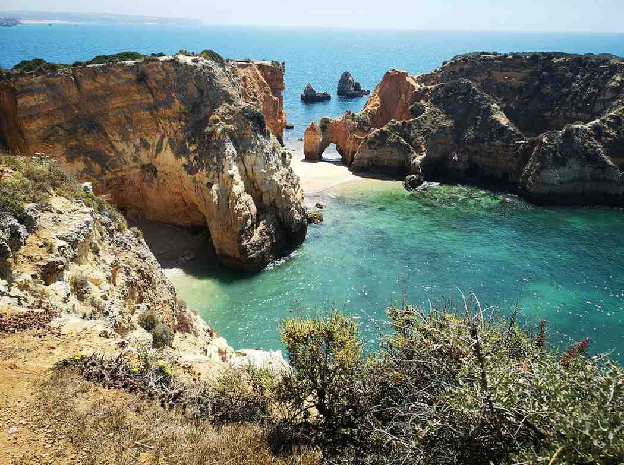
The Algarve in April exudes a laid-back coastal charm, defined by world-class limestone cliffs and golden beaches that remain blissfully free from the summer “towel wars.” With sunny, breezy days averaging 20°C (68°F), the climate is ideal for active pursuits like surfing and golfing, or simply sipping a glass of local Vinho Verde on a sun-drenched cliffside terrace.
This region feels like Europe’s secret warm-weather hideaway during the spring. Traditional fishing villages retain their authentic character; you’ll see locals mending nets by the shore and the scent of fresh sardines grilling at harborside restaurants fills the air.
The landscape is at its most vibrant this month, as colorful wildflowers bloom along the coastal trails, contrasting against the orange-hued cliffs and the deep blue Atlantic. The pace of life is slow and unhurried, perfectly designed for those looking to embrace outdoor living and relaxation before the high-season crowds arrive in July.
Top Things to Do
Walk the Seven Hanging Valleys Trail
Hike one of Europe’s most scenic cliffside paths without the risk of summer heat exhaustion. This 6 km (one-way) trail connects the iconic Praia da Marinha to Vale de Centeanes, winding past natural rock arches, hidden coves, and dizzying sea views from the clifftops.
April’s mild temperatures (18-22°C) make this exposed walk much more comfortable than in the peak of summer. With fewer hikers on the trail, you can enjoy the silence of the sea. It is best to start early in the morning to capture the soft light hitting the cliffs, and remember to bring plenty of water as there is very little shade along the route.
Benagil Cave Boat Tour
Take a kayak or a small boat into the world-famous Benagil sea cave, a natural cathedral with a massive dome and a secluded beach accessible only by water. In April, the Atlantic tides are generally calmer than in winter, making the journey into the cave safer and more pleasant for paddlers.
Tours typically depart from Benagil Beach and cost between €25-40. Visiting now means queues are significantly shorter compared to the 90-minute waits common in August. The cave’s “eye” – a natural skylight in the ceiling – creates dramatic photo opportunities when the midday sunlight streams through to illuminate the golden sand below.
Surf at Sagres
Head to the rugged southwestern tip of Portugal for consistent spring swells and a unique “end-of-the-world” atmosphere. Sagres and nearby Praia do Tonel offer excellent beach breaks suitable for intermediate surfers. Local surf schools are fully operational in April, offering board rentals for €15-25 per day and professional lessons for €40-60.
While the water temperatures (15-17°C) necessitate a good wetsuit, the waves are often cleaner and far less crowded than during the summer months. After your session, visit the clifftop fortress of Sagres, which overlooks the surf and provides some of the most spectacular sunset views across the Atlantic.
Explore Tavira
For a break from the beach resorts, visit the traditional town of Tavira to see its famous Roman bridge and authentic Portuguese architecture. Situated on the banks of the Rio Gilão, the town features whitewashed houses that climb the hillsides toward a medieval castle.
In late April, you can witness the first jacaranda blooms adding splashes of purple to the streets. The town feels authentically lived-in; spend your morning at the local municipal market browsing fresh fish and regional produce, then enjoy an outdoor lunch at a riverside cafe where the atmosphere is local rather than tourist-driven.
Sunset at Cabo de São Vicente
Make the pilgrimage to Europe’s southwesternmost point to watch the sun drop directly into the Atlantic Ocean. The dramatic clifftop lighthouse marks a spot that ancient sailors once believed was the edge of the known world.
April sunsets occur around 8:00 PM, painting the sky in vibrant shades of orange and pink. The windswept headland feels wild and powerful, with massive waves crashing against the rocks 75 meters below. It is a very RV-friendly stop, as you can usually park your campervan in the large lighthouse lot for free to enjoy the view.
Don’t Leave Without…
Savor a steaming Cataplana de Marisco, an iconic Algarve seafood stew named after the copper clamshell pan used to lock in moisture and flavor. This dish features fresh clams, prawns, mussels, and white fish steamed with tomatoes, onions, peppers, and white wine.
For the most authentic taste, visit a family-run restaurant in Lagos or Albufeira. Serve it with crusty bread and a chilled glass of Vinho Verde; the wine’s acidity perfectly balances the rich seafood, making it the ultimate springtime lunch overlooking the Atlantic.
RV Practical Info
The Algarve is extremely RV-friendly with many service stations and campsites open year-round. Indie Campers’ Faro depot makes pickup easy near the airport.
Key logistics to consider:
- Campsites: Sites like Turiscampo (near Lagos) offer full facilities, pools, and beach access for €20-35 per night in April.
- Access: Coastal roads (N125 and scenic coastal routes) are well-maintained and easy to drive.
- Regulations: Strict rules against wild camping exist in coastal nature reserves, with GNR (police) patrols enforcing fines (€200-600); use designated motorhome parks (Aires) or campsites.
- Parking: Space at beaches can fill by midday on warm weekends, so arrive early or use park-and-ride options in larger towns.
Ready to explore the Portuguese coast? Rent an RV in Faro and start your journey.
Who Is It Best For?
Where to go in Europe in April for:
- Warm weather seekers: Enjoy mild, sunny days perfect for outdoor living.
- Surfers: Take advantage of consistent spring swells and uncrowded breaks.
- Families: Benefit from safe beaches, gentle waves for kids, and accessible activities.
- Couples: Experience romantic cliffside scenery and intimate seafood dinners.
- Budget travelers: Appreciate affordable campsites and lower costs compared to northern Europe.
Recommended Budget
€70-€110 per person/day. Shoulder season rates for campsites and rentals offer great value.
Here are the estimated costs:
- Campsites: €20-35 per night for well-equipped sites.
- Meals: €10-18 for casual dining; €25-40 for sit-down seafood restaurants.
- Activities: €25-40 for boat tours; €40-60 for surf lessons.
Pro Tip: The Algarve is one of Europe’s best-value warm-weather destinations in April, offering sunshine and beaches at off-peak prices.
6. Athens & The Peloponnese, Greece
The Vibe
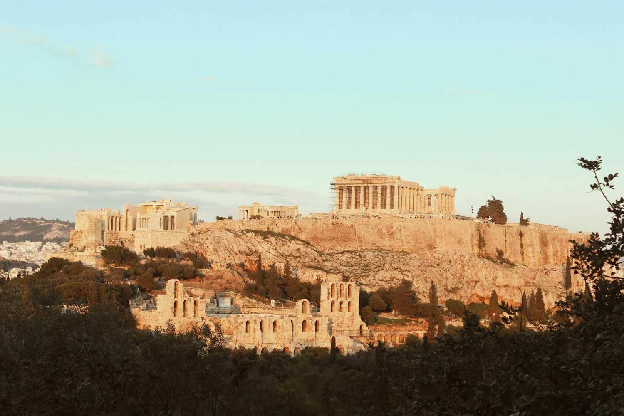
In April, Athens strikes a perfect balance between ancient history and modern grit, all without the suffocating heat or overwhelming crowds of July. The city buzzes with a unique urban energy where vibrant street art and a thriving cafe culture are layered directly over 3,000 years of civilization. With temperatures hovering around 20°C (68°F), the air is fresh and inviting – ideal for long days spent climbing the Acropolis or wandering through sprawling outdoor ruins.
Venturing into the nearby Peloponnese reveals a greener, quieter side of Greece. During this month, the mainland is carpeted in colorful wildflowers that soften the rugged archaeological sites and rolling hills. You’ll find a dramatic contrast to the city: empty coastal roads, sleepy hilltop villages, and ancient theaters tucked away in fragrant pine forests.
Because the tourist season is only just beginning, locals are exceptionally welcoming and the atmosphere is relaxed. Most services, tavernas, and sites are fully open, yet you can enjoy them at a much slower pace before the summer rush arrives.
Top Things to Do
Acropolis at Golden Hour
Climb to the Parthenon in the pleasant afternoon warmth for a sunset experience that defines any trip to Greece. April’s mild weather makes the uphill trek to the summit comfortable rather than grueling. As the sun begins to dip, the late afternoon light turns the massive marble columns a deep honey-gold, providing a spectacular sight for photographers.
Arrive approximately 90 minutes before closing to avoid the midday tour groups and the strongest sun. From this vantage point, the view stretches across the sprawling white rooftops of Athens all the way to the Saronic Gulf, with distant mountains framing the horizon in every direction.
Road Trip to Nafplio
Steer your RV two hours southwest of Athens to reach this romantic coastal gem, widely considered one of Greece’s most beautiful towns. Nafplio served as the first capital of modern Greece, and its history is visible in the Venetian fortresses, harborfront promenades, and elegant neoclassical mansions that create a fairy-tale atmosphere.
In April, the town’s parks and balconies are overflowing with spring blooms. Spend your afternoon at an outdoor taverna along the water, where you can sample fresh seafood and local wines. Nafplio also serves as a strategic and scenic base for exploring the nearby world-class archaeological sites of Epidaurus and Mycenae.
Visit Ancient Mycenae
Located just a 30-minute drive from Nafplio, the ruins of Mycenae offer a glimpse into a civilization that predates classical Greece by centuries. This was the kingdom of the mythical Agamemnon, and the site’s massive “Cyclopean” walls and the iconic Lion Gate still inspire awe.
April is the best time to visit, as vibrant wildflowers carpet the hillside, contrasting with the ancient grey stone. Because it is the shoulder season, you can often wander through the tholos tombs and the palace complex with only a handful of other visitors, allowing the mythological weight of the site – which inspired Homer’s epics – to truly sink in.
Epidaurus Theatre
Test the legendary acoustics of the best-preserved ancient theatre in Greece. Built in the 4th century BC to seat 14,000 spectators, the structure is engineered so perfectly that a match struck or a whisper spoken on the center stage can be heard clearly in the very top rows.
The setting is particularly magical in the spring, as the theatre is surrounded by lush green pine forests that are at their most fragrant in April. With fewer crowds, you’ll have the space to test the acoustics yourself and enjoy the stillness of the surrounding hills, where the only sound is often the local birdsong filling the air between your echoes.
Explore Plaka & Monastiraki
Spend a relaxed morning getting lost in the labyrinthine streets of Plaka, the oldest neighborhood in Athens. Nestled directly beneath the Acropolis, its narrow alleys are lined with pastel-colored neoclassical houses, blooming bougainvillea, and tiny Byzantine churches.
Continue your walk into Monastiraki, famous for its bustling flea market where you can hunt for antiques, handmade leather sandals, and unique ceramics. April’s temperate weather is perfect for this kind of urban exploration; the sidewalk cafe tables are back in full force, offering the perfect spots for people-watching over a slow Greek coffee or a glass of Ouzo.
Don’t Leave Without…
Celebrating Greek Easter (April 12, 2026) offers profound cultural immersion. Festivities peak during the Saturday midnight “Anastasi” service, where communities gather to pass the “Holy Light” amid fireworks and shouts of “Christos Anesti!” (Christ is risen).
Easter Sunday features festive street atmospheres and massive family feasts centered on traditional spit-roasted lamb. You might join the “tsougrisma” game – cracking symbolic red-dyed eggs with locals – and should sample seasonal delicacies like tsoureki (sweet bread) and magiritsa soup. As Greece’s most significant holiday, it provides a level of hospitality and tradition unmatched at any other time of year.
RV Practical Info
Driving in central Athens is not recommended due to aggressive traffic, narrow streets, and lack of parking; park at a campsite on the outskirts and take the metro.
Key logistics to consider:
- Parking: Use Camping Athens (20 minutes from the center), which offers full services for €30-40 per night and connects to the Eleonas metro stop.
- Access: Peloponnese roads are great for road trips, with well-maintained highways and scenic coastal routes.
- Tolls: Highway fees can be pricey (€10-20 between Athens and Nafplio), so budget accordingly for long drives.
- Regulations: Wild camping is illegal in Greece and strictly enforced near archaeological sites; always use official campsites.
- Site Parking: Parking at major archaeological sites like Mycenae and Epidaurus is generally free and spacious for RVs.
Prepared to discover the heart of Greece? Hire a motorhome in Athens and begin your adventure.
Who Is It Best For?
Top European destination in April for:
- History lovers: Explore the cradle of Western civilization with fewer crowds and mild temperatures.
- Road trippers: Navigate the diverse landscapes of the Peloponnese on quiet spring roads.
- Photographers: Capture ancient marble ruins contrasted against vibrant spring wildflowers.
- Foodies: Enjoy traditional Greek tavernas serving fresh seasonal produce and Easter delicacies.
Recommended Budget
€90-€130 per person/day. Greece offers excellent value for food, though transit costs are higher.
Here are the estimated costs:
- Campsites: €25-40 per night for established sites with hookups.
- Meals: €8-15 for generous taverna portions; €20-35 for upscale dining.
- Transport: Fuel (diesel €1.60-1.80/liter) and tolls (€2-5 per section) are above the European average.
- Attractions: €20 for the Acropolis; €6-12 for most other archaeological sites.
Pro Tip: Purchase the €30 combined ticket in Athens to access multiple ancient sites over five days.
7. Split & Dalmatian Coast, Croatia
The Vibe
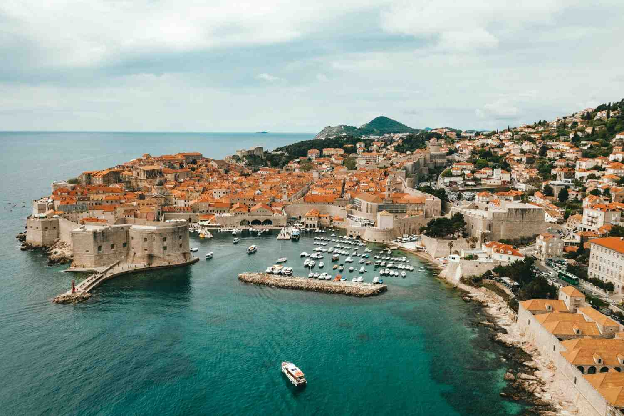
April on the Dalmatian Coast offers a refreshing blend of crystal-clear Adriatic waters and elegant Venetian architecture, all without the overwhelming crush of summer cruise ship crowds. As nature awakens, the landscape turns a vibrant green, and the air carries the faint scent of pine and salt.
The city of Split serves as the heart of the region, where 1,700 years of Roman history at Diocletian’s Palace seamlessly integrate with a thriving modern cafe culture. With daytime temperatures hovering around 17°C (63°F), the weather is perfectly mild – ideal for exploring ancient ruins by day and retreating to cozy, candlelit wine bars by night.
Beyond the city limits, the atmosphere is sleepy and authentic. The famous coastal road hugs dramatic limestone cliffs above turquoise bays, revealing hidden pebble beaches and medieval stone villages around every bend. It is a time of year when the islands feel like they belong to the locals again, offering a peaceful Mediterranean escape.
Top Things to Do
Explore Diocletian’s Palace
Wander through the massive Roman complex that forms Split’s living city center. Built in the 4th century AD as a retirement residence for Emperor Diocletian, this UNESCO World Heritage site is unique because it isn’t a museum; it’s a vibrant neighborhood where shops, restaurants, and apartments are built directly into the ancient limestone walls.
In April, you can explore the subterranean cellars, the monumental Peristyle square, and the narrow marble alleys at a leisurely pace. Without the summer heat, it is much more enjoyable to climb the Cathedral of Saint Domnius bell tower or stop for a long “kava” (coffee) in a historic courtyard to watch the local pace of life.
Witness Krka National Park in Full Flow
Drive one hour north to experience the Skradinski Buk waterfalls at their most powerful. Fed by winter snowmelt and spring rains, the seven travertine cascades tumble over 17 tiers with a thunderous roar that is far more dramatic than the reduced flow seen in late summer.
A network of wooden walkways circles the falls, leading you through lush vegetation and over emerald pools. While the water remains a chilly 12-15°C, making swimming a challenge for most, the lack of crowds allows for unobstructed photography and a peaceful connection with the park’s diverse birdlife and historic watermills.
Island Hop to Hvar or Brač
Drive your campervan onto a Jadrolinija ferry to explore the central Dalmatian islands while they are quiet and pristine. In Hvar Town, the Venetian harbor and hilltop fortress offer stunning vistas without the “party island” noise of peak season. You can drive through the Stari Grad Plain, a cultural landscape unchanged since Greek times, which begins to bloom with wildflowers in April.
Alternatively, head to Brač to see the famous Zlatni Rat (Golden Horn) beach. In the spring, you can walk the length of this ever-shifting sand spit without the gridlock of beach towels. Ferries run daily from Split, and while the April schedule is less frequent than in July, it provides a reliable and scenic way to reach the islands for a day trip or overnight stay.
Hike Marjan Hill for Panoramic Views
For the best perspective of the city, head to the western end of the Split peninsula to hike Marjan Hill. Known as the “lungs of the city,” this pine-covered park is crisscrossed with trails that lead past medieval hermitages and small stone churches built into the cliffs.
The hike to the Telegrin peak takes about 30 minutes and rewards you with a 360-degree view of the harbor, the Mosor mountains, and the distant islands of Vis and Šolta. The crisp April air ensures excellent visibility, and the descent via the southern slopes leads you to quiet spots like Bene Beach, perfect for a seaside picnic.
Road Trip the Scenic D8 Coastal Road
Experience the Adriatic Highway (D8), one of Europe’s most spectacular coastal drives, during a month when traffic is exceptionally light. The road winds south from Split toward Dubrovnik, clinging to the mountainside and offering constant views of the shimmering sea below.
The route takes you through the stunning Makarska Riviera, passing under the shadow of the towering Biokovo Mountains. With plenty of roadside pullouts available, you can stop frequently to explore tiny fishing villages like Brela or grab a fresh seafood lunch in a quiet harbor. The 3.5-hour journey becomes a highlight of the trip, offering a sense of freedom that is hard to find during the congested summer months.
Don’t Leave Without…
Savoring Peka, a signature Dalmatian dish, is a culinary rite of passage. This traditional blend of meat and vegetables is slow-cooked under a heavy, bell-like lid known as a čripnja or peka. Because the process is so time-intensive, you typically need to call ahead to a local konoba (traditional tavern) at least 3 to 4 hours in advance to place your order.
The preparation is a true spectacle of rustic engineering: the iron or clay lid is placed over a tray of lamb, veal, or octopus – heavily seasoned with local Mediterranean herbs and nestled among thick chunks of potato – and then completely buried under a mound of glowing hot coals.
For two to three hours, the ingredients steam in their own juices, resulting in meat that falls off the bone and potatoes that have absorbed all the rich, smoky flavors of the hearth. It is the definitive taste of the Dalmatian countryside, best enjoyed with a glass of robust local red wine.
RV Practical Info
Campsites are opening up for the season in April; some smaller coastal ones might still be closed, so check apps like Park4Night or Campercontact for confirmed open sites.
Key logistics to consider:
- Parking: Coastal parking in towns can be tight, with limited campervan-friendly lots; arrive early or use park-and-ride options.
- Campsites: Camping Split (15 minutes from the city) offers waterfront spots for €30-45 per night.
- Regulations: Wild camping is strictly prohibited and fined in Croatia (€500-1,000), so stick to official campsites or designated motorhome areas.
- Driving: The D8 coastal road is narrow in sections, requiring careful driving, but it’s well worth the scenery.
Ready to explore the Dalmatian Coast? Rent an RV in Split and start your journey.
Who Is It Best For?
Top European destination in April for:
- Coastal scenery lovers: Experience the dramatic Adriatic Highway and turquoise bays without the crowds.
- Couples: Enjoy romantic sunsets, historic marble streets, and intimate seafood dining.
- Road-trippers: Benefit from the freedom of the open coastal road with minimal seasonal traffic.
- Photographers: Capture empty pebble beaches and powerful spring waterfalls in Krka.
Recommended Budget
€80-€120 per person/day. Prices are lower than summer peak season, but Croatia’s costs have risen since joining the Eurozone.
Here are the estimated costs:
- Campsites: €30-45 per night for coastal sites.
- Meals: €10-20 per person for casual dining; €25-40 for restaurants.
- Attractions: €10-20 for Krka National Park entry depending on the date.
- Transport: Fuel is moderately priced (€1.50-1.70/liter), and highway tolls are reasonable.
8. Marseille & Provence, France
The Vibe
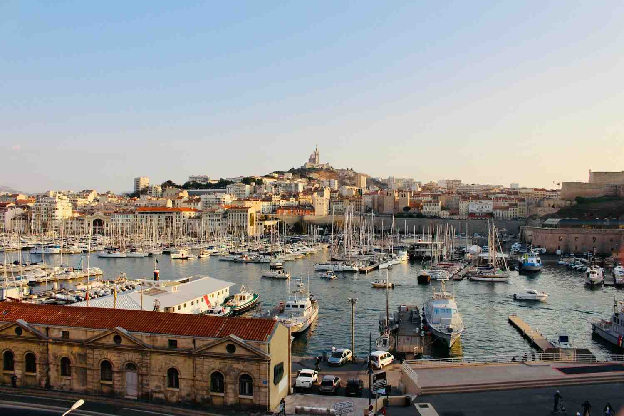
Marseille serves as the spirited gateway to Provence, blending a gritty, authentic port city energy with an incredible artistic heritage. In April, the city feels revitalized; the air is filled with the fresh, earthy scents of open-air markets overflowing with seasonal treasures like bright green asparagus, sweet strawberries, and early spring blooms.
The atmosphere in Marseille is defined by its North African influences and a fierce sense of local pride. It is a working city that doesn’t put on a show for tourists, offering a raw and vibrant Mediterranean experience. Meanwhile, the surrounding Provençal countryside is gently waking up, with cherry blossoms dusting the orchards and vineyards turning a lush green as they prepare for the summer heat.
With temperatures hovering around 18°C (64°F), the climate is exceptionally comfortable. It is the ideal window for active exploration – warm enough for sun-drenched lunches at the Vieux Port, yet cool enough to tackle steep coastal trails or wander through hilltop villages without the sweltering intensity of the summer sun.
Top Things to Do
Hike the Calanques National Park
Explore a series of dramatic limestone fjords where towering white cliffs plunge into startlingly turquoise waters. April is the premier month for hikers, as the trails remain fully open before summer fire-risk restrictions take effect. The cooler spring air makes the steep descents into Calanque de Sormiou, Calanque d’En-Vau, or Calanque de Morgiou much more manageable.
If you prefer the water, boat tours depart regularly from Marseille’s Old Port (€25-40), weaving through the narrow inlets. This season allows you to appreciate the stark contrast between the bleached rock and the aquamarine sea in relative peace, long before the heavy summer crowds arrive to claim the small pebble beaches.
Visit Aix-en-Provence
Take a 30-minute drive inland to experience the refined elegance of the “City of a Thousand Fountains.” Aix-en-Provence is the historic home of Paul Cézanne, and its grand Cours Mirabeau – shaded by massive plane trees and flanked by 17th-century mansions – is the perfect place for people-watching.
In April, the city’s famous farmers’ markets are at their most fragrant, sprawling across the old town squares with local goat cheeses, honey, and spring flowers. Don’t miss a visit to the Atelier Cézanne, the painter’s preserved studio, where the soft spring light filters through the windows just as it did when he captured the essence of the Provençal landscape.
Explore the Le Panier District
Wander through the narrow, winding alleys of Marseille’s oldest neighborhood. Le Panier feels like a colorful village tucked inside a metropolis, characterized by pastel-washed buildings, vibrant street art, and independent artisan workshops.
The mild April weather is perfect for climbing the district’s steep stairs to discover hidden courtyards and small boutiques selling handmade ceramics. After exploring, walk down toward the waterfront to visit the ultra-modern MuCEM museum, then find a sunlit terrace to enjoy a glass of pastis and a plate of warm socca (chickpea pancake).
Drive the Route des Crêtes to Cassis
Embark on one of France’s most spectacular scenic drives along the Route des Crêtes. This winding road snakes along the clifftops between La Ciotat and Cassis, reaching the summit of Cap Canaille – the highest sea cliff in France. Numerous pullouts offer dizzying, panoramic vistas of the Mediterranean and the distant Calanques.
The drive ends in Cassis, a quintessential fishing village famous for its pastel-colored harbor and high-quality white wines. April provides clear visibility for the coastal views and light traffic on the hairpins, making it easy to spend an afternoon sampling local vintages at a vineyard before a seafood dinner by the water.
Ascend to Basilique Notre-Dame de la Garde
Make the pilgrimage to “La Bonne Mère,” the golden statue of the Virgin Mary that watches over the city from its highest peak. The Romano-Byzantine basilica is a masterpiece of mosaics and marble, filled with ex-votos and model ships left by sailors seeking protection at sea.
The real draw in April is the 360-degree terrace view. From this vantage point, you can see the entire sprawl of Marseille, the Frioul Islands, and the rugged coastline stretching toward the horizon. The spring breeze at the summit is refreshing, and the clear skies offer the best possible backdrop for photographing the city’s terracotta rooftops and the deep blue of the Mediterranean.
Don’t Leave Without…
Pick up a bar of authentic Savon de Marseille from a local savonnerie. These olive oil-based cubes are a timeless piece of Provençal heritage.
You must also savor Bouillabaisse at the Old Port. This legendary saffron-infused stew features at least three types of local fish and is served with rouille and toasted bread. While many Vieux Port restaurants specialize in this dish, expect to pay €40-€60 per person for an authentic version made with high-quality fresh fish.
RV Practical Info
Marseille traffic is dense and parking difficult; park at campsites in nearby La Ciotat or Cassis (20-30 minutes from the city) and take the train/bus to Marseille.
Key logistics to consider:
- Parking: Camping La Baie (Cassis) offers cliffside spots for €35-50 per night with sea views and easy access to the city via public transport.
- Aires: Southern France has excellent Aires de Camping-Car (motorhome stopovers) for easy, low-cost overnight stays ranging from €5-15.
- Regulations: Wild camping is strictly prohibited in the Calanques and heavily enforced, but designated aires are plentiful throughout Provence.
- Roads: Infrastructure is well-maintained, though tolls on autoroutes can add up quickly, typically costing €10-20 for longer distances.
Ready to explore the French Riviera? Rent an RV in Marseille and begin your adventure.
Who Is It Best For?
Top European destination in April for:
- Landscape lovers: Explore the dramatic white cliffs and turquoise waters of the Calanques before summer restrictions.
- Foodies: Visit vibrant markets and enjoy authentic bouillabaisse in the historic Old Port.
- Couples: Experience the romantic ambiance of the Provençal countryside and charming coastal villages like Cassis.
- Photographers: Capture the stark contrast of limestone fjords and the deep blue Mediterranean in soft spring light.
Recommended Budget
€100-€150 per person/day. Prices reflect the popularity of the French Riviera and Provence regions.
Here are the estimated costs:
- Campsites: €30-50 per night for well-equipped sites in coastal areas.
- Meals: €15-25 for casual market-based meals; €35-60 for sit-down restaurants.
- Activities: €25-40 for boat tours of the Calanques; €8-15 for museum entries.
Pro Tip: Picnicking with fresh market ingredients like local cheeses and baguettes helps save money while enjoying top-quality Provençal produce.
9. Florence & Tuscany, Italy
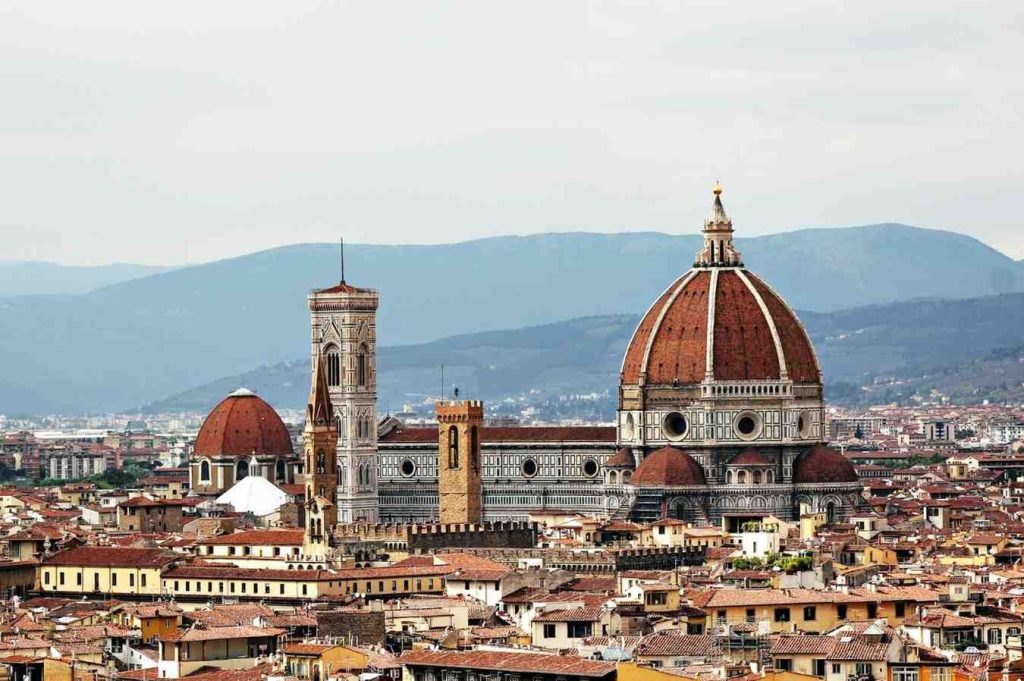
The Vibe
Tuscany in April is a masterpiece of rolling green hills, mist-covered vineyards, and world-class art, all enjoyed without the sweltering heat or suffocating crowds of August. The region feels romantic and culturally rich, with cities that maintain their authentic soul rather than serving as mere tourist hubs.
As spring takes hold, cherry blossoms dust the countryside and seasonal delicacies like fresh artichokes and fava beans begin to dominate restaurant menus. In Florence, the Renaissance heart beats alongside daily life; you’ll find locals haggling for produce at the Sant’Ambrogio market and students lounging on the sun-warmed steps of Santa Croce.
Beyond the city walls, the landscape is at its most photogenic. Iconic hilltop towns like San Gimignano and Montepulciano emerge from the morning mist, their medieval towers and cypress-lined roads creating the quintessential postcard scenes that have inspired poets and painters for centuries.
Top Things to Do
Uffizi Gallery
Experience the pinnacle of Renaissance art, including Botticelli’s Birth of Venus and Primavera, with slightly shorter queues than the summer peak. While the museum remains popular year-round, an April visit allows for a more contemplative pace through halls housing masterpieces by Leonardo da Vinci, Michelangelo, and Caravaggio.
The gallery’s large windows offer beautiful spring views over the Arno River and the Ponte Vecchio. To ensure entry, it is essential to reserve timed tickets online (€20-25) several weeks in advance, as daily slots are strictly limited.
Val d’Orcia Road Trip
Navigate your campervan through the UNESCO-protected Val d’Orcia, located south of Siena. In April, the valley is a brilliant, lush green before the summer sun turns the grass to gold. This region features the most iconic Tuscan scenery: isolated stone farmhouses, undulating hills, and the famous winding roads lined with towering cypress trees.
Plan stops in Pienza for artisanal pecorino cheese tastings and Montalcino to sample world-renowned Brunello wine. For a unique relaxation break, visit the ancient thermal baths of Bagno Vignoni, where a steaming pool of volcanic water sits in the center of the village square.
Wine Tasting in Chianti
Explore the prestigious vineyards nestled between Florence and Siena. During April, cellar doors are fully open and significantly less crowded than in the high season. Chianti Classico estates offer intimate tours and tastings (€15-40) that showcase Sangiovese-based wines and peppery extra virgin olive oils.
This is the active pruning season, providing a fascinating look at the vineyard work required to produce a vintage. Notable stops like Castello di Verrazzano or the architecturally stunning Antinori nel Chianti Classico offer historic cellars and scenic terraces perfect for a spring afternoon.
Climb the Duomo
Ascend the 463 steps of Brunelleschi’s famous dome for unparalleled views over Florence’s terracotta rooftops and the distant, snow-capped Apennine mountains. The climb takes you through the narrow spaces between the dome’s inner and outer shells, offering a close-up view of the magnificent Last Judgment frescoes.
The moderate April temperatures (16-20°C) make the physical exertion much more comfortable than the stifling, humid heat found inside the enclosed stone stairways during July. You must book a combined “Brunelleschi Pass” (€18-30) online in advance to secure a climbing time slot.
Visit San Gimignano
Known as the “Manhattan of the Middle Ages,” this hilltop town is best explored on a crisp, clear spring morning. Its 14 remaining medieval towers create a striking skyline that is visible for miles across the Elsa Valley.
Arriving early in April allows you to watch the valley mists clear from the town walls, revealing panoramic views of olive groves and vineyards. After wandering the stone streets, treat yourself to a glass of local Vernaccia white wine and browse the artisan shops specializing in hand-painted ceramics and locally harvested saffron.
Don’t Leave Without…
Savoring a Bistecca alla Fiorentina (T-bone steak) shared family-style at a traditional trattoria is a quintessential Tuscan experience. This massive porterhouse steak, sourced from ancient Chianina cattle, is traditionally grilled over a high-heat wood fire and served rare, seasoned simply with salt, lemon, and a sprig of rosemary.
Expect to pay between €40-€60 per kilo, which typically feeds two to three people. For an authentic meal, seek out rustic, time-honored spots like Trattoria dall’Oste in Panzano or the legendary Il Latini in the heart of Florence.
RV Practical Info
Florence has a ZTL (restricted traffic zone) covering the historic center; do not drive into it or face automatic fines (€100+). Use campsites like Firenze Camping in Town (4 km from center) offering bus connections and full facilities for €35-50 per night.
Key logistics to consider:
- Parking: Use designated sites like Firenze Camping in Town; avoid the city center to bypass ZTL restrictions.
- Agriturismo: Take advantage of vineyard or farm settings that allow overnight stays for €20-40.
- Driving: Roads are scenic but winding, especially when approaching hilltop towns; allow extra travel time.
- Regulations: Wild camping is prohibited in Tuscany, but designated aires and agriturismo options are plentiful.
Prepared to discover the heart of the Renaissance? Rent an RV in Florence and begin your adventure through Tuscany.
Who Is It Best For?
Best places to visit in Europe in April for:
- Couples and Art Lovers: Experience the romantic countryside and Renaissance masterpieces in a quintessential Italian setting.
- Wine Enthusiasts and Foodies: Enjoy seasonal farm-to-table meals and intimate cellar tastings.
- Photographers: Capture the iconic misty mornings and cypress-lined roads of the Val d’Orcia.
Recommended Budget
€110-€160 per person/day. Tuscany is pricier than southern Italy but offers unmatched cultural richness.
Here are the estimated costs:
- Campsites: €35-50 per night for well-equipped sites or agriturismos.
- Meals: €15-30 for casual dining; €40-70 for upscale trattorias.
- Activities: €15-40 for wine tastings; €15-30 for major museum and dome entries.
10. Edinburgh & Scottish Highlands, UK

The Vibe
Dramatic, moody landscapes waking up from winter with gorse blooming yellow across the hills. Crisp air, fewer midges (biting insects), and snow-capped peaks provide a stunning backdrop to road trips. Edinburgh blends medieval history with Georgian elegance, castle views over the city, and a literary heritage around every corner.
April temperatures around 11°C feel cool but refreshing, with layered clothing essential for changeable weather. The Highlands offer wild, empty landscapes, lochs reflecting mountains, and single-track roads winding through glens.
The mood is atmospheric and raw, perfect for travelers who appreciate nature’s power over guaranteed sunshine.
Top Things to Do
Edinburgh Castle
Explore the historic fortress dominating the skyline without the peak summer crush. Perched atop Castle Rock, this ancient stronghold offers sweeping views across the city to the Firth of Forth. Inside, you can delve into the Honours of Scotland (the crown jewels), the Stone of Destiny, and the haunting National War Museum.
April’s cooler weather makes walking the expansive, cobblestoned castle grounds comfortable, and queues are significantly shorter than in July. While it is quieter, pre-booking tickets online is still smart to secure your preferred time slot. Entry costs approximately £17-19; allow at least 2-3 hours to explore the various batteries and royal apartments fully.
Drive the North Coast 500
Tackle sections of this iconic 516-mile route while the roads are quieter before the summer campervan rush. The loop around the northern Highlands passes through some of Europe’s most dramatic scenery, including white-sand beaches that look tropical (despite the temperature), rugged cliffs, and the legendary Bealach na Bà mountain pass.
April driving offers a sense of true isolation, but be prepared for winter’s lingering touch; higher elevations may still see snow, and some passes can close temporarily. The route feels wild and remote this time of year, offering excellent opportunities to spot local wildlife like red deer, seals, and golden eagles without the distraction of heavy traffic.
Hike Arthur’s Seat
Walk up the ancient dormant volcano situated in the heart of Holyrood Park for the best vantage point in the city. The 251-meter summit is reachable in 30-45 minutes via multiple trails ranging from gentle slopes to rocky steps. From the top, you are rewarded with 360-degree panoramas of the Old Town, the Pentland Hills, and the shimmering Firth of Forth.
April weather can be notoriously fickle, often bringing wind and rain in quick succession, so high-quality waterproofs are essential. However, clear spring days reward hikers with stunning visibility. Sunrise or sunset hikes are particularly magical, as the low sun paints the city’s gothic spires in shades of orange and gold.
Visit Glencoe
Drive through Scotland’s most famous glen, a place that feels both moody and spectacular as it wakes from winter. The dramatic U-shaped valley, carved by ancient glaciers and volcanic explosions, is flanked by the towering “Three Sisters” ridges. In April, waterfalls cascade down the rock faces, fueled by fresh snowmelt from the peaks.
The spring mist adds a layer of atmospheric drama to the landscape, making it a paradise for photographers. Stop at the Glencoe Visitor Centre to learn about the area’s turbulent history, including the 1692 massacre, and its unique geology. The surrounding trails offer everything from short woodland walks to challenging mountain scrambles.
Whisky Tasting
Warm up after a cool day of exploring with a dram at a local distillery. Many Highland and Speyside distilleries reopen fully in April, offering a cozy refuge from the spring breeze. Guided tours and tastings (£15-40) provide a deep dive into the “water of life,” explaining how peat, water, and wood create distinct regional variations.
Visiting in April allows for a more intimate experience, as tour groups are smaller and guides often have more time for questions. Distilleries like Glengoyne (near Glasgow) or Talisker (on the Isle of Skye) offer excellent facilities and dedicated parking for campervan travelers, making them easy additions to a Scottish road trip itinerary.
Don’t Leave Without…
Visit the iconic Glenfinnan Viaduct, famously known as the “Harry Potter” bridge. This architectural marvel features 21 stone arches curving through a dramatic Highland valley. April is a particularly exciting time to visit, as the legendary Jacobite steam train typically restarts its seasonal service this month.
You can witness the scarlet steam train crossing the viaduct twice daily, though it is wise to check the official schedules as services may not run every day in early April. The primary viewpoint is easily accessible by car, followed by a short, scenic walk that also offers stunning views of the Glenfinnan Monument and the serene waters of Loch Shiel.
RV Practical Info
Indie Campers Edinburgh base is perfect for starting; be prepared for narrow single-track roads in the Highlands with passing places. Roads are well-maintained but require patience and courteous driving.
Key logistics to consider:
- Parking: Official campsites in the Highlands open sporadically in April; Glencoe, Fort William, and Inverness have reliable options for €25-40/night.
- Access: Fuel is more expensive in remote areas (£1.50-1.70/liter), so fill up in larger towns before heading deep into the glens.
- Regulations: Scotland allows wild camping under the Scottish Outdoor Access Code, but responsible parking is crucial: no damage, no fires, and take all waste.
- Driving: Be prepared for narrow single-track roads in the Highlands; use designated passing places to allow others to overtake.
Ready to explore the Highlands? Rent an RV in Edinburgh and start your journey.
Who Is It Best For?
Best destination in Europe in April for:
- Adventure seekers: Tackle the North Coast 500 and rugged Highland trails.
- Nature lovers: Experience wild landscapes, lochs, and snow-capped peaks.
- Whisky enthusiasts: Enjoy intimate distillery tours and tastings during the quiet season.
- Photographers: Capture moody glens, dramatic skies, and gorse-covered hills.
Not for sun-seekers or those wanting beach vacations, as the weather remains cool and unpredictable.
Recommended Budget
€90-€140 per person/day. Fuel is a significant factor for Highland road trips.
Here are the estimated costs:
- Campsites: €25-40 per night (wild camping can reduce this to zero).
- Meals: €12-25 for pub food; €30-50 for sit-down restaurants.
- Attractions: €10-20 for castle entries; €15-40 for whisky tastings.
- Transport: Budget an extra €30-50/day for fuel on longer driving routes.
What Should You Pack for an Europe Roadtrip in April
| Category | Items to Pack | Why You Need It |
|---|---|---|
| Clothing Layers | Waterproof shell, light down jacket, t-shirts, base layers, merino wool, fleece/hoodie | Weather changes quickly from sun to rain; evenings can drop to 5-10°C even in the south. |
| Waterproof Footwear | Hiking boots or trail shoes with good grip | Essential for muddy Highland trails, city showers, and varied terrain like cobblestones. |
| RV Essentials | Quick-dry towels, power bank, leveling blocks, portable water hose | Humid air slows drying; power banks support off-grid days; blocks stabilize uneven pitches. |
| Sun Protection | Sunglasses, SPF 30+ sunscreen, hat | UV levels are strong in Southern Europe and at high elevations, even in mild temperatures. |
| Sleeping Gear | Warm sleeping bag (rated 5-10°C) or liner | Nights can be chilly, especially in pop-top vans where insulation is minimal. |
| Power Adapters | Type C/F (Europe) and Type G (UK/Ireland) | Essential for charging devices across different regional plug standards. |
| Cooking Gear | Spice kit, sharp knife, cutting board, reusable bags | Upgrades basic campervan kitchenettes for fresh market produce; reduces waste. |
| Rain Gear | Compact umbrella, rain pants | Lifesavers for sudden April showers, particularly in northern regions. |
| Maps and Apps | Offline maps (Google/Maps.me), Park4Night, Campercontact | Necessary for remote areas with spotty service and for finding campsites. |
Final Expert Tips for April Travel in Europe
- Book Easter Weekend Early: If your trip overlaps with Easter (April 5, 2026), secure campsites near major cities 2-3 months ahead as locals travel domestically during this holiday. Prices can double near popular destinations, and last-minute availability vanishes.
- Chase the Southern Sun: Stick to latitudes south of the Alps (Spain, Italy, Portugal, Greece) if your priority is t-shirt weather and al fresco dining. April north of the Alps brings unpredictable weather, frequent rain, and cooler temperatures (10-15°C).
- Check Ferry Schedules: Greek and Croatian island ferries operate on reduced “spring” schedules starting April; verify times as they aren’t yet at summer frequency. Book vehicle spots ahead if traveling on weekends or holiday periods.
- Leverage “Aires” and “Sostas”: Use low-cost motorhome stopovers in France (Aires) and Italy (Aree Sosta) to save budget for big meals or experiences. These designated parking areas cost €5-15 per night, offering basic services like water and waste disposal. They’re less crowded in April, making them easy to access without reservations.
- Pack for Rain: Embrace the showers; April rain makes the landscapes lush and vibrant, creating the green hills and blooming fields that define spring. Plan museums or scenic drives for wet mornings and hiking for clearing afternoons when weather systems move through.
- Enjoy Shoulder Season Pricing: Ask for multi-day discounts at campsites; many haven’t switched to “High Season” rates until May or June. Negotiating 10-20% discounts for week-long stays is often possible, especially at family-run sites.
- Be Flexible: April weather is inherently variable, bringing sunshine one day and storms the next. With an RV, you can simply drive away from the rain clouds toward blue skies in the next valley or coastal region. Embrace the freedom to adapt your route based on weather forecasts.
- Avoid King’s Day Crowds in the Netherlands: April 27, 2026 (King’s Day) sees massive celebrations across the Netherlands, with millions in the streets of Amsterdam and other cities. Book campsites months ahead or plan to be elsewhere that day, as accommodations sell out and traffic becomes chaotic.
- Utilize Indie Campers’ One-Way Options: Take advantage of the ability to pick up your campervan in one city and drop it off in another (e.g., Lisbon to Barcelona, or Edinburgh to Amsterdam). This opens up linear road trip routes without backtracking, maximizing your time exploring new destinations.
- Respect Wild Camping Rules: Where wild camping is allowed (Scotland, parts of Scandinavia), practice Leave No Trace principles: camp discreetly away from homes, take all waste, avoid fires, and move on after one night. Where it’s prohibited (Spain, Portugal, Italy, Croatia, Netherlands), respect the rules as fines are substantial (€200-1,000) and enforced.
Unlock Your European Adventure with Indie Campers
April 2026 is the ideal time to explore Europe without summer crowds or peak prices. Whether you are visiting Dutch tulip fields, Sicilian volcanoes, or Seville’s flamenco festivals, a campervan offers the freedom to travel at your own pace.
Indie Campers provides modern, well-maintained vehicles for seamless European road trips:
- Find the perfect campervan: Choose from over 7,000 RVs, motorhomes, and campervans across Europe, North America, and Oceania – from compact vans for couples to family-sized motorhomes.
- One-way trips: Pick up and drop off at over 70 European locations, including major hubs in Spain, Italy, France, and the UK, allowing for linear routes without backtracking.
- Flexible cancellation: Cancel up to 31 days before pick-up with no penalty, allowing you to book with confidence.
- Book now, pay later: Secure your rental today and pay the full balance only 30 days before departure with our Flexible Cancellation plan.
All rentals include unlimited mileage, 24/7 roadside assistance, a kitchenette, and bedding. Built-in heating ensures comfort during cool April nights, while digital booking makes airport-adjacent pickups quick and easy.
Book your April road trip now!
Everything You Need to Know About Europe RV Roadtrips in April
Here is the updated table with explanatory notes added inline to each emoji rating:
| City | Country | Vibe | Best For | Top Things to Do | Recommended Budget/Day | Top Campgrounds & Motorhome Stops | RV-Friendly Rating | Wild Camping Allowed? | Best Place To Stay |
|---|---|---|---|---|---|---|---|---|---|
| Seville | Spain | Festive | Culture | Feria de Abril, Alcázar, Tapas crawl | 💰💰💰 Moderate (€100-160/day) | Area Autocaravanas Sevilla | ⚠️ Manageable but requires planning (ZTL zone, park outside center) | Restricted (prohibited in Andalusia; use designated areas) | Indie Campers RV |
| Lisse | Netherlands | Colorful | Nature | Keukenhof Gardens, Cycling, King’s Day | 💰💰 Affordable (€80-120/day) | Camping De Duinpan | ✅ Highly RV-friendly (flat roads, good infrastructure) | No (illegal; use official campsites only) | Indie Campers RV |
| Tenerife | Spain | Rugged | Sun | Mt. Teide, Whale watching, Hiking | 💰💰 Affordable (€70-110/day) | Agro-Camping Invernaderito | ⚠️ Manageable but requires planning (steep mountain roads, tight beach town parking) | Restricted (prohibited across Canary Islands; use Zonas de Acampada) | Indie Campers RV |
| Catania | Italy | Historic | Foodies | Mt. Etna, Fish market, Valley of Temples | 💰💰 Affordable (€80-120/day) | Camping La Timpa | ⚠️ Manageable but requires planning (chaotic city driving, bumpy inland roads) | No (illegal and strictly enforced in Sicily) | Indie Campers RV |
| Faro | Portugal | Coastal | Surf | Benagil Caves, Seven Valleys Trail, Sagres | 💰💰 Affordable (€70-110/day) | Turiscampo Algarve | ✅ Highly RV-friendly (well-maintained coastal roads, many service stations) | Restricted (prohibited in coastal nature reserves; GNR patrols enforce fines) | Indie Campers RV |
| Athens | Greece | Ancient | History | Acropolis, Nafplio, Mycenae | 💰💰💰 Moderate (€90-130/day) | Camping Athens | ⚠️ Manageable but requires planning (avoid central Athens; use metro from outskirts) | No (illegal and strictly enforced near archaeological sites) | Indie Campers RV |
| Split | Croatia | Scenic | Coast | Diocletian’s Palace, Krka, D8 road | 💰💰 Affordable (€80-120/day) | Camping Stobreč Split | ⚠️ Manageable but requires planning (narrow D8 sections, tight coastal town parking) | No (prohibited and fined €500-1,000) | Indie Campers RV |
| Marseille | France | Scenic | Views | Calanques, Cassis, Le Panier | 💰💰💰 Moderate (€100-150/day) | Camping de la Baie (Cassis) | ⚠️ Manageable but requires planning (dense city traffic; park in La Ciotat or Cassis) | No (strictly prohibited in Calanques National Park; plentiful aires nearby) | Indie Campers RV |
| Florence | Italy | Romantic | Art | Uffizi, Val d’Orcia, Chianti wineries | 💰💰💰💰 Premium (€110-160/day) | Firenze Camping in Town | ⚠️ Manageable but requires planning (ZTL zone covers historic center; winding hilltop roads) | No (prohibited in Tuscany; use designated aires or agriturismos) | Indie Campers RV |
| Edinburgh | UK | Moody | Adventure | Castle, Arthur’s Seat, Glencoe, NC500 | 💰💰💰 Moderate (€90-140/day) | Mortonhall Caravan Park | ⚠️ Manageable but requires planning (narrow single-track Highland roads with passing places) | Yes – regulated (permitted under Scottish Outdoor Access Code; no fires, no damage, move on after one night) | Indie Campers RV |
FAQ’s About Where To Go in Europe in April
Where can I rent an RV in Europe in April?
Rent an RV in Europe in April with Indie Campers, offering rentals in over 70 locations across the continent. Major pickup hubs include Lisbon, Porto, Faro, Barcelona, Madrid, Seville, Rome, Milan, Naples, Florence, Paris, Marseille, Nice, Amsterdam, Berlin, Munich, Athens, Split, Edinburgh, and Dublin. You can pick up a campervan in sunny spots like Malaga or Faro and drop it off in culturally rich cities like Amsterdam or Edinburgh, maximizing your road trip without backtracking.
What is the warmest country in Europe in April?
The warmest country in Europe in April is Spain, specifically the Canary Islands (Tenerife, Gran Canaria, Lanzarote) where temperatures consistently reach 22-24°C (72-75°F) with sunshine most days. On the mainland, southern Spain (Andalusia, including Seville) and the Algarve in Portugal offer the next warmest temperatures around 20-22°C (68-72°F). Greece (Athens, Crete) and southern Italy (Sicily, Sardinia) also provide reliable warmth at 18-20°C (64-68°F). For guaranteed beach weather, the Canary Islands are your best bet among where to go in Europe in April for warm weather.
What is the coldest country in Europe in April?
Iceland, Norway (northern regions), and northern parts of the UK (Scotland) remain the coldest countries in April, with temperatures often dipping to 0-8°C (32-46°F), especially overnight. Norway’s Arctic regions can still see snow, while Scotland’s Highlands experience cool, damp conditions with frost possible at higher elevations. Iceland averages 2-7°C (35-45°F) in April, with dramatic landscapes and fewer crowds for prepared travelers. While cold, these destinations offer stunning snowy peaks, dramatic waterfalls fed by snowmelt, and unique experiences for road-trippers equipped with heating and layered clothing.
What is the best place to visit in Europe in April for couples?
Florence and the Tuscan countryside in Italy are the best places to visit in Europe in April for couples, offering romantic vineyard drives, blooming hillsides, and world-class art. Mild weather (16-20°C) allows for pleasant strolls through historic streets, outdoor wine tastings, and sunset views over the Val d’Orcia. The Amalfi Coast, the Algarve (Portugal), and Split (Croatia) also provide romantic coastal scenery, seafood dinners, and intimate atmospheres without overwhelming summer crowds. Couples seeking culture should explore Seville during the Feria de Abril for flamenco and festive energy.
What is the best place to visit in Europe in April with family?
The Algarve in Portugal is the best place to visit in Europe in April with family due to safe beaches, family-friendly campsites, and mild, sunny weather (18-22°C). Kids can enjoy boat tours to Benagil Cave, dinosaur footprint sites near Sagres, and gentle waves for swimming without the intense summer heat.
What is the best place to visit in Europe in April with kids?
Lisse in the Netherlands is a fantastic place for kids, with colorful tulip fields creating a visual wonderland, windmills to explore at Zaanse Schans, and flat, safe cycling paths along the Bollenstreek route. Theme parks like Efteling (near Tilburg) open for spring season with fairy-tale attractions and minimal queues. Keukenhof Gardens offers wide paths and themed displays that engage children visually. The Algarve (Portugal) provides beach days, rock pool exploration, and boat tours to sea caves that excite young adventurers. Both regions offer family-friendly campsites with playgrounds and facilities designed for traveling with children.
What is the best place to visit in Europe in April with friends?
Split and the Dalmatian Coast are among the best places to visit in Europe in April with friends, offering adventure, nightlife, and affordability. Highlights include hiking Krka or Plitvice, island hopping by ferry, and enjoying Split’s cafe culture. April provides empty roads for road-tripping and quiet beaches. Alternatively, Seville’s Feria de Abril offers a festive atmosphere with flamenco and tapas. Groups can split campervan costs to maximize budget and freedom.
What are the best places to visit in Europe in April for first timers?
Lisbon and Seville are ideal for first-timers, offering iconic architecture, warm weather (18-22°C), and simple logistics for RV beginners. Florence and Rome provide world-class art and walkable centers, though RVs must park in peripheral campgrounds. Amsterdam and the Netherlands feature excellent infrastructure, English-speaking locals, and flat terrain perfect for novice drivers. These accessible, culturally rich destinations are the best choices for those new to the continent in April.
What are the best places to visit in Europe in April for solo travelers?
Edinburgh is ideal for solo travelers, with a safe, friendly atmosphere and a vibrant hostel/social scene that extends to campgrounds. The city is walkable, and exploring the Scottish Highlands offers a safe yet adventurous solitude with dramatic landscapes. The Portuguese cities of Lisbon and Porto are also excellent choices for those traveling alone, featuring a lively digital nomad scene, budget-friendly costs, and great transit links connecting campgrounds to the city centers.
What are the best places to visit in Europe in April for nature?
Provence and the Scottish Highlands offer spectacular spring scenery, from wildflowers to misty peaks. In Provence, the Calanques National Park features limestone cliffs and turquoise waters ideal for hiking before summer closures. Scotland’s Glencoe and the North Coast 500 provide rugged landscapes, snowmelt-fed waterfalls, and wildlife like deer and eagles. Iceland offers glaciers and volcanic wonders without the crowds, while Croatia’s Krka National Park showcases waterfalls at peak volume. April’s vibrant greenery and flowing water make these the best European destinations for nature lovers.