Key Takeaways
Get ready for an incredible road trip through Germany! This Germany itinerary 7 days guide has everything you need for the perfect week-long adventure, packed with fairy tale castles, vibrant cities, and breathtaking landscapes.
Here’s a quick glimpse of what awaits:
- Top Highlights: Explore Munich’s beer gardens, marvel at Neuschwanstein Castle, discover medieval Rothenburg ob der Tauber, and cruise past castles on the Rhine River.
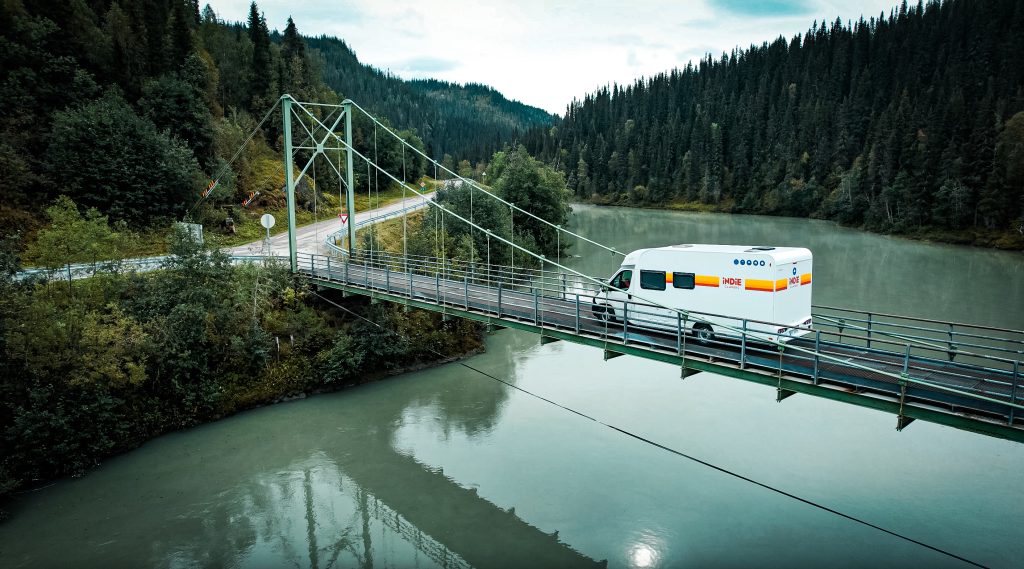
- Recommended Transportation: Renting a campervan gives you the ultimate freedom. Explore at your own pace, discover hidden gems, and combine your transport and accommodation all in one.
- Recommended Budget for 7 Days: Around €900 to €1,400 per person, covering fuel, food, campgrounds, and activities.
- Best Time to Go: Spring (April to June) or Fall (September to October). You’ll find pleasant weather, fewer crowds, and stunning scenery, from blooming flowers to rich autumn colors.
Prepare for a journey filled with historic towns, delicious food, and unforgettable memories!
7 Day Germany Itinerary: At a Glance
| Day | Location | Top Highlights |
|---|---|---|
| 1 | Munich | Arrive in Munich, explore the English Garden, and visit the Dachau Memorial. |
| 2 | Munich | Discover Marienplatz, the Glockenspiel, and enjoy a traditional beer hall. |
| 3 | Füssen & the Alps | Visit the magical Neuschwanstein Castle and explore the Bavarian Alps. |
| 4 | Rothenburg ob der Tauber | Walk the medieval walls and join the Night Watchman’s Tour. |
| 5 | Rhine Valley (Rüdesheim) | Drive to the Rhine, take a cable car over vineyards, and explore Drosselgasse. |
| 6 | Rhine Valley Cruise | Cruise the Rhine River past dozens of castles and explore the town of Bacharach. |
| 7 | Frankfurt Departure | Enjoy a final German breakfast before heading to Frankfurt for departure. |
Why Choose a Germany Road Trip?
A road trip through Germany is an adventure that puts you in the driver’s seat of your own European fairy tale. This incredible country offers a stunning mix of landscapes, from the towering peaks of the Bavarian Alps to the rolling, vineyard covered hills of the Rhine Valley. A road trip gives you the freedom to experience it all.
Imagine waking up with a view of a misty mountain lake, then spending the afternoon exploring a medieval walled town that looks like it was plucked from a storybook. An RV adventure lets you do just that. You can chase the best sunsets, pull over at a roadside stall selling fresh pretzels, or discover a charming village not mentioned in any guidebook. This journey isn’t just about seeing Germany; it’s about living it.
This Germany itinerary 7 days plan allows you to dive deep into the country’s rich history and vibrant culture. You’ll explore grand palaces, imposing castles, and cities buzzing with modern energy. And then there’s the food! From hearty Bavarian sausages and schnitzel to delicate Riesling wines, your taste buds are in for an unforgettable tour. A road trip offers the flexibility to create your own path and make memories that will last a lifetime.
Best Time to Visit Germany
Choosing the right season for your German road trip can transform your experience. Do you dream of sunny beer gardens, or would you prefer to explore Christmas markets dusted with snow? Here’s a breakdown to help you decide on the best time for your adventure.
Spring (March to May)
- Why go: This is arguably one of the best times to visit. The weather is fantastic, with mild, sunny days perfect for exploring cities and hiking in nature. The countryside bursts into life with colorful wildflowers, making every drive scenic. Cities are coming alive but aren’t yet filled with summer tourists.
- Average Temperatures: 45 to 65°F (7 to 18°C)
- What to expect: Pleasant weather, fewer crowds, and beautiful green landscapes. It’s the perfect time for walking tours and enjoying the first outdoor café sessions of the year.
Summer (June to August)
- Why go: If you love long sunny days, lively festivals, and the buzz of peak season, summer is for you. Beer gardens are in full swing, and the alpine trails are fully accessible for hiking. The energy across the country is high, and there are countless outdoor events to enjoy.
- Average Temperatures: 65 to 80°F (18 to 27°C)
- What to expect: Warm to hot weather, the biggest crowds, and higher prices for campsites and attractions. It’s essential to book everything well in advance.
Autumn (September to October)
- Why go: Autumn is another fantastic choice for a road trip. The summer heat subsides, and the crowds begin to thin. September is famous for Oktoberfest in Munich, and the wine regions celebrate their harvest festivals. The forests turn into a spectacular display of red, orange, and gold, making for breathtaking drives.
- Average Temperatures: 50 to 65°F (10 to 18°C)
- What to expect: Crisp, pleasant temperatures, fewer tourists after September, and stunning fall foliage. You might encounter some rain, but it’s generally a beautiful time to travel.
Winter (November to February)
- Why go: For a truly magical experience, winter is unbeatable. Germany’s Christmas markets are world-famous, turning city squares into festive wonderlands with twinkling lights, mulled wine, and gingerbread. If you enjoy winter sports, the Alps offer excellent skiing and snowboarding.
- Average Temperatures: 30 to 45°F (0 to 7°C)
- What to expect: Cold temperatures and the potential for snow. It’s the off season for general tourism, meaning fewer crowds at museums and lower prices, but the Christmas markets are very popular.
The Ultimate Germany Itinerary: 7 Days of Adventure
Get ready for an epic journey! This detailed Germany itinerary 7 days plan is perfectly crafted to give you a mix of iconic landmarks, charming towns, and unforgettable cultural experiences.
Day 1: Arrival in Munich & First Explorations
Welcome to Munich, the vibrant capital of Bavaria! Pick up your campervan and get ready to start your German adventure.
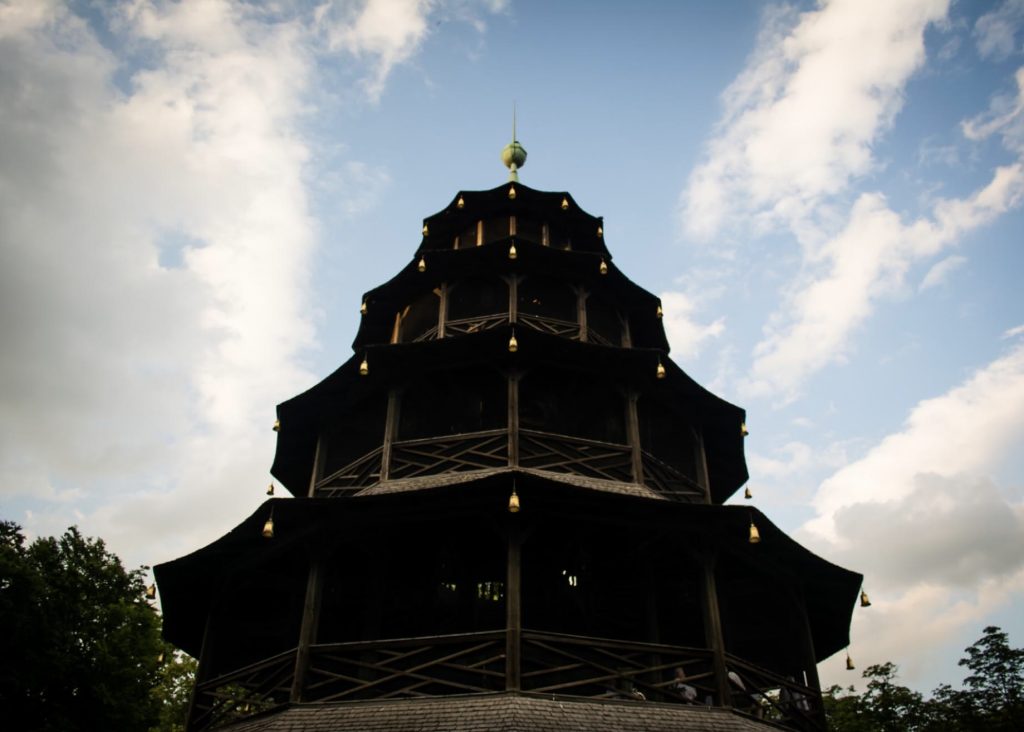
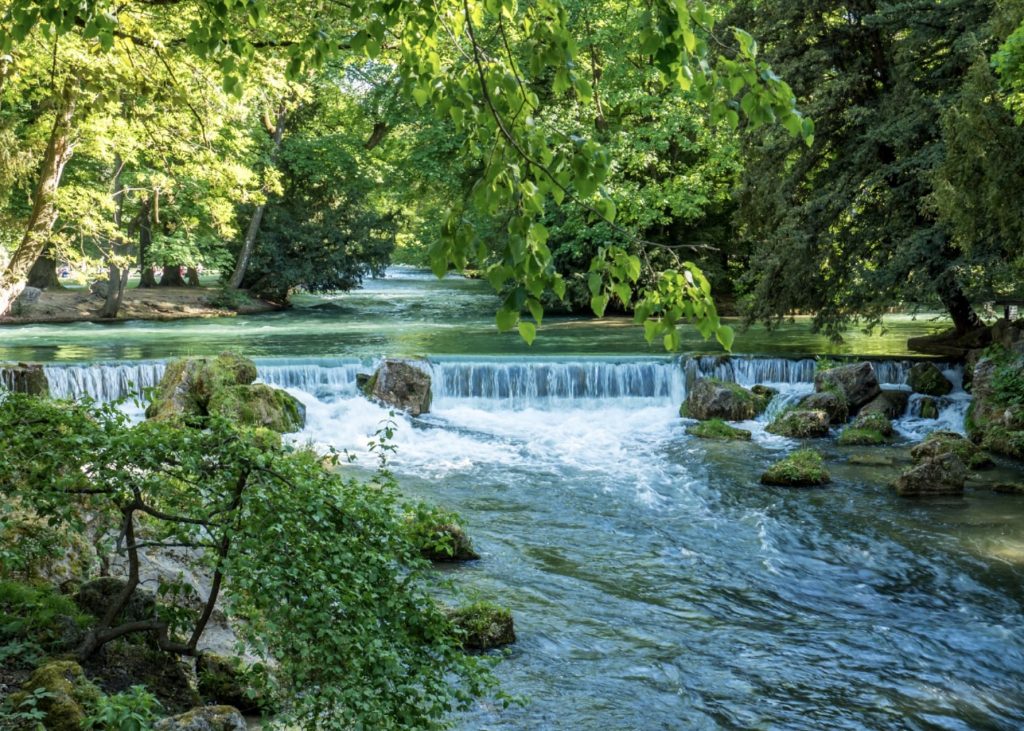
- A Breath of Fresh Air in the English Garden: After dropping your bags, head straight to the English Garden (Englischer Garten). This massive urban park is even larger than New York’s Central Park and is the perfect place to shake off any jet lag. Stroll along the river, watch the famous river surfers on the Eisbach wave, or simply relax in the grass. For lunch, find your way to the Chinese Tower (Chinesischer Turm) beer garden, a fantastic spot to enjoy your first German beer and a pretzel under shady chestnut trees.
- A Somber Afternoon at Dachau: In the afternoon, take a moment for reflection with a visit to the Dachau Concentration Camp Memorial Site. It’s a difficult but essential part of understanding Germany’s history. The memorial is a powerful and moving experience that offers deep historical context. You can get there easily via public transport from Munich’s city center. Plan for at least 3 to 4 hours for your visit. It’s an emotionally heavy experience, so give yourself a quiet evening afterward to process and rest.
Day 2: Munich’s Historic Heart & Beer Culture
Today, you’ll dive into the heart of Munich’s Old Town (Altstadt) and experience its world-famous Bavarian hospitality.
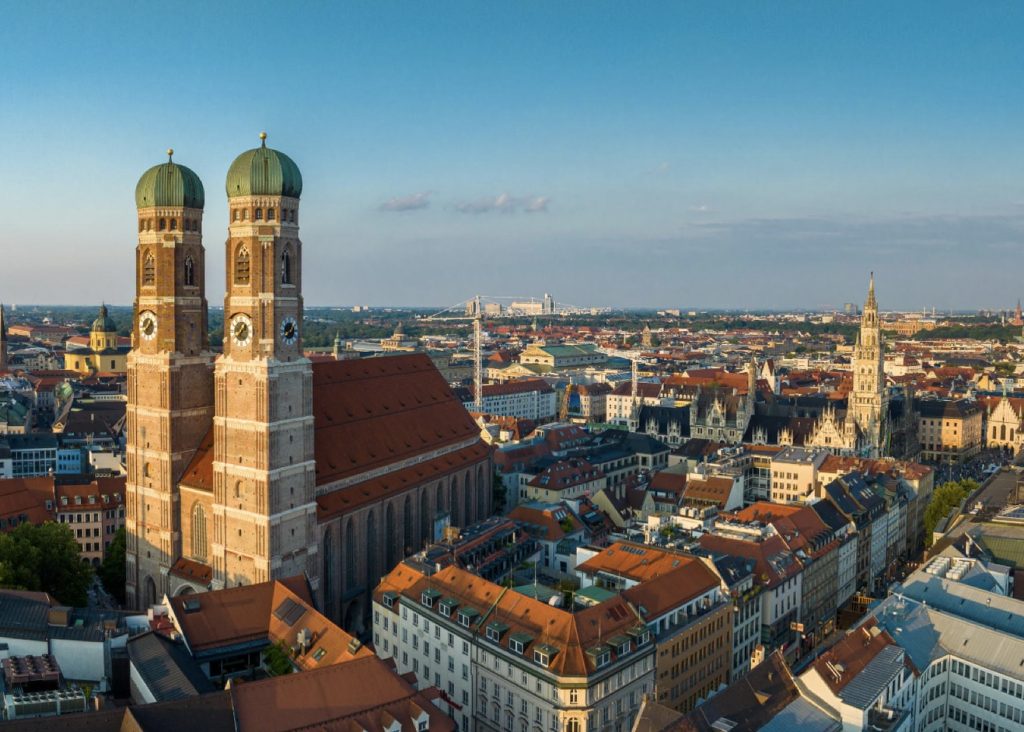
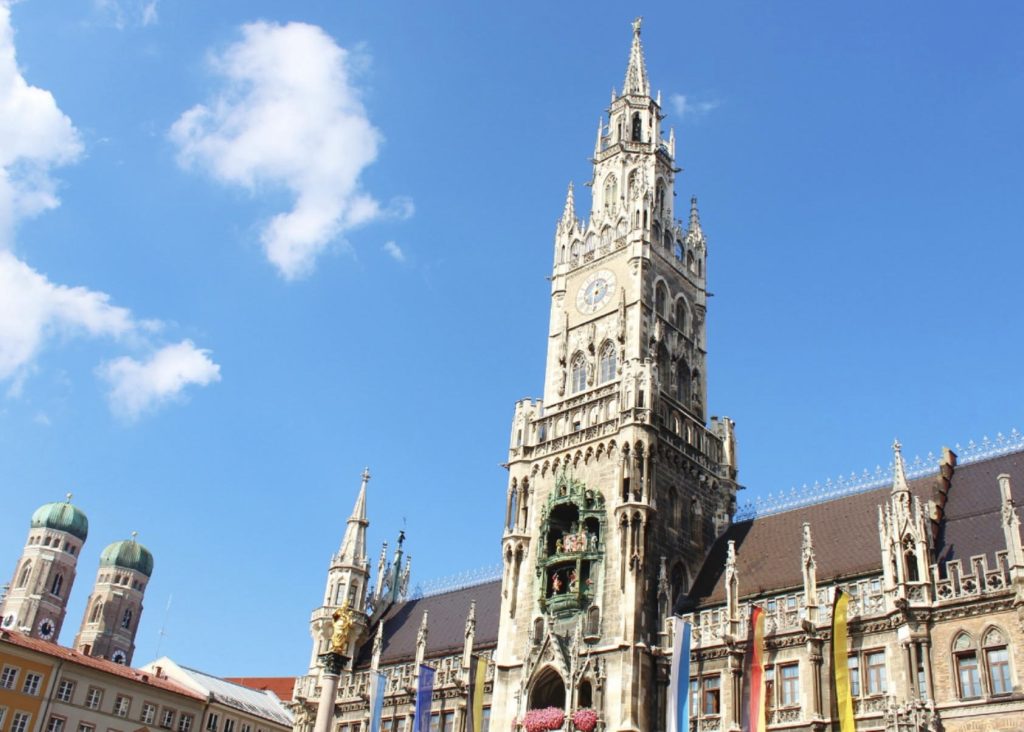
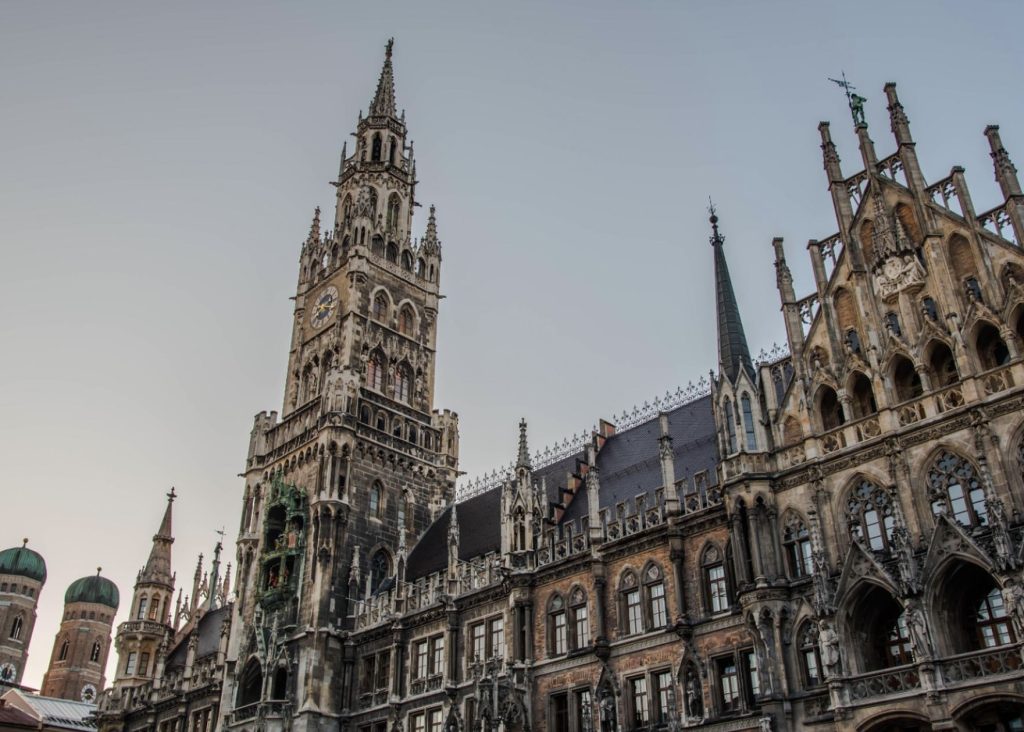
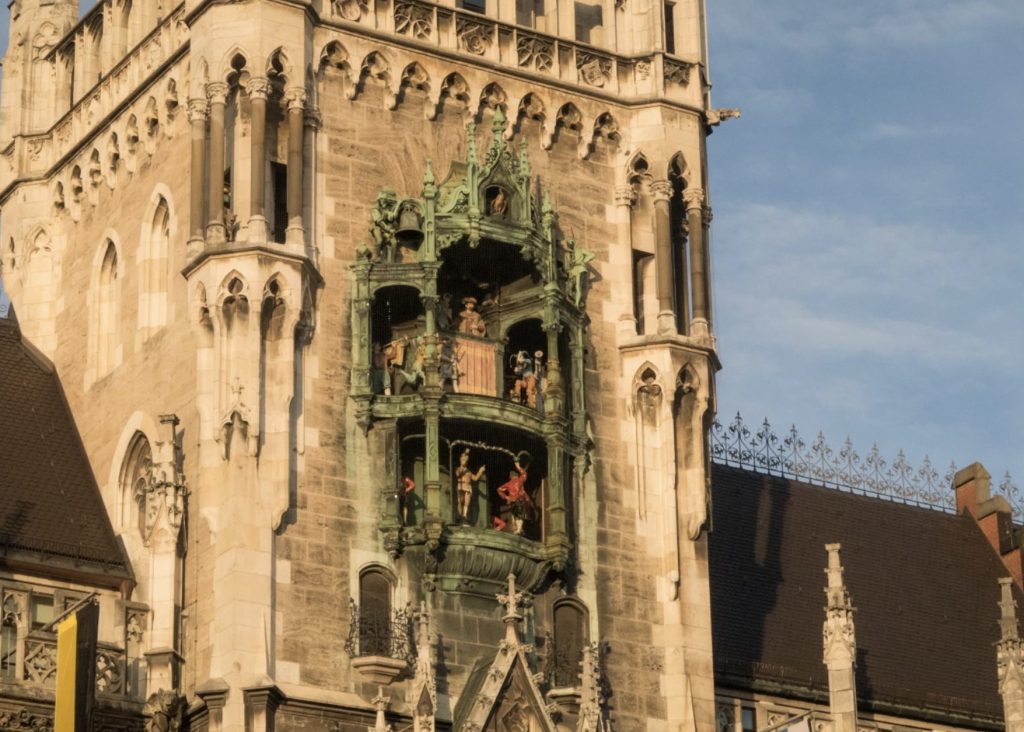
- Morning in Marienplatz: Start your day at Marienplatz, the city’s central square since the 12th century. The magnificent New Town Hall (Neues Rathaus) dominates the square with its Gothic Revival architecture. At 11 a.m. or 12 p.m., watch the famous Glockenspiel come to life, with its mechanical figures reenacting historical Bavarian stories. For the best view, climb the tower of St. Peter’s Church, which offers a stunning panorama of the square and the city beyond.
- Food and Culture at Viktualienmarkt: Just a short walk from Marienplatz is the Viktualienmarkt, a bustling daily food market. Wander through the stalls piled high with fresh produce, local cheeses, meats, and flowers. It’s the perfect place to grab lunch. Find a spot in the central beer garden and sample some Bavarian specialties.
- An Evening at a Legendary Beer Hall: You can’t visit Munich without experiencing a traditional beer hall. The world-famous Hofbräuhaus is a must see, even if it’s touristy. Step inside for a giant stein (a Maß) of beer and soak in the lively atmosphere, often complete with an oompah band. For a more local vibe, head to the Augustiner-Keller, one of the city’s most beloved beer gardens and halls, known for its fantastic food and beer served straight from wooden barrels.
Day 3: The Fairy-Tale Neuschwanstein Castle
Today, you’ll journey into the Bavarian Alps to see a castle that inspired Walt Disney. This is a highlight of any 7-day Germany itinerary.
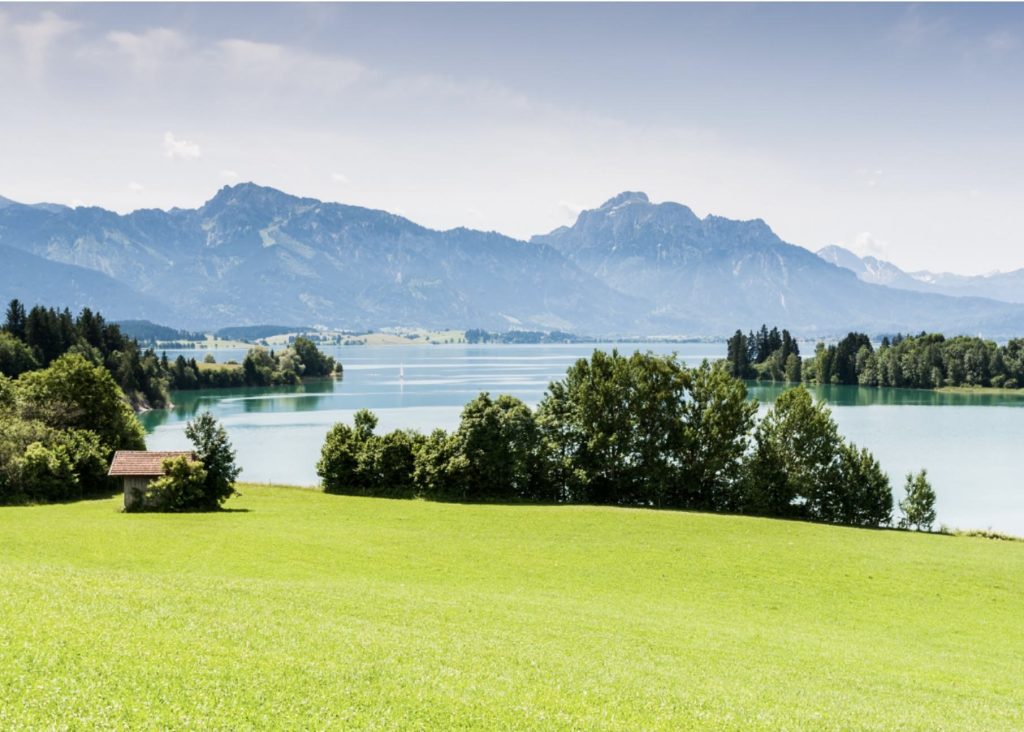
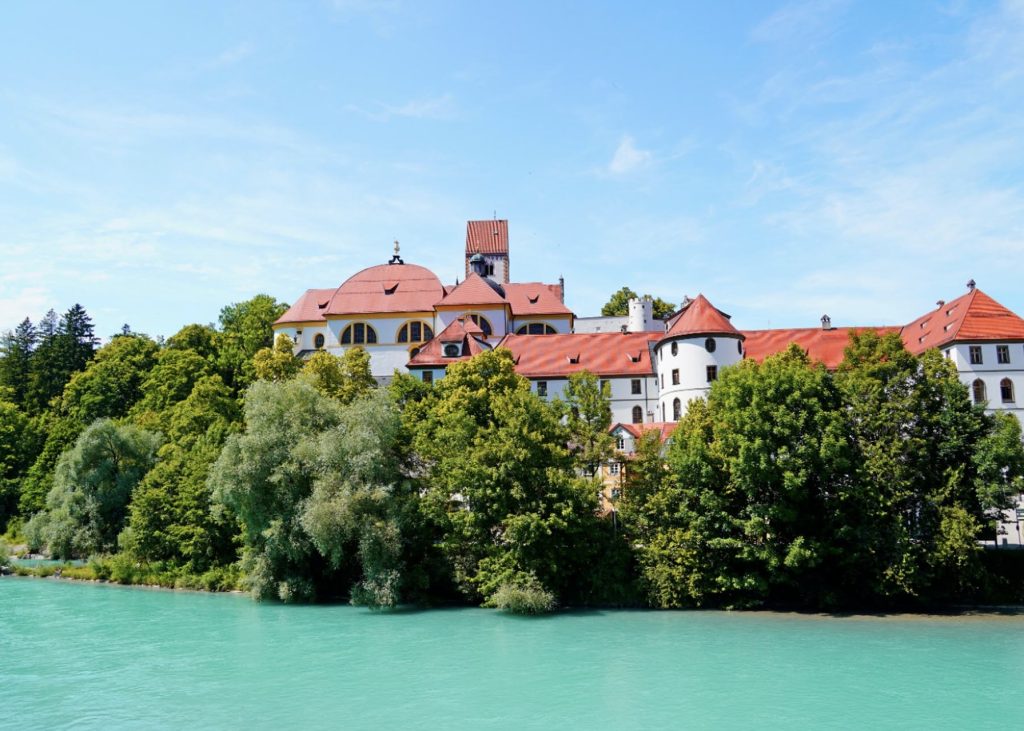
- Drive to Füssen: From Munich, it’s a scenic two-hour drive south to the charming town of Füssen, your base for exploring the castles. The drive itself is beautiful, as the landscape gradually transforms into rolling hills with the Alps rising in the distance.
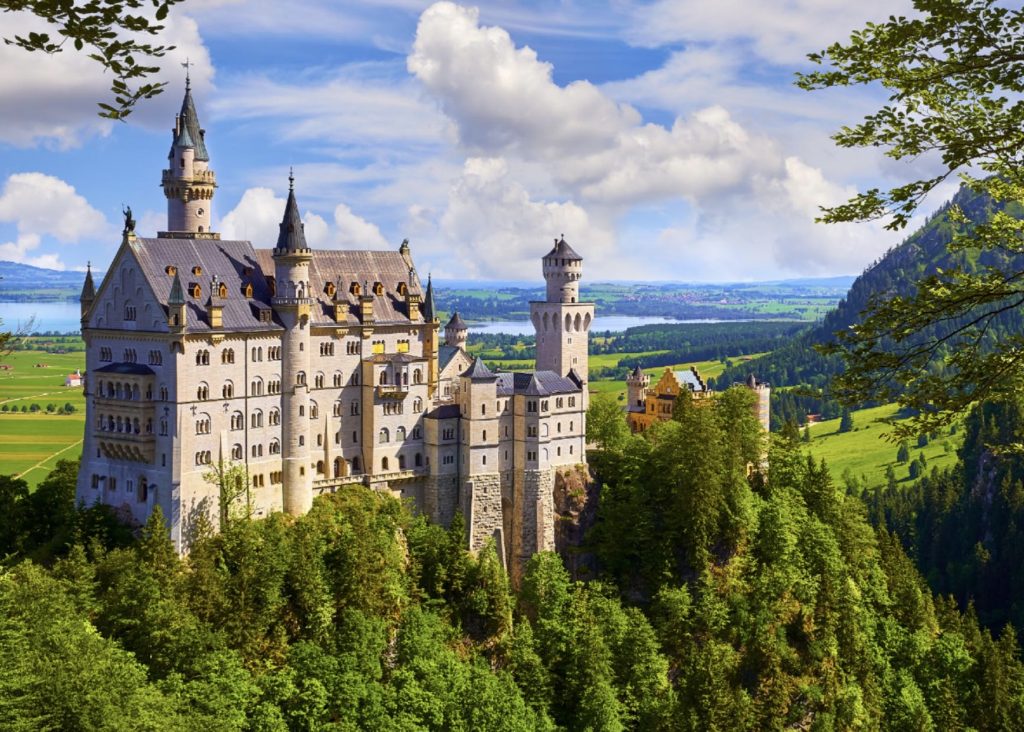
- Visiting Neuschwanstein Castle: Perched dramatically on a rugged hill, Neuschwanstein Castle is the stuff of dreams. This 19th century palace was built by King Ludwig II of Bavaria as a romantic tribute to the operas of Richard Wagner. You must book your tickets online well in advance, as they sell out weeks ahead. The guided tour takes you through the king’s lavish, fantasy-filled rooms.
- The Best Views and Hohenschwangau: For that iconic postcard photo, hike up to Marienbrücke (Mary’s Bridge), which spans a gorge high above the castle. The view is absolutely breathtaking. Also, don’t overlook Hohenschwangau Castle, Ludwig’s childhood home, which sits just below Neuschwanstein. It’s less crowded but equally fascinating. Spend the night at a campsite near Füssen, surrounded by the stunning alpine scenery.
Day 4: Medieval Magic in Rothenburg ob der Tauber
From the Alps, you’ll travel back in time as you drive north to one of Germany’s best preserved medieval towns.
- The Romantic Road: Your drive today takes you along a portion of the Romantic Road, a famous scenic route that winds through picturesque Bavarian towns and countryside. The journey from Füssen to Rothenburg ob der Tauber takes about 2.5 hours.
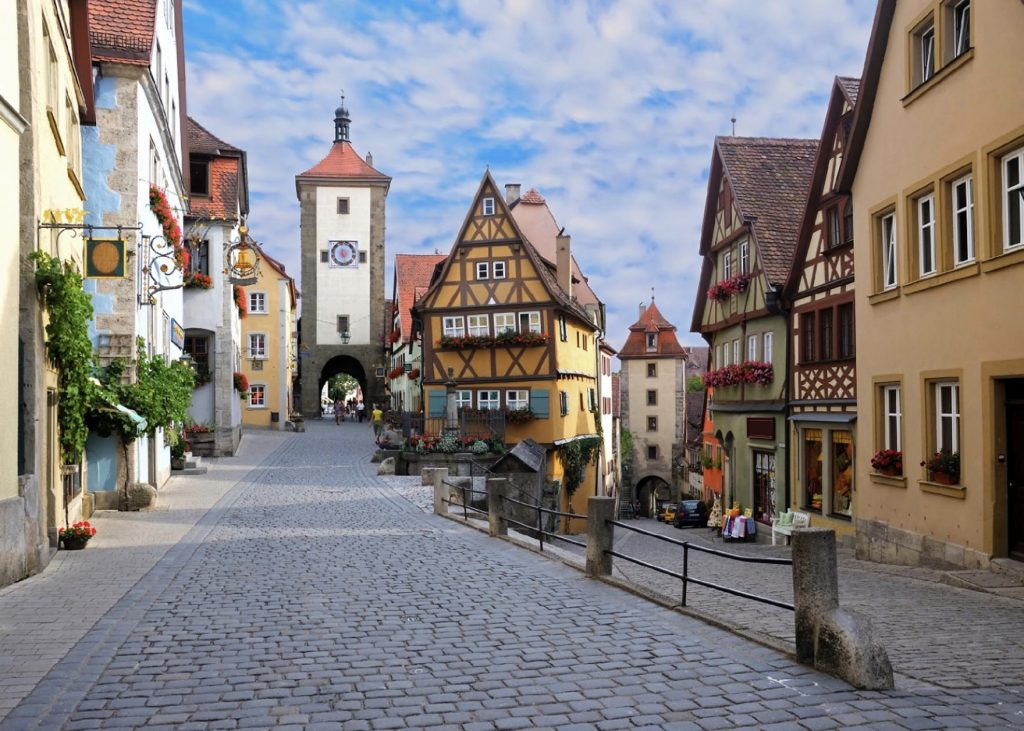
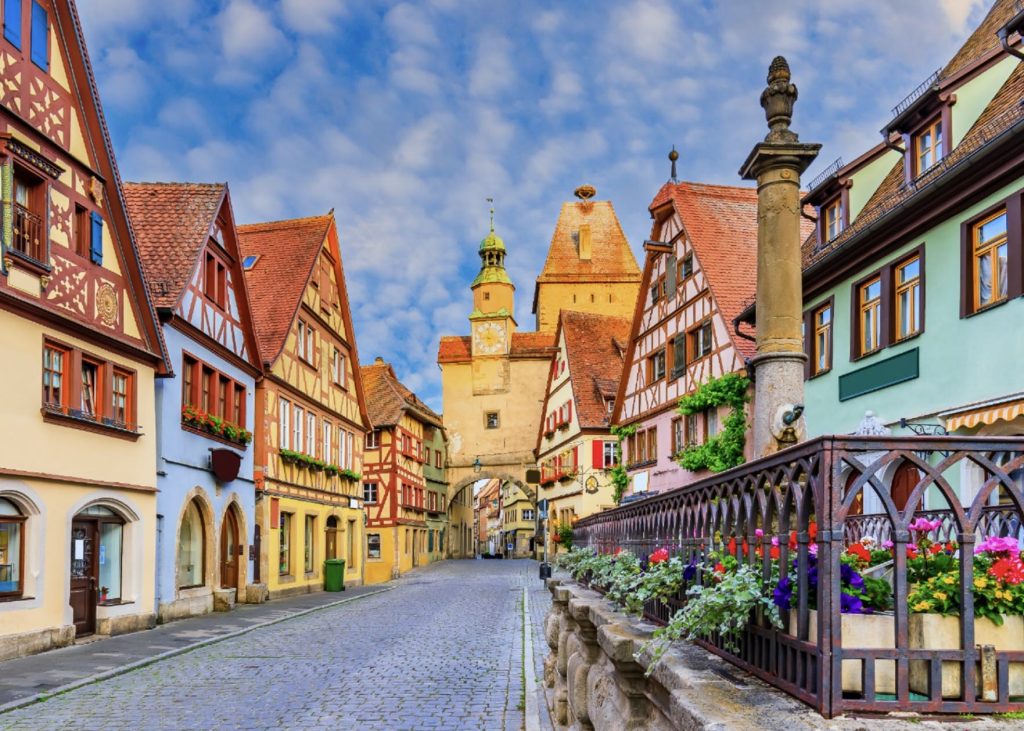
- Exploring Rothenburg: Stepping into Rothenburg ob der Tauber is like walking onto a movie set. This walled town is a labyrinth of cobblestone lanes, half-timbered houses, and charming squares. Start by walking the medieval town walls, which offer fantastic views of the town and the surrounding Tauber Valley. Explore the main square, Marktplatz, and admire the beautiful Plönlein, the town’s most famous photo spot.
- The Night Watchman’s Tour: Don’t miss the Night Watchman’s Tour in the evening. A guide dressed in historical garb leads you through the darkened streets by lantern light, sharing stories and legends of medieval Rothenburg. It’s an entertaining and unforgettable way to end your day.
Day 5: Vineyards and Views in the Rhine Valley
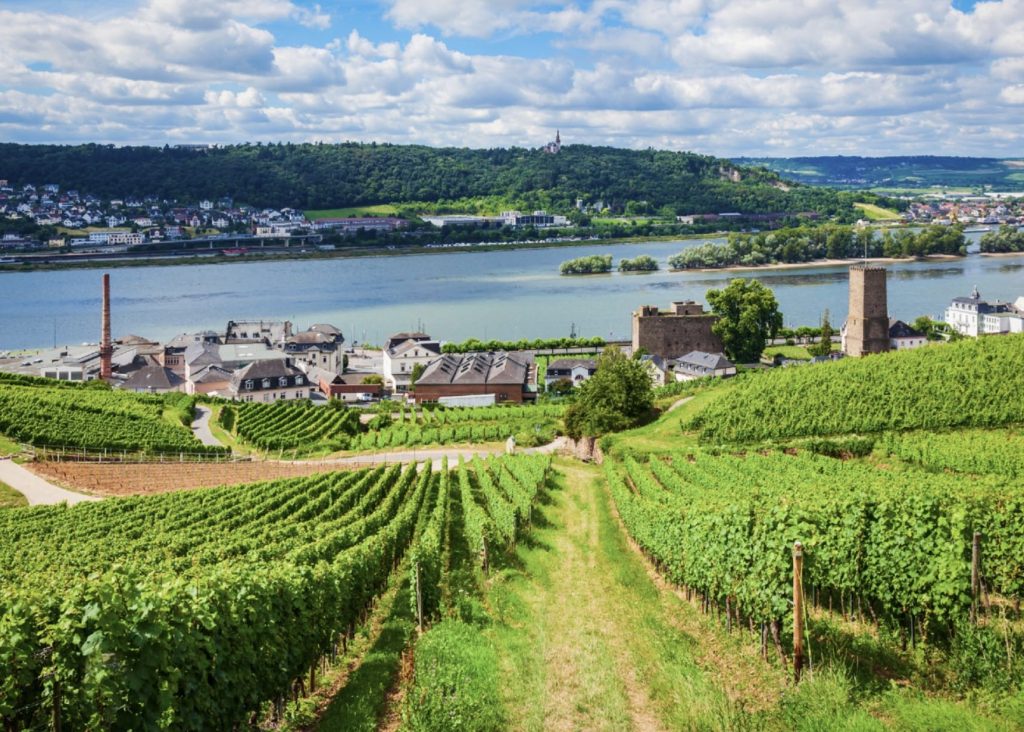
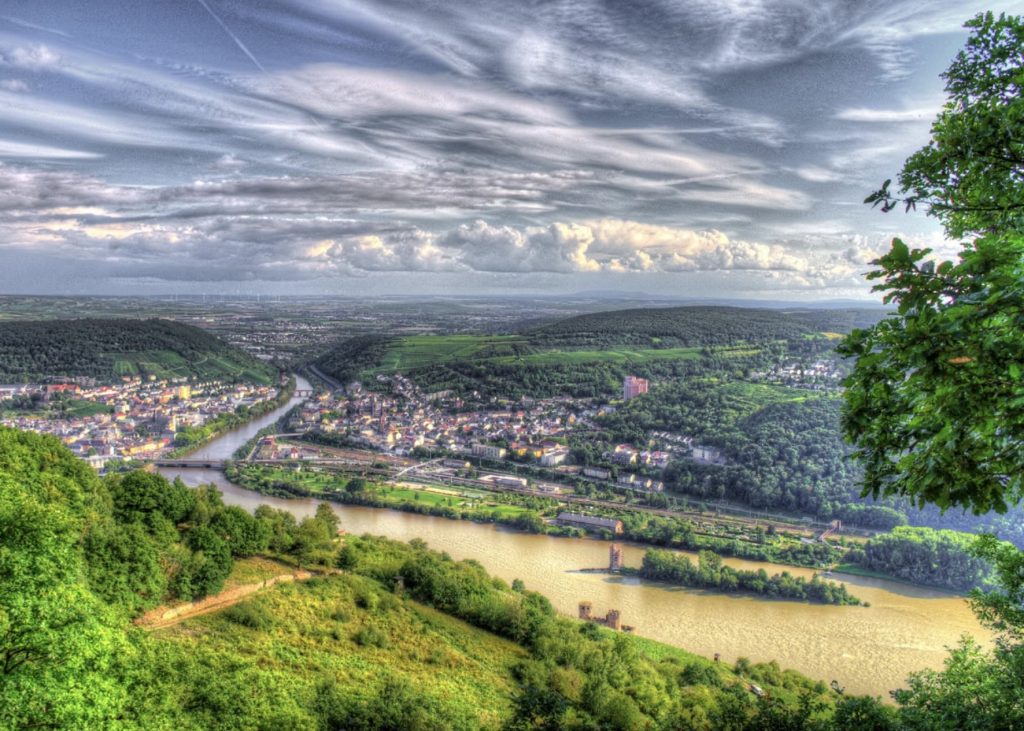
Today, you’ll trade medieval towns for rolling vineyards as you head to the stunning UNESCO World Heritage Site of the Upper Middle Rhine Valley.
- Drive to Rüdesheim am Rhein: The drive from Rothenburg to Rüdesheim am Rhein takes about 2.5 hours. This charming wine town is your gateway to the most scenic part of the Rhine River.
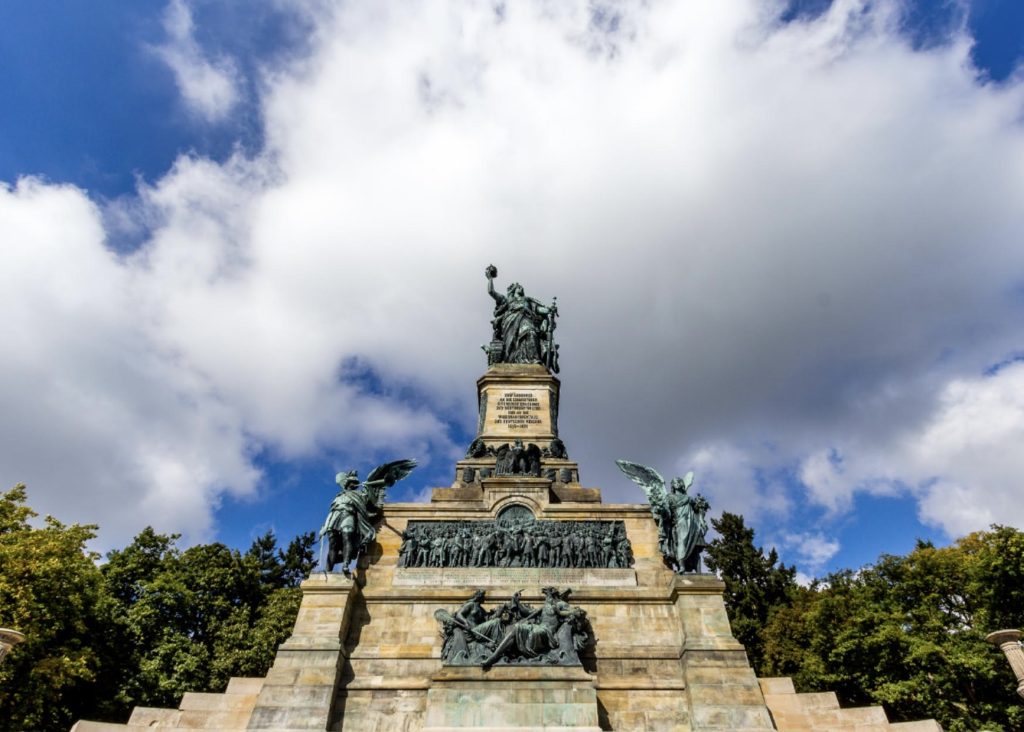
- A Cable Car Ride Over the Vineyards: One of the best things to do in Rüdesheim is to take the Seilbahn (cable car) up to the Niederwald Monument. The ride in a small, open-air gondola carries you silently over the steep vineyards, offering breathtaking views of the river and the valley. At the top, admire the colossal monument built to commemorate the unification of Germany in 1871.
- Wandering Drosselgasse: After taking the cable car back down (or enjoying a leisurely walk through the vineyards), explore the town itself. The most famous street is the Drosselgasse, a narrow, lively lane packed with traditional wine taverns and restaurants. It’s bustling and touristy, but its charm is undeniable. Find a cozy tavern, order a glass of local Riesling, and soak in the festive atmosphere.
Day 6: Castles and Legends on a Rhine River Cruise
The highlight of the Rhine Valley is seeing its dozens of castles from the water. Prepare for a day of incredible scenery.
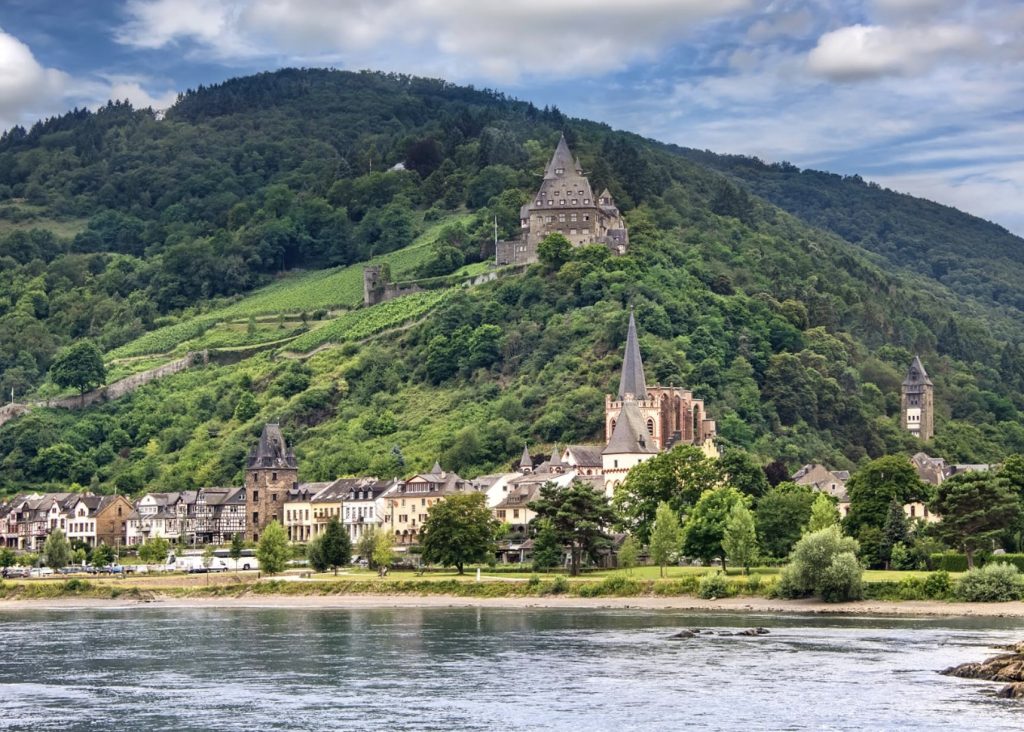
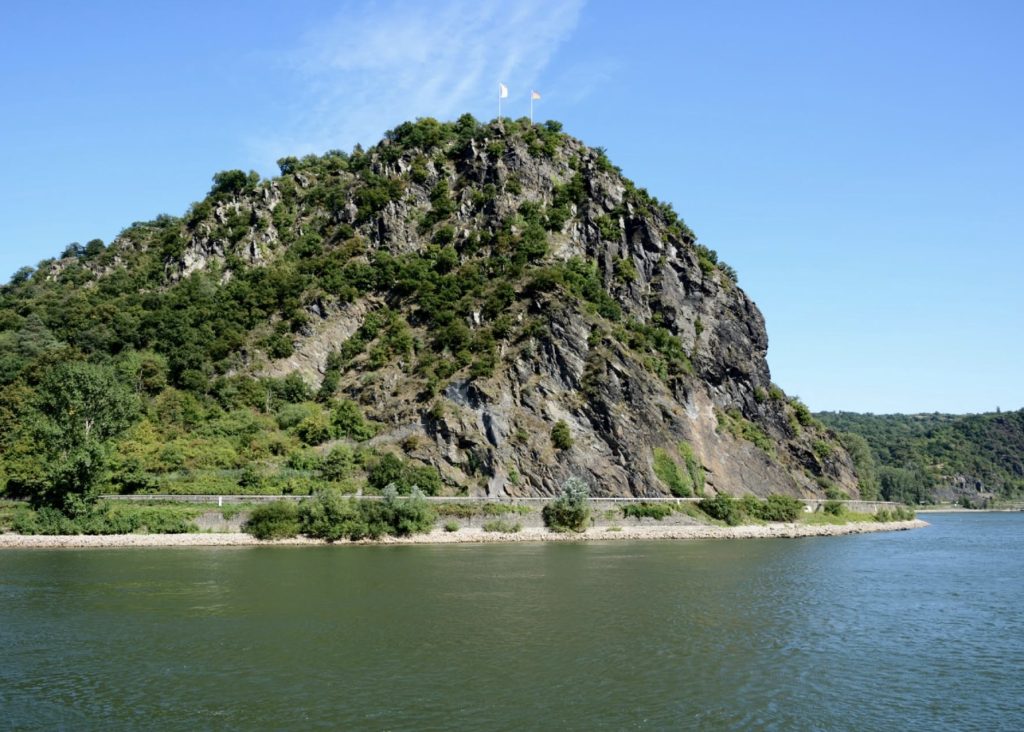
- A Scenic River Cruise: The stretch of the Rhine between Bingen/Rüdesheim and St. Goar is the most dramatic, with a castle appearing around nearly every bend in the river. Hop on a KD river cruise and find a spot on the deck. You’ll glide past famous landmarks like the Pfalzgrafenstein Castle (a toll castle on an island), and the legendary Lorelei Rock, where a siren was said to lure sailors to their doom.
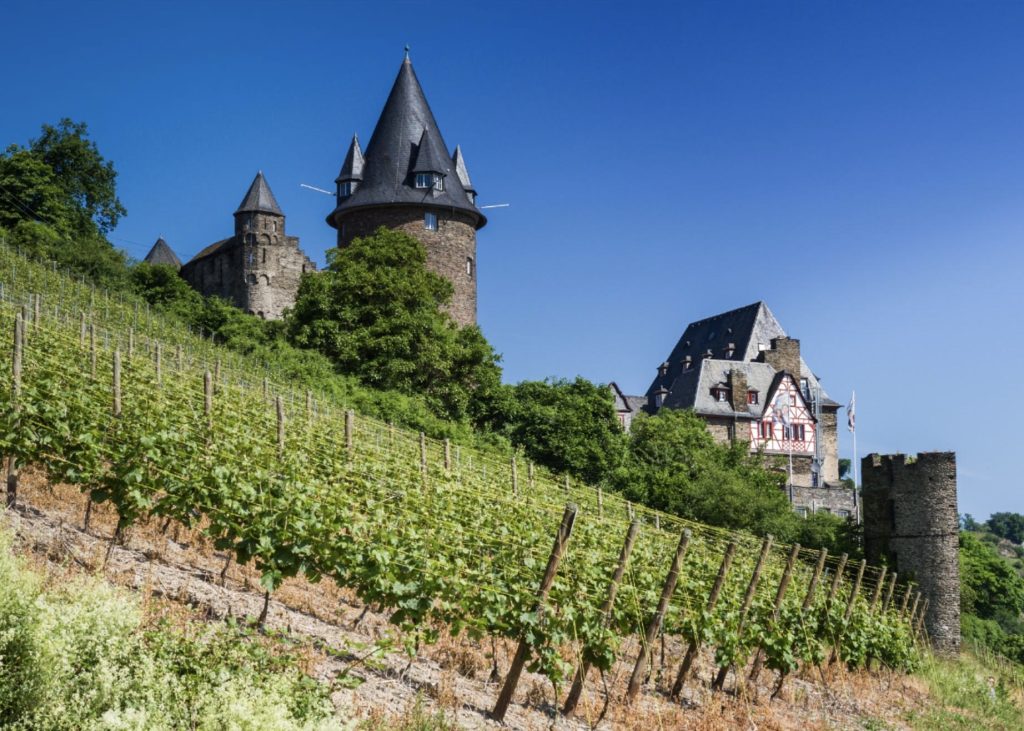
- Exploring Bacharach: Most cruises allow you to hop on and off. Be sure to disembark at Bacharach, arguably the most beautiful village on the Rhine. Its half-timbered houses, steep cobblestone streets, and the ruins of Stahleck Castle overlooking the town make it a perfect place to explore for an hour or two.
- Return Journey: The cruise boats move much faster downstream (north). To save time on the return, you can take a train back to your starting point. The train line runs right along the river, offering more great views of the castles you just passed.
Day 7: Farewell, Germany!
On your final morning, enjoy one last German breakfast before you begin your journey home.
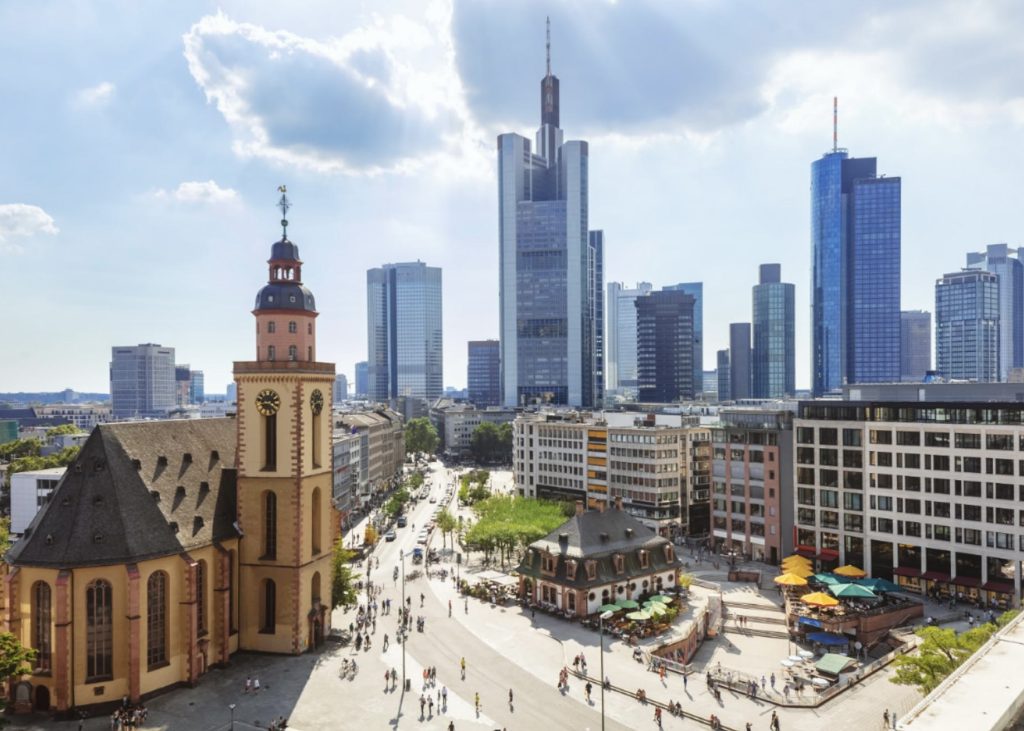
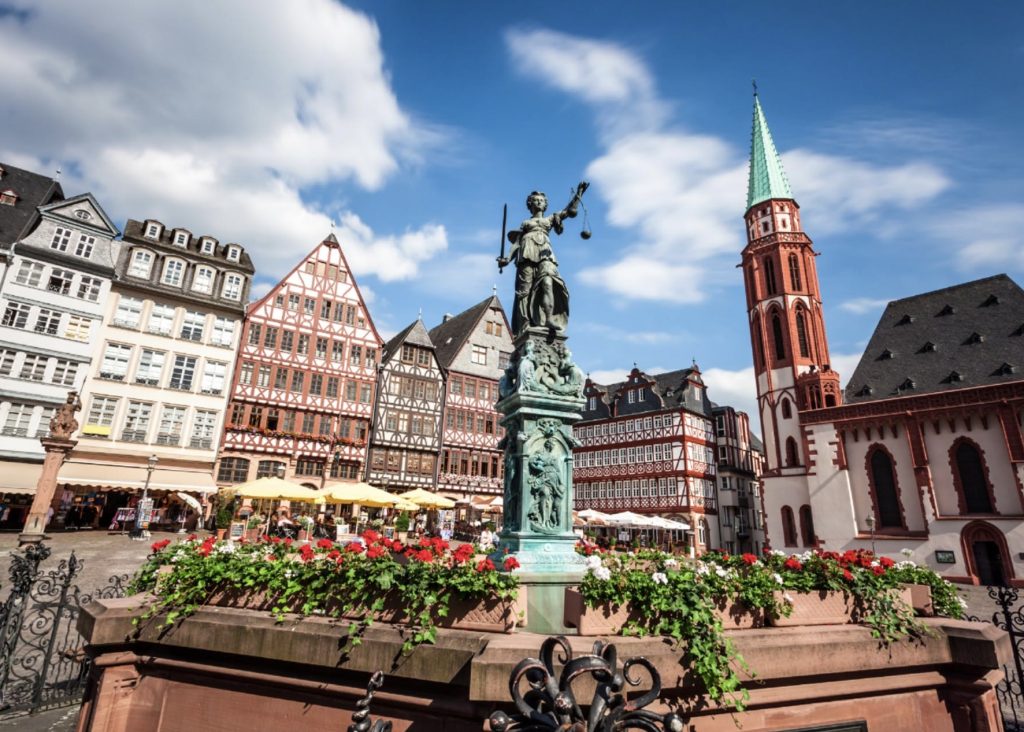
- Morning in Frankfurt: This itinerary is designed to end near Frankfurt, home to Germany’s largest international airport (FRA). It’s only about an hour’s drive from the Rüdesheim area. Depending on your flight schedule, you might have time for a quick stroll through Frankfurt’s Römerberg, the city’s historic central square, which has been beautifully reconstructed.
- Departure: Return your campervan and head to the airport, filled with memories of castles, culture, and the incredible freedom of the open road.
Map of Your 7 Day Germany Itinerary
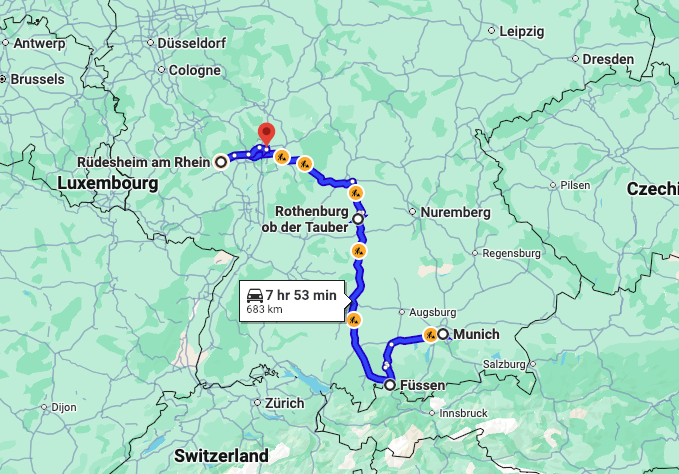
This route covers approximately 435 miles (about 700 kilometers) and provides a fantastic loop through southern and western Germany, showcasing some of the country’s most iconic landscapes and historic sites.
Budgeting for Your 7 Day Germany Adventure
A road trip in Germany can be adapted to fit different budgets. Here is a rough estimate of daily costs per person, not including your campervan rental.
| Category | Budget | Mid-Range | High-End |
|---|---|---|---|
| Accommodation (Campsites) | €15 to €25 | €25 to €40 | N/A |
| Food & Drink | €30 to €40 | €50 to €70 | €80+ |
| Attractions & Activities | €20 to €30 | €40 to €60 | €70+ |
| Fuel & Tolls (Split) | €15 to €25 | €25 to €35 | €35+ |
| Daily Total Estimate | €80 to €120 | €140 to €205 | €185+ |
- Budget Traveler: You’ll cook most of your meals in the campervan, stay at simpler campsites (Stellplatz), and focus on free activities like hiking and exploring towns on foot.
- Mid-Range Traveler: You’ll enjoy a mix of cooking and eating out at casual restaurants or beer gardens, stay at well equipped campgrounds, and visit most major attractions.
- High-End Traveler: This allows for frequent dining at nice restaurants, booking private guided tours, and not having to worry about entrance fees.
Remember to book major attractions like Neuschwanstein Castle online in advance to save time and sometimes money.
What to Pack for Your German Road Trip
Packing for a campervan trip is all about smart, versatile layers. Here are some key items to bring:
1. Clothing:
- Lightweight layers (t-shirts, long-sleeve shirts, a fleece or sweater).
- A waterproof and windproof jacket is essential, no matter the season.
- Comfortable walking shoes. This is non-negotiable!
- A swimsuit, just in case you find a lake or spa.
- One or two slightly nicer outfits for evenings in the cities.
2. Documents & Money:
- Passport and driver’s license. An International Driving Permit (IDP) is recommended.
- Credit/debit cards and some cash (Euros) for smaller shops or markets.
- Vehicle rental documents and insurance information.
3. Campervan Essentials:
- A good playlist of road trip songs and some podcasts.
- A portable power bank for charging your devices on the go.
- Reusable water bottles to stay hydrated.
- Sunscreen, sunglasses, and a hat, as the sun can be strong even on cooler days.
- A basic first-aid kit.
Driving in Germany: Tips for the Road
Driving in Germany is a pleasure, thanks to the excellent roads. Here are a few things to keep in mind:
- The Autobahn: Yes, there are sections of the Autobahn with no speed limit, but it’s not a free-for-all. The recommended speed is 130 km/h (80 mph), and many sections have posted limits. Always stay in the right lane unless you are actively passing.
- Environmental Zones (Umweltzonen): Many major cities have environmental zones that require a special sticker (Umweltplakette) on your vehicle’s windshield to enter. Rental vehicles should already have this, but it’s good to be aware of.
- Parking: In historic city centers, parking can be tricky and expensive. The best strategy is to park your campervan at a designated campsite or a Park & Ride (P+R) on the outskirts and use Germany’s excellent public transport to get into the center.
- Refueling: Gas stations are plentiful. “Benzin” is gasoline, and “Diesel” is diesel. Make sure you know what your campervan requires!
Plan Your Dream Road Trip with Indie Campers
Ready to make this Germany itinerary 7 days adventure a reality? Indie Campers is here to help you hit the road. With over 80 locations across the globe, you can conveniently pick up your campervan in Munich and drop it off in Frankfurt.
We offer a huge range of vehicles, from compact vans perfect for two to spacious RVs for the whole family. Best of all, every rental includes unlimited mileage, so you can explore every hidden corner without worrying about extra charges.
Customize your trip with our handy add-ons. Need a kitchen kit, outdoor chairs and a table, or even a BBQ? We’ve got you covered. We handle the details so you can focus on creating an unforgettable adventure. Book your campervan with Indie Campers today and start planning the German road trip of a lifetime!
Frequently Asked Questions (FAQs)
Is 7 days enough for Germany?
Yes, 7 days is enough to get a fantastic taste of Germany! While you can’t see the whole country, this itinerary focuses on the highlights of southern and western Germany, giving you a wonderful mix of cities, castles, and natural beauty. It’s a perfect introduction that will leave you wanting to come back for more.
What is the best route for 7 days in Germany?
A one-way route is often the most efficient for a 7-day Germany itinerary. Starting in Munich and ending in Frankfurt (or vice versa) is a popular and logical choice. This route creates a smooth path that covers Bavaria, the Romantic Road, and the Rhine Valley without wasting time backtracking.
How much would a 1-week trip to Germany cost?
For a mid-range traveler, a one-week road trip could cost between €900 and €1,400 per person. This estimate includes your campervan rental, fuel, campsites, food, and attractions.
- Campervan Rental: This can range from €400 to €800+ for the week, depending on the season and vehicle.
- Daily Expenses: Plan on about €70 to €100 per person per day. You can easily lower this cost by traveling in the shoulder season and cooking more meals.
What should I not miss in a 7-day Germany itinerary?
If you only have time for the absolute essentials, make these your top priorities:
- Neuschwanstein Castle: The ultimate fairy tale castle experience.
- Munich’s Beer Culture: Visit a traditional beer garden or hall.
- Rothenburg ob der Tauber: Experience a perfectly preserved medieval town.
- A Rhine River Cruise: See the incredible density of castles from the water.
This Germany itinerary 7 days guide ensures you’ll hit all these highlights and more!