AI Summary
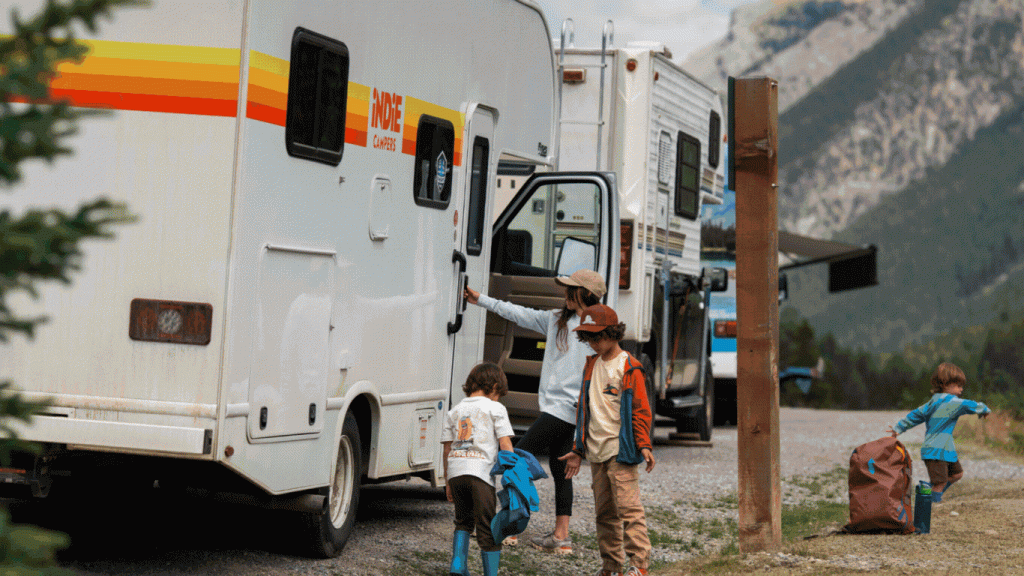
Maps open. Playlist queued. Coffee steaming in your travel mug. The horizon calling. Before the first mile slips under your wheels, there’s one decision that quietly shapes your entire adventure:
Should you choose unlimited miles, or pay per mile? It might sound like a small detail at checkout, but once you’re out there, chasing sunsets, detouring through national parks, or following a local’s tip about “the best beach just 30 miles further”, that choice can define not only your budget, but your sense of freedom.
Quick Answer: When Unlimited Miles Really Wins
- Short trips (under 4 days or <100 miles/day) → Per mile pricing may cost less.
- Weeklong or 7 to 14 day trips → Unlimited mileage almost always saves money.
- Rule of thumb: if you will drive more than 100 to 120 miles/day, unlimited wins in cost and flexibility.
Bonus: it removes stress, no mental math, no limits, just freedom to explore.
Mileage Cost Comparison: 7 and 14 Day Trips
Here is what the difference looks like in real numbers:
| Trip Length | Avg. Miles/Day | Total Miles | Per Mile Cost ($0.30/mi)* | Unlimited Add On ($25/day)* | Cheaper Option |
|---|---|---|---|---|---|
| 7 days | 100 | 700 | $210 | $175 | Unlimited |
| 7 days | 150 | 1,050 | $315 | $175 | Unlimited |
| 14 days | 100 | 1,400 | $420 | $350 | Unlimited |
| 14 days | 150 | 2,100 | $630 | $350 | Unlimited |
Tip: You break even around 100 to 120 miles per day. Anything above that, unlimited saves you money.
Freedom or the Counter?
Think of unlimited mileage like a flat rate phone plan, you do not count minutes, you just call!
On the road, it works the same: you drive without glancing nervously at the odometer. It is ideal for travellers who love detours, scenic loops, and spontaneous “let’s see where this road goes” moments.
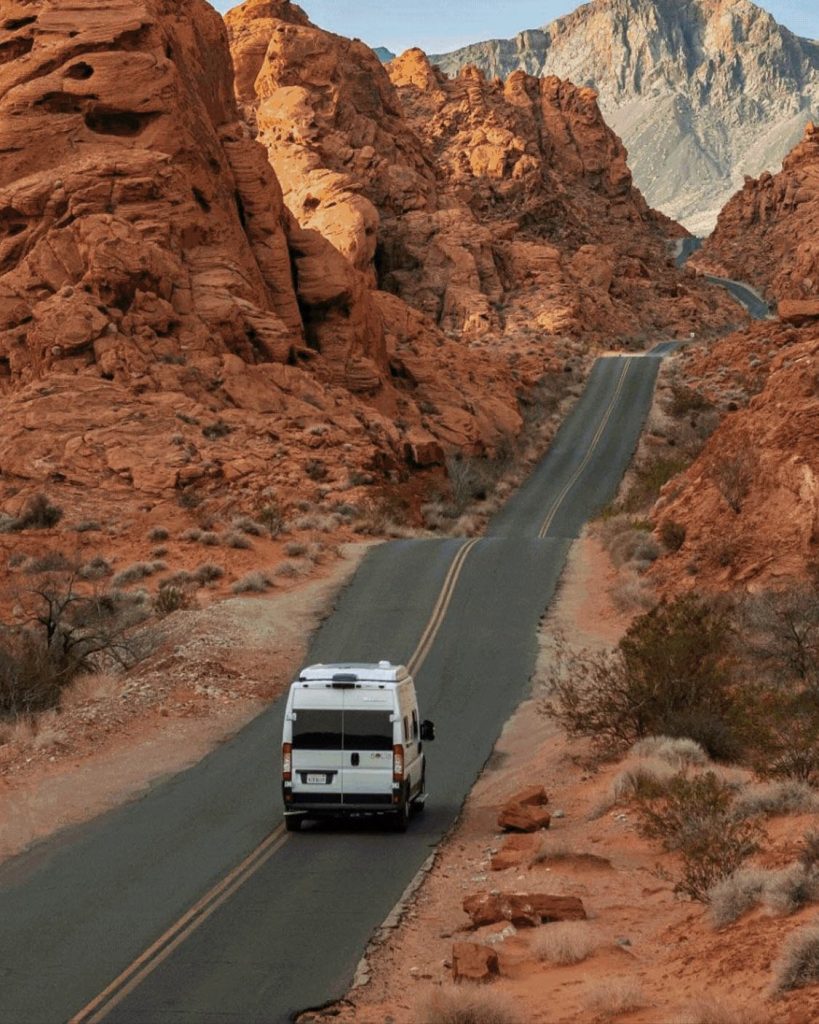
Per mile pricing, on the other hand, looks cheaper up front. It suits short, predictable route but once your plan expands (and it usually does), costs can spike quickly. A sunset in another valley, a hidden café two towns away, or a weather detour can add hundreds of dollars in fees.
In wide-open countries like the United States, Australia, or Canada, where distances are measured in hours rather than minutes, unlimited miles are not a luxury, they are a necessity!
What Seven Days Really Looks Like
Here is the thing: most travellers underestimate how much ground they will cover in a week. A grocery run here, a side trip there, a scenic detour because the sunset looks better from the next ridge. Add it up and a “light week” often lands somewhere between 700 and 1,200 miles.
Take a realistic scenario: seven days at an average of 150 miles per day. That is around 1,050 miles. At just $0.30 per mile, you are looking at over $300 in mileage fees alone, on top of your base rental price! That’s before the rain day that sends you driving to a different coastline, or the extra loop through a national park that steals your heart.
With unlimited miles, that cost is already baked in. Instead of doing math, you are free to ask a simpler, better question: where do we want to go next?
Two Weeks: Double the Time, Double the Miles
Stretch your trip to two weeks and mileage multiplies fast. Families visiting multiple parks, couples chasing coastal roads, or friends city hopping between surf breaks often hit 1,500 to 2,000 miles or more.
Per mile pricing at that distance could add hundreds of dollars!! Money better spent on a local meal, a bucket list activity, or simply more fuel for the next adventure.
Unlimited keeps your budget and your mood steady! You will never argue over whether a 40 mile detour is “worth it.” It keeps the focus where it should be: on the journey, not the odometer.
The Hidden Psychology of Metered Travel
Here is something people rarely mention:
Paying per mile does not just affect your wallet, it changes your mindset!
When every extra mile has a cost, you start trimming side trips, skipping viewpoints, and second guessing scenic routes.
Unlimited mileage flips that thinking. You stop tracking limits and start following curiosity, the essence of a true road trip.
And that shift is priceless.
When Per Mile Pricing Still Makes Sense
There are cases where per mile plans work:
- Weekend getaways or short loops (under 4 days, <100 miles/day)
- Fixed routes between close cities
- Travelers who prefer long stays in one place
If you know your route will not change, per mile pricing can indeed save a bit. But be honest: few trips ever go exactly to plan.
Regional Reality Check
Europe: Unlimited is ideal for multi country or one way routes (e.g., start in Lisbon, drop off in Nice).
USA & Canada: Distances between parks and coasts are vast and unlimited is the practical standard.
Australia & New Zealand: Huge driving distances make unlimited almost essential for road trips beyond major cities.

The Case for Per Mile Pricing
That said, per mile pricing does have its place. For travellers taking short, fixed routes, lets say a weekend getaway or a quick loop between nearby cities, it can be the cheaper option. You pay only for what you use, and if you stick to your plan, it may save a bit.
Per mile plans can also suit budget conscious travellers who prefer shorter drives and longer stays in one place. The key is knowing your route and sticking to it.
Planning Your Costs Without Guesswork
Even with unlimited miles, there are still variable costs like fuel. Tools like ViaMichelin, FuelEconomy.gov, or My NRMA can help you estimate fuel use based on route, terrain, and vehicle type.
But here is the key difference: fuel is predictable; mileage fees are not. Unlimited mileage eliminates that uncertainty, giving you a clear picture of your total cost before you hit the road.
Why Indie Campers Makes Unlimited Work
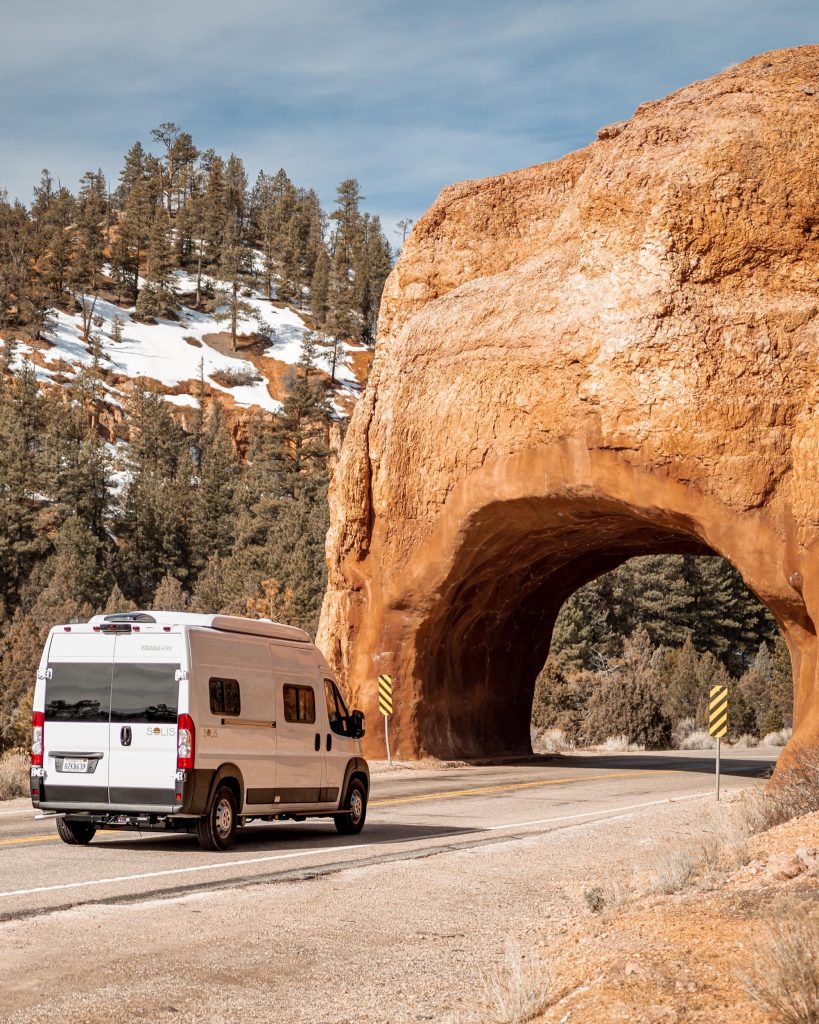
At this point, unlimited sounds like the obvious choice but here’s where Indie Campers makes it practical too. It offers the widest vehicle range on the market, from rugged 4×4 campers with rooftop tents to family-ready Class C motorhomes, all the way up to spacious Class A RVs in the U.S. That variety means you can pick the vehicle that actually matches your travel style, compact for city hopping, roomy for family adventures, or premium comfort for long-haul trips.
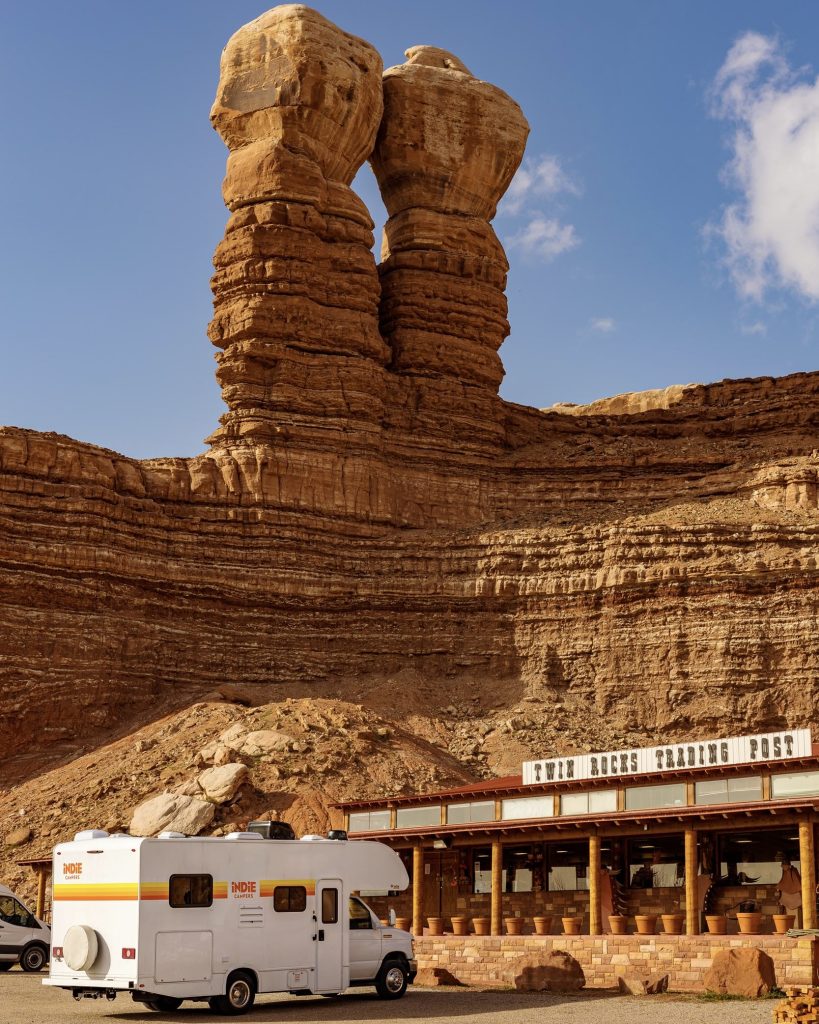
Then there’s reach. With 80+ locations across Europe, North America, and Oceania, you’re not tied to loops. You can start in one city and finish in another, or even cross borders in Europe without stress. That flexibility makes unlimited mileage shine, because the map itself feels bigger.
And when it comes to the little details that make weeks on the road smoother, Indie Campers covers those too. Extras like bed kits, surfboards, portable BBQs, or a simple table and chair set let you customize your setup without last minute shopping. These add ons turn a rental into a home on wheels, and save you money compared to buying things you’ll only need for a trip.
So, Which One Really Saves?
For most real world trips, especially 7 to 14 days long, unlimited mileage wins. It keeps your budget predictable, your options open, and your journey stress free. Because road trips are not about counting miles, they are about collecting them: one memory, one detour, one wide open horizon at a time. Book yours here!
FAQ: Your Top Mileage Questions
1. Does unlimited mileage include fuel or tolls?
No, unlimited covers your driving distance only. Fuel and toll costs remain separate.
2. Can I upgrade to unlimited after booking?
Yes, in most cases you can add unlimited mileage before pickup, better if you check your booking details.
3. Does unlimited mileage work across countries?
Yes, especially across Europe, within permitted cross border zones. Always confirm region rules when booking.