Key Takeaways (TL;DR)
Navigating the world of recreational vehicles can feel overwhelming at first.
To help you hit the road faster, here is a quick snapshot of RV classes explained:
- Class A RVs: These are the giants of the road. Think tour buses. They offer maximum luxury and space but are harder to drive and park. Ideal for families or full-time travelers.
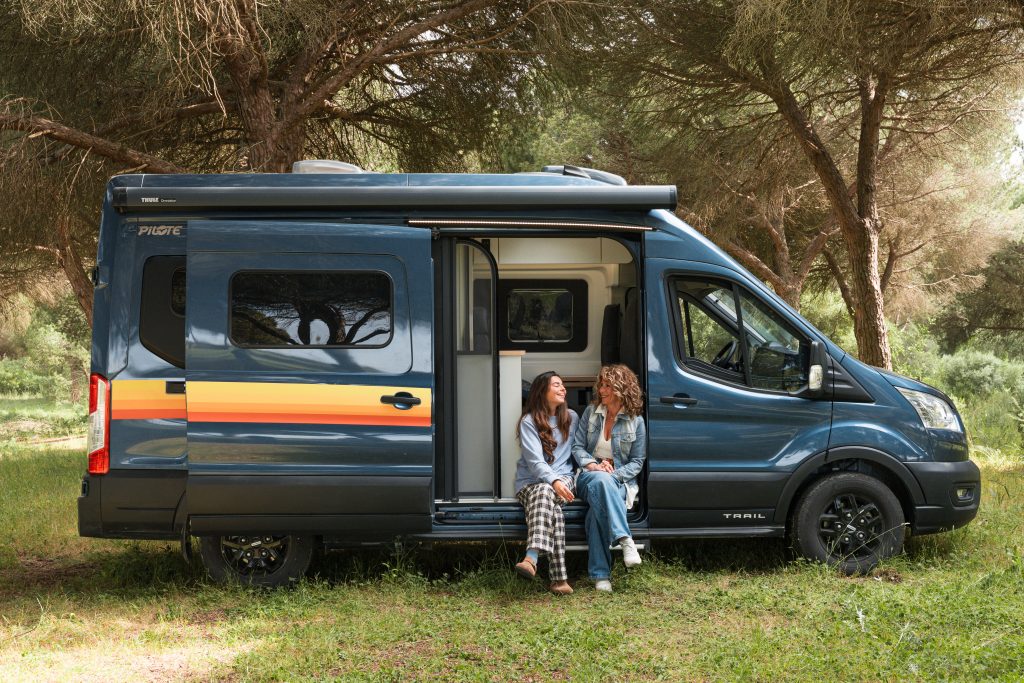
- Class B RVs: Also known as campervans. They are compact, easy to drive, and fuel-efficient. Perfect for couples or solo adventurers who want to move quickly.
- Class C RVs: The “Goldilocks” choice. Recognizable by the bunk over the driver’s cab, they offer a mix of space and drivability. Great for families and beginners.
- The Subclasses: Don’t overlook the specialized options like Super Cs (extra power) and Class B+ (extra comfort).
- Choosing Your Ride: Your decision should depend on your travel style, group size, and comfort level behind the wheel.
- Try Before You Buy: Renting different classes is the smartest way to find your perfect match without the commitment.
Ready to find your home on wheels? Let’s dive deep into the details.
Table of Contents
- RV Classes At a Glance
- What Are RV Classes Anyway?
- Class A RVs: The Luxury Homes on Wheels
- Class B RVs: Compact and Efficient
- Class C RVs: The Versatile All-Rounders
- RV Subclasses: Campervans, Super C, and Class B+
- Comparing RV Classes: Key Differences
- How to Choose the Right RV Class
- Plan Your RV Adventure with Indie Campers
- FAQs About RV Classes
RV Classes At a Glance
| Feature | Class A | Class B | Class C |
|---|---|---|---|
| Description | Luxury homes on wheels; bus-like appearance | Compact campervans; van-like appearance | Versatile all-rounders; truck-like with over-cab bunk |
| Length | 29-45 feet | 17-24 feet | 20-33 feet |
| Sleeps | 4-8+ people | 1-2 (sometimes 4) | 4-8 people |
| Fuel Economy | 6-10 MPG | 18-25 MPG | 10-15 MPG |
| Bathroom | Full dry bath | Wet bath (usually) | Dry bath |
| Drivability | Challenging for beginners | Very easy | Moderate |
| Parking | Difficult; needs special spots | Fits in standard parking spots | Needs 2+ spots or designated areas |
| Price Range | High | Mid to High | Mid |
| Best For | Full-time travelers, large families, luxury seekers | Solo travelers, couples, #VanLife enthusiasts | Families, beginners, summer road trips |
| Key Advantage | Maximum space and luxury | Ultimate freedom and fuel efficiency | Best balance of space and drivability |
What Are RV Classes Anyway?
If you are new to this world, you might be asking: “What are the RV classes and why do they matter?”
It’s a fair question. When you start researching, you will see terms like “Class A,” “Class B,” and “Class C” thrown around constantly. These aren’t grades on a report card. Instead, they refer to the different classes of RV based on their chassis (the frame and engine) and their size.
Understanding these distinctions is crucial because your choice impacts everything about your trip: where you can park, how much fuel you burn, how many people can sleep comfortably, and how nervous you might feel driving down a narrow mountain road.
RV Class vs. RV Type
Before we jump into the specific letters, let’s clear up a common confusion: RV classes vs. RV types.
- RV Class specifically refers to motorized RVs. These are vehicles you drive yourself. They have an engine and a steering wheel.
- RV Type is a broader term that includes towables (like travel trailers and fifth wheels) that need a separate truck to pull them.
In this guide, we are focusing strictly on the motorized classes of RV – the ones you can hop into, turn the key, and drive straight toward the horizon.
But if you’re looking for details on RV types, including towables and campervans, check out this article.
Class A RVs: The Luxury Homes on Wheels
Imagine your living room, kitchen, and bedroom all put on wheels and given a panoramic windshield. That is essentially a Class A RV.
These are the largest, most impressive, and often most expensive vehicles on the campground.
If you see a vehicle that looks like a luxury tour bus or a rock star’s ride, you are looking at a Class A.
Build and Chassis
Different RV classes are defined by their bones. Class A motorhomes are built on either a commercial bus chassis, a commercial truck chassis, or a chassis specifically designed for motorhomes.
Because of this heavy-duty foundation, they can support a massive amount of weight. This allows for heavy amenities like residential fridges, tile floors, washer/dryer combos, and multiple slide-outs (sections of the wall that expand outward when parked).
Key Features of Class A
When you step inside a Class A, you might forget you are in a vehicle.
- Spaciousness: The “box” shape means consistent width from front to back. The driver and passenger seats often swivel around to become part of the living room.
- Amenities: Think full-sized showers, king-sized beds, and sometimes even a fireplace.
- Storage: The “basement” storage (compartments underneath the floor) is massive. You can pack everything from golf clubs to camping gear without cluttering the living space.
- View: The windshield is huge. Driving through scenic areas like the Rockies or the Pacific Coast Highway offers an IMAX-like view of the road.
Who is a Class A For?
This RV class is best for travelers who refuse to compromise on comfort. If you plan to live on the road full-time, travel with a large family, or simply want a “glamping” experience where roughing it isn’t an option, Class A is your category.
However, keep in mind that they are big. Driving a 40-foot bus takes practice. You won’t be parallel parking this in downtown San Francisco.
Class A Specs at a Glance
| Feature | Details |
|---|---|
| Length | 29 to 45 feet |
| Sleeps | 4 to 8+ people |
| Fuel Economy | 6 to 10 MPG |
| Price Range | High |
| Drivability | Challenging for beginners |
Class B RVs: Compact and Efficient
Now, let’s shrink things down. Way down.
Class B RVs are widely known as campervans. Do not let the letter “B” fool you into thinking they are the “medium” size. In the weird world of RV classes, B is actually the smallest.
These vehicles are built using a standard van chassis. From the outside, they often look like a regular delivery van or a passenger van, perhaps with a slightly raised roof. But inside? They are marvels of engineering.
The Magic of the Class B
The genius of different classes of RV like the Class B lies in efficiency. Every square inch has a purpose. The dining table might convert into a bed. The bathroom might be a “wet bath” where the shower and toilet share the same tiny space.
Despite their size, modern Class Bs are often packed with tech. Solar panels, lithium batteries, and efficient heating systems make them surprisingly capable for off-grid adventures.
Why Choose a Class B?
Freedom. That is the main selling point.
- Go Anywhere: You can park a Class B in a regular parking spot. You can drive through drive-thrus. You can navigate narrow city streets in Europe or winding backroads in national parks that ban larger rigs.
- Fuel Economy: These are the most fuel-efficient types of RV classes. You will spend significantly less at the pump compared to a Class A or C.
- Drivability: If you can drive a minivan or an SUV, you can drive a Class B. It’s unintimidating and agile.
Who is a Class B For?
This is the ultimate adventure rig for solo travelers or couples. It’s for the people who want to spend their time outside the RV, using the vehicle as a comfortable base camp rather than a rolling mansion. It’s less about “living space” and more about “access.”
Class B Specs at a Glance
| Feature | Details |
|---|---|
| Length | 17 to 24 feet |
| Sleeps | 1 to 2 (sometimes 4 with a pop-top) |
| Fuel Economy | 18 to 25 MPG |
| Price Range | Mid to High (per square foot) |
| Drivability | Very Easy |
Class C RVs: The Versatile All-Rounders
Finally, we have the Class C. If you ask someone to draw a picture of a motorhome, they will likely draw a Class C.
These are the rigs with the distinctive “overhang” above the driver’s cab. This overhang usually contains a bed or an entertainment center. Class C RVs are the middle ground in the world of RV classes explained. They try to offer the best of both worlds: the drivability of a van and the living space of a bus.
The “Cutaway” Chassis
Class Cs are built on a “cutaway” chassis. This means the front of the vehicle looks like a standard pickup truck or van (Ford E-450 or Mercedes Sprinter are common), but the back is a custom-built camper box.
Because the cockpit feels like a standard truck, they are much less intimidating to drive than the bus-like Class A. You have a driver’s door, a passenger door, and a familiar dashboard layout.
Family Friendly Features
Class Cs are arguably the most family-friendly of the different RV classes. Why? Sleeping capacity.
Thanks to that over-cab bunk, plus a master bed in the back, and a dinette that converts into a bed, you can easily sleep a family of 5 or 6 in a vehicle that is only 25-30 feet long.
- Space: They often have slide-outs to increase the living area.
- Kitchens: You usually get a decent-sized fridge, stove, and microwave.
- Separation: The layout allows for some separation between the “bedroom” in the back and the living area, which is great when kids are sleeping.
Who is a Class C For?
This is the sweet spot for RV classes for beginners. It’s also the top choice for families on summer road trips. You get enough space to not kill each other after a week of rain, but you are still small enough to fit into most state park campsites.
Class C Specs at a Glance
| Feature | Details |
|---|---|
| Length | 20 to 33 feet |
| Sleeps | 4 to 8 people |
| Fuel Economy | 10 to 15 MPG |
| Price Range | Mid |
| Drivability | Moderate |
RV Subclasses: Campervans, Super C, and Class B+
Just when you thought you had RV classes explained, the industry throws in a few curveballs. There are “unofficial” subclasses that fill the gaps between the main three.
The Class B+
Think of this as a hybrid. A Class B+ is built on the same chassis as a Class C, but it lacks the cab-over bunk. Instead, it has a more aerodynamic, streamlined front profile. It’s slightly larger than a Class B van, often offering a slide-out for more space, but it’s smaller and sleeker than a boxy Class C.
- Best for: Couples who want a bit more luxury and space than a van but don’t need the extra sleeping capacity of a standard Class C.
The Super C
This is a Class C on steroids. Instead of a standard van or light truck chassis, a Super C is built on a heavy-duty semi-truck chassis (like a Freightliner). They run on diesel, have massive towing capacity (great for pulling a boat or horse trailer), and look incredibly rugged.
- Best for: Travelers who need power, towing capability, and durability but prefer the truck-cab driving style over the bus-style Class A.
Campervans (The Class B distinction)
While “Class B” is the technical term, you will often hear “campervan” used interchangeably. However, in modern lingo, “campervan” can sometimes refer to DIY conversions or smaller, more basic setups that might not meet the strict legal definition of a Class B RV (which usually requires specific built-in systems like plumbing).
- Best for: The true adventurer, digital nomads, and #VanLife enthusiasts.
Comparing RV Classes: Key Differences
To help visualize what are the RV classes and how they stack up, here is a direct comparison.
| Feature | Class A | Class B (Campervan) | Class C |
|---|---|---|---|
| Size | Largest (Bus-like) | Smallest (Van-like) | Mid-sized (Truck-like) |
| Space | Huge living area | Compact, multi-use | Good balance |
| Sleeping | 4-8+ | 2 (sometimes 4) | 4-8 |
| Bathroom | Full dry bath | Wet bath (usually) | Dry bath |
| Driving | Intimidating | Easy | Moderate |
| MPG | Low (8-10) | High (18-25) | Medium (12-16) |
| Parking | Difficult | Fits anywhere | Average |
The “Drive-Through” Test
A simple way to think about different RV classes:
- Class B: You can go through the drive-through to get your coffee.
- Class C: You might fit in the parking lot, but you are walking inside to order.
- Class A: You are parking at the Walmart next door and walking over.
How to Choose the Right RV Class
Choosing between different classes of RV is a big decision. It’s not just about money; it’s about the experience you want to have. Here is a step-by-step guide to narrowing it down.
1. Count Your Crew
First, think about who you’re traveling with.
If it’s just you or a partner, a Class B is the perfect size. For a family of four, a Class C is likely your best bet for comfortable sleeping arrangements. But if you’re traveling with extended family or bringing lots of pets, a Class A will give everyone the breathing room they need.
2. Define Your “Camping” Style
What’s your travel style? Are you picturing luxury RV resorts with pools and cable TV, or are you dreaming of heading down gravel roads to camp on public land?
If you’re all about those resort vibes, a Class A will feel right at home. For adventures in national and state parks, a Class C or B is a better fit, since many older parks have length restrictions that rule out bigger RVs. And if you’re looking for ultimate freedom to go off-grid or navigate city streets, the Class B is the undisputed king of access.
3. Check Your Comfort Zone
Be honest about your driving skills.
If the idea of driving a vehicle that feels like a house terrifies you, skip the Class A. A Class B drives just like a daily driver. A Class C feels like a U-Haul truck—big, but manageable.
4. Consider the Budget
Don’t just look at the rental or purchase price. Factor in fuel.
A 2,000-mile road trip in a Class A could cost twice as much in gas as the same trip in a Class B. Also, campgrounds often charge more for larger sites needed for Class As.
5. The “Liveability” Factor
If it rains for three days straight, where do you want to be?
In a Class B, you might get cabin fever. In a Class A, you can recline on a sofa and watch a movie by the fireplace. Think about the indoor experience as much as the outdoor one.
Plan Your RV Adventure with Indie Campers
Reading about RV classes for beginners is a great start, but nothing beats getting behind the wheel. The best way to know which class suits you is to try them out.
At Indie Campers, we make that easy. We offer a wide range of vehicles across more than 80 locations worldwide.
- Want to test the #VanLife? Rent one of our nimble campervans (Class B) and zip along the coast.
- Taking the kids? Grab one of our spacious semi-integrated motorhomes (similar to Class C) and enjoy the family bonding time.
We include unlimited mileage with our rentals, so you never have to worry about watching the odometer. Plus, we offer cool add-ons like bedding kits, outdoor tables, and even Wi-Fi hotspots to customize your trip.
Don’t guess what you need. Rent it, drive it, and live it.
Your perfect road trip is waiting.
FAQs About RV Classes
What Are the RV Classes?
RV classes group vehicles by size and style to help you find the right fit. Class A motorhomes offer maximum luxury for long trips, while compact Class B campervans are perfect for solo travelers seeking easy mobility. For families, Class C motorhomes provide extra sleeping space and simple handling. Each class offers a unique way to enjoy the freedom of the open road.
What is the easiest RV class to drive?
Without a doubt, the Class B (Campervan) is the easiest RV class to drive. It shares a chassis with standard cargo vans. It handles corners well, fits in standard lanes easily, and is simple to park. If you have ever driven a minivan or a large SUV, you will feel right at home.
Do I need a special license to drive an RV?
Good news! For most RVs, you don’t need a special license. Your standard driver’s license is all you need for nearly all Class B and Class C models. However, there are a few exceptions. Some states and countries have different rules for very large vehicles (usually over 26,000 lbs) or those with air brakes. This mainly applies to the biggest Class A diesel pushers. To be safe, always check the local laws for where you plan to travel. You can find more details in our complete guide on RV licenses.
Which RV class is the safest?
All modern RVs must meet safety standards, but they vary in their characteristics. Class B and C motorhomes retain the original manufacturer’s cab, such as those from Ford or Mercedes, and come equipped with standard safety features like airbags and crumple zones designed by major automotive companies. In contrast, Class A motorhomes are built on a custom body. While they are safe, they may not always include the same front-seat airbag systems or crash-test ratings as mass-produced vans.
Which RV gets the best gas mileage?
The Class B is the clear winner when it comes to fuel economy, offering an impressive 18–25 miles per gallon (MPG) with a diesel engine. In comparison, Class C vehicles typically achieve 10–15 MPG, while Class A vehicles deliver the lowest fuel efficiency, ranging from 6–10 MPG (sometimes even dipping into single digits).
Can I park a Class C RV in a normal parking spot?
Usually, no. A standard Class C is too long and slightly too wide for a single standard parking spot. You will typically need to pull through two spots or park in a designated area for larger vehicles. A Class B, however, fits in most standard spots.
What’s the Difference Between Class A and Class C?
Class A motorhomes are the gold standard for comfort. Built like large buses, they feature high ceilings, premium amenities, and plenty of storage for long adventures. On the other hand, Class C motorhomes are built on a van chassis, making them much easier to drive. They are great for families or first-time renters because of the signature over-cab bed, which provides extra sleeping space in a more maneuverable size.
What is the difference between a Class B and a Class B+?
A Class B is built within the dimensions of a standard van body. A Class B+ uses the van chassis but adds a wider, custom-built body behind the cab. This gives the B+ more interior space and often a full bathroom, but it loses the stealth and parking ease of a standard B.
Why are Class A RVs so expensive?
You are paying for heavy-duty engineering and luxury. Class As use massive chassis capable of carrying thousands of pounds of gear. They also feature high-end finishings like solid wood cabinetry, residential appliances, and complex electrical systems. You are essentially buying a luxury condo and a heavy-duty truck in one package.
Is a Class C good for full-time living?
Absolutely. Many people live full-time in Class Cs. They offer a great balance of dedicated sleeping space, a full dry bathroom, and a functional kitchen. They are often more affordable to buy and maintain than Class As, making them a popular choice for budget-conscious full-timers.