Last Updated: July 31, 2026
Planning a Rome itinerary 5 days long? This Rome travel guide covers a full working week in the capital, from the Colosseum and the Roman Forum to the Vatican, the Pantheon, and the wine towns and Roman gardens that sit just outside the city.
Five days is the sweet spot. You get three unhurried days inside Rome itself, then two more for the day trips that most weekend visitors never reach, from the fountains of Tivoli to the volcanic lakes and cellars of the Castelli Romani.
The whole route is built around a campervan, which rolls your transport and your bed into one booking. First, it keeps you flexible in the city. Besides, it turns the hill towns, the ancient ruins, and the wine country into easy drives instead of packaged bus tours.
Key Takeaways
- Iconic stops: the Colosseum, the Vatican, and the Trevi Fountain are the three you don’t skip.
- Hidden gems: the Renaissance fountains of Tivoli and the volcanic lakes of the Castelli Romani.
- Recommended transport: a campervan rental from Indie Campers, since it combines accommodation and transport and supports one-way pick-up and drop-off.
- Recommended budget: €650 to €1,450 per person for the five days, plus the campervan hire, covering campgrounds, fuel, food, and attractions.
- Best time to go: spring (April to June) or early autumn (September to October) for warm days and thinner crowds.
Rome Itinerary 5 Days: At a Glance
| Day | Area | Top Highlights |
| Day 1 | Ancient Rome | Colosseum, Roman Forum, Palatine Hill, Capitoline Hill, Monti. Try supplì and cacio e pepe. |
| Day 2 | Vatican City | Vatican Museums, Sistine Chapel, St. Peter’s Basilica, Castel Sant’Angelo. Try pizza al taglio. |
| Day 3 | Historic Center | Pantheon, Trevi Fountain, Piazza Navona, Spanish Steps, Trastevere. Try carbonara and maritozzo. |
| Day 4 | Tivoli | Villa d’Este fountains, Hadrian’s Villa, hill-town lunch. Try porchetta. |
| Day 5 | Castelli Romani | Frascati wine, Castel Gandolfo, Lake Albano, farewell in Testaccio. Try Frascati wine and carciofi. |
Table of Contents
- Why You’ll Love a 5-Day Trip to Rome
- Best Time to Visit Rome
- Are 5 Days Enough to Visit Rome?
- How to Get Around Rome
- The Best Rome Itinerary 5 Days, Day by Day
- Alternative Rome Itineraries
- Map of Your 5-Day Rome Itinerary
- Budgeting for Your Trip: How Much Does 5 Days in Rome Cost?
- Plan Your Rome Road Trip with Indie Campers
- Rome Itinerary 5 Days: Planning Recap
- Frequently Asked Questions (FAQs)
Why You’ll Love a 5-Day Trip to Rome
Most people give Rome a long weekend, race between the Colosseum and the Trevi Fountain, and leave footsore and half-satisfied. Five days tells a different story. You get the famous sights without the sprint, and you still have two days left for the countryside that sits right outside the city walls.
Rome rewards the time. The Colosseum archaeological park alone attracted almost 15 million visitors in 2024, which made it the most visited site in all of Italy, so a booked slot and a slower pace save you hours of queuing. Spread the big three over three days, and the city stops feeling like a checklist.
The real payoff is what a campervan unlocks beyond the center. Trains and coach tours cover the highlights, but they run on someone else’s clock and skip the quiet stops in between. Park at a campground on the edge of the city, ride the metro in on your culture days, then drive out to Tivoli or the Castelli Romani wine hills whenever you want, with your kitchen and bed coming along for the ride.
Food is reason enough on its own. Think a plate of cacio e pepe in Testaccio, pizza al taglio by the slice near the Vatican, a maritozzo cream bun for breakfast in Trastevere, and a glass of Frascati straight from a cellar in the hills. Each corner of Rome and its region has its own dish, and five days gives you the time to eat properly rather than grabbing whatever’s nearest to the queue.
Best Time to Visit Rome
The season you pick shapes the trip more than anything else, from sightseeing comfort to crowd levels to how far ahead you need to book. Here’s what each one means for five days in the city and on the road.
Spring (April to June)
Spring is the most balanced window for this itinerary. Days are warm without the summer heat, the gardens are in bloom, and the crowds at the Colosseum and the Vatican stay manageable outside the Easter week peak.
- Average Temperatures: 15 to 27°C (59 to 81°F)
- What to expect: mild days, green countryside for the day trips, moderate crowds, mid-range prices.
Summer (July to August)
Summer is peak season, with long sunny days and the biggest crowds. The city gets hot and dusty, ticket slots for the Vatican and the Colosseum sell out days ahead, and many family-run trattorias close for two or three weeks around Ferragosto in mid-August.
- Average Temperatures: 28 to 35°C (82 to 95°F)
- What to expect: hot days, packed sights, top prices, some closures in August. Book campgrounds and tickets well ahead.
Autumn (September to October)
Autumn rivals spring for ideal conditions. September keeps the summer warmth while the crowds thin out, and October brings the grape harvest across the Castelli Romani hills, which makes the cellar visits on Day 5 even better.
- Average Temperatures: 16 to 28°C (61 to 82°F)
- What to expect: warm days, harvest season, thinning crowds, lower prices than summer.
Winter (November to March)
Winter is quiet and mild by northern European standards, with the lowest prices of the year and short queues at the big sights. Expect some rain, but the city, Tivoli, and the hill towns all work well, and standing in a warm café bar with an espresso is its own pleasure.
- Average Temperatures: 8 to 16°C (46 to 61°F)
- What to expect: cool, sometimes wet days, few crowds, lowest prices, cosy indoor sights.
Are 5 Days Enough to Visit Rome?
Yes, five days is enough for Rome, and that’s exactly what makes the city such a good short-week base. Three days cover the sights inside the city comfortably, which leaves two full days for day trips into the countryside.
If you’re tighter on time, Days 1 to 3 stand alone as a self-contained Rome city break: Ancient Rome, the Vatican, and the historic center, with a Trastevere dinner to close it out. Add the Tivoli and Castelli Romani days and this Rome 5 days itinerary turns a city break into a proper look at the region.
What you walk away with after five days is the full picture: the ruins of the ancient empire, the art of the Vatican, a baroque city of fountains and piazzas, a Renaissance garden of waterfalls, and a wine region of volcanic lakes. It’s a lot of ground, but the campervan keeps it relaxed rather than frantic.
How to Get Around Rome
Inside the city, you don’t need to drive at all. Rome has two main metro lines that cross at Termini station, the historic-center sights sit within walking distance of each other, and the center is ringed by a ZTL (Zona a Traffico Limitato) that fines unauthorized cars during the day.
The smart move is to park a campervan at a campground on the edge of the city, then ride the metro or a local bus in on your culture days. Sites like Camping Village Flaminio to the north sit a short bus ride from a metro stop, and they cost a fraction of a central hotel.
You wake up under the pines and skip the daily parking headache. A single public-transport ticket (BIT) costs €1.50 and covers 100 minutes, and a 48- or 72-hour Roma Pass bundles transport with entry to a couple of the big sights.
Where the campervan pays for itself is the day trips. Tivoli, the Castelli Romani wine towns, and the ancient port of Ostia Antica all sit within an hour of the city, and driving yourself means no fixed tour times and no backtracking.
Indie Campers runs RV rental in Rome with pick-up in the city, so the fleet is ready when you land, from compact campervans for couples to larger motorhomes for families. Company-owned vehicles come with unlimited mileage, which matters once the day trips add up, and flexible cancellation up to 31 days before pick-up plus the book-now-pay-later option let you lock in dates without a high upfront cost.
The Best Rome Itinerary 5 Days, Day-by-Day
Here’s the full day-by-day plan.
Each day covers a morning, afternoon, and evening, plus named restaurants, a signature dish, and one practical tip for travelling by campervan.
Day 1: Ancient Rome
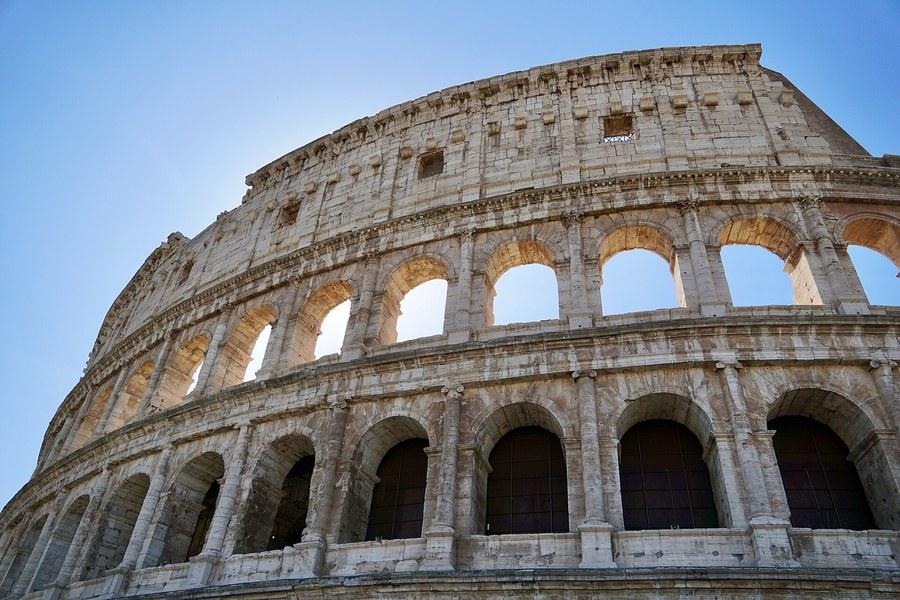
Morning (9:00 AM): Colosseum, Forum & Palatine
Start where the city started. The Colosseum opens early, and a morning slot gets you inside the arena before the heat and the biggest tour groups. A combined ticket covers the Colosseum, the Roman Forum, and Palatine Hill (standard entry around €18, or about €24 for the Full Experience with the arena floor and underground); book online and pick the first entry of the day.
From the Colosseum, walk straight into the Roman Forum, the flattened marble heart of the ancient city, then climb Palatine Hill above it for the ruins of the emperors’ palaces and a long view back over the Forum.
Practical tip: park the campervan at a campground outside the ring road, such as Camping Village Flaminio to the north or Camping Village Roma to the west, and take the metro or bus in. The historic center is a ZTL, and it is not built for large vehicles.
Afternoon (1:00 PM): Capitoline Hill & Monti
Climb Michelangelo’s ramp to Piazza del Campidoglio on Capitoline Hill, the square he designed above the Forum, and step into the Capitoline Museums (around €16) for the bronze she-wolf and a terrace view over the ruins. Below sits the Vittoriano, the vast white monument on Piazza Venezia, with a lift to a rooftop panorama.
For lunch, walk up into Monti, the old working quarter behind the Forum that’s now full of small trattorias and wine bars. La Taverna dei Fori Imperiali on Via della Madonna dei Monti does classic Roman pasta; order cacio e pepe or a starter of supplì, the fried rice-and-mozzarella croquettes that are the city’s favourite street snack.
Evening (7:00 PM): Aperitivo in Monti
Stay in Monti for the evening, the easiest introduction to how Romans eat and drink. Gather around the fountain on Piazza della Madonna dei Monti with a spritz, then settle in for dinner.
Ai Tre Scalini on Via Panisperna is a cramped, characterful wine bar with cheese boards and stews, and there are a dozen more within a few streets. Finish with a gelato on the walk back to the metro.
Day 2: Vatican City
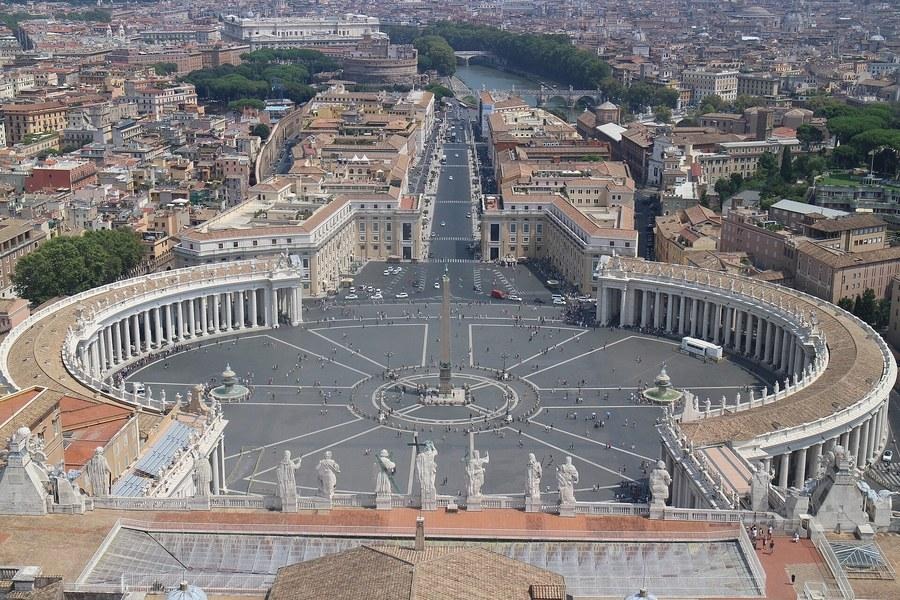
Morning (8:30 AM): Vatican Museums & the Sistine Chapel
Give the morning to the Vatican Museums, and book the earliest slot you can (entry around €20, plus a few euros to reserve a time online). The galleries run for kilometres past classical sculpture, tapestries, and the Raphael Rooms before they funnel everyone into the Sistine Chapel and Michelangelo’s ceiling.
Go early and go straight for the chapel if the crowds worry you, then double back through the galleries at your own pace. Photography is not allowed inside the Sistine Chapel, and shoulders and knees must be covered to enter.
Practical tip: the Vatican Museums are closed on most Sundays, except the last Sunday of the month when entry is free, and queues are long, so plan the day around the calendar.
Afternoon (1:00 PM): St. Peter’s Basilica & Square
Walk around to St. Peter’s Square and into the basilica, which is free to enter, though the security line moves slowly at midday. Inside are Michelangelo’s Pietà and Bernini’s soaring bronze canopy over the high altar. For the classic view, climb (or take the lift partway up) the dome, the cupola, for a panorama over the square and the city (around €10).
For lunch, cross into Prati, the tidy neighbourhood north of the Vatican. Bonci Pizzarium on Via della Meloria serves Rome’s most famous pizza al taglio, pizza sold by the slice and weighed by the gram; grab a few squares and eat them standing, the local way.
Evening (5:30 PM): Castel Sant’Angelo & the River
Walk down to Castel Sant’Angelo, the round fortress on the Tiber that began life as Hadrian’s mausoleum and later sheltered popes down a secret corridor from the Vatican. The ramparts (around €13) catch the sunset over the river and the dome of St. Peter’s.
Cross the statue-lined Ponte Sant’Angelo on foot and find dinner back in Prati; Il Sorpasso on Via Properzio is a lively spot for cured meats, pasta, and natural wine.
Day 3: The Historic Center
Morning (9:00 AM): Pantheon & Piazza Navona
Start at the Pantheon, the best-preserved building of ancient Rome, a temple turned church with a dome open to the sky through its central oculus (entry around €5; free for under-18s). It’s a short walk from there to Piazza Navona, the long baroque square built over a Roman stadium, with Bernini’s Fountain of the Four Rivers at its heart.
Stop for a coffee on the way; Sant’Eustachio Il Caffè, between the two, is one of the city’s landmark espresso bars. Take it standing at the counter, which is both the custom and the lower price.
Practical tip: Rome’s street fountains, the little cast-iron nasoni, run cold, clean drinking water all day. Carry a refillable bottle and skip buying water in the summer heat.
Afternoon (1:00 PM): Trevi Fountain & the Spanish Steps
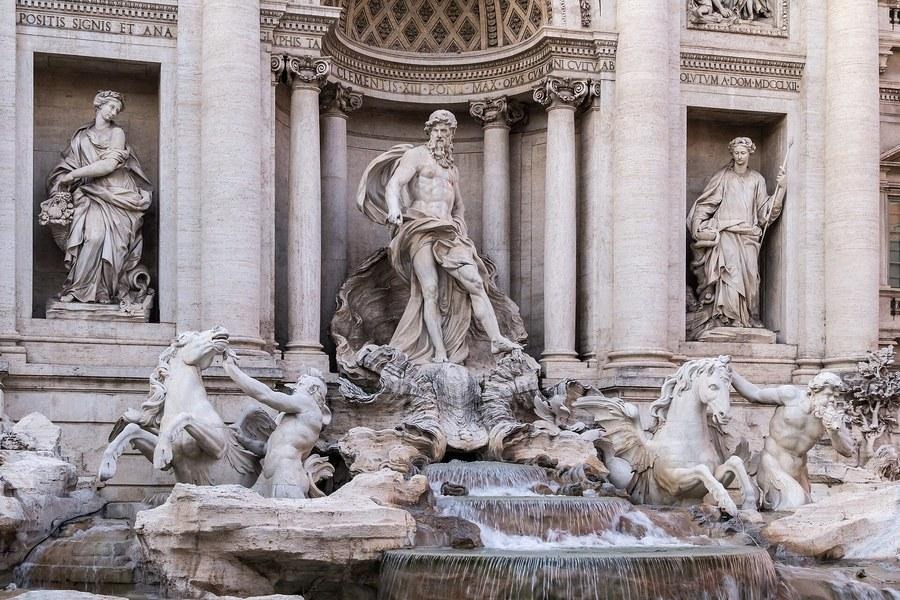
Walk east to the Trevi Fountain, Rome’s grandest baroque fountain, and toss a coin over your shoulder to guarantee a return trip. It’s busiest at midday, so this is a stop to enjoy for ten minutes rather than linger. From there it’s a short walk to the Spanish Steps and Piazza di Spagna, with the boat fountain at the base and the designer windows of Via dei Condotti nearby.
For lunch, book ahead at Armando al Pantheon on Salita de’ Crescenzi, a family trattoria serving Roman classics a stone’s throw from the Pantheon; the carbonara and the saltimbocca are the dishes to order. For dessert later, a maritozzo, the cream-filled bun Romans eat for breakfast, is worth tracking down.
Evening (7:00 PM): Trastevere
Cross the river for the evening into Trastevere, the tangle of cobbled lanes and ivy-covered houses that’s the city’s best neighbourhood for dinner. See the gold mosaics of the Basilica di Santa Maria in Trastevere, lit up on its piazza, then eat.
Da Enzo al 29 on Via dei Vascellari is the classic address for Roman pasta (expect a queue, or go early), while Tonnarello nearby is larger and reliably good for cacio e pepe and amatriciana. Finish with a passeggiata over the pedestrian Ponte Sisto as the streetlights come on.
Day 4: Tivoli
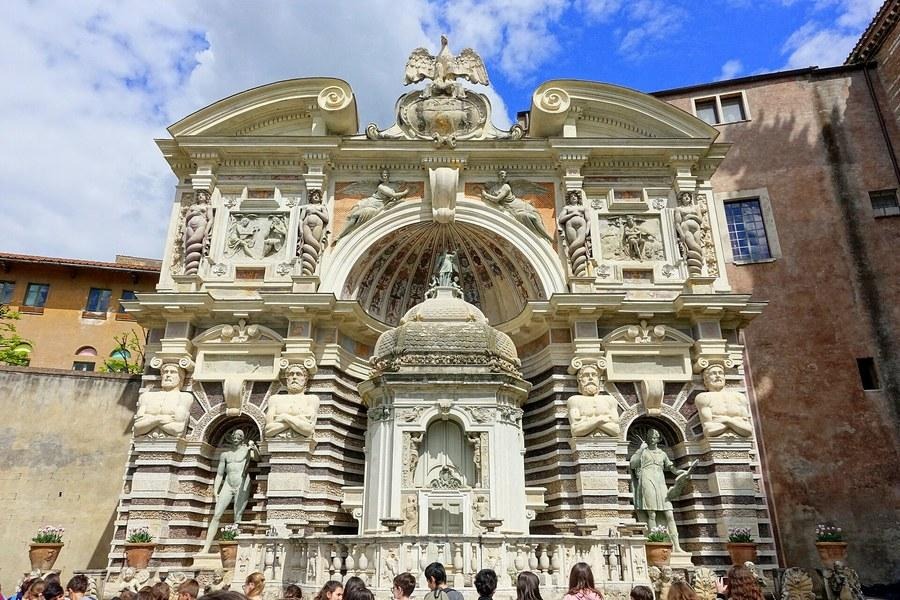
Morning (8:30 AM): Drive to Villa d’Este
Point the campervan east for Tivoli, a hill town about 30 km and 45 minutes from the city on the A24. Its Renaissance showpiece is the Villa d’Este (around €15), a cardinal’s palace whose terraced garden drops down the hillside in a sequence of fountains, grottoes, and water organs, all fed by the river above and run entirely by gravity.
Give the garden a couple of hours; the Fountain of Neptune and the Hundred Fountains alley are the ones everyone photographs, but the quiet corners lower down are where you’ll want to sit.
Practical tip: Tivoli’s old town is small, and its streets are tight, so park in one of the signposted lots on the edge and walk in. Bring the campervan’s kitchen into play with a picnic if the town’s lunch spots are busy.
Afternoon (1:00 PM): Hadrian’s Villa
Drive a few minutes back downhill to Villa Adriana, Hadrian’s Villa (around €12), the sprawling country estate the emperor built for himself in the 2nd century. It’s a huge archaeological park of pools, baths, and libraries scattered across olive groves, far quieter than anything in central Rome.
The Canopus, a long reflecting pool ringed with columns and statues, is the highlight. Wear proper shoes and allow a good two hours, since the site is large and shade is patchy.
Evening (6:00 PM): Hill-Town Dinner or Back to Base
Tivoli is porchetta country, the herbed, slow-roasted pork that’s a specialty of the hills around Rome; find it in a panino from a local deli or a sit-down trattoria in the old town. Eat before you drive back, or cook at a campground pitch as the day-trippers clear out.
If you’d rather stay out, there are campgrounds around Tivoli and Lake Bracciano to the north, which set you up for a slower drive back into Rome the next morning.
Day 5: Castelli Romani & Farewell
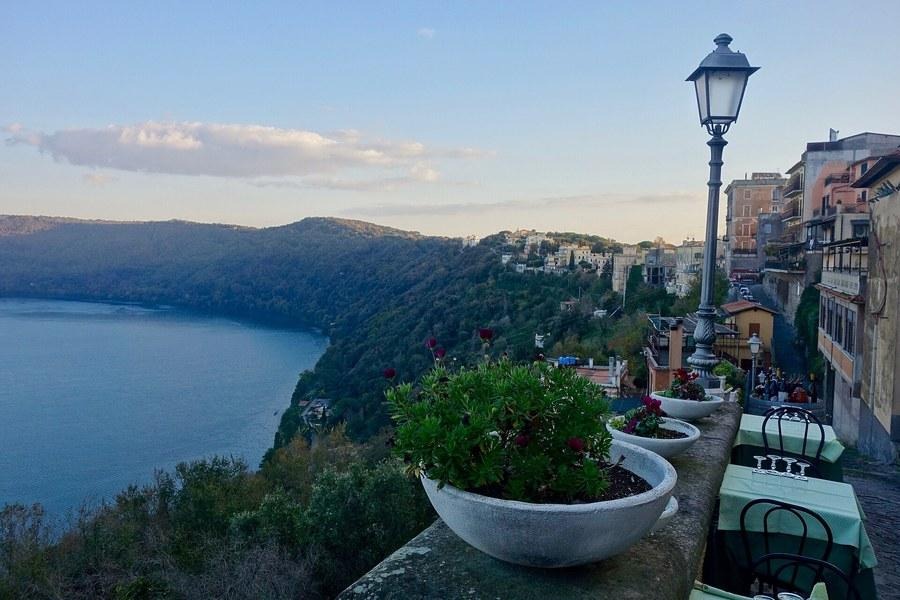
Morning (9:00 AM): Frascati & the Wine Hills
Drive southeast into the Castelli Romani, the cluster of hill towns in the volcanic country about 25 km from Rome that has been the city’s summer escape since antiquity. Start in Frascati, the best known, where the crisp white wine of the same name comes from the vineyards on the slopes below town.
Visit a cellar or an old-fashioned fraschetta, the simple wine taverns where you bring your own food or buy cold cuts and bread to go with the house wine. A tasting usually rounds off a cellar visit, so keep a sober driver for the afternoon.
Practical tip: the campervan makes the wine-then-lake loop simple, but line up your driver before the first tasting. Most cellars sell bottles to take with you for later.
Afternoon (1:00 PM): Castel Gandolfo & Lake Albano
Drive on to Castel Gandolfo, the hill town on the rim of a volcanic crater that was the popes’ summer residence for centuries; the papal palace and its gardens are now open to visitors. The town’s main square looks straight down onto Lake Albano, the deep blue crater lake far below.
Wind down to the lakeshore for the afternoon, where you can swim in summer, rent a pedalo, or eat lunch at a waterside restaurant. Nearby Ariccia is famous for porchetta if you missed it in Tivoli.
Evening (6:30 PM): Farewell in Testaccio
Drive back into Rome for a last night in Testaccio, the old slaughterhouse district that’s the home of the city’s most traditional cooking and now one of its best food neighbourhoods. This is the place to try the fuller Roman dishes: coda alla vaccinara (oxtail stew), rigatoni alla gricia, and carciofi, the Roman-style artichokes.
Flavio al Velavevodetto on Via di Monte Testaccio and Da Felice, famous for its tableside cacio e pepe, are two of the classics; both need booking. Finish with a scoop from Giolitti near the Pantheon on the way back if you have room.
Practical tip: build a buffer before your campervan drop-off slot and return the van with a full tank and a clean kitchen to avoid extra fees.
Alternative Rome Itineraries
The five days above are the balanced version, three days in the city and two on the road. Here are two ways to reshape it depending on how much time you have and what you’re after.
3-Day Rome City Break
- Day 1: Ancient Rome, from the Colosseum and the Roman Forum to Palatine and Capitoline Hills, with dinner in Monti.
- Day 2: the Vatican Museums, the Sistine Chapel, and St. Peter’s in the morning, then Castel Sant’Angelo and the river by evening.
- Day 3: the historic center on foot, from the Pantheon and Piazza Navona to the Trevi Fountain and the Spanish Steps, finishing with dinner in Trastevere.
5-Day Rome & the Coast Route
- Days 1 to 3: the full city core above, based at a campground on the edge of Rome.
- Day 4: drive southwest to Ostia Antica, the remarkably intact ancient port city, then on to the beach at Ostia or the pine woods of Castel Fusano.
- Day 5: swap the Castelli Romani for a longer push south toward Naples and the Bay. If you want to keep driving, RV rental in Naples puts Pompeii and the Amalfi Coast within reach, while RV rental in Florence points you north through Tuscany.
Map of Your 5-Day Rome Itinerary
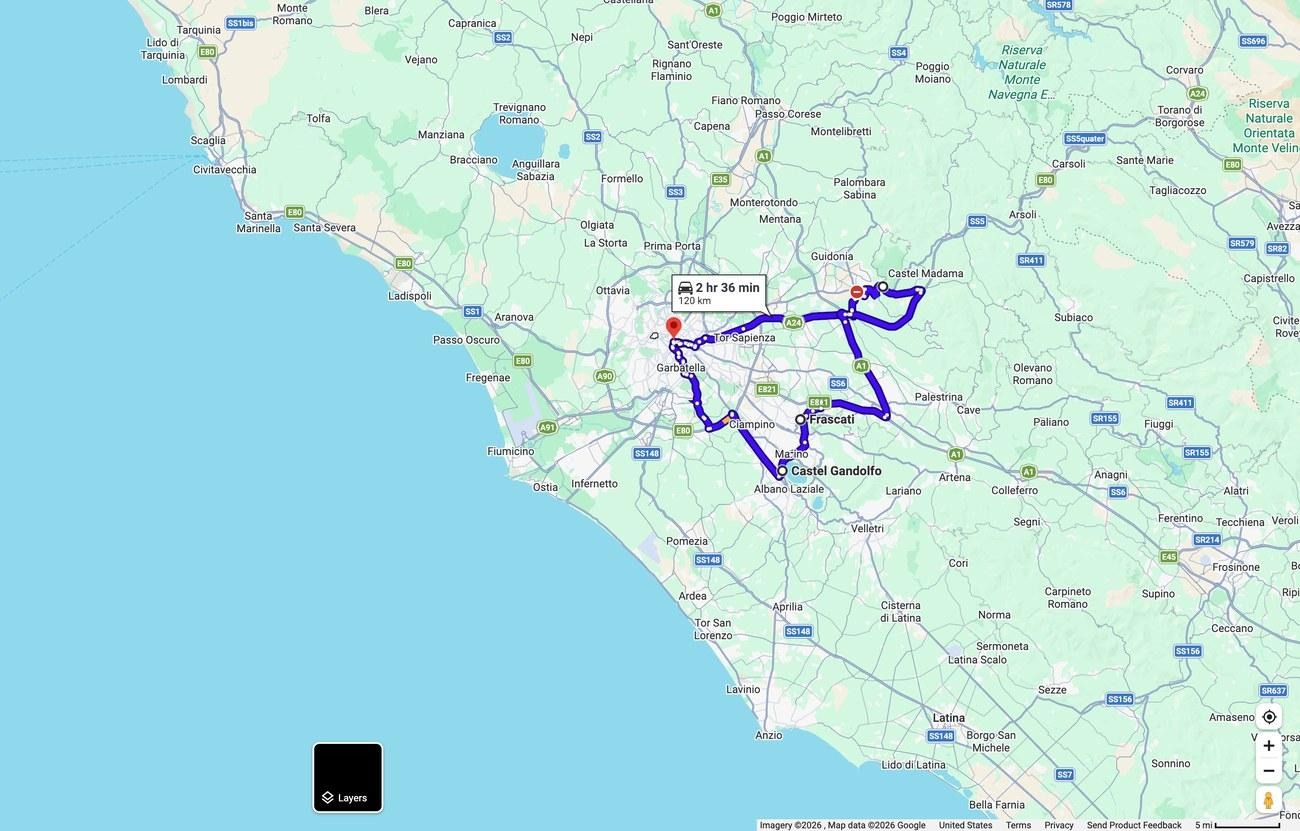
The route loops out from Rome and back: east to Tivoli for the villas, then southeast to the Castelli Romani hill towns and lakes, with the three city days walked and ridden from a campground on the edge of town.
Total driving comes to roughly 120 km (75 miles) across the five days, most of it in short day-trip hops. Our wider RV rental in Italy network covers the rest of the country if you want to extend the trip.
Budgeting for Your Trip: How Much Does 5 Days in Rome Cost?
Five days in Rome fits a wide range of budgets, and the campervan is the single biggest lever. Renting through Indie Campers replaces hotel costs with campground fees, which run a fraction of a central room and drop your nightly spend sharply.
Here’s a realistic per-person breakdown, not counting the campervan hire itself:
| Category | Budget | Mid-Range | High-End |
| Accommodation | €15 to €25/night | €25 to €45/night | N/A (hotels) |
| Food & Drink | €25 to €40/day | €45 to €70/day | €100+/day |
| Attractions | €10 to €25/day | €25 to €45/day | €60+/day |
| Fuel & Tolls | €8 to €15/day | €15 to €25/day | €30+/day |
| Daily Total | €58 to €105 | €110 to €185 | €190+ |
| 5-Day Total | ~€290 to €525 | ~€550 to €925 | ~€950+ |
- Budget traveler: cook most meals from market provisions, stay at campgrounds outside the center, and mix free sights (St. Peter’s Basilica, the Pantheon for under-18s, the piazzas and fountains) with a couple of paid highlights like the Colosseum (around €18). Around €650 per person for the five days is realistic.
- Mid-range traveler: eat lunch out, cook some dinners in the campervan, and pay for the big-ticket sights like the Colosseum, the Vatican Museums, and Villa d’Este. Budget €900 to €1,200 per person.
- High-end traveler: eat out every meal, book guided tours and skip-the-line access, and add a boutique hotel night or two in the center. Expect €1,450 or more per person.
One campervan bonus worth knowing: Rome charges a nightly tourist tax that rises with a hotel’s star rating, but campgrounds outside the city sit in a lower band, so basing yourself on the edge of town keeps that cost down too.
Plan Your Rome Road Trip with Indie Campers
Five days in Rome moves between two very different modes: slow, on-foot days in a dense historic city, and open-road days out in the hills. The friction is usually the logistics, i.e, booking a hotel, then separately booking trains or tours out to Tivoli and the Castelli Romani, and hoping the timings line up.
A campervan folds both into one booking. You get a base near the pines for the city days and the freedom to drive to the villas, the wine towns, and the lakes on your own schedule, with your accommodation travelling with you.
Company-owned vehicles come with unlimited mileage, flexible cancellation up to 31 days before pick-up, and a book-now-pay-later option, so you can lock in your dates without a high upfront cost.
Book your campervan and kickstart an adventurous Rome trip now!
Rome Itinerary 5 Days: Planning Recap
| Category | Details |
| Best Time to Go | Spring (April to June) and early autumn (September to October) for warm days and thinner crowds. |
| Recommended Budget | €650 to €1,450 per person for 5 days, plus campervan hire. |
| Days in the City | 3 days for Ancient Rome, the Vatican, and the historic center. |
| Day Trips | Tivoli for the villas, and the Castelli Romani for wine and lakes. |
| Best Restaurants | La Taverna dei Fori Imperiali, Monti (Roman pasta); Bonci Pizzarium, Prati (pizza al taglio); Da Enzo al 29, Trastevere (cacio e pepe); Da Felice, Testaccio (cacio e pepe). |
| Recommended Transport | Campervan rental; it combines accommodation and transport and supports one-way routing. |
| Total Driving | Approx. 120 km (75 miles) across the five days, mostly short day-trip hops. |
| Must-Try Foods | Cacio e pepe, carbonara, supplì, pizza al taglio, maritozzo, porchetta, carciofi. |
| Accommodation | Campgrounds: €15 to €45 per pitch per night. |
| Perfect For | Couples, first-time visitors, and food-and-history travelers wanting city and countryside in one trip. |
Frequently Asked Questions (FAQs)
How many days do you need in Rome?
You need at least three days in Rome to cover the main sights: Ancient Rome around the Colosseum, the Vatican, and the historic center with the Pantheon and Trevi Fountain. Five days is better, since it adds day trips to Tivoli’s Renaissance villas and the Castelli Romani wine hills without any rush. Fewer than three days means moving fast and missing the neighbourhoods where Romans actually eat.
Is 5 days enough for Rome?
Yes, five days is enough for Rome and its surroundings. Three days handle the city itself at a comfortable pace, covering Ancient Rome, the Vatican, and the baroque historic center, and the remaining two days open up day trips to Tivoli and the Castelli Romani. You leave having seen the ruins, the art, the fountains, and the countryside rather than just the postcard highlights.
What is the best way to get around Rome?
Inside the city, the metro, buses, and your own feet are the best way to get around, since the historic-center sights are close together and a ZTL restricts cars in the middle. For the day trips to Tivoli and the Castelli Romani, a campervan is the most practical option, because it combines transport and accommodation and lets you set your own schedule. Central parking is scarce, so base the van at a campground on the edge of town.
What are the best day trips from Rome?
The best day trips from Rome are Tivoli, for the fountains of Villa d’Este and the ruins of Hadrian’s Villa, and the Castelli Romani, for Frascati wine, Castel Gandolfo, and Lake Albano. Ostia Antica, the intact ancient port about 30 km southwest, is a strong third option and far quieter than Pompeii. All three sit within an hour of the city, which makes them easy self-drive days by campervan.
Can I drive a campervan in Rome’s city center?
No, it’s best not to drive into Rome’s city center. The historic core is a ZTL (Zona a Traffico Limitato) that fines unauthorized vehicles during the day, and parking a large van in the middle is difficult and expensive. The easy approach is to stay at a campground on the edge of the city, such as Camping Village Flaminio, and use the metro and buses, then take the campervan out for the day trips.
When is the best time to visit Rome?
The best time to visit Rome is spring (April to June) or early autumn (September to October), when days are warm, gardens are green, and crowds are smaller than the July and August peak. October adds the grape harvest in the Castelli Romani hills. Summer is hot and busy with some August closures, while winter is quiet, mild, and cheapest if you don’t mind occasional rain.
Is Rome expensive to visit?
Rome is moderately expensive, mid-range for a major European capital, and a campervan trip keeps costs down by swapping hotels for campgrounds. Budget travelers can manage around €650 per person for five days, while mid-range visitors spend closer to €900 to €1,200, not counting the campervan hire. The biggest savings come from cooking some meals in the van and mixing free sights, like St. Peter’s Basilica and the piazzas, with the paid highlights.
Do I need a visa to visit Rome?
Visitors from the US, Canada, Australia, the UK, and most other non-EU countries don’t need a visa for short tourist stays in Italy of up to 90 days in any 180-day period. The EU’s new ETIAS travel authorization is expected to launch in late 2026 and won’t be mandatory until 2027, so check the official EU guidance for your nationality before you travel. EU citizens can travel to Italy freely with a valid ID card.