Last Updated: July 31, 2026
Planning a 13 days in Italy itinerary? This guide covers Rome, Florence, Venice, and Milan, along with practical tips for eating and driving your way across the country.
Thirteen days is enough time to cover Italy’s major regions without feeling rushed at every stop.
Here’s a quick overview before the full day-by-day plan:
Key Takeaways
- Iconic Stops: The Colosseum, the Uffizi Gallery, and St. Mark’s Square
- Hidden Gems: Bologna’s covered porticoes and the island of Burano
- Recommended Transport: Renting an RV will work well for this route, since it lets you drive between cities without booking a new hotel every night.
- Recommended Budget: $1,300 to $2,600 per person for 13 days, covering accommodation, food, transport, and entry tickets
- Best Time to Go: Spring runs from April to May and suits a 13 days in Italy itinerary well, since the weather stays mild across the whole country.
Table of Contents
- Italy Itinerary 13 Days: At a Glance
- Why You’ll Love a 13-Day Trip to Italy
- Best Time to Visit Italy
- Are 13 Days Enough to Visit Italy?
- How to Get Around Italy
- The Best Italy Itinerary: 13 Days of Adventure
- Days 1 to 3: Rome
- Day 4: Naples
- Day 5: Bologna
- Days 6 to 7: Florence
- Day 8: Pisa
- Days 9 to 10: Venice
- Days 11 to 12: Milan
- Day 13: Bergamo
- Exploring Italy’s Regions: Alternative Itineraries
- Map of Your 13-Day Italy Itinerary
- Budgeting for Your Trip: How Much Is a Trip to Italy for 13 Days?
- Plan Your Dream Italian Road Trip with Indie Campers
- Italy Itinerary 13 Days: Your Final Planning Recap
- FAQs About Italy Itinerary 13 Days
Italy Itinerary 13 Days: At a Glance
| Day | Location(s) | Top Highlights |
| Day 1 | Rome | Colosseum, Roman Forum. Try cacio e pepe. |
| Day 2 | Rome | Vatican City, St. Peter’s Basilica. Try supplì. |
| Day 3 | Rome | Trastevere, the Pantheon. Try carbonara. |
| Day 4 | Naples | Pompeii, historic center. Try Neapolitan pizza. |
| Day 5 | Bologna | Piazza Maggiore, the Two Towers. Try tagliatelle al ragù. |
| Day 6 | Florence | Duomo, Uffizi Gallery. Try bistecca alla fiorentina. |
| Day 7 | Florence | Ponte Vecchio, Piazzale Michelangelo. Try schiacciata. |
| Day 8 | Pisa | Leaning Tower, Piazza dei Miracoli. Try cecina. |
| Day 9 | Venice | St. Mark’s Square, the Grand Canal. Try sarde in saor. |
| Day 10 | Venice | Murano, Burano. Try risotto al nero di seppia. |
| Day 11 | Milan | Duomo, the Last Supper. Try risotto alla milanese. |
| Day 12 | Milan | Quadrilatero della Moda, Navigli. Try cotoletta alla milanese. |
| Day 13 | Bergamo | Città Alta, funicular views. Try casoncelli. |
Why You’ll Love a 13-Day Trip to Italy?
Italy packs an unusual amount of variety into one country. Ancient ruins, Renaissance art, canals, and snow-capped mountains all sit within a day’s drive of each other.
That range is exactly what makes a 13 days in Italy itinerary worth planning properly. Two weeks gives you enough time to see several distinct regions instead of one city alone.
An RV is an ideal way to cover this much ground. You get the freedom to leave a city on your own schedule and take a detour to a small hill town.
You also skip the stress of dragging luggage between train stations.
Renting an RV also means your accommodation moves with you. A long driving day between regions costs you less time than checking in and out of separate hotels.
Food and culture change dramatically from region to region here, which is part of the draw. Rome serves carbonara and cacio e pepe, Naples claims the original pizza, Bologna built its reputation on ragù, and Venice leans on seafood from the lagoon.
Even a single week could not capture all of this, but a 13 days in Italy itinerary comes close.
That’s the balance this guide is built around: enough structure to see Italy’s icons, enough room to actually taste the country along the way.
Best Time to Visit Italy
The season you travel in shapes both the crowds you’ll deal with and how comfortable the driving will feel across such a long route.
This matters even more on a 13 days in Italy itinerary, since the weather can shift noticeably between the south and the north.
Spring (March to May)
Spring brings mild temperatures across most of the country, making it one of the most comfortable seasons for a long road trip.
Crowds stay manageable compared to summer, especially in April before the peak season begins.
- Average Temperatures: 50 to 70°F (10 to 21°C)
- What to expect: mild and generally pleasant weather, moderate crowds, and mid-range prices.
Summer (June to August)
Summer gets hot across most of Italy, especially in the south, and popular cities like Rome and Florence get crowded with visitors.
August in particular sees many locals leave for vacation, which can mean quieter cities but closed local restaurants.
- Average Temperatures: 68 to 88°F (20 to 31°C)
- What to expect: hot and sunny weather, heavy crowds, and peak-season prices.
Autumn (September to November)
Autumn brings cooler, comfortable weather and noticeably shorter lines at major attractions once September ends.
It also lines up with harvest season in wine regions like Tuscany, adding a seasonal draw to the drive between cities.
- Average Temperatures: 52 to 72°F (11 to 22°C)
- What to expect: mild and increasingly cool weather, moderate crowds, and mid-range prices.
Winter (December to February)
Winter is cold in the north and mild in the south, so temperatures vary more across this itinerary than in any other season. Outside the Christmas and New Year period, this is the quietest and cheapest time to visit.
- Average Temperatures: 38 to 54°F (3 to 12°C)
- What to expect: cold and variable weather, light crowds outside the holidays, and low-season prices.
Spring and autumn both offer the easiest balance of good weather and manageable crowds for a trip that covers this much of the country.
Are 13 Days Enough to Visit Italy?
Yes, 13 days is enough to see Italy’s major regions if you accept that you’re sampling the country rather than exhausting it. The trick is picking a focused route through a handful of cities instead of trying to cover the whole country in one trip.
This itinerary spends three days in Rome, one in Naples, one in Bologna, and two in Florence. It then covers one day in Pisa, two in Venice, two in Milan, and one in Bergamo.
With that structure, you’ll see the Colosseum, the Vatican, the Uffizi Gallery, the Leaning Tower, the Grand Canal, and the Duomo di Milano. You’ll also have time for a proper meal at every stop.
A common mistake is trying to add Sicily or the Amalfi Coast on top of this same trip. That usually means long extra driving days that eat into time you could spend actually enjoying each city.
Save those regions for a separate trip instead. This 13 days in Italy itinerary leaves enough room to enjoy each stop without turning the whole two weeks into a series of long drives.
How to Get Around Italy?
Italy’s historic centers generally restrict car access through limited traffic zones, known locally as ZTL, which matters at nearly every stop on a 13 days in Italy itinerary. Driving into one without authorization risks a fine.
Parking outside these zones and walking or using public transport in the center is the simpler choice in most cities.
An RV works well for the trip overall, since it beats booking separate hotels across eight different stops. Park on the edge of each city, then explore the historic center on foot or by local transport.
This approach also means you’re not tied to fixed check-in and checkout times. A long driving day between regions costs you less than it would with a string of separate hotel bookings.
Booking RV rentals in Italy through Indie Campers gives you unlimited mileage on company-owned vehicles. That matters on a route covering more than 900 miles from Rome to Milan and back down to Bergamo.
If two weeks feels like more time than you have available, our 7-day Italy itinerary covers a shorter version of this same route. It focuses on the country’s best-known highlights.
The Best Italy Itinerary: 13 Days of Adventure
Here’s how to spend all 13 days, hour by hour, covering the best things to do in Italy in 13 days across eight different stops.
Day 1: The Colosseum and Roman Forum in Rome
Morning (9 AM): The Colosseum
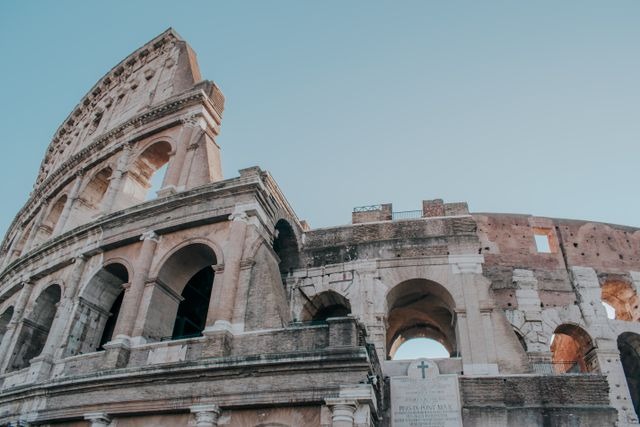
Start at the Colosseum, the ancient amphitheater that once held up to 80,000 spectators for gladiator contests. Walking through the arched corridors gives you a real sense of the engineering behind a structure nearly 2,000 years old.
Give yourself about two hours here, including time for the underground chambers if your ticket includes that access. If you’re basing yourself outside the city, our RV rentals in Rome cover several pickup points near the historic center.
Practical tip: Book your Colosseum ticket online in advance, since same-day tickets often sell out during peak season.
Afternoon (12:30 PM): Roman Forum and Lunch
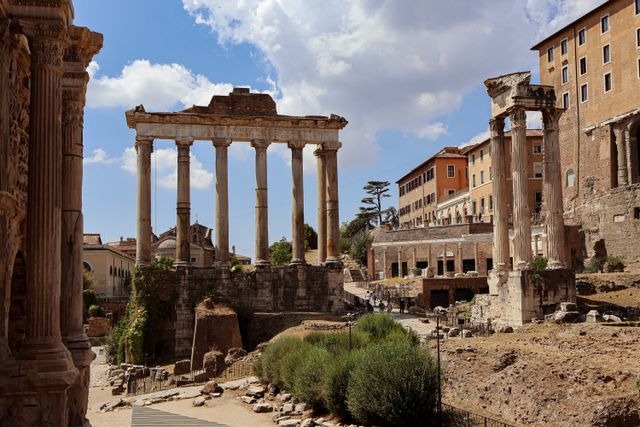
For lunch, find a trattoria near the Forum and order cacio e pepe, the simple Roman pasta dish made with cheese and black pepper alone. Afterward, walk through the Roman Forum, the political and social center of ancient Rome, now a field of columns and ruins.
Practical tip: A combined ticket usually covers the Colosseum, the Forum, and Palatine Hill, so buy all three at once to save money.
Evening (6 PM): Piazza Venezia and Dinner
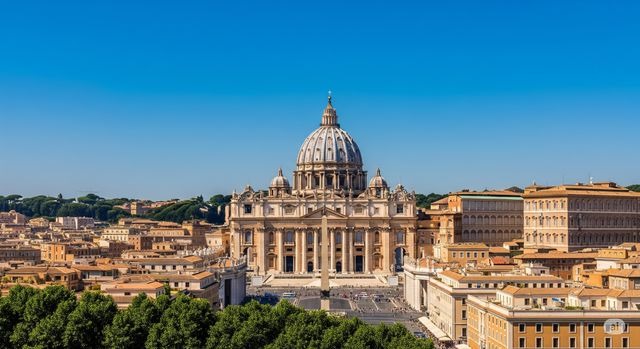
As evening sets in, walk to Piazza Venezia to see the Altare della Patria, the white marble monument that dominates the square. For dinner, try supplì, fried rice balls stuffed with mozzarella that make a popular Roman street food.
Ending your first night with a walk past the illuminated Colosseum is a fitting close to the day.
Day 2: Vatican City in Rome
Morning (8 AM): The Vatican Museums
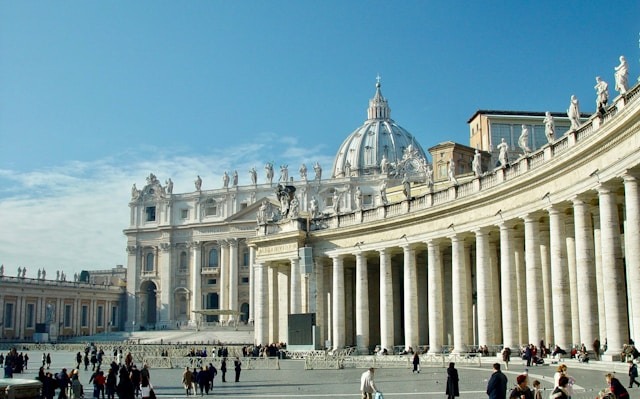
Start early at the Vatican Museums, home to the Sistine Chapel and Raphael’s frescoed rooms. The collection is enormous, so focus on the Sistine Chapel and a handful of galleries rather than trying to see everything.
Give yourself about three hours for the museums and the chapel combined.
Practical tip: Book a timed entry slot online, since the Vatican Museums sell out especially on Wednesdays and Saturdays.
Afternoon (12 PM): St. Peter’s Basilica
For lunch, grab a quick panino near the Vatican walls before joining the line for St. Peter’s Basilica, the largest church in the world by interior volume. Climb to the dome for a view over St. Peter’s Square and the city beyond.
Practical tip: Dress code is strictly enforced inside the basilica, so cover your shoulders and knees before joining the line.
Evening (6 PM): Dinner Near the Vatican
For dinner, head toward the Prati neighborhood near the Vatican and order carbonara, the classic Roman pasta made with egg, guanciale, and pecorino.
Watching St. Peter’s dome light up at dusk from across the river is a memorable way to end the day.
Day 3: Trastevere and the Pantheon in Rome
Morning (9 AM): The Pantheon
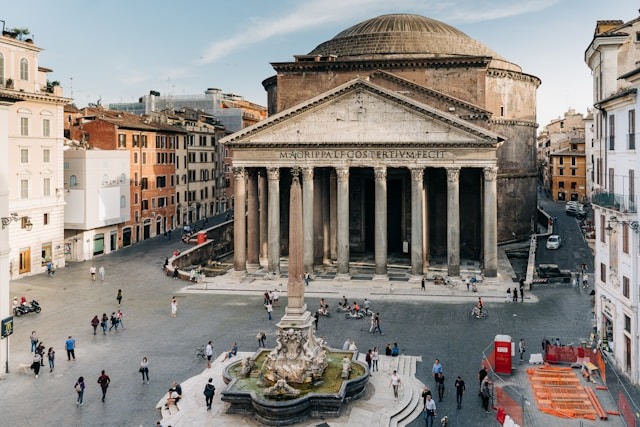
Start at the Pantheon, the best-preserved building from ancient Rome and still an active church. The open oculus in the dome lets rain fall straight through to the marble floor below.
Give yourself about 45 minutes here, since the interior, while striking, is compact.
Practical tip: Entry now requires a small fee and a timed slot, so book ahead rather than assuming walk-up access.
Afternoon (12:30 PM): Trastevere and Lunch
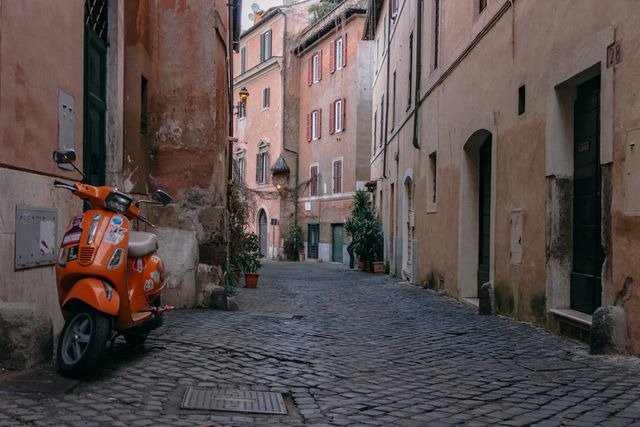
Cross the river to Trastevere, a cobblestone neighborhood known for its ivy-covered buildings and lively piazzas.
Have lunch at a family-run trattoria here, since the neighborhood tends to serve more traditional food than the tourist-heavy center.
Practical tip: Trastevere gets busy in the evening, so an afternoon visit lets you enjoy the streets at a calmer pace.
Evening (6 PM): Piazza Navona and Dinner
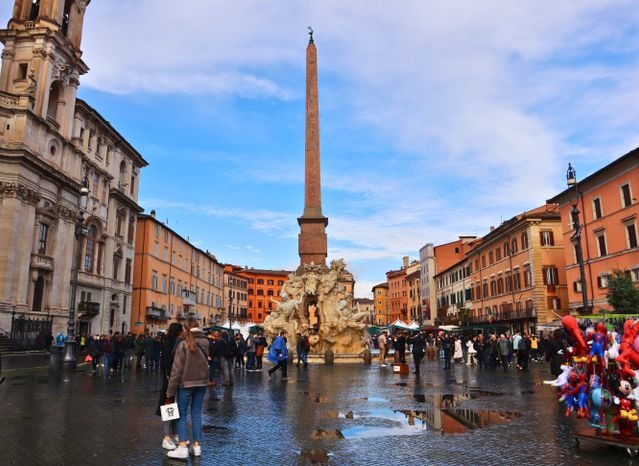
Walk to Piazza Navona to see Bernini’s Fountain of the Four Rivers before dinner. Stay in Trastevere or head back toward the center for a final Roman meal, then start planning for the drive south to Naples in the morning.
Closing out three days in Rome with the fountains lit up at night is a strong send-off before this 13 days in Italy itinerary continues north.
Day 4: Pompeii and Pizza in Naples
Morning (9 AM): Pompeii
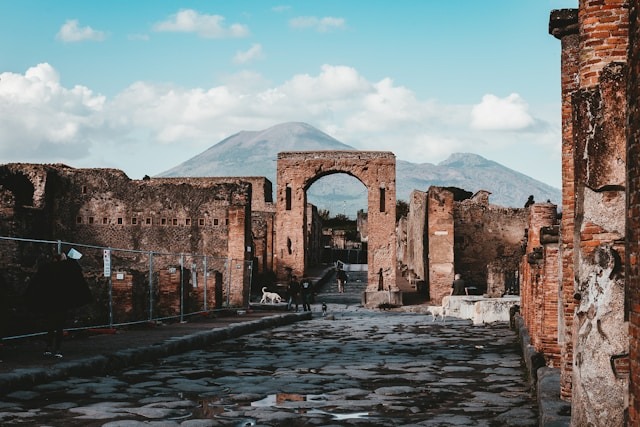
Drive south to Naples and head straight to Pompeii, the Roman city buried by the eruption of Mount Vesuvius in 79 AD. Opting for RV rental in Naples can put you close to both Pompeii and the city center, which works well for this single-day stop.
Walking the preserved streets, homes, and public baths gives a clearer picture of daily Roman life than almost any museum.
Give yourself about three hours to cover the main sites without rushing.
Practical tip: Wear comfortable shoes, since the site covers a large area of uneven ancient stone streets.
Afternoon (1 PM): Naples Historic Center
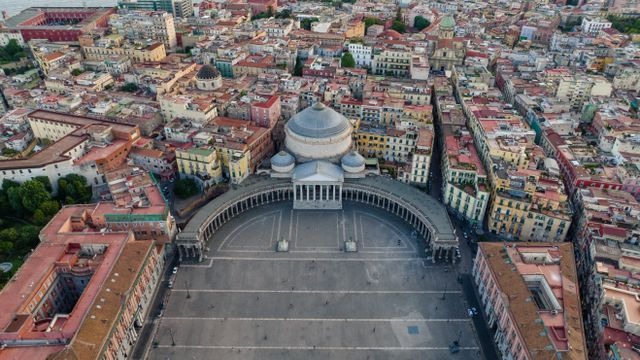
Continue into central Naples and have lunch at a pizzeria in the historic center, since this city invented the dish and still does it best. Order a classic Margherita, made with San Marzano tomatoes and buffalo mozzarella.
Practical tip: Naples pizzerias often have long lines, so arrive right at opening or expect to wait.
Evening (6 PM): Spaccanapoli and Dinner
Walk down Spaccanapoli, the narrow street that cuts straight through the old city, lined with churches, shops, and street food stalls. For dinner, try another round of pizza or a plate of spaghetti alle vongole, since Naples sits right on the water.
Ending the day with an espresso at a historic Neapolitan cafe is a fitting way to close out your one full day in the city.
From here, this 13 days in Italy itinerary heads north toward Bologna.
Day 5: Piazza Maggiore and the Two Towers in Bologna
Morning (10 AM): Piazza Maggiore
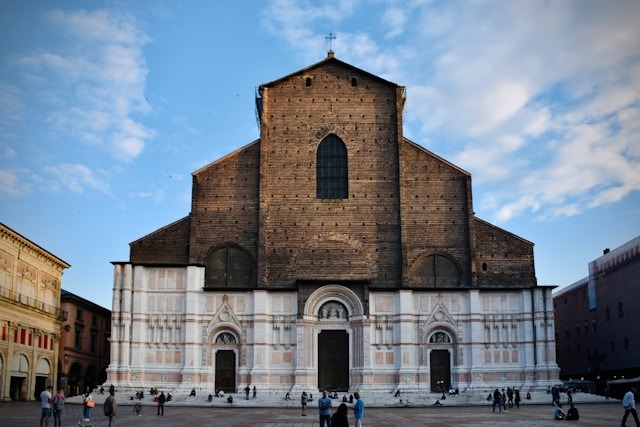
Drive north to Bologna and start at Piazza Maggiore, the central square anchored by the Basilica di San Petronio. Choosing an RV rental in Bologna makes it easy to park outside the ZTL and walk into the historic center from there.
The unfinished facade is part of what makes the building visually distinct from other Italian cathedrals.
Give yourself about an hour here before moving on to the next stop.
Practical tip: the basilica is free to enter, making it an easy first stop after a long drive.
Afternoon (12 PM): The Two Towers and Lunch
For lunch, find a trattoria near the square and order tagliatelle al ragù, the dish Bologna is famous for. It’s the true origin of what much of the world calls spaghetti bolognese.
Afterward, walk to the Two Towers, Asinelli and Garisenda, both leaning landmarks from the 12th century.
Practical tip: book ahead if you want to climb the Asinelli Tower, since walk-up tickets are no longer available.
Evening (6 PM): The Quadrilatero and Dinner
Wander into the Quadrilatero, Bologna’s historic market district, where stalls have sold fresh food for centuries. For dinner, try tortellini in brodo, small pasta parcels served in a light broth.
Closing out your one day in Bologna with a walk under the city’s covered porticoes is a good introduction to the region.
It also sets up what makes this city worth a stop on the way to Florence.
Day 6: The Duomo and the Uffizi in Florence
Morning (9 AM): The Duomo
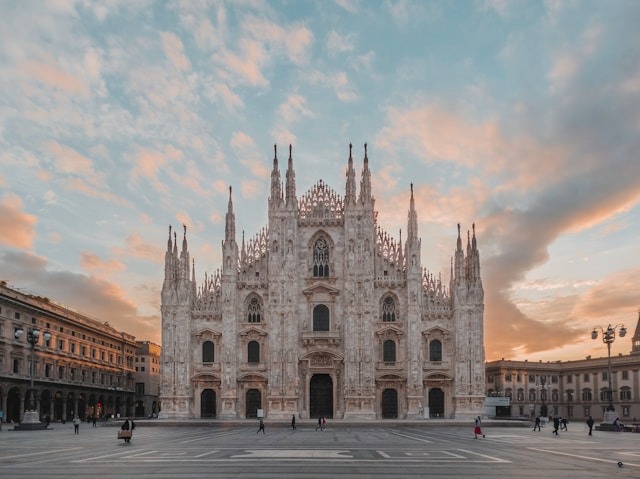
Drive to Florence and start at the Duomo, the cathedral topped by Brunelleschi’s red-tiled dome, an engineering feat still studied today. RV rental in Florence offers pickup points close to the historic center, so you’re not stuck driving through Florence’s own limited traffic zone.
Climb to the top for a view over Florence’s terracotta rooftops toward the surrounding hills.
Give yourself about two hours for the cathedral, the dome climb, and the baptistery next door.
Practical tip: Book your dome climb ticket well in advance, since spots are limited and sell out days ahead in peak season.
Afternoon (1 PM): The Uffizi Gallery
For lunch, find a quick sandwich spot near the Duomo before heading to the Uffizi Gallery. It’s home to Botticelli’s Birth of Venus and one of the world’s most important Renaissance art collections.
Focus on the museum’s most famous rooms rather than trying to see all 45 galleries.
Practical tip: Book a timed entry ticket online, since the Uffizi limits the number of visitors allowed in at once.
Evening (6PM): Piazza della Signoria and Dinner
Walk through Piazza della Signoria to see the open-air sculpture gallery and a replica of Michelangelo’s David. For dinner, order bistecca alla fiorentina, the thick T-bone steak Florence is known for, usually served for two.
Ending the night with a gelato near the Duomo is a simple, satisfying way to close out your first day in the city.
Day 7: Ponte Vecchio and Piazzale Michelangelo in Florence
Morning (9 AM): Ponte Vecchio
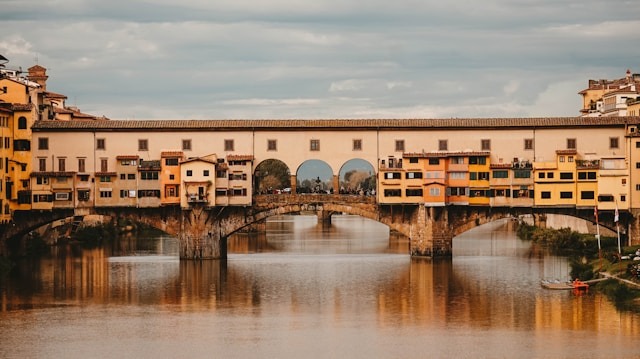
Start at the Ponte Vecchio, the medieval bridge lined with jewelry shops that has crossed the Arno since the 14th century. It’s the only bridge in Florence that survived bombing during World War II.
Give yourself about 30 minutes here before continuing across the river.
Practical tip: The bridge gets crowded by midday, so an early visit gives you clearer photos and more room to browse.
Afternoon (12 PM): The Oltrarno District
Cross into the Oltrarno district, Florence’s quieter left bank, known for artisan workshops and fewer crowds than the main tourist center. Have lunch here and try schiacciata, a flatbread sandwich that’s become a local favorite among visitors and residents alike.
Practical tip: the Oltrarno is one of the best areas in Florence for browsing leather goods made by local artisans.
Evening (6 PM): Piazzale Michelangelo and Dinner
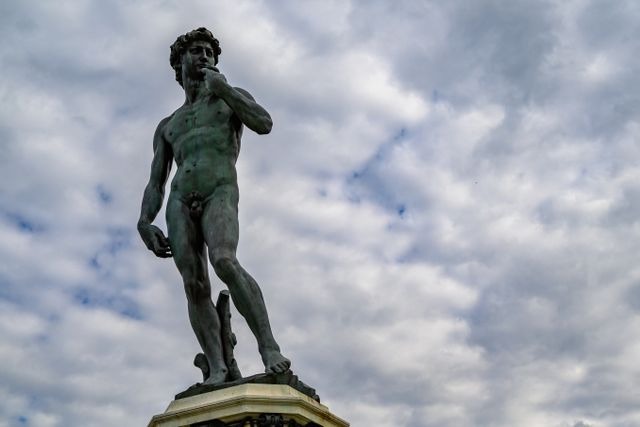
Climb to Piazzale Michelangelo for one of the best sunset views over Florence, with the Duomo and the whole historic center spread out below. For dinner, find a restaurant back in the center and try a Tuscan ribollita or another hearty regional dish.
Closing out two days in Florence with the city lit up below you is a strong way to end this stop. From here, this 13 days in Italy itinerary continues to Pisa.
Day 8: The Leaning Tower in Pisa
Morning (9 AM): The Leaning Tower and Piazza dei Miracoli
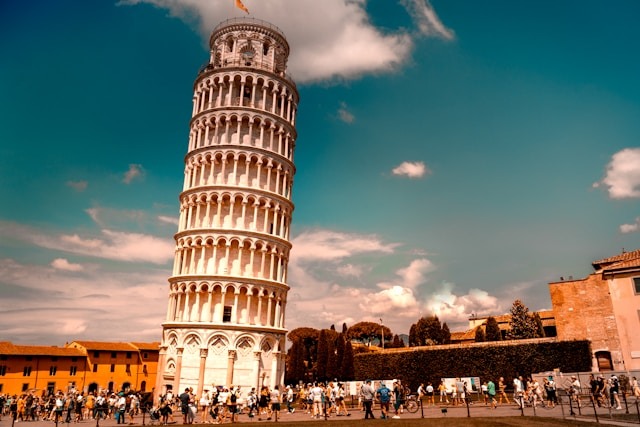
Drive to Pisa and head straight to Piazza dei Miracoli, home to the Leaning Tower, the cathedral, and the baptistery, all built from the same brilliant white marble. Picking RV rentals in Pisa makes this an easy stop even for a single day, since parking sits close to the main square.
The tower’s lean began during construction, when the soft ground beneath one side started to sink.
Give yourself about two hours here, including time to climb the tower if you book ahead.
Practical tip: Book your tower climb ticket online, since only a limited number of visitors are allowed up at a time.
Afternoon (1 PM): Lunch and the Cathedral
For lunch, try cecina, a thin chickpea flour flatbread that’s a Pisan specialty similar to Nice’s socca. Afterward, step inside the cathedral to see its striped marble interior and bronze doors.
Practical tip: The classic tilted photo spot sits on the lawn west of the tower, and it gets crowded by midday.
Evening (5 PM): Arno Riverfront and Departure
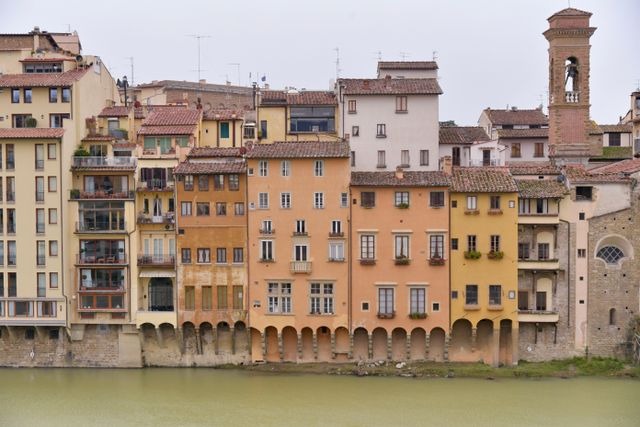
Walk along the Arno riverfront before heading out of Pisa toward Venice, since the drive takes several hours. If you have extra time, stop for an early dinner in Pisa’s city center away from the main square, where prices tend to be lower.
Pisa works well as a shorter stop on this route.
One focused day covers the city’s main draw without needing an overnight stay if your schedule is tight.
Day 9: St. Mark’s Square and the Grand Canal in Venice
Morning (9 AM): St. Mark’s Square
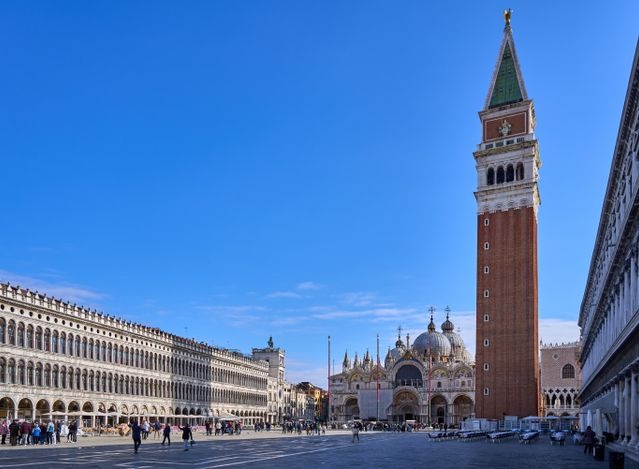
Arrive in Venice and start at St. Mark’s Square, the city’s grand central plaza framed by St. Mark’s Basilica and the Doge’s Palace.
Since Venice’s historic center bans cars entirely, an RV rental in Venice is best parked on the mainland. From there, you can take the vaporetto, the local water bus, into the city.
Give yourself about two hours for the square, the basilica, and the palace combined.
Practical tip: Book a skip-the-line ticket for the basilica, since the regular queue can run past an hour in peak season.
Afternoon (12:30 PM): The Grand Canal
For lunch, find a cicchetti bar near the square and order small Venetian tapas-style plates alongside a glass of local wine. Afterward, take a vaporetto ride down the Grand Canal, Venice’s main waterway lined with centuries-old palazzos.
Practical tip: A vaporetto day pass is worth buying if you’re planning to hop on and off throughout the day.
Evening (6 PM): Rialto Bridge and Dinner
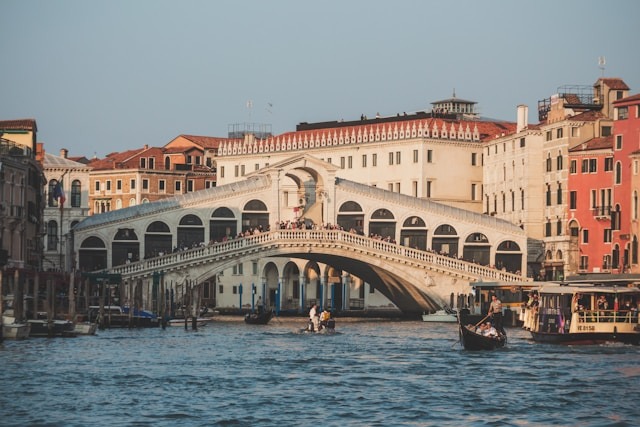
Walk to the Rialto Bridge, Venice’s oldest bridge over the Grand Canal, for a view of the boats passing underneath as the sun sets.
For dinner, try sarde in saor, sardines marinated in a sweet and sour onion mixture that’s a Venetian specialty.
Ending your first night in Venice with a walk along the canals is a fitting introduction to a city unlike anywhere else on this trip.
Day 10: Murano and Burano in Venice
Morning (9 AM): Murano
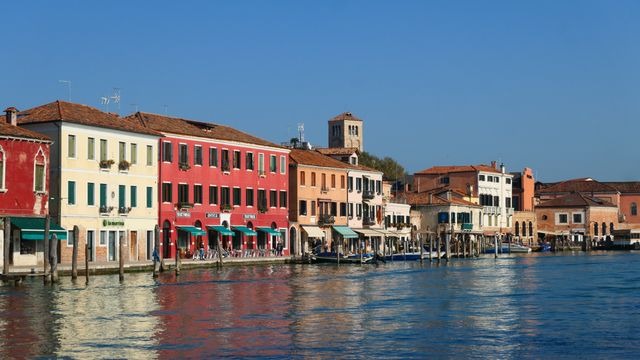
Catch a vaporetto to Murano, the island known for glassblowing since the 13th century. Watch a glassblowing demonstration at one of the furnaces along the main canal before browsing the shops for handmade pieces.
Give yourself about two hours here before continuing to the next island.
Practical tip: Genuine Murano glass carries a trademark seal, which is worth checking if you’re planning to buy a piece.
Afternoon (12:30 PM): Burano
Continue to Burano, known for its rows of brightly painted houses and centuries-old lace-making tradition. Have lunch here and order risotto al nero di seppia, a squid ink risotto that turns the whole dish black.
Practical tip: The vaporetto between Murano and Burano runs less frequently than routes closer to central Venice, so check the schedule before planning your return.
Evening (6 PM): Cannaregio and Dinner
Take the vaporetto back to Cannaregio, Venice’s largest and most residential district, for a quieter final evening. For dinner, find a canal-side spot and try a plate of fresh seafood pasta before your last night in the city.
Closing out two days in Venice with a walk through Cannaregio’s quiet streets makes a good final memory. It’s a reminder that the city still feels lived-in beyond the crowds near St. Mark’s Square.
Day 11: The Duomo and the Last Supper in Milan
Morning (9 AM): The Duomo di Milano
Drive to Milan and start at the Duomo, the marble Gothic cathedral that took nearly 600 years to complete. RV rental in Milan works well if you park outside Area C, Milan’s congestion charge zone, then take the metro or walk in.
Take the elevator up to the rooftop terraces to walk among the spires with the city spread out below.
Give yourself about two hours for the cathedral and rooftop combined.
Practical tip: Book your rooftop ticket online in advance, since same-day tickets often sell out during peak season.
Afternoon (12:30 PM): The Last Supper
For lunch, find a cafe near the Galleria Vittorio Emanuele II, the glass-domed shopping arcade connecting the Duomo to La Scala. Afterward, visit the Cenacolo Vinciano to see Leonardo da Vinci’s Last Supper, one of the most tightly controlled sights in Italy.
Practical tip: Book your Last Supper ticket months in advance, since slots are released in blocks and sell out within hours.
Evening (6 PM): Aperitivo and Dinner

As evening sets in, find a rooftop bar or terrace for aperitivo, Milan’s early-evening tradition of a cocktail served with a spread of snacks. For dinner, order cotoletta alla milanese, a breaded veal cutlet that’s a Milanese classic.
Ending your first night in Milan with the Duomo lit up in the background is a fitting close to the day.
Day 12: The Fashion District and Navigli in Milan
Morning (10 AM): The Fashion District
Spend your second morning in the Quadrilatero della Moda, Milan’s fashion district, where flagship stores from major Italian designers line a compact grid of streets. Even without buying anything, window shopping here explains why Milan is considered a global fashion capital.
Give yourself about an hour and a half here before heading to lunch.
Practical tip: Many boutiques close for a couple of hours in the early afternoon, so check opening hours before making a special trip.
Afternoon (1 PM): Sforza Castle
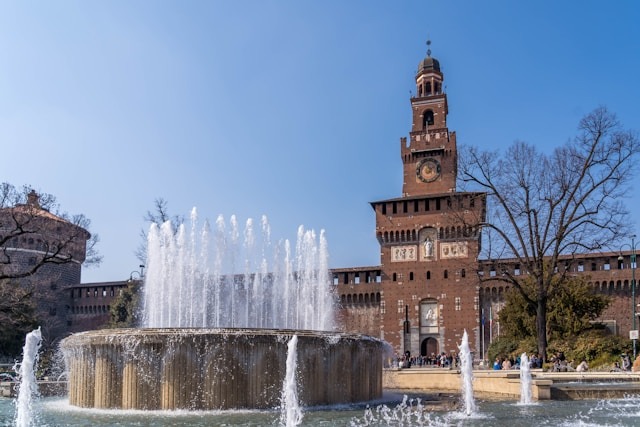
For lunch, order risotto alla milanese, the saffron-colored risotto that originated in this city. Afterward, visit Sforza Castle, a 15th-century fortress that now houses several of Milan’s museums, with courtyards free to explore even if you skip the exhibits.
Practical tip: The castle museums are free on the first Sunday of the month, so check the calendar if your dates line up.
Evening (6 PM): Navigli and Dinner
Head to the Navigli district, home to Milan’s historic canals, for aperitivo and dinner along the water. The canal-side bars fill up quickly as the sun sets, so arrive early for a good spot.
Closing out your time in Milan with dinner along the Navigli canals sets up a relaxed final night before heading to Bergamo.
Day 13: Città Alta in Bergamo
Morning (9 AM): Città Alta
Drive to Bergamo, less than an hour from Milan, and head up to Città Alta, the walled upper town connected to the modern city below by a funicular. The Venetian walls surrounding the old town are recognized as a UNESCO World Heritage Site.
Give yourself about two hours to wander the narrow streets and squares.
Practical tip: Take the funicular up rather than driving, since the streets inside Città Alta are narrow and largely closed to regular traffic.
Afternoon (12:30 PM): Piazza Vecchia and Lunch
For lunch, find a trattoria in Piazza Vecchia and order casoncelli, a stuffed pasta specialty from the Bergamo region filled with meat and served with butter and sage. Afterward, visit the Basilica di Santa Maria Maggiore for its Baroque interior.
Practical tip: The funicular also connects to San Vigilio, a smaller hilltop point with quieter views over the surrounding countryside.
Evening (5 PM): Final Views and Departure
Spend your last afternoon walking the old city walls for a final panoramic view over the Lombardy countryside before your trip wraps up.
If you’re extending your stay in the region, it’d be a good idea to pick an RV rental in Lombardy that covers pickup locations across the wider area, including Lake Como to the north.
Ending your 13 days in Italy with a quiet hilltop view over Bergamo is a calm, fitting close to a trip that covered so much ground.
Exploring Italy’s Regions: Alternative Itineraries
If a 13 days in Italy itinerary leaves you wanting more, here are three ways to explore parts of Italy this trip does not cover.
7-Day Sicily Itinerary
Sicily sits far enough south that it works best as its own trip rather than an add-on to a mainland route. This variant covers the island’s mix of Greek ruins, baroque towns, and Mount Etna.
Our RV rentals in Catania and Palermo cover pickup points at each end of the route.
- Day 1 to 2: Catania, Mount Etna, and the historic center
- Day 3: Taormina, the Greek theater and coastal views
- Day 4 to 5: Palermo, the Norman Palace and Ballarò market
- Day 6: Agrigento, the Valley of the Temples
- Day 7: Cefalù, a beach town on the northern coast
5-Day Puglia Itinerary
Puglia, the region forming Italy’s heel, has grown into one of the country’s most requested additions to a longer trip. This variant covers the region’s whitewashed towns and coastline, and RV rental in Bari makes a practical starting point for the route.
- Day 1 to 2: Bari, the old town and the waterfront
- Day 3: Alberobello, the trulli houses with cone-shaped roofs
- Day 4: Polignano a Mare, cliffside beaches and the historic center
- Day 5: Lecce, baroque architecture and the surrounding countryside
5-Day Sardinia Itinerary
Sardinia’s beaches and interior villages make it feel more distinct from the mainland than any other region in this guide. This variant covers both its coastline and quieter inland towns.
Our RV rentals in Olbia and Cagliari cover pickup points at opposite ends of the island.
- Day 1 to 2: Olbia and the Costa Smeralda coastline
- Day 3: Nuoro, the mountainous interior and traditional villages
- Day 4 to 5: Cagliari, the historic Castello district and nearby beaches
Map of Your 13-Day Italy Itinerary
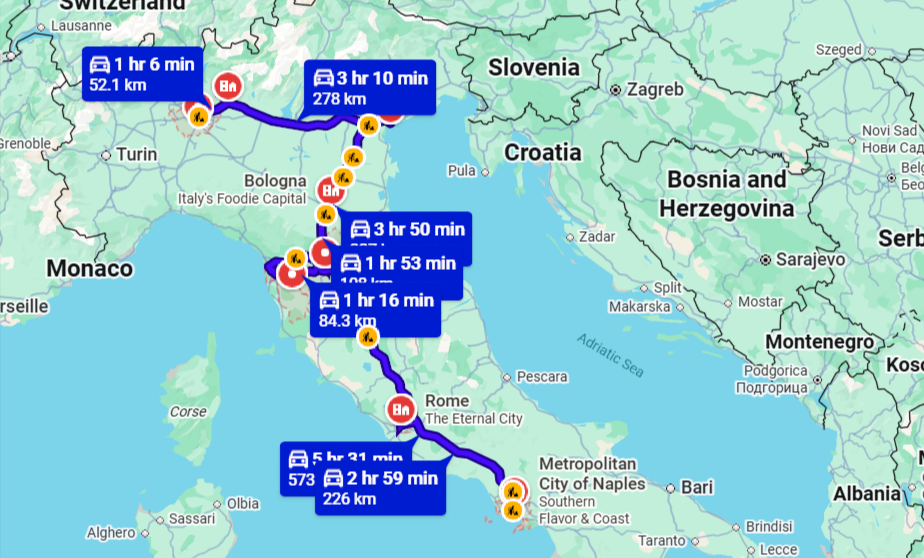
This route runs roughly north from Rome, with one detour south to Naples early in the trip, forming the backbone of this 13 days in Italy itinerary. From Rome, the drive to Naples takes about two and a half hours, and the return trip north from Naples toward Bologna covers around five hours.
From Bologna, Florence and Pisa sit close together in central Tuscany, both within about an hour and a half of Bologna and each other.
The final leg heads northeast to Venice, then back west to Milan and Bergamo, covering the longest single stretch of driving on the whole trip. Breaking the Venice to Milan drive into a full day, rather than rushing it, keeps the pace manageable.
Budgeting for Your Trip: How Much Is a Trip to Italy for 13 Days?
A 13 days in Italy itinerary can fit almost any budget. Traveling by RV helps keep accommodation and food costs down compared to booking hotels and restaurants for every meal across eight different stops.
Parking in most historic centers means dealing with a ZTL. Budgeting for campsites on the edge of each city is one of the easiest ways to plan ahead.
Costs also shift by region. Venice and Milan tend to run more expensive than Naples or Bergamo, so expect your daily spending to vary across the trip.
| Category | Budget | Mid-Range | High-End |
| Accommodation | $25 to $45 | $45 to $90 | N/A |
| Food and Drink | $35 to $55 | $55 to $100 | $100+ |
| Attractions | $20 to $40 | $40 to $75 | $75+ |
| Transport and Fuel | $15 to $30 | $30 to $50 | $50+ |
| Daily Total | $95 to $170 | $170 to $315 | $315+ |
| 13-Day Total | ~$1,235 to $2,210 | ~$2,210 to $4,095 | ~$4,095+ |
- Budget Traveler: Stay at campsites outside each city and cook most meals in the RV. You can stick to free sights like church exteriors, public squares, and city walls, saving your budget for a handful of paid tickets at the biggest attractions.
- Mid-Range Traveler: Mix cooking in the RV with sit-down meals at each stop. Pay for entry to the major sights like the Colosseum, the Uffizi, and the Last Supper. Add local transport passes in cities like Venice and Milan where a car isn’t practical.
- High-End Traveler: Book skip-the-line guided tours at the busiest attractions and dine at well-known restaurants in each city. Round out the trip with a private Pompeii tour, a gondola ride in Venice, and a tasting menu on at least a few nights.
Plan Your Dream Italian Road Trip with Indie Campers
Indie Campers gives you a large fleet of campervans and motorhomes, one-way rentals across 70+ locations, and unlimited mileage on company-owned vehicles. That combination matters most on a 13 days in Italy itinerary like this one, spanning eight stops and hundreds of miles of driving.
Flexible cancellation up to 31 days before pick-up gives you room to adjust your route if plans change. A book now, pay later option also means you can lock in your dates without paying the full amount upfront.
This works best for travelers who want to see multiple Italian regions without managing eight separate hotel bookings. Park outside each historic center, explore on foot or by local transport, and let the same vehicle carry you to the next stop.
Whether you’re a first-time renter or an experienced road-tripper, the same digital booking process applies. Browse our full range of RV rentals to compare vehicle sizes and pick the pickup point that fits your route best.
Book your campervan with Indie Campers today!
Italy Itinerary 13 Days: Your Final Planning Recap
| Category | Details |
| Best Time to Go | Spring (April to May), for mild weather across the whole country |
| Recommended Budget | $1,300 to $2,600 per person for 13 days |
| Cities to Visit | Rome (3 days), Naples (1 day), Bologna (1 day), Florence (2 days), Pisa (1 day), Venice (2 days), Milan (2 days), Bergamo (1 day) |
| Best Restaurants | Trattorias near the Colosseum (cacio e pepe); pizzerias in central Naples (Margherita pizza) |
| What to Visit? | Rome: Colosseum, Vatican / Florence: Duomo, Uffizi / Venice: St. Mark’s Square, Murano and Burano / Milan: Duomo, the Last Supper |
| Recommended Transport | RV parked outside each historic center, then walking or local transport |
| Total Distance | Approx. 900 to 950 miles (1,450 to 1,530 km) across the full route |
| Must-Try Foods | Cacio e pepe, Neapolitan pizza, tagliatelle al ragù, bistecca alla fiorentina, risotto alla milanese |
| Accommodation | Campsite pitch with RV: $25 to $90 per night |
| Perfect For | First-time visitors wanting a broad introduction to several Italian regions in one trip |
FAQs About Italy Itinerary 13 Days
How much is a trip to Italy for 13 days?
A trip to Italy for 13 days costs around $1,300 to $2,600 per person in the mid-range budget. That figure includes accommodation, food, local transport, and entry tickets across all eight stops. It does not include RV rental, which is priced separately based on vehicle type and season. Sticking to free sights like church exteriors and public squares is one of the easiest ways to bring that cost down.
Is 13 days enough to see Italy?
Yes, 13 days is enough to see Italy’s major regions if you accept that you’re sampling the country rather than covering it completely. This itinerary spends time in Rome, Naples, Bologna, Florence, Pisa, Venice, Milan, and Bergamo. That structure lets you see several distinct regions instead of rushing through one city alone.
What are the top 3 places to visit in Italy for first-timers?
The top 3 places to visit in Italy for first-timers are Rome, Florence, and Venice. Together, they cover most of the things to do in Italy in 13 days that first-time visitors ask about most. Rome anchors the country’s ancient history with the Colosseum and the Vatican. Florence carries the weight of the Renaissance through the Uffizi Gallery and the Duomo. Venice adds a canal-based city unlike anywhere else on this itinerary.
What is the most beautiful spot in Italy?
The most beautiful spot in Italy is widely considered to be the view from Piazzale Michelangelo over Florence. The Duomo and the historic center spread out below the hill in one sweeping panorama. St. Mark’s Square in Venice and the Colosseum at sunset in Rome are close runners-up. Each offers a different kind of beauty, from Renaissance skylines to ancient ruins.
What is the best way to travel in Italy for 13 days?
The best way to travel in Italy for 13 days is by RV, parked outside each city’s historic center. From there, walking or local transport covers the rest once you’re inside. Driving into a ZTL without authorization risks a fine, which parking on the edge of each city avoids entirely. This combination gives you the flexibility of a road trip without the hassle of navigating narrow historic streets by car.
What is Italy best known for?
Italy is best known for its Roman history, Renaissance art, and regional cuisine that changes dramatically from north to south. The country is also famous for landmarks like the Colosseum, the Leaning Tower of Pisa, and the canals of Venice. Its food culture varies so much by region that a 13 days in Italy itinerary can feel like visiting several different countries through their cooking alone.
Do I need to book Italy’s attractions in advance?
Yes, booking attractions in advance is essential for the Vatican Museums, the Uffizi Gallery, and Milan’s Last Supper, since all three sell out regularly during peak season. The Colosseum and the Leaning Tower of Pisa also benefit from advance booking to skip long walk-up lines. If you’re visiting during summer, book everything at least a few weeks ahead rather than a few days.
How do I plan the driving route for 13 days in Italy?
Planning the driving route for 13 days in Italy works best by grouping nearby cities together and saving the longest drives for days without major sightseeing planned. This itinerary follows a rough loop from Rome south to Naples, then north through Bologna, Florence, and Pisa, before finishing in Venice, Milan, and Bergamo. Spacing out the longest legs, like Naples to Bologna and Venice to Milan, over full driving days keeps the pace manageable. Most legs on this route take between one and a half and five hours.
Is renting an RV worth it for a 13-day Italy trip?
Renting an RV is worth it for a 13-day Italy trip if you’re visiting multiple cities, since it replaces eight separate hotel bookings with one flexible base. The RV works as your accommodation and transport across the whole route, while you park it outside each historic center to explore on foot. For a trip focused on one or two cities alone, a hotel and train combination may be simpler. The math tends to favor the RV once your itinerary includes this many stops spread across the country.