AI Summary
The Italian Alps stretch in a dramatic arc from the French border to Slovenia, encompassing jagged Dolomite peaks, tranquil alpine lakes, and charming mountain villages. For campervan travelers, this region offers something rare: the freedom to wake up beside turquoise lakes, chase the best weather across mountain passes, and access remote valleys that day-trippers never see.
We’ve designed this 10 day itinerary specifically for campervan travel, focusing on vehicle-friendly routes, legal overnight parking spots, and the practical details that make the difference between a good trip and a great one.
Why Choose a Campervan for the Italian Alps
Flexibility When It Matters
Mountain weather changes fast. With a campervan, you can adjust your route to chase clear skies or avoid afternoon storms. Miss the sunrise at Lago di Braies? Drive 20 minutes and catch it at Lago di Misurina instead.
Cost-Effective for Longer Trips
A week-long hotel stay in the Dolomites during peak season can easily exceed €1,000 per couple. Add car rental and restaurant meals, and costs climb quickly. A campervan combines accommodation and transport, with the bonus of cooking facilities!
Access to Remote Areas
Some of the Alps’ best views require early morning visits to beat the crowds. Staying in a campervan means you’re already there when the light hits the peaks.
Sustainable Travel
One vehicle, no hotel energy consumption, and the ability to visit smaller villages and support local businesses beyond the main tourist centers.
Understanding the Italian Alps: Geography & Access
The Italian Alps are divided into three distinct regions:
Western Alps (Aosta Valley)
The southern edge of the high Alps, bordering France and Switzerland. Expect dramatic 4,000m peaks, including Mont Blanc and the Matterhorn. This section offers wider valleys and excellent infrastructure for campervans.
Central Alps (Italian Lakes Region)
Gentler terrain with large lakes (Como, Garda, Maggiore) surrounded by smaller peaks. Best for shoulder season travel and combining mountain scenery with lakeside stops.
Eastern Alps (Dolomites)
UNESCO-listed jagged limestone peaks rising from alpine meadows. This is the most popular section for campervan travel, with extensive trails, rifugios (mountain huts), and established campervan infrastructure.
Main Access Points:
- Milan: Gateway to all three regions (international airport, vehicle rentals)
- Venice: Eastern access point for Dolomites
- Turin: Western access for Aosta Valley
Planning Your Italian Alps Campervan Trip
Best Time to Visit:
- June to September: Peak Season
All mountain passes are open, hiking trails are accessible, and weather is most stable. Expect crowds at popular spots like Lago di Braies and Tre Cime. Book overnight parking in advance where possible.
- May & October: Shoulder Season
Fewer tourists, lower prices, but some high passes may still be closed. Autumn offers golden larch forests in the Dolomites. Nights can be cold, ensure your campervan has adequate heating!
- December to March: Winter
Some areas become ski resort hubs (Cortina, Courmayeur). Many high-altitude roads close due to snow. Winter campervanning is possible but requires experience with winter driving and proper vehicle insulation.
Choosing the Right Campervan
Vehicle Size Considerations for Mountain Roads:
- Compact Campervans (Under 6m)
Best for: Narrow mountain roads, easier parking, accessing smaller villages
Limitations: Less interior space, smaller fresh water capacity
- Mid-Size Campervans (6-7m)
Best for: Balance of comfort and maneuverability, suitable for most alpine routes
Recommended for: Couples or small families on this itinerary
- Large Motorhomes (Over 7m)
Best for: Maximum comfort, extended trips
Limitations: Some narrow passes may be challenging, restricted parking in historic town centers
Essential Features:
- Heating system (mountain nights are cold, even in summer)
- Fresh water capacity 80L+ (mountain refill points are spaced out)
- Adequate insulation for high-altitude camping
- Kitchen facilities (restaurant options limited in remote valleys)
Understanding Italian Overnight Parking Rules
Wild Camping vs. Overnight Parking
Italy distinguishes between “camping” (setting up chairs, awnings, leveling blocks) and “overnight parking” (simply sleeping in your vehicle). Wild camping is generally prohibited, but overnight parking in designated areas is tolerated.
Where You Can Park Overnight:
- Designated Sosta Camper Areas
Official campervan parking areas with facilities (water refill, waste disposal, sometimes electricity). Usually €10 to 20 per night. Most towns in the Alps have at least one.
- Rifugio Parking Areas
Some mountain huts allow overnight parking in their lots. Check locally or call ahead. Usually free with dinner purchase at the rifugio.
- Authorized Campsites
Full-service campgrounds with showers, electricity, laundry. €25 to 45 per night depending on season and location.
Apps to Find Parking:
- Park4Night (community-reviewed spots with GPS coordinates)
- iOverlander (free camping and parking locations)
- Campercontact (European campervan spots)
- SearchForSites (campsite bookings)
What to Avoid:
- Nature reserve parking lots (heavy fines)
- Private property without permission
- Blocking mountain pass parking areas overnight
- Parking in switchback areas or narrow road sections
10 Day Italian Alps Campervan Itinerary
Day 1 and 2: Eastern Dolomites – Cortina & Tre Cime
Route: Start in Cortina d’Ampezzo (pickup from Venice: 160km, 2h 15min)
Highlights:
- Lago di Misurina: Smaller and quieter alternative to Lago di Braies, with perfect mountain reflections
- Tre Cime di Lavaredo: The Dolomites’ most iconic peaks. Three vertical limestone towers rising 1,000m above alpine meadows. The 9km loop trail is moderate and takes 3-4 hours
Campervan Tips:
- Tre Cime access road requires toll (€30 per vehicle) but includes parking at Rifugio Auronzo
- Road is narrow with hairpins, drive early (before 9am) to avoid tour bus traffic!
- Alternative: Park at Lago di Misurina and hike the longer but quieter approach trail
Overnight Parking:
- Area Sosta Fiames (Cortina): Designated camper area, €15 per night, 15 spaces, first-come basis
- Camping Olympia (near Misurina): Full facilities, €50 per night, accepts bookings
What to Eat:
Stop at Rifugio Auronzo (at Tre Cime trailhead) for canederli (bread dumplings) and a beer with a view.


Day 3 and 4: Val Gardena & Seceda
Route: Cortina to Ortisei (75km, 1h 30min via Passo Falzarego)
Highlights:
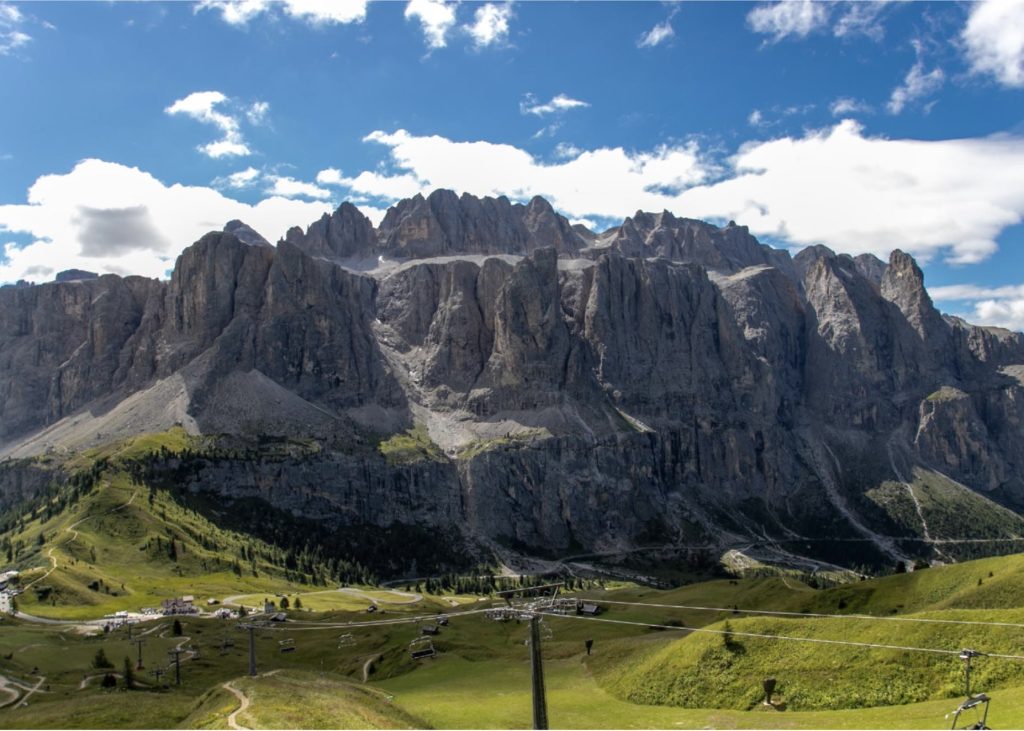
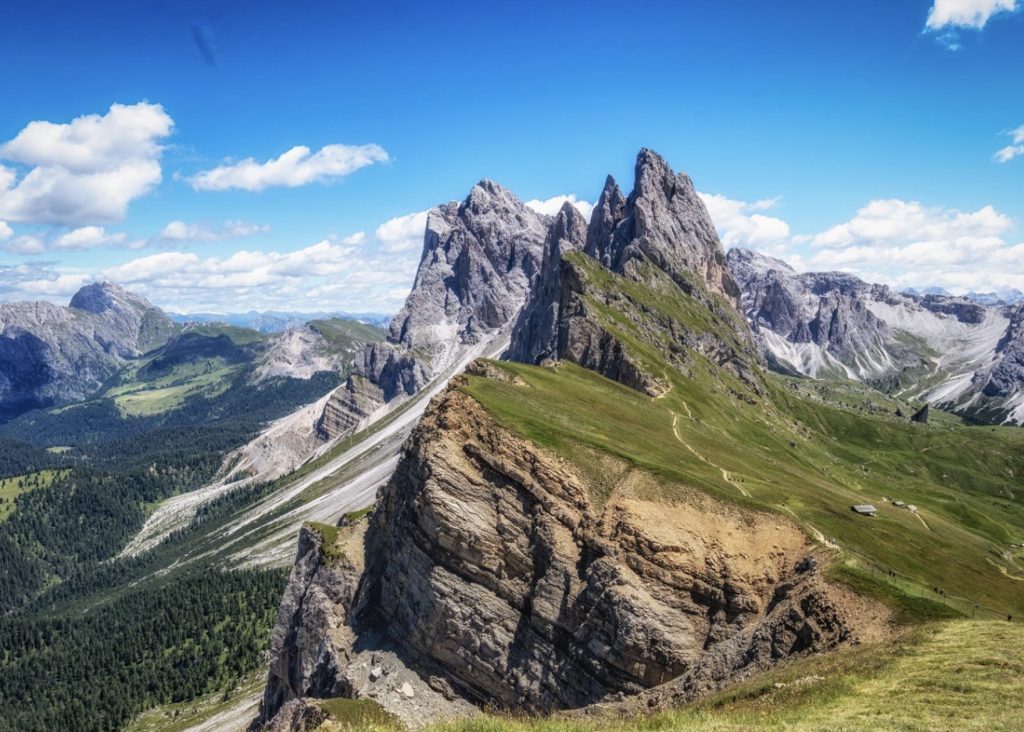
- Seceda Ridgeline: Take the Ortisei-Seceda cable car up for views of the twisted, jagged Puez-Odle massif. Walk 15 minutes to the famous ridgeline viewpoint
- Alpe di Siusi: Europe’s largest high-altitude alpine meadow (2,000m). Accessible by cable car from Ortisei or via toll road (vehicles under 2.5t only, €25)
- Passo Gardena & Passo Sella: Scenic mountain passes connecting Val Gardena to neighboring valleys
Campervan Tips:
- Cable cars don’t accommodate large backpacks—pack light for day hikes
- Alpe di Siusi toll road closes to private vehicles 9am-5pm in summer (use cable car or drive early/late)
- Fuel up in Ortisei, next stations are 30km+ away
Overnight Parking:
- Camping Seiser Alm (Alpe di Siusi): High-altitude campsite, €35/night, stunning sunrise views, heated facilities
Hike Recommendation:
Sassolungo-Langkofel Circuit (14km, 5 to 6 hours, moderate): Circumnavigate the dramatic Sassolungo massif with views into multiple valleys.
Day 5: Val di Funes
Route: Ortisei to Val di Funes (25km, 35 min)
Highlights:
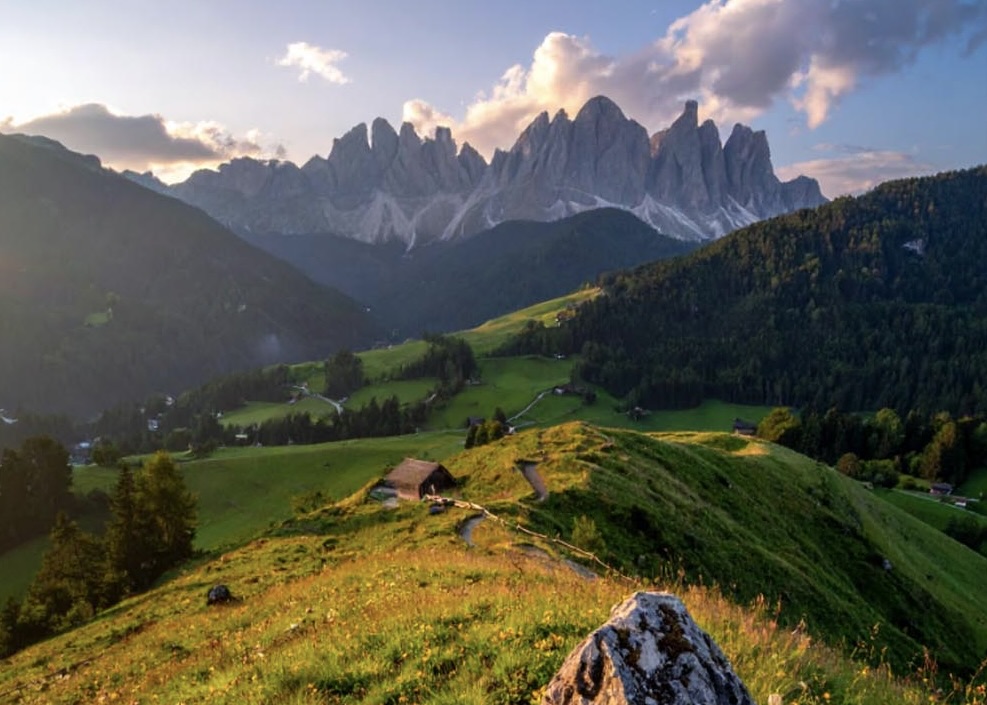
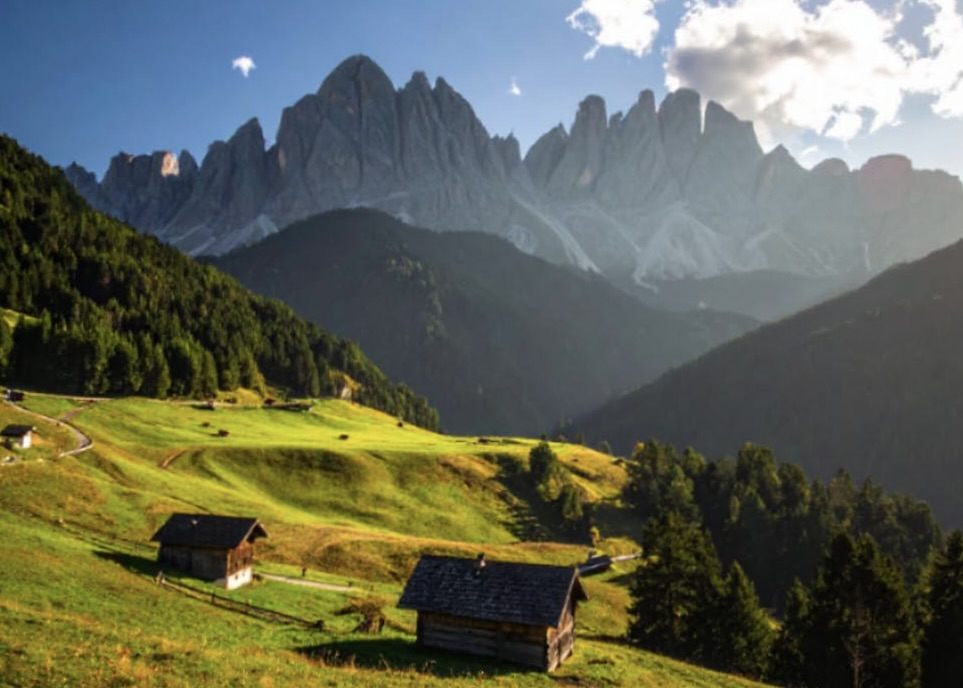
- Santa Maddalena Church: The iconic Instagram-famous chapel with the Odle-Geisler peaks rising vertically behind it. Visit at sunrise (5:30-6:30am in summer) or sunset (7:30-9pm) for the best light
- Adolf Munkel Trail: Easy 8km loop through flower-filled meadows beneath the Odle spires
- San Pietro: Quieter village with similar views, fewer crowds
Campervan Tips:
- Val di Funes is a working agricultural valley, respect private property and farming operations
- Road to Santa Maddalena is narrow; larger motorhomes should park in Ranui and walk up (2km)
- The valley gets incredibly busy 6-9am and 5-8pm with photographers
Overnight Parking:
- Camping Sass Dlacia (Val di Funes): Small family campsite, €28/night, restaurant on-site
- Parking near Ranui: Limited free overnight parking tolerated in Ranui village lot (donation box)
Day 6: Lago di Braies & Passo di Stelvio
Route: Val di Funes to Bormio via Lago di Braies (180km, 3h 30min)
Highlights:
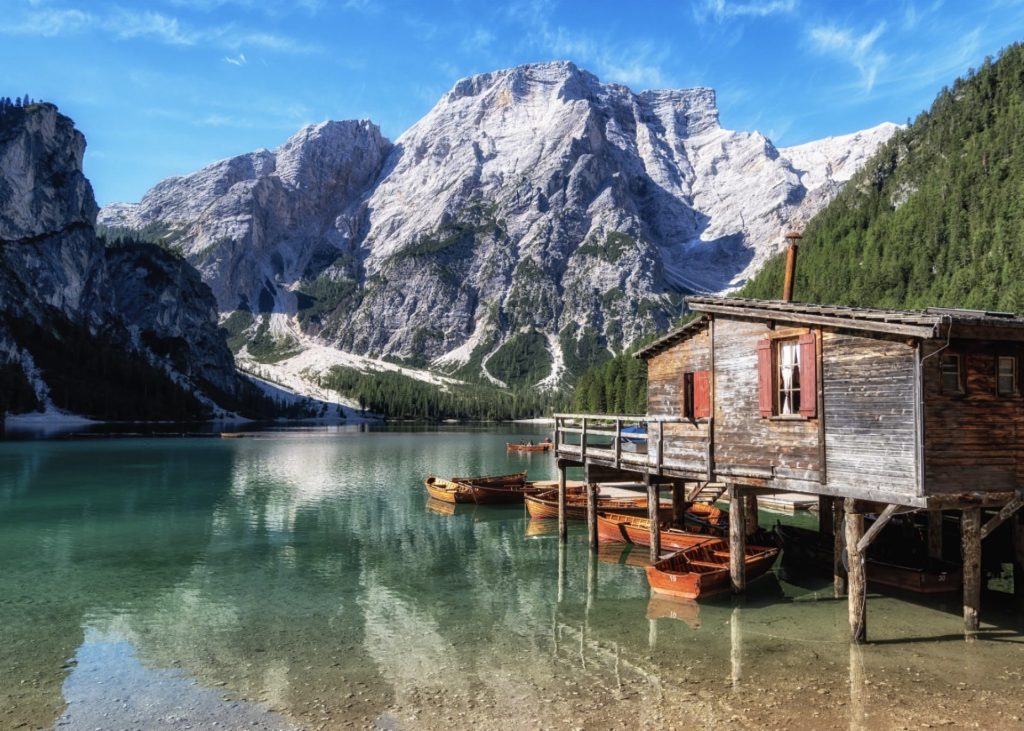
- Lago di Braies (Pragser Wildsee): The Dolomites’ most photographed lake. Turquoise water reflects the Seekofel peak. Walk the 3.5km perimeter trail or rent a wooden rowboat
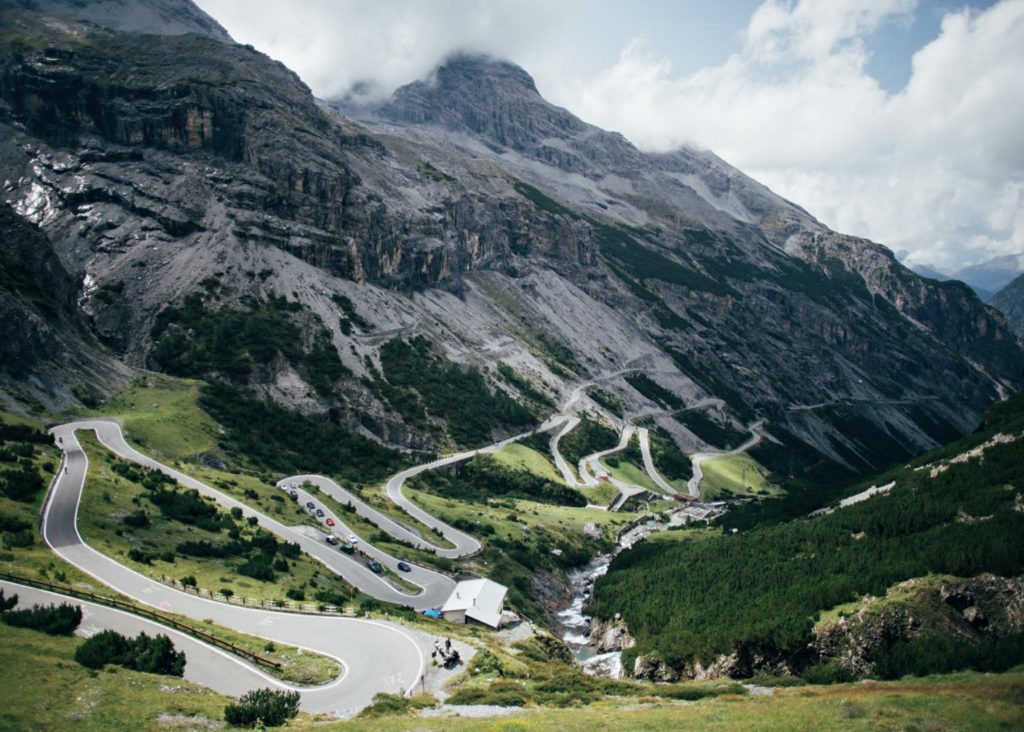
- Passo dello Stelvio: One of Europe’s highest paved mountain passes (2,758m) with 48 hairpin bends. Open June to October only
Campervan Tips:
- Lago di Braies parking is heavily restricted in summer (requires advance online booking €16-23 depending on time). Alternative: Arrive before 7am or after 7pm when restrictions lift
- Stelvio Pass is manageable for campervans but requires confidence with narrow switchbacks. Descend in low gear to avoid brake overheating
- Weather at 2,758m can be unpredictable, carry warm layers!
Overnight Parking:
- Area Sosta Bormio: Camper area near town center, walking distance to restaurants
- Camping Verde blu (near Stelvio): thermal spa access nearby
Alternative Route:
If Stelvio Pass is closed or you prefer easier driving, take SP301 via Passo di Resia (1,504m), gentler gradients, still scenic.
Day 7 and 8: Aosta Valley & Mont Blanc Region
Route: Bormio to Courmayeur (200km, 3h 30min via SS38)
Highlights:
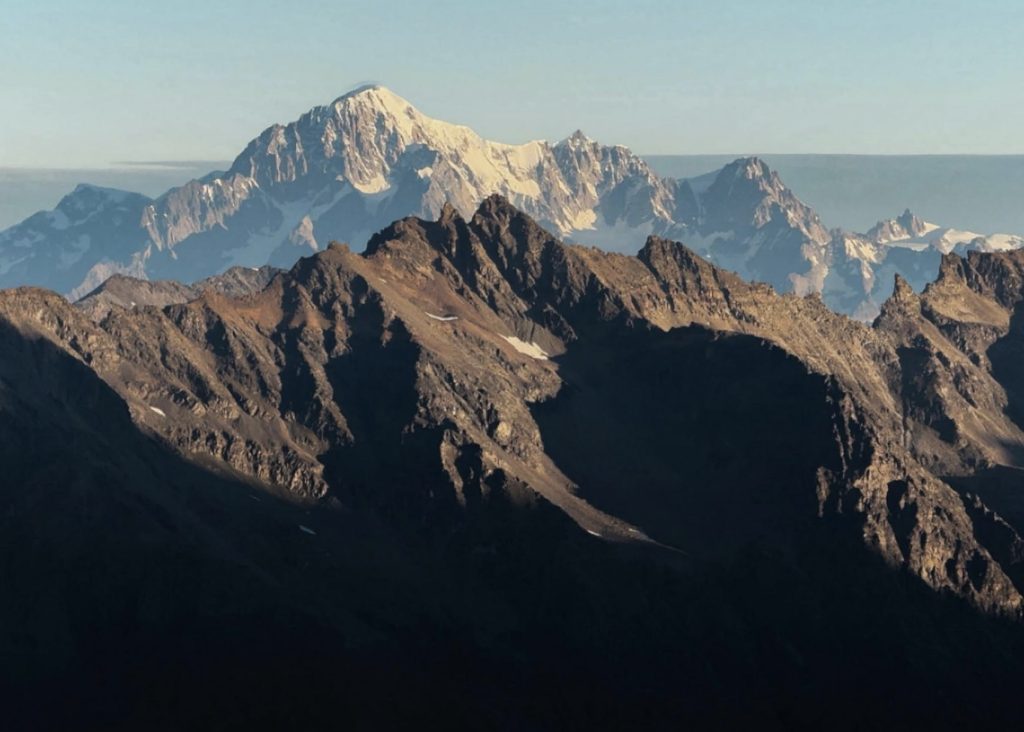
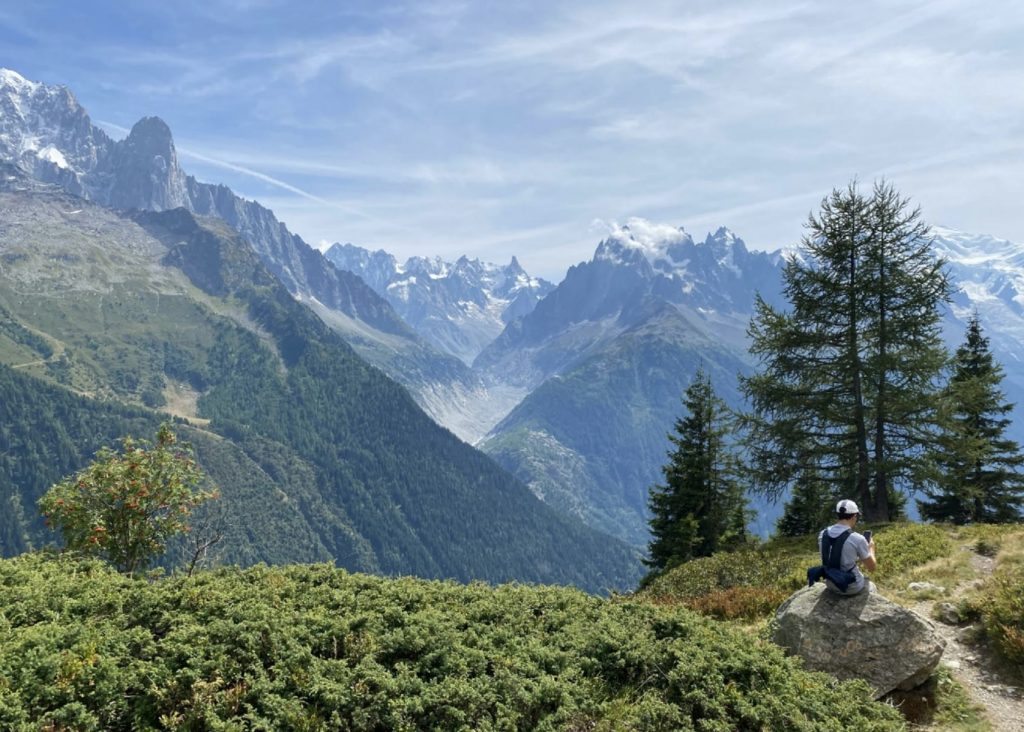
- Courmayeur: Charming alpine town beneath Mont Blanc. Less crowded than French side (Chamonix)
- Skyway Monte Bianco: Rotating cable car to 3,466m on Mont Blanc massif. Clear-day views span Switzerland, France, and Italy
- Gran Paradiso National Park: Italy’s oldest national park. Spot ibex, chamois, and golden eagles on trails from Cogne or Valsavarenche
Campervan Tips:
- Courmayeur town center restricts vehicle access, park in designated areas outside
- Mont Blanc Tunnel (Italy to France): €50+ toll for vehicles over 2m, plan accordingly if crossing to France
- Cogne approach road has tight tunnels; vehicles over 3m height should check clearances
Overnight Parking:
- Area Camper Dolonne (Courmayeur): Designated parking, waste disposal
- Camping Monte Bianco (Morgex): Full campsite, €30/night, 10km from Courmayeur
- Valnontey (Cogne valley): Free roadside parking tolerated at trailheads (no services)
Hike Recommendation:
Val Veny Trail: Easy valley walk beneath Mont Blanc’s south face, passing alpine lakes and rifugios (10-15km, flexible distance).
Day 9: Lake Como
Route: Courmayeur to Como (210km, 3h)
Highlights:
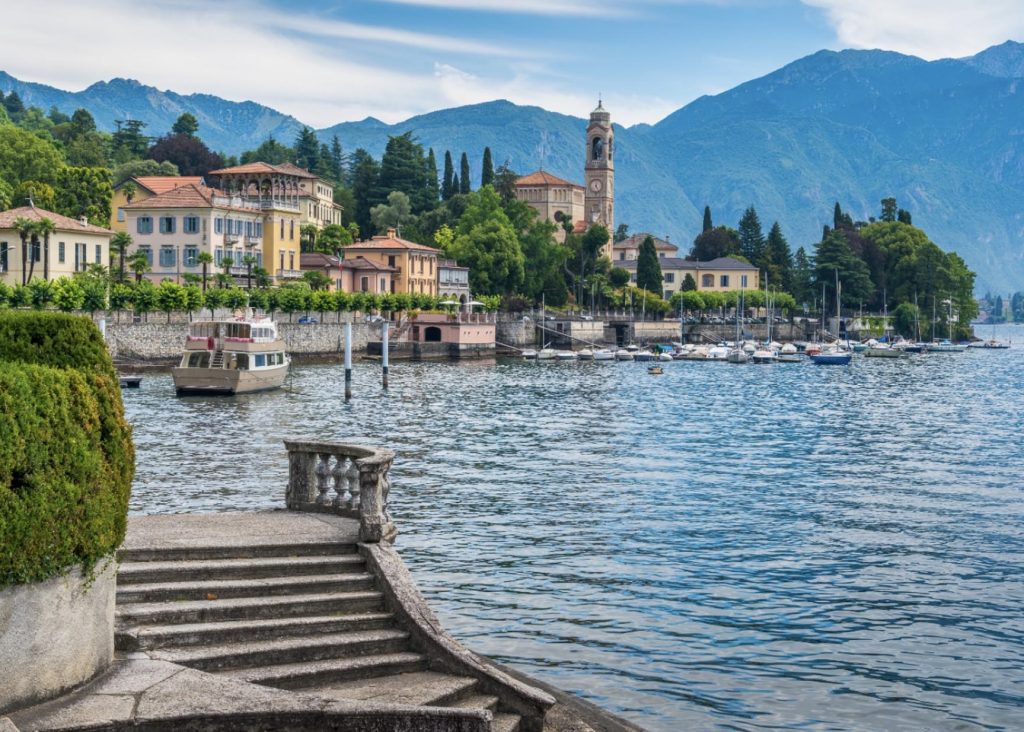
- Como Town: Walk the lakefront promenade, explore the Romanesque cathedral, take the funicular to Brunate for panoramic lake views
- Bellagio: The “Pearl of Lake Como.” Ferry over from Como (vehicles not allowed, foot passengers only)
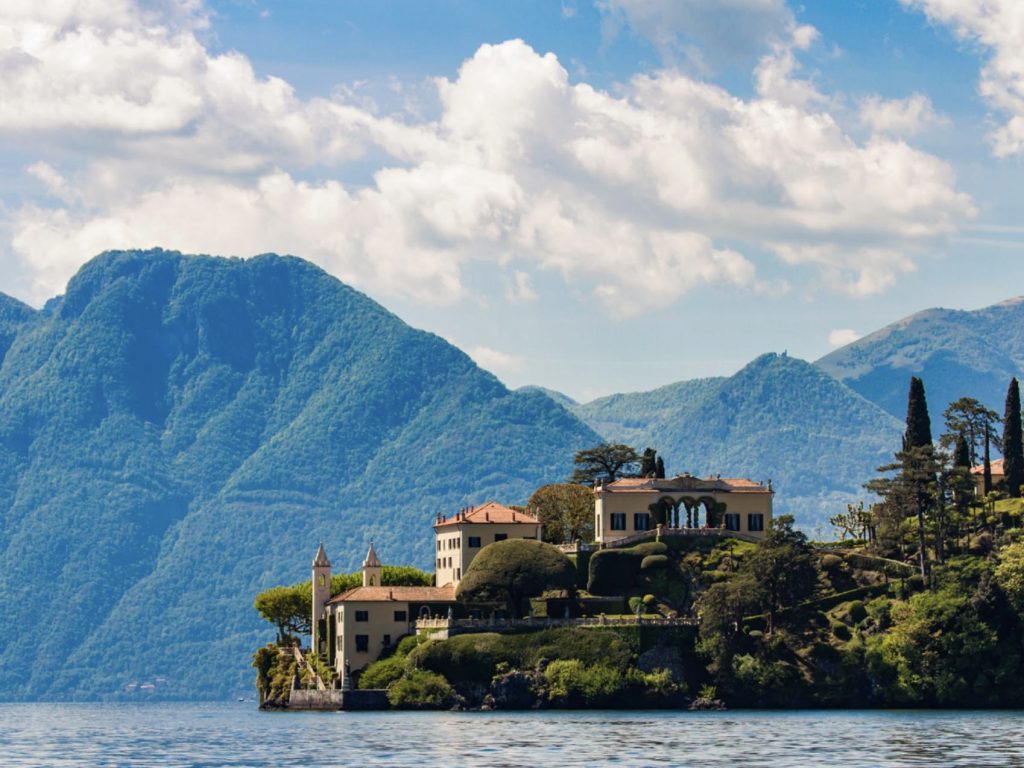
- Villa del Balbianello (Lenno): 18th-century villa with famous terraced gardens, used as a James Bond filming location
Campervan Tips:
- Lake Como villages have very limited campervan parking, historic centers are restricted
- Ferry system is excellent for exploring lake villages; park campervan at campsite and take boats
- Como town Sosta area is small (10 spaces) and fills early
Overnight Parking:
- Area Sosta Como: In-town camper parking, often full
- Camping La Romantica (Menaggio): Lakeside campsite, boat access to villages
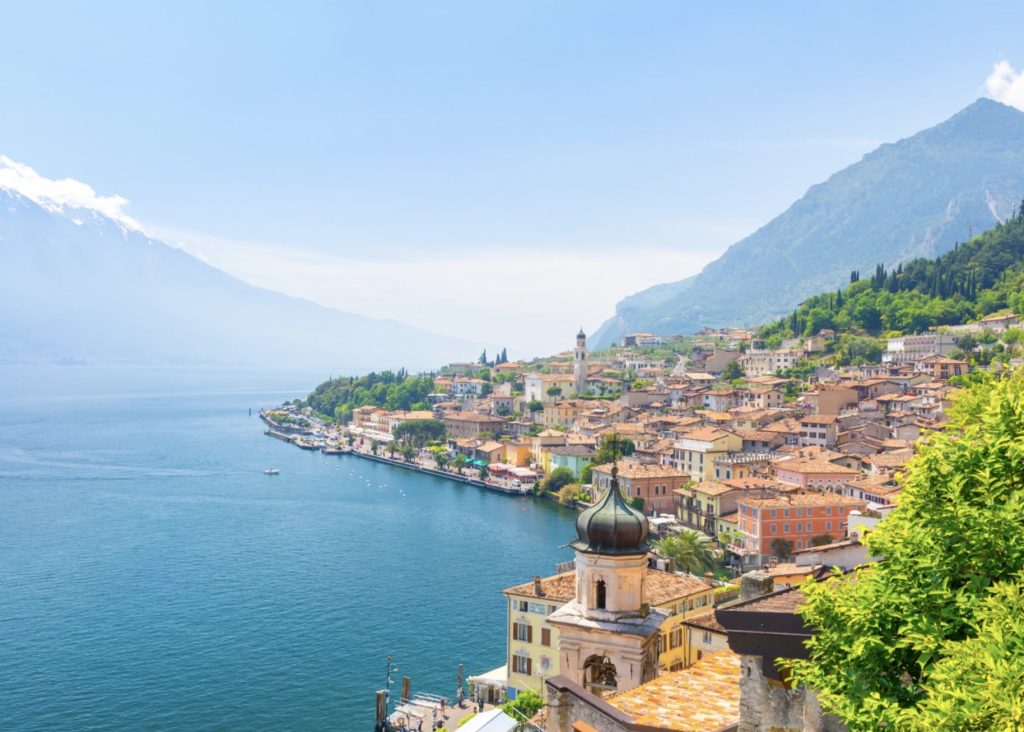
Day 10: Lake Garda & Return
Route: Como to Riva del Garda (180km, 2h 45min) → Return to Milan/Verona/Venice
Highlights:
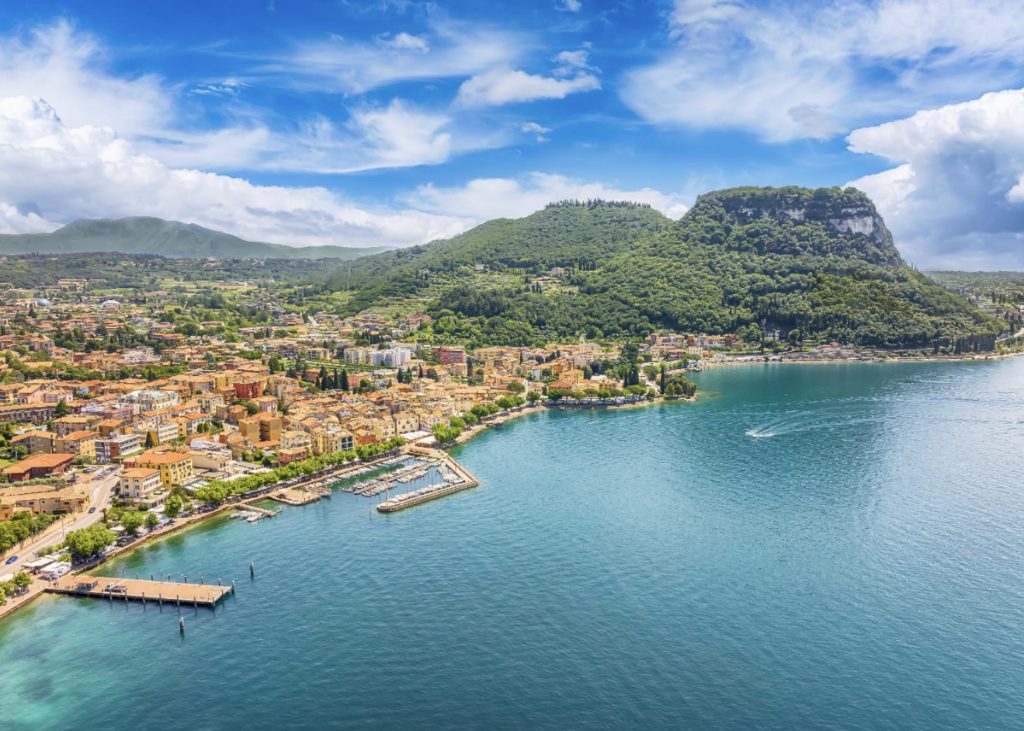
- Riva del Garda: Northern tip of Lake Garda where mountains plunge into the water. Watersports hub (windsurfing, sailing)
- Strada della Forra (SP38bis): Dramatic cliffside road carved into the rock on Garda’s west shore
- Sirmione: Southern lake town with Roman ruins and thermal springs (optional extension if time allows)
Campervan Tips:
- Strada della Forra is narrow and winding—large motorhomes may prefer the easier east shore route
- Summer weekends at Lake Garda are heavily congested—travel mid-week if possible
Final Stop Parking:
- Area Sosta Riva del Garda: Lakeside camper area, €15/night
Campervan Specific Practical Information
Mountain Pass Status & Restrictions
Passes Typically Open June-October:
- Passo dello Stelvio (2,758m) – closes first, usually mid-October
- Passo Pordoi (2,239m)
- Passo Gardena (2,121m)
- Passo Giau (2,236m)
Vehicle Restrictions:
- Trailers/caravans prohibited on some narrow passes (Stelvio, Giau)
- Weight limits on some seasonal toll roads (Alpe di Siusi: 2.5t max)
- Width restrictions on historic town centers (typically 2.2m max)
Refilling Water & Waste Disposal
Service Point Locations:
- Most designated Sosta Camper areas have water refill and grey/black water disposal
- Larger campsites allow non-guests to use facilities for €5 to 10
- Use Park4Night app and filter for “Service Points”
Drinking Water:
Mountain village fountains (fontane) are often potable. Look for “acqua potabile” sign. When in doubt, ask locals.
Fuel Costs & Stations
Current Fuel Prices (2025):
- Diesel: €1.65 to 1.85 per liter (mountain areas more expensive)
- Petrol: €1.75 to 1.95 per liter
Fuel Up Before:
- Mountain passes (Stelvio, high Dolomites)
- Small valleys (Val di Funes, Val Veny)
- Sunday mornings (many stations closed or unmanned)
Typical Consumption:
Mid-size campervan: 10-12 L/100km on mountain roads. Budget €150 to 200 for this 10 day itinerary (1,200km total).
Toll Roads
Autostrada Tolls:
- Milan to Bolzano (A4/A22): ~€18
- Milan to Aosta (A5): ~€12
Mountain Road Tolls:
- Tre Cime access road: €30
- Alpe di Siusi toll road: €25
- Private roads to some rifugios: €5 to 10
Safety & Emergency
Mountain Driving Safety:
- Descend steep passes in low gear (2nd or 3rd), don’t ride brakes continuously
- Pull over in designated areas to let faster traffic pass
- Watch for cyclists on narrow mountain roads
- Rockfall is possible, obey warning signs!
Emergency Numbers:
- General Emergency: 112
- Mountain Rescue: 118
- Roadside Assistance: Your rental company’s emergency number (save in phone)
Weather Alerts:
Afternoon thunderstorms are common in mountains July-August. Lightning risk is real above treeline, descend if storms approach.
What to Pack
Essential Gear:
- Warm layers (fleece, down jacket) – temperatures drop at altitude even in summer
- Waterproof jacket and trousers
- Sturdy hiking boots with ankle support
- Headlamp (for early sunrise hikes, nighttime parking)
- Offline maps (Google Maps offline or Komoot app)
- Power bank for phone/camera
- First aid kit with blister treatment
- Sunscreen SPF 50+ (UV is stronger at altitude)
- Refillable water bottle (1.5L minimum)
- Insect repellent (mosquitoes near lakes and rivers)
Campervan Extras:
- Leveling blocks (mountain parking is rarely flat)
- Extra fresh water containers (in case you camp remotely)
- Headlamp or portable light
- Extension cord with European plug
- Clothes drying line
- Bear-proof food storage bags (in national parks)
Regional Highlights: What Not to Miss
Best Hikes by Difficulty
Easy (Suitable for Families):
- Val di Funes panorama trail (4km, 1h)
- Alpe di Siusi meadow walk (flexible distance)
- Lake Misurina perimeter (2.5km, 30min)
Moderate:
- Tre Cime di Lavaredo loop (9km, 3 to 4h)
- Seceda to Col Raiser (12km, 4 to 5h)
- Sass Pordoi to Rifugio Forcella Pordoi (6km, 2 to 3h)
Challenging:
- Sassolungo-Langkofel circuit (14km, 5 to 6h)
- Lago di Sorapis (12km, 4 to 5h, steep sections)
- Brenta Dolomites via ferrata routes (full day, equipment required)
Photography Spots
Best Sunrise Locations:
- Santa Maddalena, Val di Funes (5:30 to 6:30am)
- Lago di Braies (6:00 to 7:00am)
- Seceda ridgeline (5:30 to 6:30am)
Best Sunset Locations:
- Tre Cime di Lavaredo (8:00 to 9:00pm)
- Alpe di Siusi with Sassolungo (8:30 to 9:30pm)
- Lago di Misurina (8:00 to 9:00pm)
Golden Hour Tip:
Dolomite rock glows pink-orange during alpenglow (30 minutes after sunset). This is often more spectacular than the sunset itself.
Food & Drink
Regional Specialties to Try:
Trentino-Alto Adige (Dolomites):
- Canederli: Bread dumplings with speck (smoked ham) or cheese, served in broth
- Speck: Dry-cured smoked ham
- Kaiserschmarrn: Sweet shredded pancake with powdered sugar and jam
- Strudel: Apple strudel (Austrian influence)
- Schlutzkrapfen: Half-moon shaped pasta filled with spinach and ricotta
Aosta Valley:
- Fontina cheese: Melted in fonduta (fondue)
- Polenta: Cornmeal porridge, served with stews
- Carbonada: Beef stew with red wine
- Mocetta: Cured chamois or ibex meat
Where to Eat:
- Rifugios (mountain huts): Simple, hearty meals with incredible views. Expect to pay €15-25 for a main course
- Village trattorias: Family-run restaurants serving local dishes. €20-35 per person
- Groceries: Coop and Despar supermarkets in larger towns. Stock up before heading into valleys
Wine:
Alto Adige is excellent wine country. Try Lagrein (red) or Gewürztraminer (white). Trentino produces quality Teroldego.
Alternative Routes & Extensions
Shorter 5 Day Itinerary:
Focus on Dolomites only: Cortina → Val Gardena → Val di Funes → Lago di Braies → Return
Extend to 14 Days:
Add: Brenta Dolomites (2 days), Verona & Lake Garda (2 days), Austrian Tyrol loop (2 days)
Cross-Border Options:
- Austria: Innsbruck and Ötztal Valley (2 to 3 days)
- Switzerland: Zermatt and St. Moritz via Great Saint Bernard Pass (3 to 4 days)
- Slovenia: Julian Alps and Lake Bled (2 days from eastern Dolomites)
Winter Ski Version:
Base yourself in Cortina (3 days) → Val Gardena/Alpe di Siusi (3 days) → Courmayeur (3 days). Requires winter driving experience and appropriate vehicle.
Budgeting Your Italian Alps Campervan Trip
10 Day Cost Estimate (2 People):
Campervan Rental: €900 to 1,200 (mid-size van, June-September)
Fuel: €180 to 220 (1,200km)
Overnight Parking: €150 to 200 (mix of Sosta/campsites)
Food & Groceries: €250 to 350 (cooking most meals)
Restaurant Meals: €150 to 250 (4 to 5 meals out)
Cable Cars & Attractions: €100 to 150 (Seceda, Skyway, etc.)
Tolls & Road Access: €80 to 00
Miscellaneous: €100
Total: €1,910 to 2,670 per couple (€95 to 133 per person/day)
Comparison:
Equivalent trip with hotels + car rental: €3,500 to 5,000 for two people.
Sustainable Campervan Travel in the Alps
Leave No Trace Principles:
- Use designated waste disposal points, never dump grey water in nature
- Stay on marked trails when hiking
- Pack out all rubbish, including organic waste
- Respect wildlife, observe from distance, never feed animals
- Use biodegradable soap for washing (even at campsites)
Support Local:
- Buy groceries at village markets instead of highway supermarkets
- Eat at family-run rifugios
- Purchase local products (cheese, honey, crafts) directly from farms
- Choose smaller campsites over large commercial ones when possible
Reduce Impact:
- Avoid idling engine for heating, use propane heater if cold
- Consolidate driving days to reduce fuel consumption
- Visit popular spots at off-peak times (early morning, late afternoon)
- Consider visiting in shoulder season (May, September) for smaller ecological footprint
Final Thoughts
The Italian Alps offer campervan travelers a rare combination: world-class scenery, excellent infrastructure, and the freedom to explore at your own pace. Unlike guided tours or fixed hotel bookings, a campervan lets you adapt to weather, discover quiet valleys when popular spots are crowded, and wake up to views that most travelers only see for a few hours.
This itinerary balances iconic destinations (Tre Cime, Lago di Braies) with quieter alternatives (Val di Funes at sunrise, Gran Paradiso National Park). The Dolomites will be busy in peak summer, embrace it by arriving early or late in the day, and you’ll have your pick of incredible moments.
Most importantly: slow down. The best campervan trips aren’t about ticking off every destination. They’re about waking up without an alarm, taking the detour because the light looks perfect, and realizing that the view from your campervan window beats most hotels’ five-star vistas.
Ready to Start Your Italian Alps Adventure?
Explore our campervan fleet and choose the perfect vehicle for your alpine road trip. All our campervans come with:
- Comprehensive insurance coverage
- 24/7 roadside assistance
- Unlimited mileage
- Full kitchen facilities and heating
- Detailed handover with driving tips
Pick-up locations in Italy: Milan, Venice, Rome
Flexible drop-off: Return to a different location for one-way trips
Book your campervan for Italy and start planning your journey through Europe’s most spectacular mountains.