Key Takeaways (TL;DR)
- Why Go In September: Post-Labor Day America is quieter, cooler, and cheaper than July or August – and the first fall colors in the Northeast and Rockies typically arrive in the final weeks of the month, making it the sweetest spot between summer and autumn proper.
- Top Places to Visit in the USA in September 2026: Acadia National Park (ME), Sedona (AZ), Asheville (NC), Portland (OR), Rocky Mountain National Park (CO), San Francisco (CA), Nashville (TN), New Orleans (LA), Olympic Peninsula (WA), Door County (WI) are some of the best places to visit in USA in September.
- Don’t Miss Experience: Catching sunrise from the summit of Cadillac Mountain in Acadia – you’re the first person in the contiguous US to see the sun rise, and in September the air is crisp enough to make it feel earned.
- Ideal Trip Length: 10-14 days gives you enough time to string together 3-4 destinations without the feeling of constantly packing up.
- How to Choose the Right City: If you want foliage and outdoor hiking, head northeast or into the Rockies. If warm weather and culture are your priority, look south or west.
- Recommended Budget Per Person: $90-$180/day excluding RV rental, covering meals, activities, and campground fees. National park entry passes ($35 per vehicle) are worth buying once for the whole trip.
- Watch Out For: Hurricane season still affects the Gulf Coast and Southeast through September. Check forecasts before heading to New Orleans or coastal Florida. Some higher-elevation campgrounds in Colorado begin closing after Labor Day weekend.
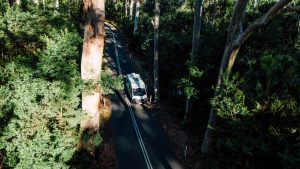
- Where To Stay: An Indie Campers RV rental is the practical choice for September travel – campsite availability is strong post-Labor Day, and one-way rentals let you drive point-to-point rather than backtracking.
- Best For: Road-trippers who want the beauty of peak summer without the peak-season stress – couples chasing fall color, families on flexible schedules, and solo adventurers covering ground efficiently.
Table of Contents
- Top Cities to Visit in the USA in September 2026: at a Glance
- Best Places to Visit in the USA in September
- What Should You Pack for a USA Road Trip in September
- Final Expert Tips for USA Road Travel in September
- Explore the USA in September with Indie Campers
- Everything You Need to Know About USA RV Roadtrips in September
- FAQs About Where to Go in USA in September
Best Places to Visit in September USA: At a Glance
| City | State | Vibe | Best For | Top Activities | Avg. Temp (°F) | Ideal Stay | Crowd Level | RV-Friendly |
| Acadia NP | Maine | Wild & scenic | Nature lovers, couples | Hiking, cycling, Cadillac sunrise | 55-70°F | 3-4 nights | Low-Medium | ✅ |
| Sedona | Arizona | Red rock desert | Hikers, spiritual travelers | Jeep tours, canyon hikes, stargazing | 75-90°F | 2-3 nights | Medium | ✅ |
| Asheville | North Carolina | Artsy mountain town | Foodies, couples | Blue Ridge Parkway, Biltmore, craft beer | 60-75°F | 3-4 nights | Medium | ✅ |
| Portland | Oregon | Cool, creative, green | Foodies, solo travelers | Food carts, Forest Park, wine country | 58-72°F | 3-4 nights | Low | ✅ |
| Rocky Mountain NP | Colorado | Alpine grandeur | Hikers, wildlife watchers | Elk rut, Trail Ridge Road, aspen hikes | 45-65°F | 3-4 nights | Low-Medium | ✅ |
| San Francisco | California | Iconic & layered | First-timers, road-trippers | Golden Gate, Muir Woods, PCH drive | 55-68°F | 2-3 nights | Medium | ⚠️ |
| Nashville | Tennessee | Music, food, energy | Groups, couples | Live music, hot chicken, Jack Daniel’s | 65-80°F | 2-3 nights | Medium | ✅ |
| New Orleans | Louisiana | Bold & festive | Culture seekers, foodies | French Quarter, jazz clubs, bayou tours | 75-88°F | 2-3 nights | Low-Medium | ⚠️ |
| Olympic Peninsula | Washington | Remote & rainforest-wild | Adventurers, nature lovers | Hoh Rainforest, Hurricane Ridge, Ruby Beach | 50-65°F | 3-5 nights | Low | ✅ |
| Door County | Wisconsin | Quiet lakeside charm | Families, couples | Fall colors, apple picking, lighthouse trail | 55-68°F | 2-3 nights | Low | ✅ |
Best Places to Visit in the USA in September
- Acadia National Park, Maine
The Vibe
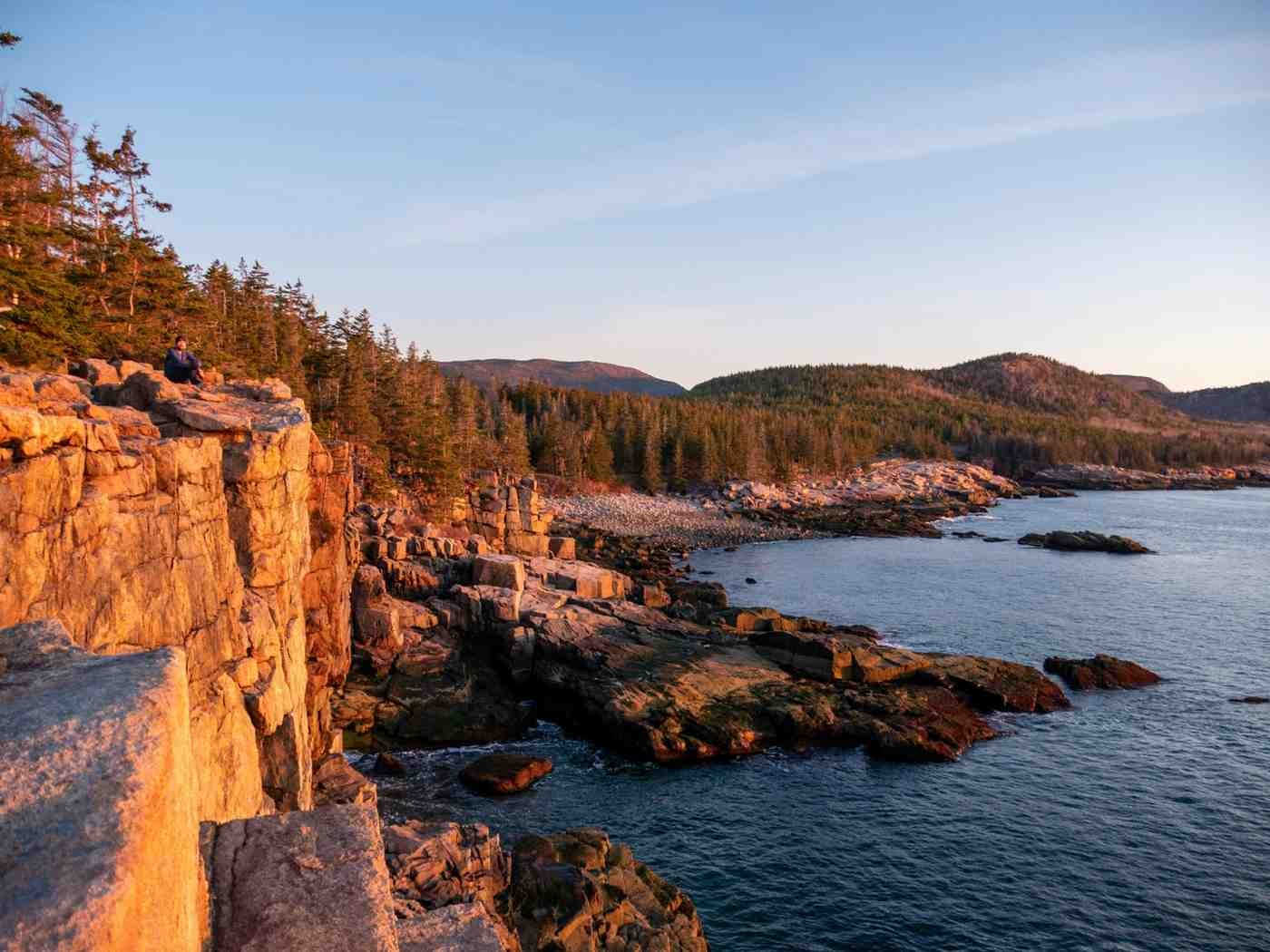
Acadia is one of the best places to visit in the USA, and nowhere is that clearer than in September. The park sits on Mount Desert Island off the Maine coast, where rocky shorelines drop into the Atlantic and dense spruce forests climb granite peaks above sweeping ocean views. After Labor Day, the summer rush simply evaporates.
The carriage roads go quiet, the campfire smell drifts through the evening air, and the first splashes of red and gold start appearing in the tree canopy.
Bar Harbor, the small town at the park’s edge, shifts from hectic summer resort to something much more pleasant – local restaurants still run full menus, but the waits disappear. The pace here is genuinely unhurried, shaped by the tides and the light rather than any itinerary.
Top Things to Do
Cadillac Mountain Sunrise
Cadillac Mountain is the highest point on the eastern seaboard and, between early March and early October, the first place in the continental US where the sun rises.
Catching it in September means crisp air, clear skies, and a view that stretches from the Atlantic to the Maine interior. The summit road requires a timed-entry reservation – book via Recreation.gov several weeks out.
Jordan Pond Path
This 3.2-mile loop around Jordan Pond is one of the most accessible and visually rewarding hikes in the park – which makes it one of the most renowned places to visit in September in the USA.
The water is remarkably clear, the surrounding hills (known as “The Bubbles”) reflect perfectly on calm mornings, and September light turns the whole scene golden. End at the Jordan Pond House for the traditional popovers with butter and jam.
Carriage Roads by Bike
John D. Rockefeller Jr. funded 45 miles of broken-stone carriage roads that wind through Acadia without a single motorized vehicle allowed.
In September, the forest canopy has just started to turn and the roads are far less crowded than in July. Rent bikes in Bar Harbor and spend half a day connecting the loops near Eagle Lake.
Ocean Path & Thunder Hole
A flat, 4-mile round-trip path along the rocky shore connects Sand Beach to Otter Cliff.
Along the way, Thunder Hole is a narrow sea channel where incoming waves compress into a crashing boom you can feel in your chest. September swells tend to be active, making this the best month to catch a dramatic show.
Sea Kayaking in Frenchman Bay
Guided sea kayak tours launch from Bar Harbor into the calm waters of Frenchman Bay, with views of the park’s coastline and; with luck – harbor seals.
September water temps hover around 60°F, comfortable with a wetsuit, and the foggy mornings that are so characteristic of the Maine coast burn off by mid-morning.
Don’t Leave Without…
A lobster roll from a dockside shack in Bernard or Tremont on the quiet southwest side of Mount Desert Island – not Bar Harbor, where lines are still long. Ask for it warm with butter, not cold with mayo.
RV Practical Info
- Road conditions: Excellent in September. The Park Loop Road is fully open and scenic driving is at its best before leaf-peeper season in October.
- Campgrounds: Blackwoods and Seawall campgrounds are both open in September. Reservations via Recreation.gov are still recommended for weekends. Mid-week availability is generally good after Labor Day.
- Scenic RV route: Drive US-1 north from Portland along the Maine coast – Freeport, Brunswick, Bath, and Rockland all make worthwhile stops before reaching Mount Desert Island.
- Parking: Bar Harbor town center has limited RV parking; use the Island Explorer shuttle from campgrounds instead.
- Wild camping: Not permitted within the park. Designated campgrounds only.
Ready to hit the Maine coast? Rent an RV in Boston and make Acadia your first stop.
Who Is It Best For?
- Couples looking for a scenic, low-key early fall escape
- Nature lovers and avid hikers
- Photographers chasing coastal light and fall foliage
- First-timers to New England wanting an iconic introduction
- Road-trippers combining Acadia with the Maine coast and White Mountains
Recommended Budget
- Campsite: $30-50/night (National Park campground fees)
- Meals: $20-40/day (seafood shacks to sit-down restaurants)
- Activities: $10-30/day (park entry pass, kayak tours extra)
- Daily estimate: $80-130/person (excluding RV rental)
- Note: The America the Beautiful Annual Pass ($80) covers Acadia and all other national parks in this list – a worthwhile investment for a September road trip.
2. Sedona, Arizona

The Vibe
Sedona is among the best places to visit in the US in September – and one that often surprises people with how livable it feels once the peak summer heat breaks. Red sandstone buttes rise 1,000 feet above the valley floor, glowing deep orange at sunrise and near-purple at dusk. The town sits at about 4,500 feet elevation, which means September temperatures – hovering around 85-90°F during the day – are dramatically cooler than Phoenix two hours south.
The culture here is a genuine mix: serious hikers, artists, spiritual seekers, and high-end resort guests all coexist comfortably. Galleries and sculpture gardens line the main strip, crystal shops sit next to Michelin-recommended restaurants, and the trail systems are world-class.
September brings one major advantage the rest of the year can’t match – the monsoon season winds down, leaving the air clear and the red rocks dramatically lit against clean blue skies.
Top Things to Do
Cathedral Rock Trail
One of the most photographed spots in Arizona, the Cathedral Rock Trail is a short but steep 1.2-mile out-and-back that rewards with panoramic views of the rock formations and Oak Creek Canyon. September light is extraordinary – the low-angle morning sun turns the sandstone into something resembling glowing embers.
Devil’s Bridge
The largest natural sandstone arch in the Sedona area sits at the end of a 4.2-mile round-trip trail. In September, the trail crowds thin considerably compared to summer, and the moderate morning temperatures make the hike genuinely enjoyable rather than a survival exercise.
Oak Creek Canyon Drive
Highway 89A cuts through Oak Creek Canyon north of Sedona in a series of hairpin turns above a creek lined with cottonwoods and sycamores. In September, the cottonwoods turn gold and yellow – one of the earliest and most underrated fall color displays in the Southwest. Stop at Slide Rock State Park to cool off in the natural sandstone waterslide.
Vortex Sites
Sedona’s four famous energy vortexes – Bell Rock, Cathedral Rock, Airport Mesa, and Boynton Canyon – attract thousands of visitors year-round.
In September, the early mornings at these sites are quiet enough that they actually feel meditative rather than crowded. Whether or not the energy is real, the views from each are worth the short hike.
Tlaquepaque Arts & Shopping Village
A walkable village designed to evoke a traditional Mexican market town, with galleries, jewelers, and ceramic artists working in studios you can watch.
September is one of the quieter months here, making it easier to actually talk to the artists and find pieces that aren’t being grabbed by tour groups.
Don’t Leave Without…
Watching the sunset from Airport Mesa – the short, flat walk to the overlook above town takes 10 minutes, and the view of Cathedral Rock and Coffee Pot Rock bathed in the last light of the day is the kind of thing that makes people stop mid-sentence.
RV Practical Info
- Road conditions: Excellent. US-89A through Oak Creek Canyon is RV-friendly with wide lanes and good shoulders – one of the most scenic drives in the Southwest.
- Campgrounds: Manzanita Campground in Oak Creek Canyon (operated by the Forest Service) is open in September. Cave Springs Campground is also a strong option. Both are first-come, first-served with limited reservations.
- Parking: Sedona town center parking is tight for larger vehicles. Use the Sedona Shuttle or park at trailhead lots early.
- Scenic RV route: Coming from Phoenix, take SR-179 from the south for the most dramatic entrance through the Village of Oak Creek.
- Wild camping: Dispersed camping is allowed in Coconino National Forest outside designated recreation areas – check the Coconino NF map for specific zones.
Ready to explore the red rocks? Rent an RV in Phoenix and drive straight into Sedona’s canyon country.
Who Is It Best For?
- Outdoor hikers wanting varied, dramatic terrain
- Couples looking for a desert escape with good food and stargazing
- Spiritual or wellness-focused travelers
- Road-trippers routing between Phoenix and the Grand Canyon
- Photographers chasing red rock landscapes at golden hour
Recommended Budget
- Campsite: $20-35/night (Forest Service campgrounds)
- Meals: $25-50/day (range from food trucks to upscale restaurants)
- Activities: $10-40/day (Pink Jeep Tours, yoga retreats, museum entry)
- Daily estimate: $100-170/person (excluding RV rental)
- Note: September shoulder-season pricing applies to most resorts, meaning spa days and upscale dinners are 20-30% cheaper than in spring.
3. Nashville, Tennessee

The Vibe
Nashville is one of the best places to visit in the USA in September for anyone who eats well, listens to live music, and doesn’t mind that the party tends to start before dinner. The city runs on energy – country music pouring out of every honky-tonk on Broadway, hot chicken joints with lines down the block, and a food and bar scene that’s grown into one of the most interesting in the South over the past decade.
September brings a genuine improvement in livability. The brutal Tennessee summer humidity finally breaks – highs drop from the upper 90s to the mid-80s, evenings become genuinely pleasant, and the city’s outdoor spaces start to feel inviting again.
As one of the best places to visit in September in the USA for first-time visitors, Nashville delivers a lot in a short time.
Top Things to Do
Live Music on Broadway
Lower Broadway is the most concentrated strip of live music in the country – dozens of honky-tonks run bands from noon until 3am, and it’s almost entirely free to walk in and listen.
In September, the crowds are lighter than summer and the temperature on the rooftop bars is finally comfortable.
National Museum of African American Music
Opened in 2021, this is one of the most thoughtfully designed museums in the American South, tracing the roots of gospel, blues, jazz, R&B, and hip-hop.
A September visit is ideal because school groups haven’t fully picked up yet and the weekday crowds are manageable.
The Parthenon in Centennial Park
Nashville is home to a full-scale replica of the original Athenian Parthenon, built in 1897 and housing a 42-foot gilded statue of Athena.
Centennial Park itself is beautiful in September – the trees haven’t turned yet but the light is warm and golden, and the grass is still green. Bring a picnic.
East Nashville Food Crawl
Five Points in East Nashville is where the city’s independent restaurant and bar culture is strongest. In September, the neighborhood is at its most walkable – comfortable evenings, open patios, and a rotation of new restaurants opening after the slow summer.
Try Prince’s Hot Chicken (the original location) if you want to understand what Nashville’s food export is actually about.
Percy Priest Lake
A 14,000-acre reservoir 10 miles from downtown, perfect for kayaking, paddleboarding, and swimming in September when the water is still warm but the air temperatures are cooperative.
Rent a kayak from one of the launch points near Cook Recreation Area.
Don’t Leave Without…
A late-night plate of hot chicken at Prince’s (the original on Ewing Drive, not a spinoff) – order at your own risk with the heat level, and bring a friend to share the experience because it’s one of those meals that becomes a story.
RV Practical Info
- Road conditions: Good year-round. I-40 and I-24 feed directly into Nashville with no notable seasonal challenges.
- Campgrounds: Nashville KOA (Antioch) is the closest full-service RV campground to downtown, about 15 miles south. Long Hunter State Park also has campsites with hookups.
- Parking: No RV parking in downtown Nashville – the honky-tonk district streets are not navigable in a motorhome. Park at your campsite and take a rideshare downtown.
- Scenic RV route: Drive the Natchez Trace Parkway – a 444-mile historic route from Nashville to Natchez, Mississippi, with no commercial vehicles, no billboards, and dozens of historic sites.
- Wild camping: Not practical in the Nashville metro area.
Ready to hit the honky-tonks? Rent an RV in Nashville and road-trip the Tennessee music trail.
Who Is It Best For?
- Couples looking for a cultural and scenic mountain weekend
- Food and craft beer travelers
- First-time visitors to the Southern Appalachians
- Road-trippers routing along the Blue Ridge Parkway
- Families comfortable with a mix of outdoor and town-based activities
Recommended Budget
- Campsite: $35-55/night (Nashville KOA with hookups)
- Meals: $30-60/day (wide range from cheap hot chicken to tasting menus)
- Activities: $10-30/day (most live music is free; museum entry around $20)
- Daily estimate: $100-160/person (excluding RV rental)
- Note: Game days (college football and Tennessee Titans) cause hotel and campsite price spikes – book well ahead if your visit coincides.
4. Olympic National Park, Washington
The Vibe
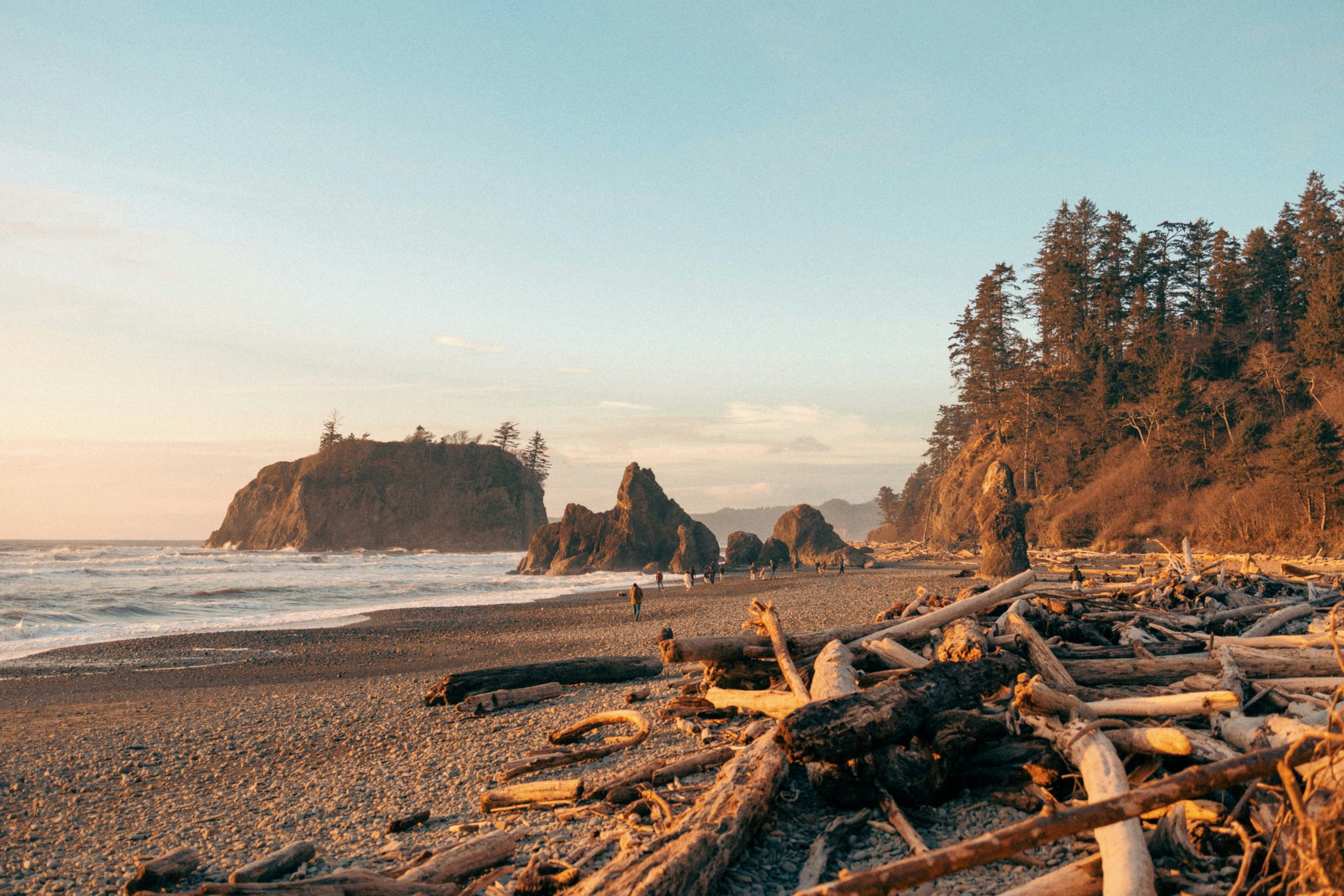
Olympic National Park is one of the most scenic places to visit in September in the USA that consistently gets overlooked in favor of Yellowstone or Yosemite – which is exactly why it’s worth going. The park contains three completely distinct ecosystems: temperate rainforest, glacier-capped mountain peaks, and 73 miles of wild Pacific coastline, all within a single drive.
September is the sweet spot here – the driest month in an otherwise rain-heavy region, with summer crowds gone and the park’s wildlife active before winter sets in.
The Hoh Rainforest feels like something out of a different continent: Sitka spruce and bigleaf maple draped in thick curtains of club moss, Roosevelt elk drifting quietly through the green half-light. The coast is dramatic and mostly car-free, with sea stacks rising out of the surf.
This is one of the best places to visit in September in the USA if what you’re after is genuine solitude and wild, unmanaged nature.
Top Things to Do
Hoh Rainforest Hall of Mosses
The Hall of Mosses trail is a 0.8-mile loop through a cathedral of old-growth bigleaf maple trees draped in layers of moss, the light filtering through in long green shafts.
September is the driest month at Hoh – annual rainfall here averages 140 inches, but September drops to one of the lowest monthly totals.
Hurricane Ridge
Drive the 17-mile road from Port Angeles up to Hurricane Ridge at 5,242 feet for sweeping views of the Olympic Mountains and Vancouver Island across the Strait of Juan de Fuca.
September skies over the ridge tend to be clear and blue, with black-tailed deer and marmots still active on the alpine meadows.
Rialto Beach and the Hole-in-the-Wall
Rialto Beach is one of the most accessible stretches of Olympic’s wild coast – dramatic sea stacks, driftwood, and the natural arch known as Hole-in-the-Wall, accessible at low tide.
September sunsets here hit the wet sand and the stack shadows in a way that makes it one of the best photography locations in the Pacific Northwest.
Sol Duc Hot Springs
Natural hot springs deep in a forested valley, channeled into three soaking pools ranging from 98-104°F.
In September, the surrounding old-growth forest is still lush and the air has just enough chill that the hot water feels earned. The short hike to Sol Duc Falls nearby is worth adding.
Lake Crescent
A glacially carved lake of improbable clarity and deep blue-green color, ringed by dense forest.
Rent a kayak or rowboat from Lake Crescent Lodge – the water is still cold enough to be clear, and September morning light on the mountains above the lake is excellent.
Don’t Leave Without…
Waking up early to watch a Roosevelt elk herd move through the Hoh River valley in the low morning fog – it’s quiet enough in September that if you arrive at the Hoh Visitor Center before 7am, elk sightings are common within 500 meters of the parking lot.
RV Practical Info
- Road conditions: Excellent in September. The Heart O’ the Hills road to Hurricane Ridge and the road to Hoh are both fully open. Some higher elevation routes may have early season closures after mid-September.
- Campgrounds: Hoh, Kalaloch, Mora, and Heart O’ the Hills campgrounds are all open in September. Reservations via Recreation.gov are recommended for weekends.
- Scenic RV route: Loop the peninsula via US-101 – the full Olympic Peninsula loop from Seattle is 330 miles and passes through rainforest, mountains, and coastline in one circuit.
- Parking: Large RVs should check vehicle length restrictions on the Hurricane Ridge Road (vehicles over 21 feet may have restrictions on the upper section).
- Wild camping: Backcountry camping is permitted with a permit – frontcountry wild camping is not allowed.
Ready to explore the Olympic Peninsula? Rent an RV in Seattle and drive one of the most varied loops in the US.
Who Is It Best For?
- Solo travelers who want real wilderness without crowds
- Families with older children keen on varied ecosystems and wildlife
- Photographers drawn to fog, coastal light, and old-growth forests
- Adventure seekers who want hiking, kayaking, and hot springs in one park
Recommended Budget
- Campsite: $25-35/night (National Park campgrounds)
- Meals: $20-40/day (Port Angeles has good options; bring some groceries)
- Activities: $15-30/day (park entry, kayak rentals, hot springs)
- Daily estimate: $80-130/person (excluding RV rental)
- Note: The America the Beautiful Pass covers Olympic NP entry and is worth buying if you’re visiting multiple parks on this list.
5. New Orleans, Louisiana
The Vibe
New Orleans is one of the best places to visit in the USA in September if you can handle warm, humid weather, and if you can, the city rewards you with something most travelers never get to experience: New Orleans without the spring crowds.
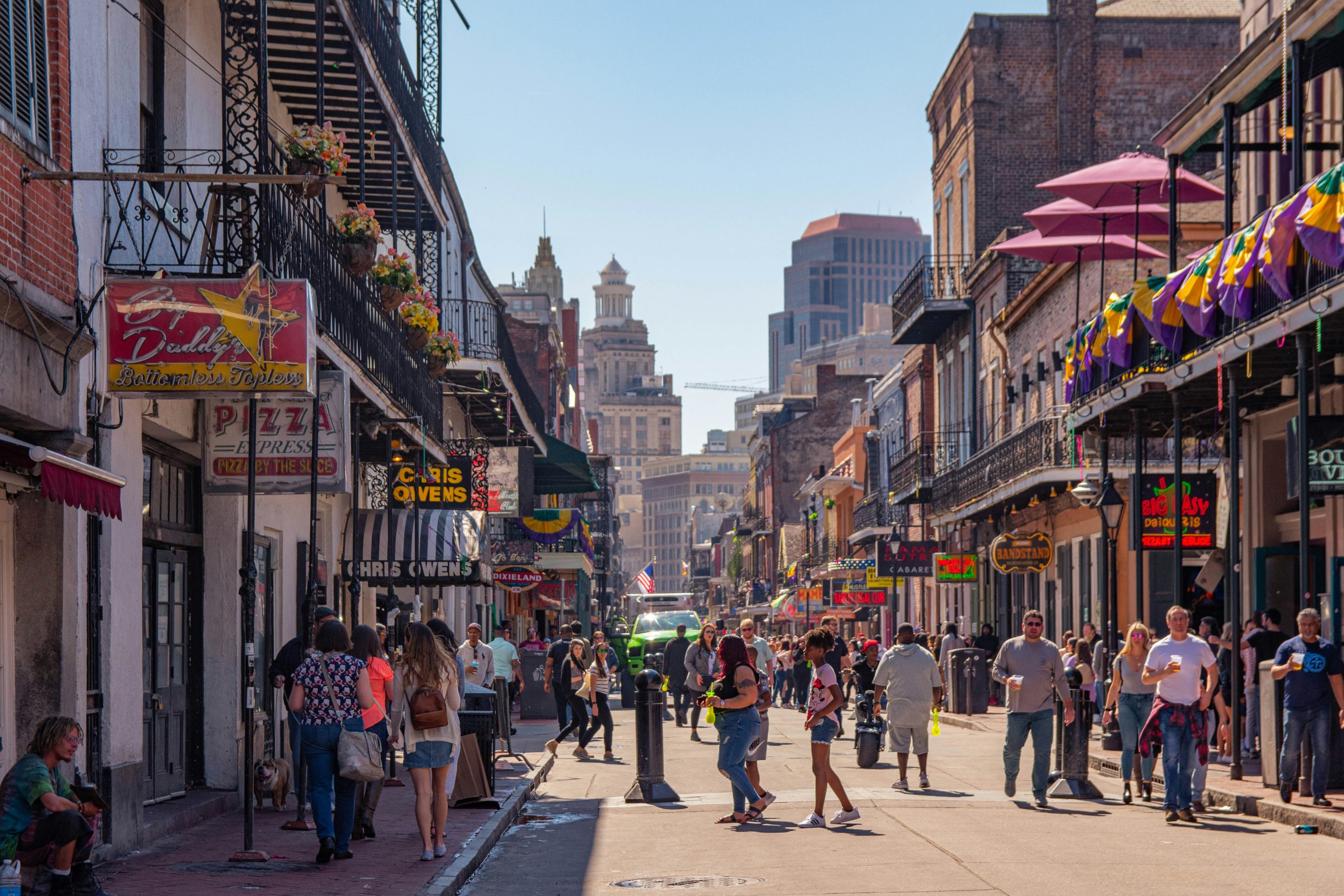
The French Quarter’s ornate cast-iron balconies drip with bougainvillea, second-line brass bands spill out of side streets without warning, and the smell of chicory coffee and beignets drifts from the Café Du Monde tables before 8am.
September sits at the end of hurricane season, which keeps tourist numbers low – and keeps prices low with them. The city is itself deeply relaxed about the heat, having evolved a culture of slow mornings, long lunches under ceiling fans, and evenings that only begin to accelerate after 9pm.
The food is genuinely one of the most distinct regional cuisines in the country: Creole, Cajun, and Vietnamese influences layered into something that can’t be replicated anywhere else.
Top Things to Do
Frenchmen Street Live Music
While Bourbon Street runs on tourism, Frenchmen Street in the Marigny neighborhood is where locals go to hear jazz, funk, and brass bands in small clubs where the musicians are often world-class.
September is one of the quieter months on Frenchmen – cover charges are modest and the crowds are manageable enough that you can actually hear the music.
City Park and the New Orleans Museum of Art
City Park is one of the largest urban parks in the country, home to ancient live oaks draped in Spanish moss. The New Orleans Museum of Art sits at its center, with a remarkable sculpture garden surrounding it.
September mornings in the park – before the heat peaks – are when the city feels most like itself: unhurried, beautiful, and slightly overgrown.
Swamp Tour
The bayou wetlands surrounding New Orleans are accessible on airboat or flat-bottom boat tours departing from several operators south and west of the city.
September is still alligator season – they’re active before the water cools – and the cypress trees and Spanish moss create a visual atmosphere that’s difficult to describe.
Commander’s Palace Saturday Jazz Brunch
Commander’s Palace in the Garden District has been hosting its Saturday jazz brunch for decades – white tablecloths, three-piece jazz bands, and Creole cooking at its most refined.
Reserve well in advance even in September, and accept that the turtle soup and bread pudding soufflé are non-negotiable.
St. Louis Cemetery No. 1
New Orleans’ above-ground tombs are one of the most distinctive cultural features of the city, built above ground because the water table made underground burial impractical.
The oldest cemetery in the city, St. Louis No. 1, now requires a guided tour. September is a good time to go – the heat is manageable in the morning and the crowds are light.
Don’t Leave Without…
A bowl of gumbo at Dooky Chase’s Restaurant in Tremé – the city’s most historically significant restaurant, where civil rights leaders met over Leah Chase’s cooking for decades.
RV Practical Info
- Road conditions: Good. I-10 runs directly through the city. Be aware that road surfaces in some New Orleans neighborhoods can be rough due to ground settlement.
- Campgrounds: Bayou Segnette State Park (Westwego) is the best RV base near New Orleans – 30 minutes from the French Quarter with full hookups. Pontchartrain Landing also has RV sites.
- Parking: Large RVs cannot navigate the French Quarter. Park at your campsite and use the streetcar or rideshare.
- Hurricane awareness: Track the National Hurricane Center forecast actively. September is peak hurricane season – have a flexible plan and monitor conditions.
- Wild camping: Not practical in the New Orleans metro area.
Ready to eat your way through the South? Rent an RV in Texas and start with a beignet at the French Market.
Who Is It Best For?
- Foodies drawn to one of the most distinctive regional cuisines in the US
- Music lovers who prefer authentic jazz and funk over tourist-facing venues
- Solo travelers who feel comfortable navigating a city with real character and real grit
- Budget travelers who can take advantage of September’s lower prices
Recommended Budget
- Campsite: $30-45/night (State park hookup sites)
- Meals: $30-70/day (range from corner po-boy shops to fine dining)
- Activities: $15-40/day (tours, museum entry, live music)
- Daily estimate: $100-175/person (excluding RV rental)
- Note: September hotel rates are typically 30-40% lower than Mardi Gras season – campsite pricing follows a similar pattern.
6. Asheville, North Carolina
The Vibe
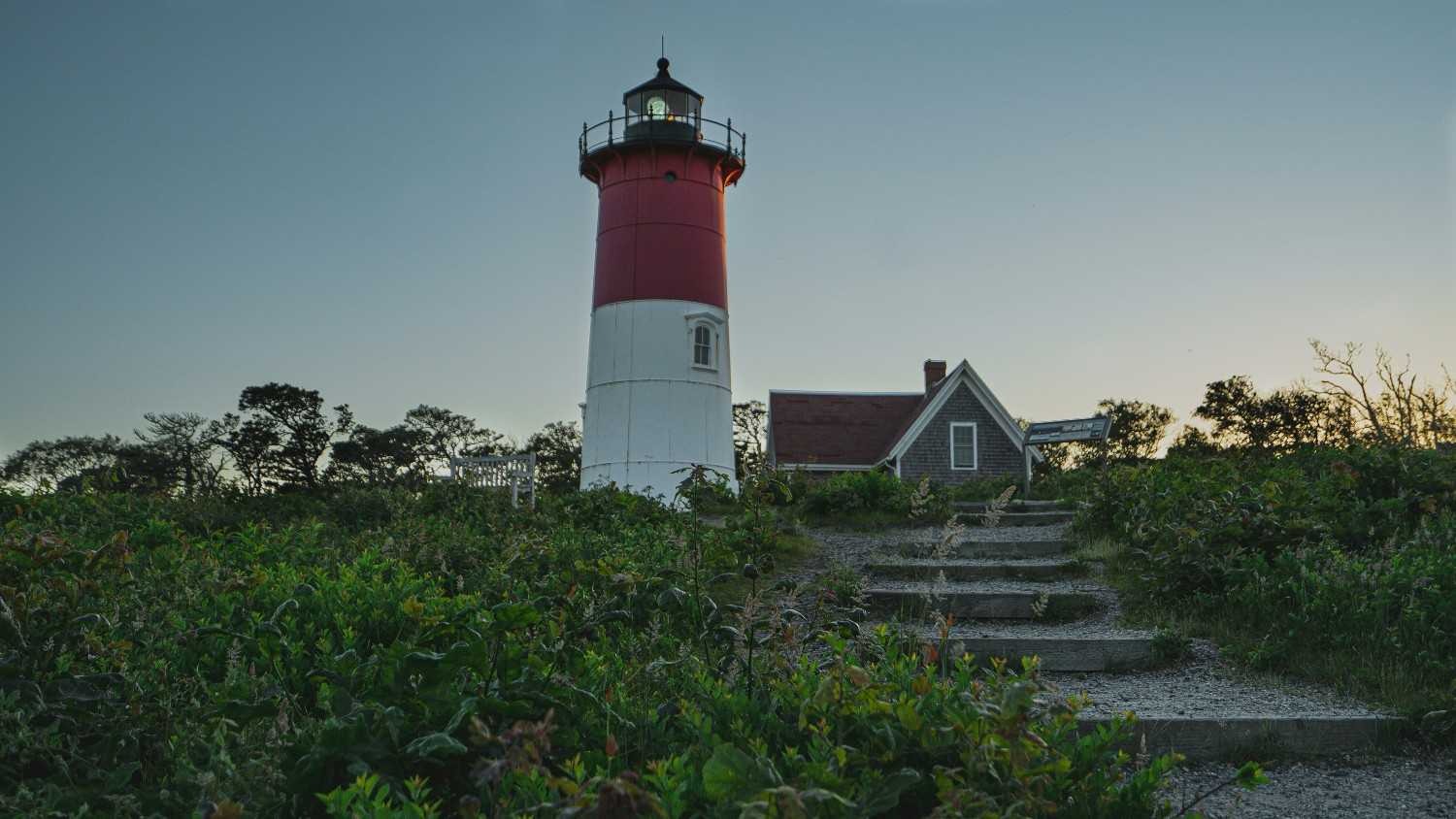
Asheville is one of the best places to visit in September in the USA if your ideal trip mixes mountain scenery with a city that actually has things to do. Tucked into a valley in the Blue Ridge Mountains at 2,134 feet elevation, the city runs cool even in summer and by September has settled into some of the most pleasant weather in the American South – daytime highs in the low-to-mid 70s, crisp evenings, and the very beginning of fall color on the higher ridges.
The city itself is creative and independently minded: a dense grid of galleries, craft breweries (more per capita than almost any US city of its size), farm-to-table restaurants, and live music venues.
The surrounding mountains offer access to the Blue Ridge Parkway, the Appalachian Trail, and waterfalls that are at their best when post-summer flows are still strong. For anyone searching for the best places to visit in the US in September without choosing between nature and culture, Asheville makes the decision unnecessary.
Top Things to Do
Blue Ridge Parkway Drive
The Blue Ridge Parkway is 469 miles of America’s most scenic highway, and the section around Asheville – particularly south toward Mount Pisgah – begins showing early fall color in September.
Pull-offs at Craggy Gardens and Black Balsam Knob offer 360-degree views of the ridgeline. The road sees far less traffic in September than October, when leaf-peepers arrive in force.
Biltmore Estate
The largest private home in the United States – 8,000 acres, 250 rooms, built by George Vanderbilt in the 1890s; opens its gardens and house for tours year-round.
September is one of the best months to visit: the formal gardens are still in full bloom, late summer roses are at their peak, and the estate’s winery has just completed its harvest.
French Broad River Tubing
The French Broad River runs directly through Asheville, and tubing operators offer 2-3 hour float trips that run through late September as water temperatures remain warm enough.
It’s low-key, inexpensive, and genuinely fun – the kind of afternoon activity that makes a road trip feel like a real vacation.
Downtown Asheville Brewery Trail
With over 40 craft breweries within the city limits, Asheville has earned its reputation as Beer City USA. September is harvest season, meaning fresh-hop beers appear on tap – brewed within days of harvest with a distinctly green, grassy, earthy flavor that’s only available for a few weeks a year.
Hiking the Black Balsam Knob
At 6,214 feet, Black Balsam Knob offers one of the most rewarding hikes on the Blue Ridge Parkway – a 3-mile round trip above the tree line with long-range views of rolling ridgelines. September conditions are ideal: no ice, no summer haze, and the high-elevation grasses are turning russet and gold.
Don’t Leave Without…
Dinner at Cúrate – an Asheville institution run by James Beard Award-winning chef Katie Button, serving Spanish tapas with ingredients sourced from western North Carolina farms. Reserve weeks ahead even in shoulder season.
RV Practical Info
- Road conditions: Excellent. I-26 and I-40 connect to Asheville easily. The Blue Ridge Parkway prohibits commercial vehicles but is fine for personal RVs and motorhomes under 30 feet.
- Campgrounds: Bear Creek RV Park is the closest full-service campground to downtown Asheville (3 miles). Asheville West KOA is also well-reviewed.
- Scenic RV route: Drive north on the Blue Ridge Parkway from Asheville to Boone, NC – approximately 100 miles with no traffic lights and continuous mountain scenery.
- Parking: Downtown Asheville has a few RV-navigable streets but most lots have height restrictions. Campgrounds offer the best base.
- Wild camping: The Pisgah National Forest surrounding Asheville allows dispersed camping with conditions – check the Pisgah Ranger District rules before setting up.
Ready to explore the Blue Ridge? Rent an RV in Atlanta and drive northeast into the mountains.
Who Is It Best For?
- Couples who want mountain scenery with excellent restaurants and live music
- Outdoor enthusiasts who want hiking, cycling, and paddling within 30 minutes of a city
- Beer and food lovers who travel specifically to eat and drink well
- First-timers to the American South who want an approachable, welcoming entry point
Recommended Budget
- Campsite: $35-55/night (KOA-style with hookups)
- Meals: $25-60/day (food trucks to upscale farm-to-table)
- Activities: $10-45/day (brewery tours, Biltmore entry around $70, hiking is free)
- Daily estimate: $100-170/person (excluding RV rental)
- Note: Biltmore Estate is the single most expensive admission in the area at $70+ – book online for a discount and combine with the winery to spread the cost.
7. Denver, Colorado
The Vibe
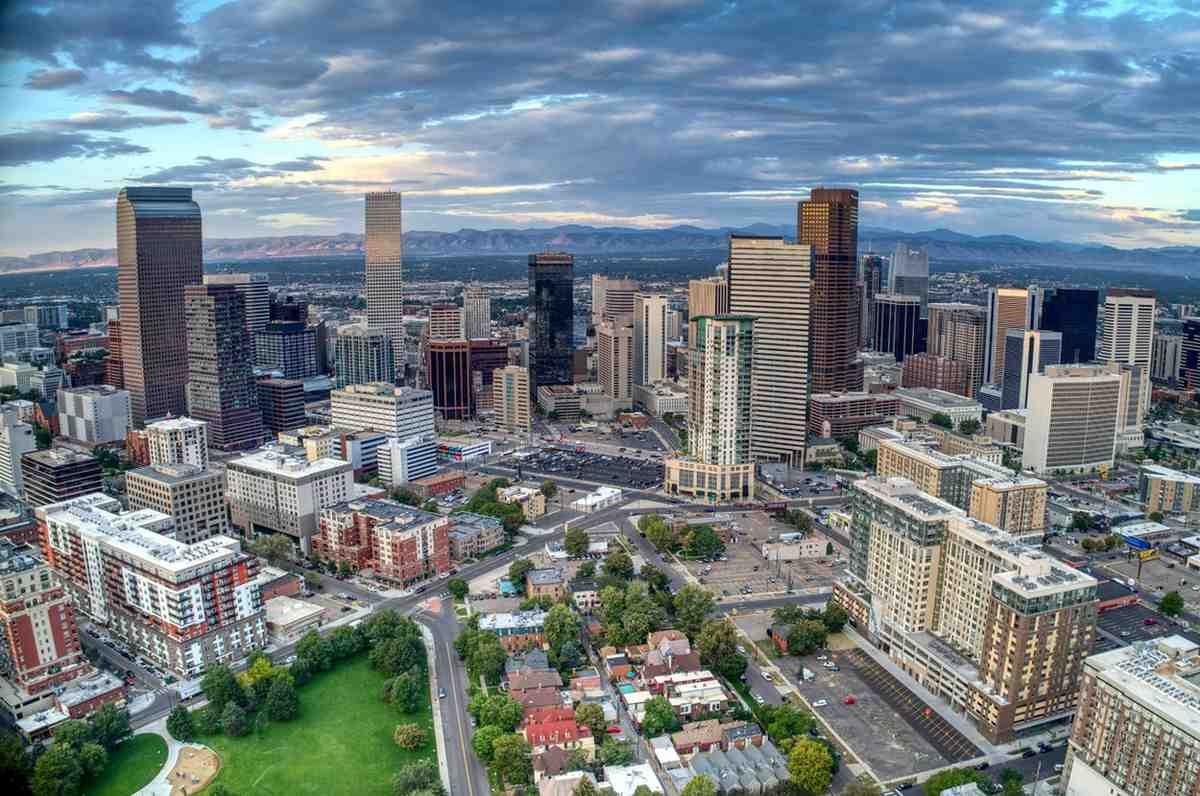
Denver sits at exactly one mile above sea level, which does two things: it gives the city 300 days of sunshine per year and creates access to one of the most extraordinary mountain landscapes in the US within an hour’s drive.
September in Denver is legitimately excellent – summer monsoon season wraps up, daytime highs settle into the low-to-mid 70s, and the aspen groves in the surrounding high country turn from green to gold in a display that rivals anything New England produces.
The city has changed significantly over the past decade. A strong food and arts scene has grown around the Denver Art Museum, the RiNo (River North) neighborhood, and a restaurant corridor on Larimer Street that could hold its own in any major American city. September also brings the Denver Arts Festival and a busy schedule of outdoor events before Colorado’s ski season pulls the calendar toward winter.
As one of the top places to visit in September USA for mixing outdoor adventure with urban comfort, Denver consistently delivers.
Top Things to Do
Rocky Mountain National Park Day Trip
Rocky Mountain National Park is 80 miles northwest of Denver, and September is objectively the best month to visit. Trail Ridge Road – the highest continuous paved road in the US at 12,183 feet – is fully open, elk rut begins in mid-September (one of the most dramatic wildlife spectacles in North America), and the aspen groves in the Kawuneeche Valley are in full golden color.
Aspen Viewing in Guanella Pass
For a closer aspen experience, Guanella Pass is 60 miles southwest of Denver and one of the most accessible high-country aspen drives in Colorado.
The peak is typically mid-September at elevations above 10,000 feet – a good hour’s drive from Denver through Clear Creek Canyon.
RiNo Art District
River North Arts District (RiNo) is Denver’s most creative neighborhood – converted warehouses now host galleries, breweries, restaurants, and music venues.
September brings outdoor events, art walks, and comfortable evening temperatures that make walking the district between stops genuinely pleasant.
Red Rocks Amphitheatre
Even if there’s no concert during your visit, Red Rocks is worth the 30-minute drive west of Denver for the geology alone.
The 300-foot sandstone formations that flank the stage are stunning, and a hike on the trading post trail around the amphitheatre provides excellent high-desert views.
September shows tend to be some of the best of the season – the weather is reliable and the air is clear.
Denver Museum of Nature & Science
One of the largest natural history museums in the US, with standout collections on the Rocky Mountain ecosystem, ancient Egypt, and space science.
September is a good month to visit if you’re combining an outdoor-heavy trip with a half-day of indoor culture.
Don’t Leave Without…
Watching the elk rut at Horseshoe Park in Rocky Mountain National Park just after sunrise – bulls bugling in the meadow fog, their breath visible in the cold air, is one of the most visceral wildlife experiences in the continental US.
RV Practical Info
- Road conditions: Excellent in September. I-70 west into the mountains is the main artery and is fully passable without chains in September. Mountain passes can receive early-season snow after mid-September – check CDOT road conditions.
- Campgrounds: Chatfield State Park (just south of Denver) has RV hookups and makes an excellent base. In Rocky Mountain NP, Moraine Park and Glacier Basin campgrounds are open in September – reserve via Recreation.gov.
- Scenic RV route: Drive I-70 west through the Eisenhower Tunnel and Glenwood Canyon, then north on SR-82 to Independence Pass (not passable in a large RV – 21-foot length limit).
- Parking: Downtown Denver has several RV-height-restricted garages. Park at Chatfield and take light rail (C Line) into Union Station.
- Wild camping: White River National Forest and Arapaho/Roosevelt National Forests allow dispersed camping – check the forest service maps for specific zones.
Ready for the Rockies? Rent an RV in Denver and drive straight up into the aspens.
Who Is It Best For?
- Outdoor enthusiasts who want world-class hiking combined with a vibrant city base
- Wildlife watchers who want to see the elk rut in Rocky Mountain National Park
- First-time visitors to Colorado who want a flexible base for multiple destinations
- Couples and groups who want both mountain adventure and good restaurants
Recommended Budget
- Campsite: $28-45/night (State park and National Forest campgrounds)
- Meals: $25-50/day (Denver’s food scene ranges from taco trucks to upscale)
- Activities: $20-50/day (museum entry, park passes, concert tickets vary widely)
- Daily estimate: $95-160/person (excluding RV rental)
- Note: Rocky Mountain NP has a timed-entry reservation system for Bear Lake Road and Trail Ridge Road in peak season – September weekend dates can book up weeks out.
8. Cape Cod, Massachusetts
The Vibe
Cape Cod in September is the version of New England that ends up on postcards – one of the best places to visit in the USA, and nowhere is that clearer than when the summer crowds have gone. The parking lots that were impossible in July are now manageable.
The seafood shacks still have their catch-of-the-day boards but the lines are half the length. The water temperature peaks in September at around 68-70°F – actually the warmest of the year – while the air drops to comfortable highs in the low-to-mid 70s.
The cape’s personality is deeply tied to the sea: weathered gray shingles, fishing boats, cranberry bogs beginning to turn red, and the smell of salt air that follows you from the dunes to the town centers. The Outer Cape – Wellfleet, Truro, and Provincetown – is where the landscape becomes genuinely wild, with the Cape Cod National Seashore running 40 miles along the Atlantic facing side.
September light here – lower, more golden, longer in the early evening – is what photographers specifically come for.
Top Things to Do
Cape Cod National Seashore
The National Seashore protects 40 miles of Atlantic beaches, kettle ponds, salt marshes, and historic lighthouses. Marconi Beach, Coast Guard Beach, and Race Point Beach are all accessible and largely empty after Labor Day.
September water temperatures make swimming genuinely comfortable – often warmer than most European beach destinations.
Provincetown Art Scene
Provincetown at the tip of the Cape has been an artists’ colony since the early 1900s. September is the closing chapter of the gallery season, with many artists hosting final shows and open studios before they leave for winter.
The town’s personality – open, creative, culturally inclusive – is at its most relaxed and authentic after the summer tourist surge.
Cranberry Bog Harvest
The cranberry harvest is one of the most visually striking agricultural events in New England – thousands of acres of bogs flood red as the berries float to the surface, ready for harvest.
The peak is typically late September into early October in Harwich, Carver, and Dennis. Several farms allow visitor access during harvest.
Cycling the Cape Cod Rail Trail
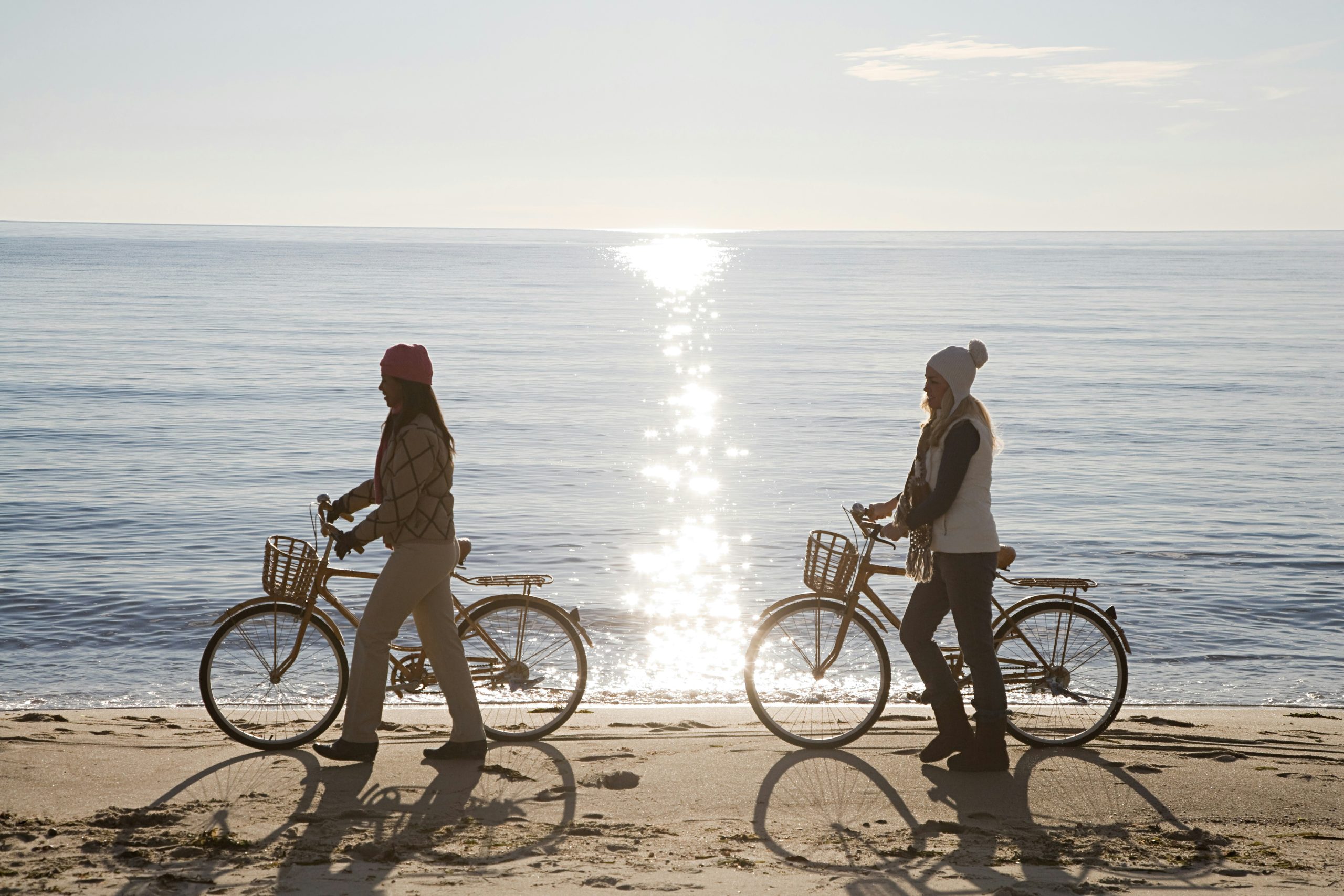
The Rail Trail runs 22 miles from Dennis to Wellfleet through pine forests, kettle ponds, and salt marshes. In September, it’s one of the most pleasant cycling experiences in the Northeast – no summer heat, light traffic, and the trail passing directly through the National Seashore.
Whale Watching from Provincetown
Humpback and finback whales feed in the Stellwagen Bank National Marine Sanctuary just off Provincetown from spring through fall.
September is one of the most active months – whales are feeding heavily before migration – and several operators run morning and afternoon trips from MacMillan Pier.
Don’t Leave Without…
A fried clam plate at Moby Dick’s in Wellfleet – wide local reputation, fresh clams from the flats behind town, eaten at a picnic table looking out at the marsh with a cold beer from their tap.
RV Practical Info
- Road conditions: Good in September. US-6 is the main artery down the spine of the Cape. Summer traffic is gone after Labor Day.
- Campgrounds: Nickerson State Park in Brewster is the best RV campsite on the Cape – 400+ sites, direct trail access to the Rail Trail, and kettle pond swimming. Reserve early as this fills even in September.
- Scenic RV route: Take MA-6A (the Old King’s Highway) instead of US-6 – a slower, more scenic coastal route through the historic towns of Sandwich, Barnstable, and Dennis.
- Parking: Provincetown is difficult for large RVs – park at the Race Point lot in the National Seashore and cycle or shuttle into town.
- Wild camping: Not permitted within Cape Cod National Seashore. Designated campgrounds only.
Ready to explore the Outer Cape? Rent an RV in Boston and drive east to where the land runs out.
Who Is It Best For?
- Couples who want a romantic, off-season coastal escape with excellent food
- Families looking for safe swimming beaches without the summer price spike
- Cyclists and hikers who want the Rail Trail and National Seashore in peak condition
- Photographers chasing September’s golden coastal light
Recommended Budget
- Campsite: $25-40/night (Nickerson State Park fees)
- Meals: $30-60/day (seafood-heavy, range from raw bars to sit-down)
- Activities: $10-50/day (whale watching ~$50; beaches and cycling are free/cheap)
- Daily estimate: $90-165/person (excluding RV rental)
- Note: Post-Labor Day prices drop 25-40% across the Cape for restaurants, shops, and activities – the same experience at meaningfully lower cost.
9. Zion National Park, Utah
The Vibe
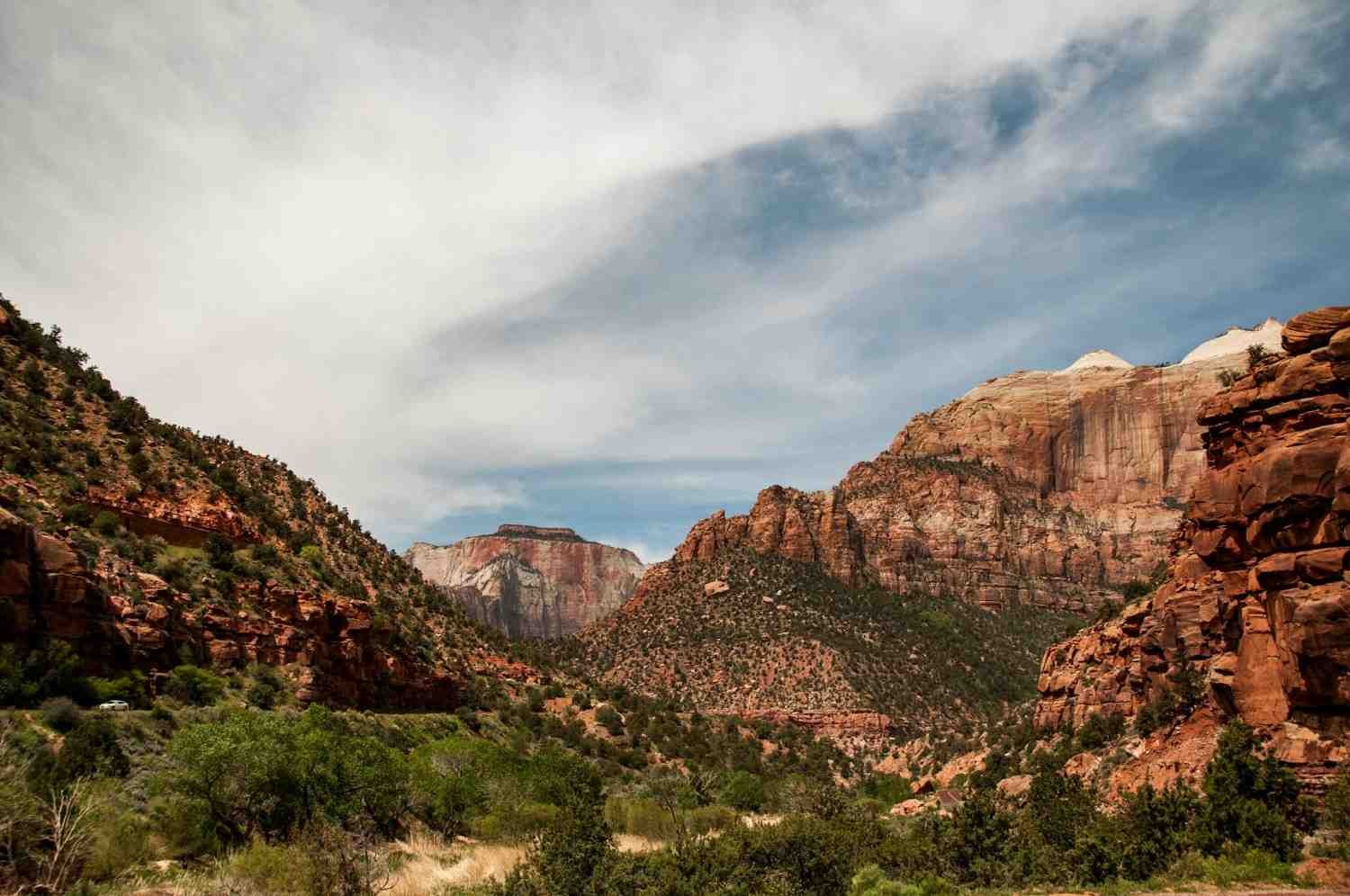
Zion is one of the best places to visit in the US in September for hikers, full stop. The park’s defining feature – the Virgin River carving a slot canyon with 2,000-foot red and white sandstone walls rising on both sides – is at its most accessible in September. Summer flash floods that temporarily close the Narrows (the most famous hike in the park) ease up as monsoon season winds down.
Temperatures drop from 100°F+ in July to the high-80s, making all-day hikes possible again. Utah’s Colorado Plateau has a quality of light in September that’s almost photographic by default – the angle of the sun turns the sandstone walls through pink, orange, amber, and deep red in the space of a single hour around sunset.
The canyon wrens calling in the cliff faces, the cottonwoods yellowing along the riverbank, the faint smell of sage after an afternoon rain – Zion in September has a sensory quality that’s hard to quantify but immediately felt.
Top Things to Do
The Narrows
Hiking the Virgin River through the Narrows is the park’s signature experience – wading knee-to-chest-deep through a slot canyon with walls 20 feet apart in places.
In September, water levels drop from their monsoon-season peak and flash flood risk decreases, though permits and conditions should still be checked daily via the park website.
Angels Landing
One of the most famous hikes in the National Park System – a 5.4-mile round trip that ends with a chain-assisted scramble along a narrow ridge with 1,000-foot drop-offs on both sides.
September is the best month: heat is manageable, the permit lottery is less competitive than summer, and the morning light on the canyon below is extraordinary.
Canyon Overlook Trail
A 1-mile, relatively flat trail to a viewpoint above the dramatic canyon entrance near the east tunnel.
September sunrise light turns the Great Arch and the canyon walls into something that looks digitally processed but isn’t. Arrive before 7am to have the overlook to yourself.
Emerald Pools Trails
A network of trails leading to lower, middle, and upper pools fed by seasonal waterfalls dripping off the canyon walls.
After summer monsoons, the falls are still flowing in early September – by late September they often dry to a trickle, so aim for early in the month.
Biking the Pa’rus Trail
The Pa’rus Trail follows the Virgin River through the canyon floor and is the only Zion trail open to bicycles.
In September, the trail’s cottonwood trees line the riverside in yellow and gold, and the park’s shuttle-heavy roads are easier to navigate on two wheels than on foot.
Don’t Leave Without…
Watching sunset from Canyon Junction Bridge over the Virgin River – the Watchman formation turns a deep terracotta red in the last 20 minutes of light, and it’s the kind of view that stays with you.
RV Practical Info
- Road conditions: Excellent. SR-9 through Zion Canyon (the Zion-Mt. Carmel Highway) has a tunnel with restrictions for vehicles over 7’10” wide or 11’4″ tall – check your RV dimensions carefully and purchase an escort permit ($15) if required.
- Campgrounds: Watchman Campground (hookups available) and South Campground (tent/small RV) are inside the park. Reserve via Recreation.gov months in advance. Zion Canyon Campground in Springdale offers full hookups just outside the south entrance.
- Scenic RV route: Drive US-89 south from Zion to Lake Powell, then east on SR-12 through Bryce Canyon – one of the most scenic road corridors in the United States.
- Parking: Private vehicles are not permitted in Zion Canyon. Park at your campsite and use the free park shuttle.
- Wild camping: Not permitted within the park boundary.
Ready to wade the Narrows? Rent an RV in Las Vegas – Zion is just 2.5 hours east.
Who Is It Best For?
- Serious hikers who want iconic routes without summer heat
- Adventure-focused couples who want dramatic canyon scenery with memorable hikes
- First-time Southwest road-trippers combining Zion with Bryce and the Grand Canyon
- Photographers chasing canyon light in the clearest skies of the year
Recommended Budget
- Campsite: $20-35/night (National Park campground fees)
- Meals: $20-40/day (Springdale has solid food options; bring groceries for in-RV cooking)
- Activities: $10-20/day (park entry; Angels Landing permit ~$6 via lottery; gear rental for Narrows ~$45)
- Daily estimate: $75-125/person (excluding RV rental)
- Note: Angels Landing now requires a permit via Recreation.gov – September permits are less competitive than summer but still sell out. Enter the lottery 3+ months out.
10. Chicago, Illinois
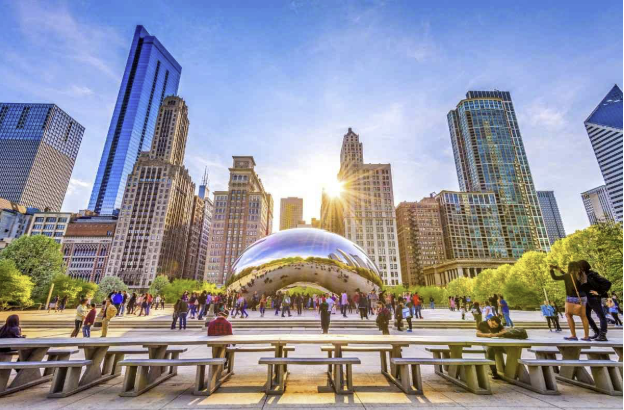
The Vibe
Chicago in September is the city at its most confident and comfortable – one of the best places to visit in September in the USA for anyone who wants genuine big-city culture without the oppressive summer heat or winter brutality.
Temperatures settle into the low-to-mid 70s, Lake Michigan is warm enough for swimming, and the city’s outdoor event calendar – concerts, food festivals, outdoor cinema, neighborhood street fairs – runs hard through the month before October closes things down.
The city’s architecture is the most honest way to understand what Chicago is: bold, enormous, and unapologetic. The skyline from the lakefront is one of the great urban views in the world, and the design extends from the downtown Loop all the way into the residential neighborhoods, where Prairie Style homes by Frank Lloyd Wright sit alongside 1920s brick apartment buildings.
The food scene is serious – deep dish is only the entry point to a dining culture that covers everything from Michelin-starred tasting menus to some of the best street-level Mexican food north of the Rio Grande.
As one of the best places to visit in September in the USA for first-time visitors who want everything in one place, Chicago rarely disappoints.
Top Things to Do
Chicago Architecture Boat Tour
The Chicago Architecture Foundation Center runs 90-minute boat tours along the Chicago River that are genuinely one of the best ways to understand an American city’s built environment.
September light and weather make the open-deck boats comfortable, and guides cover 50+ buildings with the kind of specificity that makes you see cities differently afterward.
Millennium Park and the Bean
Cloud Gate (universally known as “the Bean”) is one of the most photographed public sculptures in the world, and for good reason – the reflective surface shows a distorted panorama of the Chicago skyline that works from any angle.
September morning light on the Bean, before the noon crowds arrive, produces genuinely excellent photographs.
The 606 Trail
An elevated trail built on a converted rail line through four north-side neighborhoods – Bucktown, Wicker Park, Logan Square, and Humboldt Park. The 606 has become one of the best ways to experience the city at street level: the trail is lined with murals, community gardens, and public art, and September weekend mornings bring out the best of the neighborhoods below.
Museum Campus
Three world-class museums on a lakefront campus: the Field Museum (natural history), Shedd Aquarium, and Adler Planetarium. The Field Museum alone justifies a half-day – the collection of ancient Egyptian artifacts and the T. rex specimen “Sue” are among the best of their kind in the US.
Chicago Food Scene by Neighborhood
Pilsen for Mexican food (La Casa del Pueblo for carnitas, Taqueria Los Comales for late nights), Chinatown for dim sum (Phoenix Restaurant), Wicker Park for independent restaurants, and the West Loop for the city’s highest concentration of Michelin-starred dining. September is ideal for outdoor dining – most restaurants extend their patio season through the month.
Don’t Leave Without…
A deep-dish pizza from Lou Malnati’s (the Malnati family original, not a chain spinoff) – order the Malnati Chicago Classic with their butter crust and sausage, and understand that it’s closer to a savory pie than anything resembling a standard pizza.
RV Practical Info
- Road conditions: Good. I-90/94 runs through the city. Urban navigation in a large RV is challenging – plan your route into the campground rather than driving through the city center.
- Campgrounds: Millennium Park Campground and Windy City Campground & Hotel are the closest RV-friendly options. Chain O’ Lakes State Park (50 miles north) offers a more natural setting.
- Parking: Chicago has no practical RV parking near the downtown core. Use the city’s “L” train from campground areas – the CTA Red Line connects to most major attractions.
- Scenic RV route: Drive the Lake Shore Drive from the south side to the north – 15 miles of urban waterfront that is one of the most dramatic urban driving experiences in the US (note: limited height clearances on some underpasses).
- Wild camping: Not available in the Chicago metro area.
Ready to see the city from the water? Rent an RV in Chicago and use the lakefront as your backyard.
Who Is It Best For?
- First-time visitors to the Midwest who want to understand American cities at their largest and most varied
- Architecture and art enthusiasts who want world-class museums and public design
- Food-focused travelers who want a city with genuine culinary depth
- Families who want museums, lakefront beaches, and accessible neighborhoods
Recommended Budget
- Campsite: $35-60/night (urban campground fees)
- Meals: $30-70/day (huge range – street food to fine dining)
- Activities: $20-60/day (museum entry $25-40; Architecture Boat Tour ~$55)
- Daily estimate: $110-200/person (excluding RV rental)
- Note: Chicago’s CityPASS ($99) covers the Field Museum, Shedd Aquarium, Adler Planetarium, and two other attractions – good value if you’re spending 2+ days on Museum Campus.
What Should You Pack for a USA Road Trip in September?
Here’s everything you need to pack while jetting off on your next trip to the USA:
| Category | Items to Pack | Why You Need It? |
| Clothing | Lightweight layers (T-shirts + fleece), light rain jacket, long pants for evenings, shorts for Southwest heat, hat and sunglasses | September temps range from 55°F in Maine to 90°F in Sedona. Layers let you adapt without overpacking. |
| Footwear | Waterproof hiking boots, sandals, flip-flops for campsite showers | Trails in Acadia and the Olympic Peninsula can be wet even in September. Sandals handle warm-weather town days. |
| Camping Gear | Headlamp, portable camp chairs, small cooler for groceries, campsite table | Post-Labor Day campsites have fewer amenities staffed. Self-sufficiency matters more in shoulder season. |
| Navigation | Downloaded offline maps (Google Maps or AllTrails) — cell coverage is poor in national parks | Signal drops to zero inside Rocky Mountain NP, Olympic, and the Blue Ridge Parkway. Offline maps are not optional. |
| Health & Safety | Sunscreen (SPF 50+), insect repellent, basic first-aid kit, hydration pack for hikes | UV exposure is intense at elevation in Colorado and Arizona. Bayou tours in New Orleans and the Olympic Peninsula require insect repellent. |
| National Parks | America the Beautiful Annual Pass ($80) — covers entry to all national parks | If your trip covers Acadia, Rocky Mountain NP, and Olympic, you recoup the $80 pass cost on entry fees alone. |
| Weather | Check the NHC for hurricane forecasts if visiting Gulf or Atlantic coasts; check CDOT for Rocky Mountain snow forecasts after mid-September | September is the peak Atlantic hurricane season. Trail Ridge Road in Colorado can receive early snow by late September. |
| Tech | Portable charger, car adapter, waterproof phone case for water-based activities | Long drives between destinations drain devices fast. Sea kayaking in Acadia and rafting on the Nantahala are hard on unprotected phones. |
Final Expert Tips for USA Travel in September
- Buy the America the Beautiful Pass before your first park. At $80, it covers unlimited entries to all US National Parks for 12 months. If your September road trip includes Acadia, Zion, Olympic, and Rocky Mountain NP, you’ll break even on entry fees immediately. Purchase at the first park gate or online at Recreation.gov.
- Book national park campgrounds 3-6 months out. Campgrounds inside Zion, Acadia, and Rocky Mountain National Park fill far in advance even for September dates, which is nominally shoulder season. Recreation.gov opens reservations 6 months ahead – set a calendar reminder.
- Plan for the Labor Day weekend surge. Labor Day (September 1, 2026) is the last major holiday weekend of summer. Campsites, restaurants, and major park access points see a final surge. Either arrive the week after – when crowds drop sharply – or book Labor Day sites in January.
- Learn the elk rut timing. Rocky Mountain National Park’s elk rut peaks from mid-September to mid-October. Bulls bugle at dawn and dusk in Horseshoe Park, Moraine Park, and Upper Beaver Meadows. This is one of the most dramatic free wildlife experiences in the country – and it’s timed perfectly for a September road trip.
- Carry cash in small towns. Many campgrounds, farmers markets, seafood shacks, and rural gas stations in Maine, the Olympic Peninsula, and the Outer Cape either don’t accept cards or have unreliable card readers. Keep $100-150 in small bills.
- September is the driest month at the Olympic. The Hoh Rainforest averages 140 inches of rain per year, but September is the lowest-rainfall month. Plan your Olympic visit for September specifically to maximize the chance of clear trail conditions and mountain views.
- Gas up before entering national parks. Most national parks have no gas stations inside their boundaries. Fill your RV tank in the nearest town before entering Zion (Springdale), Acadia (Bar Harbor), and Olympic (Port Angeles). Fuel prices near park entrances tend to be higher.
- Check fire restrictions before dispersed camping. Western states including Arizona, Colorado, and Utah frequently have campfire bans or Stage 2 fire restrictions in September. Check with the relevant ranger district before assuming you can have a campfire.
Explore the USA in September with Indie Campers
An RV is the most logical way to travel the US in September. The best places to visit in September in the USA are national parks and coastal regions where campsites are a far better base than hotels – and where the flexibility to move with weather or foliage conditions makes a real difference.
Indie Campers operates out of 80+ locations across Europe, Oceania, and North America: including Denver, Boston, San Francisco, Los Angeles, Nashville, and New Orleans; with one-way rentals available between cities.
The fleet covers everything from two-person campervans to larger family motorhomes.
Here are some key reasons to book with Indie Campers for September:
- One-way rentals across 70+ locations – no backtracking required
- Flexible cancellation up to 31 days before pick-up
- Book now, pay later – full payment due only 30 days before your trip
- 24/7 support throughout your road trip
- 7,000+ vehicles – solo rigs to family-sized motorhomes
Book your US road trip for September with Indie Campers now!
Everything You Need to Know About USA RV Road Trips in September
| City | State | Vibe | Best For | Top Things to Do | Budget/Day | Top Campgrounds | RV-Friendly Rating | Wild Camping Allowed? | Best Place to Stay |
| Acadia National Park | Maine | Wild & Coastal | Hikers, Foliage | Cadillac sunrise, Jordan Pond | 💰💰 | Blackwoods, Seawall | ⭐⭐⭐⭐⭐ | No | RV with Indie Campers |
| Sedona | Arizona | Desert & Spiritual | Hikers, Couples | Red rock trails, Oak Creek | 💰💰💰 | Manzanita, Cave Springs | ⭐⭐⭐⭐ | Restricted | RV with Indie Campers |
| Nashville | Tennessee | Musical & Lively | Music, Foodies | Broadway, hot chicken | 💰💰💰 | Nashville KOA | ⭐⭐⭐ | No | RV with Indie Campers |
| Olympic NP | Washington | Rainforest & Rugged | Solo, Nature | Hoh, Hurricane Ridge | 💰💰 | Hoh, Kalaloch | ⭐⭐⭐⭐⭐ | Restricted | RV with Indie Campers |
| New Orleans | Louisiana | Festive & Historic | Foodies, Music | Jazz, Creole cuisine | 💰💰💰 | Bayou Segnette SP | ⭐⭐⭐ | No | RV with Indie Campers |
| Asheville | NC | Artsy & Mountain | Couples, Beer | Blue Ridge Pkwy, Biltmore | 💰💰💰 | Bear Creek RV Park | ⭐⭐⭐⭐ | Restricted | RV with Indie Campers |
| Denver | Colorado | Outdoorsy & Urban | All types | Rocky Mtn NP, aspen drives | 💰💰💰 | Chatfield SP, Moraine Park | ⭐⭐⭐⭐ | Restricted | RV with Indie Campers |
| Cape Cod | Massachusetts | Seaside & Charming | Families, Couples | Beaches, cycling, seafood | 💰💰💰 | Nickerson SP | ⭐⭐⭐⭐ | No | RV with Indie Campers |
| Zion NP | Utah | Dramatic & Spiritual | Hikers, Adventurers | The Narrows, Angels Landing | 💰💰 | Watchman, Zion Canyon CG | ⭐⭐⭐⭐⭐ | No | RV with Indie Campers |
| Chicago | Illinois | Bold & Urban | Culture, Food | Architecture tour, museums | 💰💰💰💰 | Windy City CG | ⭐⭐⭐ | No | RV with Indie Campers |
FAQs About Where To Go in the USA in September
Where can I rent an RV in the USA in September?
You can rent an RV in the USA in September through Indie Campers, which operates from 30+ US pickup locations including Denver, Las Vegas, Seattle, Boston, Nashville, New Orleans, Chicago, and Miami. One-way rentals are available between most locations, making it possible to plan a genuine point-to-point road trip. Book at least 6-8 weeks ahead for September to get the best vehicle selection. Prices vary by vehicle type and rental duration, with flexible cancellation up to 31 days before pick-up.
What is the warmest place in the USA in September?
The warmest places in the USA in September are in the South and Southwest. New Orleans, Louisiana averages 30°C / 86°F, Miami and southern Florida stay above 88°F, and Sedona, Arizona reaches 90°F on the warmest days. Phoenix, Arizona typically exceeds 100°F in early September before temperatures begin to drop. If you’re specifically after beach swimming weather, Florida’s Gulf Coast and the South Carolina and Georgia coasts all see sea temperatures above 80°F through most of September.
What is the coldest place in the USA in September?
The coldest places in the USA in September are in Alaska and the high Rocky Mountains. Anchorage, Alaska averages highs around 13°C / 55°F in September with overnight lows near freezing. High-elevation areas of Colorado such as Rocky Mountain National Park can see temperatures below freezing above 10,000 feet and occasional early snow after mid-September. In the lower 48, Acadia National Park in Maine sees the coolest temperatures of the destinations in this guide, with overnight lows dropping to 7-10°C / 45-50°F.
What is the best place to visit in the USA in September for couples?
The best place to visit in the USA in September for couples is Asheville, North Carolina. The combination of scenic Blue Ridge Parkway drives, upscale farm-to-table restaurants, craft breweries, and hiking trails makes it ideal for couples who want both outdoor adventure and cultural depth. Sedona, Arizona is a strong runner-up for couples seeking dramatic desert scenery with excellent dining and spa options at shoulder-season prices.
What is the best place to visit in the USA in September with family?
The best place to visit in the USA in September with family is Cape Cod, Massachusetts. After Labor Day, beaches are uncrowded, water temperatures are at their warmest of the year at 68-70°F, and campground availability improves significantly. Nickerson State Park’s campground is excellent for families with younger children, and the Cape Cod Rail Trail gives older kids a safe and scenic cycling route. Acadia National Park is also an excellent choice for families with children aged 8+.
What is the best place to visit in the USA in September with kids?
The best place to visit in the USA in September with kids is Cape Cod – the combination of warm swimming beaches, whale watching from Provincetown, and the child-friendly cycle trail makes it one of the most complete family destinations in the Northeast. For younger children who want wildlife and wide-open spaces, Olympic National Park’s accessible rainforest trails and tidal pools on the coast offer hands-on natural discovery without strenuous hiking.
What is the best place to visit in the USA in September with friends?
The best place to visit in the USA in September with friends is Nashville, Tennessee. Broadway’s live honky-tonks run free music from noon to 3am, hot chicken restaurants are a shared experience nobody forgets, and the city’s bar and restaurant scene has enough range that groups with different tastes can all find something they want. New Orleans is a close second for friend groups who want food-focused travel with a distinctive cultural backdrop.
What are the best places to visit in the USA in September for first-timers?
The best places to visit in the USA in September for first-timers are Chicago, Nashville, and the Southwest national park corridor (Las Vegas → Zion → Bryce Canyon → Grand Canyon). Chicago delivers American urban culture at its most concentrated and accessible. Nashville gives you a genuinely American experience that’s easy to navigate and hard to have a bad time in. The Southwest corridor is the most dramatic road trip route in the country and is best explored in September when summer heat breaks.
What are the best places to visit in the USA in September for solo travelers?
The best places to visit in the USA in September for solo travelers are Olympic National Park, Acadia, and New Orleans. The Olympic rewards self-directed exploration with minimal infrastructure needed. Acadia’s trail system and carriage roads are safe and well-marked for solo hikers. New Orleans has the kind of independent social culture where solo travelers blend in naturally – bars, music venues, and restaurant counters are designed for people who show up alone and leave with a table of new friends.
What are the best places to visit in the USA in September for nature?
The best places to visit in the USA in September for nature are Acadia National Park (Maine), Olympic National Park (Washington), Zion National Park (Utah), and Rocky Mountain National Park (Colorado). September is the single best month for the Colorado Rockies due to the aspen color and elk rut. Acadia is at its most photogenic with the first fall color and clear post-summer skies. Zion’s Narrows hike becomes safely accessible as the monsoon season ends. Olympic’s Hoh Rainforest and wild coastline are most accessible in September – statistically the driest month in one of the rainiest spots in the continental US.