AI Summary
We left Vancouver in the half light of an October morning, laughing at how much we had packed for our Banff adventure. We flew to Calgary, picked up our RV, and hit the Trans Canada Highway with coffee, snacks, and a shared playlist. Here is exactly how we did it, what we loved, where we slept, and everything we would do again.
At a glance, save this!
- Length: 4 days (add Day 5 if you can)
- Best for: lake lovers, easy moderate hikes, scenic drives, cozy town moments
- Base: Banff town + Lake Louise area
- Season: October (shoulder season; with chilly mornings, fewer crowds)
- Do not miss: Sunrise at Lake Louise, shuttle to Moraine Lake (if running), Peyto Lake overlook, Johnston Canyon, and a slow sunset drive through the park
Day 1: Calgary, Canmore, Banff town, Hoodoos and Two Jack
Morning:
We landed in Calgary, grabbed the van, and pointed west. The drive is 1h45 but we stretched it with a stop in Canmore for coffee and a quick wander on Main Street.
Afternoon:
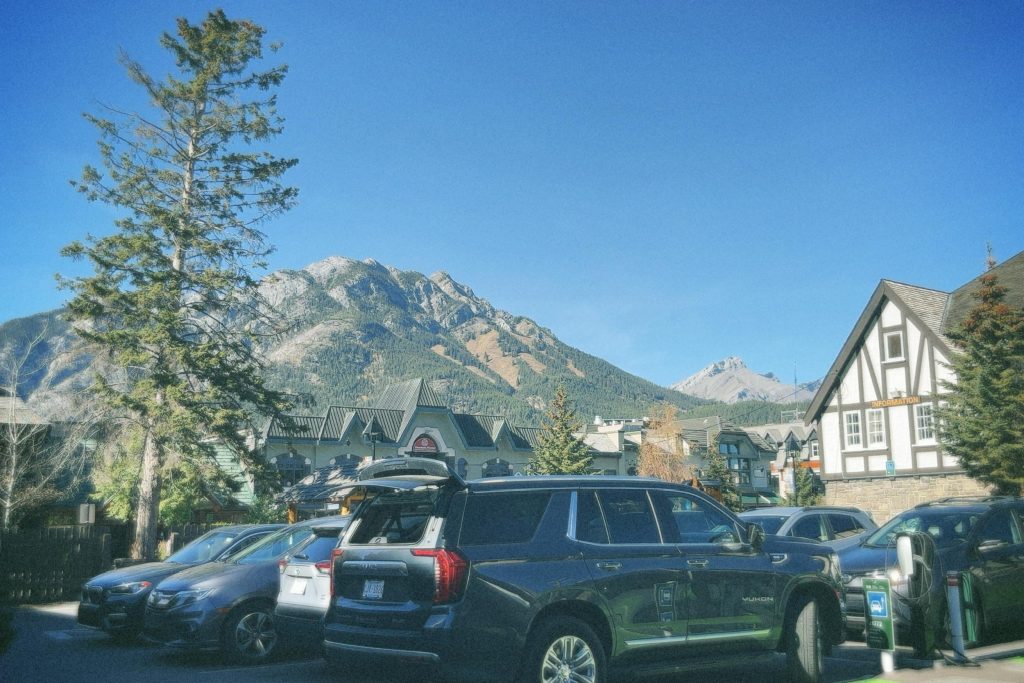
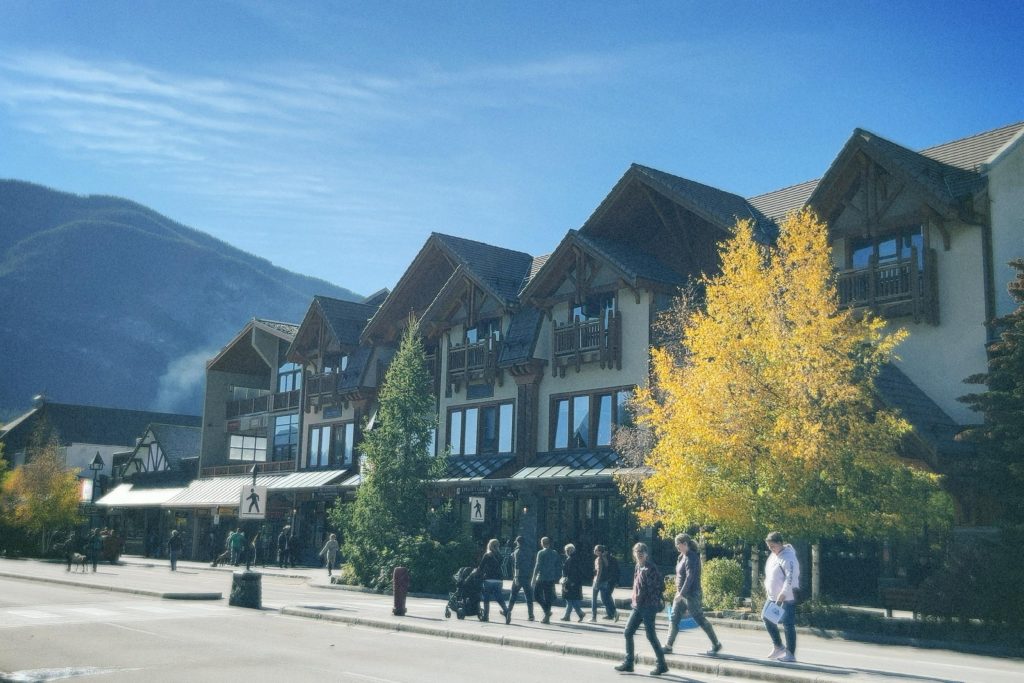
Banff town first impressions = chalet roofs, mountain air, and the kind of shops you actually want to go into. We took time for cute, small boutiques and got souvenirs (postcards, enamel mugs, cute magnets, they have it all!). After that, we walked to the Hoodoos Viewpoint, a super short, easy trail to spires above the Bow River.
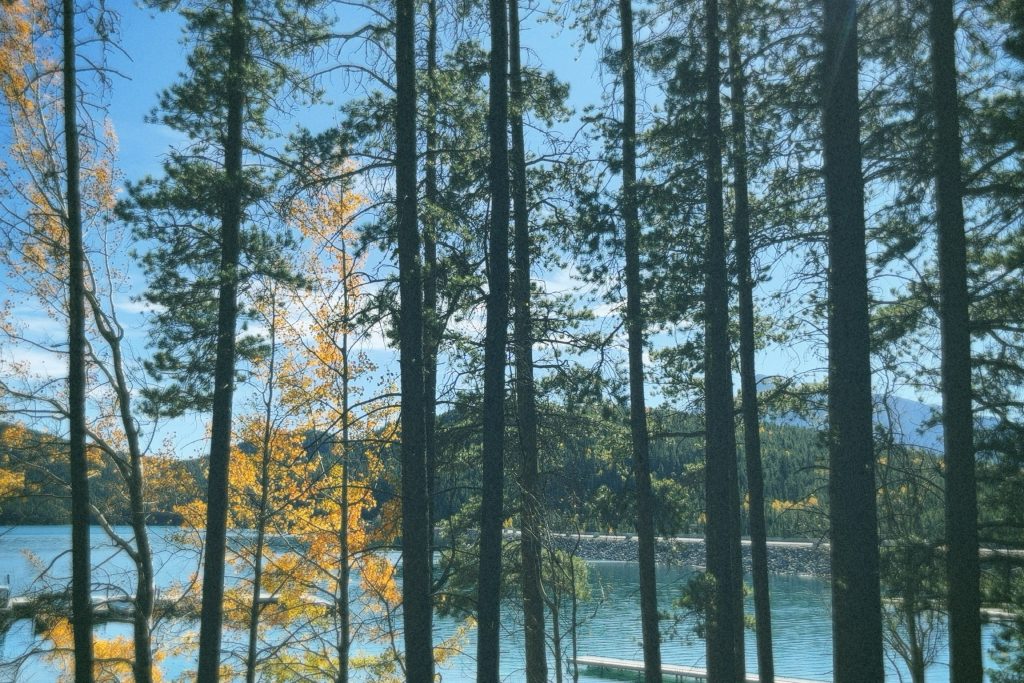
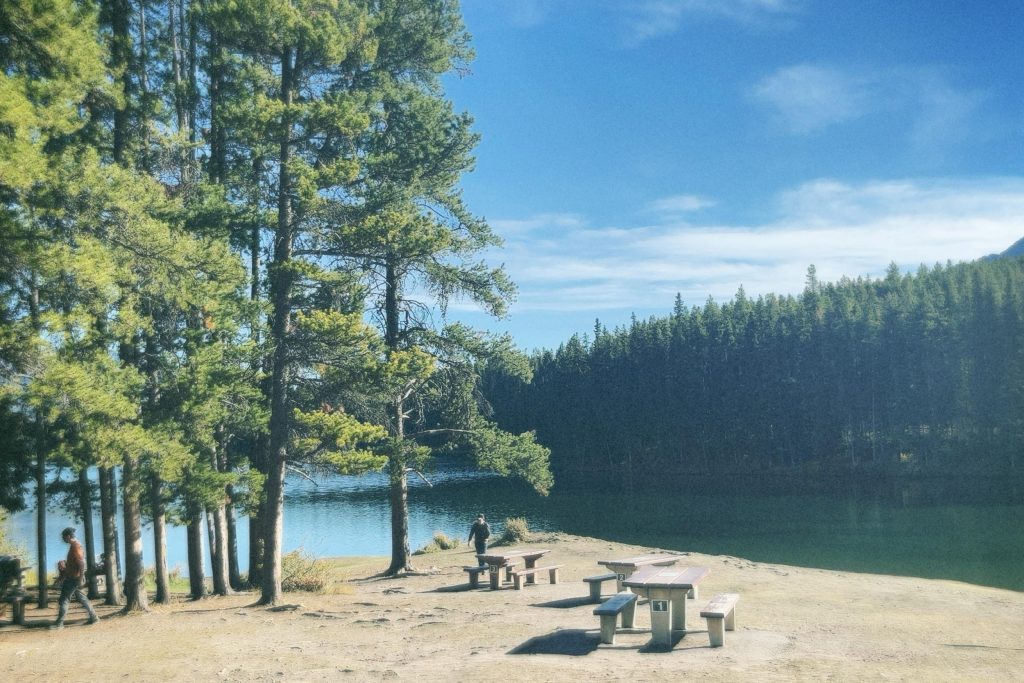
Then we drove to Two Jack Lake and watched the light go pink over the water. We had snacks on the rocks and stayed until the sky turned indigo.
Day 2: Sunrise at Lake Louise, Fairmont breakfast, Sulphur Mountain and Cascade Ponds
Pre dawn:
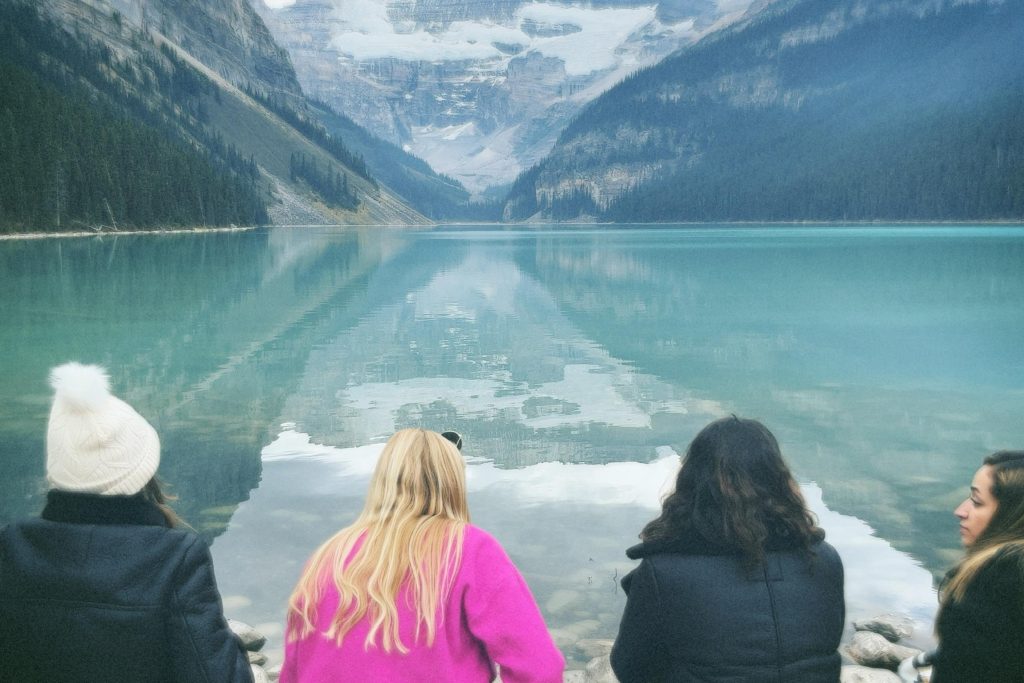
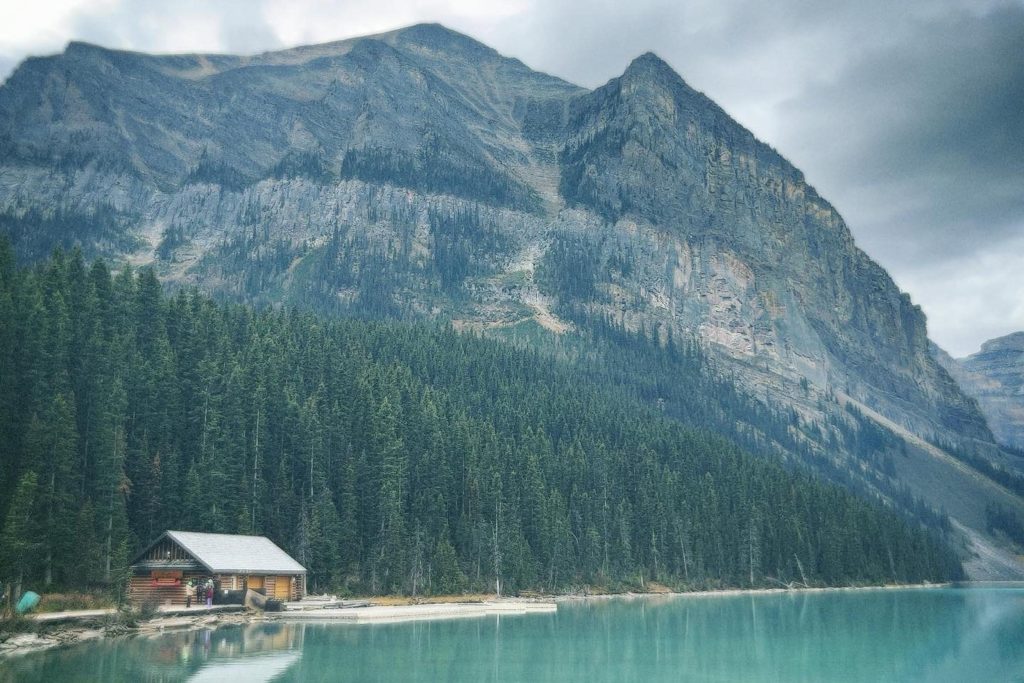
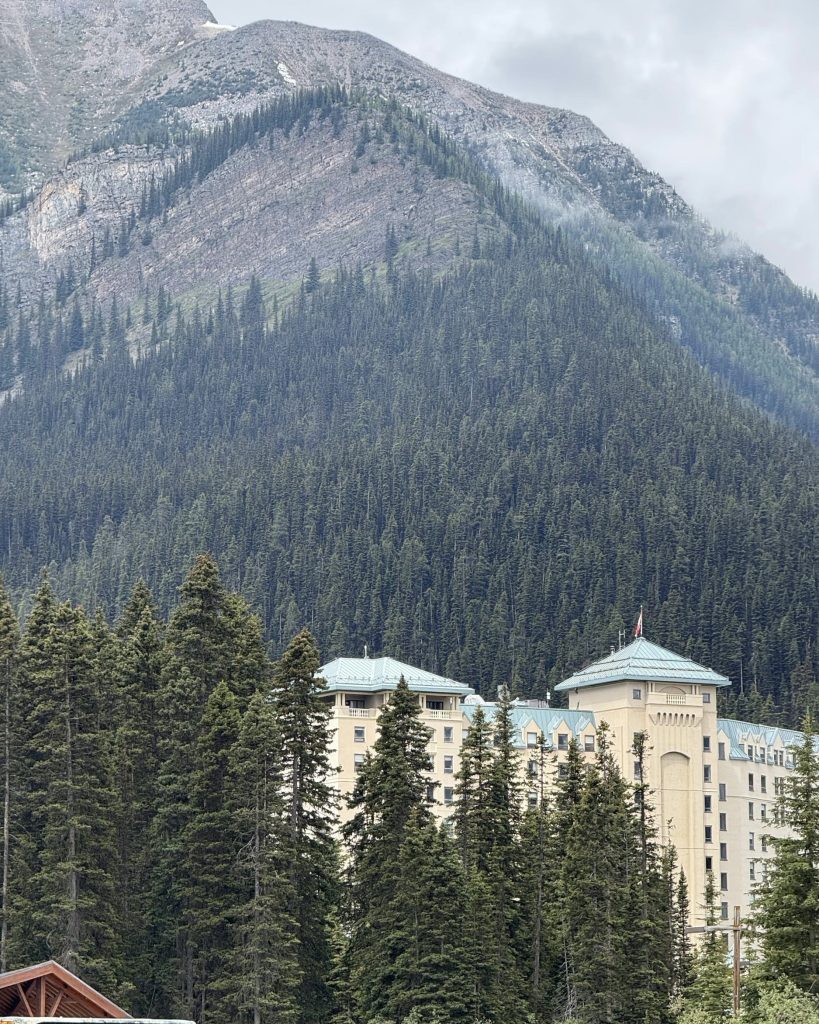
We left early for Lake Louise. The shoreline at blue hour is silent; when the sun touches the water, it goes full turquoise. We hiked to Lake Agnes Teahouse and came back via the lakeshore.
Late morning:
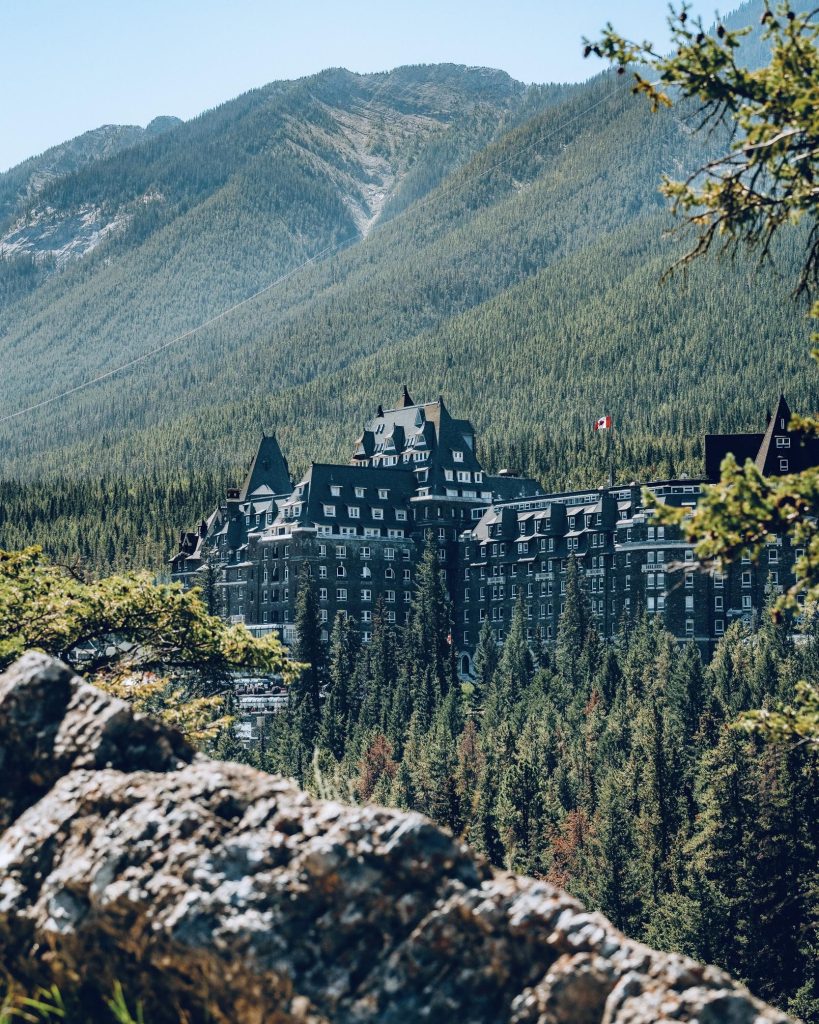
We treated ourselves to breakfast at the Fairmont Banff Springs, which we totally recommend! The castle vibes are real. Simple breakfast, huge windows, and that “we’re in a movie” feeling.
Afternoon and night:
Up Sulphur Mountain by Banff Gondola (or hike if you’re in the mood and layered up). The boardwalk along the ridge is a 360° postcard. We ended at Cascade Ponds for a mellow walk and mirror reflection.
Day 3: Moraine Lake, Johnston Canyon, Minnewanka Loop
Morning:
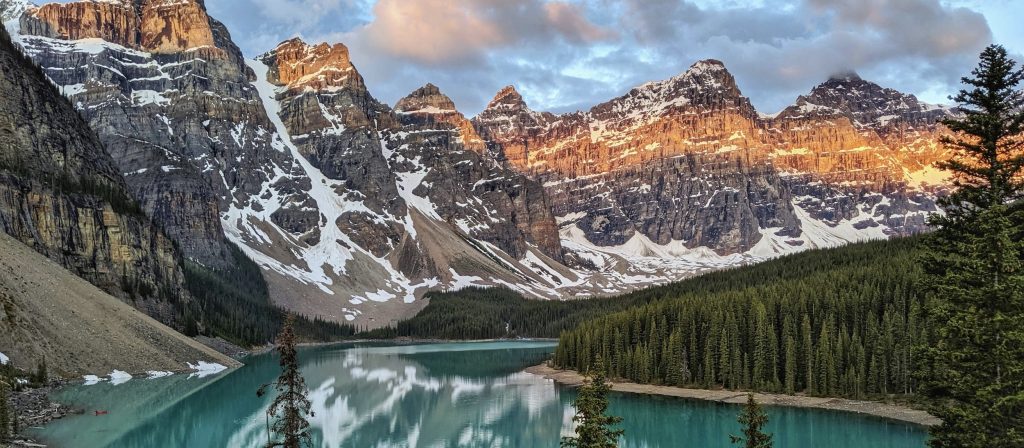
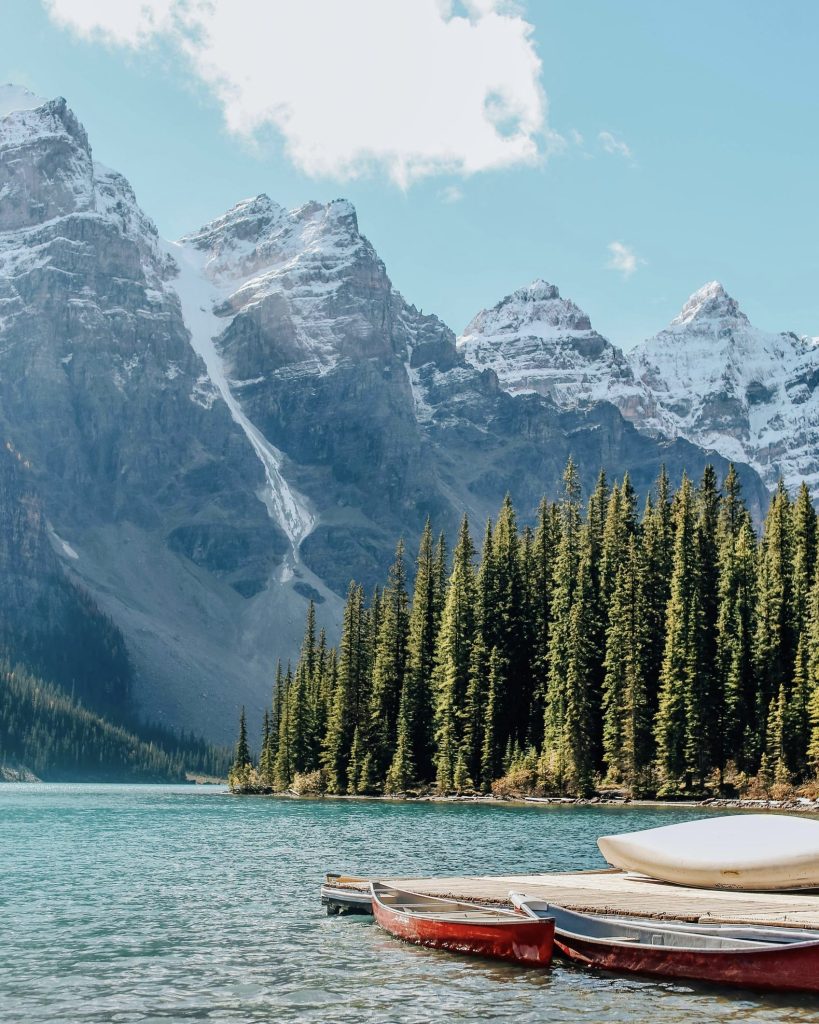
Moraine Lake is shuttle only (private vehicles are not allowed). In October, schedules can shift, so we booked a Parks Canada shuttle and went early. The Valley of the Ten Peaks is pure magic. If shuttles are finished for the season when you go, add more time at Lake Louise or save Moraine for the next trip.
Midday:
Johnston Canyon, the catwalks, turquoise water, and two waterfalls (Lower & Upper Falls). In October the trail can be frosty; if needed consider wearing microspikes, we were lucky with the weather so it was not needed.
Afternoon during golden hour:
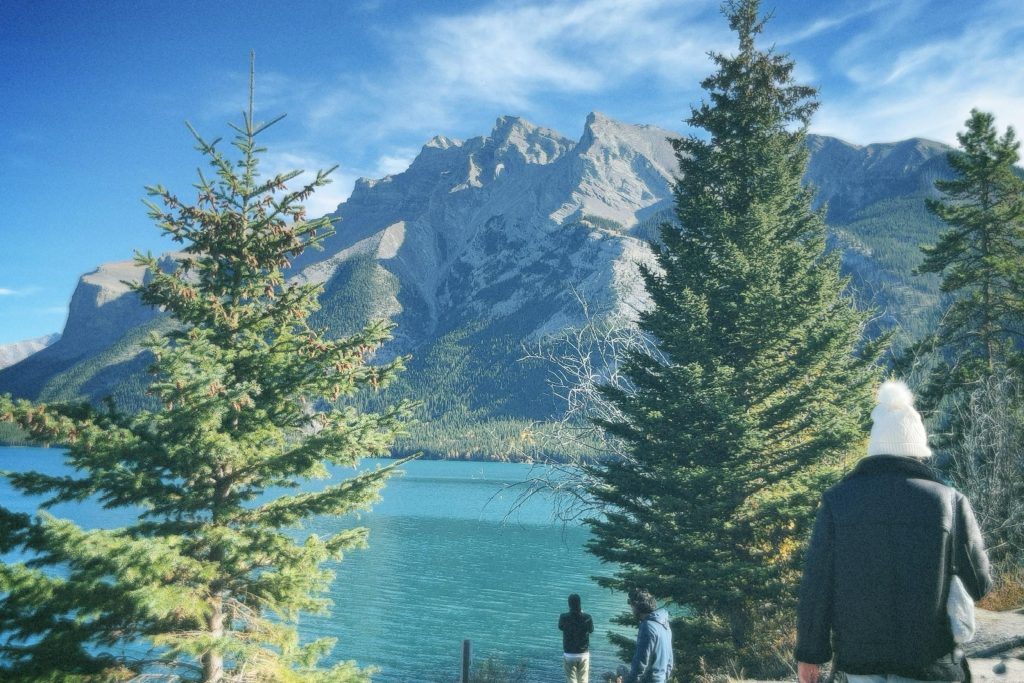
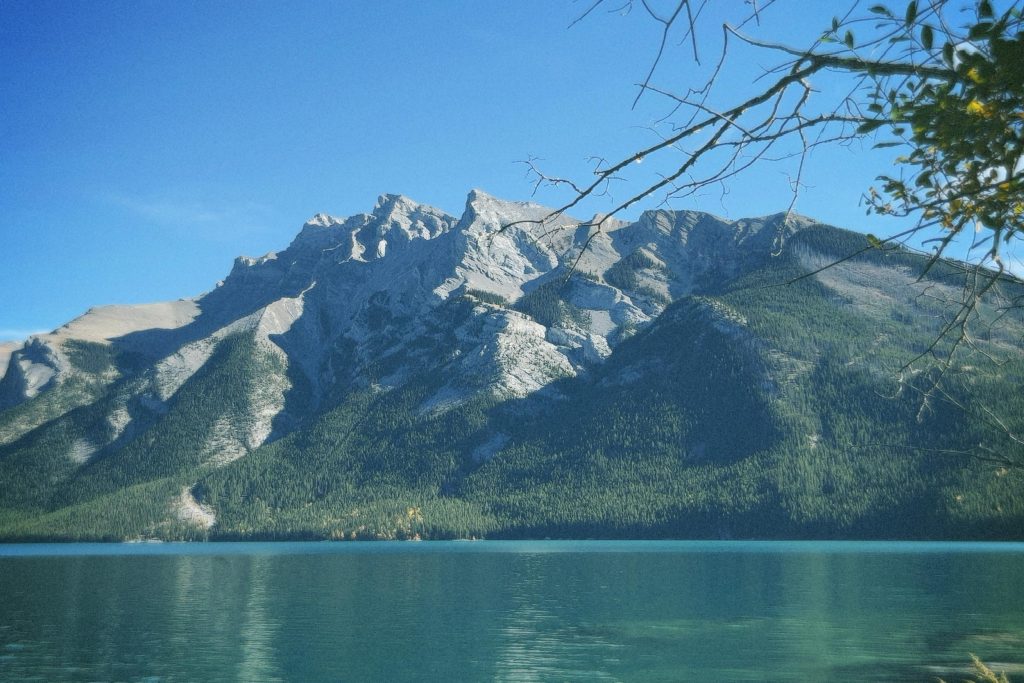
The Lake Minnewanka Scenic Drive is a mini road trip: Lake Minnewanka, Two Jack Lake (yes, again, with a different light), and pull outs with wide views. We kept our distance from wildlife and took it slow, but we should warn you that on this trip the chances for you to see a bear or a deer in the middle of the road are pretty high!
Day 4: Icefields Parkway, Bow Lake, Peyto Lake and back to Calgary
Morning:
We started the day at Lake Louise once again, this time to catch the sunrise. It is the same route as Bow and Peyto Lakes, so there is no need to backtrack later. Arriving 45 to 60 minutes early gave us that peaceful blue hour calm before the mountains caught the first light and the lake turned its famous turquoise glow.
Late morning:
From there, we continued north along the Icefields Parkway, one of the most scenic drives in the world. We stopped at Bow Lake, where the still water perfectly reflected the mountains, and at the Crowfoot Glacier viewpoint for another postcard moment. We probably took way too many photos, but honestly, it was impossible not to.
Midday / Early afternoon:
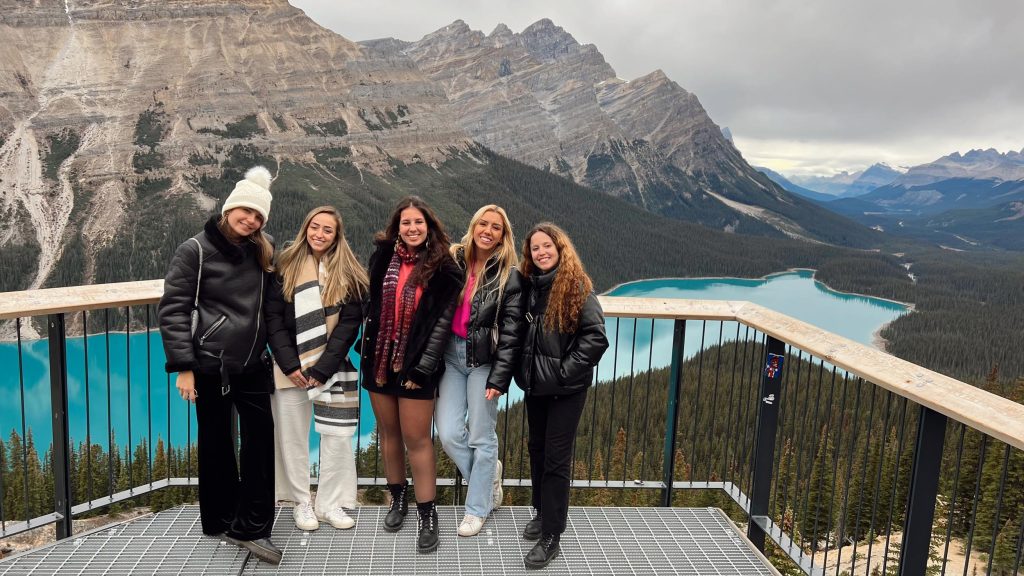
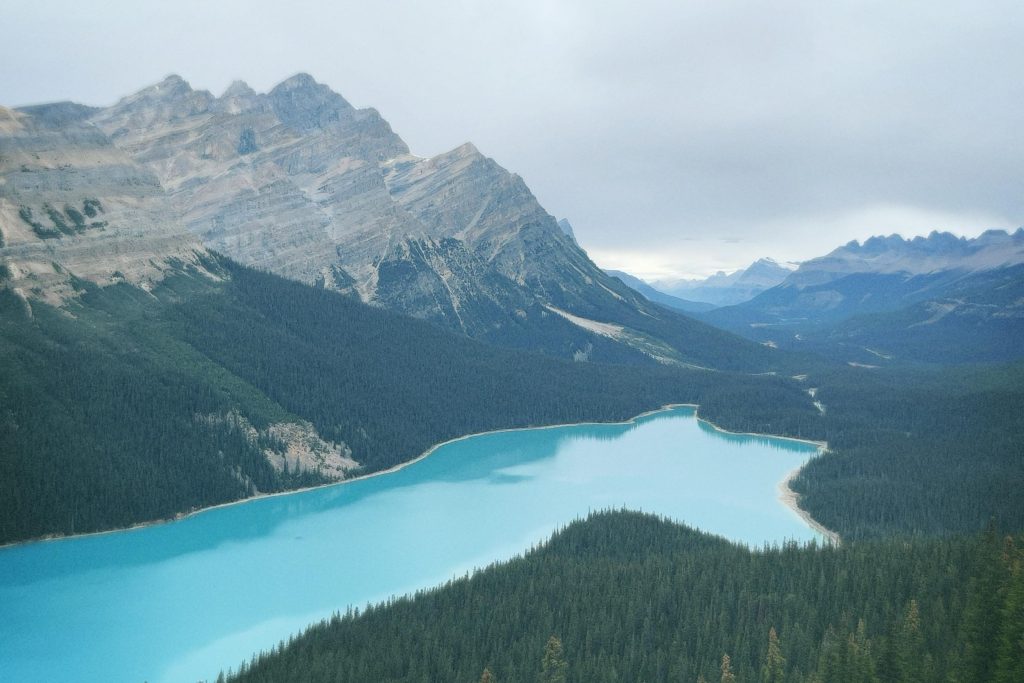
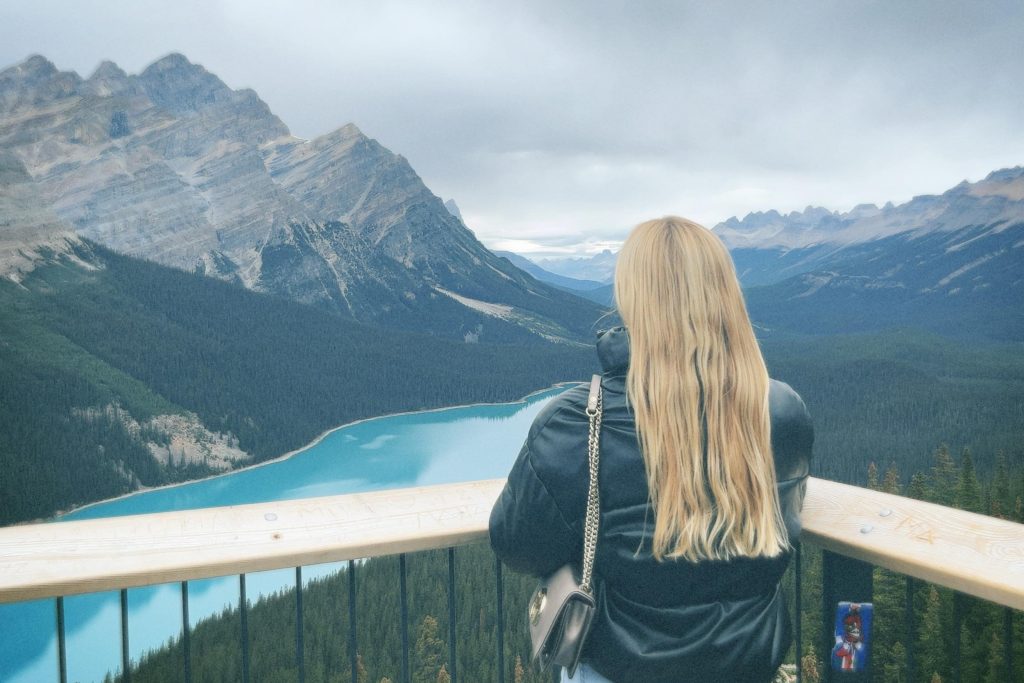
Next up was Peyto Lake, just a short and easy walk from the parking area. In October it can be slick, take care, but that wolf head shape and electric blue are unreal.
Afternoon:
We ended the trip slowly, driving back toward Banff for one last walk through town and a stop at a cozy bakery for coffee and pastries. From there, you can either make your way back to Calgary or, if you have time, spend one final night under the stars.
Day 5: Vermilion Lakes sunrise, Canmore brunch, Surprise Corner
If you have a bit more time to spare, here’s what we’d add to the trip:
Catch sunrise at Vermilion Lakes for those mirror like reflections, stop by Surprise Corner for the classic view of the Fairmont Banff Springs, and finish with a cozy brunch in Canmore before heading back to Calgary.
Where we slept and why we liked it:
We stayed at a few different campgrounds during our trip, each with its own charm.
- Tunnel Mountain Village II Campground made a perfect first stop, close to town and easy to settle into after a long drive,
- Two Jack Lakeside was wonderfully peaceful, with our camper parked just steps from the water,
- Lake Louise Campground which turned out to be ideal for exploring both Lake Louise and Moraine Lake.
Tip: For shoulder season, check what’s open and whether it is reservable or first come first served. Arriving around 15:00 worked well for FCFS spots.
Practical guide:
Map and distances (approx.):
Everything in the Banff area is closer than it looks. It’s about 1h45 (127 km) from Calgary to Banff, then 45 to 60 minutes (57 km) to reach Lake Louise. From Banff to Peyto Lake, count around 1h30 (100 km) along the Icefields Parkway, and just 20 to 25 minutes (26 km) between Banff and Canmore, ideal for a final coffee stop before heading back.
What to expect in October:
Daylight lasts around 10 to 11 hours, with noticeably earlier sunsets toward the end of the month. Mornings can be cold, and you might even encounter frost or a light dusting of snow at higher altitudes. Dressing in layers is key, start with a base layer, add a fleece, an insulated jacket, and a shell, plus a beanie and gloves to stay warm. When camping, remember to sleep only in designated campgrounds and always respect wildlife and posted signs.
Parking and timing tips:
Getting the timing right can make a huge difference in Banff. For Lake Louise, aim to arrive about 45 to 60 minutes before sunrise, it is the most peaceful time of day and perfect for photos before the crowds roll in. At Johnston Canyon, go early in the morning or later in the afternoon to avoid the busiest hours. On town days, it is best to park once and explore on foot around Banff Avenue and Bear Street. For sunset, Two Jack Lake and Vermilion Lakes are both beautiful spots to end the day.
Budget snapshot (for planning, not perfection):
Your total budget will depend on your chosen route and travel style, but here is a quick overview to help you plan. Fuel costs will vary depending on the length of your loop, we filled up just once comfortably.
Campground prices change with the season and available services, so it’s worth checking Parks Canada for updated rates and availability.
For meals, plan a mix of easy campsite cooking with a few treats along the way, we made simple dinners and treated ourselves to one nice breakfast out. If you’re visiting during the open season, remember to book your Moraine Lake shuttle early to secure a spot. Finally, grab a Parks Canada day pass or a Discovery Pass if you will be exploring multiple parks, it is usually the best value for multi day road trips.
After four days on the road, it was hard to hand back the keys. Banff’s turquoise lakes, the quiet of Two Jack at sunrise, and that crisp mountain air will stay with us for a long time.
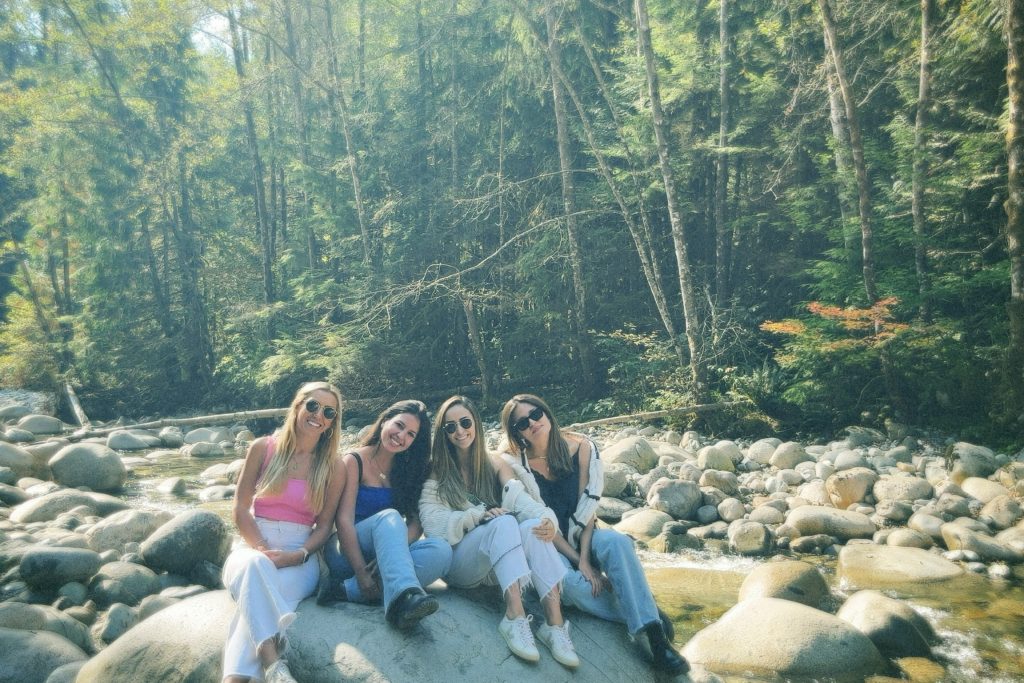
Whether it’s your first RV trip or your tenth, exploring this region on your own wheels is something truly special. Every turn offers a new view, every stop a new story. If you’re feeling inspired to plan your own adventure, Calgary makes the perfect starting point, because it is easy to reach, surrounded by breathtaking scenery, and just a short drive from the heart of the Rockies.
Pick up your RV there, take a deep breath, and let the open road lead the way.