Last Updated: June 24, 2026
Working out what to do in Cairns, Australia, usually starts with one line: it’s the gateway to the Great Barrier Reef. That’s true, and the reef earns every bit of the hype. But most visitors book a reef day, ride the Skyrail, and fly home, missing the rainforest drives, crater lakes, and freshwater swimming holes that locals treat as the real prize.
This guide covers both. You’ll get the reef and the famous day trips done properly, plus the Atherton Tablelands waterfall circuit, the quiet southern gorges, and the road north to Cape Tribulation, where the rainforest runs straight into the sea.
It’s built around a campervan, the one setup that links the coast, the reef towns, and the Tablelands without booking a new hotel every night.
Whether you’ve got a long weekend or two weeks, these are the best places to visit in and around Cairns for every type of traveler. For more road-trip ideas, browse our destination guides before you map the route.
Key Takeaways (TL;DR)
Why Go in 2026:
Cairns has a tropical climate with a long dry season from roughly May to October, when days are warm, rain is light, and the reef water is clear. Time it inside that window, and you also skip the marine stinger season, so the beaches and reef open up.
- Top Places to Visit in Cairns in 2026: The Great Barrier Reef, Kuranda, the Atherton Tablelands, Port Douglas, and the Daintree Rainforest.
- Don’t-Miss Experience: Snorkeling off a white sand cay on the outer reef at sunrise, or sliding into the cool granite pools at Josephine Falls on a hot Tablelands afternoon.
- Ideal Trip Length: 5 to 7 days to pair the reef with the rainforest and the Tablelands; 10 to 14 days if you’re adding Port Douglas, Cape Tribulation, and the southern waterfalls without rushing.
- How to Choose Where to Go: Decide between reef time and rainforest time, how far north you want to drive, and which season you’re traveling in. The wet season fills the waterfalls but closes some inland roads, so plan around that first.
- Recommended Budget Per Person: Around AUD 100 to 220 per day, excluding the campervan. That covers meals, a reef or rainforest tour, park fees, and fuel.
- Watch Out For: Marine stingers from November to May, saltwater crocodiles in northern rivers and estuaries, sun that burns fast even on cloudy days, and the Bloomfield Track north of Cape Tribulation, which is off-limits to standard campervans.
- Where to Stay: An Indie Campers campervan paired with the holiday and caravan parks that line the coast and the Tablelands. One booking covers your transport and your bed, which is what makes combining the reef, the beaches, and the rainforest realistic.
- Best For: First-timers who want the reef and rainforest icons, plus road-trippers chasing the waterfalls, sand cays, and northern beaches most tourists skip.
Table of Contents
- Top Places to Visit in Cairns: At a Glance
- What to Do in Cairns: Best Places to Visit
- What Should You Pack for a Cairns Road Trip in 2026
- Final Tips for Deciding What to Do in Cairns
- Plan Your Cairns Road Trip with Indie Campers
- Everything You Need to Know About Cairns RV Road Trips
- FAQs About What to Do in Cairns
Top Places to Visit in Cairns: At a Glance
Here’s a quick view of the 10 places in this guide, what each one feels like, and how camper-friendly it is. These spots split into the reef and islands you reach by boat, the beaches and city base, and the rainforest and Tablelands you drive to.
| Place | Area | Vibe | Best For | Top Things to Do | Avg Temp | Ideal Time | Crowd Level | RV-Friendly |
| Cairns City & the Esplanade | City hub | Tropical, laid-back, social | First-timers, families | Lagoon, Rusty’s Market, and gardens | 17-31C | 1-2 days | High | Park & walk |
| The Great Barrier Reef | Offshore (1 hr) | Bucket-list, underwater | Divers, snorkelers | Outer reef, sand cays | Water 23-29C | 1-2 days | High | Park & boat |
| Green & Fitzroy Islands | Offshore (45 min) | Reef islands, easy | Families, snorkelers | Nudey Beach, turtle centre | Water 23-29C | 1 day | Medium | Park & ferry |
| Northern Beaches | North (25 min) | Palm-lined, relaxed | Couples, families | Palm Cove, Ellis Beach | 18-30C | 1-2 days | Medium | Excellent |
| Kuranda & Barron Gorge | North-west (45 min) | Rainforest village | First-timers, families | Railway, Skyrail, Barron Falls | 16-29C | 1 day | High | Good |
| Crystal Cascades & swimming holes | West (30 min) | Freshwater, local | Budget, families | Crystal Cascades, Fairy Falls | 18-30C | Half day | Low | Park & walk |
| Atherton Tablelands | Highlands (1.5 hr) | Cool, green waterfalls | Road-trippers, nature | Waterfall circuit, crater lakes | 10-27C | 1-2 days | Low | Excellent |
| Babinda & Josephine Falls | South (1 hr) | Wild, off-radar | Adventure seekers | Boulders, falls, cassowaries | 18-30C | 1 day | Low | Good |
| Port Douglas & Mossman Gorge | North (1 hr) | Resort town, gorge | Couples, families | Four Mile Beach, Dreamtime walk | 18-30C | 1-2 days | Medium | Excellent |
| Daintree & Cape Tribulation | North (2.5 hr) | Ancient rainforest, reef | Nature lovers | River ferry, Cape Trib beach | 19-30C | 1-2 days | Medium | Good (2WD limit) |
Temperatures are approximate annual day ranges in Celsius. Cairns is warm year-round, with a hot, humid wet season from December to April and a drier, milder season from May to October.
What to Do in Cairns: Best Places to Visit
Cairns works best as a base camp, not a single stop. The city and the reef anchor any trip, and a short drive opens up rainforest villages, crater lakes, and beaches that day-tour buses never reach. Below are 10 of the best places to go and what to do in Cairns and its surrounds, starting in the city and working out to the reef, the Tablelands, and the far north.
1. Cairns City and the Esplanade
The Vibe
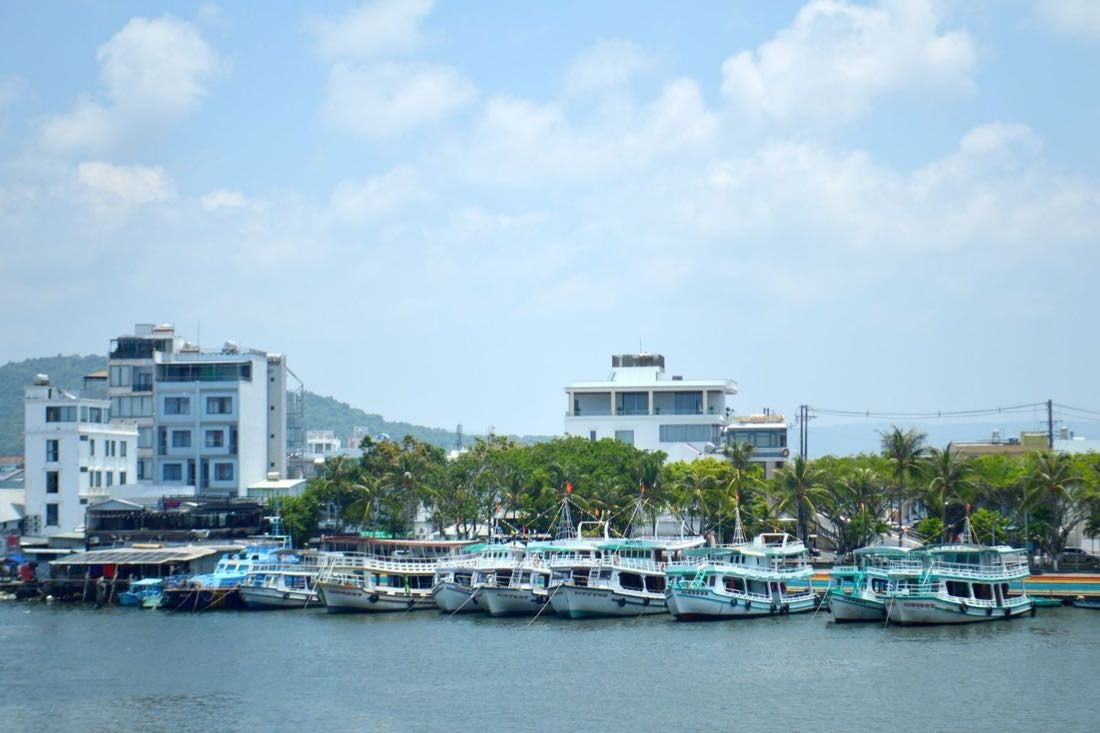
Cairns is a compact tropical city that points outward. It has no surf beach of its own, just mangrove mudflats at low tide, so life gathers around the saltwater Esplanade Lagoon and the marina where reef boats pull out at dawn. The pace is slow, the air is thick and warm, and the streets fill with travelers swapping reef and rainforest plans.
Far North Queensland holds one of the largest Aboriginal and Torres Strait Islander communities in the country, and that culture runs through the markets, art, and guided walks. Edge Hill and the Botanic Gardens give the city a leafy, local side most visitors walk straight past.
Plan the city as your first and last stop rather than a destination in itself, giving it a day at each end of the trip. Use the start to stock the van and find your feet, and the end to wash off the road dust before you fly out.
Top Things to Do
- Swim the Esplanade Lagoon: A free, lifeguarded saltwater pool in the middle of the city, safe from crocs and stingers and open year-round. It’s the easy answer when the ocean isn’t swimmable. The grassed edges fill with families by mid-morning, so come early for a quiet swim and shade. It is the reliable fallback whenever the tide pulls the sea out to the mudflats.
- Browse Rusty’s Market: Friday to Sunday, the market floods with tropical fruit like mangosteen, rambutan, and jackfruit, plus coffee and street food. Bring cash and arrive hungry. It opens from early morning and winds down by early afternoon, so go before lunch for the best pick of the produce and the shortest queues at the coffee carts.
- Walk the Cairns Botanic Gardens: Free rainforest boardwalks and one of the best tropical plant collections in Australia, tucked into the Edge Hill foothills. Allow an hour or two for the boardwalks and the climb to the Mount Whitfield lookouts, and start early before the humidity builds. Entry and parking are free, one of the best-value mornings in the city.
- Visit the Cairns Aquarium: A solid rainy-day backup that shows the same reef and river species you’ll look for on the water, including a stinger and a freshwater croc tank. It is the natural rainy-season backup, so keep it in reserve for the afternoon, a tropical downpour rolls through, and the reef boats stay in.
- Eat at the night markets: The Esplanade night markets run a cheap, busy Asian food court most evenings, a relaxed way to eat near the water. The food court runs most evenings on the Esplanade with cheap Asian plates and a buzzy, casual feel that suits a first night in town before an early start.
- Spot the wading birds: The Esplanade boardwalk runs along tidal flats that draw migratory shorebirds, best at high tide with a coffee in hand. The boardwalk along the tidal flats is a quiet early-morning walk, with interpretive signs naming the migratory species you are watching feed on the mud.
Don’t Leave Without…
Don’t leave without an early walk along the Esplanade before your dawn reef boat, then a plate from the night markets when you’re back on dry land. It is the simple rhythm that makes the city work, bookending a big day on the water with an easy, cheap meal by the lagoon.
RV and Campervan Practical Info
- Make the city your base: Cairns is flat and easy to drive, and it’s where you stock up on food, fuel, and gas before heading out. RV rental in Australia gives you a vehicle you can park at a holiday park like Cairns Coconut Holiday Resort and walk or drive into town from. Cairns Coconut and the other city holiday parks sit a short drive or bus ride from the centre, with powered sites, laundries and pools that make a comfortable first and last base.
- Use the dump points and supermarkets: The city is your provisioning hub, with large supermarkets, fuel, and caravan-park dump points before the thinner north. Top up food, fuel, gas, and water here, since supplies get scarcer and pricier the further north and higher into the Tablelands you drive.
- Park and walk the centre: The CBD is small and walkable, with metered street parking. You don’t need the van once you’re in town. Metered street parking and a couple of larger car parks take a camper, so leave the van and cover the compact, flat grid on foot.
The lagoon, the gardens, and the Esplanade cost nothing, so save your spending for the reef and the day trips.
Who Is It Best For?
- First-timers who want a low-stress base for reef and rainforest trips. It is flat, walkable, and well-stocked, which takes the stress out of the first 24 hours on the ground.
- Families who need a safe, free place to swim in the city. The lagoon and the gardens keep kids happy without a single ticket.
- Travelers stocking up before driving north or up to the Tablelands.
- Not ideal for: travelers chasing a classic swimming beach in the city itself, since Cairns fronts mangrove mudflats rather than sand. For that, drive 25 minutes north to Palm Cove or Ellis Beach.
Recommended Budget
- Meals: AUD 30 to 80 per day, cheapest at the markets and food courts. Self-catering from the van drops this further, with large supermarkets close to most holiday parks.
- Activities: AUD 0 to 40 per day; most of the city’s best is free. Pro tip: bank your spending here for the reef and the day trips, since the lagoon, the gardens, and the Esplanade markets all cost nothing.
2. The Great Barrier Reef
The Vibe
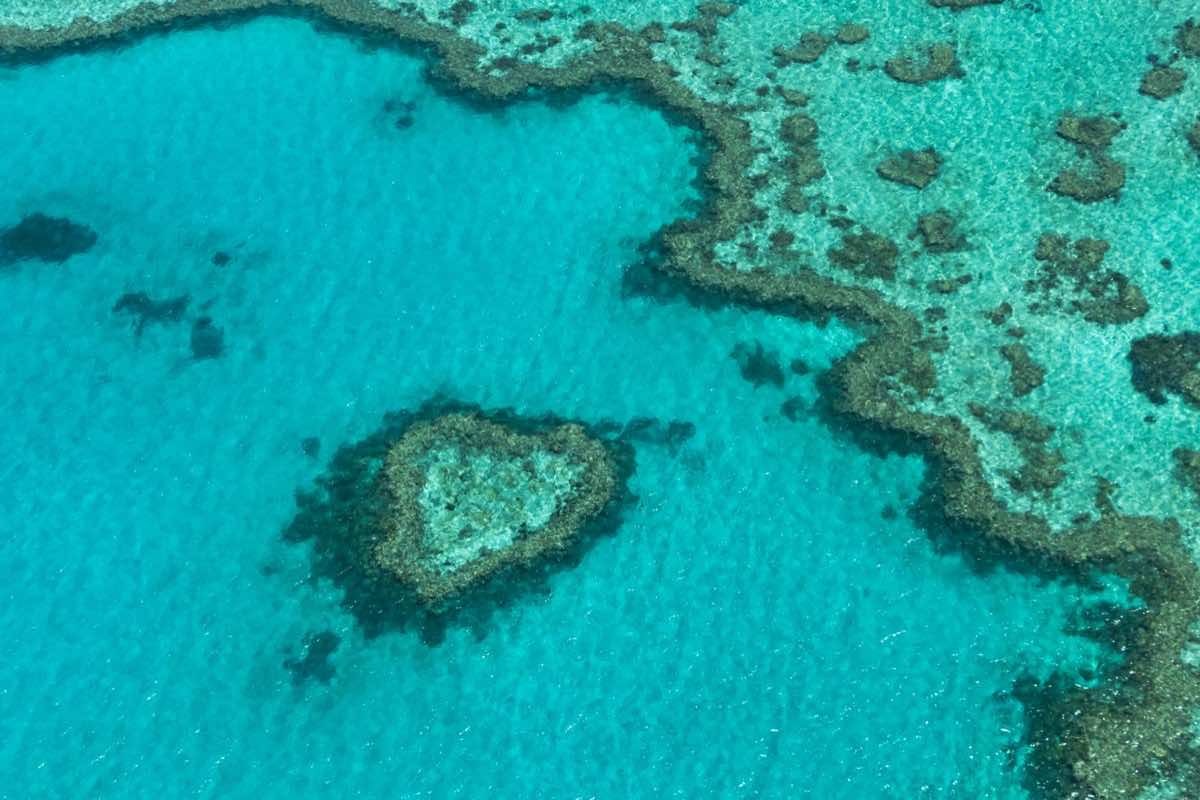
This is why most people come, and it lives up to it. An hour by boat from Cairns, the outer reef opens into coral gardens, drop-offs, and clear blue water full of turtles, reef sharks, and giant clams. You can do it as a day trip to a pontoon, a smaller dive boat to the ribbon reefs, or a multi-day liveaboard.
The reef is vast, 2,300km of coral reef running down the Queensland coast, with over 1,600 species of fish. What most day-trippers miss are the sand cays, tiny islands of white sand sitting alone in the middle of the ocean.
Pick your trip based on how much you want to do in the water. A large pontoon suits families and first-timers with its stable deck and shade, while a smaller dive boat trades comfort for quieter coral and fewer people.
Top Things to Do
- Snorkel or dive the outer reef: A pontoon day trip suits all levels, with gear, guides, and a stable base. Certified divers can book smaller boats to the quieter ribbon reefs. A full day usually means two or three snorkel or dive stops with lunch on board, leaving the marina early and back by mid-afternoon, so it pairs well with a quiet evening in the city.
- Land on a sand cay: Trips to Vlasoff, Upolu, or Michaelmas Cay drop you on a bare strip of white sand ringed by coral. It’s the most photogenic part of the reef and far from the crowds. The cays sit well offshore, so they come on longer outer-reef trips rather than a quick inner-reef run; pick a calm-weather day to make the most of the bare sand and clear water.
- Snorkel Michaelmas Cay: A protected bird sanctuary and cay with shallow, calm water, good for nervous swimmers and families. The water is shallow and calm over the sand, and the cay is a protected seabird rookery, so you stay off the nesting areas and snorkel the edges.
- Try an introductory dive: No certification needed; instructors take first-timers down in small groups straight off the boat. Instructors take complete beginners down in small groups after a short briefing, the easy way to dive the reef without a full certification course.
- Take a scenic flight: A helicopter or small plane over the reef shows the scale and the colour of the coral that you can’t see from the water. Some boats offer a short reef flight as a transfer or add-on, the only way to take in the sheer scale and colour of the coral in one frame.
- Choose a low-impact operator: Many Cairns boats run eco-certified trips with marine biologists on board, worth picking for the briefing alone. Look for an operator with a marine biologist on board, since the guided snorkel and the talk on the way out turn a swim into a proper introduction to the reef.
Don’t Leave Without…
Don’t leave without a snorkel off a sand cay, floating over coral with nothing but ocean around you, and the slow boat ride back into the harbour at golden hour. Save some camera battery for that run home, when the light goes soft and the crew hands round tea as the coast slides back into view.
RV and Campervan Practical Info
- Leave the van at the park: You don’t drive to the reef. Park the campervan at your holiday park and walk or shuttle to the marina. Many tours include a marina transfer from city hotels and parks, so confirm the pickup when you book rather than driving in and paying to park.
- Board at the marina: Tours leave from the Marlin Marina and Reef Fleet Terminal in the city centre, with early check-ins. Check-in usually runs 60 to 90 minutes before departure, so factor an early start and a short walk from the park into the morning.
- Book ahead in the dry season: From June to September, the best outer-reef trips sell out days in advance, so lock yours in early. School holidays and the June-to-September peak book out first, so reserve your reef day before you fix the rest of the itinerary around it.
A reef environmental management charge applies per person on top of the tour fare, collected by the operator. Budget a little extra per person for the reef charge and bring reef-safe sunscreen, which is about all you really need to pack for the day.
Who Is It Best For?
- First-timers ticking off a bucket-list sight. The reef is the one day most visitors will not skip, and it lives up to the billing.
- Snorkelers and divers of every level. From a first try-dive to logged divers chasing the ribbon reefs, there is a boat to match.
- Families, who do well on the larger pontoon trips.
- Not ideal for: anyone prone to seasickness on a rough day, since the outer reef is a 90-minute crossing each way. Choose a calm-weather window or a closer island reef if that is a concern.
Recommended Budget
- Meals: AUD 0 to 40 per day; most reef tours include lunch. Most full-day boats feed you on board, so you rarely spend on food until you are back ashore.
- Activities: AUD 200 to 350 for a full-day reef trip, more for diving or a scenic flight. Pro tip: book midweek in the shoulder season for lower fares and quieter water, and skip the optional add-ons you will not use.
3. Green Island and Fitzroy Island
The Vibe
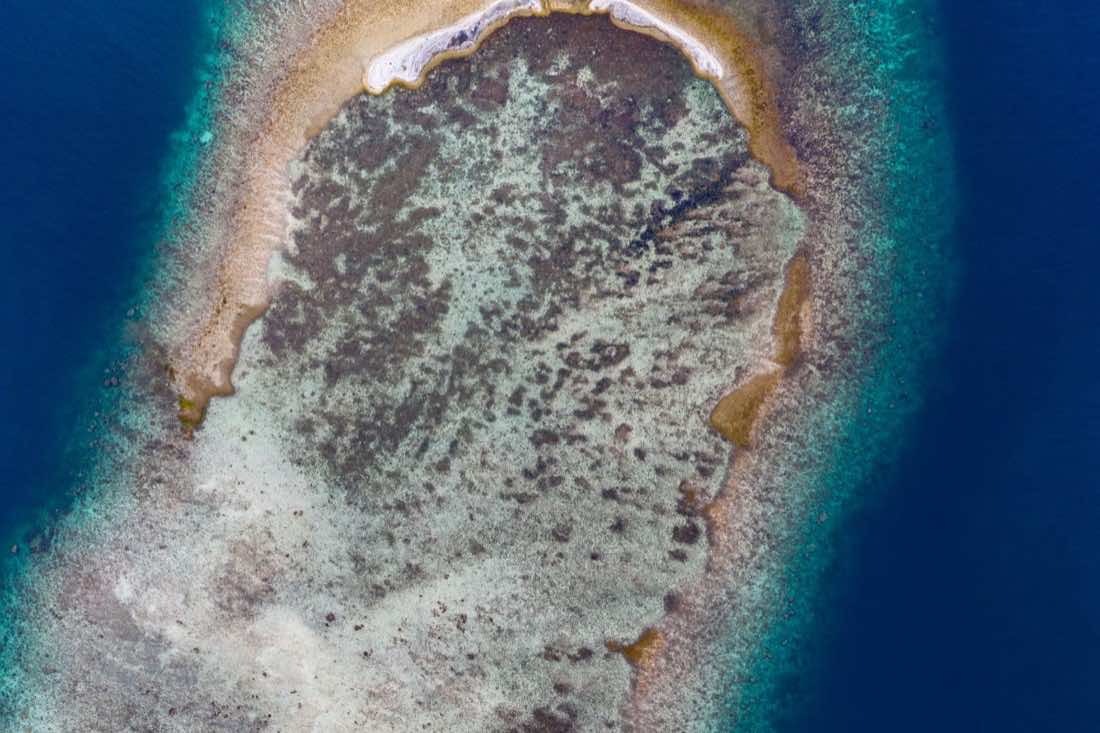
Two very different islands sit within 45 minutes of Cairns, and both put reef snorkeling within reach without a long boat ride. Green Island is a coral cay with rainforest in the middle, a sandy beach all the way around, and easy walking tracks. Fitzroy Island is a rugged continental island with rainforest hills, a turtle hospital, and the much-loved Nudey Beach.
They’re calmer and cheaper than the outer reef, and they reward anyone who stays past the day-boat rush, when the beaches go quiet again.
Choose the island that fits your day. Green Island suits a relaxed family outing with its boardwalks and beach right off the jetty, while Fitzroy rewards walkers and snorkelers who want a headland to climb and coral close to shore.
Top Things to Do
- Day trip to Green Island: Snorkel straight off the beach, walk the rainforest loop, and ride a glass-bottom boat over the coral if you’d rather stay dry. The ferry takes about 45 minutes each way, and a half-day pass is enough to snorkel, walk the rainforest loop, and still be back for the afternoon.
- Snorkel Nudey Beach: The coral-and-sand beach on Fitzroy has been rated among the best in the country, with a reef a few strokes from shore. Nudey Beach has topped national best-beach lists, and the coral starts in waist-deep water, so it suits snorkelers who would rather wade in than board a boat.
- Visit the turtle centre: The Cairns Turtle Rehabilitation Centre on Fitzroy runs tours that show how injured green turtles are nursed back to the sea. Short guided tours run from the rehabilitation centre on Fitzroy, a gentle, kid-friendly stop between snorkels.
- Hike the Fitzroy summit: A steep track climbs to a lighthouse and a lookout over the Coral Sea, best early before the heat. The climb to the lighthouse and lookout takes about an hour return on a steep track, so carry water and go before the midday sun hits the open ridge.
- Paddle a kayak: Both islands rent kayaks and stand-up boards for an easy morning on flat water. Both islands rent kayaks and stand-up boards by the hour, ideal for the calm water before the day boats arrive.
- Stay the night: Small resorts on each island let you watch the day boats leave and have the snorkeling almost to yourself. An overnight on either island leaves you the reef nearly empty at dawn and dusk, once the last ferry has gone.
Don’t Leave Without…
Don’t leave without a snorkel off Nudey Beach on Fitzroy, then a cold drink on the sand once the last ferry of day-trippers has gone. That late-afternoon lull, after the crowds sail home and before the light goes, is the best window of the whole day out here.
RV and Campervan Practical Info
- Ferry from the marina: Fast catamarans run daily from Cairns. Park the van at your holiday park and walk to the terminal. Fast catamarans run several times daily from Reef Fleet Terminal, so leave the van on its powered site and travel light.
- Pick by pace: Green Island suits a relaxed family day; Fitzroy suits snorkelers and walkers who want more to do. If you only have time for one, families lean Green and active travelers lean Fitzroy.
- Pack light and reef-safe: Take only reef-safe sunscreen, water, and a towel; both islands have limited shade and pricey kiosks. Carry your own water, snacks, and reef-safe sunscreen, since both islands have little shade and the kiosks charge a premium.
Who Is It Best For?
- Families wanting reef snorkeling without a long boat trip. The short crossing keeps seasickness and travel time down, which suits younger kids.
- Snorkelers chasing easy beach access to coral. Both islands have fringing reefs within wading distance of the sand.
- Couples after a quiet island night, once the crowds leave.
- Not ideal for: divers chasing the most dramatic coral, since the outer reef and ribbon reefs offshore are clearer and more varied than the island fringing reef.
Recommended Budget
- Meals: AUD 30 to 70 per day; island kiosks run higher, so pack a picnic. A packed lunch from a city supermarket saves a lot over the island cafes.
- Activities: AUD 90 to 200 per day, mostly the ferry and any gear hire. Pro tip: a combined ferry-and-snorkel package booked online usually beats paying for each piece on the day.
4. The Northern Beaches: Palm Cove and Ellis Beach
The Vibe
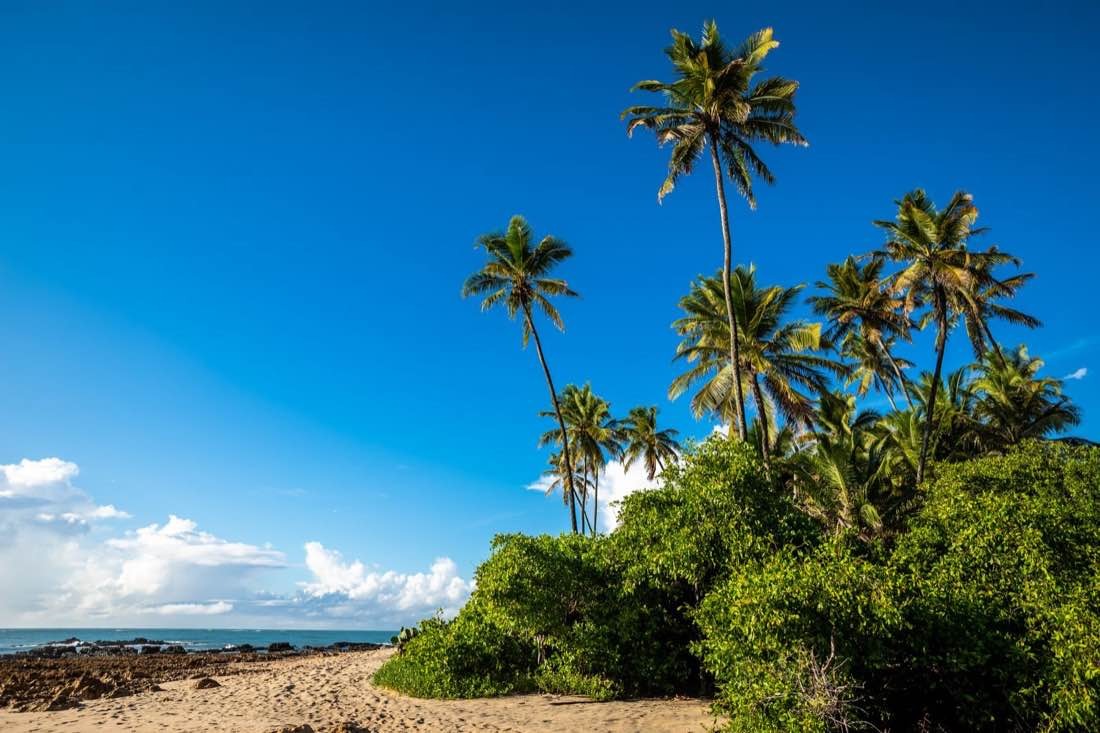
Twenty to thirty minutes north of the city sit the beaches that Cairns itself doesn’t have. Palm Cove is the polished one, a single palm- and paperbark-lined strip with calm water, good restaurants, and a slow holiday feel. Trinity, Kewarra, and Clifton Beach are quieter and more local, and Ellis Beach is the last patrolled beach before the Captain Cook Highway climbs the headlands toward Port Douglas.
These are some of the best places to stay in Cairns if you want a beach on your doorstep and the reef and rainforest within easy reach.
The beaches sit 20 to 30 minutes north of the city on the Captain Cook Highway, close enough to make an easy base for reef and rainforest days. Palm Cove is the polished end, while Trinity, Kewarra, and Clifton stay quieter and more local.
Top Things to Do
- Relax at Palm Cove: Swim in the netted enclosure, walk the esplanade under the paperbarks, and eat with your feet near the sand. Swim inside the netted enclosure in stinger season, then walk the paperbark-lined esplanade to the cafes and restaurants that line the front.
- Swim at Ellis Beach: A long, patrolled beach with a stinger net in season and a beachfront caravan park right behind it. It is the last patrolled beach before the highway climbs toward Port Douglas, with a stinger net in season and easy van access right off the road.
- Stop at Rex Lookout: A clifftop pull-off on the highway with Coral Sea views and hang-gliders launching off the headland. It is a quick, free pull-off on the drive north, best timed for late afternoon when the Coral Sea light is at its softest.
- Visit Hartley’s Crocodile Adventures: Between Cairns and Port Douglas, a well-run wildlife park where you can see crocs, cassowaries, and koalas in one stop. Hartley’s sits midway to Port Douglas and runs croc feeding and a boat cruise, an easy hour or two that breaks up the drive with kids.
- Paddle out to Double Island: Kayak or paddleboard tours run from Palm Cove toward the offshore island and its fringing reef. Guided kayak and paddleboard tours leave from Palm Cove in the calm of the morning, before the breeze picks up over the water.
- Catch the sunrise: These beaches face east, so an early walk gives you the day’s best light over the water. These beaches face east, so set an early alarm and walk the sand at dawn for the quietest, clearest light of the day.
Don’t Leave Without…
Don’t leave without breakfast on the Palm Cove esplanade and fish and chips on the sand at Ellis Beach as the sun drops behind the range. It is the simple two-beach rhythm that defines this stretch, polished Palm Cove for breakfast and laid-back Ellis for sunset.
RV and Campervan Practical Info
- Stay beachfront: Ellis Beach Bungalows and the Palm Cove parks put powered sites a short walk from the sand, ideal for a campervan. Powered beachfront sites here sit close to the sand, so book one ahead in the dry season when they fill first.
- Drive the Captain Cook Highway: The coast road north is scenic and easy in a van, with regular pull-offs and lookouts. The coast road north is sealed, scenic, and easy in a van, with Rex Lookout and other pull-offs spaced along the way.
- Swim between the flags: Patrolled beaches with stinger nets are the safe choice from November to May; never swim outside the nets in stinger season. From November to May, swim only inside the stinger nets at patrolled beaches, and never in the open sea here.
Who Is It Best For?
- Couples after a relaxed beach base. It pairs a beach on your doorstep with quiet dinners and easy reach of the reef.
- Families wanting calm, netted swimming. The patrolled enclosures give parents a safe swim within sight of the van.
- Road-trippers easing north toward Port Douglas.
- Not ideal for: anyone wanting nightlife or a buzzy town centre, since these beaches are deliberately quiet and wind down early in the evening.
Recommended Budget
- Meals: AUD 35 to 90 per day; Palm Cove dining runs higher than the city. Self-cater from the van to keep costs down, since the beachfront cafes charge a premium.
- Activities: AUD 0 to 60 per day; the beaches are free, gear hire and wildlife parks add up. Pro tip: the beaches, the esplanade, and the lookouts are all free, so reserve your spending for one wildlife park or a kayak tour.
5. Kuranda and the Barron Gorge
The Vibe
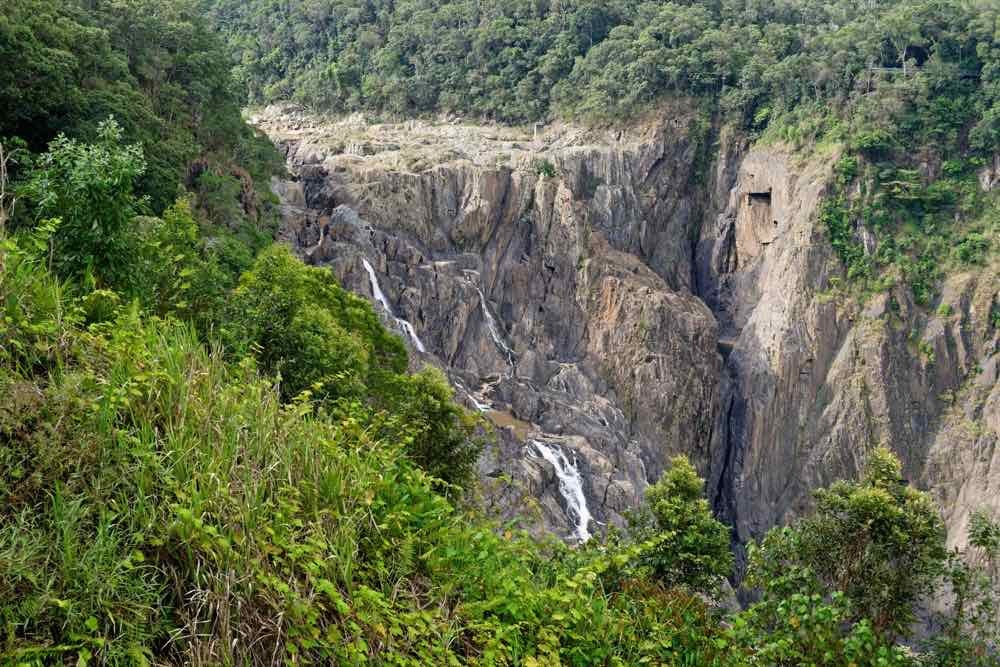
Above Cairns, the rainforest climbs the range to Kuranda, a village wrapped in World Heritage forest. Getting there is half the appeal: the historic Scenic Railway winds up through tunnels and past waterfalls, while the Skyrail cableway glides over the canopy with the gorge dropping away beneath you. Barron Falls thunders below, and the village itself runs on markets, wildlife sanctuaries, and river tours.
It’s the classic Cairns day trip, and it still delivers, especially after rain when the falls are at full force.
The classic round trip pairs the two: ride the historic railway up and glide back over the canopy on Skyrail, or the reverse. Allow a full day, since the timetables, the village markets, and the falls lookout fill it comfortably.
Top Things to Do
- Ride the Kuranda Scenic Railway: The 1891 line climbs the range through 15 tunnels and around the Barron Gorge, one of the great train journeys in Australia. Built in 1891, it winds up through 15 tunnels and tight curves in about 1 hour and 45 minutes, with a pause at Barron Falls, so book a seat ahead in peak season.
- Float over the canopy on Skyrail: The cableway runs 7.5 km over the rainforest with two stops to walk boardwalks and lookouts. Pair it with the train for the round trip. The 7.5 km cableway has two mid-stations with boardwalks and a falls lookout, so allow extra time to step off and walk the rainforest rather than ride straight through.
- See Barron Falls: The lookout near the railway station shows the falls at their best, full and loud in the wet season, framed by gorge walls in the dry. The falls are loudest after wet-season rain and quieter in the dry, but the gorge lookout near the railway station rewards the short walk either way.
- Browse the Kuranda markets: The Original and Heritage markets sell local art, crafts, and tropical produce in a rainforest setting. The Original and Heritage markets run daily and are busiest late morning, so arrive with the first train to browse before the crowds.
- Meet the wildlife: The village clusters a butterfly sanctuary, a bird aviary, and a koala park within a short walk of each other. A butterfly sanctuary, a bird aviary, and a koala park cluster in the village, easy to combine into an hour between the markets and the return trip.
- Cruise the Barron River: A flat-water river tour or an army-duck ride at Rainforestation reads the rainforest from water level, an underrated way to see it. The flat-water river cruise or the army-duck ride at Rainforestation reads the forest from the water, a calm, shaded option in the heat of the day.
Don’t Leave Without…
Don’t leave without doing the round trip one way by train and the other by Skyrail, then standing at the Barron Falls lookout after a downpour. Doing one leg by train and the other by Skyrail is the move that makes the day, with the falls roaring below if you have timed it after rain.
RV and Campervan Practical Info
- Drive or ride up: The Kennedy Highway up to Kuranda is sealed and fine for a campervan, though winding; many visitors leave the van and take the train and Skyrail instead. Because that climb is winding, many visitors leave the van at the Smithfield Skyrail terminal and ride up rather than drive.
- Park at the terminals: Both the Skyrail base at Smithfield and Kuranda village have car parks that take larger vehicles. Both the Smithfield base and the Kuranda village car parks fit a camper, so this works equally well as a drive-up or a ride-up day.
- Check for maintenance closures: Skyrail and the railway schedule occasional maintenance shutdowns, so confirm operating days before you plan around them. Both can close for occasional maintenance, so check the operating calendar before you build a day around them.
Who Is It Best For?
- First-timers and families. It is the easiest rainforest day from the city, with no hiking required.
- Photographers and rainforest lovers. The canopy views, the falls, and the gorge give plenty to shoot in a short window.
- Anyone after a strong rainy-day option.
- Not ideal for: travelers on a tight budget, since the combined railway and Skyrail fares are among the pricier half-day trips around Cairns.
Recommended Budget
- Meals: AUD 30 to 70 per day.
- Activities: AUD 50 to 140 per day, depending on whether you ride both the train and Skyrail. Pro tip: a combined railway-and-Skyrail package is cheaper than buying each leg separately, and booking online ahead of time usually beats the gate price.
6. Crystal Cascades and the Hinterland Swimming Holes
The Vibe
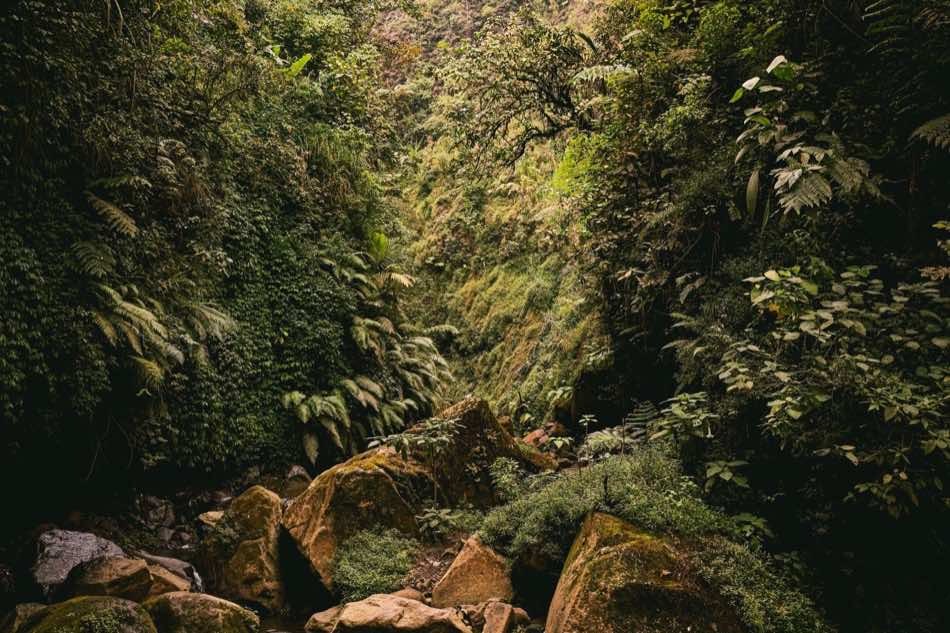
Minutes from the city, freshwater creeks tumble out of the hills into clear, croc-free swimming holes that locals guard quietly. Crystal Cascades near Redlynch is the best known, a chain of pools and small falls reached by an easy paved walk. Push further up the trail and the crowds thin toward Fairy Falls, and a short drive south reaches Behana Gorge and its hidden Clamshell Falls.
This is where you cool off for free on a hot day, the antidote to a pricey reef trip.
These freshwater holes sit just 20 to 30 minutes from the city, reached on sealed roads and easy paths. They are the free, croc-free way to cool off on a hot day, so build one into an afternoon between bigger outings.
Top Things to Do
- Swim at Crystal Cascades: A flat 1.2 km path leads to a series of freshwater pools and cascades, busiest midday and best early. A flat 1.2 km paved path leads to the first pools, so go early on a weekday for a quiet swim before families, and the heat arrives.
- Hike on to Fairy Falls: A steeper, unmarked track past the main pools reaches a quieter waterfall that most visitors never find. The track beyond the main pools is steeper, rougher, and unmarked, so wear proper shoes and turn back if the rocks are slick after rain.
- Walk Behana Gorge: A sealed access road and walking track lead to Clamshell Falls and a deep swimming hole, south of the city near Gordonvale. Behana Gorge is a sealed walking track to Clamshell Falls and a deep swimming hole, about 25 minutes south of the city and quieter than Crystal Cascades.
- Drive to Copperlode Dam: The road up to Lake Morris winds through forest to a quiet lookout over the reservoir, a calm picnic spot above the city. The winding road up to Lake Morris is sealed and fine for a smaller camper, ending at a quiet lookout over the reservoir.
- Picnic by the water: These spots have basic tables and shade but little else, so bring food and water. These reserves have basic tables and shade but no kiosks, so pack everything you need before you leave town.
- Go offline: Phone reception drops out at most of these holes, so screenshot directions before you set off. Reception drops out at most of the holes, so save the directions offline while you still have signal in town.
Don’t Leave Without…
Don’t leave without an early swim at Crystal Cascades before the heat brings the crowds, then the quieter walk on toward Fairy Falls. An early swim at the Cascades before the crowds, then the steeper walk on to Fairy Falls, is the half-day at its best.
RV and Campervan Practical Info
- Drive and park early: Sealed roads lead to small day-use car parks that fill fast on weekends, so arrive in the morning. The day-use car parks are small, so a morning start on weekends is the difference between parking easily and circling for a spot.
- Day-use only: These are day-use reserves with no overnight camping, so base the van at a city or Tablelands park. There is no overnight camping at any of these reserves, so they work as day stops from a city base, not bases in themselves.
- Carry your own water: There’s no reliable drinking water or kiosk, so stock up in town first. There is no reliable drinking water or food at the holes, so fill bottles and the fridge before you drive out.
Who Is It Best For?
- Budget travelers wanting free things to do. These swims cost nothing, the cheapest day on any Cairns itinerary.
- Families after safe freshwater swimming. The pools are croc-free and stinger-free, a reassuring swim for kids when the sea is off-limits.
- Anyone needing relief on a hot, humid day.
- Not ideal for: anyone after facilities or a full day out, since these are short, basic stops best paired with another outing rather than visited alone.
Recommended Budget
- Meals: AUD 20 to 50 per day if you pack a picnic. Bring lunch from a city supermarket, and the whole day costs little more than fuel.
- Activities: AUD 0; the swimming holes are free. Pro tip: with no entry fees anywhere here, this is the day to spend nothing and balance out a pricey reef trip elsewhere in the week.
7. The Atherton Tablelands
The Vibe
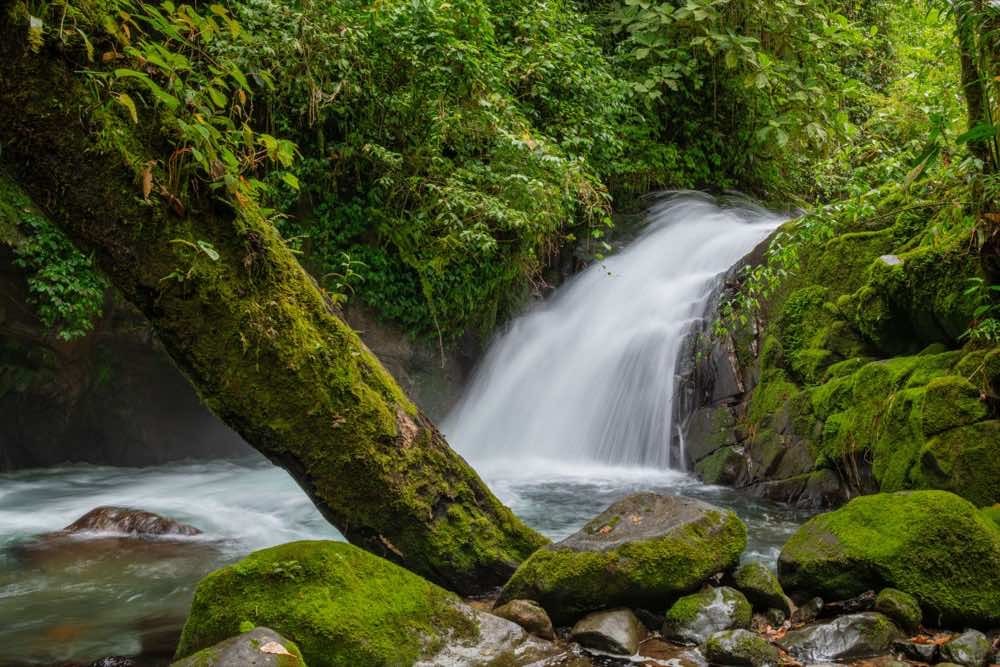
Climb the range behind Cairns, and the air cools as the coast gives way to green volcanic highlands. The Atherton Tablelands trade reef and heat for waterfalls, crater lakes, dairy farms, and coffee country, and they sit far enough off the standard itinerary that you can have a famous waterfall almost to yourself. The signature drive is the waterfall circuit near Millaa Millaa, linking three falls in a short loop.
This is one of the underrated national park regions in the country, and a campervan is the natural way to see it at your own pace.
The Tablelands sit about 1.5 hours up the range from Cairns, cool, green, and far enough off the standard run that you can have a famous waterfall to yourself. Give them at least one overnight, since the waterfall circuit, the crater lakes, and the farm gates spread across a wide loop.
Top Things to Do
- Drive the waterfall circuit: Millaa Millaa, Zillie, and Ellinjaa Falls sit on a single short loop. Millaa Millaa is the postcard one, ringed by green and safe to swim under. Millaa Millaa, Zillie, and Ellinjaa Falls sit on a single short loop near Millaa Millaa; Millaa Millaa is the postcard one and safe to swim beneath on a warm day.
- Swim a crater lake: Lake Eacham and Lake Barrine are flooded volcanic craters with clear, croc-free water and easy shoreline walks. Both crater lakes have flat lakeshore tracks beside clear water, ideal for an easy swim and a walk between waterfalls.
- Find the Curtain Fig Tree: A vast strangler fig near Yungaburra drops a curtain of aerial roots, reached by a short boardwalk. The Curtain Fig near Yungaburra drops a vast curtain of aerial roots, a five-minute boardwalk that makes an easy stop on the loop.
- Spot a platypus: Peterson Creek at Yungaburra is one of the most reliable platypus-watching spots in Australia, best at dawn and dusk. Wait quietly on the Yungaburra bank at first or last light and watch the still water for the ripples of a surfacing platypus.
- Visit Hypipamee Crater: A short walk leads to a deep, eerie volcanic pipe and the nearby Dinner Falls, an easy stop on the way up or down. Hypipamee Crater is a short walk to a deep, eerie volcanic pipe, with Dinner Falls alongside, an easy add-on as you climb or descend the range.
- Graze the farm gates: The Tablelands run on dairy, coffee, and chocolate, so stop at Gallo Dairyland or a local roaster between waterfalls. The Tablelands run on dairy, coffee, and chocolate, so stop at a farm gate like Gallo Dairyland to fill the van fridge between falls.
Don’t Leave Without…
Don’t leave without standing under Millaa Millaa Falls and a patient dusk wait for a platypus to surface on Peterson Creek. Standing under Millaa Millaa Falls, then a patient dusk wait for a platypus, bookends a Tablelands day perfectly.
RV and Campervan Practical Info
- Choose your range road: The Gillies Range has hundreds of tight bends that are hard work in a larger van; the Kuranda Range or the Palmerston Highway are gentler alternatives. Those Gillies bends are hard work in a larger van, so take the gentler Kuranda Range or Palmerston Highway up if you are unsure about switchbacks.
- Camp on the Tablelands: Lakeside parks at Lake Eacham and caravan parks around Atherton and Yungaburra suit campervans, with cooler nights than the coast. Lakeside parks at Lake Eacham and the caravan parks around Atherton and Yungaburra suit campers, with cool, quiet nights that are a relief after the coast.
- Pack a warm layer: At altitude, the nights drop well below the coast, so bring something warmer than you’d expect this far north. At altitude, the nights drop well below the coast, sometimes into single digits in winter, so pack a warm layer even in the tropics.
Roadside camping isn’t allowed; use the designated parks and reserves. Roadside camping is not allowed up here, so book a holiday park or a reserve rather than pulling over for the night.
Who Is It Best For?
- Road-trippers who want a self-drive loop. The region is made for a camper, linking falls, lakes, and farm gates at your own pace.
- Nature lovers and waterfall chasers. Few places pack this many accessible waterfalls and reliable wildlife into one loop.
- Couples and families after a cool-air break from the coast.
- Not ideal for: travelers short on time, since the climb up the range and the spread-out sights make this a poor half-day; it rewards an overnight.
Recommended Budget
- Meals: AUD 30 to 70 per day, with great farm-gate produce. Self-cater from the dairies, roasters, and farm stalls along the way to eat well for less.
- Activities: AUD 0 to 40 per day; the waterfalls and lakes are free. Pro tip: nearly everything here, the falls, lakes, and lookouts, is free, so the only real spend is fuel, farm-gate treats, and a campsite.
8. Babinda Boulders and Josephine Falls
The Vibe
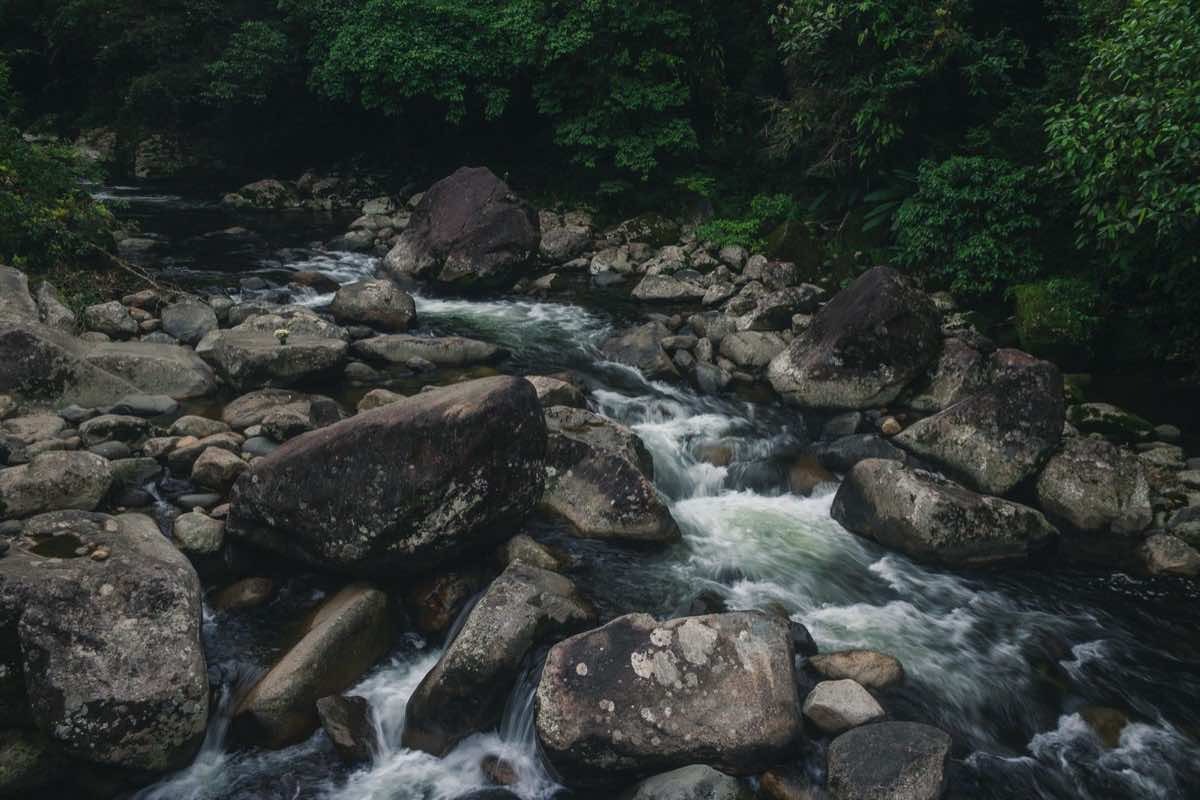
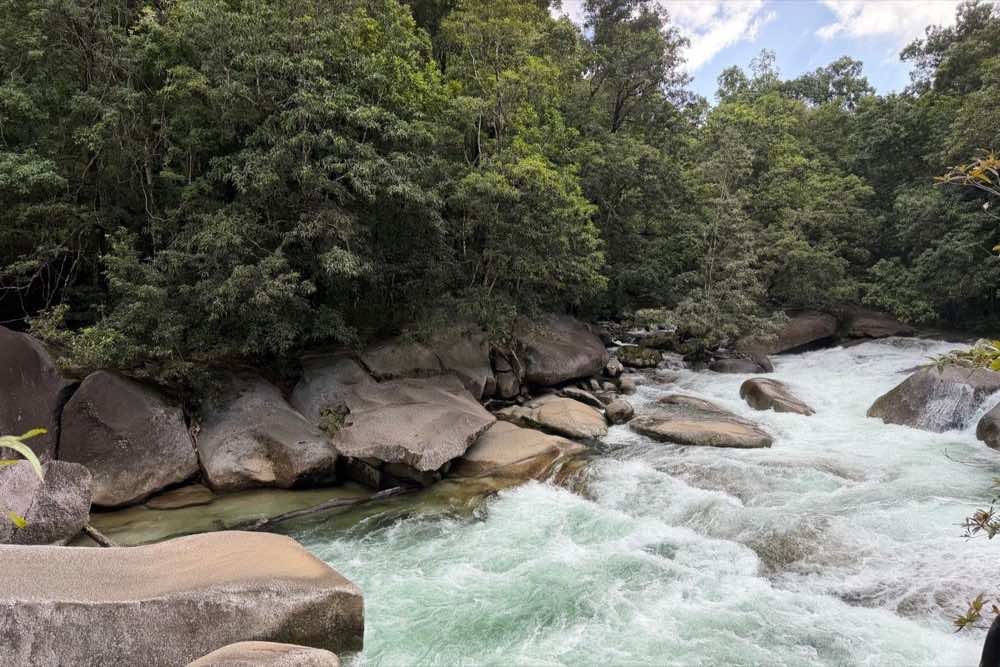
An hour south of Cairns on the Bruce Highway lies the wettest country in Australia, and it hides some of the region’s best swimming. Babinda Boulders is a creek of huge granite boulders and clear pools below Queensland’s highest mountains, with a safe swimming area and a famous, dangerous one downstream. Nearby Josephine Falls pours over smooth rock into pools with a natural slide that draws those who know it.
Hardly any first-time itineraries come this far south, which is exactly why it’s worth the drive.
This pocket sits about an hour south of Cairns on the Bruce Highway, in the wettest country in Australia. Hardly any first-time itineraries come this far south, which is exactly why the swimming holes here stay quiet.
Top Things to Do
- Swim Babinda Boulders: Use the marked safe swimming area only. The Devil’s Pool downstream is beautiful and has killed swimmers, so stay behind the signs. Swim only in the marked safe area at the Boulders; the Devil’s Pool downstream is beautiful and has killed swimmers, so never cross the barriers.
- Slide Josephine Falls: A natural rock slide drops into a cool pool below the falls, set in thick Wooroonooran rainforest. The natural rock slide drops into a cool pool below Josephine Falls, busiest on warm weekends, so go on a weekday morning for a quieter run.
- See cassowaries at Etty Bay: This small beach is one of the few places where the rare, prehistoric-looking cassowary wanders out of the forest and onto the sand. Etty Bay is one of the few beaches where the rare, prehistoric-looking cassowary wanders onto the sand, so keep your distance and never feed them.
- Explore Paronella Park: The moss-covered ruins of a Spanish-style castle near Innisfail come alive on the evening tour, a strange and lovely detour. The moss-covered Spanish-style castle ruins near Innisfail come alive on the evening tour, an easy, paid stop that breaks up the southern run.
- Walk the Mamu Tropical Skywalk: An elevated canopy walkway and tower over the Johnstone River gorge, quieter than the northern rainforest attractions. The Mamu Skywalk is an elevated canopy walkway and towers over the Johnstone River gorge, far quieter than the Daintree boardwalks to the north.
- Hike Wooroonooran: Fit walkers can tackle the climb toward Mount Bartle Frere, Queensland’s highest peak, deep in cassowary country. Fit walkers can start the long climb toward Mount Bartle Frere, but it is a serious full-day hike that needs an early start and proper gear.
Don’t Leave Without…
Don’t leave without a slide at Josephine Falls and a slow look for a cassowary stepping out onto the sand at Etty Bay. A slide at Josephine Falls and a patient wait for a cassowary at Etty Bay are the two moments worth the drive south.
RV and Campervan Practical Info
- Easy highway access: The Bruce Highway south is sealed and flat, simple for any campervan. It is straightforward driving in any camper, so the distance is the only thing keeping the crowds away.
- Camp at the boulders: Babinda has a free or low-cost camping area near the Boulders, and Etty Bay has a beachfront caravan park, both good van bases. Babinda has a low-cost camping area near the Boulders, so it makes a handy overnight stop if you are heading south.
- Mind the water: Swim only in marked freshwater areas and never near river mouths, where saltwater crocodiles live. Swim only in the marked freshwater areas and never near river mouths or estuaries, where saltwater crocodiles live.
Who Is It Best For?
- Adventurous travelers chasing the off-radar spots. This is the stretch for travelers who would rather find an empty pool than queue at a famous one.
- Nature and wildlife lovers. Cassowaries, rainforest, and clear swimming holes pack into a short drive.
- Road-trippers heading south or up from Brisbane.
- Not ideal for: travelers on a tight northern loop, since this runs in the opposite direction to Port Douglas and the Daintree.
Recommended Budget
- Meals: AUD 25 to 60 per day, self-catered in the van. There are a few cafes down here, so stock the fridge in Cairns or Innisfail before you arrive.
- Activities: AUD 0 to 50 per day; the falls are free, Paronella Park is the main paid stop. Pro tip: the boulders and falls are free, so Paronella Park is the one ticket worth budgeting for, ideally on the evening tour.
9. Port Douglas and Mossman Gorge
The Vibe
An hour north along the Captain Cook Highway, one of Australia’s great coastal drives, sits Port Douglas. It’s a relaxed resort town with a four-mile beach, a Sunday market, and reef trips to the quieter Low Isles, closer to the Daintree than Cairns is. Just inland, Mossman Gorge is the accessible southern edge of Daintree National Park, where a clear river runs over granite and Indigenous guides lead walks through their country.
For travelers weighing up the best places to stay in Cairns, Australia, Port Douglas makes a strong second base, closer to the rainforest and a touch more polished.
Port Douglas sits about an hour north of Cairns along the Captain Cook Highway, one of Australia’s great coastal drives. It makes a strong second base, closer to the Daintree and a touch more polished than the city, so consider an overnight or two here rather than a day trip.
Top Things to Do
- Relax on Four Mile Beach: A long, palm-backed beach with a netted swimming area in stinger season and a lookout at each end. Four Mile Beach is an easy palm-backed stroll from the town centre, patrolled and netted in season, so it suits a relaxed morning swim.
- Reef trip to the Low Isles: A small coral cay and lagoon closer to shore, calmer and less crowded than the Cairns outer-reef boats. The Low Isles are a small coral cay and lagoon closer to shore than the Cairns reef, which makes it gentler for families and nervous snorkelers.
- Walk Mossman Gorge: Take the Ngadiku Dreamtime walk with a local Kuku Yalanji guide, then cool off in the river at the public pools. Take the Ngadiku Dreamtime walk with a Kuku Yalanji guide, then cool off in the clear river; a shuttle runs from the gorge centre, so leave the van in the car park.
- Browse the Sunday market: The Anzac Park market by the water sells local food, art, and produce each Sunday morning. The Anzac Park market by the water runs on Sunday mornings, worth timing your stay around for the produce, coffee, and crafts.
- Climb Flagstaff Hill: A short walk or drive to a lookout over Four Mile Beach and the Coral Sea, best at sunrise. Flagstaff Hill is a short walk or drive to the lookout, best caught at sunrise before the heat builds over the beach.
- Visit the Wildlife Habitat: A well-run sanctuary where you can breakfast among the birds and meet cassowaries and koalas. The Wildlife Habitat runs a breakfast-with-the-birds session and houses cassowaries and koalas, an easy family morning in town.
Don’t Leave Without…
Don’t leave without driving the Captain Cook Highway with a stop at Rex Lookout, and a Dreamtime walk through Mossman Gorge. The drive up with a stop at Rex Lookout, then a guided walk through Mossman Gorge, makes the ideal day from a Port Douglas base.
RV and Campervan Practical Info
- Park up in town: Caravan parks like Glengarry and the BIG4 take campervans, a few minutes from the centre and beach. Both have powered sites a short drive from the centre, good bases for a couple of relaxed nights.
- Shuttle into the gorge: Mossman Gorge runs a shuttle from its centre, so leave the van in the car park rather than driving in. Mossman Gorge runs a shuttle from its visitor centre into the walking tracks, so there is no need to take the van past the car park.
- Use it as a northern base: Port Douglas shortens the run to the Daintree ferry, handy if you’re heading to Cape Tribulation next. From here, the Daintree ferry is a shorter hop, so it is the natural last stop before pushing north into the rainforest.
Who Is It Best For?
- Couples after a relaxed, polished base. It pairs quiet dinners and a good beach with easy reach of the reef and rainforest.
- Families wanting calm beaches and easy day trips. The netted beach and short drives keep a family day simple.
- Travelers who want a quieter reef than the Cairns boats.
- Not ideal for: budget travelers, since Port Douglas dining and accommodation run noticeably higher than Cairns.
Recommended Budget
- Meals: AUD 40 to 100 per day; Port Douglas dining runs higher. Self-cater a few meals from the van to offset the higher restaurant prices here.
- Activities: AUD 30 to 220 per day, depending on whether you take a reef trip. Pro tip: the beach, the market, and Flagstaff Hill are free, so a Low Isles reef trip is the one splurge worth planning for.
10. The Daintree Rainforest and Cape Tribulation
The Vibe
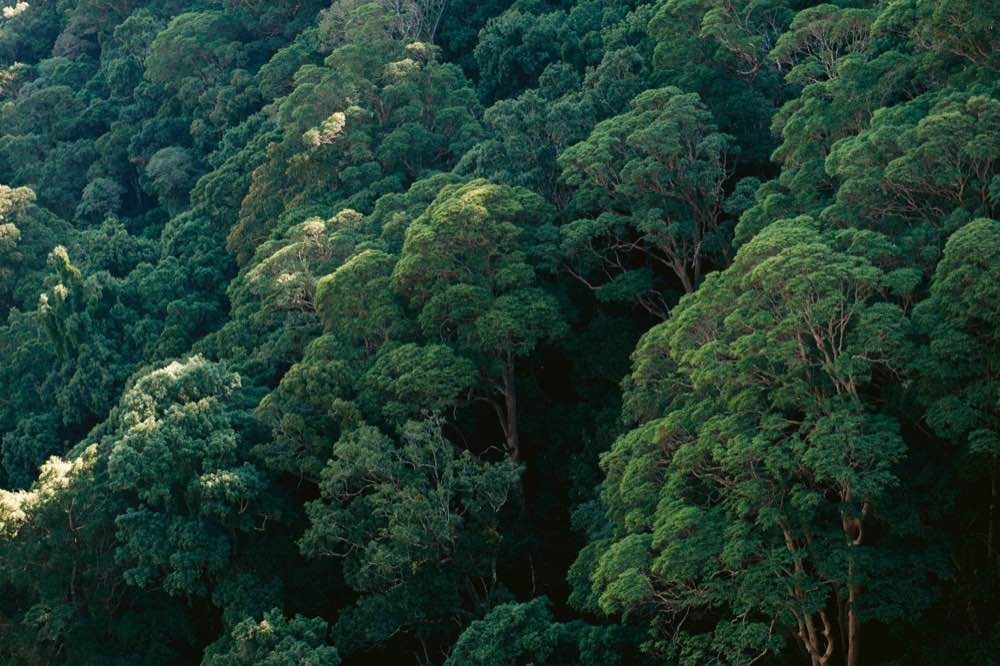
North of the Daintree River, the road enters the 180 million-year-old Daintree, the world’s oldest tropical rainforest, where the forest runs straight down to the reef. You cross on a cable ferry, the only road access, and the world changes on the far bank: dense canopy, fan palms, and beaches backed by jungle.
Cape Tribulation is where the rainforest meets the sea, one of the few places on earth where two World Heritage areas touch. This is croc country and deep wilderness, so it rewards a careful, unhurried visit.
The Daintree begins about 2.5 hours north of Cairns, across the river on a cable ferry that is the only road access. This is deep wilderness and croc country, so plan an overnight north of the river rather than a rushed day trip, and fuel up before you cross.
Top Things to Do
- Cross the Daintree ferry: The cable ferry is the only way to drive across the river. It runs all day for a small fee, and the queue is part of the experience. The cable ferry runs all day for a small fee, so factor the wait into a relaxed morning rather than a tight schedule.
- Walk the boardwalks: The Dubuji and Marrdja boardwalks loop through mangrove and rainforest without a steep step, good for any fitness level. Each loop takes under an hour on the flat, an easy way to read the mangrove and rainforest without a climb.
- Stand on Cape Tribulation Beach: A wide, often empty beach where the rainforest comes right to the sand. Swim only in stinger nets or freshwater holes, never the open sea here. Cape Tribulation Beach is wide and often empty, where rainforest meets the sand, but the water is croc and stinger territory, so stay to the nets or freshwater.
- Cruise for crocodiles: A Daintree River cruise is the safe way to see saltwater crocs, plus snakes, birds, and tree frogs in the mangroves. Early morning is best for both wildlife and calm water, so aim for a dawn or breakfast departure.
- Take a night walk: Guided after-dark walks reveal the forest’s frogs, spiders, and glowing fungi that you’d never spot by day. Guided after-dark walks reveal frogs, spiders, and glowing fungi you would never find alone, the highlight of staying overnight up here.
- Stop at Alexandra Lookout: Just past the ferry, the lookout opens onto the river mouth, the coast, and the forest stretching north. Just past the ferry, Alexandra Lookout opens onto the river mouth and the forest running north, a quick stop worth the short detour.
Don’t Leave Without…
Don’t leave without standing where the rainforest meets the reef at Cape Tribulation, and a dawn croc cruise on the Daintree River. Standing where the rainforest meets the reef at Cape Trib, then a dawn croc cruise, is the pair that defines a Daintree trip.
RV and Campervan Practical Info
- Drive the sealed road: The road from the ferry to Cape Tribulation is sealed and fine for a campervan. Beyond it, the Bloomfield Track to Cooktown is 4WD-only and off-limits to standard rentals, so check the driving in Australia rules before you plan a route north. The road from the ferry to Cape Trib is sealed and fine for a camper, but the Bloomfield Track beyond it is 4WD-only and off-limits to standard rentals, so plan your turnaround point.
- Fuel up first: Fill the tank in Mossman or before the ferry; stations are scarce and pricey north of the river. The few pumps past the crossing charge a premium, so cross with a full tank rather than hoping to refuel north of the river.
- Respect the crocs: Never swim in rivers, creeks, or the sea here. Camp at designated sites like the Cape Trib parks and follow every warning sign. Never swim in rivers, creeks, or the sea here, and obey every crocodile warning sign without exception.
Wild camping isn’t allowed in the national park; book a designated campground north of the river. Wild camping is banned in the national park, so reserve a Cape Trib campground ahead of time, especially in the dry-season peak.
Who Is It Best For?
- Nature lovers and bucket-list travelers. The world’s oldest rainforest meeting the reef is a genuine once-in-a-trip sight.
- Adventurous couples comfortable off the grid. Power, signal, and supplies thin out north of the river, which suits travelers happy to unplug.
- Road-trippers making the far-north push.
- Not ideal for: travelers wanting to drive all the way to Cooktown, since the Bloomfield Track beyond Cape Trib is 4WD-only and closed to standard campervans.
Recommended Budget
- Meals: AUD 30 to 70 per day; stock up south of the river to save. Stock the fridge in Mossman before the ferry, since the few shops north of the river are limited and dear.
- Activities: AUD 20 to 90 per day, mostly the ferry, cruises, and guided walks. Pro tip: the beaches, boardwalks, and lookouts are free, so budget for the ferry, one river cruise, and a guided night walk, and skip the rest.
What Should You Pack for a Cairns Road Trip in 2026
Cairns is hot and humid most of the year, with sudden tropical downpours even in the dry season and cooler nights once you climb to the Tablelands. Pack light, pack for water, and plan around the sun and the stingers. A single week here can span a humid coast, cool Tablelands nights, and exposed reef boats, so pack for all three rather than one climate.
Clothing and layers
- Tropical basics: Lightweight cotton and linen for the humidity, swimmers, and a quick-dry rash vest for snorkeling and swimming holes.
- Rain and cool: A light rain jacket for afternoon showers, plus one warm layer for early reef boats and cool Tablelands nights.
- Footwear: Reef shoes for rocky creeks, walking shoes for rainforest tracks, and thongs for the beach.
Sun and marine protection
- Sun safety: The tropical sun burns fast, even when it’s cloudy. Pack reef-safe SPF 50, a hat, and sunglasses, and reapply often.
- Stinger suit: If you travel from November to May, bring or rent a stinger suit; reef operators usually supply them on board.
- Insects: Tropical mosquitoes and sandflies are persistent at dusk, so carry a strong repellent.
Campervan essentials
- Adapter: Australian power runs on Type I plugs at 230V, so bring the right adapter for your devices.
- Van gear: A grey-water bucket and leveling blocks for the caravan parks, plus a dry bag for wet gear.
- Apps: Download offline maps, a fuel-finder, and the apps in this camping apps guide, since reception drops out at the swimming holes and on the Tablelands.
Final Tips for Deciding What to Do in Cairns
A few practical calls separate a smooth tropical road trip from a frustrating one. These tips cover what trips up first-time visitors planning what to do in Cairns, beyond the advice in the city profiles above. Get these few calls right, and the logistics mostly take care of themselves.
- Travel in the dry season: The dry season, roughly May to October, brings warm days around 17.5 to 26 degrees Celsius, light rain, clear reef water, and no stingers. The wet season fills the waterfalls but adds humidity, heavy rain, and the risk of road closures inland.
- Respect stinger season: Marine stingers run from November to May. Swim only in netted enclosures at patrolled beaches like Palm Cove and Ellis Beach, or wear a stinger suit on the reef.
- Mind the crocodiles: Saltwater crocodiles live in the rivers, estuaries, and mangroves north of Cairns. Never swim outside marked freshwater holes or netted beaches, and obey every warning sign.
- Book reef and sites early: From June to September, the best outer-reef trips and popular caravan parks book out days ahead. Lock in reef tours and powered sites early.
- Know the road limits: The road to Cape Tribulation is sealed and campervan-friendly, but the Bloomfield Track beyond it is 4WD-only and off-limits to standard rentals. Plan your turnaround point before you drive north.
- Fuel up early: Fuel and supplies thin out north of the Daintree River and across the Tablelands, so fill the tank and the fridge before you leave the coast.
- Keep cash on hand: Carry cash for Rusty’s Market, the Daintree ferry, and small-town stops where cards aren’t always welcome.
If you want more than the reef, this is where a one-way rental pays off. Drive the Pacific coast up on the Brisbane to Cairns route to reach the far north. You can collect or drop off a van at RV rental in Brisbane on the way north, or RV rental in Sydney and RV rental in Melbourne further south.
Building a bigger Australian loop, Indie Campers also runs depots well beyond Queensland, including RV rental in Darwin across the tropical north, RV rental in Perth on the west coast, and RV rental in Hobart for Tasmania.
Plan Your Cairns Road Trip with Indie Campers
Seeing the real Cairns means going past the reef boat: up the range to the waterfalls, south to the boulders, and north to where the rainforest meets the sea. Doing that with city hotels and a rental car means constant rebooking and backtracking, and you still miss the spots without parking.
A campervan fixes both problems at once. It rolls your transport and your bed into one booking, so you can wake near the beach and drive to the rainforest when you feel like it. Indie Campers runs one-way rentals across Australia, with over 7,000 vehicles across more than 80 locations, so you can pick up in Cairns and drop the keys wherever your route ends.
Book your campervan and kickstart an adventurous Cairns trip now!
Everything You Need to Know About Cairns RV Road Trips
Here’s the whole guide distilled into one reference. Budget uses a 1 to 5 scale, where more coins mean a pricier day. RV-friendliness uses stars, where more stars mean easier camper access.
| Place | Area | Vibe | Best For | Top Things to Do | Budget/Day | Top Campgrounds & Stops | RV-Friendly | Wild Camping? | Best Place to Stay |
| Cairns City & Esplanade | City hub | Tropical, social | First-timers | Lagoon, Rusty’s, gardens | AUD 90-160 (2 coins) | Cairns Coconut Holiday Resort | 3 stars | No | Indie Campers campervan |
| Great Barrier Reef | Offshore | Bucket-list | Divers, snorkelers | Outer reef, sand cays | AUD 230-390 (5 coins) | City holiday parks + marina | 2 stars | No | Indie Campers campervan |
| Green & Fitzroy Islands | Offshore | Reef islands | Families | Nudey Beach, turtle centre | AUD 130-270 (3 coins) | City holiday parks + ferry | 2 stars | No | Indie Campers campervan |
| Northern Beaches | North | Palm-lined beaches | Couples, families | Palm Cove, Ellis Beach | AUD 90-180 (3 coins) | Ellis Beach, Palm Cove parks | 5 stars | No | Indie Campers campervan |
| Kuranda & Barron Gorge | North-west | Rainforest village | First-timers | Railway, Skyrail, falls | AUD 100-220 (3 coins) | Smithfield + Kuranda parking | 4 stars | No | Indie Campers campervan |
| Crystal Cascades & holes | West | Freshwater swims | Budget, families | Crystal Cascades, Fairy Falls | AUD 40-90 (1 coin) | Day-use only; city base | 3 stars | No (day-use) | Indie Campers campervan |
| Atherton Tablelands | Highlands | Cool, waterfalls | Road-trippers | Waterfall circuit, lakes | AUD 60-130 (2 coins) | Lake Eacham, Atherton parks | 5 stars | No | Indie Campers campervan |
| Babinda & Josephine Falls | South | Wild, off-radar | Adventure seekers | Boulders, falls, cassowaries | AUD 50-110 (2 coins) | Babinda, Etty Bay parks | 4 stars | Restricted | Indie Campers campervan |
| Port Douglas & Mossman | North | Resort town, gorge | Couples, families | Four Mile Beach, Dreamtime walk | AUD 110-260 (4 coins) | Glengarry, BIG4 Port Douglas | 5 stars | No | Indie Campers campervan |
| Daintree & Cape Trib | Far north | Ancient rainforest | Nature lovers | River ferry, Cape Trib beach | AUD 80-200 (3 coins) | Cape Trib campgrounds | 4 stars | No (park only) | Indie Campers campervan |
FAQs About What to Do in Cairns
Where can I rent an RV in Cairns?
You can rent an RV in Cairns through Indie Campers, which runs a pick-up depot in the city. From there, you can reach the northern beaches, Kuranda, and the Atherton Tablelands within an hour or two, and the Daintree in under three. One-way rentals let you finish in Brisbane or another city instead of returning to Cairns. Bookings include unlimited mileage on company-owned vehicles, plus flexible cancellation and a book-now-pay-later option.
What is the best time to visit Cairns?
The best time to visit Cairns is the dry season from May to October, when days are warm and clear, rain is light, and there are no marine stingers. June to September is the peak, with the best reef visibility and the biggest crowds and prices. The wet season from December to April brings heavy rain and humidity, but fills the waterfalls. There’s no truly bad month, so the choice comes down to reef clarity versus full waterfalls.
What can you do in Cairns for free?
You can do plenty in Cairns for free, starting with the saltwater Esplanade Lagoon in the heart of the city. Swim at Crystal Cascades and Fairy Falls, walk the Botanic Gardens, browse Rusty’s Market, and relax on the northern beaches without spending anything. The Atherton Tablelands waterfalls and crater lakes are also free to visit. Many of the best places to visit around Cairns cost nothing beyond getting there.
What is the stinger season in Cairns?
The stinger season in Cairns runs from November to May, when box jellyfish and Irukandji move into coastal waters. During those months, swim only inside the stinger nets at patrolled beaches like Palm Cove and Ellis Beach, or wear a full stinger suit. Reef operators supply suits on outer-reef trips, where the risk is lower. Outside the nets in stinger season, the safe choice is the freshwater swimming holes and the Esplanade Lagoon.
Can you swim at Cairns beaches?
You can swim at Cairns beaches, but with two cautions: marine stingers from November to May and saltwater crocodiles in nearby rivers and estuaries. Stick to patrolled beaches with stinger nets, such as Palm Cove and Ellis Beach, and swim between the flags. The city itself has no swimming beach, so locals use the free Esplanade Lagoon instead. For guaranteed safe swimming, the freshwater holes like Crystal Cascades and Lake Eacham are croc-free and stinger-free.
Is the road to Cape Tribulation suitable for a campervan?
The road to Cape Tribulation is suitable for a campervan, since it’s sealed from the Daintree River ferry all the way to Cape Trib. You cross the river on a cable ferry, the only road access, then drive on standard bitumen through the rainforest. Beyond Cape Tribulation, the Bloomfield Track to Cooktown is 4WD-only and off-limits to standard rentals. Fuel up before the ferry, because stations are scarce and pricey north of the river.
What is the best place to visit in Cairns for couples?
The best place to visit in Cairns for couples is Port Douglas, with its relaxed beach town, Four Mile Beach, and quieter reef trips an hour north. The Atherton Tablelands offer a cooler, romantic escape of waterfalls, crater lakes, and farm-gate food. Palm Cove on the northern beaches pairs calm swimming with good dining at sunset. All three work well as a slow overnight by a campervan.
What is the best place to visit in Cairns with family or kids?
The best place to visit in Cairns with family or kids is Green Island or Fitzroy Island day trip, with easy beach snorkeling and a turtle centre. The Esplanade Lagoon gives free, safe swimming in the city, and the Kuranda railway and Skyrail are a hit with children. Crystal Cascades adds croc-free freshwater swimming on a hot day. Each suits a campervan trip where kids need space and a simple base.
What are the best places to visit in Cairns for nature?
The best places to visit in Cairns for nature are the Daintree Rainforest, the Atherton Tablelands, and the Great Barrier Reef. The Daintree is the world’s oldest tropical rainforest, where the forest meets the reef at Cape Tribulation. The Tablelands deliver waterfalls, crater lakes, and reliable platypus sightings. The reef adds coral, turtles, and over 1,600 fish species offshore, and all three are easy to reach by campervan.
How many days do you need in Cairns?
You need about 5 to 7 days in Cairns to pair the reef with the rainforest and the Tablelands without rushing. With 10 to 14 days, you can add Port Douglas, Cape Tribulation, and the southern waterfalls at a relaxed pace. A long weekend of 3 days covers one reef trip and one day trip, such as Kuranda. A campervan stretches each day further by removing hotel check-ins and letting you drive between regions on your own schedule.