Last Updated: June 23, 2026
Australia is roughly the size of mainland Europe, and that scale is the whole challenge. The best places to visit in Australia sit thousands of kilometres apart, split between the tropical north and the temperate south.
Most first-timers fly between three or four cities and miss everything in between, which our road trip guides help fix.
This guide covers where to go in Australia in 2026, what to do in Australia at each stop, and the cool places in Australia most tourists skip. Australia logged 8.4 million visitor arrivals in 2024-25, so here’s how to beat the crowd to the best of it.
Key Takeaways (TL;DR)
- Why go in 2026: Australia runs on two seasons at once, so you can chase warm weather year-round: the dry tropical north from May to October, the cooler south from November to April. That split means there’s always a region at its best.
- Top places to visit in Australia in 2026: Sydney, Cairns, Melbourne, Hobart, Perth, Darwin, and the Red Centre.
- Don’t-miss experience: Snorkelling the outer Great Barrier Reef off Cairns on a calm dry-season morning, before the boats and the wind pick up.
- Ideal trip length: 14 to 21 days to cover two regions properly, or 10 days for one corridor like the east coast or the Red Centre.
- How to choose the right city: Start with the season and your travel style. Pick the north in winter and the south in summer, then choose beaches and reefs, city culture, or outback distance based on what you actually want to do.
- Recommended budget per person: Plan AUD 110 to 240 a day, covering food, fuel, campsites, and activities, but not the campervan rental.
- Watch out for: Wet-season road closures and marine stingers up north from November to April, extreme summer heat in the Red Centre, and long fuel gaps in remote Western Australia.
- Where to stay: A campervan in Australia from Indie Campers works as both your bed and your transport, which matters on a continent where the best stops sit hours apart.
- Best for: Road-trippers who’d rather drive between the icons than fly over them, plus couples, families, and first-timers who want flexibility without nightly hotel bookings.
Table of Contents
- Top Places to Visit in Australia in 2026: At a Glance
- Best Places to Visit in Australia in 2026
- What Should You Pack for an Australia Road Trip in 2026
- Final Expert Tips for Australia Travel in 2026
- Plan Your Australia Road Trip with Indie Campers
- Everything You Need to Know About Australia RV Road Trips
- FAQs About Where To Go in Australia in 2026
Top Places to Visit in Australia in 2026: At a Glance
Here’s an at-a-glance read on the best places to see in Australia: what each is for, and when to go.
Crowd level and RV-friendliness are rated low, medium, or high.
| Place / Region | State / Territory | Vibe | Best For | Top Activities | Avg High (Best Season) | Ideal Stay | Crowd Level | RV-Friendly |
| Sydney | New South Wales | Iconic harbour city | First-timers, couples | Harbour, beaches, coastal walks | 77F (25C) | 3-4 days | High | Medium |
| Cairns & Tropical North | Queensland | Reef and rainforest | Divers, families | Great Barrier Reef, Daintree | 84F (29C) | 4-5 days | High | High |
| Melbourne & Great Ocean Road | Victoria | Culture meets coast | Foodies, road-trippers | Laneways, Twelve Apostles | 79F (26C) | 4-5 days | Medium | High |
| Brisbane & hinterland | Queensland | Easygoing subtropics | Families, beach lovers | Riverside city, beaches, hinterland | 81F (27C) | 3-4 days | Medium | High |
| Hobart & Tasmania | Tasmania | Wild and gourmet | Hikers, food lovers | MONA, Freycinet, Cradle Mountain | 72F (22C) | 5-7 days | Low | High |
| Perth & the South West | Western Australia | Sunny and remote | Wine lovers, beachgoers | Rottnest, Margaret River | 81F (27C) | 4-5 days | Medium | High |
| Darwin & the Top End | Northern Territory | Frontier tropics | Adventurers, nature fans | Kakadu, Litchfield, sunsets | 90F (32C) | 4-6 days | Low | Medium |
| Uluru & the Red Centre | Northern Territory | Spiritual desert | Bucket-listers | Uluru, Kata Tjuta, Kings Canyon | 75F (24C) | 3-4 days | Medium | Medium |
| Adelaide, Kangaroo Island & Eyre | South Australia | Wine and wildlife | Foodies, wildlife fans | Wildlife, Barossa, seafood | 77F (25C) | 5-7 days | Low | High |
| Coral Coast: Ningaloo & Karijini | Western Australia | Off-grid wonder | Adventurers, snorkellers | Whale sharks, gorges | 82F (28C) | 5-7 days | Low | Medium |
Best Places to Visit in Australia in 2026
These are the 10 best places to visit in Australia in 2026, ordered roughly from the busy east coast to the wild west.
Each entry covers the vibe, the top things to do, what not to miss, the practical campervan detail, who it suits, and a daily budget.
The famous places in Australia and the most popular places in Australia are here, alongside some of the most beautiful places in Australia that most tourists drive straight past.
1. Sydney, New South Wales
The Vibe
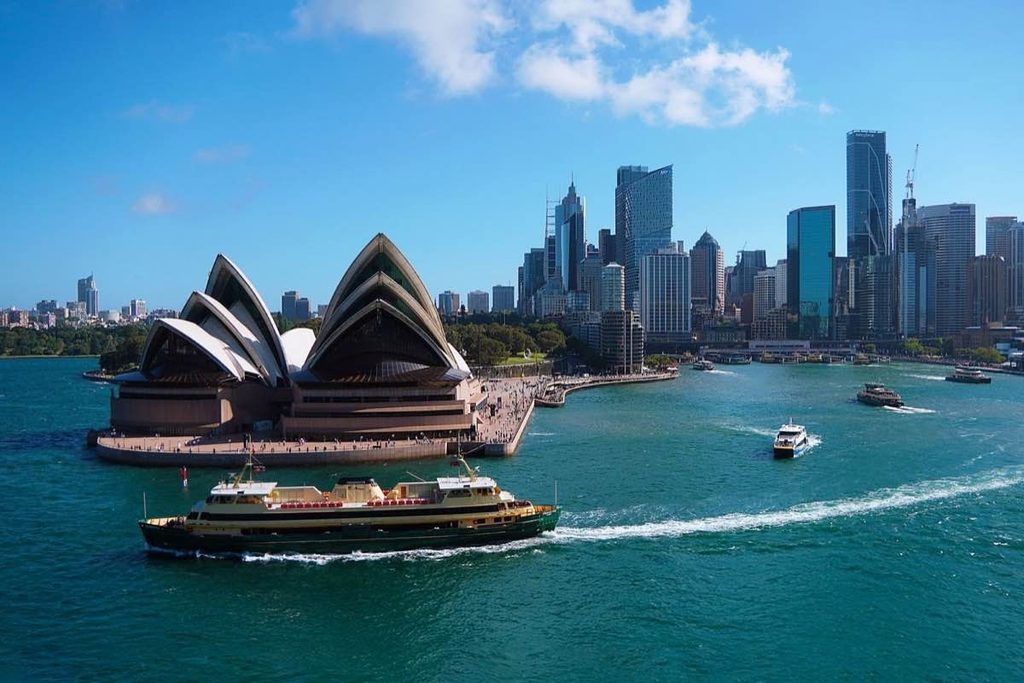
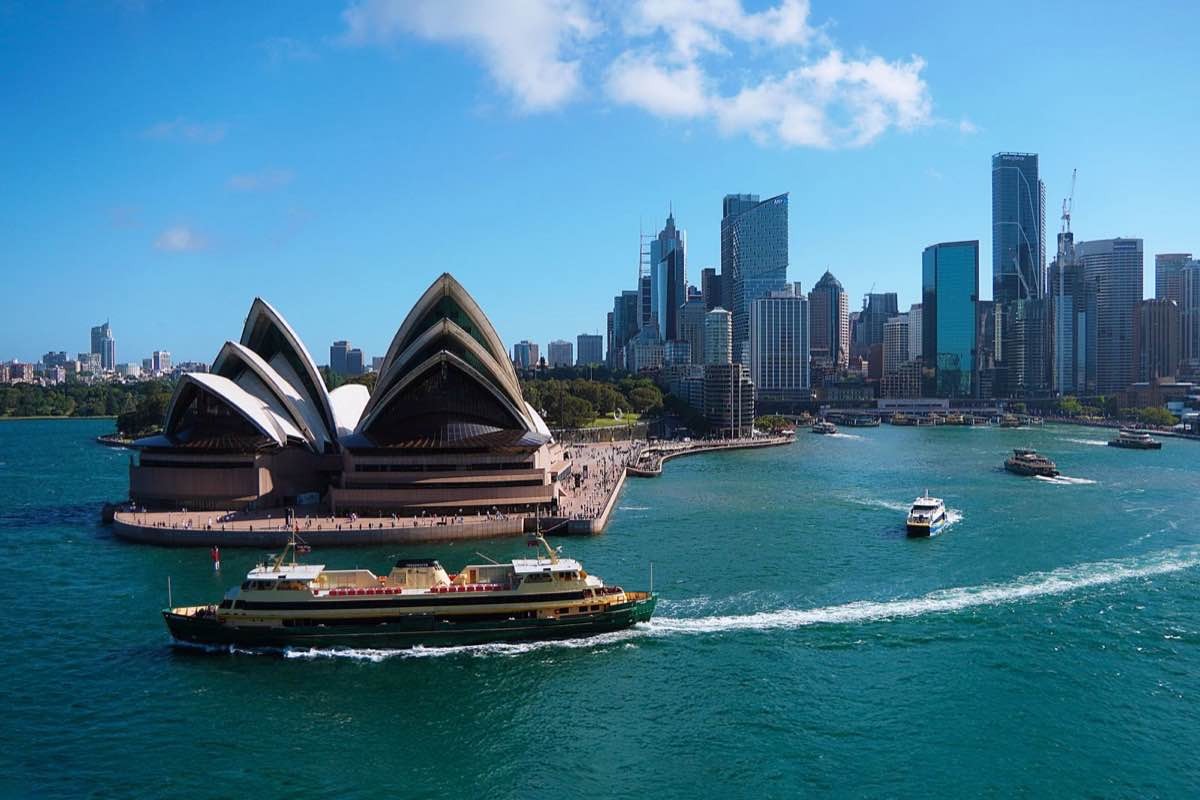
Sydney is where most trips to Australia begin, and it sets a high bar. The city wraps around one of the world’s great natural harbours, and life here bends toward the water: morning swims at ocean pools, ferries instead of subways, and long lunches that drift into sunset.
It’s polished and confident without trying too hard, and the Opera House, on the UNESCO World Heritage List, anchors a skyline that genuinely lives up to the postcards. Beyond the harbour, Sydney is really a string of beach neighbourhoods, each with its own crowd, from surf-serious Bondi to family-friendly Manly.
Life here runs outdoors and around the water, so locals start the day with a swim or a coastal run, and weekends drift between beaches, harbourside markets, and long brunches. It is a polished, expensive city, which is exactly where travelling by campervan starts to pay off, letting you sleep on the fringes and spend on the experiences instead.
Top Things to Do
- Walk the Bondi to Coogee coastal path: A 6 km clifftop walk past beaches, rock pools, and headlands that’s best early before the midday sun. Allow roughly two hours one way at an easy pace, longer if you stop to swim. In the December to February peak, set off before 9 am to beat the heat and the crowds, and save the quieter Bronte and Tamarama stretches for a weekday.
- Climb or cross the Harbour Bridge: The BridgeClimb is the splurge, but walking the pedestrian path costs nothing and gives you the same view of the Opera House. The paid BridgeClimb runs at dawn, daytime, twilight, and night, and the twilight slot books out first in summer, so reserve ahead. If you would rather not pay, the eastern pedestrian walkway is free all day, and the Pylon Lookout costs only a few dollars.
- Catch the Manly ferry: The 30-minute ride across the harbour is the cheapest scenic cruise in the city, and Manly’s ocean beach waits at the other end. Pay with an Opal card or a contactless tap for a fraction of a tourist-cruise fare, and sit on the right, leaving Circular Quay for the best view back to the Opera House. Ferries run every 20 to 30 minutes, so the trip slots easily around the rest of your day.
- Swim at an ocean pool: Bronte, Wylie’s Baths, and the Bondi Icebergs are saltwater pools cut into the rocks, busiest and best on warm spring mornings. Most are free or cost only a few dollars, open from early morning, and calm enough for laps even when the surf is up. Bring goggles and a towel, as facilities are basic and fill up by mid-morning on hot days.
- Day-trip to the Blue Mountains: Ninety minutes west, the Three Sisters and the Jamison Valley deliver eucalyptus-blue ridges and easy bushwalks. Leave by 8 am to stay ahead of the day-trip buses at Echo Point, and pair the lookouts with the Scenic World walkways or the Grand Canyon track. It makes a relaxed overnight stop in the van rather than a rushed day return.
Don’t Leave Without…
Ordering fish and chips on the sand at Watsons Bay after the ferry over, then watching the sun drop behind the city skyline from the harbour’s edge. Go on a clear evening, claim a bench or a patch of grass before sunset, and bring a layer, as the breeze off the water cools quickly once the light drops.
RV Practical Info
- Roads and parking: Central Sydney is tight for a campervan, so base yourself at a holiday park in the north or south and use ferries and trains into the centre. Inner-suburb street parking is metered and often height-limited, so do not plan to drive the van into the CBD. Most holiday parks sit 20 to 40 minutes out, with frequent trains and buses into town.
- When to go: Spring, September to November, and autumn, March to May, bring warm days and thinner crowds than the summer holiday peak. Summer is still good for the beaches, but campsites fill, and prices climb over the December and January school holidays, so reserve early if those are your dates.
- Campsites: Holiday parks at Lane Cove, Narrabeen, and the Royal National Park fringe stay open year-round and book out fast over summer.
- Scenic routes nearby: The Grand Pacific Drive south to Wollongong and the run up to the Central Coast are both easy overnight loops.
Sydney is the simplest place to collect a van, and Indie Campers offers RV rental in Sydney plus a library of weekend road trips to map your first legs.
Who Is It Best For?
- First-timers: The easiest soft landing in Australia, with everything walkable or a ferry ride away.
- Couples: Harbour dinners, coastal walks, and day trips to wine country at Hunter Valley.
- Beach lovers: More than 100 beaches inside the city limits.
Recommended Budget
- Food: AUD 50 to 110 a day, less if you cook breakfast in the van and grab lunch from a bakery.
- Activities: AUD 25 to 80 a day, with many of the best walks and beaches free.
- Season note: Prices spike from late December through January, so travel in spring or autumn for better value. Factor in roughly AUD 45 to 65 a night for a powered holiday-park site, plus fuel for day trips out to the Blue Mountains or the Hunter Valley.
2. Cairns & Tropical North, Queensland
The Vibe
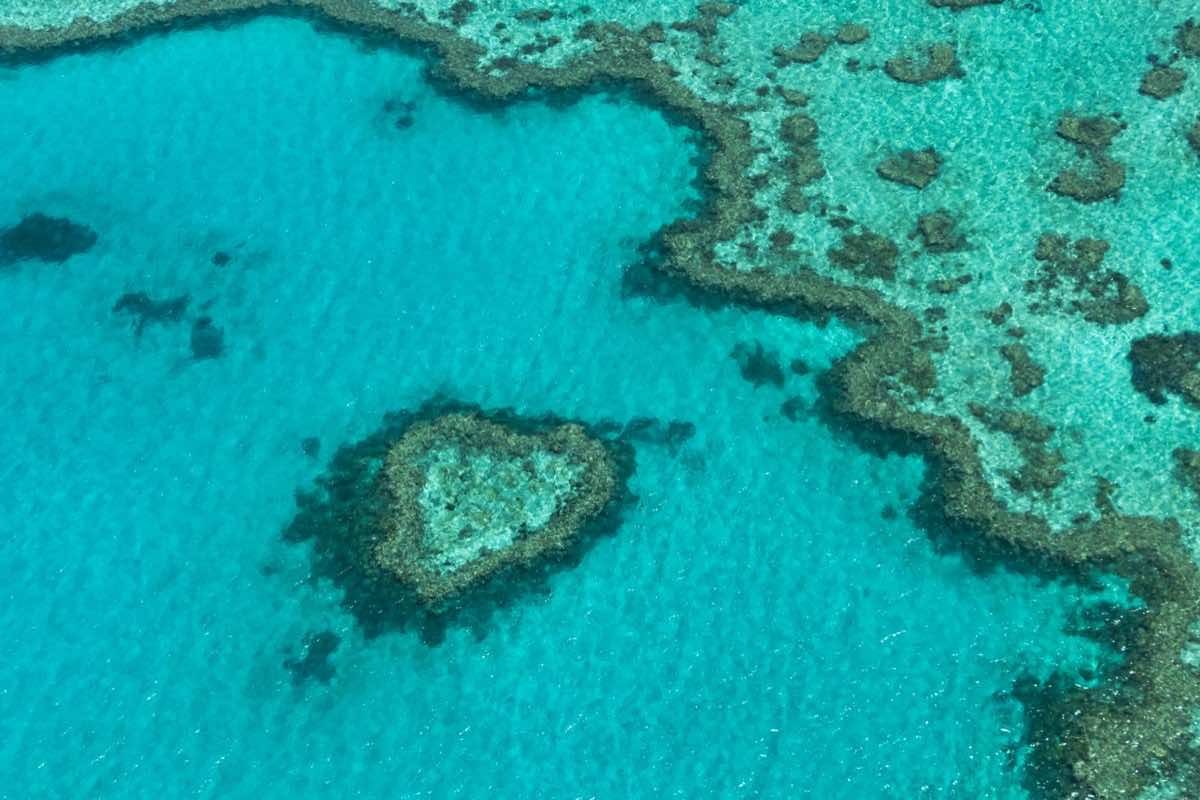
Cairns is the launchpad for the two natural wonders that sit side by side up here: the reef and the rainforest. The town itself is relaxed and tropical, built around a lagoon and a marina rather than a beach, with a steady hum of dive boats heading out at dawn.
Drive an hour north and the Daintree, one of the oldest rainforests on Earth, runs right down to the sea at Cape Tribulation. This is the corner of Australia where you can snorkel a coral garden and walk through an ancient jungle on the same day.
Cairns itself is small and walkable, built for early starts and slow afternoons, with a multicultural food scene and a backpacker energy that never quite fades. Most travellers use it as a base, sleeping in town and heading out to the reef, the Tablelands, or the Daintree on day trips.
Top Things to Do
Snorkel or dive the Great Barrier Reef, the largest coral reef system on the planet, and the single best reason to come north. A half-day trip suits a first taste, but a full day on the outer reef brings clearer water and quieter sites. Boats leave Cairns and Port Douglas early, so pick a calm, dry-season morning and pack reef-safe sunscreen.
- Ride the Kuranda Scenic Railway: A historic train climbs through rainforest and past waterfalls to the village of Kuranda, with the Skyrail gondola back down. Ride the train up and the Skyrail down to see the rainforest from both the valley floor and the canopy. Set aside most of a day, and book the Skyrail ahead in the July school holidays.
- Explore the Daintree and Cape Tribulation: Boardwalks, croc-spotting river cruises, and a beach where the rainforest meets the reef. It sits about two hours north of Cairns, and the Cape Tribulation stretch needs the Daintree River vehicle ferry. Take a guided river cruise to spot crocodiles rather than swimming, as these estuaries are croc country.
- Cool off in the Atherton Tablelands: The highland detour most reef tourists skip, full of waterfalls, crater lakes, and platypus at dusk. Loop the waterfall circuit near Millaa Millaa, and time the platypus viewing for first or last light when they are most active. The highlands run cooler than the coast, so they make a good heat-relief or rain-day option.
- Swim at the Esplanade Lagoon: A free saltwater lagoon on the waterfront, handy since the sea here has marine stingers in the warmer months. The lagoon is free, lifeguard-patrolled, and open year-round, which makes it a safe swim in town. It is busiest at midday, so go early or late for room on the grass.
Don’t Leave Without…
Doing a full-day trip to the outer reef on a calm morning. The water is clearer and the marine life busier the further out you go, well past the day-tripper pontoons. Choose an operator that caps numbers and visits the outer sites, and book a morning departure before the afternoon wind ruffles the water.
RV Practical Info
- When to go: The dry season, May to October, is the only sensible window. The wet season brings humidity, downpours, and box jellyfish close to shore. Aim for June to September for the most reliable reef visibility and the most comfortable touring weather.
- Roads: The Captain Cook Highway north to Port Douglas is sealed and scenic, but the Bloomfield Track into the Daintree is 4WD-only and closes after rain. Check road and ferry status the morning you set off, as tropical conditions change fast.
- Campsites: Holiday parks line the coast at Palm Cove and Port Douglas, with national park camping in the Tablelands. Book the Palm Cove and Port Douglas parks ahead of time in the dry season, when the coast fills up.
- Stinger safety: Stick to lagoons and stinger nets for swimming from November to May.
Indie Campers offers RV rental in Cairns, a natural start or finish for the east coast road trip down to Brisbane.
Who Is It Best For?
- Divers and snorkellers: The reef is the main event, and it delivers.
- Families: Wildlife parks, the lagoon, and gentle rainforest walks keep kids busy.
- Nature lovers: Two World Heritage sites within an hour of each other.
Recommended Budget
- Food: AUD 40 to 90 a day.
- Activities: AUD 30 to 80 a day, plus a reef day trip at AUD 120 to 280, that’s worth budgeting as a one-off splurge.
- Season note: Dry-season demand peaks in the July school holidays, so book reef trips ahead. Plan AUD 45 to 60 a night for a powered coastal site, and budget the reef trip as a separate one-off.
3. Melbourne & the Great Ocean Road, Victoria
The Vibe
Melbourne is Australia’s culture capital, and it shows it in laneway coffee, live music, street art, and a sporting calendar locals plan their year around. The city rewards wandering: hidden bars, rooftop gardens, and bookshops tucked down alleys you’d never find on a map.
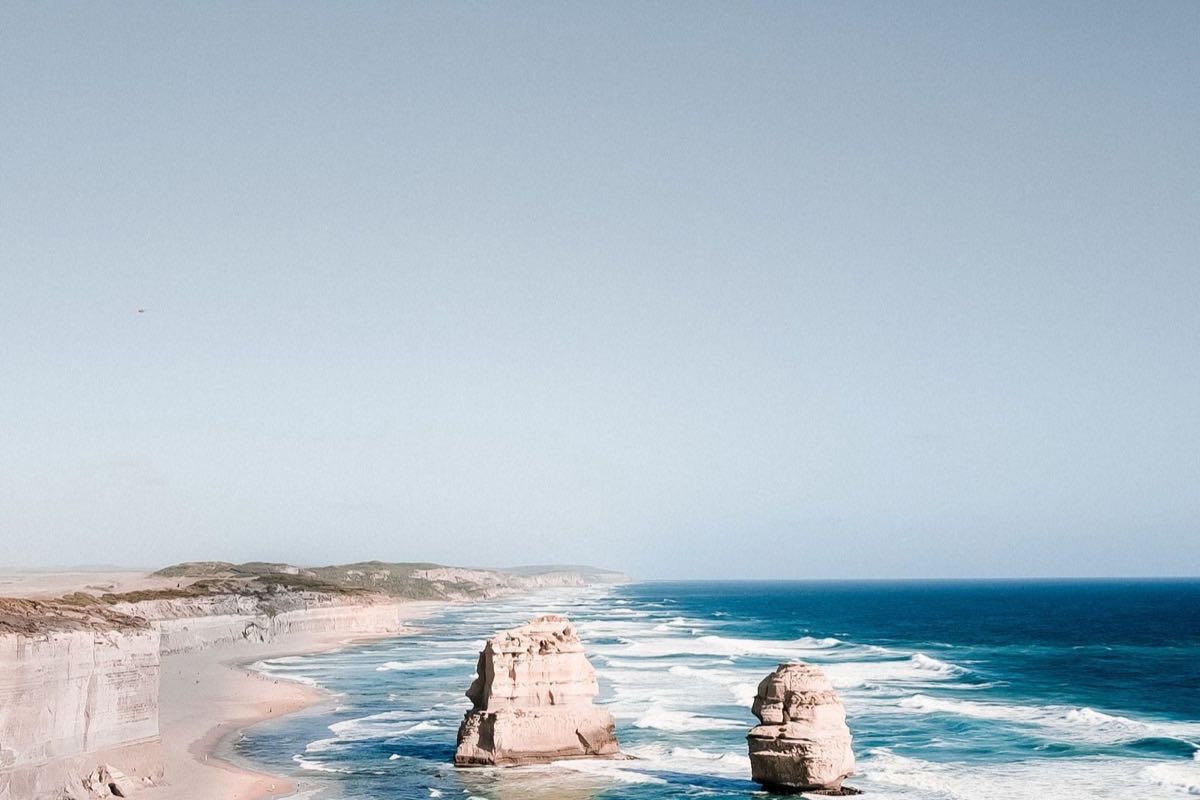
Then the Great Ocean Road begins just west of the city, one of the world’s great coastal drives. The contrast between the cafe culture and the wild Southern Ocean coastline is what makes this region worth a week.
Melburnians take food, coffee, and the arts seriously, and the city splits its devotion between the cafe table and the football stadium. Beyond the centre, bayside suburbs and the surf coast give the region an easy outdoor side that balances all the culture.
Top Things to Do
- Drive the Great Ocean Road: The Twelve Apostles, limestone stacks rising from the surf, are the headline, best at sunrise before the tour buses arrive. The full drive runs about 240 km from Torquay to Allansford, so give it two or three days rather than a single dash. Stop at Loch Ard Gorge and the Gibson Steps, and watch for koalas in the trees near Kennett River.
- Coffee-crawl the laneways: Degraves Street, Hardware Lane, and the alleys off Flinders Lane are where Melbourne’s cafe reputation was built. Order a flat white and a pastry, then wander between the street art on Hosier Lane and the arcades off Bourke Street. Mornings are calmest, before the lunch crowds fill the alleys.
- Walk through the Otways: Rainforest, waterfalls, and a treetop walk sit just inland from the coast road. Walk to Triplet Falls or the Maits Rest rainforest loop, and detour to the Cape Otway lightstation to spot koalas on the drive in. It is an easy half-day break from the cliffs and beaches.
- Catch a game at the MCG: Aussie Rules in winter or cricket in summer, in a stadium that holds 100,000 fans. Tickets for regular-season games are easy to get on the day, and the atmosphere is the real draw. The walk over from the city through Yarra Park is part of the experience.
- Detour to the Grampians: Sandstone ranges, lookouts, and wildflowers that most Great Ocean Road travellers never reach. Drive up to the Boroka and Reed lookouts, and walk the short track to the Pinnacle for the best valley view. Spring brings the wildflowers, while autumn is mild and quiet.
Don’t Leave Without…
Standing at the Twelve Apostles in the half-light of dawn, when the cliffs glow orange, and you have the boardwalk almost to yourself. Arrive about 20 minutes before sunrise, park at the main visitor area, and walk out as the first light turns the stacks gold.
RV Practical Info
- Roads: The Great Ocean Road is sealed but narrow and winding, so allow far more time than the distance suggests and use the pull-offs for photos. Drive it west to east so you are on the ocean side of the road and can pull into the lookouts safely.
- When to go: Summer, December to February, for warm coast days, or autumn for calm weather and fewer cars.
- Campsites: Holiday parks at Apollo Bay and Port Campbell put you near the Apostles for that early start. Book ahead on summer weekends, when both towns fill quickly.
- Weather: Melbourne is famous for four seasons in a day, so pack layers even in summer.
Indie Campers offers RV rental in Melbourne, the obvious base for tackling the coast road at your own pace.
Who Is It Best For?
- Foodies: Arguably the best eating and coffee in the country.
- Road-trippers: The Great Ocean Road is a bucket-list drive in its own right.
- Culture seekers: Galleries, theatre, and live music every night of the week.
Recommended Budget
- Food: AUD 45 to 100 a day.
- Activities: AUD 20 to 70 a day, with the coast drive itself free.
- Season note: Summer weekends on the Great Ocean Road are busy, so midweek travel is calmer and cheaper. Expect AUD 40 to 60 a night for a powered site along the coast, plus fuel for the winding drive.
4. Brisbane & the hinterland, Queensland
The Vibe
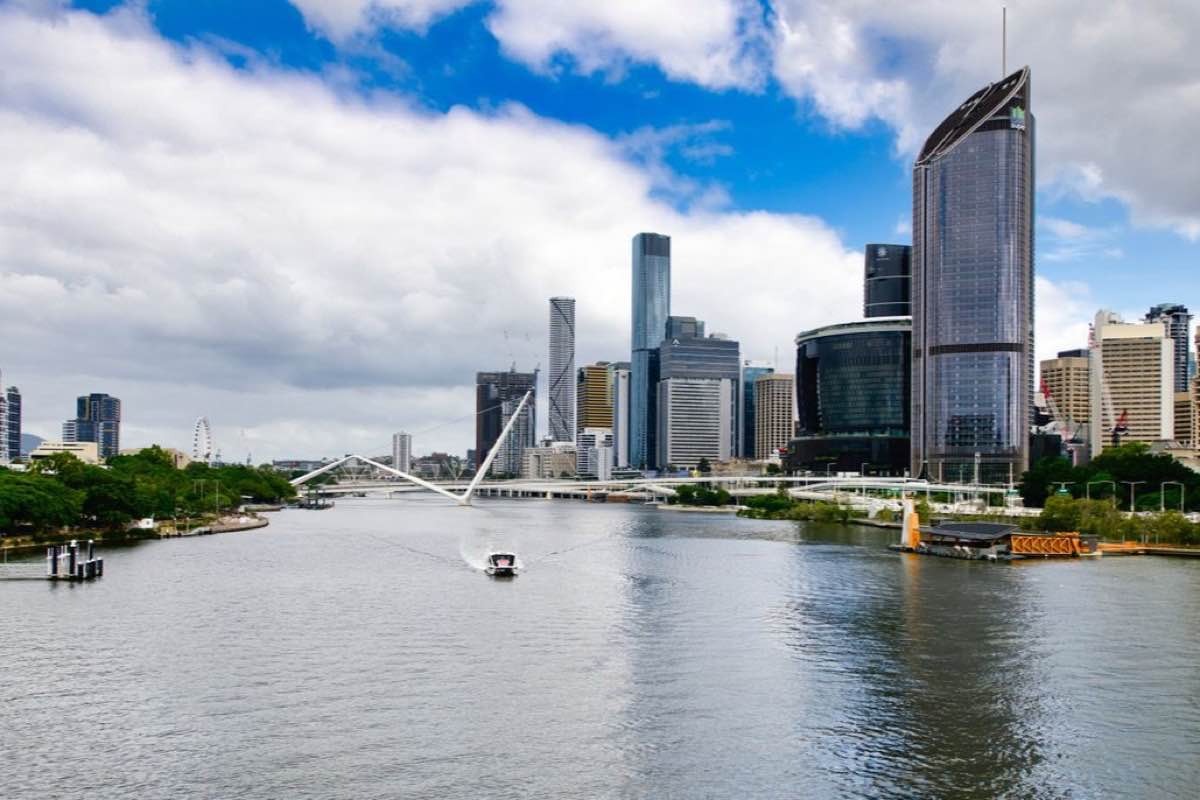
Brisbane is the easygoing one, a subtropical river city that’s grown up fast without losing its outdoor, shorts-and-thongs attitude. The Brisbane River loops through the centre, and life clusters along it: a man-made beach in the middle of the city, riverside bike paths, and ferries that double as commutes.
It also sits within an hour of two coastlines and a green hinterland, which makes it the best-positioned base in Queensland. The Gold Coast and Sunshine Coast bracket the city, with rainforest mountains just behind.
The vibe is relaxed and outdoorsy, with riverside markets, an easy cafe scene, and weekends spent on the water or in the hills. It rarely feels crowded or pricey, which makes it a comfortable base for families and slower travellers.
Top Things to Do
- Swim at South Bank: Streets Beach is a free lagoon with real sand and lifeguards, right across the river from the city. It is free, patrolled, and ringed by cafes and parkland, so it works for a whole day with kids. Go on a weekday morning to beat the weekend crowds.
- Climb Mount Coot-tha at dusk: The lookout gives you the whole city skyline as the lights come on. Drive up for sunset and stay for the city lights, then pair it with the adjacent Botanic Gardens earlier in the day. There is parking and a cafe at the top.
- Surf the Gold Coast: An hour south, Burleigh Heads and Currumbin are gentler than the high-rise stretch at Surfers Paradise. Burleigh has a headland walk and a relaxed beach-town strip, making it a better base than the towers up the road. It is about an hour south on the motorway.
- Walk the Sunshine Coast hinterland: The Glass House Mountains and Montville offer rainforest trails and views back to the sea. Walk the Glasshouse Mountains lookout circuit and browse the village shops at Montville and Maleny. The hinterland runs cooler than the coast, so it suits a hot afternoon.
- Ferry to North Stradbroke Island: Snorkelling, headland walks, and a real chance of seeing turtles and manta rays. Take the ferry from Cleveland, walk the North Gorge headland, and bring everything you need, as island shops are limited. A day trip works, but an overnight lets you slow down.
Don’t Leave Without…
Hiring a kayak or catching the free CityHopper ferry along the river at golden hour, when the cliffs at Kangaroo Point catch the last light. The CityHopper is free, and the golden-hour run past the cliffs is one of the best no-cost things to do in town.
RV Practical Info
- When to go: Autumn and spring are ideal. Summer is hot, humid, and storm-prone, while winter days are dry and mild.
- Roads: The Pacific Motorway links the city to both coasts easily, and the hinterland roads are sealed but steep in places. Take the climbs slowly in a loaded van and use the lower gears on the descents.
- Campsites: Holiday parks ring the city and both coasts, with national park camping in the hinterland ranges. Coastal parks fill over school holidays, so book those stretches early.
- Parking: Leave the van at a park-and-ride and take the ferry or train into the centre.
Indie Campers offers RV rental in Brisbane, a strong starting point for the long haul up the Queensland coast.
Who Is It Best For?
- Families: Calm beaches, wildlife sanctuaries, and theme parks within reach.
- Beach lovers: Two famous coastlines on the doorstep.
- Budget travellers: Cheaper than Sydney or Melbourne for food and parks.
Recommended Budget
- Food: AUD 40 to 90 a day.
- Activities: AUD 20 to 70 a day, with South Bank and most lookouts free.
- Season note: School-holiday weeks on the Gold Coast push prices up, so travel outside them where you can. Powered coastal sites run about AUD 40 to 55 a night, less in the hinterland.
5. Hobart & Tasmania, Tasmania
The Vibe
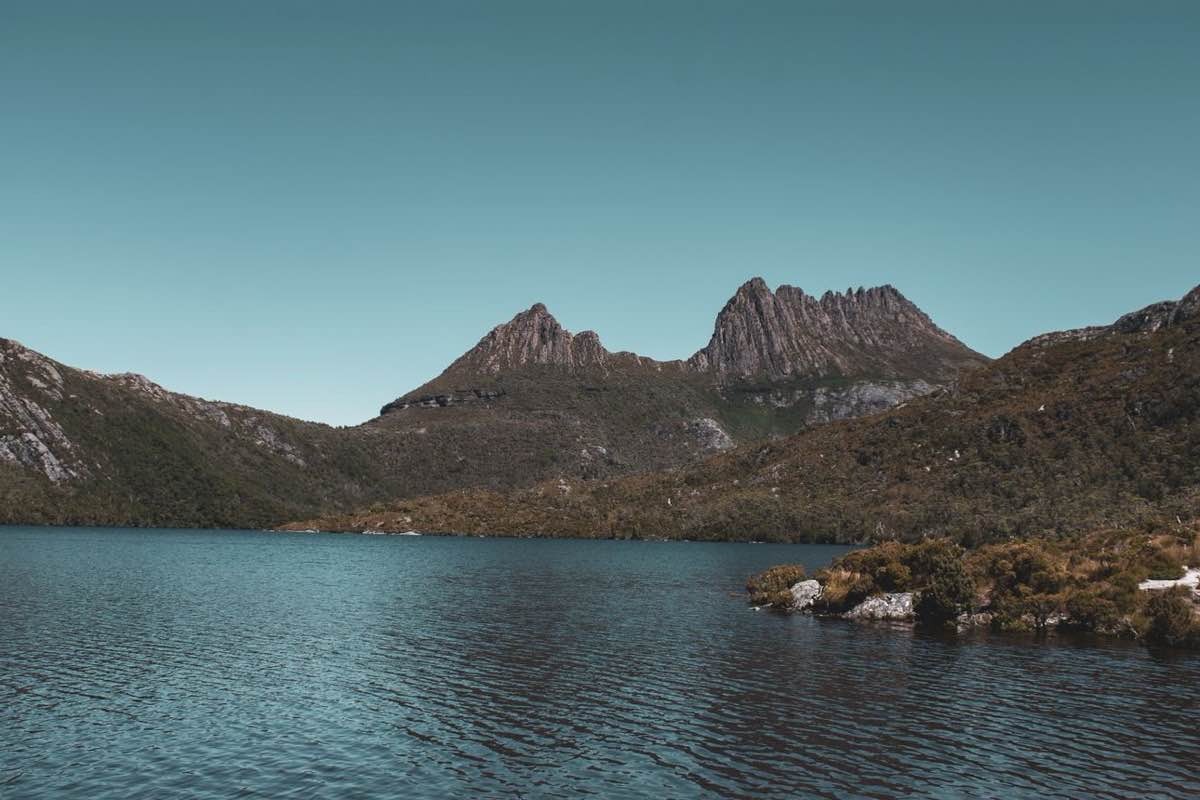
Tasmania is Australia’s wild south, an island where the air is sharp, the produce is exceptional, and half the land is national park or World Heritage wilderness. Hobart, the capital, mixes colonial sandstone with a serious food and art scene, anchored by the provocative MONA gallery.
Beyond the city, distances are short, and the scenery changes fast, from white-sand bays to alpine plateaus. This is the place most tourists underestimate and then wish they’d given more time.
Tasmania moves at a gentler pace, with small towns, farm-gate stalls, and a strong cool-climate food and drink scene. Locals are used to changeable weather, so pack for four seasons and plan around the light rather than the clock.
Top Things to Do
- Visit MONA: The Museum of Old and New Art is reached by ferry and is unlike any gallery in the country, equal parts confronting and brilliant. Take the dedicated ferry up the Derwent rather than driving, and allow at least half a day inside. Check the opening days before you go, as it closes early in the off-season.
- Hike Wineglass Bay in Freycinet: A short, steep climb to a lookout over one of the most photographed beaches in Australia. The climb to the lookout takes about 45 minutes one way, and continuing down to the sand adds a couple of hours. Start early, as the small car park fills by mid-morning in summer.
Walk part of the Overland Track at Cradle Mountain, a 65 km alpine walk through glacial valleys, with shorter day loops if you’re not doing the full trek. The Dove Lake circuit is an easy two-hour walk with the classic mountain view, and a shuttle runs from the visitor centre in peak season. Bring warm, waterproof layers in any month.
- Wander the Bay of Fires: Orange-lichen boulders against white sand and turquoise water, and rarely a crowd. Base yourself around Binalong Bay and walk the beaches at either end. There are free and low-cost camps nearby, but facilities are basic, so come stocked up.
- Graze Salamanca Market: Saturday-morning stalls of Tasmanian cheese, whisky, and produce in the heart of Hobart. The market runs Saturday mornings only, so plan your Hobart days around it. Go early for the best of the produce and a parking spot for the van nearby.
Don’t Leave Without…
Catching the ferry to Bruny Island for oysters, cheese, and fairy penguins at dusk, the gourmet detour most Tasmania visitors never make. Book the vehicle ferry from Kettering ahead in summer, and give the island a full day rather than a rushed half.
RV Practical Info
- When to go: Summer, December to March, for long days and open alpine trails. Winters are cold, and some high roads get snow.
- Getting there: The Spirit of Tasmania ferry carries vehicles from Melbourne, or pick up a van on the island.
- Roads: Distances are short, but roads are winding, so plan shorter driving days than the map implies. Watch for wildlife at dawn and dusk, when the roads get busy with animals.
- Campsites: National parks and free camping are plentiful, but the best summer spots fill early. Book the popular national park sites ahead, and carry layers, as alpine nights are cold even in summer.
Indie Campers offers RV rental in Hobart, ideal for a loop that links the east-coast bays with the western wilderness.
Who Is It Best For?
- Hikers: Walks that run from gentle strolls to multi-day treks.
- Food and wine lovers: Cool-climate wine, whisky, and farm-gate produce.
- Slow travellers: A compact island that rewards lingering.
Recommended Budget
- Food: AUD 45 to 95 a day, with produce markets keeping costs down.
- Activities: AUD 20 to 70 a day, including the MONA entry fee.
- Season note: Summer is peak, so book ferries and popular campsites well ahead. Powered sites cost about AUD 40 to 55 a night, with free camps keeping a longer loop affordable.
6. Perth & the South West, Western Australia
The Vibe
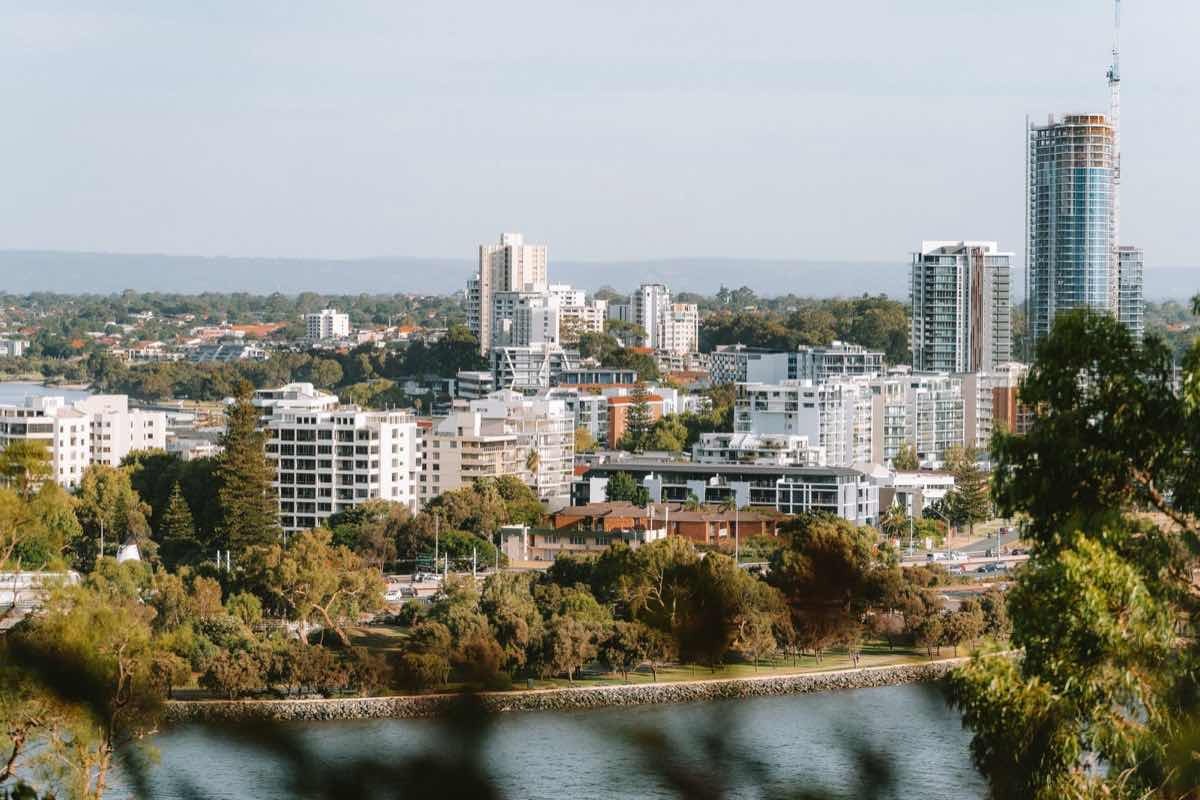
Perth is one of the most isolated cities on Earth, and it wears that solitude well, with wide beaches, endless sunshine, and a slower pace than the East Coast. The Swan River splits the city, and the coastline faces west, which means the sunsets here are a nightly event.
South of the city, the landscape shifts into the Margaret River wine region, tall-timber forests, and surf coast, one of Australia’s best self-contained road-trip loops.
Perth is relaxed, sunny, and outdoorsy, with a strong beach-and-barbecue culture and long, light evenings. Distances within the South West are manageable, which makes it one of the easiest regions in the country to tour by van.
Top Things to Do
- Meet the quokkas on Rottnest Island: A short ferry from Perth to car-free beaches and the friendliest marsupials in the country. Ferries leave from Fremantle and central Perth, and the island is best explored by bike, as cars are not allowed. Go for a full day, and keep your distance from the quokkas even when they pose.
- Taste your way through Margaret River: Cellar doors, breweries, and a famous surf break, three hours south of the city. Base yourself for two or three nights to take in the cellar doors, the Boranup karri forest, and the coast without rushing. A designated driver or a tour matters if you plan to taste.
- Swim at Cottesloe Beach: The classic Perth beach for a sunset swim and a fish-and-chips dinner on the grass. Time it for sunset, when the whole beach faces the show, and arrive early on warm weekends for a parking spot.
- Walk Kings Park: A bushland park bigger than New York’s Central Park, with wildflowers in spring and skyline views. Walk the treetop bridge and the botanic garden paths, and come in September for the wildflower festival. It is free, central, and an easy break between beaches.
- Wander the forests near Pemberton: Karri trees you can climb and quiet campsites deep in the south west. The old fire-lookout trees are a steep optional climb, and the surrounding forest drives are quiet and shaded. Fuel up before you head in, as towns are small.
Don’t Leave Without…
Timing a visit for spring wildflower season, August to October, when Western Australia’s bushland erupts in colour that few overseas visitors ever see. Drive the inland routes north and east of Perth in late winter and early spring, and stop often, as the best displays are roadside.
RV Practical Info
- When to go: Spring for wildflowers and mild days, or autumn. Summer is hot and dry, especially inland.
- Roads: The South West roads are excellent and the distances manageable, unlike the long hauls further north. It makes a relaxed loop for a first WA trip, with sealed roads throughout.
- Campsites: Holiday parks and forest camping spread through Margaret River and the Pemberton forests.
- Fuel: Top up before long stretches if you head inland or north toward the Coral Coast. Service stations thin out quickly once you leave the South West.
Indie Campers offers RV rental in Perth, the gateway for the South West loop or the long drive up the Coral Coast.
Who Is It Best For?
- Wine lovers: Margaret River rivals any region in the country.
- Beachgoers: White sand and west-facing sunsets up and down the coast.
- Road-trippers: A self-contained loop with great roads and few crowds.
Recommended Budget
- Food: AUD 40 to 90 a day.
- Activities: AUD 20 to 70 a day, plus the Rottnest ferry at around AUD 70.
- Season note: Wildflower season and summer weekends are busiest in Margaret River. Powered sites run about AUD 40 to 55 a night, with forest and coastal camps cheaper.
7. Darwin & the Top End, Northern Territory
The Vibe
Darwin feels like a frontier town, closer to Asia than to Sydney and built around markets, sunsets, and the rhythm of the tropics. It’s small, multicultural, and outdoorsy, with the real draw being the wilderness on its doorstep.
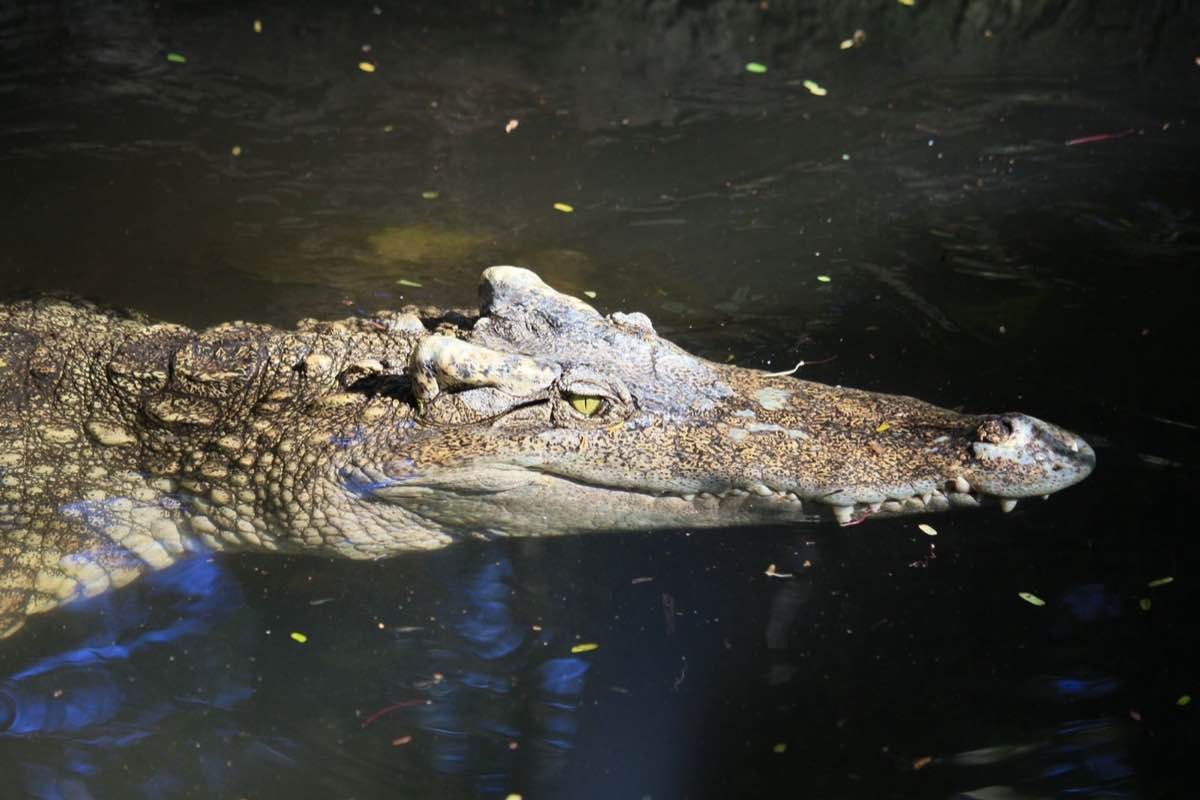
This is the base for Kakadu and Litchfield, two parks where waterfalls, wetlands, saltwater crocodiles, and ancient rock art make the Top End one of the most rewarding regions in the country, if you time it right.
Darwin lives outdoors after dark, when the heat eases, and the markets, food trucks, and waterfront come alive. It is laid-back and multicultural, and most travellers treat it as a launchpad for Kakadu and Litchfield rather than a destination in itself.
Top Things to Do
Explore Kakadu National Park, which covers almost 20,000 square kilometres of wetlands, escarpments, and ancient rock art galleries. Give it two or three days at least, as the highlights sit hours apart. Many of the best sites open progressively through the dry season, so check what is accessible before you go.
- Swim the falls at Litchfield: Closer to Darwin than Kakadu and full of safe plunge pools beneath waterfalls. Wangi and Florence Falls are the easy favourites, and the whole park makes a comfortable day trip from Darwin. Check that the pools are open for swimming before you dive in.
- Browse the Mindil Beach Sunset Market: Dry-season evenings of street food and live music as the sun drops into the Arafura Sea. It runs on dry-season evenings only, so build a Thursday or Sunday into your Darwin plans. Come hungry, and arrive before sunset for a spot on the sand.
- Cruise for crocodiles: Jumping-croc and wetland cruises on the Adelaide River and in Kakadu’s Yellow Water. The Yellow Water cruises at dawn are the pick for birdlife and calm water. Book ahead in the peak dry season.
- See rock art at Ubirr and Nourlangie: Some of the oldest continuous art on Earth, with sunset views over the floodplains. Ubirr is an easy walk up to the lookout, best timed for late afternoon. A guide or the on-site signage adds the cultural context that makes it land.
Don’t Leave Without…
Watching sunset from Ubirr after a hot day in Kakadu, when the floodplain turns gold, and the scale of the Top End finally sinks in. Head up about an hour before sunset to claim a spot on the rock platform, and carry water for the walk.
RV Practical Info
- When to go: The dry season, May to October, is essential. The wet season floods roads and closes much of Kakadu.
- Roads: Main routes are sealed, but many of Kakadu’s best sites need 4WD and close seasonally, so check conditions daily. The Northern Territory parks publish road and access updates that are worth reading each morning.
- Campsites: Kakadu and Litchfield have park campgrounds, with holiday parks in Darwin itself. Park sites inside Kakadu and Litchfield are basic and limited, so book ahead and carry water.
- Crocodile safety: Never swim outside designated, signed swimming holes anywhere in the Top End.
Indie Campers offers RV rental in Darwin, the right vehicle for the long, hot distances of the Top End.
Who Is It Best For?
- Adventurers: Remote parks, big distances, and real wilderness.
- Nature and culture fans: Wildlife and one of the oldest living cultures on Earth.
- Photographers: Sunsets and floodplains that don’t quit.
Recommended Budget
- Food: AUD 40 to 90 a day, more at remote roadhouses.
- Activities: AUD 30 to 80 a day, including park passes and a croc cruise.
- Season note: Dry-season demand peaks mid-year, and fuel costs more the further you get from Darwin. Budget about AUD 40 to 55 a night for a Darwin powered site, plus park passes and a cruise.
8. Uluru & the Red Centre, Northern Territory
The Vibe
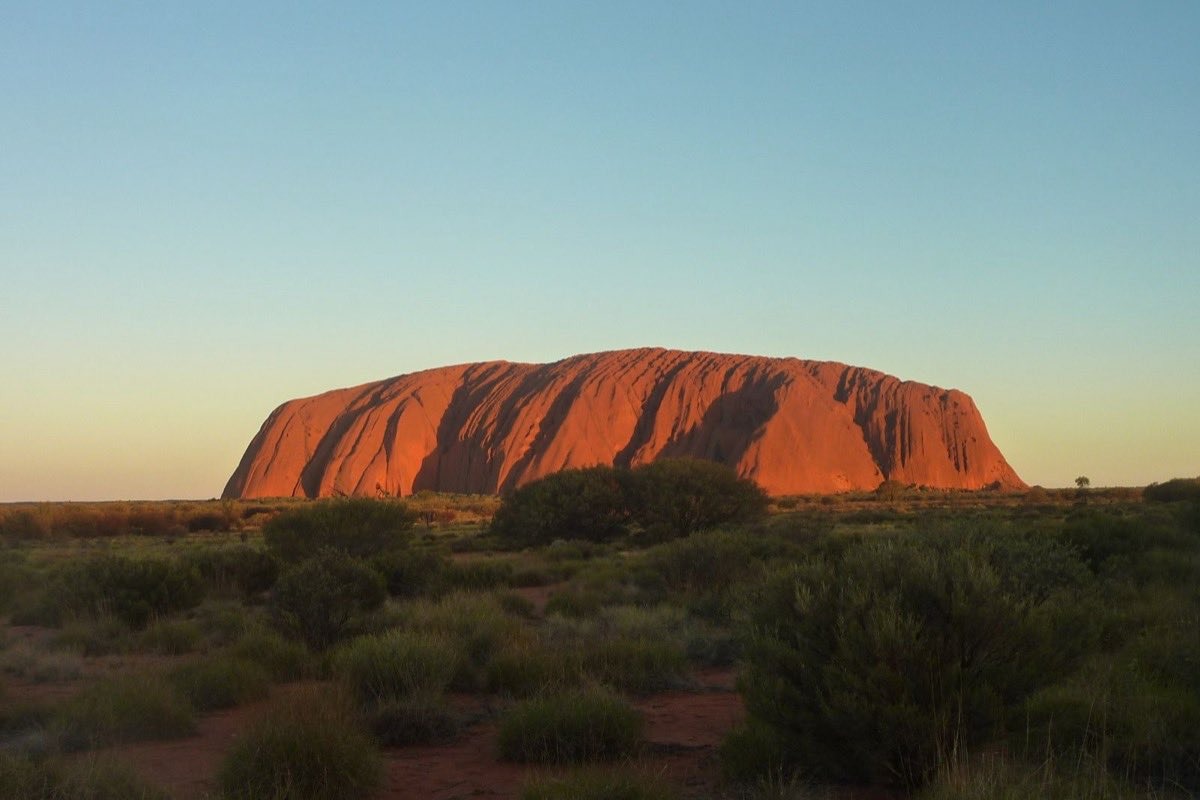
The Red Centre is the spiritual heart of the country, a vast desert where the silence is total, and the colours shift by the hour. Uluru, the great sandstone monolith sacred to the Anangu people, is the icon, but the whole region rewards the long drive in.
Uluru rises 348 metres above the surrounding plain, and standing beneath it is a genuinely humbling experience that photos never quite capture. This is bucket-list Australia at its most elemental.
The Red Centre is remote and quiet, built around sunrise and sunset rather than a town, with the resort village at Yulara as the only real base. Give it time to slow down, as the long drives and big skies are part of what makes the place land.
Top Things to Do
- Walk the base of Uluru: A 10 km loop past waterholes, caves, and rock art, far more moving than viewing it from a distance. Walk it early, before the heat and the flies build, and carry water for the full loop. Allow about three hours, and follow the signs asking you not to photograph the sacred sections.
- Hike Kata Tjuta’s Valley of the Winds: The domes west of Uluru are taller than the rock itself and far quieter. The Valley of the Winds loop takes two to three hours and closes by mid-morning on hot days, so start at dawn. The shorter Walpa Gorge walk is a gentler option.
- Watch sunrise and sunset: The colour change across Uluru is the reason most people come, and both ends of the day deliver. There are dedicated viewing areas for each, so arrive about 30 minutes early for a good position. The colour shift lasts only a few minutes, so have the camera ready and then just watch.
- Trek Kings Canyon: The Rim Walk, three hours north, circles sheer red walls and a hidden pocket of greenery. The Rim Walk is about 6 km and starts with a steep climb, so set off at first light and turn back if it is closed due to the heat. It is a worthwhile stop on the drive in or out.
- See the desert light up after dark: The Field of Light art installation turns the plain into a sea of colour at night. Tickets are timed and sell out in peak season, so book before you arrive. Dress warmly, as desert nights are cold even after hot days.
Don’t Leave Without…
Joining an Anangu-led walk to hear the stories behind the rock. A new five-day, Indigenous-led Uluru signature walk launches in 2026, deepening the experience beyond the standard sunrise stop. Book Indigenous-led tours ahead, as places are limited and they are the highlight for most visitors.
RV Practical Info
- When to go: April to September, when desert days are mild. Summer brings extreme heat that makes long walks dangerous.
- Roads: Sealed all the way to the resort, but distances are huge, so carry water and plan fuel stops carefully. It is roughly a five-hour drive from Alice Springs, so break the trip and fuel up at every roadhouse.
- Campsites: The Ayers Rock campground at Yulara is the only option at Uluru, so book ahead in peak season. Powered and unpowered sites are available, but they fill in the cooler months, so reserve early.
- Park fees: A national park pass is required and valid for several days.
There’s no Indie Campers depot at Uluru or in the Red Centre itself. The nearest pickup is Darwin, so the area works best as part of a longer Explorer’s Way drive south, or as a fly-in add-on to your campervan trip elsewhere in the country.
Who Is It Best For?
- Bucket-listers: The one sight almost everyone pictures when they think of Australia.
- Culture seekers: Indigenous-led tours that change how you see the place.
- Photographers: Light and colour you won’t find anywhere else.
Recommended Budget
- Food: AUD 45 to 100 a day, as remote-resort prices run high.
- Activities: AUD 30 to 90 a day, including the park pass and guided walks.
- Season note: Cooler months are peak, so accommodation and tours book out early. Expect about AUD 55 to 70 a night for a powered site at Yulara, plus the park pass and any guided walks.
9. Adelaide, Kangaroo Island & Eyre Peninsula, South Australia
The Vibe
South Australia is the country’s quiet achiever: celebrated wine, abundant wildlife, and some of the best seafood in the southern hemisphere, all without the crowds. Adelaide is a calm, walkable capital ringed by parklands and within an hour of three famous wine regions.
Out of the city, Kangaroo Island and the Eyre Peninsula deliver the wildlife encounters and empty coastlines that most itineraries skip in favour of the east coast.
The pace is easy, and the crowds are thin, with cellar doors, farm gates, and seafood shacks doing the heavy lifting. Distances are bigger out on the Eyre Peninsula, so plan longer driving days the further west you go.
Top Things to Do
- Taste the Barossa and Adelaide Hills: Some of Australia’s oldest vines, a short drive from the city. The Barossa and the Adelaide Hills are each under an hour out, so you can taste at the source and be back by evening. Use a tour or a designated driver if you plan to sample widely.
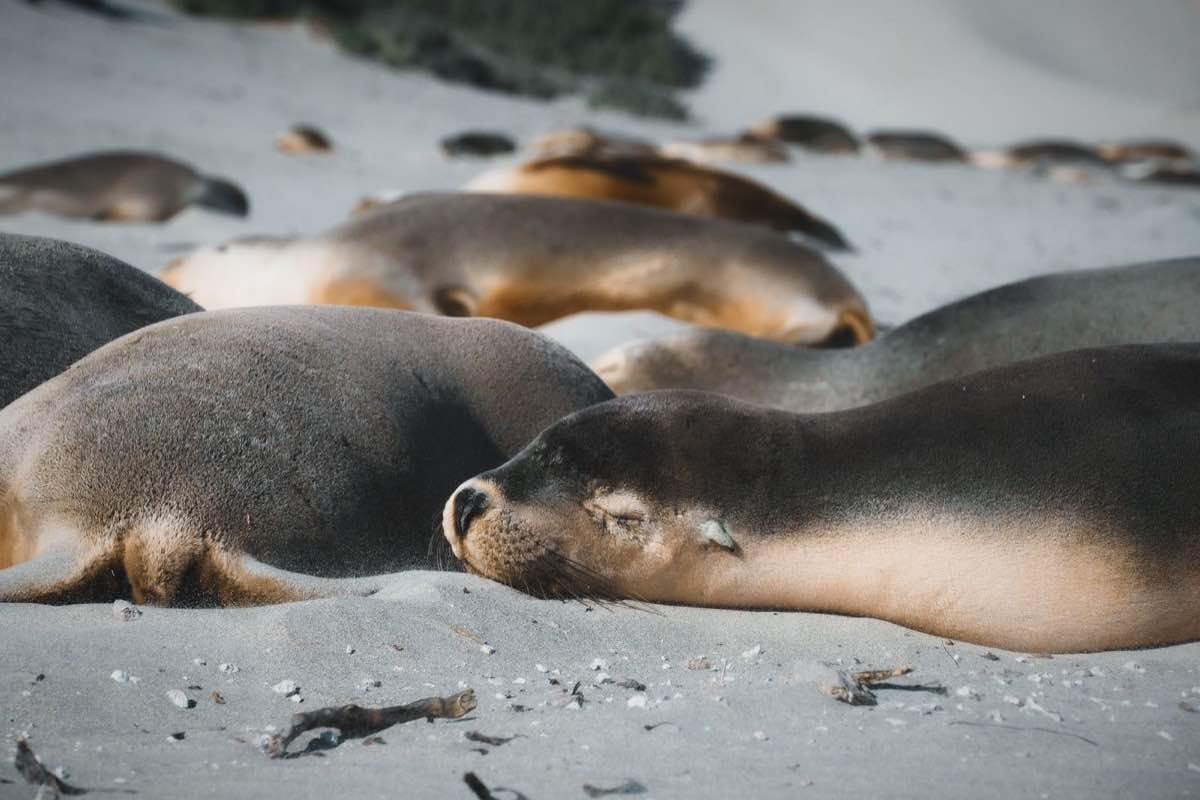
- See wildlife on Kangaroo Island: Sea lions, koalas, and dramatic coast at Flinders Chase, a ferry ride from the mainland. Give it two days at least, as the island is bigger than it looks and the best sites sit far apart. Book the vehicle ferry from Cape Jervis ahead of time in summer.
- Swim with sea lions on the Eyre Peninsula: Plus oysters straight from the water at Coffin Bay. It is a long but easy drive west, and the reward is empty beaches and seafood at its source. Stock up in the larger towns, as services thin out.
- Graze the Adelaide Central Market: One of the largest fresh-produce markets in the country. Stock the van here with local cheese, bread, and seafood before you head out of the city. It is closed on Sunday and Monday, so time your visit.
- Drive the Fleurieu Peninsula: Beaches, wineries, and whale-watching at Victor Harbor. It makes an easy day loop south of the city, with the McLaren Vale wineries on the way. Whales pass through between about May and October.
Don’t Leave Without…
Shucking your own oysters straight from the lease at Coffin Bay, then washing them down with a local white, the kind of moment the east coast can’t match. Book a farm-gate oyster experience at Coffin Bay ahead, as they run on set times and fill in season.
RV Practical Info
- When to go: Spring and autumn for mild weather, or summer for beaches and wildlife.
- Roads: Excellent and quiet, with the Eyre Peninsula a long but easy drive west. Carry water and fuel for the longer legs, as towns are spread out.
- Campsites: Coastal holiday parks and national park camping are plentiful and rarely full.
- Ferries: Book the Kangaroo Island vehicle ferry ahead of time in summer. Spaces for vans are limited and sell out on popular dates.
There’s no Indie Campers depot in Adelaide, but a van from Melbourne or Perth reaches South Australia easily, with route ideas in the road trip guides above.
Who Is It Best For?
- Foodies: Wine and seafood at the source.
- Wildlife fans: Sea lions, koalas, and kangaroos in the wild.
- Crowd-avoiders: Big experiences without the East Coast queues.
Recommended Budget
- Food: AUD 40 to 90 a day, less if you buy seafood and produce directly.
- Activities: AUD 20 to 80 a day, plus the Kangaroo Island ferry.
- Season note: Wine-region weekends and summer ferries are busiest. Powered sites cost about AUD 35 to 50 a night, and buying seafood and produce directly keeps food costs down.
10. Coral Coast: Ningaloo & Karijini, Western Australia
The Vibe
This is the finale most tourists never reach: the stretch of Western Australia north of Perth where a reef runs right off the beach and red gorges cut through the outback. Ningaloo is the Great Barrier Reef’s quieter rival, a fringing reef you can snorkel by wading off the sand.
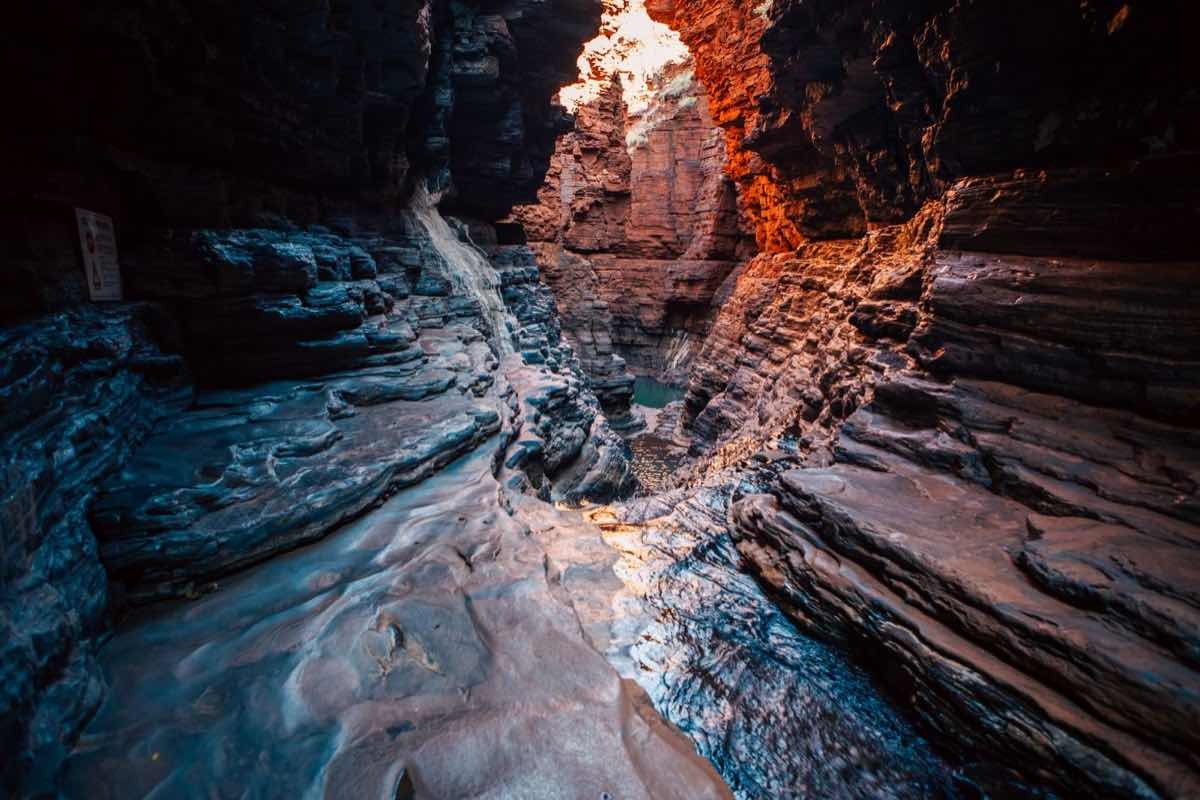
Inland, Karijini National Park hides deep gorges, plunge pools, and waterfalls in the ancient Pilbara. Together, they make one of the most rewarding and remote road trips in the country.
There are no cities out here, just small coastal towns and station stays between long, empty stretches of highway. That isolation is the appeal, but it means you carry your own supplies and plan each leg around fuel and water.
Top Things to Do
- Snorkel Ningaloo Reef: Coral and turtles a few metres from shore at Coral Bay and Exmouth, no boat required. Wade in off the beach at Coral Bay, or snorkel the Turquoise Bay drift near Exmouth on a rising tide. Bring your own gear, as rental options are limited.
- Swim with whale sharks: The world’s biggest fish visit from roughly March to July, one of the planet’s great wildlife encounters. Licensed tours run out of Exmouth and Coral Bay and book out fast, so reserve well ahead. Humpback whales sometimes run later in the season, too.
- Explore Karijini’s gorges: Cool plunge pools and red-rock chasms deep in the Pilbara. It is a long inland detour, so plan two or three days and a self-sufficient setup. Some gorge trails are steep and rated for experienced walkers, so check before you commit.
- Walk Kalbarri’s Nature’s Window: A rock arch framing the Murchison River gorge on the drive up. The skywalk lookouts are an easy stop, and the coastal cliffs south of town are worth an evening. It breaks up the long haul between Perth and Exmouth.
- See dolphins at Monkey Mia: Wild dolphins that come to shore in the Shark Bay World Heritage area. The morning dolphin visits are managed by rangers, so arrive early. Nearby Shell Beach and Hamelin Pool are easy add-ons.
Don’t Leave Without…
Wading off the beach at Coral Bay and finding yourself among turtles and reef fish within minutes, no tour boat, no crowd, just the reef and you. Check the tide before you go, as a rising tide brings the fish in and makes the drift snorkel easiest.
RV Practical Info
- When to go: April to October. Whale sharks run roughly from March to July, and Karijini is best in the cooler months.
- Roads: Sealed on the main coastal route, but distances are vast and fuel stops are far apart, so plan every leg. Fill up at every town, and carry a spare and basic recovery gear for the remote stretches.
- Campsites: National park and station-stay camping dominate, with limited facilities, so stock up in the larger towns.
- Self-sufficiency: Carry extra water, food, and fuel, as services thin out fast north of Perth. A van with good water capacity and solar makes the station stays and bush camps far easier.
Collect a van in Perth and drive north, the only realistic way to reach this coast.
Who Is It Best For?
- Adventurers: Remote, self-sufficient travel with huge payoffs.
- Snorkellers and divers: A reef off the beach and whale sharks in season.
- Crowd-avoiders: Standout nature with barely anyone around.
Recommended Budget
- Food: AUD 40 to 95 a day, higher at remote roadhouses.
- Activities: AUD 20 to 80 a day, plus a whale-shark tour at AUD 400-plus as a once-in-a-lifetime splurge.
- Season note: The whale shark window from March to July is busiest, so book tours ahead. Budget about AUD 35 to 55 a night for the basic coastal and station sites, and carry extra for fuel over the long distances.
What Should You Pack for an Australia Road Trip in 2026
Australia spans the tropics and the temperate south, so what you pack depends on the region and season more than the calendar. Here’s a practical list built around the seasons you’ll actually meet on the road in 2026.
Clothing
- Layers for the south: Tasmania, Melbourne, and the Red Centre swing between warm days and cold nights, so bring a fleece and a light rain jacket.
- Light, breathable clothes for the north: Cairns and Darwin are humid even in the dry season, so quick-dry fabrics beat cotton.
- Strong sun protection: A wide-brim hat, polarised sunglasses, and high-SPF sunscreen, as the Australian sun is fierce year-round. UV is extreme even on cool or cloudy days, so reapply sunscreen and cover up between 10 am and 3 pm.
Gear and Activities
- Reef-safe snorkel kit: Worth carrying for Ningaloo, the Great Barrier Reef, and countless beaches.
- Sturdy walking shoes: For gorge trails, the Overland Track, and clifftop walks.
- A rash vest or stinger suit: Essential for swimming up north from November to May. A full stinger suit is the safer choice for the tropical north in those months, even inside stinger nets.
Campervan Essentials
- Extra water and fuel containers: Non-negotiable for the Red Centre, the Top End, and the Coral Coast, where services are far apart. Carry enough drinking water for everyone for at least a day beyond your plan, and top up fuel whenever you pass a station.
- A power bank and offline maps: Phone signal disappears for long stretches inland.
- Insect repellent and fly nets: The outback flies are relentless in the warmer months.
- A national-parks pass: Saves money if you’re visiting several parks in one state.
Final Expert Tips for Australia Travel in 2026
A few hard-won lessons make the difference between a smooth Australian road trip and a frustrating one. These apply specifically to travelling the country across the 2026 season.
- Follow the weather, not the calendar: Drive the tropical north in the dry season, May to October, and save the south for its summer. Trying to do Kakadu in February or Tasmania in July works against you.
- Respect the distances: Australia is deceptively huge, and a short-looking line on the map can be a full day’s drive. Plan fewer stops and longer stays rather than racing between them.
- Book the big-ticket items early: Reef trips from Cairns, the Uluru campground, and whale-shark tours at Ningaloo sell out in peak season, so lock them in once your dates are set. Many open a booking window months ahead, so set a reminder and reserve the moment it opens for peak dates.
- Never swim where crocodiles or stingers are signed: In the Top End and tropical Queensland, stick to marked swimming holes and stinger nets, and take the warnings seriously.
- Carry more water and fuel than you think you need: On the Coral Coast and through the Red Centre, the gap between services can be hundreds of kilometres.
- Use free and national-park camping: Australia has a deep network of low-cost and free sites, which keeps a long trip affordable if you plan around them. Apps and state park sites list low-cost and free camps, but the best fill early, so have a backup for each night.
- Watch for wildlife at dawn and dusk: Kangaroos and wombats move at first and last light, so avoid driving then on country roads where you can.
Plan Your Australia Road Trip with Indie Campers
The best places to visit in Australia are scattered across a continent, and the gap between them is where flights fail you, and a campervan wins. Hotels tie you to cities, fixed bookings, and the same crowded icons everyone else sees, while the reefs, gorges, and empty coastlines that make this country special sit hours down the road.
A campervan rolls your transport and accommodation into one, so you wake up beside the beach or the gorge instead of driving back to a hotel.
With one-way rentals across depots in Sydney, Melbourne, Brisbane, Cairns, Perth, Darwin, and Hobart, you can drive a route end to end without backtracking, and unlimited mileage on company-owned vehicles means the big distances don’t cost extra. Every booking comes with 24/7 support on the road.
Book your campervan and kickstart an adventurous Australia trip now.
Everything You Need to Know About Australia RV Road Trips
| Place | State / Territory | Vibe | Best For | Top Things to Do | Budget/Day (AUD) | Top Campgrounds & Stops | RV-Friendly | Wild Camping? | Best Place To Stay |
| Sydney | NSW | Iconic harbour | First-timers | Harbour, beaches, Blue Mountains | 120-260 (4/5) | Lane Cove, Narrabeen | Medium | Restricted | Indie Campers RV |
| Cairns & Tropical North | QLD | Reef & rainforest | Divers, families | Reef, Daintree, Tablelands | 110-240 (3/5) | Palm Cove, Port Douglas | High | Restricted | Indie Campers RV |
| Melbourne & Great Ocean Road | VIC | Culture & coast | Foodies | Laneways, Twelve Apostles | 110-240 (4/5) | Apollo Bay, Port Campbell | High | Restricted | Indie Campers RV |
| Brisbane & hinterland | QLD | Easygoing subtropics | Families | South Bank, coasts, hinterland | 100-210 (3/5) | Gold & Sunshine Coast parks | High | Restricted | Indie Campers RV |
| Hobart & Tasmania | TAS | Wild & gourmet | Hikers, foodies | MONA, Freycinet, Cradle Mtn | 110-230 (3/5) | Freycinet, Cradle Mountain | High | Restricted | Indie Campers RV |
| Perth & South West | WA | Sunny & remote | Wine, beaches | Rottnest, Margaret River | 100-220 (3/5) | Margaret River, Pemberton | High | Restricted | Indie Campers RV |
| Darwin & Top End | NT | Frontier tropics | Adventurers | Kakadu, Litchfield, markets | 110-240 (3/5) | Kakadu, Litchfield | Medium | Restricted | Indie Campers RV |
| Uluru & Red Centre | NT | Spiritual desert | Bucket-listers | Uluru, Kata Tjuta, Kings Canyon | 130-280 (4/5) | Ayers Rock (Yulara) | Medium | Restricted | Indie Campers RV |
| Adelaide, KI & Eyre | SA | Wine & wildlife | Foodies, wildlife | Wine, sea lions, seafood | 110-240 (3/5) | Kangaroo Island, Fleurieu | High | Restricted | Indie Campers RV |
| Coral Coast | WA | Off-grid wonder | Adventurers | Ningaloo, whale sharks, Karijini | 120-260 (4/5) | Exmouth, Coral Bay, Karijini | Medium | Restricted | Indie Campers RV |
FAQs About Where To Go in Australia in 2026
Where can I rent an RV in Australia in 2026?
You can rent an RV in Australia in 2026 from Indie Campers depots in Sydney, Melbourne, Brisbane, Cairns, Perth, Darwin, and Hobart. One-way rentals let you pick up in one city and drop off in another, which suits long routes like the East Coast or a Perth-to-Coral Coast run. Company-owned vehicles include unlimited mileage, so the long distances between regions don’t add to the cost.
What is the warmest place to visit in Australia?
The warmest places to visit in Australia are the tropical north, including Darwin, Cairns, and Broome, where daytime highs sit around 86 to 90F (30 to 32 °C) for much of the year. Darwin stays hot and humid year-round, while the dry season from May to October is a comfortable time to visit. The Red Centre is also extremely hot in summer, but cools sharply at night.
What is the coldest place to visit in Australia?
The coldest places to visit in Australia are Tasmania and the alpine areas of Victoria and New South Wales. Tasmania’s highlands, including Cradle Mountain, can see snow even in summer, and winters across the south are genuinely cold. The Red Centre also drops near freezing on winter nights despite its hot days.
What is the best place to visit in Australia for couples?
The best place to visit in Australia for couples is the Margaret River region near Perth, with its wineries, forests, and quiet beaches. Tasmania is a strong rival for cool-climate wine and coastal walks, while Sydney offers harbour dinners and easy day trips to the Hunter Valley. For a once-in-a-lifetime trip, sunset at Uluru is hard to beat.
What is the best place to visit in Australia with family?
The best place to visit in Australia with family is the Queensland coast around Brisbane and Cairns, which combines calm beaches, wildlife parks, and the Great Barrier Reef. Brisbane’s South Bank lagoon and the Gold Coast theme parks keep all ages happy, while Cairns adds reef trips and rainforest. Campsites along this coast are plentiful and well set up for vans.
What is the best place to visit in Australia with kids?
The best place to visit in Australia with kids is the Gold and Sunshine Coasts near Brisbane, home to theme parks, wildlife sanctuaries, and gentle surf beaches. Cairns is another strong choice for its lagoon, wildlife parks, and easy rainforest walks. Both regions are warm, flat, and full of free outdoor activities that suit young children.
What is the best place to visit in Australia with friends?
The best place to visit in Australia with friends is Melbourne, with its bars, live music, sport, and the Great Ocean Road on the doorstep. The Gold Coast is the classic group beach-and-nightlife trip, while Cairns pairs reef days with a lively backpacker scene. A campervan keeps a group trip flexible and splits the cost of transport and accommodation.
What are the best places to visit in Australia for first-timers?
The best places to visit in Australia for first-timers are Sydney, Cairns, and Melbourne, which together cover the harbour, the reef, and the country’s best food and coastal drive. Adding Uluru gives you the outback icon most people picture. This east-coast-plus-Red-Centre combination covers the famous places in Australia in two to three weeks.
What are the best places to visit in Australia for solo travelers?
The best places to visit in Australia for solo travelers are Sydney, Melbourne, and Cairns, which are safe, social, and easy to get around. Australia is a popular and well-supported destination for solo road trips, with a deep campsite network and friendly locals. Tasmania suits solo hikers, while the east coast offers the easiest mix of company and convenience.
What are the best places to visit in Australia for nature?
The best places to visit in Australia for nature are the Great Barrier Reef off Cairns, Kakadu in the Top End, and Tasmania’s wilderness parks. For something quieter, Ningaloo Reef and Karijini on the Coral Coast deliver outstanding snorkelling and gorges with barely a crowd. The Red Centre rounds out the list with desert landscapes unlike anywhere else on Earth.