Last Updated: May 12, 2026
Key Takeaways (TL;DR)
- Why Stay in Anchorage in 2026: Anchorage is the gateway to some of the most dramatic wilderness in North America, and staying here by RV gives you the flexibility that hotels can’t match. Campgrounds fill from late May onward, so planning ahead gets you the best pitches at prices well below what you’d find elsewhere in Alaska.
- Top Places to Stay in Anchorage in 2026: Ship Creek / Downtown, Chugach State Park, Eagle River, South Anchorage / Rabbit Creek, Girdwood, Palmer / Matanuska Valley, Seward, Kenai / Soldotna, Wasilla, Eklutna / Peters Creek.
- Don’t Miss Overnight Experience: Waking up at a Chugach State Park site with Flattop Mountain turning gold at 5 AM in full June sunrise – still and silent, with no one else moving, and a moose drinking from the creek below the trees.
- Ideal Trip Length: 7–14 days. That range gives you enough time to work through the Anchorage area, run south to the Kenai Peninsula, and loop back through the Matanuska Valley without feeling rushed between stops.
- How to Choose the Right Base: Stay near Ship Creek or Midtown for city access and provisioning. Choose Chugach State Park or Eagle River for wildlife and hiking. Head south to Girdwood or Seward for dramatic coastal and mountain scenery. Go northeast to Palmer or Wasilla if Denali and the interior are the next stop.
- Recommended Budget Per Person/Night: $15–$55/night covers most campground and RV park options in and around Anchorage, excluding RV rental costs. Full-hookup private parks run toward the top of that range; state campgrounds are the best value.
- Watch Out For: Many campgrounds open May 1 and fill for July weekends by late April. Bears are active throughout every zone in this guide – food storage rules are strictly enforced. The Seward Highway south of Anchorage has exposed, narrow stretches that require careful driving in a larger rig.
- Where To Stay: RV rentals from Indie Campers are the most practical accommodation for this region – the built-in kitchen and sleeping setup means you can base out of a state campground, move south to the Kenai, and push northeast toward Denali without rebooking hotels at every stop.
- Best For: Adventure travelers, wildlife watchers, hikers targeting Alaska’s big landscapes, anglers chasing king salmon runs, and road-trippers using Anchorage as the launch point for a longer Alaska loop.
Table of Contents
- Top Places to Stay in Anchorage, Alaska 2026: at a Glance
- Best Places to Stay in Anchorage in 2026
- What to Pack for an Anchorage RV Stay in 2026
- Final Expert Tips for Staying in Anchorage in 2026
- Plan Your Anchorage Road Trip with Indie Campers
- Everything You Need to Know About Staying in Anchorage by RV in 2026
- FAQs About Where to Stay in Anchorage
Top Places to Stay in Anchorage, Alaska 2026: at a Glance
| Area / Town | Country | Setting | Best For | Campsite Type | Avg Temp (Summer) | Nightly Cost | Crowd Level | RV-Friendly |
| Ship Creek / Downtown | USA | Urban waterfront | City access & provisioning | Full-hookup RV park | 16–19°C (61–66°F) | $45–$65 | Moderate | Yes |
| Chugach State Park | USA | Mountain wilderness | Hikers & wildlife watchers | State campground, some primitive | 12–17°C (54–63°F) | $20–$30 | Low–Moderate | Yes |
| Eagle River | USA | Valley & forest | Families & nature access | State campground, private RV park | 14–18°C (57–64°F) | $20–$40 | Low | Yes |
| South Anchorage / Rabbit Creek | USA | Suburban edge | Kenai-bound staging | Private RV park | 15–18°C (59–64°F) | $35–$55 | Low | Yes |
| Girdwood | USA | Mountain / coastal | Scenic overnight, Turnagain Arm | USFS sites, private | 12–16°C (54–61°F) | $18–$45 | Low–Moderate | Yes |
| Palmer / Matanuska Valley | USA | Agricultural valley | Glacier visits & Hatcher Pass | State campground, private RV park | 15–20°C (59–68°F) | $20–$40 | Low | Yes |
| Seward | USA | Fjord & coastal | Kenai Fjords & harbor access | State campground, full-hookup park | 12–17°C (54–63°F) | $25–$55 | Moderate | Yes |
| Kenai / Soldotna | USA | River valley | Salmon fishing & Kenai River | Private RV park, state campground | 14–19°C (57–66°F) | $15–$50 | Moderate | Yes |
| Wasilla | USA | Lake & wetland | Denali-direction staging | Private RV park, state campground | 14–19°C (57–66°F) | $20–$50 | Low | Yes |
| Eklutna / Peters Creek | USA | Forest & glacial lake | Quiet wilderness overnight | State campground, lake access | 13–17°C (55–63°F) | $15–$20 | Low | Yes |
Best Places to Stay in Anchorage in 2026
1. Ship Creek Area / Downtown Anchorage, Alaska
Why Stay Here
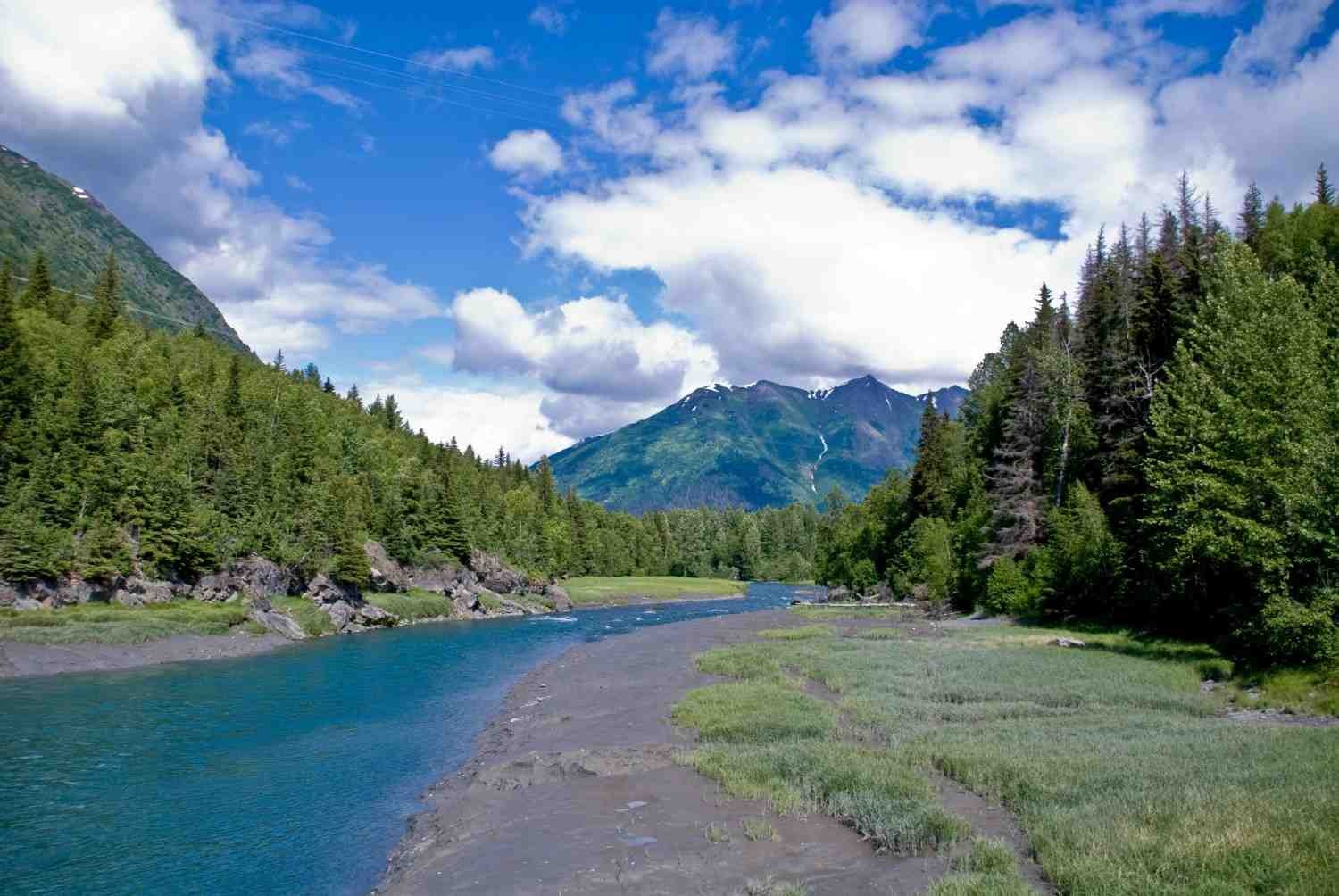
Pulling into Ship Creek in an RV at dusk, Anchorage looks different from what you’d expect from Alaska’s largest city.
The skyline is modest. The Chugach Mountains rise directly behind it. Cook Inlet stretches west in flat silver light. By 9 PM in June, the sun is still well above the horizon. Ship Creek is one of the best places to stay in Anchorage if you need a solid first-night base with full services and city access in one place.
You’re close to everything you need here. Anglers stand hip-deep in an urban creek pulling king salmon in July while the downtown grid of coffee shops, gear outfitters, and restaurants sits a few blocks away. If it’s your first night in Alaska – or you need to stock up, get your gear sorted, or fix something before heading deeper into the state – this is where to start. The Alaska Railroad depot is nearby, and both the Glenn Highway north and the Seward Highway south begin here.
After dark, the city quiets down fast. Anchorage doesn’t run late. By 10 PM, the streets are empty, and the lingering summer light turns the mountains a deep rose.
Top Campsites and Overnight Spots
1. Golden Nugget RV Park: One of the closest full-service RV parks to downtown, about a mile from the Ship Creek waterfront. You get full hookups (30/50 amp), laundry, WiFi, and showers, and the sites fit rigs up to 45 feet. It fills fast on summer weekends, so book at least two weeks ahead for July. This is your best bet if you need to run errands, visit a gear shop, or eat a proper meal before heading into the backcountry.
2. Ship Creek RV Park: Right next to the creek itself, which runs king and silver salmon July through September. It’s more basic than Golden Nugget – fewer facilities, simpler hookups – but if catching a king salmon from an urban creek at midnight sun is the plan, this is the spot. Book well ahead for July.
3. Centennial Campground (Municipality of Anchorage): A municipal campground a few miles east of downtown near Campbell Creek. No hookups, but water’s available seasonally. It’s wooded and quiet by Anchorage standards, and moose are common in the adjacent greenbelt. The most affordable option near the city center, and it works well for a self-contained rig.
4. Creekwood Inn & RV Park: A smaller, quieter park in midtown Anchorage with full hookups and secure parking. Good if you need to be near the airport or the main shopping corridors. Reliable facilities, less character than the creek-side options.
5. Anchorage Downtown Motorhome Park: A no-frills overnight lot with basic electric hookups, a short walk to 4th Avenue. Better as a one-night stopover than a multi-night base.
Don’t Leave Without
Walking the Tony Knowles Coastal Trail at 11 PM on a clear June night, when the light on Knik Arm turns the mudflats gold and Denali – 250 kilometers away – sits on the horizon above Cook Inlet. It happens on clear evenings and you can’t replicate it from a hotel room.
RV Practical Info
- Road access: Glenn Highway from the north and Seward Highway from the south feed into downtown Anchorage with wide lanes and clear signage. No size restrictions for standard RVs.
- Campsite availability: Full-hookup parks near Ship Creek book out for July weekends by May. Centennial Campground is first-come, first-served and often has weekday space through June.
- Hook-up and facilities: Most private parks offer 30/50 amp, water, sewer, laundry, and WiFi. Centennial Campground has no electric hookups.
- Parking in town: Don’t park your RV on-street downtown. Leave it at the campground and walk or take a rideshare. A few surface lots near 4th Avenue fit smaller rigs.
- Wild camping: Not permitted within city limits.
- Bears: Brown and black bears turn up throughout Anchorage, including in urban parks. Keep all food in bear-proof containers or locked in the vehicle.
Who Is It Best For?
- First-time Alaska visitors who want to sort out city logistics before heading into the wilderness
- Travelers arriving late or leaving early who need reliable full-hookup infrastructure
- Anglers targeting king salmon in the July run on Ship Creek
- Road-trippers who need to stage equipment and supplies before the Kenai or the interior
Recommended Nightly Budget
- Private RV parks (Golden Nugget, Ship Creek RV Park): $45–$65/night for full hookup
- Centennial Campground: $20–$25/night, no electric
- Summer surcharges apply at most Anchorage RV parks June to August
2. Chugach State Park, Alaska
Why Stay Here
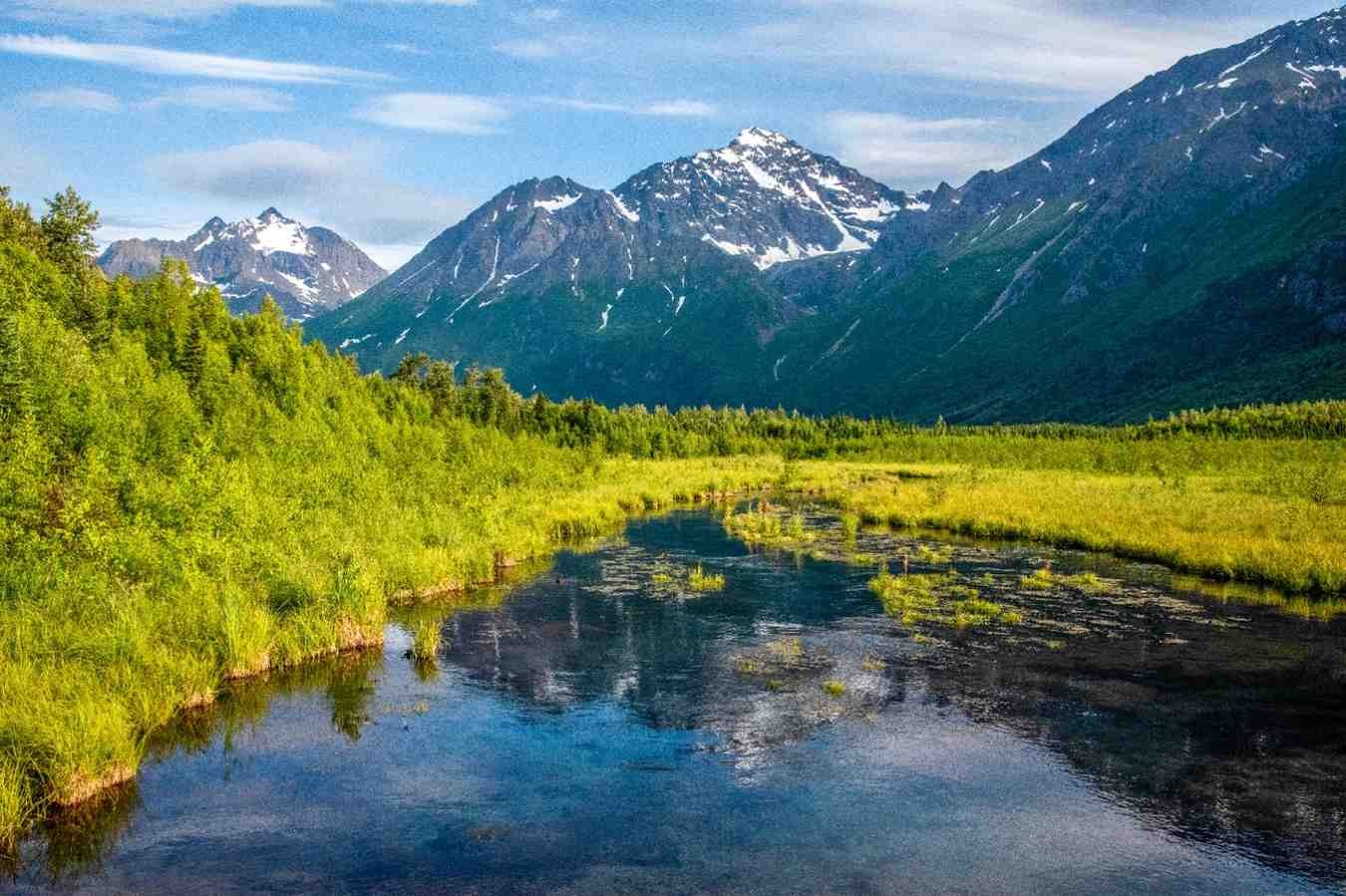
Chugach State Park starts where Anchorage’s eastern neighborhoods end – at the base of a mountain range that climbs to over 2,700 meters and covers nearly a million acres. It’s one of the largest state parks in the country, and you can reach the trailhead parking lots in 15 minutes from downtown.
Staying overnight inside Chugach changes the whole trip. Day-trippers don’t show up until after 9 AM. If you’re camped at Eagle River or Eklutna Lake, the trails, the wildlife corridors, and the valley light are yours from first light. In June and July, that’s 4 AM.
Bears are a real presence here. Moose are common enough that you stop noticing them after a day or two. Dall sheep appear on the ridge crests above Flattop Mountain. Despite being 30 minutes from the city, the river valleys and alpine meadows feel genuinely remote.
Top Campsites and Overnight Spots
1. Eagle River Campground (Chugach State Park): The main developed campground in the park, 13 miles northeast of downtown Anchorage. There are 57 sites, flush toilets, and seasonal water, but no electric hookups. Most standard RVs fit fine. The campground sits beside the Eagle River, which runs pale turquoise all summer from glacial melt. Book through Alaska State Parks – July weekends fill by May.
2. Eklutna Lake Campground: At the end of a 10-mile paved road into the park’s northeastern corner, this 50-site campground sits on one of the most scenic glacial lakes in southcentral Alaska. Vault toilets, no electric. The road suits most RVs. It’s one of the best-value overnight spots you can reach by vehicle near Anchorage – more on this in the Eklutna section below.
3. Bird Creek Campground (Seward Highway): 25 miles south of Anchorage, inside Chugach State Park, with Turnagain Arm right there. Some sites have electric hookups. Popular with anglers after pink salmon in late July and August. You can walk to the water’s edge for the bore tide from your campsite.
4. Flattop Mountain Trailhead Area (Primitive Overnight): A staging area with vault toilets used by overnight hikers. If your rig is fully self-contained, you can sometimes overnight in the parking area – but check current policy with Chugach State Park before counting on it.
5. Glen Alps / Upper O’Malley Adjacent (Dispersed): The Glen Alps trailhead gives you access to Flattop and the Chugach ridge. Some dispersed camping zones exist east of the lot. Confirm current rules directly – permit requirements and boundaries near the urban edge have changed in recent years.
Don’t Leave Without
Hiking Flattop Mountain by 5 AM on a clear July morning. The entire Cook Inlet, Denali to the north, and the Kenai Mountains to the south are all visible at once from a summit you reached before anyone else got there. Set the alarm. It’s worth it.
RV Practical Info
- Road access: Eagle River Campground is reached via the Eagle River Road exit off the Glenn Highway – straightforward for all standard RVs. Eklutna Lake Road is paved and suits rigs up to about 35 feet. Bird Creek on the Seward Highway has no difficult turns.
- Campsite availability: Eagle River and Eklutna Lake need advance reservations through Alaska State Parks (reserveamerica.com). Bird Creek has some walk-in sites, but books fast in July.
- Hook-up and facilities: No electric at Eagle River or Eklutna Lake. Bird Creek has electricity at some sites. Water and vault/flush toilets at all three during summer.
- Wild camping: Allowed in certain zones with a free backcountry permit from Alaska State Parks. Food storage rules apply throughout the park.
Who Is It Best For?
- Hikers who want trailhead access from the campsite without driving every morning
- Wildlife watchers – moose, bears, Dall sheep, and golden eagles are regularly seen
- Photographers chasing the midnight sun light over the Chugach peaks
- Travelers who want a genuine wilderness overnight within 30 minutes of the city
Recommended Nightly Budget
- Eagle River and Eklutna Lake state campgrounds: $20–$30/night
- Bird Creek Campground with electric: $30–$35/night
- A small reservation fee applies through the Alaska State Parks booking system
- No WiFi or showers at state campgrounds
3. Eagle River, Alaska
Why Stay Here
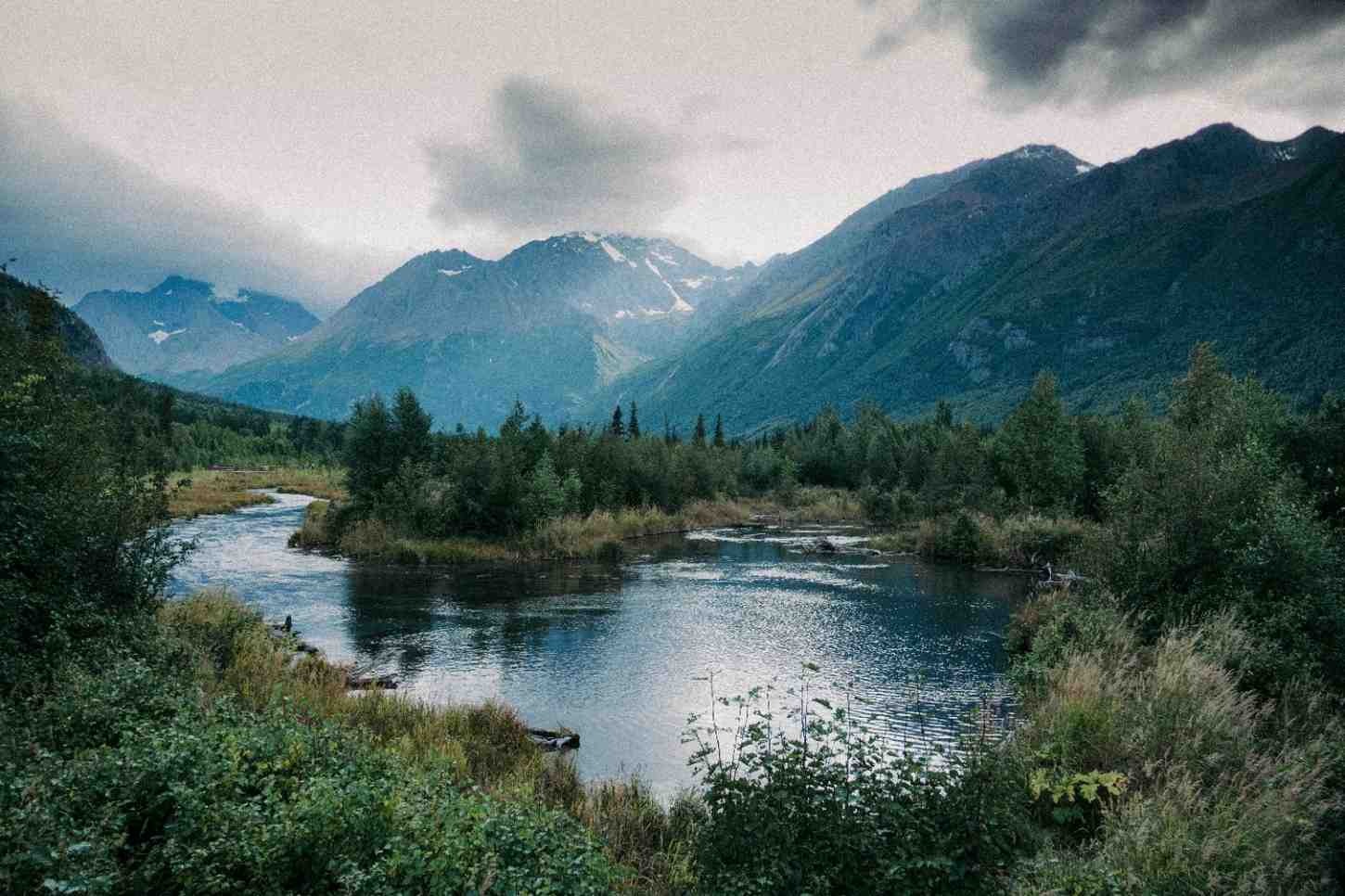
Eagle River is a town of around 25,000 people in the Eagle River Valley, 12 miles northeast of downtown Anchorage. It feels like a real community – grocery stores, a hardware store, a few good restaurants, without the density of central Anchorage. For travelers asking where to stay in Anchorage with both wilderness access and practical town amenities, Eagle River is the answer.
The practical appeal is strong. You’ve got shopping and services close to camp, and you’re right at the door of the Chugach wilderness through the Eagle River Nature Center – one of the best nature destinations in southcentral Alaska. The nature center sits at the end of a 12-mile road into the valley, with guided hikes, an interpretive center, and trail access to alpine terrain that most visitors never reach.
In early July, you get both sides of Alaska at once. The town is close enough for a hot dinner and a grocery run, and a trail from the nature center takes you from spruce forest to open alpine meadow in 90 minutes. Brown bears fish the river below the center. Moose are a regular fixture in the willow flats.
Top Campsites and Overnight Spots
1. Eagle River Campground (Chugach State Park): The main state park option for Eagle River stays. 57 sites, water, flush and vault toilets, no electric. The best value and most scenic base in the area. Book through Alaska State Parks for July weekends.
2. Centennial Park & RV Campground (Private): A private RV park off the Old Glenn Highway with full hookups including 50 amp, a dump station, laundry, and showers. Fits large rigs. If you need hookups after nights of dry-camping elsewhere in Alaska, this is the right stop.
3. Eagle River Nature Center Staging Area: Not a formal campground, but the closest parking to the valley’s best trailheads. The nature center allows some overnight vehicle arrangements for hikers doing multi-day backcountry trips – call ahead to check current availability.
4. Joint Base Elmendorf-Richardson Campgrounds: JBER runs campgrounds accessible to active duty, veterans, and retired military. Well-maintained, affordable, and right next to the Chugach front range. Check eligibility requirements before booking.
5. South Fork Eagle River (Dispersed, Backcountry Permit): The South Fork trail system allows dispersed camping with a Chugach State Park backcountry permit. Worth knowing if you’re planning longer backcountry routes from an Eagle River base.
Don’t Leave Without
The Albert Loop Trail at the Eagle River Nature Center at dusk – a 3.5 km walk through spruce forest and willow flats beside the river. Moose turn up in the flats at low light with near-certainty. The smell of the spruce in the cool evening air, with the Chugach ridgeline above the trees, is as Alaskan as it gets from an RV park.
RV Practical Info
- Road access: Eagle River exits off the Glenn Highway at exits 13 or 15. Eagle River Road to the nature center is 12 miles of paved road, suitable for all standard RVs.
- Campsite availability: Eagle River Campground books out in July – reserve through Alaska State Parks as early as you can. The private park on Old Glenn Highway accepts walk-ins more readily but still recommends reservations in peak season.
- Hook-up and facilities: Full hookups at the private park; no hookups at the state campground. Showers and laundry at the private option only.
- Wild camping: Dispersed camping with permits in upper valley zones. No overnight parking at the nature center or trailheads.
Who Is It Best For?
- Families who want nature access and town convenience in the same spot
- Hikers targeting the Eagle River Nature Center trail system
- Travelers who want the Chugach wilderness experience without driving into the park every morning
- RV travelers who need full hookups after nights of dry-camping elsewhere in Alaska
Recommended Nightly Budget
- Eagle River State Campground: $20–$30/night
- Private RV park with full hookups: $35–$45/night
- Grocery prices in Eagle River are on par with Anchorage – stock up here before heading north
4. South Anchorage / Rabbit Creek, Alaska
Why Stay Here
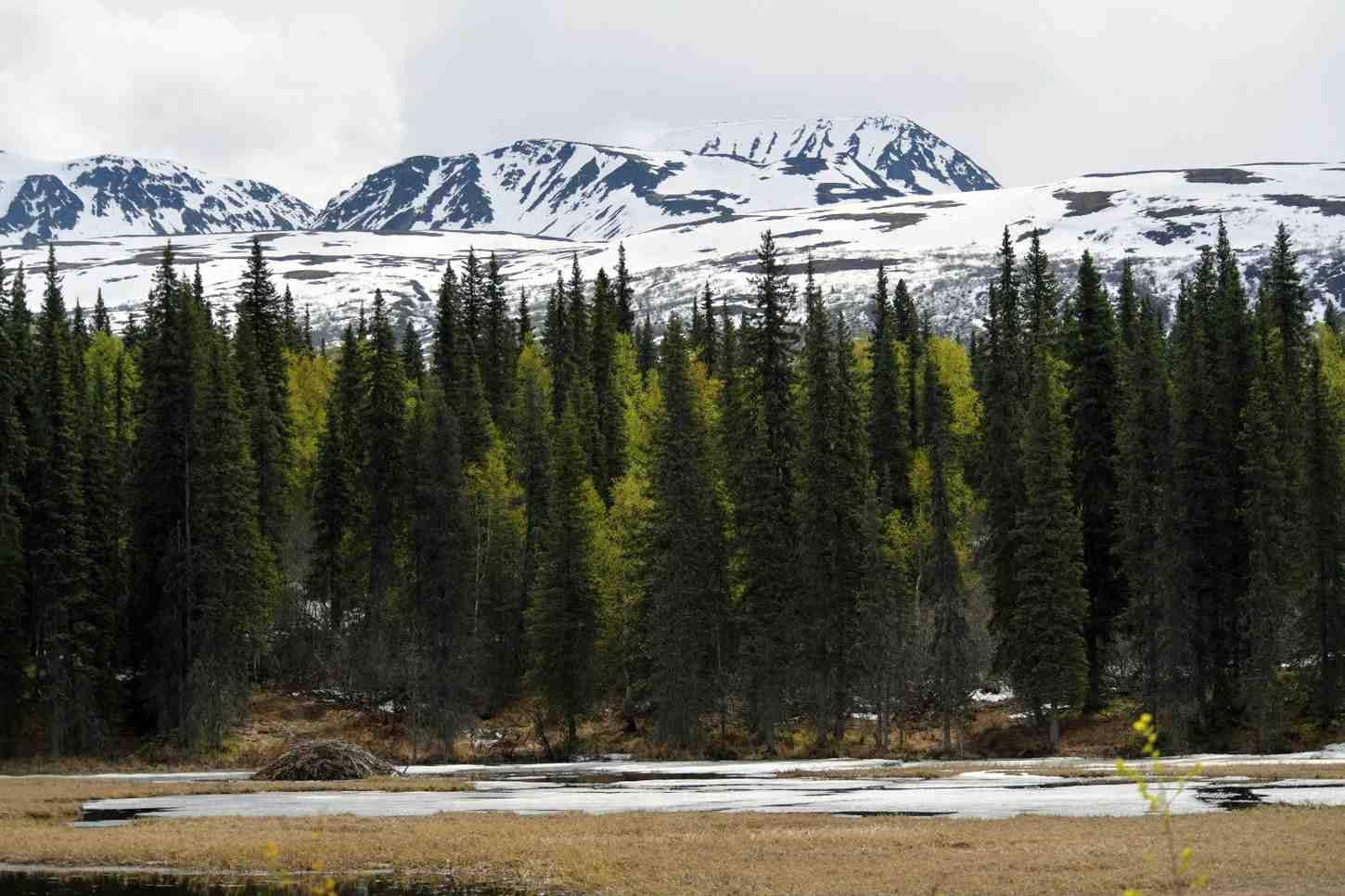
The south end of Anchorage; the neighborhoods from Huffman Road down toward Rabbit Creek – is the quietest part of the city for an overnight RV stay. It’s also the most convenient if you’re planning to drive the Seward Highway south toward the Kenai Peninsula.
Staying here means you can leave early for Kenai Fjords, Homer, or Soldotna without threading through downtown traffic. The RV parks here are less crowded than the Ship Creek area, and most sites have a direct view of the Chugach front range.
The neighborhood itself is about as practical as it gets: grocery stores, a Costco for bulk resupply, sporting goods, and fuel. It’s not a scenic destination; it’s a launching pad. If you need to stock up and get moving, this is where to sleep.
Top Campsites and Overnight Spots
1. Hillside on Alaskan Way RV Park: A small, well-regarded RV park in the upper Hillside area with views of Cook Inlet and Denali on clear days. Only a handful of full-hookup sites, so book ahead. The elevation above the city cuts down on ambient light at night.
2. Base Camp Anchorage: A newer private RV facility aimed at Alaska road-trippers, with full hookups, gear-sharing, and staff who know the area well. A good starting point if it’s your first Alaska trip and you want local guidance before heading out.
3. South Anchorage Municipal Overflow Areas: During peak summer weeks, the Municipality of Anchorage opens additional overflow parking south of the city with basic facilities. Not bookable in advance; on a first-come basis. Worth checking if everything else is full.
4. Rabbit Creek Campground (Informal): A small informal area near Rabbit Creek Road used by some self-contained vehicle travelers. Minimal facilities. It’s not a formal state park campground – confirm current access before using.
5. Glen Alps Trailhead Vicinity (Self-Contained): Ten minutes from Rabbit Creek, the Glen Alps trailhead gives you access to Flattop Mountain. Self-contained rigs sometimes stay overnight here. Check current municipality rules before counting on them.
Don’t Leave Without
Driving up to the Glen Alps trailhead at 6 AM and hiking the 30-minute walk to the Anchorage Overlook, where Cook Inlet, the Alaska Range, and the Kenai Peninsula are all visible at once on a clear morning. The city below is still asleep.
RV Practical Info
- Road access: The New Seward Highway runs directly through south Anchorage with easy on/off access and wide lanes.
- Campsite availability: Private parks in this zone are smaller and book quickly for July. Reserve 4–6 weeks ahead.
- Hook-up and facilities: Full hookups at private sites. State campground options in this zone are minimal.
- Parking: For downtown Anchorage, drive or take a rideshare from the campground. South Anchorage commercial areas are accessible by RV.
- Wild camping: Not permitted within city limits.
Who Is It Best For?
- Travelers heading south to the Kenai Peninsula who want a quiet, practical place to sleep
- Road-trippers focused on provisioning before a long run south
- Anyone who wants to skip downtown Anchorage traffic while keeping city access viable
Recommended Nightly Budget
- Private RV parks with full hookups: $40–$60/night
- Multi-night discounts available at some smaller parks
- Costco in South Anchorage is the best resupply stop in the area – plan a full shop here before you leave
5. Girdwood, Alaska
Why Stay Here
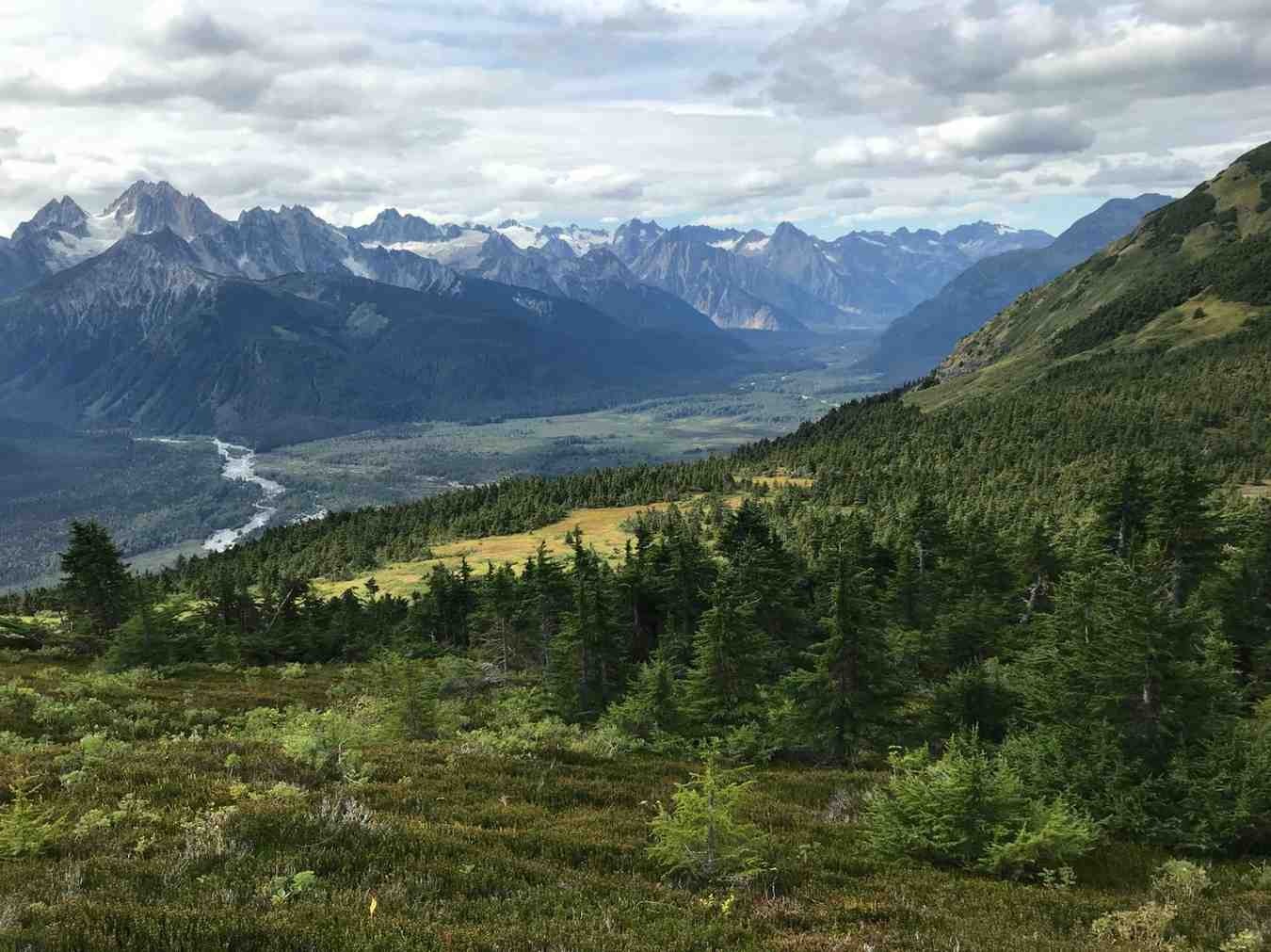
Girdwood is 40 miles south of Anchorage in the Alyeska Valley, where the Chugach Mountains drop straight to tidewater along Turnagain Arm.
This stretch of the Seward Highway is one of the most dramatic drives in Alaska. Sheer mountain walls rise from both sides of the arm, beluga whales surface in the water below the road in summer, and the bore tide sends a visible wave up the inlet twice a day.
For travelers deciding where to stay in Anchorage who want to wake up inside that scenery rather than drive to it, Girdwood is the right call.
Spending the night here instead of driving back to Anchorage means you wake up inside that landscape rather than looking at it through a windshield. The town itself is small – a ski resort (Alyeska), a handful of restaurants, and a general store. The Crow Pass Trail starts here and runs 22 miles through the mountains to Eagle River. Winner Creek Gorge, a short walk from town, ends at a hand-pulled tram over a churning glacial gorge.
Girdwood works well as a one-or two-night stop rather than a multi-day base. You’re close enough to Anchorage for a return day trip and perfectly placed for an early drive south toward Seward or Portage Glacier.
Top Campsites and Overnight Spots
1. Bird Creek Campground (Chugach State Park): Between Anchorage and Girdwood on Turnagain Arm, this is the main managed campground for this stretch. Some sites have electric hookups. Popular with anglers and Seward Highway road-trippers. Book ahead for July.
2. Crow Creek Road Dispersed (USFS): The US Forest Service allows dispersed camping along Crow Creek Road, which climbs toward Crow Pass above Girdwood. Self-contained vehicles can use designated dispersed sites in summer. The road turns to dirt and gets narrow – if your rig is over 24 feet, check access carefully before committing.
3. Portage Valley Campgrounds – Black Bear & Williwaw (USFS): Twelve miles past Girdwood toward Portage Glacier, these two USFS campgrounds have water and vault toilets but no electric. Good for travelers continuing toward Seward or returning from Portage. Sites fit RVs up to about 35 feet. First-come, first-served.
4. Chugach National Forest Dispersed (Seward Highway Corridor): Several pullouts and dispersed sites exist in the national forest between Bird Creek and Girdwood. Check the current dispersed camping rules with the Chugach National Forest Glacier Ranger District before using them.
5. Alyeska Resort Parking Area: In summer, the resort’s large lot is used informally by some overnight travelers in self-contained rigs. No formal facilities or management. It’s an informal option for one self-sufficient night when other sites are full – confirm it’s okay with resort operations before you settle in.
Don’t Leave Without
Stopping at the Turnagain Arm bore tide viewing pullout at the right moment. The bore arrives roughly 2 hours after Anchorage’s low tide – check the daily tide tables before you leave camp. A 1-meter wall of brown water moving at 15 km/h up the inlet stops people in their tracks, and most travelers drive straight past without knowing it happens.
RV Practical Info
- Road access: The Seward Highway to Girdwood is a well-maintained two-lane highway with passing opportunities and wide shoulders. A few tight turns entering the town – take them slowly.
- Campsite availability: Bird Creek books ahead. USFS campgrounds near Portage are first-come, first-served and often have midweek space in June.
- Hook-up and facilities: No hookups at USFS campgrounds. Bird Creek has some electricity. Plan for dry-camping in Girdwood itself.
- Wild camping: USFS dispersed camping is allowed in designated Chugach National Forest areas. No campfires in certain zones.
Who Is It Best For?
- Road-trippers who want to wake up on Turnagain Arm rather than drive to it
- Hikers targeting the Crow Pass route or Winner Creek Gorge
- Travelers continuing south to Kenai Fjords who want a proper overnight stop rather than a long drive in a single day
Recommended Nightly Budget
- USFS campgrounds (Portage Valley): $18–$22/night
- Bird Creek Campground with electric: $30–$35/night
- Dispersed camping: free with applicable permits
- Dinner at The Bake Shop or Girdwood Brewing before camp: $20–$40/person
6. Palmer / Matanuska Valley, Alaska
Why Stay Here
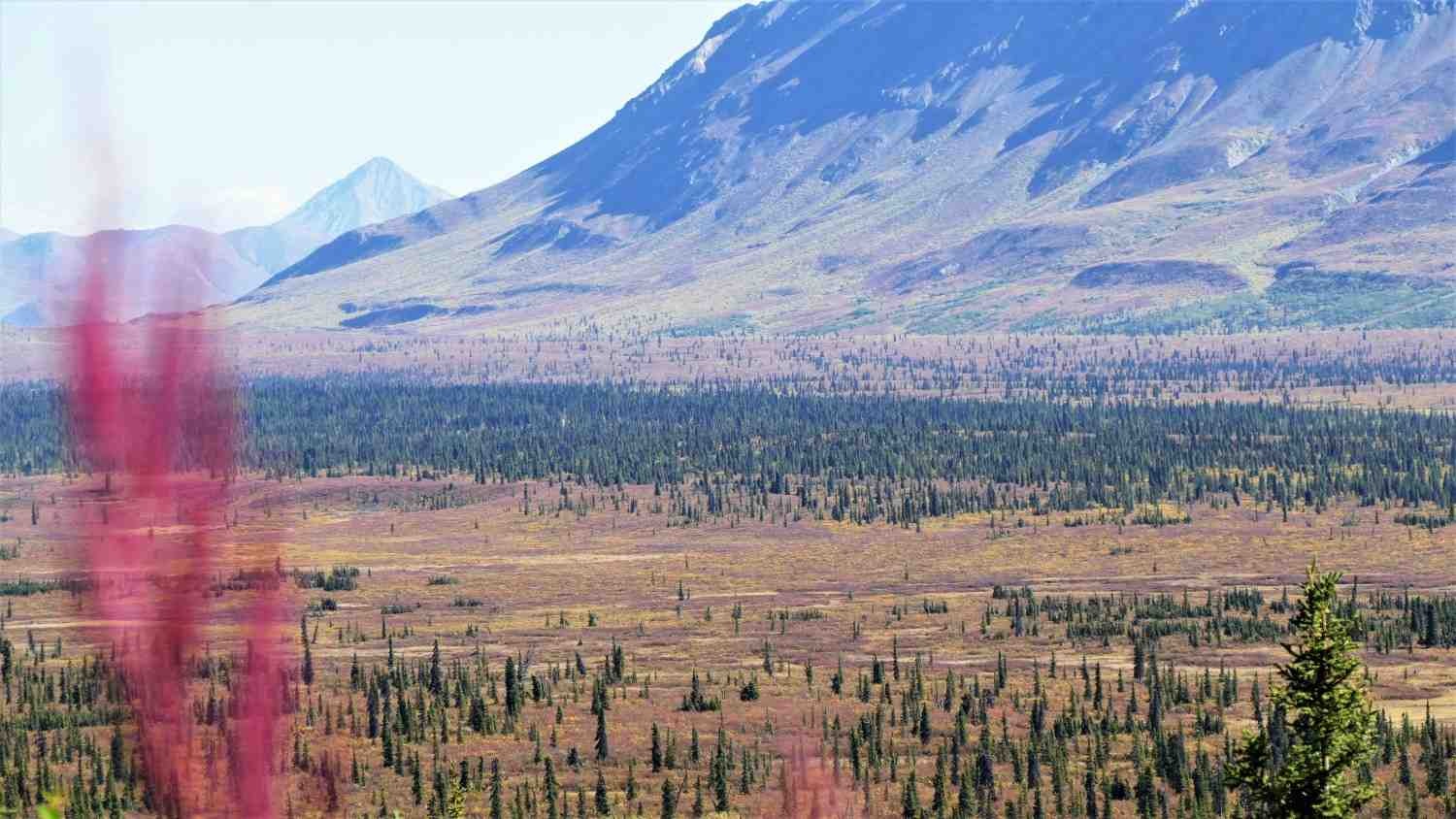
Palmer is 45 miles northeast of Anchorage in the Matanuska-Susitna Valley, framed by the Chugach and Talkeetna ranges on either side. The Matanuska Glacier – one of the largest accessible glaciers in the US – is 90 miles to the east. The Hatcher Pass road climbs to 1,000 meters through alpine tundra and gives you one of the best mountain drives in southcentral Alaska.
The town has real character. It was founded as an agricultural colony in 1935, and that history is still visible in the downtown, the colony-era farmhouses, and the Alaska State Fair held every August. If you want to add Matanuska and Hatcher Pass to an Anchorage-based trip, Palmer is the right base.
Top Campsites and Overnight Spots
1. Finger Lake State Recreation Site: A state campground 7 miles north of Palmer, set beside a small lake in the forest. Water and vault toilets, no electric, and sites that fit rigs up to about 30 feet. First-come, first-served. Loons call on the lake at dusk.
2. Matanuska River Park (Municipality of Palmer): A large campground beside the Matanuska River with developed sites, water, restrooms, and some electric hookups. Fits large rigs. Popular during the Alaska State Fair in late August, the glacier-gray river runs right alongside the campground. Book ahead for fair week.
3. Hatcher Pass Area (Dispersed, Backcountry Permit): The Hatcher Pass Management Area allows dispersed camping in the alpine zone above Independence Mine. Self-contained vehicles with adequate clearance can drive well up the pass road. Check current road conditions and permit requirements through Alaska State Parks.
4. Bonnie Lake State Recreation Site: A smaller, quieter state campground east of Palmer near Butte. Basic facilities, no hookups. Good if you want complete quiet, and a standard RV fits fine.
5. Rocky Lake State Recreation Site: Another state campground in the Palmer area, for small to mid-size rigs. First-come, first-served. A solid backup if Finger Lake is full.
Don’t Leave Without
Driving the Hatcher Pass Road to Independence Mine State Historical Park and having lunch at the top with a view over the alpine bowl and the Matanuska-Susitna lowlands stretching south. In July, the wildflowers are at peak, and the mine ruins against the high-altitude light make this the most distinctly Alaskan landscape you can reach on a paved road near Anchorage.
RV Practical Info
- Road access: The Glenn Highway from Anchorage to Palmer is wide and well-maintained. The Hatcher Pass Road is paved to Independence Mine and narrows above it – if your rig is over 25 feet, assess the upper section carefully.
- Campsite availability: State campgrounds near Palmer are less crowded than Anchorage sites. Book Matanuska River Park ahead for State Fair week.
- Hook-up and facilities: Electric at Matanuska River Park only. State campgrounds have water and vault toilets seasonally.
- Wild camping: Dispersed camping with permits in Hatcher Pass Management Area.
Who Is It Best For?
- Travelers heading toward Denali who want a strong overnight stop along the way
- Visitors planning a Matanuska Glacier day trip
- Hikers and photographers targeting the Hatcher Pass alpine zone
- Travelers are timing their trip around the Alaska State Fair in late August
Recommended Nightly Budget
- State campgrounds (Finger Lake, Bonnie Lake, Rocky Lake): $15–$20/night
- Matanuska River Park with electric: $25–$35/night
- Dispersed camping (Hatcher Pass): free with applicable permit
- Fresh produce from Palmer farm stands is excellent value in mid-summer
7. Seward, Alaska
Why Stay Here
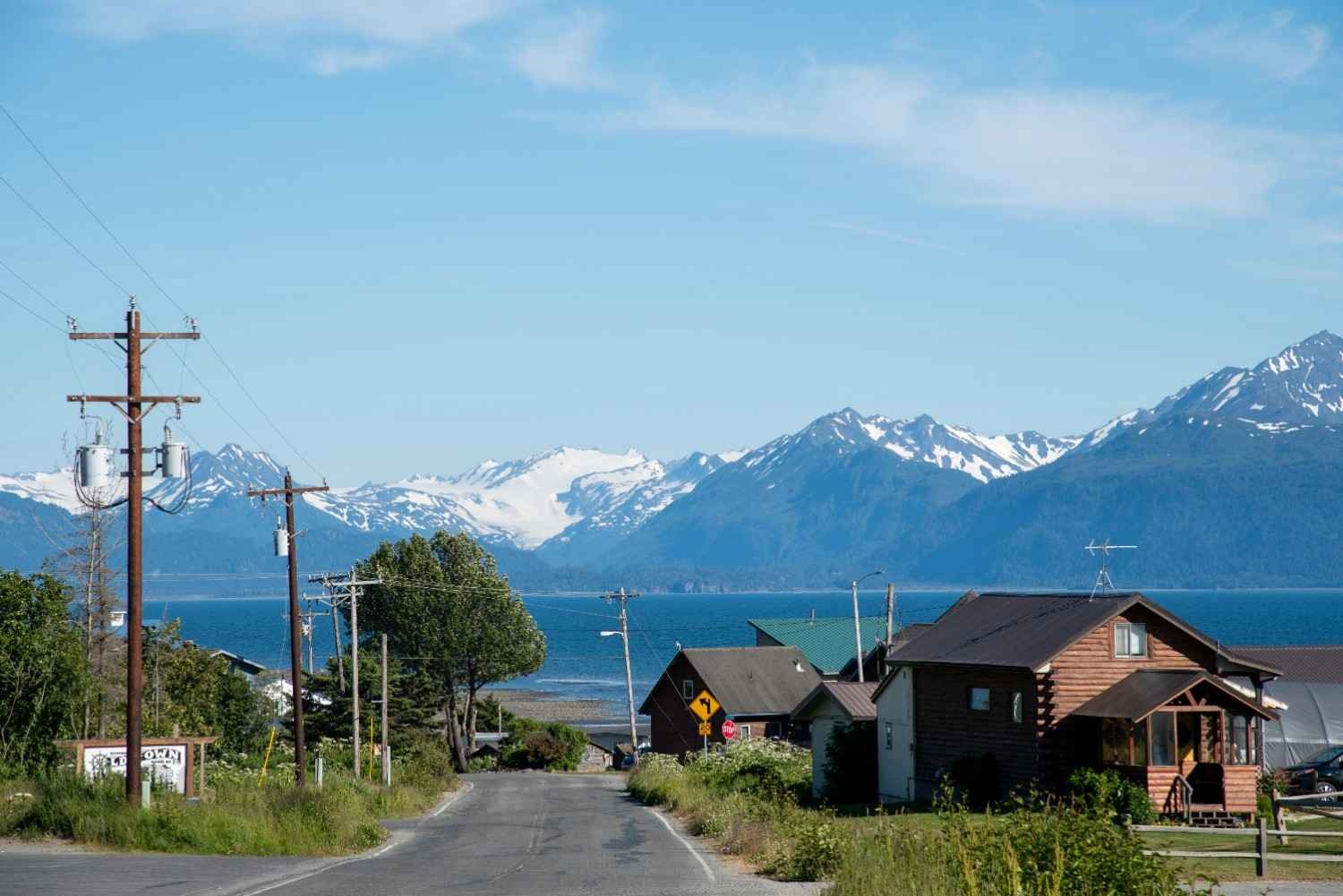
Seward is 127 miles south of Anchorage at the head of Resurrection Bay – a deep fjord with mountains rising straight from the water on both sides. It’s the starting point for Kenai Fjords National Park, and it’s where you’ll find Exit Glacier, the only part of the Harding Icefield you can reach by road.
The drive down the Seward Highway is worth the trip on its own. It follows Turnagain Arm, cuts through the Kenai Mountains, and drops you at the coast. If you’re staying in an RV, you can wake up with Resurrection Bay outside your door and choose between a glacier hike, a boat tour into the fjords, or an early kayak in the harbor. The town is small and unpretentious. The harbor is a working harbor – fishing boats come and go, and you can buy the daily catch at the docks.
Top Campsites and Overnight Spots
1. Resurrection Bay Campground (City of Seward): Right on the waterfront – the most scenic RV campground in Seward. Full hookups at many sites, water, restrooms, and a short walk to the boat harbor and the Kenai Fjords tour boats. Books out in July, so reserve through the City of Seward at least 4–6 weeks ahead. All rig sizes fit.
2. Seward City Campgrounds (Ballard / Forest Acres): The Municipality of Seward runs additional campground areas near the waterfront and forest edge. Some sites have electricity; others are dry. These fill up when Resurrection Bay is full during July and August.
3. Miller’s Landing Campground: A private campground about 3 miles from downtown Seward on Lowell Point Road, with full hookups, kayak rentals, and guided tours on-site. The road narrows at the end – if your rig is over 30 feet, confirm access before you drive out there.
4. Primrose Campground (USFS – Kenai Lake): About 17 miles north of Seward on Kenai Lake, with water and vault toilets but no electric. A quieter option if you want the Seward area without the waterfront prices. Most standard RVs fit fine.
5. Kenai Lake / Trail River Campground (USFS): Near Moose Pass, north of Seward, on the Kenai River drainage. Vault toilets, no electric, first-come, first-served. A good pick for anglers or anyone who’d rather be in the forest than near the busy harbor.
Don’t Leave Without
Booking a boat tour from Seward Harbor into the Kenai Fjords. A full-day tour to the Holgate Glacier or Northwestern Fjord puts you in front of calving ice, within close range of humpback whales, orcas, sea otters, and tufted puffins – with mountain walls rising 1,000 meters out of the water on both sides. It’s the Alaska coastal experience that most people come here for.
RV Practical Info
- Road access: The Seward Highway is well-maintained and handles RVs well. The final stretch into Seward through the Kenai Mountains has some tight curves – keep your speed down and use pullouts to let traffic pass.
- Campsite availability: Resurrection Bay Campground fills for July weekends by late May. Book early through the City of Seward system. Miller’s Landing accepts walk-ins more readily.
- Hook-up and facilities: Full hookups at Resurrection Bay Campground and Miller’s Landing. City overflow campgrounds have some electricity. Showers and dump stations are available in town.
- Parking in town: Seward’s small boat harbor area fits mid-size RVs. If your rig is larger, park at the campground.
- America the Beautiful Pass: Covers the Exit Glacier road entrance fee. Worth having if your trip includes other national parks or USFS fee areas.
Who Is It Best For?
- Travelers who want to visit Kenai Fjords National Park and glacier boat tours
- Wildlife watchers who want orcas, humpbacks, and seabirds from a tour boat
- Coastal road-trippers who want mountain and water scenery from the same campsite
- Anglers targeting silver salmon in Resurrection Bay in August
Recommended Nightly Budget
- Resurrection Bay Campground (full hookup): $40–$55/night
- City overflow campgrounds: $25–$35/night
- Miller’s Landing: $35–$50/night
- Kenai Fjords full-day boat tour: $180–$220/person – the single most worthwhile paid activity in the Seward area
8. Kenai / Soldotna, Alaska
Why Stay Here
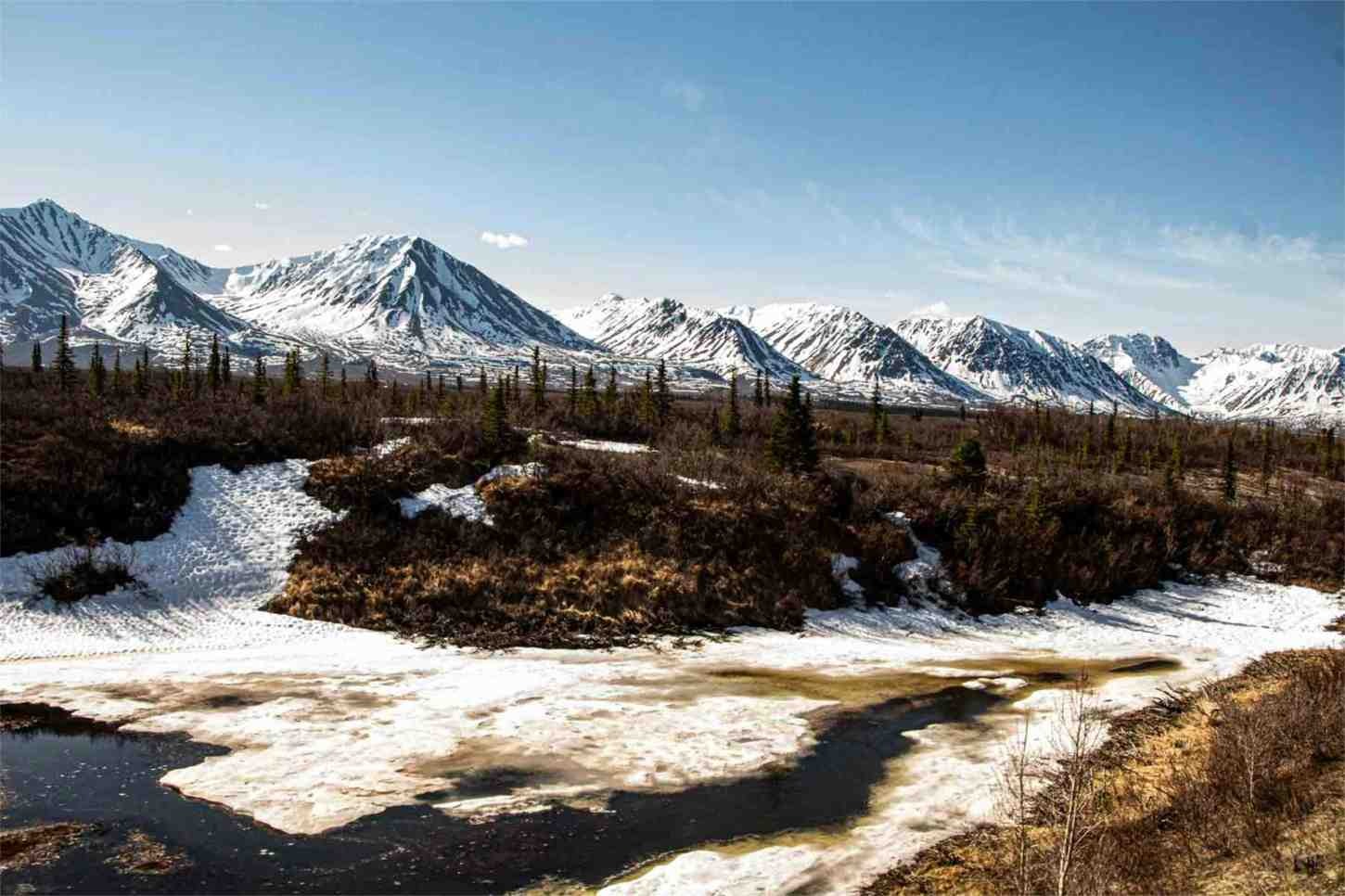
Kenai and Soldotna sit on the central Kenai Peninsula, roughly 150 miles south of Anchorage, where the Kenai River empties into Cook Inlet. The Kenai River is one of the most famous salmon fishing rivers in the world – in July, anglers pull king salmon to 40 kilograms from its waters, and they come from all over the country to do it.
But even if fishing isn’t your thing, the Kenai Peninsula has plenty to hold your attention for a few days. The Kenai National Wildlife Refuge covers 2 million acres of boreal forest, lakes, and wetlands right next to town. Moose are about as common here as deer are in most Lower 48 states. Trumpeter swans nest on the refuge lakes. On still evenings, Cook Inlet reflects the Alaska Range with near-photographic clarity.
Soldotna is the more practical of the two towns – better stocked, closer to the main campgrounds, and the center of the river guide industry. Kenai is older and set on a bluff above the inlet, with Russian Orthodox churches on its main street – a legacy of early settlement.
Top Campsites and Overnight Spots
1. Centennial Park Campground (City of Soldotna): A large municipal campground on the Kenai River at the edge of Soldotna’s small downtown. Full hookups at many sites, water, flush toilets, and a dump station. In July, the bank below the sites is lined with anglers. Sites fit rigs up to 40 feet. Book through the City of Soldotna – July fills fast.
2. Swiftwater Park Campground (City of Soldotna): Slightly upstream from Centennial Park on the Kenai River. Electric hookups at some sites. A bit less crowded than Centennial, and you’re still right on the river.
3. Kenai River Flats Campground (State): Next to the Kenai River flats, with good moose and bird viewing from the site. Basic facilities, no hookups, vault toilets. First-come, first-served. The quieter option if you don’t need electricity.
4. Funny River State Recreation Area: About 20 miles east of Soldotna on the Kenai River, surrounded by boreal forest. Vault toilets, no hookups. Good if you want river access without the fishing-crowd atmosphere of Soldotna’s riverside parks. Moose and bears are regularly seen.
5. Kenai National Wildlife Refuge Campgrounds (KNWR): The refuge runs several campgrounds via gravel roads east and south of Soldotna. Hidden Lake and Horsetrail Lakes are two of the more established options. Basic facilities – vault toilets, no hookups – but the settings on clear boreal lakes are outstanding for bird and wildlife watchers.
Don’t Leave Without
Watching the Kenai River at dawn from the Centennial Park bank before the guided fishing boats go out. By 6 AM, the river is already busy – anglers wading, eagles working the shallows, the pale turquoise water carrying snowmelt from the mountains above. Even if you’re not fishing, 30 minutes at the river’s edge before the day starts is one of the most genuinely Alaskan things you can do on the peninsula.
RV Practical Info
- Road access: The Sterling Highway from Anchorage to Soldotna is a well-maintained two-lane highway with occasional construction. No size restrictions for standard RVs.
- Campsite availability: Centennial Park and Swiftwater book out in July – reserve through the City of Soldotna as early as the system allows. State and KNWR campgrounds are first-come, first-served.
- Hook-up and facilities: Full hookups at Centennial Park and Swiftwater. State campgrounds have no hookups. Dump stations and showers are available in Soldotna.
- Wild camping: Dispersed camping in some portions of Chugach National Forest and Kenai National Wildlife Refuge. Check regulations with the managing agency.
- Fishing licenses: Buy your non-resident king salmon stamp and fishing license through the Alaska Department of Fish and Game online. Don’t wait until you arrive.
Who Is It Best For?
- Anglers targeting king and silver salmon – the Kenai River is the main draw
- Wildlife watchers focused on the Kenai National Wildlife Refuge
- Road-trippers using the Kenai Peninsula as part of a longer Anchorage–Homer loop
- Travelers who want a well-stocked mid-trip resupply stop
Recommended Nightly Budget
- Centennial Park and Swiftwater (with electric): $30–$50/night
- State and KNWR campgrounds (no hookups): $10–$20/night
- Fishing guide half-day: $200–$300/person – a high cost, but most anglers who make the trip say it’s worth every dollar
9. Wasilla, Alaska
Why Stay Here
Wasilla sits in the heart of the Matanuska-Susitna Valley, 45 miles north of Anchorage on the Parks Highway – the main road toward Denali and the Alaska interior. If your itinerary continues north toward Talkeetna, Denali National Park, or Fairbanks, Wasilla is the natural place to stop before you go.
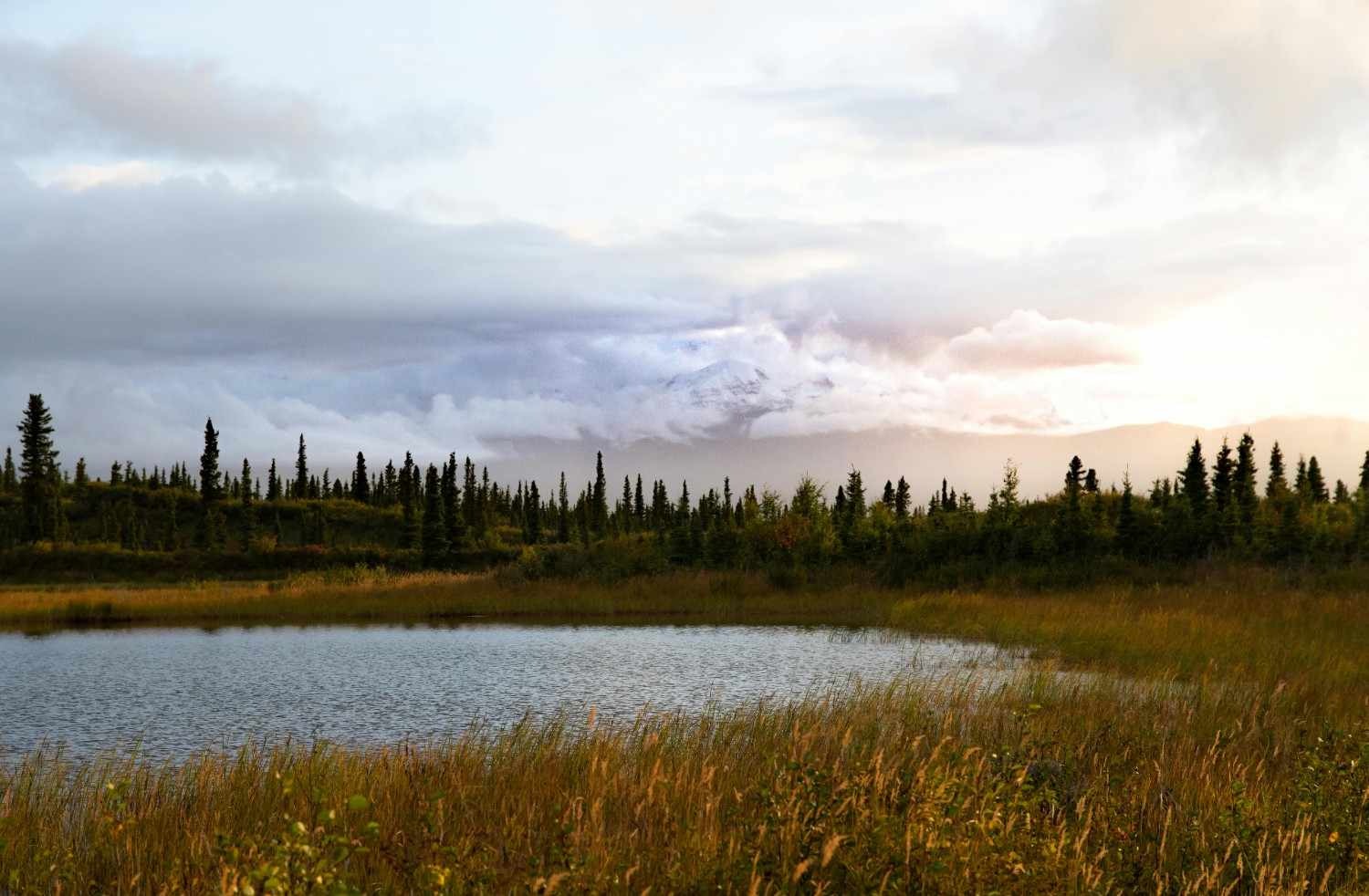
The town is large by Alaska standards – roughly 10,000 people – and well-stocked for road-trippers. You can find grocery stores, fuel, hardware, and outdoor gear. The setting opens up across the Mat-Su Valley: wetland lakes, birch and spruce forest, views of the Alaska Range to the north.
Wasilla won’t win any prizes for scenery. Its value is practical: reliable infrastructure at the northern edge of the Anchorage orbit, with good campground options and easy highway access before you push into more remote terrain.
Top Campsites and Overnight Spots
1. Lake Lucille Park Campground (City of Wasilla): On the shore of Lake Lucille, a few minutes from the Parks Highway. Sites with electric hookups, water, and flush toilets. The lake setting gives the campground more character than a standard roadside park. Motorboats and kayaks use the lake through summer, and loons are out most evenings.
2. Big Bear RV Park (Private): A private full-hookup park with 30/50 amp, water, sewer, laundry, and WiFi. Fits large rigs. The best full-service option in Wasilla for travelers who want everything sorted before heading north.
3. Nancy Lake State Recreation Area: About 25 miles north of Wasilla on the Parks Highway, Nancy Lake is a canoe trail system in a boreal lake district. Basic campground facilities at the main area, and several primitive sites are accessible by canoe or on foot. No hookups. A great option if you want quiet water access north of the city.
4. Willow Creek State Recreation Site: About 30 miles north of Wasilla near the town of Willow. Sites beside Willow Creek, vault toilets, no hookups. First-come, first-served. The creek runs clear and fast, and Dolly Varden and salmon are in the water through summer.
5. Finger Lake State Recreation Site (Palmer adjacent): Covered under the Palmer section, this campground is also within easy reach of Wasilla for travelers splitting the difference between the two communities. Basic facilities, no hookups, good value.
Don’t Leave Without
Driving north from Wasilla on the Parks Highway at first light on a clear morning, when the Alaska Range – including Denali itself on exceptional days – comes into view above the valley horizon ahead of you. That first sight of the 6,190-meter peak rising over the boreal flats is one of the most startling things in Alaskan road travel.
RV Practical Info
- Road access: The Parks Highway through Wasilla is wide, well-maintained, and fits all RV sizes without restriction. The Glenn Highway approach from Anchorage is equally easy.
- Campsite availability: Lake Lucille and Big Bear RV Park take reservations and book ahead for July. Nancy Lake and Willow Creek are first-come, first-served.
- Hook-up and facilities: Full hookups at Big Bear RV Park; electric at Lake Lucille. State campgrounds have water and vault toilets only.
- Wild camping: Nancy Lake Recreation Area has some dispersed options. Parks Highway National Forest lands north of Wasilla allow dispersed camping in permitted areas.
Who Is It Best For?
- Road-trippers heading north on the Parks Highway toward Denali or Fairbanks
- Travelers who need reliable full-hookup infrastructure before heading into more remote areas
- Paddlers and anglers interested in the Nancy Lake canoe system or Willow Creek
Recommended Nightly Budget
- Big Bear RV Park (full hookups): $35–$50/night
- Lake Lucille Park (electric): $25–$35/night
- Nancy Lake and Willow Creek (no hookups): $15–$20/night
10. Eklutna / Peters Creek, Alaska
Why Stay Here
Eklutna is a small community on the Glenn Highway about 25 miles northeast of Anchorage. Most people drive straight through it. That’s worth knowing, because Eklutna Lake Campground – tucked at the end of a 10-mile paved road off the highway – is one of the most scenic overnight spots you can reach by RV near Anchorage, and it’s also the cheapest.
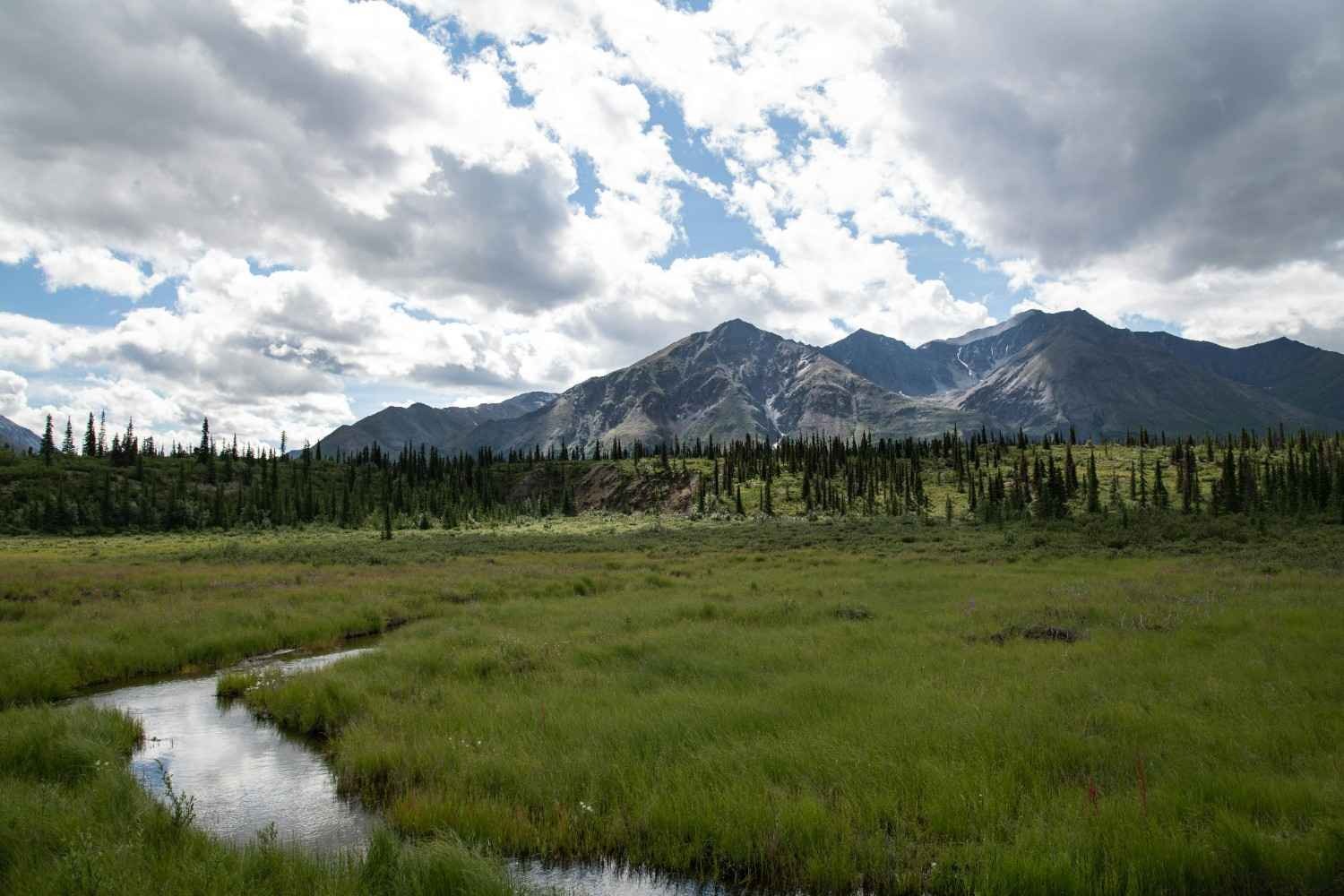
The lake is 12 miles long, glacially fed, and ringed by peaks that rise 1,500 meters from the water. On a clear summer morning, before any day-trippers arrive, the lake reflects the mountains in near-perfect stillness. It’s the kind of view that takes people by surprise because they weren’t expecting it.
The community of Eklutna also has one of the most historically significant sites in southcentral Alaska – the Eklutna Historical Park, with a Russian Orthodox church and a Native Athabascan cemetery of traditional spirit houses: small painted wooden structures built over graves. It’s a genuine, maintained cultural site. The combination of glacial scenery and this kind of history makes Eklutna the Anchorage area’s most underrated overnight stop.
Top Campsites and Overnight Spots
1. Eklutna Lake Campground (Chugach State Park): 50 sites, vault toilets, seasonal water, no hookups. The paved access road suits most RVs. It’s the most scenic campground at the lowest state park rate within a reasonable drive of Anchorage. Book through Alaska State Parks for July weekends – it’s less competitive than Eagle River, but it still fills on summer weekends.
2. Eklutna Lake Lakeshore Trail Campsites (Backcountry): Three primitive backcountry sites along the 12-mile lakeshore trail, reachable by mountain bike or on foot. Not for vehicle camping, but worth knowing if you want to lock the rig at the campground and explore the lake trail deeper.
3. Peters Creek Informal Staging Area: Near the Peters Creek exit on the Glenn Highway, some self-contained vehicle travelers use informal staging areas in the national forest corridor. No managed facilities. Check the current access rules with the Chugach National Forest before using.
4. Thunderbird Falls Trailhead Area: A short trail near Eklutna leads to a narrow waterfall canyon. The trailhead parking area is used informally by some overnight travelers in self-contained rigs. Confirm current rules before you rely on them.
5. Government Peak Recreation Area (Hatcher Pass Adjacent): In the Hatcher Pass direction northeast of Wasilla, Government Peak has basic campground facilities in a mountain setting. Not strictly Eklutna, but in the same northeastern corridor and worth including for travelers exploring this area.
Don’t Leave Without
Renting a mountain bike at the Eklutna Lake trailhead (rentals available on-site) and riding the lakeshore trail in the early morning, when the water is glassy, and the glacier at the far end of the lake is visible on a clear day. You don’t need to ride all 12 miles – the first 4 are the most scenic, and the light on the lake before 8 AM makes the whole thing exceptional.
RV Practical Info
- Road access: The Eklutna exit from the Glenn Highway is easy. The paved Eklutna Lake Road is 10 miles long and fits most RVs up to about 35 feet. No significant grades or tight turns.
- Campsite availability: Eklutna Lake Campground is bookable through Alaska State Parks. It’s less competitive than Eagle River for July weekends, but still worth reserving a few weeks ahead.
- Hook-up and facilities: No hookups. Vault toilets and seasonal water only. You’ll need a fully self-contained RV for multi-night stays.
- Parking at historical site: The Eklutna Historical Park has a day-use parking lot that fits all RV sizes. No overnight parking at the cultural site.
- Wild camping: Limited dispersed options in the national forest corridor. No unauthorized overnight use within Chugach State Park.
Who Is It Best For?
- Budget-conscious travelers who want Chugach wilderness scenery at the lowest nightly rate in the area
- Mountain bikers and hikers are targeting the Eklutna Lake trail system
- Travelers interested in Alaska Native and Russian Orthodox history at the Eklutna Historical Park
- Anyone who wants a quiet, off-radar alternative to the better-known Anchorage campgrounds
Recommended Nightly Budget
- Eklutna Lake Campground: $15–$20/night – the best value campground in the Anchorage area
- No electric or showers – plan accordingly for multi-night stays
- Mountain bike rental at the trailhead: approximately $35–$50/day
What to Pack for an Anchorage RV Stay in 2026
| Category | Items | Why You Need It |
| Clothing Layers | Merino wool base layer, mid-weight fleece, waterproof hardshell jacket, rain pants, warm hat, and gloves | Anchorage summer temperatures range from 10–20°C. Rain is frequent. Nights near Chugach, Eklutna, and Seward are cold even in July. |
| Footwear | Waterproof hiking boots with ankle support, camp sandals, and gaiters | Trails near Eagle River, Hatcher Pass, and Seward involve wet tundra, river crossings, and mud. Waterproofing matters throughout. |
| Sun Protection | SPF 50+ sunscreen, UV-rated sunglasses, light buff or sun hat | The midnight sun means UV exposure at unusual hours. UV is elevated at altitude on Flattop, Hatcher Pass, and Exit Glacier approaches. |
| Insect Repellent | DEET-based spray, head net | Mosquitoes in the Matanuska Valley, Kenai Refuge, and Chugach valleys are intense from late May through July. Head nets are not optional in some areas. |
| Bear Safety | Bear spray (mandatory in the field), approved bear canister or bear box for food | Brown and black bears are present throughout all campgrounds and trail systems across every location in this guide. Food storage rules are strictly enforced. |
| RV Essentials | 30/50 amp adapter, leveling blocks, condensation cloth, headlamp | Power adapters vary by park. Long summer days create warmth inside the RV and significant condensation. Setups often happen after long driving days. |
| Navigation | Downloaded offline maps, AllTrails app with Alaska content saved offline | Cell service drops off quickly outside Anchorage on the Glenn, Seward, and Sterling Highways. Don’t rely on live navigation in the field. |
| Cooking & Food | Cast iron cookware, extra propane canisters, bear-proof food storage containers | Cooking in the RV is substantially cheaper than eating out in Alaska. Bear-proof containers are required at most campgrounds in this guide. |
| Fishing Gear (Optional) | Alaska non-resident fishing license and king salmon stamp (purchase online before arrival), appropriate tackle | King and silver salmon runs at Ship Creek, the Kenai River, and Resurrection Bay draw anglers from across the country. Buy the license before you land. |
| Country-Specific | Alaska State Parks reservation confirmation (print a backup), America the Beautiful Pass, cash for self-pay fee envelopes | Some state campgrounds use self-pay envelopes without card facilities. America the Beautiful Pass covers Chugach National Forest fee areas, Kenai Fjords, and Exit Glacier. |
Expert Tips for Staying in Anchorage in 2026
1. Reserve Alaska State Parks campgrounds in April for July trips: The Alaska State Parks reservation system opens bookings 6 months in advance. July weekends at Eagle River, Bird Creek, and Eklutna Lake fill within days of opening. Log in on the release date, have your dates and campground choices ready, and book before anything else on the planning list.
2. Give yourself at least one full day in Anchorage before driving anywhere: The Alaska Native Heritage Center, the Anchorage Museum, and the Tony Knowles Coastal Trail are all worth a full day. More practically, arriving in Anchorage and immediately driving 200 miles to the Kenai without a gear check, a grocery run, and a weather forecast review is how problems start. One transition day stops the most common early-trip mistakes.
3. Use Costco in south Anchorage for the best Alaska resupply value: Food, fuel, and camping supplies cost more in remote Alaska communities than in Anchorage. A full Costco run before you leave – especially propane, non-perishables, and snacks – is standard practice among Alaska road-trippers and will save you real money over a 10-day trip.
4. Check bore tide times before stopping on Turnagain Arm: The bore tide arrives roughly 2 hours after the posted low-tide time for Anchorage. The Alaska Bore Tide website publishes a daily arrival schedule for each viewpoint on the arm. It’s worth planning a Girdwood or Bird Creek overnight specifically around a bore tide arrival time.
5. Carry bear spray on every trail, worn on your hip, not in your pack: Bear spray should be in a holster and reachable in under 3 seconds on every trail, from Flattop to Hatcher Pass to the Kenai River banks. Most Alaska outdoor stores will show you how to deploy it properly if you ask.
6. Book Kenai Fjords boat tours before you book the Seward campsite: Major boat tour operators out of Seward harbor fill July dates weeks in advance. If a full-day fjord tour is on your list, lock in the tour slot before you sort the accommodation. A half-day tour covers outer bay wildlife but doesn’t reach the major glaciers.
7. Buy your Alaska fishing license online before you arrive: Non-resident fishing licenses and king salmon stamps are available through the Alaska Department of Fish and Game website. Buying ahead means you can fish the moment you pull up at Ship Creek or the Kenai River. King salmon licenses need a separate stamp – check the current season regulations for your target species.
8. Plan for rain every day regardless of the morning forecast: Southcentral Alaska averages 15–18 rain days per month in summer. Trails above 600 meters in Chugach are often in the clouds when Anchorage is sunny. Full waterproof gear goes into the field regardless of what the sky looks like at breakfast.
9. Eklutna Lake campground is the best value in the Anchorage area and the least known: At $15–$20/night for a lake-and-glacier setting inside Chugach State Park, Eklutna Lake gets overlooked by first-time visitors who head straight to Ship Creek. It’s less competitive to book than Eagle River, it doesn’t need hookups to enjoy fully, and you can mountain bike and paddle directly from the campsite.
10. Consider a one-way rental from Anchorage to Fairbanks for the full Alaska road trip: Driving the Glenn Highway northeast to Fairbanks via Delta Junction is one of the great road trips in North America. If your schedule allows 10–14 days, pick up your RV in Anchorage and drop it in Fairbanks – or the other way around. Indie Campers’ one-way rental option means you’re not retracing roads you’ve already driven, and the trip has a natural arc from coast to interior.
Plan Your Anchorage Road Trip with Indie Campers
Finding a reliable RV rental for Alaska used to mean navigating a patchwork of local operators with inconsistent fleets and inflexible terms. Indie Campers consolidates that into one booking, one platform, and one point of contact for the whole trip – so you can focus on the route, not the logistics.
Because campground availability changes and weather reroutes your day, having an RV from Indie Campers means you have a kitchen, a bed, and a home base that moves with you – whether you’re camped at Eklutna Lake, parked on the Kenai River at Centennial Park, or based in Girdwood for an early Turnagain Arm morning.
Indie Campers has more than 7,000 RVs, motorhomes, and campervans available worldwide, with pickup directly in Anchorage. A Class B RV rental handles Crow Creek Road and Hatcher Pass without the size restrictions of a larger rig – and gets you into terrain that bigger vehicles can’t reach.
A Class C RV rental gives families the living space they need for a gear-heavy, multi-week Alaska trip. A Class A RV rental is the right call for travelers who plan to base mostly at full-hookup private parks in the Anchorage, Soldotna, and Seward corridors and want the most comfortable setup for longer stays. All rentals on company-owned vehicles include unlimited mileage, which matters when Anchorage to Seward is 127 miles each way, and the Kenai Peninsula loop adds another 300.
Pick up in Anchorage and drop off in Fairbanks for the full Glenn Highway loop. Drive south through the Kenai Peninsula and return to Anchorage for a circular route. Indie Campers’ one-way rental option at 70+ locations across North America means you plan the trip around the landscape, not the return logistics.
Book with flexibility: Alaska weather and campground availability are unpredictable, and most Alaska trips are planned months in advance. If your plans change, you can cancel up to 31 days before pick-up with no penalty. And if you’re not ready to pay in full right now, the Book Now, Pay Later option lets you lock in your vehicle without the financial commitment – full payment only due 30 days before departure.
Support on the road: If something goes wrong on a remote Alaska road – a flat on the Sterling Highway, a question about a campground at midnight – Indie Campers’ customer support is available around the clock. You can manage your booking, get answers, and access help entirely online, at any hour.
Browse the RV rental in Anchorage fleet and find the right rig for your Alaska trip.
Everything You Need to Know About Staying in Anchorage by RV in 2026
| Area / Town | Country | Setting | Best For | Top Campsites / Overnight Spots | Nightly Budget | RV-Friendly Rating | Wild Camping Allowed? | Best Way To Stay |
| Ship Creek / Downtown | USA | Urban waterfront | City access, logistics, salmon fishing | Golden Nugget RV Park, Ship Creek RV Park, Centennial CG | 💰💰💰 | ★★★★☆ | No | Indie Campers RV |
| Chugach State Park | USA | Mountain wilderness | Hikers, wildlife, photographers | Eagle River CG, Eklutna Lake CG, Bird Creek CG | 💰💰 | ★★★★☆ | Restricted (permit) | Indie Campers RV |
| Eagle River | USA | Valley & forest | Families, Chugach trailhead access | Eagle River CG, Centennial Park RV | 💰💰 | ★★★★☆ | Restricted | Indie Campers RV |
| South Anchorage / Rabbit Creek | USA | Suburban edge | Kenai-bound staging, quiet overnight | Hillside RV Park, Base Camp Anchorage | 💰💰💰 | ★★★☆☆ | No | Indie Campers RV |
| Girdwood | USA | Mountain / coastal | Turnagain Arm overnight, hikers | Bird Creek CG, Portage Valley USFS CGs, USFS dispersed | 💰💰 | ★★★★☆ | Restricted (USFS) | Indie Campers RV |
| Palmer / Matanuska Valley | USA | Agricultural valley | Glacier visits, Hatcher Pass, Denali direction | Finger Lake SRS, Matanuska River Park, Hatcher Pass dispersed | 💰💰 | ★★★★☆ | Restricted (permit) | Indie Campers RV |
| Seward | USA | Fjord & coastal | Kenai Fjords, glacier tours, harbor access | Resurrection Bay CG, Miller’s Landing, Primrose USFS | 💰💰💰 | ★★★★★ | No (city limits) | Indie Campers RV |
| Kenai / Soldotna | USA | River valley | Salmon fishing, wildlife refuge, Kenai River | Centennial Park CG, Swiftwater Park, KNWR campgrounds | 💰💰 | ★★★★☆ | Restricted (KNWR / USFS) | Indie Campers RV |
| Wasilla | USA | Lake & wetland | Denali-direction staging, provisioning | Lake Lucille Park, Big Bear RV Park, Nancy Lake SRA | 💰💰 | ★★★★☆ | Restricted | Indie Campers RV |
| Eklutna / Peters Creek | USA | Forest & glacial lake | Budget wilderness overnight, biking, cultural history | Eklutna Lake CG, Government Peak area | 💰 | ★★★★☆ | Restricted (state park) | Indie Campers RV |
FAQs About Where to Stay in Anchorage
Where can I rent an RV to stay in Anchorage in 2026?
You can rent an RV in Anchorage through Indie Campers, which offers pickup directly in the city with Class A, B, and C vehicles suited to Alaska conditions. Book 2–3 months ahead for June and July, when availability tightens quickly. One-way rentals are available if your route continues north to Fairbanks or loops through the Kenai Peninsula before coming back.
What is the cheapest area to stay in Anchorage in 2026?
The cheapest area to stay near Anchorage is Eklutna Lake Campground in Chugach State Park, where nightly fees run $15–$20 with no hookups but genuinely outstanding glacial lake scenery. State campgrounds in the Palmer / Matanuska Valley and the KNWR campgrounds near Soldotna are similarly priced at $10–$20/night. Private full-hookup parks near downtown Anchorage are the most expensive option at $45–$65/night.
What is the best area to stay in Anchorage for coastal access?
The best area for coastal access is Seward, where Resurrection Bay Campground puts you within walking distance of the Kenai Fjords boat tour docks and the working harbor. Bird Creek Campground on Turnagain Arm is the closest coastal option to the city – 25 miles south on the Seward Highway – with direct access to the tidal flats and bore tide viewpoints.
What is the best place to stay in Anchorage, Alaska, for couples?
Girdwood is the strongest pick for couples, where the Seward Highway scenery, the Turnagain Arm bore tide, and the Crow Pass trailhead make for a genuinely dramatic two-night stay. If you’d rather have a waterfront evening and easy access to boat tours, Seward’s Resurrection Bay Campground is the better call. Eklutna Lake – quiet, glacially framed, and rarely crowded – is best for couples who want complete solitude at a short drive from the city.
What is the best place to stay in Anchorage, Alaska, with family?
Eagle River is the best family option – it has a well-run state campground, the Eagle River Nature Center’s trail programs for kids, and a small town close enough for a grocery run or a meal out. The Albert Loop Trail is short enough for younger children, and moose turn up regularly enough to make it feel exciting without much hiking commitment. Soldotna’s Centennial Park is a close second if salmon fishing is on the agenda.
What is the best place to stay in Anchorage with kids?
The Eagle River / Chugach State Park corridor works best with kids – the Eagle River Nature Center runs guided family programs, and wildlife encounters happen without much effort. Seward is a strong second. The boat tours into Kenai Fjords (orcas, puffins, calving glaciers) are as engaging for kids as for adults, and Resurrection Bay Campground is right on the water.
What is the best place to stay in Anchorage with friends?
Ship Creek / Downtown works well for the first night – you’re within walking distance of Anchorage’s best restaurants and a short drive from the Chugach trailheads. For the mainstay, combining Eagle River Campground for outdoor activities with one night in Seward for a group boat tour covers the two most memorable Alaska experiences in this area. Kenai / Soldotna is especially good for groups who all want to fish.
What are the best places to stay in Anchorage for first-timers?
Start at Ship Creek for the first night – city orientation, gear check, and provisioning. Then move to Eagle River Campground as your main base. That combination gives you city infrastructure when you need it and genuine wilderness access once you’re settled in. Adding one night in Seward and a Kenai Fjords boat tour rounds out the itinerary with the Alaska coastal experience most first-timers are looking for.
What are the best places to stay in Anchorage for solo travelers?
Centennial Campground works well for city-adjacent stays, and Eagle River Campground is the better pick for wilderness access – both see enough other campers in summer that they feel safe without feeling crowded. Ship Creek RV Park draws a social group of solo anglers in July. Girdwood and Eklutna Lake are the right choices for solo travelers who want dramatic scenery and genuine quiet.
What are the best places to stay in Anchorage for nature lovers?
Chugach State Park (Eklutna Lake and Eagle River Campgrounds), Seward for Kenai Fjords access, and Soldotna for the Kenai National Wildlife Refuge. Between these three areas, you’ve got glacier views, tidal fjord wildlife, active salmon rivers, Dall sheep terrain, and migratory bird corridors – all reachable from an RV without backcountry permits or technical gear.