Last Updated: May 9, 2026
Key Takeaways (TL;DR)
- Why Go: Miami rewards year-round visits, but the window between November and April offers the best combination of weather, manageable humidity, and a city fully switched on. The shoulder months deliver beach weather without the summer heat index or hurricane-season uncertainty.
- Top Places to Visit in Miami: South Beach, Wynwood, Coconut Grove, Little Havana, Brickell, Key Biscayne, Coral Gables, Design District, Overtown, Bayside & Downtown.
- Don’t Miss Experience: Watching the sun rise over the Atlantic from the South Pointe jetty in South Beach with a café con leche from a Little Havana ventanita still warm in your hand; the city hasn’t woken up yet, and the light on the water is something else entirely.
- Ideal Trip Length: 5-10 days. Miami’s distinct neighborhoods each have their own rhythm and enough to fill a full day. A shorter trip covers the essentials; ten days lets you go deeper into the culture.
- How to Choose the Right Area: Head to South Beach or Key Biscayne for beaches and outdoor time. Choose Wynwood or the Design District if art and food are the priority. Brickell suits travelers who want a high-energy urban base with easy access to everything.
- Recommended Budget Per Person: $80-$170/day, covering meals, activities, and local transport (excluding RV rental). Miami runs the full range from street-food lunch counters to high-end waterfront dining, and how you eat is the biggest variable.
- Watch Out For: Miami traffic is genuinely difficult; I-95 and the MacArthur Causeway can add hours to short trips at peak times. Parking in South Beach is expensive and limited. Hurricane season runs June through November, so if you’re visiting then, travel insurance is worth having.
- Where To Stay: An RV or campervan from Indie Campers gives you the freedom to base yourself near the water at campgrounds in the Miami area while keeping day trips into the city flexible, without paying South Beach hotel rates.
- Best For: First-time visitors to South Florida, culture-focused road-trippers, families chasing reliable sunshine, and anyone driving the Florida coast between Miami and the Keys.
Table of Contents
- Top Neighborhoods and Areas to Visit in Miami in 2026: at a Glance
- Best Places to Visit in Miami
- What to Pack for a Miami Road Trip
- Final Expert Tips for Visiting Miami
- Explore Miami with Indie Campers
- Everything You Need to Know About Miami RV Road Trips
- FAQs About Where To Go in Miami
Top Neighborhoods and Areas to Visit in Miami in 2026: at a Glance
| Area | Vibe | Best For | Top Activities | Avg Temp | Ideal Stay | Crowd Level | RV-Friendly |
| South Beach | Iconic & Buzzy | Beach lovers | Ocean Drive, Art Deco, swimming | 27°C (80°F) | 2-4 days | High | Limited |
| Wynwood | Creative & Colorful | Art & food fans | Murals, galleries, craft food | 27°C (80°F) | 1-2 days | Moderate | Yes |
| Coconut Grove | Lush & Relaxed | Couples, families | Sailing, parks, farmers market | 28°C (82°F) | 1-2 days | Low-Moderate | Yes |
| Little Havana | Cultural & Lively | Culture lovers | Calle Ocho, dominos, Cuban food | 27°C (80°F) | 1 day | Low-Moderate | Yes |
| Brickell | Sleek & Urban | City explorers | Brickell City Centre, waterfront | 28°C (82°F) | 1-2 days | Moderate | Limited |
| Key Biscayne | Wild & Coastal | Nature seekers | Crandon Park, Bill Baggs, kayaking | 28°C (82°F) | 1-2 days | Moderate | Yes |
| Coral Gables | Historic & Elegant | Architecture lovers | Venetian Pool, Miracle Mile | 27°C (80°F) | 1 day | Low | Yes |
| Design District | Stylish & Curated | Design & food | Galleries, rooftop dining, boutiques | 27°C (80°F) | 1 day | Moderate | Yes |
| Overtown | Historic & Authentic | History lovers | Lyric Theater, Black Archives, soul food | 27°C (80°F) | Half day | Low | Yes |
| Bayside & Downtown | Waterfront & Central | Families | Marketplace, boat tours, museums | 28°C (82°F) | 1 day | Moderate | Limited |
Best Places to Visit in Miami
1. South Beach, Miami Beach
The Vibe
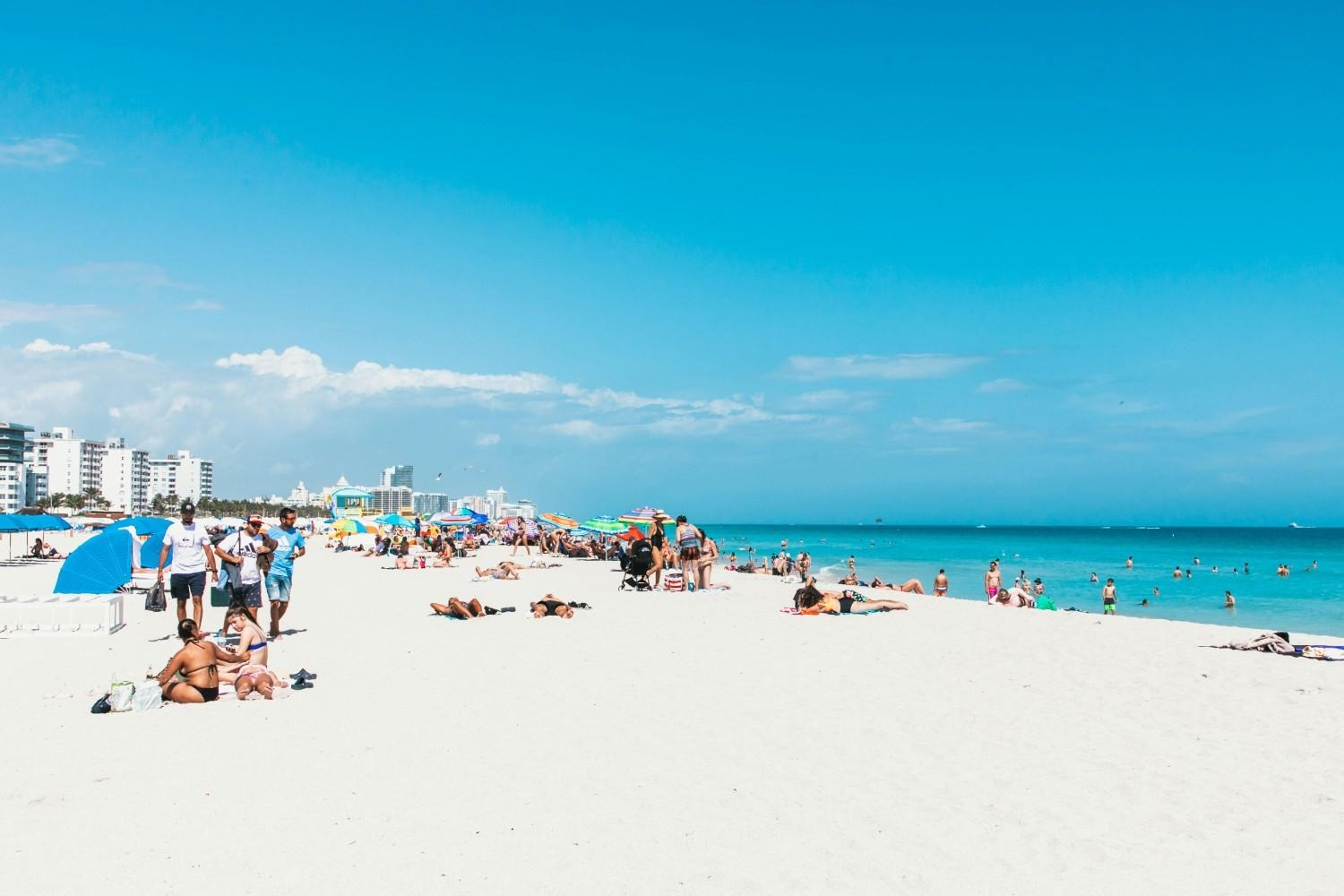
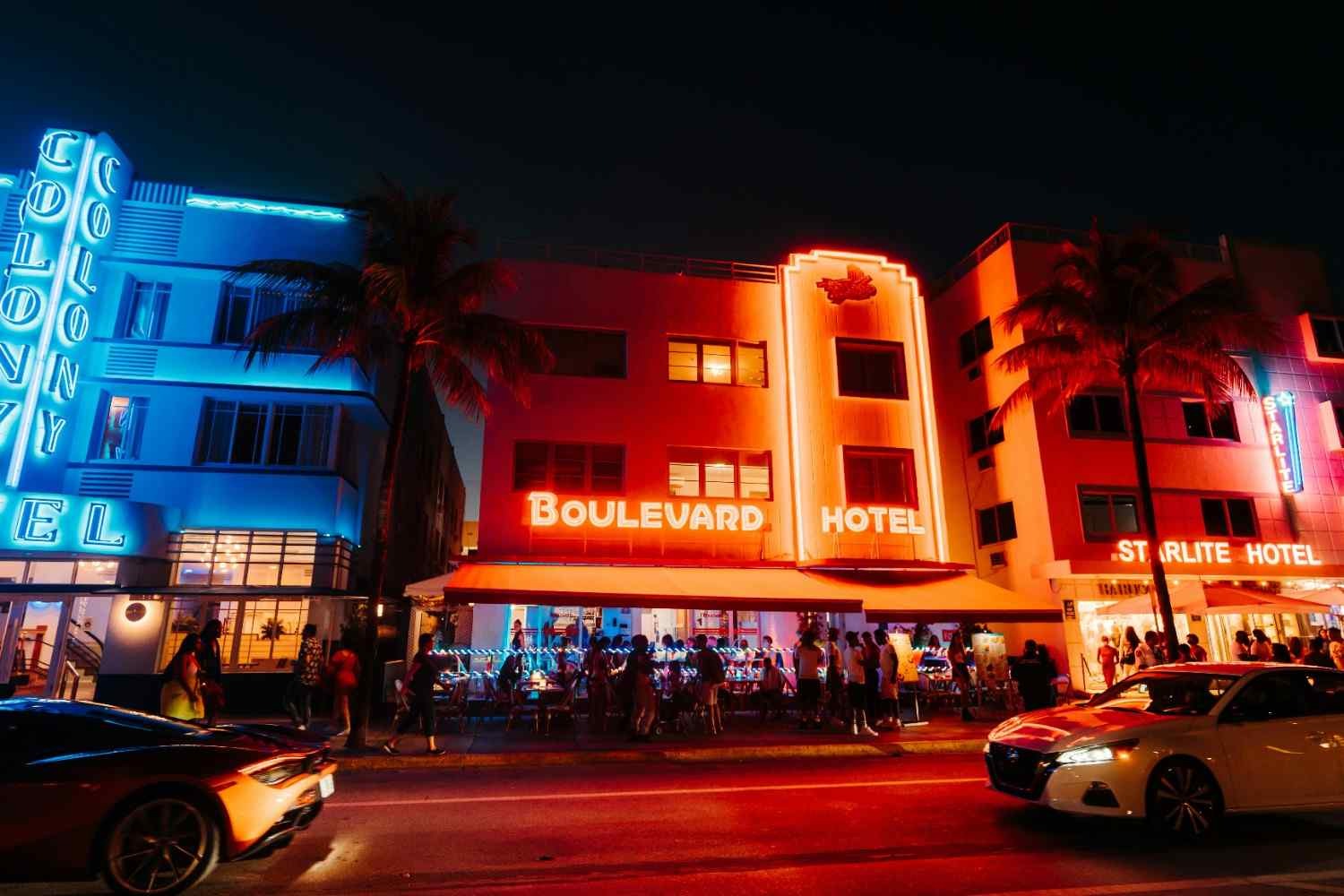
South Beach is where the idea of Miami was invented, or at least perfected. The stretch of sand from South Pointe Park to 23rd Street is framed by one of the most concentrated collections of Art Deco architecture in the world: pastel-painted hotels with porthole windows, racing fins, and terrazzo floors, most of them built in the 1930s and 1940s when Miami Beach was reinventing itself as America’s playground.
It is one of the best places to visit in Miami, and one of the few where the reputation is not an exaggeration.
The culture is deliberately theatrical. Ocean Drive has always been a stage, and the people on it know it. The beach draws an international crowd, Brazilian, European, Latin American, and Haitian, and the sound mix on any given Saturday reflects that. Reggaeton from a passing convertible, a Haitian Creole conversation on the next towel, a DJ warming up inside a hotel bar at noon. It is loud, unsubtle, and alive in a way that few places manage.
Off the main strip, the residential streets of SoBe feel noticeably different. Collins Avenue is where the money is. Washington Avenue is grittier and more local. The area around Española Way is narrow, painted, and genuinely pretty in the late afternoon.
Top Things to Do
1. Walk the Art Deco Historic District: The Art Deco Historic District runs along Ocean Drive and Collins Avenue between 5th and 17th Streets and holds one of the largest concentrations of 1930s architecture in the US. The Miami Design Preservation League offers guided walking tours on Friday mornings and Saturday evenings. Even without a guide, the facades are worth a slow walk; look for eyebrows (the horizontal shades above windows), racing stripes, and the flamingos and herons worked into the tilework. The light in the late afternoon turns the pastels golden.
2. Swim at South Pointe Park Beach: The southern tip of Miami Beach is where locals swim; it is calmer, less commercial, and backed by South Pointe Park rather than a wall of hotels. The jetty is a reliable spot for watching container ships navigate Government Cut. Sunrise here is worth the early start.
3. Visit the Bass Museum of Art: The Bass is Miami Beach’s serious contemporary art museum, housed in a 1930 Art Deco building with a modern extension. The permanent collection spans European Old Masters and 20th-century works, and the temporary exhibitions draw international artists year-round. Admission is affordable, and the building itself, especially the original section, is worth the visit on its own.
4. Shop and Eat at Lincoln Road Mall: The pedestrian stretch of Lincoln Road between Alton Road and Washington Avenue is one of the best outdoor shopping streets in Florida. The mix of independent boutiques, bookshops, restaurants, and a weekly farmers market on Sundays makes it worth a long afternoon. Sit at an outdoor table at Yardbird or Joe’s Stone Crab, the latter a Miami institution going back to 1913.
5. Catch a Show at the New World Center: This concert hall, designed by Frank Gehry, is home to the New World Symphony and one of the most acoustically advanced performance venues in the US. The exterior wall projects free SoundScape performances on Saturday evenings for anyone in the park outside. In a city that can lean hard on surface-level entertainment, this is the real thing.
6. Walk Collins Park: The block between 21st and 23rd Streets along Collins Avenue anchors three major institutions: the Bass Museum, the Miami Beach Botanical Garden, and the Miami Beach Regional Library. It is quieter than the main drag and gives a better sense of how the neighborhood actually lives, away from the tourists on Ocean Drive.
Don’t Leave Without…
A media noche sandwich from a late-night window on Washington Avenue after midnight. The sweet egg bread pressed with roast pork, ham, Swiss cheese, and mustard pickles is the definitive South Beach after-hours meal. It costs almost nothing and tastes much better than anything you’ll eat at the places trying to impress you.
RV Practical Info
- Parking: South Beach is one of the most difficult places in Florida to park an RV. Most garages have height restrictions of 7-8 feet. Use the Miami Beach Convention Center area on the northern end of the beach, which has larger surface lots, and take a rideshare or the free South Beach Local trolley down to the main areas.
- Campsite proximity: The closest RV-friendly campground to South Beach is Larry and Penny Thompson Memorial Park in Kendall, about 20-25 minutes south with full hookups and a small lake on site.
- Toll roads: The MacArthur Causeway (I-395) connecting Miami to Miami Beach is free, as are the Julia Tuttle (I-195) and Venetian causeways. The toll roads in the wider Miami area use the SunPass system; get a transponder or a pre-loaded pass before you drive.
- Scenic route: Drive north from South Beach along A1A through Surfside and Bal Harbour for a quieter, residential version of the Miami Beach experience.
Who Is It Best For?
- First-time Miami visitors who want the full iconic experience
- Architecture lovers interested in the Art Deco district
- Couples looking for a lively beach base with good restaurants and nightlife
- Families with older kids comfortable in a busy, urban beach environment
Recommended Budget
- Meals: $20-$50/day; street food and Cuban lunch counters keep costs low, but sit-down restaurants on Ocean Drive push the figure up fast
- Activities: $10-$25 for museum entries; beach access and walking the architecture are free
- Parking and transport: $20-$40/day if using rideshares or paid parking; the free trolleys help
2. Wynwood, Miami
The Vibe
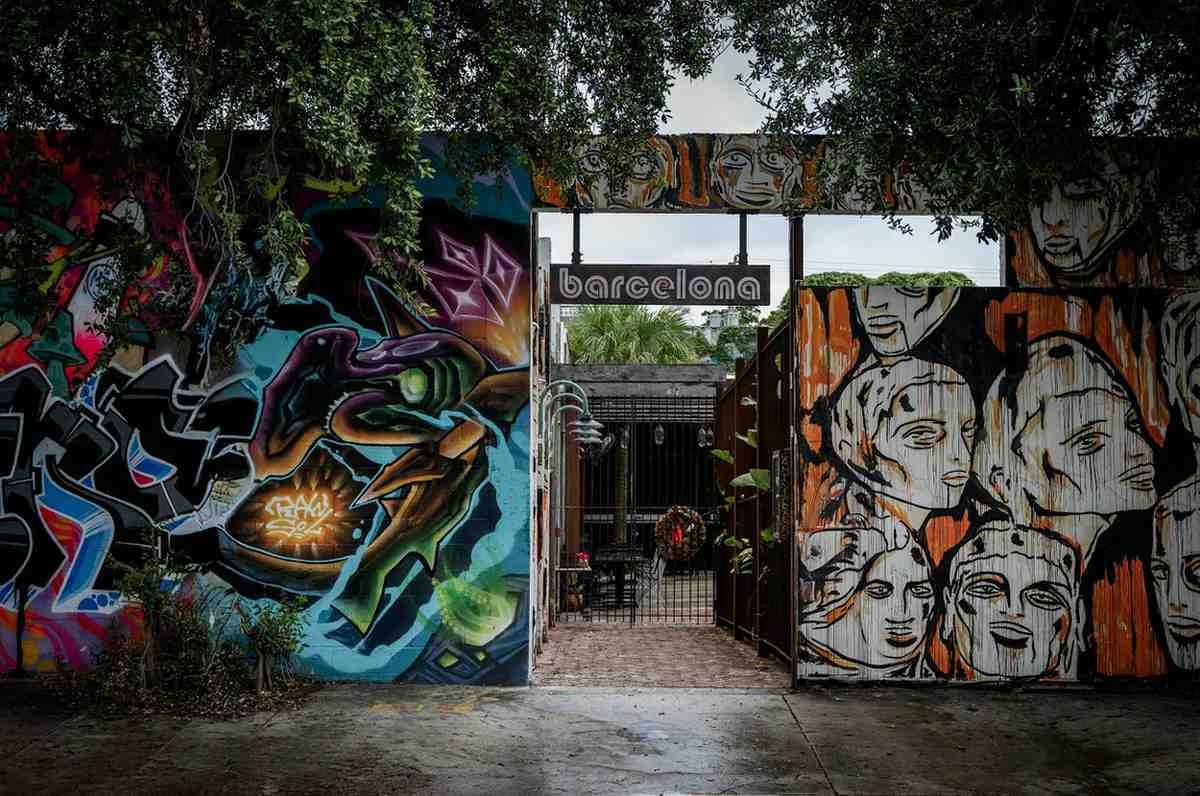
Wynwood is what happens when a former industrial warehouse district gets handed over to artists, and it works. What started as a neglected area of refrigerated warehouses and garment manufacturing in the early 2000s became, under the influence of collector Tony Goldman and the broader Wynwood Walls project, one of the most photographed neighborhoods in the United States.
The outdoor murals are not the kind of half-hearted graffiti that gets called street art; these are full building-side commissions from internationally known artists including Shepard Fairey, Retna, and Os Gemeos. The walls change regularly, and the neighborhood is still actively evolving.
New galleries open. Rooftop bars appear. Food trucks move around the traffic. But Wynwood isn’t just a backdrop for Instagram; it has genuine creative infrastructure: independent galleries, design studios, ceramics workshops, and a food and beverage scene that cares about what it’s doing.
The monthly Wynwood Art Walk, held on the second Saturday of each month, draws thousands and opens studios and galleries that are otherwise closed. It consistently tops the list of where to go in Miami on a weekend, and it’s the best free night out in the city.
Top Things to Do
1. Walk the Wynwood Walls: The outdoor gallery anchoring NW 2nd Avenue between 25th and 26th Streets is the origin point of the neighborhood’s transformation. Entry is free to the public, and the rotating commissions mean the walls look different from visit to visit. Arrive in the morning for the light and the absence of crowds; it becomes a photoshoot backdrop by early afternoon.
2. Visit the Wynwood Art Walk: On the second Saturday of each month, galleries along NW 2nd Avenue open their doors from 6 PM, with many offering free wine and food. The street fills with a mix of collectors, artists, locals, and tourists, and it makes for genuinely interesting people-watching. This is the best single evening in Wynwood.
3. Eat at Wynwood Kitchen & Bar or Coyo Taco: The food scene here is built around casual, high-quality Latin-influenced cooking. Coyo Taco is the default recommendation for a reason: corn tortillas made in-house, good mezcal, and tables that spill into the alley. Better still, walk the food truck strip on NW 2nd Avenue on a weekend evening and pick something off a menu board.
4. Explore Independent Galleries: Beyond the Walls, dozens of galleries operate in the surrounding blocks. Primary Projects, Spinello Projects, and Swampspace represent different ends of the Miami contemporary art world. Most are free to enter and open Wednesday through Saturday. Ask at the door for a current map of open studios.
5. Drink at R House or Gramps: Wynwood’s bar culture ranges from the theatrical to the laid-back. R House does drag brunches that are a legitimate Miami institution; Gramps is a neighborhood bar with a palm-shaded backyard, strong cocktails, and regular live music. Both are within walking distance of the Walls.
Don’t Leave Without…
A soft-serve ice cream in a matcha or guava flavor from one of the small pop-up counters on NW 2nd Avenue. Wynwood does elevated soft-serve better than anywhere else in the city, and walking with one while looking at a 10-story mural is a particular kind of Miami afternoon.
RV Practical Info
- Parking: Surface lots on the western edges of Wynwood, around NW 29th Street and NW 5th Avenue, handle larger vehicles. Avoid the main commercial streets on weekends; they fill completely by early evening.
- Campsite proximity: Larry and Penny Thompson Park, about 25 minutes south, and the Sunny Isles Beach area, about 25 minutes north, are the closest overnight options with RV facilities.
- Roads: The Wynwood grid is flat and manageable for larger vehicles outside of weekend evenings, when pedestrian and vehicle traffic peaks heavily between 7 PM and midnight.
- Scenic route: Drive north on NW 2nd Avenue through Wynwood into the Design District; the two neighborhoods connect visually and culturally and are worth seeing as one extended drive.
Who Is It Best For?
- Art and design enthusiasts visiting during the monthly Art Walk
- Food-focused travelers who want Miami’s most interesting dining corridor
- Younger travelers and couples who want a creative, high-energy neighborhood base
- Anyone visiting during Art Basel Miami Beach in December, when the whole district intensifies
Recommended Budget
- Meals: $15-$40/day; street food and tacos keep this manageable, but cocktail bars add up quickly
- Activities: Gallery entry, the Walls, and street-level art cost nothing
- Art Walk nights: $30-$60 for drinks and food if you’re making an evening of it
3. Coconut Grove, Miami
The Vibe
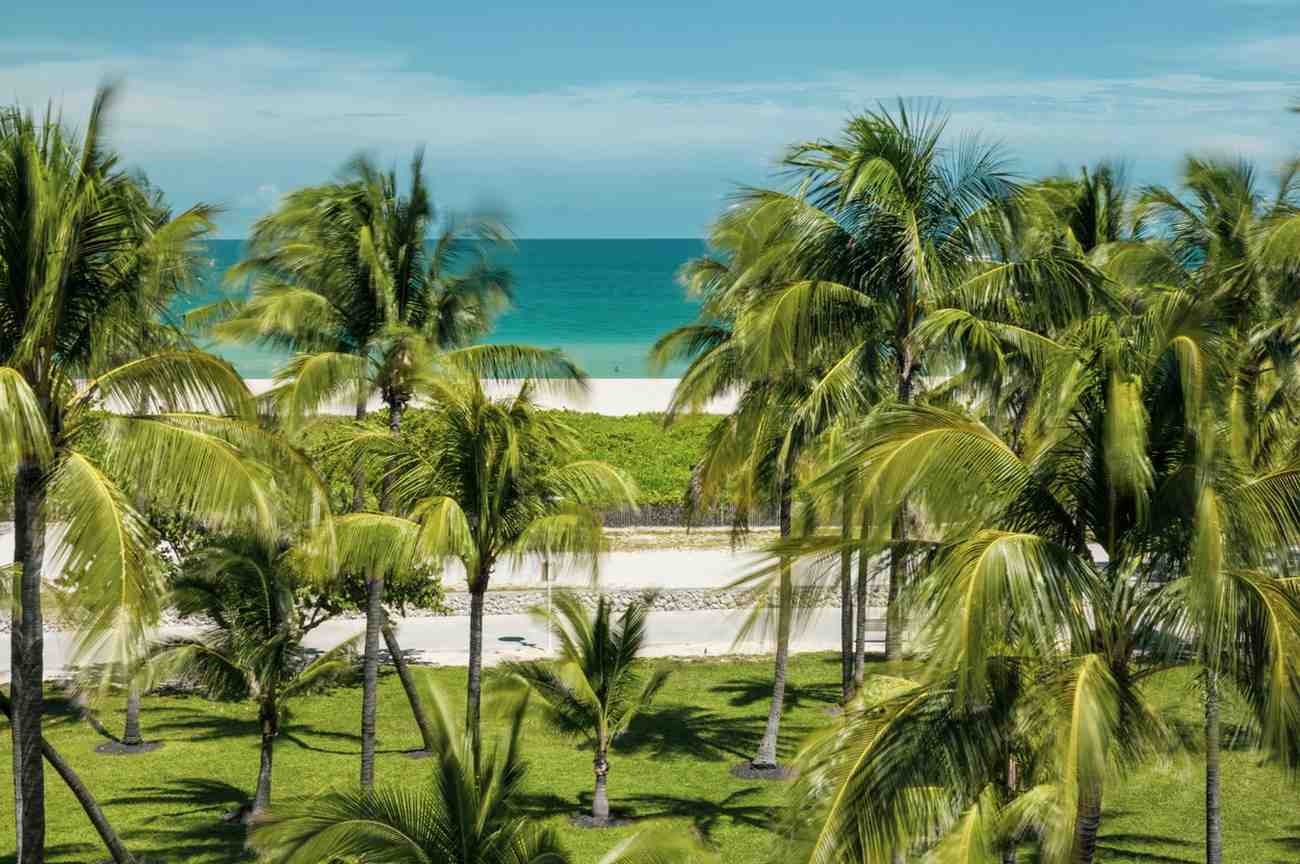
Coconut Grove is Miami’s oldest continuously inhabited neighborhood, and it still feels like a different city from everything to the north. Where South Beach performs for visitors and Wynwood performs for cameras, the Grove has always been primarily for the people who live there.
The streets are shaded by banyan trees so large and old that their aerial roots have become part of the landscape. The bay-front is lined with marinas and sailing clubs that have been here for a century. On weekends, the Coconut Grove Farmers Market brings in real farmers selling real produce.
The cultural mix is distinct and layered. The Bahamian community that founded the neighborhood in the 1880s left a physical and cultural legacy that most visitors miss entirely, but that local historians take seriously.
The bohemian atmosphere from the 1960s and 1970s, when the Grove was a genuine counterculture hub, left independent bookshops, jazz venues, and an artsy stubbornness that resists complete gentrification. The money is here too; the waterfront homes are extraordinary, but the neighborhood doesn’t lead with it.
Top Things to Do
1. Visit the Kampong Botanical Garden: One of the least-visited gardens in Florida, the Kampong was the home of botanist David Fairchild and now holds thousands of tropical plant species across 9 acres of bay-front land. The mango collection alone includes over 160 varieties. Tours must be booked in advance; the garden feels completely removed from the city around it.
2. Explore the Vizcaya Museum and Gardens: The 1916 Italianate villa of industrialist James Deering is the most impressive house in Miami. The formal gardens step down from the main house to Biscayne Bay through a sequence of terraces, fountains, and ornamental stonework. Inside, 34 furnished rooms hold one of the best collections of European decorative arts in the southern US. The waterfront café is a good lunch stop.
3. Walk the Coconut Grove Farmers Market: The Saturday market along Margaret Street is a genuine farmers market, with local produce, fresh herbs, baked goods, prepared foods, and craft vendors who have been showing up every week for years. It’s the best place in Miami to see what Floridian food culture actually grows and produces when it isn’t being filtered through a restaurant menu.
4. Sail or Kayak from the Dinner Key Marina: The Dinner Key Marina is one of the largest marinas on the US East Coast and the center of Grove sailing culture. Several operators offer kayak and paddleboard rentals for exploring the bay, and half-day sailing charters depart regularly. The view of the Miami skyline from the water, with the bay between you and the buildings, is one of the better perspectives on the city.
5. Watch a Movie at the CocoWalk Outdoor Cinema: The renovated CocoWalk complex on Grand Avenue hosts free outdoor screenings on Thursday evenings. It’s relaxed, genuinely local in attendance, and one of the more pleasant free evenings you can have in Miami.
Don’t Leave Without…
A late Sunday brunch at Lulu’s in the Grove: fresh Florida orange juice, perfectly scrambled eggs, and a table under the shade of a banyan tree with the bay visible at the end of the street. It is one of the most pleasant meals in Miami and the opposite in every way of the South Beach brunch experience.
RV Practical Info
- Parking: The CocoWalk garage at 3015 Grand Avenue handles most vehicle sizes. The bay-front lot near the Dinner Key Marina is flat and spacious, though it can fill on weekend mornings.
- Roads: Main streets in Coconut Grove are wide and well-maintained. The residential streets closer to the bay get narrow and tree-canopied; check height clearance under large banyan branches before turning in.
- Campsite proximity: Larry and Penny Thompson Park is about 15 minutes south and is the closest full-hookup option to the Grove.
- Scenic route: Drive south from Coconut Grove along Old Cutler Road, a canopy-covered two-lane road through old residential Miami that leads all the way to Coral Gables and the southern suburbs.
Who Is It Best For?
- Couples looking for a relaxed, atmospheric alternative to South Beach
- Families with young children, where the parks and market are well-suited
- History lovers interested in pre-tourist Miami
- Anyone who wants to spend time on the water without the South Beach scene
Recommended Budget
- Meals: $15-$40/day; the farmers market and local cafés keep this reasonable
- Activities: $20-$30 for Vizcaya entry; the Kampong tour is around $15; kayak rental is $25-$40 per hour
- Parking: $5-$10 for most surface lots and garages
4. Little Havana, Miami
The Vibe
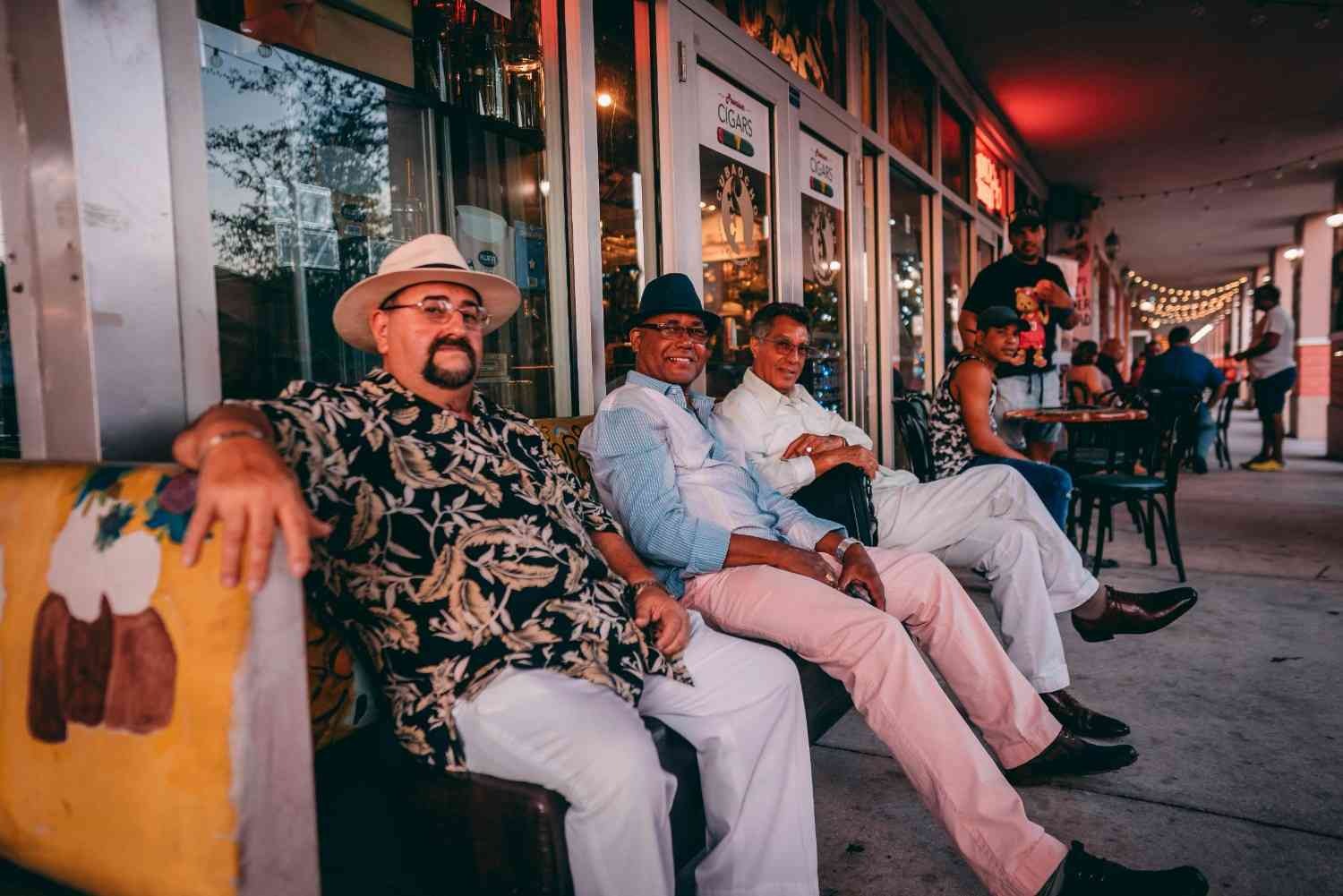
Little Havana is one of the most culturally specific neighborhoods in America. The Cuban exile community that settled here after 1959 built something more than an ethnic enclave; they built a parallel city, with its own cultural institutions, political life, media, and culinary tradition that has remained genuinely distinct even as Miami has changed in every direction around it.
Calle Ocho, Southwest 8th Street, is the spine of the neighborhood and the most important street in Cuban-American cultural life. The restaurants have been feeding the same families for three generations. The ventanitas (walk-up windows) serve café cubano and croquetas to regulars who haven’t changed their order in decades.
The domino park at Maximo Gomez is not a tourist attraction; it’s where men who have been playing together since the 1970s meet every day, and they’ll let you watch, but they’re not performing for you.
The Viernes Culturales event on the last Friday of each month is the best entry point for visitors and one of the most honest answers to where to go in Miami on a weekend. Galleries open, musicians perform on the street, and the neighborhood shows itself at its most social. The rest of the month it’s quieter, but no less real; it’s not curated for visitors.
Top Things to Do
1. Walk Calle Ocho and Drink Cuban Coffee: The walk from 12th to 17th Avenues on Calle Ocho covers the heart of the neighborhood. Stop at Versailles restaurant, the most famous Cuban restaurant in Miami, for a coffee and a pastelito at the exterior ventanita. The restaurant itself opened in 1971 and remains a genuine meeting point for Cuban-American political and cultural life.
2. Watch the Domino Players at Maximo Gomez Park: The small park at SW 8th Street and 15th Avenue has hosted daily domino games since the 1970s. The players are serious; this is a skill-based culture with its own etiquette. Spectators are welcome. Don’t interrupt a game, don’t photograph people without a nod of permission, and you’ll be fine.
3. Visit the Bay of Pigs Museum: The small museum at 1821 SW 9th Street documents the history of the April 1961 Bay of Pigs Invasion and the Cuban exile experience more broadly. It’s run by veterans and their families and operates with a seriousness that bigger institutions can’t match. Entry is by donation.
4. Attend Viernes Culturales: The last Friday of every month, Calle Ocho transforms from roughly 7 PM. Galleries between 14th and 17th Avenues open their doors, local musicians play on the street, and vendors set up along the sidewalks. It draws a genuine neighborhood crowd alongside visitors and is the best cultural event in Little Havana.
5. Eat a Cuban Meal from Start to Finish: Order properly: black bean soup to start, ropa vieja (slow-braised shredded beef in tomato-pepper sauce) or lechon asado (roasted pork) as a main, with white rice, black beans, and maduros (fried sweet plantains) on the side. Finish with a flan. At Versailles, El Cristo, or Casa Juancho, a full meal costs $20-$30 and the portions are serious.
Don’t Leave Without…
A colada from a ventanita on Calle Ocho: a small cup of intensely sweet, espresso-strength Cuban coffee, shared in the traditional way by pouring small portions into the tiny cups that come with it and passing it to whoever’s nearby. It’s a social ritual, not just a drink.
RV Practical Info
- Parking: The streets of Little Havana are not built for large vehicles. Park on the western edge of the neighborhood, around SW 27th Avenue, and walk or take a rideshare to Calle Ocho.
- Campsite proximity: Larry and Penny Thompson Park is approximately 15 minutes southwest, a straightforward drive on South Dixie Highway.
- Roads: Calle Ocho itself is a wide arterial road; the side streets heading north and south are residential and can be tight for larger rigs.
- Timing: Arrive on a weekday morning or a Viernes Culturales evening. Weekend afternoons can be crowded and parking becomes difficult.
Who Is It Best For?
- Culture-focused travelers who want something genuinely local rather than curated
- Food lovers interested in authentic Cuban cuisine, not hotel-lobby versions
- History buffs interested in the Cuban-American experience and Cold War history
- Anyone visiting on the last Friday of the month for Viernes Culturales
Recommended Budget
- Meals: $15-$35; Cuban restaurants are outstanding value, and a full lunch rarely exceeds $20
- Activities: The domino park, street walks, and Viernes Culturales are free; the Bay of Pigs Museum is donation-based
- Coffee: $5-$10 for ventanita stops throughout the day
5. Brickell, Miami
The Vibe
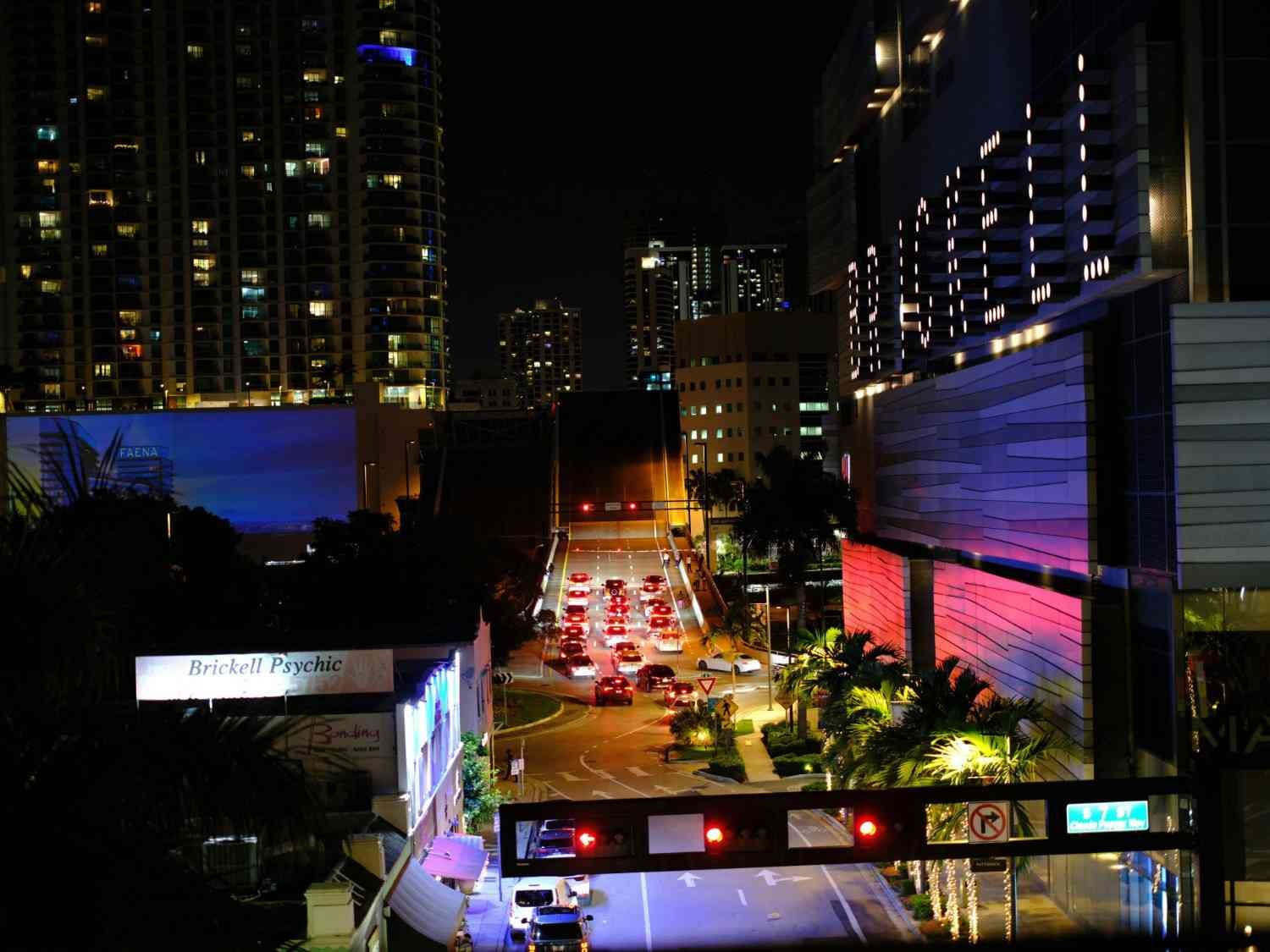
Brickell is Miami’s financial district, and it wears that identity openly. The skyline is dense and vertical, the streets are active at all hours, and the waterfront along Brickell Avenue is lined with high-rise condominiums, hotel towers, and the kind of restaurants that fill up on weeknights. If South Beach is Miami performing for visitors, Brickell is Miami performing for itself.
The neighborhood sits directly south of downtown, separated from Coconut Grove by the Miami River and connected to the rest of the city by the free Metromover rail loop, which runs on an elevated track above the streets. For a city as spread out as Miami, having a central, walkable base with good public transit access is a genuine advantage.
The cultural register here is Latin American and international in equal measure. The banks along Brickell Avenue handle a significant portion of Latin American capital. The restaurants reflect that: Colombian steak houses, Brazilian churrascarias, Venezuelan arepas, Peruvian ceviche. The food scene is excellent, less celebrated than Wynwood’s but more consistent on any given evening.
Top Things to Do
1. Walk the Brickell City Centre: The multi-level open-air mall at 701 South Miami Avenue is worth visiting as architecture as much as retail. The Climate Ribbon, a translucent canopy designed to channel airflow through the complex, is a genuine piece of urban design. The food hall on the lower level is the best casual eating option in the neighborhood.
2. Ride the Free Metromover: The elevated Metromover loop connects Brickell to downtown, the Omni district, and the Adrienne Arsht Center for the Performing Arts at no charge. It’s one of the most useful free transit systems in any American city and gives you a good aerial perspective on how Miami is structured. A full loop takes about 30 minutes.
3. Walk the Brickell Avenue Bridge at Dusk: The drawbridge over the Miami River at the northern end of Brickell Avenue offers one of the better views of the downtown skyline and the river traffic below. In the late afternoon, the light catches the glass towers to the north and the water below. The surrounding streets have good coffee and food options for a slow evening walk.
4. Eat Along Mary Brickell Village: The open-air dining and bar complex at the northern end of the neighborhood has a concentration of mid-range restaurants covering most cuisines. It’s more relaxed than the hotel dining options and better suited for a long evening meal. The outdoor seating fills up on weekends; weeknights are calmer and easier to navigate.
5. Visit the Pérez Art Museum Miami (PAMM): The museum sits on the waterfront in Museum Park, a short Metromover ride from Brickell. The building, designed by Herzog & de Meuron, hangs gardens of tropical plants from its exterior canopy over the bay. The permanent collection focuses on international contemporary art from the 20th and 21st centuries, and the terrace café has some of the best views of Biscayne Bay in the city.
Don’t Leave Without…
A late dinner at one of the Colombian or Venezuelan restaurants on SW 8th Street at the western edge of Brickell. Order bandeja paisa or a full arepa spread at a counter restaurant where the clientele is entirely local; the cooking is honest and the prices are a fraction of what the hotel restaurants on Brickell Avenue charge for less interesting food.
RV Practical Info
- Parking: Brickell is not practical for overnight RV parking. Use Larry and Penny Thompson Park as your base and take the Metromover or a rideshare into the neighborhood.
- Campsite proximity: Larry and Penny Thompson Park is approximately 20 minutes southwest via US-1.
- Roads: The main arteries into Brickell, Brickell Avenue and South Miami Avenue, are wide and well-maintained. The side streets between the towers are narrow and not designed for large vehicles.
- Scenic route: Drive north from Coconut Grove along South Bayshore Drive into Brickell; the bay is on your right the entire way and the transition from tree-canopied residential streets to the tower district is one of the more striking drives in the city.
Who Is It Best For?
- City explorers who want Miami’s most urban, high-energy base
- Food lovers interested in Latin American cuisine beyond the tourist corridor
- Travelers who want good public transit access to the rest of Miami without driving into every neighborhood
- Anyone attending events at the Pérez Art Museum or the Adrienne Arsht Center
Recommended Budget
- Meals: $15-$45; the range is wide, from Venezuelan street food to hotel steakhouses
- Activities: PAMM entry is $16; the Metromover loop and waterfront walks are free
- Parking: Budget for rideshares or the Metromover rather than RV parking in the district
6. Key Biscayne, Miami
The Vibe
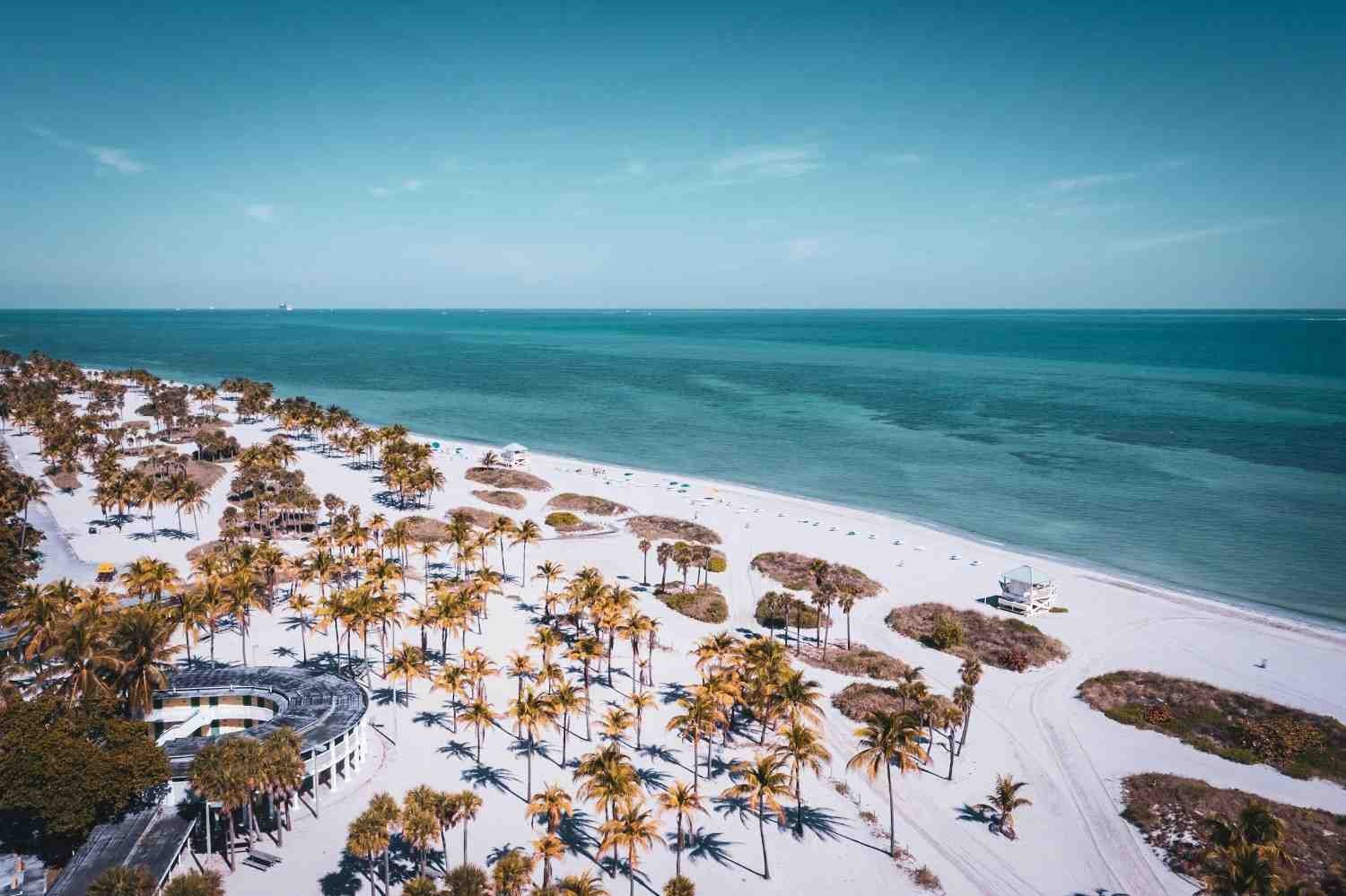
Key Biscayne is a barrier island 4 miles south of downtown Miami, connected by the Rickenbacker Causeway, and it functions as Miami’s pressure valve. The density and noise of the city fall away the moment you cross the bridge and the road opens up to a long causeway flanked by Biscayne Bay on both sides. By the time you reach the island itself, the pace has slowed entirely.
The island has two distinct characters. The northern section is residential, with calm streets, good beaches, the Crandon Park tennis center (which hosts a major ATP tour event annually), and a village commercial strip with decent restaurants. The southern half is Bill Baggs Cape Florida State Park, another strong option when thinking about where to go in Miami beyond the main tourist corridor: a mix of beach, mangroves, tidal flats, and the restored Cape Florida Lighthouse, which has stood since 1825.
The water off Key Biscayne is exceptional; it is shallow, clear, and relatively warm year-round. Kayaking, paddleboarding, and windsurfing are all popular from the Crandon Park marina. Snorkeling is good around the rocky areas near the lighthouse. The bay side of the island has calm water suited for beginners on a paddleboard, while the ocean side picks up more wave action.
Top Things to Do
1. Swim and Kayak at Crandon Park Beach: One of the highest-rated beaches in the US, Crandon Park offers calm, clear water, a long stretch of sand that rarely feels overcrowded even on weekends, and well-maintained facilities. Kayak and paddleboard rentals are available at the park marina on the bay side. The bike path running the length of the park is excellent for cycling with children.
2. Visit Bill Baggs Cape Florida State Park: The southern tip of Key Biscayne is the best nature experience in the Miami area. The Cape Florida Lighthouse, restored and open for tours, dates to 1825 and offers a view of the southern bay and ocean from the top that puts the city in proper perspective. The beach on the ocean side is long and clean, and the mangrove trails behind give access to bird life that’s invisible from the main path.
3. Snorkel or Dive near the Lighthouse: The rocky shoreline around the Cape Florida Lighthouse is a reliable snorkel spot: fish life is good, visibility is generally clear, and it doesn’t require a boat to access. Local dive operators also run half-day trips to the nearby patch reefs for those with open-water certification.
4. Windsurf or Kiteboard at Hobie Beach: The stretch of bay between the Rickenbacker Causeway and Key Biscayne proper, known locally as Hobie Beach, is one of the most consistent windsurfing spots on the East Coast of the US. The flat, shallow water and reliable afternoon easterly winds make it good for learning. Rentals and lessons are available from the Windsurfer Hotel on the causeway.
5. Bike the Island Loop: A flat, well-paved bike path circles most of the island, roughly 12 miles for the full loop, passing beaches, the nature park, the residential area, and the marina. Bike rentals are available at several spots near the Crandon Park entrance. It’s the most practical way to see the full island without fighting for parking.
Don’t Leave Without…
Watching the sunset from the Bill Baggs lighthouse beach facing west across Biscayne Bay. The downtown Miami skyline catches the last light while the water turns orange and the pelicans work the shallows below you. It’s a good 20 minutes after sunset when the light gets interesting.
RV Practical Info
- Parking: Crandon Park has large surface lots that handle RVs well. Bill Baggs State Park has a separate entrance with adequate parking but tighter lanes; check vehicle height and length against park specs before pulling in (max length 40 feet, max height 8.5 feet for the main lot).
- Campsite proximity: There is no RV camping on Key Biscayne itself. The closest full-service option is Larry and Penny Thompson Park, approximately 25 minutes west.
- Causeway: The Rickenbacker Causeway has a toll, payable by cash or SunPass. The bridge sections are wide and well-maintained for larger vehicles.
- Scenic route: Drive the full Rickenbacker Causeway out and back; the views of the Miami skyline from the causeway are among the most dramatic in the city, especially in the late afternoon.
Who Is It Best For?
- Families with children who want safe, calm water and good beach facilities
- Cyclists and paddlers looking for an active day close to the city
- Nature lovers who want mangroves, wildlife, and a lighthouse without leaving Miami
- Anyone who needs a break from the intensity of South Beach
Recommended Budget
- Meals: $15-$35; the village on Key Biscayne has good restaurants at moderate prices
- Activities: Crandon Park entry is $8/vehicle; Bill Baggs is $8/vehicle; kayak rental is $25-$40 per hour
- Bike rental: $20-$35 for a half day
7. Coral Gables, Miami
The Vibe
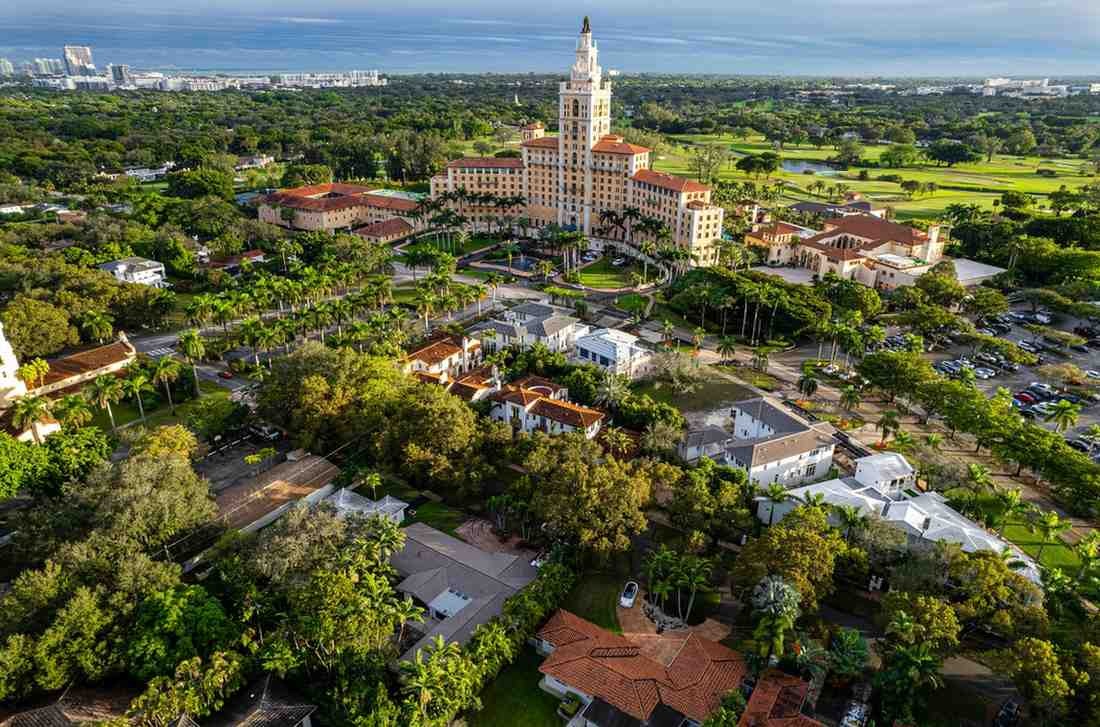
Coral Gables was designed from scratch in the 1920s by developer George Merrick, built around a unified Mediterranean Revival architectural vision with the ambition to create the most beautiful planned community in America. Eighty years later, it still largely works.
The streets are wide, the architecture is coherent, and the city has enforced its design standards aggressively enough that even the gas stations have terracotta roofs and arched colonnades. The banyan tree canopy over Miracle Mile is worth a mention on its own; the trees were planted in the 1940s and have grown into each other overhead, creating a natural tunnel of roots and branches.
The mood is calm, well-funded, and self-assured. Coral Gables doesn’t try to attract attention the way the neighborhoods to the east do. The University of Miami anchors the southern end, and the combination of academic culture and old-money residential money creates an atmosphere that’s closer to a prosperous European university town than to what most people picture when they think of Miami.
Top Things to Do
1. Swim at the Venetian Pool: One of the most unusual public swimming pools in the US, a 1923 municipal pool built inside a former coral rock quarry, with caves, grottos, a waterfall, and Mediterranean-style loggias. The water is spring-fed and replaced daily. This is where Johnny Weissmuller (the original Tarzan) trained and where Esther Williams performed aquatic shows. Book a slot in advance; it fills quickly in warmer months.
2. Walk Miracle Mile: The four-block commercial heart of Coral Gables, running along SW 22nd Street between Douglas Road and Le Jeune Road, is lined with bridal boutiques, jewelers, independent restaurants, and the Actors’ Playhouse at the Miracle Theatre. It’s a pleasant walking street without the commercial pressure of Lincoln Road. The Biltmore Hotel at the north end of the Gables is worth a walk through the lobby regardless of whether you’re staying.
3. Tour the Biltmore Hotel: The 1926 Biltmore is one of the great historic hotels of the American South. The tower is modeled on the Giralda in Seville, and the swimming pool, the largest in the continental US at the time of construction, still operates. Free public tours run on Sunday afternoons and cover the hotel’s full history, including its period as a Veterans Administration hospital following World War II. The pool bar is open to the public and worth visiting for the setting alone.
4. Visit the Fairchild Tropical Botanic Garden: Eighty-three acres of tropical plants, rare palms, and flowering trees on the bay in the southern part of Coral Gables. The conservatory houses an extraordinary collection of cycads and rare tropical specimens. The garden hosts the International Mango Festival each July, but it’s worth visiting in any season; it is one of the most important collections of tropical plants in the western hemisphere.
5. Eat on Giralda Avenue: The dining plaza on Giralda Avenue, just off Miracle Mile, has become one of the best outdoor dining corridors in Miami. Tables from a dozen restaurants spill into the shared pedestrian street, and the mix of Spanish, Italian, French, and Latin American kitchens on one block makes choosing difficult in the best possible way. Thursday and Friday evenings are the liveliest.
Don’t Leave Without…
A late-afternoon coffee and a guava pastelito at Caffe Abbracci on Aragon Avenue, a Coral Gables institution since 1986, where the clientele is genuinely local and the coffee is made by people who take it seriously.
RV Practical Info
- Parking: Coral Gables has free parking garages in the commercial district; the Giralda Plaza garage is the most convenient. Vehicle height limits in garages are typically 7-8 feet, so RVs will need surface parking on the surrounding streets.
- Campsite proximity: Larry and Penny Thompson Park is about 15 minutes south via US-1.
- Roads: Coral Gables streets are wide and well-marked. The canopy over some residential roads means checking height clearance before turning into them.
- Scenic route: Drive Old Cutler Road south from Coconut Grove through Coral Gables; the banyan canopy and historic homes along this road represent the most atmospheric driving in the Miami area.
Who Is It Best For?
- Architecture and history lovers who want planned-city elegance rather than beach flash
- Families looking for a calm, shaded neighborhood with excellent swimming options
- Foodies interested in Miami’s most sophisticated restaurant corridor
- Anyone visiting the University of Miami or attending events at the Biltmore
Recommended Budget
- Meals: $20-$50; Coral Gables skews slightly upmarket but has good mid-range options
- Activities: Venetian Pool entry is $15; Fairchild Garden is $25; the Biltmore tour is free
- Parking: Largely free in the municipal garages
8. Design District, Miami
The Vibe
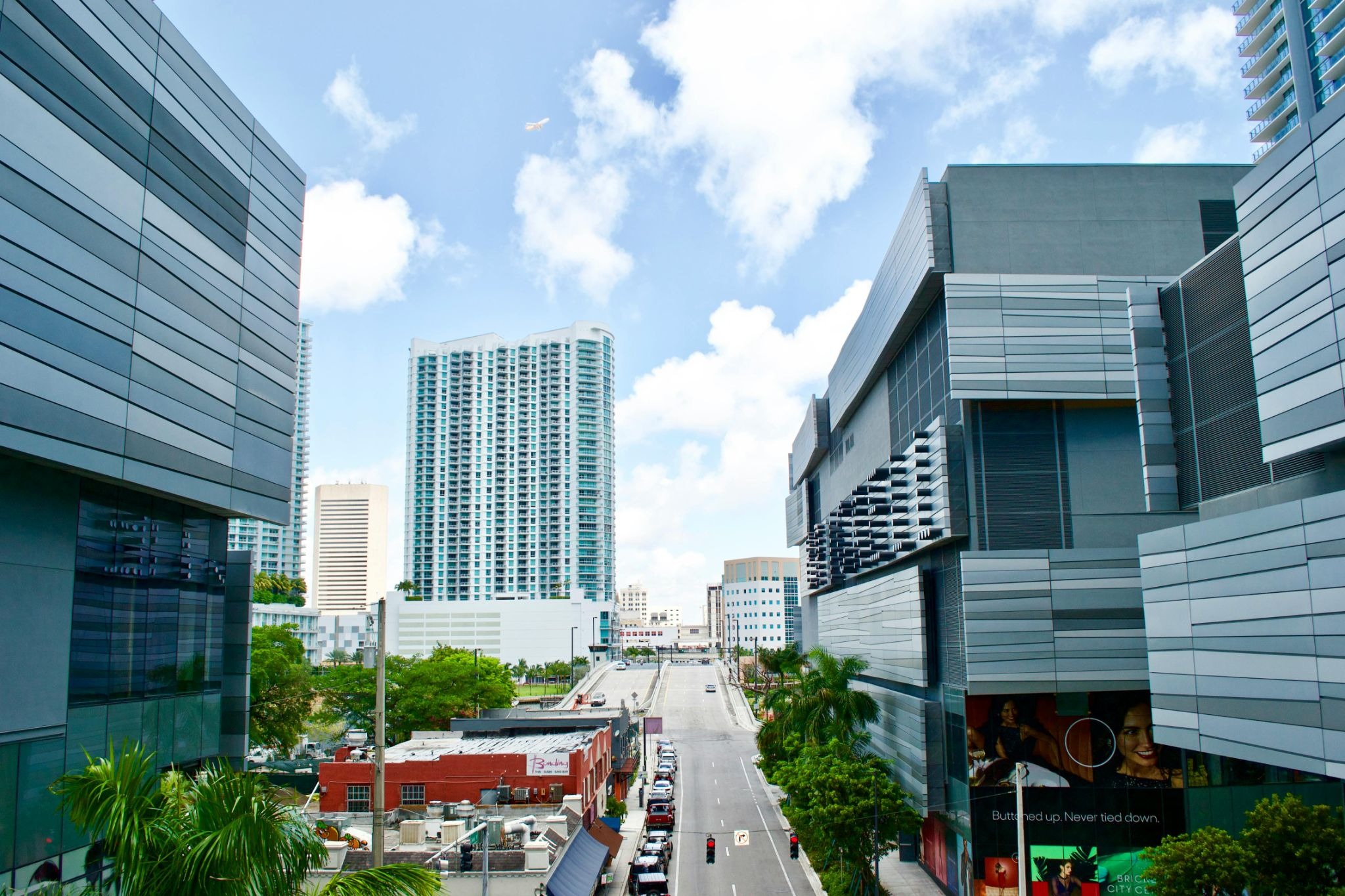
The Design District occupies about 18 city blocks north of Wynwood and functions as Miami’s answer to a European luxury quarter, only warmer, more open-air, and with a genuine commitment to contemporary design alongside the high-end retail.
The development is deliberate and heavily curated: Louis Vuitton sits beside a Peruvian restaurant, a gallery shows work by artists you can actually still follow on Instagram, and a rooftop bar looks across the Miami skyline toward the bay. The architecture is genuinely interesting; the Institute of Contemporary Art (ICA) occupies a striking building at the northern end of the district, and several of the retail pavilions are designed by internationally recognized architects.
What saves the Design District from feeling purely transactional is the density of good food and genuine art at street level. The neighborhood rewards walking slowly and looking up; there’s commissioned sculpture and public art in unexpected places, and the lighting at dusk is designed to make the whole district feel like an outdoor gallery.
Top Things to Do
1. Visit the Institute of Contemporary Art (ICA): The ICA Miami is one of the best free contemporary art museums in the US. The permanent collection focuses on international contemporary artists, and the temporary exhibition program has included major solo shows by artists at the peak of their careers. Admission is always free. The building is open Tuesday through Sunday.
2. Browse the Design District’s Architecture: The district was developed with input from internationally recognized architects including Aranda\Lasch and Sou Fujimoto. Several of the retail pavilions, particularly the Palm Court complex, are worth examining closely as architecture rather than just shopping. The public sculpture installations at street level change periodically.
3. Eat at Mandolin Aegean Bistro: One of Miami’s most consistently excellent restaurants occupies a converted 1940s cottage on NE 39th Street at the edge of the district. The Greek and Turkish cooking, including labneh, grilled octopus, and lamb chops, is made with the kind of straightforward confidence that doesn’t need a dramatic interior to justify it. Book ahead; it fills fast.
4. Explore the Galleries: Locust Projects, an artist-run nonprofit gallery on NE 2nd Avenue, is the most important experimental space in the district. Nina Johnson gallery on N Miami Avenue shows emerging American artists. Both are free to enter and represent the serious end of the Miami gallery world.
5. Shop at the Saturday Farmers Market: The weekly farmers market at Palm Court runs Saturday mornings from October through May and brings in local produce vendors, artisan food makers, and small craft sellers. It’s a good way to stock an RV kitchen with Florida-grown citrus, tropical fruit, and local honey.
Don’t Leave Without…
A bowl of ceviche and a pisco sour at Cvi.che 105 on Biscayne Boulevard at the southern edge of the district. The Peruvian kitchen is one of the best in Miami, and the lunch deal is one of the most underpriced meals in the neighborhood.
RV Practical Info
- Parking: The Design District has multiple paid surface lots. Vehicle height is a concern in the structured garages; use the open-air lots on NE 40th Street for larger vehicles.
- Campsite proximity: Larry and Penny Thompson Park to the south and the Sunny Isles Beach area to the north are the closest overnight options.
- Roads: NE 2nd Avenue and the main district streets are wide and manageable. The blocks closest to I-195 can have heavier traffic on weekday mornings.
- Timing: The district is quietest on weekday mornings, which is best for galleries. Weekend evenings bring the best restaurant atmosphere.
Who Is It Best For?
- Design and architecture enthusiasts who want serious contemporary art alongside good food
- Shoppers interested in luxury retail with genuine architectural context
- Anyone visiting the ICA, one of the best free museums in Florida
- Couples looking for Miami’s most sophisticated restaurant evening
Recommended Budget
- Meals: $25-$60; the district skews upmarket, but the Peruvian and Greek options offer strong value
- Activities: ICA is free; public art and architecture cost nothing
- Parking: $5-$15 for surface lots in the district
9. Overtown, Miami
The Vibe
Overtown is the oldest Black neighborhood in Miami and one of the most historically significant cultural districts in the American South. Known as the “Harlem of the South” during the Jazz Age, Overtown was a destination for African-American artists, musicians, athletes, and performers who were barred from the hotels and venues of Miami Beach by segregation laws.
Louis Armstrong, Billie Holiday, Nat King Cole, and Muhammad Ali all stayed in the neighborhood when they performed in Miami, because they had to, but also because it was genuinely good.
The neighborhood was deliberately cut in half by the construction of I-95 in the 1960s, which destroyed hundreds of homes and the commercial heart of the district. The recovery has been slow. But what remains, the Lyric Theater, the Black Archives, and the food establishments that have been feeding the neighborhood for generations, is worth taking seriously.
Today Overtown is in a complex moment. New development is arriving, long-term residents are being displaced, and the neighborhood is navigating what preservation and change mean at the same time. For visitors, this is one of the few places in Miami where the city’s full history, including the parts that aren’t on the tourism map, is directly visible.
Top Things to Do
1. Visit the Lyric Theater: Built in 1913 and restored in the 1990s, the Lyric is the oldest surviving Black-owned theater in Florida and the cultural center of Overtown’s heritage. The theater hosts events, film screenings, and occasional musical performances. Even when nothing is scheduled, the exterior and the block around it are a concentrated piece of Miami history.
2. Explore the Black Archives History and Research Foundation: The archive at 819 NW 2nd Avenue holds one of the most significant collections of African-American cultural history in the southeastern US: photographs, recordings, documents, and artifacts from Overtown’s era as a major cultural center. Tours are available by appointment.
3. Eat at Jackson Soul Food: Jackson Soul Food, open since 1946 at 950 NW 3rd Avenue, is one of the most historically important restaurants in Miami. The menu, fried chicken, collard greens, and sweet potato pie, has barely changed in decades. It’s not a tourist restaurant; it’s where the neighborhood has always eaten.
4. Walk the Overtown Historic District: The blocks around NW 2nd Avenue and 9th Street contain surviving examples of the commercial and residential architecture that defined the neighborhood before I-95 arrived. The Historic Overtown Folklife Village project has restored several buildings and installed interpretive markers that help place the remaining structures in context.
5. Attend an Event at the Lyric Theater: Check the Lyric’s events calendar before you visit. Live performances here carry a weight that larger venues can’t manufacture. The acoustics in the restored building are excellent, and the programming reflects the neighborhood’s actual history rather than a packaged version of it.
Don’t Leave Without…
A plate of oxtail stew and cornbread from a soul food counter on NW 2nd Avenue. This is Miami’s oldest culinary tradition and one that the tourism infrastructure has largely overlooked. The portions are generous and the cooking is serious.
RV Practical Info
- Parking: Surface lots on NW 7th Street and around the Lyric Theater handle most vehicle sizes. The neighborhood is undergoing construction on several blocks; check current conditions before navigating with a large rig.
- Campsite proximity: Larry and Penny Thompson Park is approximately 20 minutes southwest.
- Pairing: Overtown is a 10-15 minute drive from both Wynwood and the Design District and works well as part of a longer Miami day that includes either of those neighborhoods.
- Respectful visit: This is an active residential neighborhood undergoing significant change. Visit with attention and curiosity.
Who Is It Best For?
- History lovers interested in African-American cultural history and the Jazz Age South
- Visitors who want to understand Miami beyond the tourist infrastructure
- Anyone interested in the intersection of urban history, preservation, and development
- Food travelers looking for Miami’s most historically rooted cooking
Recommended Budget
- Meals: $12-$25; soul food restaurants here are outstanding value
- Activities: Mostly free; Black Archives tours are donation-based
- Time needed: Half a day is sufficient for a thorough visit
10. Bayside & Downtown, Miami
The Vibe
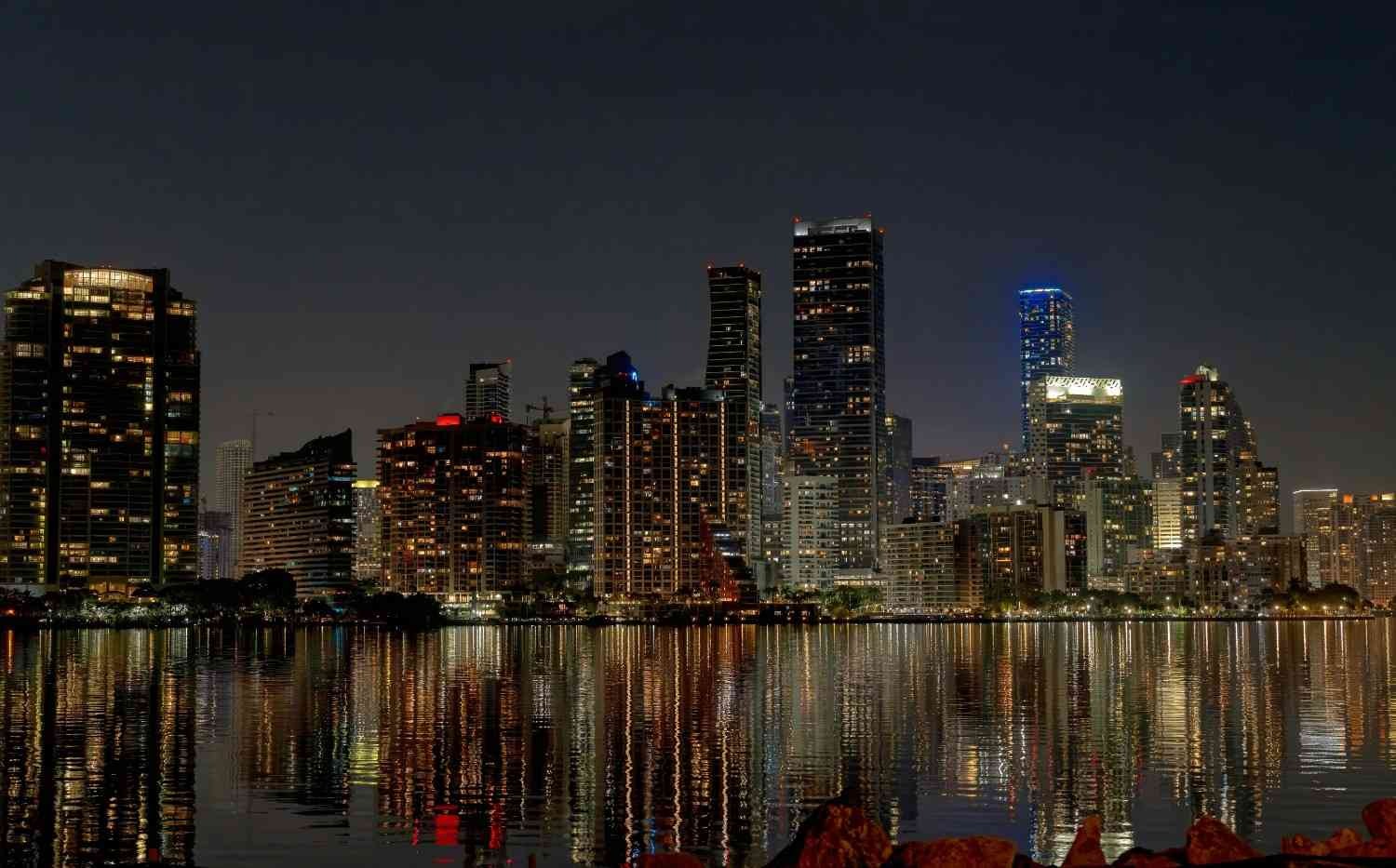
Bayside Marketplace and the streets of downtown Miami occupy the stretch of waterfront between the Pérez Art Museum to the north and the Miami River to the south. It’s the part of the city that most visitors pass through rather than linger in, which is a reasonable instinct, but it rewards a half-day visit if you approach it on its own terms rather than expecting a neighborhood with the texture of Coconut Grove or Little Havana.
The waterfront itself is the draw. Biscayne Bay opens up wide at this point; the views across to Miami Beach and the causeways are clear, and the boat traffic on the bay is constant. The Freedom Tower, completed in 1925 and now a cultural museum, stands on Biscayne Boulevard as one of the most architecturally significant buildings in Miami.
Downtown Miami is also the departure point for boat tours of the bay, trips to the Everglades, and water taxis to Miami Beach. For an RV traveler using the city as a base, it’s a practical transit hub as much as a destination.
Top Things to Do
1. Walk Bayside Marketplace and the Marina: The open-air marketplace at 401 Biscayne Boulevard sits directly on the bay and is more useful as a waterfront access point than as a shopping destination. The marina behind it has live music most evenings and a range of boat tour operators. The bay views from the waterfront promenade are among the most open in the city.
2. Take a Bay or Everglades Boat Tour: Several operators depart from the Bayside Marina for narrated tours of Biscayne Bay, including routes past the Millionaires’ Row mansions on Miami Beach. Everglades airboat tours also depart from operators near the downtown waterfront. It’s a practical way to cover both the city’s water geography and the ecosystem immediately to the southwest without driving separately to each.
3. Visit the Freedom Tower: Built in 1925 as the Miami News Tower and modeled on the Giralda bell tower in Seville, the Freedom Tower on Biscayne Boulevard served as a processing center for Cuban refugees in the 1960s, earning its current name. The building is now a cultural center and museum operated by Miami Dade College, with exhibitions on Cuban-American history and Miami’s cultural development. Entry is free.
4. Ride the Metromover Downtown Loop: The free elevated Metromover connects downtown Miami and Brickell in a continuous loop. For an RV traveler who has parked on the outskirts, it’s the most practical way to cover the downtown core, the waterfront, and the Brickell district without moving the vehicle. A full loop takes under 30 minutes and gives a good aerial orientation to how the city is laid out.
5. Eat at Flagler Street’s Latin Lunch Counters: Flagler Street, running west from Biscayne Boulevard through downtown, has some of the most affordable and authentic Cuban and Latin American lunch counters in the city. The clientele is almost entirely office workers and courthouse staff. Prices are low, portions are large, and the cooking is straightforward. This is a weekday lunch stop; most counters close by mid-afternoon.
Don’t Leave Without…
Watching the sunset from the Bayside waterfront facing west across the bay toward the Everglades. The light drops behind the mainland and the sky turns orange over the water while the downtown towers catch the last of it behind you. It takes about 15 minutes and costs nothing.
RV Practical Info
- Parking: Surface lots on NE 1st Avenue and around the AmericanAirlines Arena handle most vehicle sizes. The Bayside Marketplace garage has height restrictions; use open-air lots on the northern edge of downtown instead.
- Campsite proximity: Larry and Penny Thompson Park is approximately 25 minutes southwest via US-1.
- Roads: Biscayne Boulevard is wide and straightforward for larger vehicles. The side streets of downtown are a grid and generally manageable, though traffic is heavy on weekday mornings.
- Scenic route: Drive north from downtown along Biscayne Boulevard through the Arts & Entertainment District toward the Design District; the transition from civic downtown to the creative corridor is one of the more interesting drives in the city.
Who Is It Best For?
- Families who want a structured, waterfront-focused half-day with boat tour options
- First-time visitors who want a broad orientation to the city’s layout and bay geography
- Travelers connecting to Everglades or bay tours who want a central departure point
- Anyone interested in Cuban-American history and the Freedom Tower
Recommended Budget
- Meals: $10-$25; Flagler Street lunch counters are exceptional value; waterfront restaurant prices are higher
- Activities: Freedom Tower is free; bay tours run $30-$45 per person; Everglades airboat tours $50-$65
- Parking: $10-$20 for open-air surface lots near the waterfront
What to Pack for a Miami Road Trip
Miami’s weather is warm year-round, but conditions change significantly by season. Pack for flexibility rather than one fixed climate.
| Category | Items | Why |
| Clothing | Lightweight breathable fabrics, a light layer for air-conditioned spaces, one smart-casual evening outfit | Indoor spaces in Miami are often aggressively air-conditioned; outdoor temperatures rarely call for more than a t-shirt |
| Sun protection | SPF 50+ sunscreen, polarized sunglasses, wide-brim hat | UV index in Miami is high year-round; reflected light off water intensifies exposure |
| Footwear | Waterproof sandals, comfortable walking shoes, reef shoes for snorkeling | You’ll move between beaches, pavement, and water regularly |
| Beach gear | Quick-dry towels, snorkel set, waterproof dry bag | Many beach activities benefit from your own gear rather than rented equipment |
| Rain gear | Compact packable rain jacket | Afternoon thunderstorms are routine from May through October |
| RV essentials | Power adapters (standard US plugs throughout Florida), bug repellent for campsite evenings, condensation cloth | Florida humidity creates significant condensation overnight; mosquitoes are active near freshwater areas |
| Navigation | SunPass or pre-loaded toll pass, downloaded offline maps for the Miami area | Cell signal can be inconsistent on the causeways; tolls on many Miami roads require prior setup |
Final Expert Tips for Visiting Miami
1. Drive the causeways at dusk: The MacArthur, Venetian, and Rickenbacker Causeways connecting Miami to Miami Beach and Key Biscayne offer some of the most dramatic views of the skyline in the low light before and after sunset. No parking required; the experience is from the car.
2. Avoid I-95 between 7-9 AM and 4:30-7 PM: Miami’s traffic is among the worst in the US during peak hours. Route through surface streets using US-1 (Brickell Avenue/South Dixie Highway) for north-south travel, or plan your day around avoiding those windows entirely.
3. Use the free trolley systems: Several Miami neighborhoods operate free electric trolleys: Brickell, Coconut Grove, Coral Gables, and others. They run frequently during the day and are useful for covering short distances between parking and destinations without paying for rideshares.
4. Book Wynwood Walls visits for early morning: The walls open at 10:30 AM on weekdays. Being there in the first hour means photographing the murals without crowds and in better morning light. By early afternoon the space is packed.
5. Know your hurricane season risk: If you’re visiting between June and November, check NOAA hurricane forecasts regularly and keep your itinerary flexible. Most storms give 3-5 days of warning. Having cancellation flexibility in your bookings matters during this window.
6. Larry and Penny Thompson Park is your best RV base: The only full-service campground within Miami-Dade County, and genuinely good: a lake on site, full hookups, clean facilities, and 20-25 minutes from South Beach, Wynwood, Coconut Grove, and Coral Gables. Book well in advance, particularly for winter and spring.
7. The Keys are a half-day drive from Miami: Key Largo is 60 miles from downtown Miami. If you have 2-3 days in the area, extending south into the Keys via US-1 is one of the most distinctive road trip experiences in the US; the seven-mile bridge between Marathon and the Lower Keys is unlike any other road in America.
8. Eat Cuban food for breakfast: A Cuban breakfast, café con leche, buttered Cuban toast (pan tostado), and a pastelito de guayaba, costs under $8 at any ventanita in Little Havana or Hialeah and is the most energizing start to a Miami day. It’s also faster than any sit-down breakfast alternative.
Plan Your Miami Trip with Indie Campers
South Florida is one of the most comfortable routes for RV rental in the USA, with long flat roads, year-round warmth, and a natural corridor that runs from Miami through the Everglades and down the Keys via US-1. Pick up in Miami, drive south to the Keys, or head north to Orlando and Tampa; few regions in the country are this well-suited to point-to-point road travel.
Indie Campers is built for exactly this kind of trip:
- One-way rentals across 70+ locations: Pick up in Miami and drop off in Orlando, Tampa, or any other Indie Campers location across North America, without retracing a single mile.
- More than 7,000 vehicles worldwide: From compact campervans for couples to larger motorhomes for families, the fleet covers every group size and trip type.
- Book now, pay later: Full payment is only due 30 days before pick-up. If you’re planning during hurricane season (June through November), flexible cancellation up to 31 days before departure means you can commit to the trip without committing your budget until you’re certain conditions are right.
- 24/7 support on the road: Miami’s toll systems, parking restrictions, and causeway logistics are covered in detail throughout this guide. If something comes up on the road, support is available around the clock.
Whether this is your first time in a campervan or you already know which campsite you’re heading to, book your RV rental in Miami and put South Florida on the road trip list.
Everything You Need to Know About Miami RV Road Trips
| Area | Vibe | Best For | Top Things to Do | Budget/Day | Top Campground | RV Rating | Wild Camping? | Best Stay |
| South Beach | Iconic | Beaches & art deco | Art Deco walk, Bass Museum, South Pointe | 💰💰💰 | Larry & Penny Thompson Park | ★★★☆☆ | No | Indie Campers |
| Wynwood | Creative | Art & food | Wynwood Walls, Art Walk, galleries | 💰💰 | Larry & Penny Thompson Park | ★★★☆☆ | No | Indie Campers |
| Coconut Grove | Relaxed | Couples & families | Vizcaya, sailing, farmers market | 💰💰 | Larry & Penny Thompson Park | ★★★★☆ | No | Indie Campers |
| Little Havana | Cultural | Cuban culture & food | Calle Ocho, dominos, Viernes Culturales | 💰 | Larry & Penny Thompson Park | ★★★☆☆ | No | Indie Campers |
| Brickell | Urban | Dining & transit | PAMM, Metromover, Mary Brickell Village | 💰💰💰 | Larry & Penny Thompson Park | ★★☆☆☆ | No | Indie Campers |
| Key Biscayne | Coastal | Nature & water sports | Crandon Park, Bill Baggs, kayaking | 💰💰 | Larry & Penny Thompson Park | ★★★★☆ | No | Indie Campers |
| Coral Gables | Elegant | Architecture & swimming | Venetian Pool, Biltmore, Fairchild Garden | 💰💰 | Larry & Penny Thompson Park | ★★★★☆ | No | Indie Campers |
| Design District | Stylish | Art & design | ICA Miami, architecture, Mandolin | 💰💰💰 | Larry & Penny Thompson Park | ★★★☆☆ | No | Indie Campers |
| Overtown | Historic | Black history & culture | Lyric Theater, soul food, Black Archives | 💰 | Larry & Penny Thompson Park | ★★★☆☆ | No | Indie Campers |
| Bayside & Downtown | Waterfront | Families & first-timers | Freedom Tower, bay tours, Metromover | 💰💰 | Larry & Penny Thompson Park | ★★☆☆☆ | No | Indie Campers |
FAQs About Where To Go in Miami
Where can I rent an RV in Miami?
You can rent an RV in Miami through Indie Campers, which operates pick-up locations in the Miami area as part of its wider USA network. The fleet includes compact campervans and larger motorhomes, and one-way rentals allow you to pick up in Miami and drop off in Orlando, Tampa, or other Florida cities.
The closest full-hookup campground within Miami-Dade County is Larry and Penny Thompson Memorial Park in Kendall, approximately 20-25 minutes from South Beach and Wynwood. Book your vehicle well in advance if you’re visiting between November and April, when demand for Florida RV rentals is highest.
What is the best time to go in Miami?
The best time to visit Miami is between November and April, when temperatures sit between 20°C and 28°C, humidity is manageable, and hurricane risk is essentially zero. December through February is peak season; prices for accommodation and attractions are higher, but the weather is reliably excellent.
March and April offer similar weather at slightly lower prices. May through October brings intense heat, high humidity, and hurricane season from June onward.
What is the warmest area in Miami?
Miami is largely uniform in temperature across its neighborhoods, as the city sits at sea level and the bay moderates conditions throughout. Key Biscayne and South Beach, surrounded by water on multiple sides, tend to catch consistent sea breezes that make high temperatures feel more manageable than in inland areas. Coral Gables and Coconut Grove, with more tree canopy, are noticeably cooler on foot during the hottest months.
What is the best place to visit in Miami for couples?
Coconut Grove is the best area for couples in Miami. The combination of waterfront walks, the Vizcaya gardens, sailing on the bay, and relaxed café culture makes it the most genuinely romantic neighborhood in the city. For an evening, dinner on Giralda Avenue in Coral Gables followed by a walk through the Biltmore grounds covers the same atmospheric territory. South Beach is the most dramatic setting, but the crowds and noise make it more stimulating than romantic.
What is the best place to visit in Miami with family?
Key Biscayne is the best Miami destination for families. Crandon Park Beach offers safe, shallow swimming, kayak and paddleboard rentals, a bike path, and a playground. Bill Baggs State Park adds nature education and a lighthouse tour, and both are accessible without navigating heavy city traffic. Coconut Grove and its farmers market work well for younger children. The Wynwood Walls are appropriate for families with older kids interested in art.
What is the best place to visit in Miami with kids?
South Beach’s South Pointe Park and Crandon Park on Key Biscayne are both strong options for younger children in Miami. South Pointe has a large playground, a splash pad, and easy beach access. Crandon Park’s calm bay-facing beach is better for small children than the open-ocean side of Miami Beach.
The Vizcaya gardens engage older children interested in history and architecture. The Miami Children’s Museum on Watson Island is the most directly age-appropriate attraction in the city.
What is the best place to visit in Miami with friends?
Wynwood is the best Miami neighborhood for a group trip, particularly for an evening visit during the monthly Art Walk or a weekend afternoon along NW 2nd Avenue. The combination of outdoor murals, casual food options, craft cocktail bars, and concentrated energy makes it practical for groups with different interests.
South Beach works for groups focused on beach time; Little Havana on a Viernes Culturales evening is another strong option.
What are the best places to visit in Miami for first-timers?
South Beach, Wynwood, and Little Havana are the three best starting points for first-time Miami visitors. South Beach covers the iconic beach and architecture experience. Wynwood represents the city’s contemporary creative identity.
Little Havana gives direct access to the cultural history that shaped modern Miami. Together, they cover the most important versions of what Miami actually is, as opposed to what hotel marketing suggests it is. All three are within 15-20 minutes of each other.
What are the best places to visit in Miami for solo travelers?
Wynwood and the Design District are the most comfortable Miami neighborhoods for solo travelers. Both are built around walking, looking, and eating, activities that work well alone and that naturally create conversation at cafés and gallery openings. Little Havana rewards solo exploration for anyone interested in culture. South Beach works well solo in the morning; it becomes more crowded and socially pressured by the afternoon.
What are the best places to visit in Miami for nature?
Key Biscayne and the nearby Everglades are the best nature experiences accessible from Miami. Bill Baggs Cape Florida State Park offers mangroves, wildlife, and beach in a compact package 25 minutes from downtown.
The Everglades National Park is about 45 minutes southwest and offers a completely different Florida: sawgrass prairies, alligator habitat, and one of the most unusual ecosystems in North America. Biscayne National Park, accessible by boat from Convoy Point near Homestead, covers reef, seagrass beds, and the northern Florida Keys.