Key Takeaways
Choosing your perfect home on wheels can feel like a huge decision, but understanding the class A vs class C RV debate is the first step toward your next great advent
ure. Whether you dream of a luxurious, bus-style motorhome or a more compact, family-friendly ride, this guide breaks down everything you need to know.
Here’s a quick overview to get you started:
- Class A RV: Think of a tour bus. It’s built on a heavy-duty frame, offering a spacious, open-plan living area, panoramic front windows, and high-end amenities. It’s perfect for full-timers or those who prioritize luxury and space.
- Class C RV: Recognizable by its truck-style front and the sleeping area over the cab. It offers a great balance of features and maneuverability, making it a favorite for families and weekend explorers.
- Key Differences: The biggest factors are size, cost, driving experience, and living space. Class As are larger, more luxurious, and more expensive. Class Cs are more budget-friendly, easier to drive in tight spaces, and offer clever sleeping solutions.
- Which is for you? If you’re planning long-term travel and want all the comforts of home, a Class A might be your match. If you need a flexible, family-friendly option for varied destinations, from national parks to city trips, a Class C is a fantastic choice.
- Ready to rent? With Indie Campers, you can choose from a wide range of Class A and Class C models, all with unlimited mileage, to find the perfect fit for your travel style.
Table of Contents
- Class A vs Class C RV: At a Glance
- What is a Class A RV? The King of the Road
- What is a Class C RV? The Versatile Adventurer
- Class A vs Class C RV: A Head-to-Head Comparison
- Class A RV vs Class C Advantages and Disadvantages
- Who is a Class A RV Best For?
- Who is a Class C RV Best For?
- What About Super C and B+ RVs?
- Plan Your Adventure with Indie Campers
- Frequently Asked Questions (FAQs)
Class A vs Class C RV: At a Glance
| Feature | Class A RV | Class C RV |
|---|---|---|
| Appearance | Large, bus-like body with a flat front and huge panoramic windshield. | Truck or van front with a distinct over-cab sleeping/storage area. |
| Chassis | Built on a specialized heavy-duty motor vehicle chassis or a commercial bus chassis. | Built on a cutaway truck or van chassis (e.g., Ford E-Series, Mercedes-Benz Sprinter). |
| Size | 29 to 45 feet long. Taller and wider, offering more interior space. | 21 to 41 feet long. Generally more compact and nimble. |
| Living Space | Open, residential feel. Large living rooms, full-sized kitchens, and often master suites. | More defined living areas. Clever use of space with features like over-cab bunks. |
| Storage | Massive “basement” storage compartments accessible from the exterior. Plentiful interior cabinets. | Good storage, including exterior compartments and creative interior solutions, but less than Class A. |
| Driving Feel | Drives like a large bus. Offers a high, commanding view of the road but can be intimidating. | Drives more like a large truck or van. Easier to handle for many drivers, especially in towns. |
| Cost | Higher initial cost ($150,000 – $500,000+ new). Higher fuel, maintenance, and insurance costs. | More budget-friendly ($75,000 – $200,000+ new). Lower associated ownership costs. |
| Best For | Full-time RVers, luxury travelers, and those who prioritize space and comfort on long journeys. | Families, first-time owners, and travelers who want a versatile rig for various destinations. |
What is a Class A RV? The King of the Road
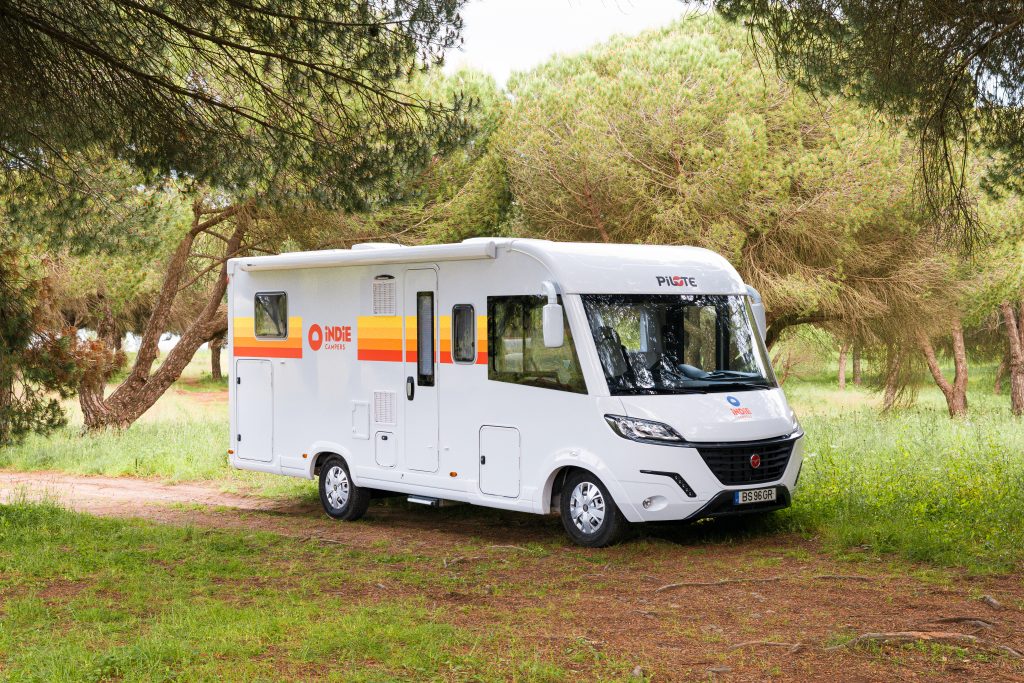
When you picture a celebrity tour bus or a band on the road, you’re likely thinking of a Class A motorhome.
These are the largest and most luxurious of the motorized RVs, built on a robust, specially designed chassis that resembles that of a commercial bus or a large truck.
The defining feature of a Class A is its massive, flat front with a panoramic windshield that offers an incredible, wide-screen view of the road ahead. The driver and passenger seats are integrated into the main living space, creating a seamless transition from cockpit to home.
Stepping inside a Class A feels less like getting into a vehicle and more like entering a modern apartment on wheels.
They are designed for long-haul comfort and extended living. Floor plans are open and spacious, often featuring multiple slide-outs that dramatically expand the living area at the push of a button.
You’ll find residential-sized appliances, full bathrooms (sometimes even two!), king-sized beds, washer/dryers, and high-end entertainment systems.
When it comes to Class A RVs, you’ve got two main choices. First up are the gas-powered models, which are built on a heavy-duty chassis with the engine at the front. These are often a more budget-friendly option, making them a great starting point for your adventures.
Then, you have the “diesel pushers.” These powerhouses have their engine in the rear, which means a quieter ride up front and more muscle for towing all your gear.
Ready to pick the one that matches your travel style and hit the open road?
What is a Class C RV? The Versatile Adventurer

If a Class A is a bus, a Class C is a house built on a truck.
You can immediately recognize a Class C by its distinct profile: a truck or van cab with an attached living area, and the signature bunk or storage space that extends over the cab, known as the “cab-over.”
Class C RVs are built on a cutaway chassis, which means the manufacturer receives a frame and a cab from a vehicle maker like Ford, Chevrolet, or Mercedes-Benz and then builds the “house” portion on the back.
This design makes the driving experience feel much more familiar to anyone who has driven a pickup truck or a large van.
Class Cs are the chameleons of the RV world.
They strike a fantastic balance between size, amenities, and ease of use, which makes them incredibly popular with a wide range of travelers. They are large enough to offer comfortable living quarters with kitchens, bathrooms, and dedicated sleeping areas, but they remain more manageable to drive and park than a massive Class A.
The cab-over area is one of its biggest assets. For families, it’s often a beloved sleeping loft for kids. For couples or solo travelers, it can serve as a massive storage area for gear.
This clever use of space allows for more amenities in a smaller overall footprint. They come in a variety of sizes, from smaller models just over 20 feet to larger rigs approaching 40 feet, giving you plenty of options to fit your needs.
Class A vs Class C RV: In-Depth Comparison
Now that you know the basics, let’s dive into a detailed comparison of the Class A vs Class C RV.
We’ll break down the key areas that will impact your travel experience.
Chassis and Construction: The Foundation of Your Home
The fundamental difference between these two RV types starts at the very bottom: the chassis.
- Class A: Built on a purpose-built motorhome chassis. Gas models typically use a Ford F-53 chassis, while diesel pushers use heavy-duty chassis from manufacturers like Freightliner or Spartan. This bus-like foundation allows for a wider body and a flat interior floor from front to back. The construction feels solid and substantial, designed to support a large, heavy home.
- Class C: Built on a pre-existing truck or van chassis. The Ford E-Series is the long-standing workhorse, but the Mercedes-Benz Sprinter chassis (known for its diesel efficiency and premium feel) and the Ford Transit are also popular. Because the cab is separate from the living space construction, you have to step up from the cockpit into the main living area.
Size and Exterior Profile: First Impressions Matter
You can spot the difference from a hundred yards away.
- Class A: These are the giants of the campground. Lengths range from about 29 to 45 feet. They are also taller (often over 13 feet) and wider (usually 8.5 feet before slide-outs). This imposing size translates directly into more interior living space but can also limit access to certain roads, bridges, and older campgrounds.
- Class C: These motorhomes offer a much wider range of sizes. You can find compact models around 21 feet long that are easy to park anywhere, all the way up to large “Super C” models that rival Class As in length. Their height and width are generally more modest, making them less intimidating to navigate.
Driving Experience and Maneuverability: Behind the Wheel
This is one of the most significant factors for many buyers.
- Class A: Driving a Class A feels like you’re captaining a ship. You sit high up with a commanding, panoramic view of the road. The ride, especially in a diesel pusher with air suspension, can be incredibly smooth and stable on the highway. However, the large size, significant tail swing, and lower front visibility for objects close to the RV can make city driving, parking, and navigating tight turns a challenge. It requires practice and confidence.
- Class C: The driving experience in a Class C is much more familiar. It feels like driving a large truck or U-Haul van. The cockpit is separate, with standard driver and passenger doors, which many people find more convenient and safer. The smaller wheelbase and overall size make Class Cs much easier to handle in gas stations, grocery store parking lots, and tight campgrounds. This nimbleness gives you more spontaneity and freedom to explore.
Living Space and Floor Plans: Your Home on the Road
Here’s where you’ll really feel the difference in your day-to-day life.
- Class A: The word here is spacious. The single, continuous floor level and wide body create an open-concept feel. With slide-outs deployed, the living area can become enormous, perfect for entertaining or for families who need room to spread out. You’ll find residential-style furniture, large kitchens with islands, and often a master bedroom in the rear with a walk-around king or queen bed.
- Class C: The focus here is on efficiency. Floor plans are smartly designed to maximize every inch of space. The cab-over bunk is a prime example, providing a sleeping area that doesn’t take up any floor space. You will typically find dinettes that convert to beds and jack-knife sofas. While the living area is more compact, modern Class C slide-outs can still create a surprisingly roomy interior. It feels more like a well-appointed cabin than a sprawling apartment.
Amenities and Luxury: Comfort and Convenience
Both classes can be equipped with fantastic amenities, but they target different levels of luxury.
- Class A: This is the top tier for luxury. Expect to find high-end finishes like solid-surface countertops, tile floors (sometimes heated), residential refrigerators, and premium entertainment systems. It’s common to see features like dishwashers, electric fireplaces, and multiple air conditioning units. They are designed to be a true home on the road, with no compromises on comfort.
- Class C: Class C motorhomes offer all the essential amenities for a comfortable trip: a functional kitchen, a full bathroom, heating, and air conditioning. While generally more modest than a Class A, higher-end Class C models can be quite luxurious, featuring quality cabinetry, upgraded appliances, and modern tech. They provide everything you need for a great adventure without the over-the-top opulence of some Class As.
Storage Capacity: Bringing It All With You
For long-term travelers, storage is king.
- Class A: Unbeatable storage. The hallmark of a Class A is its massive “basement” storage. These large, pass-through compartments are located underneath the floor of the RV and are accessible from exterior doors. You can fit bikes, grills, outdoor furniture, and all your gear with ease. Interior storage is also plentiful, with overhead cabinets, wardrobes, and pantries.
- Class C: Storage is more than adequate but less voluminous. Class Cs have exterior storage compartments, but they aren’t as large as the basement bays on a Class A. Interior storage is cleverly integrated, using space under beds, dinettes, and in the cab-over area. You can still bring plenty of gear, but you’ll need to be more strategic about what you pack.
Cost and Ownership: The Financial Side
The price tag is often a deciding factor in the class A vs class C RV debate.
- Class A: These are the most expensive motorized RVs. New models typically start around $150,000 and can easily exceed $500,000 for a high-end diesel pusher. Used models offer a more accessible entry point. Beyond the purchase price, ownership costs are higher. They consume more fuel (6-10 MPG is typical), insurance is more expensive, and maintenance on the complex chassis and systems can be costly.
- Class C: These are significantly more budget-friendly. New models generally range from $75,000 to $200,000, with many excellent options right in the middle. Their smaller size and lighter weight lead to better fuel economy (10-15 MPG is common). Maintenance and insurance costs are also lower, as the truck chassis can be serviced by a wider range of mechanics.
Class A RV vs Class C Advantages and Disadvantages
To make your decision even clearer, let’s look at a simple breakdown of the pros and cons for each type.
The Pros and Cons of a Class A RV
Advantages:
- Maximum Space: Unmatched interior living space and an open, residential feel.
- Luxury Amenities: Comes with high-end features and finishes for ultimate comfort.
- Huge Storage: Massive basement bays can hold all your gear and more.
- Superior View: The panoramic windshield provides a stunning view of the scenery.
- Smooth Ride: Diesel pushers, in particular, offer an exceptionally smooth and quiet highway ride.
- Great for Full-Timing: The space and amenities make it ideal for living on the road.
Disadvantages:
- High Cost: The most expensive class of RV to buy and maintain.
- Challenging to Drive: Large size makes it difficult to maneuver in tight spaces.
- Limited Access: Can be too big for some national parks, older campgrounds, and city streets.
- Poor Fuel Economy: Expect to spend more at the pump.
- Requires a Towed Vehicle: You’ll almost certainly need to tow a smaller car for local exploration.
The Pros and Cons of a Class C RV
Advantages:
- Easier to Drive: Familiar truck-like handling makes it more approachable for most drivers.
- More Affordable: Lower purchase price and overall cost of ownership.
- Versatile and Maneuverable: Can access more campgrounds and is easier to park.
- Family-Friendly: The cab-over bunk is a perfect, dedicated space for kids.
- Better Fuel Economy: Lighter and more aerodynamic design saves you money on fuel.
- Safety Features: The separate cab offers the safety of a factory-built truck, including airbags.
Disadvantages:
- Less Living Space: More compact interior compared to a Class A.
- Smaller Storage: Adequate, but lacks the massive basement storage of a Class A.
- Step-Up to Living Area: The transition from the cab to the living space can be awkward.
- Engine Noise: The front engine means more noise in the cockpit while driving.
- Lower Towing Capacity: Generally can’t tow as much weight as a large diesel Class A.
Who is a Class A RV Best For?
A Class A motorhome is the perfect choice for the traveler who prioritizes space and luxury above all else. You might be a perfect fit for a Class A if:
- You’re a Full-Time RVer: If you plan to live in your motorhome for months or years at a time, the residential feel and ample storage of a Class A are hard to beat.
- You Travel with a Large Family: The spacious interiors and multiple sleeping options can comfortably accommodate a bigger crew.
- You Don’t Want to Compromise on Comfort: You want a rig with all the bells and whistles, from a gourmet kitchen to a spa-like bathroom.
- You Plan to Stay Put for Longer Periods: You enjoy setting up a comfortable basecamp at a resort-style RV park for a week or more at a time and using a towed car for daily errands.
Who is a Class C RV Best For?
A Class C motorhome is the ideal rig for the adventurer who values flexibility and a balance of comfort and convenience. A Class C might be calling your name if:
- You’re a First-Time RV Owner: The easier driving experience and lower cost make it a less intimidating entry into the world of motorhomes.
- You’re Traveling with Kids: That cab-over bunk is a game-changer, giving kids their own special space.
- You Love Visiting National and State Parks: The more compact size allows you to fit into campsites and navigate roads where larger Class As can’t go.
- You Value Spontaneity: You want the freedom to easily pull into a grocery store, find parking in a small town, or decide to take a scenic detour without worrying about your rig’s size.
What About Super C and B+ RVs?
To make things even more interesting, the industry has created a few “in-between” categories that blur the lines.
Super C RV
Think of this as a Class C on steroids! It’s built on a massive, heavy-duty truck chassis, like a Freightliner or International. You get that familiar truck-style driving seat, but with the incredible power and luxury of a high-end Class A diesel pusher.
These rigs are true beasts on the road. With massive towing capacities, they are perfect for hauling heavy trailers or extra gear. If you want serious strength without losing that classic cab feel, the Super C is ready for your next big adventure.
Class B+ RV
This is more of a marketing term than an official classification. It usually refers to a larger Class B van or a smaller, more streamlined Class C.
These rigs are typically built on a van chassis, like the Mercedes-Benz Sprinter, but they are slightly wider than your standard van.
They offer you more interior space than a Class B but ditch the cab-over bunk found on traditional Class Cs. The result? A sleek, compact, and efficient package perfect for your next discovery
Plan Your Adventure with Indie Campers
Still can’t decide between a Class A and a Class C? The best way to know for sure is to try them both!
Renting is the perfect, low-commitment way to get a feel for the driving experience, living space, and overall vibe of each motorhome type.
Indie Campers makes it easy to find the perfect vehicle for your test drive adventure. We offer a huge range of RVs, from compact and nimble Class C models to spacious and luxurious Class A motorhomes. With over 80 locations worldwide, you can start your journey from almost anywhere.
Best of all, every Indie Campers rental comes with unlimited mileage, so you can roam freely without watching the odometer. You can also customize your trip with handy add-ons like kitchen kits, outdoor furniture, and BBQs. Let us handle the details so you can focus on finding the RV of your dreams.
Book your campervan with Indie Campers today.
Frequently Asked Questions (FAQs)
Which is safer, a Class A or Class C RV?
Class C motorhomes are generally considered to have a slight edge in safety because the front cab is built by the original truck manufacturer (like Ford or Mercedes-Benz) and must meet federal crash test and safety standards, including having airbags. Class A motorhomes do not have the same requirements for frontal crash protection.
Is a Class A or Class C easier to drive?
For most people, a Class C is significantly easier to drive in comparison to Class A. The driving position and handling are similar to a large truck or van, which feels more familiar and less intimidating. A Class A drives like a bus and requires more practice to get comfortable with its size, turning radius, and blind spots.
Which RV class is best for a family of 4?
A Class C is often the top choice for a family of four. The iconic cab-over bunk provides a dedicated and fun sleeping area for two children, which leaves the main living area free. While a large Class A with a bunkhouse floor plan also works well, the Class C often provides a more family-friendly and budget-friendly package.
Do you need a special license to drive a Class A or Class C RV?
In most states, you do not need a special license to drive a Class A or Class C motorhome as long as it’s for personal, recreational use. However, this can vary. A few states require a non-commercial special license for vehicles over a certain weight (usually 26,000 pounds). Always check the specific requirements of your home state’s DMV.
Which gets better gas mileage, a Class A or Class C?
A Class C almost always gets better gas mileage. Due to their smaller size, more aerodynamic profile, and lighter weight, Class C RVs typically achieve 10-15 miles per gallon. Larger Class A motorhomes, especially gas models, are heavier and less aerodynamic, usually getting 6-10 miles per gallon.
Can you live full-time in a Class C RV?
Absolutely! While Class A motorhomes are often seen as the ultimate full-time rigs due to their space, many people happily live full-time in Class C RVs. It requires being more organized and minimalist with your belongings, but it’s entirely possible. A larger Class C with slide-outs can provide a very comfortable and functional home on wheels.