Why winter is the best season to road trip in Europe
Winter doesn’t mean road trip season is over, it just means the roads get quieter and the views more magical. From frozen fjords in Norway to fairy tale villages in the Alps, Europe becomes a breathtaking playground for campervan travelers between November and March.
Fewer tourists, cheaper campsites, and snow-covered landscapes make it the ideal time for a cozy, peaceful adventure. Whether you’re dreaming of skiing, chasing the Northern Lights, or simply enjoying mountain hot springs, winter road trips offer both freedom and comfort on wheels.
Quick Planner (at a glance)
Best overall for first timers: Scottish Highlands (NC500 lite)
Most dramatic scenery: Iceland Ring Road
Northern Lights odds: Norway’s Arctic Coast & Iceland
Family-friendly snow fun: French Alps & Pyrenees
Market and mountain combo: Alps (Switzerland–Austria–N. Italy)


Before You Go: Winter Driving and Safety Essentials
Before setting off, make sure both you and your campervan or RV are ready for winter conditions. Here’s what to know:
- Winter tires are mandatory in most alpine and northern countries between November and March.
- Always carry snow chains (especially for mountain passes).
- Check daily weather updates and avoid driving during snowstorms.
- Plan shorter driving days: daylight is limited in Northern Europe.
- Make sure your camper is well insulated and has stationary heating.
- Bring extra propane or diesel for heating and cooking.
- Download offline maps and weather apps (Windy, Yr.no, Google Maps Offline).
Top 5 Winter Road Trips in Europe
Below you’ll find Europe’s best routes for campervan adventures this winter, each offering a different kind of magic, from icy waterfalls to Christmas markets!
1. Iceland’s Ring Road: Fire, Ice and Northern Lights
Start: Reykjavik
Distance: ~1,330 km
Best time: November to March
Few places capture the contrast of winter like Iceland. Picture steaming hot springs surrounded by snow, frozen waterfalls, and the Northern Lights dancing over your van.
7 Day Suggested Itinerary:
Day 1: Reykjavik → Golden Circle (Thingvellir, Geysir, Gullfoss)
Day 2: South Coast – Seljalandsfoss, Skógafoss, and Reynisfjara Beach
Day 3: Vík → Skaftafell → Jökulsárlón Glacier Lagoon
Day 4: Eastfjords – quiet fishing towns and reindeer sightings
Day 5: Mývatn & Dettifoss – geothermal lagoons and frozen waterfalls
Day 6: Akureyri → Goðafoss → overnight aurora hunt
Day 7: Return to Reykjavik via Hraunfossar and Blue Lagoon
Travel tips:
- Avoid F-roads (closed during winter).
- Fuel up whenever you can; stations can be far apart.
- Expect strong winds, drive carefully.


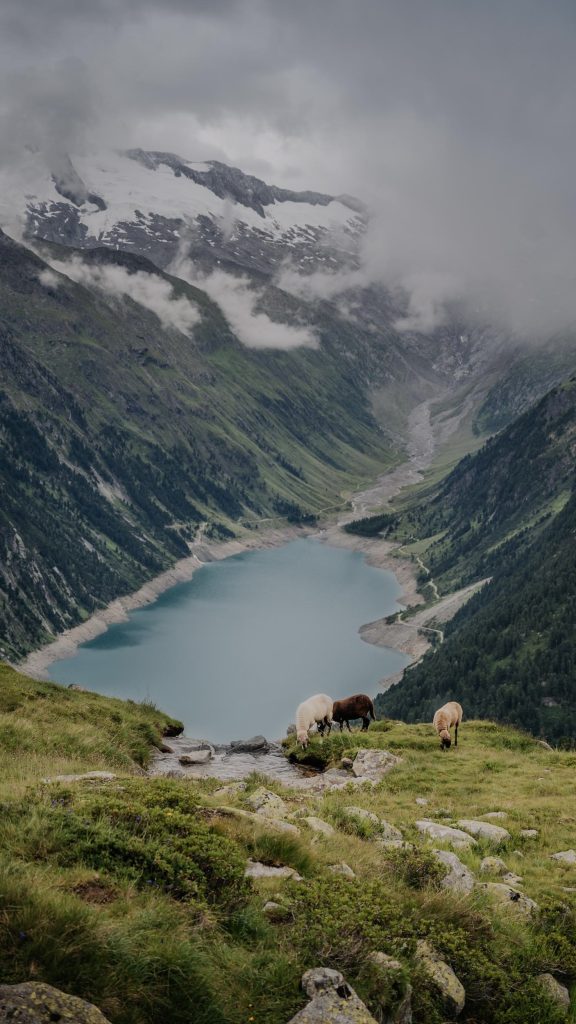
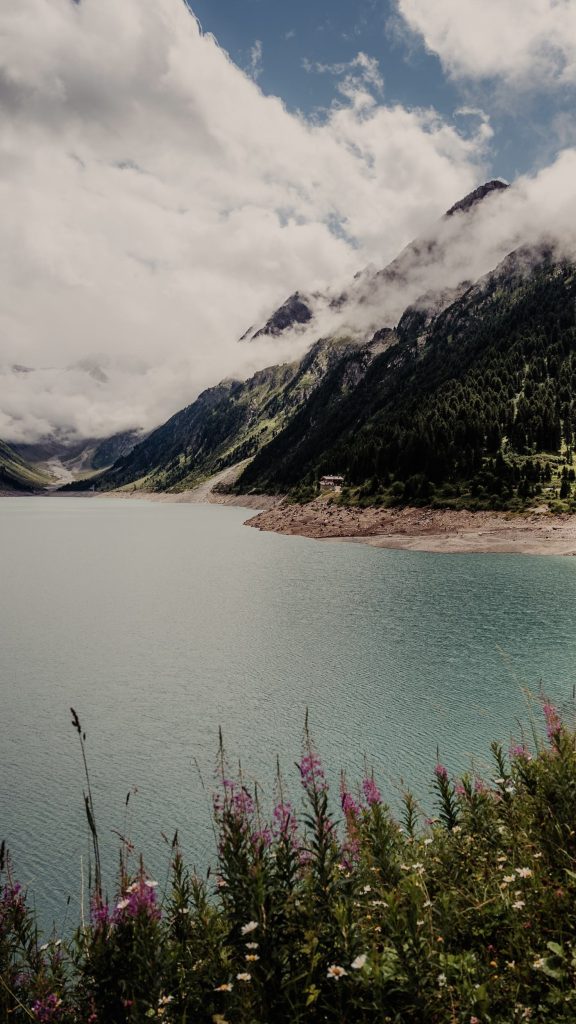
2. The Alps: Switzerland, Austria and Northern Italy
Start: Zurich
Distance: 900 to 1,200 km
Best time: December to March
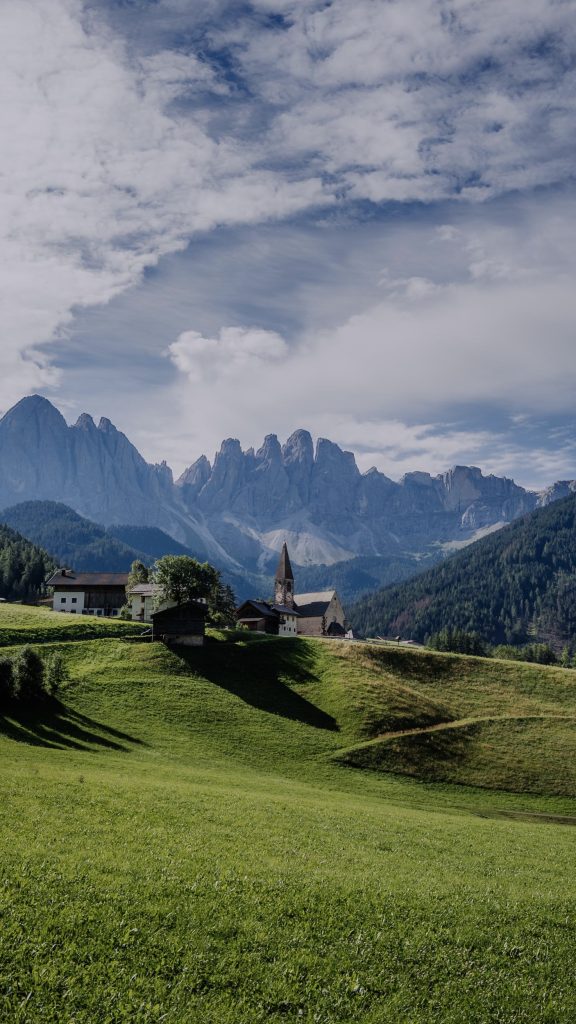
The Alps in winter are pure cinematic beauty: snow-covered chalets, frozen lakes, and Europe’s best ski slopes. It’s the ideal route for couples or families looking for mountain charm and warm food.
8 Day Suggested Itinerary
Day 1: Zurich → Lucerne – lake walks and fondue by the fire
Day 2: Lucerne → Interlaken – Lauterbrunnen’s frozen waterfalls
Day 3: Interlaken → Zermatt – views of the Matterhorn
Day 4: Zermatt → Montreux → Bern – castles and Christmas markets
Day 5: Bern → Innsbruck – alpine culture and golden roofs
Day 6: Innsbruck → Bolzano – gateway to the Dolomites
Day 7: Lago di Braies → Cortina d’Ampezzo – picture-perfect snow scenes
Day 8: Return via Lake Garda → Zurich
Driving tips:
- Carry chains: mandatory in Switzerland and Italy when roads are icy.
- Some high passes close in winter; use tunnels or detours.
- Book heated campsites with electricity and hot showers.
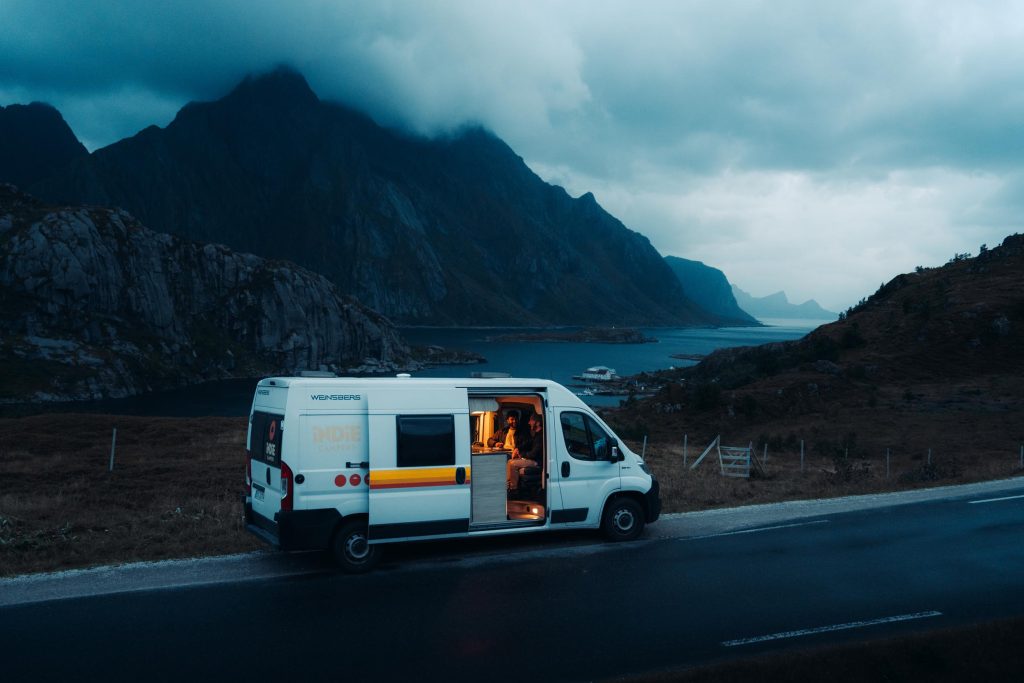
3. Norway’s Arctic Coast: Aurora Adventures on the Edge of the World
Start: Tromsø
Distance: ~1,000 km
Best time: November to February
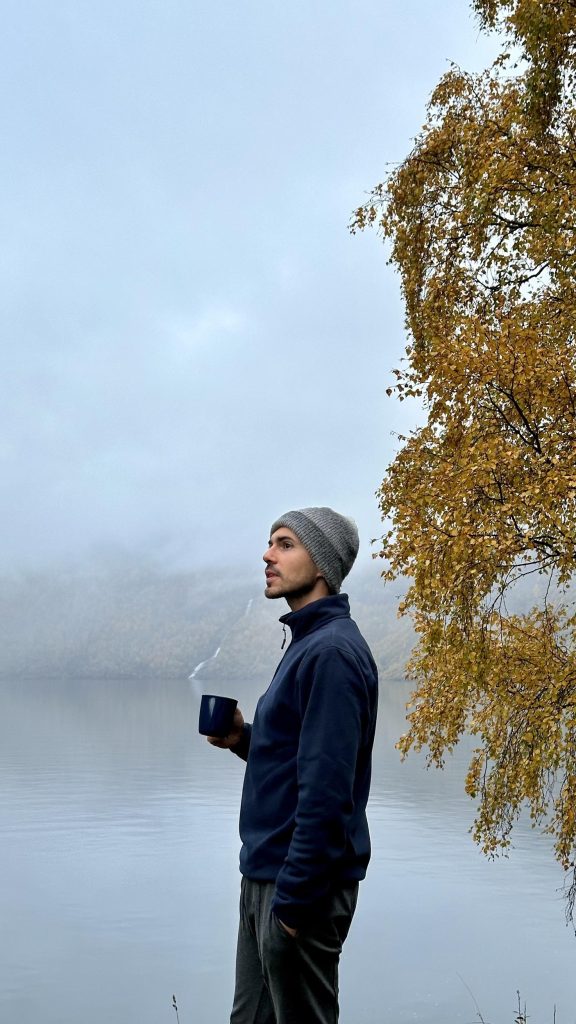
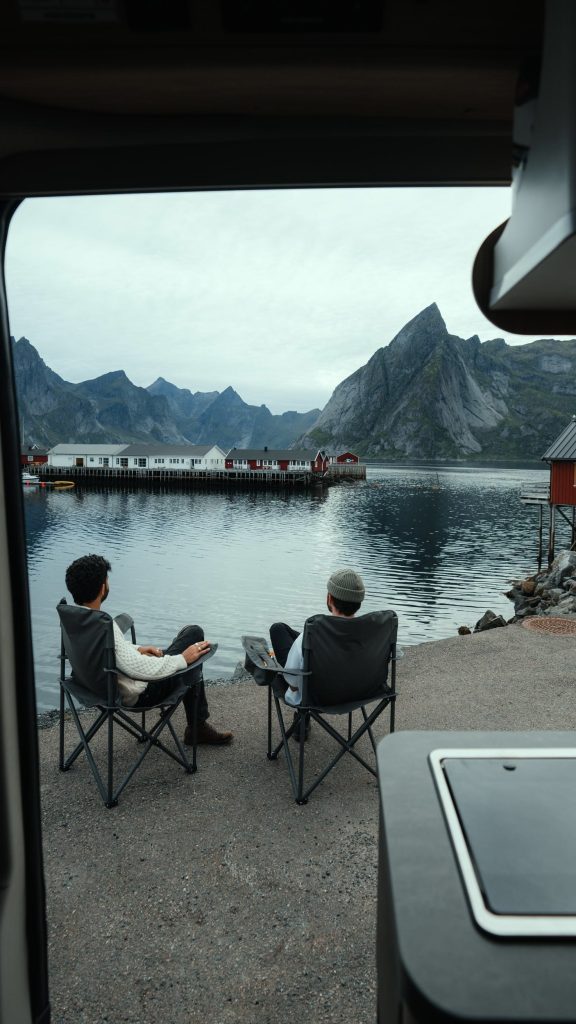
For those seeking true Arctic beauty, Norway’s coast delivers. It’s where you’ll find fjords, frozen beaches, and one of the best spots on Earth to see the Northern Lights.
9 Day Suggested Itinerary
Day 1: Explore Tromsø – cable car and Arctic Cathedral
Day 2: Tromsø → Sommarøy – small fishing villages and aurora watching
Day 3: Sommarøy → Senja Island – scenic viewpoints like Tungeneset
Day 4: Hiking or snowshoeing day on Senja
Day 5: Ferry or drive to Andøya – whale watching in winter
Day 6: Andøya → Lofoten Islands – rorbu cabins and snowy mountains
Day 7: Explore Reine, Hamnøy & Henningsvær
Day 8: Lofoten → Narvik – war museum and Arctic bridges
Day 9: Narvik → Tromsø return
Travel tips:
- Limit driving to 3 to 4 hours per day, remember that the daylight is short.
- Expect ferry delays during storms.
- Studded winter tires are recommended.
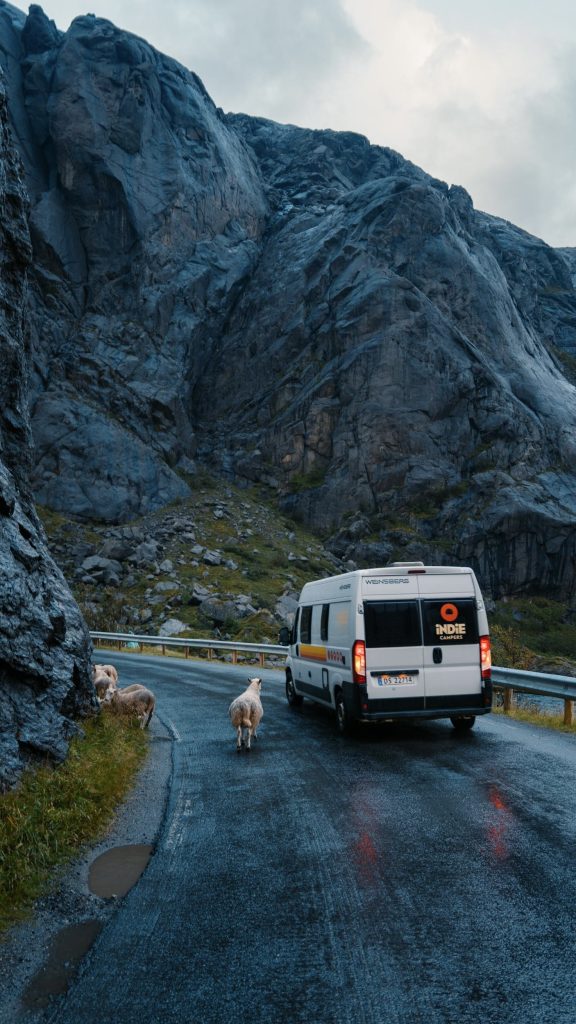
4. Scotland’s Highlands: Castles, Lochs & Cozy Pubs
Start: Edinburgh
Distance: 700 to 900 km
Best time: December to March
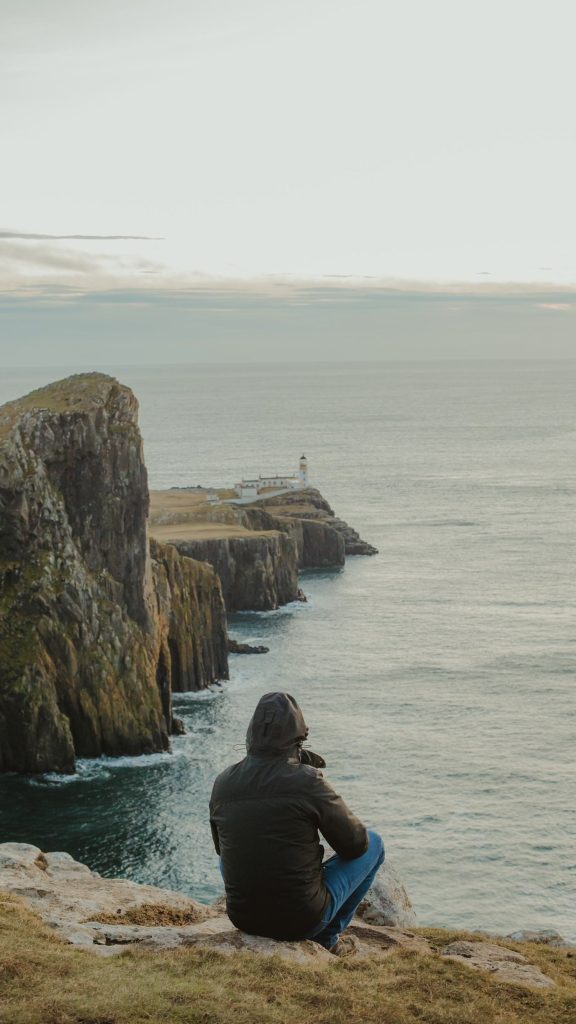
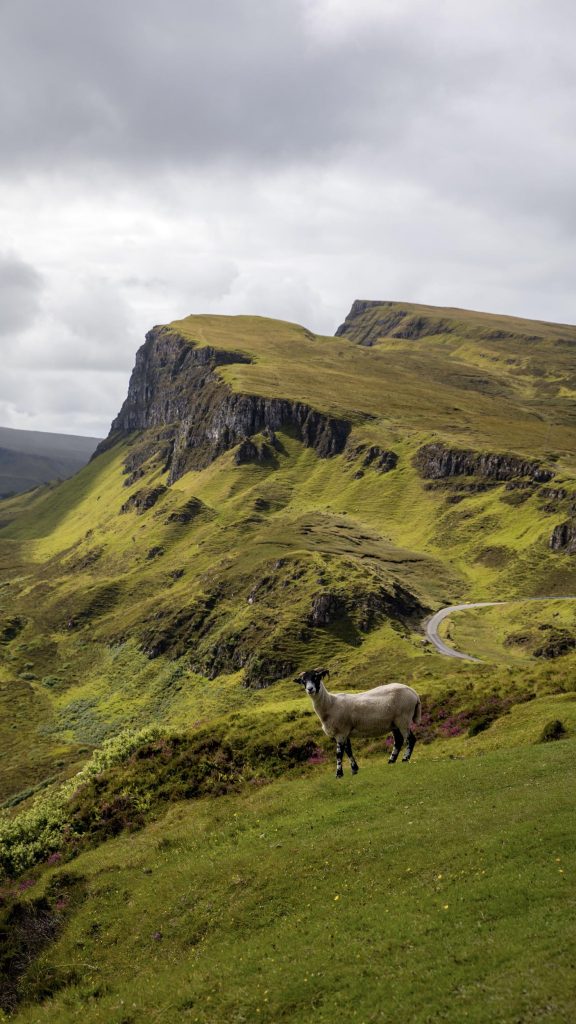
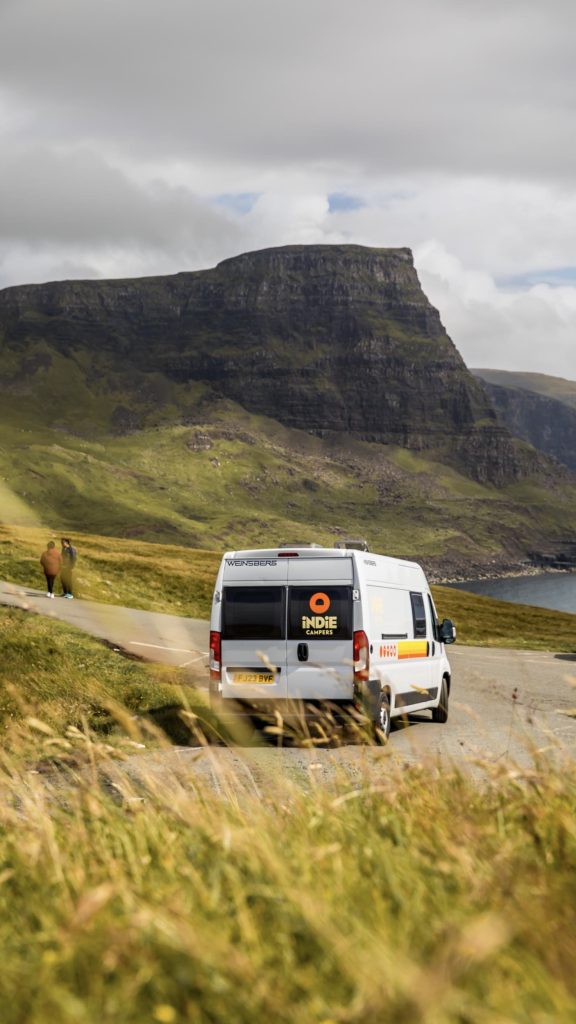
Scotland’s wild landscapes take on a mystical glow in winter. Roads are quiet, castles rise from the mist, and whisky distilleries keep you warm after long days of driving.
7 Day Suggested Itinerary
Day 1: Edinburgh → Pitlochry → Inverness – forest drives and distilleries
Day 2: Loch Ness → Fort Augustus – lakeside walks
Day 3: Fort Augustus → Glencoe – epic valley views
Day 4: Glencoe → Isle of Skye – Fairy Pools and Old Man of Storr
Day 5: Skye → Eilean Donan → Applecross
Day 6: Applecross → Ullapool – sea cliffs and empty beaches
Day 7: Return to Edinburgh
Tips:
- Carry extra gas: some areas are remote.
- Many campsites close, but some aires remain open all year.
- Pack waterproofs: it’s Scotland!!
5. French Alps & Pyrenees: Ski, Spa and Scenic Drives
Start: Lyon or Toulouse
Distance: 800 to 1,100 km
Best time: December to March
Perfect for families or couples, this route combines mountain adventure, skiing, and French comfort food. You can alternate between snowy peaks and warm spas all week long.
7 Day Alps Route
Day 1: Lyon → Annecy – winter walks by the lake
Day 2: Annecy → Chamonix – Aiguille du Midi (if open)
Day 3: Les Saisies or Megève – skiing and raclette
Day 4: Saint-Gervais – thermal spa day
Day 5: Megève → Grenoble – charming old town
Day 6: Grenoble → Briançon – Serre Chevalier ski area
Day 7: Return via Lake Serre-Ponçon → Lyon
Pyrenees Add-On (Optional)
Toulouse → Foix → Andorra → Ax-les-Thermes → Gavarnie → Lourdes → return to Toulouse.
Less touristy, equally stunning, with thermal baths and snowy mountain roads.
Driving tip:
Chains are mandatory on mountain access roads when snow is present.
When to Go and Where to Start
| Region | Best Months | Typical Temps | Starting Point |
|---|---|---|---|
| Iceland | Nov to Mar | -2°C to 5°C | Reykjavik |
| Alps | Dec to Mar | -5°C to 10°C | Zurich / Innsbruck |
| Norway | Nov to Feb | -10°C to 2°C | Tromsø |
| Scotland | Dec to Mar | 0°C to 8°C | Edinburgh / Inverness |
| France | Dec to Mar | -2°C to 10°C | Lyon / Toulouse |
Packing Checklist for Winter Campervan Travel
Essentials:
- Thermal layers, gloves, hat, waterproof boots
- Sleeping bag liner and fleece blankets
- Portable heater or hot water bottle
- First-aid kit, flashlight, and power bank
- Scraper, de-icer, shovel, and traction mats
- Cooking gas, food staples, and a thermos
- Printed emergency contacts and insurance papers
Final Thoughts: Freedom in the Frost
A winter road trip in Europe is about slowing down and soaking in the beauty of the season, quiet roads, snow-dusted peaks, and the warmth of your own little cabin on wheels.
So pack your layers, plan your route, and get ready to experience Europe from a new perspective, one snowflake at a time!!
Book your winter-ready campervan in Reykjavik, Tromsø, Zurich, Edinburgh, or Lyon, and start your adventure today.
FAQs About Winter Road Trips in Europe
Is it safe to drive an RV in Europe in winter?
Yes, if your van is equipped with winter tires and heating, and you drive cautiously. Roads are well-maintained in most regions.
Do I need snow chains?
Yes, they’re mandatory in parts of France, Italy, and Switzerland. Practice fitting them before leaving.
Can I see the Northern Lights in Europe?
Absolutely! Iceland and Northern Norway are your best bets between November and March.
Are campsites open in winter?
Many stay open all year in ski and tourist areas. Always check opening hours before arriving.