
AI Summary
If you’re searching for the best tips for eco-friendly travel, you’re already on the right path. Picture yourself watching a sunset over a pristine beach or wandering through a quiet forest trail that feels untouched. Travel gives us these magical moments and with a few conscious choices, you can make sure your adventures help protect the places you love.
This sustainable travel guide gathers the most practical eco-friendly travel tips to help you reduce your footprint, support local communities, and make every trip a force for good.
Key Takeaways
- Plan Thoughtfully: Choose direct flights, pack light, and book eco-friendly accommodations.
- Travel Mindfully: Swap short flights for trains, buses, or eco friendly RV campers.
- Explore Sustainably in an RV: RV travel lets you control your waste, energy use, and resources.
- Support Local Communities: Eat local, hire local guides, and buy authentic souvenirs.
- Respect Nature: Follow Leave No Trace, conserve water and energy, and avoid single-use plastics.
- Offset When Possible: Use verified carbon offset programs to balance unavoidable emissions.
What is Sustainable Travel?
So, what is sustainable travel exactly? It goes far beyond recycling your water bottle or skipping room service. Sustainable travel and tourism focuses on minimizing negative impacts while maximizing positive contributions.
It’s built on three pillars:
- Environmental: Protecting landscapes, reducing emissions, and conserving natural resources.
- Social & Cultural: Respecting local lifestyles, traditions, and cultural heritage.
- Economic: Ensuring the money you spend supports local families and small businesses.
Ultimately, sustainability in travel means leaving a destination just as beautiful, or even better, than you found it.
Why is Sustainable Tourism Important?
You might wonder: why is sustainable tourism important?
Tourism is a powerful global industry, connecting cultures and generating income. Yet it also places pressure on fragile ecosystems and overburdened cities. It’s estimated that tourism contributes around 8% of global carbon emissions, and popular destinations often suffer from overtourism, infrastructure strain, and loss of biodiversity.
By embracing sustainable tourism practices, travelers help conserve natural habitats, empower local communities, and preserve cultural identity. Responsible tourism ensures that the places we love remain vibrant and healthy for future generations.

The Best Tips for Eco-Friendly Travel
Ready to become a more conscious traveler? Here are the best tips for eco-friendly travel to bring into your next adventure.
1. Choose Your Destination Wisely
Overtourism can damage both environments and local quality of life. Choosing lesser-known regions or “second cities” helps redistribute tourism benefits.
- Travel in shoulder or off-season: Fewer crowds, better prices, and less pressure on local resources.
- Stay longer in one place: Slow travel reduces your carbon footprint and deepens your experience.
2. Select Sustainable Transportation
Your mode of transport is one of the biggest factors in your trip’s carbon footprint.
- Fly less, fly direct: Takeoffs and landings consume most fuel.
- Choose greener ground options: Trains, buses, and shared transport are far more efficient.
- Walk or bike locally: Zero emissions, maximum immersion.
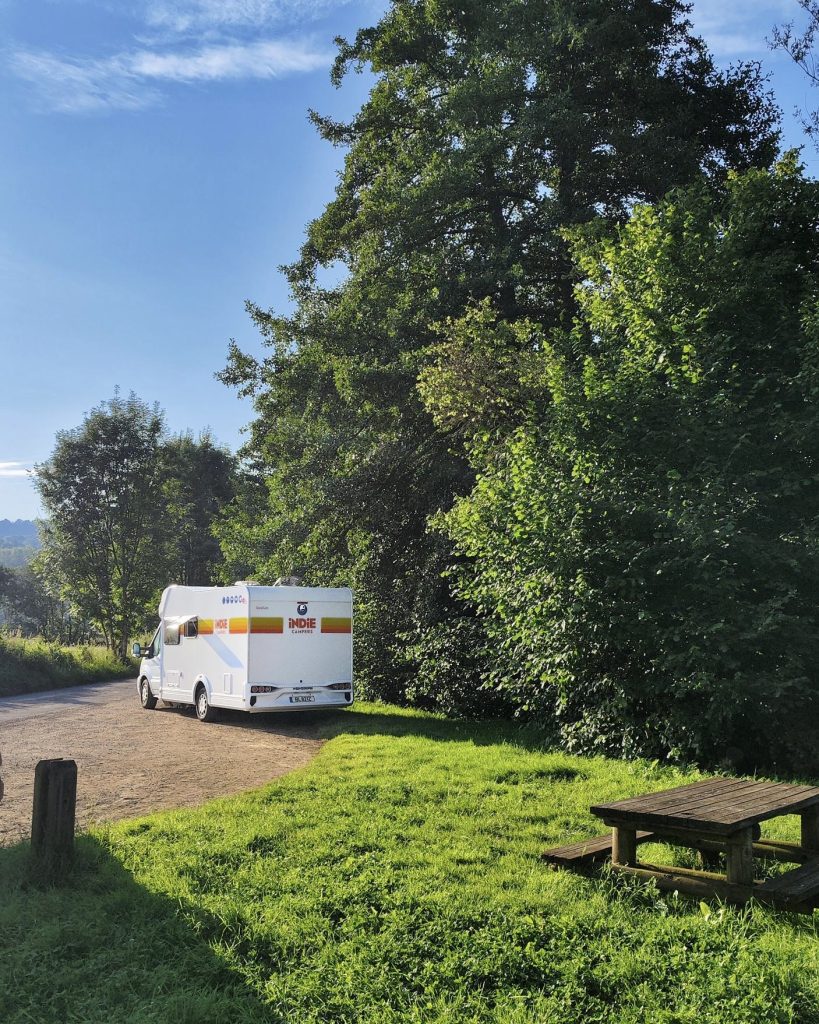
- Consider an RV trip: Modern eco friendly RV campers allow you to manage your energy and waste responsibly and avoid multiple hotel stays.
3. Pack Light and Pack Smart
Packing light reduces weight on flights and saves fuel consumption but it also simplifies your life.
Pack items that minimize waste:
- Reusable water bottle
- Solid toiletries (shampoo bars, soap bars, toothpaste tablets)
- Reusable shopping bag
- Travel cutlery set
- Compact food containers
4. Reduce, Reuse, and Refuse Plastics
Plastic waste is one of the biggest threats to natural environments.
- Refuse straws and single-use cutlery.
- Choose restaurants using reusable dishware.
- Pick up litter when you see it, tiny actions matter!
5. Support Local Economies
Engaging with local businesses is one of the most impactful parts of sustainable tourism.
- Eat local: Fresh, seasonal, community-supported.
- Buy local: Choose handmade crafts over mass-produced souvenirs.
- Hire local guides: You’ll get deeper insight while directly supporting families.
7. Respect Wildlife and Natural Habitats
Responsible interaction with nature is essential for eco friendly tourism.
- Never feed wild animals.
- Avoid exploitative attractions (elephant rides, tiger selfies, dolphin shows).
- Stay on marked trails and follow Leave No Trace.
8. Conserve Water and Energy
Small choices make a big difference:
- Take shorter showers.
- Turn off taps while brushing your teeth.
- Unplug electronics when unused.


Your Eco-Friendly Travel Checklist
| Area of Impact | Actionable Tip | Why It Matters | How Indie Campers Helps |
|---|---|---|---|
| Planning | Choose off-the-beaten-path destinations | Reduces overtourism and spreads tourism benefits | Indie Campers lets you reach hidden beaches, remote mountains & small villages that aren’t accessible via mass tourism. |
| Transport | Use trains, buses, or eco-efficient RVs | Cuts your carbon footprint compared to multiple flights or hotel stays | IC’s modern, fuel-efficient fleet allows low-impact road trips with full control over your energy and resources. |
| Packing | Bring reusable bottles, bags & toiletries | Reduces single-use plastic waste | Every campervan includes storage space for reusable gear — plus a kitchen setup to avoid takeaway plastic. |
| Accommodation | Stay in eco-certified or low-impact stays | Supports local communities & sustainable tourism | A campervan is your low-impact accommodation, letting you stay close to nature without contributing to hotel overdevelopment. |
| Activities | Hire local guides & shop locally | Your spending directly supports the local economy | Parking flexibility lets you stay in small towns, visit farmers’ markets & support local businesses more easily. |
| Daily Habits | Conserve water & energy | Protects fragile natural resources | IC vans include water level indicators, efficient fridges & interior lighting that help you track and reduce consumption in real time. |
Explore Greener Horizons with Indie Campers
A campervan road trip is one of the most flexible ways to embrace sustainable travel. It allows you to control your own energy use, cook with local ingredients, and explore at your own pace while reducing the need for multiple hotel stays.
With Indie Campers:
- Choose from fuel-efficient campervans designed for long-distance travel
- Pick up in 80+ locations worldwide
- Manage your own power and waste responsibly
- Enjoy freedom with unlimited mileage
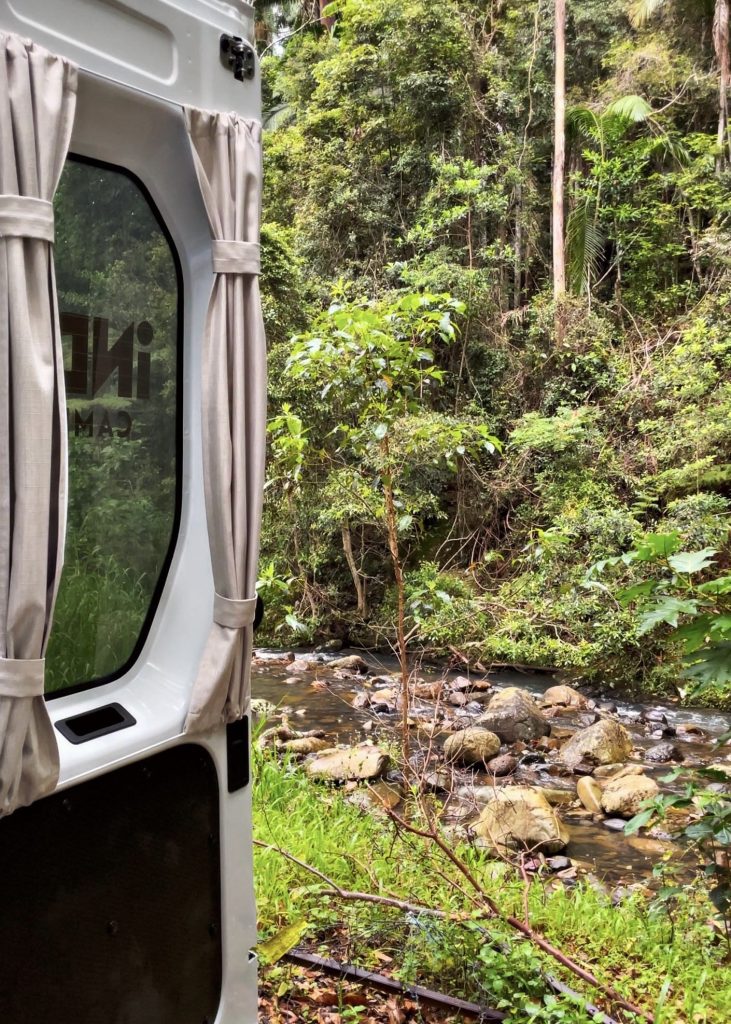
Whether you’re exploring mountains, coastlines, forests, or national parks, an RV gives you the chance to travel more intentionally and more sustainably.
Frequently Asked Questions
What is sustainable travel?
Sustainable travel means exploring the world in a way that protects natural environments, supports local communities, and preserves cultural heritage. It focuses on making choices like responsible transportation, eco-conscious accommodation, and low-waste habits that reduce your environmental impact while creating benefits for the destinations you visit.
Why is sustainable tourism important?
Sustainable tourism matters because traditional travel can contribute to pollution, overcrowding, and the depletion of natural resources. Responsible tourism helps reverse these effects by protecting ecosystems, improving living conditions for local communities, and ensuring that destinations remain healthy and enjoyable for future generations. It’s a way of traveling that gives back more than it takes.
How can I travel eco-friendly?
You can travel more eco-friendly by choosing low-emission transport options, packing reusable essentials, avoiding single-use plastics, staying in eco-conscious accommodations, and supporting local businesses. Road trips in efficient vehicles like modern campervans allow you to personally manage your energy and water use, making sustainable travel easier.
How do I calculate the carbon footprint of a trip?
You can estimate your trip’s carbon footprint using trusted online carbon calculators. These tools consider factors like flight distances, transportation type, number of travelers, and your choice of accommodation. They provide a clear picture of your environmental impact and help you identify where to reduce or offset emissions.
What is an eco-friendly packing list for minimal waste travel?
An eco-friendly packing list includes reusable items that help you avoid waste on the road. Essentials include a reusable water bottle, a coffee cup, solid toiletries, a tote bag, a cutlery set, and a compact food container. These small items can dramatically reduce plastic use during your trip.
What are the best eco-friendly travel destinations?
Many countries are leading the way in sustainability. Costa Rica is known for its eco-lodges and biodiversity, Slovenia has a strong green tourism identity, and New Zealand excels in conservation and outdoor ethics. National parks and regions committed to protecting nature including those accessible by campervan are also top choices for eco-conscious travelers.
What are eco-friendly RV campers?
Eco-friendly RV campers are vehicles designed to reduce environmental impact through features like improved fuel efficiency, solar-powered systems, and responsible water and waste management. At Indie Campers, our modern fleet allows travelers to cook local food, conserve energy, and control their own resource use making road trips one of the most sustainable ways to explore.