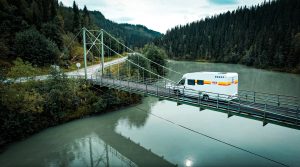
Key Takeaways
Ready for an epic adventure along the Pacific Coast? This San Francisco to Seattle road trip is packed with towering forests, dramatic coastlines, and vibrant cities. It’s the journey of a lifetime.
Here’s a quick look at what’s ahead:
- Route Highlights: Explore California’s Giant Redwoods, Oregon’s stunning coastline with its iconic sea stacks, the Columbia River Gorge’s waterfalls, and the unique vibes of Portland and Seattle.
- Ideal Duration: 10 days gives you the perfect amount of time to see the main attractions without feeling rushed. You can easily shorten it to 7 days or extend it to 14.
- Recommended Transportation: Renting a campervan or RV gives you ultimate freedom. You can wake up to ocean views, cook your own meals, and create a flexible schedule. It’s your hotel and wheels all in one.
- Estimated Budget: Plan for around $150 to $250 per person per day, depending on your travel style. This covers fuel, food, campsites, and activities.
- Best Time to Go: Late spring (May to June) or early fall (September to October) offers the best balance of pleasant weather, fewer crowds, and open attractions.
Prepare for incredible views, unforgettable stops, and the open road calling your name!
10 Day San Francisco to Seattle Itinerary: At a Glance
| Day | Location | Top Highlights |
|---|---|---|
| 1 | San Francisco to Redwood NP | Drive across the Golden Gate Bridge, explore Avenue of the Giants. |
| 2 | Redwood National Park | Hike among the world’s tallest trees, see Lady Bird Johnson Grove. |
| 3 | Southern Oregon Coast | Discover Samuel H. Boardman Scenic Corridor and Cannon Beach. |
| 4 | Central Oregon Coast | Explore Tillamook Creamery and the dramatic Cape Kiwanda. |
| 5 | Portland | Experience Portland’s quirky culture, food trucks, and Powell’s City of Books. |
| 6 | Columbia River Gorge | Chase waterfalls like Multnomah Falls and Latourell Falls. |
| 7 | Mount Rainier National Park | Hike through wildflower meadows with stunning volcano views. |
| 8 | Olympic National Park | Explore the Hoh Rainforest and the rugged Pacific coastline. |
| 9 | Seattle Arrival | Discover Pike Place Market, the Space Needle, and the city’s unique neighborhoods. |
| 10 | Explore Seattle & Departure | Enjoy a final Seattle breakfast before heading home. |
Why Choose a San Francisco to Seattle Road Trip?
This journey is more than just a drive; it’s a classic American adventure. This San Francisco to Seattle road trip itinerary guides you through three states and some of the most diverse scenery in the country. You start with the iconic hills of San Francisco and end in the vibrant, coffee loving heart of Seattle.
The freedom of a road trip is what makes this route so special. Imagine waking up surrounded by the tallest trees on Earth in Redwood National Park. Then, you can drive along Oregon’s wild coast, stopping whenever a stunning viewpoint catches your eye. You have the flexibility to chase waterfalls in the Columbia River Gorge or spend an extra hour at a quirky Portland bookstore.
This trip is a feast for the senses. You’ll taste fresh seafood in coastal towns, sample world-class cheese at the Tillamook Creamery, and sip coffee at its source in Seattle. You’ll see landscapes change from rugged coastlines to lush rainforests and snow-capped volcanoes. It’s an experience that connects you with nature and the unique culture of the Pacific Northwest.
Best Time for Your West Coast Adventure
Choosing the right season can shape your entire experience. The best time for your drive from San Francisco to Seattle really depends on what you want to see and do.
Spring (April to June)
- Why go: This is a fantastic time for your trip. The winter rains have left the forests green and lush, and the waterfalls are at their most powerful. Wildflowers start to bloom, especially in places like Mount Rainier. You’ll also find fewer crowds than in the peak summer months.
- Average Temperatures: 45 to 65°F (7 to 18°C).
- What to expect: Mild and sometimes unpredictable weather. Be prepared for a mix of sunshine and rain. Some higher-elevation areas, like parts of Mount Rainier, may still have snow.
Summer (July to August)
- Why go: Summer brings the warmest and driest weather, making it ideal for hiking, camping, and beach activities. All roads and attractions are open, including those at high elevations. The days are long, giving you more time to explore.
- Average Temperatures: 55 to 80°F (13 to 27°C).
- What to expect: This is peak tourist season. Expect crowds at popular spots like national parks and Cannon Beach. You’ll need to book campsites and accommodations well in advance.
Autumn (September to October)
- Why go: This is arguably the best time to go. The summer crowds have thinned out, the weather is still pleasant, and the fall colors begin to appear, especially inland. The coast is often less foggy than in the summer.
- Average Temperatures: 50 to 70°F (10 to 21°C).
- What to expect: Crisp, clear days are common, though the chance of rain increases in October. It’s a great time for photographers and anyone looking for a more peaceful journey.
Winter (November to March)
- Why go: If you’re on a tight budget and don’t mind the cold and rain, winter offers a unique perspective. The coast is moody and dramatic, and you’ll have many places all to yourself. Plus, it’s the best time for storm watching on the Oregon coast.
- Average Temperatures: 35 to 50°F (2 to 10°C).
- What to expect: Expect rain and potential snow, especially in higher elevations. Many roads and facilities in Mount Rainier and parts of Olympic National Park will be closed. This is a trip for the well-prepared adventurer.
The Ultimate 10 Day San Francisco to Seattle Itinerary
Get ready for an unforgettable journey up the West Coast. This San Francisco to Seattle road trip guide is designed to give you a perfect mix of nature, culture, and adventure.
Day 1: Leaving San Francisco and Entering the Land of Giants
- Drive Time: Approx. 5 to 6 hours
Your adventure begins! After picking up your campervan, start your journey by driving north over the iconic Golden Gate Bridge. Your destination today is the southern end of Redwood National and State Parks.
The drive itself is part of the experience. The main route is Highway 101, but for a truly breathtaking detour, take the Avenue of the Giants. This 31 mile scenic route runs parallel to the highway and takes you right through groves of ancient redwood trees. It’s a much slower, more intimate way to experience these giants for the first time.
Stop at the Eternal Tree House, a room carved into the base of a living redwood, for a fun photo op. As evening approaches, find a campsite near the towns of Garberville or Miranda to rest up for a full day of exploring.


Day 2: Immersed in the Redwood Empire
- Drive Time: Approx. 2 to 3 hours
Today is all about walking among titans. Spend the day exploring the different areas of Redwood National and State Parks. These parks protect nearly half of the world’s remaining old growth redwood trees, the tallest living things on Earth.
Start with a hike in Humboldt Redwoods State Park, part of the Avenue of the Giants. The Founders Grove Nature Trail is an easy loop that takes you past the Dyerville Giant, a fallen tree that is longer than a football field.
Next, drive north to the heart of the national park. The Lady Bird Johnson Grove Trail is a must-do. It’s a beautiful, relatively flat loop trail through a stunning upland redwood forest. Then, head to the coast and take the scenic Newton B. Drury Parkway for more incredible tree views. Finish your day with a walk on Gold Bluffs Beach or a hike through the lush Fern Canyon (check road conditions, as access can be limited). Camp nearby for the night.
Day 3: The Dramatic Southern Oregon Coast
- Drive Time: Approx. 4 to 5 hours
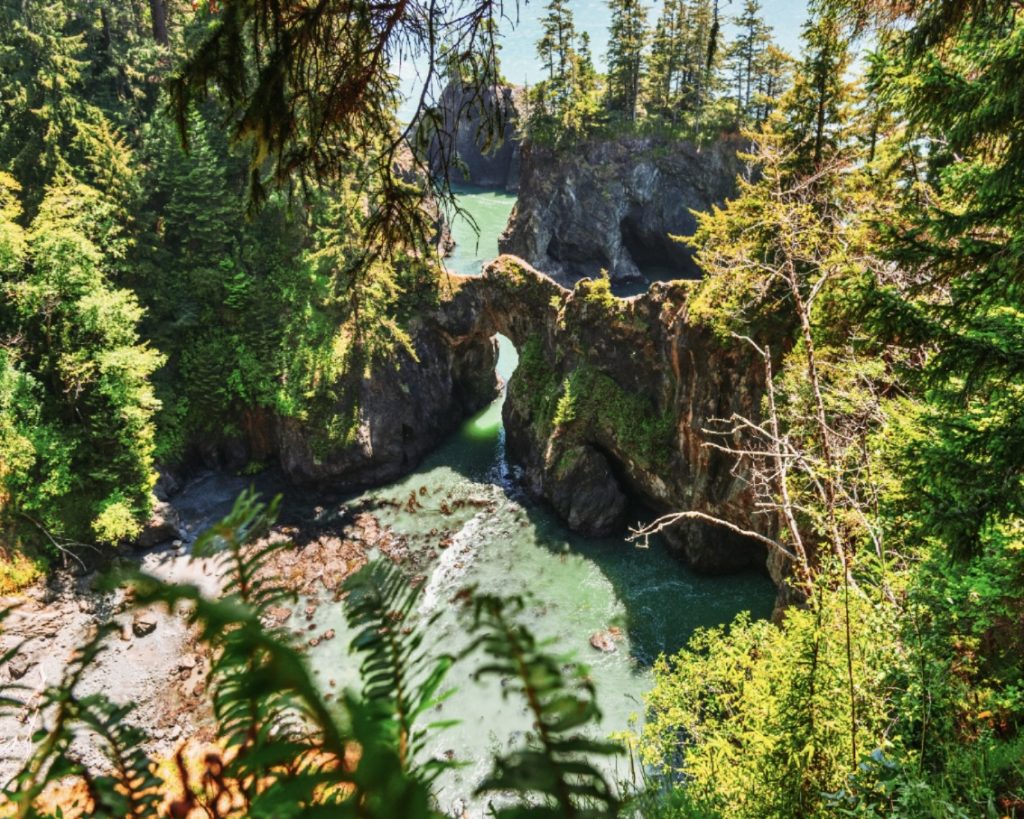
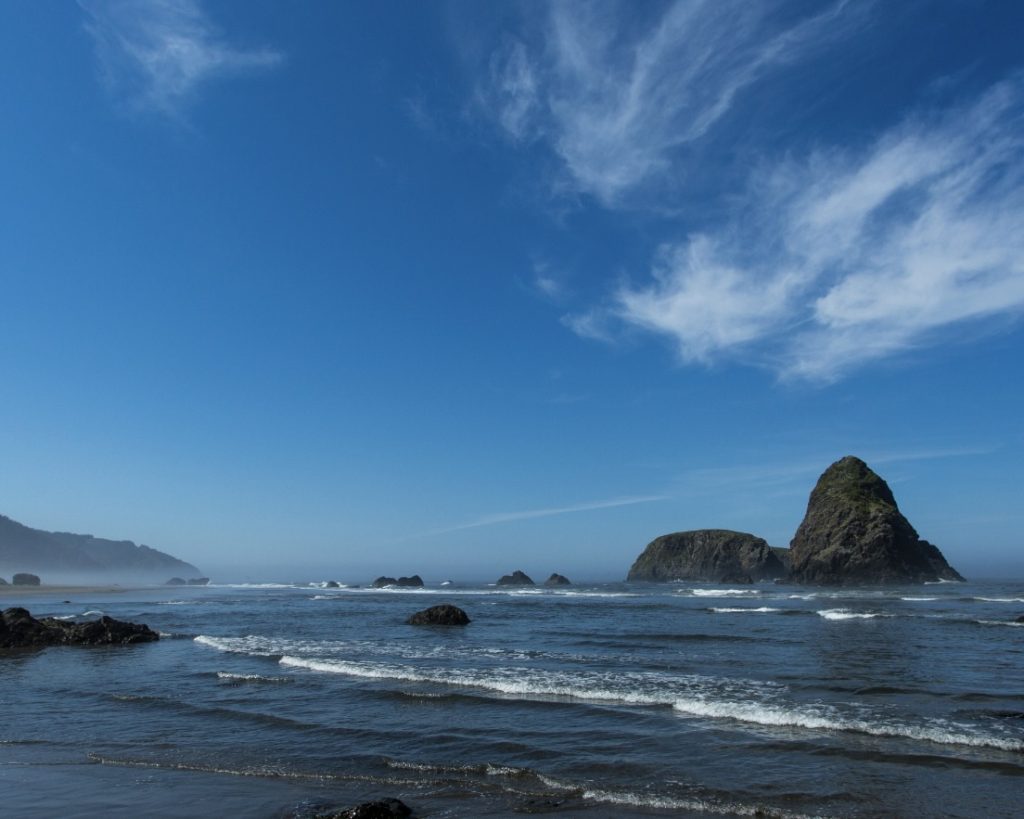
Say goodbye to the redwoods and cross into Oregon. The coastline here becomes more rugged and dramatic. Your first major stop is the Samuel H. Boardman Scenic Corridor. This 12 mile stretch of Highway 101 is packed with viewpoints, short trails, and stunning sea stacks. Don’t miss Natural Bridges, Whaleshead Beach, and Arch Rock.
Continue north to the charming town of Bandon. It’s known for its picturesque Old Town, art galleries, and the dramatic rock formations at Face Rock State Scenic Viewpoint. It’s a great place to grab lunch and watch the waves.
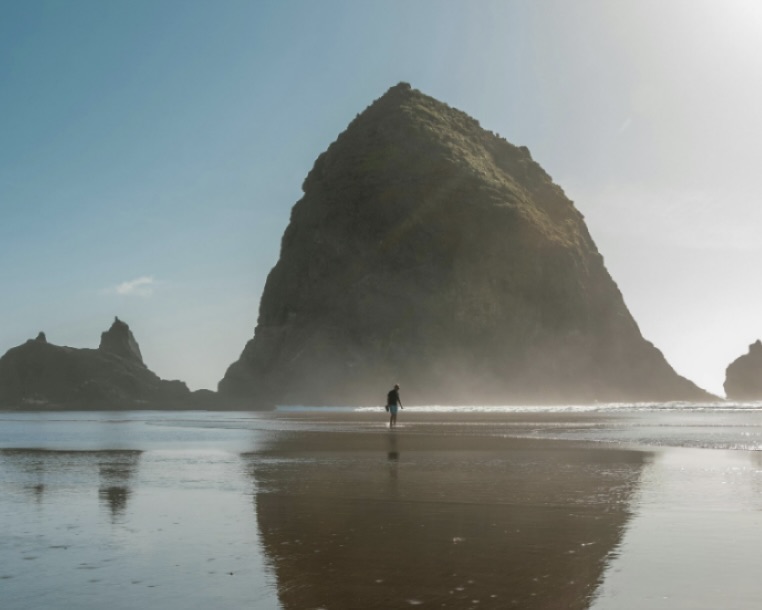
Your final destination for the day is Cannon Beach, one of Oregon’s most iconic spots. You’ll immediately recognize the 235 foot Haystack Rock rising from the shoreline. At low tide, you can walk right up to it and explore the amazing tide pools teeming with life. Find a campsite in the area and enjoy a sunset over the Pacific.
Key Stops on the Southern Oregon Coast:
- Samuel H. Boardman Scenic Corridor
- Bandon Old Town
- Face Rock State Scenic Viewpoint
- Cannon Beach & Haystack Rock
Day 4: Tillamook Cheese and Dory Boats
- Drive Time: Approx. 3 to 4 hours
Start your morning with another walk on Cannon Beach before continuing your journey north. Your first big stop is the famous Tillamook Creamery. This is a must visit for any food lover. Take the self guided tour to see how cheese is made, sample different varieties, and finish with a huge scoop of their delicious ice cream.
After indulging, head to Cape Kiwanda in Pacific City. This is another stunning headland with a massive sand dune to climb for incredible views. It’s also home to the Pacific City Dorymen, a fleet of flat bottomed boats that launch directly from the beach into the surf. It’s a unique sight to see.
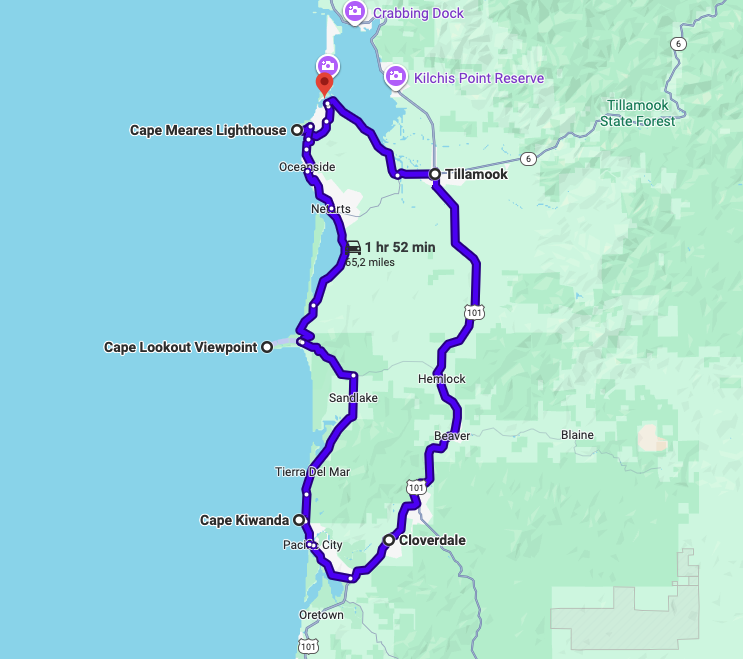
From there, drive the Three Capes Scenic Loop, which takes you to Cape Lookout and Cape Meares for more breathtaking coastal views and a chance to see the historic Cape Meares Lighthouse. Settle into a campsite near Tillamook or Pacific City for the night.
Day 5: Keep Portland Weird
- Drive Time: Approx. 1.5 to 2 hours
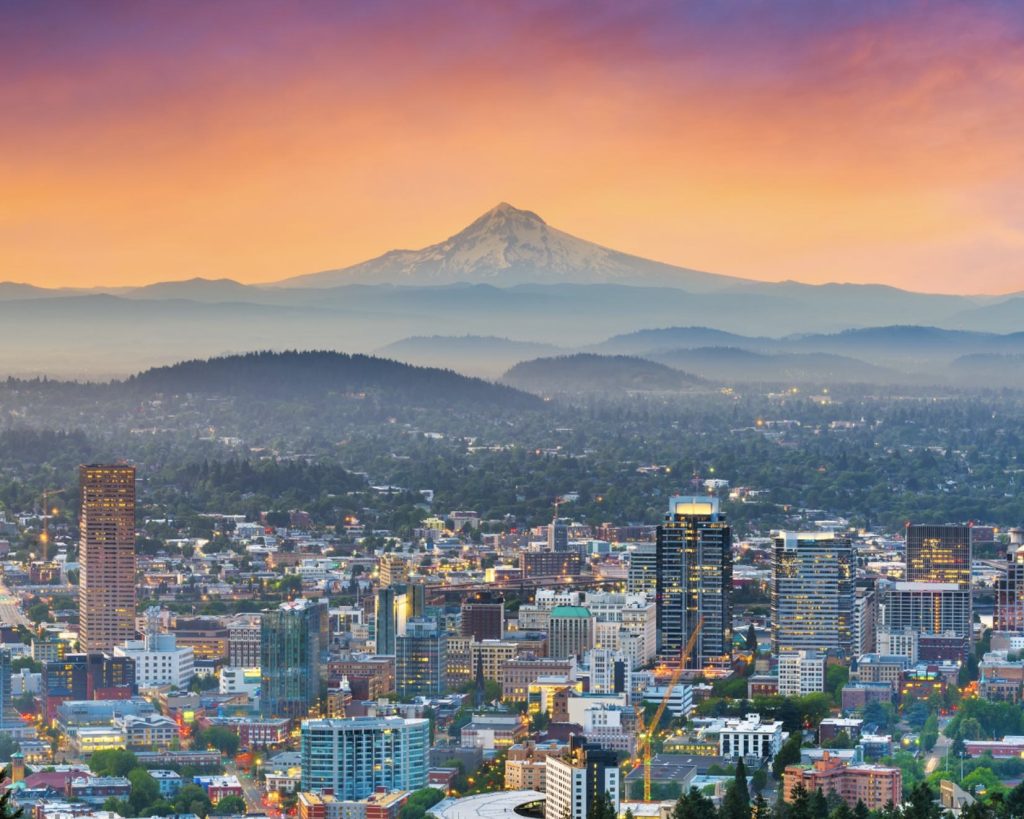
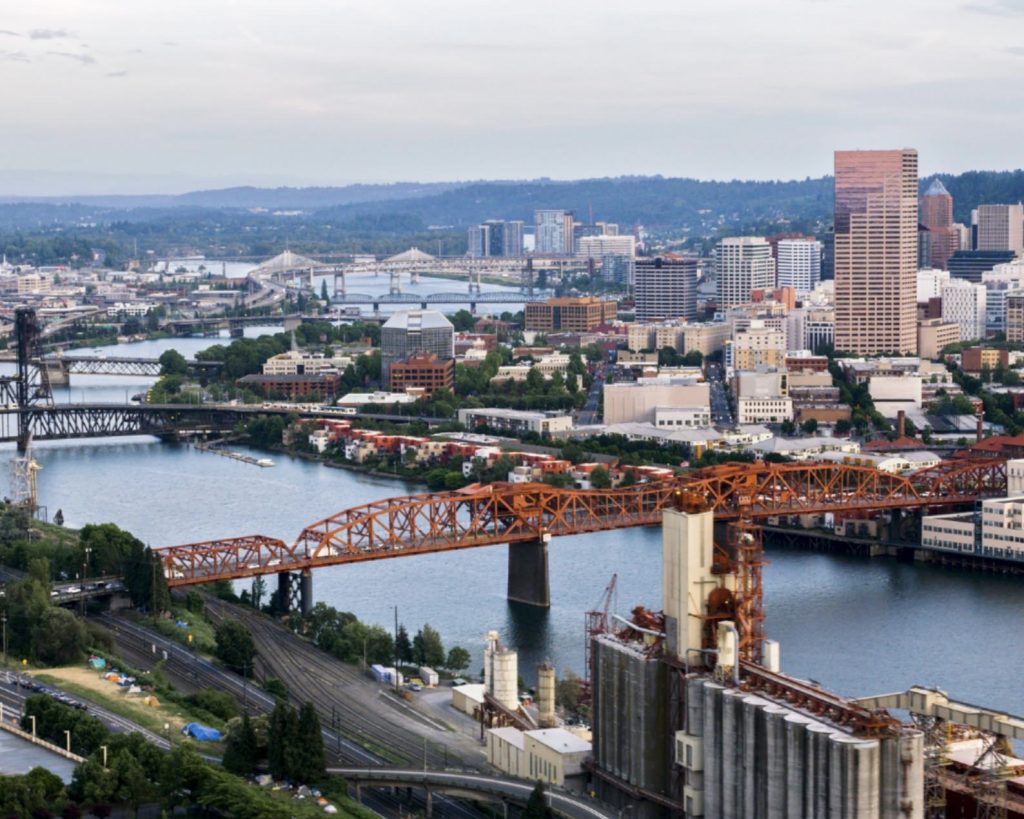
It’s time to trade coastal views for city vibes. A short drive inland brings you to Portland, Oregon. Known for its motto, “Keep Portland Weird,” this city is a hub of creativity, great food, and green spaces.
Park your campervan at a campsite on the outskirts and take public transport into the city. Start your exploration at Powell’s City of Books, the world’s largest independent new and used bookstore. You can easily spend hours getting lost in its color coded rooms.
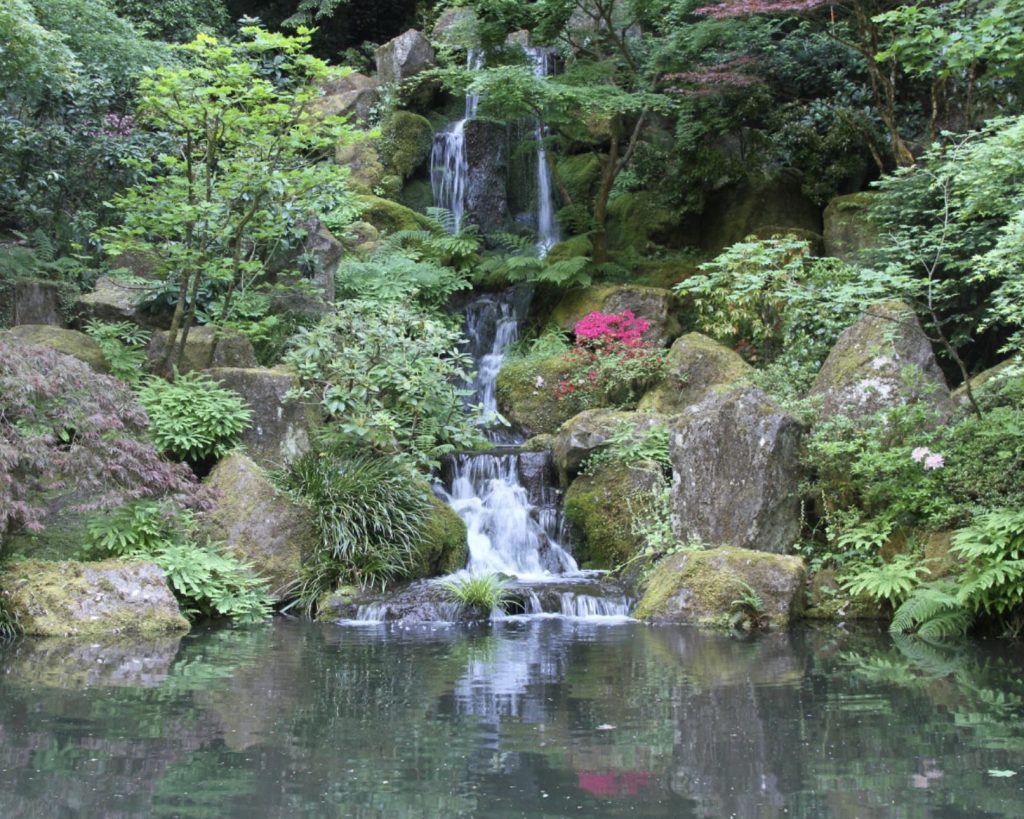
For lunch, head to one of the city’s famous food cart pods, where you can find cuisine from all over the world. Spend the afternoon wandering through the peaceful Portland Japanese Garden or the fragrant International Rose Test Garden in Washington Park. In the evening, explore the Pearl District’s breweries or catch some live music.
Day 6: A Day of Waterfalls in the Columbia River Gorge
- Drive Time: Approx. 2 to 3 hours
Today, you’ll explore one of the most scenic drives in America: the Historic Columbia River Highway. This road winds along the cliffs of the Columbia River Gorge, offering stunning views and access to a series of incredible waterfalls.
Start at the west end of the gorge. Your first stop is the Portland Women’s Forum State Scenic Viewpoint, which offers a panoramic view of the entire gorge. Next, visit Crown Point and the Vista House for another iconic photo op.
Then, the waterfall parade begins. Stop at Latourell Falls, known for its beautiful single plunge. Continue to the majestic Multnomah Falls, the tallest waterfall in Oregon. You can view it from the base or take a short walk up to the Benson Bridge for a closer look. If you have time, other must-see falls include Horsetail Falls and Wahkeena Falls. This is one of the best road trip stops San Francisco to Seattle. Camp for the night near the gorge or continue towards Mount Rainier.
Day 7: Majestic Mount Rainier
- Drive Time: Approx. 2 to 3 hours
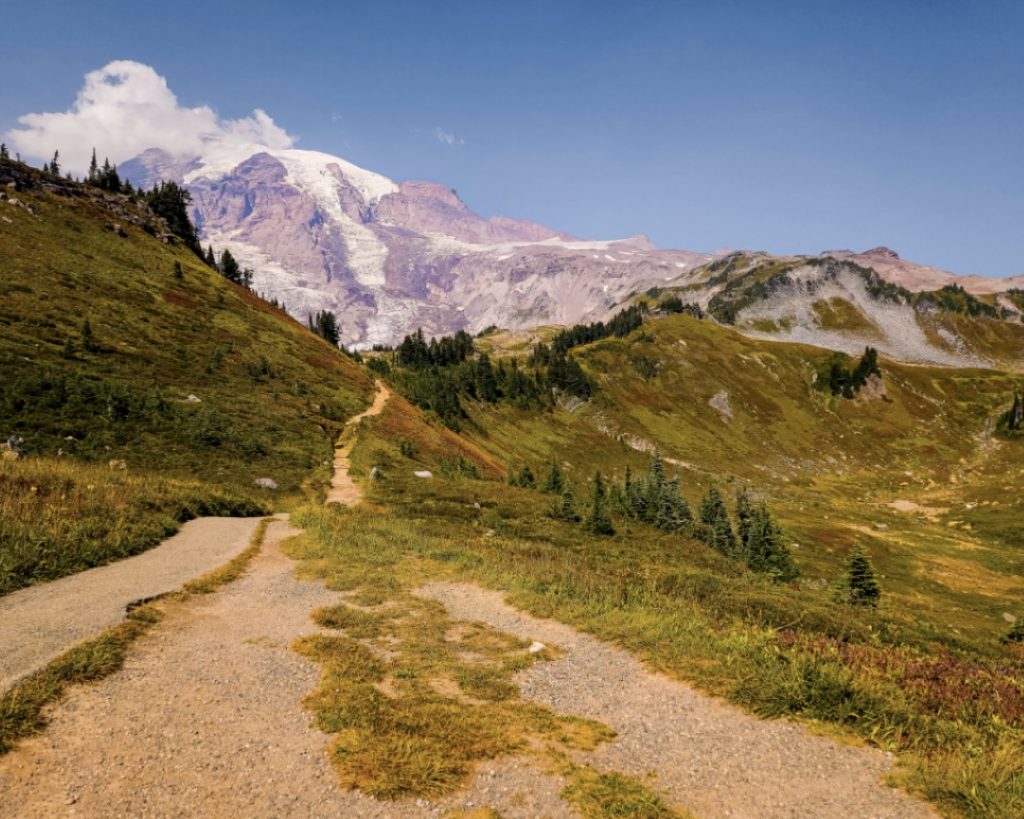
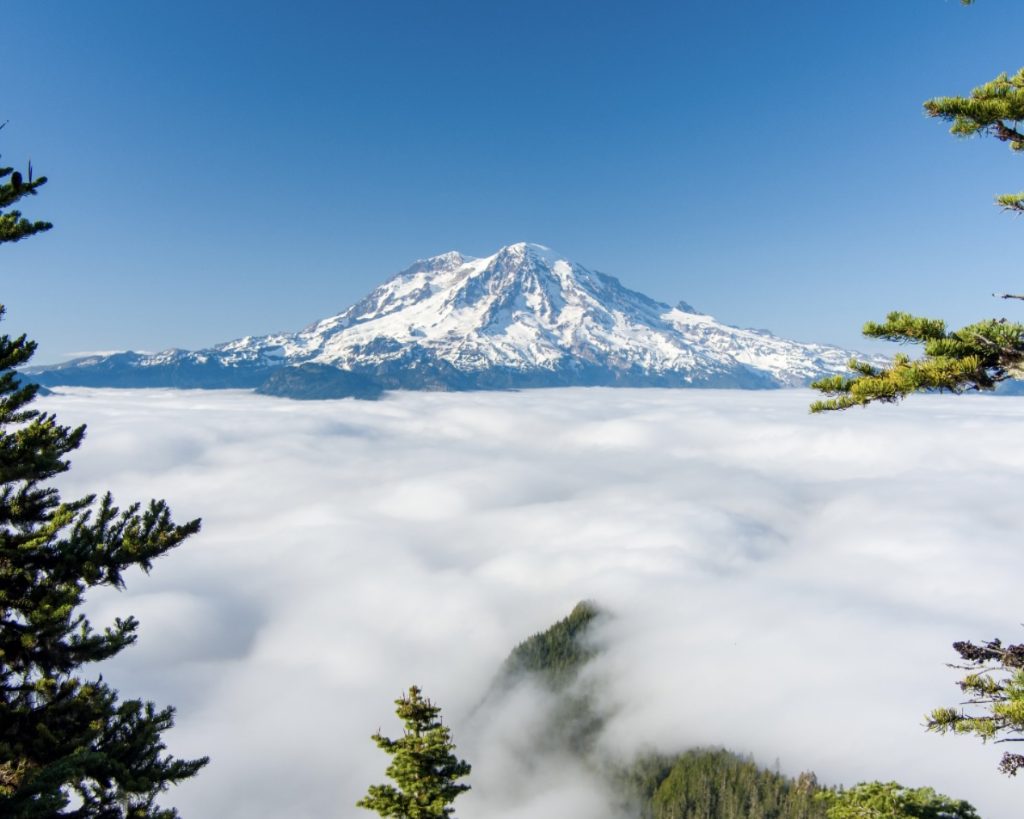
Head north into Washington state towards the magnificent Mount Rainier National Park. This active volcano, standing at 14,411 feet, is the most glaciated peak in the contiguous U.S. and is surrounded by stunning alpine meadows and old-growth forests.
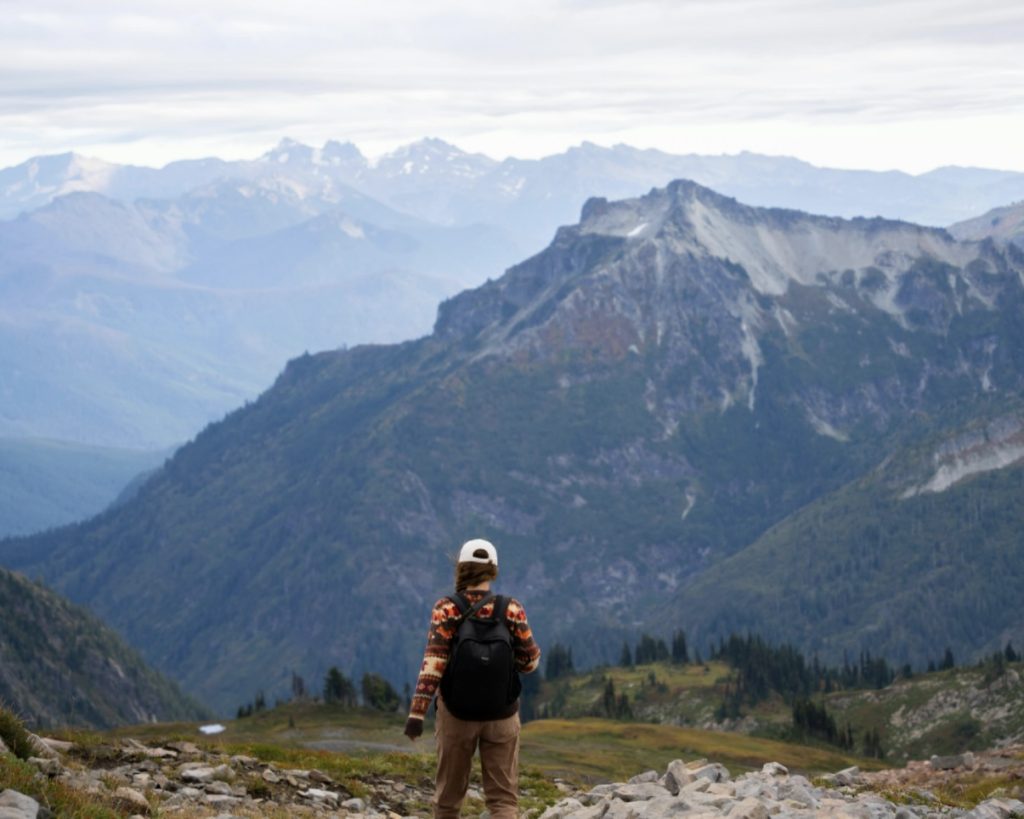
Enter the park through the Nisqually entrance and head up to the Paradise area. This is the most popular part of the park for a reason. In the summer, it’s covered in a carpet of wildflowers. The Skyline Trail is one of the best hikes in the country, offering breathtaking, in-your-face views of the mountain and its glaciers. Even if you only do the first part of the trail, it’s well worth it.
Don’t miss the Henry M. Jackson Visitor Center for exhibits and information. If time allows, drive over to the Sunrise area (check if it’s open), which is the highest point you can drive to in the park and offers a different but equally stunning perspective of the mountain. Find a campsite inside or just outside the park for the night.
Day 8: Exploring the Diverse Olympic National Park
- Drive Time: Approx. 4 to 5 hours
Today you’ll trade a single volcano for three distinct ecosystems. Olympic National Park is unique because it protects a rugged coastline, temperate rainforests, and alpine highlands.
From Mount Rainier, drive west towards the coast. Your first destination should be the Hoh Rainforest. Take the Hall of Mosses Trail, an easy loop that transports you into a fairy-tale world of giant trees draped in thick green moss. It’s an incredibly lush and quiet place.
Next, head to the coast to explore beaches like Rialto Beach or La Push. These aren’t your typical sandy beaches; they are wild, rugged, and strewn with giant driftwood logs and sea stacks. They are perfect for moody coastal hikes. If you have more time and energy, you could also drive up to Hurricane Ridge for panoramic views of the Olympic Mountains and the Strait of Juan de Fuca (check for road closures). Camp near Forks or Port Angeles.
Day 9: Arrival in the Emerald City, Seattle
- Drive Time: Approx. 3 to 4 hours (including ferry)
On the final leg of your driving journey, you have a fun choice: drive south around the Puget Sound or take a ferry. The ferry from Bainbridge Island or Bremerton is a fantastic option. It cuts down on driving time and offers incredible views of the Seattle skyline as you approach.
Once you arrive in Seattle, settle into your campsite and get ready to explore. Start at the heart of the city: Pike Place Market. Watch the famous fish-throwing, browse the stalls of local artisans, and grab a bite to eat. See the original Starbucks store and the quirky Gum Wall.
In the afternoon, head to the Seattle Center. Ride the elevator to the top of the Space Needle for 360 degree views of the city, Mount Rainier, and the Puget Sound. You can also explore the colorful and imaginative Chihuly Garden and Glass museum right next door. For dinner, explore the trendy Capitol Hill neighborhood.
Day 10: One Last Seattle Adventure
Enjoy a final morning in the Emerald City. Grab a coffee from a local roaster and take a stroll along the waterfront or explore the unique Fremont neighborhood, home to the famous Fremont Troll under the bridge.
Depending on your schedule, you could visit the Museum of Pop Culture (MoPOP) for a fun look at music, sci-fi, and video games. Or, you could take an underground tour in Pioneer Square to learn about the city’s fascinating history.
Finally, it’s time to head to the airport, drop off your campervan, and fly home, filled with memories of an incredible San Francisco to Seattle road trip.
Map of Your 10 Day Itinerary

This route covers approximately 1,000 miles and is designed for a comfortable pace with plenty of time for exploration.
How to Do This Trip in 7 or 14 Days
This itinerary is flexible. Here’s how you can adapt it:
7 Day Itinerary (Faster Pace)
- Day 1: San Francisco to Southern Redwoods.
- Day 2: Redwoods to Cannon Beach, OR.
- Day 3: Oregon Coast to Portland.
- Day 4: Portland & Columbia River Gorge.
- Day 5: Mount Rainier National Park.
- Day 6: Olympic National Park (focus on one area, like the Hoh Rainforest).
- Day 7: Drive to Seattle & Explore.
14 Day Itinerary (Relaxed Pace)
- Add an extra day in the Redwoods to explore more trails.
- Add a day between the Oregon Coast and Portland to explore towns like Astoria.
- Add an extra day in Portland to dive deeper into its neighborhoods.
- Add a day to visit Mount St. Helens on your way to Mount Rainier.
- Add an extra day in Olympic National Park to see all three ecosystems thoroughly.
- Add an extra day in Seattle to explore the San Juan Islands via ferry.
Budgeting for Your Trip
A road trip up the West Coast can fit a range of budgets. Here is a rough estimate of daily costs per person, not including your campervan rental:
| Category | Budget | Mid-Range | High-End |
|---|---|---|---|
| Accommodation (Campsites) | $25 – $40 | $40 – $60 | $60+ (RV Resorts) |
| Food & Drink | $40 – $60 | $70 – $100 | $120+ |
| Attractions & Activities | $20 – $30 | $40 – $60 | $70+ |
| Fuel & Tolls (Split) | $25 – $35 | $35 – $45 | $45+ |
| Daily Total Estimate | $110 – $165 | $185 – $265 | $295+ |
- Budget Traveler: You’ll cook most meals in your campervan, stay at state park or national forest campgrounds, and focus on free activities like hiking.
- Mid-Range Traveler: You can enjoy a mix of cooking and dining out, stay at well equipped private campgrounds, and visit most major attractions.
- High-End Traveler: This allows for frequent meals at nice restaurants, booking guided tours, and staying at premium RV resorts with full amenities.
What to Pack for Your Pacific Northwest Adventure
Packing for the Pacific Northwest means preparing for everything. Layers are your best friend.
- Clothing:
- Waterproof Rain Jacket: This is non-negotiable, no matter the season.
- Fleece or Puffy Jacket: For cool evenings and mountain air.
- Hiking Boots: Waterproof is best. You’ll be on wet trails.
- Comfortable Walking Shoes: For city exploration.
- Moisture wicking Shirts and Socks: Wool or synthetic is great for hiking.
- Pants and shorts.
- Documents & Money:
- Driver’s License and ID.
- Credit/debit cards and some cash.
- National Parks Pass (America the Beautiful Pass). It will save you a lot of money on entrance fees.
- Campervan Life:
- A great road trip playlist.
- Portable power bank.
- Reusable water bottles.
- First-aid kit.
- Sunscreen, sunglasses, and a hat. Yes, the sun does shine here!
- Binoculars for wildlife spotting.
Driving from San Francisco to Seattle: Tips You Need to Know
Driving this route is straightforward, but a few tips will make it smoother.
- Roads: The main artery is U.S. Highway 101, which runs along most of the coast. For a faster route between major cities, you’ll use Interstate 5 (I-5), which runs inland. The best itinerary combines both.
- Reservations: For popular campgrounds in national parks (Redwood, Rainier, Olympic) and on the Oregon Coast, you must book months in advance, especially for summer travel.
- Cell Service: Be prepared to lose cell service in many areas, particularly in the Redwood and Olympic National Parks and along remote parts of the coast. Download maps for offline use.
- Wildlife: Be aware of wildlife on the roads, especially at dawn and dusk. You might see deer, elk, or even bears.
- Gas: Fill up your tank before entering remote areas or national parks, as gas stations can be few and far between, and prices are much higher.
Plan Your Dream Road Trip with Indie Campers
Ready to turn this San Francisco to Seattle itinerary into reality? Indie Campers has the perfect vehicle for your adventure. With a wide range of campervans and RVs, from compact vans for two to spacious models for the whole family, we’ve got you covered.
Pick up your vehicle at one of our 80+ locations worldwide and start your journey. All our rentals include unlimited mileage, so you can explore every scenic byway without worrying about extra charges.
Book your campervan with Indie Campers today and get ready for the road trip of a lifetime with our San Francisco RV Rental options.
Frequently Asked Questions (FAQs)
How many days do you need for a San Francisco to Seattle road trip?
While you can do it in as little as 5 days by sticking to the main highway, the ideal duration is 10 to 14 days. This gives you enough time to explore the national parks, coastal towns, and major cities without feeling rushed. A 7 day trip is a good, fast-paced option, while 10 days is the perfect balance.
Is it better to drive the coast or inland from San Francisco to Seattle?
For the best experience, you should combine both. The coastal route (Highway 101) offers stunning scenery through the Redwoods and along the Oregon coast. The inland route (I-5) is faster and provides better access to places like Portland and Mount Rainier. The best San Francisco to Seattle itinerary, like the one above, uses Highway 101 for the scenic parts and I-5 for efficiency.
How much does the drive from San Francisco to Seattle cost?
The total cost depends heavily on your travel style. For a 10 day trip, a mid-range budget would be around $2,000 to $3,500 per person, including the campervan rental, fuel, food, campsites, and activities. You can do it for less by cooking your own meals and staying at cheaper campsites, or spend more on guided tours and fine dining.
What is the best part of the drive from San Francisco to Seattle?
This is tough because there are so many highlights! Many people say the Oregon Coast is the most spectacular part, with its dramatic sea stacks and charming towns. Others fall in love with the sheer scale of the Redwood National and State Parks. And for mountain lovers, the views at Mount Rainier National Park are hard to beat. The “best” part is truly a matter of personal preference.
Is driving from San Francisco to Seattle hard?
No, the drive is not considered hard. The roads, including Highway 101 and I-5, are well-maintained. The biggest challenges are planning and patience. You need to be prepared for summer traffic in popular areas and book accommodations in advance. Some winding coastal roads require attentive driving, but overall, it’s a very manageable and enjoyable drive for most people.