AI Summary
Get ready for an adventure you’ll never forget! This Iceland itinerary 7 days guide is packed with everything you need for an epic road trip. From chasing waterfalls to walking on black sand beaches, one week is the perfect amount of time to see Iceland’s incredible highlights.
Here’s a quick look at what’s in store:
- Must See Sights: The Golden Circle, Jökulsárlón Glacier Lagoon, Diamond Beach, and the stunning waterfalls of the South Coast.
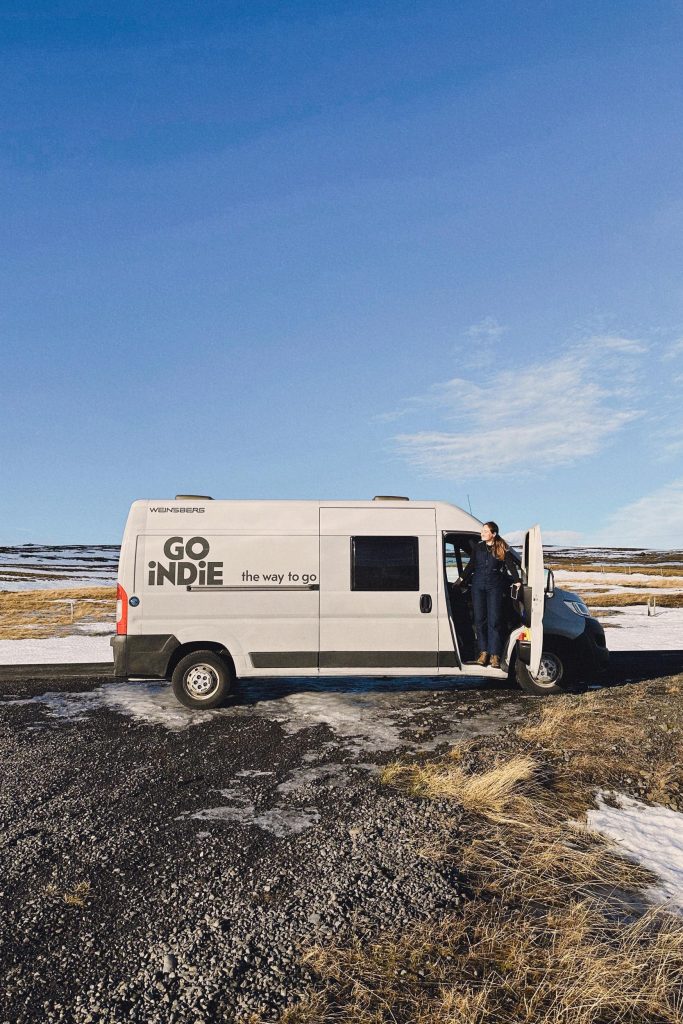
- Recommended Transportation: A campervan is your ticket to freedom. It gives you the flexibility to explore at your own pace and is the best way to tackle this Iceland road trip.
- Best Time to Go:
- Summer (June to August): Experience the Midnight Sun with nearly 24 hours of daylight, perfect for maximising your sightseeing. All roads, including the F roads to the Highlands, are open.
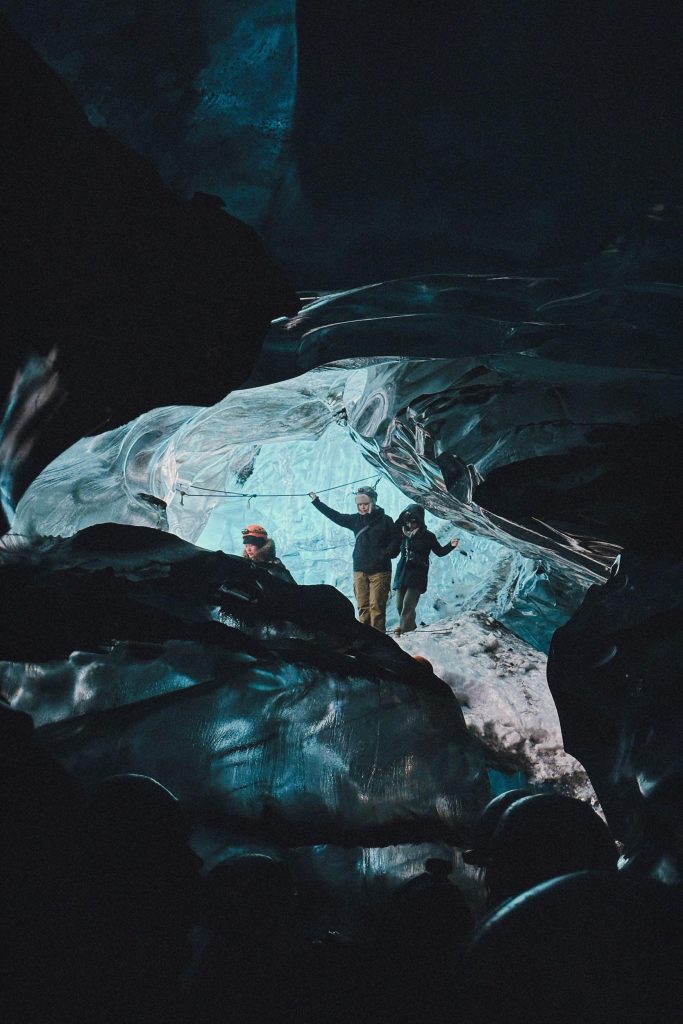
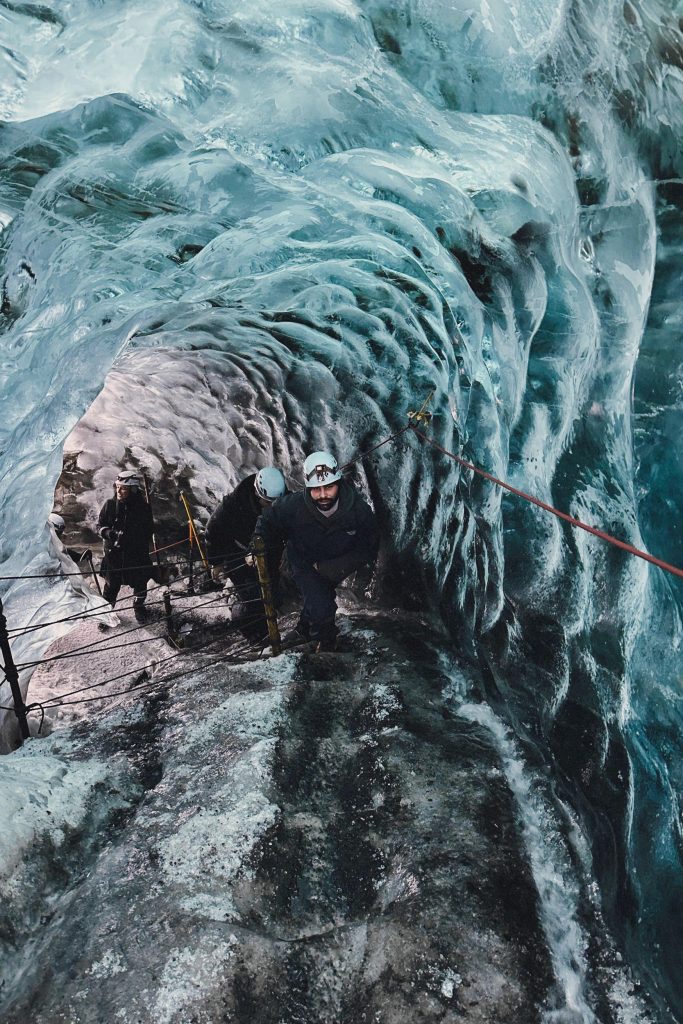
- Winter (October to March): Witness the magical Northern Lights and explore breathtaking ice caves. The landscape transforms into a snowy wonderland.
- Estimated Budget: Around €1,800 to €2,500 per person for a week, including a campervan, fuel, food, and activities.
- This Itinerary Focus: We will focus on a summer trip to make the most of the long days and open roads, but you can adapt it for a winter adventure too.
This 7 days Iceland travel guide is your key to unlocking the Land of Fire and Ice. Let’s hit the road!
7 Day Iceland Itinerary: At a Glance
| Day | Main Area | Top Highlights |
|---|---|---|
| 1 | The Golden Circle | Þingvellir National Park, Geysir Geothermal Area, Gullfoss Waterfall |
| 2 | South Coast Waterfalls | Seljalandsfoss, Gljúfrabúi, Skógafoss, Kvernufoss |
| 3 | Vík & Black Sand Beaches | Dyrhólaey Arch, Reynisfjara Black Sand Beach, Vík town |
| 4 | Glaciers & Diamonds | Skaftafell Nature Reserve, Svartifoss, Jökulsárlón Glacier Lagoon, Diamond Beach |
| 5 | Eastfjords & Canyons | Stokksnes Peninsula (Vestrahorn), Fjaðrárgljúfur Canyon |
| 6 | Reykjanes Peninsula | Seltún Geothermal Area, Bridge Between Continents, Gunnuhver Hot Springs |
| 7 | Reykjavík & Blue Lagoon | Explore the capital city, relax at the Blue Lagoon before departure |
Is 7 Days Enough for Iceland?
Yes, absolutely! While you could spend a lifetime exploring Iceland’s otherworldly landscapes, seven days is the perfect amount of time to experience the country’s most iconic sights. A 7 day Iceland itinerary gives you enough time to cover the entire breathtaking South Coast, explore the world-famous Golden Circle, and even dip your toes into the vibrant culture of Reykjavík.
This timeframe allows for a packed but manageable adventure. You will not be able to drive the full Ring Road without feeling rushed (that trip is better suited for 10 to 14 days). However, focusing on the southern part of the island ensures you see the best of the best: majestic glaciers, powerful waterfalls, volcanic beaches, and geothermal wonders. It’s an ideal introduction to the Land of Fire and Ice and will surely leave you wanting to come back for more.
Best Time to Plan Your 7 Day Iceland Itinerary
Your Iceland travel itinerary will look very different depending on the season you choose. Both summer and winter offer unique and magical experiences, so the “best” time to go really depends on what you want to see and do.
Summer (June to August)
Why Go: Summer is the most popular season for a reason. You will be greeted by the Midnight Sun, which means nearly 24 hours of daylight. This gives you maximum time for exploring, driving, and hiking. The weather is milder, with average temperatures between 50 to 60°F (10 to 15°C), and the landscapes are lush and green. All roads, including the rugged F roads into the Highlands, are typically open.
- Pros: Long daylight hours, warmer weather, all roads accessible, puffin viewing season.
- Cons: Peak tourist season means more crowds and higher prices for rentals and accommodation. No chance of seeing the Northern Lights.
Winter (October to March)
Why Go: Winter transforms Iceland into a magical wonderland of snow and ice. The main draw is the chance to witness the spectacular Northern Lights. This is also the only time you can explore the famous blue ice caves. There are fewer tourists, and prices are generally lower than in summer.
- Pros: Northern Lights, ice caves, fewer crowds, lower prices, cozy atmosphere.
- Cons: Very short daylight hours (as few as 4 to 5 hours), cold temperatures, unpredictable weather, and potential road closures. Driving can be challenging.
Shoulder Seasons (April to May and September to October)
Why Go: These months offer a happy medium. In spring, the snow melts and the country comes back to life. In autumn, the landscapes are painted in beautiful fall colors. You get a good balance of daylight hours, fewer crowds than summer, and a potential chance to see the Northern Lights in September and October.
- Pros: Fewer crowds, lower prices, balanced daylight, potential for Northern Lights (autumn).
- Cons: Unpredictable weather, some attractions or roads may still be closed.
Campervan vs. Car: What’s Best for an Iceland Road Trip?
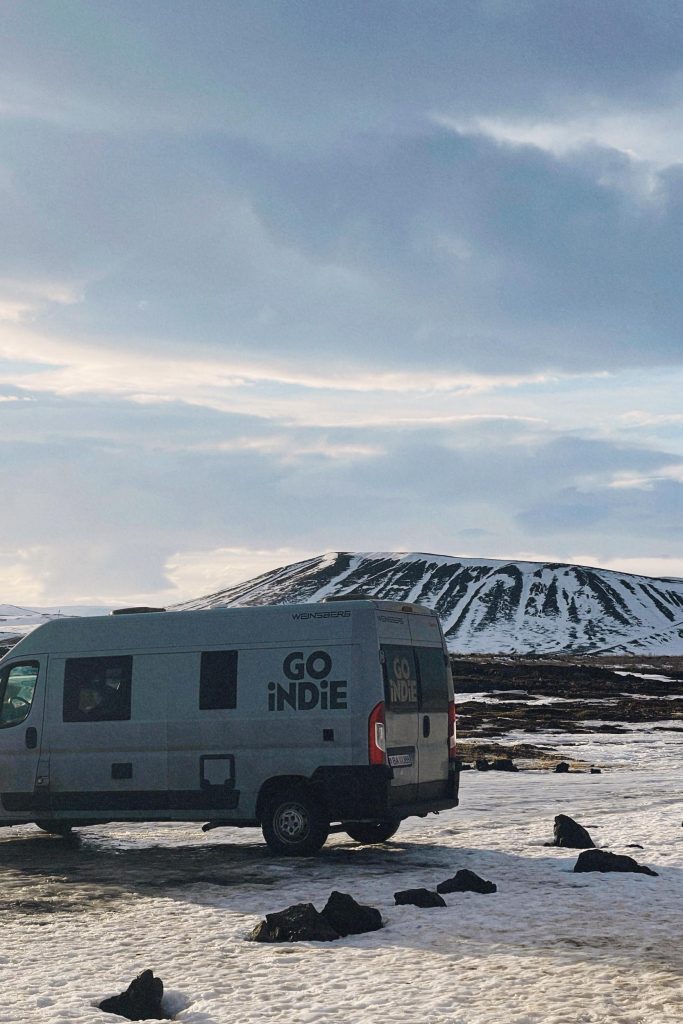
When planning your best 7 day Iceland road trip itinerary, one of the biggest decisions is your mode of transport. While a regular car is an option, renting a campervan or an RV gives you unparalleled freedom and flexibility.
Imagine waking up to the sound of a nearby waterfall or watching the sunset over a glacier lagoon from your front door. A campervan is your transport and accommodation all in one. You can cook your own meals, which saves a huge amount of money in a country known for its high food prices. More importantly, you’re not tied to hotel check in times. If you fall in love with a particular spot, you can linger longer. If the weather turns, you can change your plans on a whim.
This flexibility is the key to a truly unforgettable Iceland vacation itinerary. You can follow the good weather, chase the Northern Lights in winter, or find a quiet spot to enjoy the Midnight Sun in summer. It allows for spontaneity and turns a simple trip into a real adventure.
The Ultimate Iceland Itinerary: 7 Days of Adventure
Buckle up! This detailed plan is your guide to an action packed week. This route focuses on the South Coast, ensuring you see Iceland’s most famous wonders without spending your entire vacation driving.
Day 1: The Famous Golden Circle
Route: Keflavík Airport → Golden Circle → Selfoss Area
Driving Time: Approx. 3 hours
Welcome to Iceland! After picking up your campervan at Keflavík Airport, it’s time to hit the road and dive straight into one of Iceland’s most famous routes. The Golden Circle is a 190 mile (300 km) loop that features three incredible, must see sights.
- Þingvellir (Thingvellir) National Park: This is your first stop and it is a geological and historical marvel. It’s one of the few places on Earth where you can walk between two tectonic plates, the North American and Eurasian plates, which are slowly pulling apart. The park was also the site of Iceland’s first parliament, founded in 930 AD. Don’t miss the beautiful Öxarárfoss waterfall tucked away within the park.
- Geysir Geothermal Area: Next, prepare to be amazed by the raw power of the Earth. While the Great Geysir (from which all others get their name) is mostly dormant, its neighbor, Strokkur, is the star of the show. It erupts spectacularly every 5 to 10 minutes, shooting a column of boiling water up to 100 feet (30 m) into the air. The whole area is filled with bubbling mud pots and steaming vents.
- Gullfoss Waterfall: The “Golden Falls” is the final stop and a truly breathtaking sight. This massive, two-tiered waterfall thunders into a rugged canyon. On sunny days, the mist creates rainbows over the falls, making for an absolutely magical view. You can view it from multiple platforms, each offering a different, stunning perspective.
End of Day: Find a campsite near the town of Selfoss or in the Golden Circle area to rest up for the next day’s adventure.
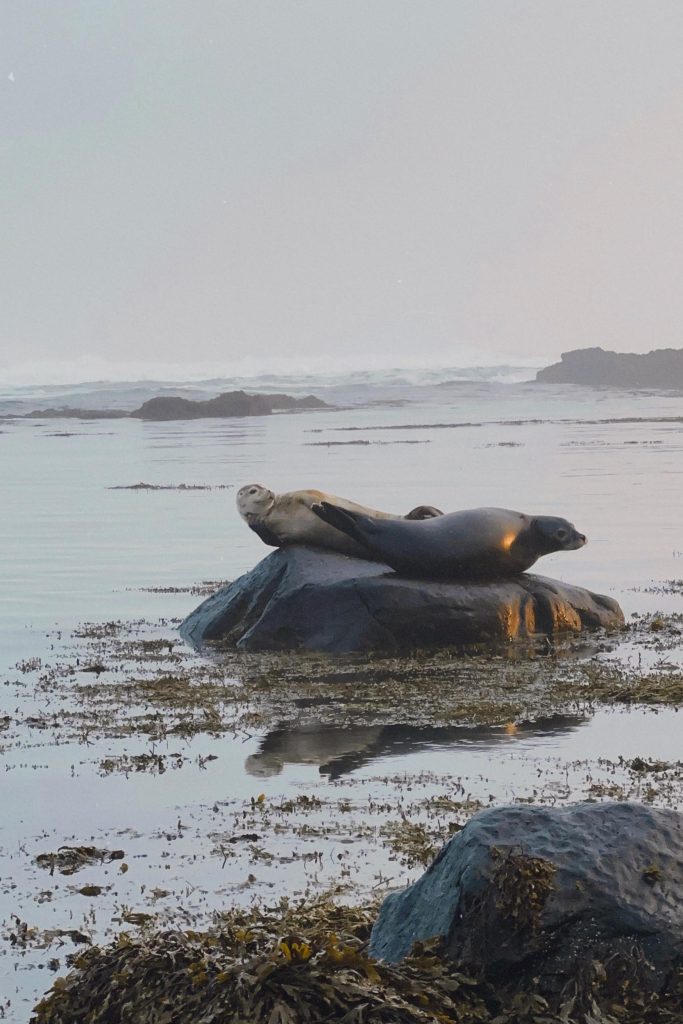
Day 2: Chasing Waterfalls on the South Coast
Route: Selfoss Area → Skógar
Driving Time: Approx. 2 hours
Today is all about waterfalls! The South Coast is lined with some of the most beautiful and powerful cascades in the country. Get your waterproof gear ready.
- Seljalandsfoss: This is one of Iceland’s most famous waterfalls, and for good reason. What makes it unique is the path that allows you to walk completely behind the rushing curtain of water. It’s an incredible experience, but be prepared to get wet!
- Gljúfrabúi: Just a short 10-minute walk from Seljalandsfoss is its hidden neighbor, Gljúfrabúi. Tucked away inside a small canyon, you have to wade through a shallow stream to see it, but the reward is a magical, secluded waterfall crashing down into a moss-covered chamber. It feels like discovering a secret.
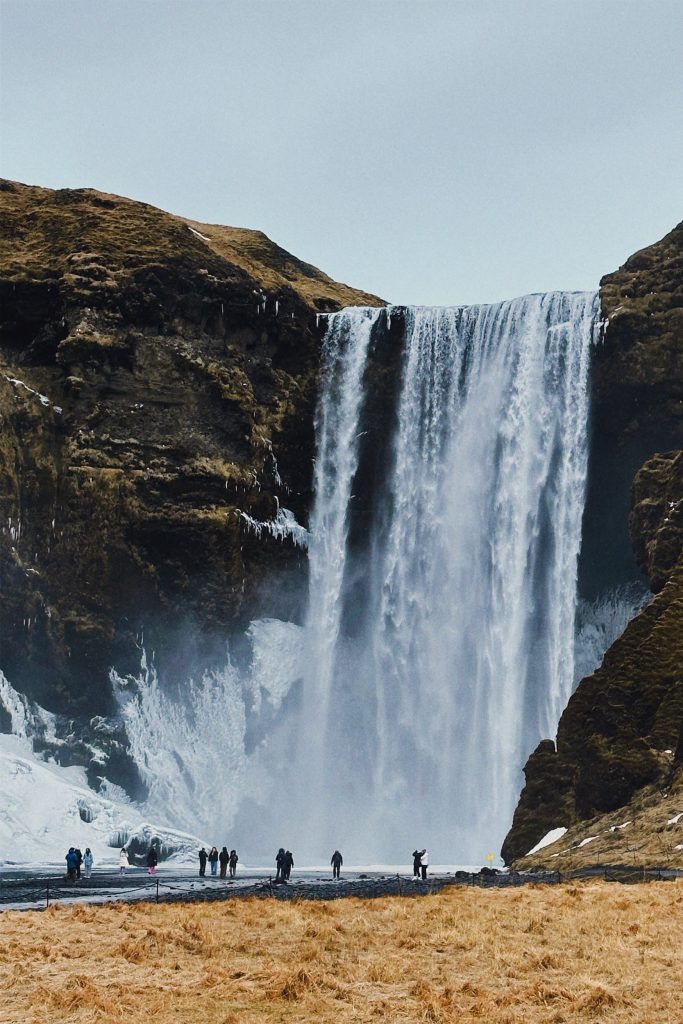
- Skógafoss: Further down the road, you’ll see the mighty Skógafoss. This classic, rectangular waterfall is immense, dropping 200 feet (60 m) with incredible force. You can walk right up to its base to feel its power (and its spray!). For a different view, climb the 527 steps up the adjacent cliff to see it from above and enjoy panoramic views of the coastline.
- Kvernufoss: If you want to escape the crowds, take a short hike from the Skógar Museum to find Kvernufoss. Similar to Seljalandsfoss, you can walk behind this beautiful waterfall, but it’s much less visited, offering a more peaceful experience.
End of Day: Park your campervan at a campsite in or around the tiny village of Skógar for the night.
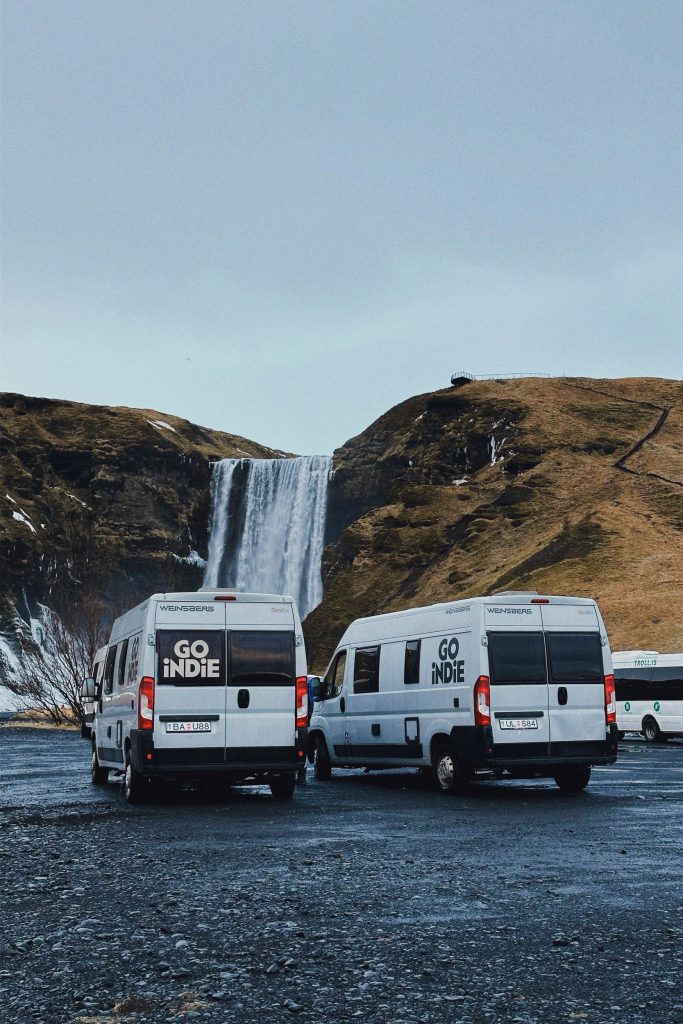
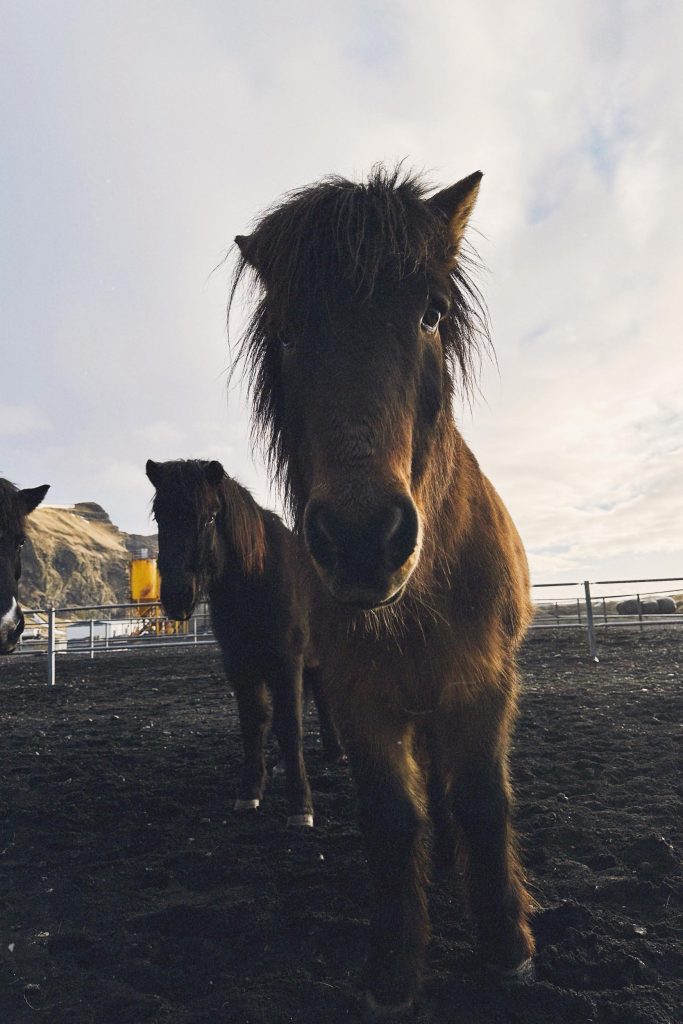
Day 3: Black Sand Beaches and the Charms of Vík
Route: Skógar → Vík → Kirkjubæjarklaustur
Driving Time: Approx. 1.5 hours
Get ready for dramatic landscapes as you explore volcanic beaches, towering rock formations, and the southernmost village in Iceland.
- Sólheimasandur Plane Wreck: This is an optional but popular stop. In 1973, a US Navy plane crashed on the black sand beach. The walk from the parking lot to the wreck is long (about 45-60 minutes each way), but the sight of the decaying plane against the stark black sand is hauntingly beautiful and makes for iconic photos.
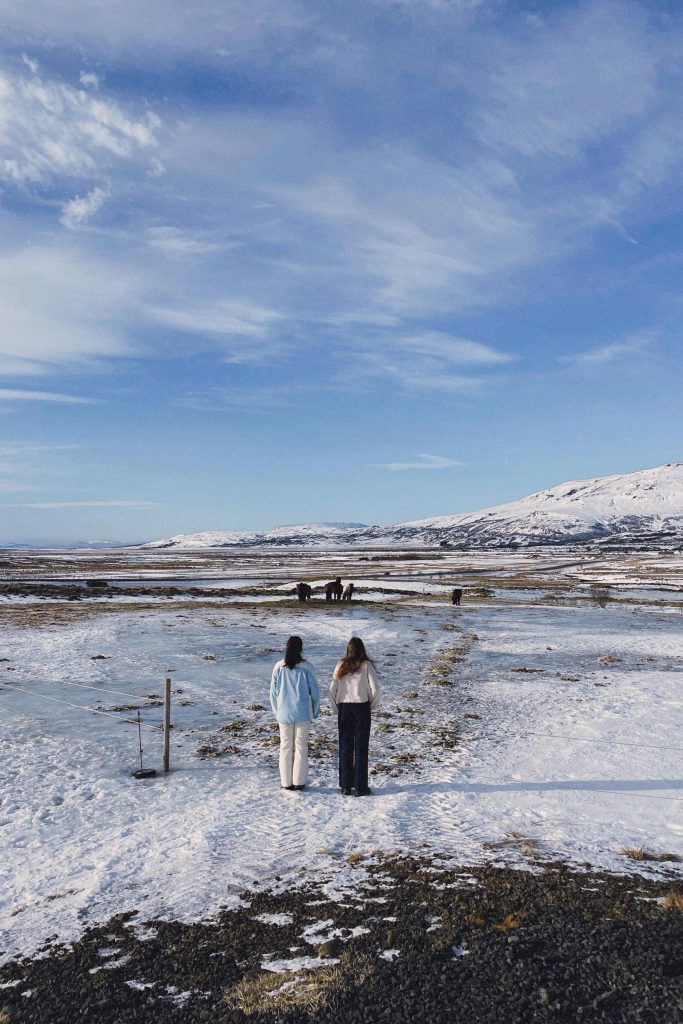
- Dyrhólaey Arch: This massive stone arch juts out into the sea and is a haven for seabirds, including puffins (in the summer). The views from the top are spectacular, offering a panorama of the coastline, the Mýrdalsjökull glacier, and the black sand beaches stretching for miles.
- Reynisfjara Black Sand Beach: This is arguably the most famous black sand beach in the world. It features incredible basalt columns (Reynisdrangar) that rise from the sea, a cave with basalt formations, and powerful waves. A critical safety warning: Be extremely cautious of the “sneaker waves” here. They are unpredictable and can sweep people out to sea. Never turn your back on the ocean.
- Vík í Mýrdal: This charming village is the perfect spot to refuel and grab a bite to eat. Visit the red-roofed church on the hill for a classic photo with the Reynisdrangar sea stacks in the background.
End of Day: Continue east and find a campsite near the village of Kirkjubæjarklaustur.

Day 4: Glaciers, Lagoons, and Diamonds
Route: Kirkjubæjarklaustur → Höfn
Driving Time: Approx. 2.5 hours
Today is a highlight of any Iceland itinerary 7 days trip. You’ll come face-to-face with the country’s largest glacier and witness one of its most stunning natural wonders.
- Skaftafell Nature Reserve: Part of the massive Vatnajökull National Park, Skaftafell is a hiker’s paradise. It’s a surprisingly green oasis surrounded by glaciers. The most popular hike is the easy trail to Svartifoss (“Black Fall”), a unique waterfall framed by hanging basalt columns that look like a giant organ.
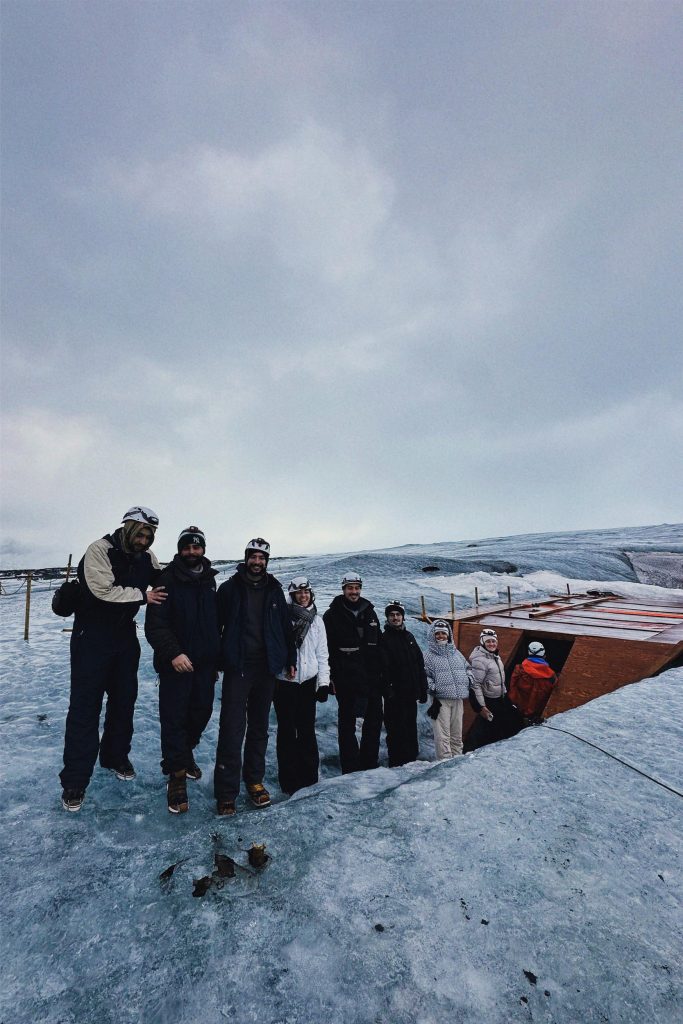
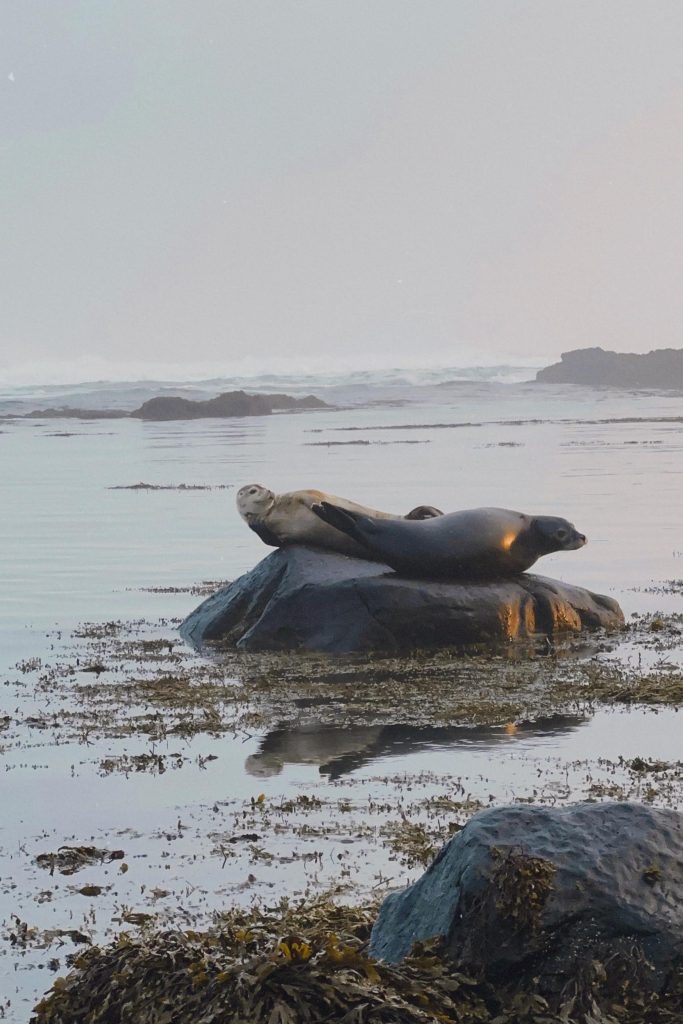
- Jökulsárlón Glacier Lagoon: Prepare to be speechless. This is where the Breiðamerkurjökull glacier meets the sea. Huge icebergs break off from the glacier and float serenely in the deep lagoon, creating a mesmerizing scene of blue, white, and black ice. You can watch seals playing among the icebergs. Consider taking a boat tour to get up close to the ice.
- Diamond Beach: Just across the road from the glacier lagoon is Diamond Beach. Here, the icebergs from the lagoon wash up on the black sand beach, sparkling like diamonds in the sun. The contrast between the crystal-clear ice and the dark volcanic sand is absolutely breathtaking and a photographer’s dream.
End of Day: Drive a little further to the fishing town of Höfn, famous for its lobster, and settle into a campsite for the night.
Day 5: Canyons and Dramatic Coastal Views
Route: Höfn → Fjaðrárgljúfur → Vík
Driving Time: Approx. 3.5 hours
Today, you’ll start heading back west, but not before seeing some more of Iceland’s most dramatic landscapes.
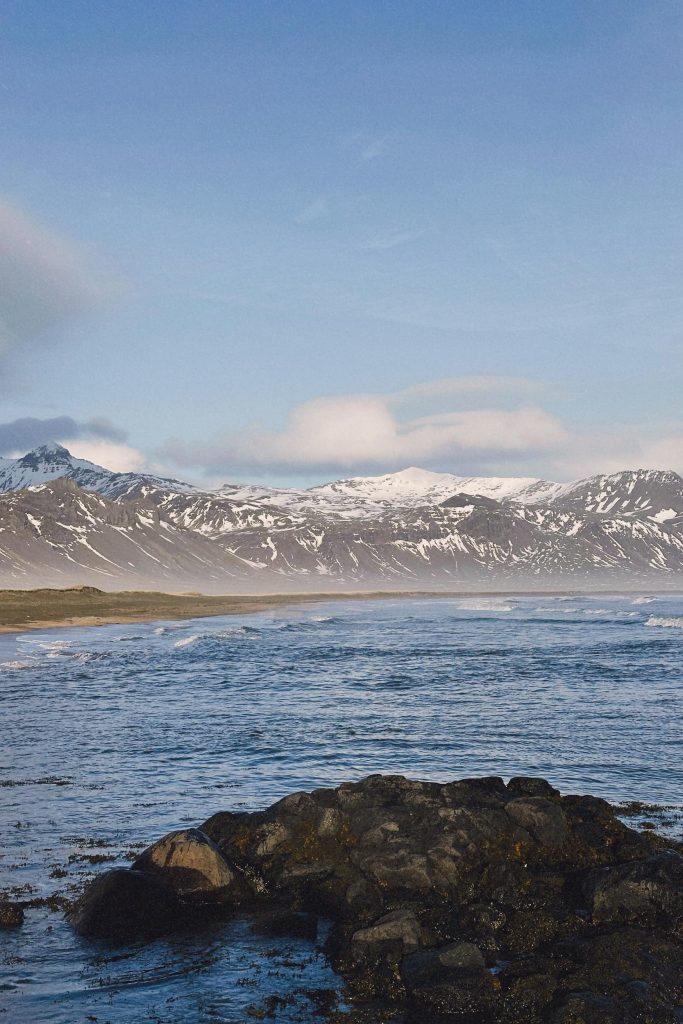
- Stokksnes Peninsula & Vestrahorn Mountain: Just a short drive from Höfn, this is one of Iceland’s most photographed locations. The jagged peaks of Vestrahorn mountain rise dramatically from a flat black sand beach. The landscape feels truly epic and otherworldly. There’s a small entrance fee to access the road, but the views are worth every penny.
- Fjaðrárgljúfur Canyon: As you drive back west, make a stop at this magnificent canyon. Carved by a river over thousands of years, it’s a winding, 100-meter-deep canyon with steep, mossy walls. A walking path along the rim offers stunning viewpoints. It’s a spectacular sight that shows the power of water over time.
End of Day: Return to the Vík area for the night. This breaks up the long drive back to Reykjavík and allows you to revisit any favorite spots or explore something new.
Day 6: Geothermal Wonders of the Reykjanes Peninsula
Route: Vík → Reykjanes Peninsula → Reykjavík
Driving Time: Approx. 3.5 hours
On your way back toward the capital, you’ll explore the raw, volcanic landscapes of the Reykjanes Peninsula, the area surrounding the airport.
- Seltún Geothermal Area (Krýsuvík): This is like a miniature version of the Geysir area but often with fewer crowds. Wooden walkways lead you through a landscape of bubbling mud pots, hissing steam vents, and colorful mineral deposits. The strong smell of sulfur is a reminder of the powerful geothermal energy just beneath your feet.
- Gunnuhver Hot Springs: Home to Iceland’s largest mud pool, this is another impressive geothermal site. The steam rising from the ground is thick and constant, creating an eerie, mystical atmosphere.
- Bridge Between Continents: A fun photo-op! A small footbridge spans a fissure between the North American and Eurasian tectonic plates. You can literally walk from one continent to another.
End of Day: Head into Reykjavík and check into a city campsite for your final night.
Day 7: Reykjavík Exploration and Farewell
Route: Reykjavík → Blue Lagoon → Keflavík Airport
Driving Time: Approx. 1.5 hours
Spend your last day enjoying Iceland’s vibrant capital and relaxing before your flight home.
- Explore Reykjavík: Start your day by visiting the iconic Hallgrímskirkja church, whose unique design was inspired by Iceland’s basalt columns. Take the elevator to the top for a fantastic 360° view of the city. Stroll down Laugavegur, the main shopping street, filled with Icelandic design shops, cozy cafes, and galleries. Walk along the harbor to see the beautiful Harpa Concert Hall and the Sun Voyager sculpture.
- Blue Lagoon: Before heading to the airport, treat yourself to a relaxing soak in the world-famous Blue Lagoon. Its milky-blue, geothermal waters are rich in minerals and are a perfect way to unwind after a week of adventure. Pro-tip: The Blue Lagoon is very popular, so you must book your tickets well in advance. It’s conveniently located near the airport, making it an ideal final stop.
Departure: After your rejuvenating soak, it’s just a short drive to Keflavík Airport to drop off your campervan and catch your flight home, filled with memories of an incredible Icelandic adventure.
Map of Your 7 Day Iceland Road Trip
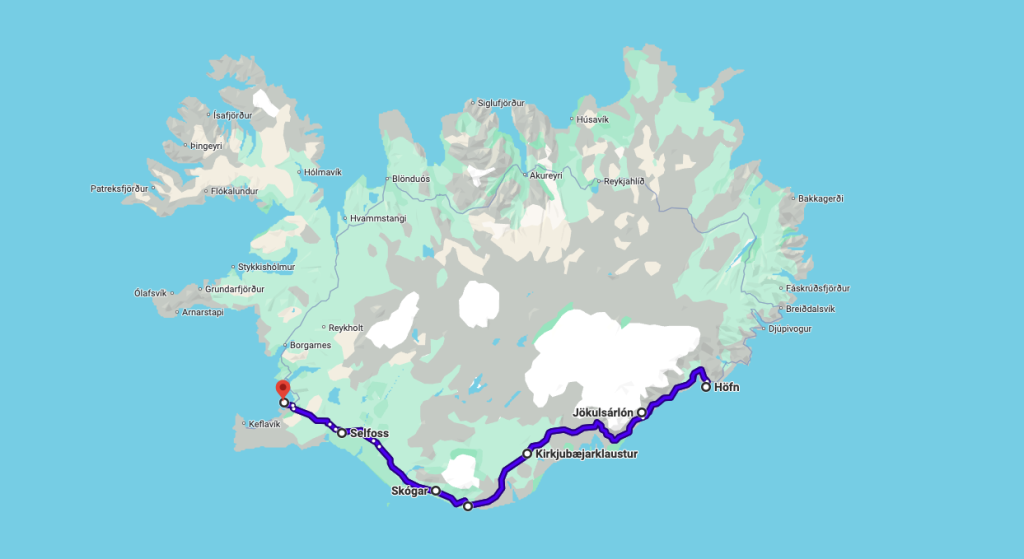
This route covers the most spectacular sights of southern Iceland, totaling approximately 800 miles (about 1,300 kilometers) of driving over the week.
Budgeting for Your Iceland Vacation Itinerary
Iceland has a reputation for being expensive, but a campervan trip can be a surprisingly budget friendly way to see the country. Here’s a rough breakdown of potential daily costs per person, excluding your campervan rental:
| Category | Budget | Mid-Range | High-End |
|---|---|---|---|
| Accommodation (Campsites) | €15 – €25 | €25 – €35 | N/A |
| Food & Drink | €25 – €40 | €50 – €70 | €80+ |
| Activities & Attractions | €20 – €30 | €50 – €80 | €100+ |
| Fuel (Split) | €20 – €30 | €30 – €40 | €40+ |
| Daily Total Estimate | €80 – €125 | €155 – €225 | €220+ |
- Budget Traveler: You’ll cook most of your meals, stay at basic campsites, and focus on free natural attractions.
- Mid Range Traveler: You can eat out occasionally, book a few tours like a glacier hike or boat tour, and stay at more equipped campsites.
- High End Traveler: This allows for daily restaurant meals, multiple guided tours, and premium campsites.
Money Saving Tips:
- Cook Your Own Food: Restaurant meals are the biggest budget killer. Stock up at budget friendly grocery stores like Bónus or Krónan.
- Bring a Reusable Water Bottle: Icelandic tap water is some of the purest in the world. It’s free and delicious!
- Travel in the Shoulder Season: Visiting in May or September can offer lower prices and fewer crowds.
What to Pack for a Week in Iceland
The key to packing for Iceland is layers, no matter the season. The weather can change in an instant.
- Clothing:
- Base Layer: Thermal shirts and leggings (wool or synthetic).
- Mid Layer: Fleece jacket or a warm sweater.
- Outer Layer: A waterproof and windproof jacket and pants are non negotiable.
- Warm wool socks.
- Waterproof hiking boots with good grip.
- Hat, gloves, and a scarf (even in summer).
- Swimsuit for hot springs and the Blue Lagoon.
- Documents & Money:
- Passport and driver’s license.
- Credit/debit cards (cards are accepted almost everywhere).
- Vehicle rental documents.
- Campervan & Tech:
- Portable power bank.
- Car phone charger and mount.
- A good Iceland road trip playlist!
- Camera and extra batteries.
- Sleep mask (essential for summer’s Midnight Sun).
Driving in Iceland: Essential Tips
Driving is the best way to experience Iceland, but it requires caution and preparation.
- Check Road Conditions: Always check road.is before you set out, especially in winter. Weather can close roads unexpectedly.
- Speed Limits: Strictly obey speed limits. They are 90 km/h (56 mph) on paved rural roads, 80 km/h (50 mph) on gravel roads, and 50 km/h (31 mph) in towns. Speed cameras are common.
- Fuel: Gas stations can be far apart in rural areas. Never let your tank get below half full.
- Gravel Roads: You will encounter gravel roads. Slow down to avoid kicking up rocks that can damage your vehicle.
- Single Lane Bridges: These are common. The car that reaches the bridge first has the right of way. Slow down and be courteous.
- F Roads: These are rugged mountain roads only accessible in summer with a 4×4 vehicle. This itinerary does not require F road travel.
What’s the best campervan rental in Iceland?
Ready to make this iceland itinerary 7 days a reality? Indie Campers has the perfect vehicle for your adventure.
We offer a wide range of campervans, from compact models perfect for two to larger, rugged 4x4s for tackling any terrain. Plus, all our rentals come with unlimited mileage, so you can explore every waterfall and canyon without counting the kilometers.
You can also customize your trip with helpful add-ons like a kitchen kit, outdoor furniture, a BBQ, or even a Wi-Fi hotspot. We take care of the details so you can focus on making incredible memories. Book your campervan with Indie Campers today and get ready for the Iceland road trip of a lifetime.
Frequently Asked Questions (FAQs)
Can you do the Iceland Ring Road in 7 days?
While it is technically possible to drive the entire Ring Road (Route 1) in 7 days, it is not recommended. It would involve 5 to 6 hours of driving every single day, leaving very little time to actually stop and enjoy the sights. You would feel incredibly rushed. A 7 day trip is much better suited for focusing on a specific region, like the South Coast, which contains many of Iceland’s most famous attractions.
What is the best month to visit Iceland for 7 days?
- For long days and green landscapes, visit in July or August. You’ll have almost 24 hour daylight (the Midnight Sun) to maximize your sightseeing.
- For the Northern Lights and ice caves, visit between December and February. The days are short, but the winter scenery is magical.
- For a balance of good weather, fewer crowds, and a chance of seeing the Northern Lights, consider September.
How much money do I need for a 7 day trip to Iceland?
For a mid range campervan road trip, a reasonable budget is €1,800 to €2,500 per person for 7 days. This would cover the campervan rental, fuel, campsites, food (mostly self-cooked), and a few activities or tours. You can do it for less by sticking to free attractions and cooking all your meals, or spend more on fine dining and multiple guided tours.
Do I need a 4×4 for a 7 day Iceland itinerary?
For this specific itinerary focused on the Golden Circle and South Coast, a 4×4 is not necessary during the summer months (May-September). The roads to all the attractions mentioned are paved and well maintained. However, if you are traveling in winter (October-April) or plan to explore the Highlands via F-roads (which are only open in summer), a 4×4 is highly recommended for better safety and handling in snow, ice, and on rough terrain.