Miami to Key West: The Ultimate RV Road Trip Guide (2025)
Last updated March 26, 2026•6 min read
Destinations
AI Summary
Complete guide to driving from Miami to Key West in an RV. Covers the Overseas Highway route, best RV campgrounds in the Florida Keys, tolls, bridge driving tips, and why free camping is limited. Includes real traveler advice and booking recommendations.
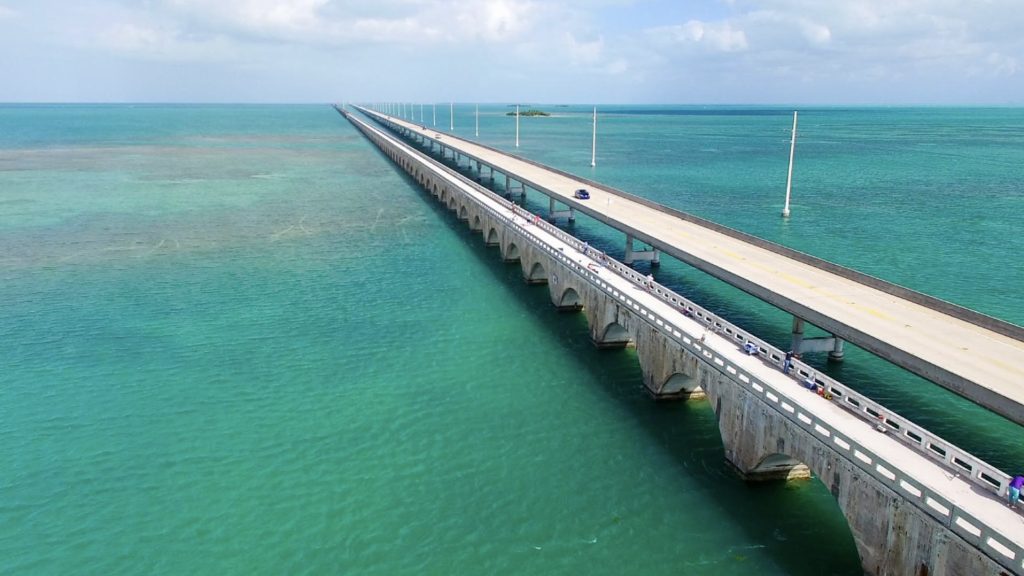
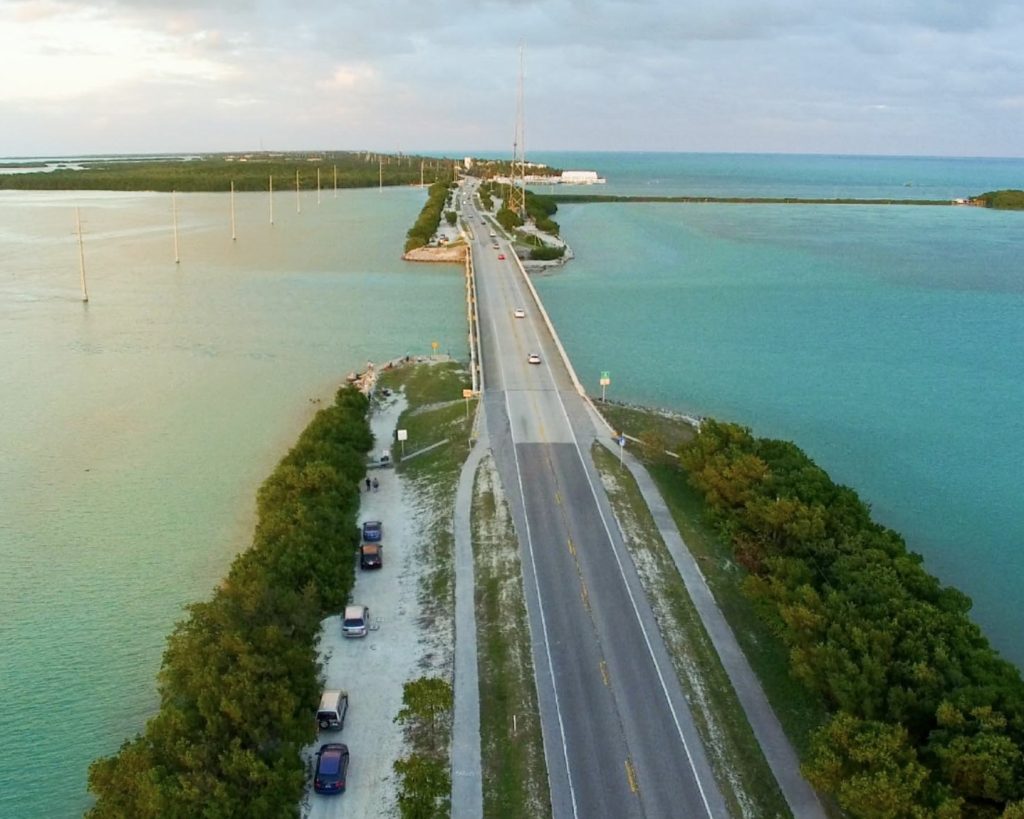
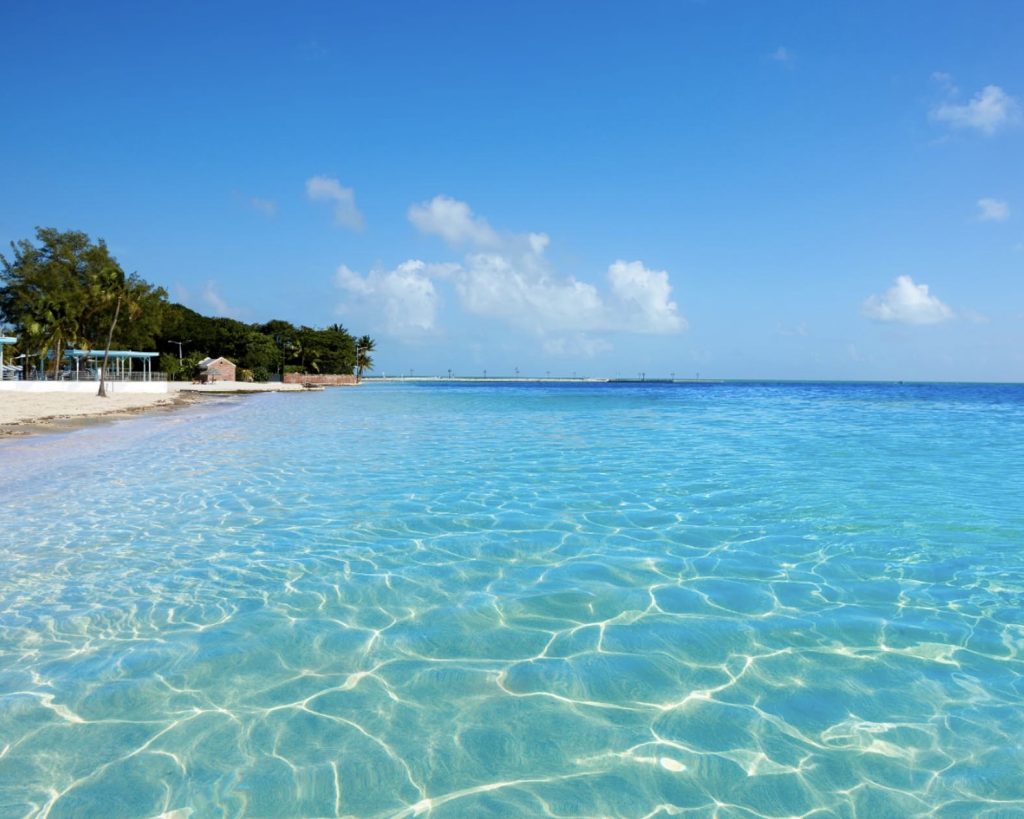
The drive from Miami to Key West is 160 miles of turquoise water, 42 bridges, and zero other routes to choose. You are on the Overseas Highway! One road, dozens of islands, and the ocean stretching out on both sides.
If you are planning to do this trip in an RV, there are things you need to know that will not show up on Google Maps. Where can you actually park overnight? Are there tolls? What about those narrow bridges everyone mentions?
Here is what we learned from real travellers who have driven the Keys in RVs, including what worked, what did not, and w5here to stay.
The Overseas Highway: America’s Most Beautiful Drive
Total Distance: ~160 miles Drive Time: 3.5 to 4 hours (without stops) Realistic Trip Time: 2 to 4 days recommended
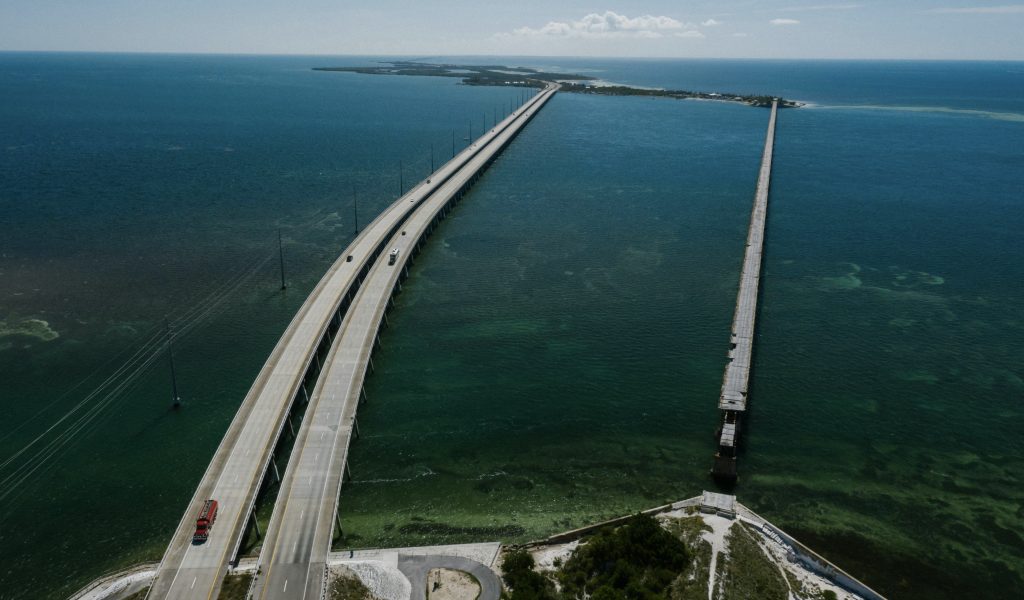
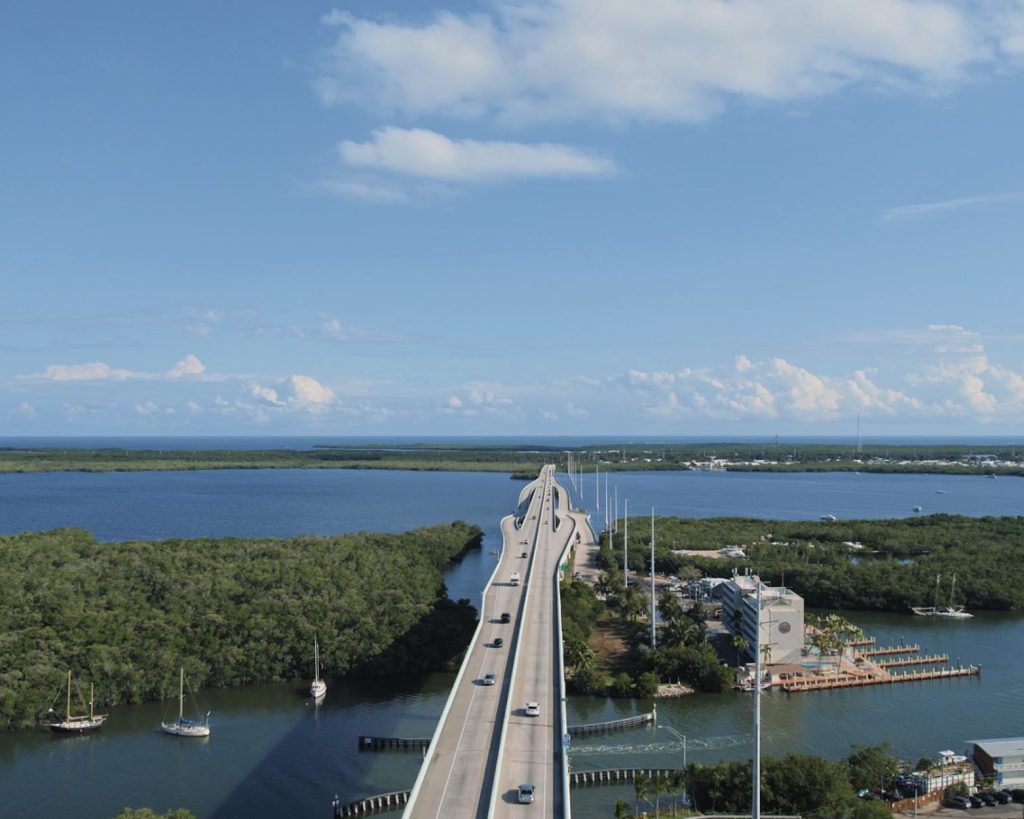
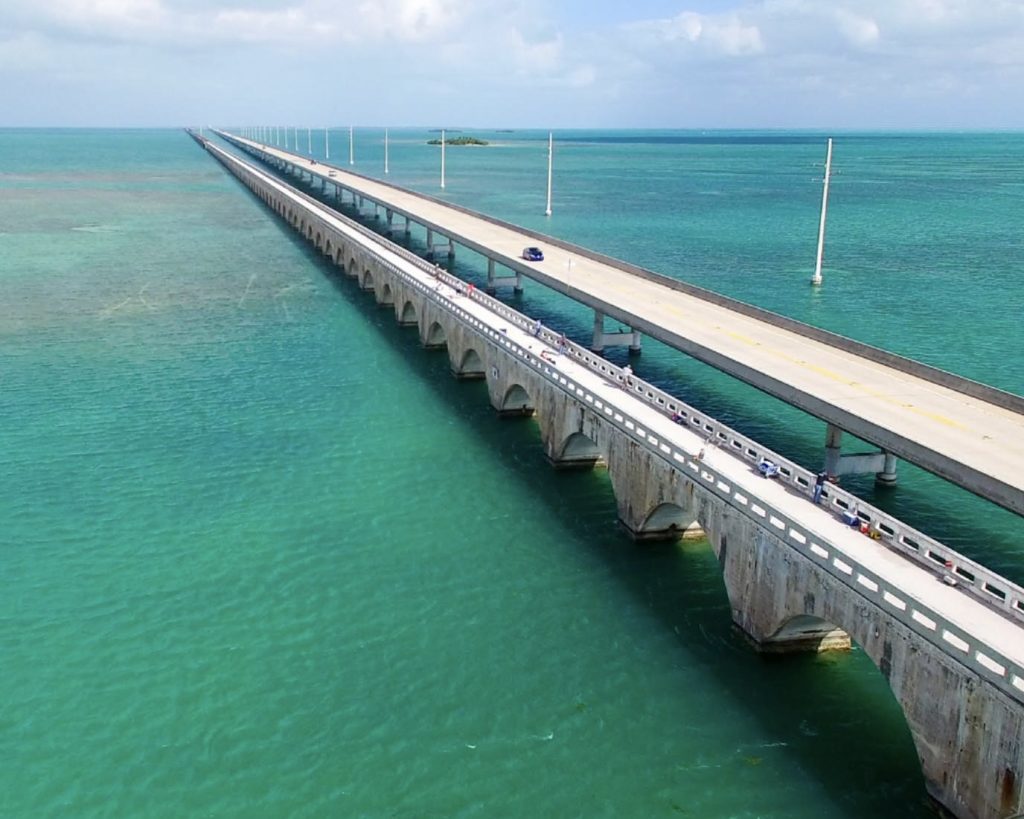
The Overseas Highway (U.S. 1) connects the Florida Keys from Key Largo to Key West, hopping across dozens of islands linked by bridges suspended over crystal blue water.
Originally built on old railway foundations in the 1930s, it is now a smooth, modern highway, but still carries that old school adventure vibe.
The Overseas Highway (U.S. Route 1) connects mainland Florida to Key West through a string of islands. It was built on old railway foundations in the 1930s after a hurricane destroyed Henry Flagler’s railroad.
Today it is a smooth, two-lane highway. But it is still the only road in and out, which gives the Keys their “island time” feel, and also means you need to plan ahead.
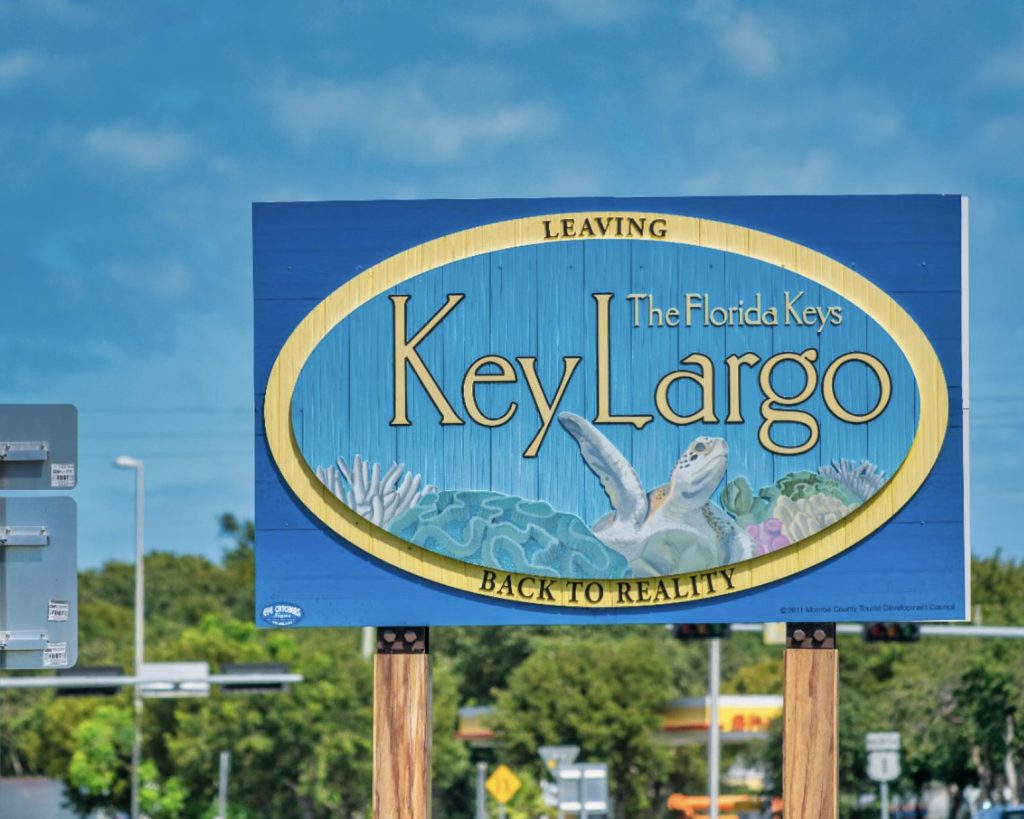
Pro tip: Mile markers count down from Key Largo (MM 107) to Key West (MM 0). Locals use them for directions instead of street addresses.
Tolls & Fees: What to Know Before You Go
There are no tolls on the Overseas Highway itself, but you will likely drive down from Miami or Fort Lauderdale, using Florida’s Turnpike, which is cashless.
SunPass is the easiest option (many Indie Campers RVs include it).
Toll by Plate uses cameras to register your license plate; we will charge the toll to your rental later
Cost estimate: $10 to $15 USD from Miami to Key Largo.
Before you leave Miami: Check your windshield for a SunPass sticker. If you do not see one, ask at pickup so there are no billing surprises.
RV Pickup in Miami
Indie Campers has a Miami location where you can pick up your RV and head straight to the Keys. Most travelers choose:
Active Pop Top or an Active Pop TopSelect (easiest for narrow roads and parking)
Comfort Standard or an Comfort Standard Select (more space, but check campground size limits)
Finding a campsite in the Keys can be tricky and many Redditors agree it is best to book months in advance.
Key Largo
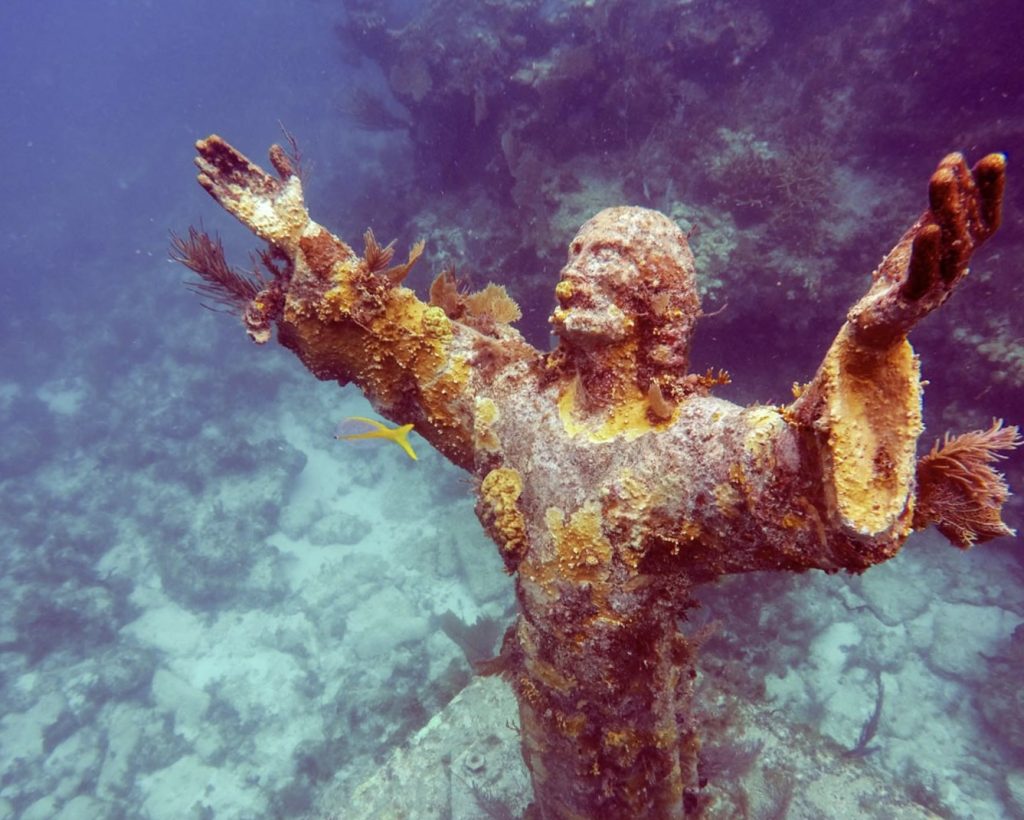
John Pennekamp Coral Reef State Park: Oceanfront views, snorkeling, kayak rentals.
Key Largo Kampground & Marina: Private, family friendly, full hookups.
Islamorada
Fiesta Key RV Resort: Island vibes, oceanfront pool, bar, full hookups.
Long Key State Park: Reopened partially post Hurricane Ian (check latest updates).
Marathon & Big Pine
Jolly Roger RV Resort: Close to Seven Mile Bridge, pet friendly, great snorkeling.
Bahia Honda State Park: Iconic beach views, book early!
Key West
Boyd’s Key West Campground: Closest to Old Town, waterfront, with pool.
El Mar RV Resort: Quiet, boutique style RV park right by the water.
Important: do not rely on free overnight parking. Most of the Keys’ waterfront areas prohibit it, and enforcement is consistent.
Why Free Camping Is So Hard in the Keys
A lot of travellers get surprised by how few “free camping” spots there are. There is a reason: ROGO (Rate of Growth Ordinance).
The Keys limit the total number of beds, houses, and campsites so everyone can safely evacuate within 72 hours during a hurricane warning.
That is why free overnight parking is not just discouraged, it is part of safety and environmental planning.
So if you can not find an open campsite, it is best to spend a night in Miami or Homestead and head south once you secure a booking.
Driving Tips for RVs on the Overseas Highway
The highway is RV friendly, but there are a few things to know:
Bridges
Stay centered: Bridges are narrow. Winds can pick up, especially over Seven Mile Bridge.
Do not stop mid bridge: Use designated scenic pull offs instead (there are several).
Check weather: Avoid driving during tropical storms or high wind warnings.
Fuel
Gas stations get sparse after Big Pine Key. Fill up before heading to Key West.
Parking
Most attractions and restaurants have limited RV parking. Plan to unhook and use your car if you towed one, or park the RV at your campground and bike/Uber around.
Traveler Tip: Mile Marker 20, there is a KOA that is clean and well managed. Other than that, they have closed many of the pull off spots.
What to Do Along the Way
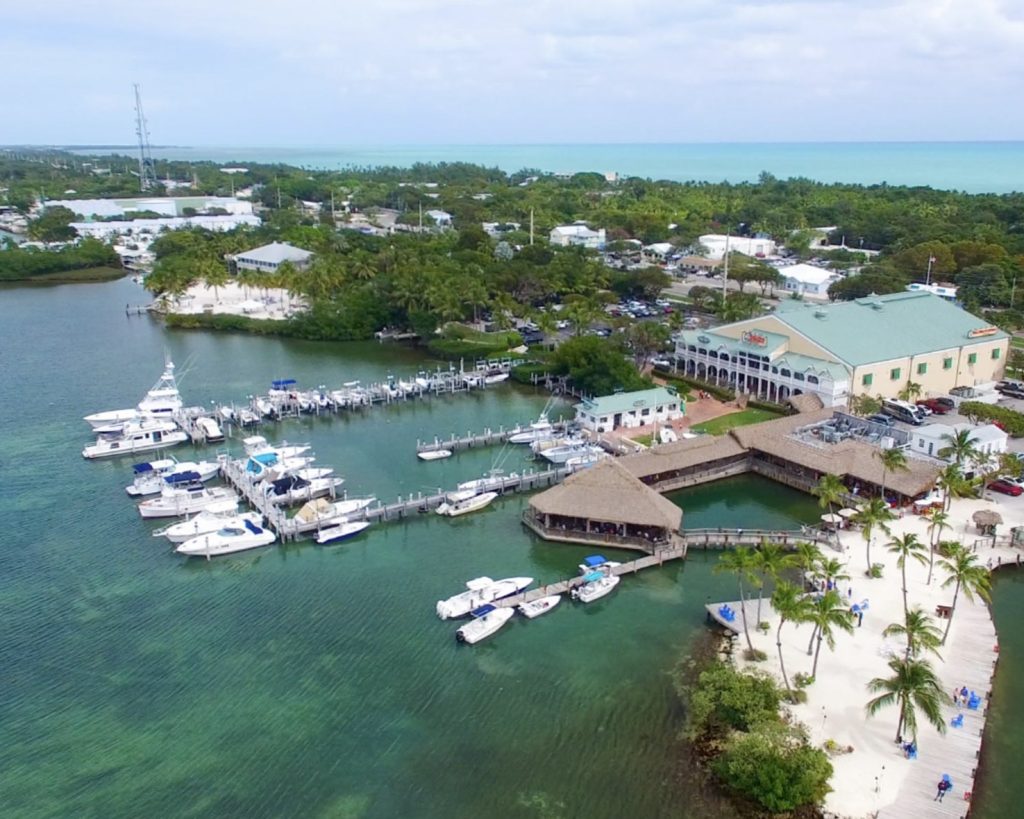
Key Largo: Snorkel at John Pennekamp, visit the African Queen boat Islamorada: Sport fishing capital, Robbie’s Marina (feed the tarpon) Marathon: Turtle Hospital, Crane Point Hammock trails Big Pine Key: National Key Deer Refuge (tiny endangered deer) Key West: Duval Street, Dry Tortugas ferry, Mallory Square sunset
Responsible Travel in the Keys
The Florida Keys are fragile ecosystems. A few things to keep in mind:
Use reef safe sunscreen (regular sunscreen damages coral)
Never dump waste outside official dump stations at campgrounds
Respect “No Overnight Parking” signs, they protect wildlife and local communities
Leave no trace, pack out trash, especially on beaches and nature trails
Final Thoughts: Drive the Keys the Right Way
The drive from Miami to Key West is not just about getting from point A to point B. It is the rhythm of the Keys, slow mornings, conch fritters at sunset, and water in every direction.
The best way to experience it is not chasing “free spots” or cutting corners. It is booking ahead, traveling responsibly, and giving yourself time to stop at the bridges, snorkel the reefs, and watch the sun drop into the Gulf.